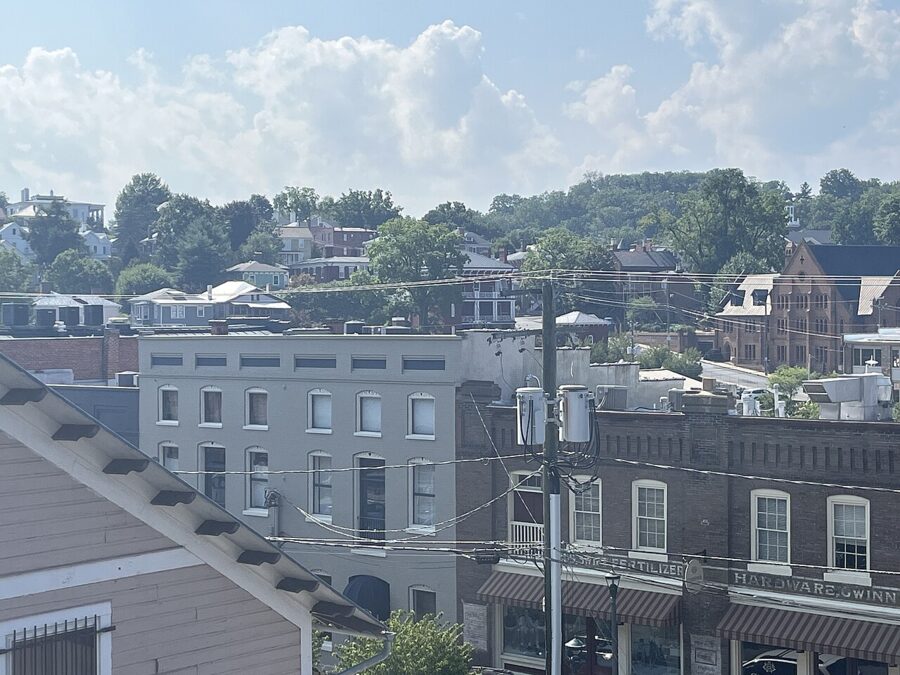
The best things to do in Staunton, Virginia, are an evening play at the Blackfriars Playhouse, a morning at Woodrow Wilson’s birthplace, a half day on the working farms of the Frontier Culture Museum and a slow walk through one of the most intact Victorian downtowns in the state. Give it two days, and spend part of one on the Blue Ridge, which starts about half an hour east of town.
First, the name. Locals say “STAN-tun,” and the spelling fools nearly every visitor. Staunton is a small independent city of roughly 25,000 people where Interstates 81 and 64 cross in the Shenandoah Valley, and it has the bones of a much bigger place: a railroad district, a hilltop university, a presidential birthplace and a theater company that performs in a full-size copy of Shakespeare’s indoor London playhouse.

On this page
Staunton in brief: where it is and how to get there
Staunton sits in Augusta County in the middle of the Shenandoah Valley, between the Blue Ridge to the east and the Allegheny ridges to the west. It is reached from exits 220 to 225 of I-81, and downtown is about two and a half miles west of exit 222 along Richmond Road and Greenville Avenue.
Most people drive. Approximate times in normal traffic:
- Washington, DC: about 2 hours 30 minutes (roughly 150 miles via I-66 and I-81)
- Richmond: about 1 hour 45 minutes on I-64
- Charlottesville: about 40 minutes over Afton Mountain on I-64
- Harrisonburg: about 30 minutes north; Lexington about 40 minutes south; Roanoke about 1 hour 30 minutes south
On the long I-81 run between Harrisburg and Johnson City, Staunton is the most rewarding overnight stop on the way, and downtown feels nothing like an exit-ramp strip.
By air. The nearest airport is Shenandoah Valley Regional (SHD) at Weyers Cave, about 15 miles north. As of November 2026 it has daily American Airlines flights operated by SkyWest, nonstop to Charlotte and Chicago O’Hare, so nearly every trip connects. Charlottesville Albemarle Airport (CHO) is about 50 minutes east with more choice, and Richmond and Washington Dulles are roughly two hours away.
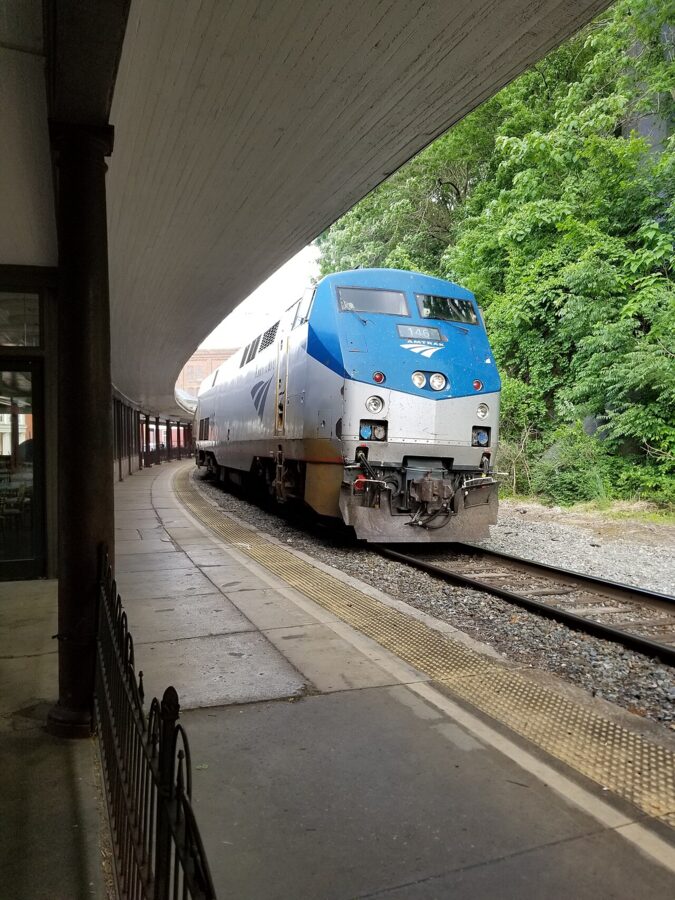
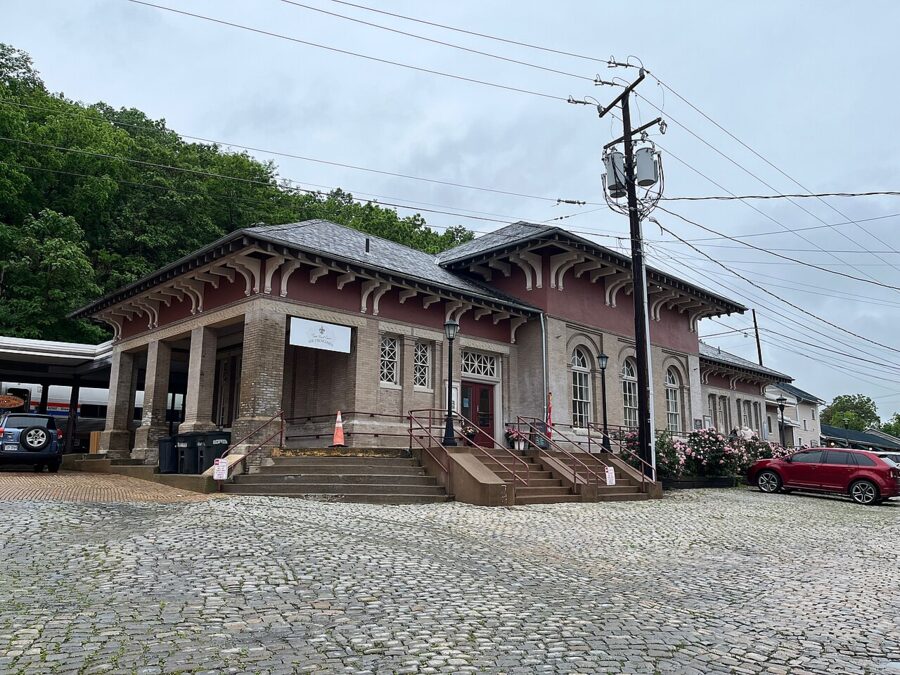
By train. Amtrak’s Cardinal, between New York, Washington and Chicago, stops at Staunton three days a week in each direction. The unstaffed station is in the Wharf district, five minutes’ walk from Beverley Street, so a car-free weekend is realistic. The train can run late; don’t plan a tight evening around it.

By bus. The Virginia Breeze intercity bus between Blacksburg and Washington’s Union Station stops at Martin’s on Richmond Avenue, a taxi ride from downtown.
The four things that make the trip
The playhouse and the Wilson museum are a block apart downtown, and the Frontier Culture Museum is a five-minute drive east. You can see all four in one long day, but two days lets you enjoy them.
See a play at the American Shakespeare Center
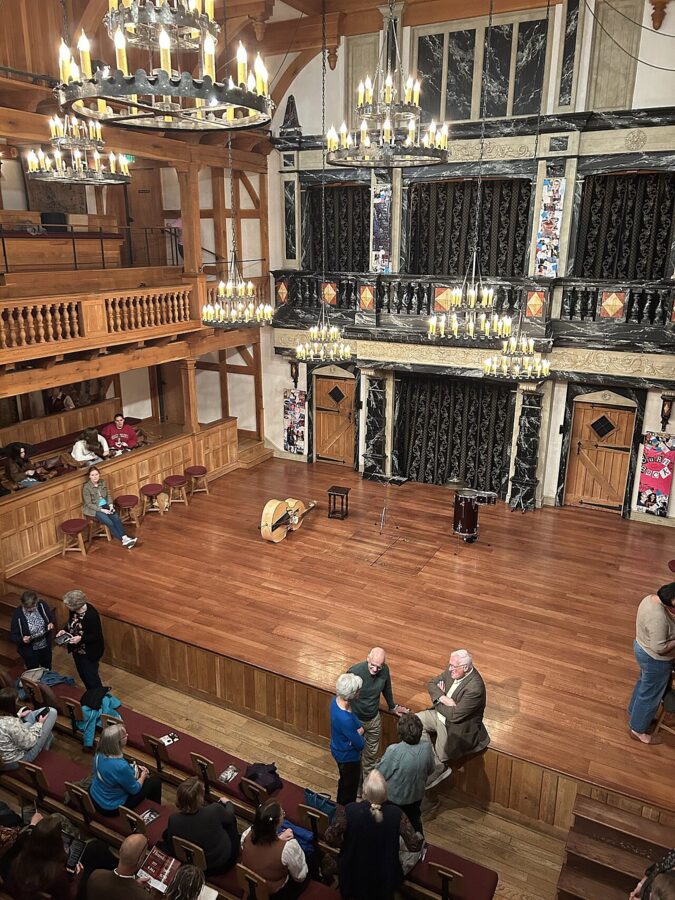
The Blackfriars Playhouse on South Market Street opened in 2001 as a re-creation of the indoor theater Shakespeare’s company used in London from 1608, designed with advice from the former research director of Shakespeare’s Globe. The American Shakespeare Center runs it as a repertory company, so the same actors play different roles across a season and you can see two or three shows in one weekend.
The staging is the point. The lights stay on, the actors talk to the audience, there’s live music before the show and at the interval, and a few audience members sit on the stage. Seating is on two levels around a thrust stage, and as of March 2025 every row has a seat back or a wall to lean on; side seats have angled views.
As of November 2026, A Christmas Carol runs December 4 to 27, 2026, with evening shows at 7:30pm. The 2027 season, the playhouse’s 25th, opens February 18, 2027 with Much Ado About Nothing and Henry IV, Part 1, then brings Othello, The Three Musketeers and A Midsummer Night’s Dream. That leaves the house dark from late December to mid-February, so check the calendar before a winter trip.
Prices depend on the night and the seat. The cheaper ways in:
- Walk-up rush: 50% off Wednesday and Thursday shows, in person, from one hour before curtain (four tickets maximum, not holidays or special events).
- Pay-what-you-will previews: the night before a show opens; line up 30 to 60 minutes early.
- Students and military: one $25 ticket for college students; 20% off for military, veterans and families.
- Playhouse tours: Saturdays at 10am, $20, booked online at least 24 hours ahead.
Children must be seven or older (three for A Christmas Carol). The box office opens Wednesday to Friday 1pm to 5pm and weekends noon to 4pm. Book dinner for around 5:30pm before a 7:30 curtain.
Woodrow Wilson Presidential Library and Museum
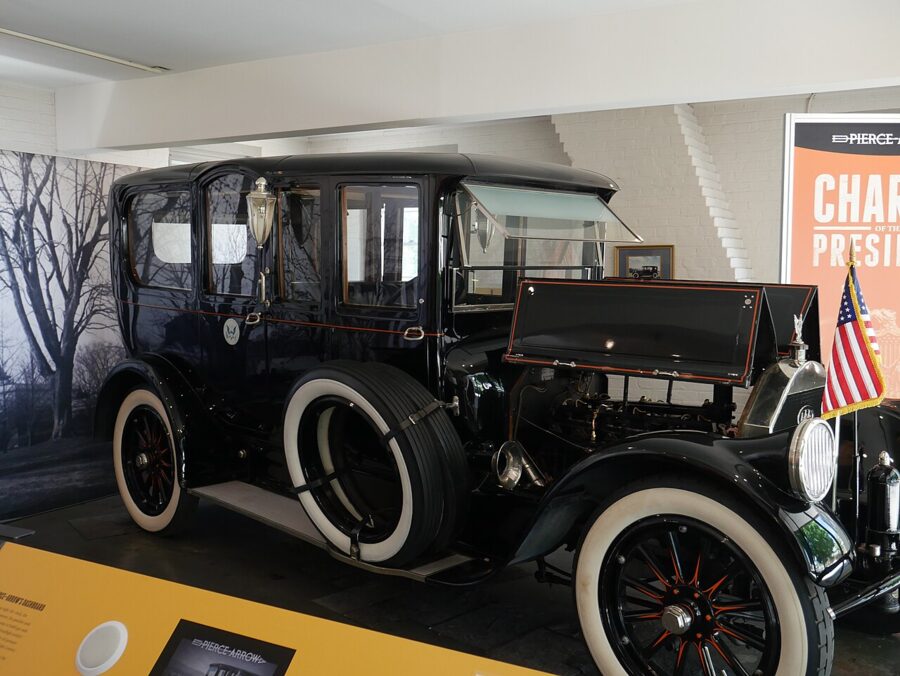
Woodrow Wilson was born on December 28, 1856, in the Presbyterian manse on Coalter Street, where his father was minister. The Greek Revival house, a National Historic Landmark furnished as it would have been in 1856, is shown only on guided tours at set times. Next door, the museum covers his life and presidency in seven galleries, with a walk-through World War I trench and his Pierce-Arrow limousine.
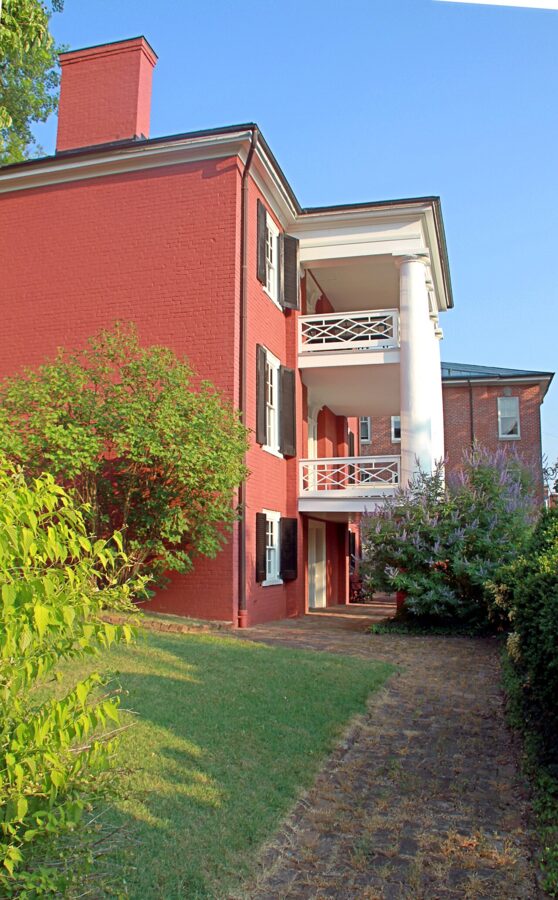

The museum doesn’t skip the hard parts of the record, including the segregation of the federal workforce under his administration. A separate tour, “Slavery in Wilson’s Birthplace,” covers the enslaved people who worked at the Manse; it runs Tuesdays and Thursdays at 1pm for $25, and space is limited, so call ahead.
| Wilson Library (as of November 2026) | Details |
|---|---|
| Hours | Daily 10am to 5pm; last tickets 4:30pm |
| Closed | New Year’s Day, Easter, Thanksgiving, Christmas Eve, Christmas Day |
| Adults | $20 |
| Seniors 65+ and active military | $18 |
| Ages 6 to 17, college students | $12 (5 and under free) |
| Start at | Wilson Visitors Center, 230 East Frederick Street; free lot behind it |
Buy your ticket, pick a Manse tour time, then see the museum around it. Allow two hours. With the playhouse a block away, it’s the natural afternoon before a show.

The Frontier Culture Museum
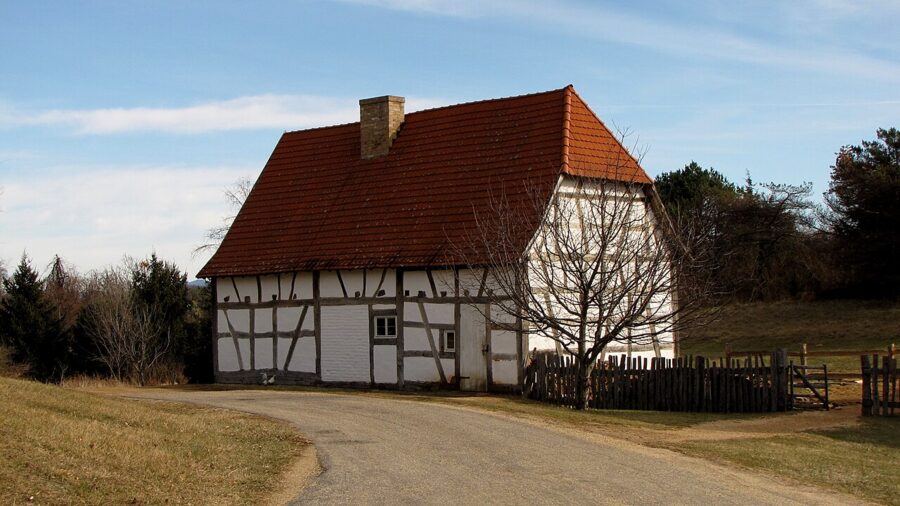
By the I-81 and I-64 junction, the state-run Frontier Culture Museum tells the story of the valley’s settlers by rebuilding the farms they came from: Old World farms from England, Ireland and Germany and a West African exhibit, then American farms showing what those traditions became on the frontier, plus a Native American exhibit. Several buildings were taken apart overseas and rebuilt here.
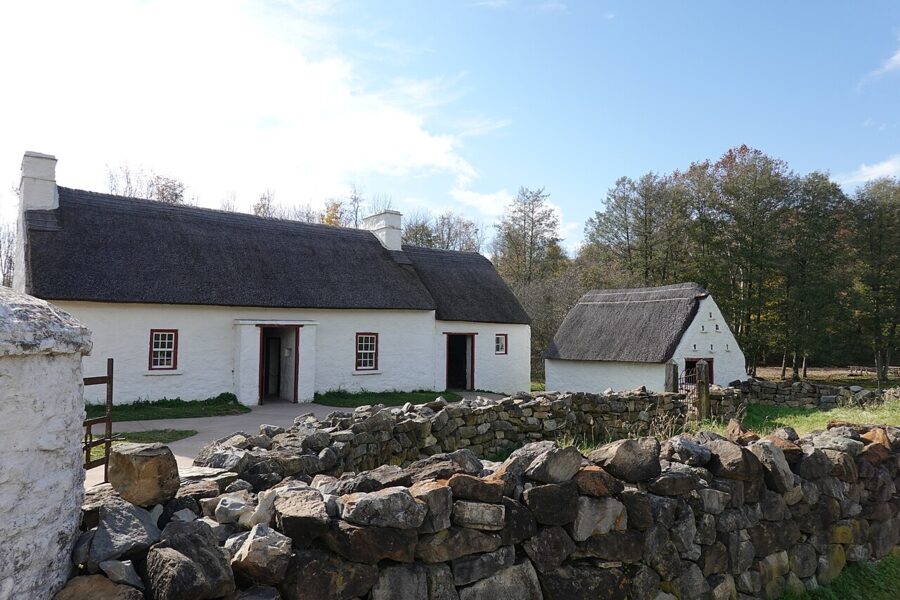

From mid-March to early December, costumed interpreters work the farms by the agricultural calendar: planting in spring, shearing in summer, harvest in fall. In winter they’re off, and staff lead guided tours included in admission.
| Frontier Culture Museum (as listed November 2026) | Details |
|---|---|
| March 15 to December 1 | Daily 9am to 5pm |
| December 1 to mid-March | Daily 10am to 4pm |
| Closed | Thanksgiving, Christmas Eve and Day, New Year’s Eve and Day |
| Adults / seniors | $12 / $9 |
| Students 13 to college / children 6 to 12 | $11 / $7 (under 6 free) |
Allow three to four hours for all 11 exhibits on foot. The paths are wheelchair accessible, golf carts can be rented until 4:30pm and a small shuttle loops about every ten minutes. There’s no restaurant, only snacks at the welcome center, so bring a picnic.
In December, Holidays by Lantern Light takes evening walks through the decorated farms; in 2026 it’s scheduled Thursday to Sunday evenings from December 3 to 20, 5:30pm to 8pm.

Walk downtown and the Wharf
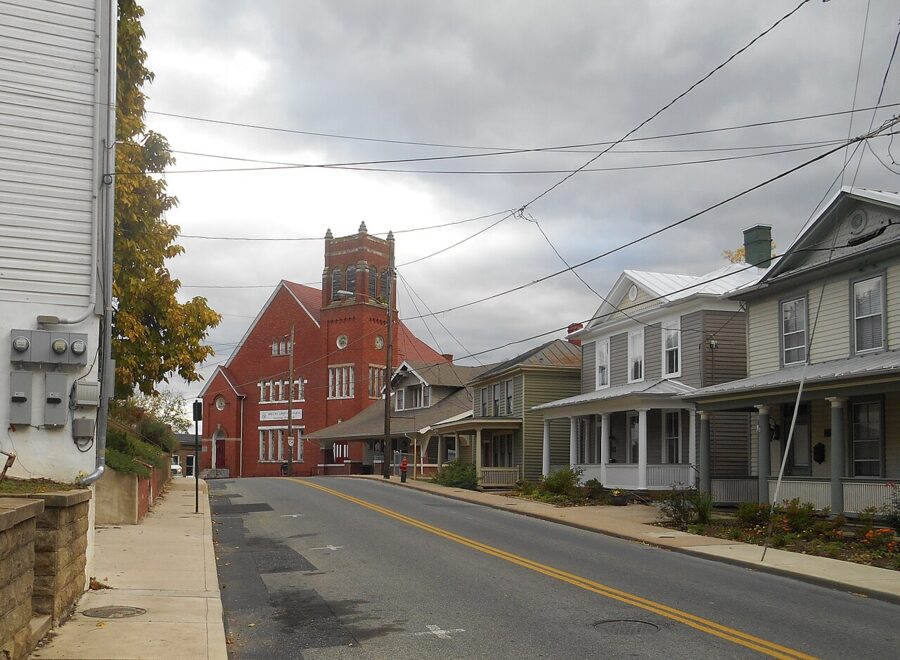
Staunton came through the Civil War largely intact, then boomed as a railroad town. Much of what went up was designed by one local architect, Thomas Jasper Collins, and his firm, and the city now has six historic districts, more than any other in Virginia. Walk Beverley, New and Augusta streets and look up at the bank fronts, cast-iron storefronts and turreted corners.
The Staunton Visitor Center on New Street hands out a walking-tour map. As of November 2026 it opens Monday to Wednesday 10am to 3pm, Thursday to Saturday 10am to 5pm and Sunday noon to 5pm. From May to October the Historic Staunton Foundation leads Saturday-morning walking tours.
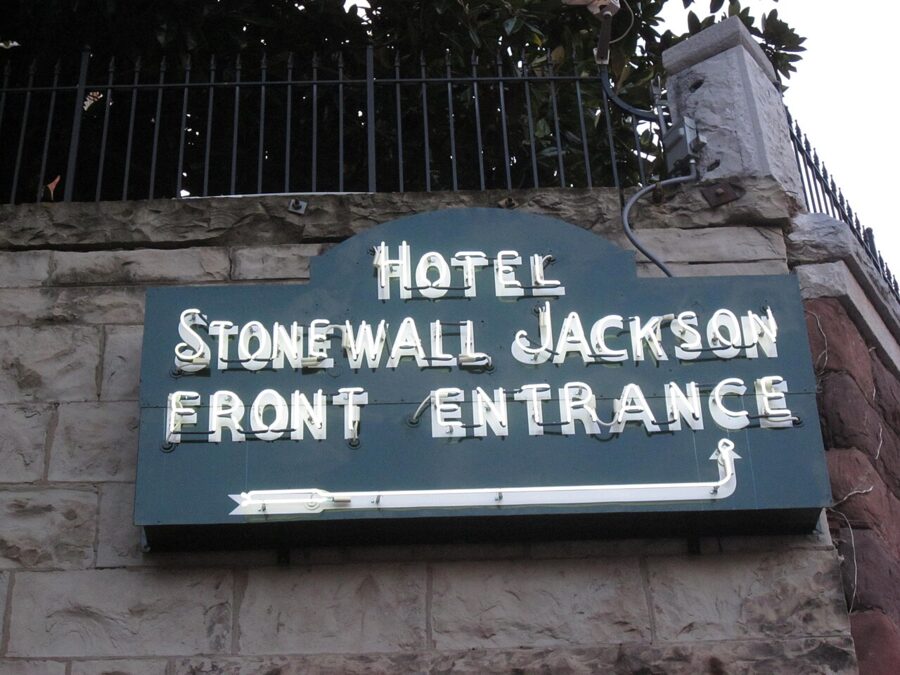

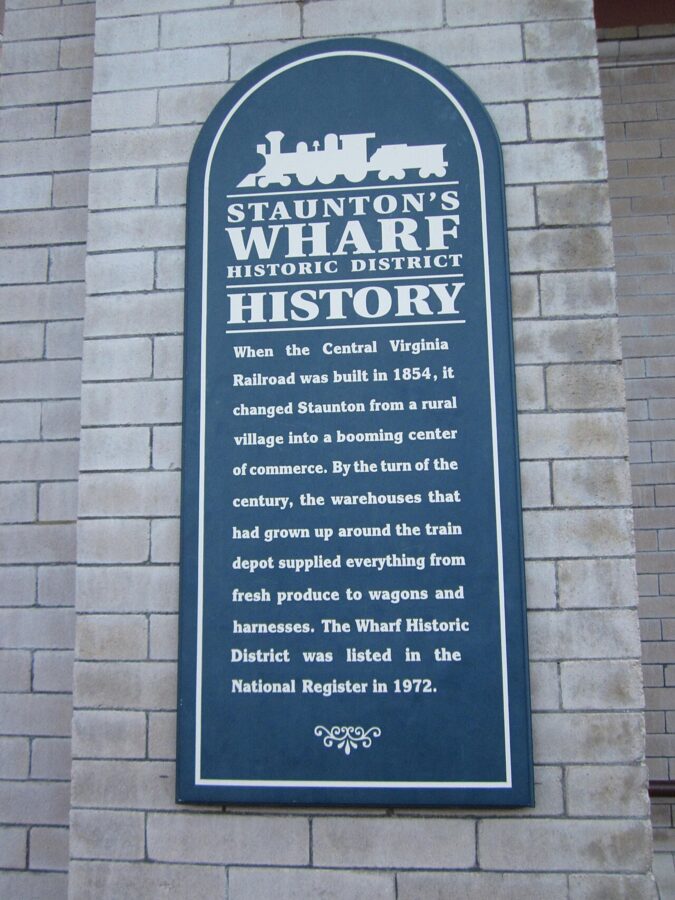
Below Beverley Street, the Wharf Area Historic District is the old freight quarter beside the tracks: brick and stone warehouses now holding antique dealers, a glassblowing studio, restaurants, a cidery and a brewery. The Amtrak station is here, and the Saturday farmers market sets up nearby.

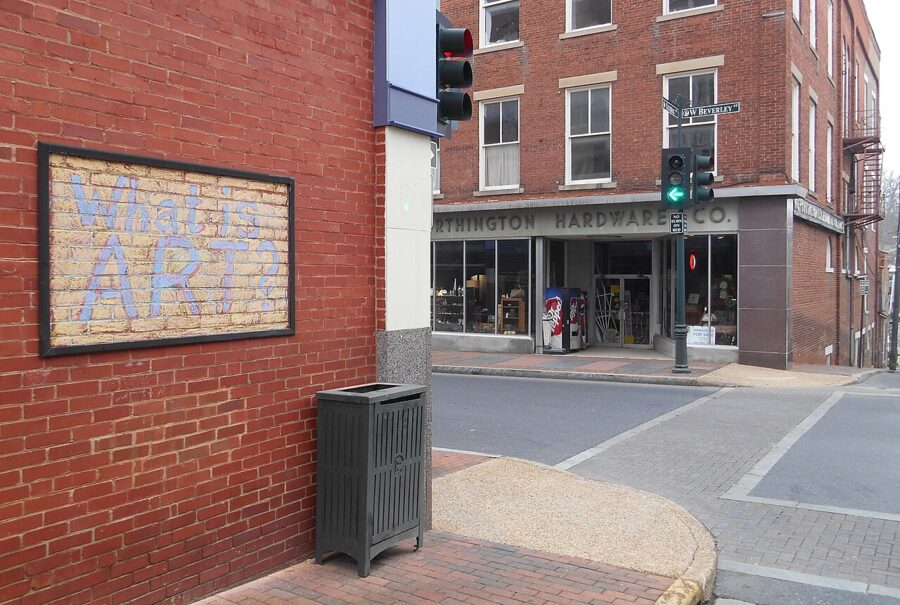
From spring to early fall, the city’s Shop and Dine Out program closes Beverley Street to cars from Friday at 4pm until early Monday, and restaurants put tables in the road. It’s the liveliest time downtown, but expect detours if you drive in on a Friday evening.


Smaller things worth your time
Sunspots Studios glassblowing
Sunspots, at 202 South Lewis Street in the Wharf, is a working hot shop with a big gallery. Its glassblowers demonstrate until 4pm on open days, free to watch from a few feet away, and you can buy the piece you just saw made. The studio opens Wednesday to Sunday, 11am to 5pm.
To make your own, book a Blow Your Own session: as of November 2026 it’s $55 for one person making an ornament, orb or pumpkin, or $60 for two sharing one piece. Each takes 15 to 20 minutes, ages 7 and up, and the piece is ready the next day after it cools.
Camera Heritage Museum
This storefront museum at 1 West Beverley Street calls itself the largest camera museum open to the public in the United States, with more than 7,000 cameras in its inventory, from 19th-century plate cameras to family box cameras. As of November 2026 it opens Monday to Friday 9am to 4pm and Saturday 9am to 2pm. Admission is $6 self-guided, $8 with the audio tour or $20 with a curator, the one to choose if you care about photography. Skip it if old equipment leaves you cold; the rooms are small and dense.
Trinity Episcopal Church
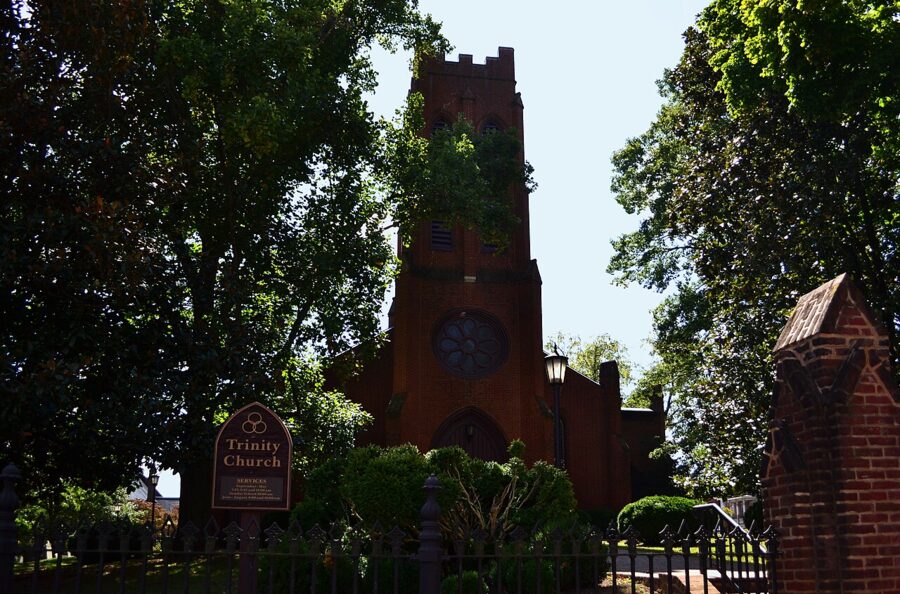
The parish dates to 1746, and in June 1781 the Virginia General Assembly met here after fleeing British cavalry at Charlottesville. The present Gothic Revival church holds stained-glass windows from the Tiffany studios, and the churchyard has colonial-era graves. Visitors are welcome Monday to Thursday, 10am to 2pm.

Gypsy Hill Park
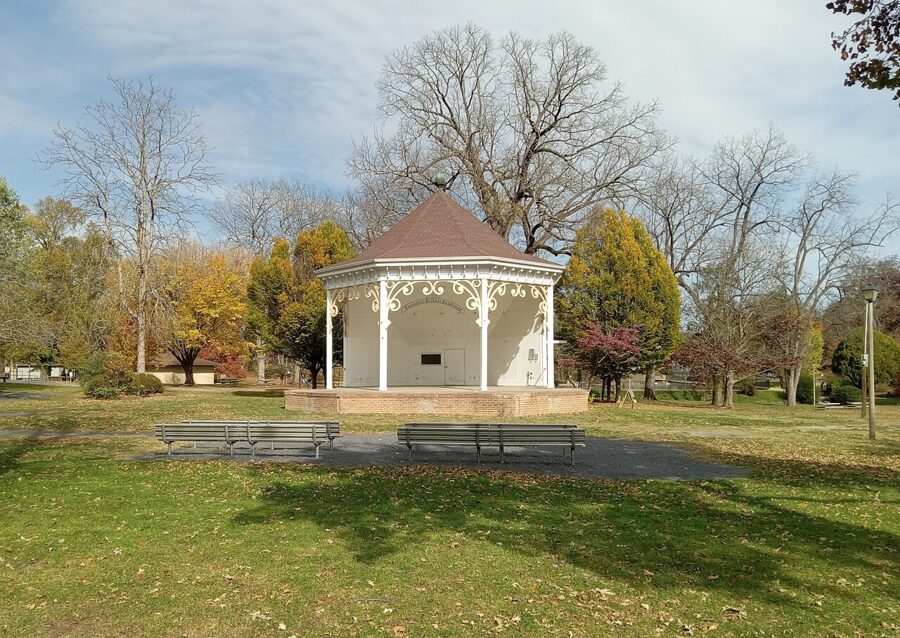
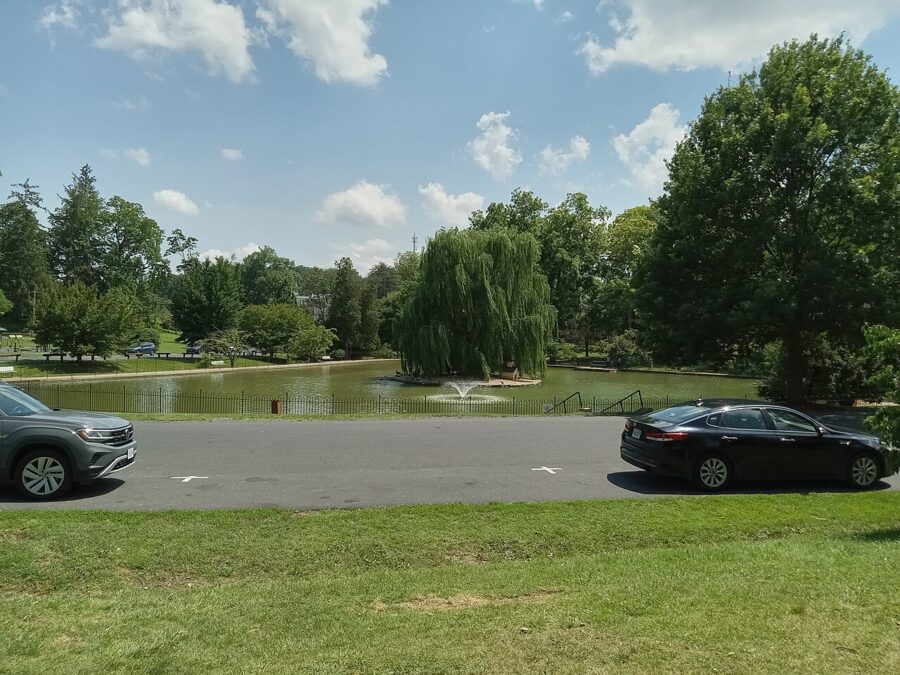
The city’s main park covers 214 acres on Churchville Avenue, a few minutes northwest of downtown, open 4am to 11pm. Its one-way loop road fills with walkers and runners in the evenings, and inside are a lake and duck pond, ball fields, a public pool, an 18-hole municipal golf course, a dog park and the Stonewall Brigade Bandstand.

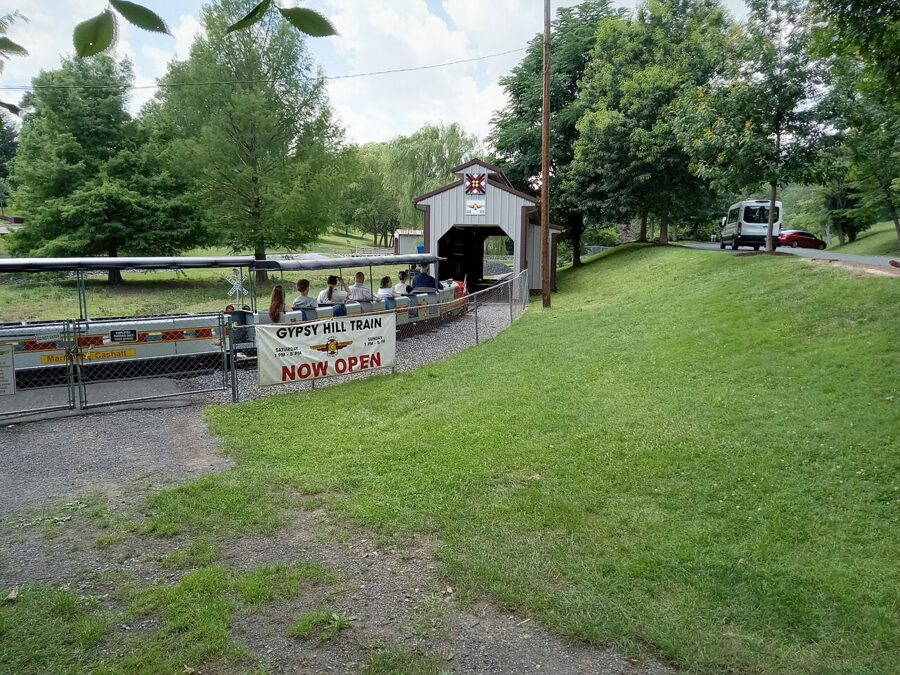
For small children the star is the Gypsy Express, a miniature train that crosses a covered bridge; the city lists it running Saturdays and Sundays, 1pm to 5pm, May through October. The park also hosts Happy Birthday America on the Fourth of July, headlined by Wilson Fairchild, a group formed by the sons of two members of the Statler Brothers, Staunton’s most famous musical export.


Montgomery Hall Park, Betsy Bell and Thornrose
Montgomery Hall Park, on Montgomery Avenue on the south side of town, has 148 acres of hills, woods and trails, playgrounds and a pool, and is quieter than Gypsy Hill for a short hike. For a view, drive up to Betsy Bell Wilderness Park, whose observation platform at 1,959 feet looks across the valley toward the Blue Ridge. Thornrose Cemetery, beside Gypsy Hill Park, is a Victorian cemetery worth a quiet half hour for its monuments and its section of Confederate graves.
Mary Baldwin University and the Visulite
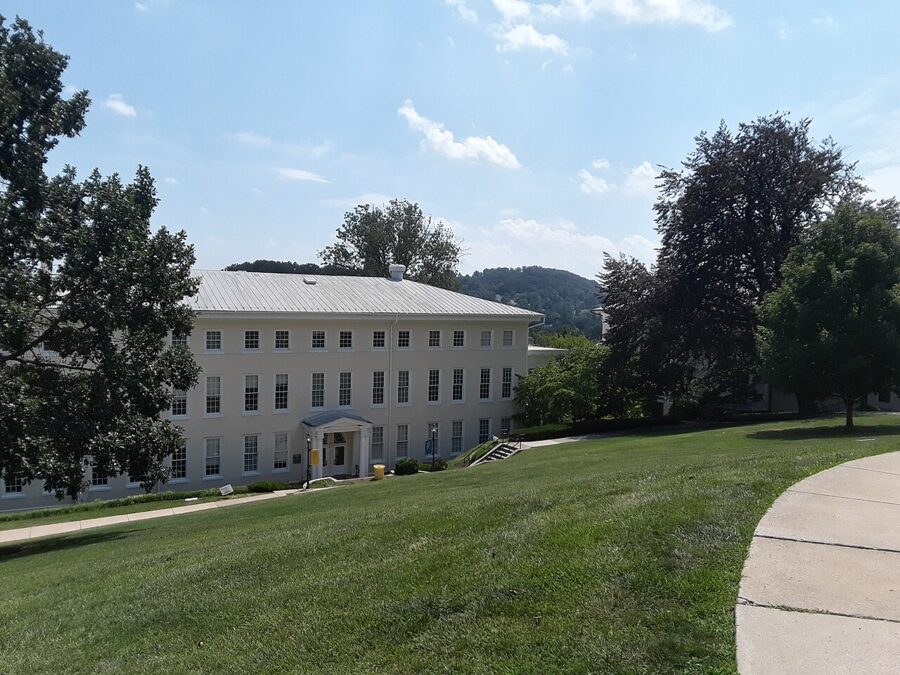
Mary Baldwin’s campus climbs the hill just north of downtown, and its columned buildings are part of the skyline. Back on North Augusta Street, the Visulite Cinemas is a small independent movie theater, good for a rainy afternoon or a night without a play.
Ride the Virginia Scenic Railway
The Virginia Scenic Railway, run by the Buckingham Branch Railroad, began in 2022 and bills itself as Virginia’s only regularly scheduled sightseeing train. Its Staunton trips board at 415 Bridge Street and fill fast on fall weekends. As of November 2026 the two regular three-hour routes are:
- Blue Ridge Flyer: east toward the mountains and through the railroad’s tunnel under the Blue Ridge, $69 to $138 per person by seating.
- Alleghany Special: west through valley farmland toward the George Washington and Jefferson National Forests, $69 to $148; a four-hour extended trip continues beyond Goshen through two more tunnels.
Seats range from coach to a glass-topped dome car to a dining car with a plated meal. A Santa Express runs between Thanksgiving and Christmas.


Into the Shenandoah Valley and the Blue Ridge
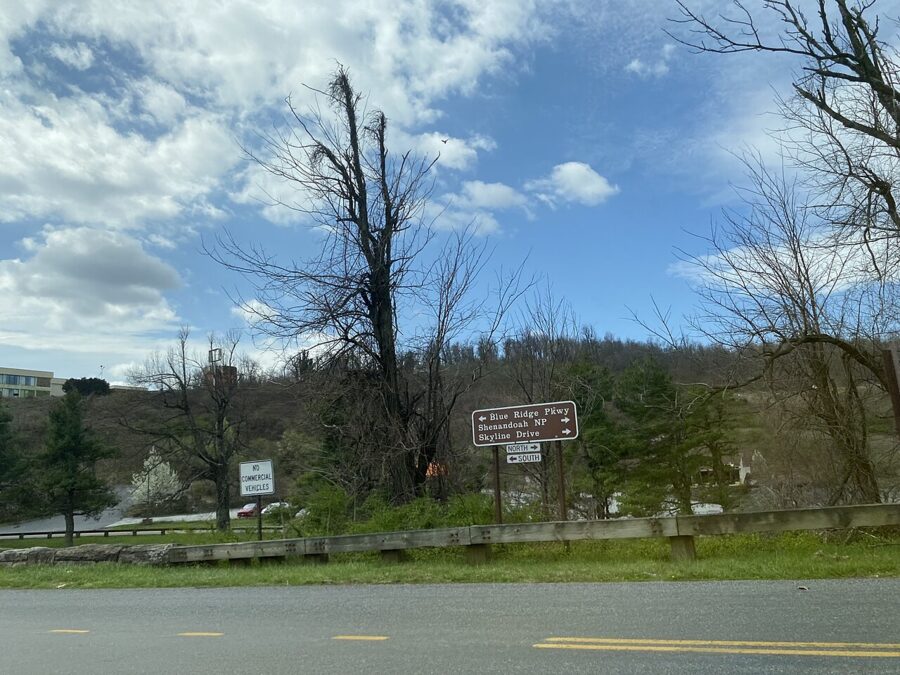
Shenandoah National Park and the Blue Ridge Parkway meet at Rockfish Gap, 25 to 30 minutes east on I-64, which makes Staunton one of the easiest bases for both. Give it at least half a day.

Skyline Drive
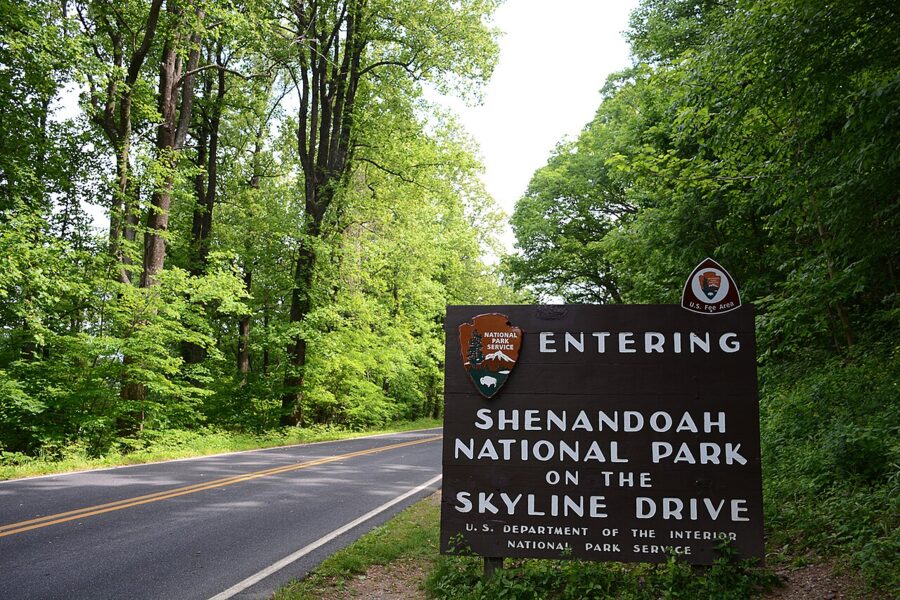
Skyline Drive runs 105 miles north along the crest of the Blue Ridge from Rockfish Gap, and its southern end near Staunton is the quietest part of the park. As of November 2026 the park charges $30 per private vehicle for seven days, $25 per motorcycle and $15 per person on foot or bike. The speed limit is low and exits are few, so a short stretch takes longer than you’d expect, and sections close in ice and snow.

Humpback Rocks on the Blue Ridge Parkway
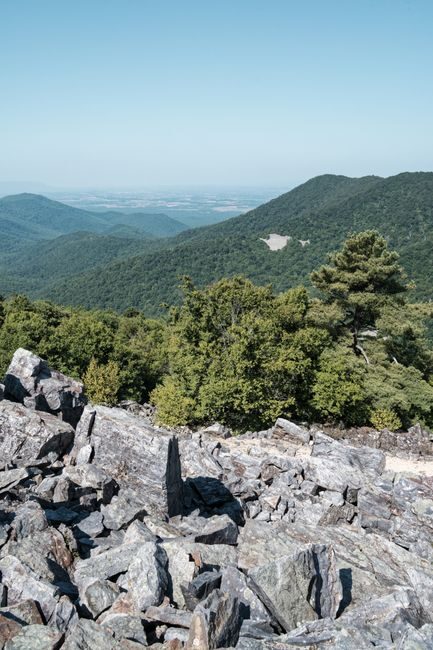
About six miles south of Rockfish Gap, the Humpback Rocks area has a seasonal visitor center and a small farm museum of log buildings. The trail to the rocks is roughly a mile each way but steep throughout, and the bare summit has one of the widest views over the valley. Treat it as a real hike, and skip it in thunderstorms.
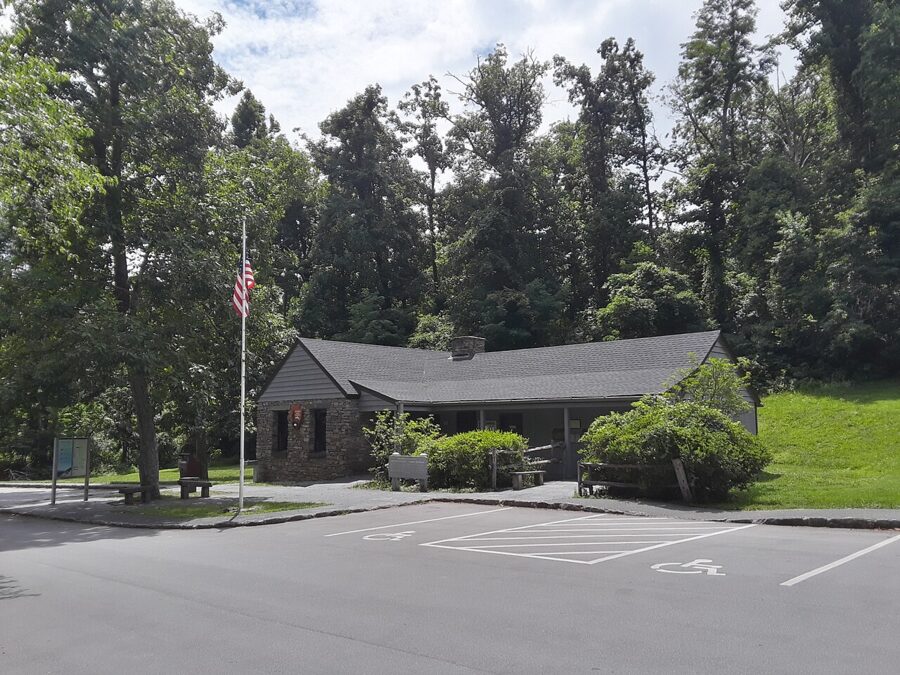
The Blue Ridge Tunnel trail
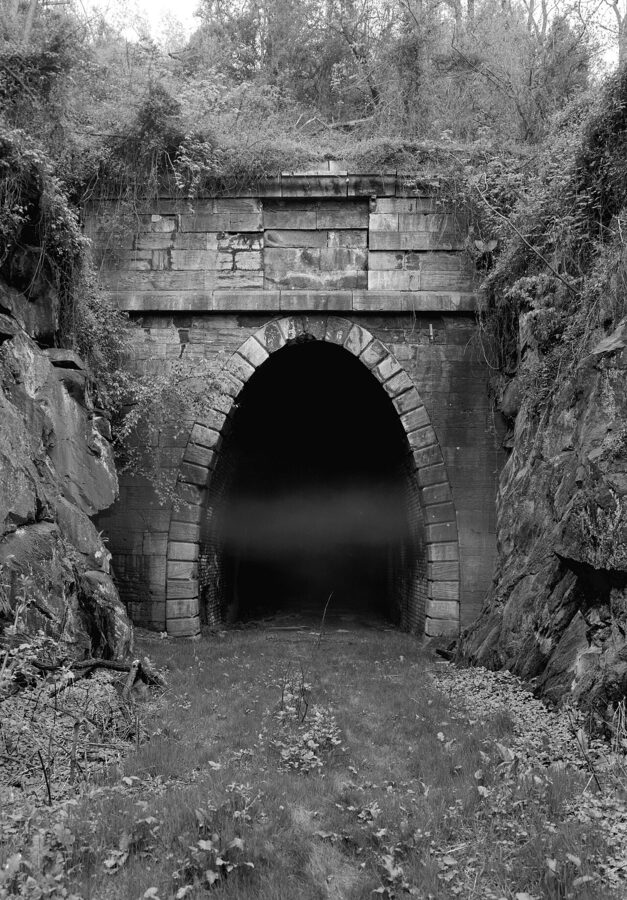
Irish laborers and enslaved workers cut this railroad tunnel under the engineer Claudius Crozet in the 1850s. It is 4,273 feet long and more than 500 feet beneath the ridge, and after decades abandoned it reopened as a walking trail, open year round from sunrise to sunset.
The east trailhead on Afton Depot Lane is the easy approach, a nearly flat 0.63 miles to the portal. The west trailhead, on US 250 just outside Waynesboro, is closer to Staunton but harder, with grades up to 19%. End to end is 2.25 miles one way. There’s no lighting inside and the floor is wet in places, so bring a real flashlight and a layer.
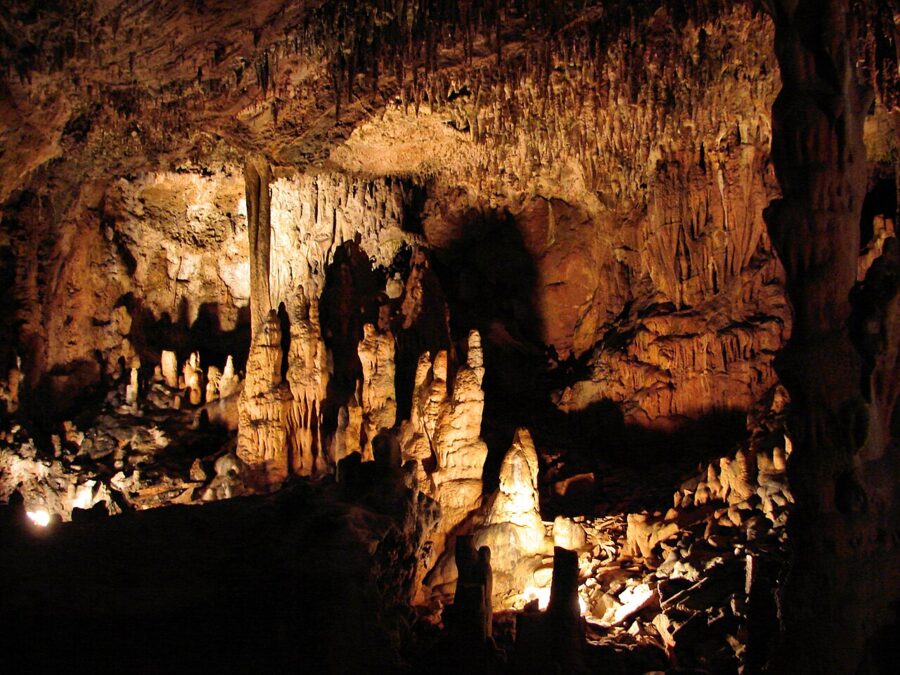
Grand Caverns
About 25 minutes northeast in Grottoes, Grand Caverns is a National Natural Landmark and calls itself the oldest continually operating show cave in the United States; Civil War soldiers from both sides signed its walls. Walking tours take 70 minutes and suit ages 3 and up. As of November 2026 it opens daily 9am to 5pm from April through October and 10am to 4pm from November through March, closed Thanksgiving, Christmas Eve, Christmas Day and New Year’s Day. Prices are shown only in its online booking system, and the cave’s steady cool makes it the best bet on a hot or wet day.

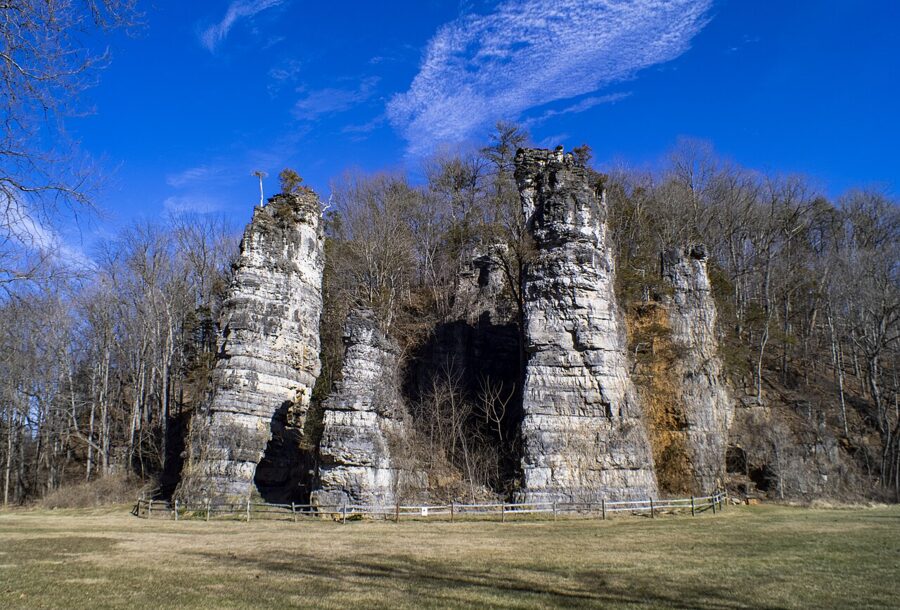
Natural Chimneys and the valley towns
Natural Chimneys Park near Mount Solon, about 30 minutes northwest, is a cluster of tall limestone towers in a county park with camping and trails, and it hosts the Red Wing Roots music festival on the last weekend of June.

The nearby towns are Waynesboro, 15 minutes east at the foot of the Blue Ridge; Harrisonburg, half an hour north, a college town with a strong food scene; Lexington, 40 minutes south, home to Washington and Lee and the Virginia Military Institute; and Charlottesville, 40 minutes east, for Monticello and the University of Virginia.
Festivals and events by month
These are the regular annual events listed by Visit Staunton, the city’s tourism office. Dates move each year, so confirm before booking.
| When | Event | Where |
|---|---|---|
| April | Historic Garden Week; Springfest (Mozart and contemporaries); Earth Day; Shakespeare’s birthday party | Various; Gypsy Hill Park; downtown |
| May, October | Staunton Jams music, art and food weekends | Downtown |
| June | Juneteenth Celebration; Red Wing Roots (last weekend) | Montgomery Hall Park; Natural Chimneys |
| Summer | Heifetz Institute Festival of Concerts, 50-plus concerts | Across town |
| July 4 | Happy Birthday America | Gypsy Hill Park |
| August | Staunton Music Festival, chamber music | Downtown |
| September | Art in the Park; African American Heritage Festival; Queen City Mischief and Magic (fourth weekend) | Gypsy Hill Park; downtown |
| October | Staunton Pride Festival | Gypsy Hill Park |
| December | Holiday House Tour; Holidays by Lantern Light | Downtown; Frontier Culture Museum |
Queen City Mischief and Magic turns downtown into a wizard-themed village for a weekend, and rooms go fast. Fans will love it; anyone after a quiet weekend should pick another date.
Where to eat and drink
Staunton eats well for its size, helped by Augusta County farms and a steady stream of theatergoers who want dinner before a 7:30 curtain. Everything below was operating as of November 2026. Book dinner on show nights and festival weekends.
Breakfast and coffee
- Reunion Bakery and Espresso, 26 South New Street: pastries and coffee downtown; go early for the croissants.
- Sweet Addie’s Waffle Cafe, 132 West Beverley Street: Belgian waffles, sweet and savory.
- Crucible Coffee Roasters, 300 Church Street: the local roaster.
- Broad Porch Coffee, South Lewis Street: handy before the train or the glass studio.
Lunch and casual
- Cranberry’s Grocery and Eatery, 7 South New Street: a small grocery with a café counter, good for sandwiches and picnic supplies.
- Byers Street Bistro, 18 Byers Street: an easygoing bar and grill in the Wharf.
- Baja Bean Co., 9 West Beverley Street: Tex-Mex and margaritas.
- Gloria’s Pupusería, North Central Avenue: Salvadoran pupusas, cheap and filling.
Dinner
- Zynodoa, 115 East Beverley Street: Southern cooking from valley farms; dinner daily 5pm to 9:30pm, brunch weekends 10am to 2pm.
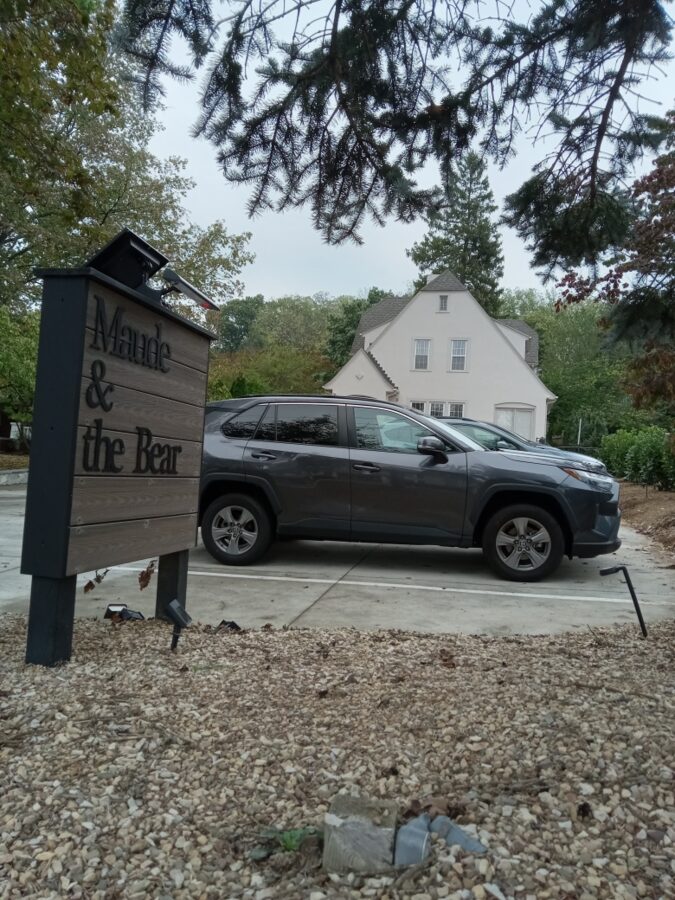
- Maude and the Bear, 1106 North Augusta Street: fine dining from James Beard-nominated chef Ian Boden. Book.
- Mill Street Grill, 1 Mill Street: steaks and baby back ribs in the old White Star Mill.
- The Depot Grille, 42 Middlebrook Avenue: comfort food by the station, with The Junction Bar and Lounge next door for an adults-only nightcap.
- Accordia, 114 East Beverley Street, and BLU Point Seafood Co., 123 West Beverley Street: two more downtown choices.

Drinks and something sweet
- Redbeard Brewing Company, 120 South Lewis Street, and Queen City Brewing, Spring Hill Road: both on the regional Shenandoah Beerwerks Trail.
- Ciders From Mars, 113 West Beverley Street: house ciders; Wednesday to Friday 3pm to 10pm, Saturday noon to 10pm, Sunday noon to 8pm.
- The Green Room, 130 West Beverley Street: started by two American Shakespeare Center alumni, for a drink after the show.
- Kline’s Dairy Bar, 906 Greenville Avenue: custard-style ice cream since 1943, with flavors that change on Wednesdays.
- Wright’s Dairy-Rite, 346 Greenville Avenue: an old-school drive-in for burgers and shakes.
The Staunton Farmers’ Market runs Saturday mornings in the Wharf from April into December, with hours that shift by season.
When to go and how long to stay
Staunton sits at about 1,400 feet. Summer highs typically reach the mid-80s°F with haze that flattens the mountain views; winter highs sit in the low 40s, with occasional snow and ice that can close Skyline Drive.
The best months are October, for the Blue Ridge leaves and a full theater season, and late April through May, when the valley is green and the outdoor museums are fully staffed. October weekends are also the busiest, with hotels, train seats and playhouse tickets selling out, so book early. January and early February are quiet and cheap, but the playhouse is usually dark and the Frontier Culture Museum runs without interpreters.
Two nights suits most people: one day downtown with a show, one in the mountains. Add a third for the scenic railway, Grand Caverns or a day in Charlottesville or Lexington.
A simple two-day plan
Day one. Frontier Culture Museum at opening, then lunch downtown and the Wilson museum with a booked Manse tour. Walk Beverley Street and drop into the Wharf to watch the glassblowers before 4pm. Early dinner, then a 7:30pm show.
Day two. East to Rockfish Gap after breakfast to hike Humpback Rocks or walk the tunnel from the east trailhead, then drive a stretch of Skyline Drive. In rain or heat, swap the ridge for Grand Caverns. With young children, spend the afternoon at Gypsy Hill Park and a Sunspots session instead.
Getting around, parking and practical notes
On foot. The playhouse, Wilson museum, camera museum, Trinity Church and most restaurants are within a few blocks of Beverley Street. The catch is the hills. The Frontier Culture Museum, Grand Caverns and the Blue Ridge need a car.
Parking. The New Street Parking Garage is closest to the Blackfriars, at $1.25 an hour or $7.50 a day as listed by the city, with a 7-foot clearance. The Johnson Street garage serves the Wharf, and both allow overnight parking. The theater says street parking nearby is free on weekends and on weekdays after 5pm.
Trolley. The regional BRITE service runs a Downtown Trolley weekdays 10am to 9pm (6pm from November through April) and Saturdays 10am to 6pm, plus a Saturday Night Trolley from 6pm to 10pm (9pm in winter). Stops include the Amtrak station and the visitor center, and as of November 2026 the fare is $0.25. There’s no Sunday service.

Closing days. Sunspots is closed Monday and Tuesday, as is Ciders From Mars. The camera museum is closed Sunday, and Trinity Church admits visitors only Monday to Thursday. The Wilson museum and the Frontier Culture Museum open daily.
Where to stay. Stay downtown if you’re seeing a show. Hotel 24 South is steps from the playhouse, The Blackburn Inn is a short drive away, and inns and B&Bs dot the historic districts. Chain hotels on Richmond Avenue by I-81 cost less but mean driving in.
Book your theater seats before your room. The Blackfriars is small, the best nights go first, and in Staunton almost everything else on a weekend fits around the curtain time.