Yes. Paris is safe to visit for almost every trip, and none of the US, UK or Canadian governments advises against going as of November 2026. The two things to plan around are pickpockets, who work the Métro and the big sights every day of the year, and the protest wave that has run through France since late September 2026, which turned violent in mid-October and has calmed down since.
Violent crime against visitors is uncommon. Police in Paris recorded 35 homicides in 2025 in a city of 2.1 million people, and the number of violent thefts without a weapon has fallen by more than half since 2019. Theft without violence is a different story: almost 95,000 people reported it to the police in Paris in 2025, and a large share of them were in a crowd, on a train or at a café table when it happened.

Everything else is what you would expect from a large, dense European capital: busy streets full of cyclists, summer heat waves, a river that floods every few winters, and a terrorism threat that the French government keeps at the middle of its three alert levels. None of it is a reason to stay home. All of it is easier to handle when you know where and when it shows up.
On this page
What the US, UK and Canadian governments say
All three governments put France one step above their lowest level of concern, and for France the reason they give is mainly terrorism, not crime. For comparison, the State Department keeps Luxembourg, about two hours away by train, at Level 1.
| Government | Level, as of November 2026 | Last updated | What it singles out |
|---|---|---|---|
| US State Department | Level 2: Exercise Increased Caution (second of four) | October 21, 2026 | Terrorism and civil unrest |
| UK Foreign Office (FCDO) | No advice against any travel | October 22, 2026 | Demonstrations at short notice, possible local curfews; pickpockets on the Métro, RER and at mainline stations; assaults on RER B and RER D |
| Global Affairs Canada | Exercise a high degree of caution (second of four) | November 6, 2026 | Terrorism; demonstrations since late September with looting and clashes; skilled pickpocket gangs; illegal airport taxis |
The State Department updated its advisory on October 21, 2026, after the worst of the rioting, but did not raise the level. Its embassy in Paris has issued a string of security and demonstration alerts since October 17, and those alerts are the place to look for day-to-day detail: march routes, strike dates and whether any curfew is in force. You get them by email if you enroll in the State Department’s Smart Traveler Enrollment Program (STEP) before you go.
The UK’s advice is blunter about crime than the American one. It warns that pickpockets “can work in gangs” and names the Paris Métro, the RER suburban trains and the mainline stations, and it records several serious assaults on RER line B, the train from Charles de Gaulle and Orly airports through Gare du Nord. Canada adds that thieves “regularly work with minors” and that violent attacks, while rare, tend to happen around major tourist attractions and on the RER.
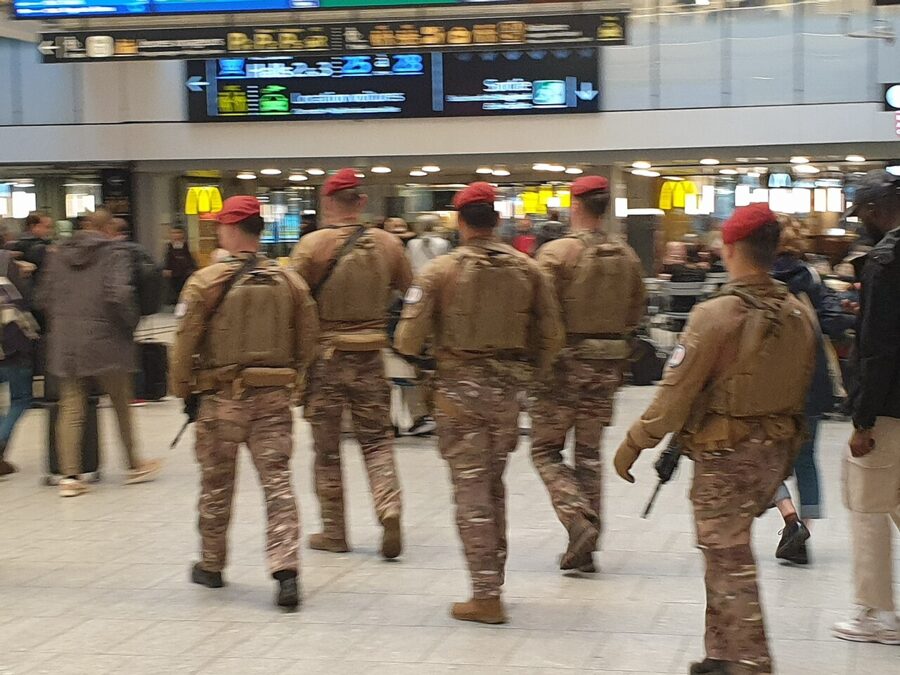
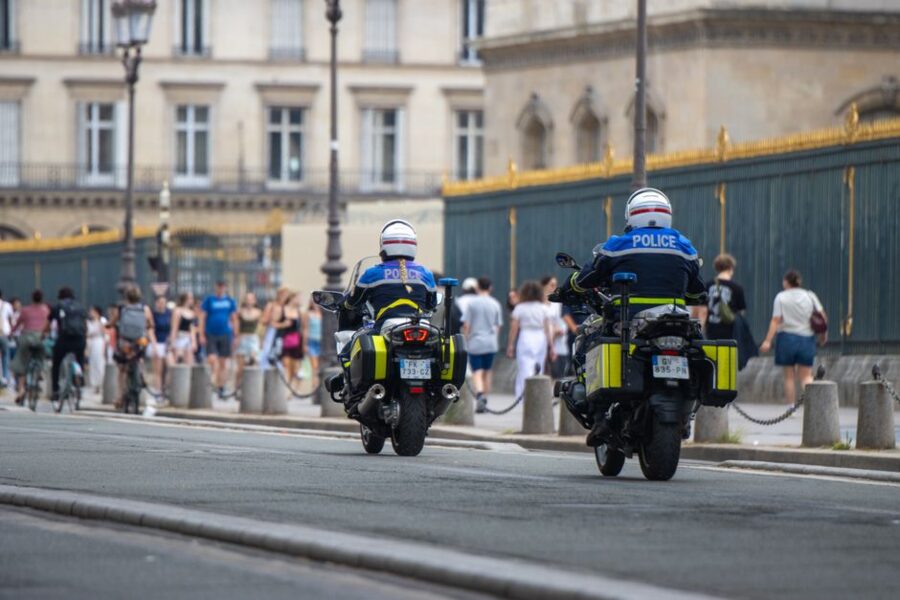
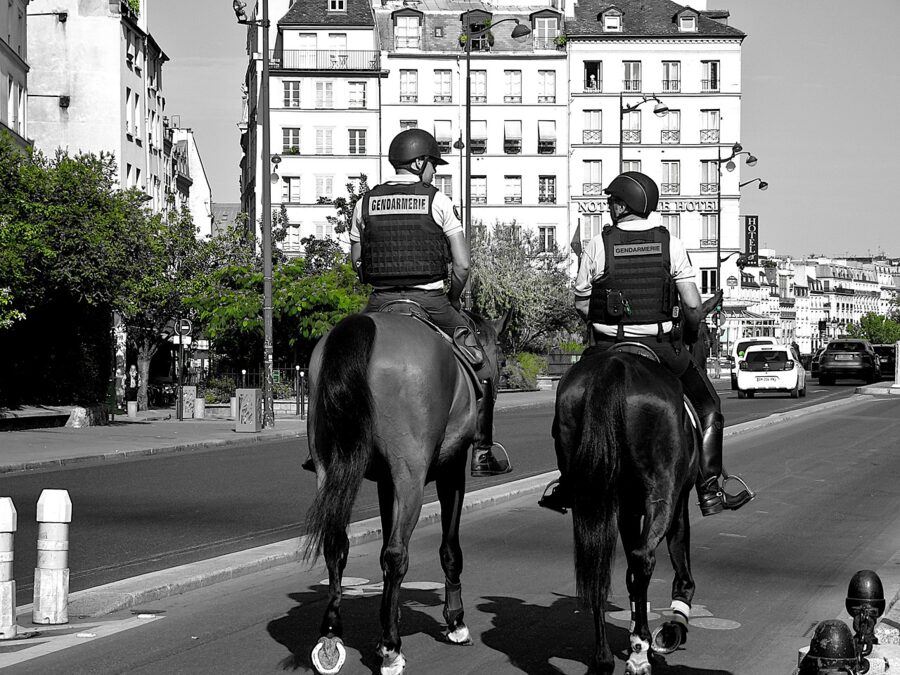
France’s own terrorism alert system, Vigipirate, was rebuilt in 2026 with three stages: vigilance, enhanced vigilance and attack alert. The whole country has been at the middle stage, “vigilance renforcée”, since June 22, 2026, a step down from the top level it held earlier in the year. In practice that means bag checks at museums, department stores and big events, and soldiers on patrol alongside the police.
The autumn 2026 protests and what they mean for a trip
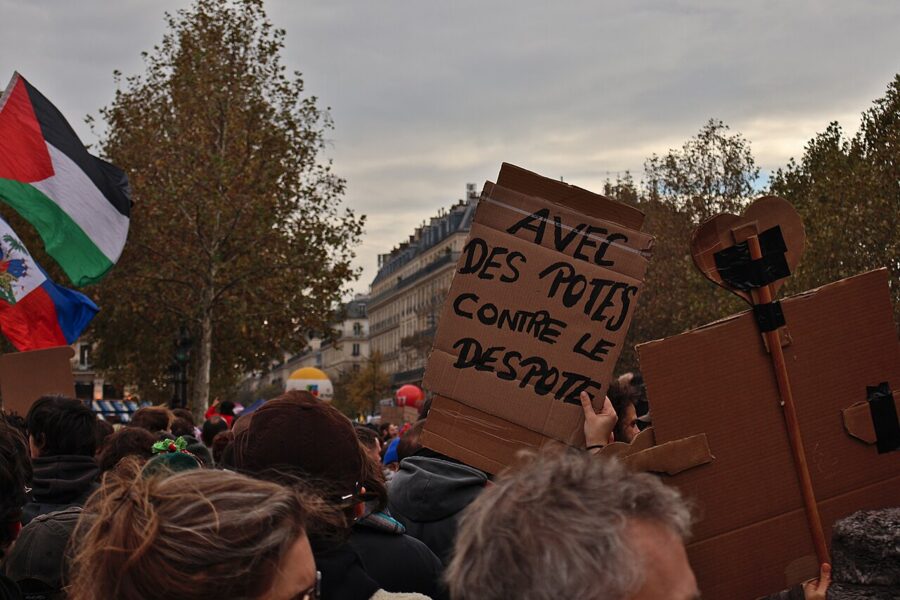
The movement began in September with high school students protesting about school conditions, and grew into a wider fight over fuel prices, living costs and public services. On Saturday, October 17, demonstrations across France turned violent. Hundreds of people were arrested across the country that weekend, by Interior Minister Laurent Nuñez’s count, and in Paris cars and shared bikes were burned and shops looted around Place de la République.
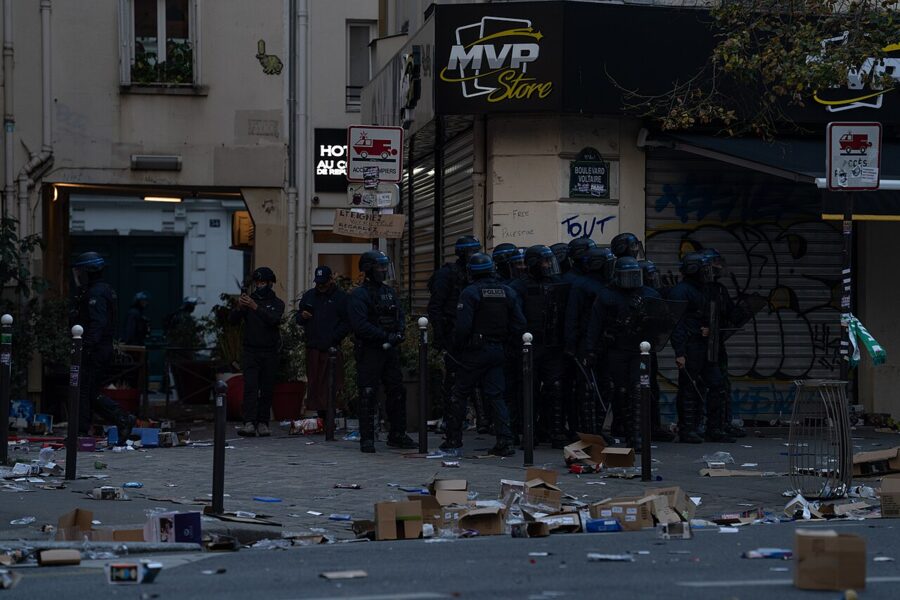

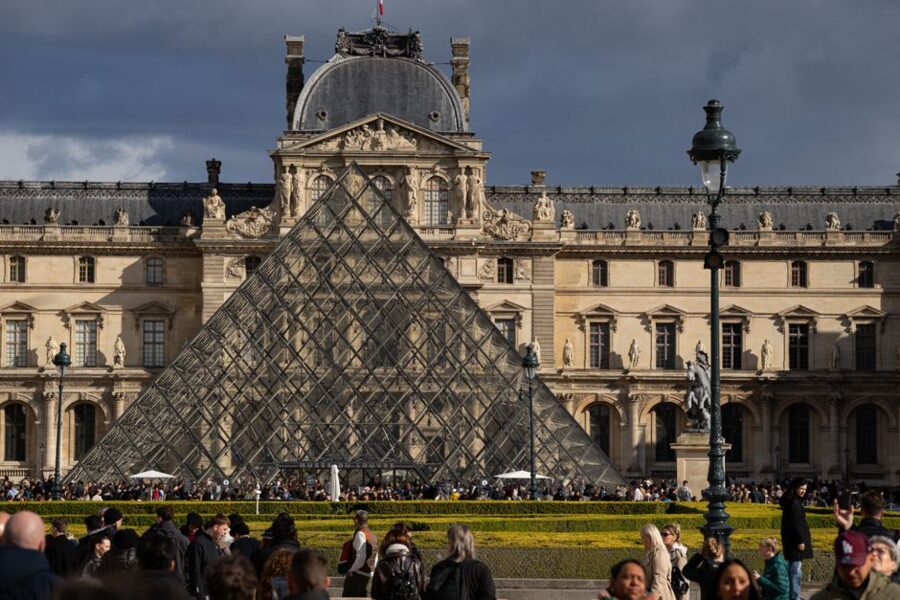
Visitors felt it in three ways. The Louvre closed after protesters blocked its entrance on Monday, October 19, and other museums shut on later protest days. Métro stations near the marches, Bastille among them, closed at police request, and trains ran through République and Châtelet-Les Halles without stopping. The government also brought in short, local curfews in several cities from October 19; the embassy’s alert that day said curfews could follow in parts of Paris.
Things have eased since. The nationwide strike of November 5 disrupted trains, flights and schools for a day, and by November 9 the embassy reported that no curfews had been announced. Its alert of November 20 describes recent demonstrations as “largely peaceful” and gives the Paris route for the weekend of November 21 and 22: Place de la République to Place de la Nation, leaving at 2pm. More marches are likely through the winter.
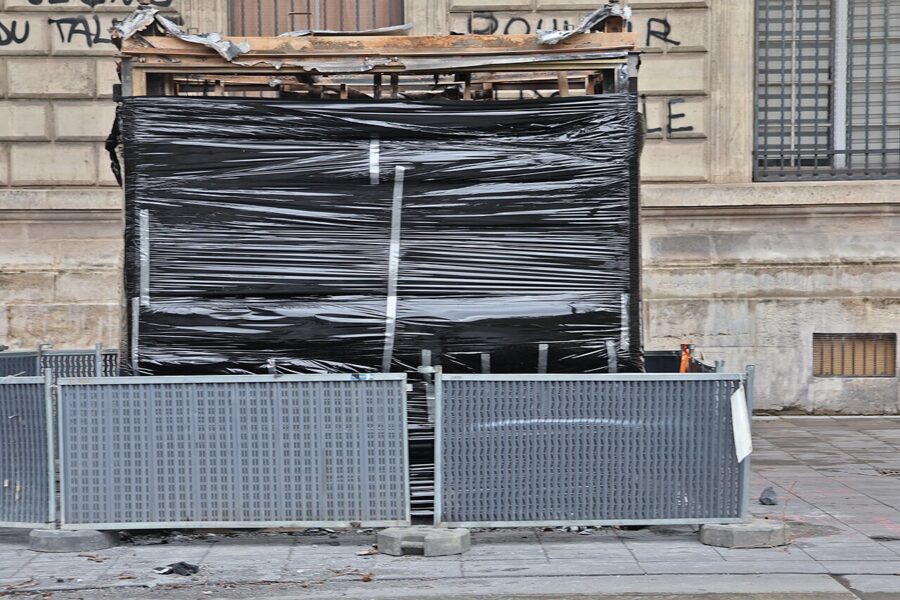

How to handle a protest day
- Check the route the night before. The Préfecture de Police announces authorized marches, and the US Embassy repeats the Paris route in its alerts. The usual axis in 2026 has been République, Bastille and Nation, well east of the Louvre, the Eiffel Tower and Saint-Germain.
- Check the RATP app or ratp.fr before you set off. Stations on or near a march route can close at short notice, and trains then run through them without stopping.
- Walk away from crowds and police lines. All three governments say the same thing. French riot police use tear gas, and it drifts down side streets.
- Do not book a hotel on the big squares. République, Bastille and Nation are lively places to stay in normal times; on a protest weekend they are the stage.
- Read your insurance policy. Many travel policies exclude civil unrest, and because no government advises against travel, a cancellation for nervousness is unlikely to be refunded.
The unrest is not only French. Protests over living costs and housing have also hit Spain, Portugal, Italy and Belgium this autumn, and the embassy’s November 17 alert warns of strikes across Europe through the holidays, as well as hoax bomb threats against flights in November.
Crime: what the numbers say
France’s interior ministry statistics service publishes the crimes recorded by police in each département every year, and Paris is a département of its own. The table below shows the categories that matter most to a visitor, for 2019 (the last year before the pandemic), 2024 and 2025. The figures cover everyone in Paris, residents and visitors alike; no official count separates tourists.
| Recorded in Paris | 2019 | 2024 | 2025 |
|---|---|---|---|
| Theft without violence (victims) | 162,378 | 99,110 | 94,924 |
| Violent theft without a weapon | 19,141 | 7,432 | 7,268 |
| Armed robbery | 804 | 368 | 393 |
| Physical assault outside the family (victims) | 10,183 | 9,861 | 11,095 |
| Sexual violence (victims) | 3,711 | 5,910 | 6,320 |
| Homicides | 41 | 32 | 35 |
| Home burglaries | 12,593 | 9,235 | 7,072 |
Two things stand out. Theft, the crime visitors actually meet, has fallen hard: down 42% since 2019 and another 4% in 2025. Assaults and sexual violence have gone the other way, up 13% and 7% in 2025. Neither figure separates attacks on strangers from everything else, but together they are the reason to take more care at night than by day.
Per head, Paris looks worse than it is. The ministry divides by the 2.1 million people who live in Paris, but the city fills every day with commuters and visitors who are not counted in that figure and who make up a large share of the victims. That is why Paris’s rate of theft without violence, 45 per 1,000 residents, is about three times that of the suburbs around it.
Pickpockets and phone thieves
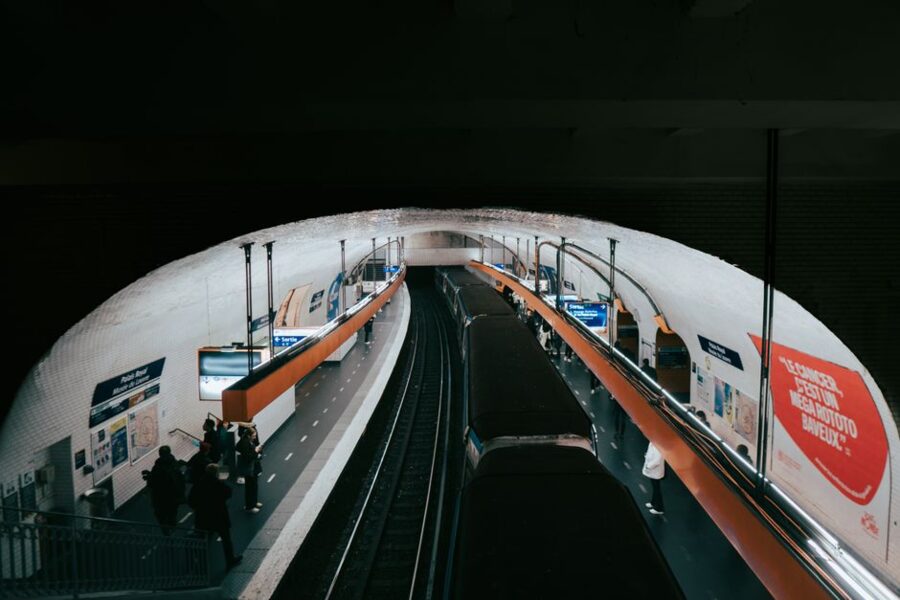
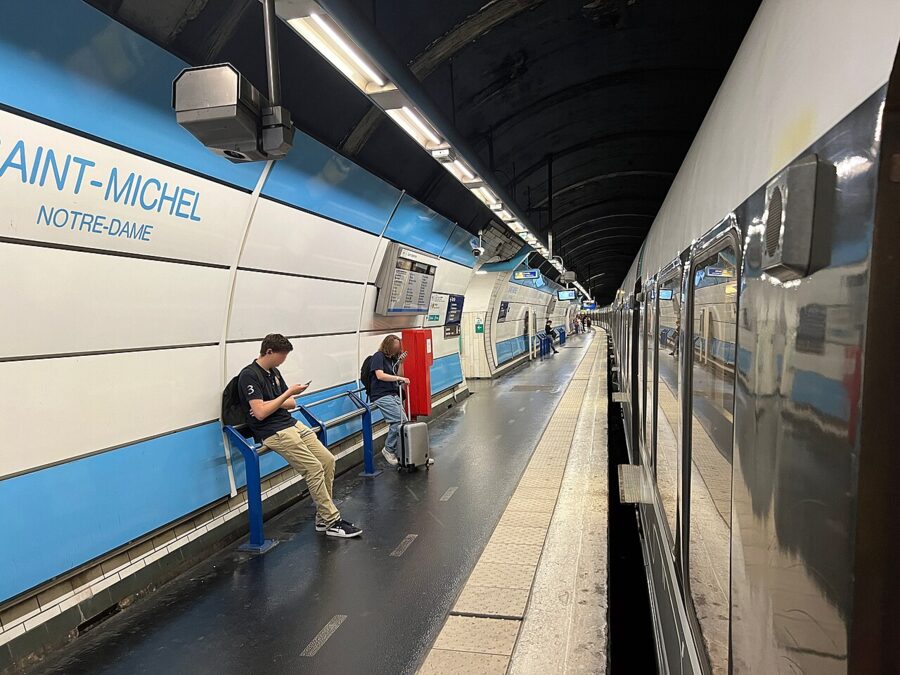
They work where people are packed together and distracted. The Métro and RER account for a big share of thefts in the Paris region, especially line 1 (which links the Champs-Élysées, the Louvre and the Marais) and RER B between the airports, Gare du Nord and Châtelet. Above ground, the hot spots are the obvious ones: the Eiffel Tower and Trocadéro, the Louvre and its pyramid courtyard, Sacré-Cœur, the Champs-Élysées and the big department stores on Boulevard Haussmann.
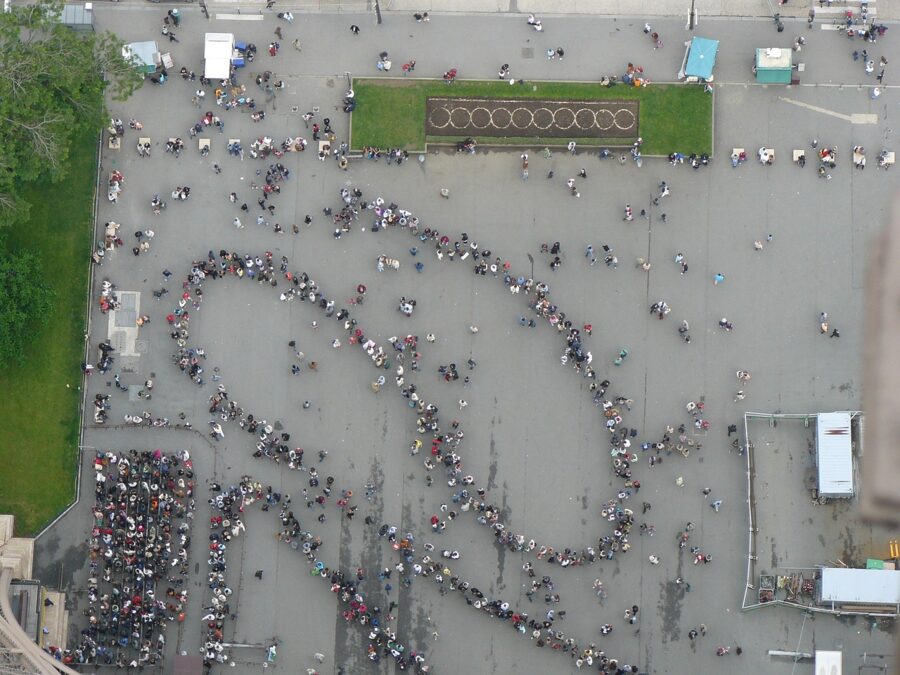
The usual method is a team. One person blocks the train door or asks you a question while another opens your bag; a third takes the phone off a café table while you read the menu. Phones are the main target now, and a phone laid on a terrace table is the easiest theft in the city.

Scams you will be offered
- The petition. Young people with clipboards ask you to sign for a charity for the deaf or disabled, then ask for a donation, or keep you busy while someone else goes through your bag. Say no and keep walking.
- The gold ring. Someone “finds” a ring on the pavement next to you, asks if it is yours, and then wants money for it. It is brass.
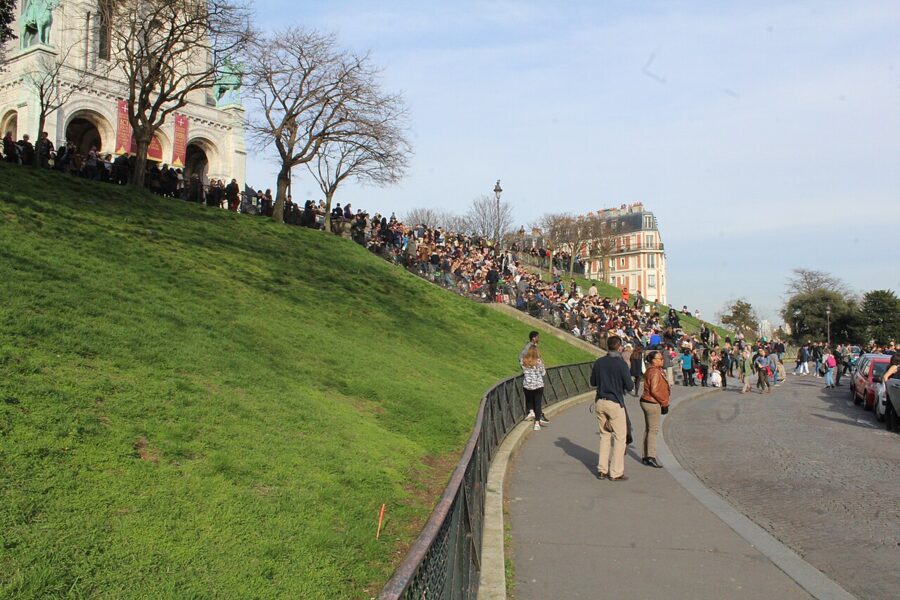
- The friendship bracelet. At the foot of Sacré-Cœur, men tie a string bracelet on your wrist and then demand payment. Keep your hands in your pockets as you pass.
- The shell game. Three cups and a ball on a box near the Eiffel Tower and on the bridges, with a crowd of “winners”. The crowd is in on it, and pickpockets work the people watching.
- Helpers at ticket machines. Someone offers to help you buy a Métro ticket, or sells you one, at the airport or in a station. Buy from the machine yourself or from the ticket window.
- Unofficial taxis. Drivers who approach you inside the airport terminals are not licensed taxis, and Canada’s advice warns they charge far more. Use the official taxi rank outside.

Violent crime, nights out and drink spiking
Violent theft in Paris has dropped from about 19,000 cases in 2019 to just over 7,000 in 2025. When it happens to a visitor, it is usually a snatch: a phone pulled from a hand at a station exit, a necklace grabbed on a quiet street late at night. Let it go; nothing you are carrying is worth a fight.
The UK warns about drinks spiked with GHB and other drugs, and Canada notes that assaults can happen outside bars and clubs at night. Buy your own drinks, keep them in sight, and leave with the people you came with. The UK also notes that drinks poured in French bars are often stronger than visitors expect.
Women travel alone in Paris all the time. Street harassment, from comments to being followed, is the commonest complaint, and France has fined it as an offense since 2018. On the Métro and RER, the transport security line 3117 (or a text to 31177) reaches staff who can send help to a train or station.
Terrorism
The UK’s view is that terrorists are “very likely” to try to carry out attacks in France, and the US advisory lists it first. The recent record in Paris is of small attacks by individuals rather than the coordinated attacks of 2015: in 2023 a man killed a tourist and injured two others with a knife and hammer near Bir-Hakeim bridge, close to the Eiffel Tower. French authorities say they disrupt planned attacks regularly.
The risk to any one visitor is very small, and there is little you can do about it beyond what you would do anyway. The embassy’s November 17 alert asks Americans to take extra care at Christmas markets, holiday events and other crowded places this season. Follow police instructions at once if an area is cleared, and expect bag checks at museum doors and department stores.
Neighborhoods: where visitors stay and where to take care
Paris is small, well under ten miles across, and there is no part of the city inside the Boulevard Périphérique that a visitor needs to avoid in daylight. The differences are about crowds, nightlife and a few blocks around the northern stations.
The central arrondissements
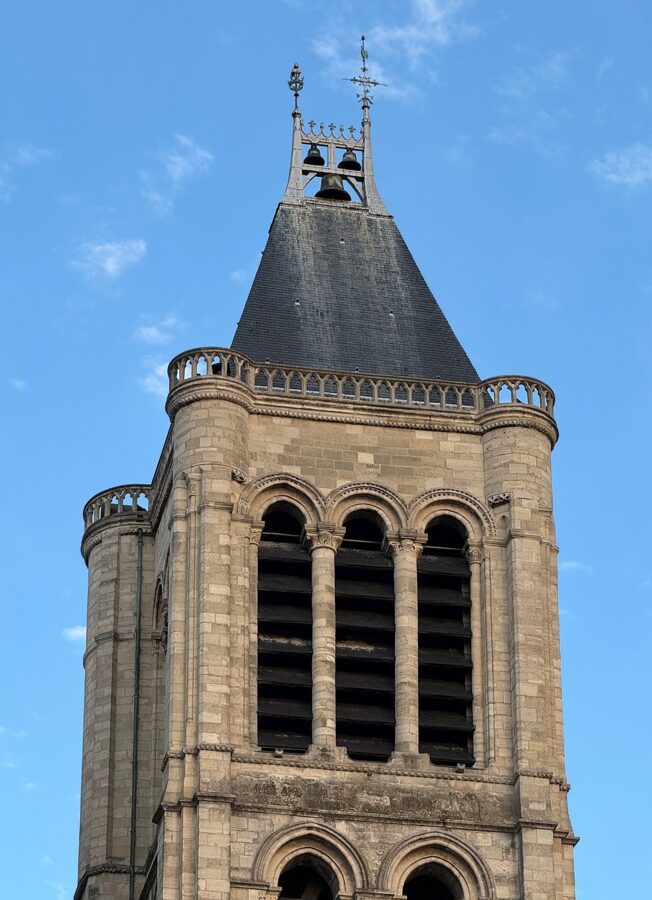
The 1st to the 8th arrondissements, which take in the Louvre, the Marais, the Latin Quarter, Saint-Germain, the Eiffel Tower and the Champs-Élysées, are where most visitors stay and where the hotels are most expensive. They are well lit, busy late and heavily policed. The crime you meet here is pickpocketing at the sights and on line 1. The residential 14th, 15th and 16th, south and west of the center, are quieter still and cheaper, and they lie well away from the usual march routes.
Gare du Nord, Gare de l’Est and Stalingrad
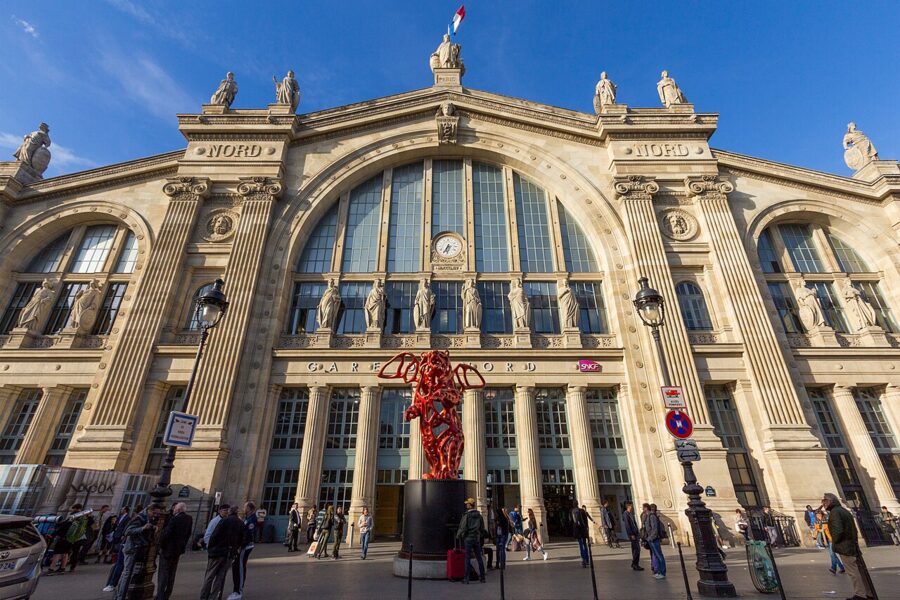
The streets around the two northern stations, and north toward La Chapelle, Stalingrad and Barbès, are where visitors most often feel uneasy. There is open drug dealing and drug use in places, aggressive begging and a heavy police presence. Arriving by Eurostar or RER at Gare du Nord is fine; it is the late-night walk through the side streets that is better swapped for a taxi.

Pigalle and Montmartre after dark
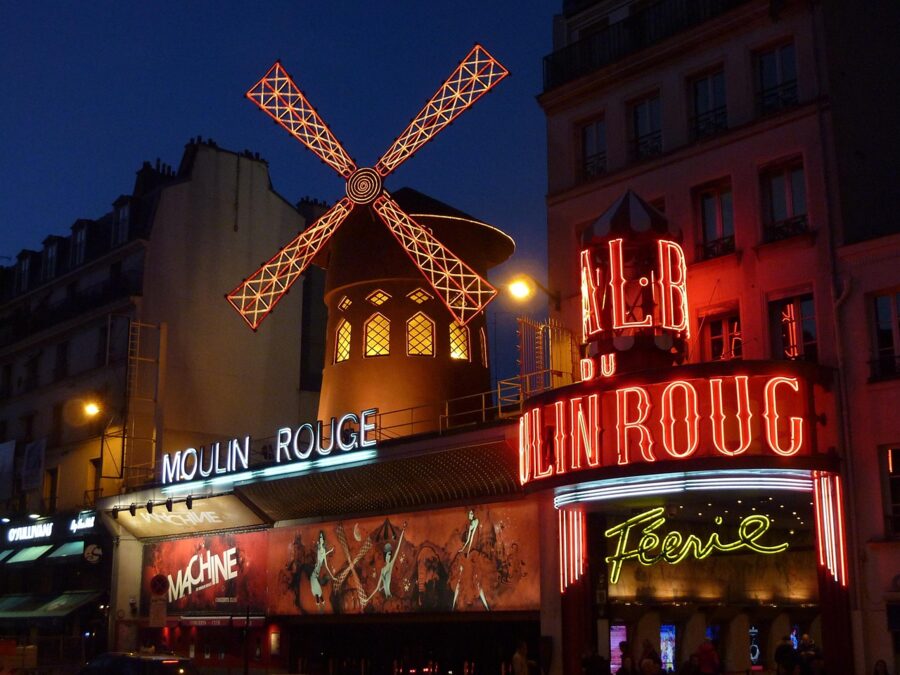
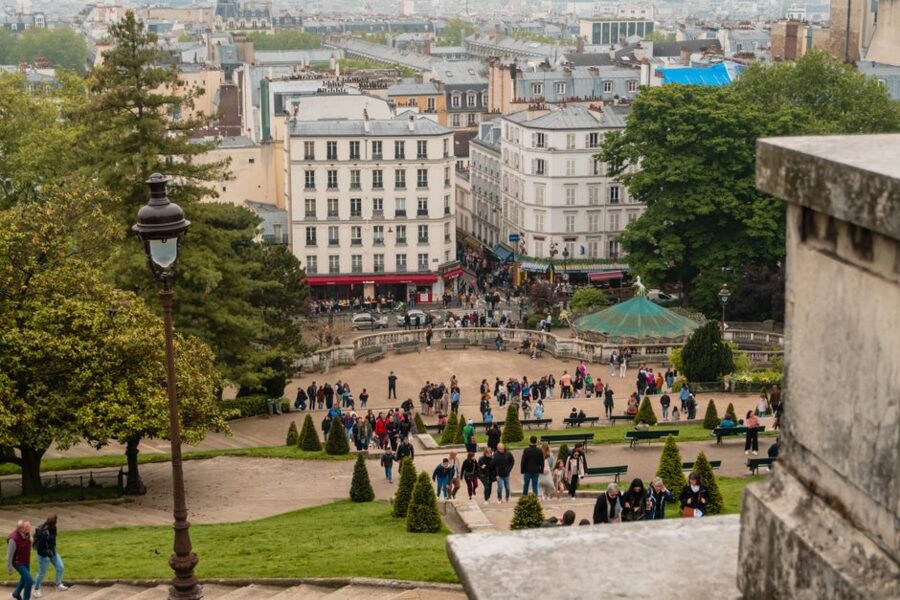
Montmartre by day is a hilltop village full of visitors, with pickpockets at Sacré-Cœur and on Place du Tertre. At night the action moves downhill to Boulevard de Clichy and Pigalle, with the Moulin Rouge, bars and the sex shops that gave the area its reputation. It is busy and generally safe on the main boulevard; the hostess bars whose touts lure people in with a cheap drink and then present a huge bill are the thing to avoid.
Châtelet-Les Halles
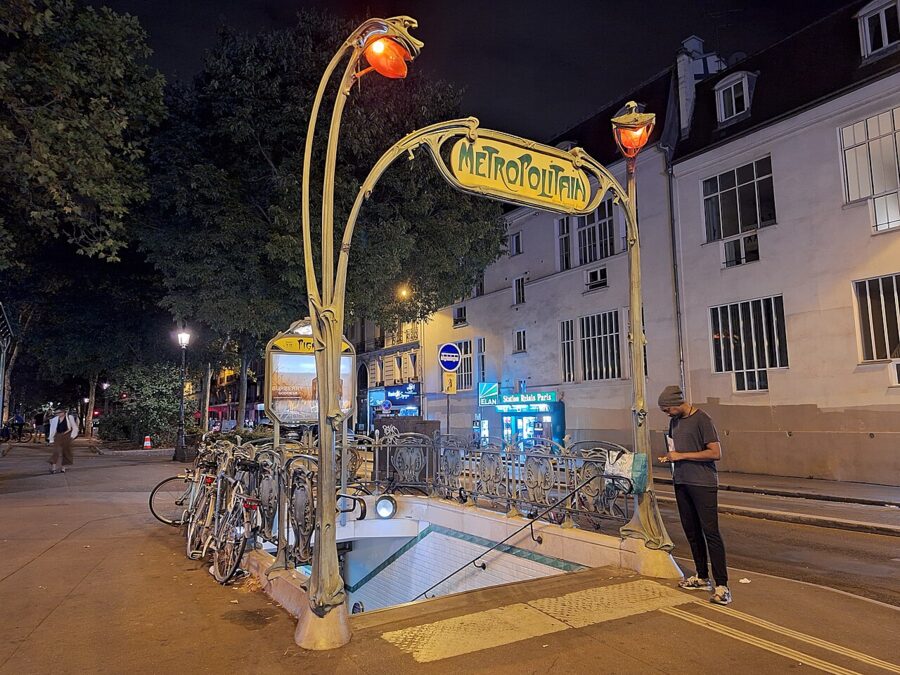
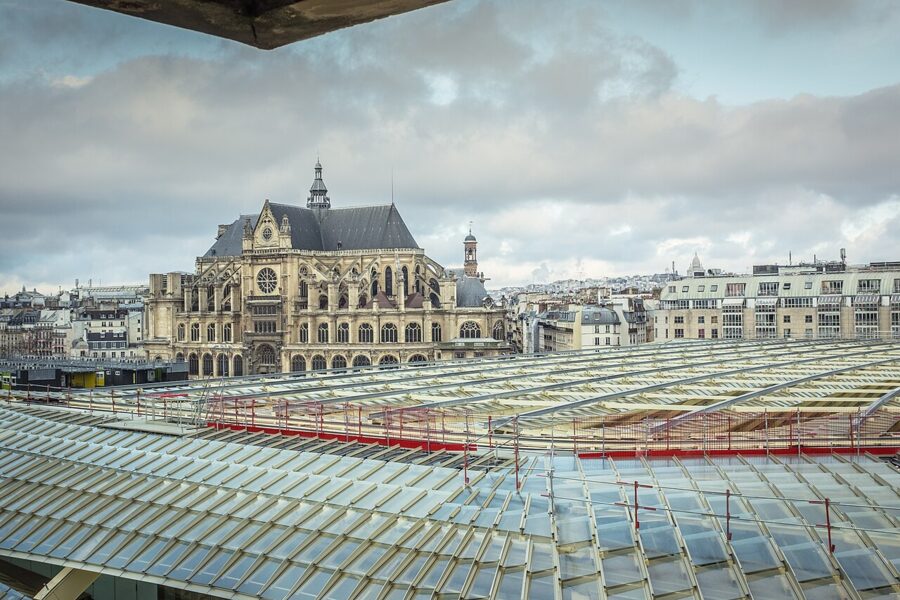
One of the largest underground stations in the world sits under a shopping center in the 1st arrondissement, where RER lines A, B and D meet five Métro lines. It is a crush at rush hour and a favorite of pickpockets. Pass through it rather than lingering, especially late at night, and follow the signs to the street exit you need.
What “the 93” means
Ninety-three is the département number of Seine-Saint-Denis, the suburbs just north and east of Paris, and in French it has become shorthand for poverty and crime. Visitors go there for the Stade de France, the Basilica of Saint-Denis and the Saint-Ouen flea market. The official figures are less dramatic than the reputation: in 2025 its recorded rate of theft without violence was about a third of Paris’s, though its rate of assault was close to the capital’s. The UK warns of serious assaults on RER line D, which serves the Stade de France, so on match nights travel with the crowd.

Other risks: roads, water, health and weather
Roads, bikes and scooters
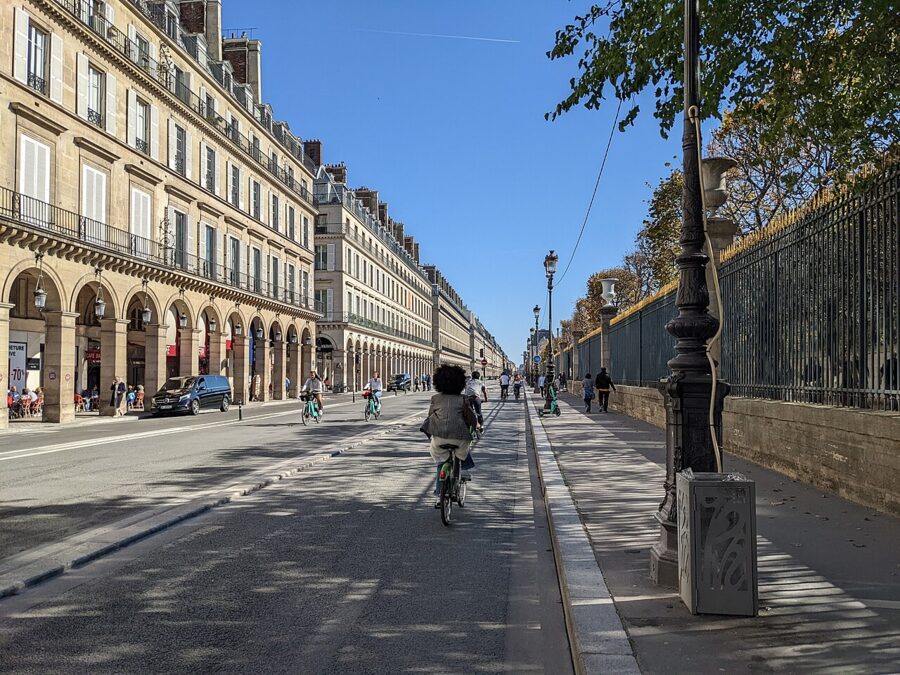
Traffic is the likeliest way to get hurt in Paris. Most streets now have a 30 km/h (19 mph) limit, but the city has added hundreds of miles of cycle lanes, and bikes, delivery riders and private e-scooters come fast and often from the direction you did not look. Rental e-scooters were banned in 2023; rental bikes from Vélib’ and the app-based firms are everywhere.

Driving in Paris is not worth it for a visitor. If you rent a car for the rest of France, all vehicles in central Paris need a Crit’Air pollution sticker on weekdays from 8am to 8pm, and the speed limit on the Boulevard Périphérique ring road dropped to 50 km/h (31 mph) in 2024.
Water, food and the Seine
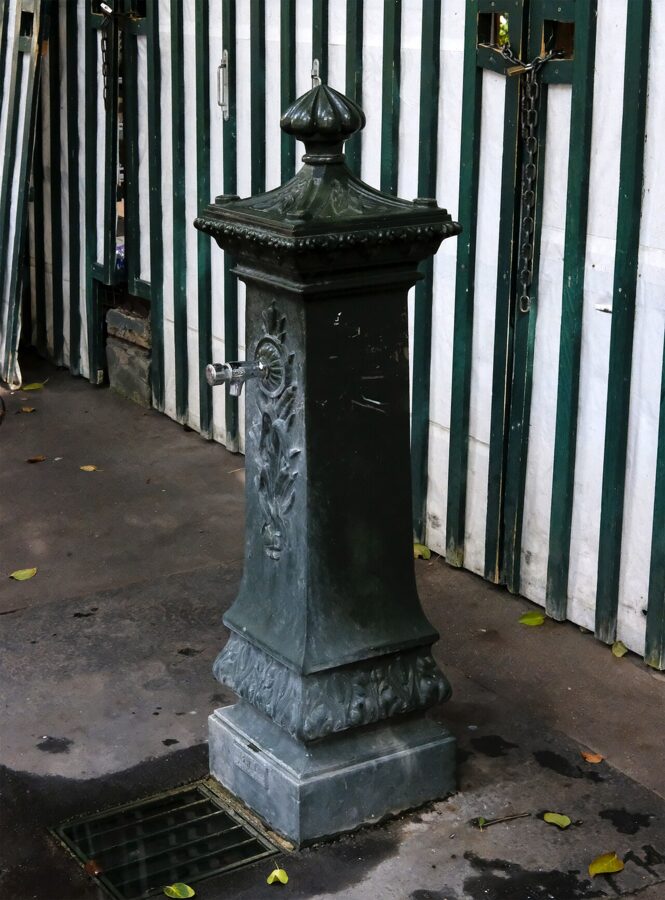
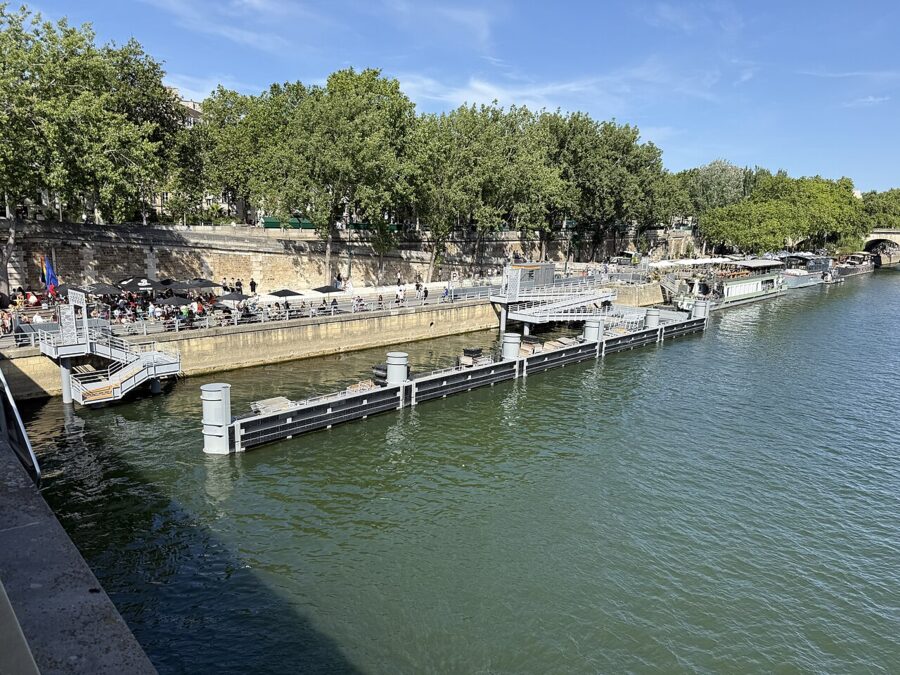
Tap water in Paris is safe to drink, and the green Wallace fountains around the city give it away free. Food hygiene is good, and routine vaccinations are all most visitors need for Paris. You can now swim in the Seine itself: since 2025 the city has opened supervised bathing spots in summer, including Bras Marie by the Île Saint-Louis, and they close on days when the water quality falls after rain.


Heat and floods
Summer heat waves are the most serious weather risk. Few older Paris apartments and hotels have air conditioning, and top-floor rooms under zinc roofs get very hot. Check Météo-France’s heat warnings in July and August, carry water, and plan museums for the afternoons.
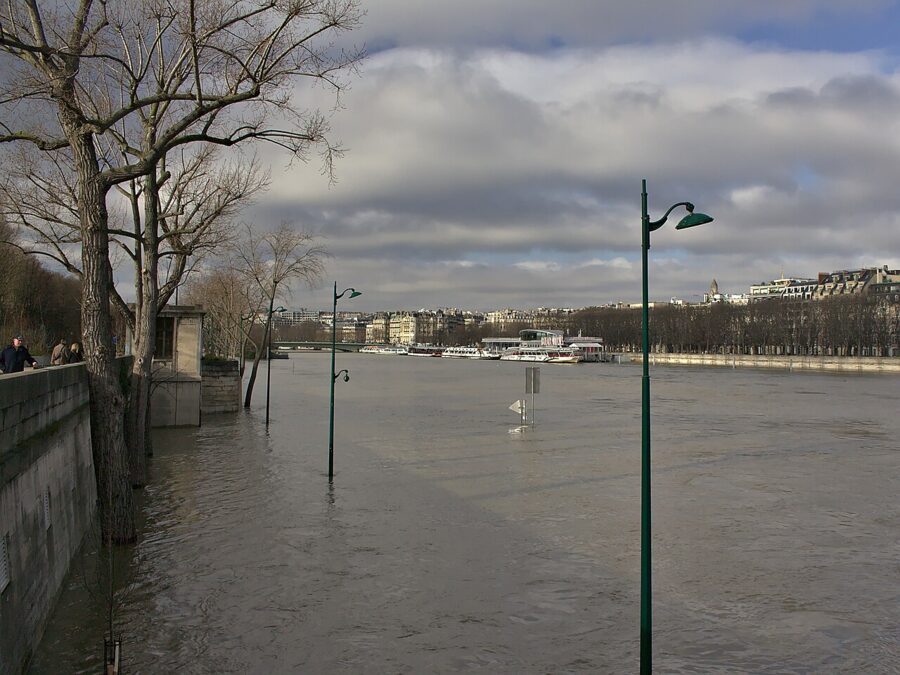
In winter the Seine sometimes floods its lower quays, as it did in 2016 and 2018. It looks dramatic, but the main effects on a visit are closed riverside paths and, in a bad year, a few closed RER C stations along the river. The French flood service, Vigicrues, publishes river levels and warnings.

Health care
Health care in Paris is excellent, and pharmacies, marked with a green cross, are the first stop for minor problems. Many American health plans pay little or nothing abroad, and you may have to pay the hospital or doctor up front and claim afterward. The State Department recommends travel insurance that includes medical cover and evacuation.
Practical precautions
Getting around
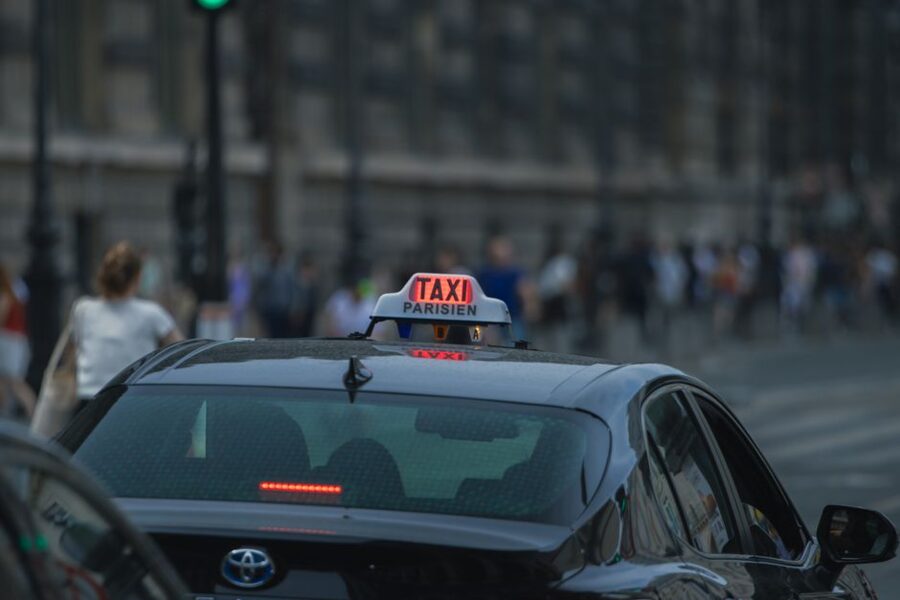
- From the airport: licensed Paris taxis charge a flat fare between Charles de Gaulle and the city, €56 (about $65) to the Right Bank and €65 (about $75) to the Left Bank as of 2026, and Orly has its own fixed fares. Take one from the official rank, never from someone who approaches you inside.
- On the Métro and RER: validate your ticket and keep it until you leave the station; inspectors fine passengers without one. Stand away from the doors and avoid empty cars late at night.
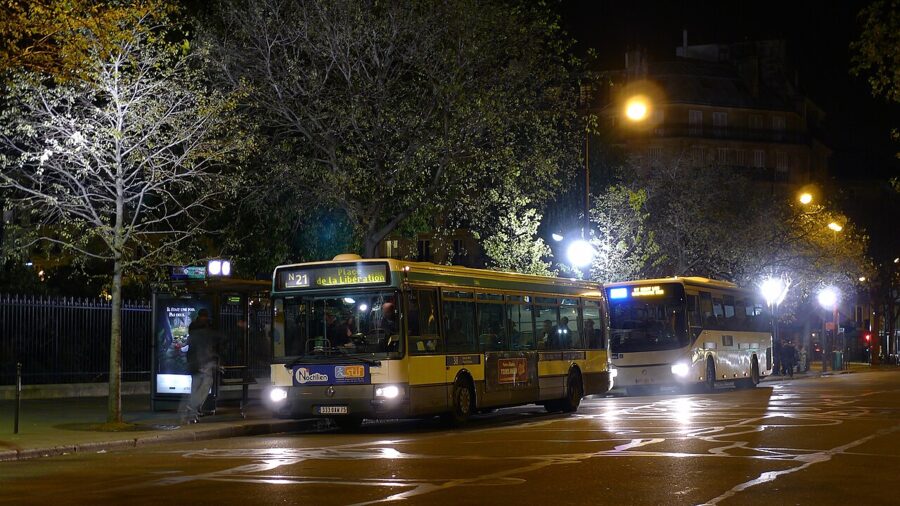
- After the Métro closes: the Noctilien night buses run through the night, but a taxi or ride-hailing car is the simpler choice after a late dinner.

Money and phones
Cards, including contactless, are accepted almost everywhere, so carry little cash. Use cash machines inside banks rather than on the street, and cover the keypad. Keep one card separate from your wallet, and turn on your phone’s remote lock and tracking before you leave home.
Documents and laws
French law expects you to be able to prove who you are when police ask, and the UK says you may be given four hours to bring ID to a police station. Carry a photo of your passport on your phone and the passport itself somewhere secure, apart from your cards. Covering your face in public is illegal, with a fine of up to €150 (about $175), and cannabis remains illegal, with heavy penalties.
If something goes wrong
Report a theft at any police station, and keep the report for your insurer. For simple thefts you can file a pre-complaint online first, which saves time at the station. A lost or stolen passport goes to the US Embassy on Avenue Gabriel, near Place de la Concorde, which can issue an emergency passport.
| Number | For |
|---|---|
| 112 | Any emergency (police, ambulance or fire), from any phone |
| 17 | Police |
| 15 | Ambulance and emergency medical advice (SAMU) |
| 18 | Fire brigade |
| 114 | Emergencies by text or video, for deaf and hard-of-hearing callers |
| +33 1 43 12 22 22 | US Embassy Paris, including after hours for American citizens |

The short answer
- The official advice: US Level 2 of 4 (updated October 21, 2026), no UK advice against travel (October 22, 2026), Canada’s second of four levels (November 6, 2026). France’s own terrorism level is “vigilance renforcée”, the middle of three, since June 2026.
- The real risk: pickpocketing and phone theft on the Métro, RER B and line 1, and at the Eiffel Tower, the Louvre and Sacré-Cœur. Theft without violence fell 4% in 2025 and is down 42% since 2019.
- The protests: violent in mid-October 2026, largely peaceful in November, with regular marches between République, Bastille and Nation. Check the route and RATP closures before you go out.
- Where to take care: the side streets around Gare du Nord, Gare de l’Est and Stalingrad late at night, the bars off Boulevard de Clichy, and Châtelet-Les Halles.
- Other risks: cyclists and scooters, summer heat, winter floods on the quays.
Before you fly, enroll in STEP so the embassy’s alerts reach your inbox, and put 112 in your phone. Then decide which zipped inside pocket your phone will live in on the Métro, and keep it there.