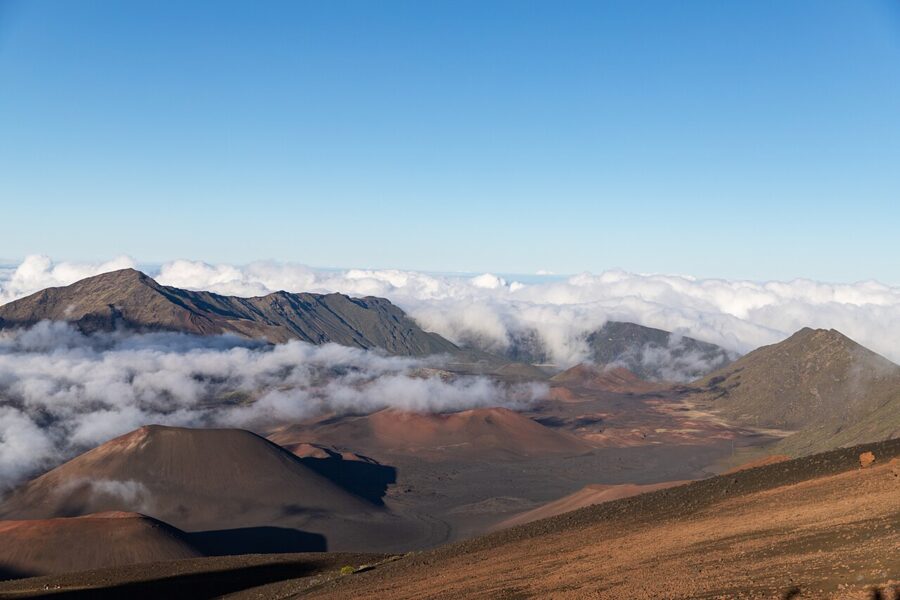
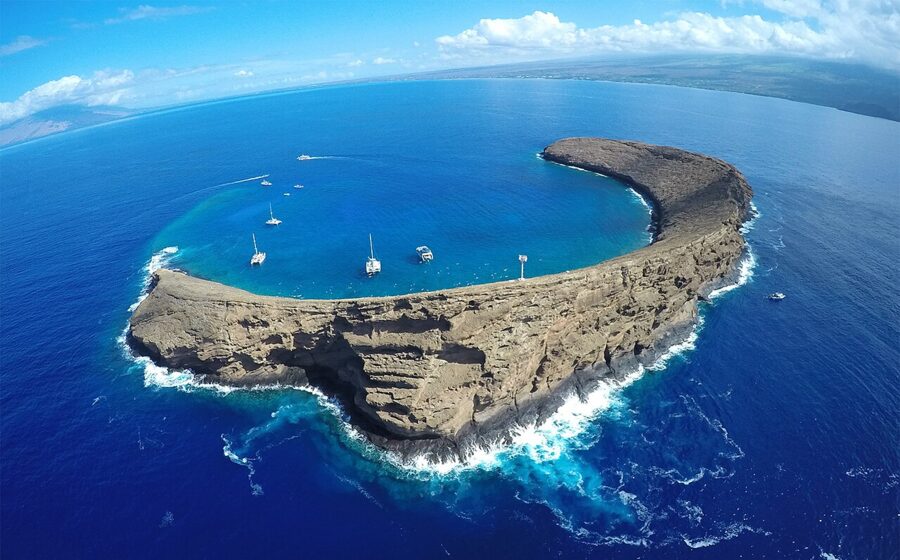
Give Maui four days if you can, and spend the two best mornings on things that only happen early: sunrise from the top of Haleakalā, and a boat to the reef at Molokini before the wind picks up. A weekend still works if you pick one big outing per day and save the Road to Hāna for a longer trip. The Upcountry farms and the beaches of Kāʻanapali and Wailea fit around those.
Maui is still changing after the August 2023 fire. Lahaina’s Front Street reopened to traffic on August 1, 2026, but most of the old town is a rebuilding site, and several top sights now need a reservation days or weeks ahead. Hours, prices and rules below are as of November 2026.
The short list: Haleakalā at sunrise or sunset, a Molokini snorkel, the Road to Hāna, ʻĪao Valley, a whale-watch in winter and a lūʻau. Book Haleakalā sunrise, ʻĪao and the state park on the Hāna road before you fly, because a reservation is the only way in.


On this page
Maui in brief: where things are and how you get there
Maui is two volcanoes joined by a low isthmus. Haleakalā makes up the east of the island; the older West Maui Mountains make the west. Kahului and Wailuku sit on the isthmus between them, and that is where you land.
Getting there
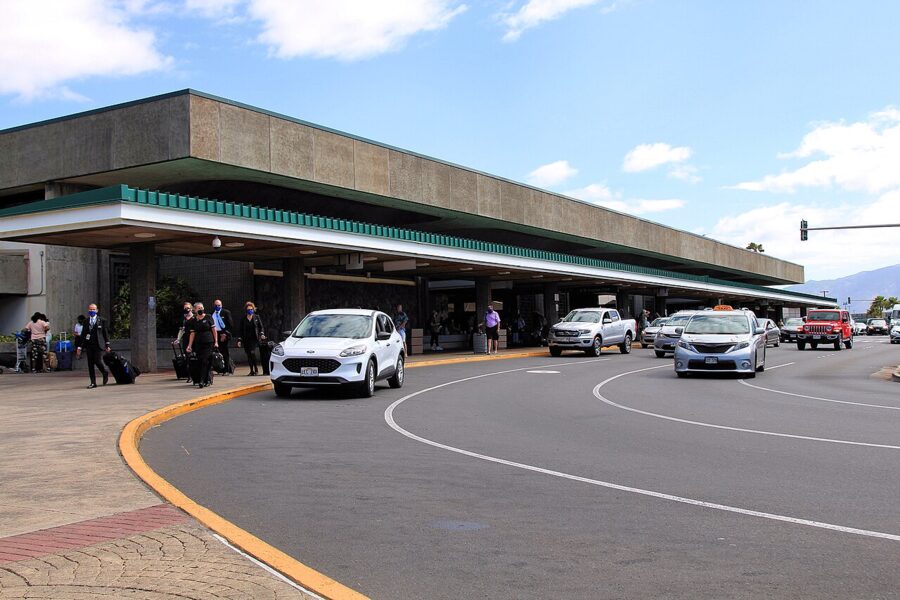
Almost everyone arrives at Kahului Airport (OGG). Mainland nonstops come mostly from the West Coast, with a few from hubs farther east, on Alaska Airlines, Hawaiian, United, American, Delta and Southwest; from California the flight takes roughly five to six hours. The state began a $46 million rebuild of the airport’s TSA checkpoint in May 2025, so leave extra time on the way home.
Small airports at Kapalua (JHM) and Hāna (HNM) take short hops from the other islands. Rough drives from Kahului Airport: Kīhei 25 minutes, Wailea 35 to 40, Kāʻanapali about an hour, Kapalua an hour and ten, Hāna two and a half hours or more without stops.
The island’s regions
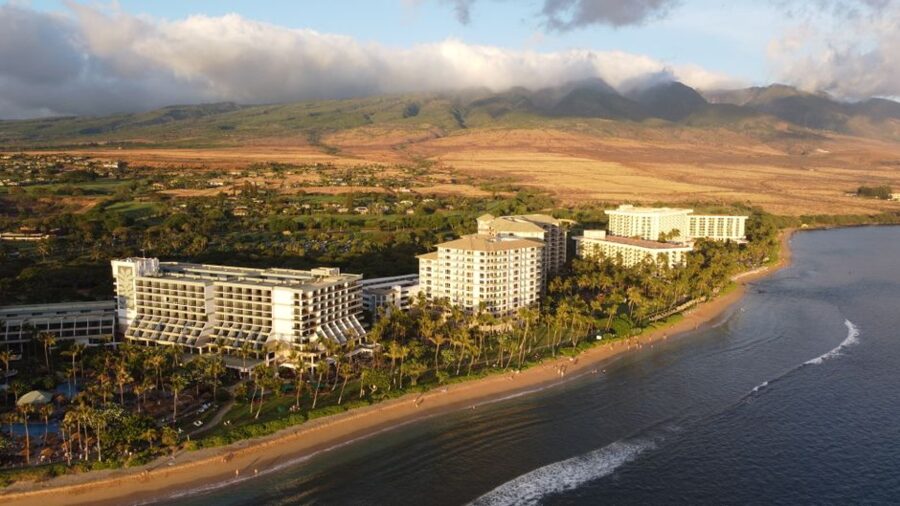
- West Maui (Lahaina, Kāʻanapali, Nāpili, Kapalua): the old whaling capital and the big resort beaches; sunny, dry and the best whale-watching base.
- South Maui (Kīhei, Wailea, Mākena): the driest coast, with condos in Kīhei, upscale hotels in Wailea and wild beach at Mākena.
- Central Maui (Kahului, Wailuku, Māʻalaea): working towns, the airport, ʻĪao Valley and the aquarium.
- Upcountry (Makawao, Kula, Pukalani): ranch and farm country on Haleakalā’s cooler lower slopes.
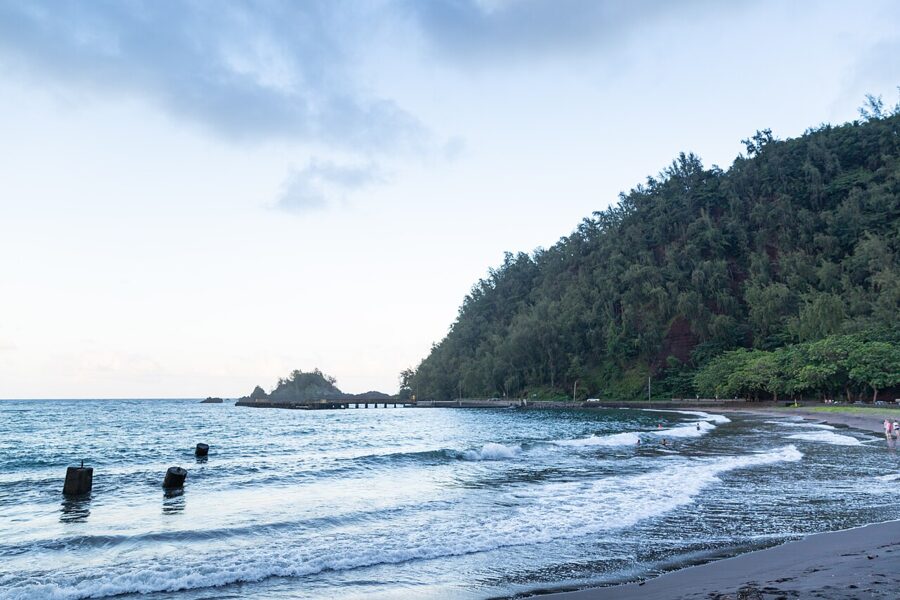
- East Maui (Pāʻia, Haʻikū, Hāna, Kīpahulu): the wet windward side and the Road to Hāna.
The big things to do
Haleakalā: sunrise, sunset or a hike into the crater
The summit road climbs from sea-level cane country to more than 10,000 feet; the highest viewpoint, Puʻu ʻUlaʻula (Red Hill), is at 10,023 feet. From 3am to 7am every day you need a sunrise reservation, $1 per vehicle on Recreation.gov, and without one the rangers will not let you in before 7am.
Most reservations open 60 days ahead at 7am Hawaii time and often go within fifteen minutes. A second batch opens two days ahead, also at 7am, which is the realistic chance for late planners. You can hold one sunrise reservation per three-day period, and there are no refunds for bad weather.
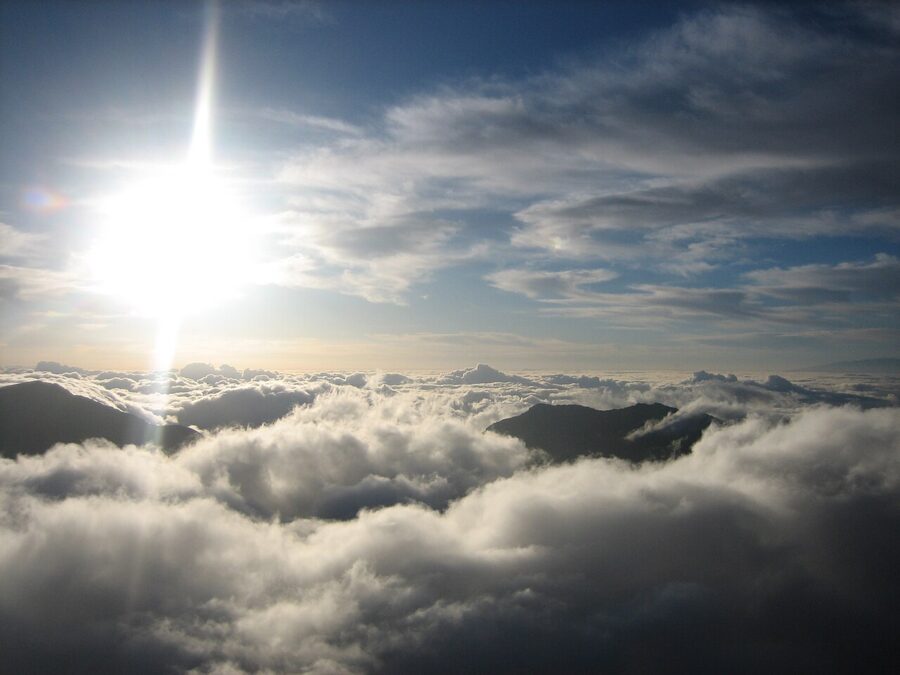
The entrance fee is extra: $30 per private vehicle as of November 2026, valid three days in both districts, so the same receipt covers Kīpahulu at the end of the Road to Hāna. A park annual pass is $55; the America the Beautiful pass is $80 for residents of the United States and $250 for everyone else. Fee-free days do not cover the sunrise window.
Allow about two hours to drive up from Kīhei or Kāʻanapali, then 30 minutes and 10 miles from the entrance station to the top. Sunset needs no reservation and is easier with children. With a free morning, hike part of Keoneheʻeheʻe (Sliding Sands) Trail into the crater, remembering that every step down is a step back up at 9,000 feet.
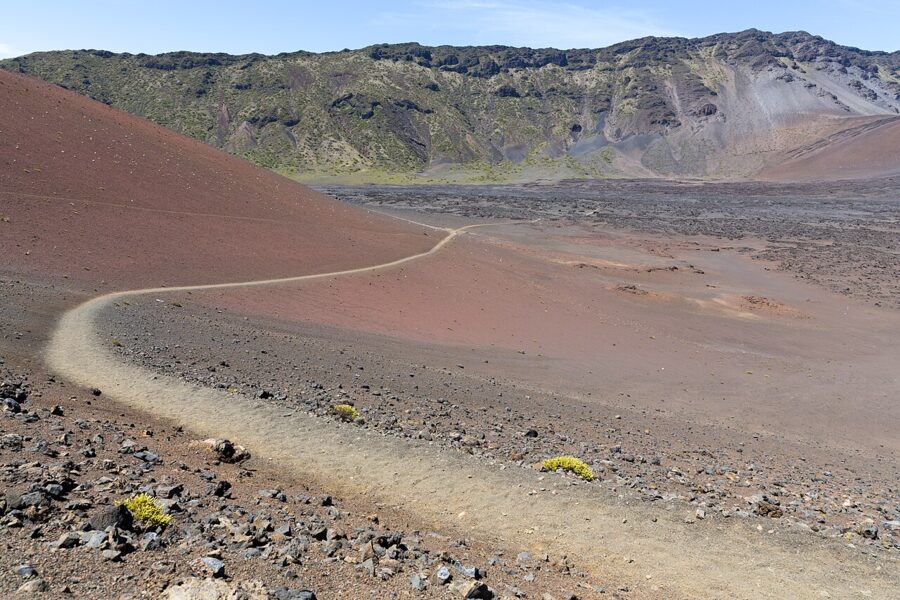

Allow: five to six hours for sunrise with the drive, three to four for sunset.
The Road to Hāna
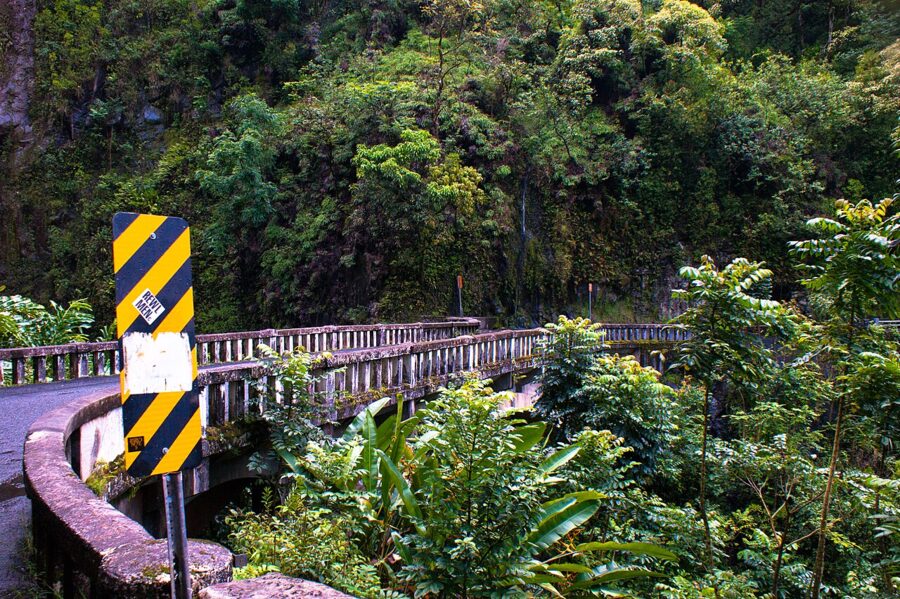
The Hāna Highway covers 52 miles between Kahului and Hāna, with 620 curves and 59 bridges, and the state tourism office puts the drive at two to four hours one way. The point is not quiet little Hāna town but the stops: waterfalls, black-sand coves, banana bread stands and the rainforest itself.
Leave Pāʻia by 7am with a full tank; there is no gas between Pāʻia and Hāna. Pull fully off the road to stop, never park where signs say no, and let locals pass. Storms closed or restricted the highway twice in 2026, including a March Kona low that cut Hāna off to all but residents, so check the county’s road updates the night before.
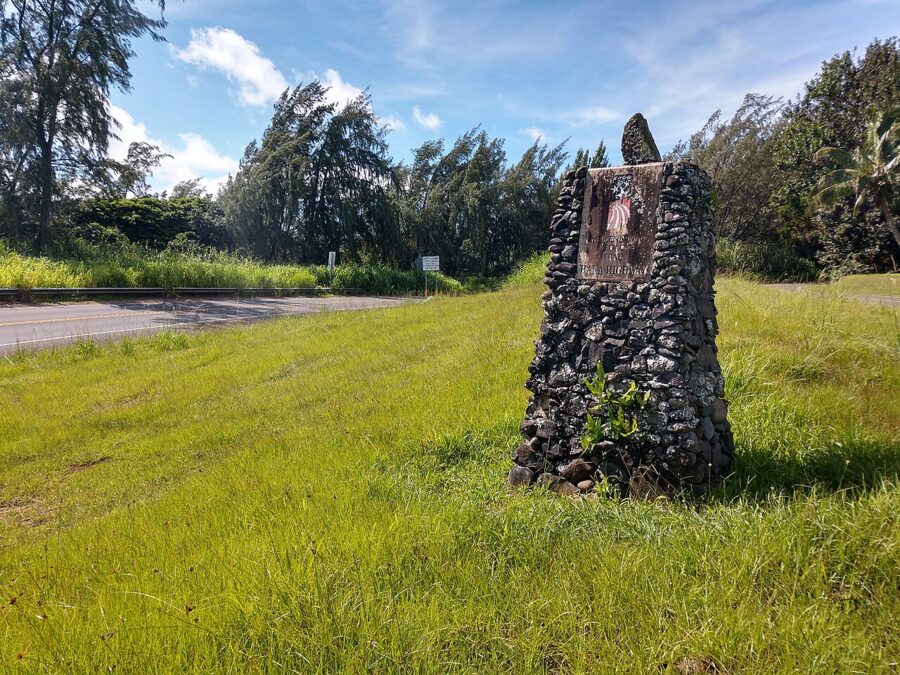

The stops worth the time, in driving order:
- Twin Falls (near mile 2): an easy walk to pools on a private farm. Parking is $10 a car in a 55-space lot, first come, first served; last entry 4:30pm, closed on the first Saturday of each month, and rideshare drop-offs are turned away.
- Waiʻānapanapa State Park, just before Hāna: the black-sand beach at Paʻiloa, sea caves and a coastal trail. Non-residents book entry ($5 a person) and parking ($10 a vehicle) at gostateparks.hawaii.gov up to 30 days ahead, never on the day. Open 7am to 6pm.
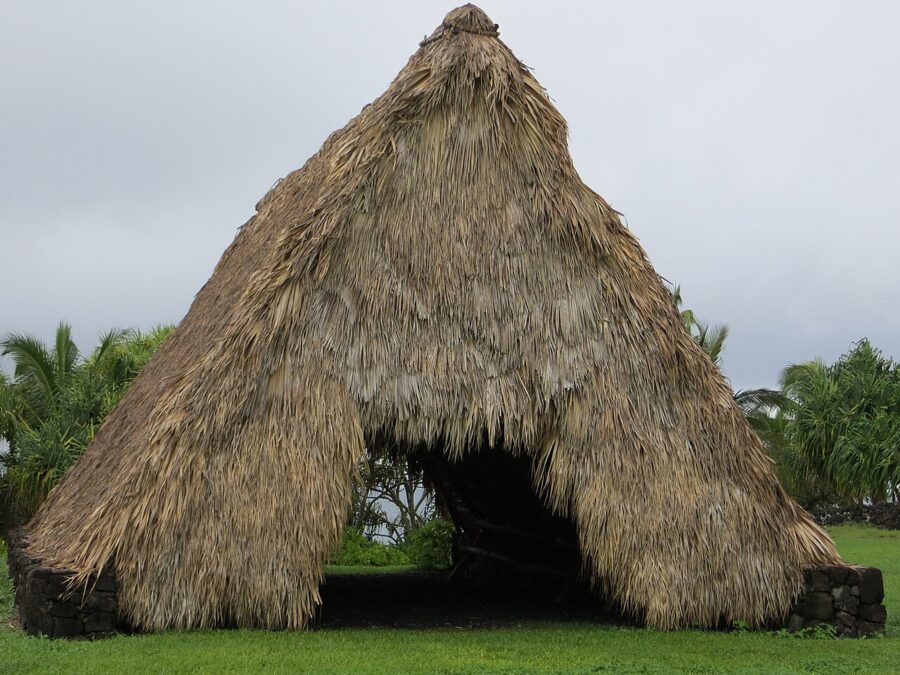
- Kahanu Garden, ʻUlaino Road: botanical garden land around Piʻilanihale Heiau, the largest temple platform in Hawaii. $18 for adults, children 12 and under free, Monday to Friday 9am to 3pm.
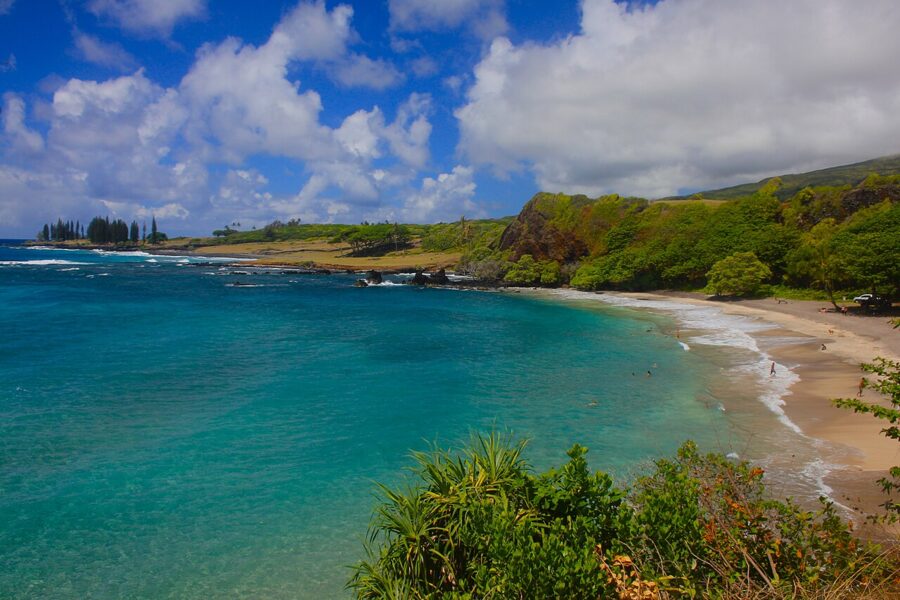
- Hāna town: Hāna Bay Beach Park, Hasegawa General Store and the Hāna Ranch Store, with Hāmoa Beach just south.
- Kīpahulu, about 10 miles past Hāna: the coastal district of Haleakalā National Park.
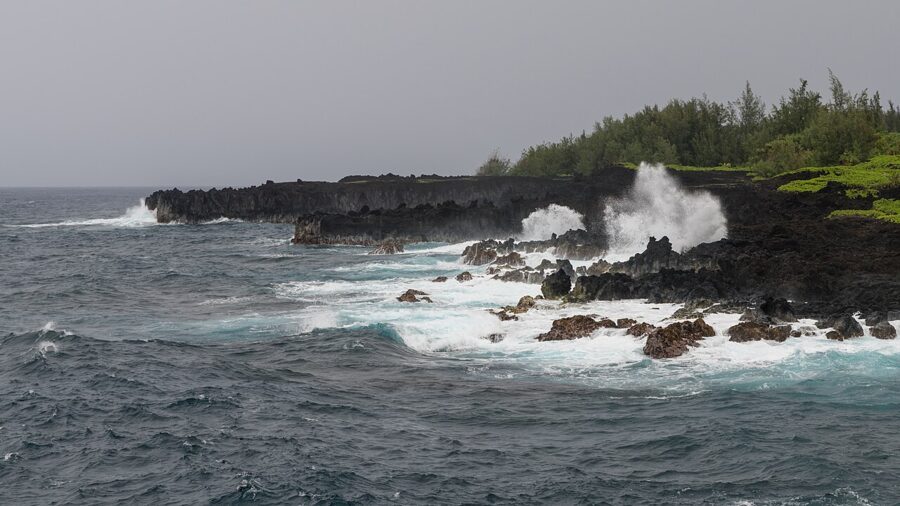


Kīpahulu and the Pīpīwai Trail
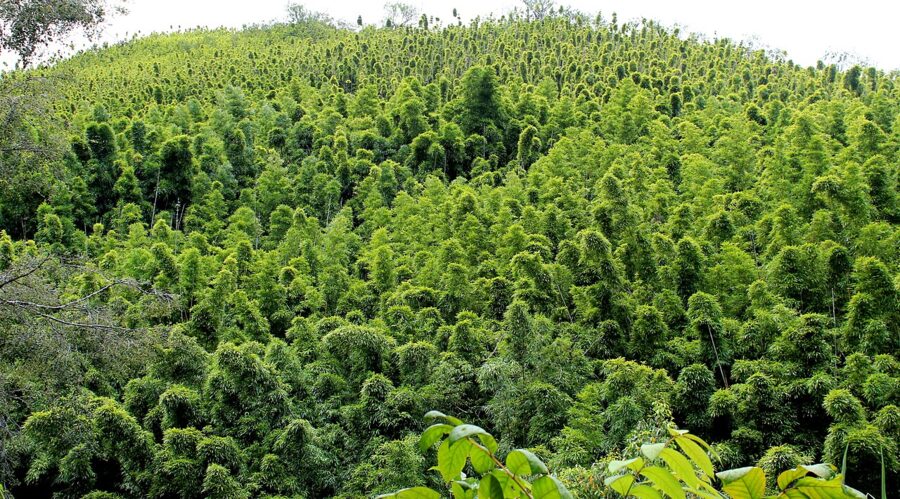
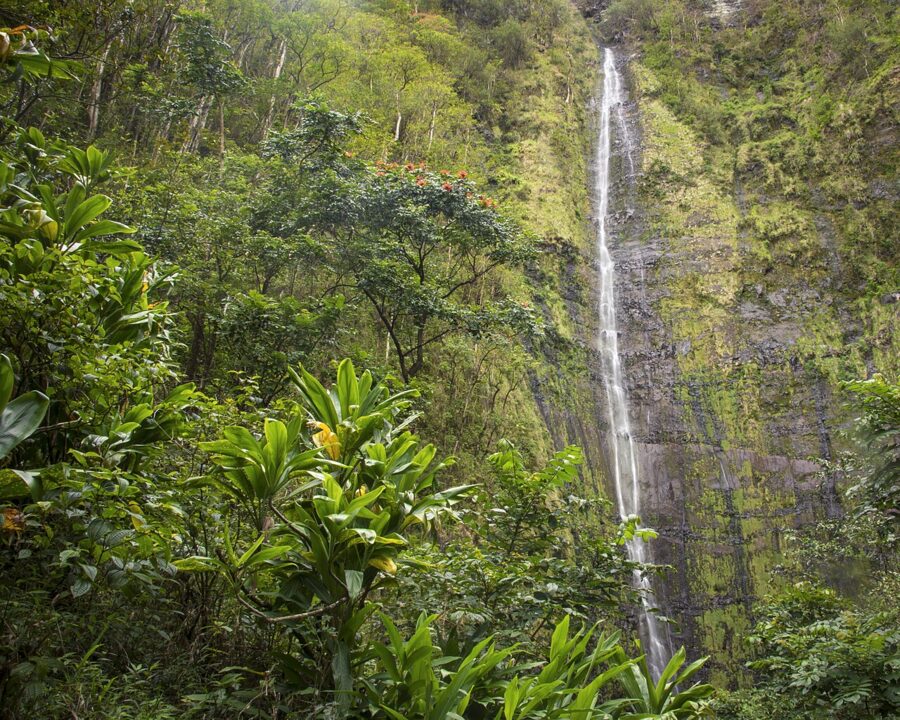
The Pīpīwai Trail climbs 800 feet in two miles from the Kīpahulu Visitor Center to Waimoku Falls, which drops 400 feet down a fern-covered cliff. Makahiku Falls, about half a mile up, is the turnaround if you are short on time. The upper trail runs on a boardwalk through a dense bamboo forest.


The Pools of ʻOheʻo below the visitor center, once sold as the Seven Sacred Pools, are closed to swimming; see them from the short Kūloa Point Trail. The $30 park fee from the summit covers entry.
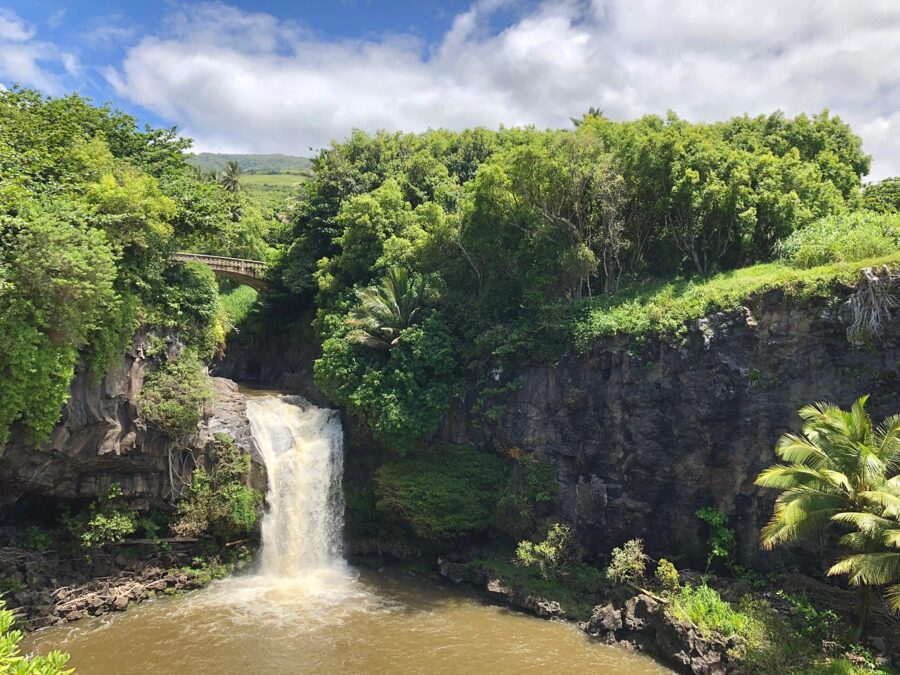
Don’t loop back around the south side past Kaupō. That stretch of the Piʻilani Highway is narrow, partly unpaved and often closed for landslides and repairs, and in 2026 the county ran weekday daytime closures at Kālepa Point for rockfall work. Go back the way you came.
Snorkeling Molokini and the shore reefs
Maui is very good for snorkeling, and Molokini is the reason. The crescent of a sunken crater about three miles off the south coast shelters clear water and a reef. It is a state Marine Life Conservation District: no fishing or collecting, and boats tie to fixed moorings instead of anchoring on coral.
Tours leave from Māʻalaea Harbor on bigger, steadier boats and from the Kīhei boat ramp on faster rafts. Book a morning trip, when the crater is calmest; a windy afternoon can send a boat elsewhere. Compare what is included (gear, food, a second stop) rather than headline fares.
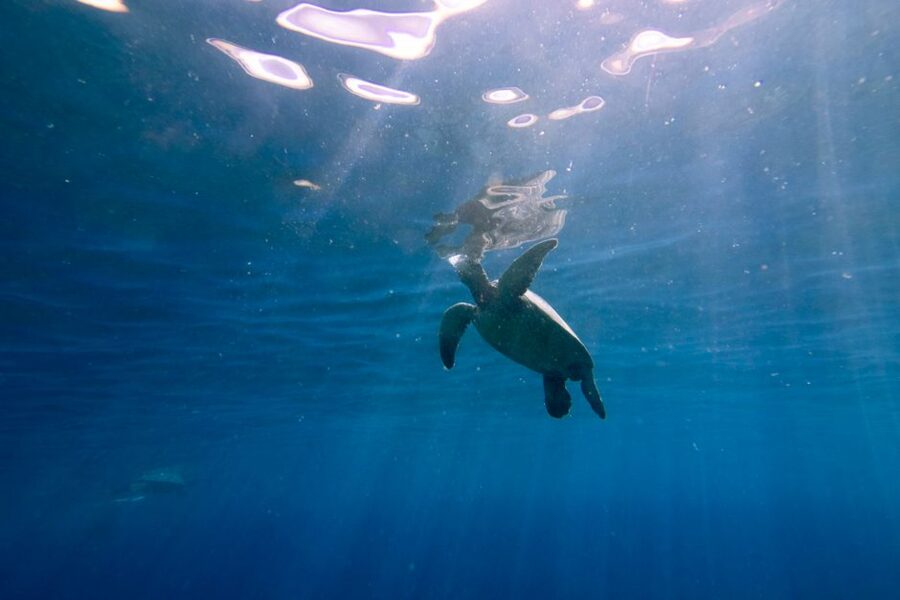
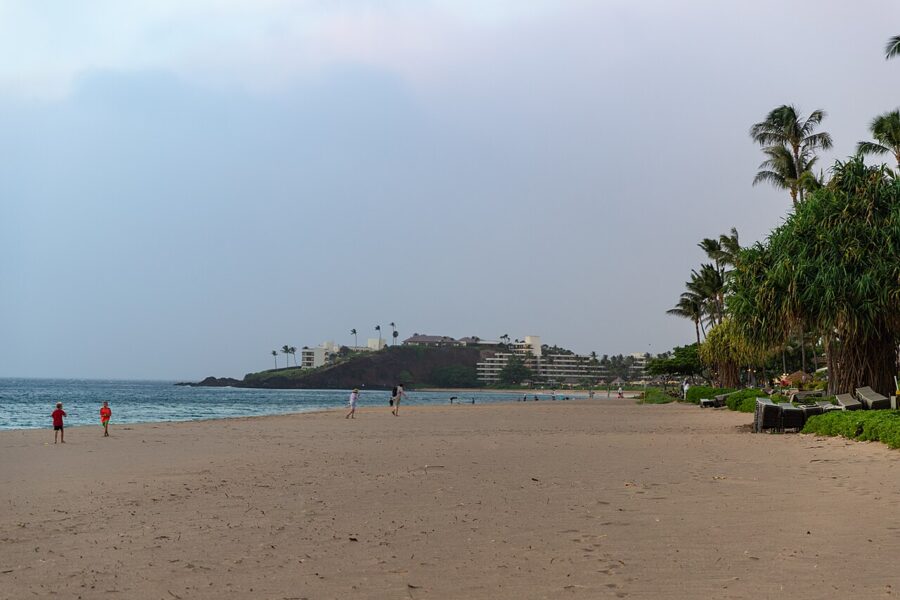
From shore, try Black Rock (Puʻu Kekaʻa) at the north end of Kāʻanapali Beach, Kapalua Bay, Honolua Bay in summer, and the rocky points of Wailea and Mākena. Snorkel only in calm water, with a partner.

Since October 1, 2022, Maui County has banned the sale and use of non-mineral sunscreens without a prescription. Only zinc oxide and titanium dioxide formulas are allowed, so buy on the island if yours has chemical filters.
Whale-watching, December to April
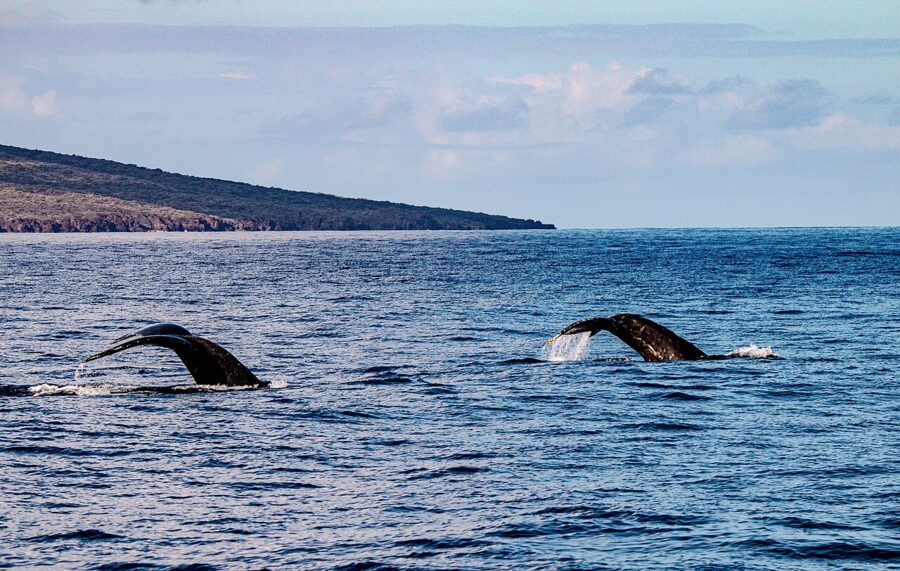
Humpbacks winter in Hawaii, and the shallow channel between Maui, Lānaʻi and Molokaʻi holds the most. NOAA’s sanctuary office puts the season at November through May, peaking January through March, when you can see blows and breaches from shore at Kāʻanapali, Lahaina and Kīhei.
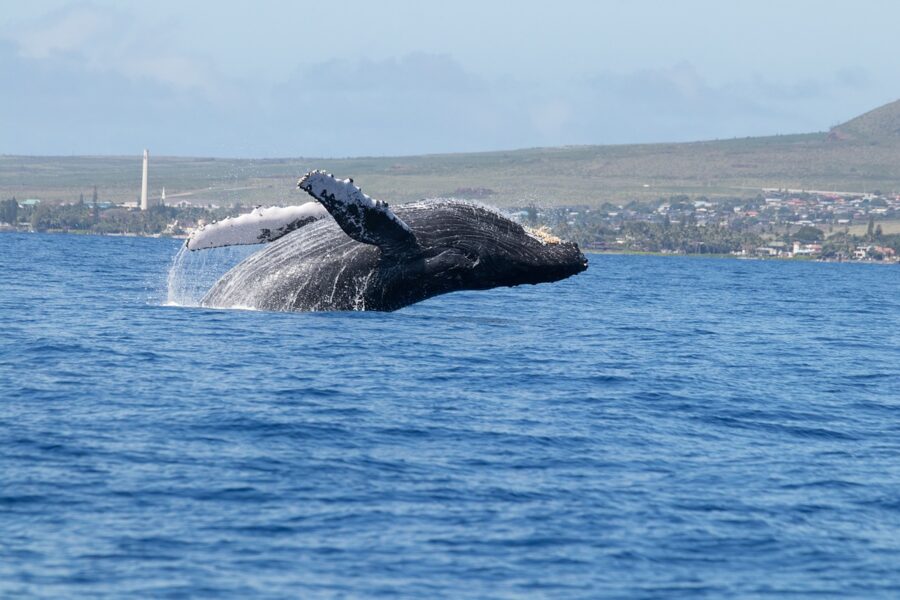
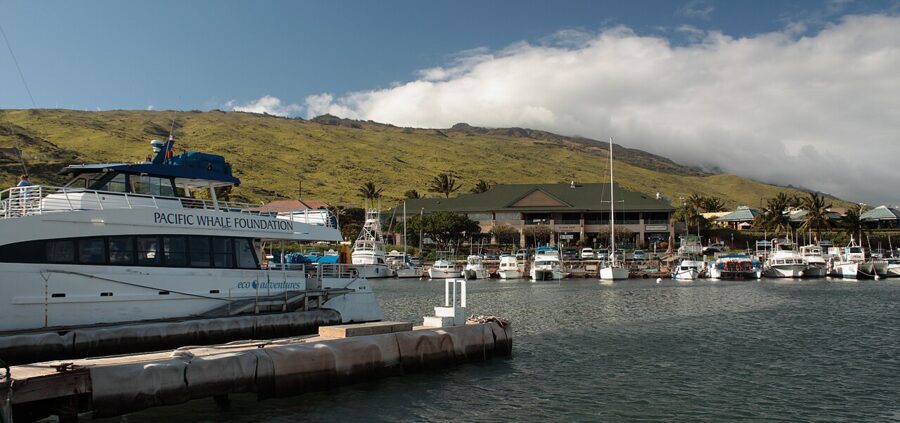
Boats run from Māʻalaea and from Lahaina Harbor, which reopened to a limited number of operators in December 2025. The nonprofit Pacific Whale Foundation runs its own trips and a volunteer whale count. Two hours is enough.


ʻĪao Valley State Monument
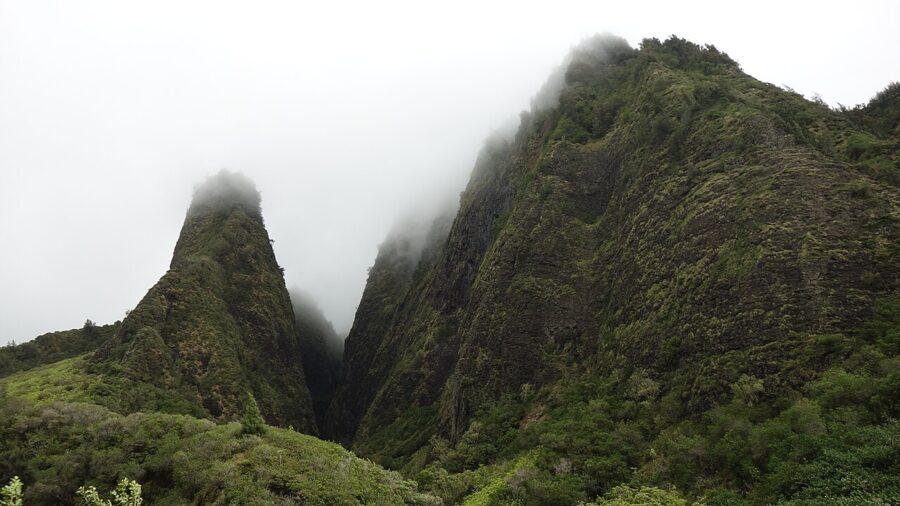
Ten minutes above Wailuku, ʻĪao Valley is a green amphitheater with Kukaʻemoku, the ʻĪao Needle, rising about 1,200 feet from the valley floor. In 1790 Kamehameha I’s forces defeated Maui’s army here in the Battle of Kepaniwai. A paved 0.6-mile loop leads to the lookout and through a garden of Hawaiian plants.

Non-residents reserve at gostateparks.hawaii.gov: $5 a person plus $10 parking. Open 7am to 6pm; the last slot is 4:30pm and you must enter by 5pm. The monument was closed for much of 2026, for safety work and then after the autumn storms, and reopened on November 1, 2026, so check the state parks’ notices before booking. Allow an hour.
Maui Ocean Center
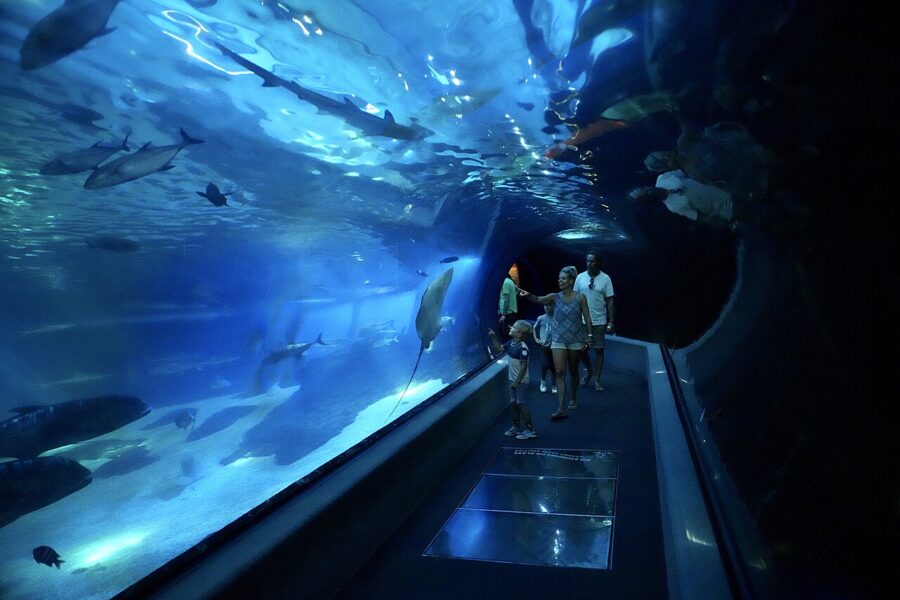
The aquarium at Māʻalaea Harbor focuses on Hawaiian reef and ocean life, a good primer before you snorkel. The highlights are the walk-through tunnel under the open-ocean tank and the Humpbacks of Hawaiʻi 3D dome show, which is included.

Open 9am to 5pm (4pm on Thanksgiving, November 26, 2026). Online prices start at $49.95 for adults, $44.95 for seniors and $39.95 for children 4 to 12, plus tax. It is the best rainy-day option on the island.
A lūʻau
The Old Lāhainā Lūʻau, at 1251 Front Street near Mala Wharf on the north edge of Lahaina, runs seven nights a week on oceanfront grounds. Its show sticks to Hawaiian hula, kahiko (ancient) and ʻauana (modern), rather than a tour of Polynesia with fire knives. It lasts about three hours; from October through February, check-in is 5:15pm.
Seats often sell out well ahead from Christmas to spring break. Resorts in Kāʻanapali and Wailea run their own shows if you would rather not drive after dinner.
Lahaina after the 2023 fire
On August 8, 2023, a wind-driven wildfire destroyed most of Lahaina and killed 102 people. The former royal capital and whaling port lost almost all of its historic core. More than three years later it is a place where people are rebuilding homes, not a sight.
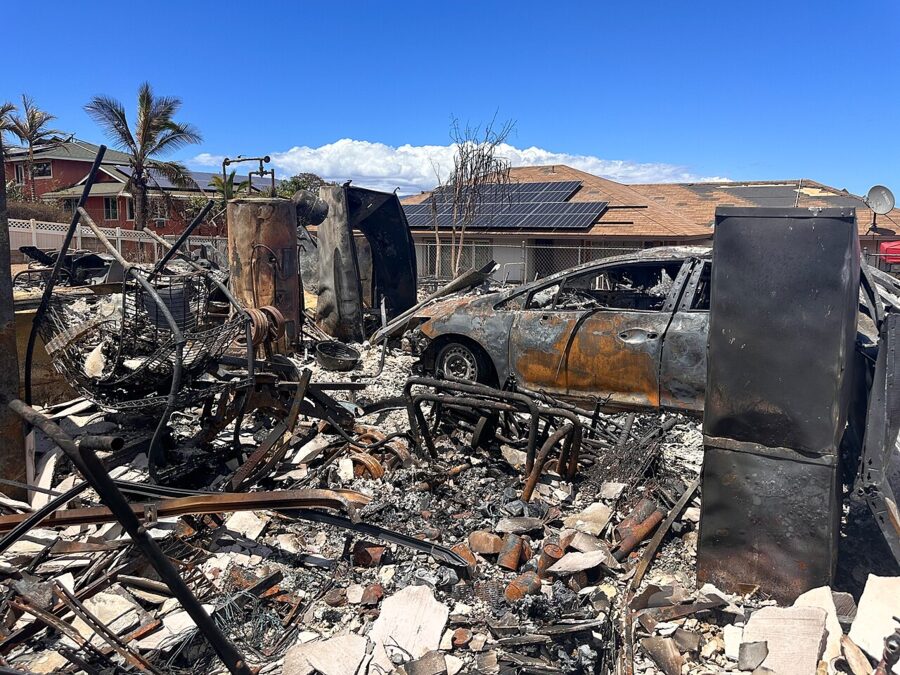

What is open, as of November 2026:
- Front Street reopened to vehicles on August 1, 2026, from Pāpalaua Street to Shaw Street, with Dickenson and Prison streets, the Maui County Office of Recovery announced. Market Street, Papelekane Street and Mokuhinia Place stay closed during work that includes dredging Lahaina Harbor.
- Lahaina Harbor began a phased reopening for commercial tours on December 15, 2025, in daylight only.
- Around the edges of town, the Lahaina Cannery and Lahaina Gateway shopping centers, the Old Lāhainā Lūʻau and Star Noodle, now on Front Street, are open.
- Kāʻanapali, Honokōwai, Kahana, Nāpili and Kapalua are fully open.
The banyan tree, planted in 1873, survived but stays fenced off while it recovers; an August 2026 report put public access back to at least 2028. You can see it from Front Street, beside the burned shell of the Old Lahaina Courthouse.
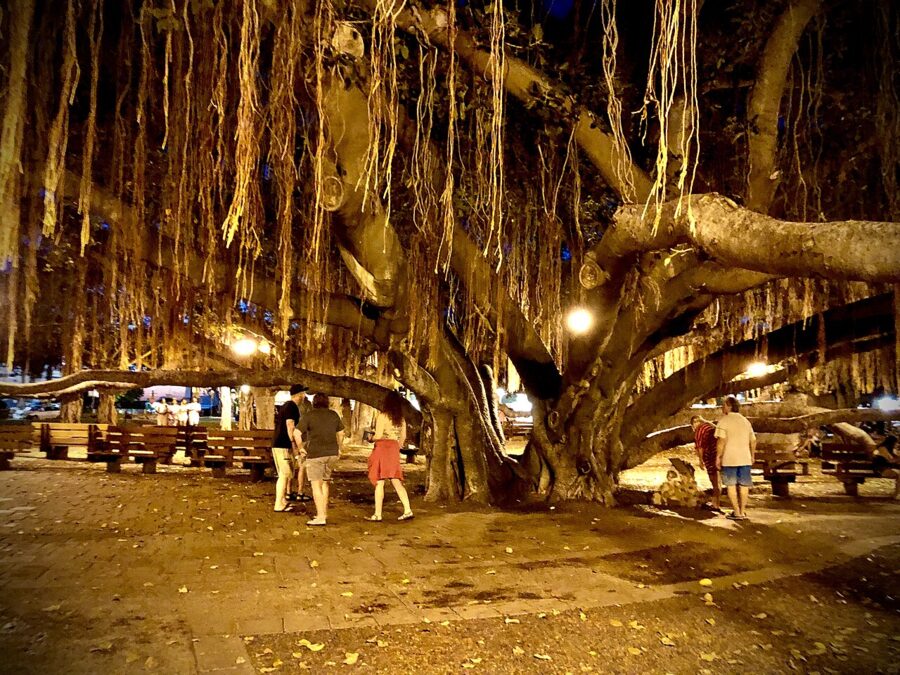

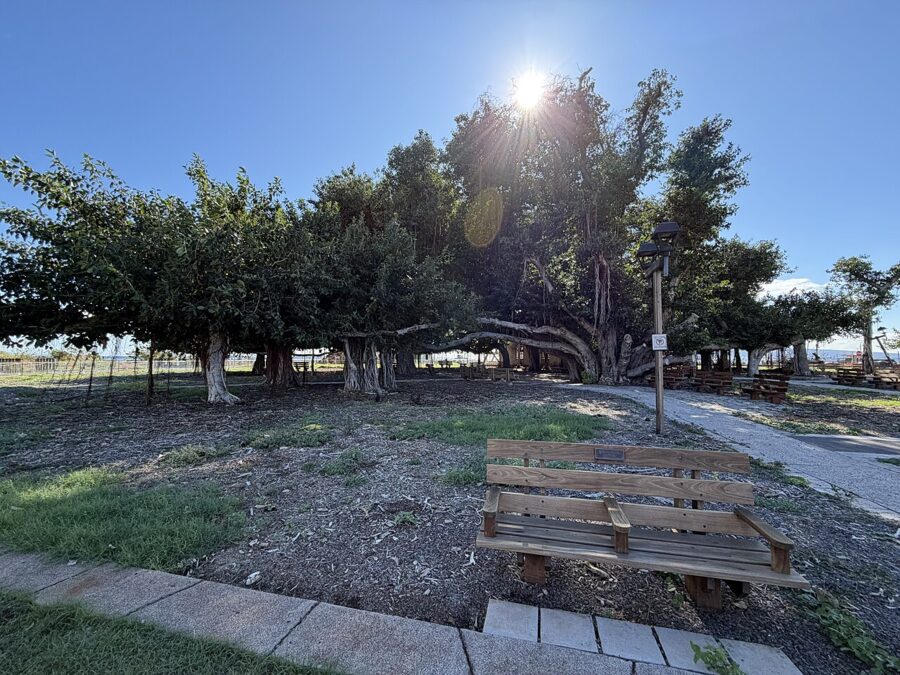

To visit respectfully, follow the county’s and the Hawaiʻi Tourism Authority’s guidance: drive through rather than stopping to look, stay out of fenced and restricted areas and off private property, and don’t photograph fire-damaged sites. Spend money in the businesses that have reopened. Recovery news is posted at MauiRecovers.org.
Smaller, local things worth a stop
Upcountry: Makawao, Kula and the farms
Most visitors rush through Upcountry on the way to Haleakalā. Makawao is an old paniolo (Hawaiian cowboy) town of wooden storefronts and galleries; Kula, higher up, is farm country with views across the isthmus.
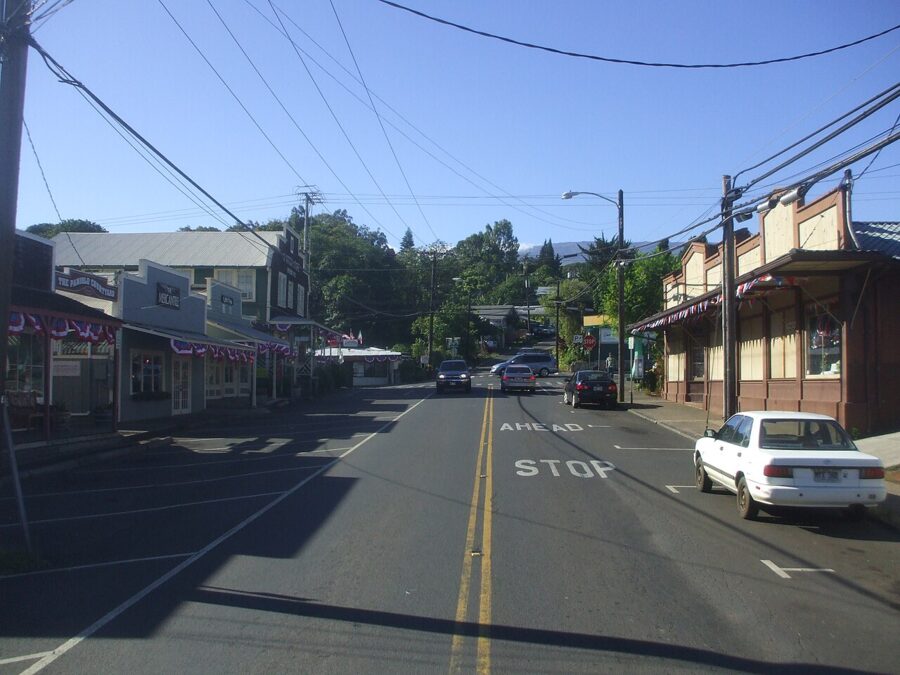

- Hui Noʻeau Visual Arts Center, 2841 Baldwin Avenue, Makawao: a 1917 estate turned nonprofit art center with galleries and studios. Tuesday to Saturday, 9am to 4pm.
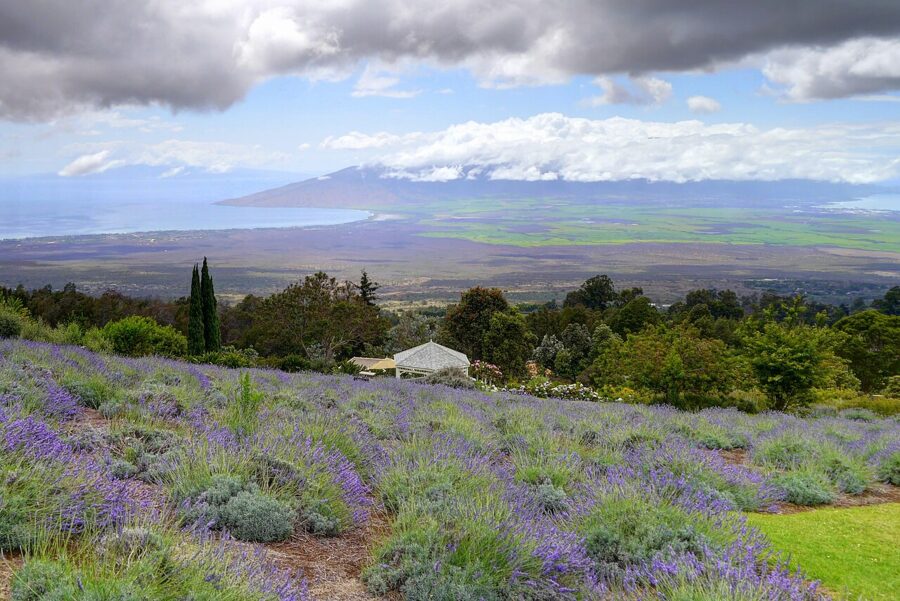
- Aliʻi Kula Lavender, 1100 Waipoli Road, Kula: lavender fields, gardens and a shop. Friday to Monday only, 10am to 4pm, last entry 3:45pm.
- Surfing Goat Dairy, 3651 Omaopio Road, Kula: goat cheese, a farm shop and café, and tours. Tuesday to Saturday, 9:30am to 5pm.
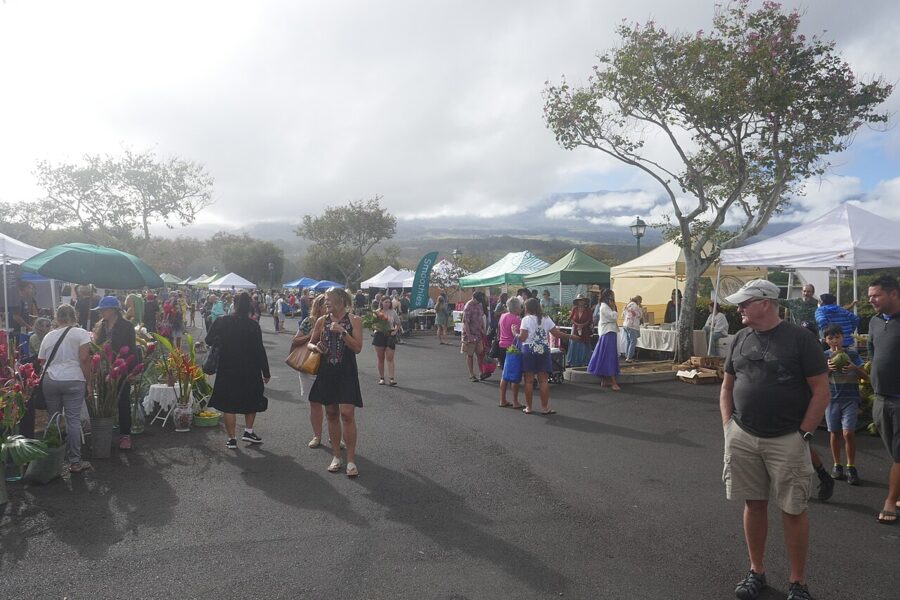
- Upcountry Farmers Market, Kulamalu Town Center, 55 Kiopaʻa Street, Makawao: more than 100 vendors, Saturdays 7am to 11am. Go before 9am.


Wailuku and Kahului
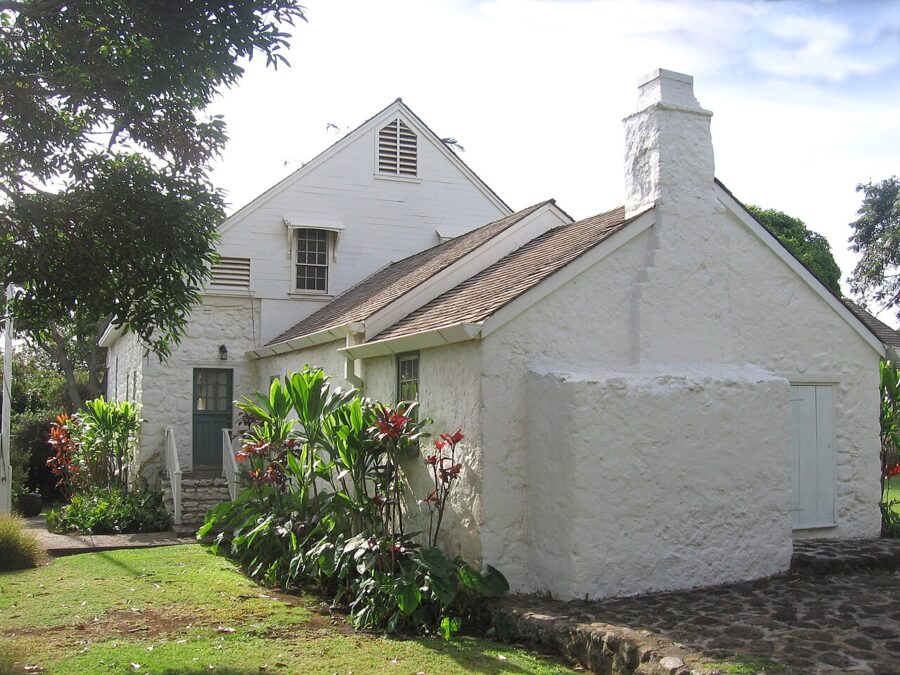
Wailuku’s Main Street has the island’s best small museum. The Bailey House Museum (Hale Hōʻikeʻike), 2375A Main Street, is a 19th-century mission house run by the Maui Historical Society, with Hawaiian artifacts, a koa canoe and Edward Bailey’s paintings of old Maui. Open Tuesday to Friday, 10am to 2pm.

In Kahului, the Maui Arts & Cultural Center is the island’s main stage for concerts and comedy, and its Schaefer International Gallery is open Tuesday to Saturday, 10am to 4pm. Check the calendar against your dates.
The north shore: Pāʻia and Hoʻokipa
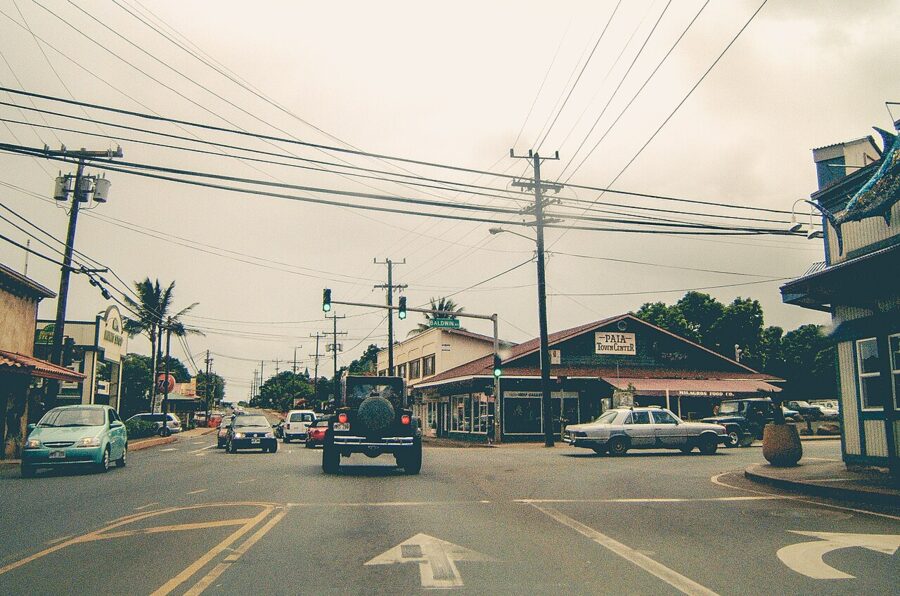
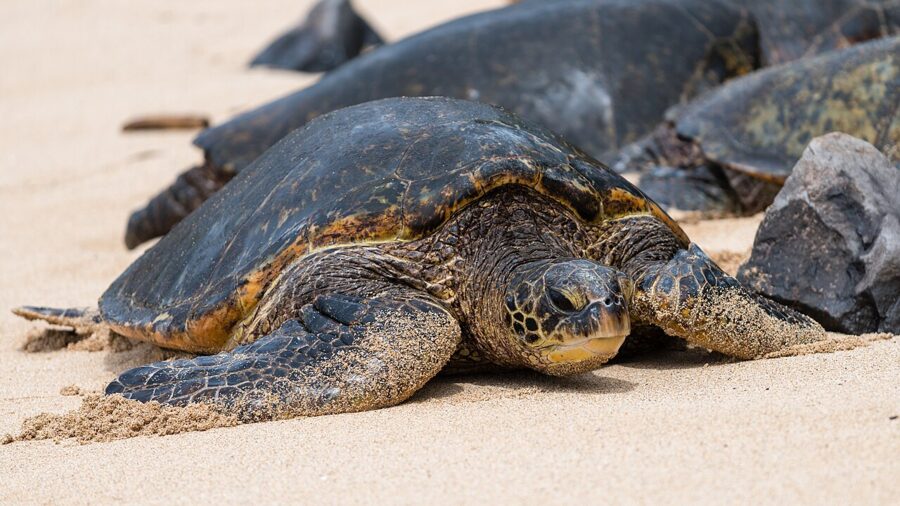
Pāʻia is a former sugar town turned surf town and the last stop for coffee, gas and lunch before Hāna. Two miles east, the lookout above Hoʻokipa Beach Park faces some of the island’s best windsurfing and winter surf, and late in the afternoon green sea turtles haul out on the sand at the west end of the beach.


Beaches by coast
In winter the big swells hit the north and west shores, so South Maui is the safe bet; in summer the south shore gets the swell and the west coast calms down.
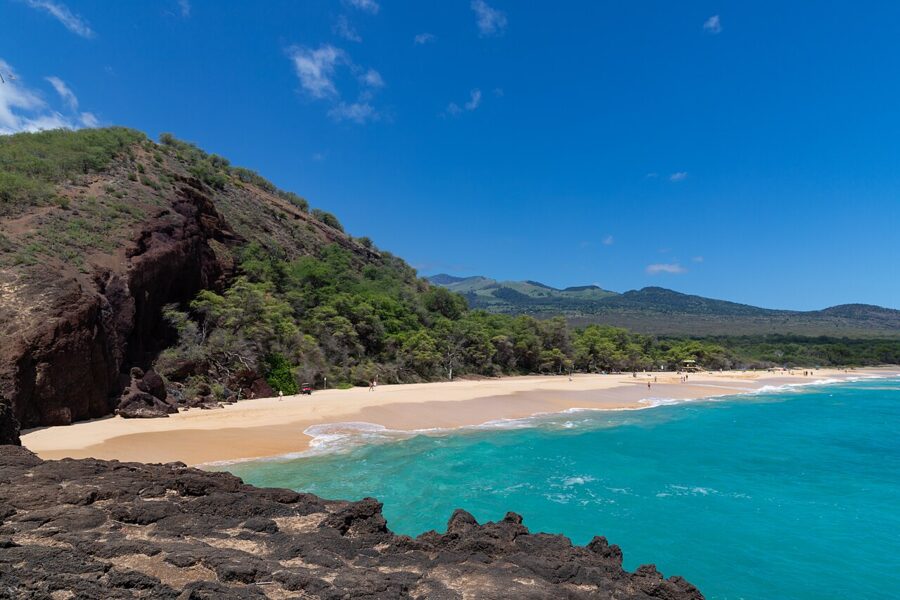
- Oneloa (Big Beach), Mākena State Park: two-thirds of a mile of wide sand with no buildings. The shore break is powerful and causes serious neck injuries, so swim only on calm days. Open 5am to 7pm (7:45pm in May, June and July); non-residents pay $5 a person and $10 to park.
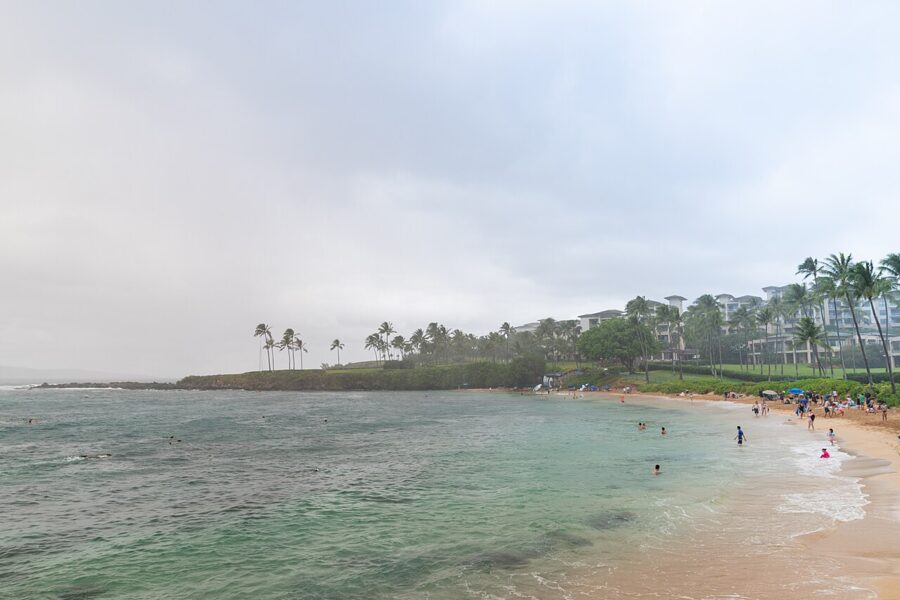
- Kapalua Bay: a sheltered crescent, good for swimming and first-time snorkelers.
- Kāʻanapali Beach: long and lined with resorts, with Black Rock at its north end.
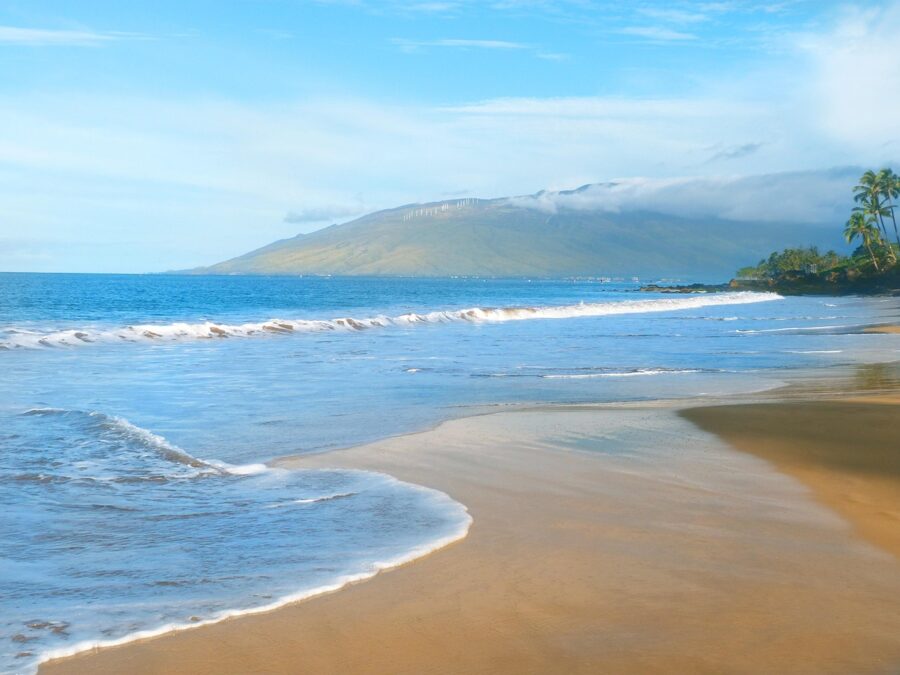
- Kamaʻole I, II and III, Kīhei: lifeguarded family beaches with showers and parking.


The Nakalele Blowhole
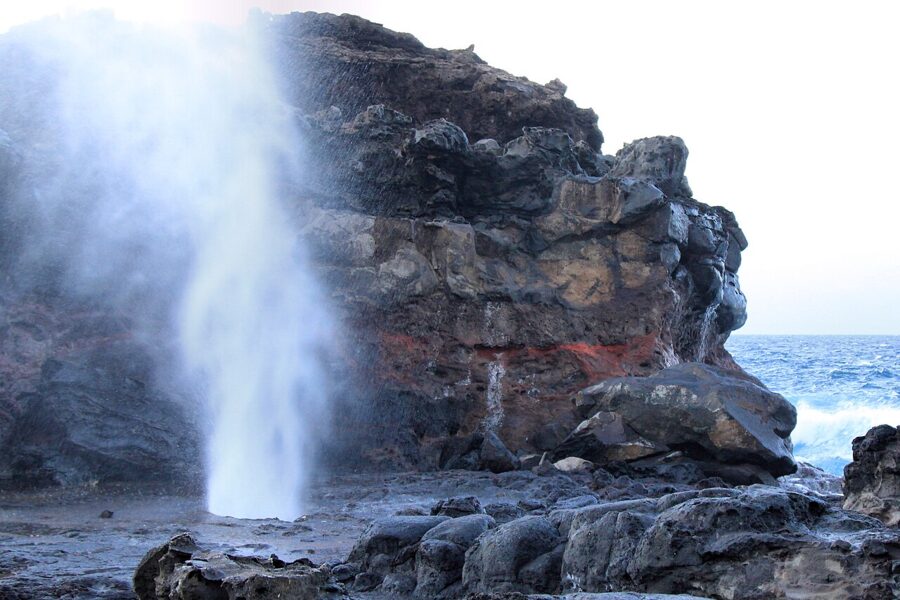
On the rugged northern tip of West Maui, past Kapalua, the sea forces water up through a hole in the lava shelf in plumes that grow with the swell. It is free and a short, rough walk from the highway pullouts. Watch from well back: people have been pulled into the hole and the sea beside it.

Festivals and seasonal events by month
| When | What | Where |
|---|---|---|
| December to April | Humpback whale season, peaking January to March | West and South Maui coasts |
| Early December | Maui Pops Orchestra’s Holiday Pops (December 6 in 2026) | Maui Arts & Cultural Center, Kahului |
| Saturdays, year-round | Upcountry Farmers Market, 7am to 11am | Kulamalu Town Center, Makawao |
| May 1 | Lei Day, celebrated statewide with lei-making and hula | Island-wide |
| Late June | Kapalua Wine & Food Festival (June 24 to 27 in 2027) | Kapalua Resort |
Where to eat and drink
A short list by kind of meal, all trading as of November 2026:
- A special dinner: Mama’s Fish House, on the coast at Kuʻau just past Pāʻia, names the fisherman behind each catch and books up months ahead. Merriman’s Kapalua, on the point above Kapalua Bay, is the West Maui sunset table.
- Upcountry lunch: Haliʻimaile General Store, a 1920s plantation store among the old pineapple fields, open daily 11am to 8pm, drinks only in the late afternoon.
- On the way to West Maui: Leoda’s Kitchen and Pie Shop in Olowalu, daily 10am to 6pm, for sandwiches and small pies.
- A casual plate in Kahului: Tin Roof, Chef Sheldon Simeon’s counter at 360 Papa Place, for rice bowls and mochiko chicken. A good first stop from the airport.
- Fish on the north shore: Pāʻia Fish Market, for blackened fish plates and tacos before or after the Road to Hāna.
- West Maui noodles: Star Noodle, now on Front Street in Lahaina, for house-made noodles, dim sum and shared plates.

Many casual places close early, so check hours before crossing the island for dinner. In Hāna, food is mostly from trucks and stands; pack lunch in Pāʻia.
When to go, and how many days you need
Maui is warm all year: Kahului’s normal high peaks at 90°F in September, and winter nights average 64°F in January and February. What changes is rain on the windward side, winter surf on the north shore, whales between December and April, and prices, which peak at Christmas and New Year. For month-by-month detail, see the guide to the best time to visit Hawaii.
The best balance is usually mid-April to early June or September to mid-November. Hurricane season runs June through November. In 2026 Tropical Storm Nolo closed every state park on Maui on September 25, and they reopened in stages through October. Book refundable rooms for late summer and autumn.

How many days are enough? Four to five covers Haleakalā, Molokini and the Road to Hāna with beach time between. Three is enough if you skip Hāna. A weekend covers the summit and a snorkel, and a week lets you split your stay between two coasts.
A simple two-day plan
Day 1: Upcountry and the north shore. Haleakalā at sunrise if you have a reservation, or by day with sunset if you don’t. Come down through Kula for the lavender farm (Friday to Monday) or Surfing Goat Dairy (Tuesday to Saturday), then lunch at Haliʻimaile General Store. Walk Makawao, drop to Pāʻia, and catch the turtles at Hoʻokipa before dinner at Mama’s Fish House.
Day 2: the ocean and Central Maui. An early Molokini snorkel from Māʻalaea, back by lunch. Spend the afternoon at the Maui Ocean Center in the same harbor, then take a late ʻĪao Valley slot (4:30pm at the latest), stopping at the Bailey House Museum on a weekday. End with sunset on a Kīhei or Wailea beach.
A third day goes to the Road to Hāna, with Waiʻānapanapa booked for late morning and the Pīpīwai Trail after lunch.
Getting around and practical notes
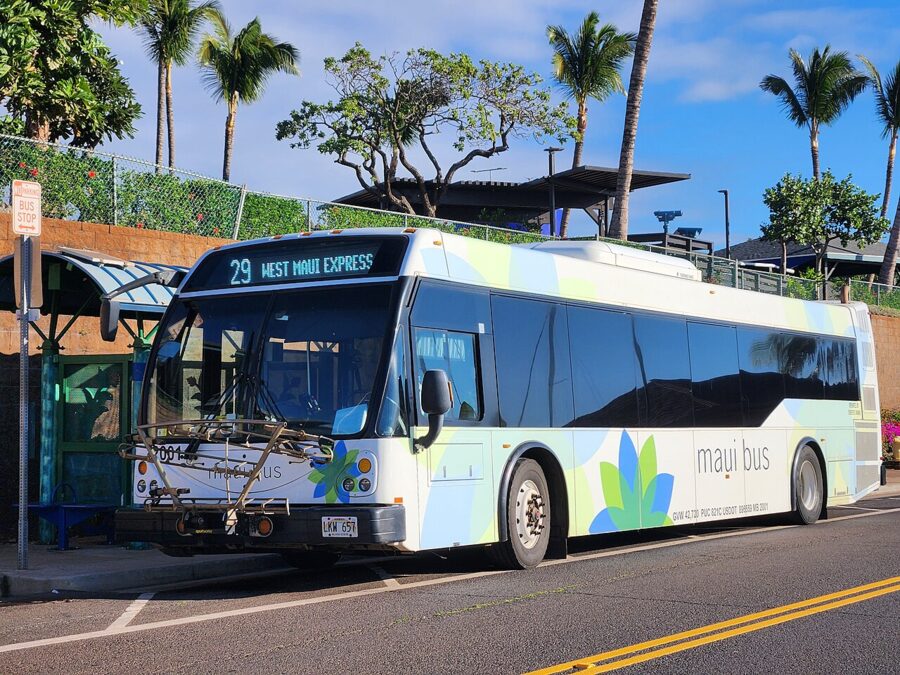
You need a car. Maui Bus links the main towns for $2 a ride, and two routes stop at the airport, but buses don’t reach trailheads, the summit or Hāna. Book a rental with your flights in peak weeks, and fill up in Kahului, Kīhei or Pāʻia before long drives.


Reservations to make before you fly:
| Place | Book at | Opens | Cost (non-residents) |
|---|---|---|---|
| Haleakalā sunrise (3am to 7am) | Recreation.gov | 60 days ahead, 7am HST; second batch 2 days ahead | $1 per car, plus $30 entry |
| Waiʻānapanapa State Park | gostateparks.hawaii.gov | 30 days ahead; no same-day | $5 per person + $10 parking |
| ʻĪao Valley State Monument | gostateparks.hawaii.gov | Before your visit; last slot 4:30pm | $5 per person + $10 parking |
| Kahanu Garden | National Tropical Botanical Garden | Reservations appreciated | $18 adults; 12 and under free |
| Molokini snorkel, lūʻau | The operator | Weeks ahead in winter | Varies |
Ocean safety. Swim at lifeguarded beaches when you can, check the surf first, and never turn your back on the waves on a rocky shore. Mākena’s shore break, winter swell in the north and west, and the rocks at Nakalele are the common hazards.
Local rules. Mineral sunscreen only. Keep 100 yards from humpbacks and well back from turtles and monk seals. Don’t take lava or sand, or cross fences for a waterfall or viewpoint; much of the island is private land.
Quick answers
Should tourists go to Maui right now? Yes. Outside Lahaina town the island is open, and state figures show arrivals climbing again, up 18.4% in May 2026 on a year earlier. Be careful and quiet around Lahaina and spend in local businesses.
Is there a nudist beach on Maui? Little Beach at Mākena has the reputation, but Hawaii has no legal nude beach, and Little Beach closes at 4pm on weekends.
What should you stay away from? Fenced areas in Lahaina, private land along the Hāna road, the edge of the Nakalele Blowhole and the back road past Kaupō.
The one thing to book? The Haleakalā summit: sunrise if you win a reservation, sunset if you don’t. Set an alarm for 6:55am Hawaii time 60 days before your date, and be logged in to Recreation.gov when the reservations open.