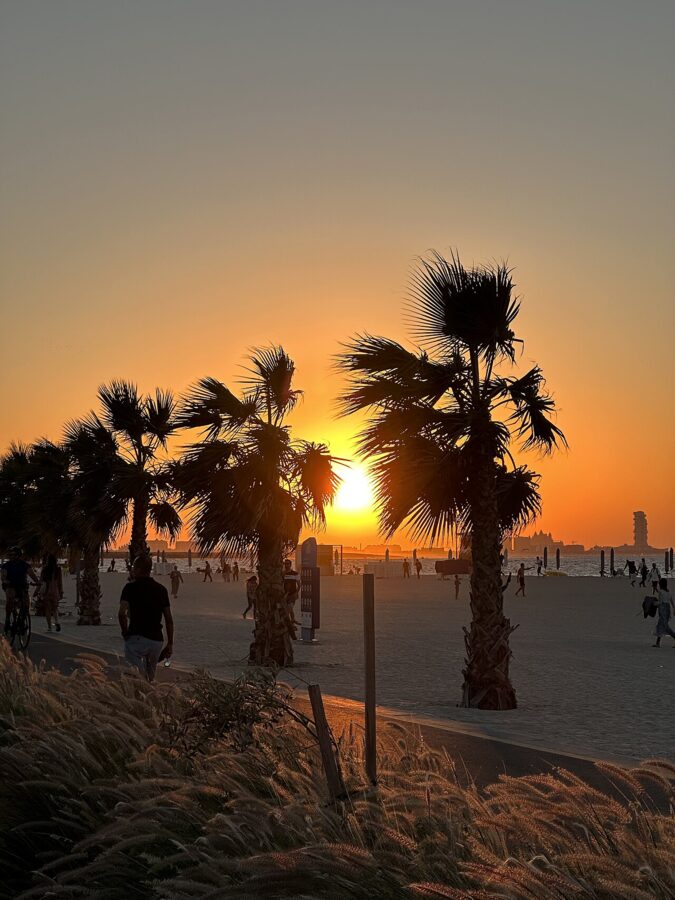
The best time to visit Dubai is November to March, and the sweet spot is December through February, when the average high at Dubai International Airport sits between 76°F and 80°F and the nights fall to about 60°F. Avoid June through September unless you plan to live indoors: average highs run from 103°F to 107°F, and the nights stay in the 80s.
The cool months are also the crowded, expensive ones. December 2025 was the busiest month Dubai has ever recorded, with 2.04 million international overnight visitors, according to the city’s Department of Economy and Tourism. The shoulder weeks of late October, early November and late March into April give you most of the good weather for less money, and the summer gives you the lowest rates of the year in exchange for heat that shuts down the outdoor half of the city.

Two things move around the calendar and change the answer for a given year. Ramadan shifts about 11 days earlier every year and is expected to run from around February 8 to March 8, 2027. And as of November 2026, the State Department rates the United Arab Emirates at Level 3, “Reconsider Travel”, because of the armed conflict with Iran that began in February 2026; the section near the end covers what that means for timing.

On this page
- The short answer: best months and the ones to skip
- Dubai's climate month by month
- Dubai month by month
- The best time for what you want to do
- Where you go changes the answer
- Festivals and holidays, 2026-27
- Summer in Dubai: how hot, and how to manage it
- Rain, fog and dust
- Before you book: the 2026 advisory
- Which month for which trip
The short answer: best months and the ones to skip
- Best overall: December, January and February. Highs in the upper 70s, cool evenings, every seasonal attraction open, the Dubai Shopping Festival and New Year’s Eve. Also the highest hotel rates.
- Best value with good weather: the second half of October, November, and March into early April. Warm to hot afternoons, comfortable evenings, fewer peak-week surcharges.
- Hot but workable: April and May, and late September into October, if you sightsee early and late and spend the afternoon by a pool or indoors.
- Skip unless the price or a fixed date decides it: June, July, August and early September. Highs above 100°F every day, humid nights, and most outdoor attractions closed for the season.
Dubai’s climate month by month
The figures below are the official 1991-2020 climate normals for Dubai International Airport, which the UAE submitted to the World Meteorological Organization and which NOAA’s National Centers for Environmental Information archives. The airport is on the Deira side of the city, close to the Creek and the coast, so it is a fair guide to where most visitors stay. Daylight is the time from sunrise to sunset on the 15th of each month.
| Month | Average high | Average low | Rain | Sunshine per day | Daylight |
|---|---|---|---|---|---|
| January | 76°F (24.4°C) | 60°F (15.3°C) | 0.82 in (20.8 mm) | 8.2 hours | 10h 40m |
| February | 79°F (26.1°C) | 62°F (16.4°C) | 0.39 in (9.9 mm) | 8.9 hours | 11h 20m |
| March | 84°F (28.9°C) | 65°F (18.6°C) | 0.85 in (21.7 mm) | 9.3 hours | 12h 0m |
| April | 93°F (33.7°C) | 72°F (22.3°C) | 0.13 in (3.3 mm) | 10.5 hours | 12h 40m |
| May | 101°F (38.2°C) | 79°F (26.1°C) | trace | 11.3 hours | 13h 20m |
| June | 105°F (40.3°C) | 83°F (28.6°C) | trace | 11.5 hours | 13h 40m |
| July | 107°F (41.5°C) | 88°F (31.2°C) | 0.04 in (1.1 mm) | 11.0 hours | 13h 35m |
| August | 107°F (41.9°C) | 89°F (31.5°C) | trace | 10.8 hours | 13h 0m |
| September | 103°F (39.5°C) | 84°F (28.9°C) | trace | 10.3 hours | 12h 20m |
| October | 97°F (35.9°C) | 78°F (25.4°C) | 0.06 in (1.5 mm) | 9.7 hours | 11h 35m |
| November | 87°F (30.7°C) | 70°F (21.1°C) | 0.23 in (5.9 mm) | 8.9 hours | 10h 55m |
| December | 80°F (26.5°C) | 63°F (17.3°C) | 0.58 in (14.8 mm) | 8.3 hours | 10h 35m |
A year’s rain averages 3.1 inches (79.2 mm), almost all of it between November and March. Those averages hide how lumpy it is. In a typical year January and February each get less than a quarter inch, and in two years out of five March gets less than a sixteenth of an inch; the averages are pulled up by the odd storm that drops several months’ worth in a day.
The table also understates summer. Humidity is the part that hurts, and the same normals show it: the air in July, August and September holds about twice as much water vapor as January air. On the coast that means sticky nights in the high 80s, sunglasses that fog when you step out of a hotel lobby, and a “feels like” reading well above the thermometer.

Dubai month by month
January: the coolest month
January is the coolest month of the year, with an average high of 76°F and a low of 60°F. It feels like a good spring day on the coast and colder than you expect after dark in the desert, where a fleece earns its place in the bag. The Dubai Shopping Festival runs until January 17, 2027, and the Dubai Marathon is scheduled for the same day.
Hotels stay expensive through the first week, when the New Year crowd is still in town, then ease slightly. January also brings foggy mornings and a fair share of the year’s rain, so leave a spare day if a desert trip or a skydive matters to you.
February: the best weather of the year
February is warmer than January (79°F highs) and drier (0.39 inches on average), which makes it the best weather month for most people. The sea is at its coolest, which suits swimmers who dislike bathwater and puts off those who expect it. In 2027 Ramadan is expected to begin around February 8, so the second half of the month will feel different: quieter days, late nights, and a city that eats after sunset.
March: warm, still busy, and the wettest on paper
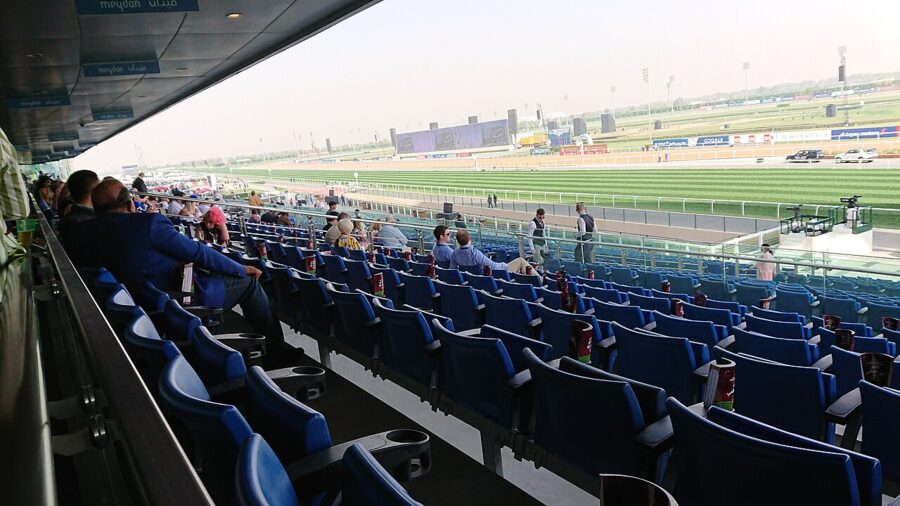
March averages 84°F and has the highest average rainfall of any month, 0.85 inches, although two Marches in five stay almost dry and a few very wet years lift the figure. It is also the month with the most fog in the official record. Ramadan is expected to end around March 8, 2027, followed by the Eid Al Fitr holidays from about March 9, which bring visitors from around the Gulf. The Dubai World Cup, the biggest night of the UAE racing season, is set for Saturday, March 27, 2027 at Meydan.

April: the last good month for most plans
April averages 93°F, with a comfortable 72°F at night, and rain becomes rare. Mornings and evenings are still fine for walking, and the beach is at its best for people who want warm water without summer air. By the last week the midday sun is fierce, so plan sightseeing before 11am and after 4pm.
May: the turn
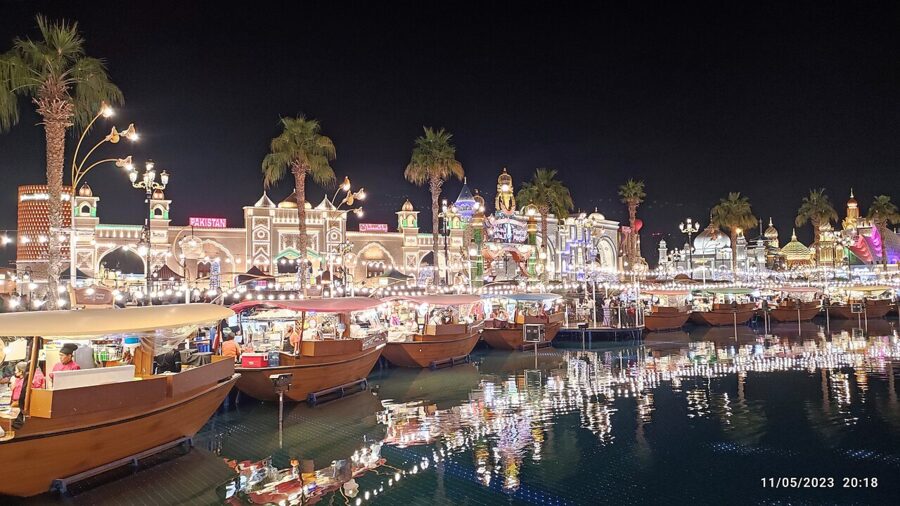
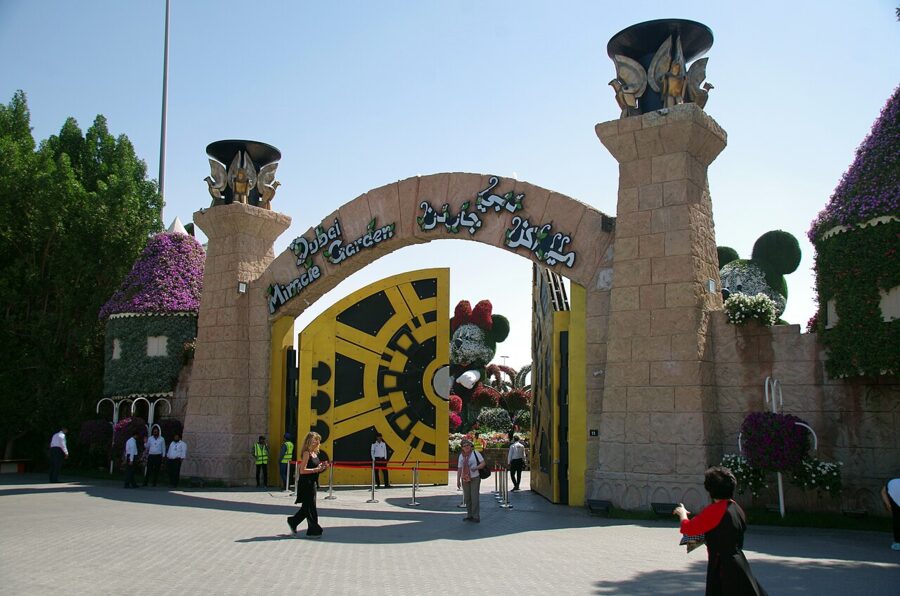
May is the month the average high crosses 100°F (101°F), and nights hold near 79°F. The seasonal attractions close one by one: Dubai Miracle Garden’s season ends May 31, 2027, and Global Village closes in May. The Eid Al Adha holidays are expected from about May 15 to 18, 2027, which pushes up demand for that week.
June: indoor season starts
June averages 105°F, with 13 hours and 40 minutes of daylight and the year’s sunniest days. The UAE labor ministry’s midday break, run from June 15 to September 15 each summer since 2005, bans outdoor work in direct sun from 12:30pm to 3pm, and that is a sensible rule for visitors too. The Islamic New Year holiday is expected around June 6, 2027.
July: the hottest stretch begins
July averages 107°F by day and 88°F at night. Life moves into malls, hotel pools, indoor ski slopes and aquariums, and the city runs Dubai Summer Surprises, a summer retail and family-entertainment festival whose 2027 dates had not been announced as of November 2026. Hotel rates are at or near their lowest.
August: the hottest month
August edges out July as the hottest month, with an average high of 107°F and the year’s warmest nights at 89°F. The highest temperature recorded at Dubai International in the 1991-2020 normals, 120°F (48.8°C), came on an August day in 2016. The Prophet’s Birthday holiday is expected around August 14, 2027.

September: still summer
September averages 103°F, and the humidity is as high as August’s. The midday break runs to September 15, and the first outdoor venues start reopening at the end of the month: in 2026, Hatta’s resorts and Wadi Hub reopened on September 28. For most trips, September is summer with a slightly better hotel deal.
October: the season opens
October averages 97°F, falling through the month, and the outdoor city switches back on. In 2026 the Dubai Parks and Resorts theme parks reopened on October 7, Dubai Miracle Garden on October 8, Dubai Safari Park on October 12 and Global Village on October 14. The second half of October is the best value of the year if you can handle afternoons in the 90s.

November: the best all-rounder
November averages 87°F by day and 70°F at night, everything seasonal is open, and the full peak prices have not yet arrived. It is the month to pick if you want beach weather and comfortable evenings in one trip. Prices climb toward the end of the month as the National Day holiday approaches.
December: peak season
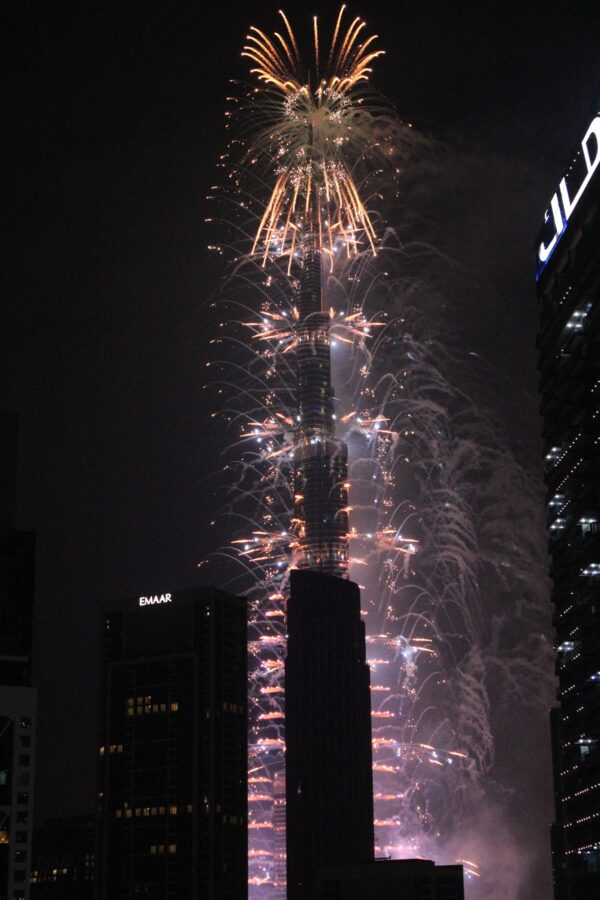
December averages 80°F, the evenings are the best of the year for eating outside, and the calendar is full. The UAE’s National Day holiday, Eid Al Etihad, falls on December 2 and 3, the 32nd Dubai Shopping Festival runs from December 4, 2026 to January 17, 2027, and the city ends the year with fireworks at Burj Khalifa and along the coast. The last ten days of the month are the most expensive and crowded of the year, so book early or come in the first week.

The best time for what you want to do
Sightseeing on foot
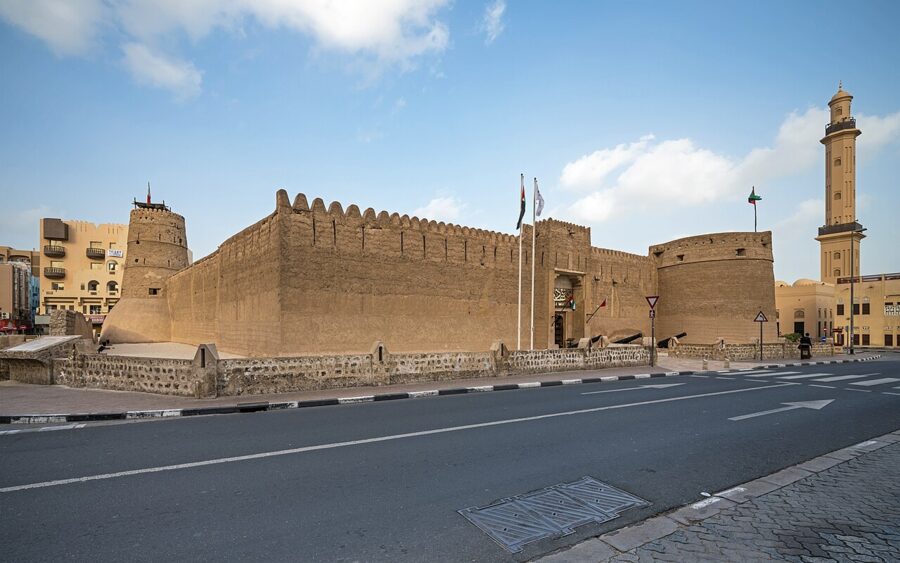
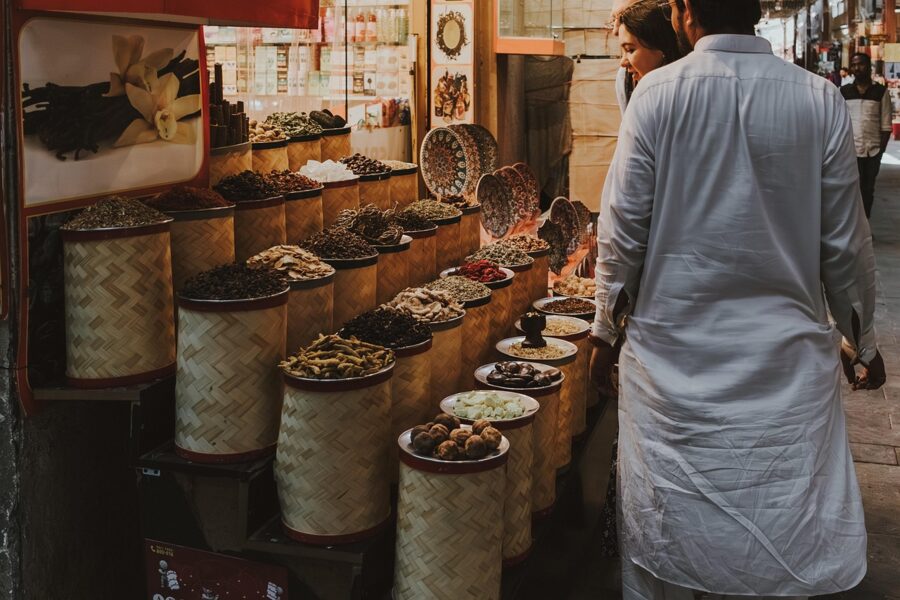
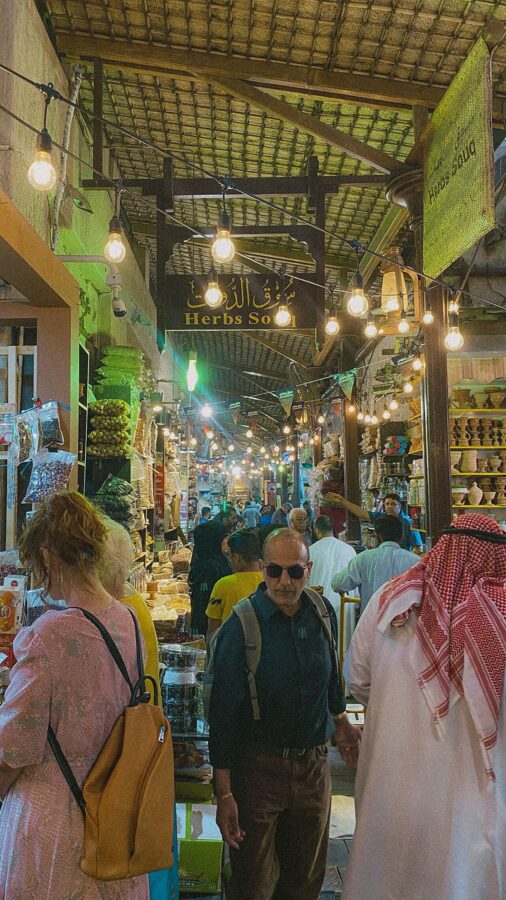
Go between November and March. Al Fahidi’s lanes, the Creek, the souks of Deira and the waterfront at Al Seef are all walking areas with little shade, and a two-hour stroll that is pleasant in January is punishing in June. In the shoulder months, start at 8am, break from noon to 4pm, and go back out for the evening.

Beaches and swimming
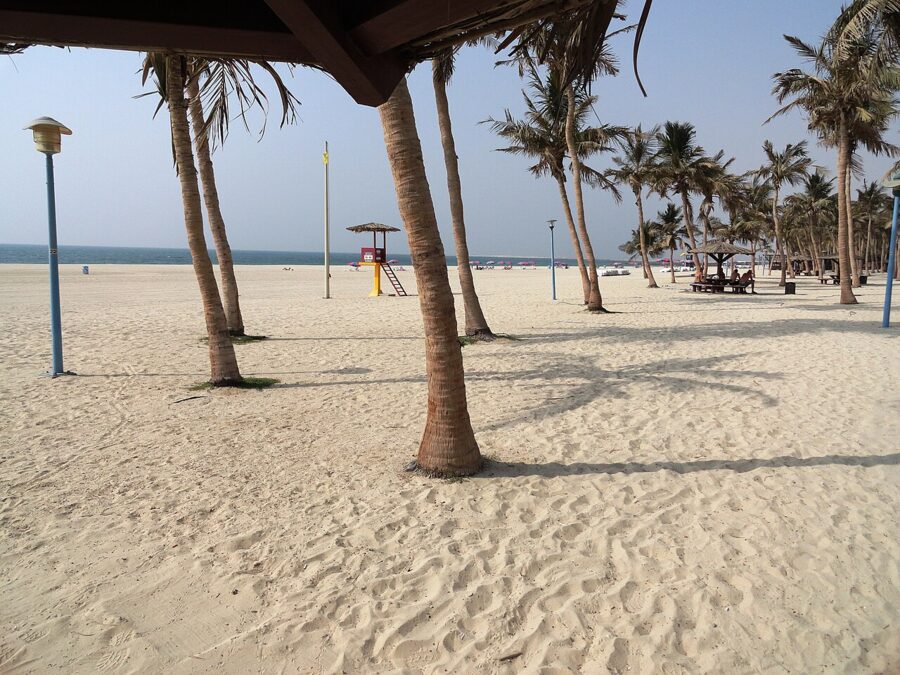
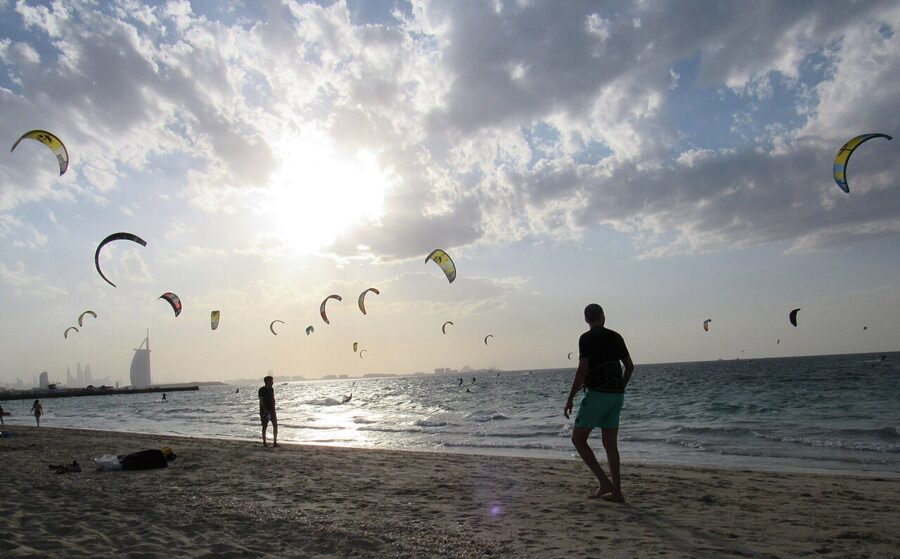
For lying on the sand, November to April is best; for warm water, April, May and October. You can swim in Dubai in December: the Gulf is at its coolest from January to March but still swimmable for most people, and many hotel pools are heated in winter. In summer the sea is as warm as a bath and offers little relief.
Dubai Municipality runs three night-swimming beaches, at Jumeirah 2, Jumeirah 3 and Umm Suqeim 1, each about 800 meters long and lit after dark, with lifeguards on duty. The municipality gives the swimming hours as sunset to sunrise; swim only in the marked zones, and check its site for any change before you go.

The desert
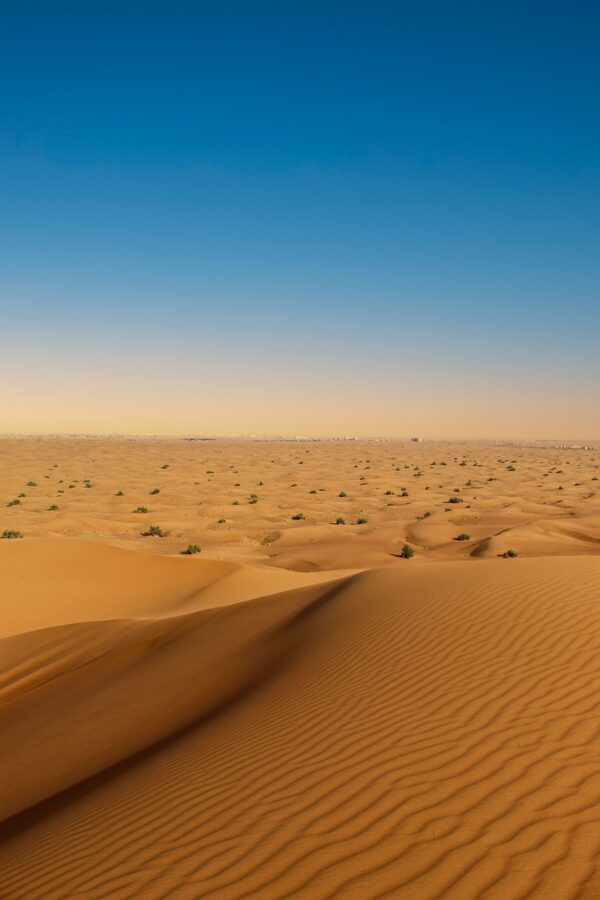
Desert trips (dune drives, camel rides, an evening camp) are best from November to March. They are sold in summer too, but a summer safari means dunes well over 100°F until the sun is low. In winter the desert swings the other way and is noticeably cooler than the coast after dark, so bring a layer.
Hiking in Hatta and the mountains
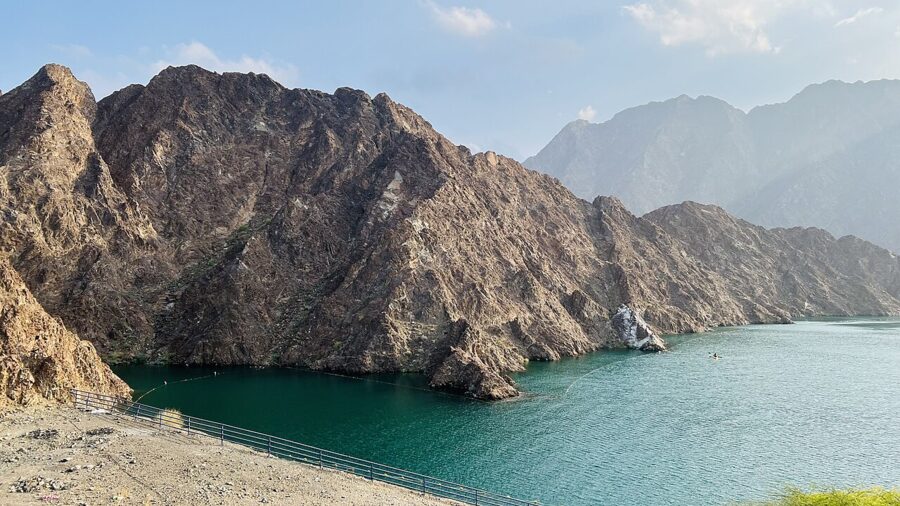
Hatta, the Dubai enclave in the Hajar Mountains about 83 miles (134 km) east of the city, has hiking and mountain-bike trails, kayaking on the Hatta Dam reservoir and the Wadi Hub adventure center. Its resorts work to a season: the ninth one opened on September 28, 2026 and is expected to close for the summer in May 2027. Go from November to March for hiking; the rocks hold heat, and an exposed trail at midday in May is no place to be.

Birds and wildlife
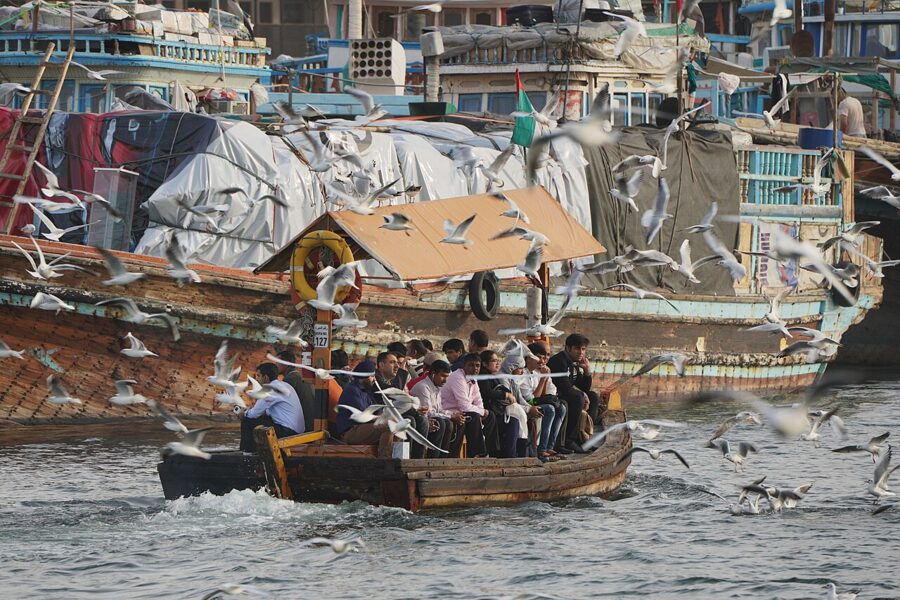
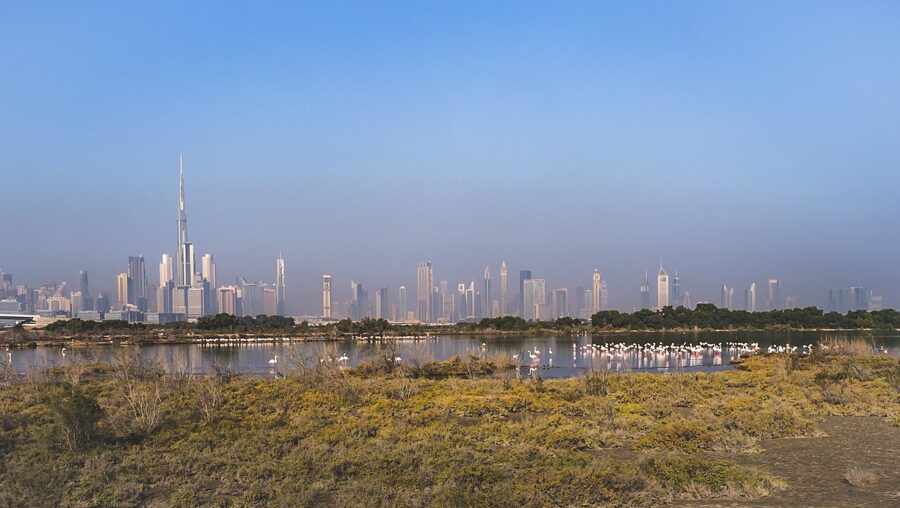
Winter is bird season. Migrants arrive along the coast and the Creek between autumn and spring, and Ras Al Khor Wildlife Sanctuary, at the inland end of the Creek and best known for its greater flamingos, is busiest with birds in the cooler months. Dubai Municipality runs its hides and changes their hours and closures, so check before you set out; outdoor zoos such as Dubai Safari Park also keep to the cool season.

Prices and crowds
Demand follows the temperature. The Department of Economy and Tourism counted 19.59 million international overnight visitors in 2025, with hotel occupancy averaging 80.7% across the year and an average room rate of AED 579 (about $158). The peak is late December, and the quietest, cheapest stretch runs from June to mid-September.
The best time to fly to Dubai on price is usually the summer, and the worst is the week before Christmas through the first days of January. Fares also tend to rise around the two Eid holidays, when Gulf residents travel, and around National Day. Emirates flies to Dubai from New York JFK and other American gateways; compare the same trip in the second week of December and the second week of January before you settle on dates.
Where you go changes the answer
Most visitors stay on the coast, between Deira and Dubai Marina, and the airport normals above describe that strip well. Two other parts of the emirate, and its neighbors, behave differently.
The inland desert is hotter by day and cooler at night. The nearest official inland station, at Al Ain airport in the neighboring emirate of Abu Dhabi, averages 113°F (44.9°C) in July against Dubai’s 107°F, but drops to a 55°F average low in January, five degrees colder than the coast. The air is drier too, which is why a desert evening in winter can feel cold and a desert afternoon in summer feels like an oven rather than a steam room.
The mountains around Hatta have no official climate station, but they share the inland pattern: hot, dry days, clearer air and cool winter nights. The resort season, roughly late September to May, is the practical guide.
The east coast, on the Gulf of Oman, is a separate trip from Dubai but a common day out. Fujairah airport averages 100°F (37.6°C) in July, cooler than Dubai, yet its summer air is even more humid, and its winters are milder, with January nights near 63°F.


Festivals and holidays, 2026-27
Islamic holidays follow the lunar calendar and are confirmed only when the moon is sighted, so treat those dates as expected, not fixed. The 2027 Islamic dates below are the expected dates from astronomical calculations, as reported in the UAE press in August and September 2026.
| Event | Dates | What it means for a visit |
|---|---|---|
| Eid Al Etihad (National Day) | December 2-3, 2026 | Public holiday, fireworks, busy roads and malls |
| Dubai Shopping Festival (32nd edition) | December 4, 2026 to January 17, 2027 | Sales, raffles, concerts, events across the city and at Hatta |
| New Year’s Eve | December 31, 2026 | Fireworks at Burj Khalifa and other sites; peak hotel rates |
| Dubai Marathon | January 17, 2027 | Road closures along the course on race morning |
| Ramadan | Expected about February 8 to March 8, 2027 | Shorter working hours, late nights, iftar after sunset |
| Eid Al Fitr | Expected from about March 9, 2027 | Public holiday of three or four days; regional visitors |
| Dubai World Cup | March 27, 2027 | Horse racing at Meydan; busy weekend |
| Arafat Day and Eid Al Adha | Expected May 15-18, 2027 | Public holiday; hotel demand rises |
| Islamic New Year | Expected about June 6, 2027 | Public holiday |
| Dubai Summer Surprises | Summer 2027, dates not yet announced | Summer sales and indoor family events |
| Prophet’s Birthday | Expected about August 14, 2027 | Public holiday |

The Dubai Shopping Festival
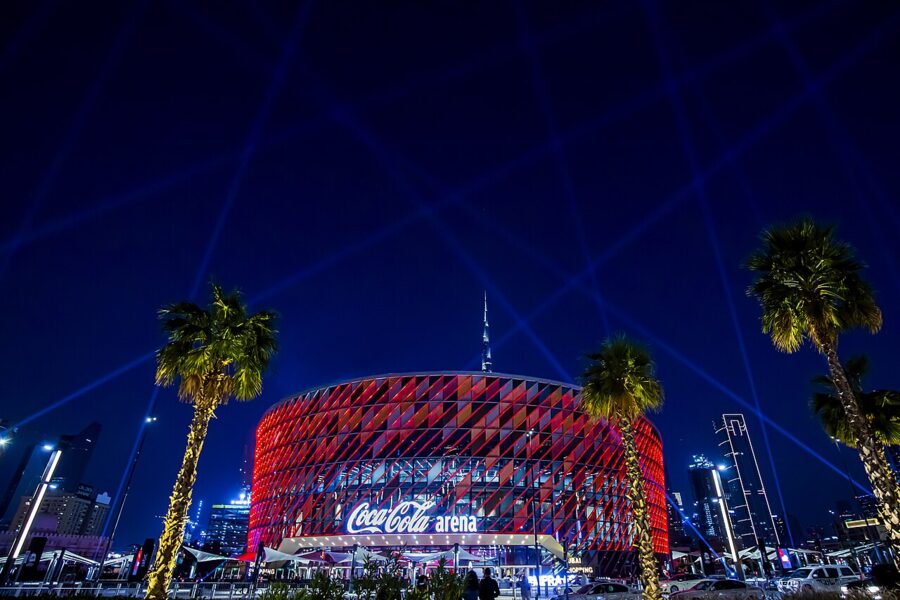
The festival, organized by Dubai Festivals and Retail Establishment, runs for 45 days from December 4, 2026 to January 17, 2027. Its announced program includes the DSF Nights concerts, a beach venue at Sunset Beach, events at Hatta Wadi Hub, and promotions in malls from Deira to the Marina. Discounts matter less to most visitors than the side effects: the busiest weeks of the year, fuller restaurants, and hotels priced for both.
Ramadan in Dubai
Ramadan 2027 is expected to begin around February 8 and end around March 8, with the exact dates set by moon sighting. Visitors are not expected to fast. Visit Dubai’s own guidance says restaurants operate as normal and there are no restrictions on eating and drinking in public for people who are not fasting, though some smaller places close by day, and the Government of Dubai asks people to avoid eating, drinking and smoking in public during fasting hours as a courtesy.
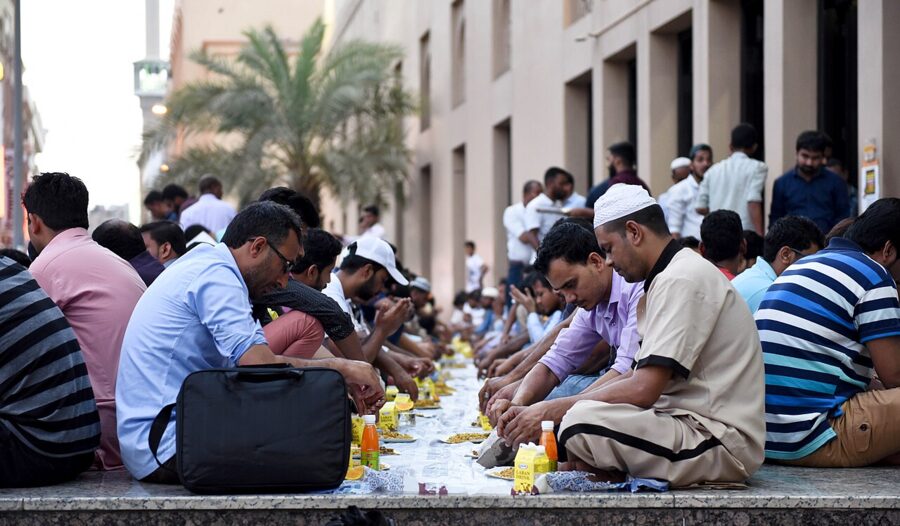

In practice, Ramadan is a good time to visit if you want cool-season weather and do not mind a slower daytime city. Office and government hours shorten, malls and many restaurants stay open late, and the evenings are the liveliest of the year, with iftar at sunset and suhoor late at night. Dress more modestly than usual in malls and the old city, and expect some venues to tone down live entertainment.

Summer in Dubai: how hot, and how to manage it
Dubai’s summer is long. From May through September the average high stays above 100°F, and on most days from June to September the low never drops below the mid-80s. Does Dubai reach 50°C (122°F)? Not at the airport in the official 1991-2020 record, which peaked at 120°F, but inland stations elsewhere in the UAE have passed 50°C in recent summers.
If summer is when you can go, plan the day in three parts. Do anything outdoors before 10am, spend the middle of the day in malls, museums, the aquarium or the hotel, and go back out after sunset, which comes at about 7:10pm in June and July. Use the metro and taxis rather than walking between stations, carry water, and remember that air-conditioned interiors are cold enough to want a light layer.
Summer also has real advantages. Hotel rates are at their lowest, restaurants and attractions run summer deals, and you will not queue for much. For a stopover, a pool-and-mall holiday or a family trip built around indoor parks, July can work well; for a first visit that includes the old city and the desert, it is the wrong month.
Rain, fog and dust
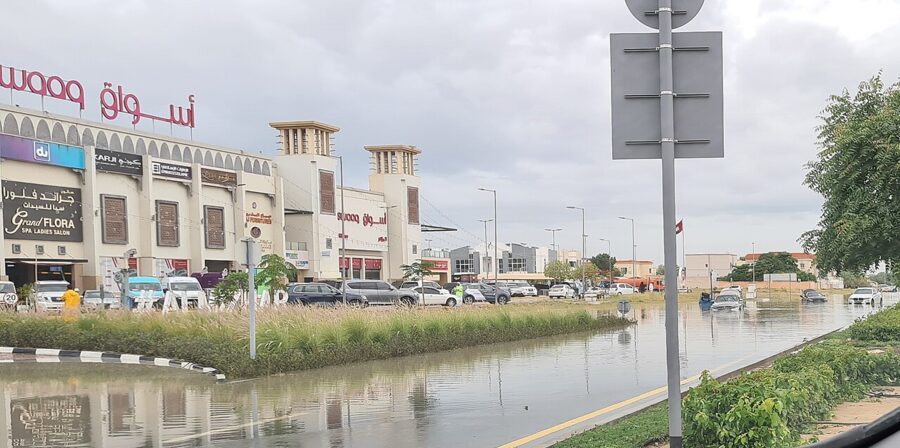
The rain that does fall comes mostly between November and March, often in short, heavy bursts. Dubai’s drainage was built for a desert, and an ordinary winter storm can flood underpasses and slow traffic for a day. On April 16, 2024, the UAE’s National Center of Meteorology recorded 254.8 mm (10 inches) in under 24 hours near Al Ain, the most since records began in 1949; roads flooded across Dubai and Dubai International cancelled hundreds of flights over the following days.
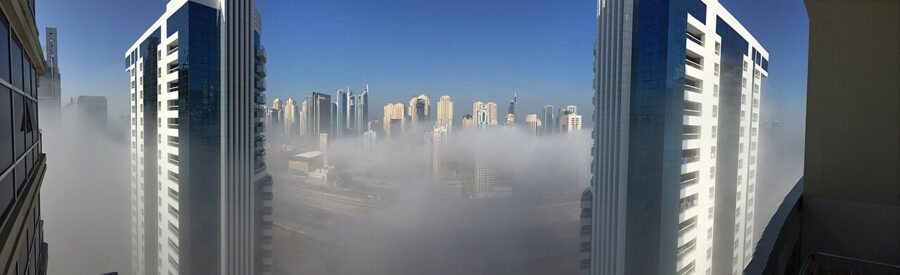
Fog is a cool-season morning thing. In the official normals, visibility below 500 meters is most common from December to April and peaks in March; it forms on calm nights, usually burns off by mid-morning, and can delay flights and close the view from observation decks for a few hours. Book sunrise balloon flights and early tower tickets with a spare day behind them.
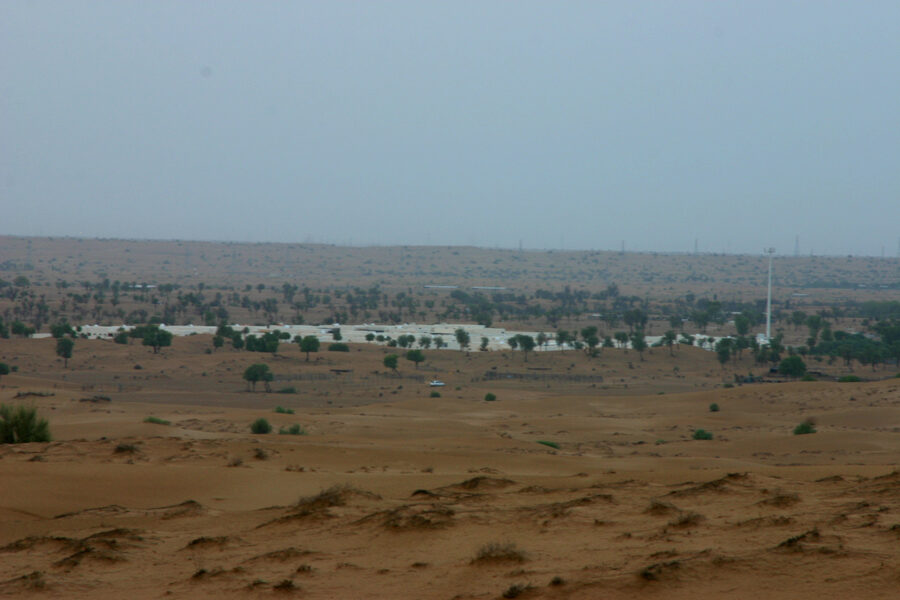
Dust is mainly a spring and summer hazard. Strong northwesterly winds, called shamal, can raise dust that turns the sky beige and cuts visibility, sometimes for a day or two. They can come in any season and are frequent in early summer; if you have asthma or a planned skydive or helicopter flight, check the National Center of Meteorology forecast the day before.

Before you book: the 2026 advisory
As of November 2026, the State Department rates the United Arab Emirates at Level 3, “Reconsider Travel”. Its advisory cites terrorism and the armed conflict that followed the start of hostilities between the United States and Iran on February 28, 2026, including the threat of drone and missile attacks, and it warns that commercial flights in the region can be disrupted at short notice. Seasonal attractions and the winter event calendar reopened on schedule in the fall of 2026.
Timing does not change that advice, but it changes your exposure to disruption. Book refundable rates or flexible fares where you can, check that your travel insurance covers cancellation for this destination, and enroll in the State Department’s Smart Traveler Enrollment Program (STEP). Read the advisory itself on the day you book and again a few days before you fly, since its level and wording can change.
Which month for which trip
- A first visit with the old city, the desert and the beach: late November, or January to mid-February.
- New Year’s Eve and the festival atmosphere: late December, booked months ahead and paid for.
- Good weather for less: the second half of October, the first three weeks of November, or late March into April.
- A beach and pool holiday with warm water: April, May or October.
- Hiking in Hatta: November to March.
- Ramadan, for the evenings: about February 8 to March 8, 2027, staying out of the Eid Al Fitr week if you want quiet.
- The cheapest trip, mostly indoors: July or August.
- A short stopover: any month, but in summer keep it to the indoor list and an evening on the Creek.
Whichever month you choose, check the official opening dates of anything seasonal before you book. Global Village, Miracle Garden, Hatta and the outdoor parks set new dates each year, and a trip planned for the second week of October can miss an opening by days.