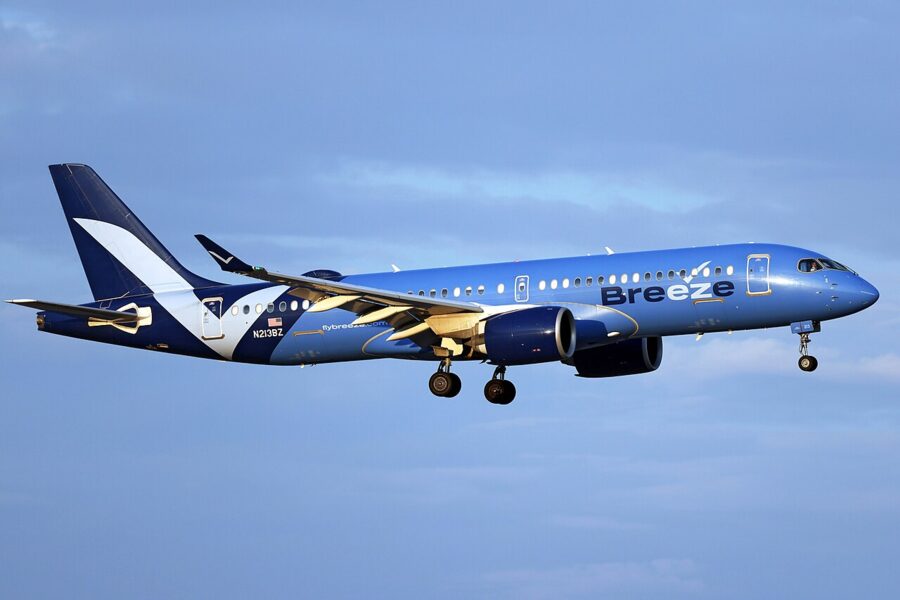
Yes, for the right trip. In five and a half years of flying, Breeze Airways has had no fatal accident and lost no aircraft, and the only case the National Transportation Safety Board has on file with Breeze as the operator is a July 2025 ground collision in which another airline’s jet clipped a parked Breeze plane.
The trade-offs are elsewhere. Breeze flies nonstop between mid-sized cities that the big airlines connect through their hubs, and many of those routes run only a few days a week. If your flight cancels, the next Breeze departure on that route may be days away, and the Department of Transportation does not publish Breeze’s on-time numbers the way it does for the largest airlines.
The fare you see first is a bare seat. Bags, a carry-on and seat choice cost extra unless you buy a bundle. For a nonstop that would otherwise mean a connection, that is often still the cheaper and shorter trip.


On this page
Breeze’s safety record
Breeze flies under the same Part 121 rules as American, Delta or United. The FAA certified it as an airline in May 2021, and in September 2025 it gained the flag-carrier approval that lets it fly to other countries. Its pilots train, its jets are maintained and its dispatchers work to the same federal standard as every scheduled US passenger airline.
The record is short, because the airline is young. Search the NTSB’s CAROL database for Breeze as operator and one airline case comes back. The FAA’s public list of statements on accidents and incidents, which runs from January 2025 to the middle of November 2026, names Breeze once, for the same event.
The Charleston ground collision, July 2025
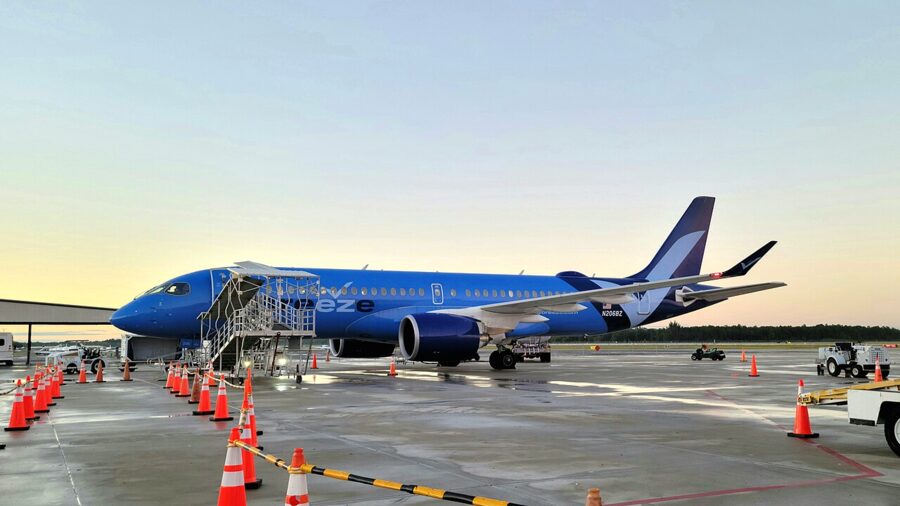
On the night of July 18, 2025, Breeze Flight 509 from Las Vegas to Norfolk diverted to Charleston, South Carolina, because of storms around Norfolk. Ground staff parked the A220 on an overnight ramp to refuel it, and the crew turned the seatbelt sign back on when the handlers said they needed to move the plane. Before they could, the wingtip of an All Nippon Airways Boeing 787 on a delivery flight to Tokyo struck the Breeze jet’s tail.
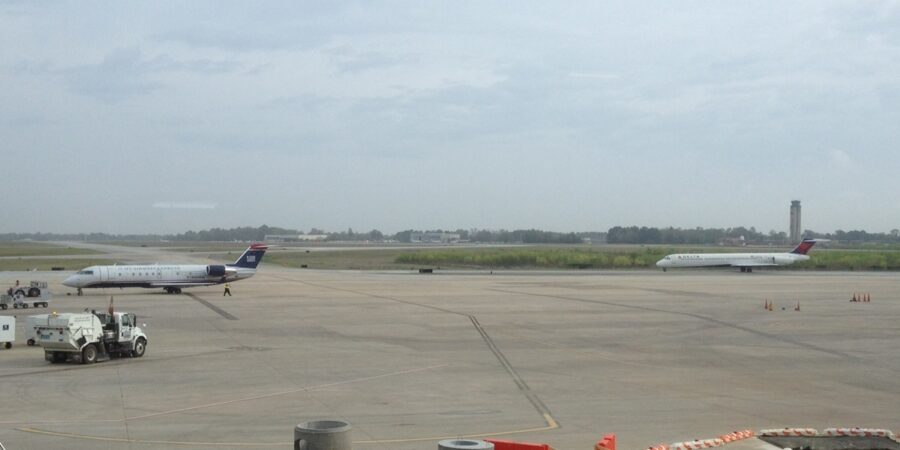

Both aircraft were substantially damaged. Two of the 98 people on the Breeze plane had minor injuries; nobody on the 787 was hurt. The NTSB’s final report, published in July 2026, put the probable cause on the ground crew’s improper parking, which left the Breeze jet’s tail sticking into the taxiway, and on the ANA crew’s failure to keep enough clearance while taxiing in the dark.
Nothing in the report faults Breeze’s pilots or the aircraft. The parking was done by a ground service provider at the diversion airport, not by Breeze’s own crew. The useful lesson for passengers is the same one the turbulence files of every airline teach: the crew asked people to sit back down and buckle up before the plane moved, and that is the instruction to follow.
The August 2025 diversion to Grand Junction
The other Breeze event that made national news was a passenger, not the airline. On August 13, 2025, Flight 704 from Norfolk to Los Angeles diverted to Grand Junction, Colorado, after a man attacked other passengers and flight attendants. Crew members restrained him twice, Breeze said one flight attendant and one passenger were checked for minor injuries, and local police took him into custody at the FBI’s direction when the plane landed.
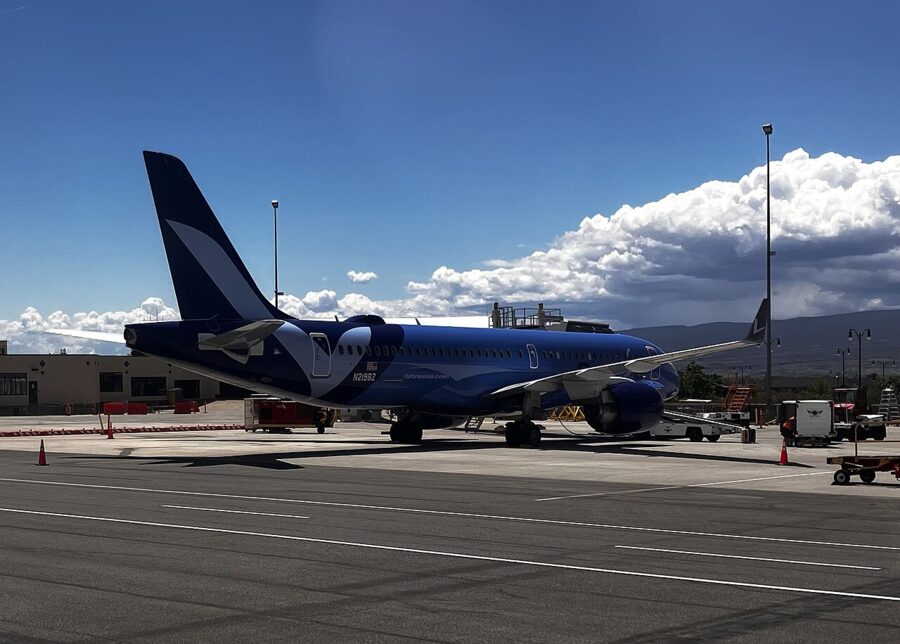
Unruly passengers are an FAA enforcement matter for every airline, and the agency can fine them separately from any criminal charge. None of it says anything about how Breeze flies or maintains its planes.
For comparison, the same NTSB check for an older airline turns up far more. JetBlue, which Breeze’s founder David Neeleman also started, has 35 cases over 25 years, none of them fatal, and half of its 16 accidents were turbulence injuries. Breeze’s one case in five years is a small sample, not a ranking, but there is nothing in it to worry about.
The fleet: all Airbus A220 since September 2026
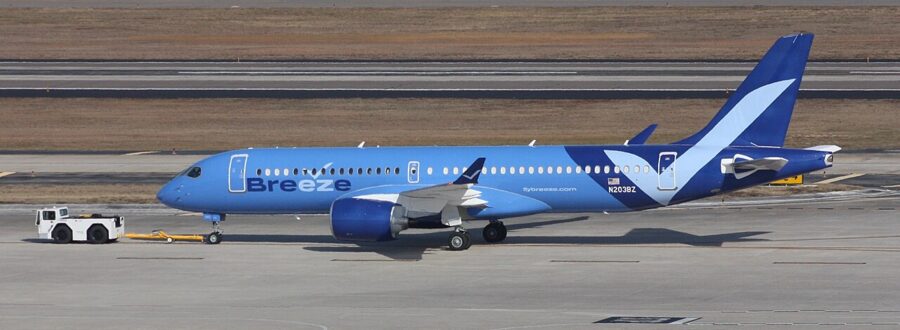
Breeze started flying in May 2021 with ten secondhand Embraer 190s and three Embraer 195s. The E195s left in 2025, and the last E190 flight, N120BZ from Orlando to New Orleans, ran on September 7, 2026. In its announcement Breeze said the Embraers had flown more than 5,000 flights before its first Airbus arrived.
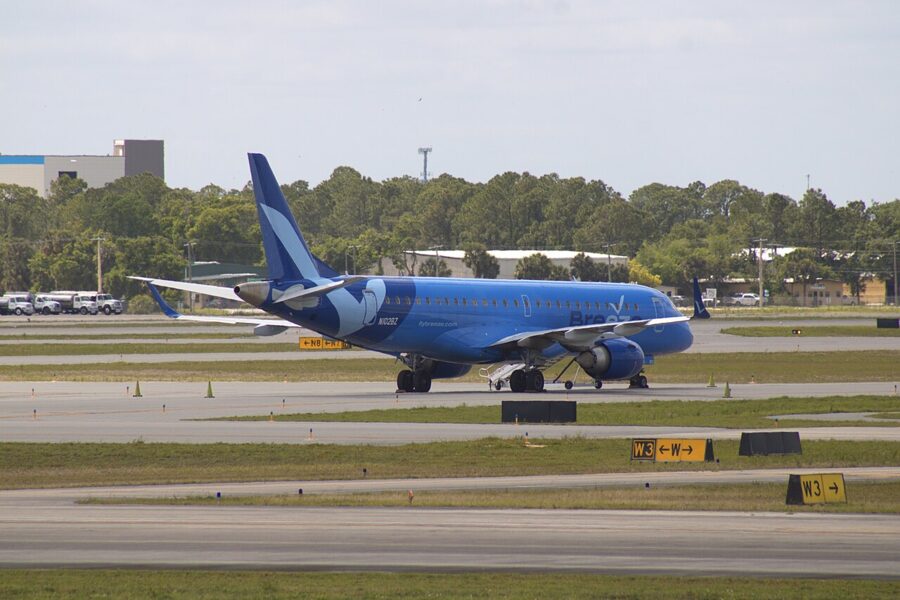

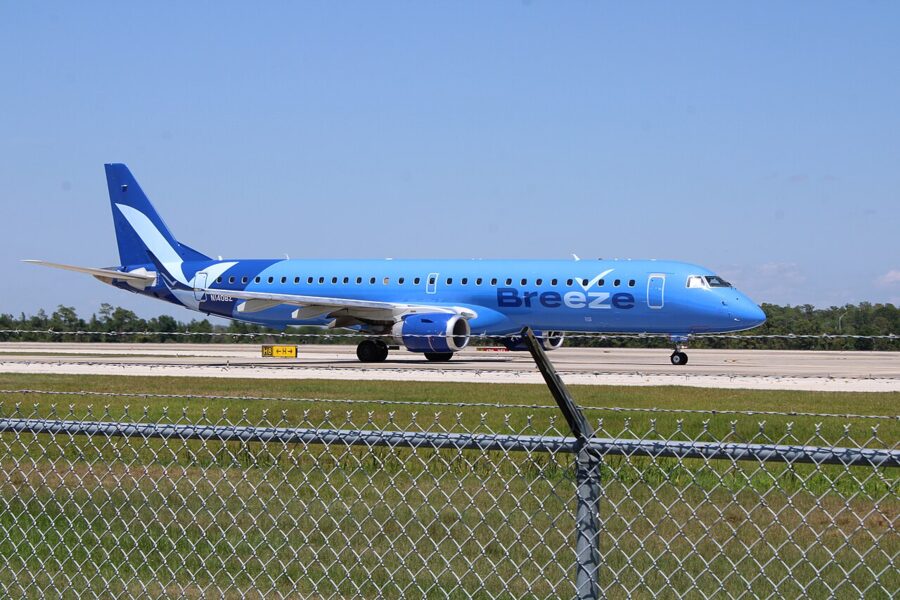

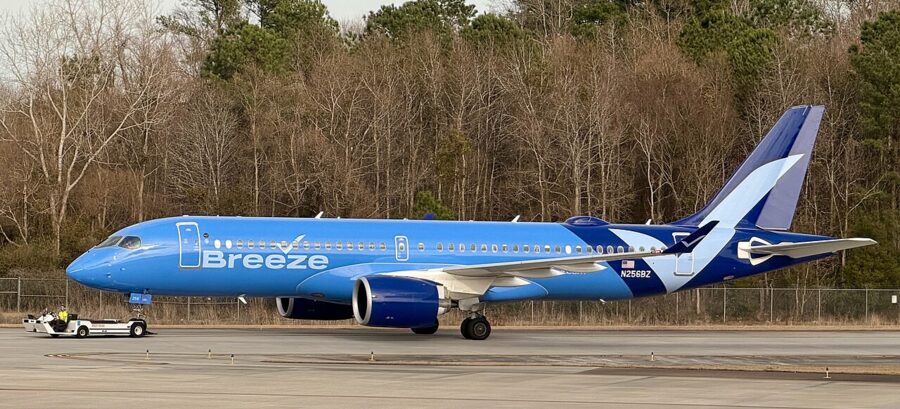
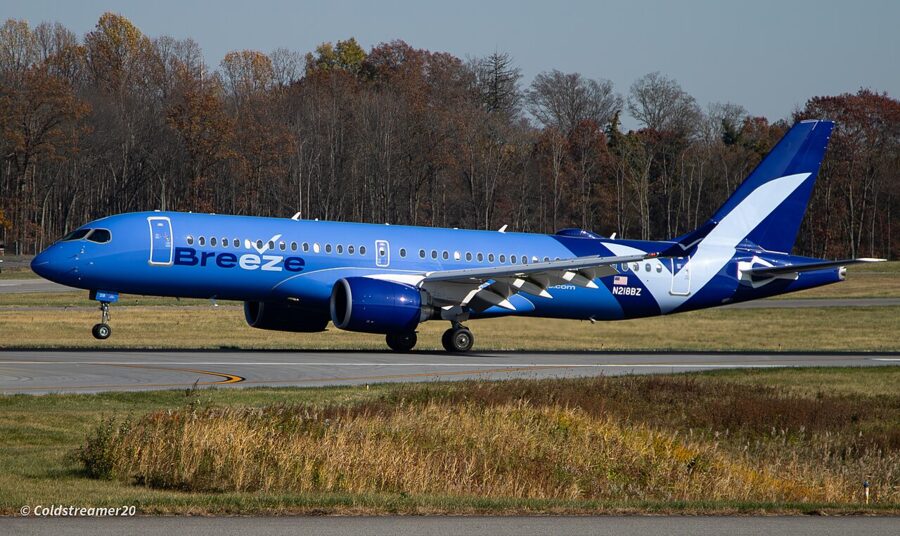
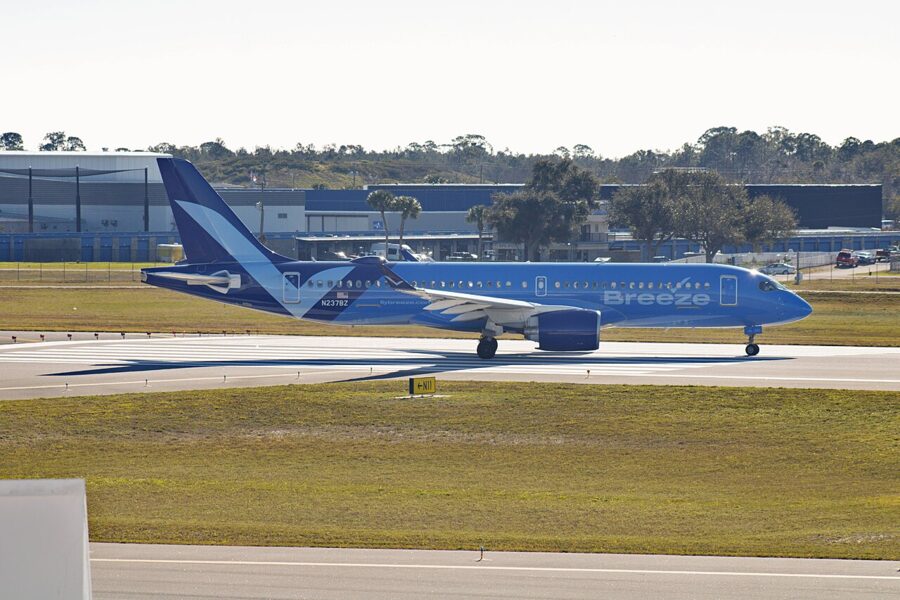
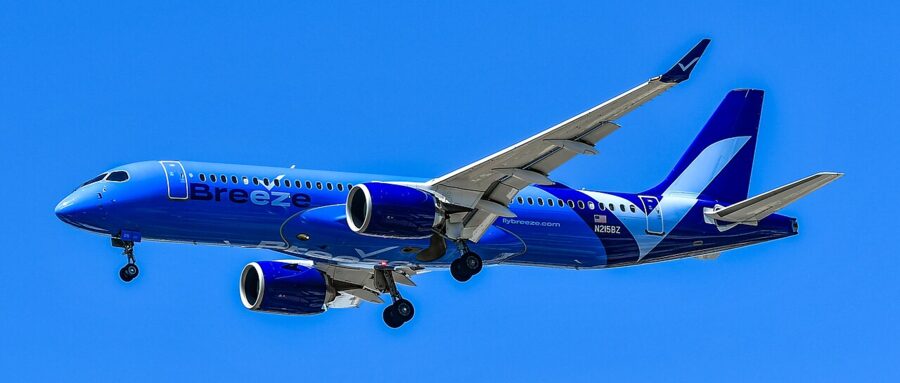
Now every flight is an Airbus A220-300, a twin-engine jet built in Mirabel, Quebec, and Mobile, Alabama, and flown in the US by Delta and JetBlue as well. Breeze said in September 2026 that it had taken delivery of 55 of the 90 it has on firm order, with options on 30 more. It also leases some, which is why counts of the fleet in service sit in the mid-60s.
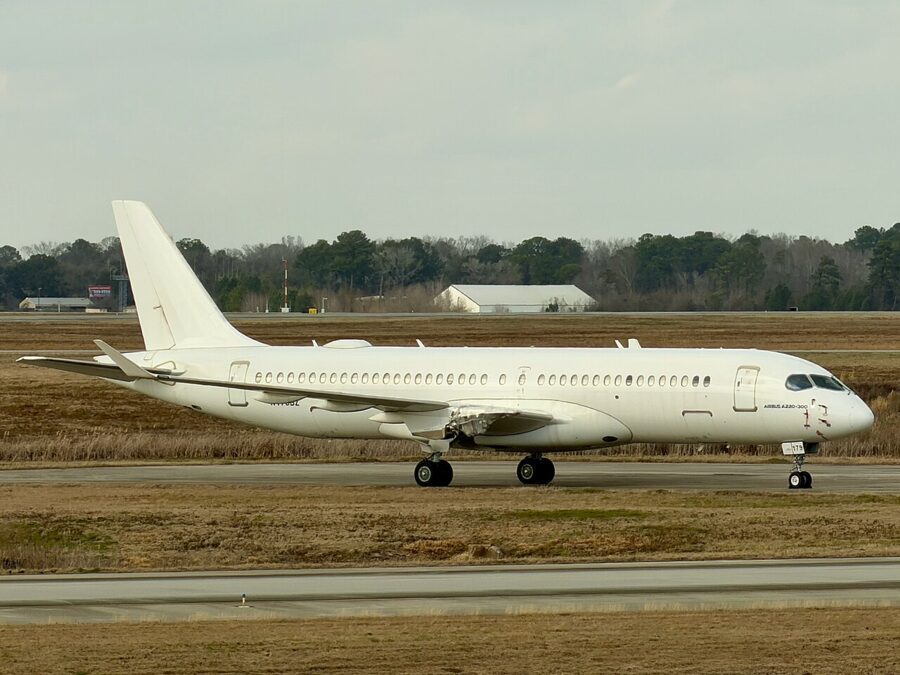

The fleet is young, and the A220 is a comfortable plane to sit in. In economy it seats two on one side of the aisle and three on the other, so only one seat in five is a middle seat, and the windows are large for a narrowbody. Breeze’s A220s have a small first-class cabin it calls Ascent, rows of Extra Legroom seats, and standard seats behind.
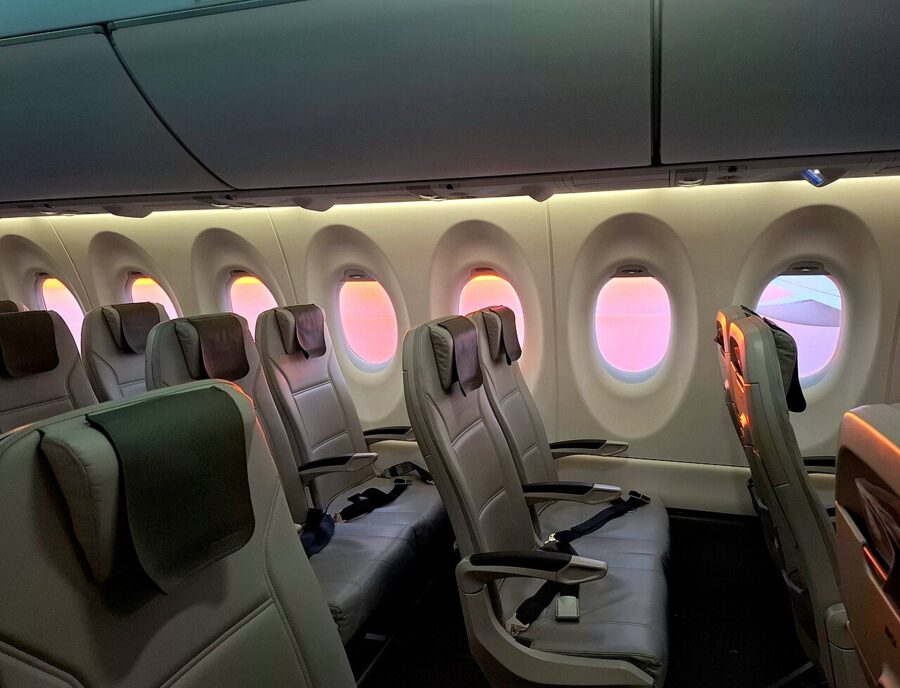

There are no seatback screens. Breeze says each A220 is delivered with Wi-Fi, so bring a charged phone or tablet and download anything you want to watch before you board. Its 2026 announcements call the Wi-Fi fast but give no price, so check in the app before you count on it for work.

Reliability: what you can and cannot check
This is where Breeze is hardest to judge. The DOT’s monthly Air Travel Consumer Report ranks on-time arrivals and cancellations only for airlines carrying at least 0.5% of US domestic scheduled passenger revenue. For September 2026 that meant eight airline groups, Allegiant and Frontier included. Breeze was not among them.
So there is no official on-time percentage to quote. What you can see is the shape of the schedule, and that matters more than any average.

Thin schedules
Many Breeze routes are not daily. When Providence to Cancún launched on February 14, 2026, it ran on Saturdays only; the new Tampa to Santo Domingo service planned for June 2027 is twice a week. A delay on a hub airline usually means a later flight the same day. A cancellation on a twice-weekly Breeze route can mean days.
On Breeze’s own site you can book only Breeze flights. The limited tie-up with Alaska Airlines that went live in October 2026 lets you buy certain Breeze nonstops on Alaska’s website, from Charleston, Las Vegas and Raleigh-Durham, but it does not cover connections between the two airlines. If you need to be somewhere on a set day, a cancellation leaves you choosing between the next Breeze flight and a new ticket on someone else.
Route changes
Breeze adds and drops routes faster than older airlines. By November 2026 it had ended at least 11 routes during the year, including Washington Dulles to Ogdensburg, New York, and Dulles to the Tri-Cities in Tennessee, which ends on November 30, 2026. Providence to Cancún did not come back for the winter. In the first ten months of 2026 it also added about 60 new domestic city pairs.
For you, that means a booking made six months out can change. If Breeze cancels your flight or changes it significantly and you do not want what it offers instead, the DOT’s refund rule, in force since October 2024, entitles you to your money back to your original payment, not a credit. A significant change includes a departure or arrival moved by three hours or more on a domestic trip, or six hours on an international one.

Fares, bundles and bag fees
Breeze sells three ways to fly: Nice, Nicer and Nicest. Nice is the seat alone, with a free personal item. Nicer adds a standard carry-on and one checked bag, and Nicest includes two checked bags. Prices for each depend on the route and the date, and the booking screen shows them side by side.
The base fares are often low. In one October 2026 example, a nonstop from Las Vegas to Provo, Utah, cost $98.99 on Breeze’s own site. Sales are frequent too: the Kindness Week sale on November 10 to 12, 2026, took 25% off base fares for travel between December 1, 2026, and February 10, 2027, with the holiday weeks blacked out.
Bag fees as of mid-2026, when not included in your bundle:
| Item | Size or weight limit | Cost |
|---|---|---|
| Personal item | 17 x 13 x 8 inches | Free on every fare |
| Carry-on | 24 x 14 x 10 inches, 35 pounds | $35 on Nice; included on Nicer and Nicest |
| First checked bag | 50 pounds, 62 linear inches | About $35 to $41, by route |
| Second checked bag | 50 pounds, 62 linear inches | About $45 |
| Third checked bag | 50 pounds, 62 linear inches | About $50 |
| Overweight or oversized | Up to 99 pounds or 80 linear inches | $20 to $50 extra |
Breeze’s bag prices vary by route, so confirm the figure in the booking path before you pay. One stroller and one car seat check free. Active-duty military get two checked bags and a carry-on free.
Refundable or not
Breeze does not sell the partly refundable middle ground that some airlines do. A ticket is either non-refundable or fully refundable, and in the Las Vegas to Provo example the refundable version cost $24 more. If there is any real chance you will cancel, that $24 is cheap insurance.
Federal rules still protect every fare. Book at least seven days before departure and you can cancel within 24 hours for a full refund, and the DOT’s cancellation refund rule applies whatever bundle you bought. Compare the bundle total, not the headline fare, against other airlines, including Frontier and Allegiant with the same bags added. Once a carry-on and a checked bag are in, the cheapest base fare is not always the cheapest trip.

Where Breeze flies, and what changed in 2026
As of November 2026 Breeze says it flies more than 300 year-round and seasonal routes to 95 cities in the US, Mexico, Central America and the Caribbean. Neeleman’s pitch is affordable nonstops from cities the big airlines serve poorly or not at all, which in practice means a lot of Florida, the Carolinas, Las Vegas and the Gulf Coast, from airports such as Providence, Raleigh-Durham and Daytona Beach.

International flights
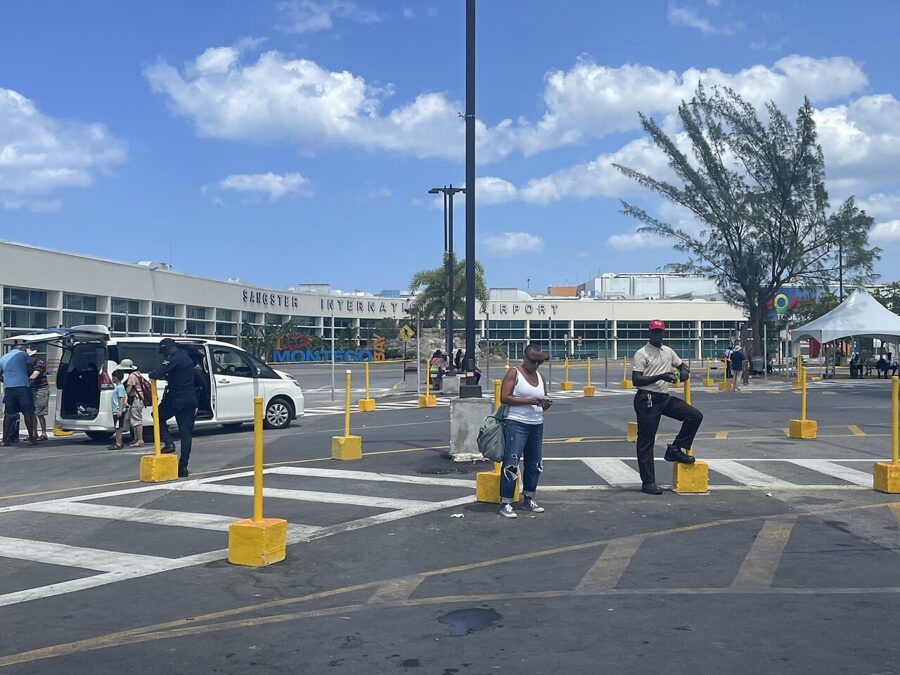
Breeze’s first international flights went on sale after the FAA’s flag-carrier approval in September 2025, and by late 2026 its network reached Mexico, Costa Rica and the Dominican Republic. Raleigh-Durham to Nassau in the Bahamas is scheduled from June 30, 2027. Treat these as new routes: some will last, and Providence to Cancún already has not.
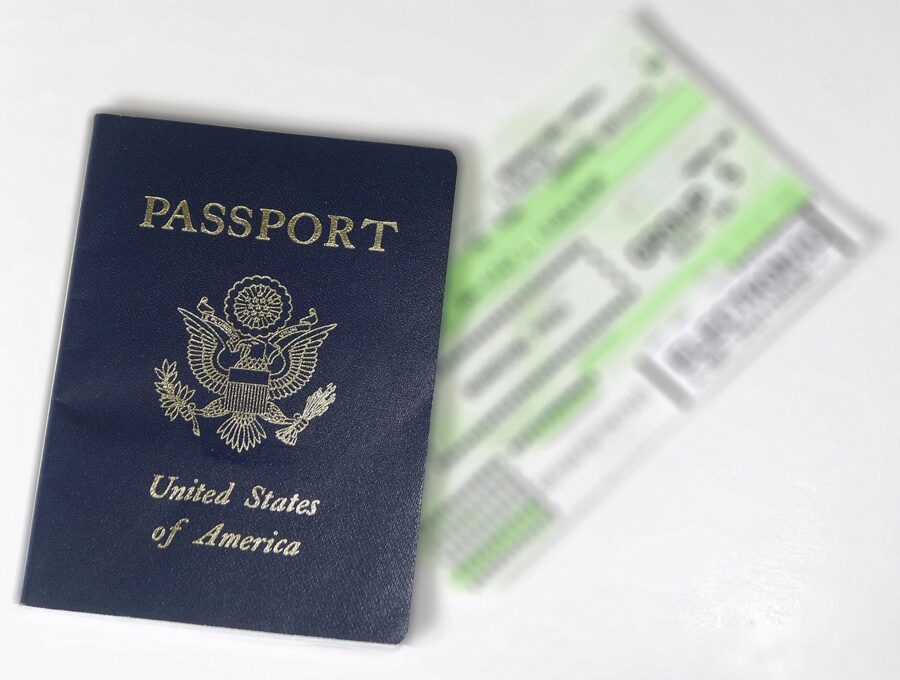
You need a passport for every one of them except St. Thomas, which is a US territory. Check what your bundle includes on an international booking before you pay, rather than assuming it matches your last domestic trip.
Filling the gaps Spirit left
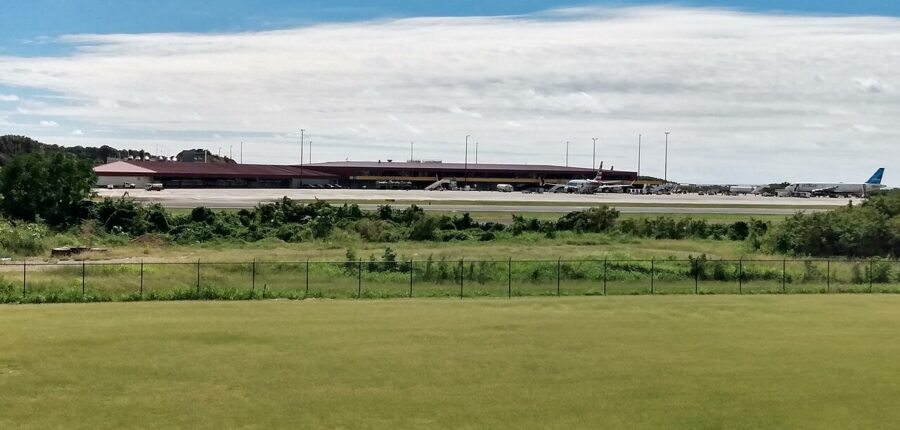
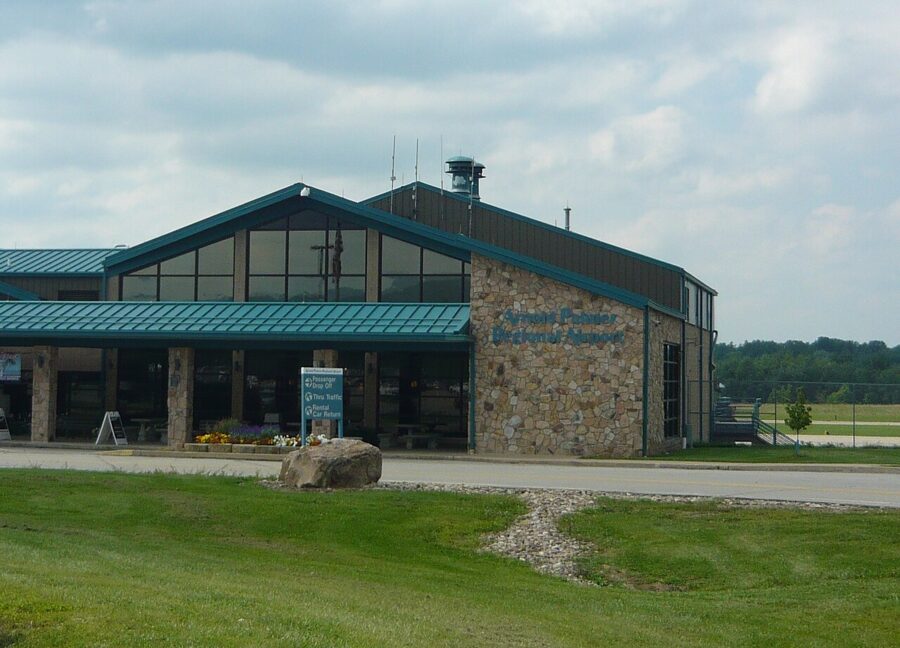
After Spirit Airlines stopped flying on May 2, 2026, Breeze moved into some of the leisure markets it had served. From Arnold Palmer Regional Airport in Latrobe, Pennsylvania, east of Pittsburgh, Breeze plans nonstops to Myrtle Beach from February 9, 2027, and to Orlando from late May 2027. Buffalo gets flights to Raleigh-Durham, Myrtle Beach and Charleston, and Myrtle Beach to Boston starts on May 4, 2027.


The Alaska Airlines link
Since October 2026 you can buy some Breeze flights on Alaska Airlines’ website. It covers nonstops from Charleston, Las Vegas and Raleigh-Durham to cities Alaska does not serve. Bookings made there earn Alaska’s Atmos points, which helps if that is the program you already collect.

The money behind it
A credit or a future booking is only worth something if the airline is still flying. Breeze reported $984 million in revenue for 2025, its first year of net profit, and an operating profit of $26.7 million in the second quarter of 2026. In November 2026 it asked the DOT to approve a new parent holding company from January 1, 2027, and Neeleman has said he is aiming for a stock market listing in 2027.


Before you book, and on the day
- Check how often the route flies. Look at the schedule for the days either side of your trip. If there are only one or two flights a week, have a backup plan.
- Price the bundle, not the fare. Add the bags and the carry-on you will actually bring, then compare with other airlines.
- Measure your carry-on. On a Nice fare, only the personal item is free, and it has to fit 17 x 13 x 8 inches.
- Book on Breeze’s site or app. Changes, seats and bags are all handled there, even for tickets sold by Alaska.
- Watch your email. Schedule changes arrive by email and in the app. If the new time does not work, ask for a refund rather than accepting a credit.
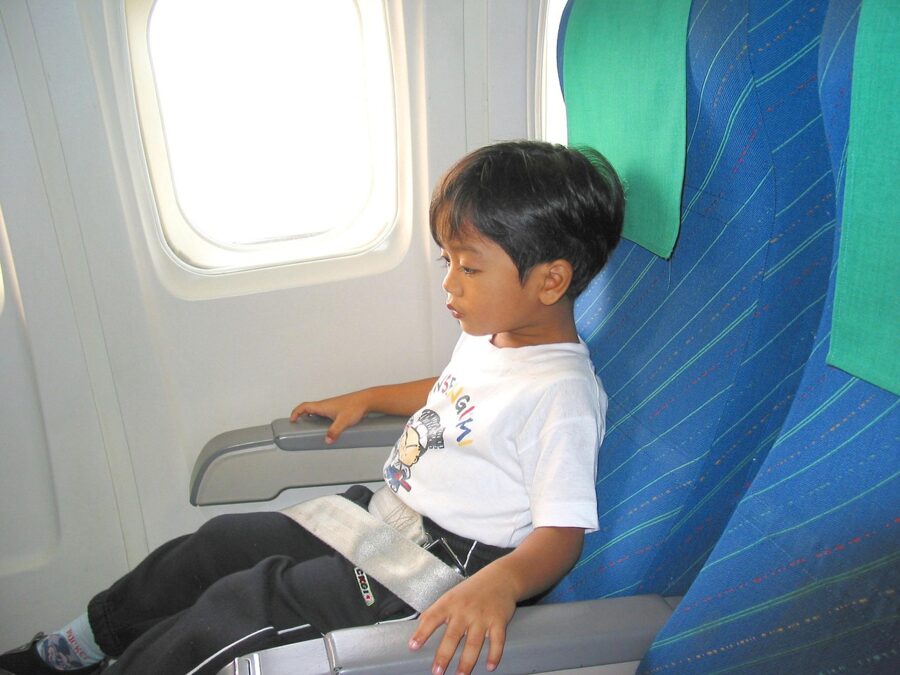
- Keep your belt on when seated. On every airline, the passengers hurt in flight are mostly the ones who were standing or unbuckled.
The short answer
- Safety: no fatal accidents and no aircraft lost since Breeze began flying in May 2021; one NTSB case, a 2025 ground collision the NTSB blamed on a ground crew and the other airline’s pilots.
- Fleet: all Airbus A220-300 since September 2026, a young fleet with a two-by-three economy cabin and Wi-Fi, but no seatback screens.
- Reliability: no DOT on-time figures exist for Breeze, and many routes fly only a few days a week, so one cancellation can cost you days.
- Price: low base fares with paid bags and carry-ons; a refundable fare cost $24 more on one October 2026 route, and the bundles are worth pricing.
- Best use: a nonstop that would otherwise mean a connection through a hub, on dates where a delay will not wreck the trip.
If you are flying Breeze to a wedding, a cruise or anything else with a fixed start, take the flight a day early. On a route that runs twice a week, that day is the backup flight you would otherwise not have.