Beacon is the best day trip from New York City: about 80 to 90 minutes up the Hudson on Metro-North, with a major art museum a short walk from the platform and a mountain at the end of Main Street. For a city, take the train to Philadelphia; for a beach without a car, ride the Long Island Rail Road to Long Beach.
Every pick below works as a same-day round trip from Midtown Manhattan, and most work without a car. The order weighs how much a day there gives you against how easy it is to get there and back. Hours, prices and schedules are as of November 2026.



On this page
- The short answer: twelve day trips, ranked
- 1. Beacon, New York
- 2. Philadelphia, Pennsylvania
- 3. Cold Spring and the Hudson Highlands, New York
- 4. Sleepy Hollow and Tarrytown, New York
- 5. Princeton, New Jersey
- 6. Storm King Art Center, New York
- 7. Long Beach, New York
- 8. New Haven, Connecticut
- 9. Bear Mountain, New York
- 10. Asbury Park and Ocean Grove, New Jersey
- 11. Sandy Hook, New Jersey
- 12. New Paltz and the Shawangunks, New York
- Two days on the Hudson Line: a simple plan for Beacon
- Traffic, tolls, parking and booking ahead
- Quick answers
The short answer: twelve day trips, ranked
Distances and drive times are from Midtown with light traffic; add an hour on a summer Friday or a fall Saturday. Train and bus times are typical rides, not counting the walk at either end.
| Place | Distance | By train or bus | By car | Best for |
|---|---|---|---|---|
| 1. Beacon, NY | 60 miles | 80 to 90 min (Metro-North) | About 1.5 hours | Art, a small town, a short hike |
| 2. Philadelphia, PA | 95 miles | About 1.5 hours (Amtrak) | About 2 hours | History, food, a big city |
| 3. Cold Spring, NY | 55 miles | About 75 min (Metro-North) | About 1.25 hours | Hiking, antiques, river views |
| 4. Sleepy Hollow and Tarrytown, NY | 30 miles | 40 to 50 min (Metro-North) | About 45 min | Historic houses, fall |
| 5. Princeton, NJ | 55 miles | About 1.25 hours (NJ Transit) | About 1.25 hours | A free art museum, a campus walk |
| 6. Storm King Art Center, NY | 60 miles | No practical transit | About 1.25 hours | Outdoor sculpture |
| 7. Long Beach, NY | 30 miles | About 1 hour (LIRR) | About 1 hour | A car-free beach day |
| 8. New Haven, CT | 80 miles | About 2 hours (Metro-North) | About 1.75 hours | Free museums, pizza |
| 9. Bear Mountain, NY | 50 miles | No practical transit | About 1 hour | Views, an easy summit drive |
| 10. Asbury Park and Ocean Grove, NJ | 60 miles | 1.5 to 2 hours (NJ Transit) | About 1.25 hours | Boardwalk, live music |
| 11. Sandy Hook, NJ | 50 miles | Summer ferry from Manhattan | About 1.25 hours | Wide beaches, a lighthouse |
| 12. New Paltz and the Shawangunks, NY | 85 miles | About 1.5 hours (Trailways bus) | About 1.5 hours | Cliffs, lakes, serious hiking |
Montauk, Mystic and Cape May are left off on purpose: at three hours or more each way, they work far better with a night, and the weekend getaways from NYC guide covers them.
1. Beacon, New York
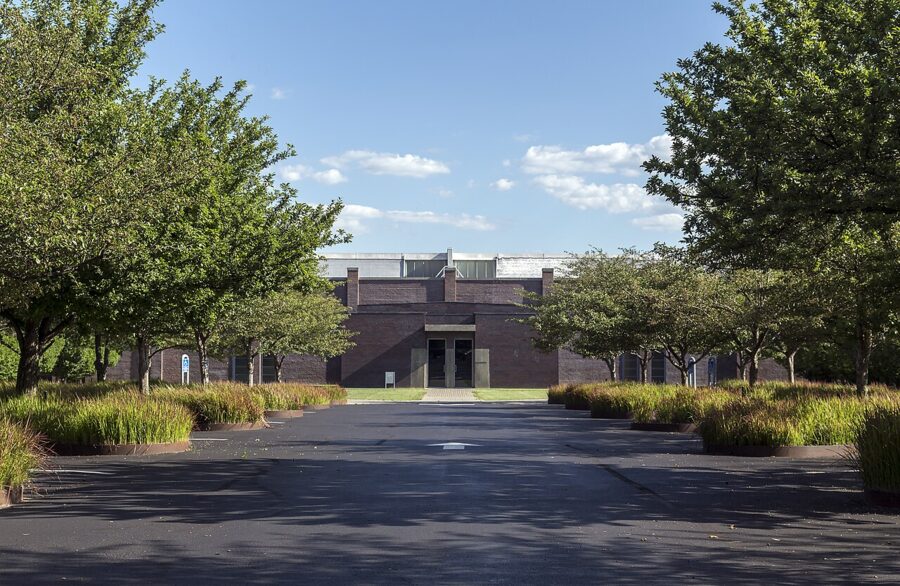

Beacon packs three different days into one small city. Dia Beacon, by the river, shows large-scale art from the 1960s onward in a former factory flooded with daylight. Main Street runs uphill from there past bakeries, galleries and bars to the foot of Mount Beacon, so you can see the museum, eat well and climb a mountain before the evening train.
Dia Beacon. It opens Friday to Monday from 10am, closing at 5pm for most of the year and earlier in winter. Admission is $25 for adults, $18 for seniors and $12 for students, and residents of Beacon and Newburgh get in free. Free public tours run on Saturdays and Sundays at noon and 1:30pm.
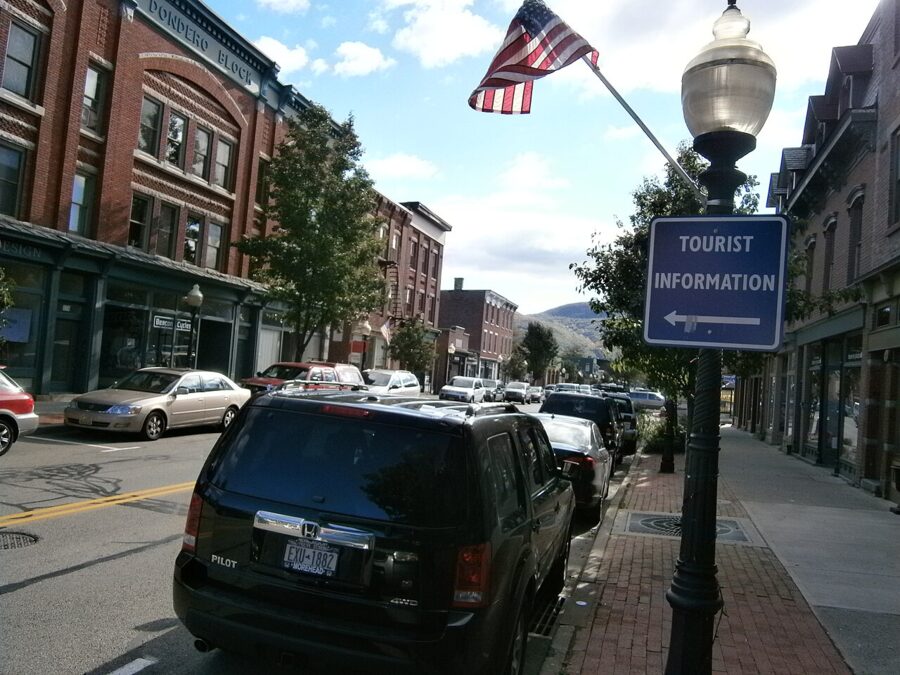

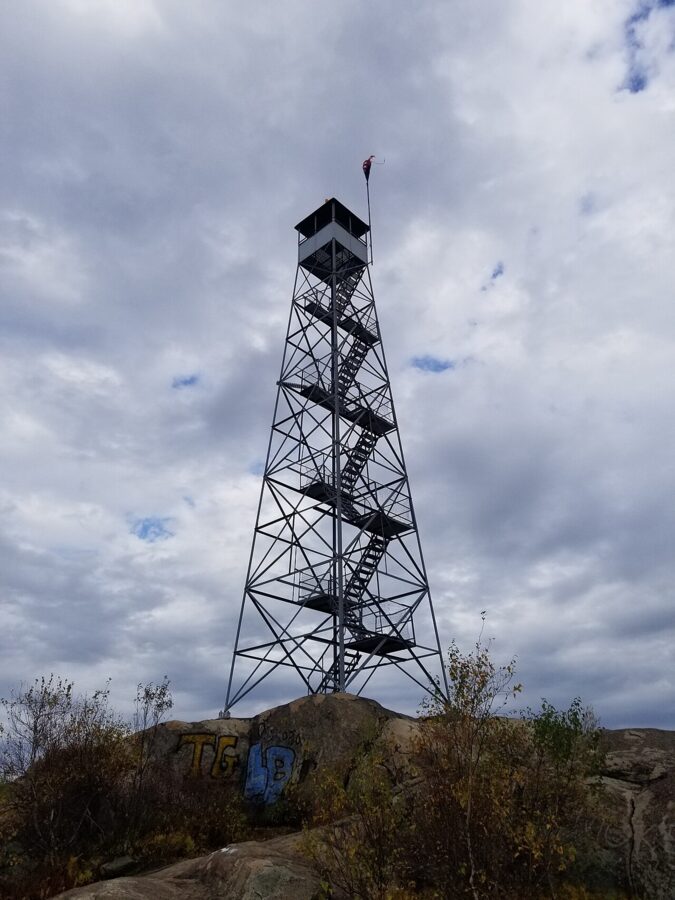
Mount Beacon. The trailhead sits on Route 9D at the east end of Main Street. A staircase of about 200 steps beside the old incline railway leads to steep switchbacks and the ruins of the summit casino, with a wide view over the Hudson. The fire tower on the higher peak adds roughly two miles round trip; allow two to three hours in all.

Getting there. Hudson Line trains from Grand Central take about 80 to 90 minutes, and Dia is a seven-to-ten-minute walk from Beacon station. The free Beacon Loop bus runs from the station up Main Street Monday to Saturday. Down by the station, Long Dock Park has a riverside lawn for the wait.
Best season. Any weekend, when Dia is open. Fall brings color and crowds; a winter Monday gets you the galleries nearly to yourself.
2. Philadelphia, Pennsylvania
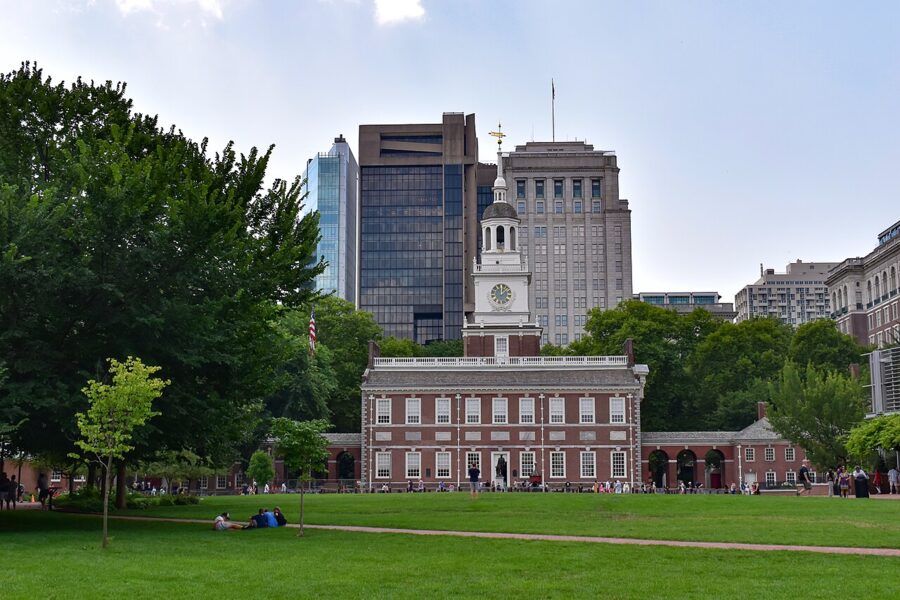

Philadelphia is the only big city on this list, and the train makes it easy. Amtrak’s Northeast Regional runs from Penn Station to 30th Street Station in about an hour and a half. The cheaper route, NJ Transit to Trenton and a SEPTA train onward, takes closer to two and a half hours. Driving takes about two hours on the New Jersey Turnpike.
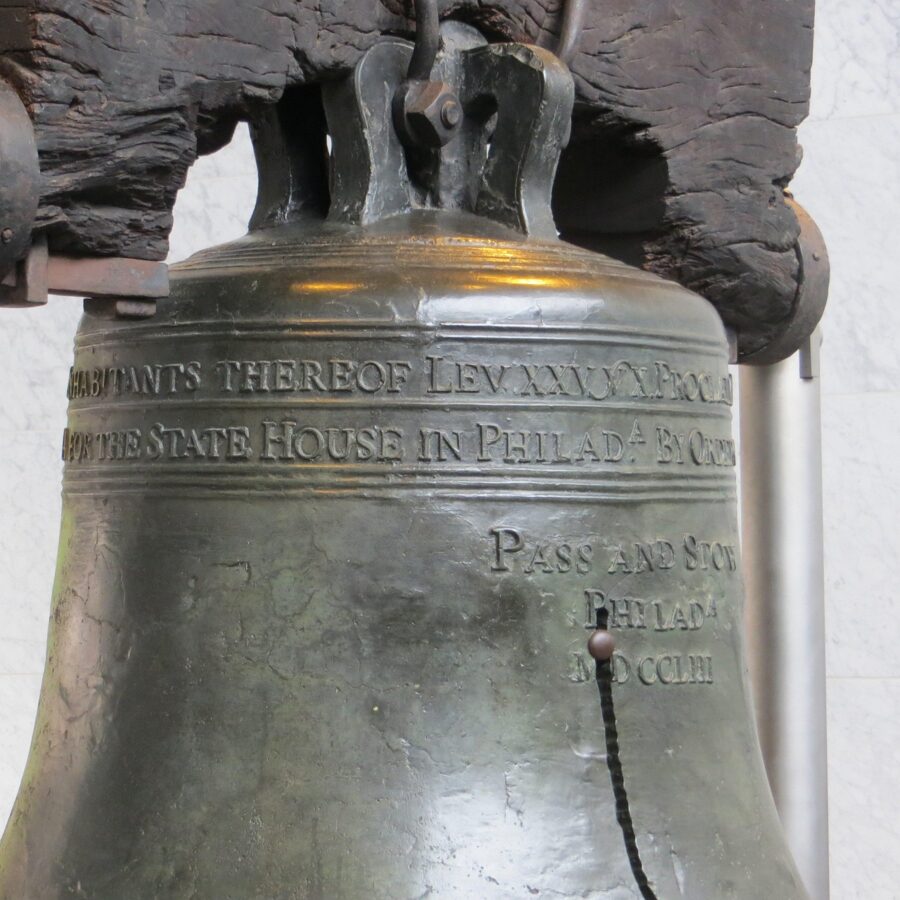
Old City. Independence Hall is free, but tours need a timed ticket from Recreation.gov with a $1 reservation fee; tickets open up to 30 days ahead, and more next-day tickets go on sale at 5pm the day before. The Liberty Bell, just across Chestnut Street, needs no ticket. Elfreth’s Alley, a lane of small 18th-century houses that people still live in, is a short walk northeast.
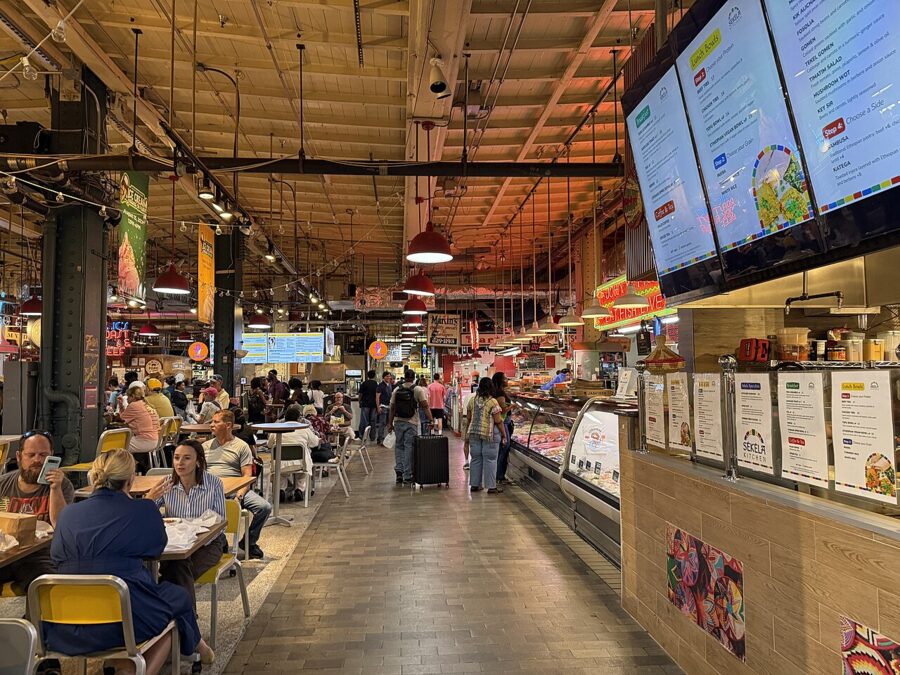
Lunch. Reading Terminal Market, open daily from 8am to 6pm, has dozens of stalls under one roof, from roast pork sandwiches to Pennsylvania Dutch pretzels. Get there before noon or after 2pm on weekends to find a seat.

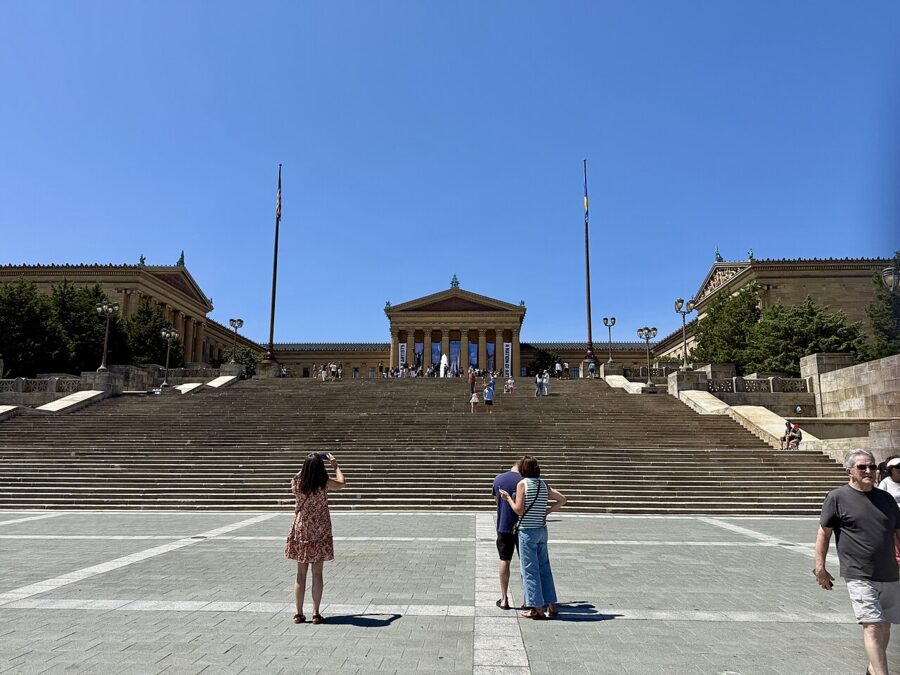
The afternoon. The Philadelphia Museum of Art charges $30 for adults, and anyone 18 or under gets in free. Friday evenings after 5pm and the first Sunday of each month are pay what you wish. Even if you skip the galleries, run or walk the front steps from Rocky.

Best season. Spring and fall. July and August are hot and humid, and the Old City lines are longest in summer.
3. Cold Spring and the Hudson Highlands, New York
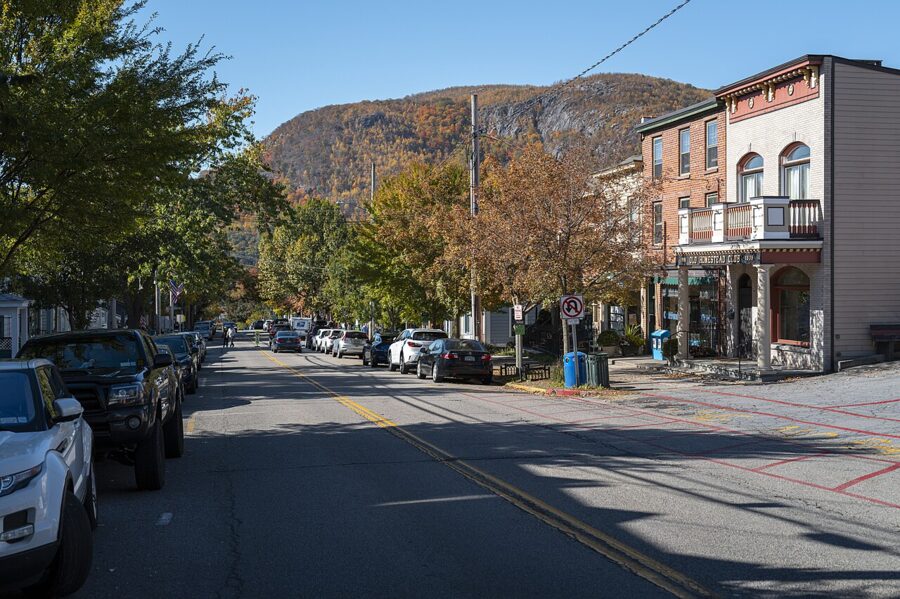
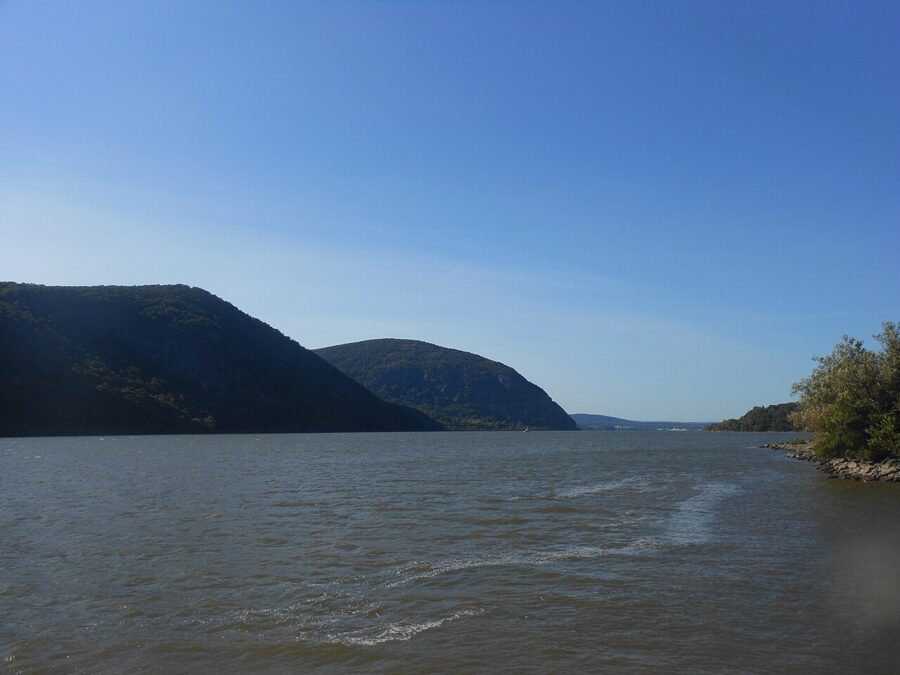
Cold Spring is the prettiest village within an easy train ride of the city. Main Street climbs from the station past 19th-century shopfronts, and the waterfront gazebo looks across the Hudson at Storm King Mountain and down toward West Point. The hills behind the village hold some of the best hiking near New York.
The Breakneck closure. Breakneck Ridge, the famous rock scramble just north of the village, has been closed since April 21, 2025, along with its train stop, while the Hudson Highlands Fjord Trail is built. The project’s own updates point to a reopening no earlier than 2027.
What to do instead. The Washburn trailhead for Bull Hill, about 20 minutes’ walk from the station, stayed open through the construction, and the climb gives you the same river views with fewer people. Little Stony Point, a short loop with a small beach, also stayed open. The state park is open sunrise to sunset.
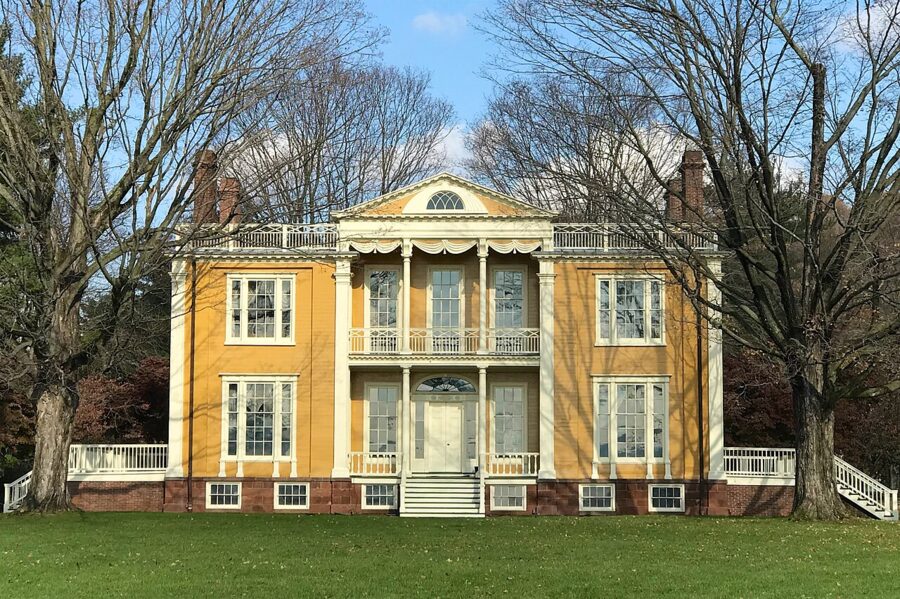
Boscobel. This restored house and garden, a mile and a half south of the village, opens Friday to Sunday. House tours run on the hour from 11am to 3pm and cost $24 for adults; grounds alone are $14. Boscobel asks visitors not to walk there from the village, so take a taxi.

Getting there and when to go. Hudson Line trains reach Cold Spring in about 75 minutes. October weekends are the busiest; a weekday or a crisp November Saturday is calmer.
4. Sleepy Hollow and Tarrytown, New York
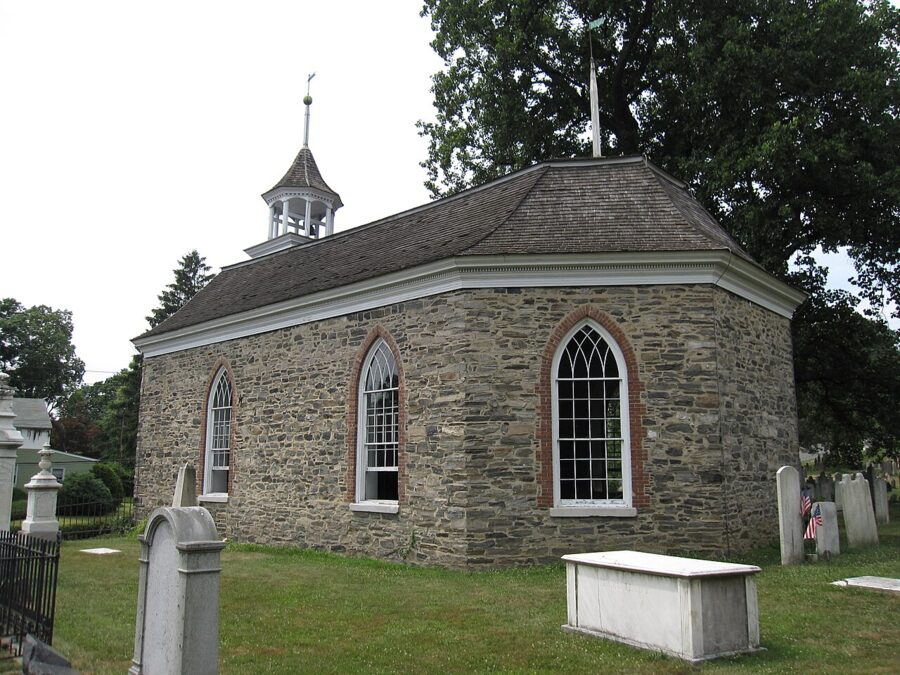

These two Hudson villages are among the closest trips on this list. Washington Irving set his headless horseman story here, lived just south of Tarrytown and is buried in Sleepy Hollow Cemetery. Metro-North’s Hudson Line reaches Tarrytown in 40 to 50 minutes; Philipse Manor station, one stop north, is closest to Philipsburg Manor.
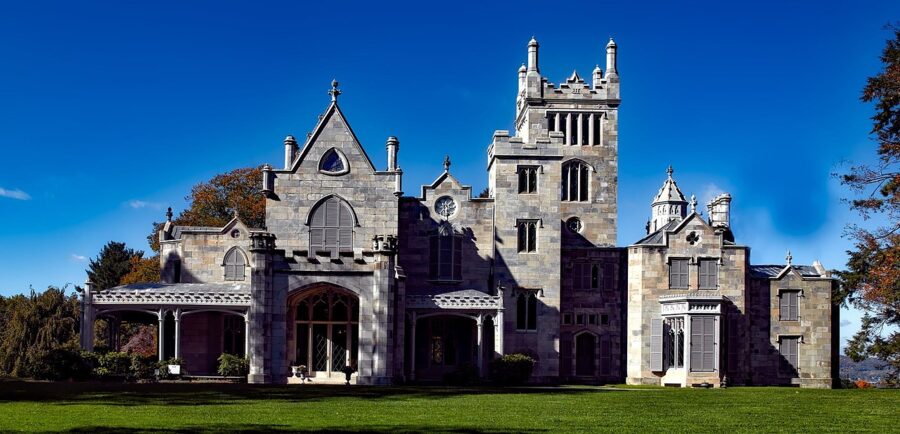
What is open. Kykuit, the Rockefeller estate, ran no tours in 2026; the Rockefeller Brothers Fund plans to restart them in 2027. Lyndhurst’s grounds open daily from April through December, 9:30am to 4:30pm, but its house tours were paused as of November 2026.
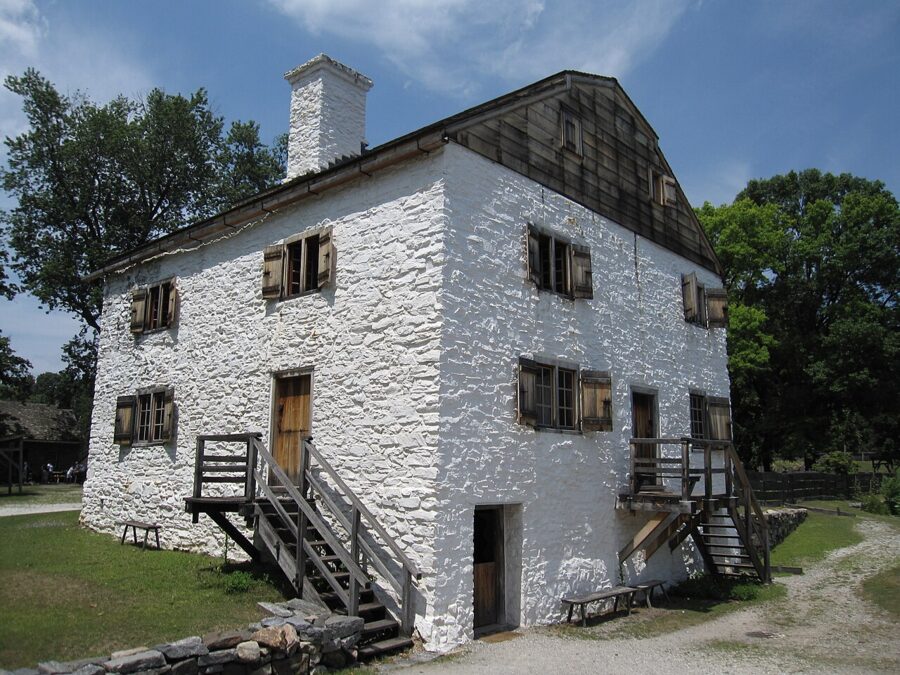
Philipsburg Manor. This 18th-century farm and mill, run by Historic Hudson Valley, tells the story of the enslaved Africans who worked it for the Philipse family. For 2026 it opened Friday to Sunday from May 8 to September 27 and through November, on Mondays, Wednesdays and Thursdays in October, and on December weekends until the 20th. Adult tickets are $18, and $2 more on the day.

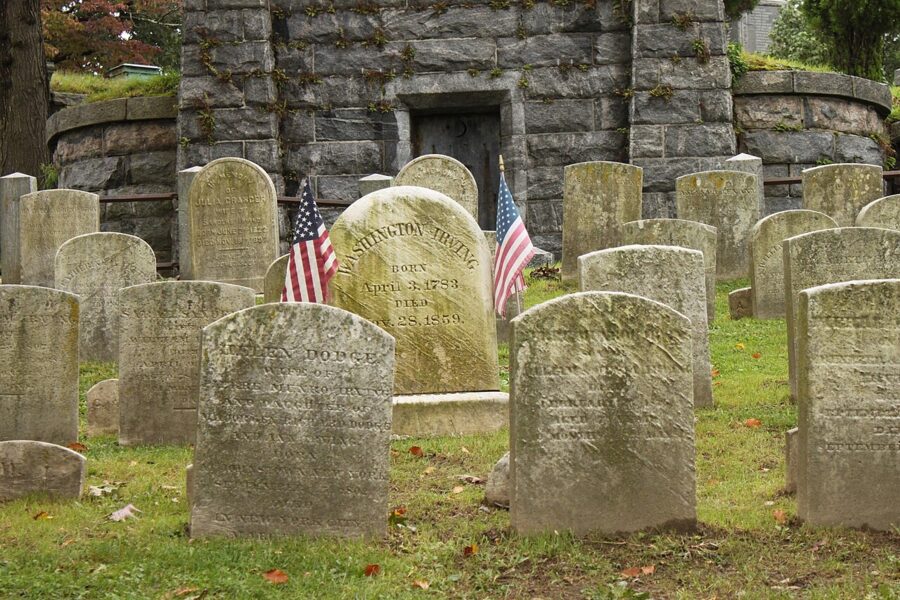
The cemetery. Sleepy Hollow Cemetery opens daily until 4:30pm, from 8am on weekdays and 8:30am on weekends, with free maps at the office. Tarrytown’s Main Street has enough cafes for lunch.

Best season. October is the busiest by far, with Halloween events booked weeks ahead. Late spring is quieter.
5. Princeton, New Jersey
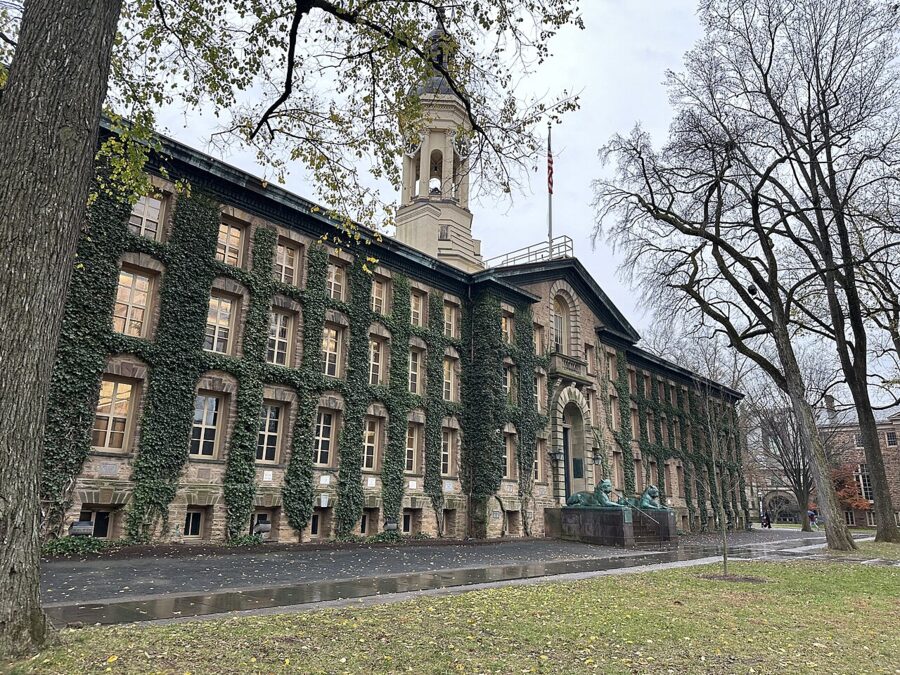

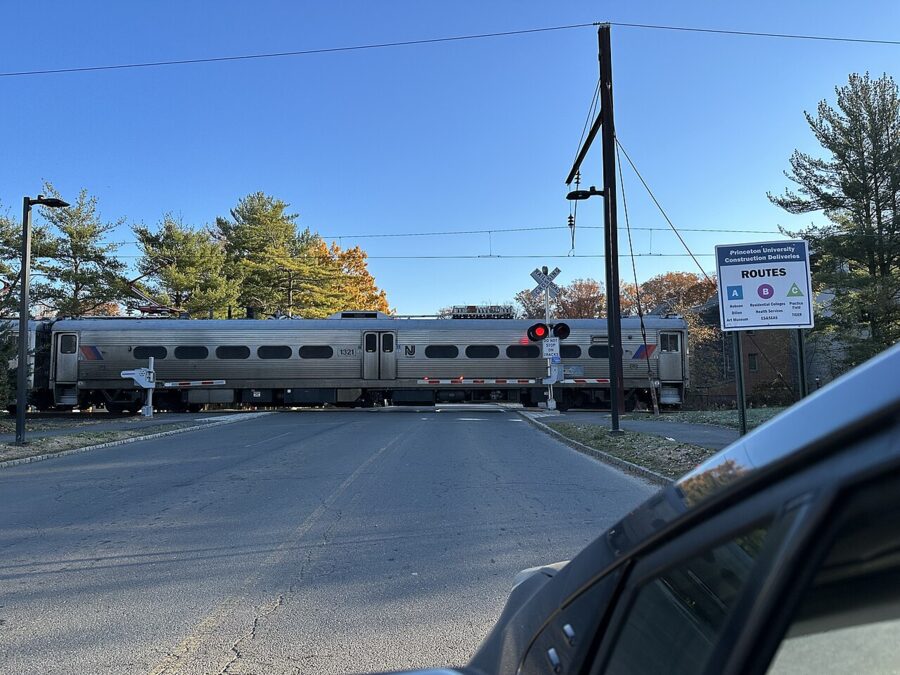
Princeton makes a quiet day: a handsome campus, a small downtown and, since late 2025, one of the best free art museums on the East Coast. NJ Transit’s Northeast Corridor Line reaches Princeton Junction in about an hour, and the Dinky shuttle covers the last stretch in about five minutes. When the Dinky is out of service, NJ Transit runs a bus instead.

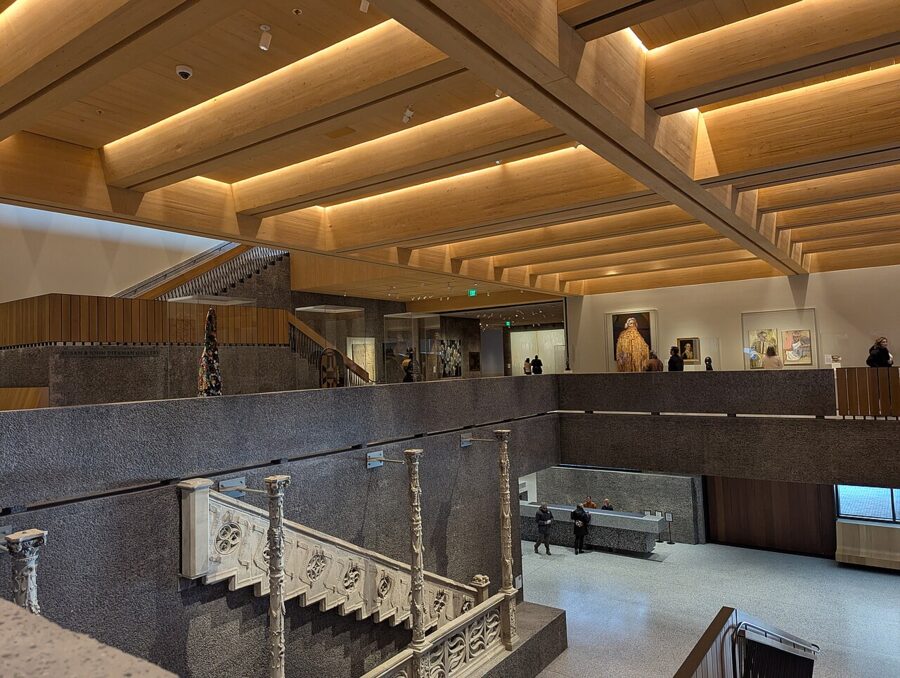
The art museum. The Princeton University Art Museum opened its new building, designed by Adjaye Associates, on October 31, 2025. Admission is free. It opens at 10am (noon on Sunday) and closes at 5pm, except Thursday and Friday, when it stays open until 8pm.
The rest of the day. Walk the campus from Nassau Hall through the Gothic quadrangles, then eat on Nassau Street or Palmer Square. Princeton Battlefield State Park, where Washington won in January 1777, is a short drive away.
Best season. Spring and fall, when the campus is in session. Driving takes about an hour and a quarter.
6. Storm King Art Center, New York
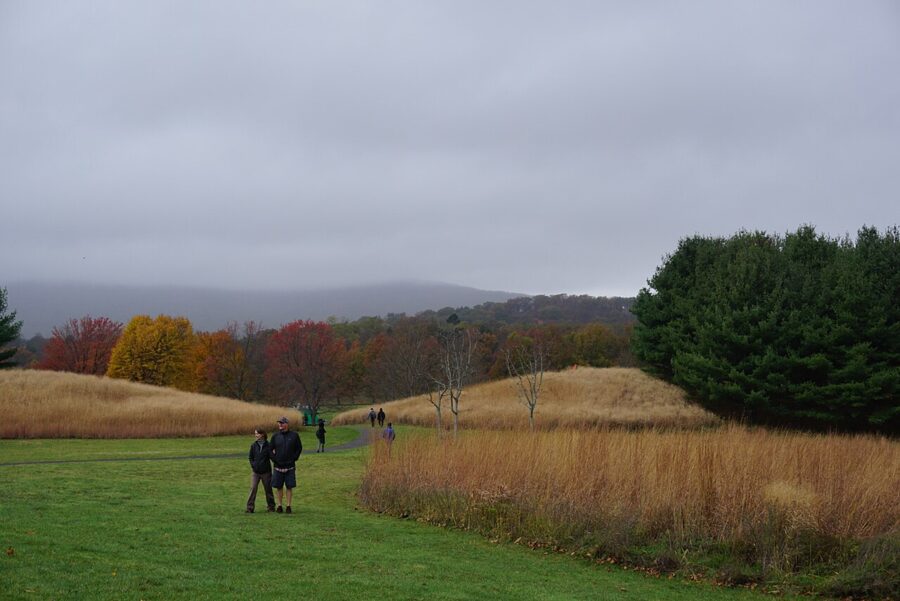

Storm King is the one stop here that needs a car, and it earns the drive. Large sculptures by artists such as Alexander Calder, Richard Serra and Maya Lin sit across hundreds of acres of fields and woods. Plan on three hours at least.
Season and tickets. The 2026 season ends on November 30, and Storm King reopens on March 31, 2027. It opens Wednesday to Monday, 10am to 4pm, with last entry at 3pm. Tickets are $25 for adults, $22 for seniors and $15 for students and youth, with parking included, and Storm King calls advance tickets essential.
Getting there. About an hour and a quarter, mostly on the Palisades Interstate Parkway. Beacon is about 25 minutes away across the river if you want to pair them.
Best season. May and June for green fields, October for color, weekdays for quiet.
7. Long Beach, New York
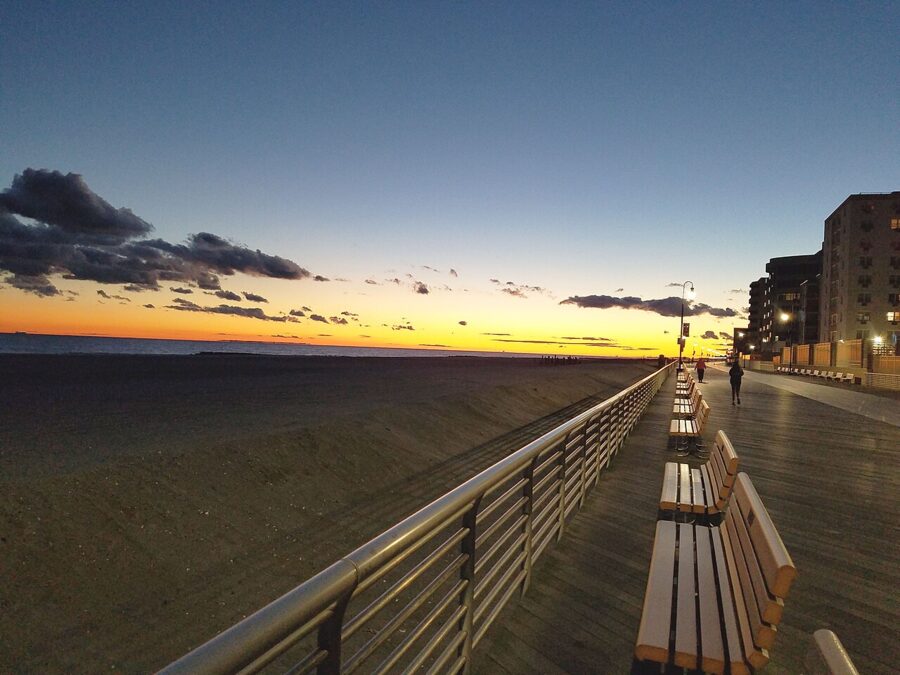

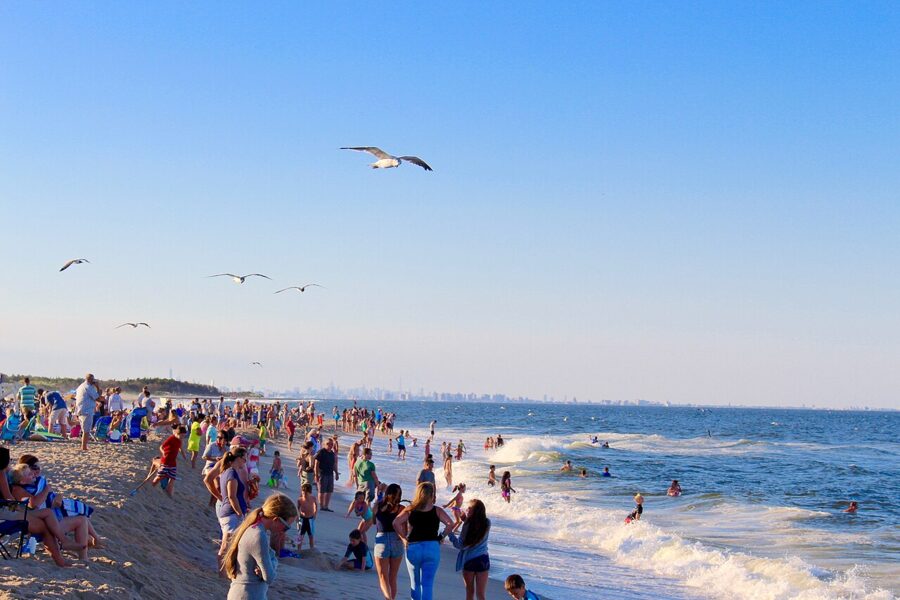
Long Beach is the easiest ocean beach to reach without a car. The Long Island Rail Road runs from Penn Station in about an hour, and the sand starts a few blocks south of the station. The town is flat and compact enough to do on foot.
Beach passes. Everyone 13 and older needs one in season. For 2026, a non-resident daily pass cost $16, sold at booths including one by the station. Passes are required on weekends from late May, then daily from June 19 to September 7.
Rules. Lifeguards work 10am to 6pm on summer weekdays and 9am to 6pm on weekends, and swimming is banned when none is on duty. Swim only between the green flags, stay off the rock jetties, and leave skateboards and e-bikes off the boardwalk, where they are banned year-round.
Best season. Late June to early September. Out of season the boardwalk is free and quiet, still worth the ride for a long walk.
8. New Haven, Connecticut
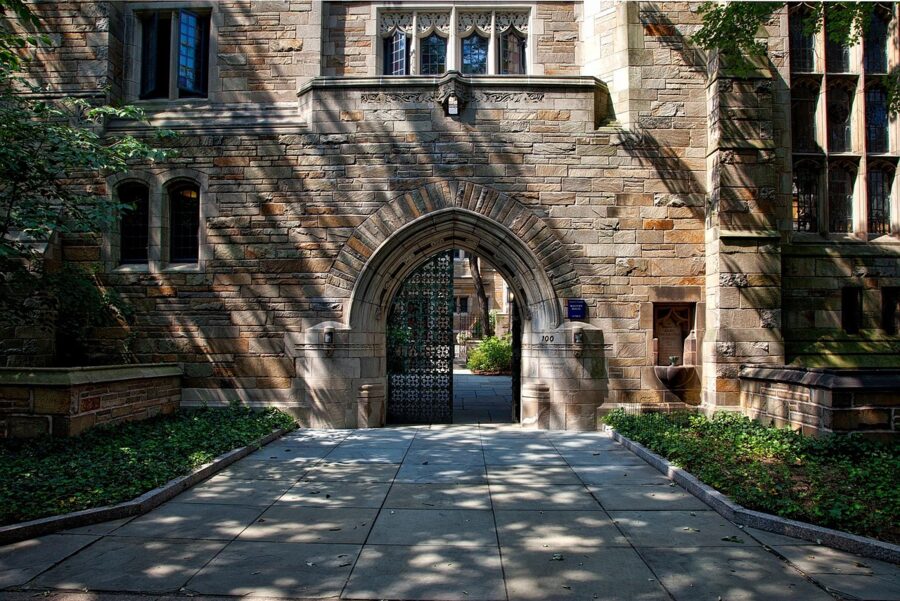
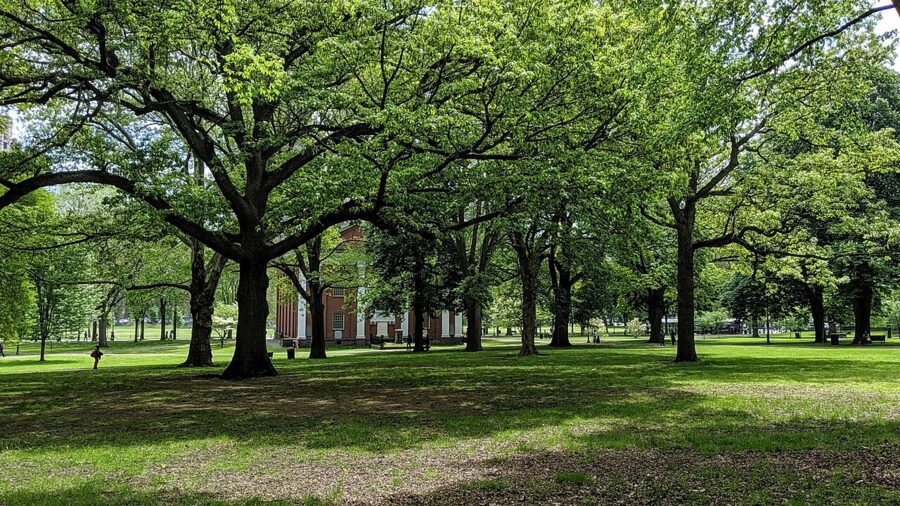
New Haven is the longest train ride on this list and the best rainy-day pick, because its two big museums are free. Metro-North’s New Haven Line takes about two hours from Grand Central; Amtrak from Penn Station is faster but costs more. Driving takes about an hour and three quarters on I-95.
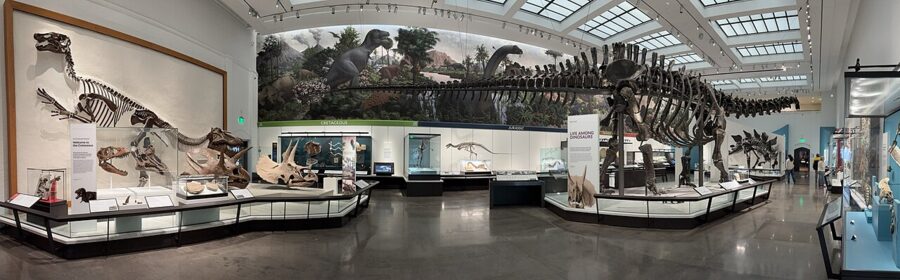
The museums. The Yale University Art Gallery on Chapel Street is free and open Tuesday to Sunday: 10am to 5pm on weekdays (until 8pm on Thursdays from September to June) and 11am to 5pm on weekends. The Yale Peabody Museum, with its dinosaur hall, is also free, open 10am to 5pm Tuesday to Saturday and noon to 5pm on Sunday. Both close on Mondays.

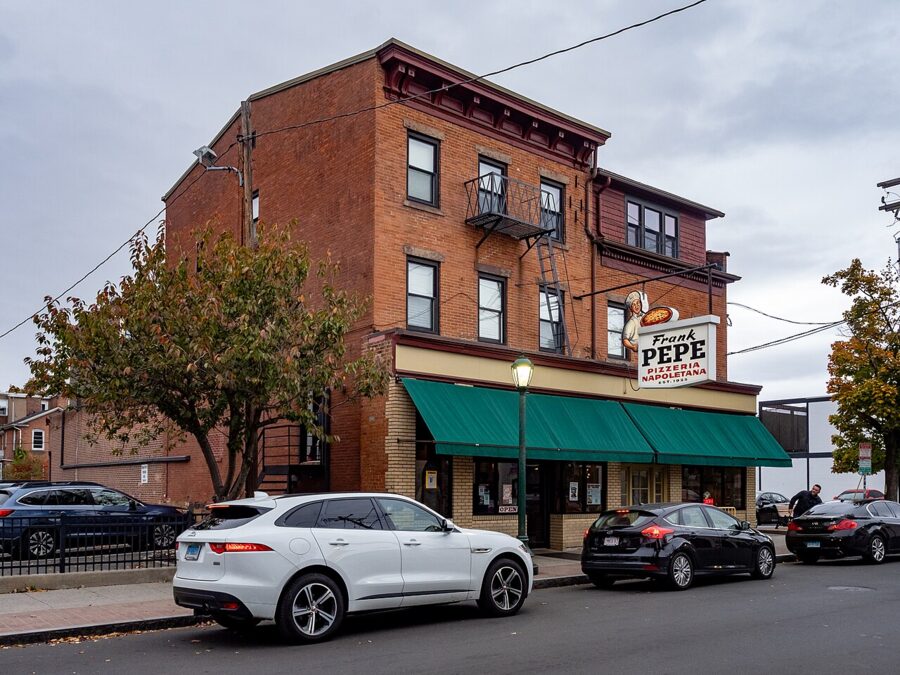
Pizza. Thin, charred “apizza” is why many people make the trip. Frank Pepe Pizzeria Napoletana has been on Wooster Street since 1925 and is known for its white clam pie. Expect a line on weekends.

Best season. Any time; the museums make it a good winter trip.
9. Bear Mountain, New York
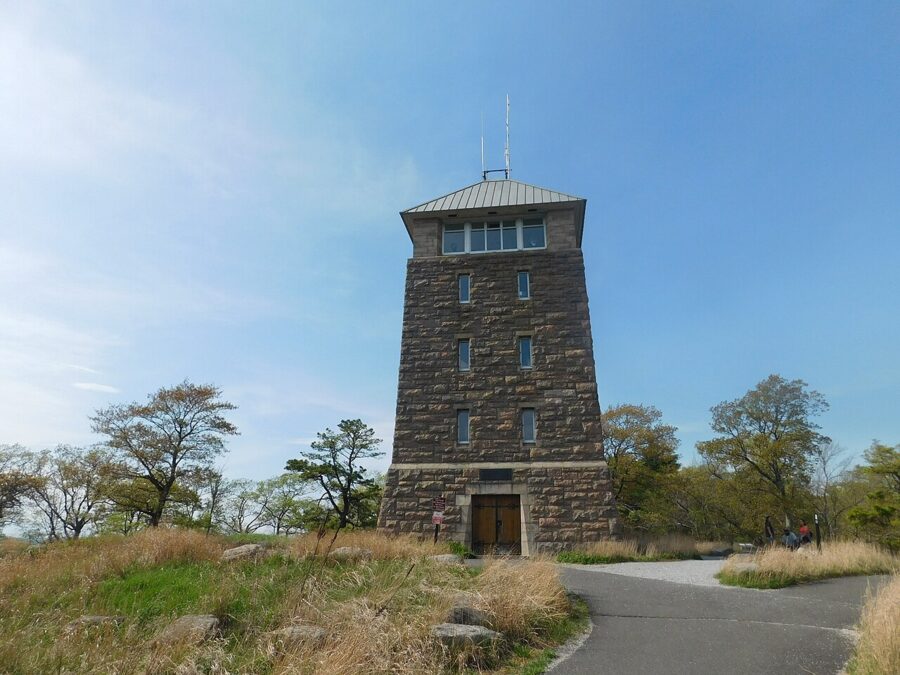

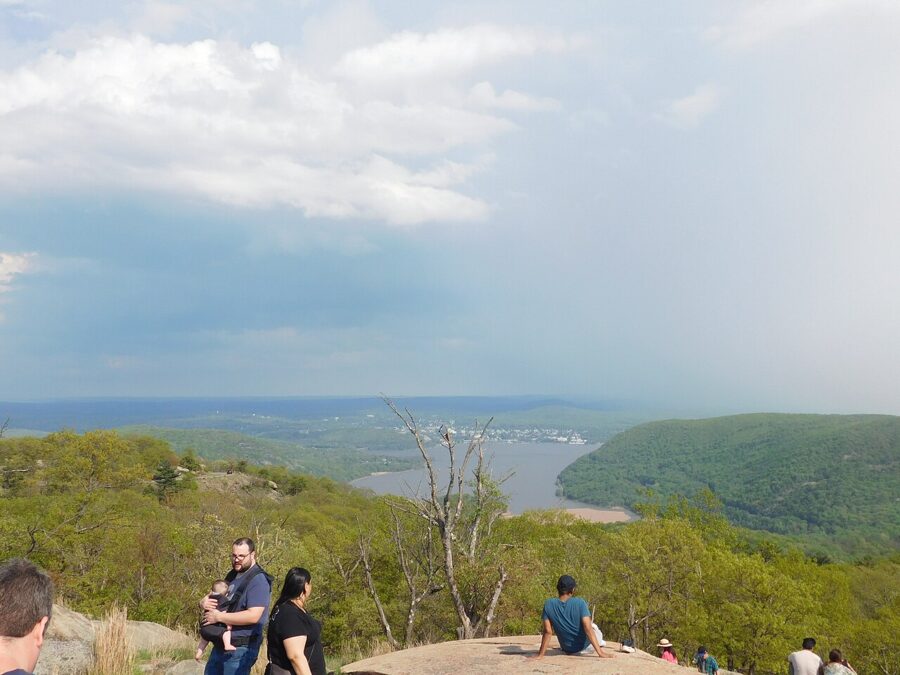
Bear Mountain State Park is the quickest way from the city to a real summit, about an hour north on the Palisades Interstate Parkway. Perkins Memorial Drive climbs to the top, open April 1 to November 30, weather permitting.
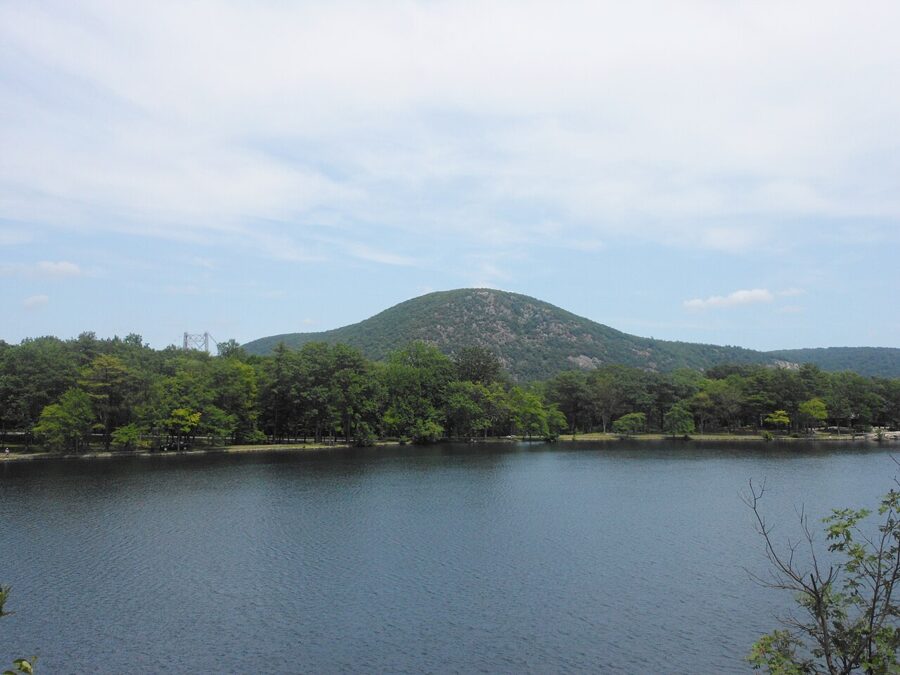
What to do. Walk the loop around Hessian Lake in under an hour, or climb the Appalachian Trail’s stone steps up the mountain’s east face. Construction near the Bear Mountain Inn has forced trail detours expected to last through summer 2027.

Fees. The vehicle fee is $10, waived on non-holiday weekdays from Thanksgiving through April 1, 2027. In summer 2026 the park turned away buses on weekends and holidays from May through September, a fair sign of how full the lots get. The Trailside Museums and Zoo, below the lake, shows native animals and is an easy add for children.
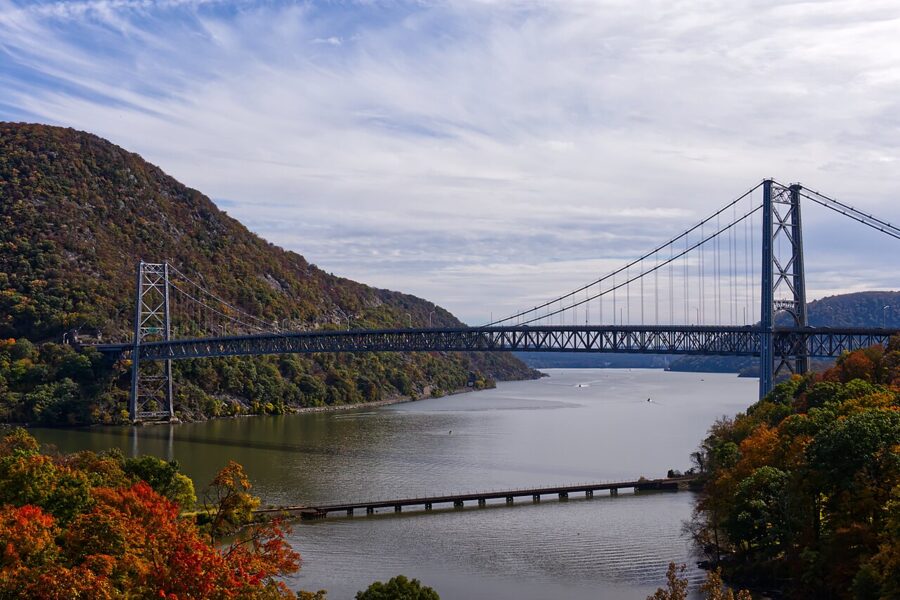

Best season. October, on a weekday. On fall weekends the parkway backs up and the lots fill early.
10. Asbury Park and Ocean Grove, New Jersey
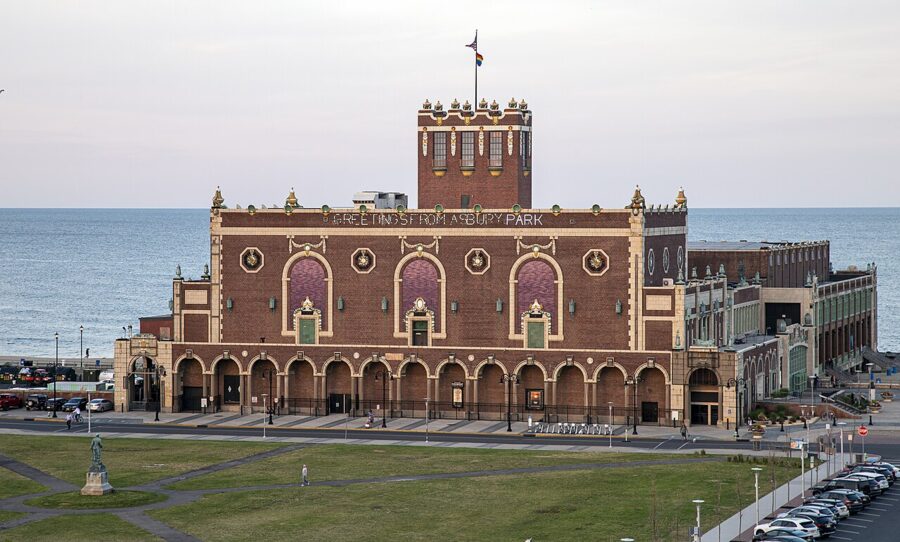

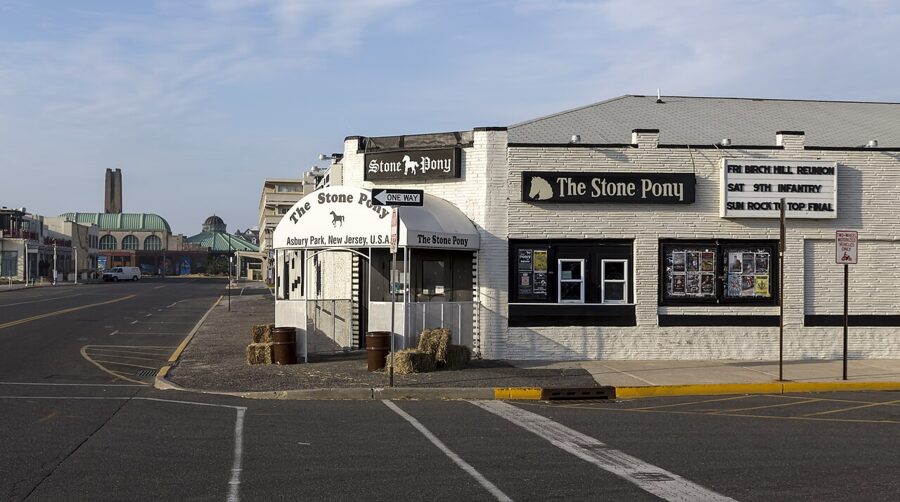
Asbury Park is the liveliest beach town within reach: a long boardwalk, good restaurants and music history at the Stone Pony. NJ Transit’s North Jersey Coast Line takes about one and a half to two hours from Penn Station; some trains need a change at Long Branch. Driving takes about an hour and a quarter on the Garden State Parkway.
What to do. Walk the boardwalk from Convention Hall south past the shell of the old Casino to the Ocean Grove line. The beach needs a daily badge from the city in summer. Downtown, a few blocks inland on Cookman Avenue, has most of the restaurants and shops.

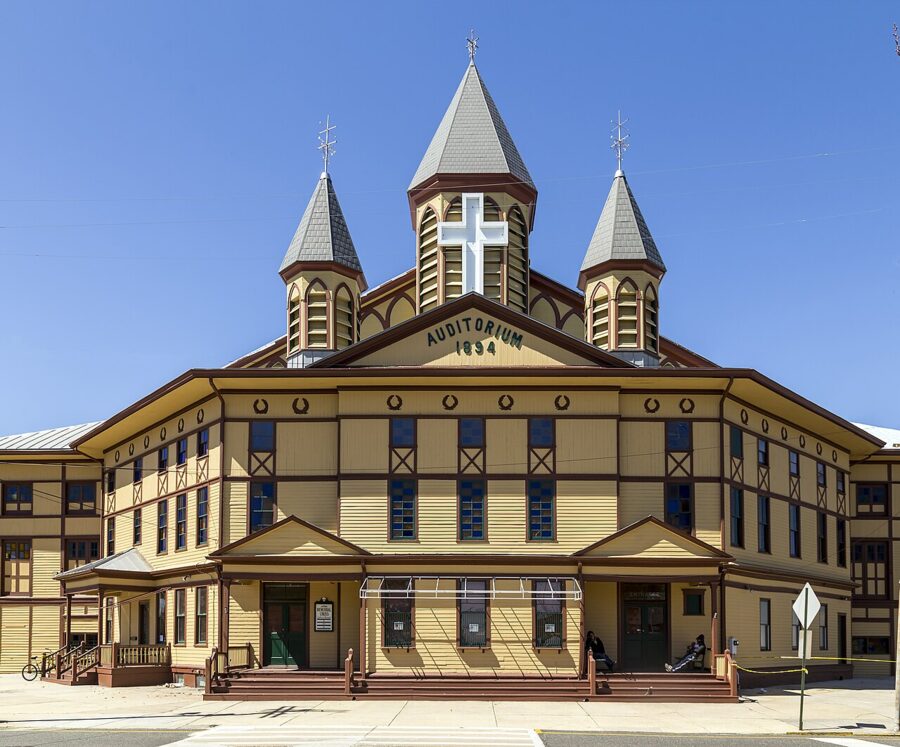
Ocean Grove. Next door, Ocean Grove began as a Methodist camp meeting in 1869 and still feels like one, with Victorian cottages, canvas tent cabins that families return to every summer, and the wooden Great Auditorium, which holds concerts and services. Its beach is quieter than Asbury Park’s.

Best season. June and September, warm without August crowds.
11. Sandy Hook, New Jersey
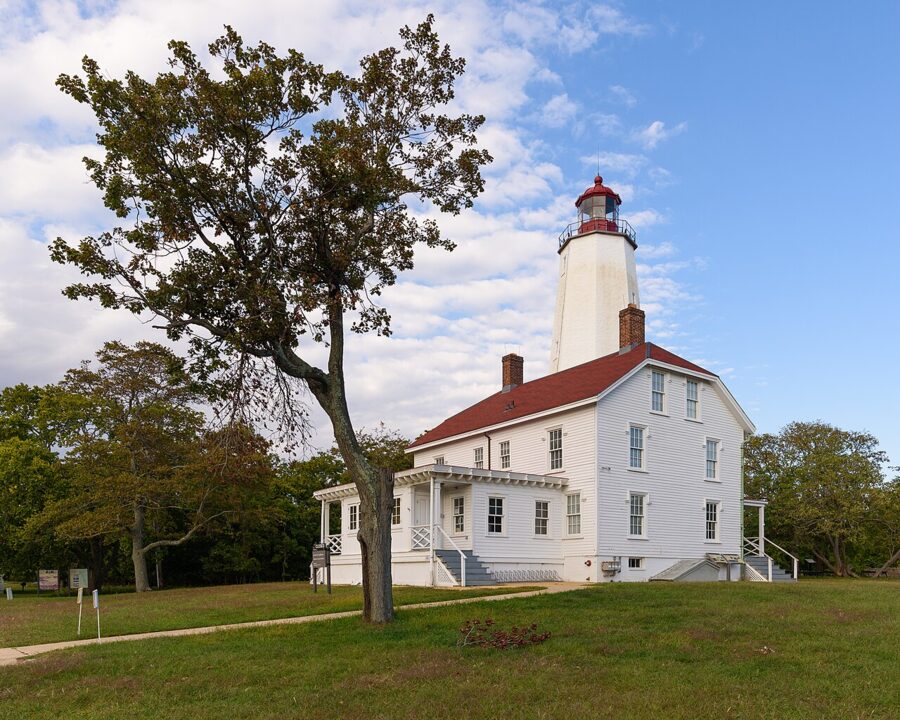

Sandy Hook is a barrier spit at the top of the Jersey Shore, part of Gateway National Recreation Area, with ocean beaches on one side and the bay on the other. In summer you can skip the drive and take the ferry.
The ferry. Seastreak sails from East 35th Street and the Battery Maritime Building from Memorial Day weekend to early September. In 2026 a round trip cost $60 for adults, $16 for children 12 and under and $5 for a bike, and tickets had to be booked online in advance as round trips from Manhattan. A free shuttle runs from the dock to the beaches.
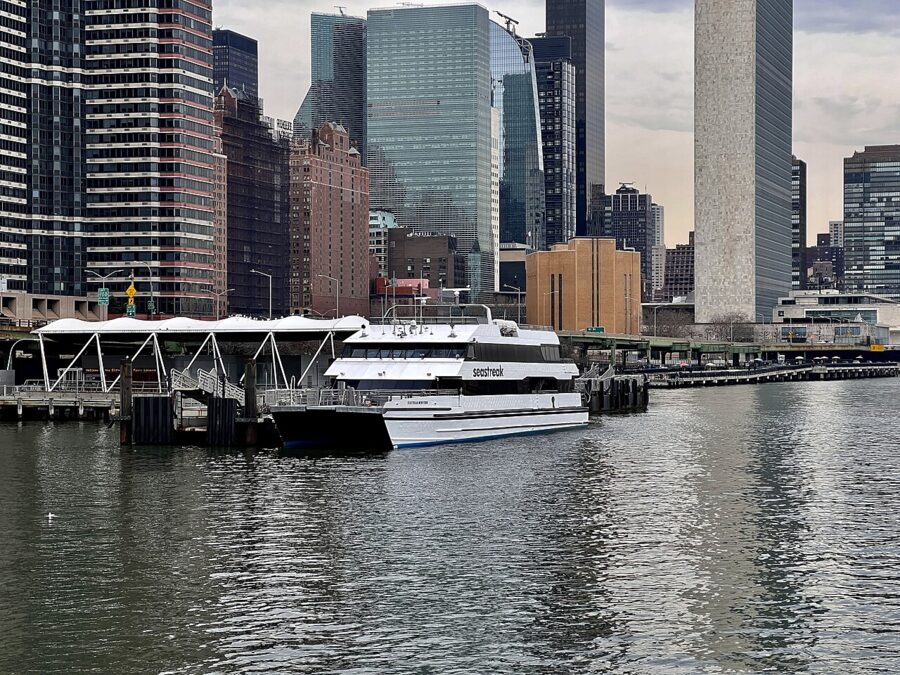

Driving. The drive takes about an hour and a quarter via the Garden State Parkway and Route 36, and from Memorial Day weekend to Labor Day beach parking costs $20 a day, collected from 8am to 6pm and paid by card only. Daily passes go on sale on Recreation.gov 14 days ahead, but the gate still closes when the lots fill, which happens early on hot weekends. Walkers and cyclists get in free all year.
Best season. July and August for the ferry; early September by car, when parking is free and the water still warm.
12. New Paltz and the Shawangunks, New York
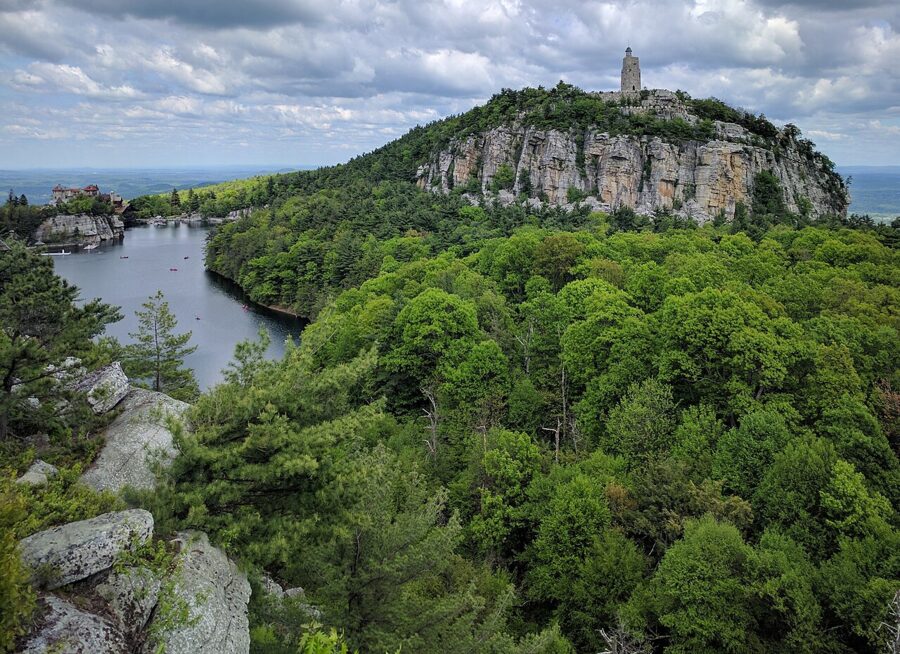

The Shawangunk Ridge, “the Gunks” to climbers, is the most dramatic scenery here: white cliffs, pine barrens and lakes just west of New Paltz. It is the farthest pick, best for a full hiking day. Driving takes about an hour and a half; Trailways buses from Port Authority take about the same.
Mohonk Preserve. A hiker’s day pass is $15 Monday to Thursday and $20 Friday to Sunday, as posted in November 2026. The free Visitor Center opens 9am to 5pm.
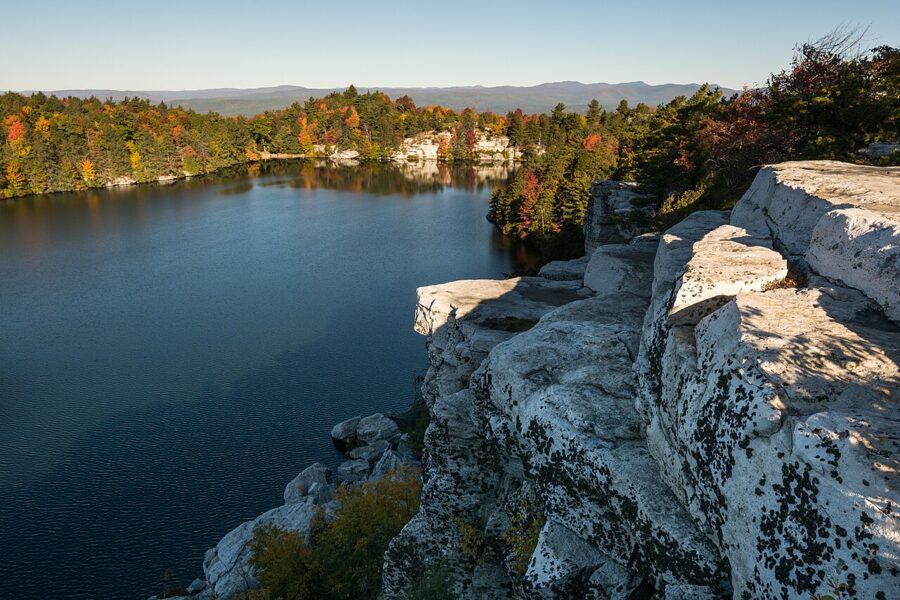

Minnewaska State Park Preserve. Parking costs $10 per car, and the lots close when full on fine days, so arrive before 10am.
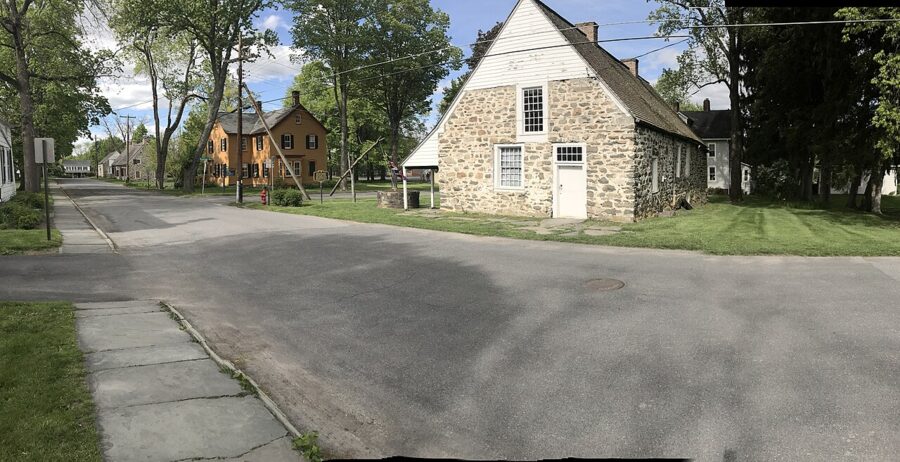

Best season. September and October, for cool hiking weather and color on the ridge. Summer weekends are crowded at both parks, and the free Ulster County Nature Bus runs to the Mohonk Preserve Visitor Center on Saturdays from late April through September.
Two days on the Hudson Line: a simple plan for Beacon
With the Breakneck Ridge stop closed, Beacon and Cold Spring are neighboring stations, so two days give you the best of both. Go Saturday and Sunday, when Dia Beacon and Boscobel are both open. Sleep in Beacon or come home in between; the weekend getaways guide covers where to stay.
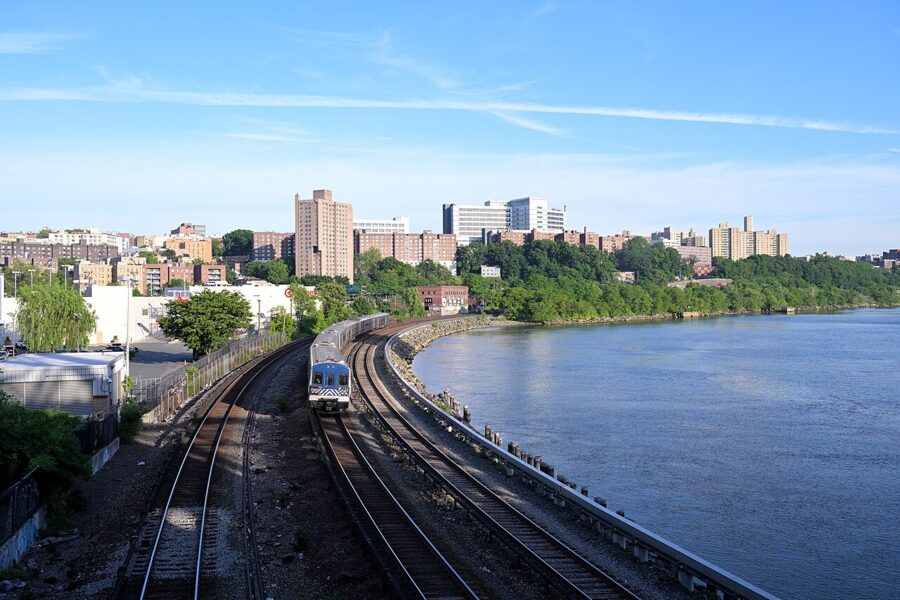

Day one, Beacon. Take an early train and walk to Dia Beacon for its 10am opening. Give the galleries two to three hours, then head up Main Street for lunch. Spend the afternoon on Mount Beacon and finish at Long Dock Park for sunset.
Day two, Cold Spring. Ride one stop south. Hike Bull Hill from the Washburn trailhead while it is cool, lunch on Main Street, then take a taxi to Boscobel for a house tour before an early evening train home.
Traffic, tolls, parking and booking ahead
Trains. Buy in the railroad’s app: Metro-North and the LIRR add a $7.75 to $8.50 surcharge for tickets bought from the conductor. Weekend trains are off-peak all day, and up to four children aged 5 to 17 ride for $1 each with a fare-paying adult.
Tolls. Port Authority crossings are cashless and charge only on the way into New York. The George Washington Bridge, the usual route home from Bear Mountain and Storm King, cost $16.79 at the peak E-ZPass rate from January 2026, more by mail. Driving into Manhattan below 60th Street adds the congestion relief zone toll: $9 with E-ZPass from 5am to 9pm on weekdays and 9am to 9pm on weekends, $2.25 overnight.

Timing. On summer and fall weekends, leave before 8am and come back before 3pm or after 7pm. The Palisades Parkway, the Taconic and I-95 all back up on Sunday afternoons, and the Garden State Parkway is at its worst on summer Friday evenings and Sunday afternoons.
Parking. Small-town station lots fill on fine weekends. Bear Mountain, Minnewaska and Sandy Hook close their lots when full, so an early start matters more than anything.
Book ahead for:
- Independence Hall: timed tickets, up to 30 days out.
- Storm King: advance tickets, which include parking.
- The Sandy Hook ferry: online only.
- Philipsburg Manor: $2 more on the day.
- Sandy Hook parking: daily passes on Recreation.gov, 14 days out.
Quick answers
Which places are about an hour from New York City?
Sleepy Hollow and Tarrytown (40 to 50 minutes by train), Long Beach (about an hour by train or car) and Bear Mountain (about an hour by car). Princeton and Cold Spring are a little over an hour by train.
What is the prettiest Hudson Valley town for a day trip?
Cold Spring: a 19th-century main street running down to a river framed by mountains. Beacon has more to do, but Cold Spring looks like a painting.
Can you do a good day trip from NYC without a car?
Yes. Ten of the twelve picks work without one, by train, summer ferry (Sandy Hook) or Trailways bus (New Paltz). Storm King and Bear Mountain really need a car.
Where should I leave the car?
If you live outside Manhattan, park at a suburban Metro-North, LIRR or NJ Transit station and ride in, rather than paying the congestion toll and city garage rates. Check the lot’s posted rules; some are permit-only on weekdays.
Whichever trip you pick, check the last train home before you leave the city: weekend service thins out in the evening, and that train decides how long your day really is.