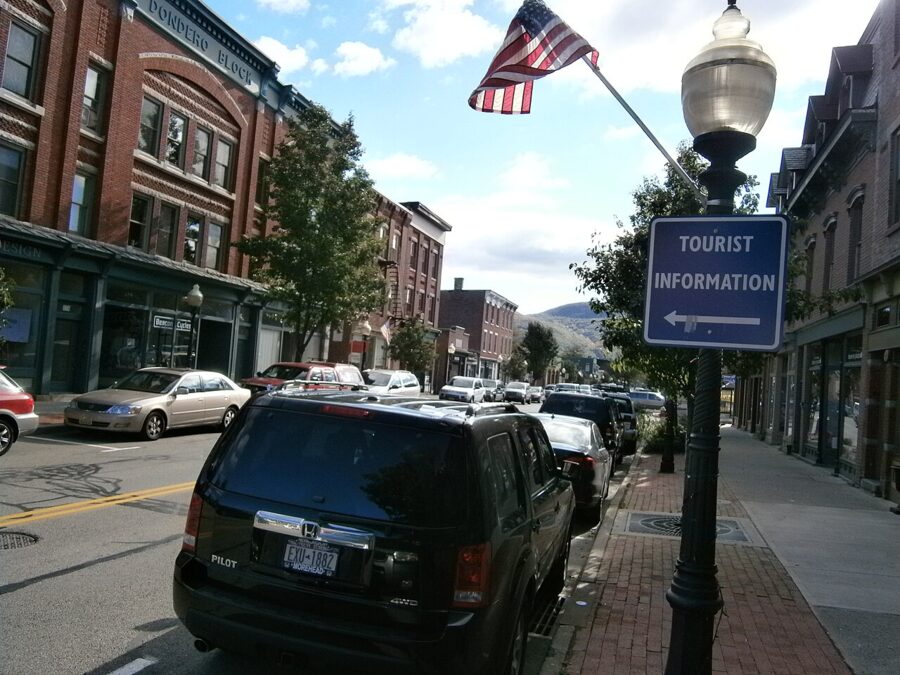
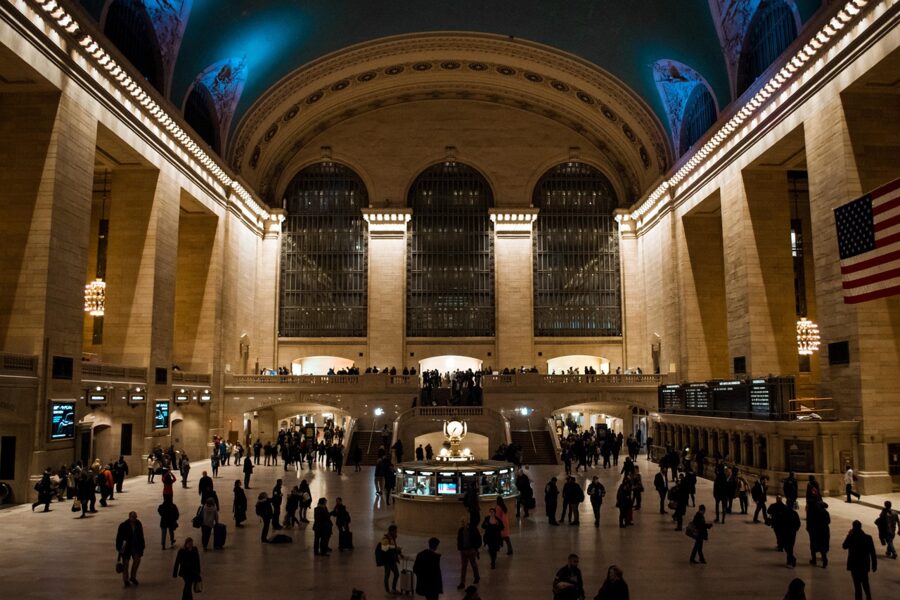
The best weekend getaway from New York City is Beacon, a Hudson River town about 80 minutes from Grand Central on Metro-North, with one of the country’s largest contemporary art museums a short walk from the platform and a mountain at the far end of Main Street. For a city break take the train to Philadelphia, for a beach go to Montauk or Cape May, and for real hiking without a car take the bus to New Paltz and the Shawangunk Ridge.
Below are fifteen trips, ranked, each workable in two nights. Hours, prices and schedules are as of November 2026; check the operator’s own site before you book.


On this page
- The short answer: fifteen getaways, ranked
- 1. Beacon and Cold Spring, New York
- A simple two-day plan for Beacon
- 2. Philadelphia, Pennsylvania
- 3. Hudson and Olana, New York
- 4. New Paltz and the Shawangunks, New York
- 5. Montauk, New York
- 6. Cape May, New Jersey
- 7. The Catskills, New York
- 8. Mystic, Connecticut
- 9. Newport, Rhode Island
- 10. Asbury Park, New Jersey
- 11. Greenport and the North Fork, New York
- 12. New Hope, Pennsylvania, and Lambertville, New Jersey
- 13. Jim Thorpe, Pennsylvania
- 14. The Berkshires, Massachusetts
- 15. Washington, DC
- Where to go when: picks by season
- Traffic, tolls and parking
- Booking ahead
The short answer: fifteen getaways, ranked
Distances and drive times are from Midtown Manhattan with no traffic. Add 30 to 90 minutes on a summer Friday, more for Long Island and the Jersey Shore.
| Place | Distance | By car | By train or bus | Best for |
|---|---|---|---|---|
| Beacon and Cold Spring, NY | 55 to 65 miles | About 1 hr 20 min | Metro-North, 1 hr 10 min to 1 hr 30 min | Art, hiking, first trip without a car |
| Philadelphia, PA | About 95 miles | About 2 hr | Amtrak, about 1 hr 10 min to 1 hr 30 min | A second city, food, history |
| Hudson, NY | About 120 miles | About 2 hr 15 min | Amtrak, about 2 hr | Antiques, restaurants, Olana |
| New Paltz and the Gunks, NY | About 85 miles | About 1 hr 30 min | Trailways bus, about 1 hr 30 min | Cliffs, lakes, carriage roads |
| Montauk, NY | About 120 miles | 2 hr 45 min to 3 hr | LIRR, about 3 hr | Ocean beaches, surfing, seafood |
| Cape May, NJ | About 169 miles | About 3 hr | NJ Transit bus, about 5 hr in summer | Victorian town, quiet beaches |
| The Catskills, NY | About 120 miles | About 2 hr 15 min | Trailways, about 3 hr, few trips | Waterfalls, cabins, skiing |
| Mystic, CT | About 135 miles | About 2 hr 30 min | Amtrak, about 2 hr 30 min | Ships, seafood, families |
| Newport, RI | About 180 miles | About 3 hr 15 min | Amtrak to Providence, then bus | Mansions, coast walks |
| Asbury Park, NJ | About 60 miles | About 1 hr 15 min | NJ Transit train, about 1 hr 45 min | Beach, live music |
| Greenport and the North Fork, NY | About 100 miles | About 2 hr | LIRR, about 3 hr, few trips | Wineries, farm stands, a ferry hop |
| New Hope and Lambertville | About 75 miles | About 1 hr 30 min | Not practical | Antiques, river walks |
| Jim Thorpe, PA | About 115 miles | About 2 hr 15 min | Bus, 3 to 4 hr | Fall color, rail trail, rafting |
| The Berkshires, MA | About 150 miles | About 3 hr | Berkshire Flyer train, summer only | Music, museums, inns |
| Washington, DC | About 225 miles | 4 hr or more | Amtrak, about 2 hr 45 min to 3 hr 30 min | Free museums, monuments |
Without a car, the first four, plus Mystic, Asbury Park and Washington, work by train or bus alone. A car opens up the Catskills, New Hope, Jim Thorpe and the Berkshires.
1. Beacon and Cold Spring, New York
Beacon wins because it asks almost nothing of you. Take the Hudson Line from Grand Central, sit on the left going north for the river views, and step off 80 to 90 minutes later with Dia Beacon up the hill and Main Street a 15-minute walk away. Cold Spring, a smaller and prettier village, is on the same line.
What to do
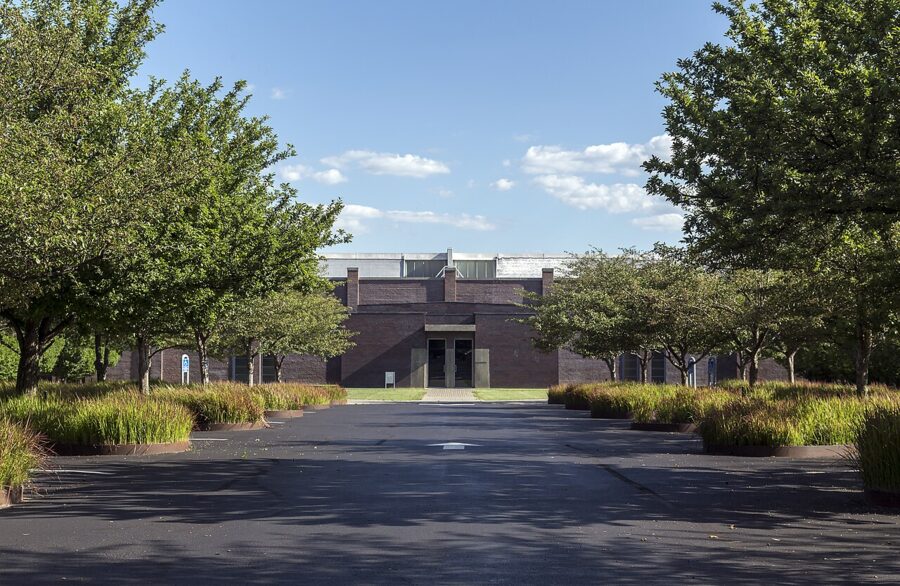
Dia Beacon fills a former Nabisco box-printing factory with large-scale art from the 1960s onward, much of it too big for any Manhattan museum. Dia’s own site gives the hours as Friday to Monday, 10am to 4pm, changing with the season, with last entry half an hour before closing; it is closed Tuesday to Thursday. Adult admission is $25, and Dia strongly suggests booking ahead.

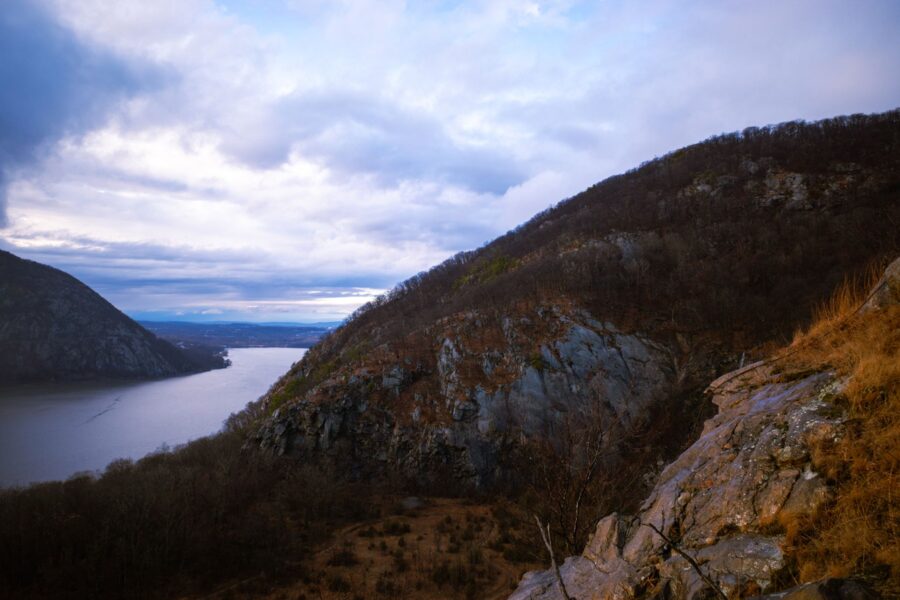
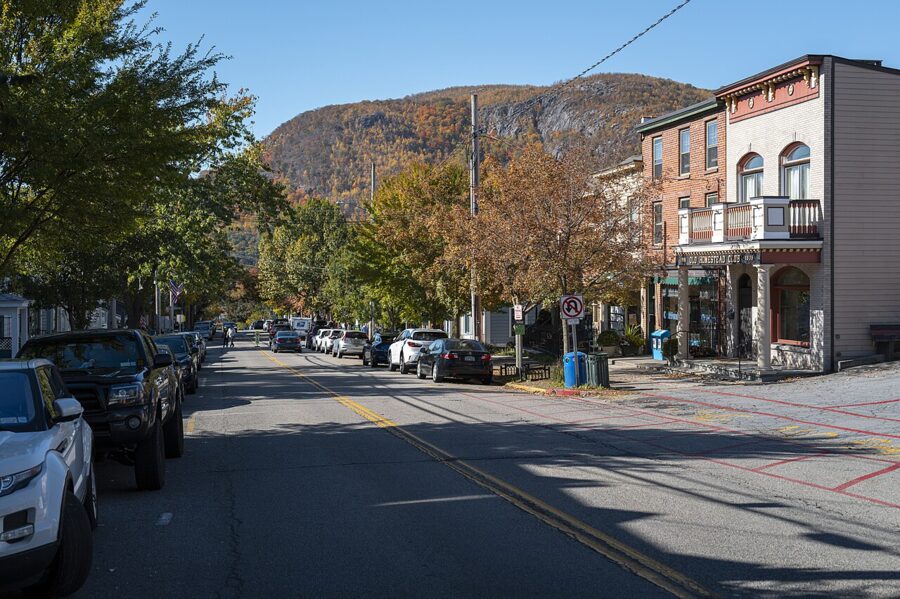
Mount Beacon is the other reason to come. The Casino Trail starts at the east end of town and climbs about 1,200 feet, beginning with a long staircase beside the route of the old incline railway, to the ruins of the hotel and casino that once stood on top. It is steep but short.

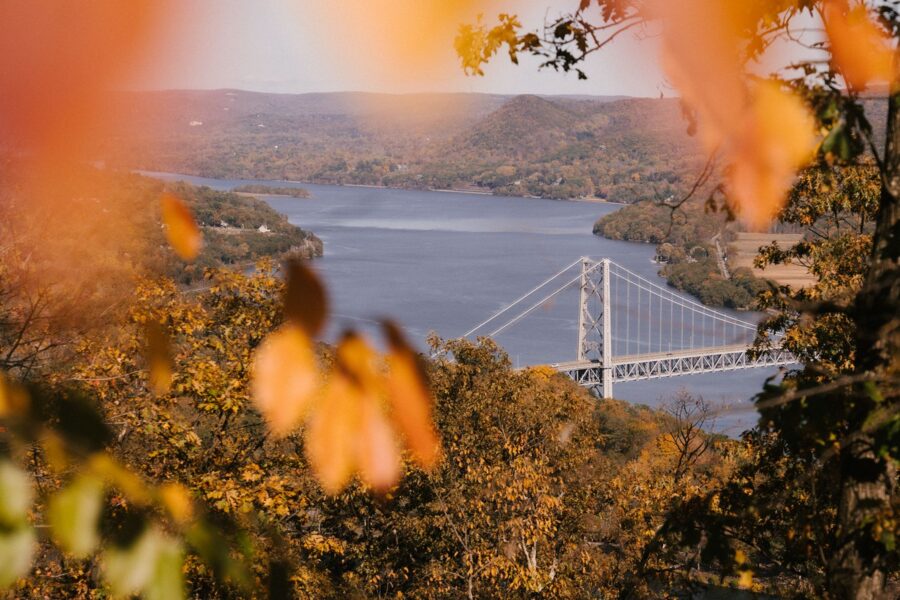
Plan around one big change. Breakneck Ridge, the scramble that used to pull thousands of hikers off the train between Cold Spring and Beacon, is shut: the Metro-North stop there closed on April 21, 2025, for construction of the Hudson Highlands Fjord Trail, and the station and nearby trailheads are expected to stay closed until about mid-2027.
Getting there, staying, and when to go
Metro-North charges peak fares only on weekday rush-hour trains, so a weekend ticket is always the cheaper off-peak fare. By car it is about 65 miles up the Saw Mill and Taconic parkways or I-87 and I-84. Stay in Beacon itself, in one of the small hotels and inns on or near Main Street, so you can walk everywhere. Mid-October is the prettiest and most crowded time; late fall and winter weekends are calmer, and Dia keeps its Friday to Monday schedule all year.
A simple two-day plan for Beacon
Saturday. Take a morning Hudson Line train and walk up to Dia Beacon for its 10am opening. Give it until lunch, then eat on lower Main Street. After lunch, walk to the east end of town for the Casino Trail and be back down well before dark, then spend the evening on Main Street.
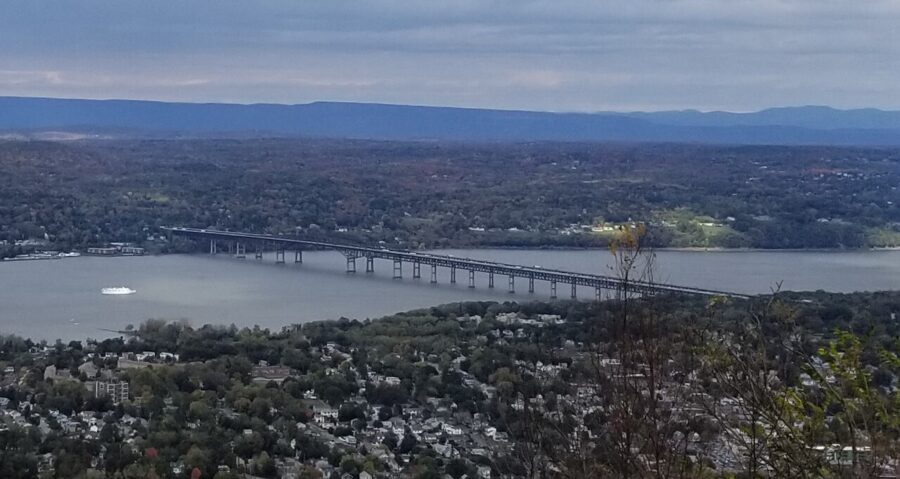
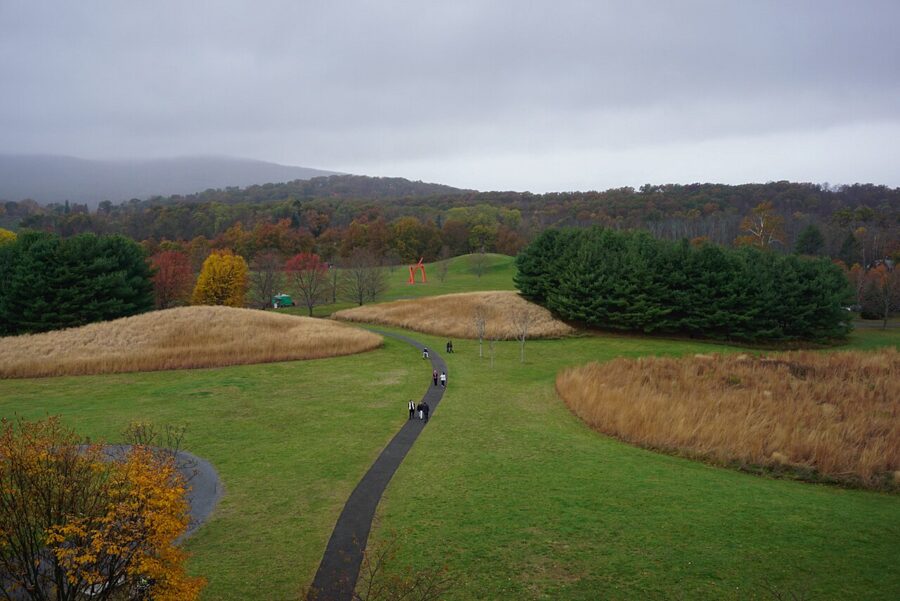
Sunday. If you have a car, or book a taxi, cross the Newburgh-Beacon Bridge to Storm King Art Center, about 20 minutes away, where big outdoor sculptures stand across 500 acres of fields and hills. If you don’t, take the train ten minutes south to Cold Spring instead, walk Main Street down to the river, and catch a train home from the same station in the afternoon.

2. Philadelphia, Pennsylvania
Philadelphia is the big-city weekend that costs almost no travel time. Amtrak’s Acela takes a little over an hour from Penn Station to 30th Street Station; the Northeast Regional takes closer to an hour and a half for less. The cheapest route is NJ Transit to Trenton and a SEPTA regional train from there, which takes two to three hours depending on the connection. Driving is about 95 miles, and Center City parking is expensive.
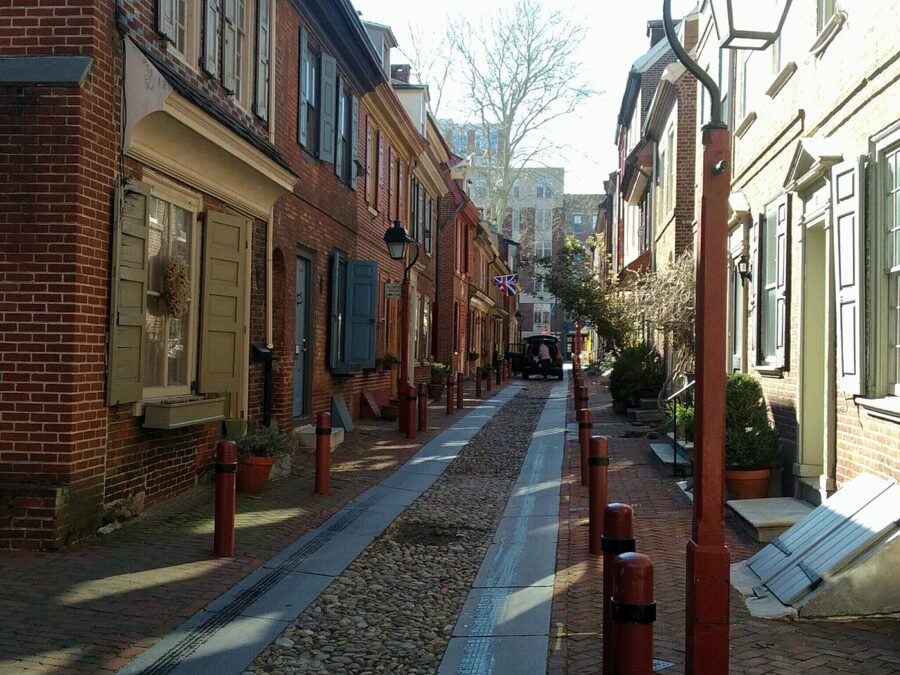

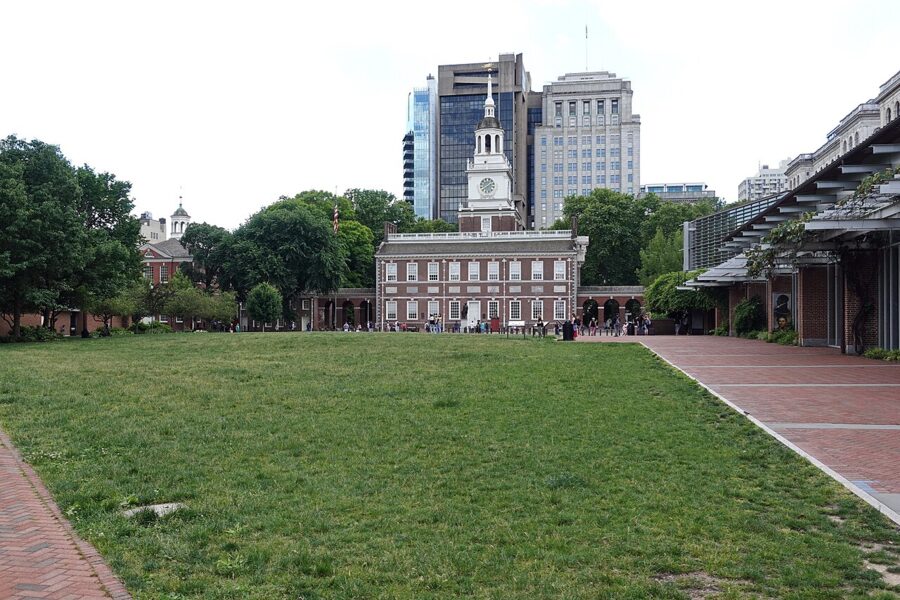
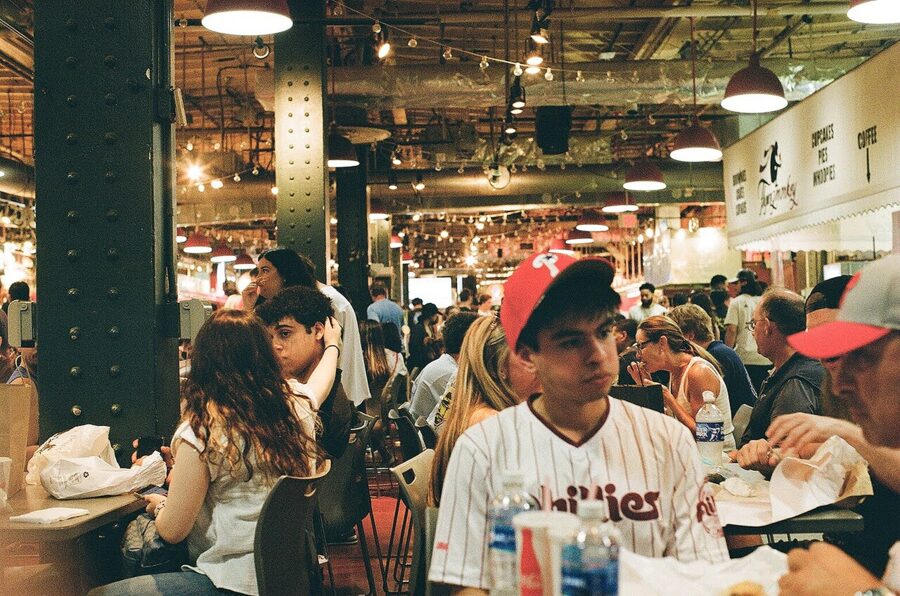
Start in Old City. Independence Hall itself is free, but guided tours are timed, and the National Park Service books them through Recreation.gov with a $1 handling fee per ticket that is not refundable. The Liberty Bell is across Chestnut Street. Then go eat: Reading Terminal Market, the big indoor market by the Convention Center, is the right place for lunch, and South Philadelphia’s Italian Market and the taquerias along South 9th Street are the right place for a long afternoon of snacking.

On Sunday, choose between art and the outdoors. The Barnes Foundation on the Benjamin Franklin Parkway holds an outsized collection of Impressionist and early modern painting hung as its founder arranged it, and Wissahickon Valley Park has miles of wooded creekside trails inside city limits. Stay in Old City or around Rittenhouse Square so most of the weekend is on foot. Philadelphia works in any month, which makes it the best pick for a cold or rainy weekend.
3. Hudson and Olana, New York
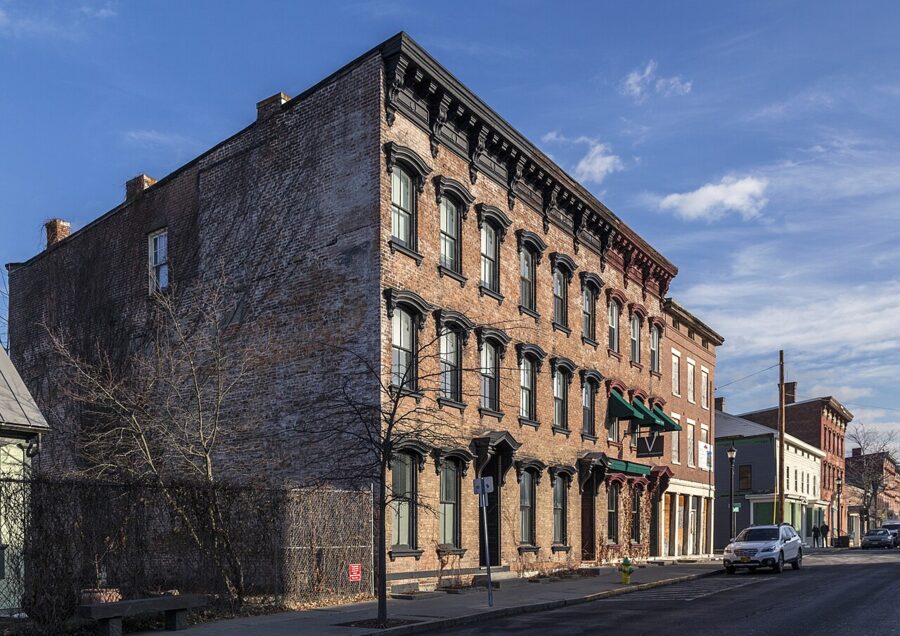
Hudson is what Beacon will look like in ten years: one long, handsome street of nineteenth-century brick, Warren Street, packed with antique dealers, design shops and some of the best restaurants in the Hudson Valley. Amtrak’s Empire Service takes about two hours from Penn Station, and the station sits at the bottom of the hill on the river side of town, so you can step off the train and start walking up Warren Street.

Olana, the hilltop home of the Hudson River School painter Frederic Church, is a few minutes’ drive south of town. Church designed the Persian-style house and its grounds as a single work. The grounds are open for walking, and the house is shown on guided tours, so check tour times on Olana’s site. Across the Rip Van Winkle Bridge, the Hudson River Skywalk links Olana with the Thomas Cole National Historic Site in Catskill, home of the painter who started the whole movement.
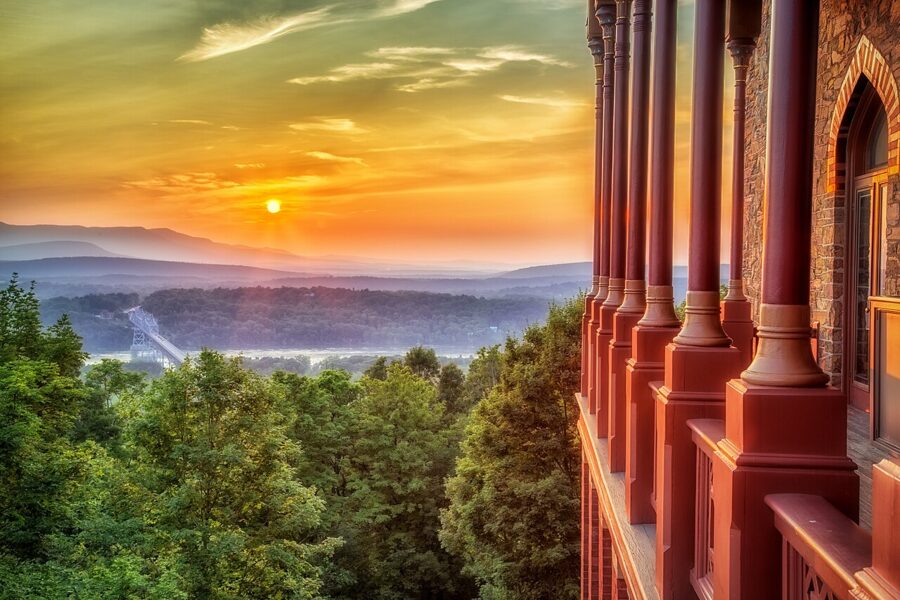

Stay in one of the small hotels on or just off Warren Street, and take a taxi to Olana. Summer and fall are best, but Hudson is just as good in January, when the restaurants are full of locals and rooms are easier to find.
4. New Paltz and the Shawangunks, New York
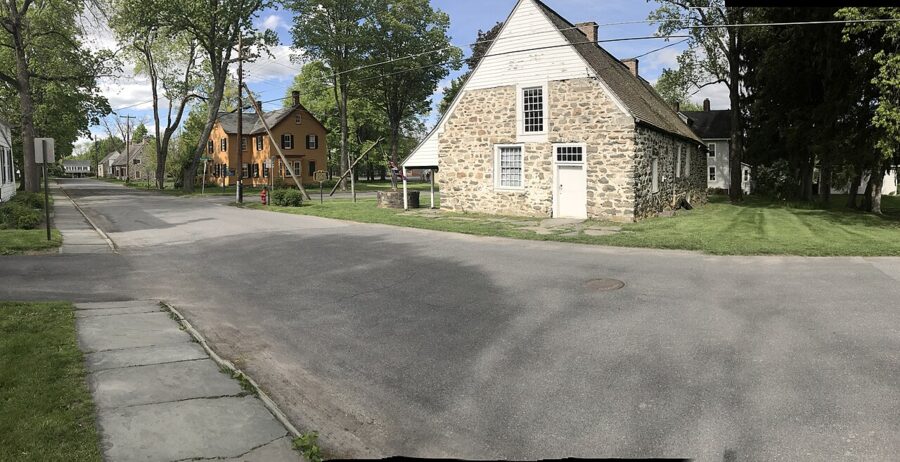
This is the best outdoors weekend you can reach by bus. Trailways runs from the Port Authority Bus Terminal to New Paltz in about an hour and a half without traffic, and the Shawangunk Ridge, the white cliffs the climbers call the Gunks, rises a few miles west of town. New Paltz itself is a college town with Historic Huguenot Street, a row of stone houses built by French Protestant settlers in the early 1700s, and the Wallkill Valley Rail Trail running flat through its edge.

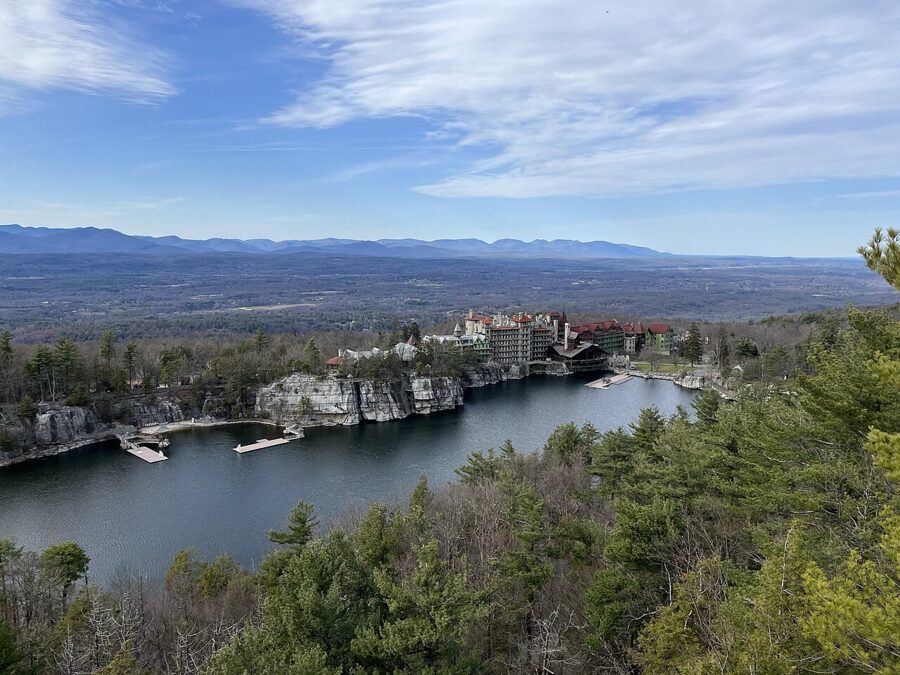
Up on the ridge are two big preserved areas. Mohonk Preserve covers more than 8,000 acres of cliffs, forest and carriage roads, open daily from sunrise to sunset; its Visitor Center on Route 44/55 is free and open 9am to 5pm. The Preserve charges a day-use fee for its trails, so check the current rate on its site. Next door, Minnewaska State Park Preserve charges $10 per car, with vehicle entry from 9am to 5pm between November 1 and early March and later closing times the rest of the year, according to New York State Parks.
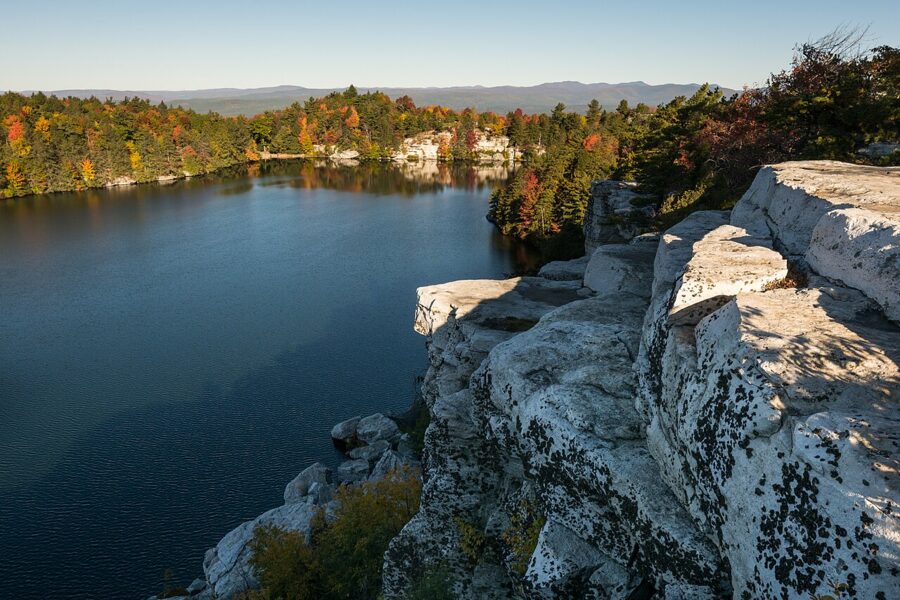

Without a car, use the Ulster County Nature Bus, which runs free every Saturday from late April through September from the New Paltz Trailways stop to Mohonk Preserve and Minnewaska. With a car, park early: on fall weekends the lots fill by mid-morning. Splurge on Mohonk Mountain House, or stay at the motels and inns around New Paltz. Go in October for the color, or in June before the summer crowds.
5. Montauk, New York
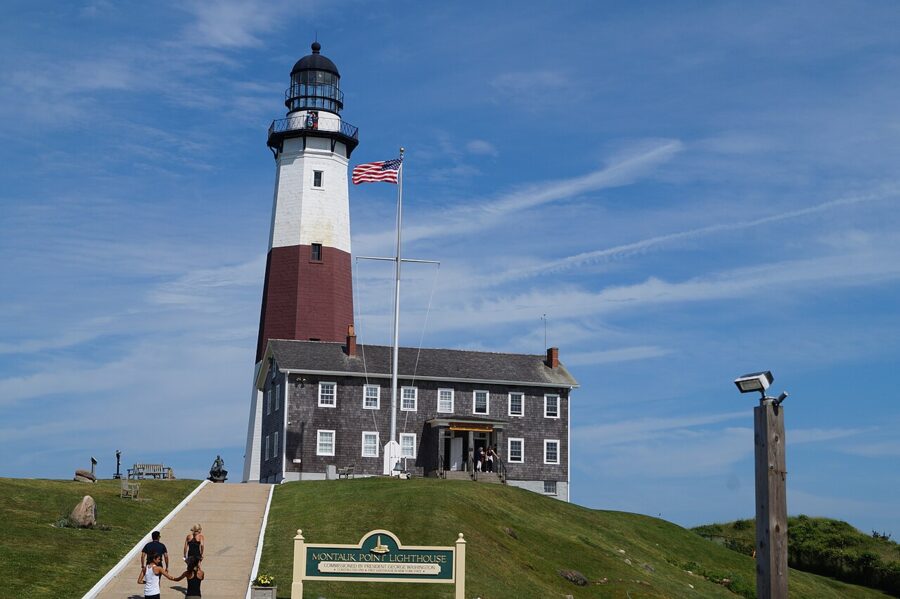
Montauk is the end of the line, literally: the eastern tip of Long Island’s South Fork, past the Hamptons, with the open Atlantic on one side and a working fishing harbor on the other. It is far less polished than Southampton or East Hampton, and that is the point.
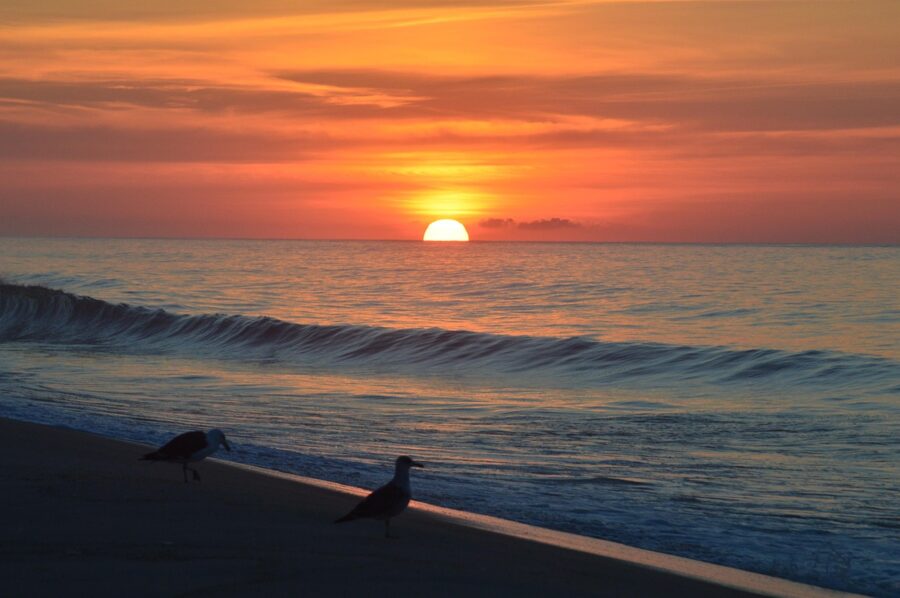
The Long Island Rail Road’s Montauk Branch gets you there in roughly three hours from Penn Station, usually with a change of trains; check the TrainTime app, because weekend timetables change often for track work. The Hampton Jitney bus is the other car-free option. By car it is about 120 miles out the Long Island Expressway and Route 27, and the last stretch through the Hamptons is where summer Fridays go to die.
Once there, go to Montauk Point. The lighthouse museum is open seasonally; a 2026 listing gave adult admission as $15, with hours cut to Friday to Sunday in November before the winter closing, so check before a late-season trip. Surfers head to Ditch Plains, and everybody ends up on the harbor docks for fish. Rooms are scarce and pricey from July 4 to Labor Day; June and September cost far less.
6. Cape May, New Jersey
Cape May is the opposite of Montauk: flat, old and gentle, at the bottom of New Jersey where the Atlantic meets Delaware Bay. The whole town is a National Historic Landmark, and its Victorian streets matter as much as the beach. The Cape May County Chamber of Commerce puts it at 169 miles from New York by the Turnpike and the Garden State Parkway.
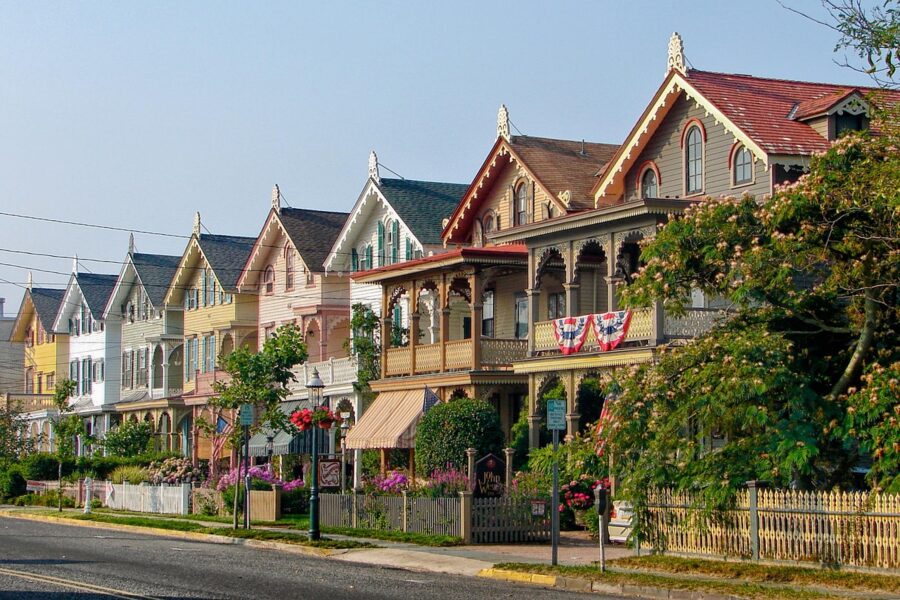
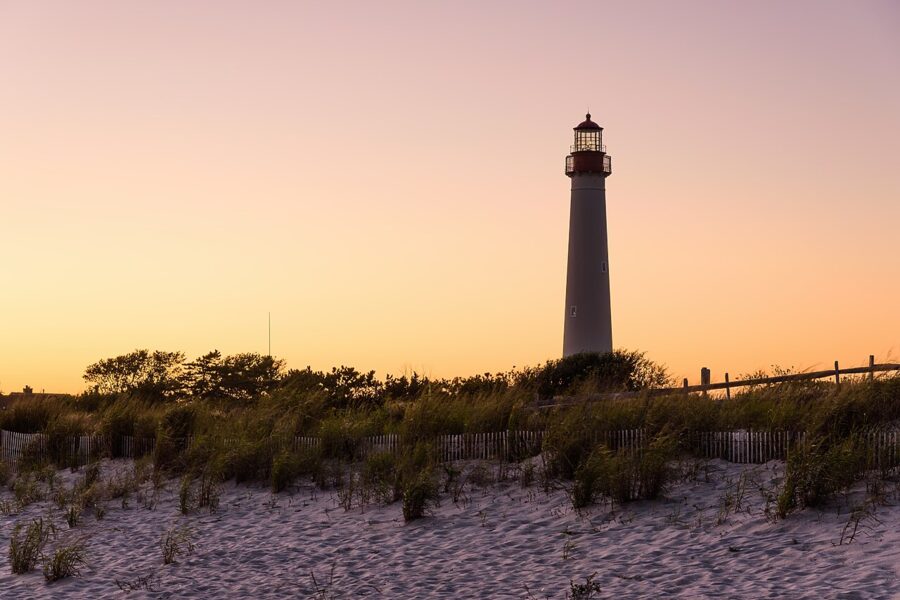
Allow about three hours by car, and up to four on a summer weekend. NJ Transit adds summer trips on its Route 319 bus from the Port Authority to Cape May (in 2026 from June 20), a ride of a little over five hours; otherwise you change buses in Atlantic City. Climb the 1859 lighthouse at Cape May Point, watch the sunset over the bay at Sunset Beach, and stay at Congress Hall or a B&B in the historic district. September, with warm water and no crowds, is the best month.

7. The Catskills, New York
The Catskills are where you sit by a woodstove and do very little, and they need a car. Trailways reaches Woodstock and Phoenicia from the Port Authority, but in about three hours and only a few times a day. Drive instead: about 120 miles up the Thruway to Kingston, then west on Route 28 for Phoenicia and the central mountains, or Route 23A for the northern peaks around Hunter and Tannersville.
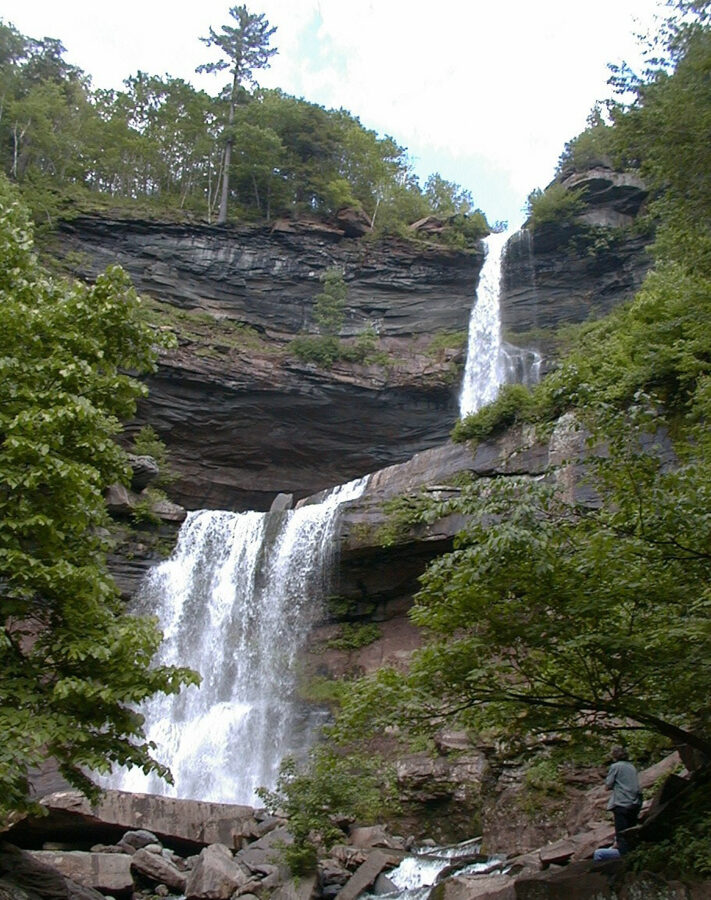

Kaaterskill Falls is the essential stop. The state Department of Environmental Conservation keeps the old Molly Smith parking area on Route 23A closed for safety and sends visitors instead to the Laurel House Road lot, where a short walk leads to a viewing platform above the falls, or to the Schutt Road and North-South Lake areas. Never walk along the shoulder of 23A to reach the trail. After that, spend a day in Phoenicia, a one-street mountain town on Esopus Creek, and an evening in Woodstock.
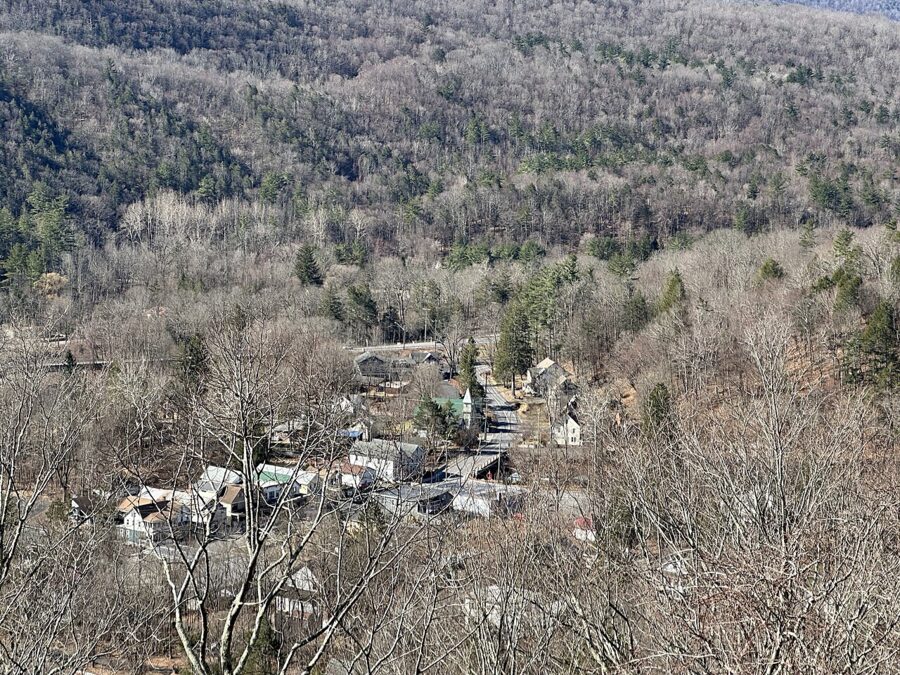

Cabins and small renovated motels are the way to stay here, and many are booked months ahead for October. The fall color peaks in early to mid-October at the higher elevations. In winter, Hunter, Windham and Belleayre are the big ski mountains of the Catskills.
8. Mystic, Connecticut
Mystic is the easiest New England trip on the list, and the most reliable one for kids. Amtrak’s Northeast Regional stops at Mystic station, about two and a half hours from Penn Station; the drive is around 135 miles up I-95.
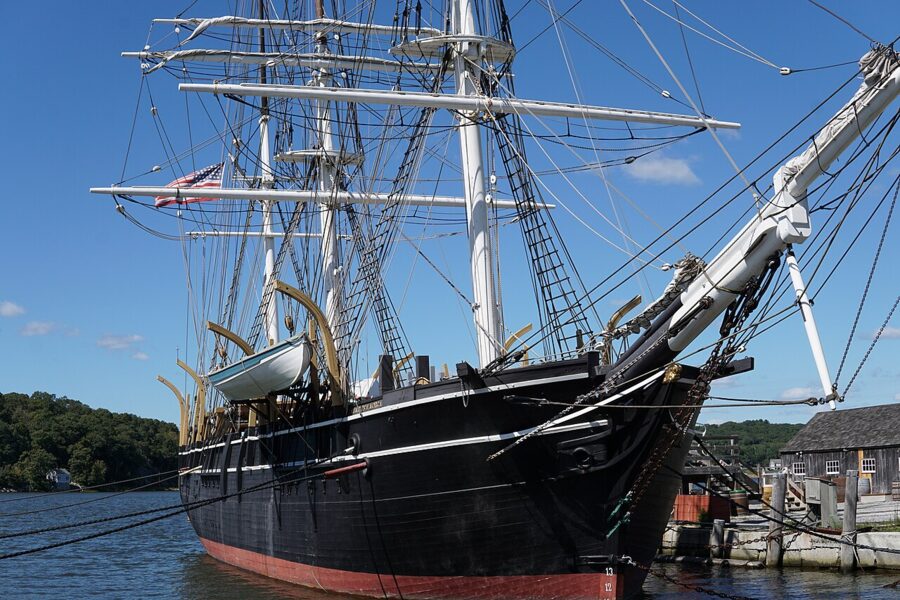

Mystic Seaport Museum is a re-created nineteenth-century waterfront village with historic ships and working shipyards. As of November 2026 it is open Thursday to Sunday, 10am to 4pm; general admission is $35 for adults and $25 for ages 4 to 17, with half-price tickets in the last hour of the day. Downtown Mystic, with its drawbridge over the river, is a short walk away, and the Mystic Aquarium is just off I-95.
Stay in town or in nearby Stonington, a quieter fishing village with a single main street. Late spring to early fall is best, when the waterfront is busiest.
9. Newport, Rhode Island
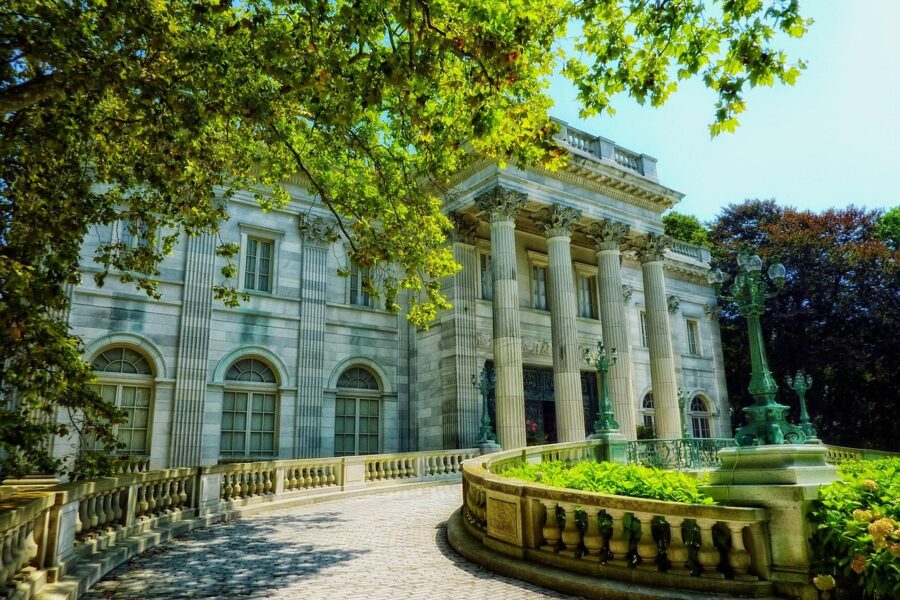
Newport is the grandest weekend on the list. Gilded Age families built their summer “cottages” along Bellevue Avenue, and several are open through the Preservation Society of Newport County. The biggest, The Breakers, was completed in 1895 for Cornelius Vanderbilt II.
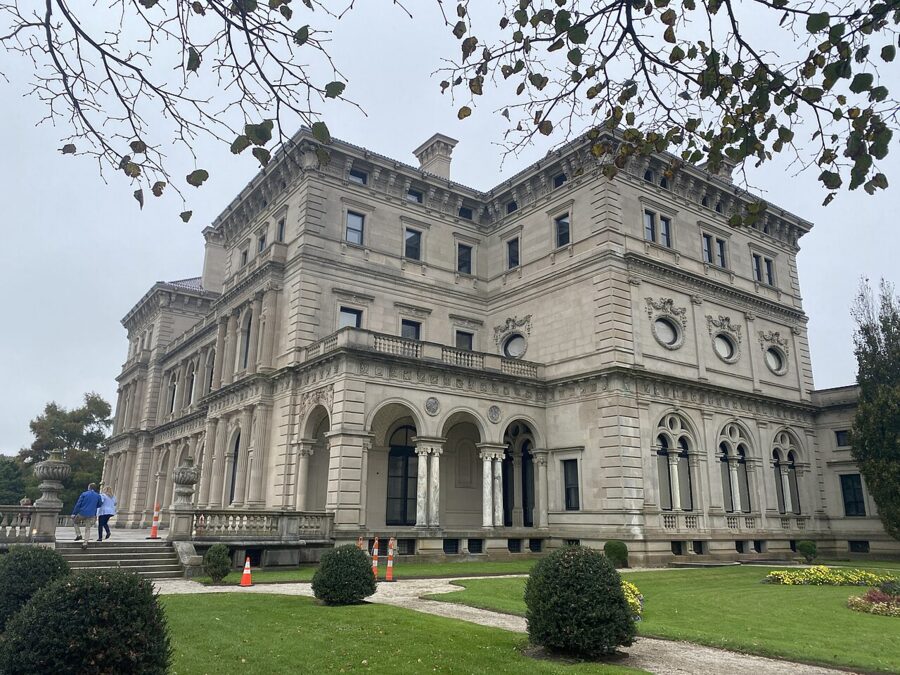
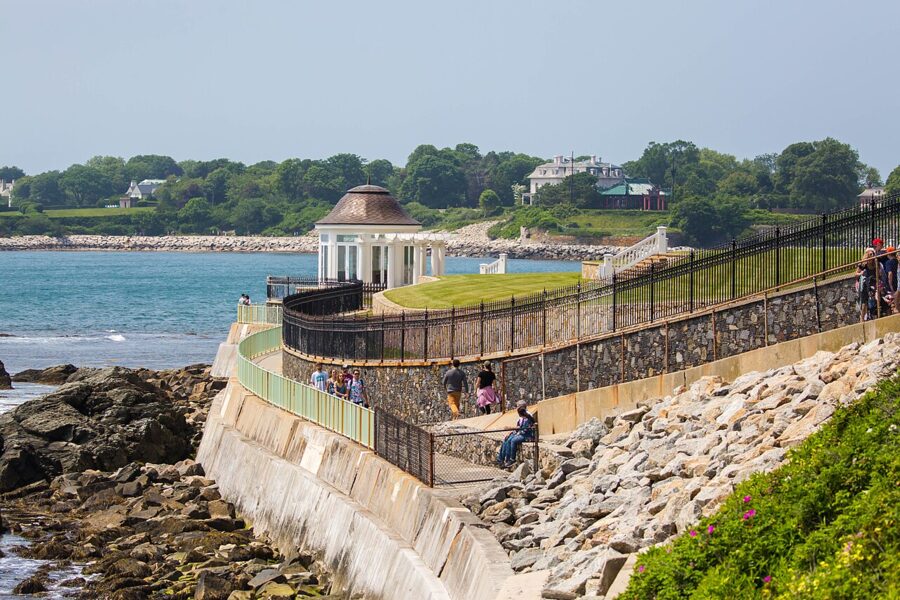
The Preservation Society sells combination tickets: as of late 2026, a Breakers-plus-one-house ticket was $45 for adults. Its schedule says The Breakers, Marble House and The Elms open daily and stay decorated for the holidays through January 1, which makes Newport one of the best December weekends from New York. Between houses, walk the Cliff Walk, a path of about three and a half miles along the rocks below the mansions, and drive the ten-mile loop of Ocean Drive.

There is no direct train. Take Amtrak to Providence, then a RIPTA bus to Newport, or drive about 180 miles via I-95, which takes three and a quarter hours with no traffic. Stay downtown near Thames Street to walk to dinner, or at The Chanler, at the start of the Cliff Walk.
10. Asbury Park, New Jersey
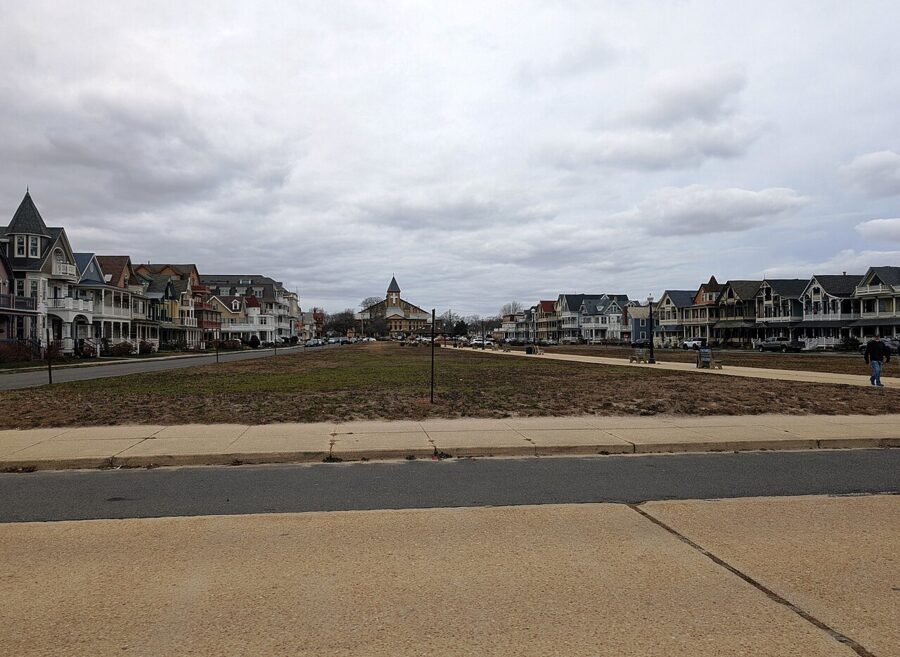
Asbury Park is the closest beach town to the city with a scene of its own. Bruce Springsteen made The Stone Pony famous in the 1970s, the music never left, and the boardwalk runs past bars, restaurants and the 1930 Convention Hall.
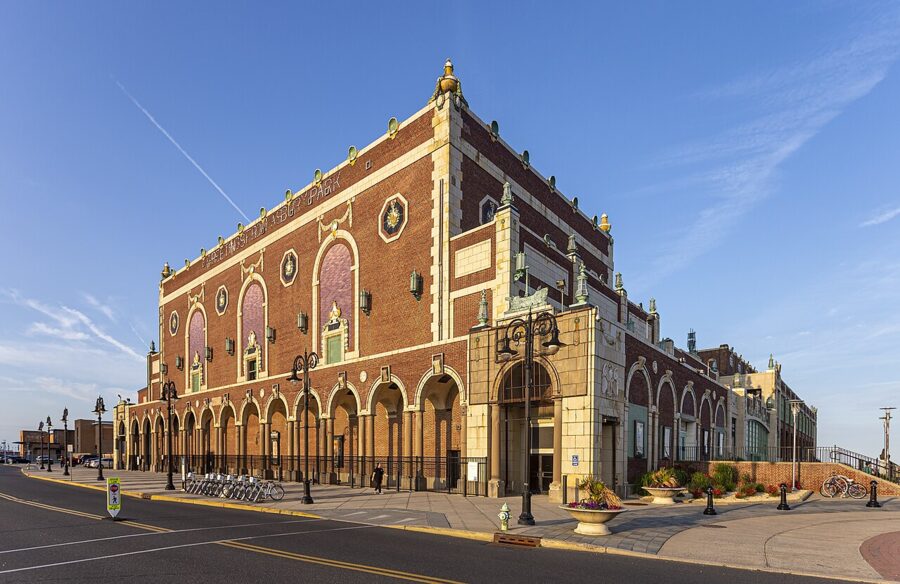

NJ Transit’s North Jersey Coast Line runs from Penn Station, often with a change at Long Branch, in about an hour and three quarters. In summer you need a beach badge: the city charged $7 on weekdays and $10 on weekends and holidays for a daily badge in 2026. Walk south along the boardwalk into Ocean Grove, a Victorian camp-meeting town, for a quieter afternoon. Rooms go fast for summer weekends, so book early or come in late spring or September.

11. Greenport and the North Fork, New York
The North Fork is the Long Island weekend for people who would rather drink wine than be seen. Vineyards and farm stands line Route 25 and Sound Avenue all the way to Orient Point. Greenport, a real fishing village near the end, has a carousel in its harborfront park and a ferry to Shelter Island that takes about ten minutes.
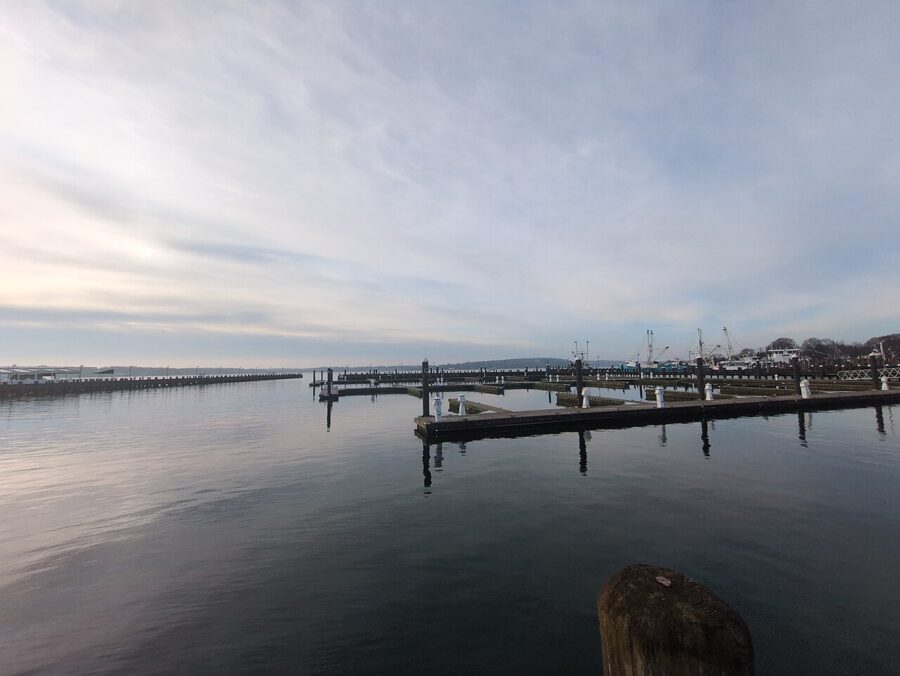
The LIRR does run to Greenport, with a change at Ronkonkoma, but there are only a handful of trains a day and the schedule shifts between seasons, so check TrainTime first. The Hampton Jitney also has a North Fork line. By car it is about 100 miles. Book tastings ahead on fall weekends, and stay in Greenport so you can walk to dinner.
12. New Hope, Pennsylvania, and Lambertville, New Jersey
Two small river towns face each other across the Delaware, joined by a footpath on the New Hope-Lambertville Bridge. New Hope is the busier side, with the Bucks County Playhouse, galleries and a heritage railroad; Lambertville is quieter, with antique dealers and better restaurants. Walk the towpath of the Delaware Canal on the Pennsylvania side or the Delaware and Raritan Canal on the Jersey side, both flat and shaded.
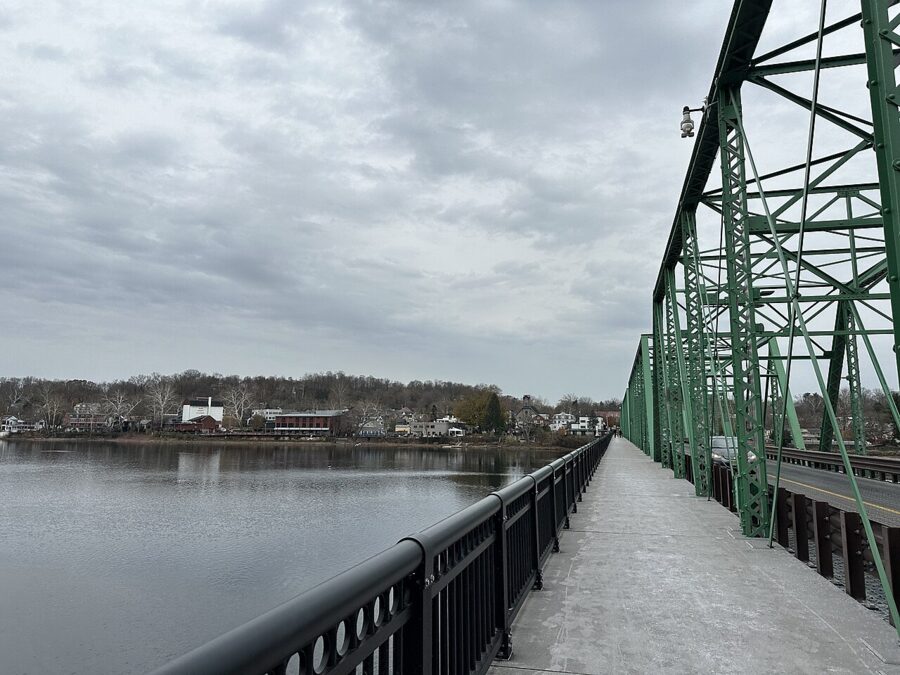

It is about 75 miles and an hour and a half by car, with no practical train. Stay at an inn on the Lambertville side for quieter nights. Fall weekends and the run-up to Christmas are the busiest.
13. Jim Thorpe, Pennsylvania
Jim Thorpe is a Victorian coal-and-railroad town squeezed into a gorge in the southern Poconos. It was called Mauch Chunk until 1954, when it renamed itself after the Olympic athlete, who is buried there. Downtown is a few blocks of steep streets, mansions and stone churches, and the Lehigh River runs through the middle.
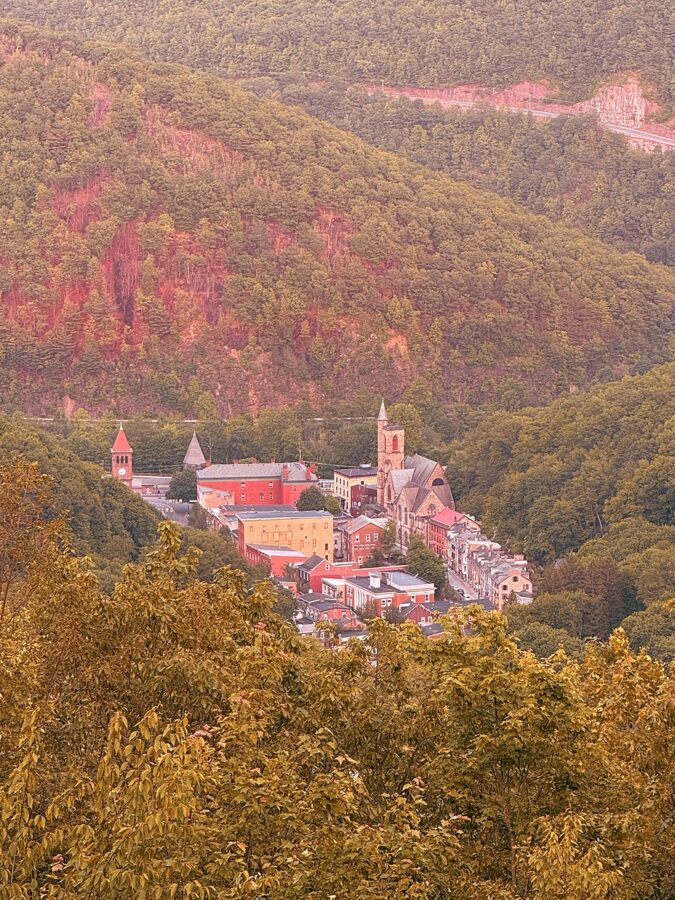
Ride the Lehigh Gorge Scenic Railway from the old station in town, which strongly advises booking ahead for fall foliage and holiday trains; same-day tickets are sold only at the booth in Jim Thorpe. Tour the Asa Packer Mansion, built for the railroad magnate, or rent a bike and ride the Lehigh Gorge rail trail. Rafting companies run the river from spring to fall.
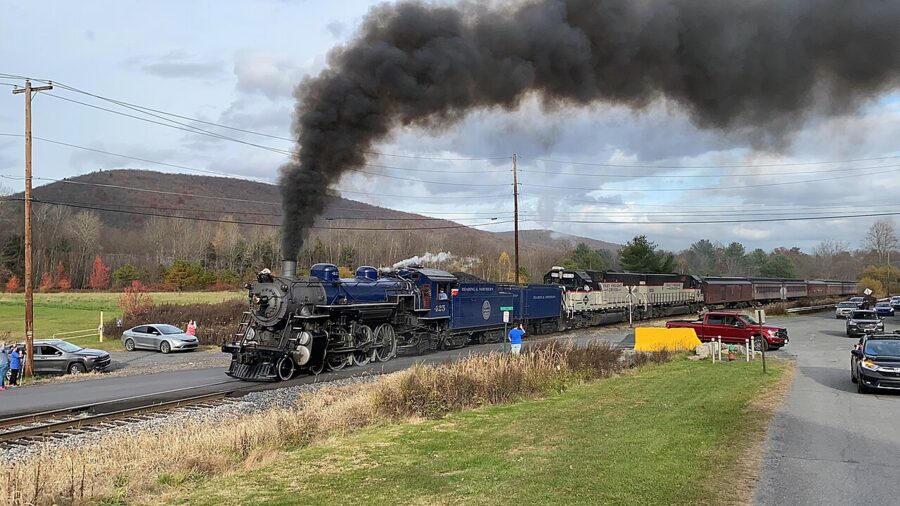

Drive: about 115 miles and two and a quarter hours out I-78 past Allentown and up the Turnpike’s Northeast Extension. A bus runs once or twice a day, taking three to four hours. Stay in town at an inn like the Inn at Jim Thorpe, or rent a lake house in the Pocono communities around Albrightsville, about 25 minutes north. October is the peak, with festival weekends and the gorge in full color.
14. The Berkshires, Massachusetts
The Berkshires are the most cultured three hours you can drive from the city. In summer the Boston Symphony Orchestra plays at Tanglewood in Lenox; year round, the Norman Rockwell Museum in Stockbridge, the Clark Art Institute in Williamstown and MASS MoCA in North Adams make this the richest museum weekend outside a big city.
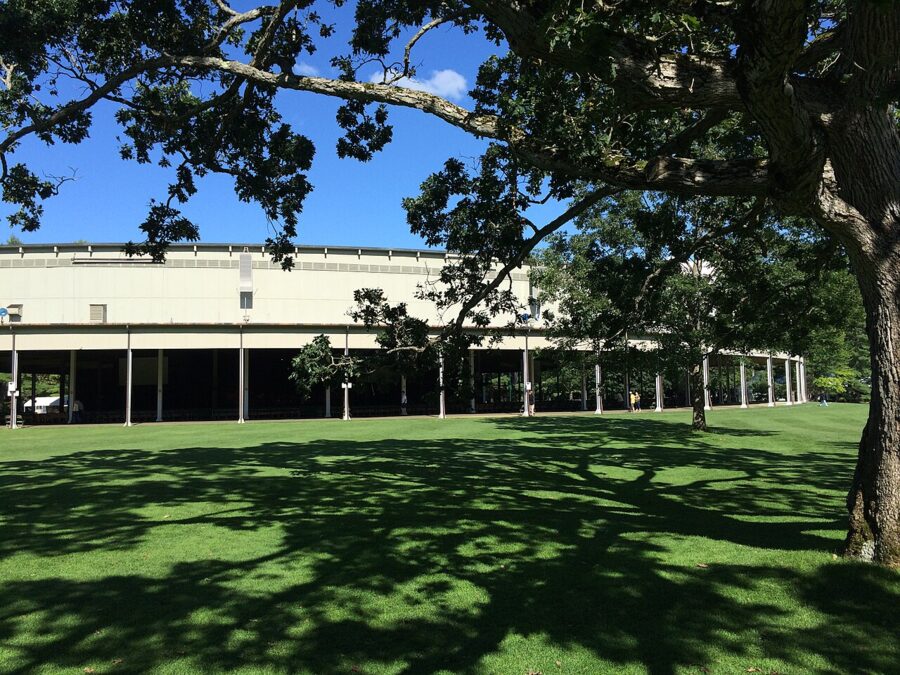

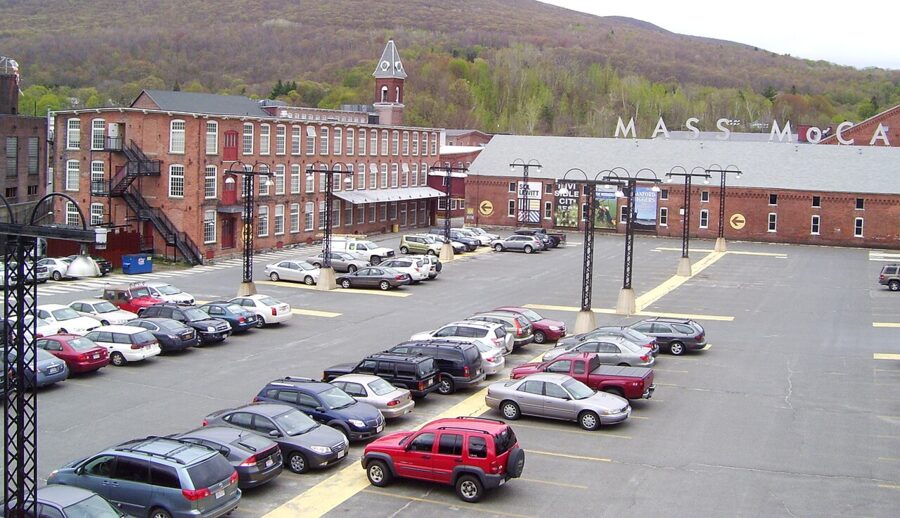

By car it is about 150 miles up the Taconic Parkway to Lenox or Stockbridge, around three hours. In summer there is also a train: Amtrak’s Berkshire Flyer runs between New York and Pittsfield on summer weekends, and in 2026 it began on June 12 and added a second weekly round trip. The Red Lion Inn in Stockbridge has been an inn since the 1700s and is the classic place to stay. Go in July or August for Tanglewood, or in early October for the foliage, and book rooms early for either.
15. Washington, DC
Washington makes the list because of the train. Amtrak’s Acela takes about two and three quarter hours from Penn Station to Union Station, and the Northeast Regional takes about half an hour longer for less. Driving is 225 miles of I-95 and tolls; don’t.
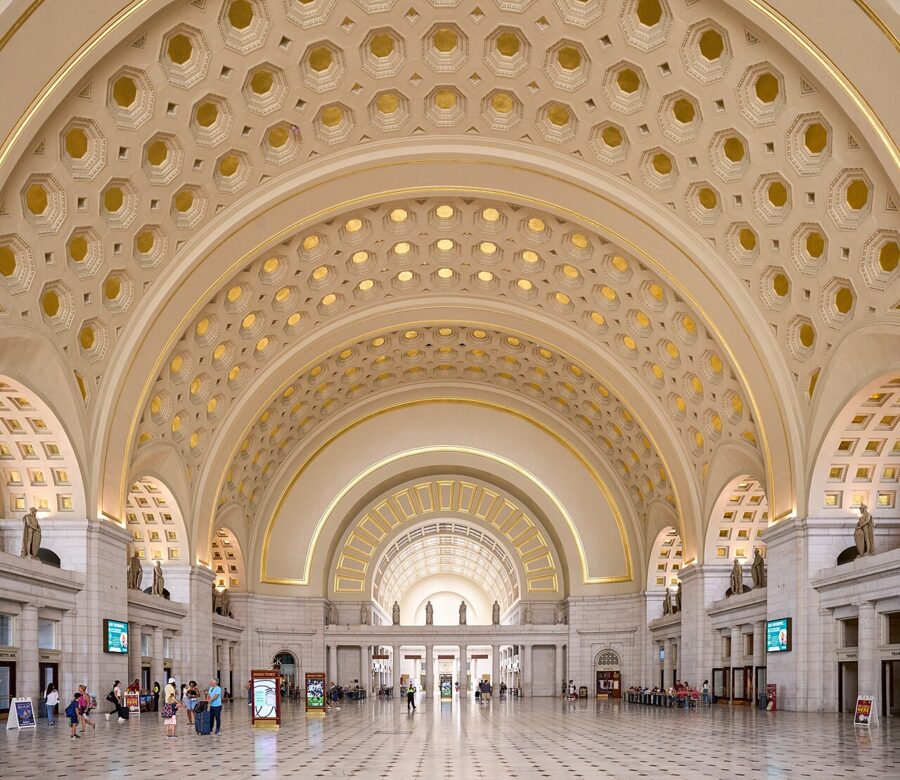

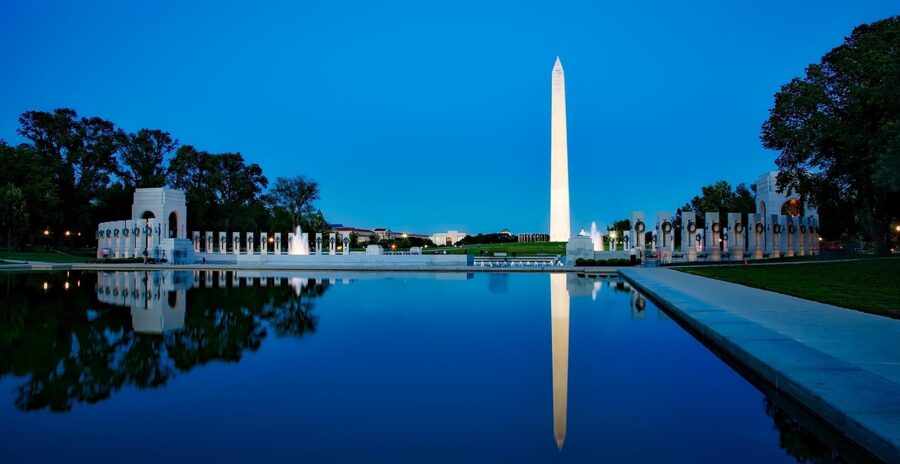
The Smithsonian museums on the National Mall charge no admission, so a weekend can be as cheap as the train fare and a hotel. Walk the Mall from the Capitol to the Lincoln Memorial and book free timed tickets ahead for the Washington Monument through Recreation.gov. It is a good winter pick, since most of it is indoors; spring brings the cherry blossoms and the year’s highest hotel prices.
Where to go when: picks by season
In summer, go to the water: Montauk, Asbury Park, the North Fork, or the Berkshires for Tanglewood. In fall, the Hudson Valley, the Catskills, the Shawangunks and Jim Thorpe all peak in October, and all of them sell out. For a few nights in December, Newport’s decorated mansions, Philadelphia, Washington and Christmas in Cape May are the best bets. In the dead of winter, choose Hudson for restaurants, the Catskills for skiing, or a city.
Traffic, tolls and parking
Leave on Friday before noon or after 7pm, and come back on Sunday before late morning or after dinner. The Long Island Expressway eastbound and the Garden State Parkway southbound on a summer Friday afternoon are the slowest roads on this list, and on those weekends the train is often faster as well as cheaper.
Budget for tolls. As of 2026, Manhattan’s congestion relief toll is $9 with E-ZPass at peak times (5am to 9pm on weekdays and 9am to 9pm on weekends) and $2.25 overnight; drivers without E-ZPass pay up to 50% more by mail. The MTA gives a crossing credit of up to $3 if you entered through the Lincoln or Holland tunnels. The Port Authority’s bridges and tunnels, including the George Washington Bridge and the Lincoln and Holland tunnels, rose to $16.79 at peak and $14.79 off-peak with E-ZPass on January 4, 2026, collected only heading into New York, and all of them are cashless.
Most of these towns have paid or permit-only beach parking in summer, and the trailhead lots in the Gunks, the Catskills and Montauk fill early on good weekends. Arrive before 9am or bring a plan B.
Booking ahead
Book rooms three to four weeks out for an ordinary weekend and two to three months out for October in the Hudson Valley and Catskills, July and August at the beach, or any holiday weekend. Book timed tickets at the same time: Independence Hall tours, Dia Beacon, The Breakers, Mohonk Mountain House day passes, the Washington Monument and any foliage train in Jim Thorpe.
Then check the train schedule the week you go, not the month before. Weekend track work changes LIRR and Metro-North timetables often, and the TrainTime app shows the trip you will actually take.