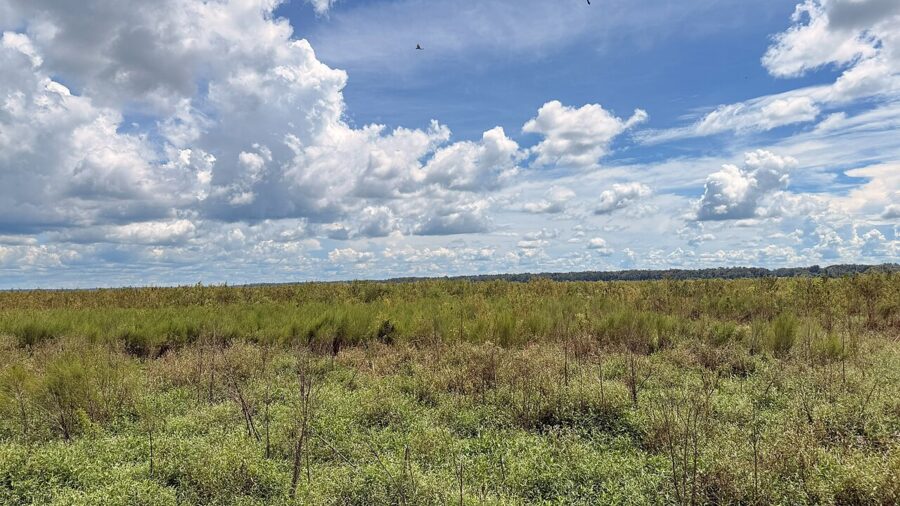
The best things to do in Gainesville, Florida are mostly outdoors and mostly cheap: bison and wild horses on Paynes Prairie for a $6 park fee, a float down a spring-fed river that stays near 72°F all year, and a free natural history museum with a walk-through butterfly forest. Add the University of Florida campus at dusk, when bats stream out of their houses beside Lake Alice, and a compact downtown with a theater, a free history museum and live music most nights. Two full days cover the core; a third lets you reach the springs without rushing.
Two dates matter if you are going soon. The Florida Museum of Natural History, closed for a large expansion, reopens on Monday, November 23, 2026, and the swimming area at Poe Springs stays closed until January 2027 while Alachua County lets the spring recover. Everything else below was open as of November 2026.

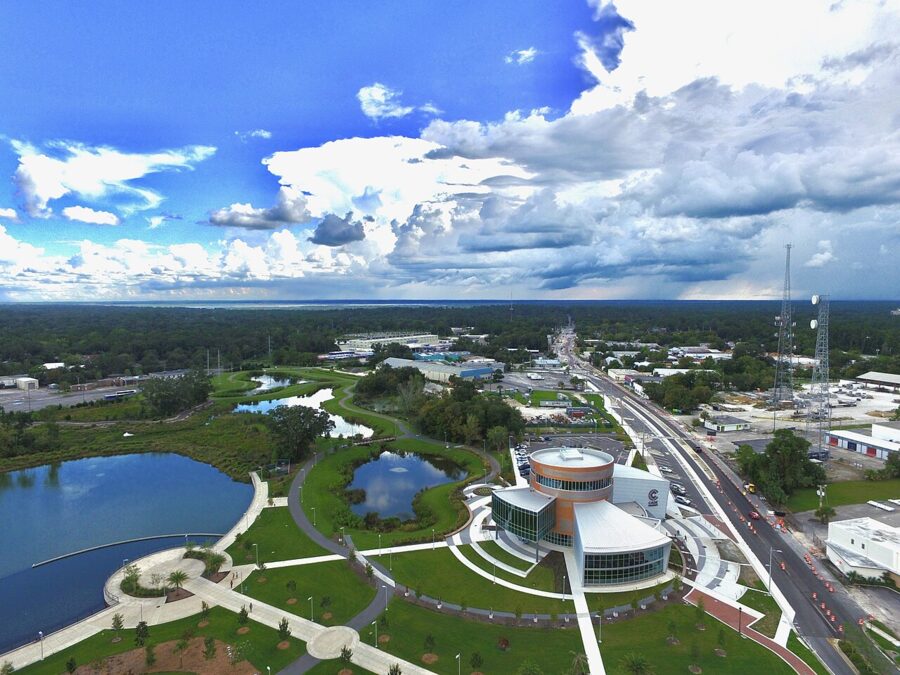
Gainesville is a college town first, and the University of Florida sets its rhythm. The rest is ground you rarely see in Florida’s beach towns: sinkholes, limestone springs, oak hammocks and a prairie big enough to hold a bison herd.

On this page
- Gainesville in brief: where it is and how to get there
- Paynes Prairie Preserve State Park
- Florida Museum of Natural History and the Butterfly Rainforest
- The springs: Ichetucknee, Ginnie and Poe
- The University of Florida campus
- More parks and gardens around town
- Downtown Gainesville
- Short trips: Micanopy, Cross Creek and the teaching zoo
- Festivals and markets by month
- Where to eat and drink
- When to go and how long to stay
- A two-day plan
- Getting around and practical notes
Gainesville in brief: where it is and how to get there
Gainesville is in north-central Florida, the seat of Alachua County, with Interstate 75 running down its west side. It sits roughly halfway between the Atlantic and the Gulf, and the nearest beaches are more than an hour away; the draw here is freshwater. By road it is about an hour and a half from Jacksonville, about two hours from Orlando or Tampa, and about two and a half hours from Tallahassee, traffic allowing.
Flying in. Gainesville Regional Airport (GNV) is small and close to the city’s northeast side. As of the airport’s March 2026 statement, it has nonstop flights to four hubs: Atlanta on Delta, and Charlotte, Dallas-Fort Worth and Miami on American. The airport notes that American’s ticket counters close 45 minutes before departure and Delta’s 30 minutes before, which is earlier than many travelers expect at a small field.
Bigger airports. Jacksonville International (JAX) is about an hour and a half away by car and usually has more nonstops and lower fares. Orlando International Airport (MCO), about two hours away, has the widest choice of flights, but it is one of the country’s busiest, so allow extra time for its checkpoints on the way home.
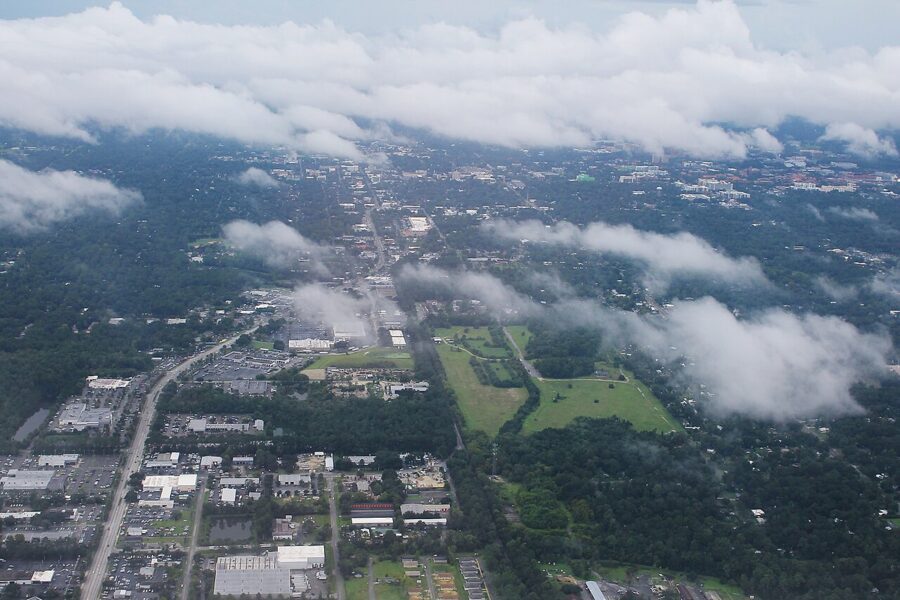

What kind of place it is. Expect a mid-sized city with a big student population, cheap food, a strong music scene and little built for tourists. You will want a car, since the springs, the prairie and the sinkhole are all outside downtown.
Paynes Prairie Preserve State Park
Paynes Prairie is the reason to come if you only have a day. It is a basin of marsh and wet grassland of about 21,000 acres on the south edge of the city, Florida’s first state preserve, and one of the few places in the eastern United States where you can see free-roaming American bison. A small herd of Florida Cracker horses, descended from horses the Spanish brought in the 1500s, shares the prairie with them, along with alligators, wading birds and, in winter, sandhill cranes.
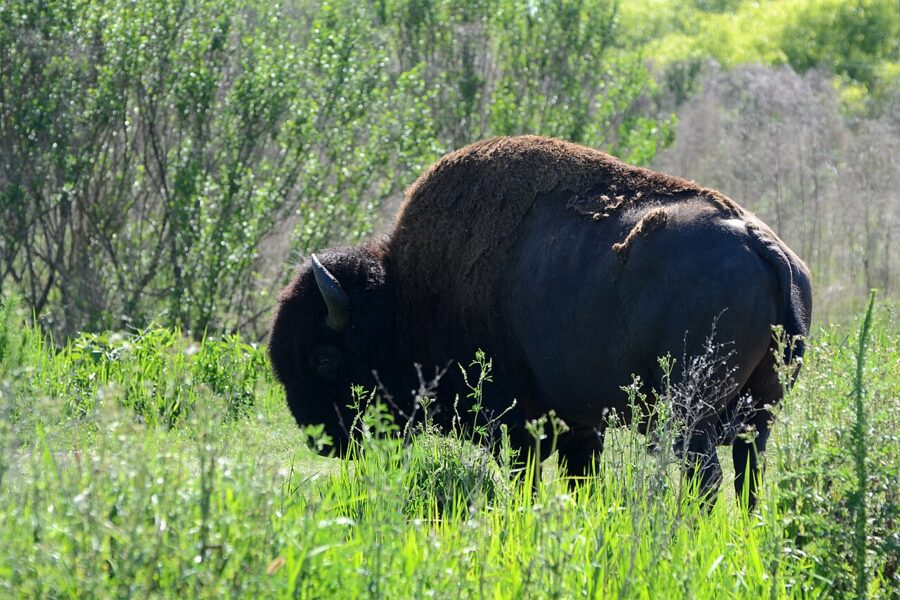

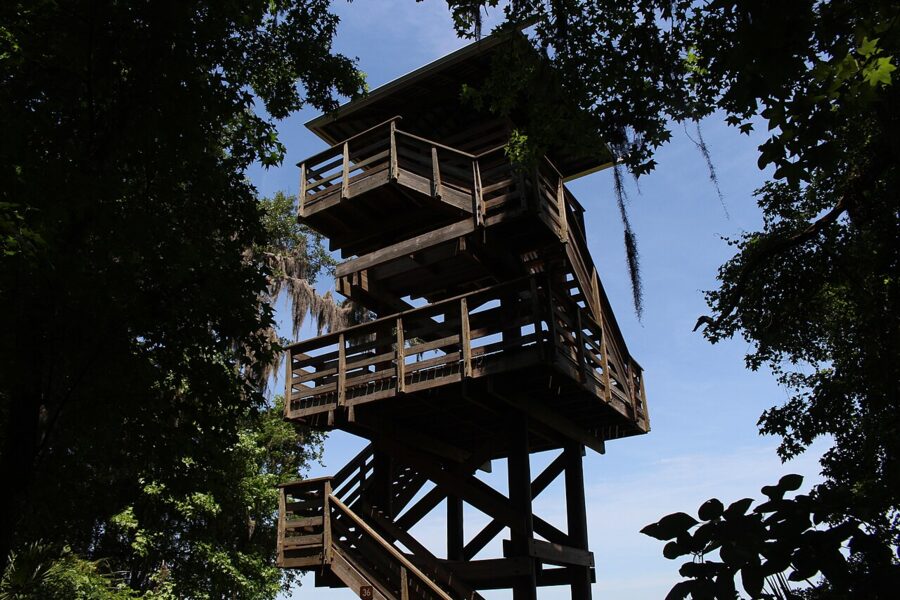
Two ways in. The main entrance is off Highway 441 near Micanopy, on the south rim, with a 50-foot observation tower a short walk from the visitor center (listed as open daily, 9am to 4pm). The park is open 8am to sundown every day, and entry is $6 per vehicle for up to eight people.

La Chua Trail. The north rim entrance, off Camp Ranch Road in southeast Gainesville, is where most people see alligators. The trail runs about three miles round trip out to Alachua Sink and an observation platform, with a $4 per vehicle fee listed for the trailhead and no pets allowed. Alligators often lie within a few feet of the path, so stay on it, keep children close and never feed or approach them.
Other trails. Bolen Bluff Trail, off Highway 441, is a shaded 2.6-mile round trip through hardwood forest to a viewing deck over the marsh.
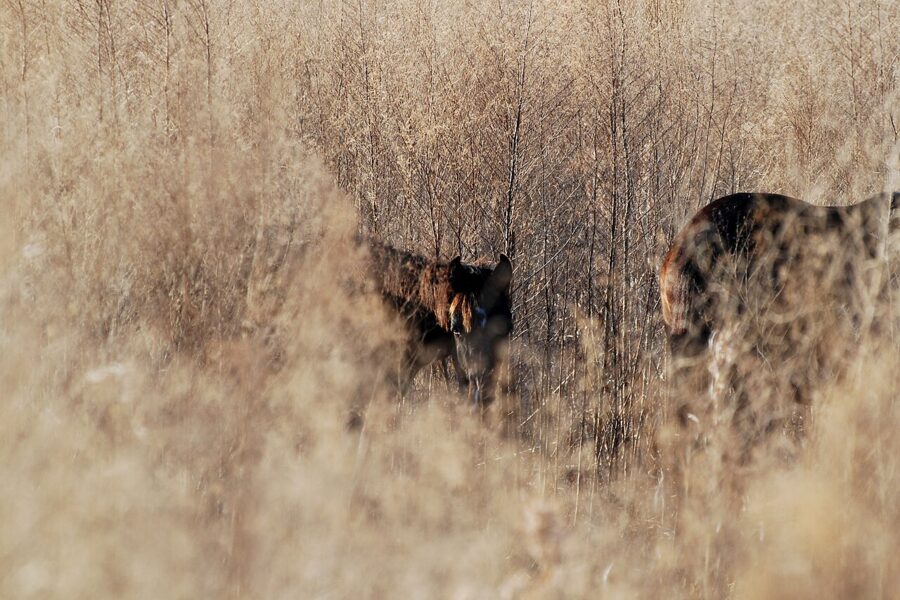

How long and when. Allow two to three hours for the tower and one trail, or half a day for both rims. Go early, when it is cooler and the animals are easier to see; alligator sightings at La Chua rise and fall with the water level in the sink.
Florida Museum of Natural History and the Butterfly Rainforest
The Florida Museum’s exhibits building is Powell Hall at 3215 Hull Road, on the University of Florida’s Cultural Plaza. General admission is free, and the permanent galleries include the Florida Fossils hall, with mammoths and giant ground sloths, exhibits on the state’s native peoples, and a hands-on Discovery Zone for children. It has been closed for a large expansion and reopens on Monday, November 23, 2026, with a new free Inspire Gallery on science and research from across the university.
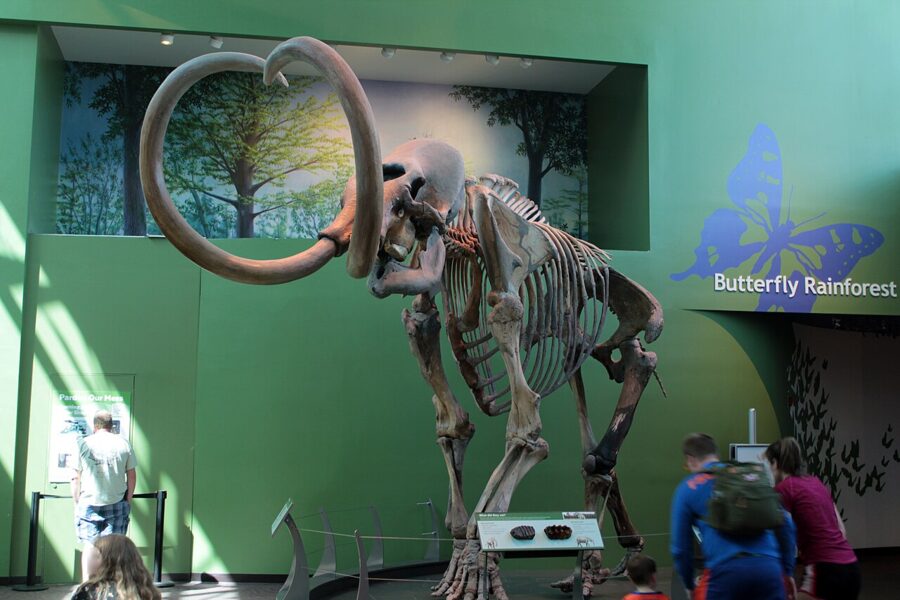

The paid part is the Butterfly Rainforest, a screened outdoor garden with hundreds of free-flying butterflies, birds, turtles and fish. Butterflies are most active on bright, warm days, so plan it for late morning or early afternoon. Because it is outdoors, it can close temporarily for storms, and the museum does not refund tickets for weather.

| Florida Museum (as of November 2026) | Details |
|---|---|
| Hours | 10am to 5pm Monday to Saturday, 11am to 5pm Sunday; closed Thanksgiving, Christmas Eve and Christmas Day |
| Permanent exhibits | Free (suggested donation $6 adults, $4 children) |
| Butterfly Rainforest | $18 adults, $9 ages 3 to 17; $16.25 Florida residents and seniors 62+ with ID |
| Last entry | Tickets stop 30 minutes before closing; the Butterfly Rainforest and special exhibit close at 4:30pm |
| Parking | Garage beside the museum, paid through the Passport Parking app (zone 485): $4.25 for up to four hours or $8.25 a day, 7:30am to 3:30pm on weekdays; free on weekends, university holidays and after 3:30pm |
| Time to allow | Two to three hours with the Butterfly Rainforest |
The springs: Ichetucknee, Ginnie and Poe
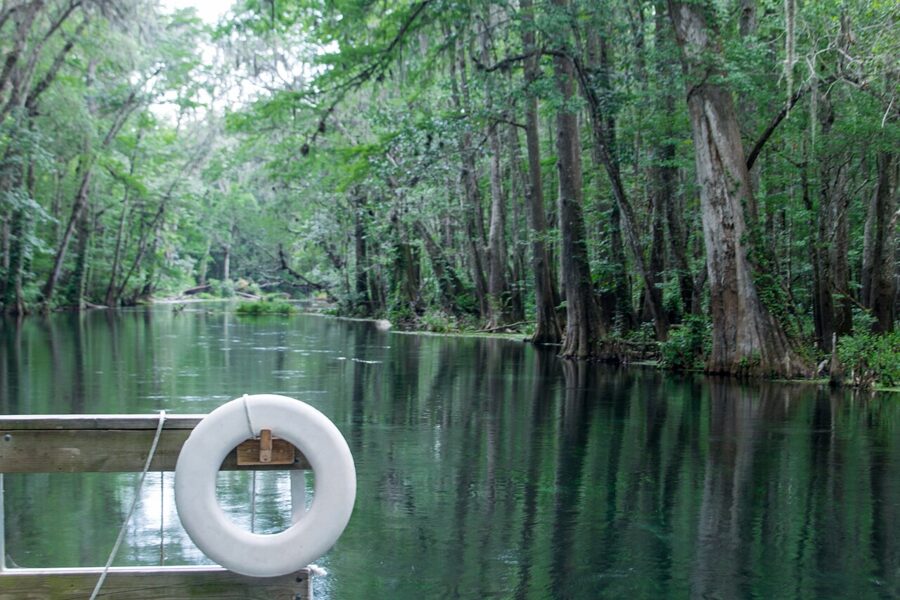
North Florida has the largest group of first-magnitude springs in the country, and three well-known ones are within an hour of Gainesville. The water rises at about 72°F all year. Swim and float only in marked areas, keep off the underwater plants, and expect gates to close when parks fill on summer weekends.
Ichetucknee Springs State Park
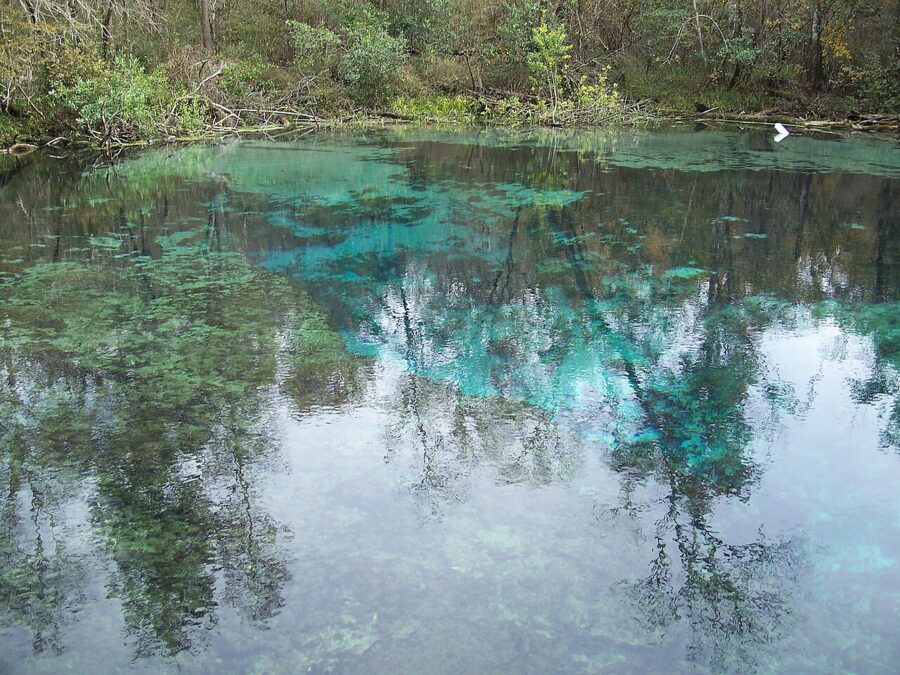
The Ichetucknee is the classic tubing river: clear, shallow, lined with cypress, and moving just fast enough to carry you without paddling. As of 2026 the shallow north section of the river is closed to tubing to protect it, and the Midpoint launch has been closed for repairs since March 2026. That leaves one tube run, from Dampier’s Landing at the south entrance to the last take-out, which takes about 45 minutes to an hour.

Tube rentals and the tram back are run by the park’s concessionaire, with wristbands sold by the south entrance lot. On the current schedule, tubers can launch until 5pm and must be off the river by 6pm. The park charges a per-vehicle entry fee (listed at $6 in early 2026), and when it reaches capacity it closes to all new arrivals, including people holding rental reservations.
Tubing runs year-round from Dampier’s Landing, but most people go between Memorial Day and Labor Day. Bring water shoes, and leave food and disposable items in the car.
Ginnie Springs
Ginnie Springs, near High Springs about 40 minutes northwest of Gainesville, is privately run, with seven springs along the Santa Fe River, a campground, tube rentals and famous cave diving. On summer weekends it is busier and rowdier than the Ichetucknee. A new alcohol and open-container policy took effect on April 21, 2026, so read it on the park’s site before you pack a cooler.
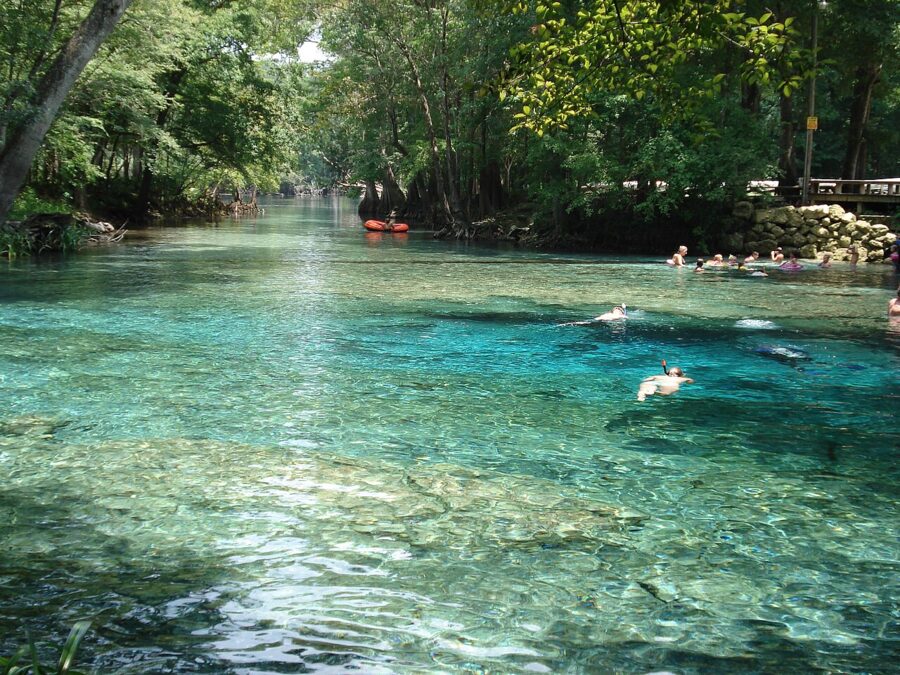

Day admission is $25 for adults from March to October and $20 from November to February, $6 or $5 for children 4 to 12, and free for children 3 and under; certified divers pay separate dive fees. The park is open from 8am to 5pm Monday to Thursday, 8am to 7pm Friday and Saturday and 8am to 6pm Sunday. Day passes stop being sold at 3pm and expire at sunset, and a signed waiver is required.
Poe Springs Park
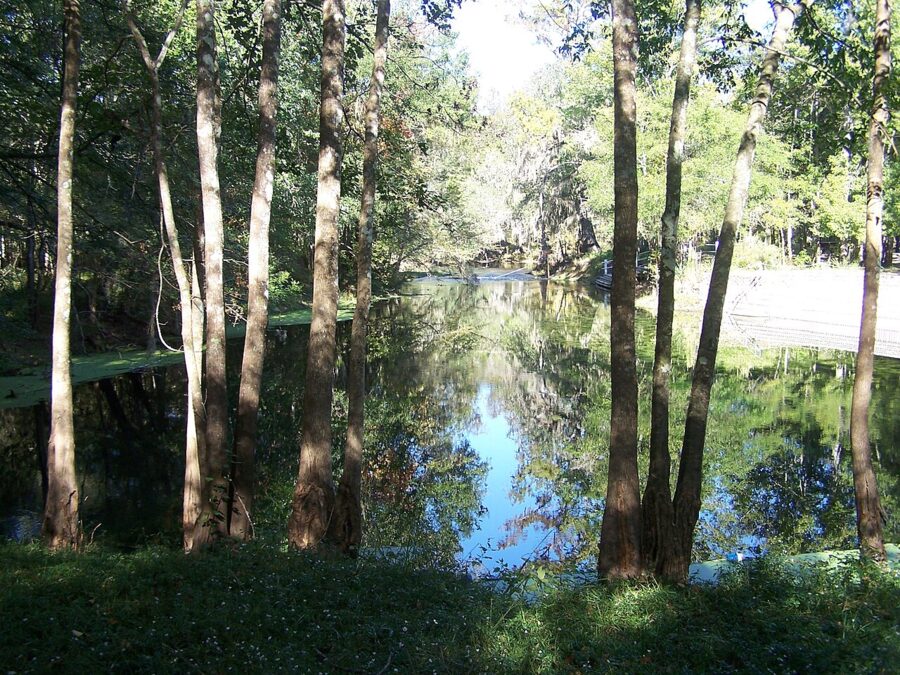
Poe Springs is an Alachua County park on the Santa Fe River west of High Springs, normally the quietest and cheapest of the three. Its swimming area is closed until January 2027 for replanting and maintenance while the county monitors the spring’s recovery. The park itself stays open for walking, picnics and the boat launch, but as of November 2026 there is no reason to drive out just for a swim.

| Spring | Drive from Gainesville | Entry (as of Nov 2026) | Best for |
|---|---|---|---|
| Ichetucknee Springs State Park | About 45 minutes to an hour | Per-vehicle state park fee; tube rental and tram extra | Tubing from Dampier’s Landing; swimming and snorkeling at the Head Spring |
| Ginnie Springs | About 40 minutes | $20 to $25 per adult by season | Swimming, tubing the Santa Fe, diving, camping |
| Poe Springs Park | About 35 minutes | Park open; swimming closed until January 2027 | Picnics and river access for now |
The University of Florida campus
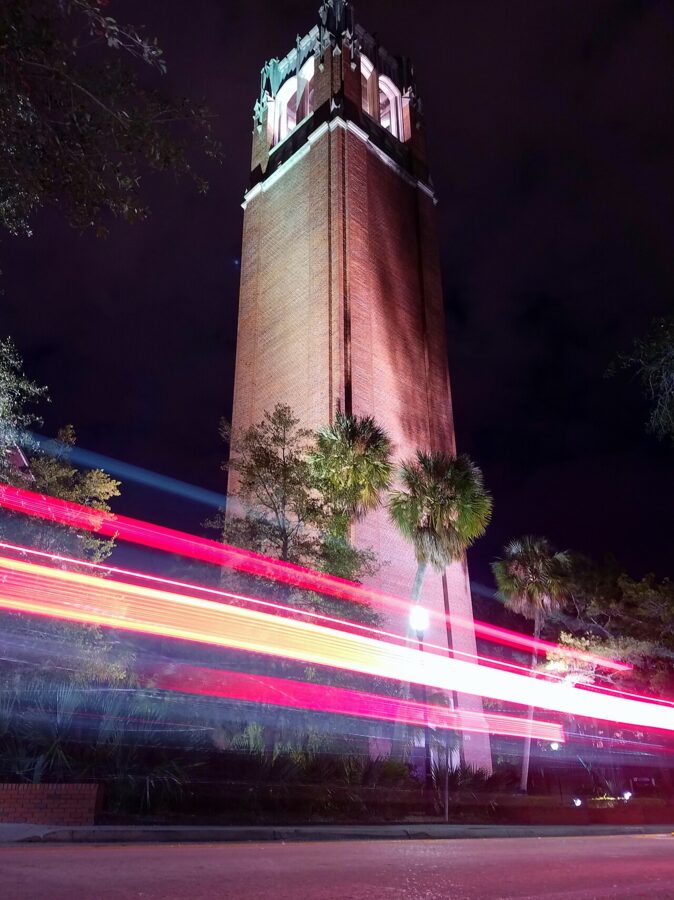
The campus is worth a few hours even with no interest in college sports. It runs west from 13th Street, mixing red-brick Collegiate Gothic buildings with lakes, woods and two of the city’s best museums. On weekdays, park only in visitor garages or pay zones; the university enforces its rules year-round.

Samuel P. Harn Museum of Art
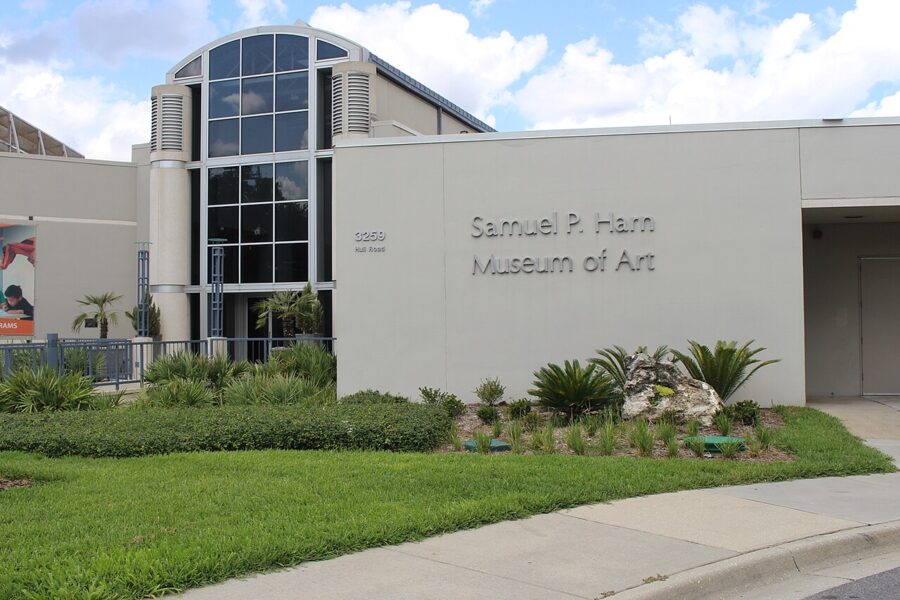
The Harn, at 3259 Hull Road on the same Cultural Plaza as the Florida Museum, is free and better than most university art museums. Its collections cover Asian, African, modern and contemporary art and photography, and include Claude Monet’s 1890 painting Champ d’avoine. It is open 10am to 5pm Tuesday to Saturday and 1pm to 5pm Sunday, closed Mondays, with Art After Dark evenings on some Thursdays.

The bat houses and Lake Alice
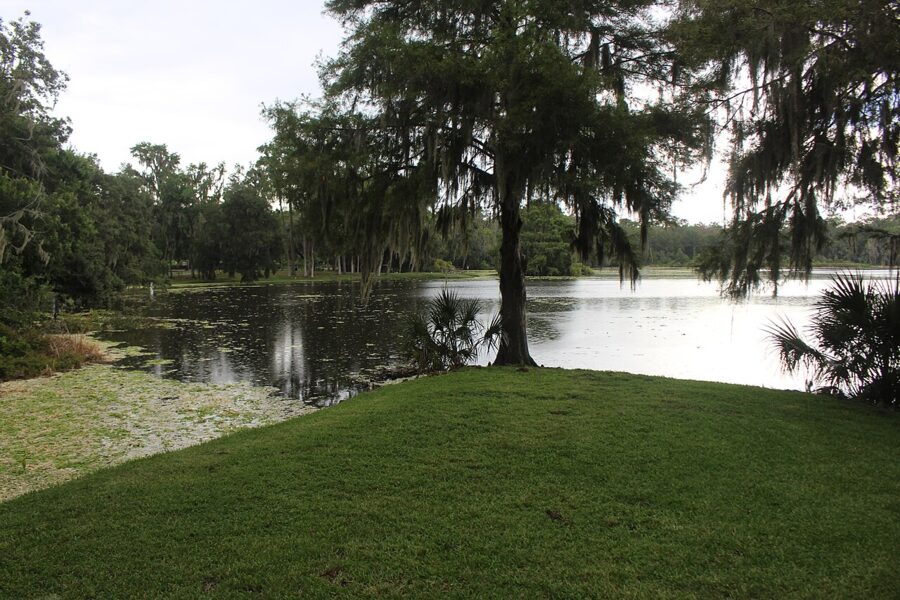
The university’s bat houses on Museum Road, across from Lake Alice, are home to a large colony of bats. On calm, warm evenings above about 65°F, the bats pour out during a 15- to 20-minute window after sunset to hunt insects. Viewing is free, there is a free lot beside the field, and benches line the fence; arrive before sunset and watch the western sky over the pines.
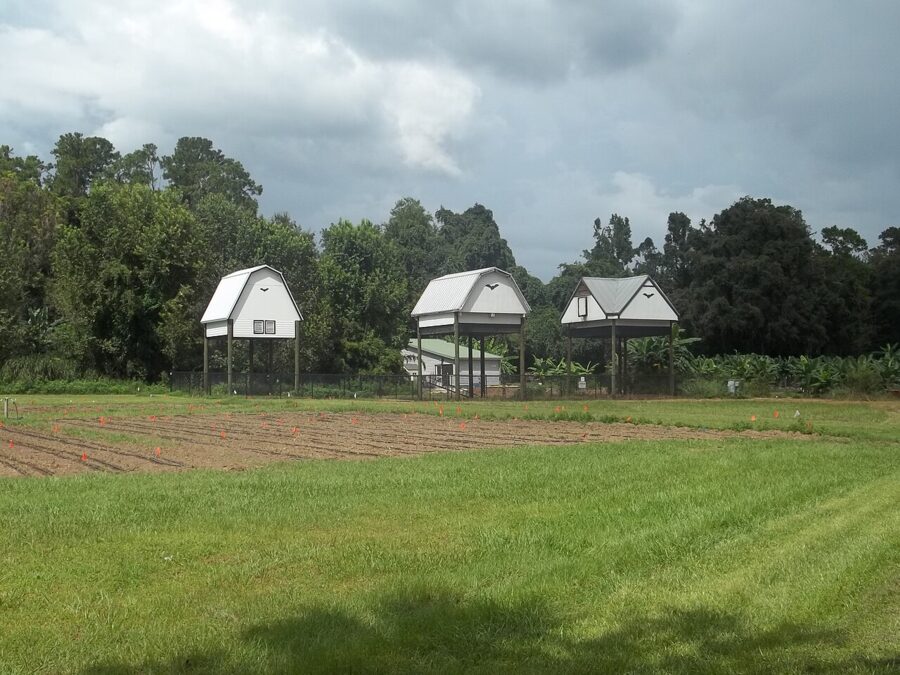

Do not stand under the houses, and never pick up a bat from the ground. Rain, wind or cold keeps the colony in. Lake Alice across the road has a boardwalk, turtles, wading birds and alligators.

Ben Hill Griffin Stadium and game days
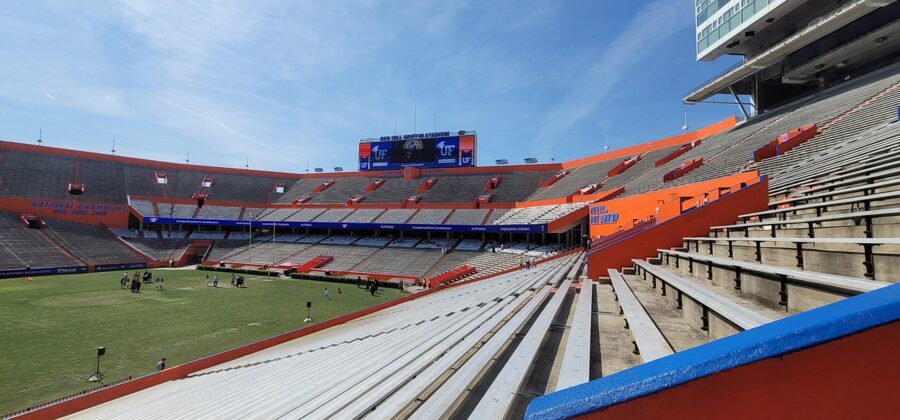
Ben Hill Griffin Stadium, known as The Swamp, is home to Florida Gators football. Home games run on fall Saturdays from September through November, and on those weekends hotel rates climb, restaurants fill and traffic around campus slows to a crawl. If you are not going to the game, avoid booking a home-game weekend, or plan to spend it out at the springs.
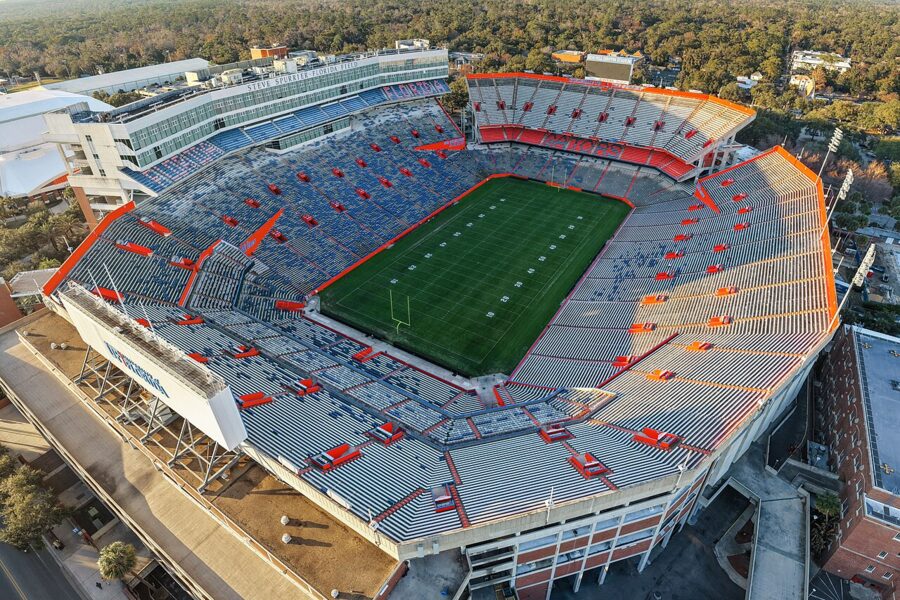

Thirty-minute guided tours of the locker room and field level have run on set dates, listed at $20 in 2026 (free for children 5 and under), with booking online in advance. Gators basketball and volleyball at the Exactech Arena are easier tickets.
More parks and gardens around town
Devil’s Millhopper Geological State Park
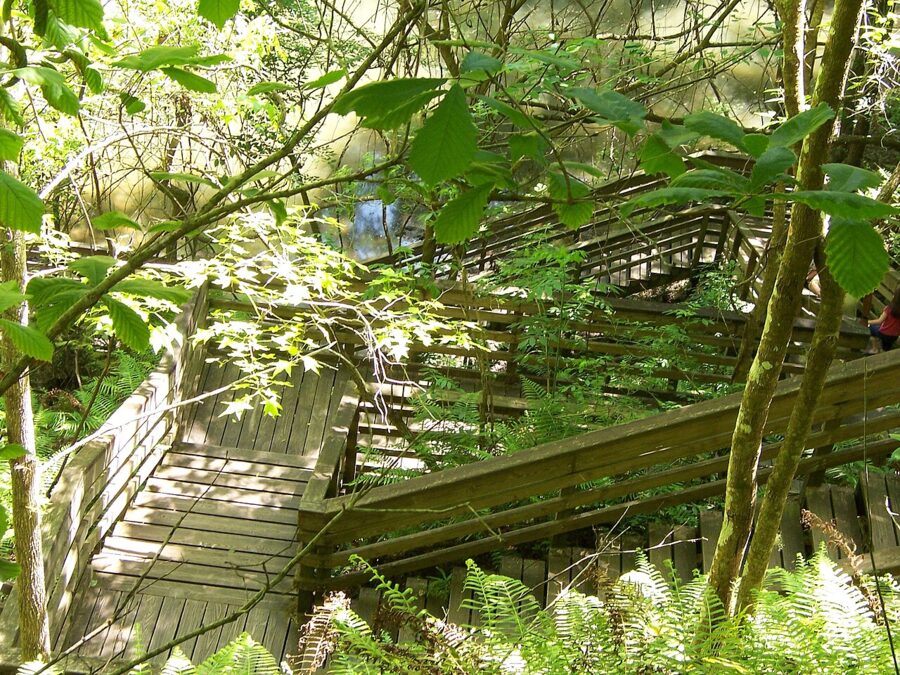
Devil’s Millhopper, in northwest Gainesville, is a sinkhole about 120 feet deep with small streams trickling down its walls into a pool at the bottom, a National Natural Landmark. A boardwalk staircase normally leads to the floor, but the lower portion has been temporarily closed since June 25, 2026, so for now the view is from the upper landings and the rim trail. The park is open 8am to sunset every day, and entry is $4 per vehicle or $2 on foot or by bike; allow about an hour.
Kanapaha Botanical Gardens
Kanapaha, on Archer Road southwest of the city, covers 68 acres with 24 major collections along a 1.5-mile paved walkway. The most color is from July to September, and the giant Victoria water lilies in the ponds usually disappear by late October when the weather cools. Dogs are welcome on non-event days on a non-retractable leash.
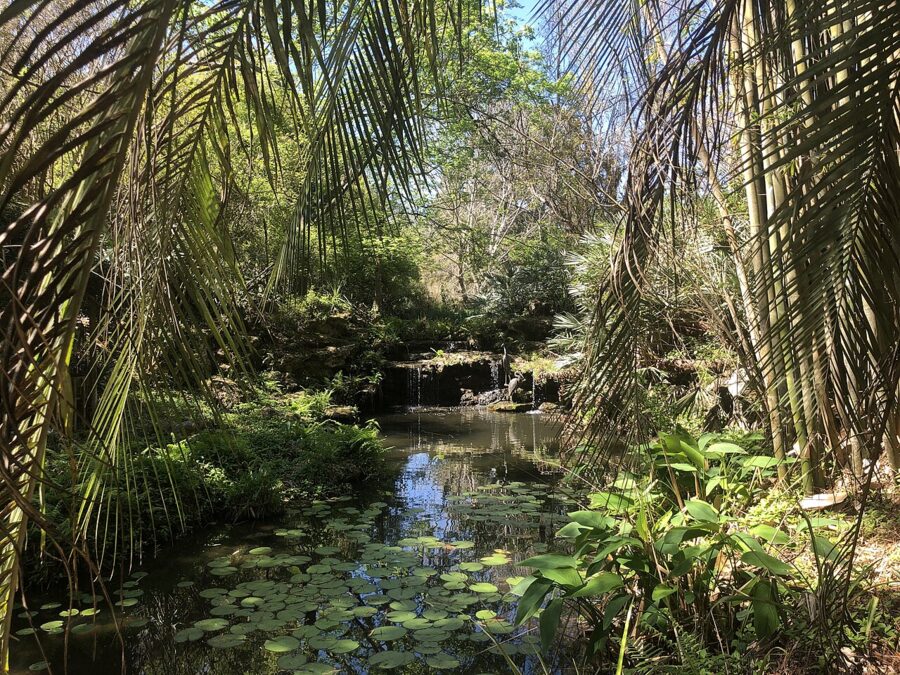

The gardens are open 9am to 5pm (last entry 4:15pm) every day except Thursday, Thanksgiving and Christmas Day. Admission is $12 plus tax for adults, $7 plus tax for children 5 to 13 and free under 5, with no discounts. Allow 90 minutes.
Sweetwater Wetlands Park
Sweetwater, at 325 SW Williston Road, is a city park built to clean the water of Sweetwater Branch, an urban creek, before it flows onto Paynes Prairie. The result is 125 acres of constructed wetlands, excellent bird watching and about four miles of trails, including a half-mile boardwalk. Alligators are often seen along the levees.
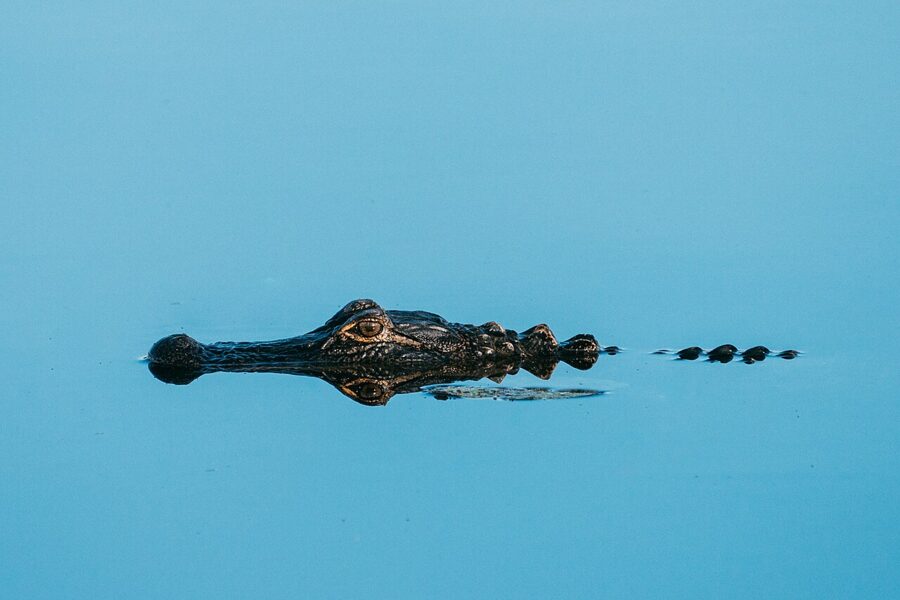

The park is open from 7am to sunset every day. Admission is $5 per vehicle or $2 on foot or by bike, paid in cash at the box by the lot or through the Passport Parking app. Pets, bikes and drones are not allowed on the trails, and there is very little shade, so bring water and a hat.
Depot Park and the Gainesville-Hawthorne State Trail
Depot Park, at 874 SE 4th Street just south of downtown, is a free 32-acre park built around stormwater ponds, with a playground, the Blue Grotto splash pad, paths and the old rail depot. It is open 7am to sunset (lit areas until 11:30pm) and is the best free stop in town with children.
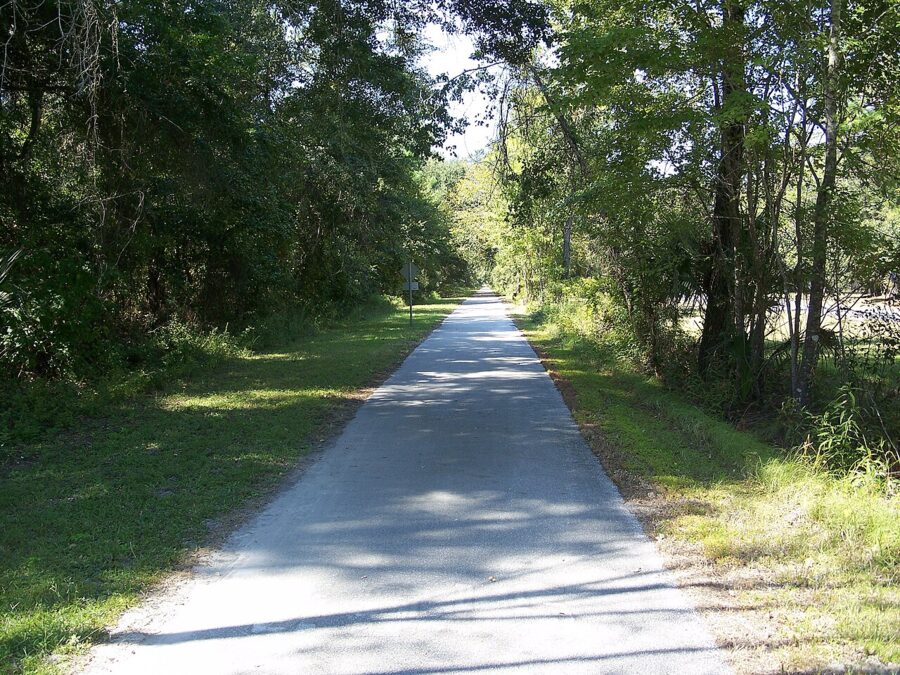

The Gainesville-Hawthorne State Trail starts at Boulware Springs Park, 3300 SE 15th Street, and runs 16 paved miles to Hawthorne along the edge of Paynes Prairie; the first few miles out and back give the prairie views.
Downtown Gainesville
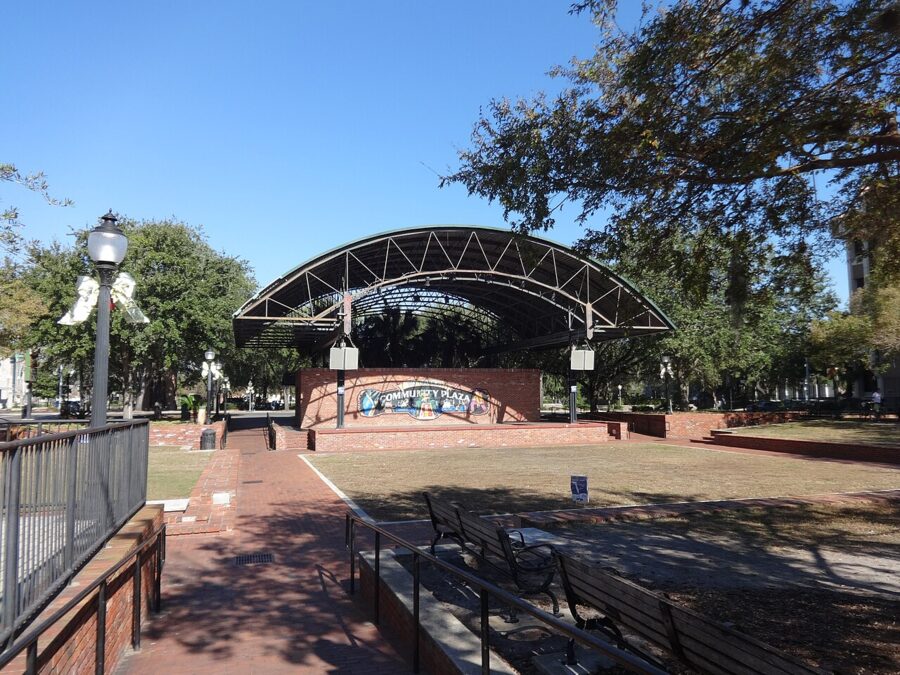
Downtown is small enough to walk end to end in 15 minutes. University Avenue and Main Street cross at its center, Bo Diddley Plaza is its public square, and SW 1st Avenue reopened in November 2026 as The Streatery, a redesigned pedestrian space for outdoor dining and events.

Cade Museum for Creativity and Invention
The Cade, at 811 South Main Street beside Depot Park, is a hands-on science and invention museum named for Dr. Robert Cade, the University of Florida researcher who led the team that created Gatorade in 1965. Its exhibits and labs explain how inventors work, and it is open Thursday to Sunday, 10am to 4pm, closed on major holidays.
Admission is $15 for adults, $10 for ages 5 to 17 and free for children 4 and under, with $12.50 tickets for seniors and college students. Allow about two hours with children.
Matheson History Museum
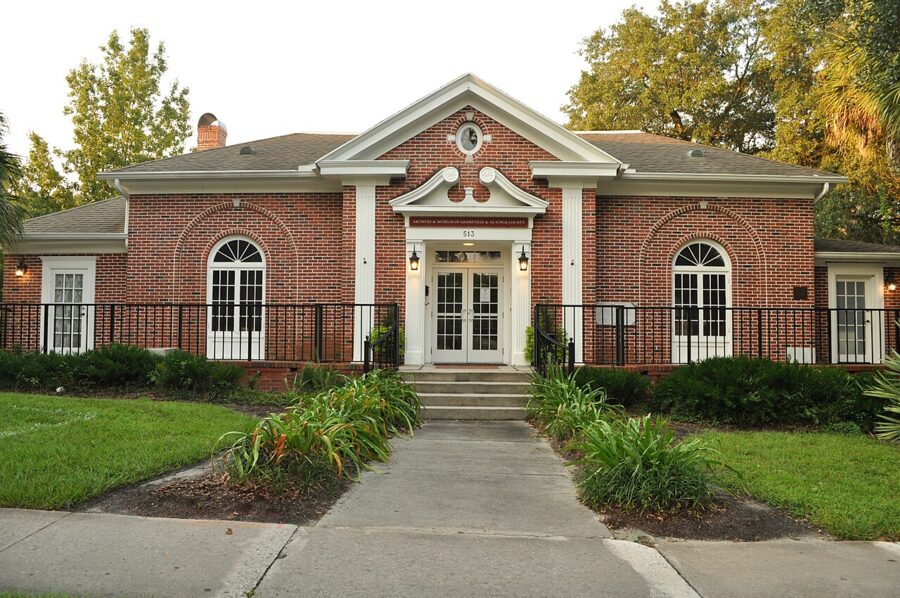
The Matheson, at 513 East University Avenue, covers the history of Gainesville and Alachua County, with changing exhibits, a local history library and the historic Matheson House. Admission is free, Wednesday to Saturday, 11am to 4pm.

The Hippodrome and live music
The Hippodrome Theatre, at 25 SE 2nd Place in a columned former federal building, is the city’s professional theater, in its 54th season with six productions for 2026 to 2027 and A Christmas Carol this December, plus an independent cinema in the same building.
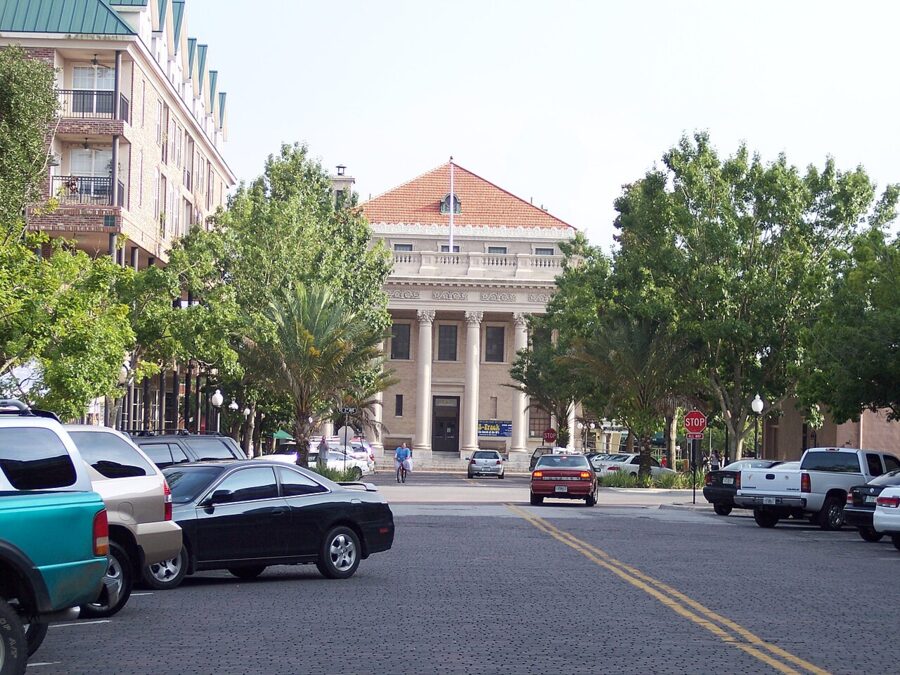

Gainesville’s music scene punches above its size. Heartwood Soundstage at 619 South Main Street books touring and local bands most weeks, and the city’s Free Fridays concerts fill Bo Diddley Plaza on Friday evenings through spring and summer (April 3 to September 25 in 2026).
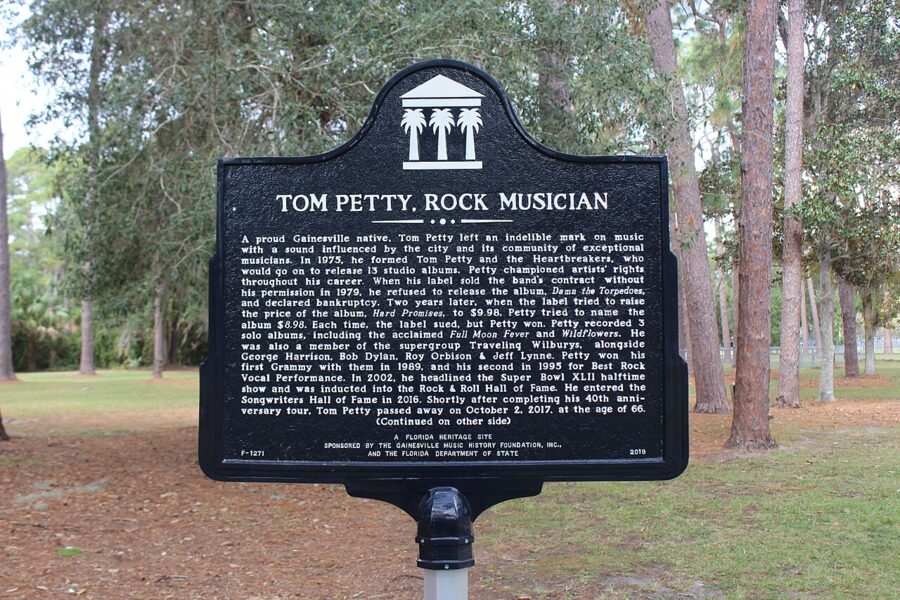
Tom Petty’s Gainesville. Tom Petty grew up in Gainesville, and his first band, Mudcrutch, started here. His childhood homes are private, so the public place to pay respects is Tom Petty Park at 501 NE 16th Avenue, on the northeast side where he grew up, which gained new courts, a multiuse path and restrooms in June 2026. Heartwood Soundstage held a Tom Petty Weekend of tribute shows in mid-November 2026.
Short trips: Micanopy, Cross Creek and the teaching zoo
Micanopy
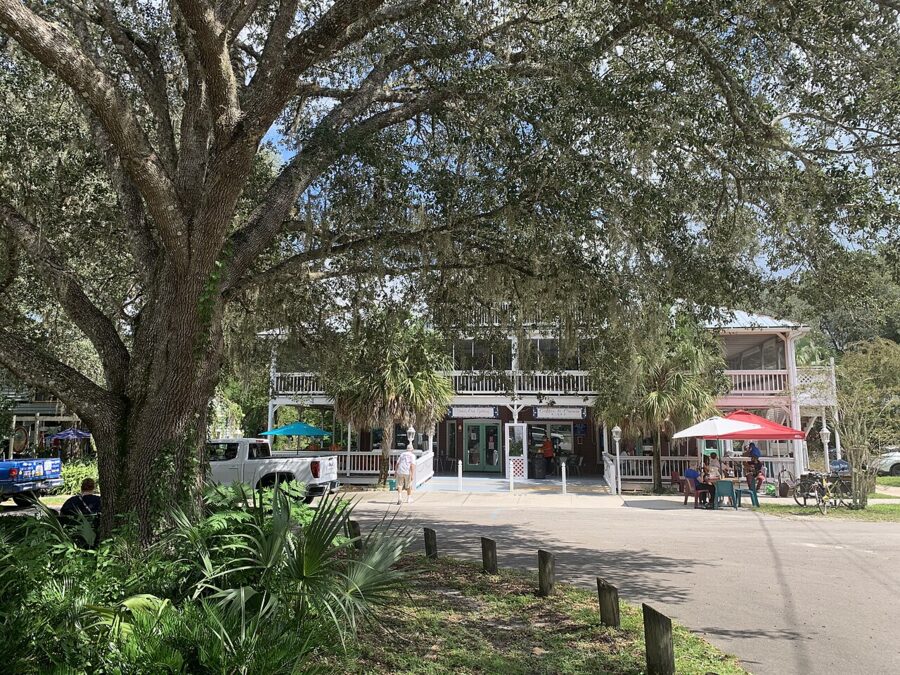
Micanopy, about 20 minutes south on Highway 441, is a tiny old town of oak-shaded streets, antique shops and 19th-century buildings, a few minutes from the Paynes Prairie main entrance. Give it an hour; its fall festival fell on October 31 to November 1 in 2026.

Marjorie Kinnan Rawlings Historic State Park
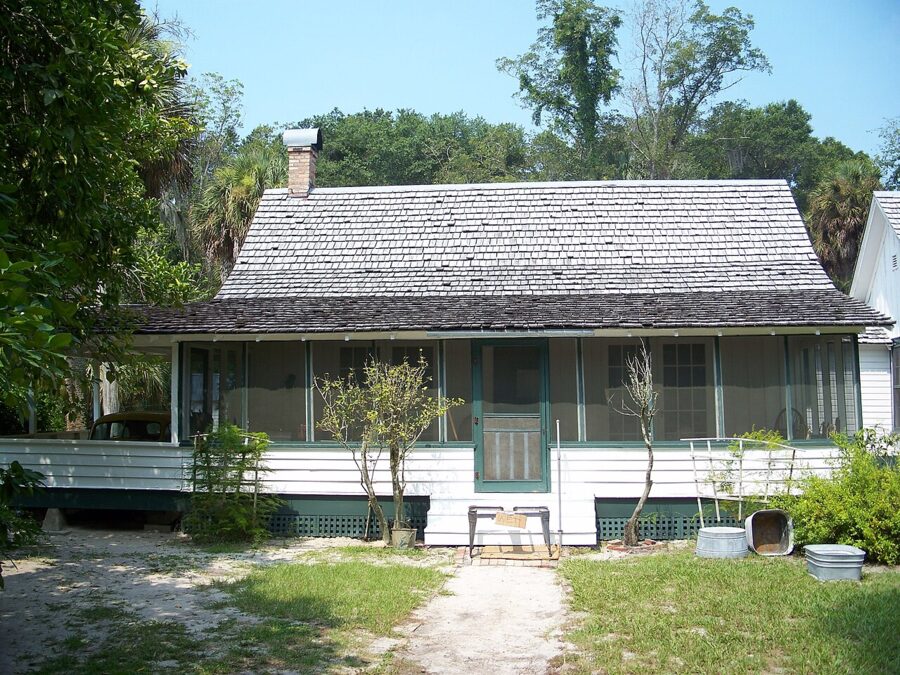
In Cross Creek, about half an hour southeast of Gainesville, the farmhouse where Marjorie Kinnan Rawlings wrote The Yearling and Cross Creek is preserved with its citrus grove and farmyard. Park entry is $3 per vehicle, and guided house tours are free but limited to 15 people on select days. The house closes each August and September, and tours resumed on October 1, 2026.

Santa Fe College Teaching Zoo
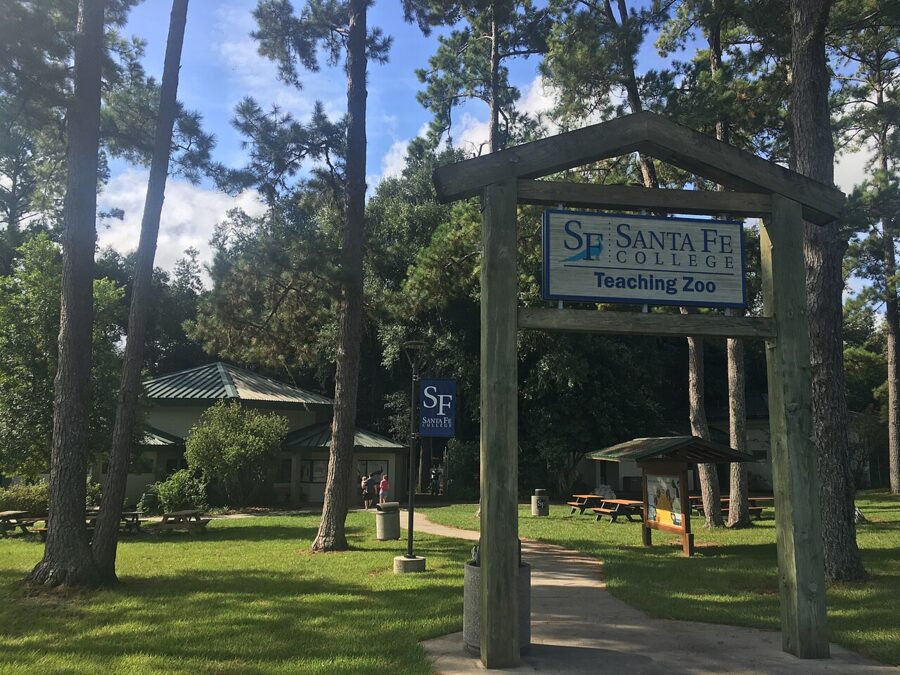
The Santa Fe College Teaching Zoo, on the college’s northwest Gainesville campus, is a small zoo run by students training to become zookeepers. It is open daily from 9am to 3pm (last entry 2:30pm), except Thanksgiving, Christmas Eve and Christmas Day. Admission is $10 for ages 13 to 59, $6 for children 4 to 12 and seniors 60 and over, and free for children 3 and under.

Festivals and markets by month
Dates are for the next edition where announced, otherwise for 2026.
| When | Event | Where and notes |
|---|---|---|
| January | Hoggetowne Medieval Faire, 40th edition | January 16 to 17 and 22 to 24, 2027, at Gainesville Raceway; weekends 10am to 5pm, Friday January 22 9am to 4pm |
| March | NHRA Gatornationals drag racing | March 11 to 14, 2027, at Gainesville Raceway |
| April | Santa Fe College Spring Arts Festival | Free; held April 11 to 12 in 2026 at the college’s Northwest Campus |
| April to September | Free Fridays concerts | Bo Diddley Plaza, 7pm to 9pm |
| September to November | Florida Gators home football | Ben Hill Griffin Stadium; expect full hotels |
| October | Kanapaha Fall Plant Sale; Micanopy Fall Festival | Kanapaha in mid-October; Micanopy at the end of the month |
| November | Downtown Festival and Art Show | Bo Diddley Plaza; held November 14 to 15 in 2026, free |
| Every month | Artwalk Gainesville | Last Friday of the month, galleries and studios across town |


Farmers markets. The Alachua County Farmers Market runs every Saturday from 8:30am to noon and moved in January 2026 to San Felasco Tech City, 13900 Tech City Circle in Alachua, about 20 minutes north of downtown. The Haile Farmers Market meets on Saturday mornings at Haile Village Center in southwest Gainesville, and the Grove Street Farmers Market sets up on Mondays at Cypress and Grove Brewing.
Where to eat and drink
Gainesville eats cheaply and casually, and its strongest suits are vegetarian food, food trucks and brewery taprooms. Hours shift with the university calendar, so check before you go.
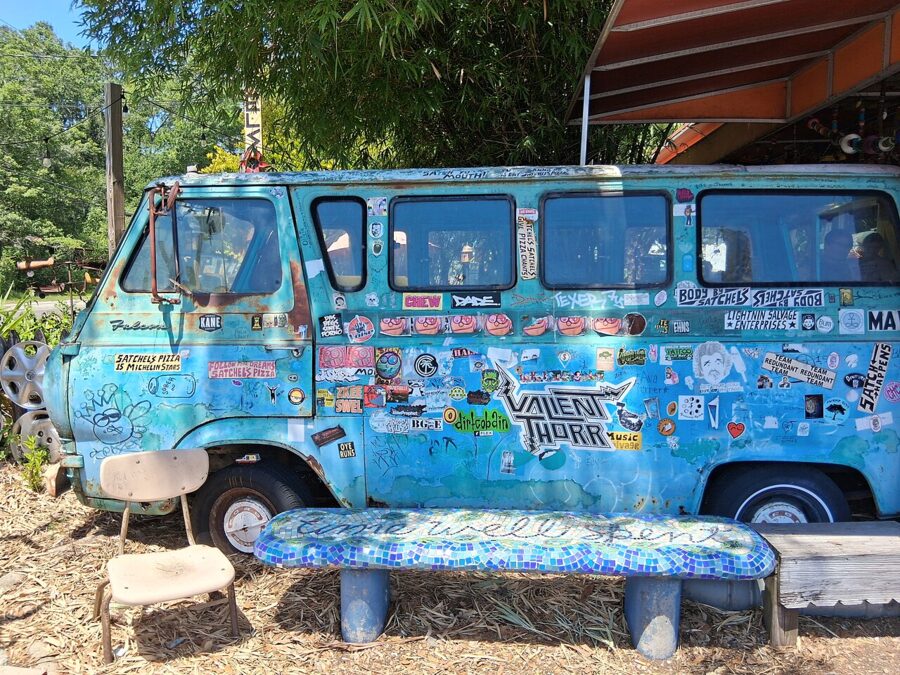
Coffee and breakfast. Curia on the Drag, at 2029 NW 6th Street, is a coffee shop, vegan bakery, vegan food truck and beer garden on a 2.5-acre lot with a painted bus to sit in. The coffee shop opens at 7am on weekdays and 8am on weekends, and the food truck serves from 11am to 8pm daily.
Lunch. Krishna Lunch serves its long-running vegetarian plates from 11am to 2pm at the Krishna House, with a menu that changes by weekday, and it also delivers on campus. Kushi and Co., which opened on Bo Diddley Plaza in March 2026, does Japanese yakitori skewers and rice dishes, all gluten-free. The 4th Ave Food Park downtown gathers a rotating set of food trucks.
Dinner. Satchel’s Pizza, on the northeast side, is the local institution, part pizzeria and part folk-art yard, where you can eat in a vintage van, under a plane or in a greenhouse. Superette, at 1511 NW 2nd Street, is a restaurant and bar that hosted a local-farm harvest dinner in November 2026, and Samba Brazilian Kitchen, at 5141 SW 91st Way, covers the west side.
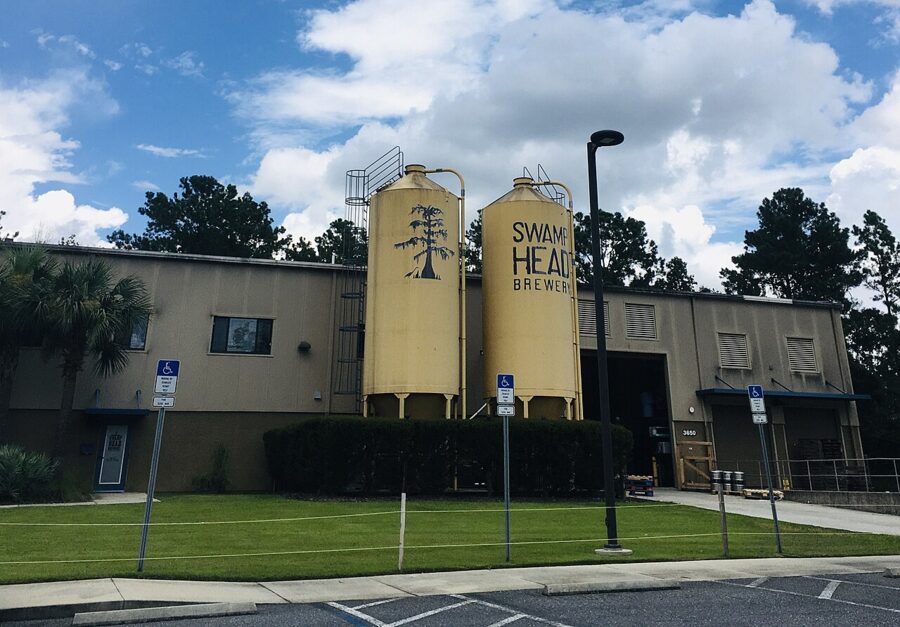
Beer and a night out. First Magnitude Brewing, at 1220 SE Veitch Street near Depot Park, has 26 taps, an oak-shaded beer garden and food trucks, and is open Tuesday to Sunday from mid-afternoon (noon on weekends). Swamp Head Brewery runs trivia, karaoke and game-day events most weeks, Cypress and Grove Brewing is at 1001 NW 4th Street, and Blackadder Brewing hosts trivia and traditional Irish music nights. For live jazz, The Bull has had a regular Tuesday night session this fall, plus free salsa lessons on Thursdays.

When to go and how long to stay
Best months. October to April is the best time to visit Gainesville: warm, drier days, fewer bugs and the fullest festival calendar. November is usually the driest month, averaging under two inches of rain.
Summer. June to September is hot and humid, with highs around 90°F and frequent afternoon thunderstorms; July is the wettest month. It is also the best time for the springs. Do outdoor sights before noon and save museums for the storms.
Winter. January nights average in the low to mid 40s°F. The springs are quiet and still swimmable.
Hurricanes and crowds. Hurricane season runs June 1 to November 30; Gainesville is inland, but storms can still close parks. Hotels peak on football and graduation weekends.
How many days. Two days covers Paynes Prairie, the Florida Museum, the bats and downtown. Add a third for a spring, or a fourth if you want both a spring and the Cross Creek and Micanopy loop.
A two-day plan
Day one. Paynes Prairie at 8am for the tower and Bolen Bluff Trail, then an hour in Micanopy. Spend the afternoon at the Florida Museum and the Harn next door, and finish at the bat houses before sunset, then eat downtown.
Day two. Drive to the Ichetucknee early and float from Dampier’s Landing. Stop at Devil’s Millhopper or Kanapaha on the way back, then spend the evening downtown, with a beer at First Magnitude or a show at the Hippodrome.
With children. Swap the Harn for the Cade Museum (Thursday to Sunday), add the Depot Park splash pad, and put the teaching zoo in a morning slot before the heat.
Getting around and practical notes
Driving and parking. A car is close to essential. Downtown has street parking and garages; on campus, use visitor spaces and pay through the posted app.
Buses. The city’s Regional Transit System (RTS) is useful between downtown and campus. A single adult fare is $1.50 and a 24-hour pass is $3, sold on the bus; riders 18 and under and 65 and over ride free with a program photo ID. The buses do not reach the springs.
State park fees. Florida state parks charge per vehicle, up to the listed number of people, so a full car costs the same as one driver. If you plan to visit several parks in a year, an annual state park pass can pay for itself.
Wildlife. Alligators live in nearly every body of water here. Never feed them, keep pets leashed near water, and bring insect repellent for dusk.
One last tip: if you have time for only one sunrise or sunset, give the sunrise to Paynes Prairie and the sunset to the bat houses. They are about 20 minutes apart, both cost little or nothing, and between them they show the side of Gainesville most visitors miss.