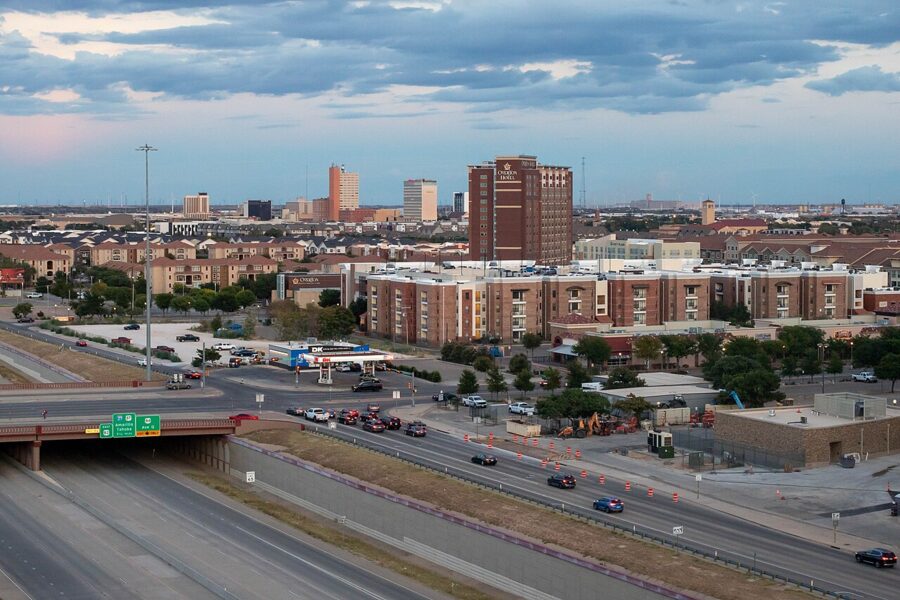
The best things to do in Lubbock are the Buddy Holly Center and its plaza, the free museums along 4th Street at Texas Tech (the National Ranching Heritage Center and the Museum of Texas Tech University), the 12,000-year archaeological record at Lubbock Lake Landmark, and an afternoon with the High Plains wines grown on the farmland around the city. Two full days covers all of that comfortably, as long as one of them isn’t a Monday, when almost every museum in town is shut.
Lubbock is a university and farming city of about 260,000 people (2020 census) on the South Plains of West Texas. It goes by the Hub City: the place a huge rural region of cotton farms and small towns comes to for shopping, hospitals and college. It isn’t a resort, but it has an unusually good cluster of museums, most of them free, a real music history and a wine industry most Texans underrate.

Hours and prices below are as each attraction published them in November 2026. They change, so check the morning you go.


On this page
- Lubbock in brief: where it is and how to get there
- The Buddy Holly sites
- Texas Tech and the free museums on 4th Street
- Lubbock Lake Landmark: 12,000 years in one valley
- More museums worth the drive across town
- Parks, lakes and the outdoors
- The wineries and the High Plains wine country
- Live music, art and the Depot District
- Smaller stops and local history
- Festivals and events by month
- Where to eat and drink
- When to go and how many days to spend
- A simple two-day plan
- Getting around and practical notes
- Day trips and onward drives
Lubbock in brief: where it is and how to get there
Lubbock sits in the southern half of the Texas Panhandle, on the flat tableland called the Llano Estacado. The big cities are a long way off: Amarillo and Midland are each about two hours by car, Dallas and Fort Worth about five, Austin around six. Albuquerque is about five hours, and so is the drive from El Paso.
Lubbock Preston Smith International Airport (LBB) is on the north side of the city. As of November 2026, the airport lists eight nonstop destinations on three airlines: American Airlines to Dallas/Fort Worth and Phoenix; Southwest Airlines to Austin, Dallas Love Field, Denver, Las Vegas and Houston Hobby; and United Airlines to Denver and Houston Intercontinental.
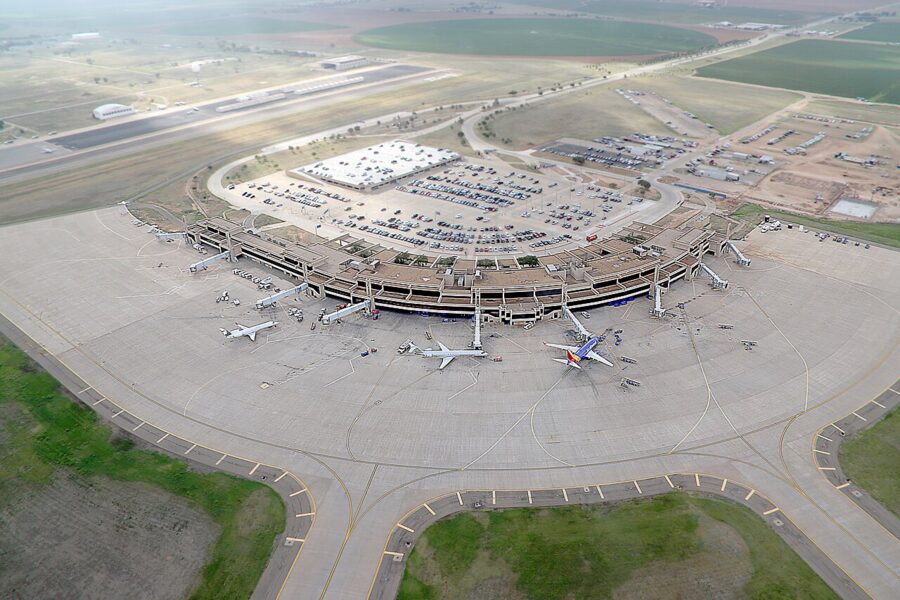

Airport parking is cheap. As of November 2026, long-term terminal parking is $8 for 5 to 24 hours, short-term parking tops out at $22 a day, and the covered Airport Shelter Park lot charges $8 a day with a free shuttle. The first 30 minutes are free in every lot.
What is Lubbock known for? Texas Tech University, Buddy Holly, cotton and, lately, wine. Holly is the most famous person from Lubbock by a distance, though the city cemetery also holds the singer and songwriter Mac Davis.
The Buddy Holly sites
Buddy Holly Center
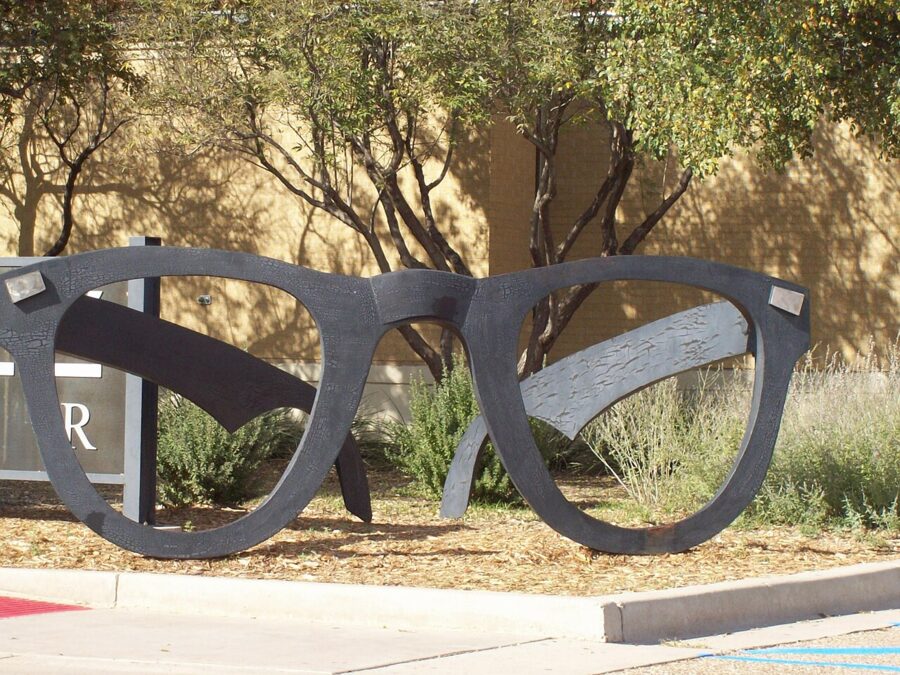
Charles Hardin Holley was born in Lubbock in 1936 and died at 22, in the February 1959 plane crash in Iowa that also killed Ritchie Valens and the Big Bopper. The city-run Buddy Holly Center, at 1801 Crickets Avenue, holds the collection connected to him: guitars, stage clothes, glasses, records, letters and a timeline of his short career. The building also has a 2,500-square-foot Fine Arts Gallery of changing contemporary exhibitions.
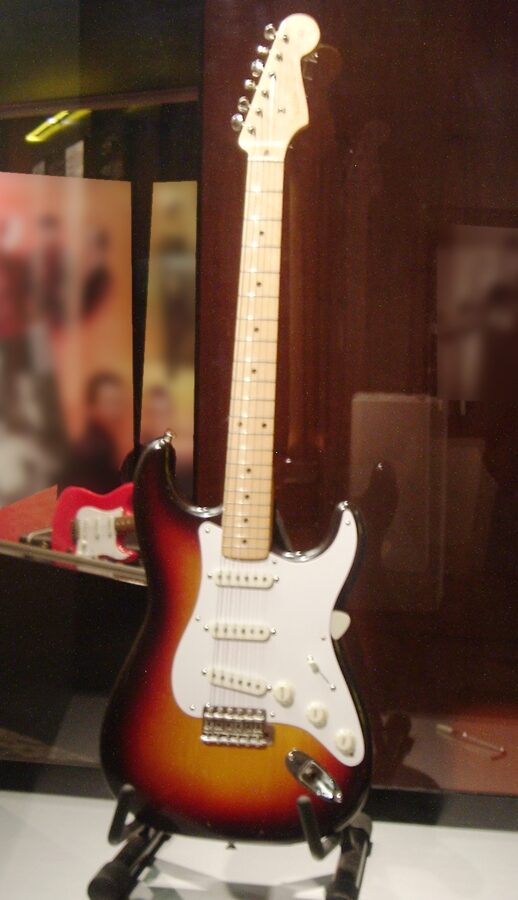

Admission to the Holly galleries is $10 for adults, $8 for seniors 60 and over, and $5 for children 7 to 17 and college students. Children 6 and under, active-duty military and veterans get in free, and the Fine Arts Gallery is always free. The center opens Tuesday to Saturday 10am to 5pm and Sunday 1pm to 5pm, and closes Mondays and city holidays (including November 26 and 27, 2026). Allow an hour and a half.


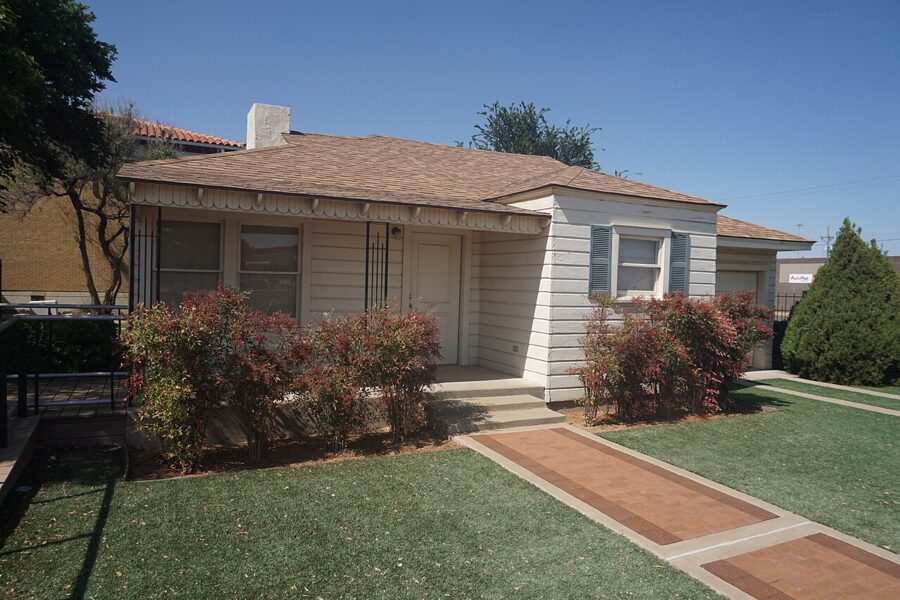
The center also looks after the J.I. Allison House, the childhood home of Holly’s best friend and the Crickets’ drummer, presented as a step back into the 1950s. Ask at the front desk about visiting.

Buddy and Maria Elena Holly Plaza
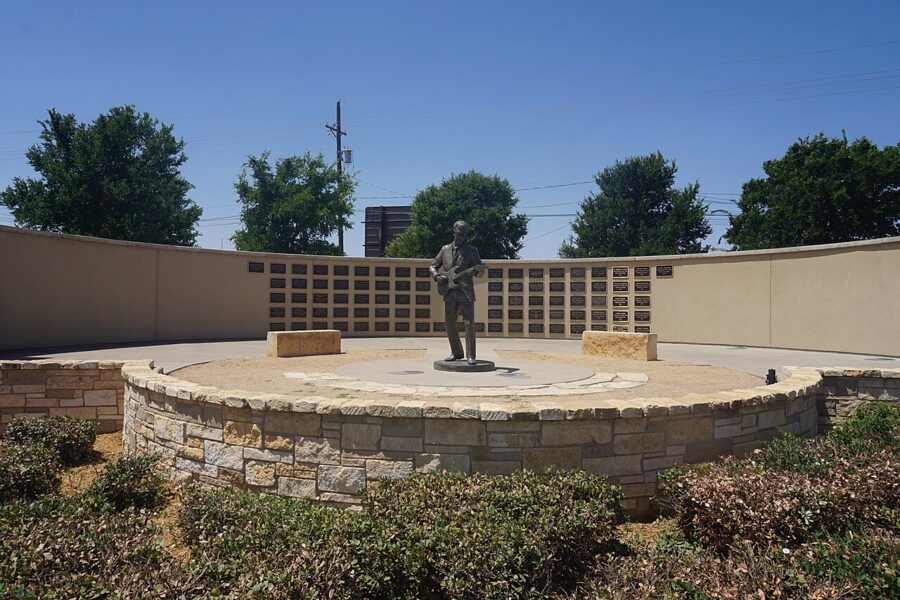
Just west of the center, the Buddy and Maria Elena Holly Plaza holds a bronze statue of Holly by the sculptor Grant Speed and the West Texas Walk of Fame, a ring of plaques for musicians and artists from the region. The plaza is open dawn to dusk every day and is free.

Buddy Holly’s grave
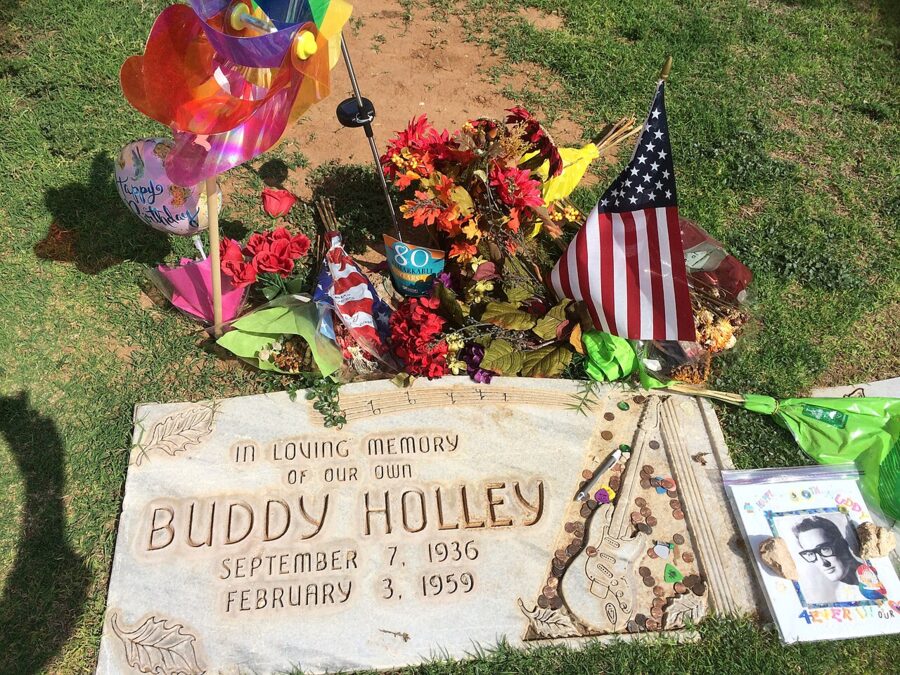
Holly is buried in the City of Lubbock Cemetery at 2011 E 31st Street. The flat headstone uses the family spelling, Holley, and fans leave guitar picks, flowers and notes on it year-round. The cemetery office (weekdays 8am to 5pm, closed noon to 1pm) can point you to the plot.

Texas Tech and the free museums on 4th Street
Texas Tech University’s two museums on 4th Street are the best value in the city: both are free, and they sit next door to each other.
National Ranching Heritage Center
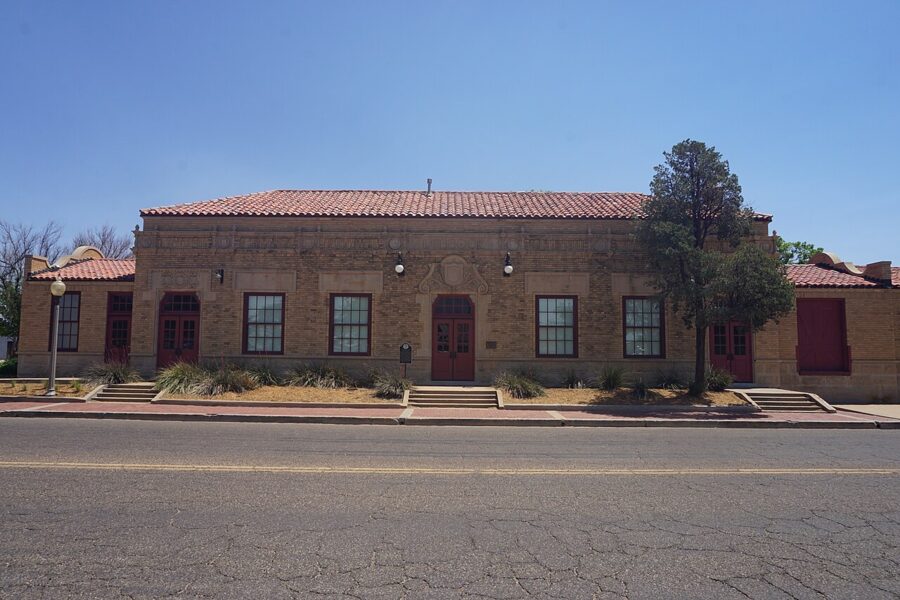
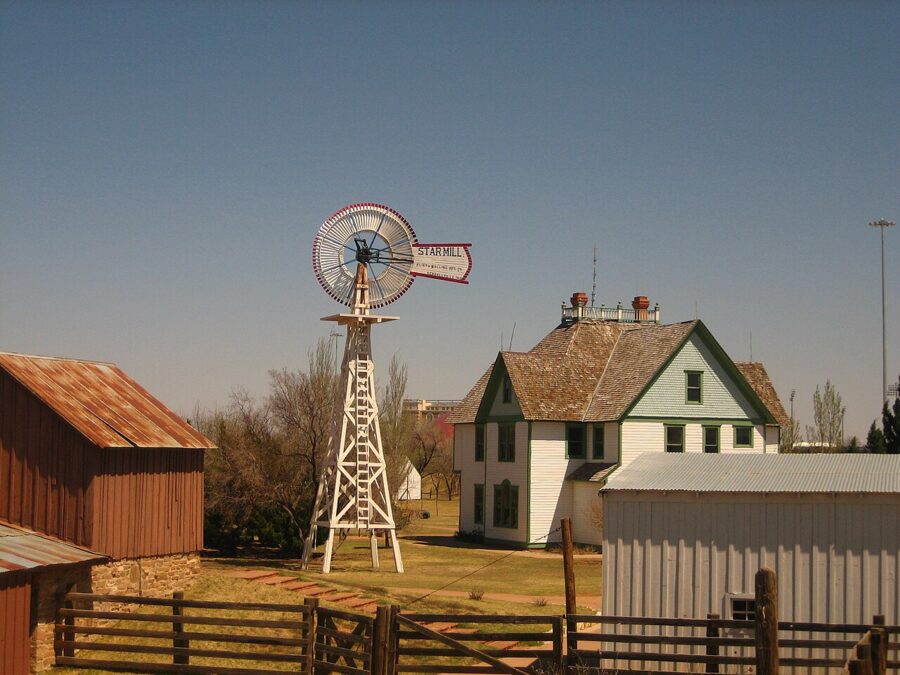
The National Ranching Heritage Center, at 3121 4th Street, is a 19-acre historical park of 55 ranching structures from the 1780s to the 1950s, moved here from across the range country and set along a walking path. There are log cabins (the oldest, El Capote, dates from 1838), a schoolhouse, a railroad depot, barns, ranch houses and windmills, plus indoor galleries and a children’s learning center.
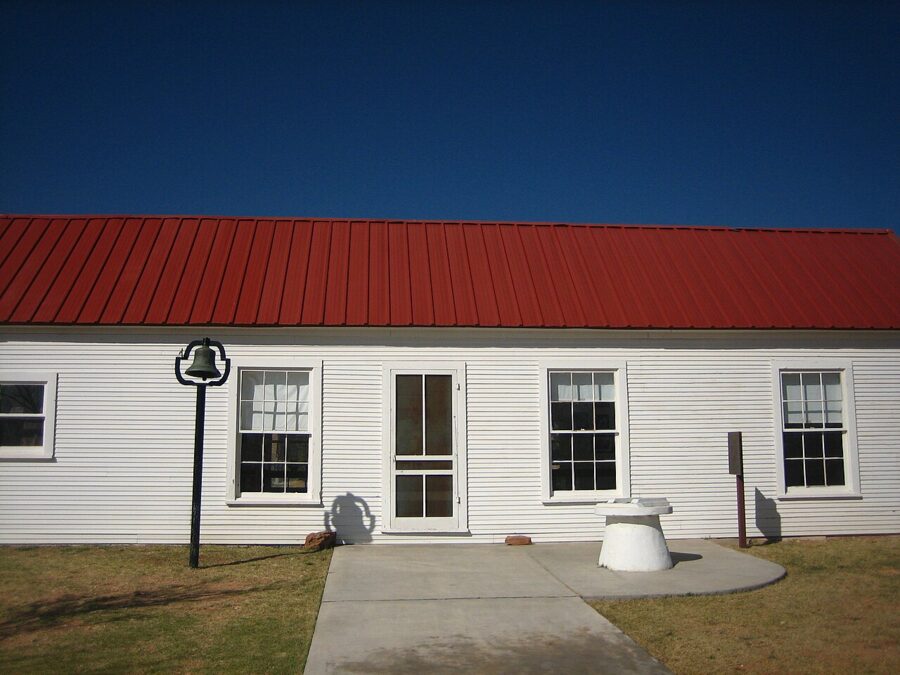

Admission is free. The center opens Monday to Saturday 10am to 5pm and Sunday 1pm to 5pm, so it’s one of the few sights open on a Monday, but it closes on Texas Tech holidays, including Thanksgiving weekend and Christmas Eve through New Year’s. Cogdell’s at the Ranch sells drinks and snacks; there’s no restaurant.
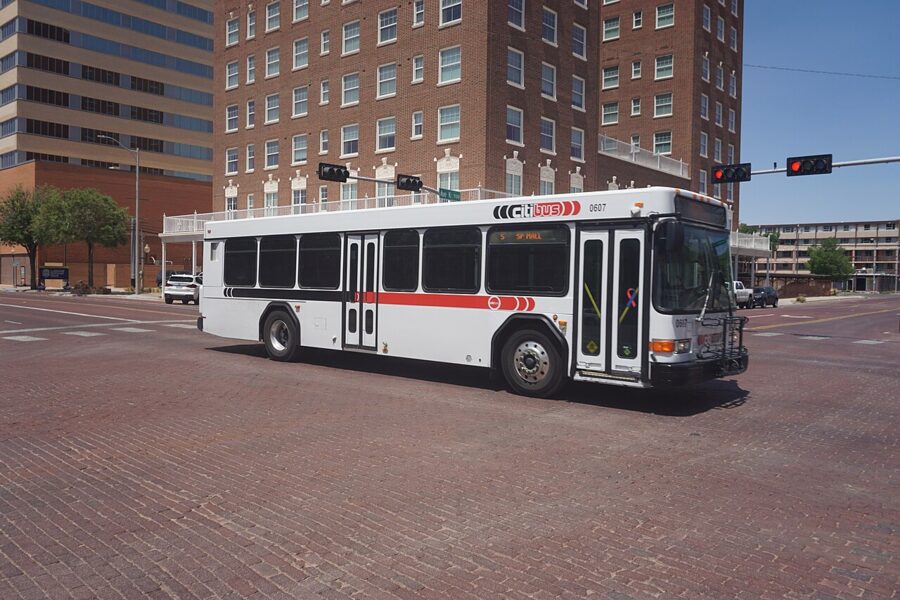
Summer brings Living History Saturdays (10am to 1pm, May 23 to September 26 in 2026). In December, Candlelight at the Ranch lights and decorates fifteen of the buildings, with Texas swing Christmas music in the 6666 Barn: December 11 and 12, 2026, 6:30pm to 9pm, free with a suggested $5 donation. A free Citibus shuttle runs from UMC Medical Center at 5th Street and Joliet Avenue.
Museum of Texas Tech University and Moody Planetarium
Next door at 3301 4th Street, the Museum of Texas Tech University mixes art, history and natural science. The gallery most visitors remember is Ice Age on the Southern Plains, with mounted skeletons of an American lion and a saber-tooth cat; A Changing World covers the Triassic animals of the Panhandle. The Diamond M Collection of American Western art and the Diekemper Gallery of pre-Columbian art are the other long-term draws.
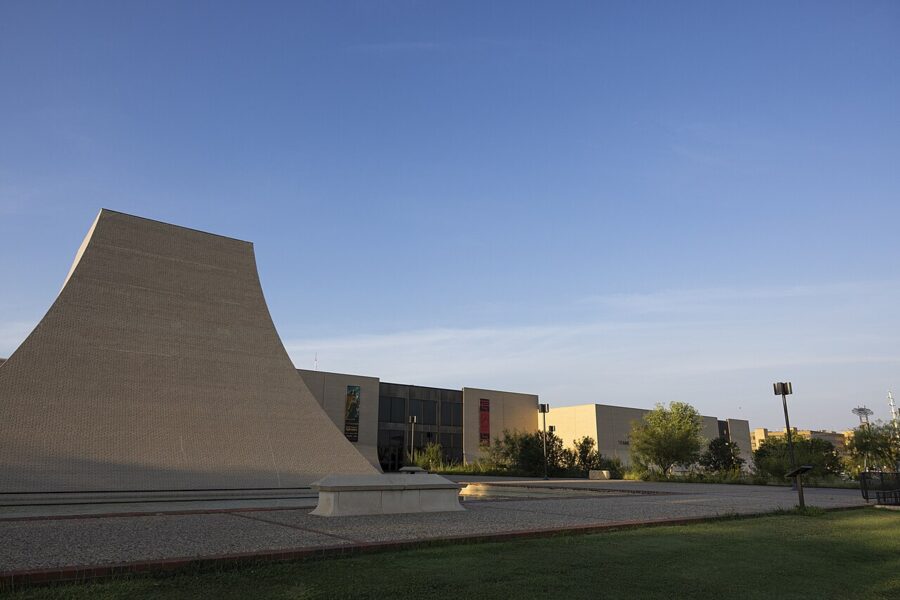

Admission is free. Hours are Tuesday to Saturday 10am to 5pm and Sunday noon to 5pm, closed Mondays and Texas Tech holidays. The 74-seat Moody Planetarium runs star and laser shows on Fridays, Saturdays and Sundays for $6 (adults) or $4 (seniors, children 4 to 17 and college students). Give the museum two hours.
The campus itself
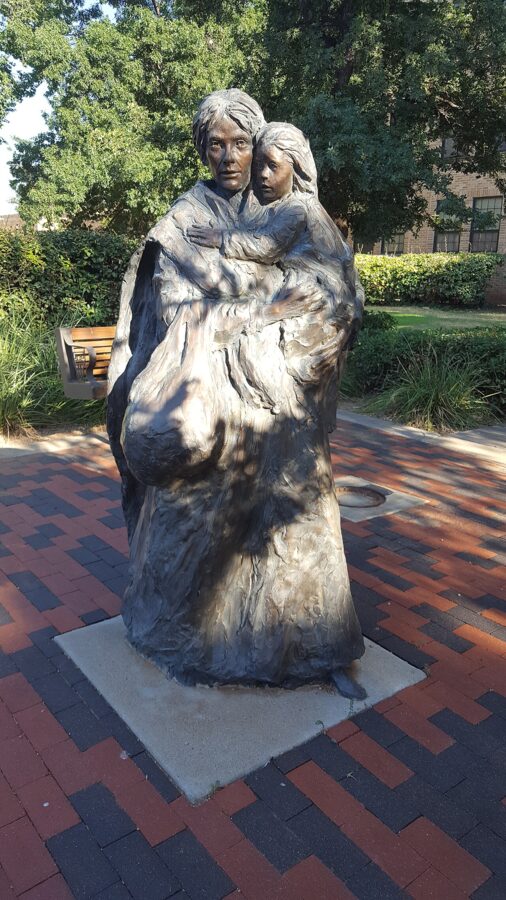
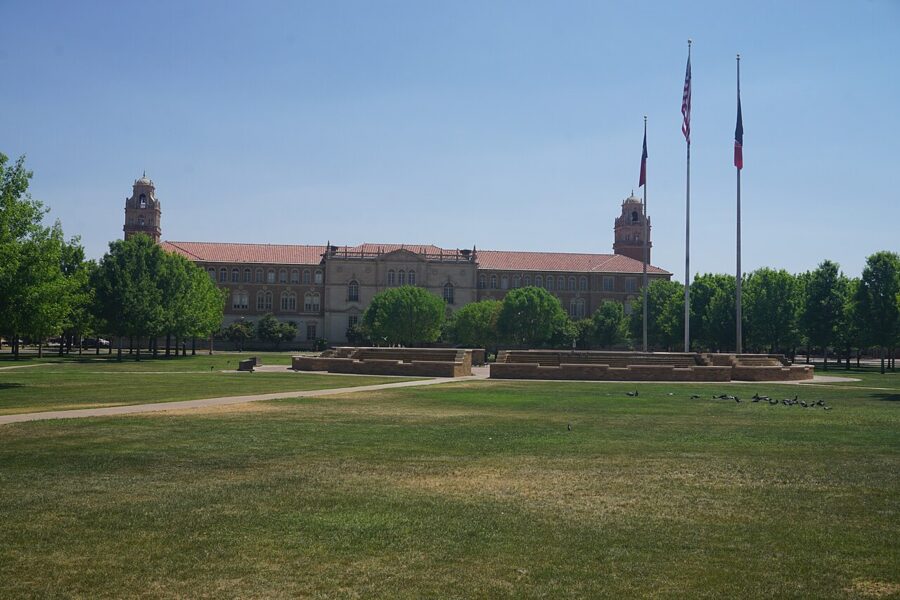
Texas Tech’s older buildings share a Spanish Renaissance style, with red tile roofs and carved entrances, and Memorial Circle and the Administration Building on Broadway make a pleasant half-hour walk. The university system’s public art collection lists 153 works across its campuses, many of them outdoors in Lubbock.


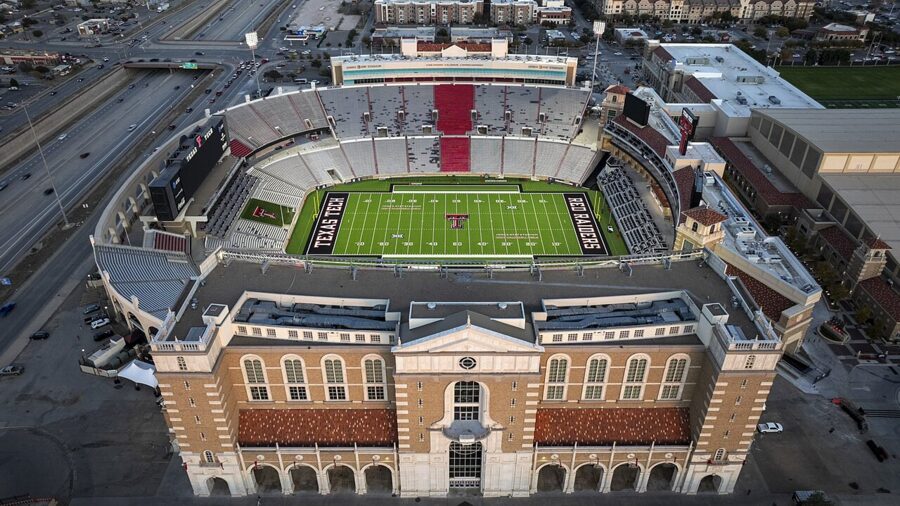
On fall Saturdays, Red Raiders football at Jones AT&T Stadium takes over the city. A home game is a great day out with a ticket and a nuisance without one: hotels fill, prices rise and the roads around campus jam.
Lubbock Lake Landmark: 12,000 years in one valley
On the northern edge of the city at 2401 Landmark Drive, Lubbock Lake Landmark is an archaeological and natural history preserve run by the Museum of Texas Tech University. Digs in Yellow House Draw have found evidence of almost 12,000 years of human occupation on the Southern High Plains, and research is still going after more than 50 years. It’s a National Historic Landmark, and it’s the most important sight in Lubbock that most visitors skip.
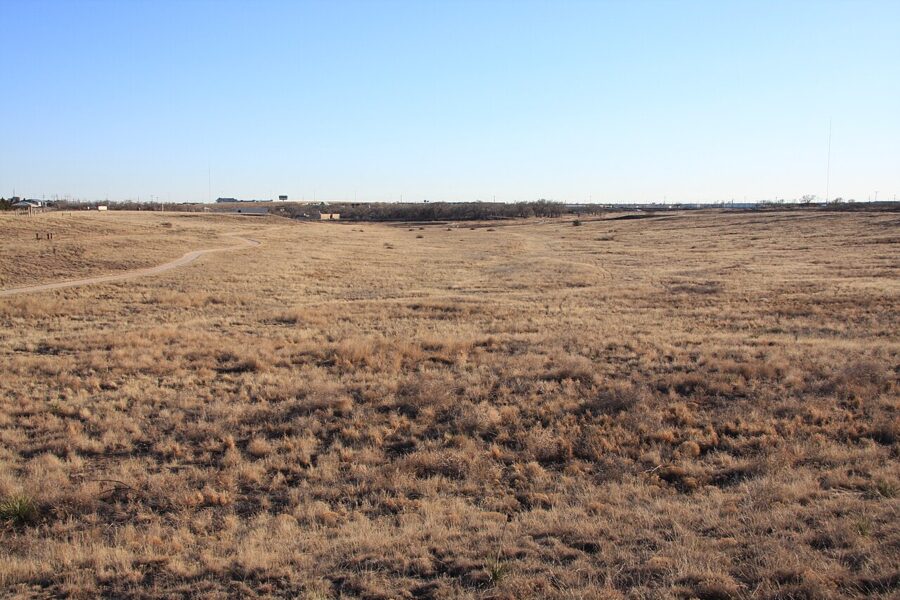

Start at the Robert A. Nash Interpretive Center, which is fully wheelchair accessible, then walk out to the excavation areas and prairie trails. Admission and parking are free.
Hours are Tuesday to Saturday 9am to 5pm and Sunday 1pm to 5pm, closed Mondays. The entrance is just north of North Loop 289 and the Clovis Highway; use the north visitor lot. Allow 90 minutes to two hours.
More museums worth the drive across town
American Windmill Museum
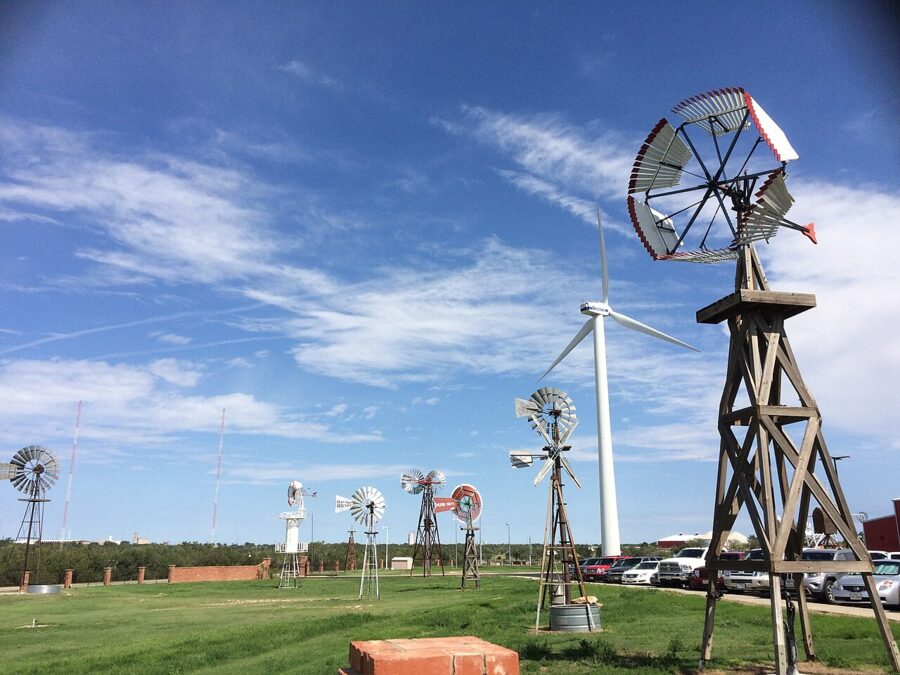
Lubbock’s windmill museum grew from the collection of Billie Wolfe, a Texas Tech professor who noticed in the 1960s that the windmills in her photographs of farms and ranches were disappearing. The museum, east of downtown, now has more than a hundred windmills in its exhibit hall and over 70 on its 28-acre grounds. The oddest is an English-style post mill built in Virginia in 1978 to commemorate North America’s first windmill and moved here in 2010.

Admission is $10 for adults, $8 for seniors, veterans and students, and $7 for children 3 to 12; children 2 and under and active-duty military families are free. It opens Tuesday to Saturday 10am to 5pm and is closed Sundays and Mondays. Allow an hour and a half.
Silent Wings Museum
During the Second World War, the South Plains Army Air Field on the north side of Lubbock trained the pilots who flew cargo gliders into combat. The Silent Wings Museum, on the former airfield at 6202 N. I-27, tells their story around a fully restored Waco CG-4A glider, one of very few left, which the veteran glider pilots restored themselves.
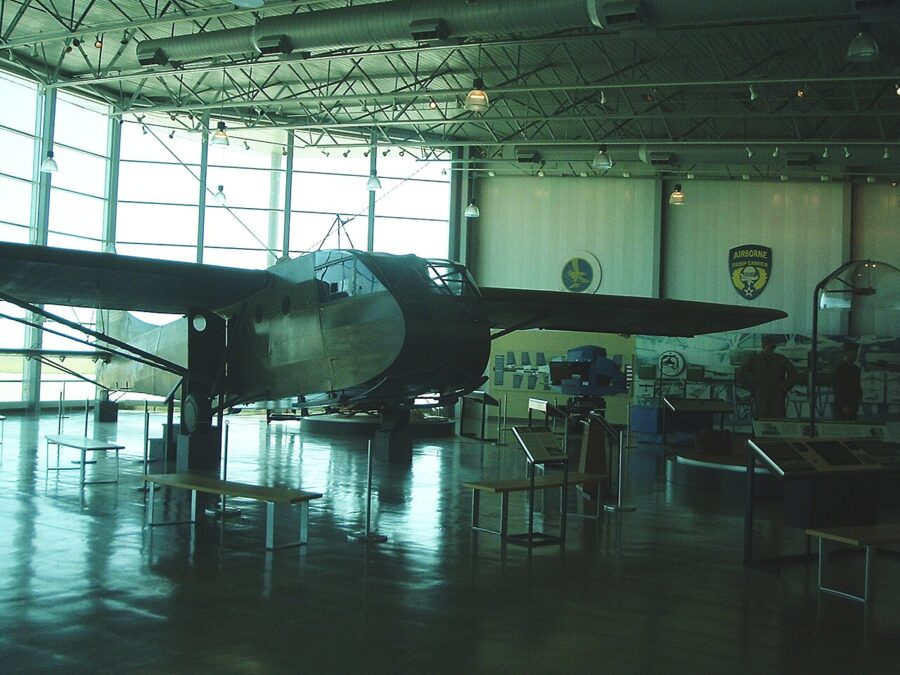

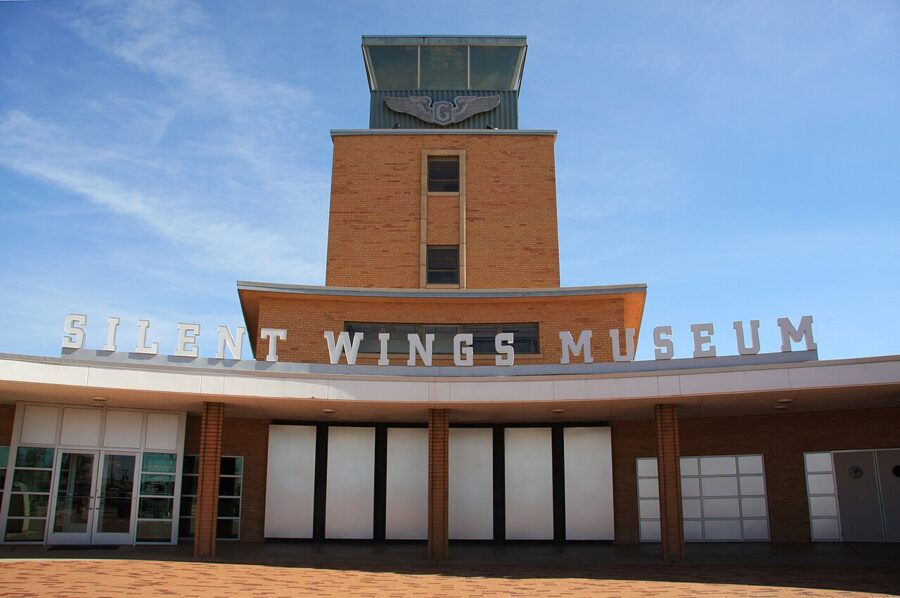

The museum opens Tuesday to Saturday 10am to 5pm and Sunday 1pm to 5pm, closed Mondays and city holidays. Admission is $10 for adults, $8 for seniors 60 and over, and $5 for children 7 to 17 and college students; children 6 and under are free. Plan on an hour to 90 minutes.
Science Spectrum and OMNI Theater
Does Lubbock have an aquarium? Yes, a small one: the Science Spectrum at 2579 South Loop 289 has the city’s only public aquarium among more than 250 hands-on exhibits, plus a domed OMNI Theater. It opens Monday to Friday 10am to 5pm, Saturday 10am to 6pm and Sunday 1pm to 5pm. The museum costs $10 for adults and $8 for children 3 to 12 and seniors, and a museum and OMNI combo is $17.50 or $14.
Parks, lakes and the outdoors
Prairie Dog Town in Mackenzie Park
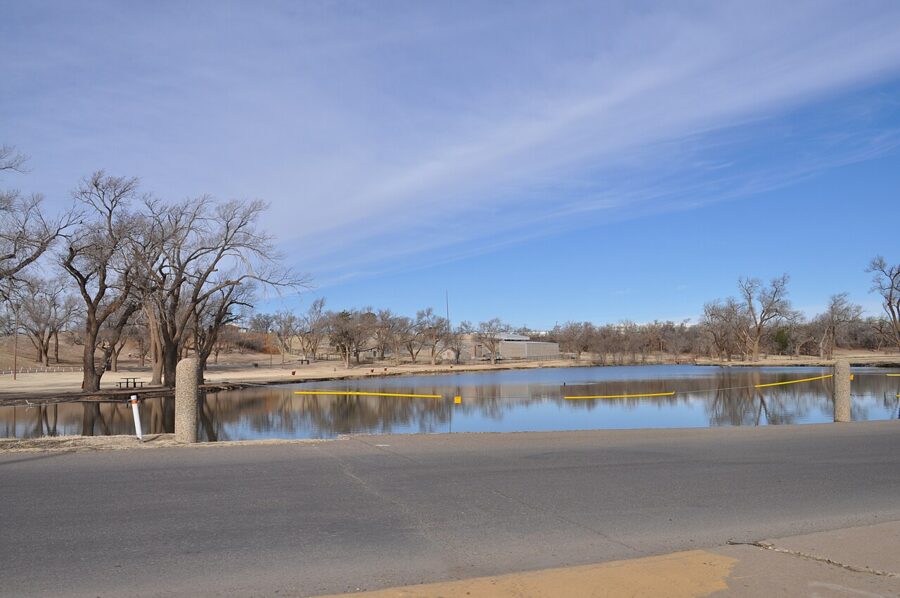
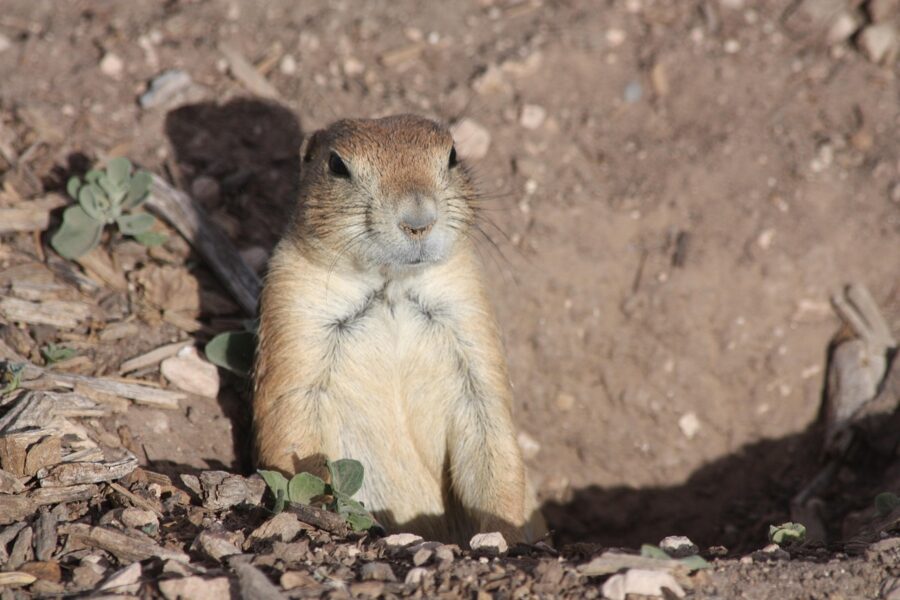
Mackenzie Park, at 301 Interstate 27 just east of downtown, is home to Prairie Dog Town, a colony of black-tailed prairie dogs that has been a Lubbock family stop for generations. It’s free and takes 20 minutes. The park also has a golf course, disc golf, a dog park and the Moonlight Musicals Amphitheatre.


Joyland, the amusement park that ran in Mackenzie Park for about five decades, announced in 2022 that it would not reopen, and its rides were sold off in 2023. Older guides still list it.

Buffalo Springs Lake
Buffalo Springs Lake, about 20 minutes southeast of downtown at 9999 High Meadow Road, is where Lubbock swims, fishes and runs boats. It sits in a canyon below the level of the plains, with two sandy beaches (Sandy Point and Marina Beach), a 5.7-mile loop trail and 55 acres of Audubon Society nature trails.
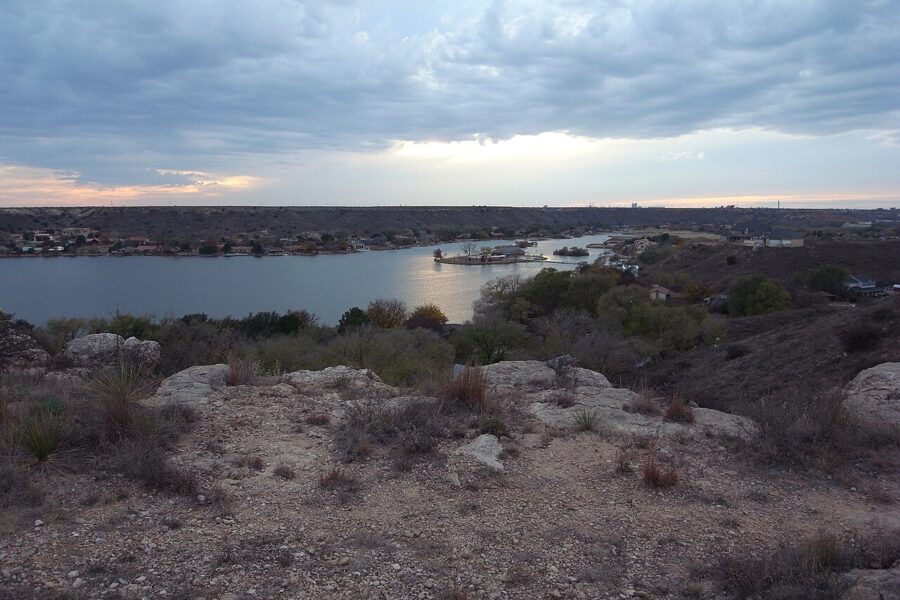
The gate is open 24 hours. A day pass is $20 for adults 16 and over, and each paying adult brings in two children 15 or under free; otherwise children are $5 and those 5 and under are free. Seniors 65 and over pay $10, military members and veterans get in free, and entry is half price after 6pm Monday to Wednesday. Boat launches are $30 (jet skis $40, non-motorized craft $7), and the lake rents nothing.
No glass and no dogs on the beaches, beaches close at sunset, trails are open in daylight only, and open containers can’t go past the main gate. Texas law requires children under 13 to wear a life jacket on a boat that is underway.
Lubbock Memorial Arboretum
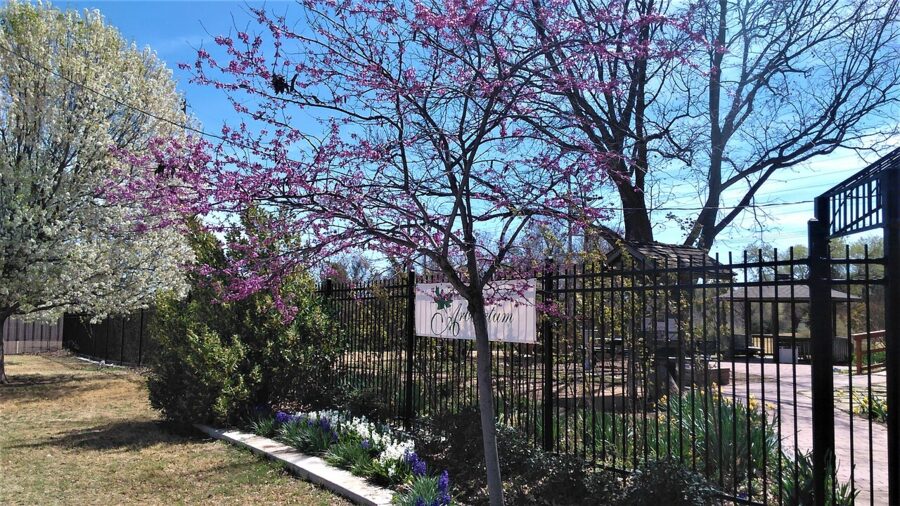
The 93-acre Lubbock Memorial Arboretum, at 4111 University Avenue in K.N. Clapp Park, is the city’s best green space for a walk, open daily from 5am to midnight and free. Clapp Park also holds the Lubbock Municipal Garden and Arts Center and a rose garden.

Lake Alan Henry
The city-owned Lake Alan Henry lies more than an hour’s drive southeast. Its Samuel W. Wahl Recreation Area has a 2.5-mile trail with an accessible three-quarter-mile loop and three overlooks. It’s a fishing and camping lake, worth the drive only if you’ll stay a while.

The wineries and the High Plains wine country
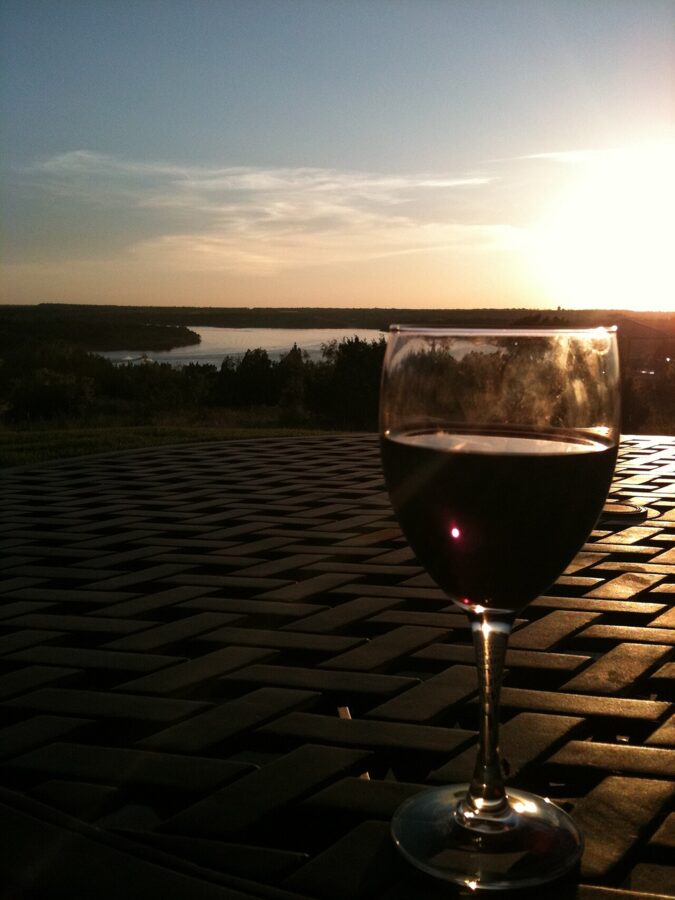
The dry farmland around Lubbock grows most of the wine grapes harvested in Texas, even though many of the wineries that use them are in the Hill Country, hundreds of miles away. Lubbock was one of the birthplaces of modern Texas wine, and you can taste it without leaving town. Visit Lubbock’s free Texas High Plains Wine Trail pass, sent to your phone by text, gives discounts at participating tasting rooms.
Llano Estacado Winery
Founded in 1976, Llano Estacado Winery has its tasting room at 3426 E FM 1585, just south of the city. A tasting of five one-ounce pours costs $20, and the 90-minute Legacy Tour with cheese and charcuterie runs Friday to Sunday (the winery’s own pages list it at both $40 and $45, so confirm when you book). Hours are Monday 10am to 5pm, Tuesday to Thursday noon to 5pm, and Friday to Sunday noon to 6pm.
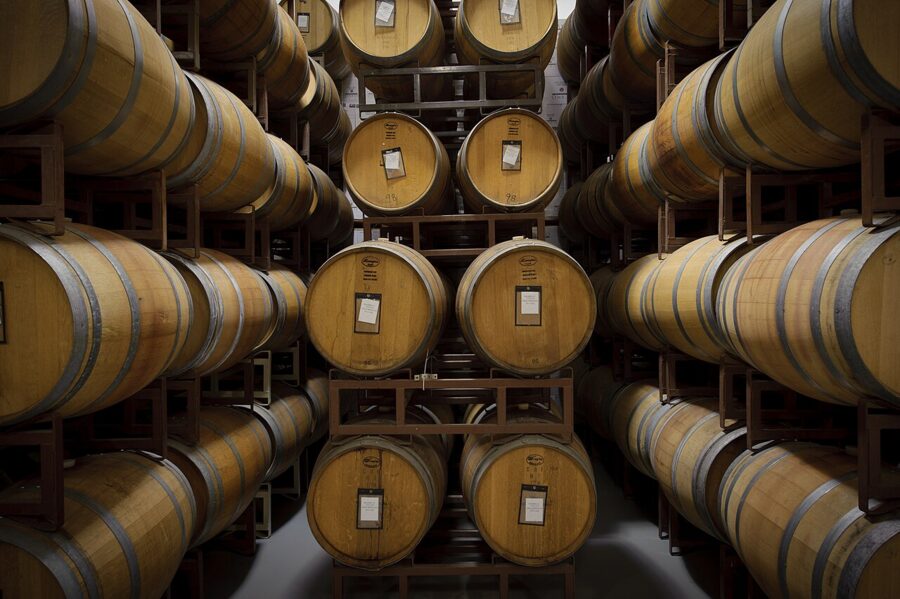
Llano Estacado also runs a wine bar at Cactus Alley, 2610 Salem Avenue, open Monday to Thursday 2pm to 9pm, Friday and Saturday 2pm to 11pm, and for Sunday brunch from 10am to 2pm.
McPherson Cellars and La Diosa Cellars
McPherson Cellars, at 1615 Texas Avenue downtown, carries the family name of Clinton “Doc” McPherson, the Texas Tech professor who helped found Llano Estacado. Its tasting room and shaded patio are open Tuesday to Saturday from noon to 7pm, walk-in for groups of up to five. It’s the easiest winery to fit into a museum day.
La Diosa Cellars, at 901 17th Street near the Depot District, is a Spanish-style wine bar serving tapas, open Tuesday to Thursday from 4pm and Friday and Saturday from noon to 11pm. It’s closed Sundays and Mondays.
Ask for a Chilton anywhere in town. Lubbock’s own cocktail of vodka, fresh lemon juice and soda in a salt-rimmed glass is said to have been first mixed at the Lubbock Country Club for a Dr. Chilton.
Live music, art and the Depot District
Cactus Theater
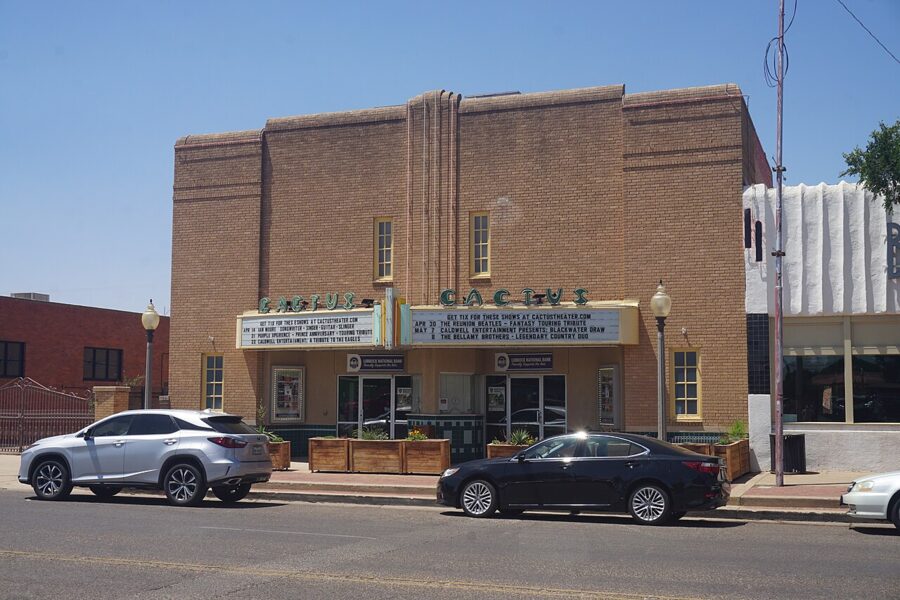
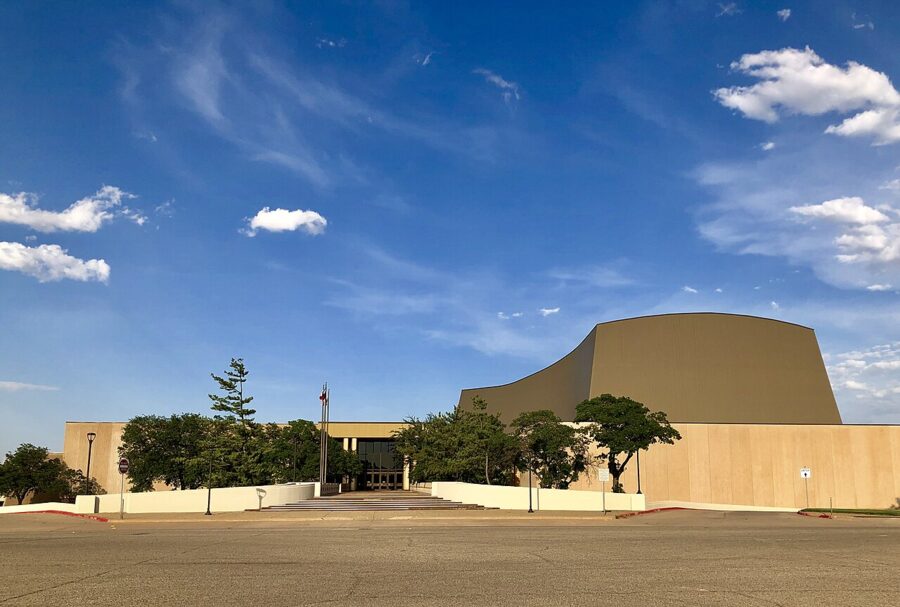
The Cactus Theater, at 1812 Buddy Holly Avenue in the Depot District, opened in April 1938 as Lubbock’s first suburban neighborhood movie house. It closed in 1958, spent years storing scrap iron, and reopened in 1995 as a live music theater of about 400 seats. Expect Texas country, tribute shows and Christmas concerts; December 2026 brings Cory Morrow on December 5 and Michael Martin Murphey’s Cowboy Christmas on December 11.

LHUCA and the First Friday Art Trail
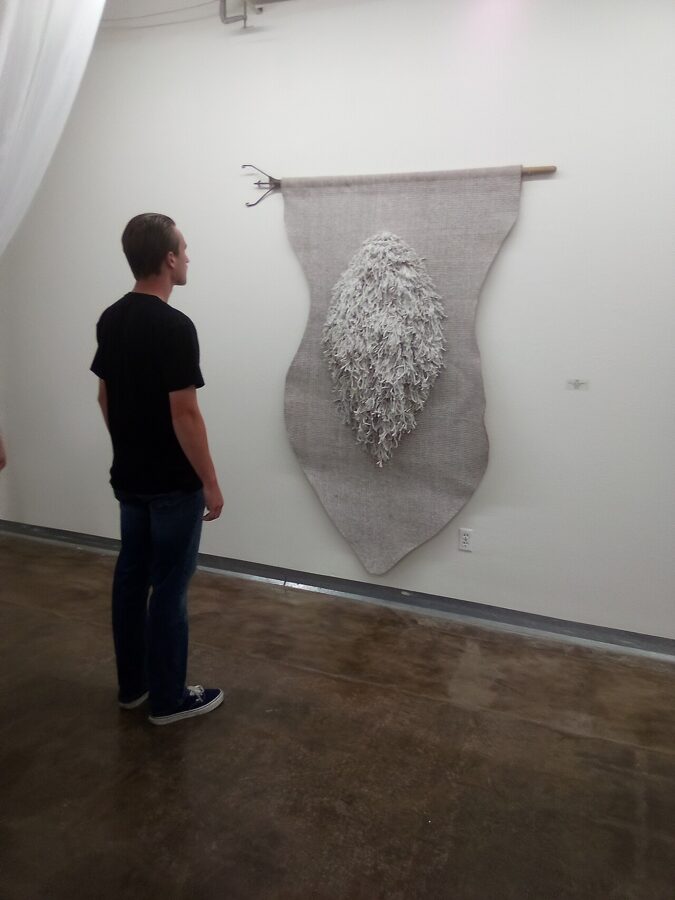
The Louise Hopkins Underwood Center for the Arts (LHUCA), at 511 Avenue K downtown, runs free galleries open Tuesday to Saturday from 11am to 5pm and a public clay studio. It’s also the hub of the First Friday Art Trail, a free evening of open galleries and studios across the downtown Cultural District from 6pm to 9pm on the first Friday of every month.
Smaller stops and local history
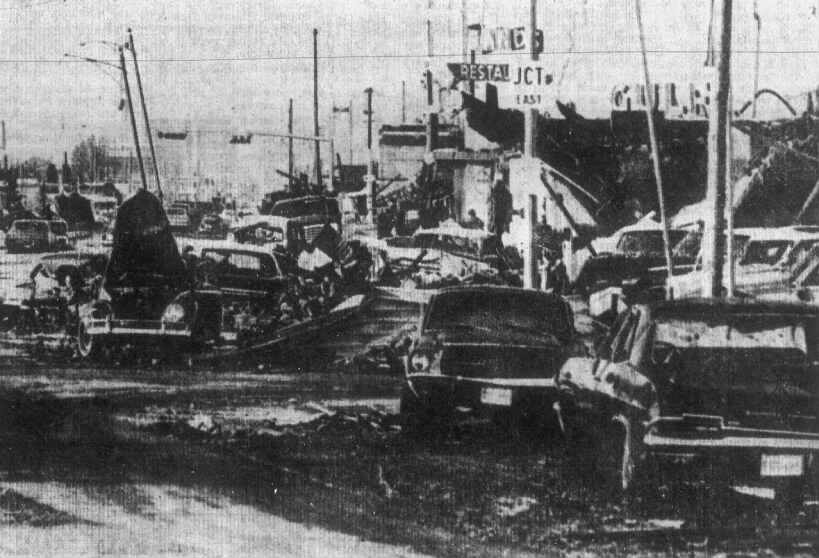
The Broadway Tunnel, between Avenue A and Avenue E, carries a bright mural by local artist Sydney Kim, the first step in linking downtown with the Canyon Lakes parks to the east. Nearby, Tornado Memorial Park remembers May 11, 1970, when an F5 tornado tore through downtown and the Guadalupe neighborhood, killing 26 people. Granite walls trace the storm’s path across a map of the streets.
Festivals and events by month
These are the dates announced as of November 2026 for the events most worth planning around:
| When | Event | Details |
|---|---|---|
| First Friday, monthly | First Friday Art Trail | Downtown Cultural District, 6pm to 9pm, free |
| April | Lubbock Arts Festival | April 10 and 11, 2027 (the 2026 festival was at the Civic Center) |
| May to September | Living History Saturdays | National Ranching Heritage Center, 10am to 1pm |
| July 4 | 4th on Broadway | Morning parade on Broadway; in 2026, concert and fireworks at the South Plains Fairgrounds |
| Late September | Panhandle South Plains Fair | September 25 to October 3 in 2026 |
| September to November | Texas Tech football | Home games fill hotels citywide |
| Early December | Carol of Lights | Texas Tech’s lighting of the old campus buildings |
| December 11 and 12, 2026 | Candlelight at the Ranch | National Ranching Heritage Center, 6:30pm to 9pm |
| December 12, 2026 | Open House with Santa | American Windmill Museum, 10am to 4pm, free |

Where to eat and drink
Barbecue is the local strength. All of these showed current hours on their own sites in November 2026, but Lubbock restaurants open and close often, so check before driving across town.
- Breakfast: Cast Iron Grill, 620 19th Street. A downtown weekday breakfast and lunch spot known for homemade pies that sell out. Monday to Friday from 7am to about 2pm.
- Barbecue: Evie Mae’s Pit Barbeque, 217 Highway 62 in Wolfforth, about 20 minutes southwest. Regularly ranked among Texas Monthly’s best barbecue joints, it opens Tuesday to Sunday at 11am and closes when the meat runs out.
- Dinner with wine: La Diosa Cellars, 901 17th Street, for tapas.
- A glass before dinner: McPherson Cellars downtown or the Llano Estacado wine bar at Cactus Alley.
- Beer: Two Docs Brewing, 502 Texas Avenue, a taproom with a dog-friendly patio, live bands and street food, from noon.
Lunch on a museum day is the awkward meal: the ranching center sells only snacks, and the Museum of Texas Tech University has just the small Orbit Cafe. Eat before you go, or use the casual places on University Avenue near campus.
When to go and how many days to spend
Spring (April and May) and fall (late September and October) are the best times to visit. NOAA’s 1991 to 2020 normals at the airport give highs from 55°F in January to 93°F in July, and lows from 27°F to 69°F. Most of the year’s 18 inches of rain falls in May, June and September, often in short, violent storms.
- Spring: mild, with the arts festival in April, but March and April are windy and blowing dust can haze the sky.
- Summer: hot afternoons, cooler nights than most of Texas, and summer programs at the ranching center. Do outdoor sights in the morning.
- Fall: the best weather and the fair; check the football schedule before booking a Saturday.
- Winter: quiet, with Candlelight at the Ranch and the Carol of Lights. Cold fronts arrive fast, and the city averages about 7 inches of snow a year.
One full day covers the Buddy Holly Center and the two 4th Street museums. Two days add Lubbock Lake Landmark, a winery, Silent Wings or the windmill museum, and the Cactus Theater. A third day leaves room for Buffalo Springs Lake or Palo Duro Canyon.
A simple two-day plan
This works best on a Friday and Saturday. On Sundays most museums open at 1pm and the windmill museum stays shut.
Day one: music and the museums
- Morning: the Buddy Holly Center at 10am, then the plaza and the glasses out front.
- Midday: lunch, then the National Ranching Heritage Center before the afternoon heat.
- Afternoon: the Museum of Texas Tech University next door, with a planetarium show on a Friday, and a walk around Memorial Circle.
- Evening: a glass at McPherson Cellars, dinner at La Diosa Cellars and a show at the Cactus Theater, or the First Friday Art Trail.
Day two: deep history, windmills and wine
- Morning: Lubbock Lake Landmark at 9am, while the trails are cool.
- Late morning: the American Windmill Museum or Silent Wings, then Prairie Dog Town.
- Afternoon: barbecue at Evie Mae’s (arrive by noon), then a tasting at Llano Estacado Winery.
- Evening: beer at Two Docs Brewing, or a walk at the arboretum before dark.
Getting around and practical notes
- You need a car. Sights are spread across a wide city, and the wineries, lakes and Evie Mae’s are outside it.
- Parking is easy and mostly free at the museums, the arboretum and Mackenzie Park. On game days, avoid the streets around the stadium.
- Avoid Mondays. The Buddy Holly Center, Silent Wings, the Museum of Texas Tech University, Lubbock Lake Landmark and the windmill museum are all closed. The ranching center, the Science Spectrum and Llano Estacado Winery are open.
- Watch for holiday closures: city museums close on city holidays, Texas Tech’s on university holidays.
- Bring water and sun protection. The air is dry, the sun is strong at this altitude, and there’s little shade at the Landmark or the ranching center.
- Watch the forecast in spring and early summer for thunderstorms, hail and high winds.

Day trips and onward drives
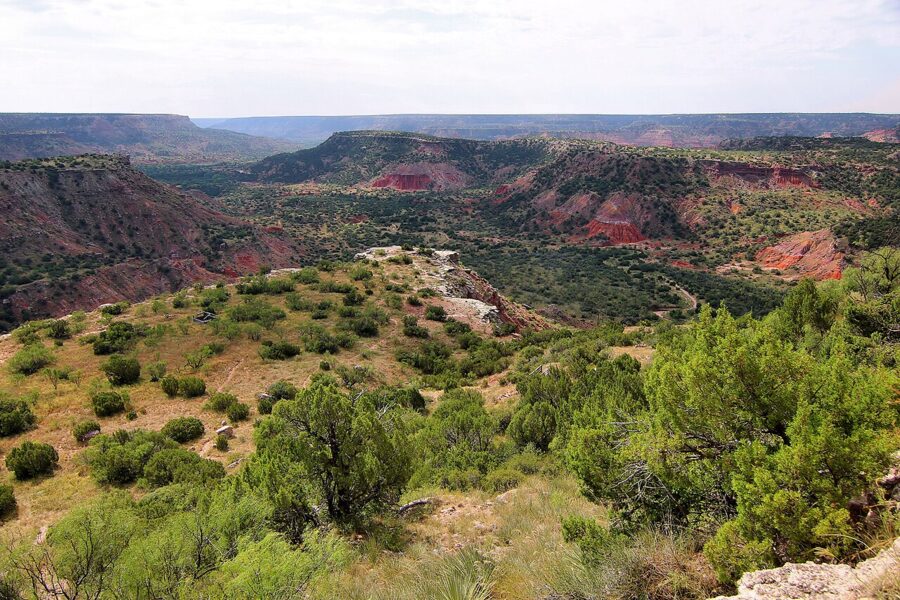
How far is Canyon from Lubbock? About 100 miles north on Interstate 27, roughly an hour and a half. Palo Duro Canyon State Park, the second-largest canyon in the country, is a few miles east of Canyon, so allow about two hours each way.
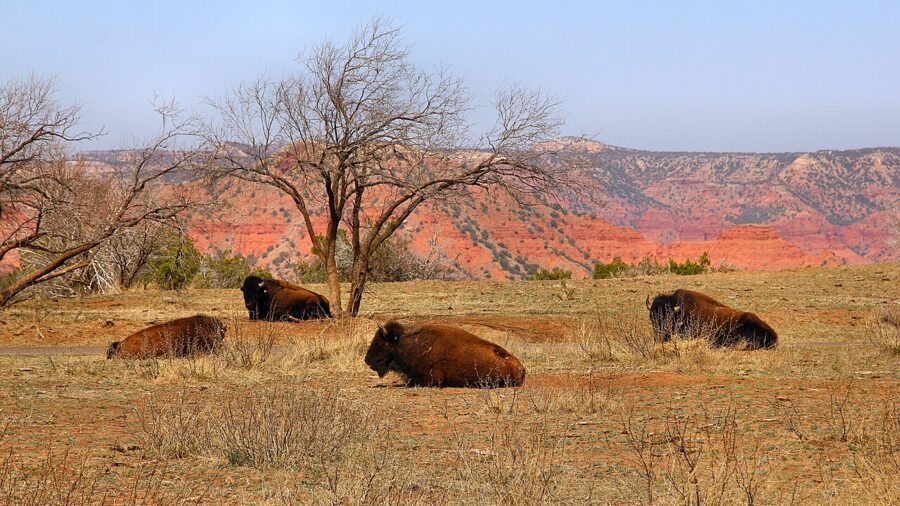
Caprock Canyons State Park, near Quitaque to the northeast, is a similar distance and quieter, with red-rock trails and the official Texas State Bison Herd. Both charge daily entry fees and get very hot in summer.


Lubbock is also a natural stop on longer drives. Heading east, Wichita Falls is about three and a half hours away. Southwest into New Mexico, Carlsbad and its caverns are about the same distance across the oil country of the Permian Basin.
Whichever way you leave, fill up and eat first: past the city limits the High Plains run for long stretches of cotton, wind turbines and the odd windmill, the kind Lubbock has spent half a century collecting.