Morristown’s best sight costs nothing: Morristown National Historical Park, where about 10,000 soldiers of Washington’s army sat out the brutal winter of 1779 to 1780 in log huts they built themselves. Give the park most of one day, then spend a second on the town around it, a compact county seat about 30 miles west of Manhattan with a colonial Green, a working 19th-century farm, a 124-acre arboretum and a downtown packed with restaurants and bars.

Nearly everything below is within a 15-minute drive of the Green. Hours and prices are from each site’s own pages as of November 2026, and several places keep short or seasonal schedules, so check opening days before anything else.


On this page
- Morristown in brief: where it is and how to get there
- Morristown National Historical Park
- The Morristown Green and downtown
- Fosterfields Living Historical Farm
- The Frelinghuysen Arboretum
- Museums and historic houses
- Parks and trails beyond the national park
- Nights out: the Mayo Performing Arts Center
- Morristown through the year
- Where to eat and drink
- When to go and how long to stay
- A one- or two-day plan
- Getting around and practical notes
Morristown in brief: where it is and how to get there
Morristown is the seat of Morris County in North Jersey, a town of 20,180 people at the 2020 census on about three square miles, wrapped almost entirely by the separate municipality of Morris Township. That split matters only for addresses: Fosterfields and the Frelinghuysen Arboretum carry Morris Township addresses but sit a few minutes from the Green. The town calls itself the military capital of the American Revolution because the Continental Army wintered here twice, in 1777 and again in 1779 to 1780.
The nearest big airport is Newark Liberty International, roughly 25 miles to the southeast and usually 30 to 45 minutes by car outside rush hour. LaGuardia and JFK are farther and slower through New York traffic. Morristown Municipal Airport, just east of town, handles private and business aviation rather than airline flights.
By car, Midtown Manhattan is around 30 miles away, which can mean an hour or well over it depending on the tunnels. Interstate 287 and Route 24 meet at the edge of town, and Philadelphia is roughly a two-hour drive. That puts Morristown among the easier day trips from NYC, though it rewards an overnight more than most.

The train to New York
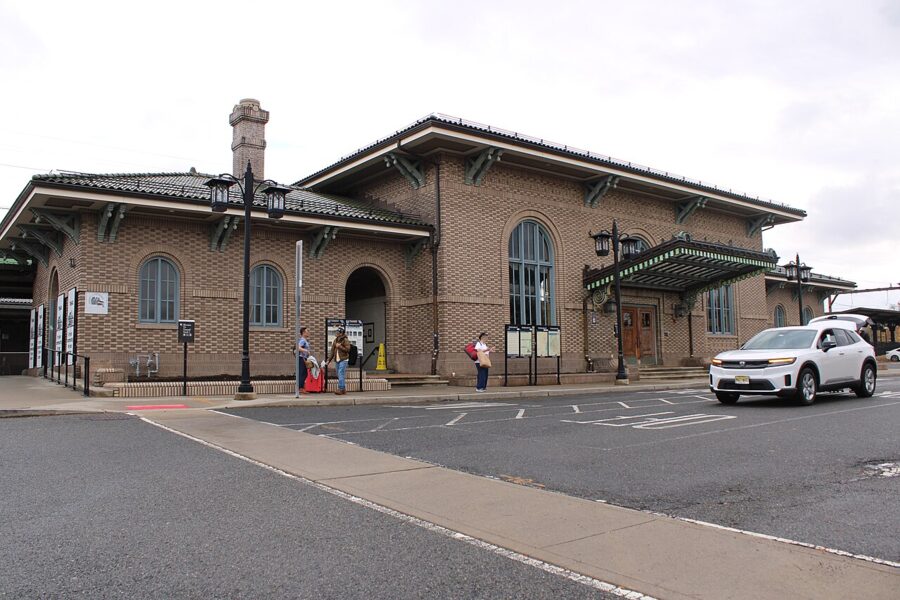
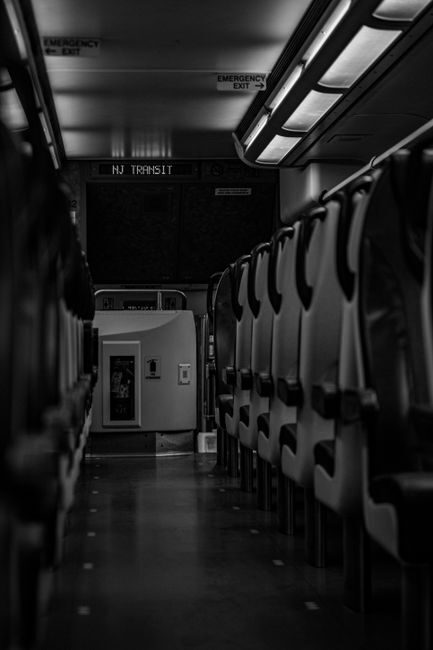
NJ Transit’s Morristown Line is the reason so many New Yorkers visit without a car. Midtown Direct trains run between Morristown and New York Penn Station, with a stop at Secaucus Junction, and the current timetable (effective November 15, 2026) shows typical trips of about an hour. Weekday Midtown Direct trains were diverted to Hoboken from October 11 to November 14, 2026, while the new Portal North Bridge was cut into service; NJ Transit has since restored regular service into Penn Station.
From Newark Liberty by rail you take the AirTrain to the airport station, ride a Northeast Corridor train to Secaucus Junction and change there for a Morristown Line train. It works, but with luggage a car service or rental is simpler. If you are flying home from Newark, check Newark airport security wait times before you leave Morristown, since the drive and the checkpoint together can eat two hours on a bad afternoon.
What kind of place it is
Morristown is a prosperous commuter town with a real downtown, not a museum village. Office towers share the streets with Federal and Victorian houses, and on Friday nights South Street fills with diners from across the county. History is the reason to come; the restaurants and the walkable center make the weekend easy.
Morristown National Historical Park
The park protects four separate areas: Washington’s Headquarters and the Ford Mansion in town, Fort Nonsense on the hill above it, Jockey Hollow about a 15-minute drive south, and the New Jersey Brigade area with the Cross Estate Gardens just beyond. There is no entrance fee for any of it, and the National Park Service does not sell the standard annual pass here.
The winter it commemorates was, by the reckoning of weather historians the park cites, the worst of the 18th century. The park counts more than twenty snowfalls that season, including a January 3 to 5, 1780 storm that left feet of snow, while the army cut around 2,000 acres of trees for roughly 1,200 huts and firewood. Continental paper money was so devalued that fifty dollars bought a silver dollar’s worth of goods, and Nathanael Greene wrote that the army was without meat and bread.
Valley Forge is the better-known camp, but the NPS points out its winter of 1777 to 1778 was only average. What killed men there was inexperience and poor sanitation: an estimated one to three thousand died at Valley Forge, against about one hundred at Morristown, where the huts were built to a far better standard.
| Site | Open (as of November 2026) | Price | Allow |
|---|---|---|---|
| Park grounds, all four areas | Daily from sunrise; closing time changes with the season (5pm from November) | Free | Half a day to a full day |
| Washington’s Headquarters Museum, 30 Washington Place | Thursday to Monday, 9:30am to 4:30pm | Free | 1 hour |
| Ford Mansion | Guided tours only, Thursday to Monday; free passes at the museum desk | Free | About 1 hour with the tour |
| Jockey Hollow Visitor Center, Tempe Wick Road | Thursday to Monday, 9:30am to 4:30pm | Free | 2 to 4 hours with the huts and a walk |
| Wick House | Thursday to Monday; hours vary, ask at the visitor center | Free | 30 minutes |
All park buildings close on Thanksgiving Day, December 25 and January 1, and the NPS has announced that every building will be shut from January 4 to February 12, 2027. The grounds and trails stay open through that closure, so a winter visit still works if you only want to walk.
Washington’s Headquarters Museum and the Ford Mansion
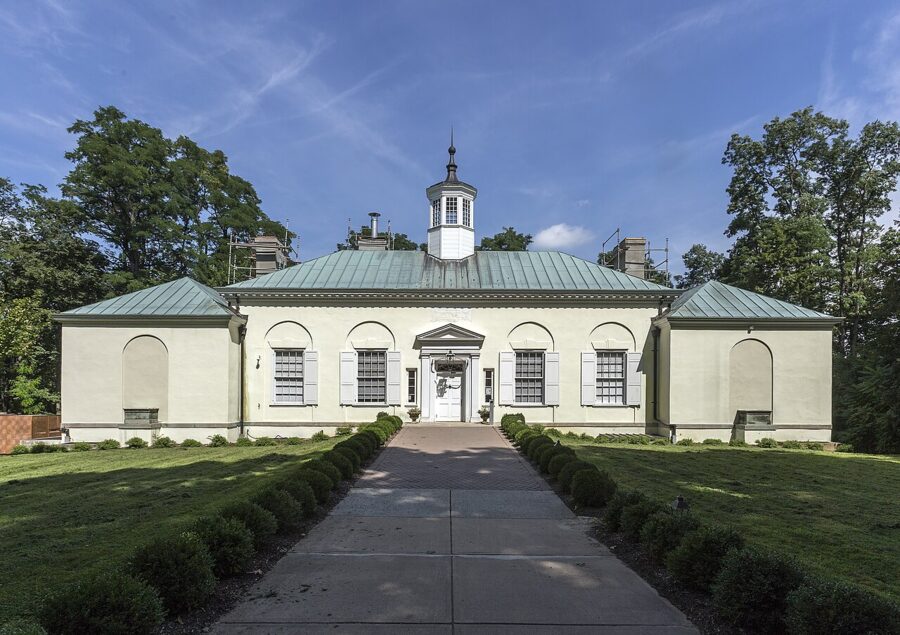

Start here, at 30 Washington Place, a short walk or drive east of the Green. The museum covers the encampments, the Continental Army’s supply crisis and Washington himself, and it is where the free, timed passes for the Ford Mansion are handed out on a first-come basis. The park does not take reservations by phone or online, so on busy weekends the early tours go fast.
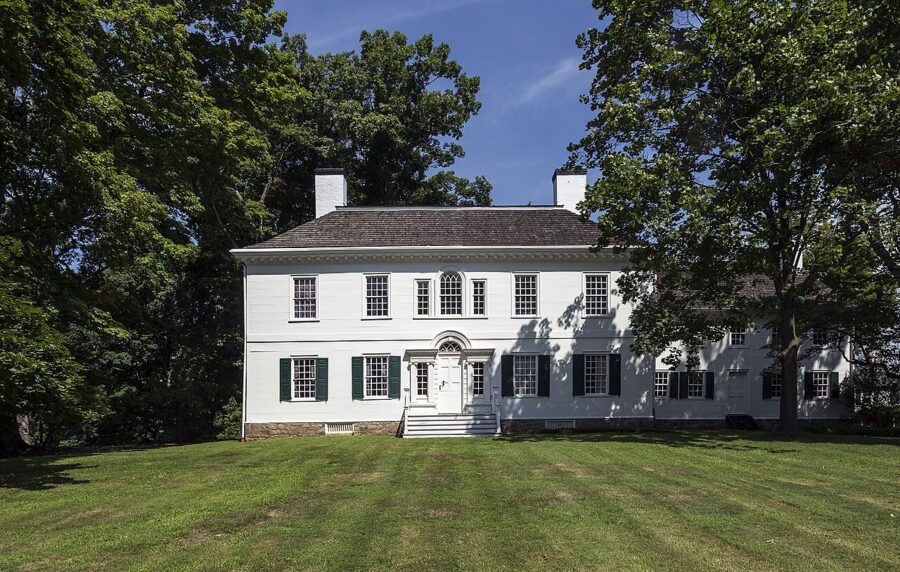
The mansion was built in the 1770s for Jacob Ford Jr., an ironmaster and militia colonel who died early in the war. His widow, Theodosia, invited Washington to use it, and Washington’s household of Martha, five aides, eighteen servants and a stream of visitors took over most of the building while the Fords kept two rooms. Washington wrote to Congress from here pleading for money and supplies, and Benedict Arnold’s court-martial ran in town that same winter.
Jockey Hollow
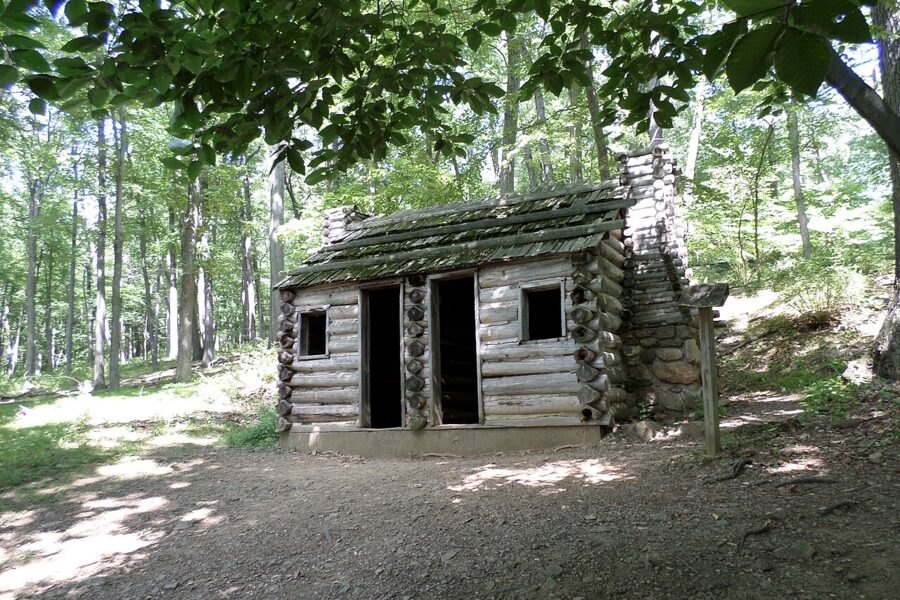
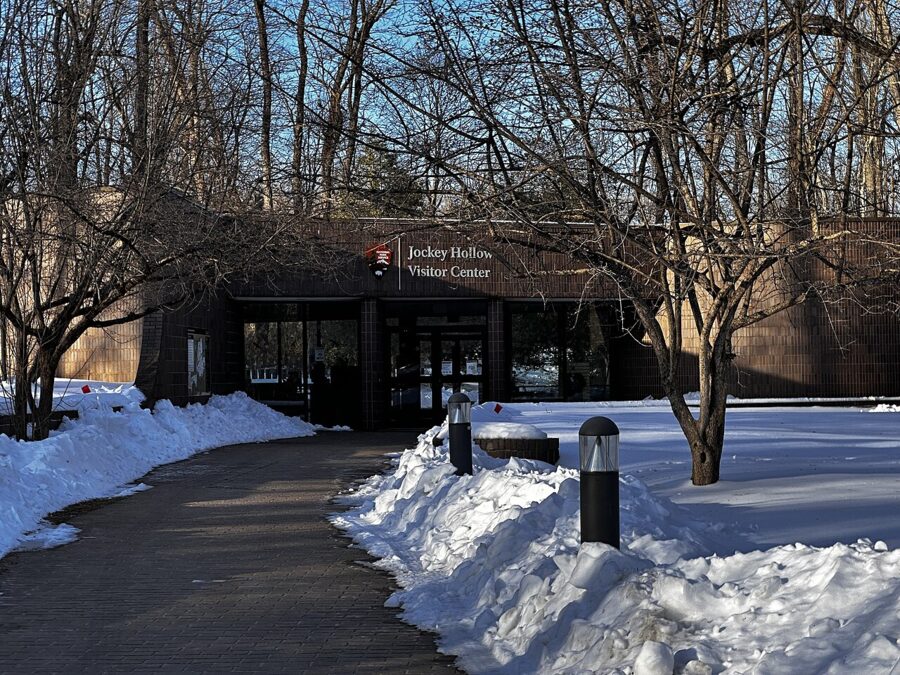
Jockey Hollow, entered from Tempe Wick Road in Harding Township, is where the army actually camped, and it is the part of the park most people remember. The visitor center has a large mural of the encampment, a full-size model of a soldier’s hut and a short film. From there a paved Tour Road loops about three miles past the Grand Parade, the brigade sites and the replica huts of the Pennsylvania Line.

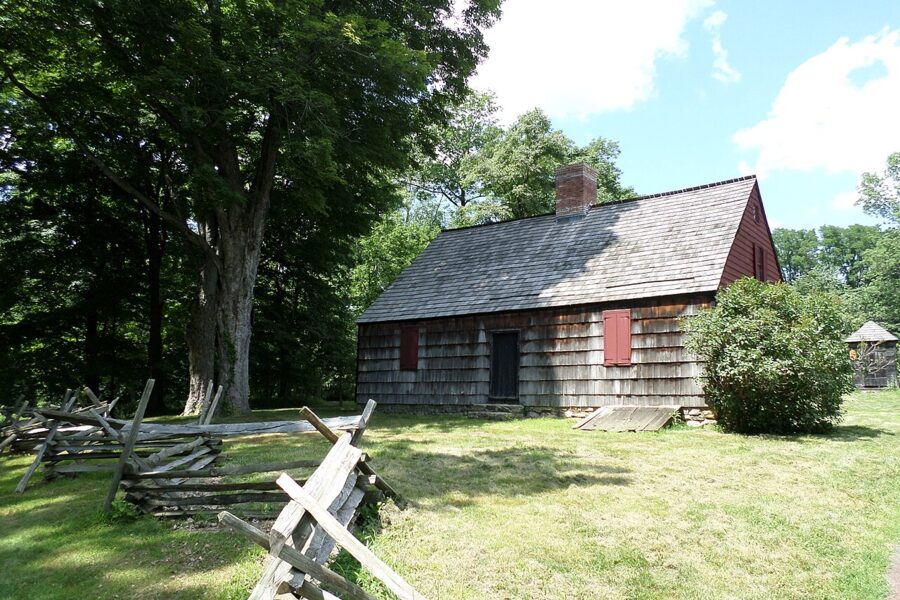
The Wick House, a Cape Cod-style farmhouse built around 1750 by Henry Wick, then the town’s largest landowner, served as the quarters of Major General Arthur St. Clair. The army stripped more than 600 acres of Wick’s woods that winter. The house is furnished as a general’s headquarters, and the kitchen garden and orchard around it are among the best places in the park for birds.

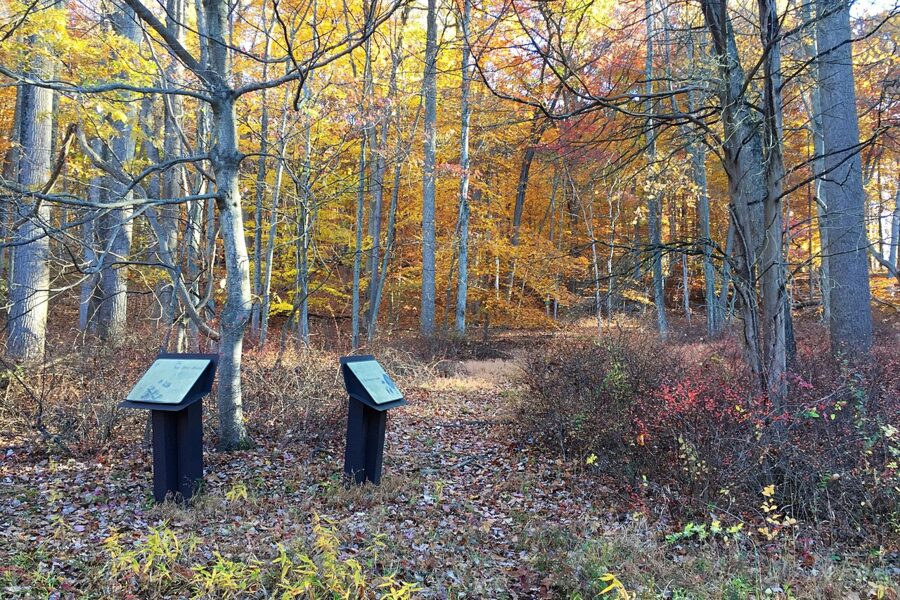
For walking, the park counts roughly 27 miles of marked trails. The 2.25-mile Yellow Trail links the main historic sites, the White Trail, or Grand Loop, is the longest at 6.5 miles, and the Blue Trail, 3 miles round trip, climbs to the best view in the park on Mount Kemble. Bikes are allowed only on the Tour Road and the roads in and out, there are about 10.5 miles of horse trails, and dogs must stay on a leash no longer than six feet.
Fort Nonsense
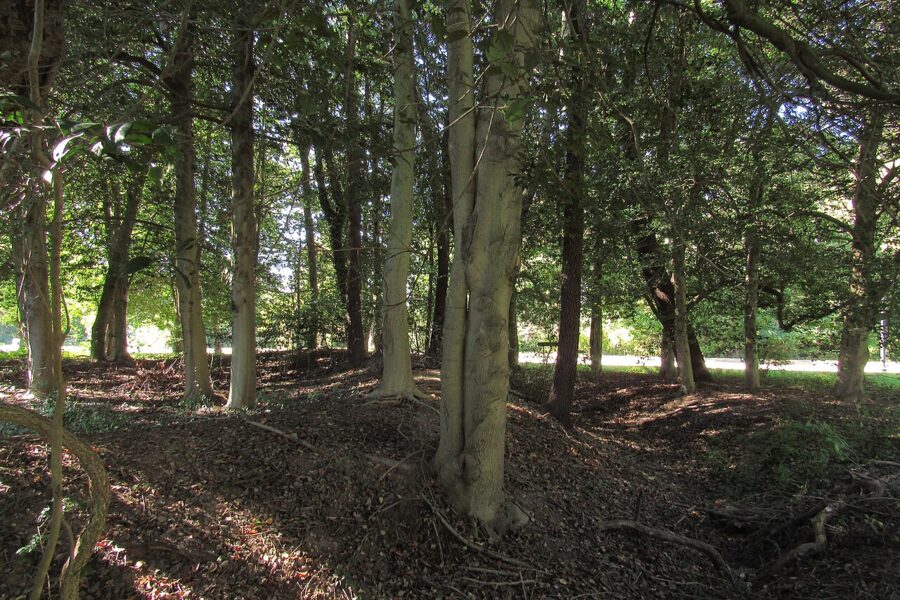

On the ridge above downtown, Fort Nonsense marks the earthwork Washington ordered in May 1777 as a fallback position to guard military stores. The name came later, along with a legend that he had the men dig simply to keep them busy, which the park presents as folklore. It takes 20 minutes, it is free, and the overlook is the quickest way to see how Morristown sits in its ring of hills.
Cross Estate Gardens and the New Jersey Brigade area
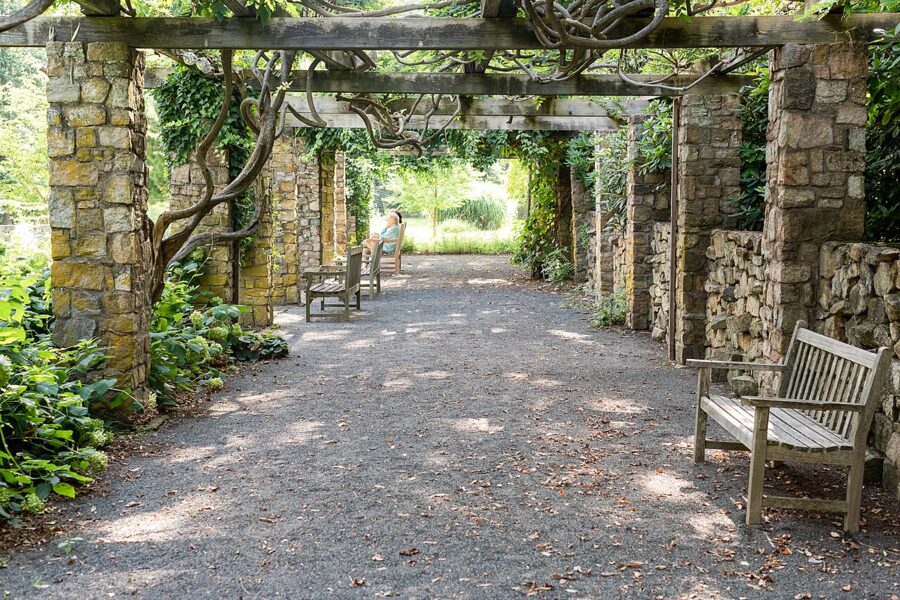

The southernmost piece of the park, off Jockey Hollow Road in Bernardsville, pairs a Gilded Age estate garden with the site where the New Jersey Brigade camped. The Cross Estate Gardens, kept by the New Jersey Historical Garden Foundation with the park, are open dawn to dusk and free: a two-level walled garden, the pergola with its 19 stone columns, and the estate’s tall stone water tower. Allow an hour, more if you walk Patriots’ Path down to the Passaic River footbridge.

The Morristown Green and downtown
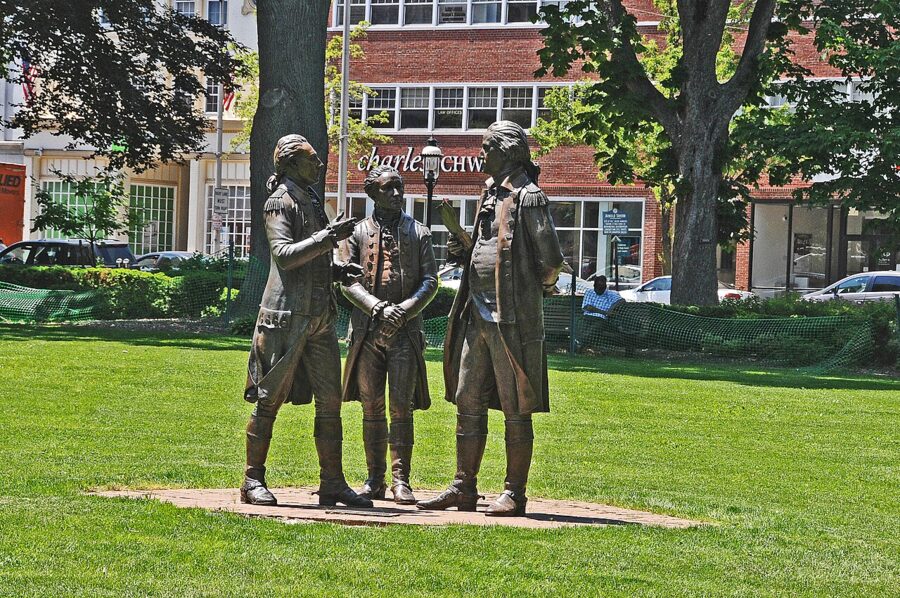
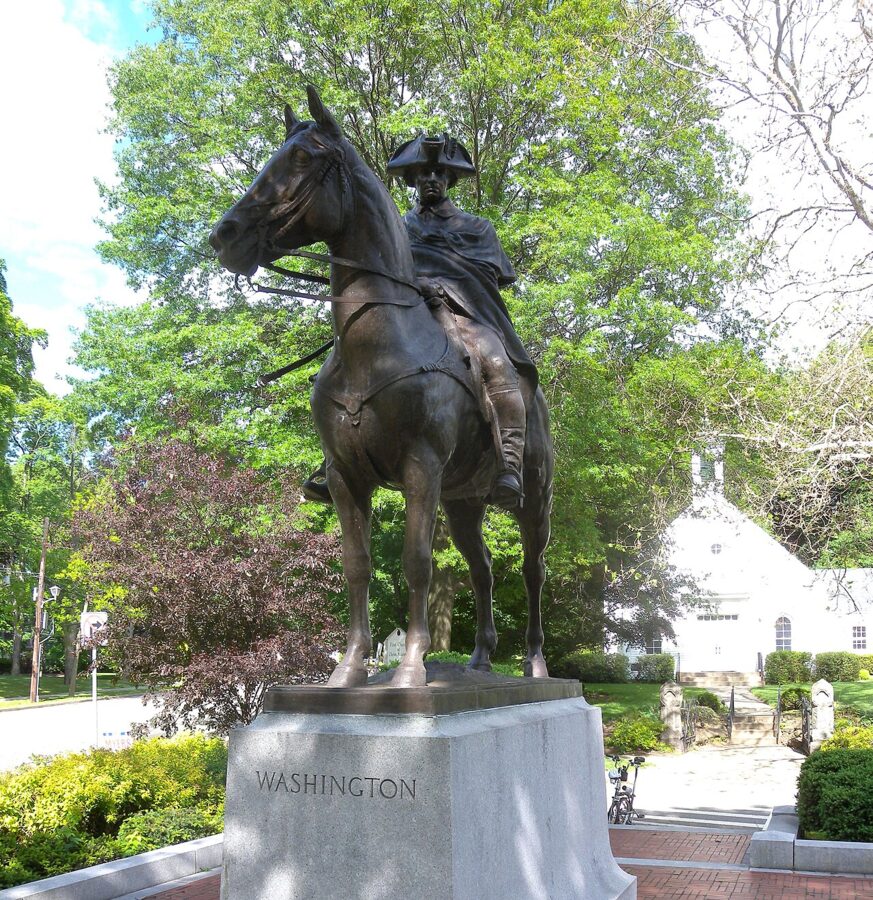
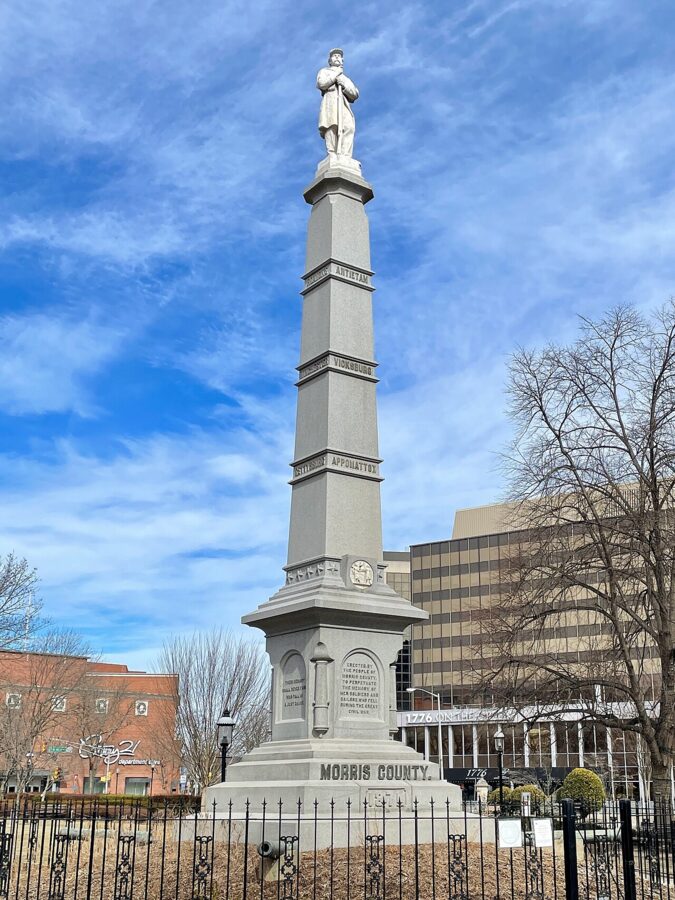
The Green is the heart of town, a square of lawn and old trees ringed by North, South, East and West Park Place. The Presbyterian Church sold it in 1816 to a group of trustees, and the Trustees of the Morristown Green still own and maintain it as public open space. Look for The Alliance, a bronze of Washington, Lafayette and Hamilton, and the 1871 Morris County Civil War Monument, and just off the Green, a bronze of Morris Frank and his dog Buddy: Frank helped bring the guide dog to America, and The Seeing Eye, the school he co-founded, is still based in Morristown.

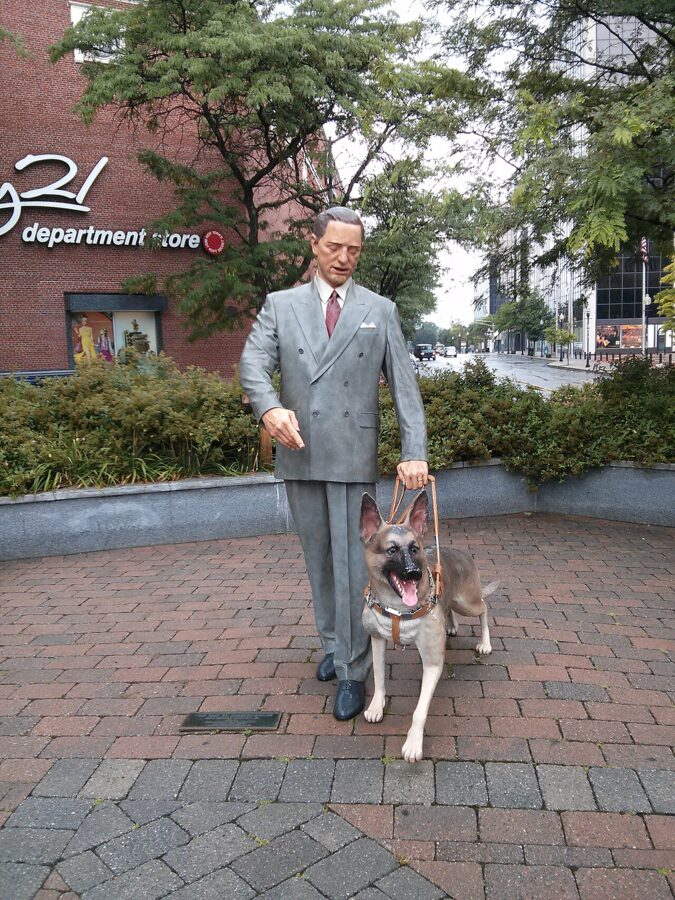

Around the Green, the First Presbyterian Church and its old burying ground sit on East Park Place, and St. Peter’s Episcopal Church, a stone church with a Norman-style tower, stands a short walk to the south. Farther along South Street, the Vail Mansion, long the town’s municipal building, fronts a reflecting pool and the town’s World War I memorial. All of this is free to look at from the street, and the whole loop takes about an hour.
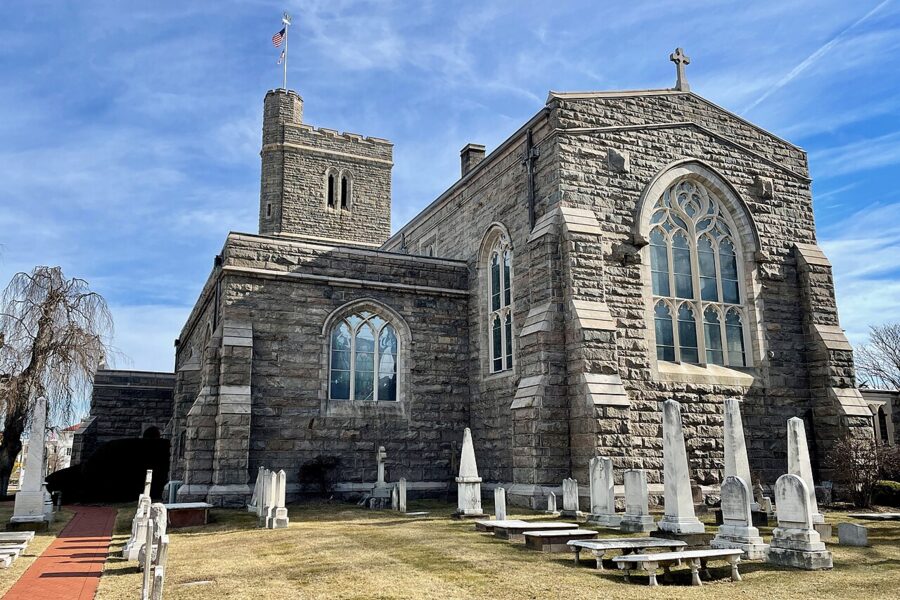

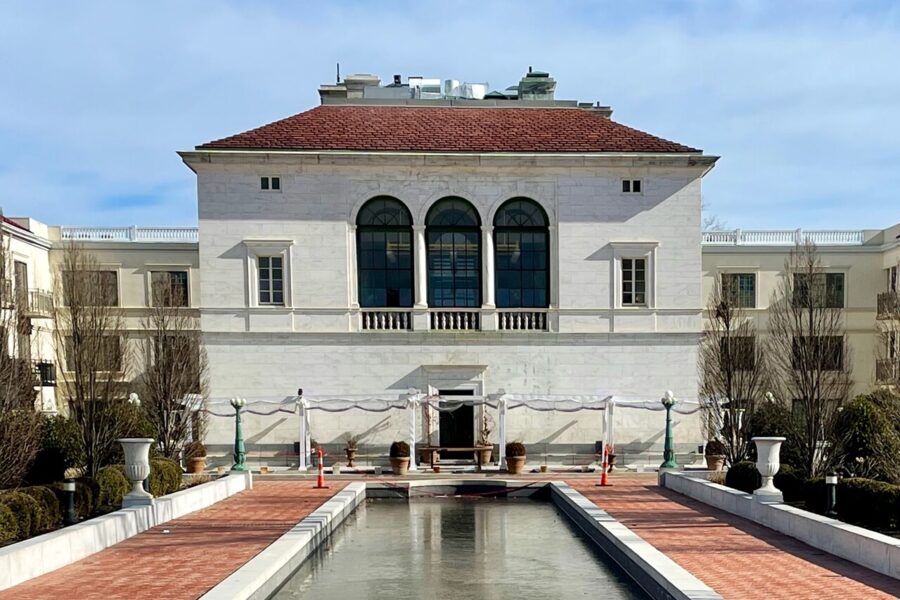

Shopping downtown is mostly independent boutiques plus the stores of Headquarters Plaza, and the town’s events, listed by month below, center on the Green.
Fosterfields Living Historical Farm
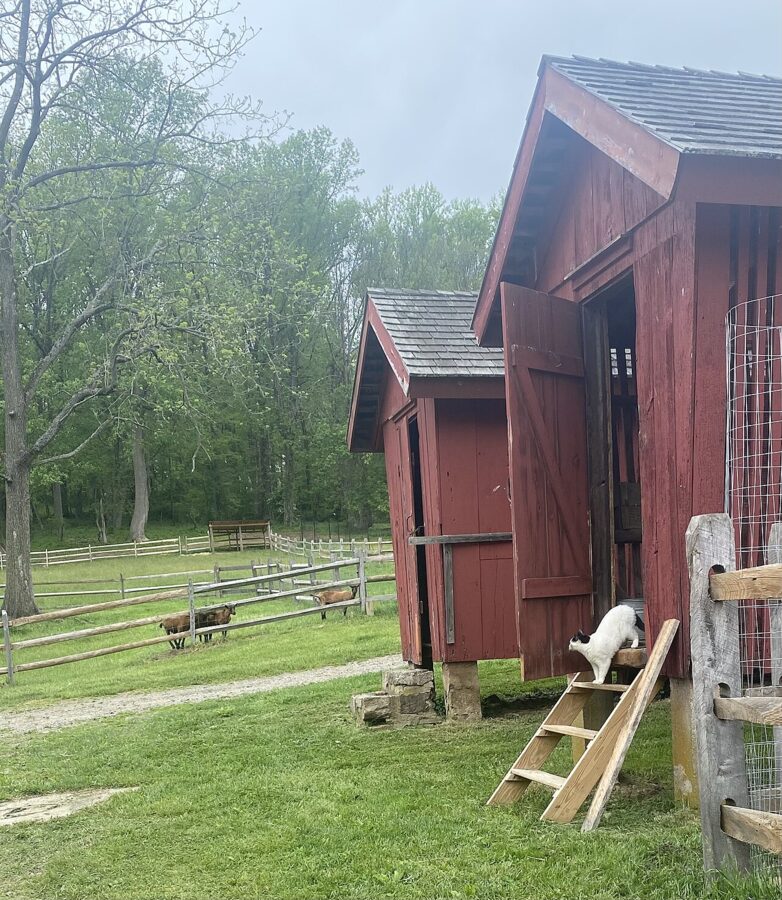

Fosterfields, at 73 Kahdena Road in Morris Township, is a working farm run by the Morris County Park Commission as it would have been about a century ago. Charles Foster rented the house from 1879 and bought the estate three years later, and his daughter Caroline lived here for nearly 100 years, leaving it to the county in 1979 as the state’s first designated living historical farm. Expect cows, sheep, goats, pigs, horses and poultry, a visitor center with the exhibition Driving into the 20th Century, and farm tasks you can join.
- Season: April 1 to October 31, with select programs in the off-season.
- Hours: April to June, Wednesday to Saturday, 10am to 3pm; July to October, Wednesday to Sunday, 10am to 3pm. Last admission 3pm.
- Closed: Good Friday, Memorial Day, Juneteenth, July 4, Labor Day and Columbus Day.
- Price: $5 per person, under-3s free; special events cost extra.
- Allow: 2 hours.
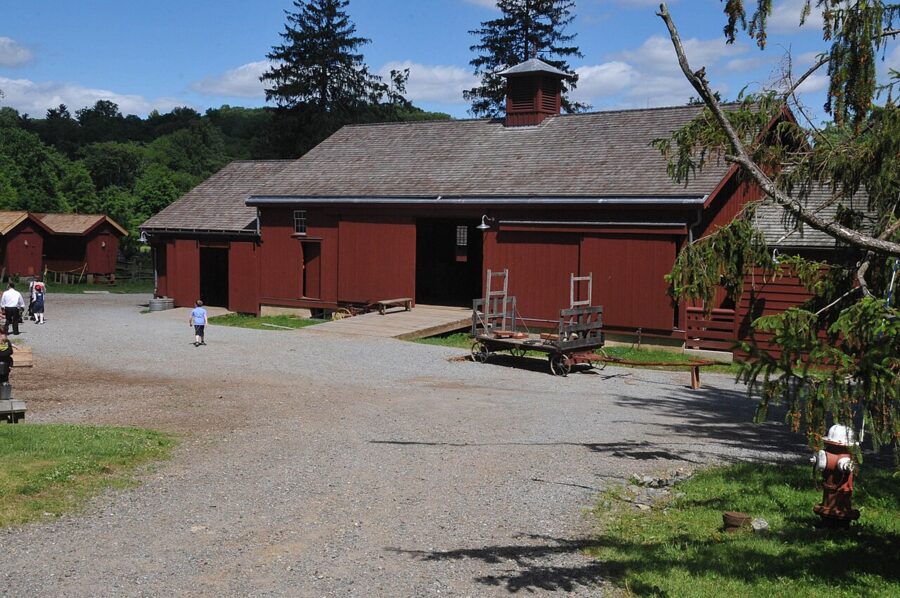

The Gothic Revival house on the property, The Willows, was built in 1854 for General Joseph Warren Revere, a grandson of Paul Revere. It closed for the 2025 season for exterior restoration and opens only on select days, so check the county’s calendar before you plan around seeing inside. Skip Fosterfields entirely from November to March unless a special event is on.
The Frelinghuysen Arboretum
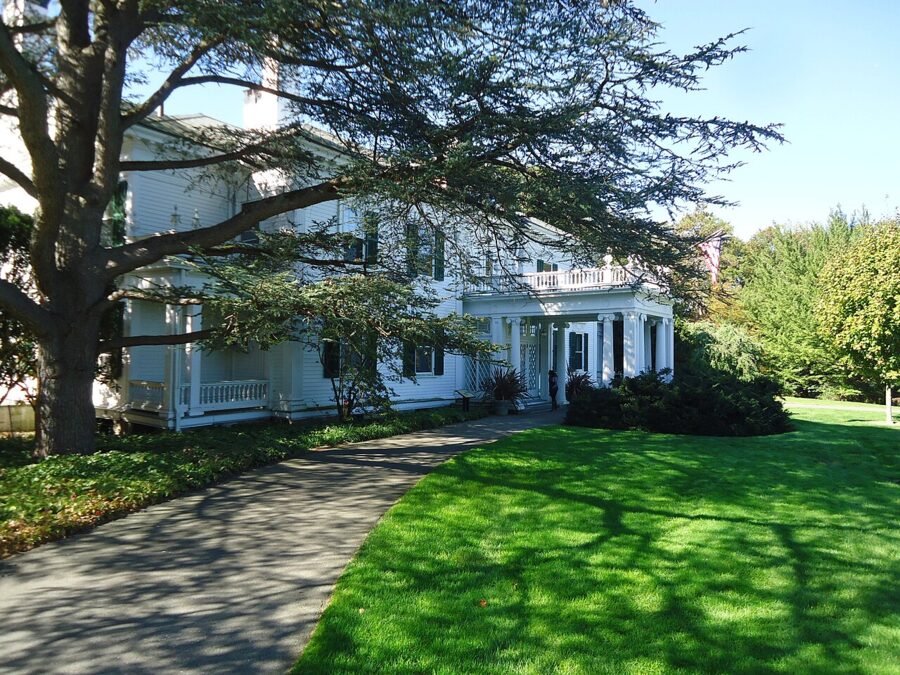
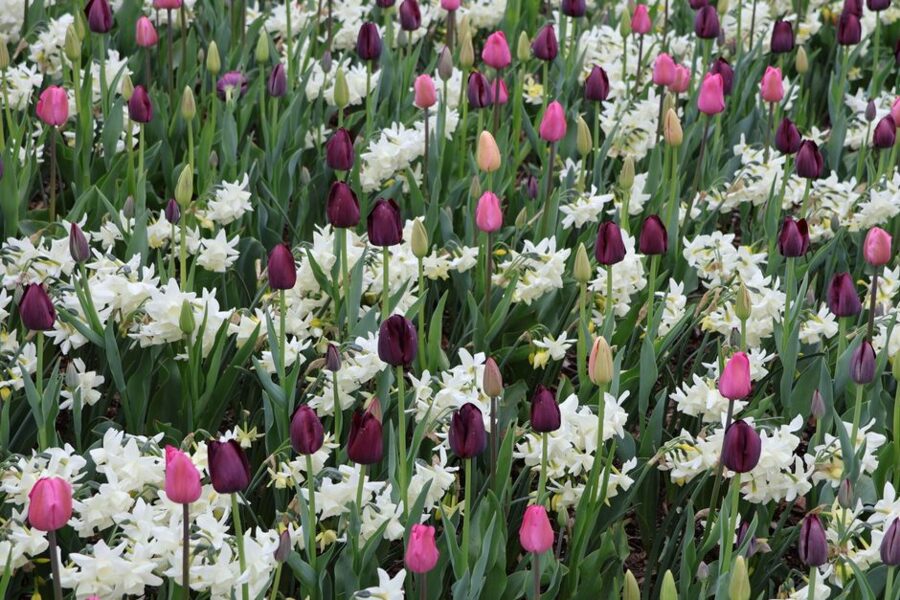
At 353 East Hanover Avenue, ten minutes from the Green, the arboretum spreads over 124 acres of formal gardens, woodland, meadows and walking trails, with nearly 2,000 specimen trees and plantings. The grounds open daily from 8am to sunset and there is no admission charge. The rose garden peaks in early June, the annual beds by the mansion run from late May until frost, and a seasonal cell-phone audio tour covers April through November.
Pets and bikes are not allowed, and no food is sold on site, though picnics on the lawns are welcome. Allow an hour for the gardens near the mansion, two with the woodland trails.
Museums and historic houses
Morristown has more small house museums than one weekend needs, so pick two. Their days are short and staggered: match them to your dates first and your interests second.
Morris Museum
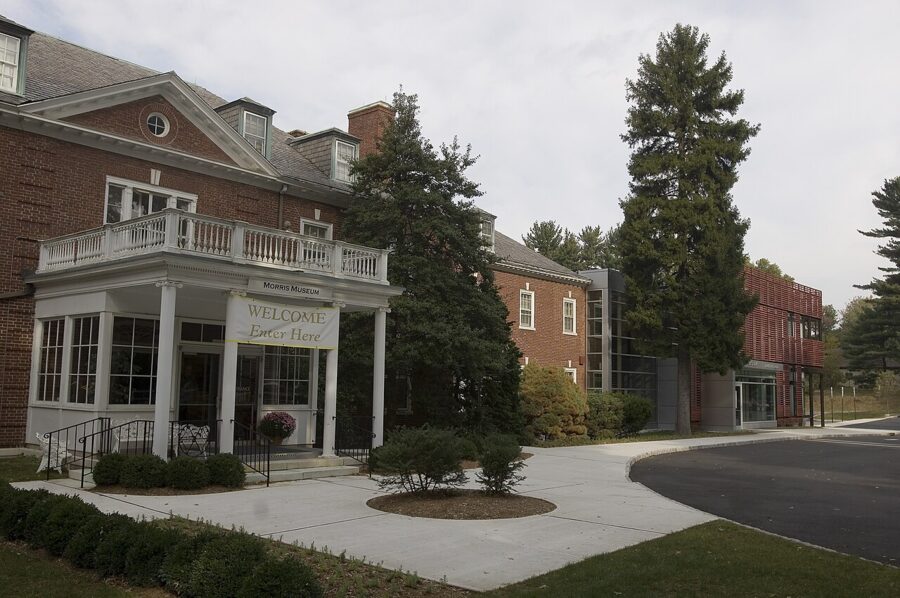

The Morris Museum, at 6 Normandy Heights Road, is the largest museum in town and the best bet for a rainy day. Its standout is the Guinness Collection of mechanical musical instruments and automata, alongside a large model train gallery, an earth science gallery, changing art exhibitions and Spark!Lab, a hands-on invention space for children open Wednesday to Sunday, noon to 4pm.
- Hours: Wednesday to Sunday, 11am to 5pm; closed Monday and Tuesday and on major holidays, including Thanksgiving, Christmas Eve and Christmas Day.
- Price: $15 adults; $10 ages 3 to 17 and students under 25 with ID; free under 3 and for active military plus five family members. A $3 handling fee applies to each ticket.
- Allow: 2 to 3 hours.
Macculloch Hall and the Thomas Nast house
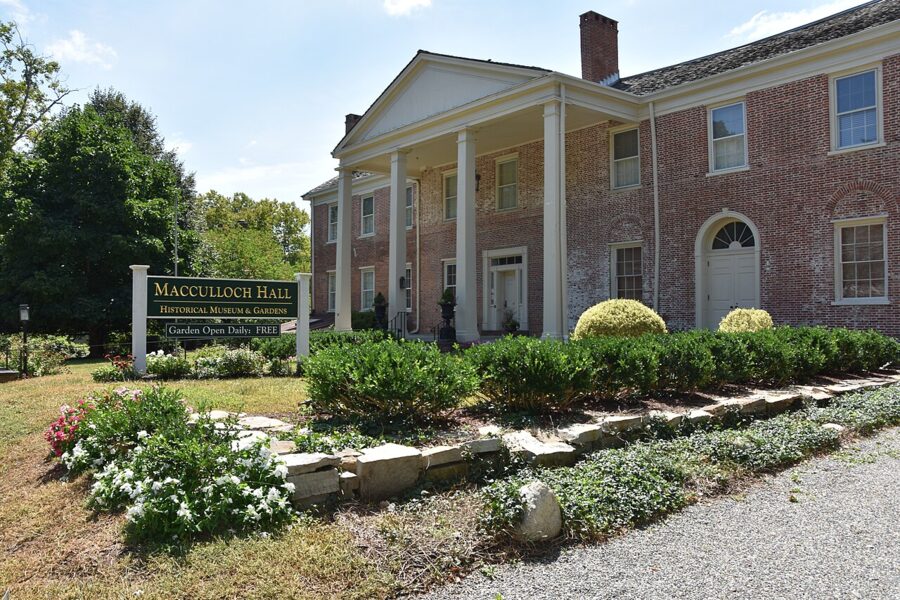

Macculloch Hall Historical Museum, at 45 Macculloch Avenue, holds the largest collection of original work by Thomas Nast, the 19th-century cartoonist who shaped the popular American image of Santa Claus and made the elephant the symbol of the Republican Party. Each holiday season the museum mounts a Nast Christmas exhibit; the 2026 show opened November 21. A full tour of the house takes about 45 minutes.
- Hours: Thursday, Saturday and Sunday, noon to 4pm; other days by appointment. Closed for Thanksgiving (November 26 to 29, 2026) and December 24 to 25.
- Price: $15 adults; $10 seniors and students 17 to 25; $5 ages 5 to 17; free under 5.

Acorn Hall
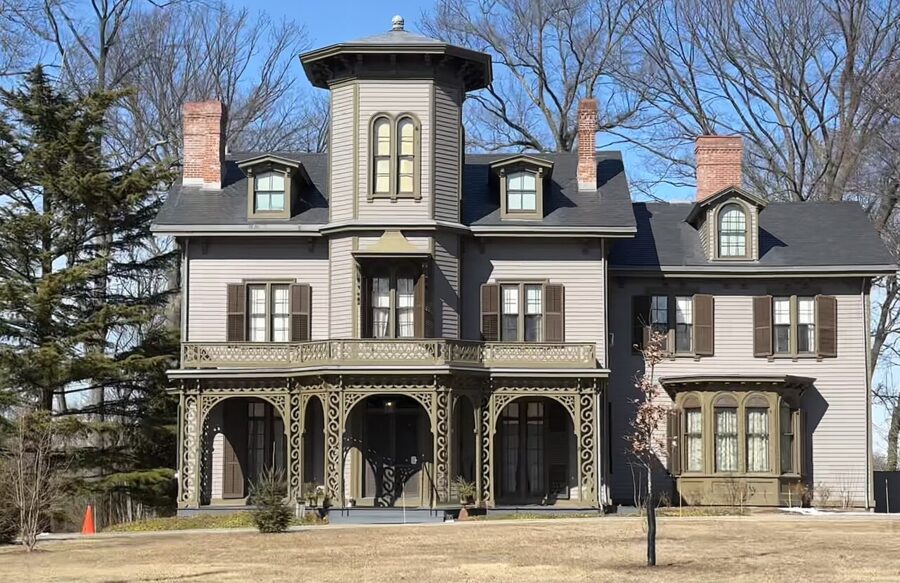

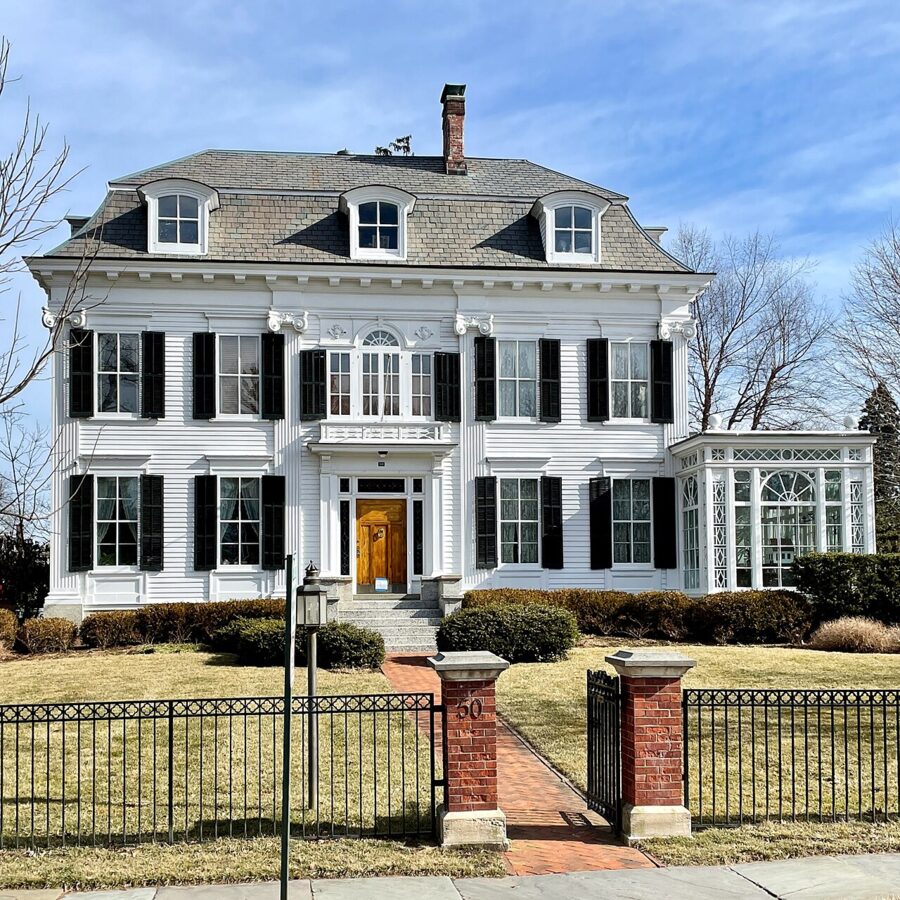
The Morris County Historical Society runs Acorn Hall as a Victorian house museum with period gardens behind it. Its posted hours are Sunday 1pm to 4pm and Tuesday to Thursday 11am to 4pm. Contact the society for the current admission price before you go; the house has also closed for repairs in past summers.
Schuyler-Hamilton House
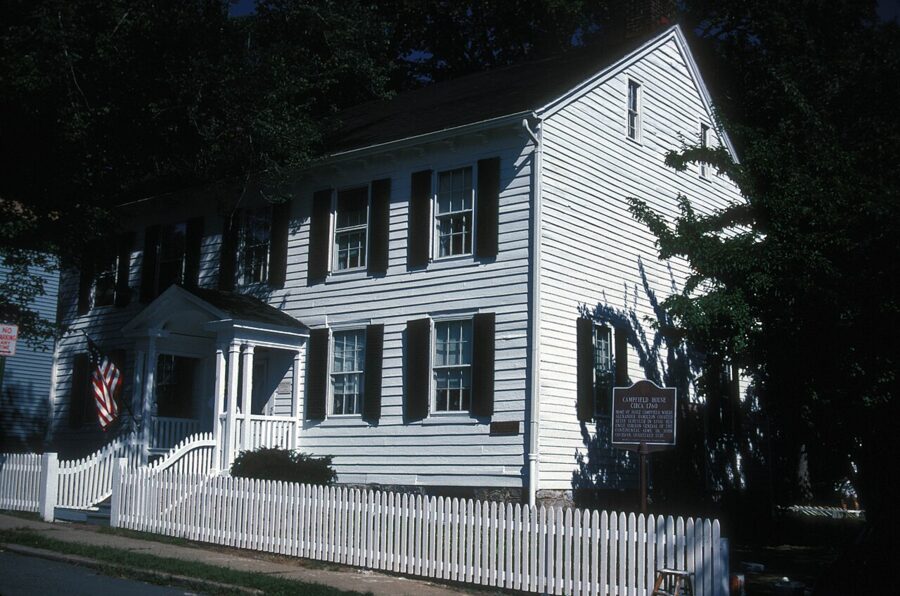

The local chapter of the Daughters of the American Revolution owns this small 18th-century house at 5 Olyphant Place, a few blocks east of the Green. Tours run on Sundays from 1pm to 4pm, except during scheduled special events. It is a 30-minute stop, best for anyone who came to Morristown because of the Hamilton story.
Historic Speedwell
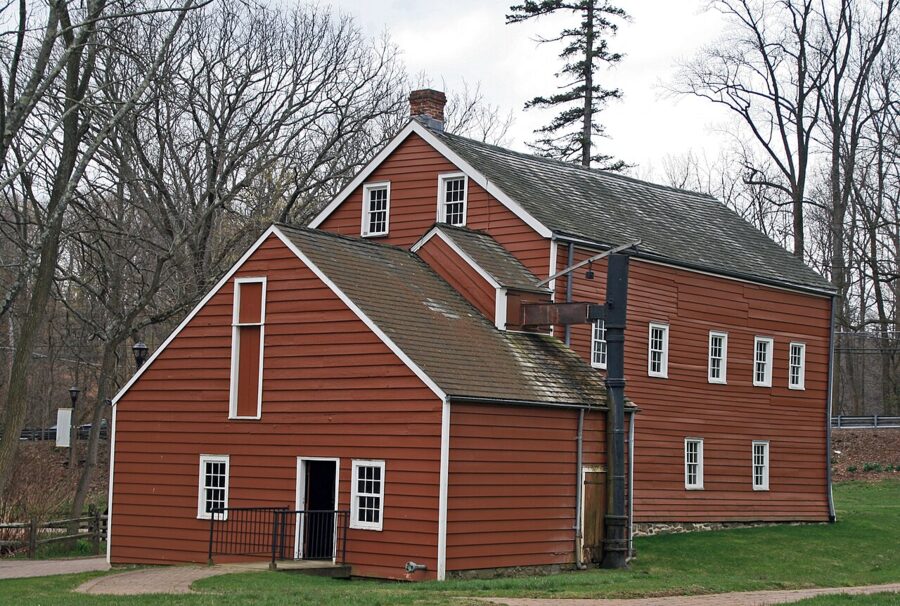

Historic Speedwell, at 333 Speedwell Avenue, preserves the ironworks and homestead of Judge Stephen Vail, whose works built parts of the engine for the S.S. Savannah, the first steamship to cross the Atlantic. Admission includes exhibits on the telegraph and the ironworks, demonstrations and crafts, a 24-foot waterwheel and a guided tour of the furnished Vail House that lasts about 30 minutes. It opens April 1 to October 31, Thursday and Saturday, 10am to 3pm, for $5 (5 and under free).

Parks and trails beyond the national park
Three of Morris County’s best parks are within 15 minutes of the Green, and all are free to enter.
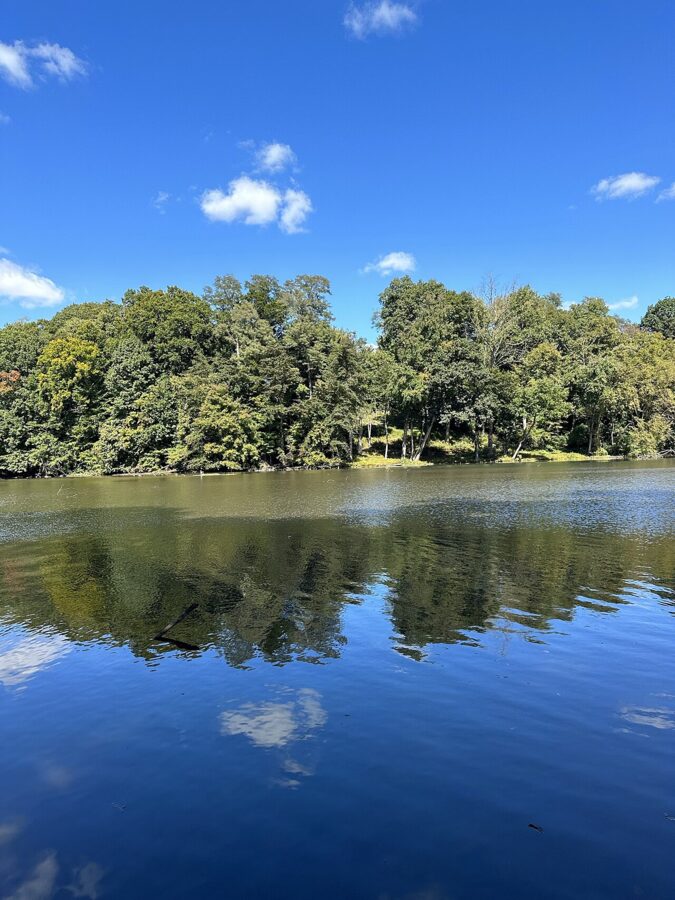
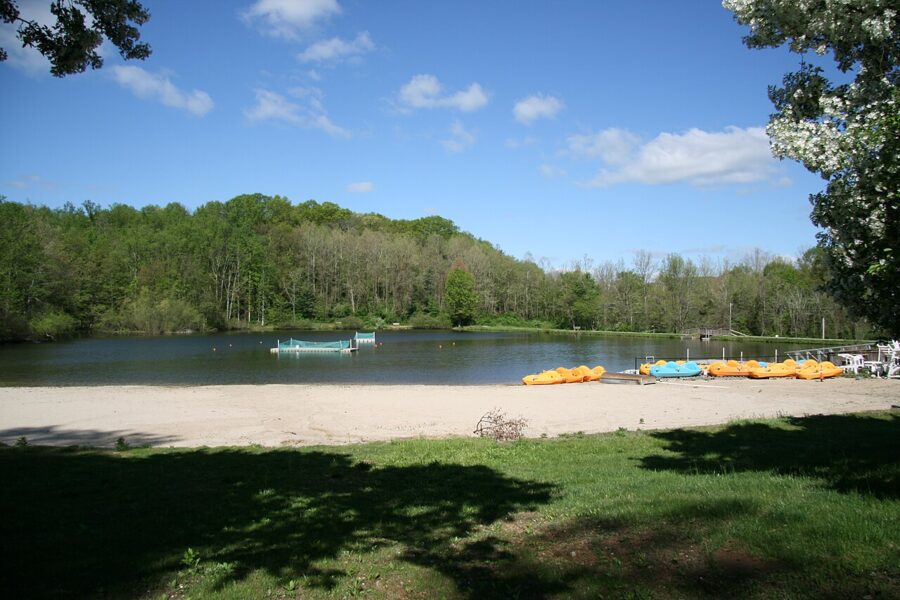
Lewis Morris County Park, on Mendham Road beside Jockey Hollow, covers more than 2,000 acres with around 25 miles of trails shared by hikers and mountain bikers. Its Sunrise Lake Beach Club, with a sand beach, paddle boats and a water slide, operates in summer only. Because bikes are banned on the Jockey Hollow trails, this is where local riders go instead.

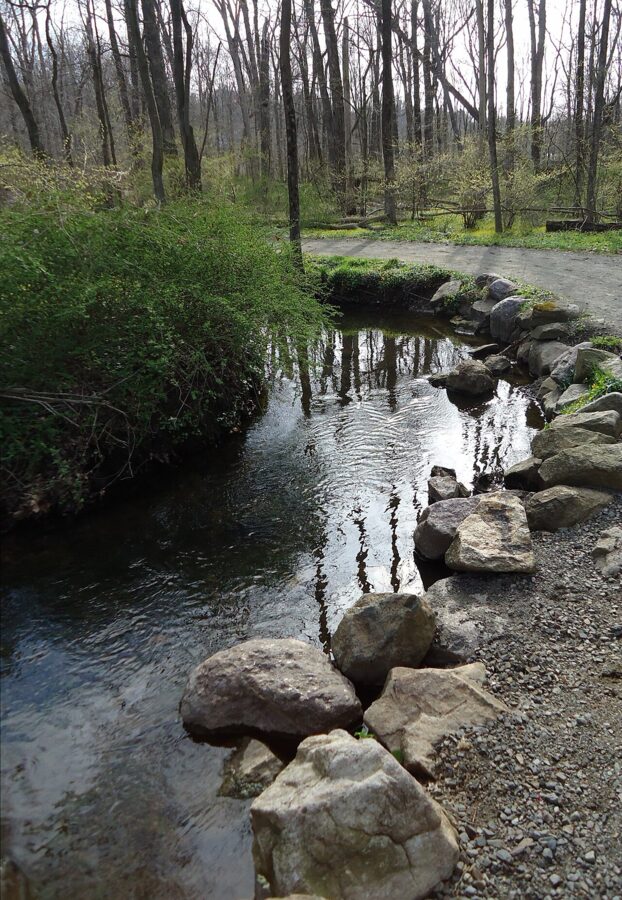
Loantaka Brook Reservation, southeast of town off South Street, has a paved path for walking, running and cycling along the brook, plus bridle trails and the Seaton Hackney Stables. It is flat, shaded and a good choice with children or a stroller.
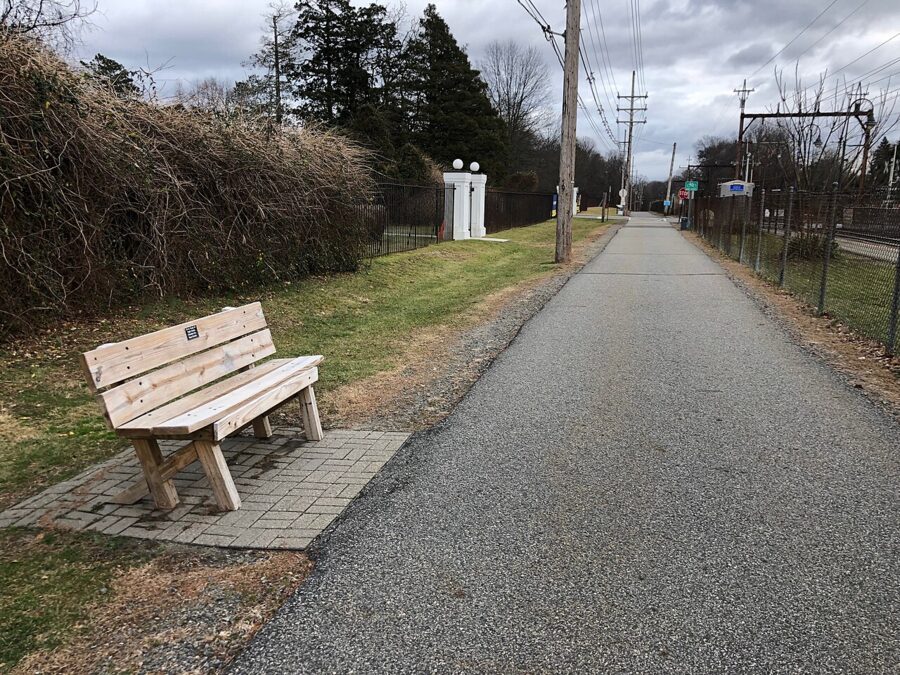
The Traction Line Recreation Trail follows the bed of an old trolley line from Morristown toward Madison, past Convent Station and the long privacy wall built for Florence Vanderbilt Twombly’s estate. It is paved, mostly straight and handy for a run from a downtown hotel.

Great Swamp National Wildlife Refuge
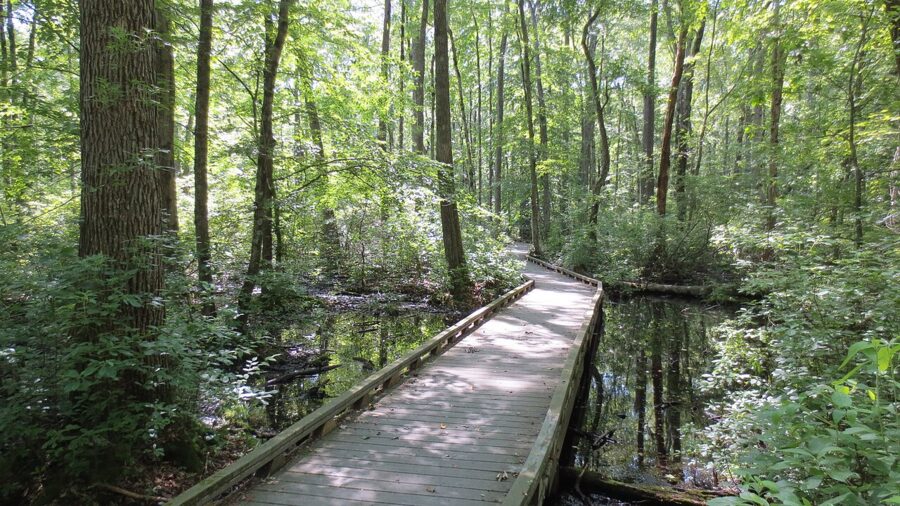
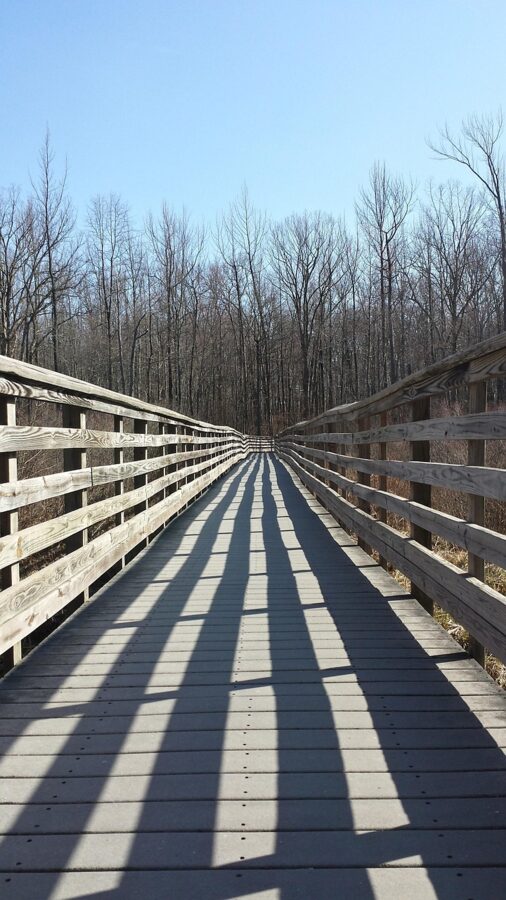
About 15 to 20 minutes south, the Great Swamp National Wildlife Refuge is open daily from sunrise to sunset, and its boardwalks at the Wildlife Observation Center on Long Hill Road are the easiest way in. Spring migration and late fall are the best times for birds, while summer means mosquitoes. Allow 1 to 2 hours, and check with the refuge for the Helen C. Fenske Visitor Center’s hours, which it does not publish in a fixed form.

Nights out: the Mayo Performing Arts Center
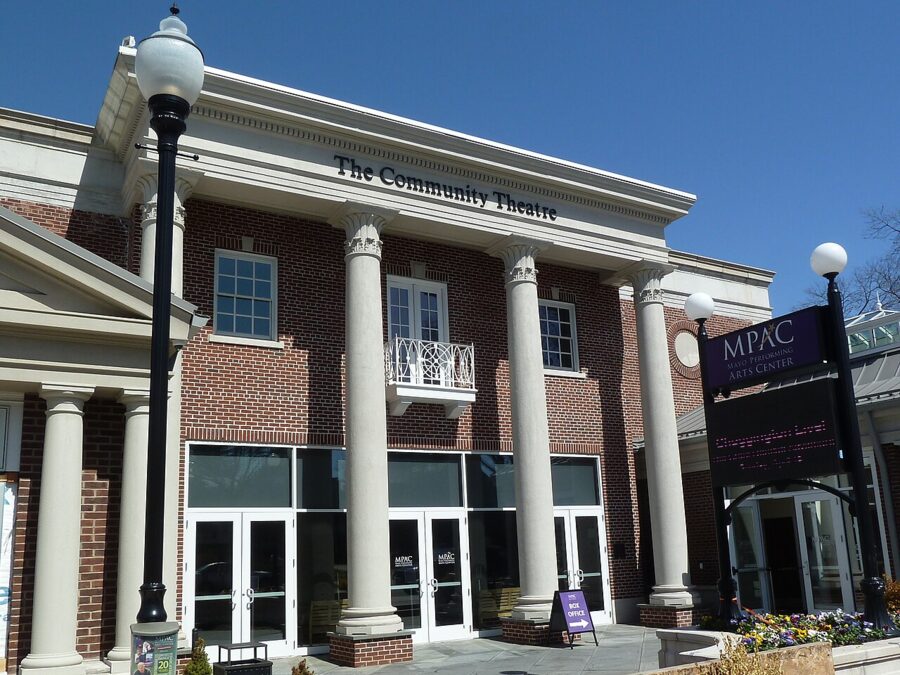

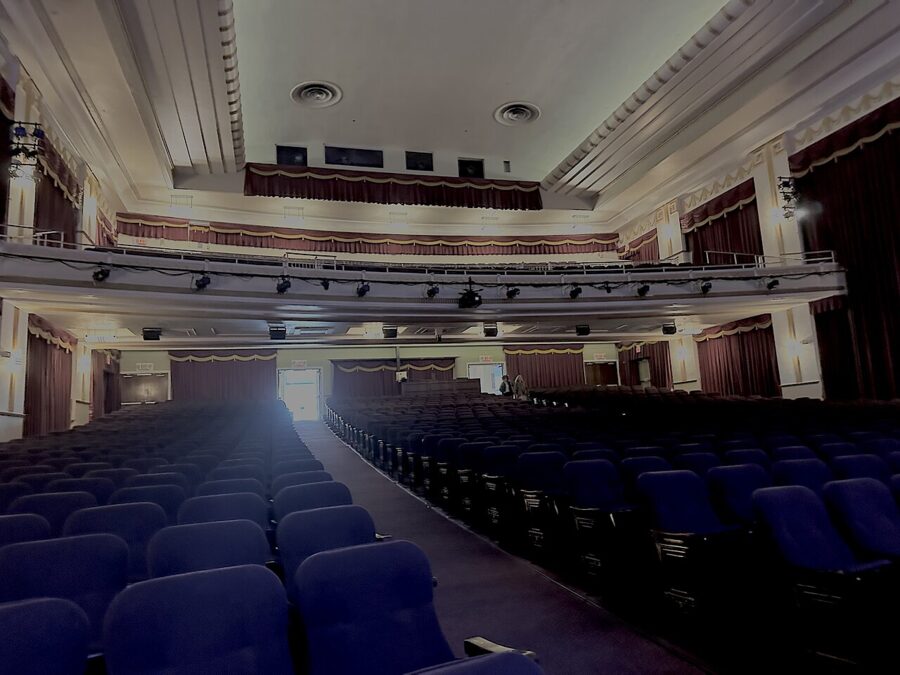
Mayo PAC, at 100 South Street, books concerts, comedy, dance, theater and film through the year, and a show here is the easiest way to turn a day trip into an evening in town. Ticket prices vary by show, so check the calendar before you plan dinner around it. Downtown restaurants are a few minutes’ walk away, and the town’s parking decks are close by.

Morristown through the year
The Morristown Partnership, the downtown business district, runs most of the big town events. Its 2026 calendar, with dates for the year ahead to be confirmed on its website, looked like this:
| When | What | Notes |
|---|---|---|
| April | Morristown Restaurant Week | April 20 to 24 in 2026, with dozens of downtown restaurants taking part |
| Late April to June | Gardens in bloom | Cross Estate wisteria and Frelinghuysen roses peak late May to early June |
| June to November | Morristown Farmers Market | Sundays, 8:30am to 1pm; June 21 to November 22 in 2026 |
| Late September | Morristown Festival on the Green | Sunday, September 27, 2026, noon to 5pm, rain or shine |
| October | Fall color in Jockey Hollow | Fosterfields’ last month of the season; downtown trick-or-treat on October 30, 2026 |
| Late November to December | Christmas Festival at the Morristown Green | Opening Saturday, November 28, 2026, then weekends through December 20 |
| January to February | Quiet season | Park buildings close January 4 to February 12, 2027; trails stay open |
Where to eat and drink
Downtown Morristown is dense with restaurants, and several of the best are BYO, so a stop at a liquor store first is a local habit. Every place below was open as of late October 2026, and all are a short walk from the Green unless noted.
Lunch and casual meals. South + Pine (90 South Street, BYO) does creative, affordable American plates and is popular for its lunch specials. The Address (20 South Street) serves Greek and Mediterranean food with a prix-fixe lunch at $25 or $30 as of October 2026. Pierogies House (45 Morris Street, BYO) is the cheap, filling choice: pierogies, kielbasa and soup.
Pizza and burgers. Coniglio’s (11 South Street, BYO) bakes wood-fired pies and makes pastas and Italian-style plates. The Committed Pig (28 West Park Place, BYO) has about a dozen burgers on the menu and suits a family lunch.
Dinner. The Morris Proper (100 Morris Street) cooks farm-to-table American food in a 12,000-square-foot room. Roots Steakhouse (40 West Park Place) and Masseria Italian Steakhouse (Headquarters Plaza) cover prime and dry-aged beef. NOM Mexican Table + Tequila Bar (67 Morris Street) makes guacamole at the table.
Blue Morel, in the Westin Governor Morris at 2 Whippany Road, a mile from the Green, is the upscale New American choice, with sushi and a raw bar.
Drinks. The Office (3 South Street) is known for its craft beer list, Tashmoo (8 DeHart Street) has been a casual bar since 2006, and Stirling Tavern (150 South Street) mixes cocktails alongside local beers. TOWN Bar + Kitchen (80 Elm Street) has an upstairs patio for warm evenings, and Parkside Tavern (9 Speedwell Avenue) sits by the movie theater for a burger before or after a film.
When to go and how long to stay
Late April through June and mid-September through October are the best times. Spring brings the gardens; fall brings the color in Jockey Hollow and the Festival on the Green, and both seasons have every attraction open with mild walking weather. Summer is hot and humid but everything runs, including Fosterfields on Sundays and the Sunrise Lake beach.
Winter is cold, often snowy and short on open doors. Fosterfields and Historic Speedwell close from November through March, the national park’s buildings shut from January 4 to February 12, 2027, and most house museums keep thin schedules. The upside is the Christmas Festival on the Green in December and an empty, beautiful Jockey Hollow after snow.
One full day covers the national park and the Green. Two days let you add Fosterfields or the Morris Museum, a garden and an unhurried dinner, and that is the right length for most visitors. A third day only makes sense if you want long hikes or the Great Swamp.
A one- or two-day plan
Day one: the encampment and the Green. Be at Washington’s Headquarters Museum at 9:30am, Thursday to Monday, take a pass for the first Ford Mansion tour and see the museum while you wait. Then drive 15 minutes to Jockey Hollow for the huts and the Wick House, and walk the Yellow Trail or climb the Blue Trail to Mount Kemble. Lunch late in town, walk the Green and South Street, and end with dinner or a show at Mayo PAC.
Day two: farms, gardens and a museum. From April to October, start at Fosterfields at 10am and picnic at the Frelinghuysen Arboretum. Finish at the Morris Museum, or at Macculloch Hall on a Thursday or weekend. In the off-season, swap Fosterfields for Fort Nonsense, the Cross Estate Gardens and the Great Swamp boardwalks.
Two days here also pair well with a night somewhere farther out if you are building a trip from the list of weekend getaways from NYC.
Getting around and practical notes
Is Morristown walkable? The downtown is: the station, the Green, South Street, the Morris Street restaurants, Macculloch Hall, Acorn Hall, the Schuyler-Hamilton House and the Ford Mansion are all within about a mile of each other. You will need a car, taxi or rideshare for Jockey Hollow, Fosterfields, the Frelinghuysen Arboretum, the Morris Museum and the county parks.
Parking. The Morristown Parking Authority manages more than 3,600 public spaces downtown in decks, lots and metered streets, and most meters take ParkMobile. Rates change, so check the meter or app rather than relying on an old figure. The national park sites, the arboretum, Fosterfields and the county parks all have free lots.
Tickets. Nothing in the national park needs advance booking, and the park takes none. The Morris Museum sells dated tickets online or at the door, and the county’s historic sites can be booked through the Morris County Park Commission’s website. Popular Mayo PAC shows sell out, so buy those first and plan the rest of the day around them.
Local rules. Stay on marked trails in Jockey Hollow, where riding a bike off the paved road is prohibited, and keep dogs on a six-foot leash. Leave dogs at home for the arboretum, which bans pets. Ticks are common in the parks from spring to fall, so check after every walk in tall grass.
Save the Ford Mansion for a Thursday to Monday morning, and get your tour pass the moment the museum desk opens at 9:30am: it is the one thing in Morristown you can miss by arriving late.