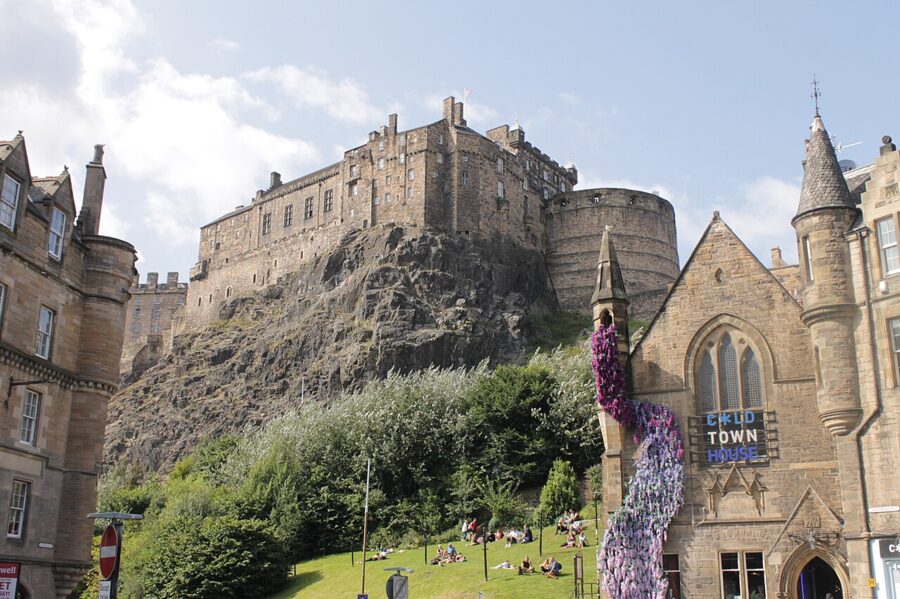
Build a first trip around Edinburgh, the Isle of Skye and Glen Coe. Those three give you the castle-and-cobbles Scotland and the mountains-and-sea Scotland in one loop, and a week is enough to drive or ride it without rushing. With ten days, add Inverness, Loch Ness and the Cairngorms. With two weeks and a ferry timetable, add an island group: Mull and Iona, Orkney, or Harris and Lewis.
The far north and the outer islands rank lower only because they cost a day each way to reach; for some people they will be the best thing in Scotland.

Prices are in pounds with dollars in brackets, at about $1.31 to the pound; hours and prices come from each attraction’s own site as of November 2026.

On this page
The short answer: who each place suits
- First trip, one week: Edinburgh, then Glen Coe and Fort William, then Skye, back through Inverness.
- Castles and history: Edinburgh, Stirling, Urquhart on Loch Ness and the Culloden battlefield.
- Mountains and walking: Glen Coe, Ben Nevis, Skye’s Trotternish ridge and the Cairngorms.
- Without a car: Edinburgh, Glasgow, Stirling, Inverness and Oban are all on the rail network, and Mull and Iona work by ferry and bus.
- Beaches and big skies: Harris in the Outer Hebrides, and the northwest coast around Assynt.
- Prehistory: Orkney, where the stone village of Skara Brae is older than the pyramids at Giza.
- Whisky: Speyside for the number of distilleries, Islay for the peat.
Asked for the prettiest part of Scotland, most people who have seen both coasts say the west Highlands and Skye. The east is drier and gentler, which is a good reason to give it a day too.
The best places to visit in Scotland, ranked
1. Edinburgh
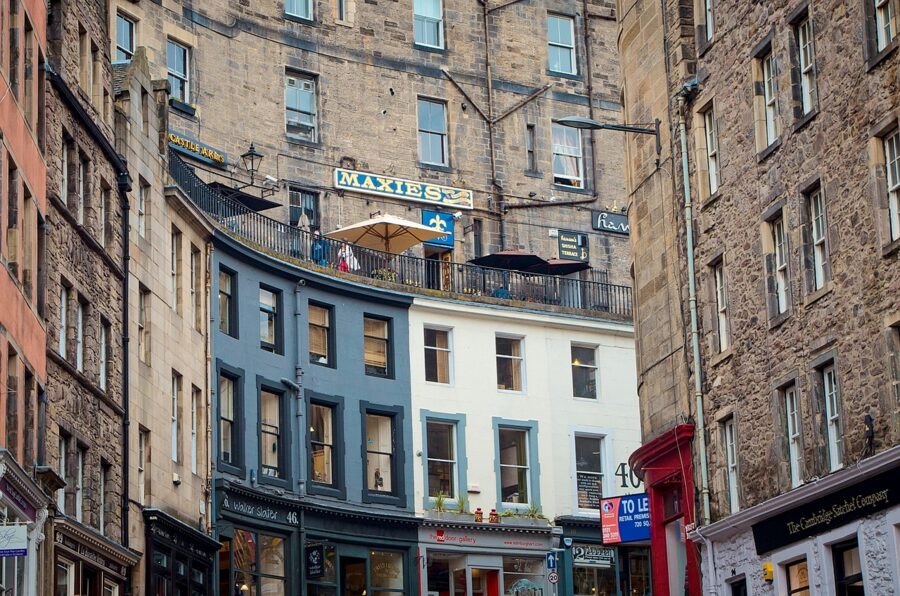
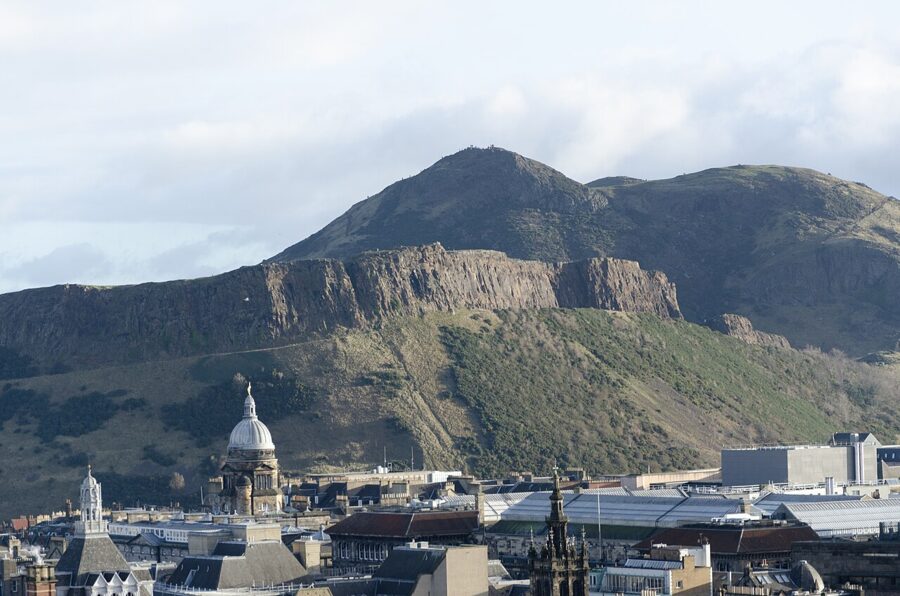
The capital packs a medieval spine, the Royal Mile, against a planned Georgian New Town, and UNESCO lists the two as one World Heritage Site. Walk the Mile downhill from the castle to the Palace of Holyroodhouse, then climb Arthur’s Seat, 251 meters (823 feet), for the view back over the rooftops; most people reach the top in under an hour. The National Museum of Scotland on Chambers Street is free, open daily 10am to 5pm, with a rooftop view of the castle.
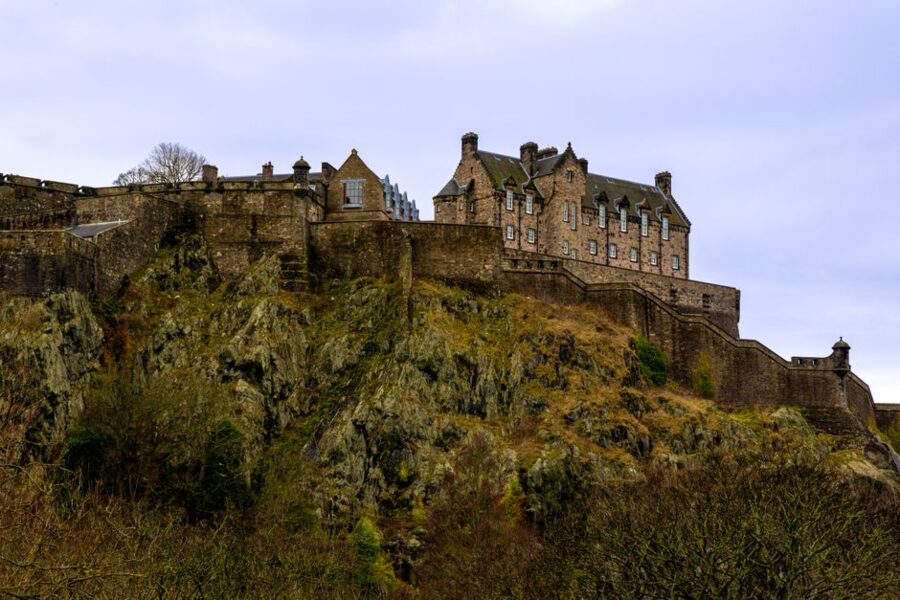
Edinburgh Castle is the one ticket to book ahead: as of November 2026, adult entry is £23.50 (about $31) online or £26 (about $34) at the gate, and once online tickets sell out in summer, none are sold on the day. It opens at 9:30am, closing at 6pm in April through September and 5pm otherwise, with last entry an hour earlier.

Since July 24, 2026, Edinburgh has charged a visitor levy of 5% on paid overnight accommodation, capped at five nights, and it applies to everyone. August belongs to the festivals, led by the Fringe, when rooms are scarce and expensive.
How long: three days. Getting there: Edinburgh Airport has more nonstop flights from American cities than any other Scottish airport, many of them seasonal, and a tram into the center.
2. The Isle of Skye
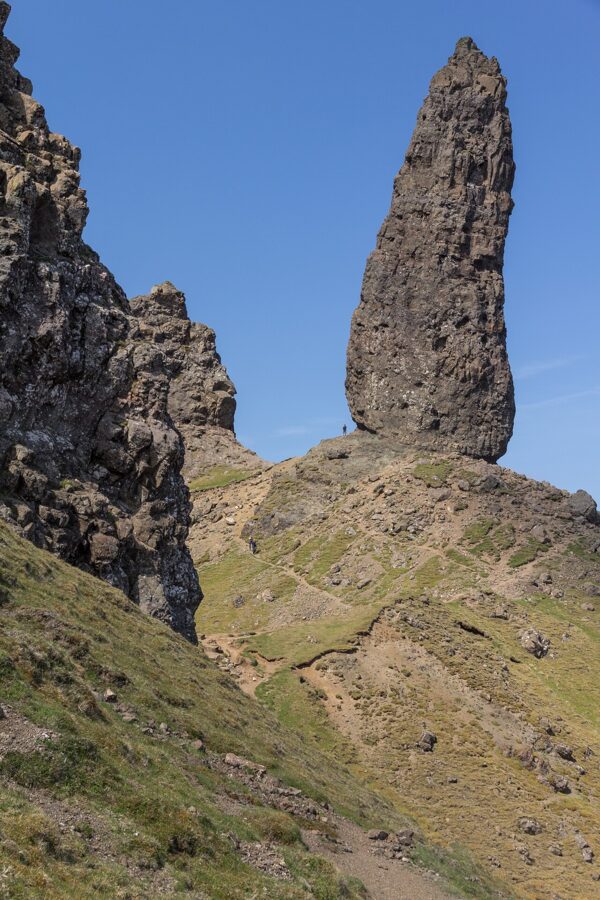
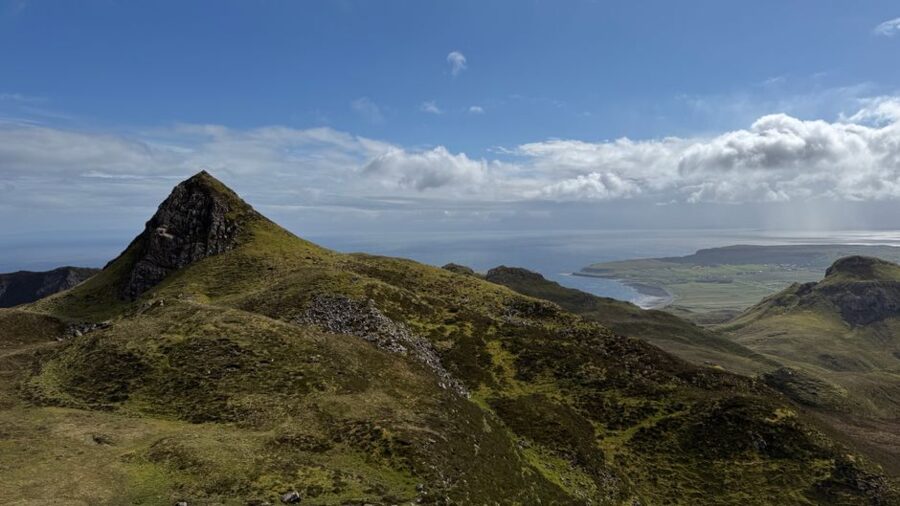
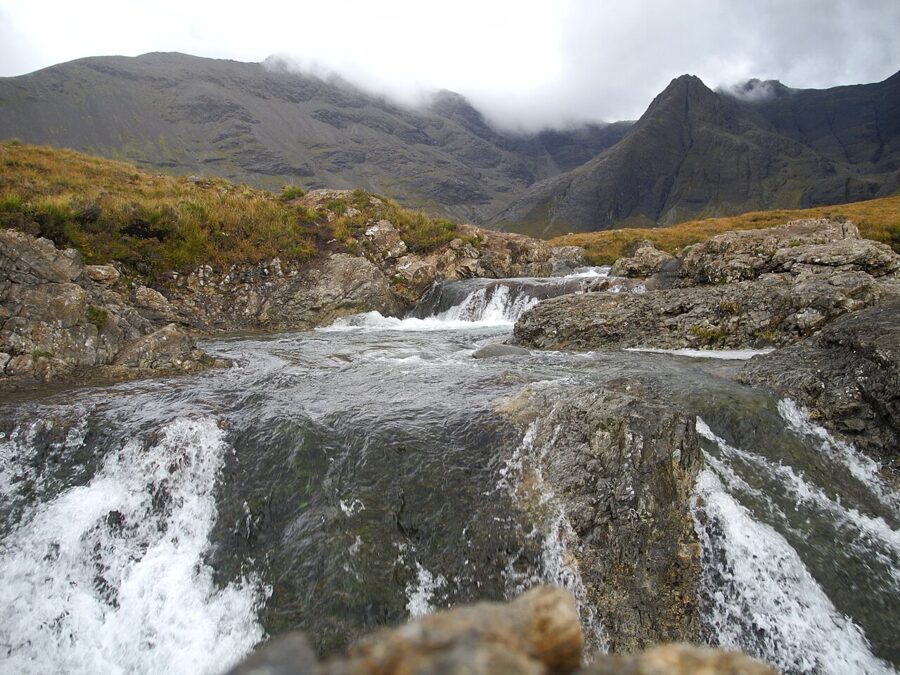
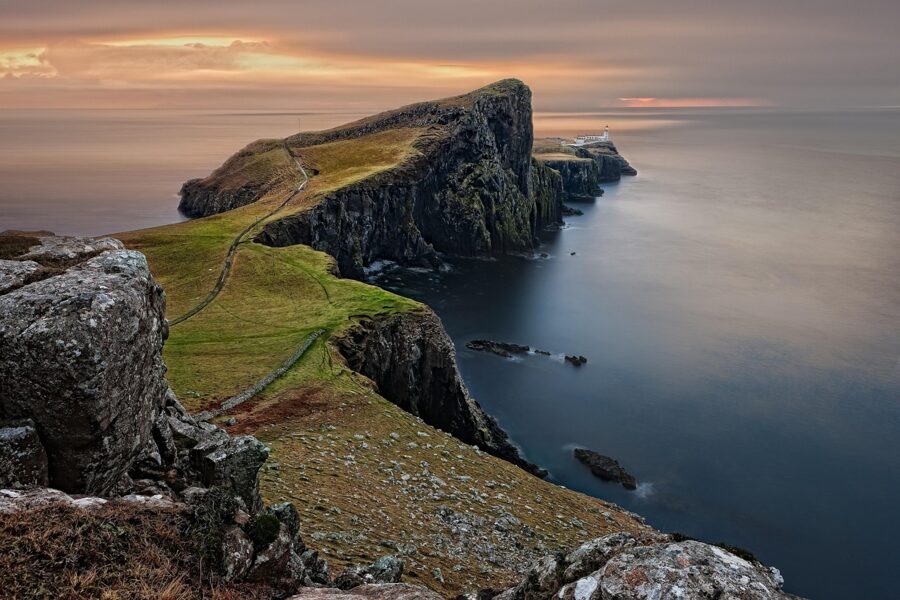
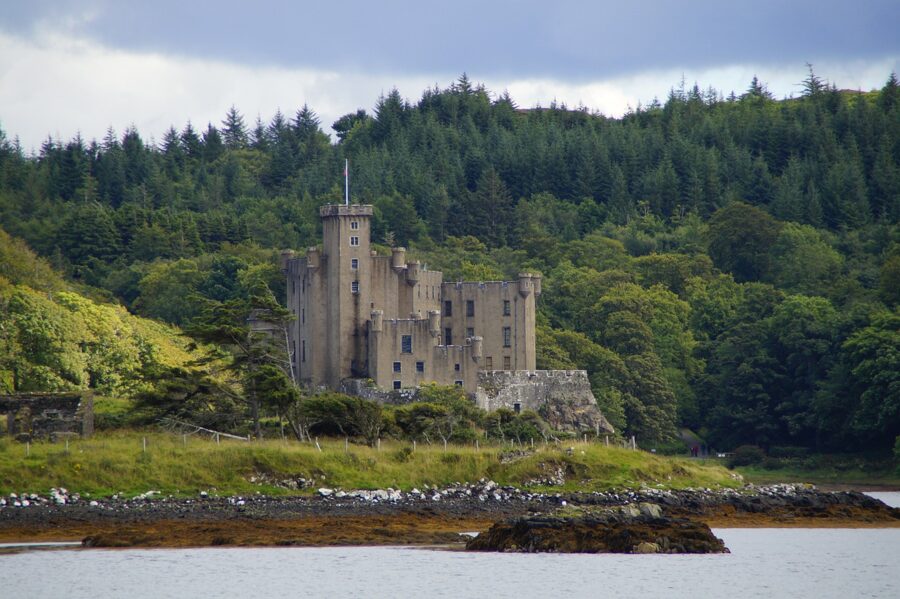
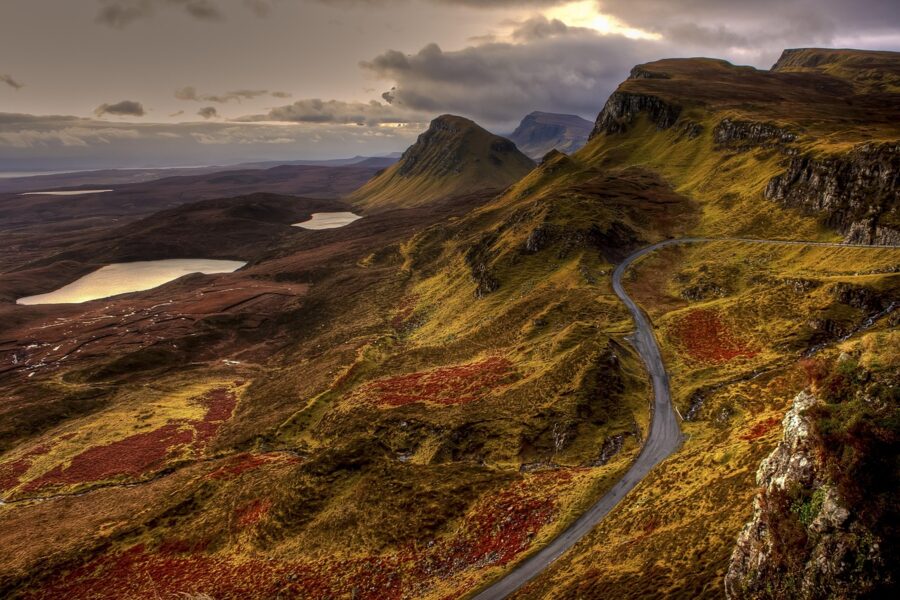
Skye is the usual answer to where Scotland’s best scenery is, and it deserves it. The Trotternish peninsula in the north holds the two famous walks: the Old Man of Storr, a steep path of about two hours round trip, and the Quiraing, a loop of two to three hours along a broken escarpment. The west has Neist Point lighthouse and Dunvegan Castle, the MacLeod seat; the south has the Cuillin, the most serious mountains in Britain, and the Fairy Pools below them.
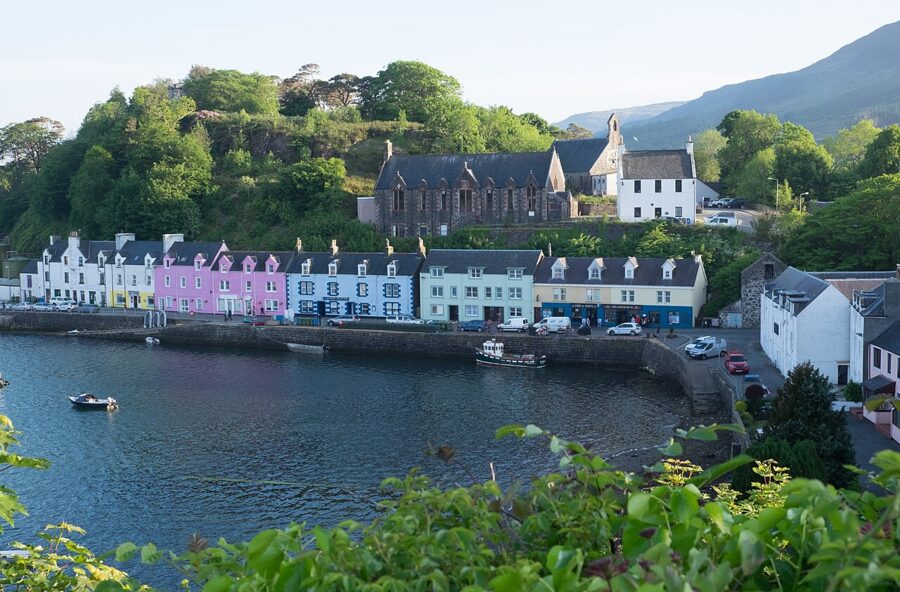
Crowds and parking are the catch. The Storr and Fairy Pools car parks both charge, and both fill by late morning in July and August. Portree is the obvious base, but rooms across the island go months ahead in summer, so book them first.


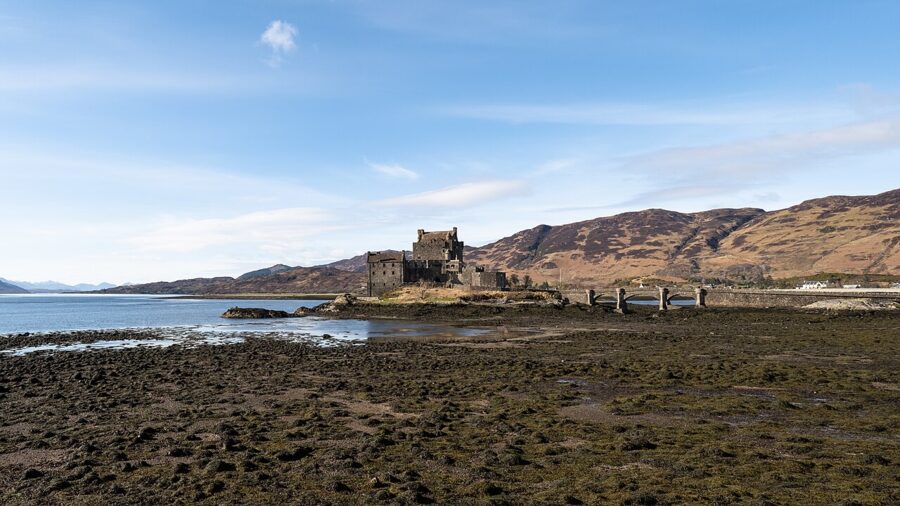
The Skye Bridge from Kyle of Lochalsh has been free since 2004. On the way you pass Eilean Donan Castle at Dornie, the castle on its own small island that appears on half the shortbread tins in Scotland. Its 2026 season ran from February to late December at £13 (about $17) for adults, with tickets sold only at the castle, and it closes for all of January.
How long: two to three nights. Getting there: about 2 hours 30 minutes by car from Fort William, or by train from Inverness to Kyle of Lochalsh (about 2 hours 40 minutes) and then bus.

3. Glen Coe, Fort William and Glenfinnan
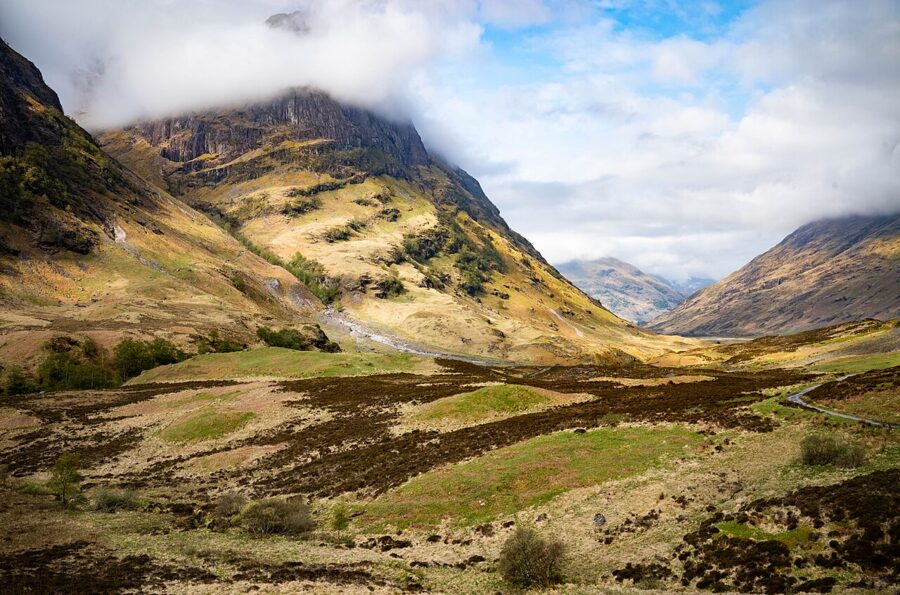
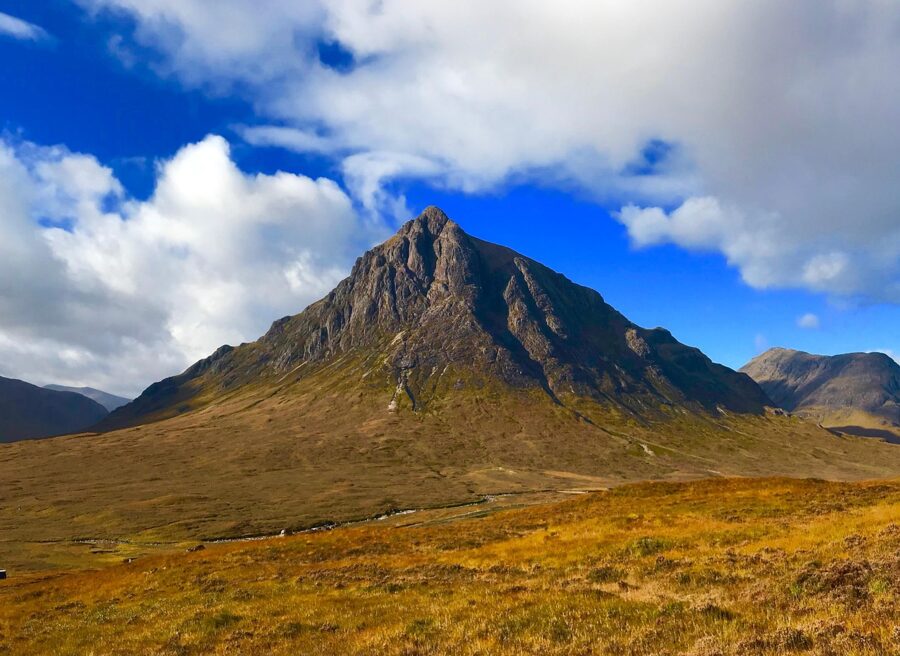
The A82 crosses Rannoch Moor, passes Buachaille Etive Mòr and runs down Glen Coe between walls of rock: the finest stretch of main road in the country. The National Trust for Scotland’s Glencoe visitor center tells the story of the 1692 massacre of the MacDonalds; entry is free and the car park costs £4 (about $5). Walks range from the short Signal Rock trail to the Lost Valley, a rough scramble of about three hours into a hidden corrie.
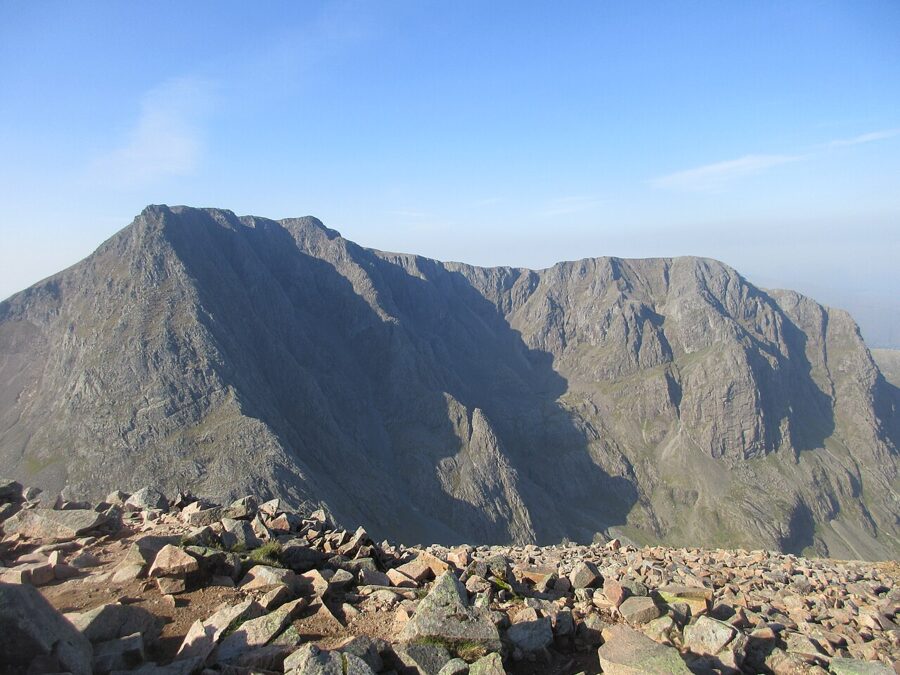
Fort William, half an hour north, is the base for Ben Nevis, at 1,345 meters (4,413 feet) the highest mountain in Britain. The Mountain Track from Glen Nevis takes most people seven to nine hours up and down, and the summit can be in snow and cloud in June. Go with proper boots, a map and a forecast, or settle for the Glen Nevis gorge walk to Steall Falls.

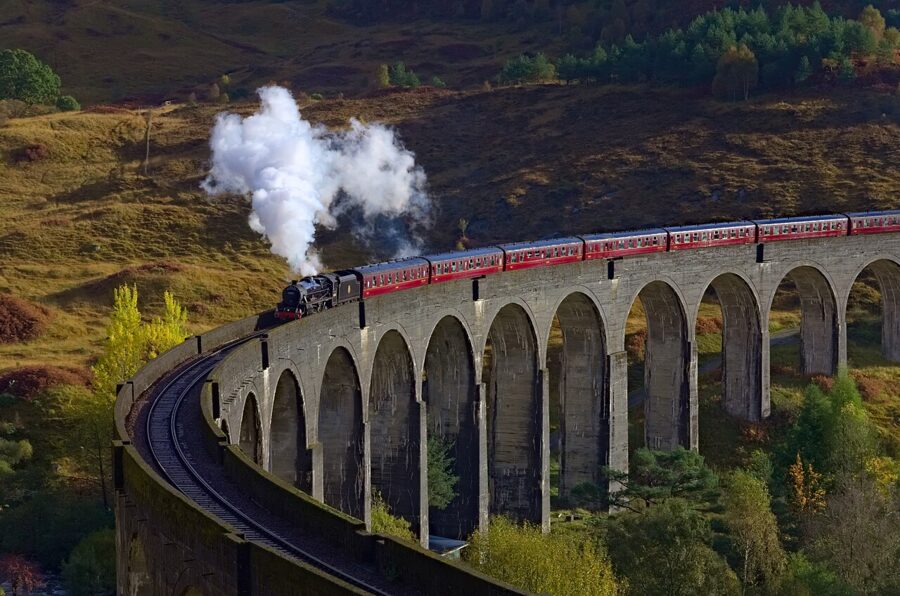
Glenfinnan sits 30 minutes west on the Road to the Isles. Its 21-arch viaduct, built in the late 1890s by Robert McAlpine, known as Concrete Bob, carries the West Highland Line and the Jacobite steam train from the Harry Potter films. The National Trust for Scotland’s monument marks where Bonnie Prince Charlie raised his standard in 1745; the tower climb costs £5 (about $7) and so does the car park.
The Jacobite runs from Fort William to Mallaig and back, usually spring to autumn, and West Coast Railways had not yet published 2027 dates or fares as of November 2026. How long: two nights. Getting there: about 2 hours 30 minutes by car from Glasgow, or about 3 hours 50 minutes by ScotRail on the West Highland Line.

4. Inverness, Loch Ness and Culloden
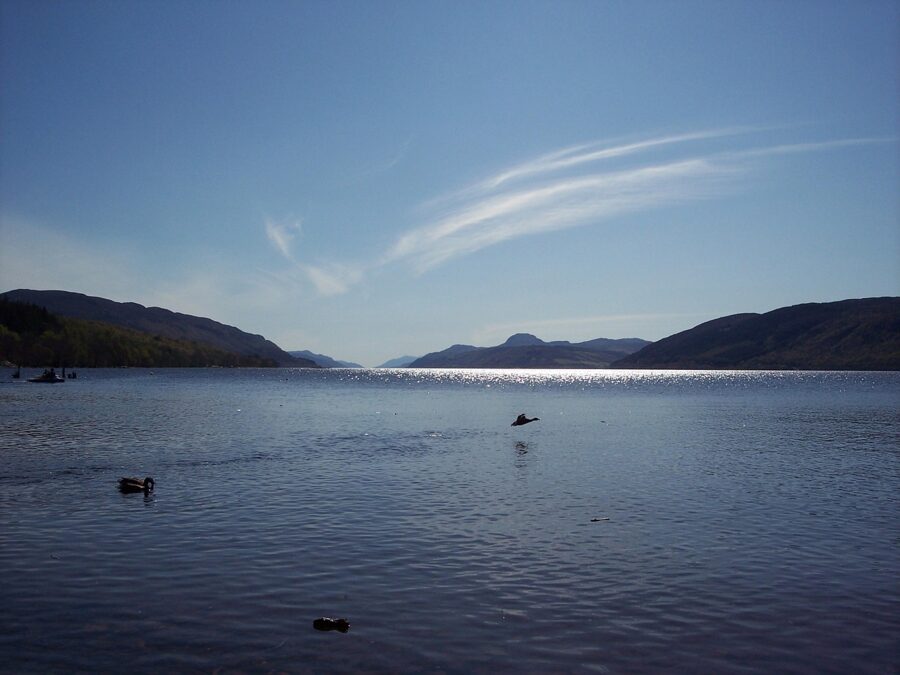
Inverness is the hub for the whole north, with an airport, the end of the Highland Main Line and the roads to Skye, Ullapool and Orkney. Loch Ness begins just southwest of it. The loch is long, deep and dark rather than pretty, and the monster center at Drumnadrochit is skippable; Urquhart Castle, on a headland a couple of miles south of the village, is the reason to stop.
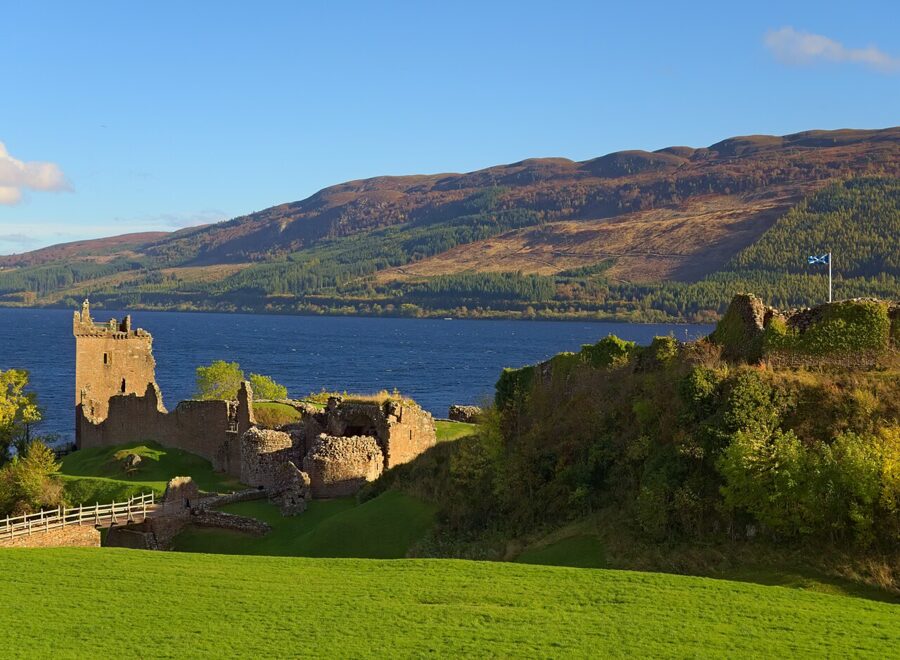

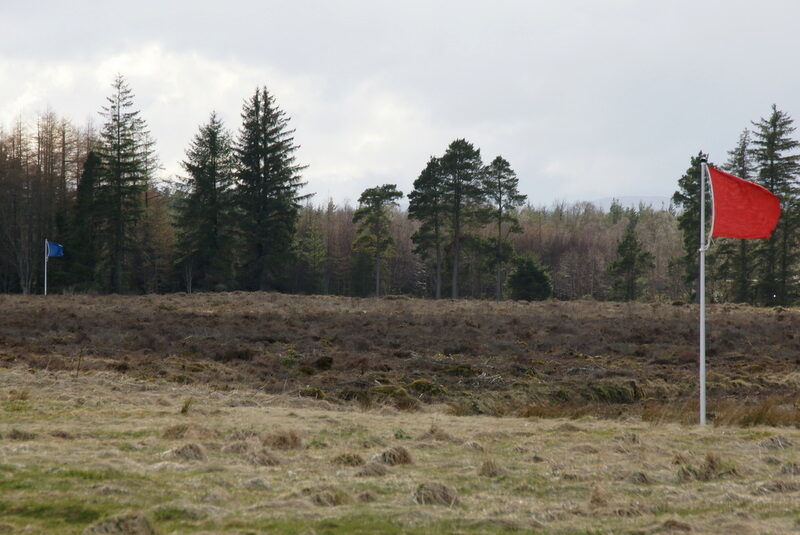
As of November 2026, Urquhart costs £14 (about $18) online or £16 (about $21) on the day; it opens at 9:30am year-round and stays open until 8:15pm from April through August. Parking is free but only guaranteed if you book online, and the castle closes for maintenance from November 24 to 27, 2026. East of Inverness, the Culloden battlefield marks the last pitched battle on British soil, on April 16, 1746; the National Trust for Scotland’s visitor center costs £12.50 (about $16) for adults, plus £5 (about $7) to park.

How long: one or two nights, often split across the start and end of a loop. Getting there: about 3 hours 30 minutes by train from Edinburgh, or a little less by car on the A9.
5. Glasgow
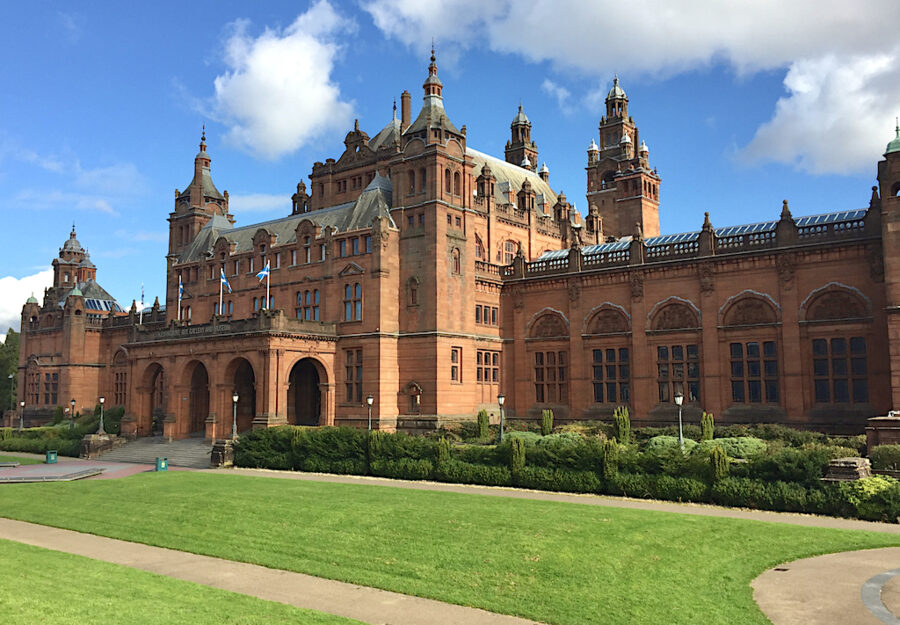
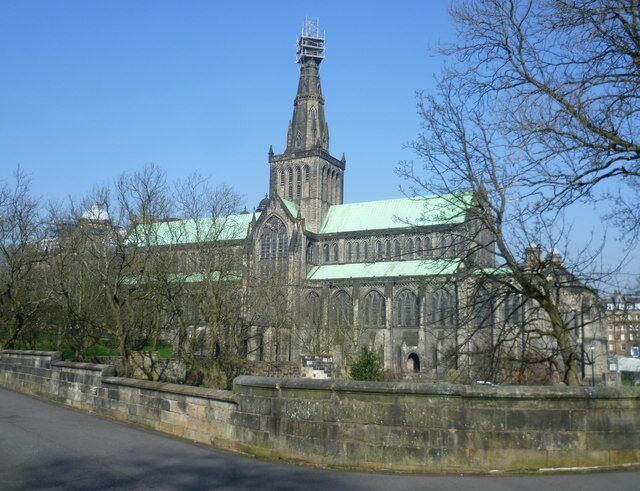
Glasgow gets less attention than Edinburgh and has better free museums. Kelvingrove Art Gallery and Museum is free, open from 10am to 5pm (11am on Fridays and Sundays), and holds Dalí’s Christ of Saint John of the Cross alongside a Spitfire and a stuffed elephant. The Riverside Museum of transport on the Clyde is also free, and Glasgow Cathedral, the only medieval cathedral on the Scottish mainland to survive the Reformation with its roof on, is free to enter.

The West End around Byres Road is the best area to stay or eat, and the live music scene is the best in Scotland. Parking at Kelvingrove is limited by building works, so take the subway to Kelvinhall. How long: one or two days. Getting there: under an hour by train from Edinburgh; Glasgow Airport has fewer transatlantic flights than Edinburgh.

6. Oban, Mull and Iona
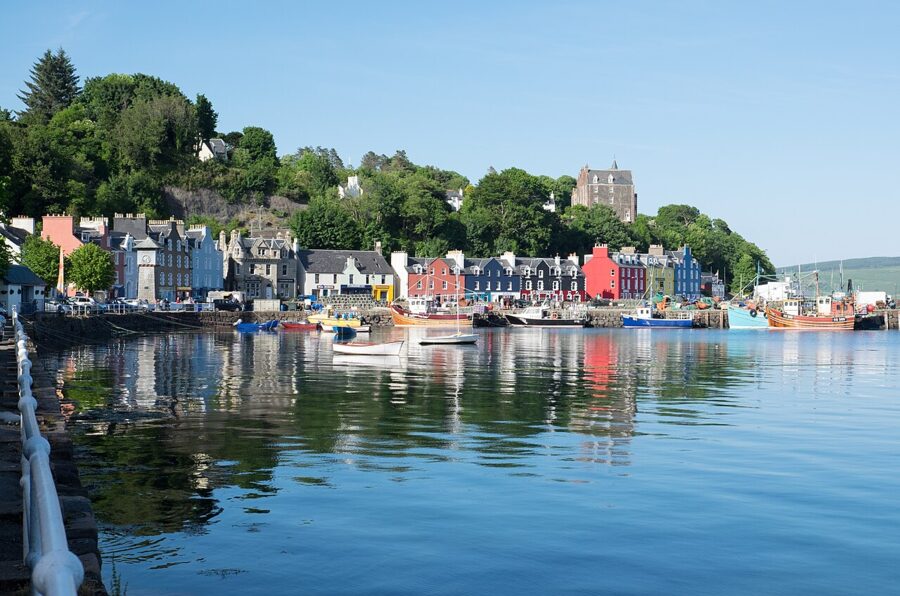
Oban is the ferry port for the Inner Hebrides. From there the CalMac ferry takes 46 minutes to Craignure on Mull. Tobermory, with its painted harbor front, is 21 miles north; Fionnphort is over an hour west along a mostly single-track road, and from there a 10-minute crossing reaches Iona.

Iona is where St Columba landed from Ireland in 563 and founded the monastery that spread Christianity through Scotland. Visitors’ cars are not allowed, so leave yours at Fionnphort and walk on. Historic Environment Scotland runs the abbey; as of November 2026, adult entry is £10 (about $13) online or £11 (about $14) on the day. In summer, boats from Fionnphort and Iona run to Staffa for Fingal’s Cave and its puffins.
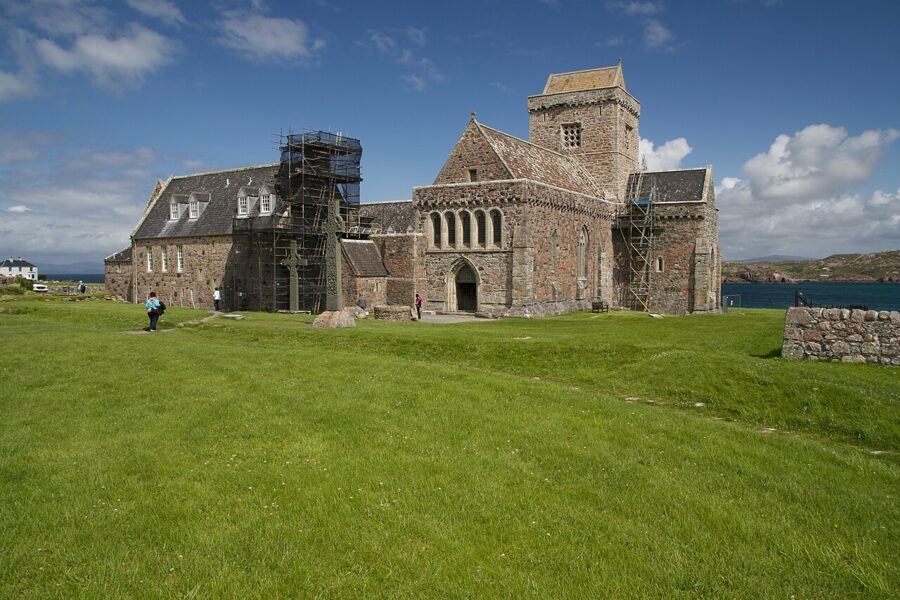

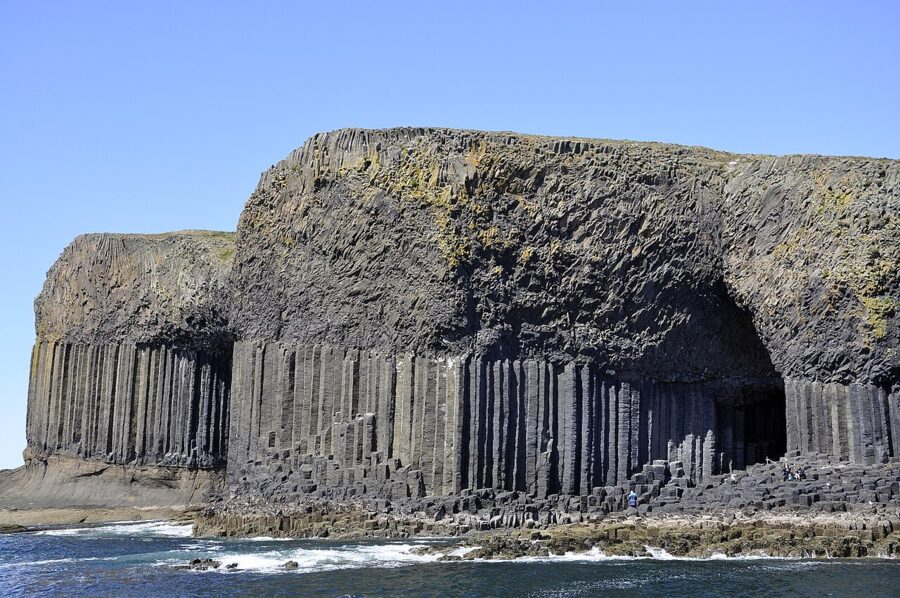

How long: two nights on Mull for Iona and Staffa without hurrying. Getting there: Oban is about 2 hours 30 minutes by car or just under 3 hours by bus from Glasgow. Book vehicle space on the ferry ahead in summer.
7. The Cairngorms
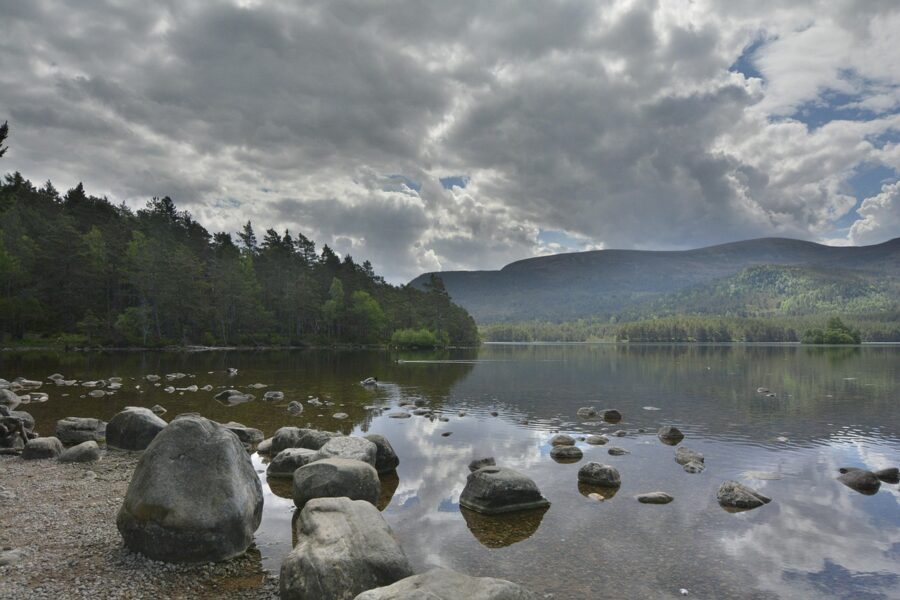
Cairngorms National Park is the largest national park in Britain: high plateau, old Caledonian pine forest and the River Spey. Aviemore, 40 minutes south of Inverness on the A9 and the railway, is the base. The easy days are around Rothiemurchus and Glenmore: the low-level loop round Loch an Eilein, the beach at Loch Morlich and the short walk to An Lochan Uaine, the green lochan.
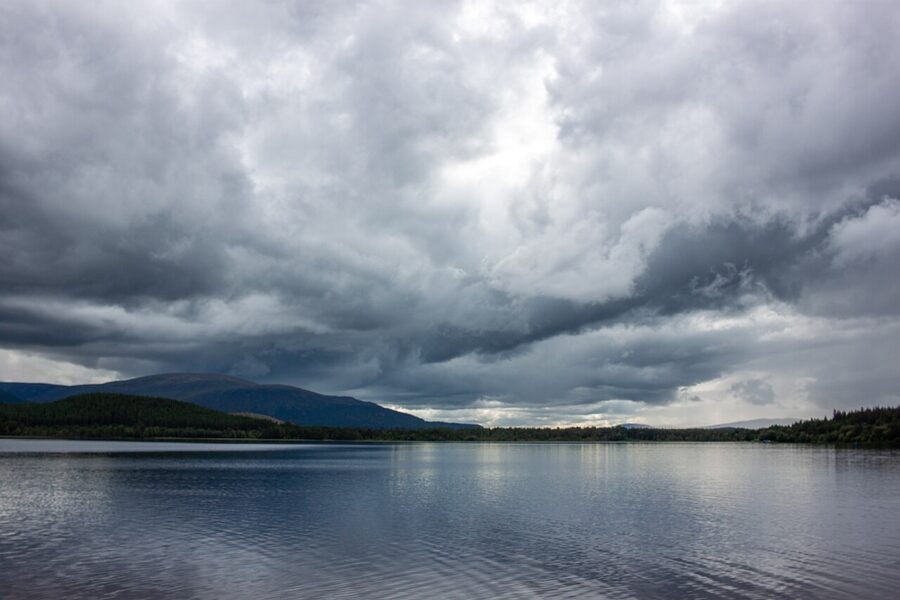

Cairngorm Mountain runs its funicular year-round and becomes a ski area in winter, and the Highland Wildlife Park near Kincraig shows wildcats and polar bears. Come here for quieter walking, and often drier weather, than the west. How long: one or two nights. Getting there: about 2 hours 45 minutes by train or car from Edinburgh.
8. Stirling
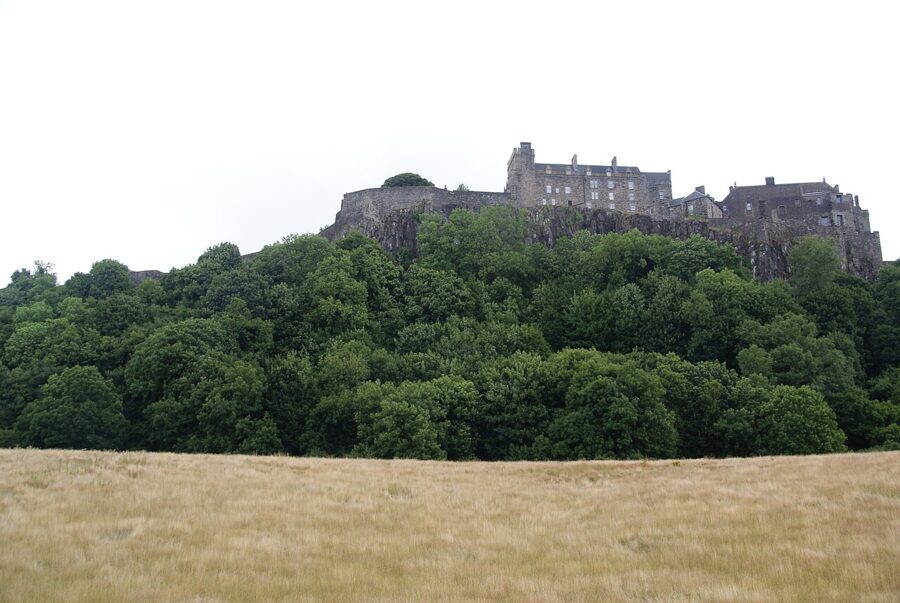
Stirling Castle sat at the crossing point between the Lowlands and the Highlands, which is why two of Scotland’s great battles, Stirling Bridge in 1297 and Bannockburn in 1314, were fought within sight of it. The restored Royal Palace is the highlight. As of November 2026, entry is £18.50 (about $24) online or £20.50 (about $27) on the day, the castle opens at 9:30am, and its own car park is closed except for accessible parking, so use the Castleview Park and Ride or walk up from the station.

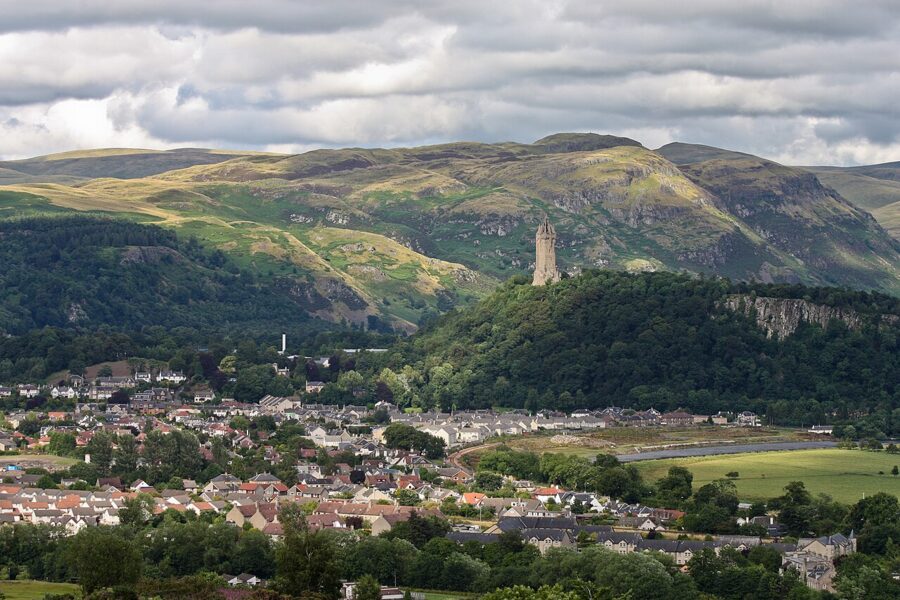
Across the river, the National Wallace Monument on the Abbey Craig holds a sword said to be William Wallace’s, and the 246 steps to the top are narrow. Stirling is the easiest day trip from either Edinburgh or Glasgow. How long: half a day to a day. Getting there: under an hour by train from either city.

9. Loch Lomond and the Trossachs
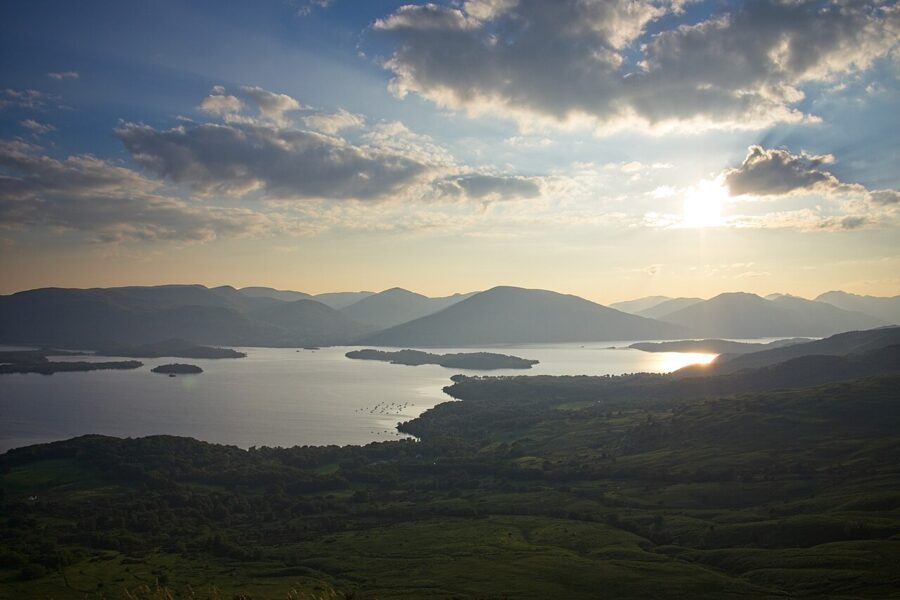
Loch Lomond is the largest lake in Britain by surface area and the closest real Highland scenery to Glasgow, 40 minutes away. Luss, on the west shore, is a conservation village of slate cottages with a pier for cruises; For a view of the whole loch and its islands, walk up Conic Hill from Balmaha on the east shore, about two hours there and back.

The A82 along the west shore is narrow and very busy on summer weekends. Treat Luss as a stop on the drive north rather than a destination. How long: half a day, or a night if you want to climb Ben Lomond.
10. Orkney
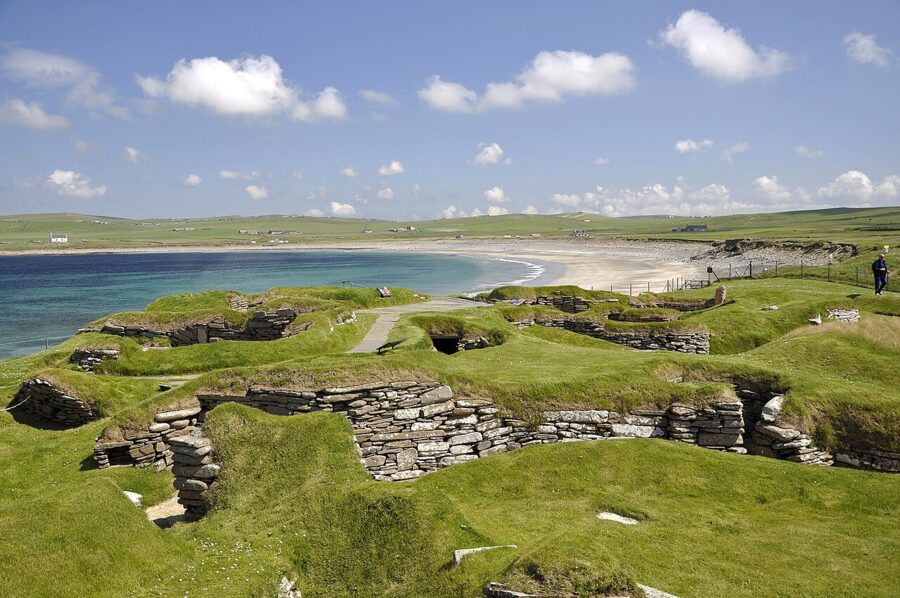
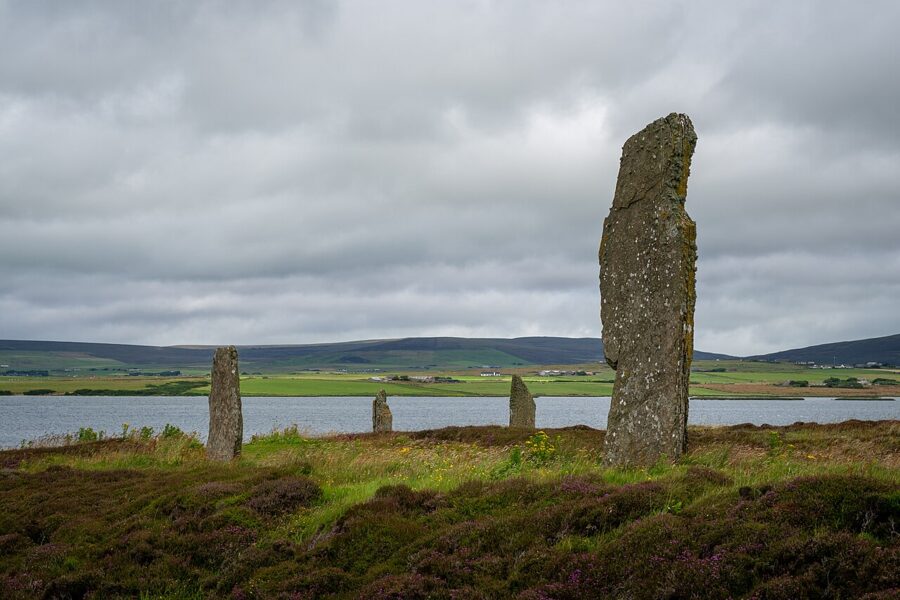
Orkney, off the north coast, has the densest cluster of Neolithic sites in Western Europe, and UNESCO lists its core as the Heart of Neolithic Orkney. Skara Brae is a stone village around 5,000 years old with its furniture still in place: beds, hearths and dressers, all in stone. As of November 2026, entry is £14 (about $18) online or £16 (about $21) on the day; it opens daily, 9:30am to 5:30pm from April to September and 10am to 4pm in winter.

The Ring of Brodgar and the Stones of Stenness stand a few miles apart, and Maeshowe, a chambered tomb with Viking graffiti carved inside, is visited on timed tours costing £10 (about $13) online. Kirkwall’s red sandstone St Magnus Cathedral was begun in 1137. How long: three nights. Getting there: NorthLink’s ferry from Scrabster near Thurso takes 90 minutes to Stromness; there are also flights from Edinburgh, Glasgow, Aberdeen and Inverness to Kirkwall.

11. Harris and Lewis
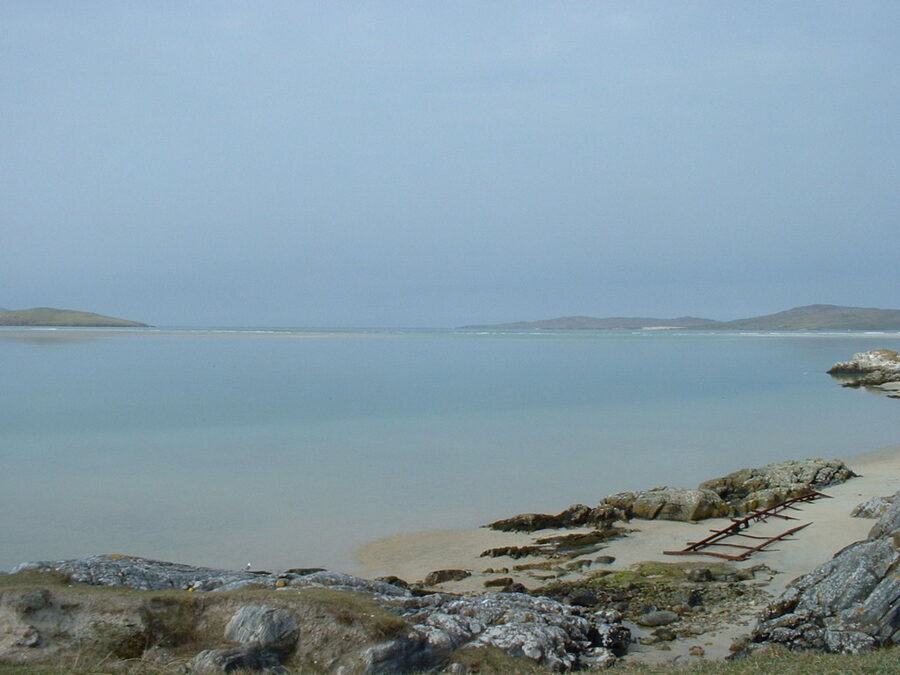
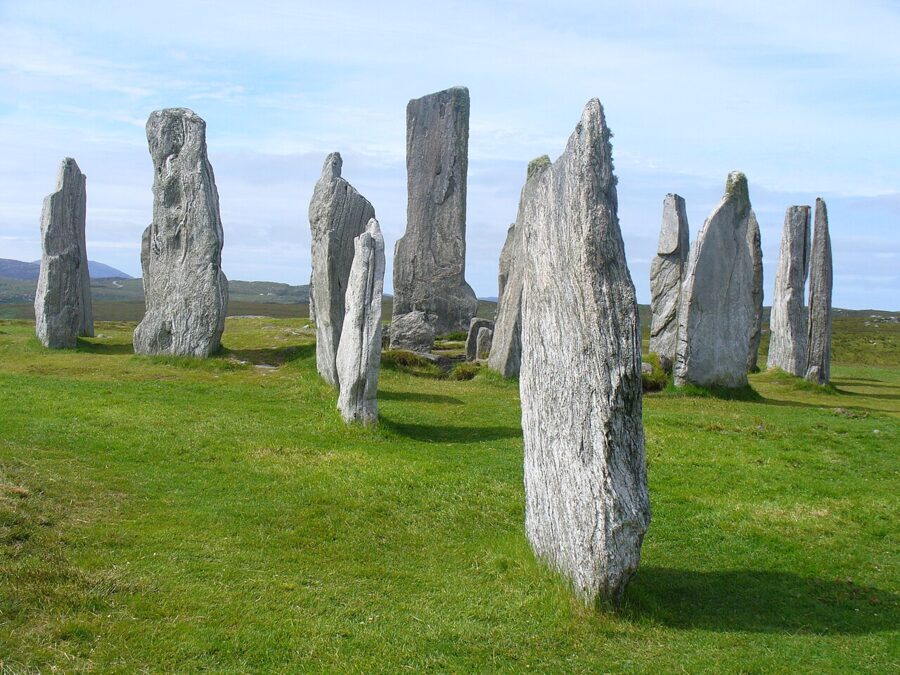
Harris and Lewis are one island with two names, at the top of the Outer Hebrides. South Harris has the beaches people do not believe are in Scotland: Luskentyre, Seilebost and Scarista, white shell sand and green water, cold enough to make your feet ache. North on Lewis, the Calanais standing stones are about 5,000 years old and stand in a cross-shaped setting above Loch Roag.

Sunday is still kept quietly here. Many shops and cafes close, and on some islands little opens at all, so plan meals ahead. How long: three nights. Getting there: CalMac from Uig on Skye to Tarbert, or from Ullapool to Stornoway; book a car space as soon as you know your dates.

12. St Andrews and the East Neuk of Fife
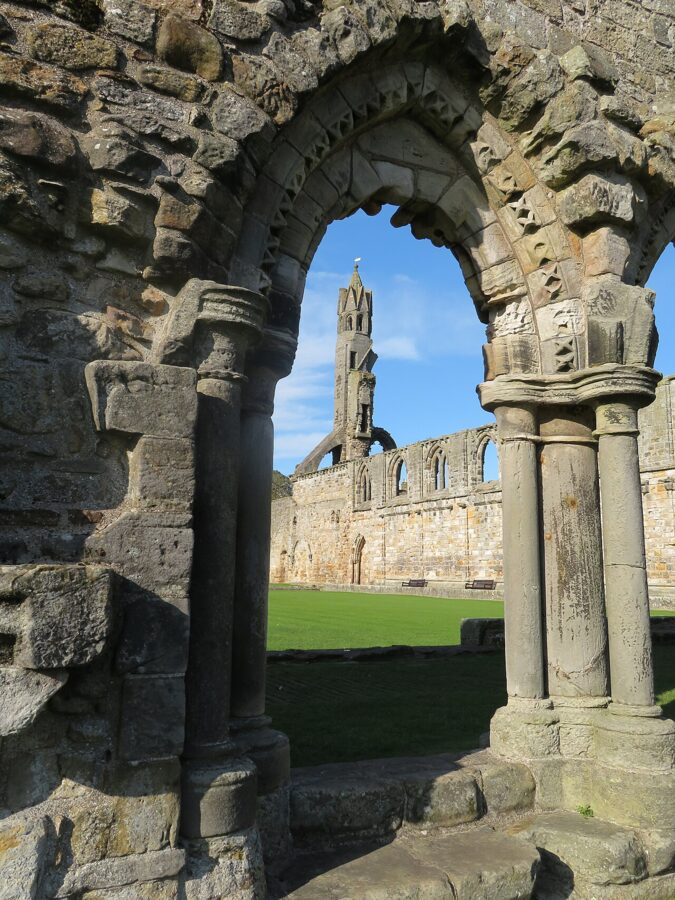
St Andrews is a university town, the home of golf and the site of the largest cathedral ever built in Scotland, now a ruin on the cliff. The cathedral grounds are open daily, and Historic Environment Scotland offers free guided tours that end with a climb up St Rule’s Tower. The Old Course is a public course with a ballot for tee times, and it closes to golf on Sundays, when anyone can walk on it.

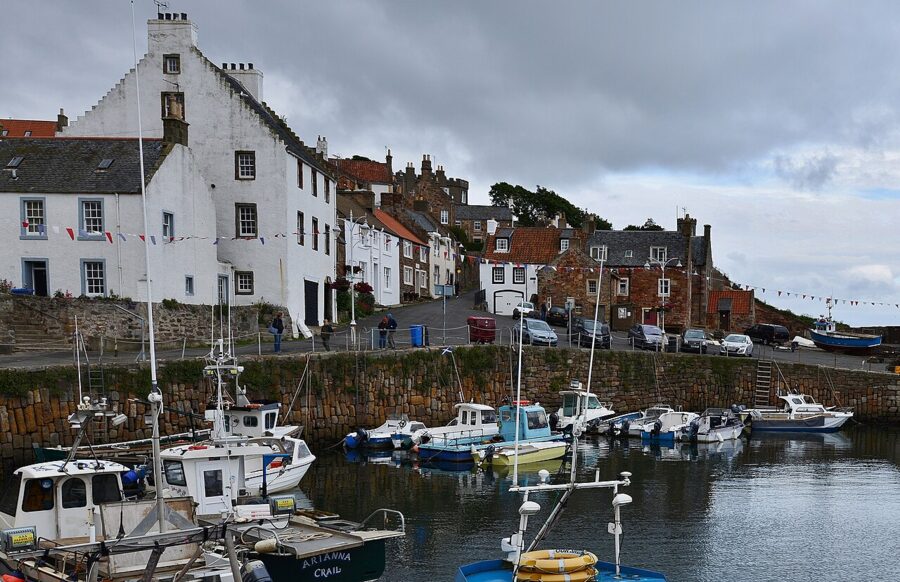
The fishing villages of the East Neuk, south along the coast, are the reason to come by car: Crail, Anstruther, Pittenweem and Elie, joined by the Fife Coastal Path. Anstruther is the place for fish and chips. How long: a day trip or one night. Getting there: about 1 hour 30 minutes by car from Edinburgh, or by train to Leuchars and then a short bus ride.

13. The northwest Highlands and the North Coast 500
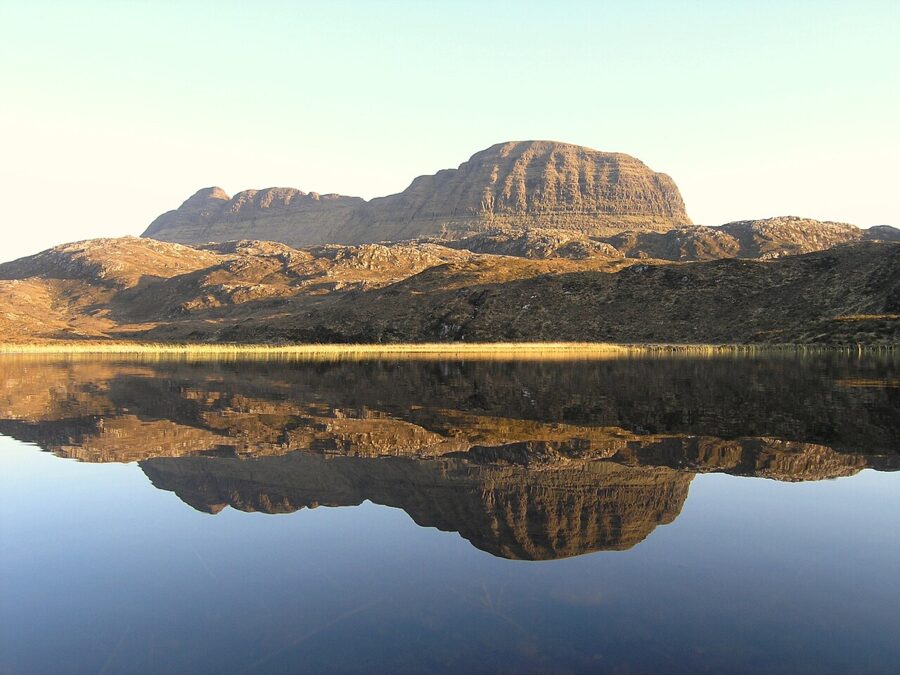
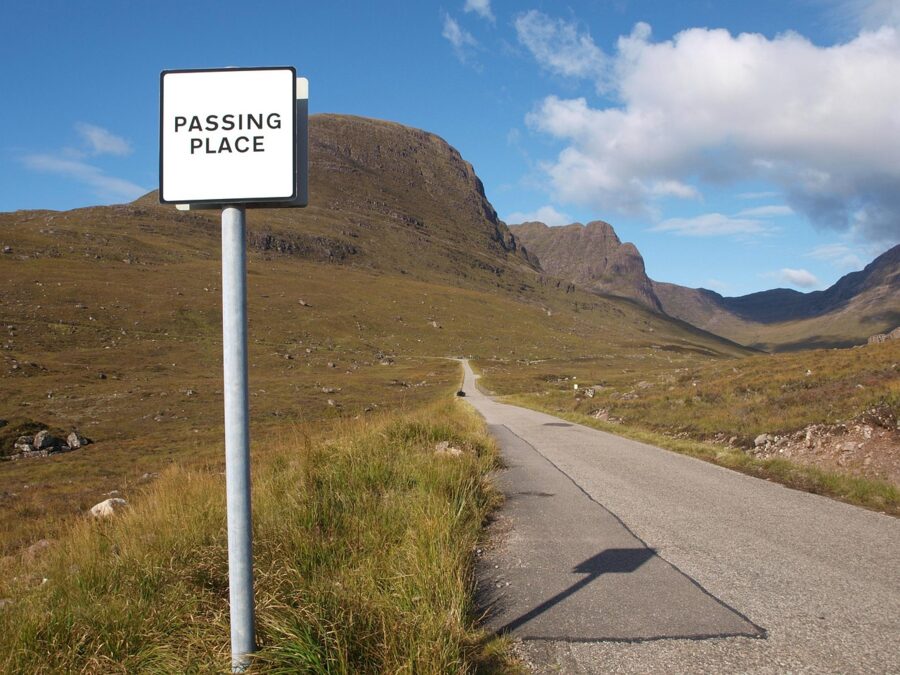
Above Ullapool, the Highlands turn into something else: single mountains such as Suilven and Stac Pollaidh standing alone over a rocky country of lochans, and white beaches like Achmelvich and Sandwood Bay. Applecross is reached over the Bealach na Bà, a single-track pass with hairpins that climbs to 626 meters (2,054 feet); signs warn learner drivers and caravans off it.

The North Coast 500 is a 516-mile signed loop from Inverness around the whole north, and it brought crowds to roads that were never built for them. Drive it if you have five to seven days, and do not try in fewer. With less time, a few nights in Ullapool and Assynt give you the best of it.
14. Whisky country: Speyside and Islay
Speyside, east of the Cairngorms along the River Spey, has more distilleries than any other part of Scotland, many with tours, and the Malt Whisky Trail links the visitable ones. Islay, off the west coast, has about ten working distilleries on one island, most of them making the heavily peated whisky the island is known for; Laphroaig, Lagavulin and Ardbeg sit within three miles of each other on the south coast.
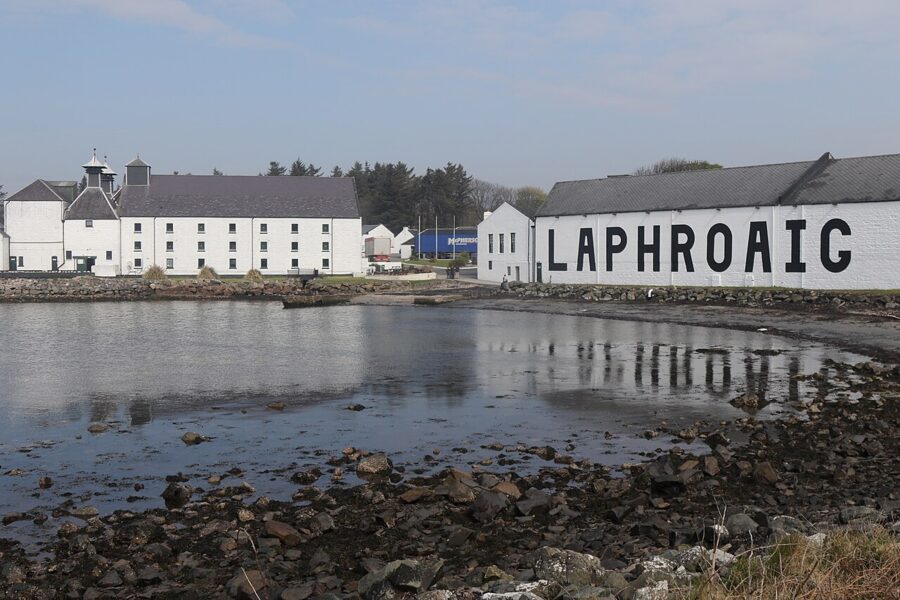

Islay costs a day to reach by CalMac from Kennacraig on Kintyre, so it suits a second trip or a whisky trip. If you drive between distilleries, nominate a driver; Scotland’s drink-drive limit is lower than England’s or that of almost every American state.
Routes that work, with real travel times
Scotland looks small and drives large. Highland roads are slow and often single-track, and three hours at the wheel a day is plenty if you also want to walk. These loops start and end in Edinburgh; times are driving times without stops.
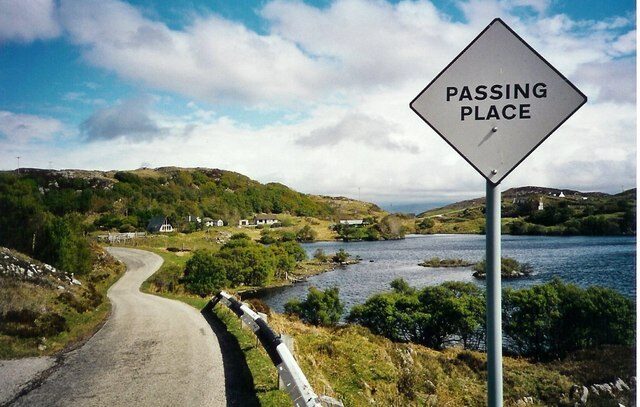

One week: the classic loop
- Days 1 to 3: Edinburgh, with a half day at Stirling on the way out.
- Day 4: Stirling to Glen Coe via Loch Lomond, about 2 hours 30 minutes. Stay in Glencoe or Fort William.
- Day 5: Glenfinnan in the morning, then Eilean Donan and over to Skye, about 3 hours in all.
- Day 6: Skye: the Storr and the Quiraing early, Neist Point for sunset.
- Day 7: Skye to Inverness, about 2 hours 45 minutes, then Edinburgh by train or car, about 3 hours 30 minutes.
That last day is long. If you can, add a night in Inverness and see Urquhart and Culloden before heading south.
Ten days and two weeks
For ten days, slow the week down, add a second night on Skye and two around Inverness and the Cairngorms, and come home down the A9. For two weeks, add an island group: Mull and Iona between Loch Lomond and Glen Coe, or Harris and Lewis by ferry from Uig, returning via Stornoway and Ullapool. Orkney suits a separate trip from Inverness or a full North Coast 500 drive.
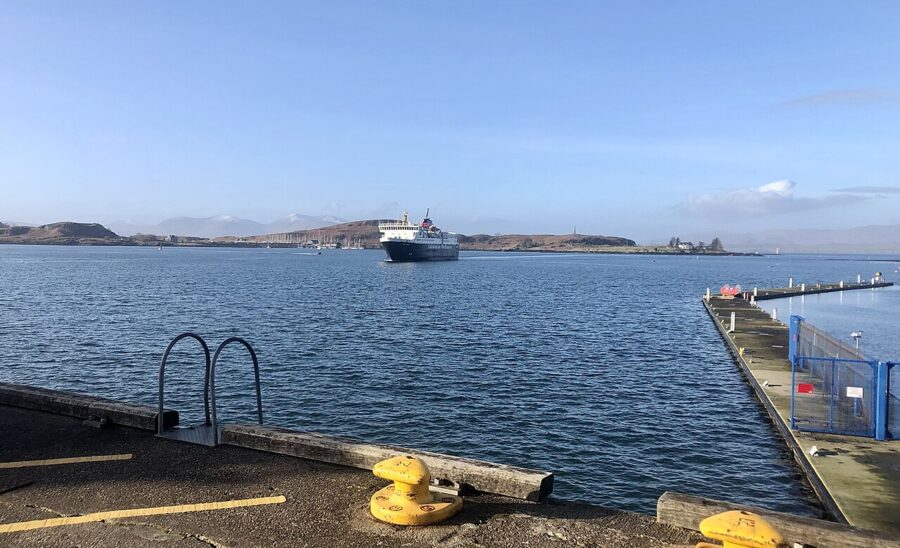

When to go
May, June and September suit most people. Days are long, with sunset after 10pm in Edinburgh at midsummer, and May is often the driest month on the west coast. Midges, the tiny biting flies of the Highlands, are worst in June through August on still, damp west coast evenings; repellent and a head net deal with them.
July and August are busiest, with the festivals filling Edinburgh and Skye at its most crowded. Winter is cheap and quiet, with snow on the hills and Hogmanay in Edinburgh, but Highland days are short and some attractions cut their hours or close; Eilean Donan shuts for January. Expect rain in every season.
What it costs, broadly
Accommodation is the big variable. Edinburgh in August and Skye in summer are the dearest places to sleep, and need booking months ahead; the same rooms in November cost far less. Rental cars are cheapest booked early, and automatics cost more and run out first.
Much of the best sightseeing is free: the national museums, Glasgow’s council museums, the hills and the beaches. The paid big hitters, as of November 2026:
| Attraction | Adult, online | Adult, on the day |
|---|---|---|
| Edinburgh Castle | £23.50 (about $31) | £26 (about $34) |
| Stirling Castle | £18.50 (about $24) | £20.50 (about $27) |
| Urquhart Castle | £14 (about $18) | £16 (about $21) |
| Skara Brae | £14 (about $18) | £16 (about $21) |
| Eilean Donan Castle (2026 season) | Not sold online | £13 (about $17) |
| Culloden visitor center | £12.50 (about $16) | |
| Iona Abbey | £10 (about $13) | £11 (about $14) |
If you plan to see several Historic Environment Scotland sites (Edinburgh, Stirling and Urquhart castles, Iona Abbey, Skara Brae, Maeshowe), price its Explorer Pass against the individual tickets before you buy.
Getting around
For Skye, Glen Coe and the northwest, a car is close to essential. Scotland drives on the left, and a valid American license lets visitors drive in Great Britain for up to 12 months. Pick the car up as you leave Edinburgh or Glasgow, not before.
Without a car, ScotRail covers the main points: Edinburgh to Glasgow in under an hour, the West Highland Line to Fort William and Mallaig, the Oban line, Edinburgh to Inverness and Inverness to Kyle of Lochalsh, with Citylink buses filling the gaps to Skye and Glen Coe. Small-group tours from Edinburgh cover Skye and Loch Ness if you would rather not drive; they are long days on a bus, but they work.
CalMac ferries serve the west coast islands, and NorthLink serves Orkney and Shetland. Check timetables early, as winter sailings are fewer and weather cancels crossings in any month.
Before you fly: documents, safety and money
Documents. American citizens need an Electronic Travel Authorisation (ETA) to visit the UK for up to six months. As of November 2026 it costs £20 (about $26) per person, children included, through the official GOV.UK site or the UK ETA app; the government warns against lookalike sites that charge more. Apply before you book anything you cannot cancel.
Safety. The State Department rates the United Kingdom at Level 2, “exercise increased caution,” because of terrorism, as of November 2026. Day to day, the real risks in Scotland are the outdoors: weather that turns fast on the hills, cold water, tides on beaches and narrow roads. In an emergency, call 999 or 112; on the hills, ask for the police and then Mountain Rescue.
Money. Cards and contactless payments are accepted almost everywhere, but carry some cash for farm-gate stalls and remote car parks. Scottish banks print their own notes; they are legal pounds, and you can spend them in England too, though some shops there look twice. Tipping around 10% in restaurants is normal where a service charge is not already on the bill.
The picks at a glance
| Place | Best for | Time to allow | Nearest hub |
|---|---|---|---|
| Edinburgh | History, the castle, festivals | 3 days | Edinburgh Airport |
| Isle of Skye | Scenery and walks | 2 to 3 nights | Inverness or Fort William |
| Glen Coe and Fort William | Mountains, Ben Nevis, Glenfinnan | 2 nights | Glasgow |
| Inverness and Loch Ness | Urquhart, Culloden | 1 to 2 nights | Inverness Airport |
| Glasgow | Free museums, music | 1 to 2 days | Glasgow Airport |
| Oban, Mull and Iona | Islands, the abbey, Staffa | 2 nights | Glasgow |
| Cairngorms | Forest and quieter walking | 1 to 2 nights | Inverness |
| Stirling | Castle and battlefields | Half a day | Edinburgh or Glasgow |
| Loch Lomond | An easy first taste of the Highlands | Half a day | Glasgow |
| Orkney | Neolithic sites | 3 nights | Inverness or Kirkwall |
| Harris and Lewis | Beaches, standing stones | 3 nights | Skye or Ullapool |
| St Andrews and East Neuk | Golf, ruins, harbors | 1 day | Edinburgh |
| Northwest Highlands | Wild mountains, empty beaches | 3 to 7 nights | Inverness |
| Speyside and Islay | Whisky | 1 to 3 nights | Inverness or Glasgow |
One last thing: book Edinburgh Castle, your Skye beds and any summer car ferry before the flights are even final. Those three sell out first, and everything else on this list can be sorted a week out.