Give Bozeman two full days and one more for Yellowstone. Spend a morning at the Museum of the Rockies, an evening on Main Street, and the rest of your time in the mountains that ring the town: Hyalite Canyon is about 17 miles south, Bridger Bowl about 16 miles north, and Yellowstone’s North Entrance at Gardiner roughly an hour and a half away.
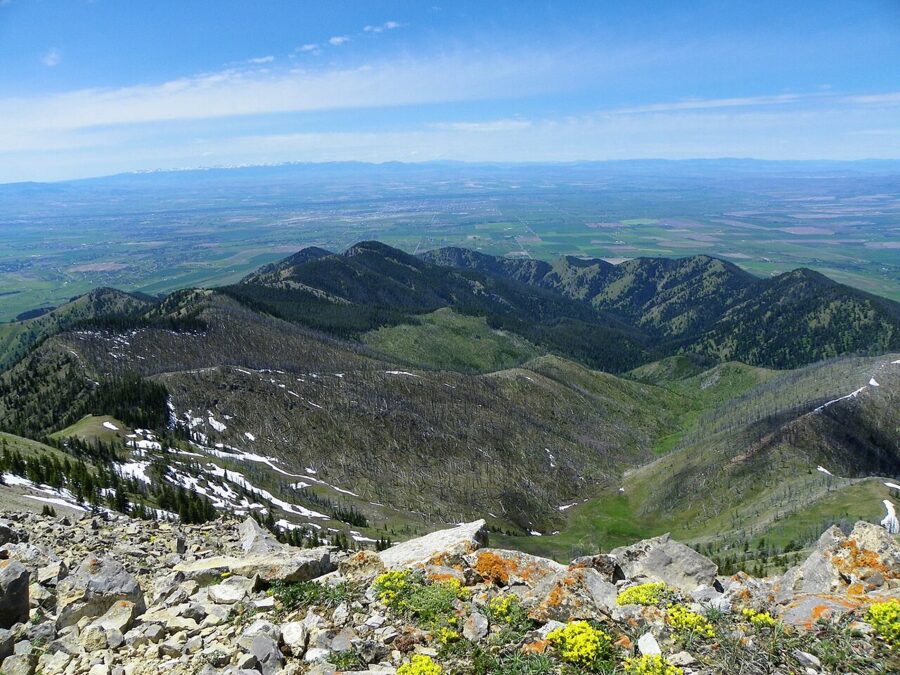
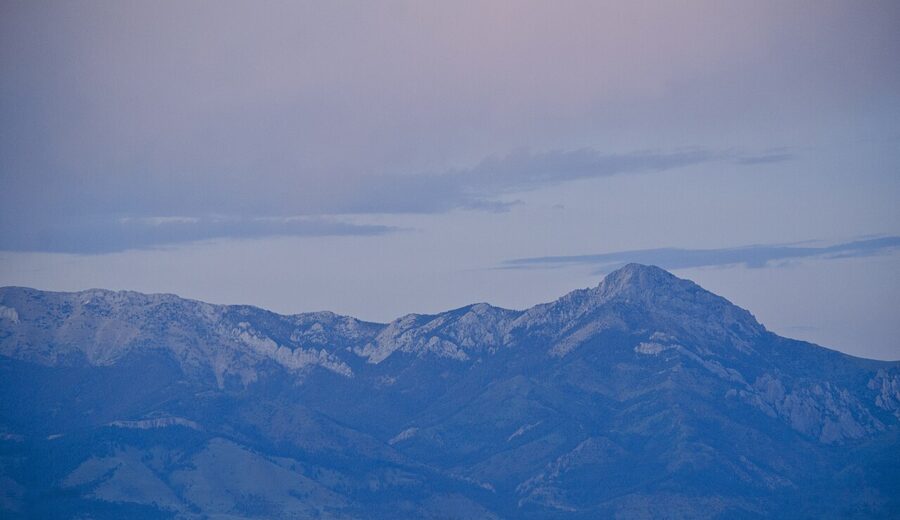
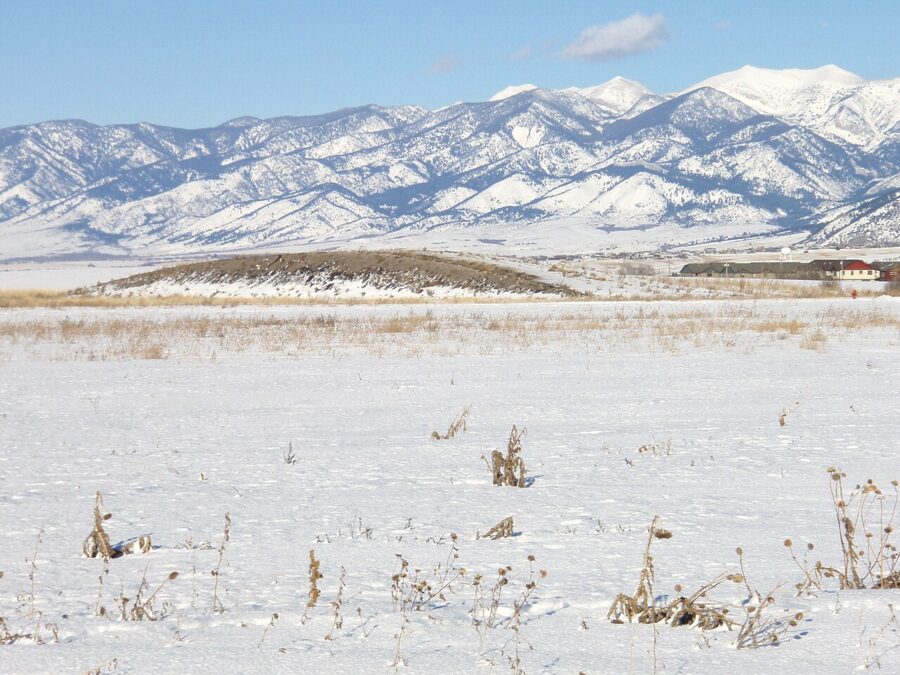
Bozeman is a college town of 53,293 people (2020 census) at about 4,800 feet in the Gallatin Valley of southwest Montana. Montana State University sits on the south side of downtown, the Bridger Range rises straight behind the north side, and the Gallatin Range fills the view to the south. The town is small enough to walk, and the trails start at its edge.


On this page
Bozeman in brief: where it is and how to get there
Bozeman sits on Interstate 90 between Billings and Butte. It grew up in the 1860s as a supply town on the Bozeman Trail, named for the trail’s promoter, John Bozeman, and the college that became Montana State University opened here in 1893. Today it is a ski town in winter, a fly-fishing and Yellowstone base in summer and a university town all year.
Expect resort-town prices. Hotels fill in July and August and on Montana State football weekends, so book early for those dates.
Flying in
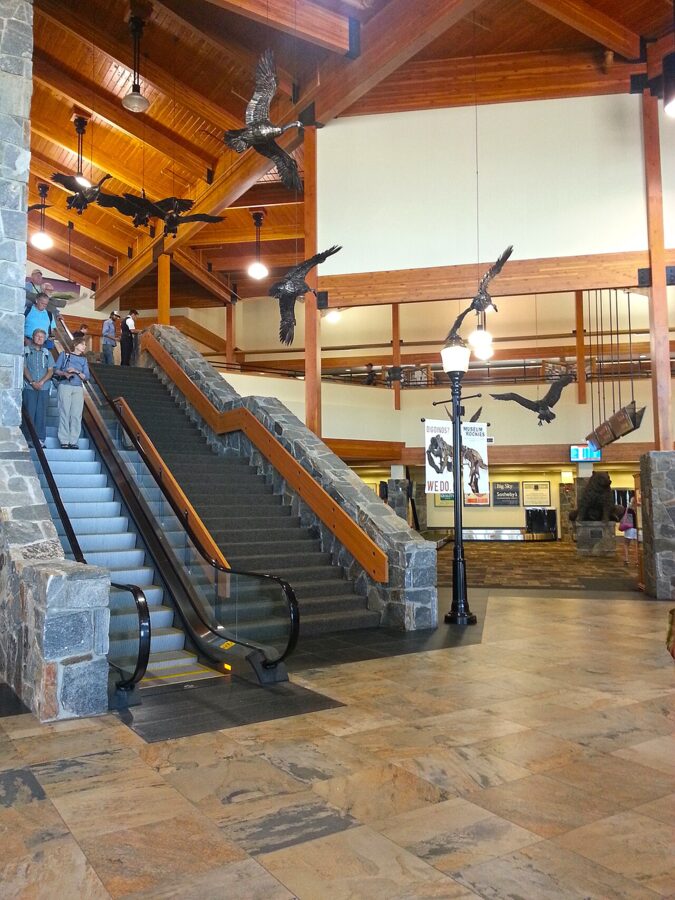
Bozeman Yellowstone International Airport (BZN) is in Belgrade, about 15 to 20 minutes northwest of downtown by car. As of November 2026 the airport lists 26 nonstop destinations, 12 of them year-round (including Denver, Salt Lake City, Seattle, Minneapolis, Chicago O’Hare, Dallas/Fort Worth, Atlanta, Los Angeles, San Francisco, Phoenix-Mesa, Portland and Las Vegas) and 14 seasonal. Alaska, Allegiant, American, Delta, JetBlue, Southwest, Sun Country and United all fly there.
Rental car desks sit next to baggage claim, and taxis, Uber, Lyft and Big Sky shuttle companies serve the airport. An East Terminal Expansion is under construction as of November 2026, so allow a little extra time on departure days.

Driving in
Driving times from the nearest cities, in good conditions:
- Butte: about 85 miles west on I-90, roughly 1 hour 20 minutes.
- Helena: about 95 miles northwest, roughly 1 hour 30 minutes.
- Billings: about 140 miles east on I-90, roughly 2 hours.
- Missoula: about 200 miles west on I-90, roughly 3 hours.
- Salt Lake City: about 390 miles south via I-15, roughly 6 hours.
In winter, add time: Bozeman Pass and Gallatin Canyon both see snow, ice and closures, so check the Montana Department of Transportation’s road report before you leave.
The main things to do in Bozeman
Prices and hours below are from each place’s own site as of November 2026.
Museum of the Rockies
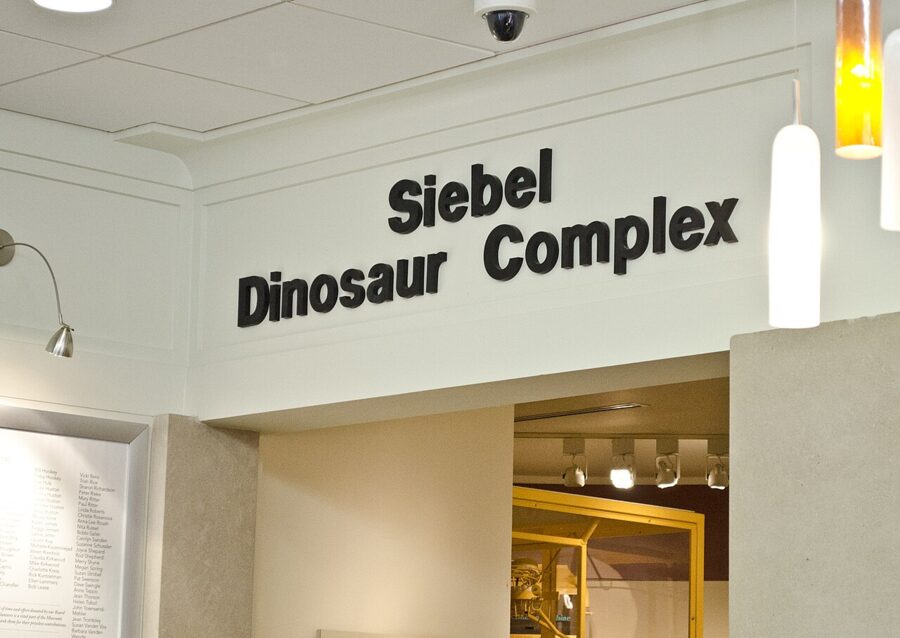
If you only do one thing in town, make it this. The Museum of the Rockies belongs to Montana State University and holds one of the country’s major dinosaur collections, much of it dug from Montana rock. The paleontologist Jack Horner built the program here, and the Siebel Dinosaur Complex is the result: a walk through Montana’s dinosaur age with real fossils, skulls lined up by age, and a T. rex skeleton.
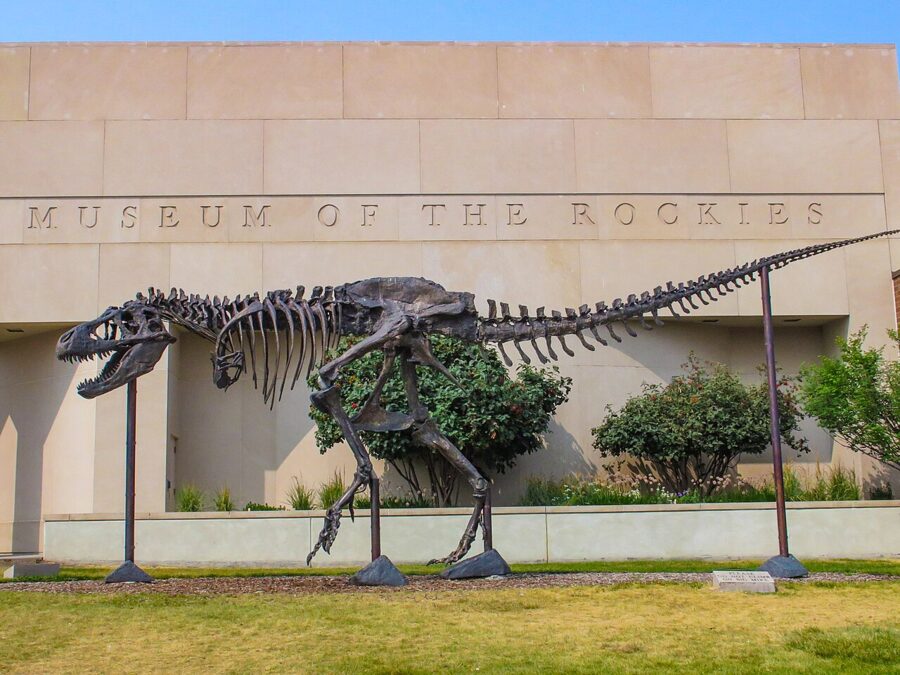

The rest of the museum is better than it needs to be. The Paugh History Hall covers the region’s human history, an Explore Yellowstone gallery introduces the park, and the Taylor Planetarium runs short shows. From Memorial Day to Labor Day the Living History Farm, a restored pioneer homestead on the grounds, opens too.
| Museum of the Rockies (as of November 2026) | Detail |
|---|---|
| Hours | Daily, 9am to 5pm |
| Holiday closures | Closed Thanksgiving Day, Christmas Day, New Year’s Day and January 25 to 27, 2027; closes at 1pm on November 25, December 24 and December 31 |
| Adult (18 to 64) | $20 |
| Senior (65+) | $17 |
| Youth (5 to 17) | $14 |
| Under 5 | Free |
| Planetarium show | $6 extra |
| Address and parking | 600 W. Kagy Blvd., free lot during opening hours |
Allow two to three hours. Tickets are sold only at the museum, so there is nothing to book. It is the best rainy-day plan in town and a good primer before Yellowstone.

Downtown and Main Street
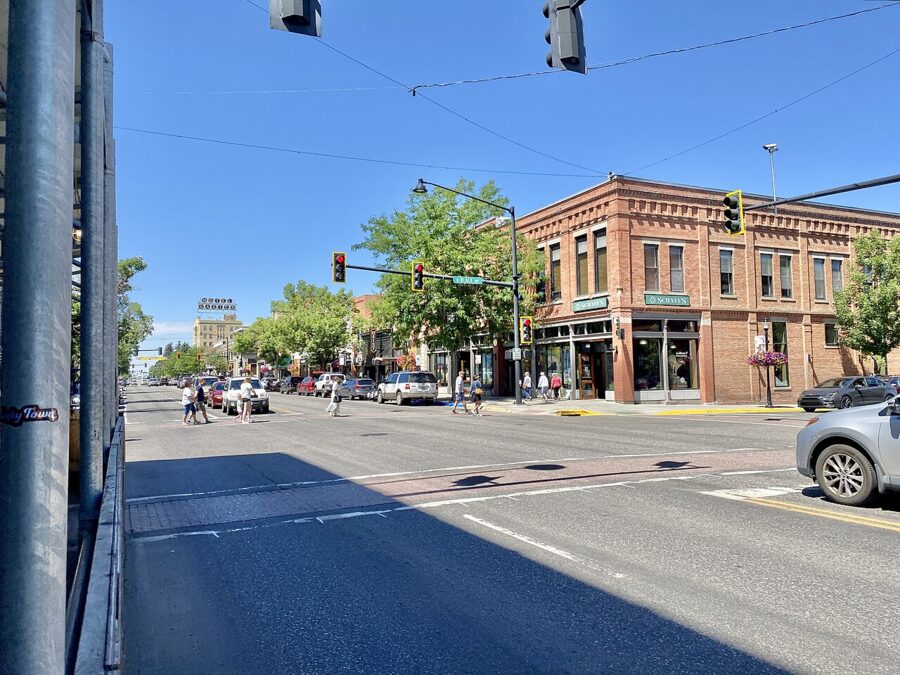
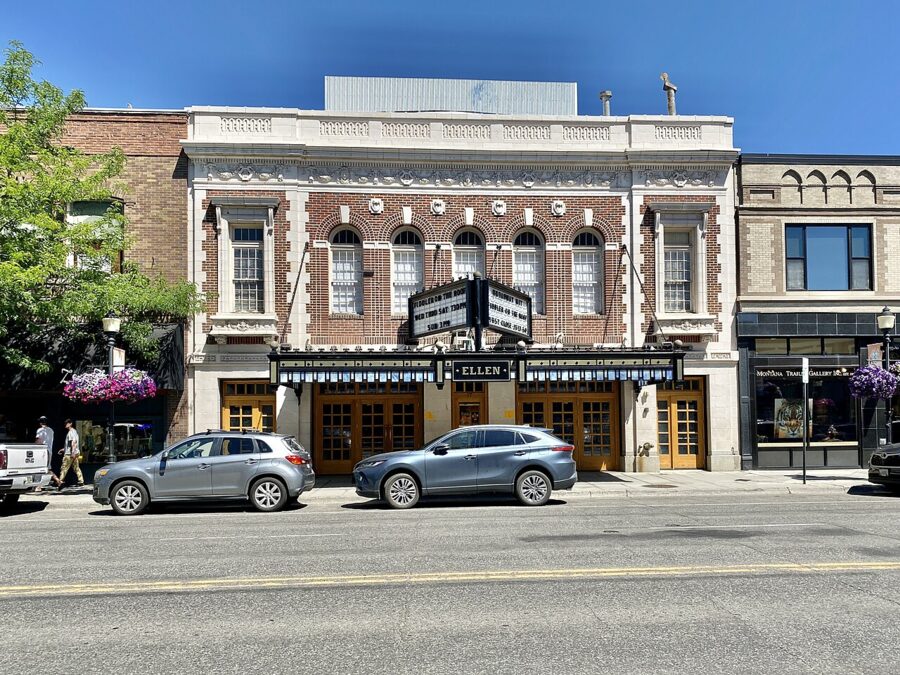
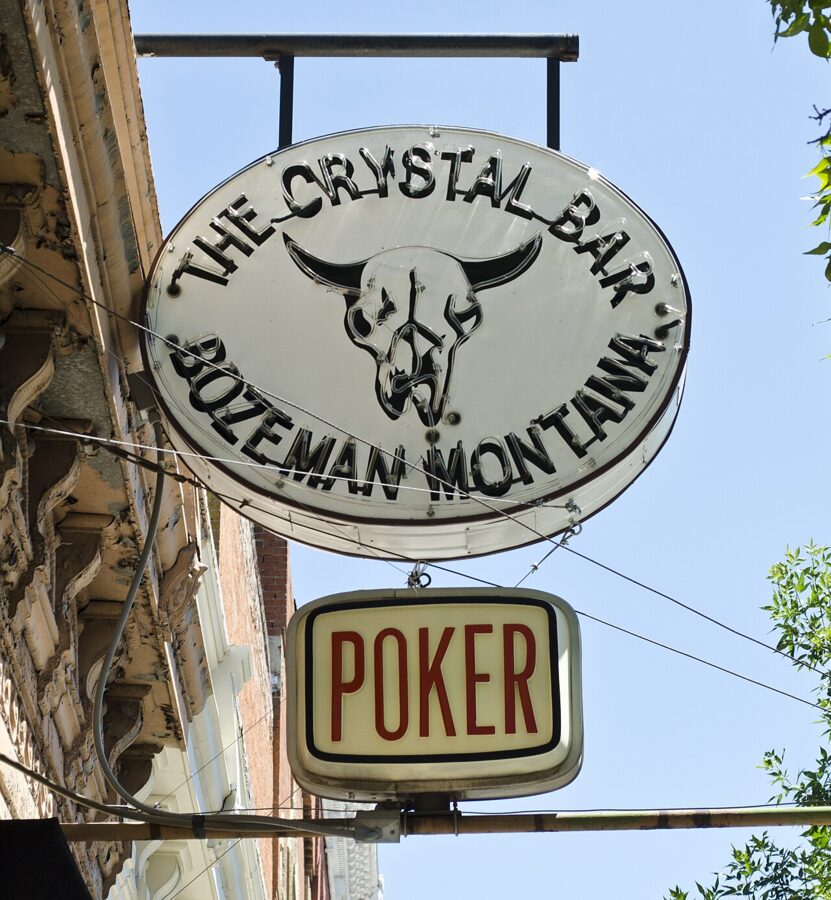
Main Street is still a working downtown of outdoor shops, bookstores, galleries, bars and restaurants. Walk it end to end and look up: the Baxter Hotel’s neon, the old Hotel Bozeman at Rouse Avenue and the Ellen Theatre’s marquee are the landmarks. An hour covers it; dinner and a drink fill an evening.
The Ellen Theatre at 17 W. Main stages plays, concerts and holiday shows, and the Rialto at 10 W. Main is the main music venue; check both calendars before your trip. On Thursday evenings in July and early August, the free Music on Main series closes the street for outdoor concerts (July 2 to August 6 in 2026).


Hyalite Canyon
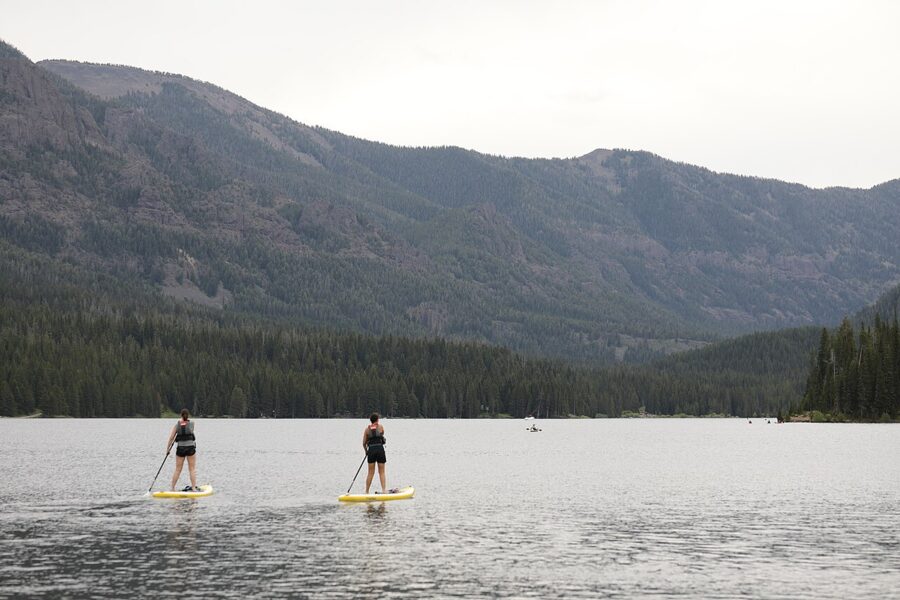
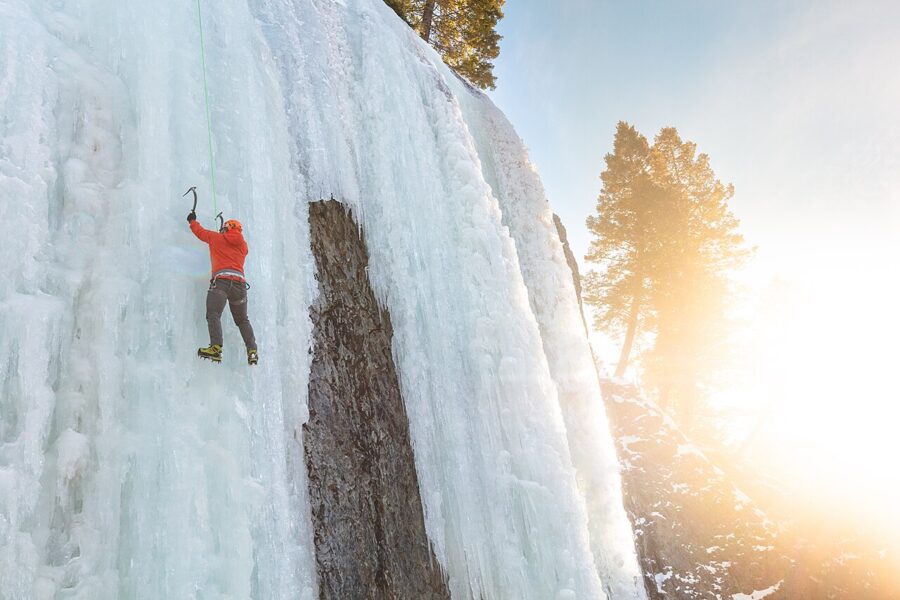
Hyalite Canyon is Bozeman’s backyard: a paved road from the south end of 19th Avenue climbs into the Custer Gallatin National Forest to a reservoir about 17 miles from town. In summer you can paddle, picnic, fish for cutthroat, grayling and brook trout, or hike to waterfalls. In winter it is one of the country’s best-known ice-climbing areas.
Three walks cover most of what people come for:
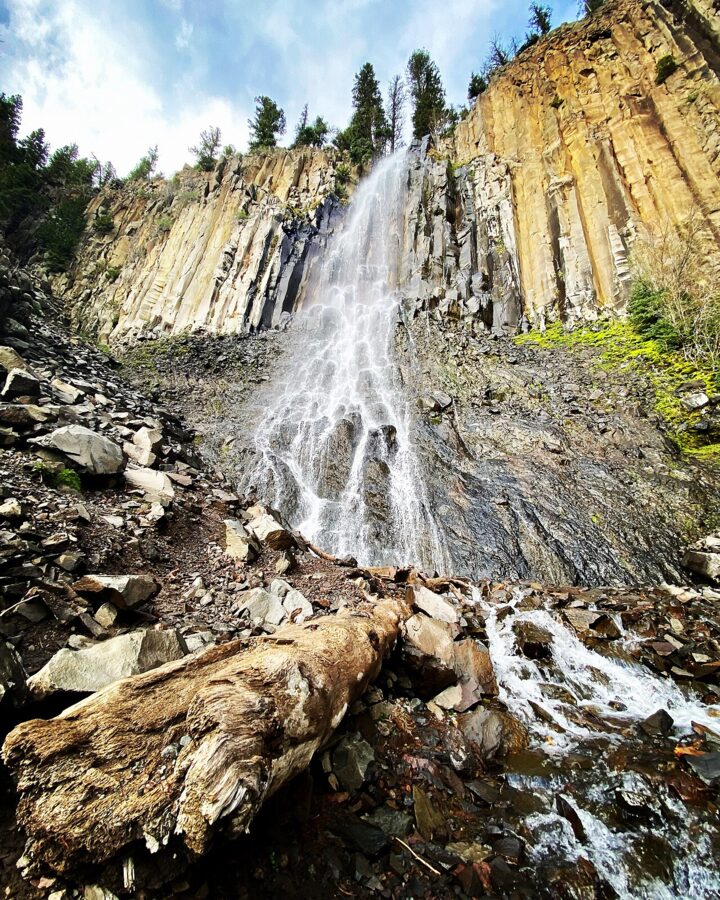
- Palisade Falls: a paved, fully accessible half-mile nature trail to a waterfall of about 80 feet that drops off a wall of rock columns. Allow under an hour. There is a vault toilet and picnic area at the trailhead but no drinking water.
- Grotto Falls: a gentle, wide trail along Hyalite Creek to a smaller waterfall, good with children and in shoulder season when higher trails are still snowy.
- Hyalite Peak Trail: the big day. The Forest Service gives it as 7.5 miles one way with 3,450 feet of climbing, past a string of waterfalls to Hyalite Lake and the peak.
The Hyalite Canyon Road closes every spring from April 1 to May 15, so time a May trip for the second half of the month. Hood Creek campground, on the reservoir, is open May 16 to September 30 at $26 a night for a single site. Day use is free. Bears use the whole canyon, and campers must store food in approved containers.
Bridger Bowl
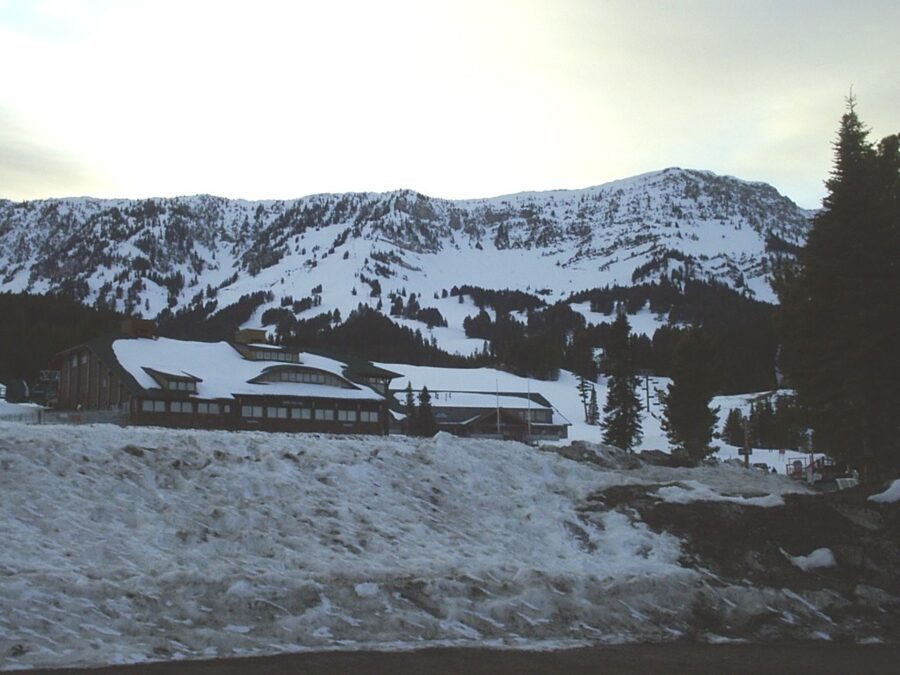
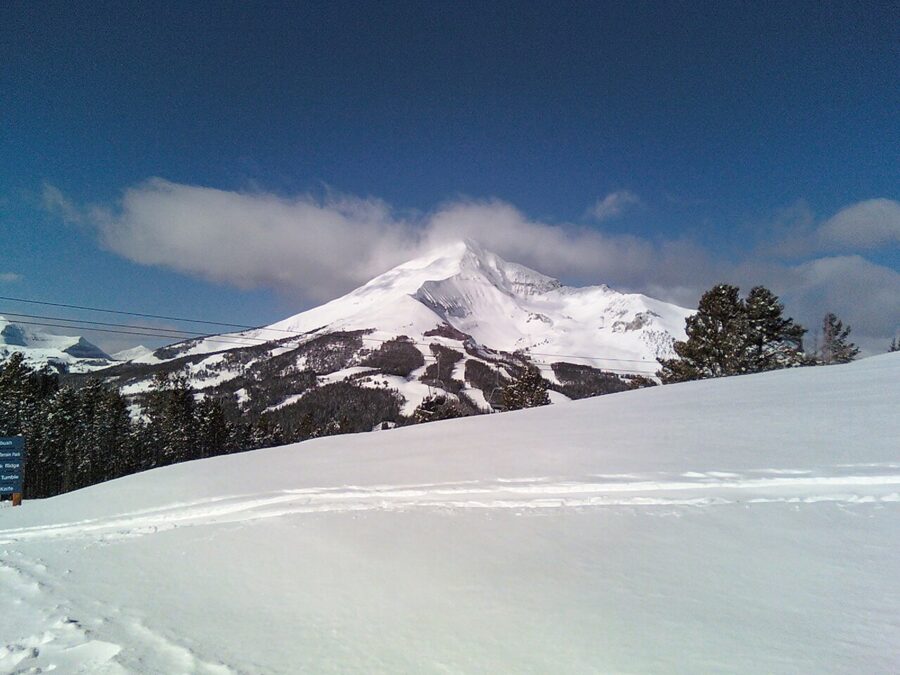
Bridger Bowl is the town ski hill, a nonprofit, community-owned area about 16 miles north of downtown up Bridger Canyon Road. It is known for dry snow, steep terrain and the Ridge, hike-to expert terrain where you must carry an avalanche transceiver and shovel and ski with a partner. There is plenty of intermediate terrain and a beginner area too.
For 2026/27, Bridger Bowl lists a projected opening day of Friday, December 11, 2026, conditions permitting. Day tickets as of November 2026:
| Bridger Bowl 2026/27 day ticket | Online | Ticket window |
|---|---|---|
| Adult (19 to 69) | $86 | $99 |
| Junior (13 to 18) | $54 | $68 |
| Child (7 to 12) | $40 | $52 |
| Senior (70 to 79) | $50 | $50 |
| Age 6 and under, or 80+ | $0 | $5 |
| Beginner lifts only | $25 | $25 |
| Adult half day (from 12:30pm) | $74 | |
Buy online to save $13 on an adult ticket. Streamline runs a ski bus to the mountain in season. For a bigger, pricier resort, Big Sky is about an hour south.

The drive to Yellowstone
Bozeman is a gateway to two of Yellowstone’s five entrances, and the route you pick decides what you see.
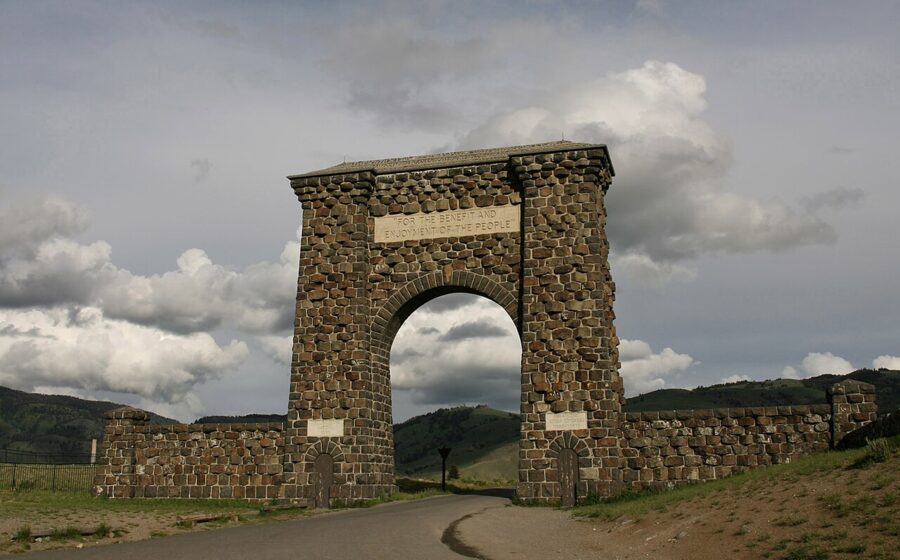
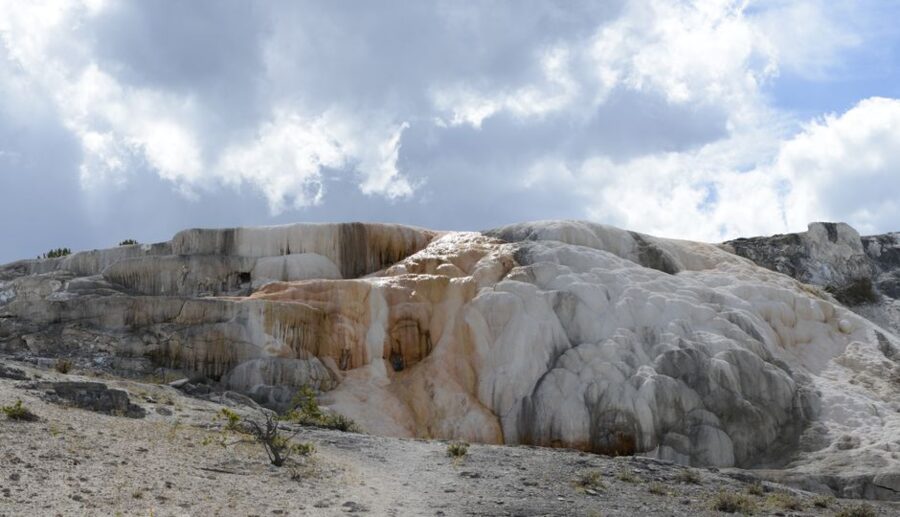
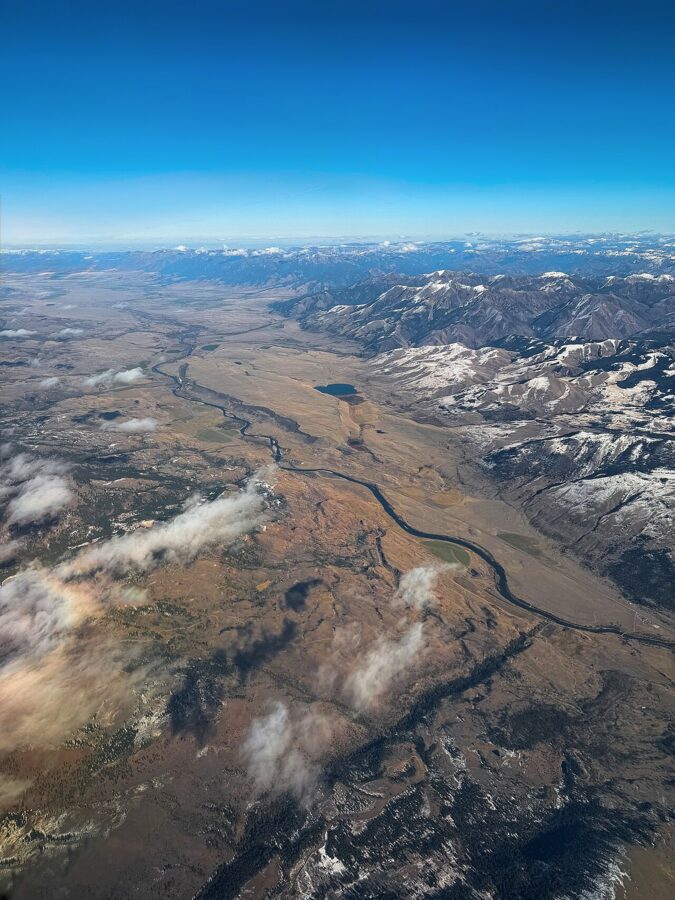
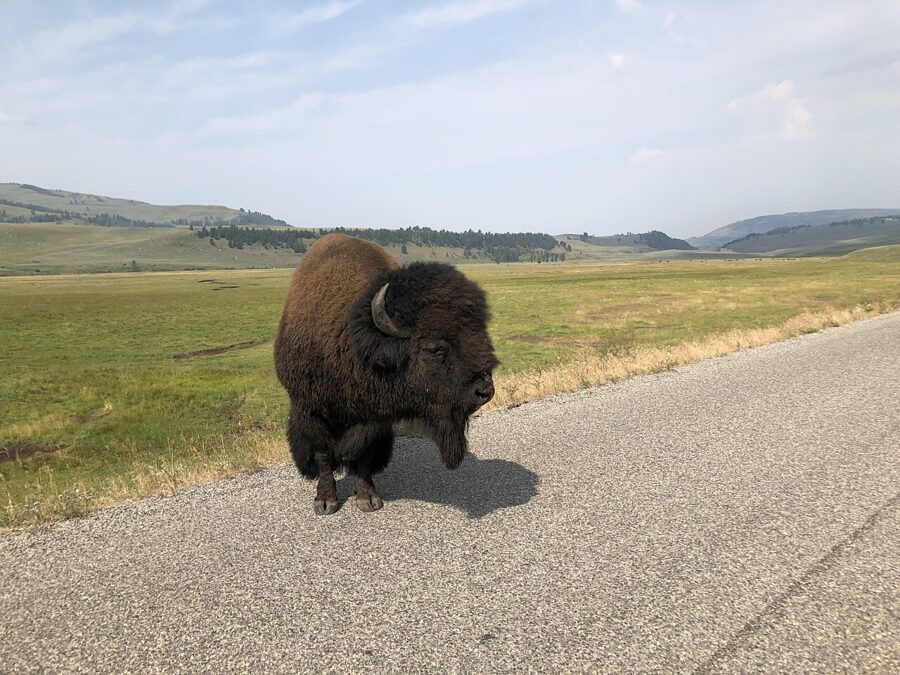
North, through Paradise Valley. Take I-90 east to Livingston, then Highway 89 south along the Yellowstone River to Gardiner, about 80 miles and 1 hour 30 minutes. Mammoth Hot Springs is 5 miles inside the North Entrance, and the Lamar Valley, the park’s best-known wildlife valley, lies further east on the road to Cooke City, the only road in the park open to cars all year.

West, through Gallatin Canyon. Highway 191 runs south past Big Sky to West Yellowstone, about 90 miles and up to 2 hours, and Old Faithful is about 30 miles beyond. This entrance is seasonal: the park lists it open to cars between April 16 and October 31, 2027, and to snowcoaches and snowmobiles only between December 15, 2026 and March 15, 2027.
A loop in by the west and out by Gardiner is roughly 250 miles before side trips. It fits a long summer day, but two days with a night in Gardiner or West Yellowstone is far better.

| Yellowstone entrance fees (National Park Service, as of November 2026) | Price |
|---|---|
| Private vehicle, valid 7 days | $35 |
| Motorcycle, valid 7 days | $30 |
| Per person on foot, bike or skis (16+) | $20 |
| Surcharge for international visitors who are not U.S. residents (16+) | $100 per person, waived with an annual pass |
| America the Beautiful annual pass | $80 for U.S. residents, $250 for non-residents |
No vehicle reservation is needed to enter. Fill the tank in Bozeman, Livingston, Gardiner or West Yellowstone, since fuel stations inside the park are few and mostly seasonal.
Hike to the M
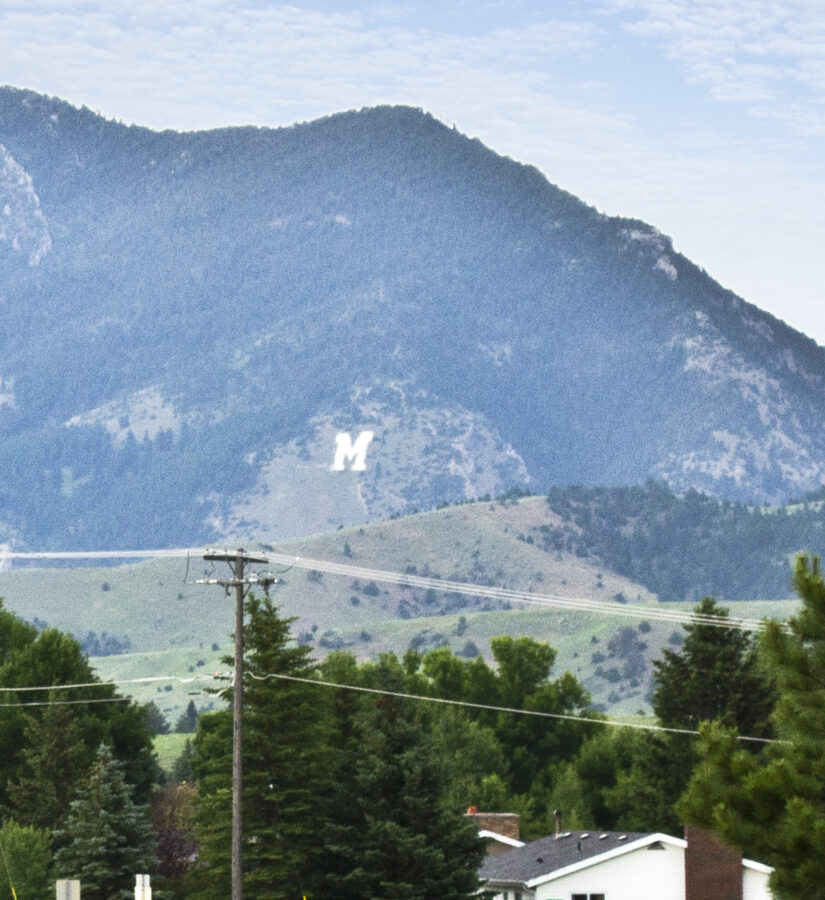
The white M on the Bridger foothills, built by students in 1915 and about 250 feet tall, is the classic short hike from town. The College M Trailhead is about 3 miles up Bridger Canyon Road (Highway 86) from the end of Rouse Avenue, with a vault toilet but no water.
Two routes leave the trailhead, one steep and direct, one longer and gentler; the Forest Service gives the trail as about 1.5 miles. Allow an hour or so, take water, and expect ice in winter.

Bozeman Hot Springs
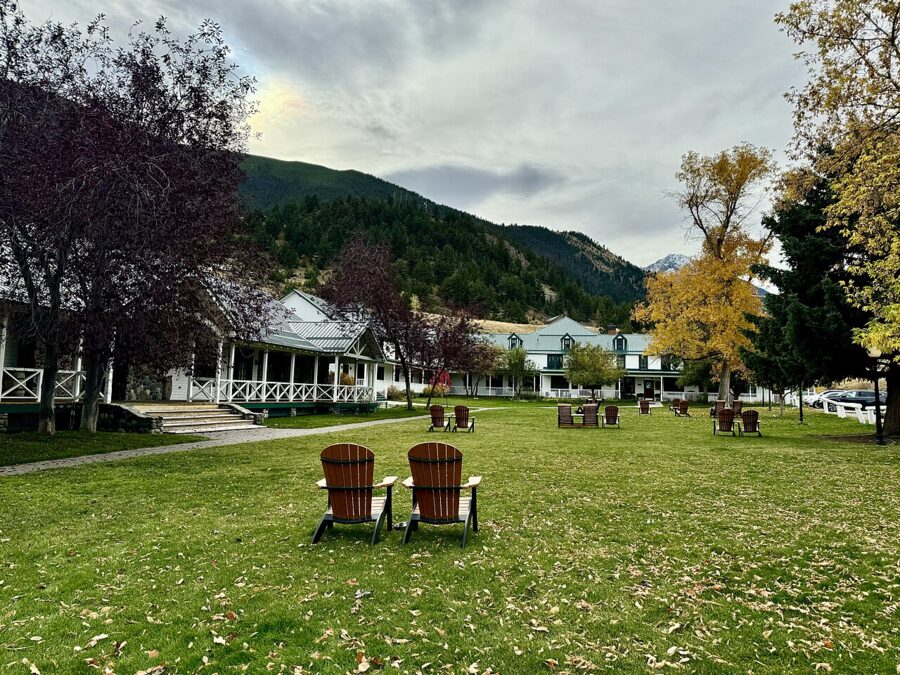
Bozeman Hot Springs, about 8 miles west of town on Highway 191, has 12 pools from 59°F to 106°F plus saunas, the easiest soak after a ski day. As of November 2026 an adult day pass is $28 on weekdays and $34 on weekends and holidays (less with a Montana ID); ages 5 to 13 pay $25 and $28.
The springs open at 5:30am Monday to Thursday and 8am Sunday, close at 11pm most nights, and close from sundown Friday to sundown Saturday. For a more rustic soak, Norris Hot Springs is about 45 minutes west and Chico about an hour east.
Smaller and local things to do
Gallatin History Museum
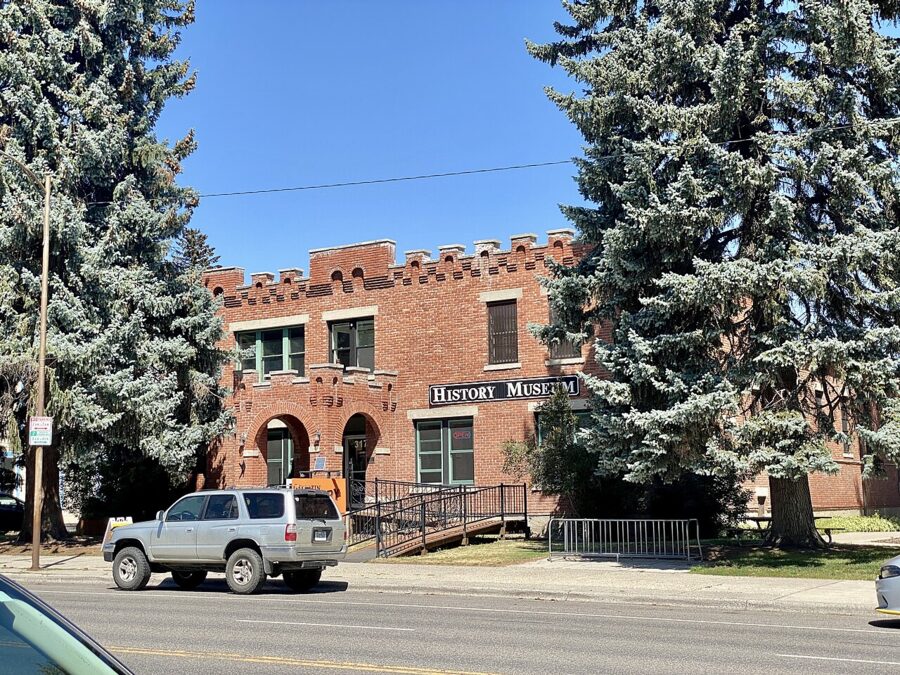
The county’s history museum fills the old Gallatin County Jail at 317 W. Main, a 1911 building by Fred Willson, the local architect behind much of downtown. Inside are the jail cells, a hanging gallows, a full-size pioneer cabin and exhibits on women’s history, farming and music in the valley. Allow about an hour.
As of November 2026 it opens Wednesday to Saturday, 10am to 4pm. Admission is $10, $9 for seniors and military, $5 for ages 6 to 17 and free for 5 and under.

American Computer & Robotics Museum
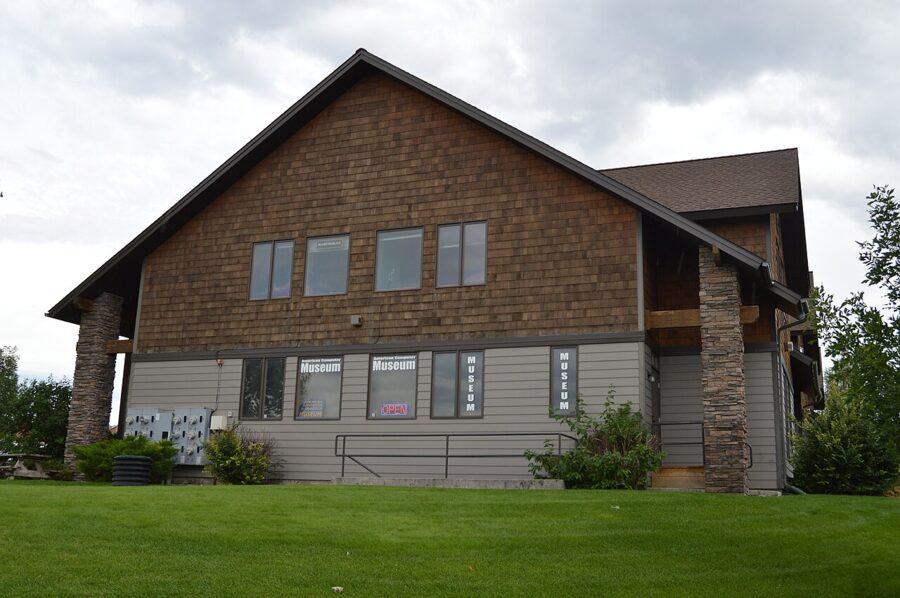
This small museum on Stadium Drive covers 4,000 years of information technology: cuneiform tablets, the first personal computers, the Enigma code, the space race and artificial intelligence. It is much better than its name suggests. Allow about an hour.
As of November 2026 it opens Tuesday to Sunday, 10am to 4pm, and closes Mondays and holidays. Admission is $10 for adults, $7.50 for seniors and military, $5 for ages 10 to 17 and students, and free for 9 and under.

Montana Grizzly Encounter
East of town on Bozeman Hill Road, near the climb to Bozeman Pass, this sanctuary keeps grizzly bears that cannot live in the wild. The bears rotate through a large outdoor habitat, and keepers talk every hour on the half hour, including about what to do if you meet a bear on the trail.
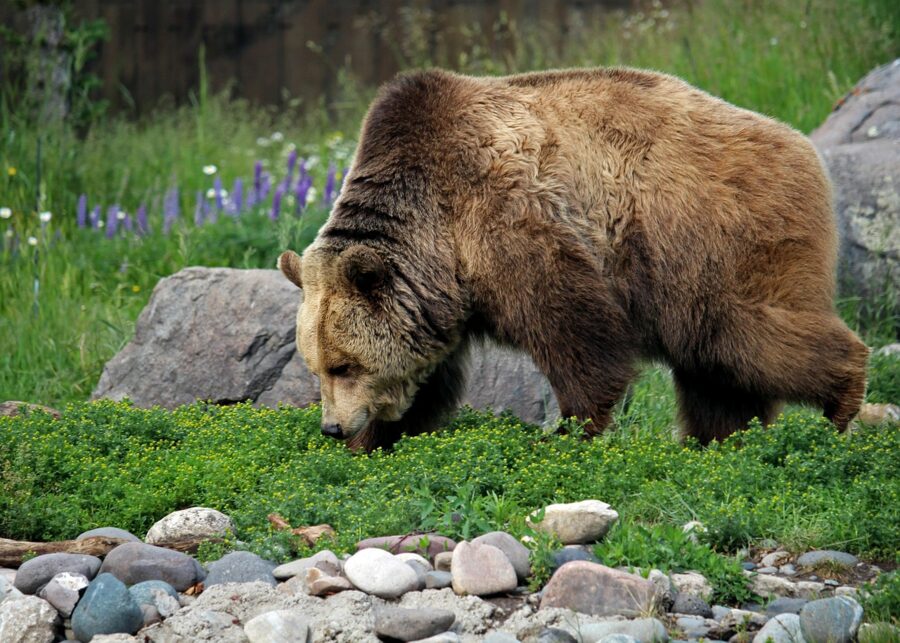
Hours change by season. As of November 2026 it opens Thursday to Sunday, 10am to 4pm (winter hours from November 1), with longer summer hours from June 1 of 10am to 6pm, Wednesday to Monday. Admission is $13.50 for adults, $12.50 for seniors, $11.50 for ages 5 to 14 and free for 4 and under; tickets are good for two consecutive days.
Montana State University
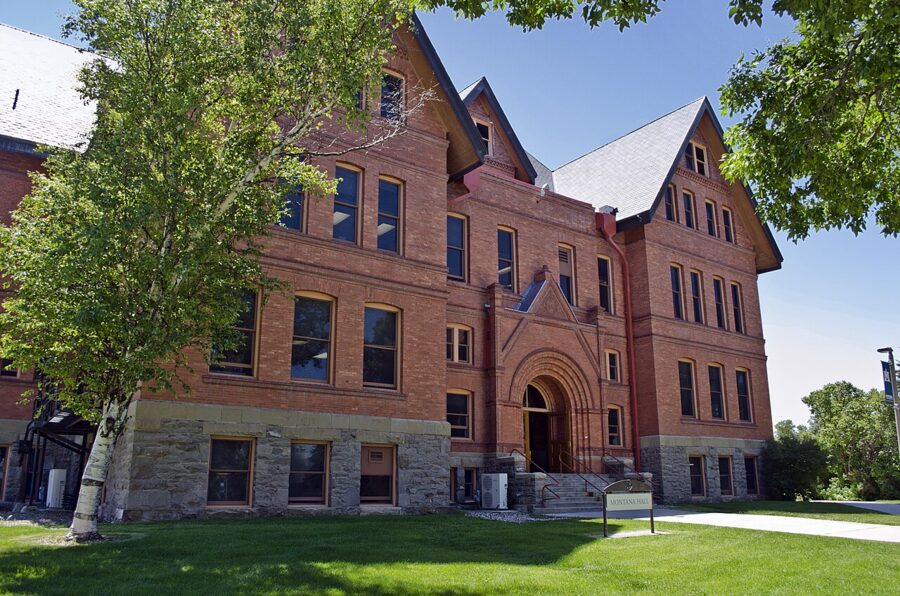
The campus on the south side of town is worth a short walk, starting at Montana Hall. The Museum of the Rockies sits on its southern edge, and Bobcat Stadium fills on fall Saturdays.

Parks, trails and the Emerson
Bozeman’s “Main Street to the Mountains” trail network links parks across the town. The best short walks:
- The Gallagator Trail: a flat path on an old railroad line linking downtown to the Museum of the Rockies, handy if you want to leave the car.
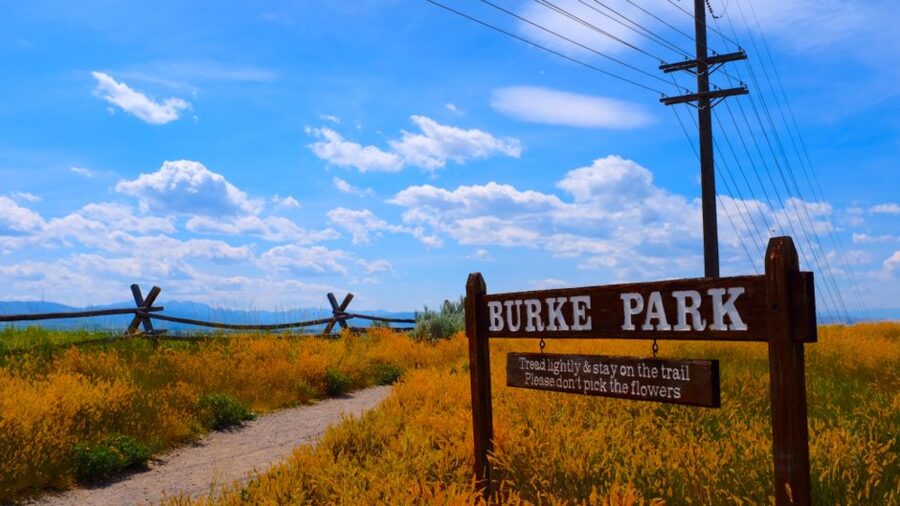
- Burke Park on Peets Hill: a short climb a few blocks from Main Street to a grassy ridge with views across town to the Bridgers. Go at sunset.
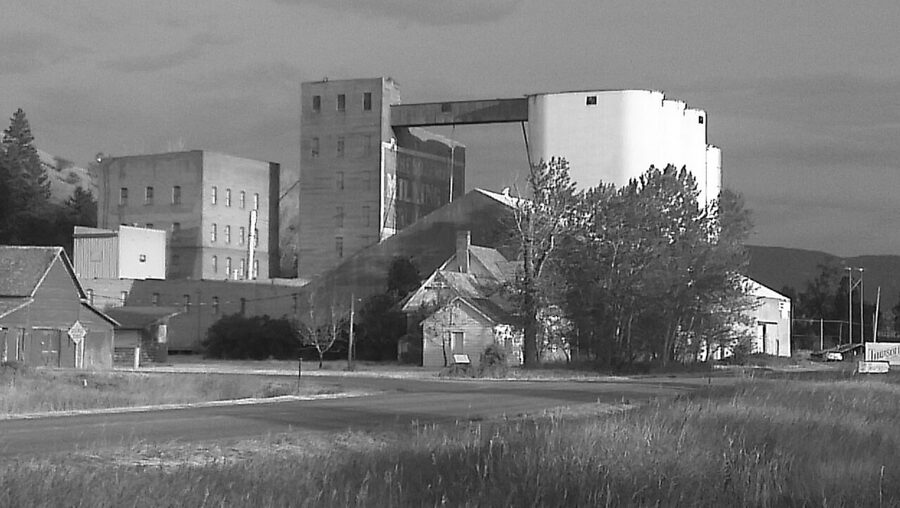
- Story Mill Community Park: a large park on the northeast side, near the historic Story Mill grain buildings, with trails, wetlands and a big playground.
- Lindley Park: east of downtown, home to the Sweet Pea Festival each August.

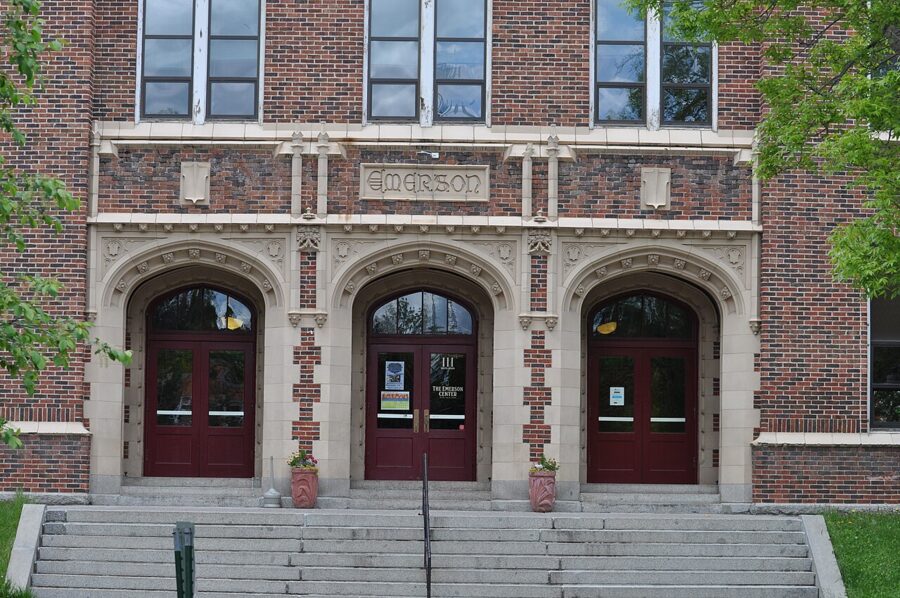
The Emerson Center for the Arts and Culture, in a former school a few blocks south of Main Street, holds galleries, artists’ studios and a theater. Its calendar of exhibitions, classes and performances is worth a look before your trip.
Day trips worth the drive
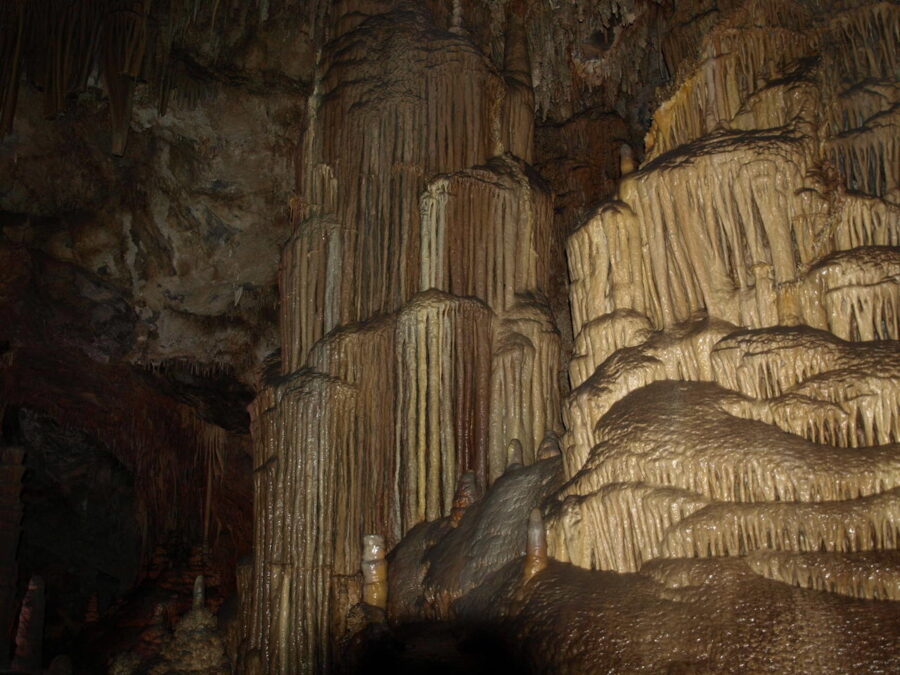
Lewis and Clark Caverns State Park, about an hour west past Three Forks, protects one of the most decorated limestone caves in the Northwest. Entry is by guided tour only, May to September. The Classic Cave tour (two hours, two miles, about 300 feet of climbing) and the flatter Paradise tour (90 minutes, one mile) each cost $15 for adults and $10 for ages 5 to 14, plus $8 per vehicle for non-Montanans. Between Memorial Day and Labor Day, tours are by advance reservation only.
In December the park runs a few Candlelight tours ($25 for adults), with tickets online from the Monday after Thanksgiving.
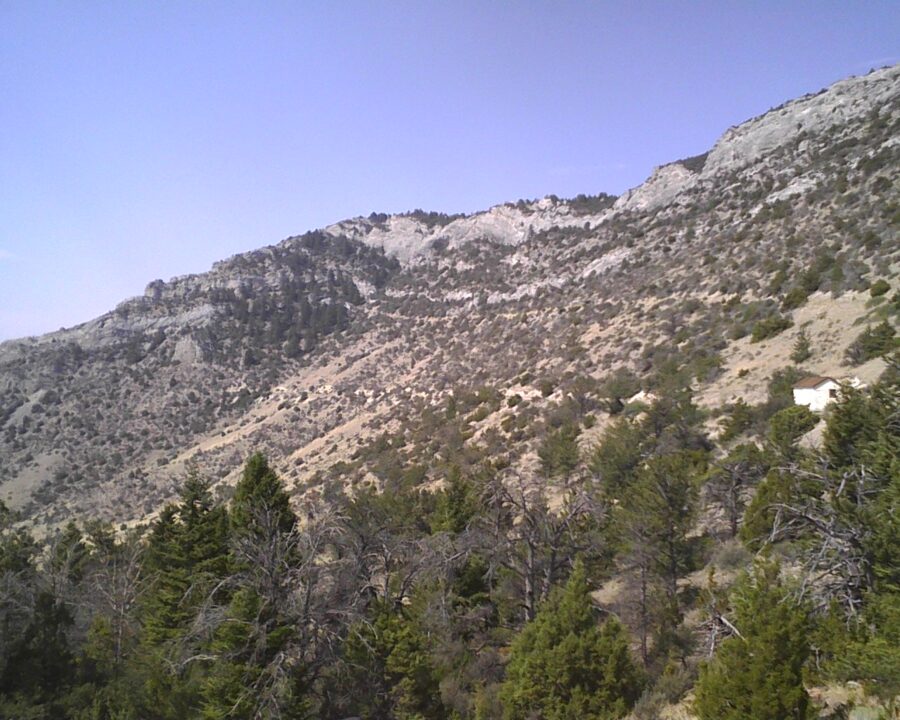


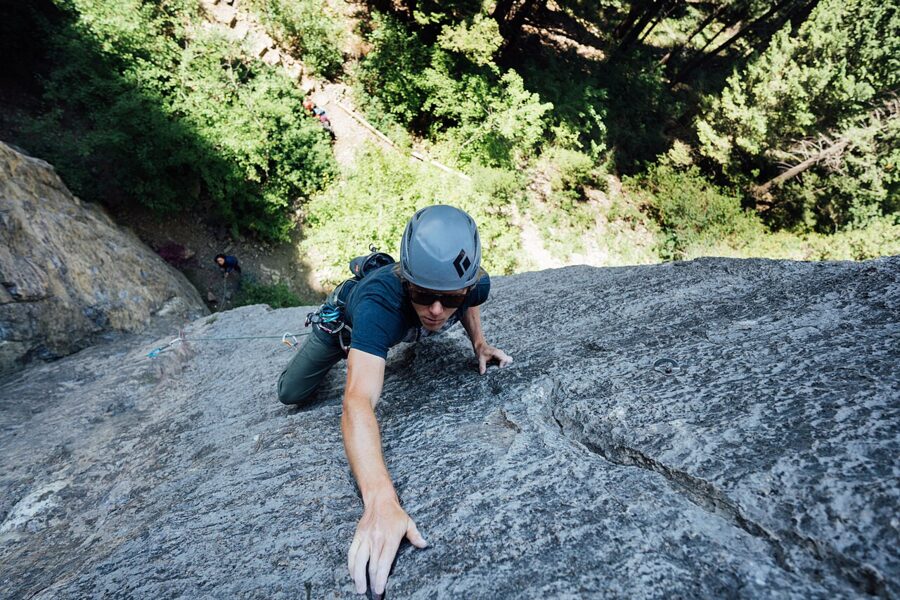
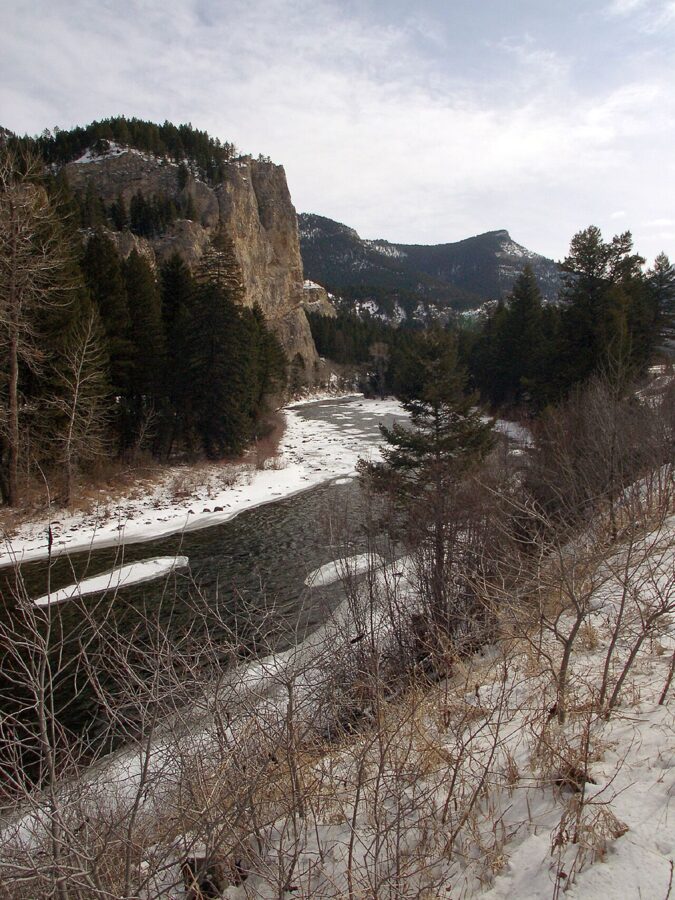
Gallatin Canyon and Big Sky make a half day. Highway 191 follows the Gallatin River through a narrow canyon with pull-offs for fishing, rafting outfitters and climbing crags. Big Sky, about an hour from Bozeman, has its own resort village and summer trails.



Festivals and events by month
| When | Event |
|---|---|
| June to September, Tuesdays 5pm to 8pm | Bogert Farmers’ Market, the town’s big evening market (in 2026, June 16 to September 8) |
| Summer Saturdays, 9am to noon | Gallatin Valley Farmers’ Market at the county fairgrounds |
| July and early August, Thursdays | Music on Main, free outdoor concerts downtown (July 2 to August 6 in 2026) |
| Mid-July | Big Sky Country State Fair at the Gallatin County Fairgrounds (July 15 to 19 in 2026) |
| Early August | Sweet Pea Festival in Lindley Park, music, dance, theater and art (August 7 to 9 in 2026) |
| Fall Saturdays | Montana State Bobcats football at Bobcat Stadium |
| Early December | Christmas Stroll downtown (Saturday, December 5, 2026, 4:30pm to 7:30pm) |
| Mid-December | Bozeman Ice Festival in Hyalite Canyon (listed for December 9 to 13, 2026) |
| Winter Saturdays | Winter farmers’ market at the county fairgrounds on set dates |
Where to eat and drink
Bozeman eats early. Breakfast places fill by 9am on weekends, many kitchens close by 9pm or 9:30pm, and brewery taprooms close at 8pm under Montana law. The places below were trading as of November 2026, with hours from their own sites.
Breakfast
- Jam! on Main: the big downtown breakfast and brunch room, open daily 7am to 3pm. No reservations; join the online waitlist before you walk over.
- Cateye Cafe: a small, busy downtown diner opening at 7am daily (until 2:30pm on weekends).
- Feed Cafe: farm-fresh breakfast and lunch at 1530 W. Main, 7am to 2pm daily. Handy on the way west to the hot springs or Big Sky.
Dinner
- Montana Ale Works: 611 E. Main, a big, lively brick dining room and bar at the east end of downtown. Open from 4pm daily, until 9pm (9:30pm Friday and Saturday).
- Blackbird Kitchen: 140 E. Main, a small, wood-fired Italian kitchen and the table to book ahead for a special dinner downtown.
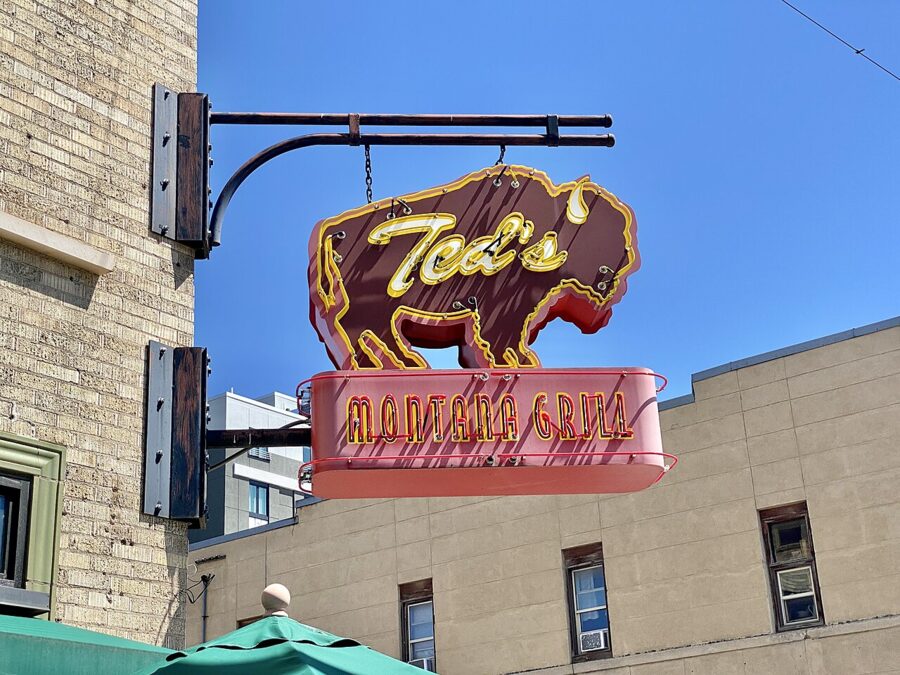
- Ted’s Montana Grill: in the Baxter Hotel at Main and Willson, for a bison burger under the famous neon sign.
Beer, spirits and pizza
- Bridger Brewing: beer and pizza near the university, with free music nights.
- MAP Brewing: on the north side of town, with regular pint nights and events.
- Bozeman Spirits Distillery: a downtown tasting room for spirits distilled in town.
Ice cream
- Genuine Ice Cream: handmade ice cream, open noon to 10pm daily.
- Sweet Peaks: a Montana ice cream company with scoop shops in Bozeman.

When to go and how long to stay
Summer (late June to early September) is high season: long days, every road open, Music on Main and the Sweet Pea Festival. Highs average in the low 80s, nights drop into the 50s, and afternoon thunderstorms are common. It is also the priciest and most crowded time, especially in Yellowstone.
September is the sweet spot: warm days, cool nights, turning aspens and thinner crowds. Winter (December to March) means skiing, Hyalite ice, snowcoach trips into Yellowstone and wolf watching in the Lamar Valley; January highs hover around freezing and lows sit in the teens.
Is May a good month to visit? For the town, yes; for the mountains, partly. Prices are lower, the museums and hot springs are open, and Yellowstone’s west side reopens to cars in mid-April. But snow lingers high into June and the Hyalite Canyon Road stays closed until May 15, so late May beats early May.
How many days? Two full days covers the town and its nearest mountains. Add one day for a quick Yellowstone loop, or two for a proper look at the park.
A simple two-day plan
Day one. Museum of the Rockies when it opens at 9am, then lunch downtown. Walk Main Street and the Gallatin History Museum in the afternoon (or the computer museum if it is a Tuesday or Sunday). Hike to the M in the late afternoon, or walk up Peets Hill for sunset, and finish with dinner on Main Street.
Day two. Early start for Hyalite Canyon: Palisade Falls first, then Grotto Falls or a paddle on the reservoir, with a picnic. Back in town by mid-afternoon for a soak at Bozeman Hot Springs, and a beer and pizza in the evening. In winter, swap Hyalite for a day at Bridger Bowl.
Day three, if you have it. Leave before 7am for Gardiner through Paradise Valley, see Mammoth Hot Springs, then drive into the Lamar Valley and back. Stop at Chico Hot Springs on the way home.
Getting around and practical notes
You need a car. Downtown and the campus are walkable, but the trailheads, hot springs and Yellowstone are not on public transit. Book summer rentals early, and choose all-wheel drive in the snowy months.
Streamline buses are free. The zero-fare system runs weekday lines across town from about 6:30am to 10pm, shorter weekend service, a weekday line to Belgrade and, in the colder months, a weekday line to Livingston, plus a Bridger Bowl ski bus in season. The airport is not on its published routes.
Parking. Downtown street parking and the Bridger Park Garage give you two hours free; the garage then charges $1 an hour, per the city’s parking page. Trailhead lots fill on summer weekends, so arrive early.
Bears. Yes, there are grizzly bears around Bozeman, in the Gallatin and Madison ranges, in Hyalite and in Yellowstone, and black bears are common in the ranges around town. Carry bear spray on your hip on any trail outside town and make noise in thick cover. You cannot fly with bear spray, so buy it at an outdoor shop after you land.
Altitude and weather. The trails climb well above the town’s 4,800 feet, so drink more water than usual and wear sunscreen. Summer storms build in the afternoon, and snow can fall in the mountains in any month: start big hikes early and pack a warm layer even in July.
One last tip: the Museum of the Rockies, Main Street and the hot springs all work in bad weather, so keep them for the day the mountains disappear into cloud and save your clear morning for Hyalite.