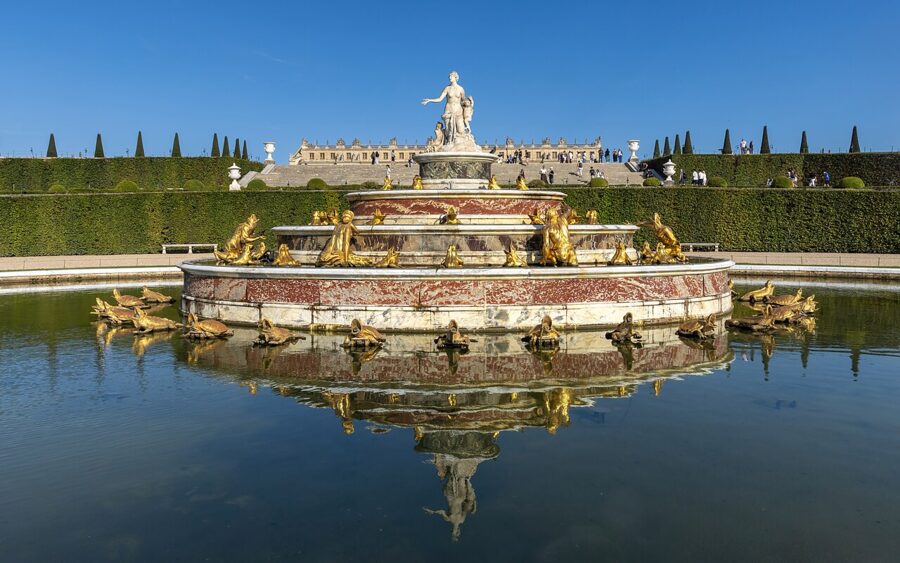
Versailles is the best day trip from Paris: 30 to 40 minutes on the RER C for €2.55 (about $2.80) each way, a palace that fills the morning and gardens that fill the afternoon. If you have seen it already, go to Giverny for Monet’s garden between April 1 and November 1, or ride the TGV 45 minutes to Reims for a coronation cathedral and champagne cellars cut into the chalk.
Every place below works as a same-day round trip from central Paris, most of them by train, ranked by what a day there gives you against the time and money it takes. Three car-only trips have their own section near the end. Hours, prices and schedules are as of November 2026.


On this page
- The short answer: twelve day trips from Paris, ranked
- 1. Versailles: the palace, the gardens and the Trianon
- 2. Giverny: Monet's house and garden
- 3. Reims: a coronation cathedral and champagne cellars
- 4. Chartres: the stained glass
- 5. Fontainebleau: a palace and a forest
- 6. Rouen: half-timbered streets and Joan of Arc
- 7. Chantilly: the château, the Musée Condé and the Great Stables
- 8. Auvers-sur-Oise: Van Gogh's last village
- 9. Provins: a walled medieval town
- 10. Trouville and Deauville: the beach
- 11. Mont-Saint-Michel: possible, but a long day
- Day trips from Paris by car
- Across the border: Brussels and beyond
- A two-day plan for Versailles
- Booking trains and timed tickets
- Driving from Paris: licenses, tolls, traffic and parking
The short answer: twelve day trips from Paris, ranked
Distances are approximate road distances from central Paris. Train times are typical rides from the Paris station named in each section; drive times assume light traffic.
| Place | Distance | By train | By car | Best for |
|---|---|---|---|---|
| 1. Versailles | 20 km (12 mi) | 30 to 40 min (RER C) | 30 to 45 min | A palace and its gardens |
| 2. Giverny | 75 km (47 mi) | About 50 min, then a shuttle bus | About 1 hr 15 min | Monet’s house and garden (April 1 to November 1) |
| 3. Reims | 145 km (90 mi) | 45 min (TGV) | About 1 hr 30 min | A cathedral and champagne cellars |
| 4. Chartres | 88 km (55 mi) | About 1 hr | About 1 hr | Medieval stained glass |
| 5. Fontainebleau | 60 km (37 mi) | About 40 min, then a bus | About 1 hr | A royal palace and a forest of boulders |
| 6. Rouen | 135 km (84 mi) | About 1 hr 15 min | About 1 hr 30 min | Half-timbered streets, Joan of Arc |
| 7. Chantilly | 40 km (25 mi) | 25 min (TER) | About 45 min | Old master paintings, horses |
| 8. Auvers-sur-Oise | 30 km (19 mi) | 44 min direct on weekends, April to October | About 45 min | Van Gogh’s last village |
| 9. Provins | 90 km (56 mi) | About 1 hr 30 min | About 1 hr 15 min | A walled medieval town |
| 10. Trouville and Deauville | 200 km (124 mi) | About 2 hr | About 2 hr | The beach |
| 11. Mont-Saint-Michel | 340 km (211 mi) | About 3 hr 30 min to 4 hr | About 4 hr | The abbey, on a very long day |
| 12. Vaux-le-Vicomte | 55 km (34 mi) | Awkward without a car | About 1 hr | Formal gardens and a château without the crowds |
Four of the train trips cost the same as a metro ride. Versailles, Fontainebleau, Provins and Auvers-sur-Oise are inside the Île-de-France region, where one Metro-Train-RER ticket covers any ride except to the airports for €2.55 (about $2.80). The rest need a regular SNCF ticket.
1. Versailles: the palace, the gardens and the Trianon
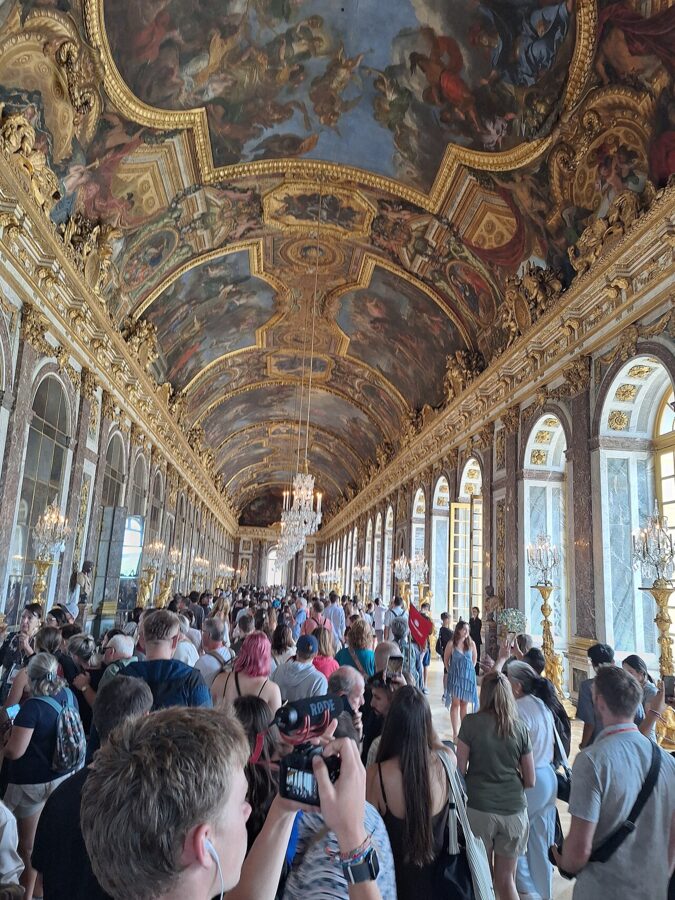
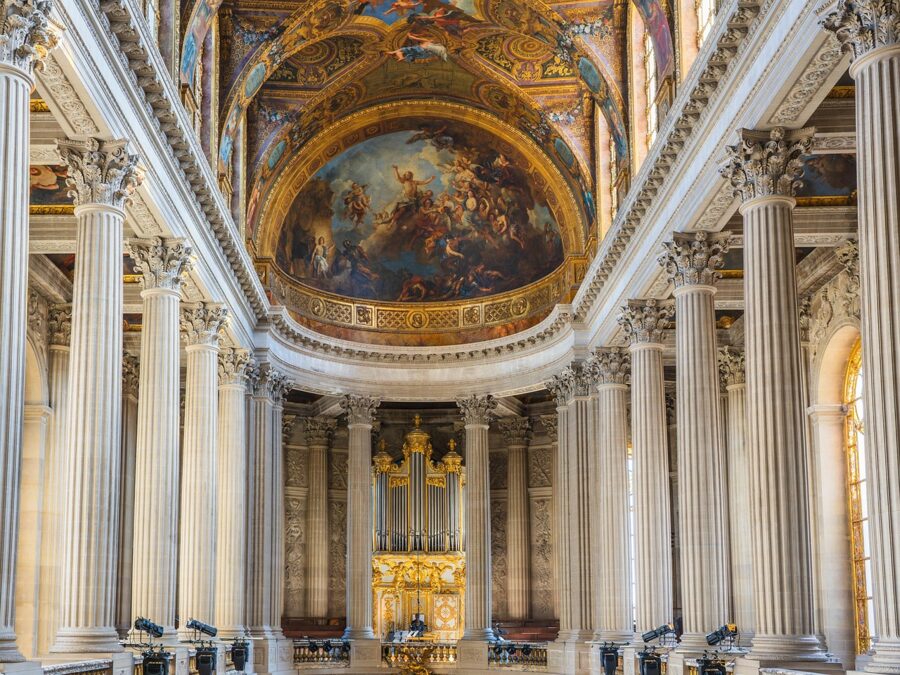
Nothing else within an hour of Paris comes close. The Hall of Mirrors, the State Apartments and the Royal Chapel take two to three hours, the gardens can take the rest of the day, and the Trianon estate is a 30-minute walk across the park.

Hours and tickets. The palace is closed on Mondays and on December 25, January 1 and May 1. From November 2 to March 31 it opens from 9am to 5:30pm (last entry 4:45pm); from April 1 it stays open until 6:30pm, and the Trianon estate opens at noon. Everyone needs a timed slot for the palace, and entry within half an hour of it is only guaranteed for tickets bought online.
The Passport ticket, which covers the palace, the Trianon estate, the gardens and the temporary exhibitions, is €25 (about $28) in the low season and costs more from April to October, when it also covers the Musical Fountains shows. A Trianon-only ticket is €15 (about $16.50). Visitors under 18, and EU residents under 26, get in free.
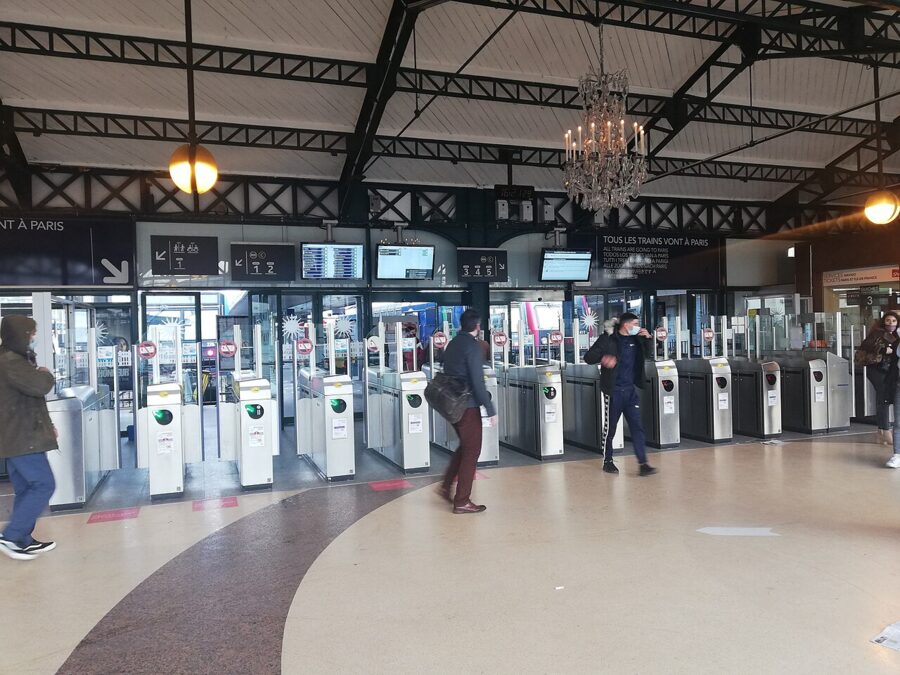
Getting there. The RER C ends at Versailles Château Rive Gauche, a 10-minute walk from the palace gates. Transilien trains from Gare Montparnasse stop at Versailles Chantiers, 18 minutes’ walk away, and trains from Gare Saint-Lazare stop at Versailles Rive Droite, 17 minutes away. Bus 171 runs from Pont de Sèvres, the end of metro line 9, in about 30 minutes without traffic.

Driving. Cars can enter the park through the Queen’s Gate for €12 (about $13) per vehicle, but for one or two people the train is cheaper and quicker.
When to go. Tuesdays are busy, because the Louvre is closed that day and many of its visitors come here instead. Weekday mornings outside school holidays are the quietest, and from June to mid-September the evening Royal Serenade gives a reason to stay late.
2. Giverny: Monet’s house and garden
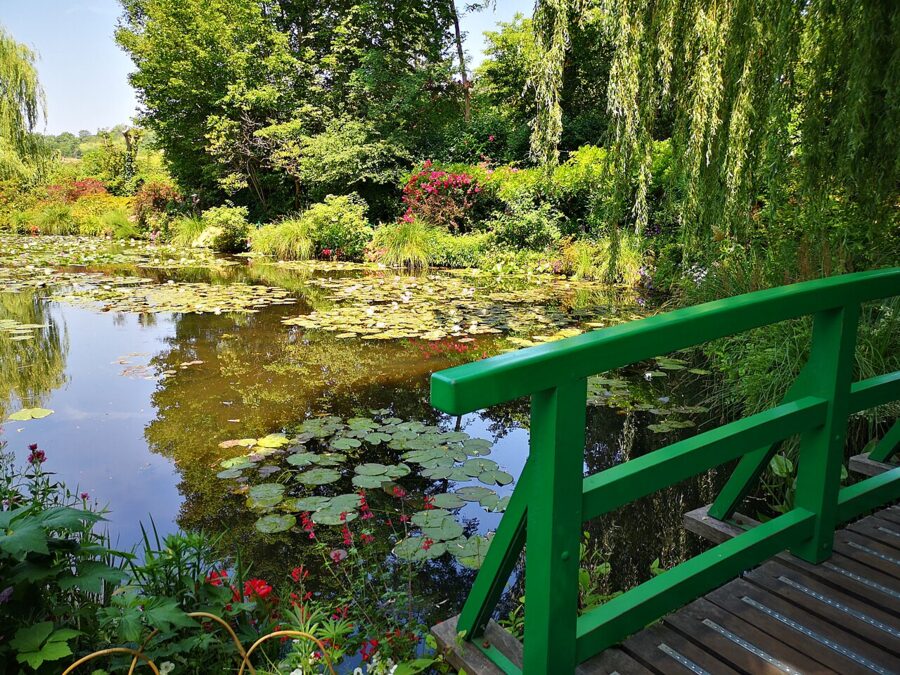
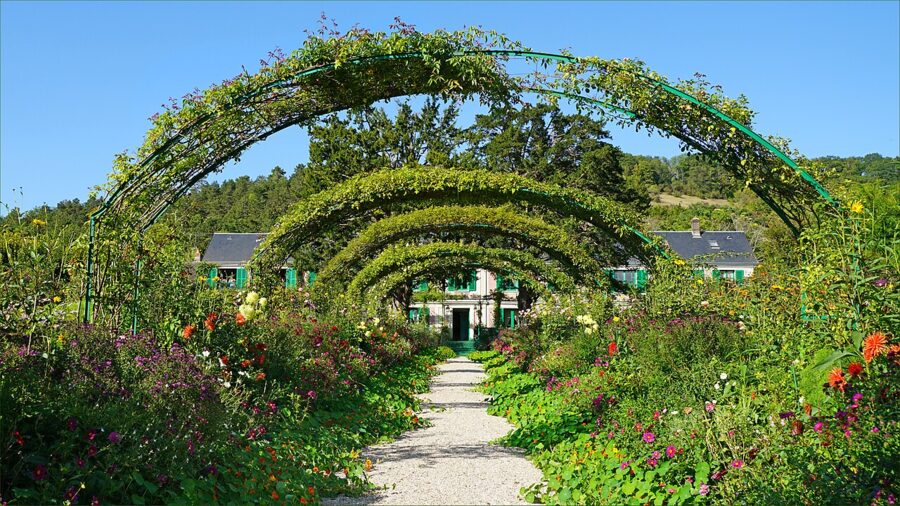
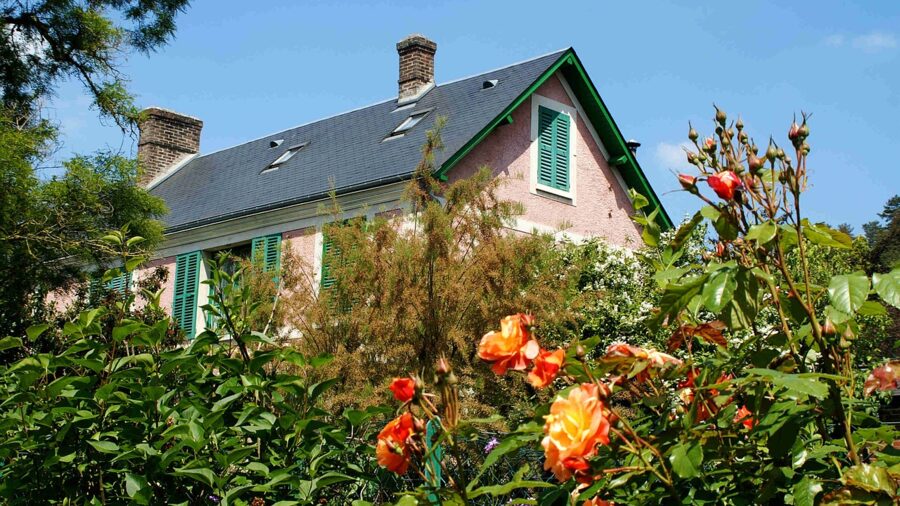
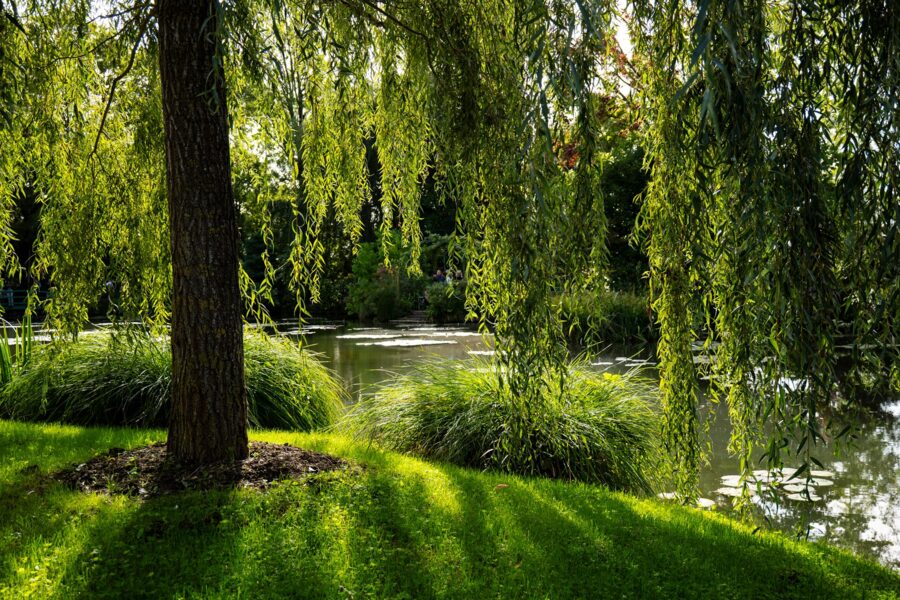
Claude Monet lived in Giverny from 1883 until his death in 1926, and he planted both gardens you walk through today: the Clos Normand flower garden in front of the pink house, and the water garden across the road, with the lily pond and green Japanese bridge he painted for the rest of his life.

Season and hours. The house and gardens are open from April 1 to November 1, 2026, from 10am to 6pm, with last admission at 5:30pm, and are closed from November 2 until they reopen on April 1, 2027. The foundation that runs them recommends booking online, which matters most in May and June; its 2027 ticket prices were not yet posted in November 2026.
Getting there. Regional Nomad trains run from Gare Saint-Lazare to Vernon-Giverny in about 45 minutes to an hour. A seasonal shuttle bus meets the trains at Vernon-Giverny station; in 2026 it ran from late March to November 1, and the round-trip fare was around €10 (about $11).
The Musée des Impressionnismes, a few minutes’ walk away, holds changing exhibitions; it is closed for the winter, and adult tickets were €12 (about $13), free under 18.
When to go. May and June for roses, irises and wisteria; July and August for water lilies; September and October for quieter visits.
3. Reims: a coronation cathedral and champagne cellars
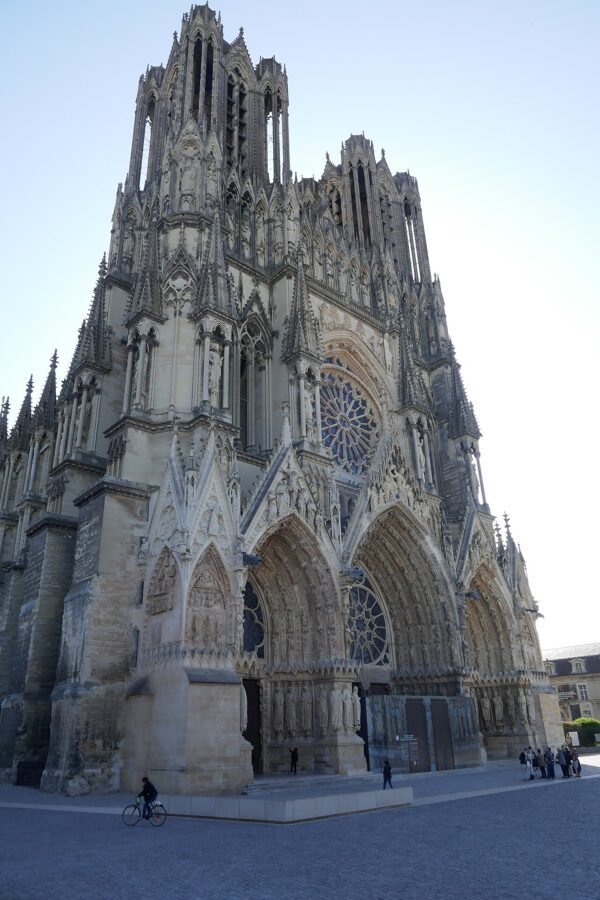
The TGV from Gare de l’Est reaches Reims in 45 minutes. The Cathedral of Notre-Dame de Reims, where most French kings were crowned, is a short walk from Reims-Centre station, and many of its champagne houses keep their bottles in chalk pits and tunnels below the streets.

Plan around one closure: the Palais du Tau, the archbishop’s palace next to the cathedral that holds the coronation treasury, is closed for works and does not expect to reopen until 2027.
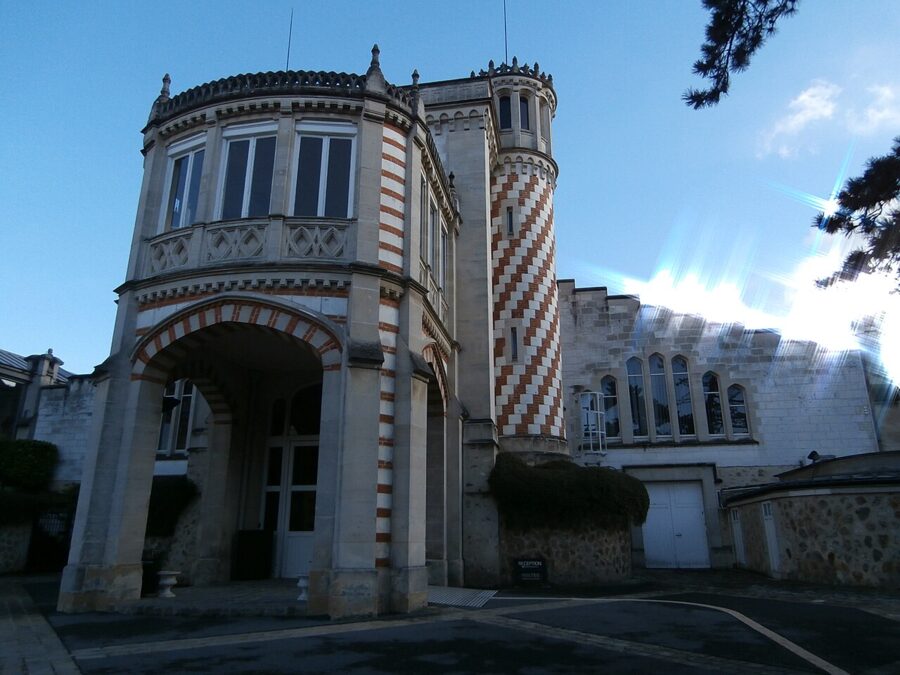
The champagne houses. Taittinger, Ruinart, G.H. Mumm, Lanson and Pommery all offer visits; book on each house’s own website, a week or more ahead for a weekend. Pommery’s estate is the most theatrical: 116 steps take you 30 meters underground into Gallo-Roman chalk quarries joined by about 18 km of galleries, where the temperature stays around 10°C (50°F) all year, so bring a sweater in August.

Getting around. Reims-Centre station is in the city center, and a second station, Champagne-Ardenne TGV, sits outside town and links to the center by tram, so check which one your train uses. Drivers will find park-and-ride lots at the city’s edge and about 2,800 spaces in six central garages.
A day covers the cathedral and one cellar tour; stay the night for a second house or a drive to Épernay.
4. Chartres: the stained glass
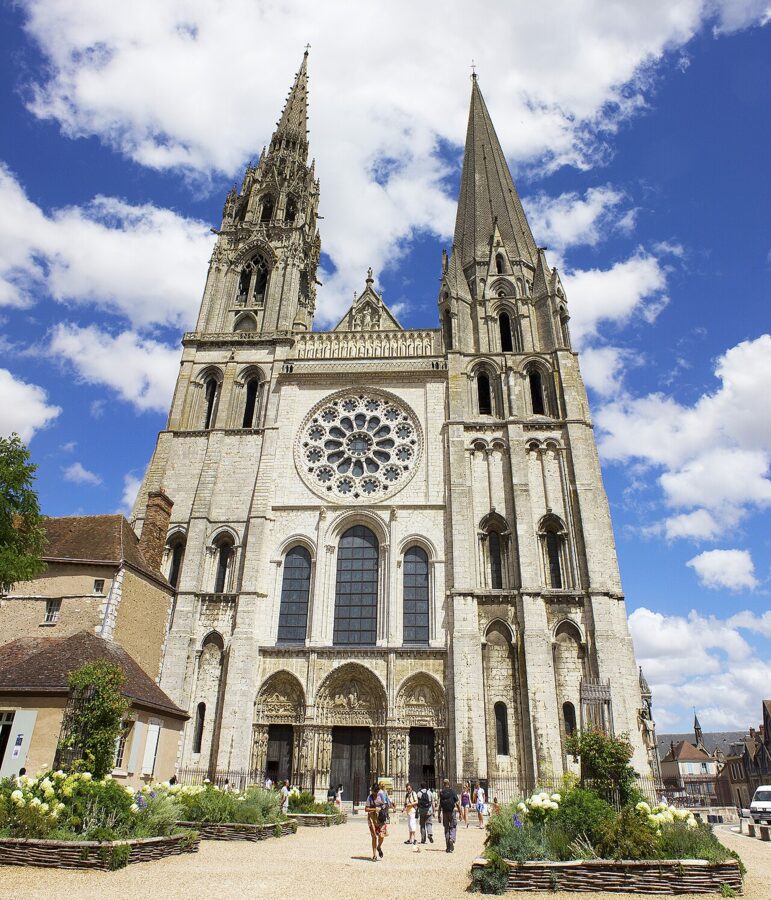
Chartres Cathedral has kept more of its medieval stained glass than almost any other great cathedral, and its two unmatched spires show up across the wheat fields long before the train pulls in. The town’s tourist office counts 33 trains a day between Gare Montparnasse and Chartres, and the ride takes about an hour.

The cathedral is open every day from 8:30am to 7:30pm, and you can walk in up to 7:15pm. Bring binoculars: the windows are high, and their stories only come into focus close up.
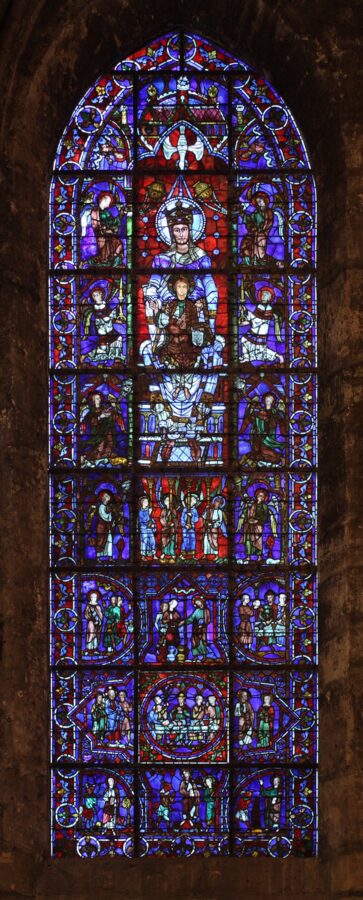
Then walk downhill to the lower town and the old washhouses on the Eure River. After dark in its season, a light show called Chartres en Lumières is projected onto the cathedral and other buildings around town, and it is the main reason to stay the night rather than catch the evening train.
5. Fontainebleau: a palace and a forest
The Château de Fontainebleau was lived in by French rulers for more than seven centuries, from the Capetian kings to Napoleon III, and it feels more lived-in than Versailles. Napoleon said goodbye to his Old Guard in the Cour du Cheval Blanc in 1814, at the foot of the horseshoe staircase, before leaving for exile on Elba.
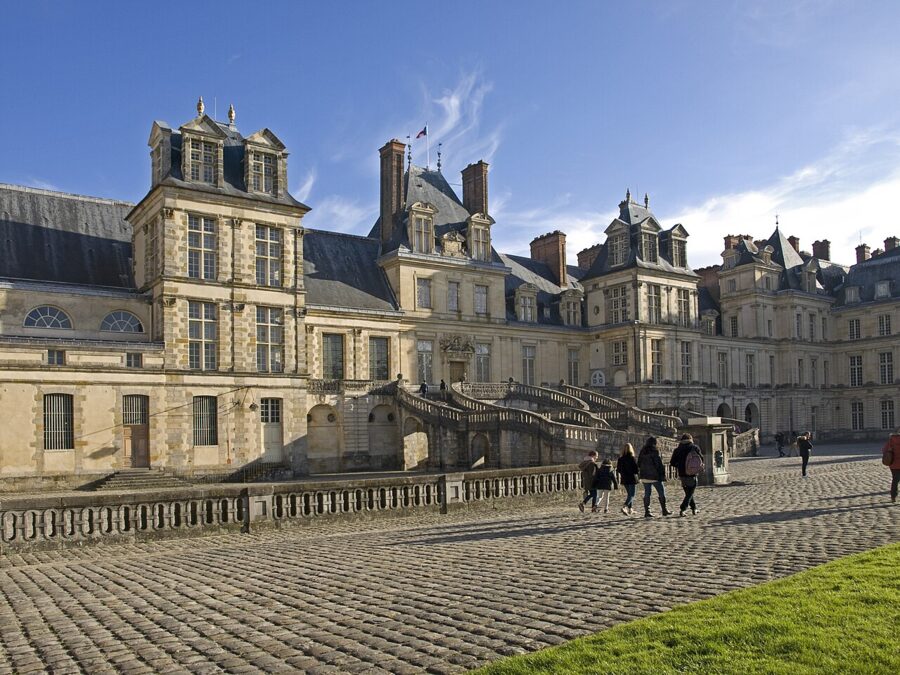

The château is open every day except Tuesday, and closed on January 1, May 1 and December 25. From October to March it opens from 9:30am to 5pm (last entry at 4:15pm), and from April to September until 6pm. Tickets for the Grands Appartements and the Napoleon I Museum are €17 (about $19), and €15 reduced. Admission is free on the first Sunday of every month except July and August, and the courtyards, park and gardens are free every day.
Getting there. Take a mainline train from Gare de Lyon toward Montargis, Montereau or Laroche-Migennes and get off at Fontainebleau-Avon, about 40 minutes out. Bus line 1 toward Les Lilas runs to the Château stop. By car, it is the A6 south and the Fontainebleau exit.
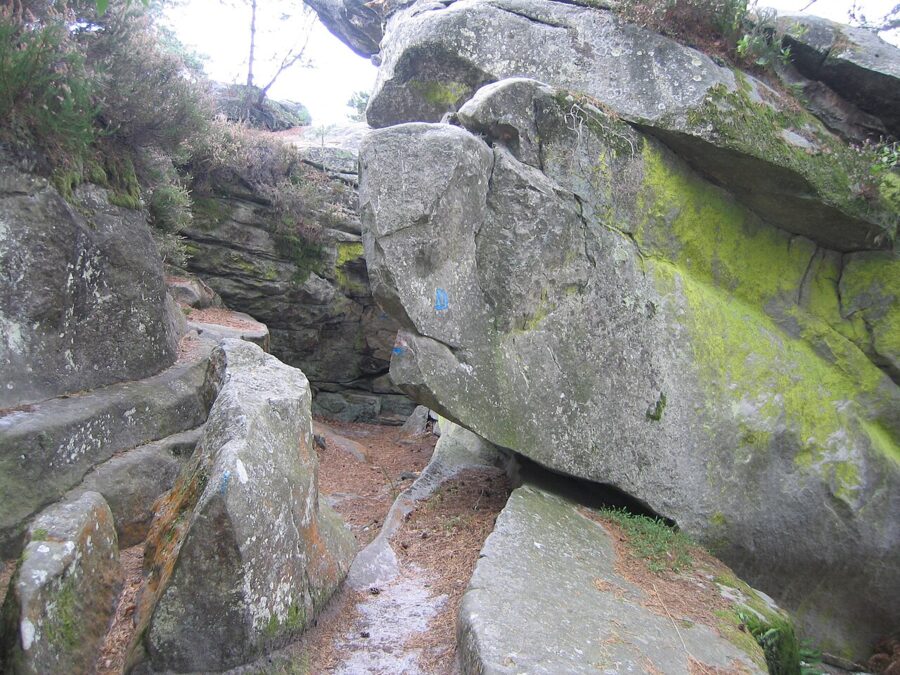

The forest is the outdoor day on this list: about 25,000 hectares of sandstone boulders, gorges and pine heath that draw climbers from all over Europe. Franchard and the Gorges d’Apremont are the best-known areas, and a car or a bike from the station makes them much easier to reach.
6. Rouen: half-timbered streets and Joan of Arc
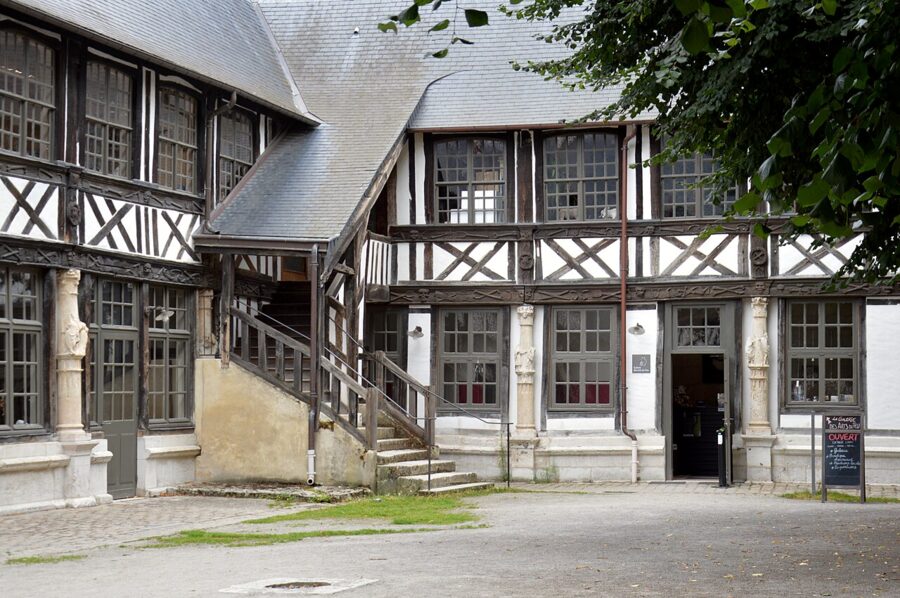
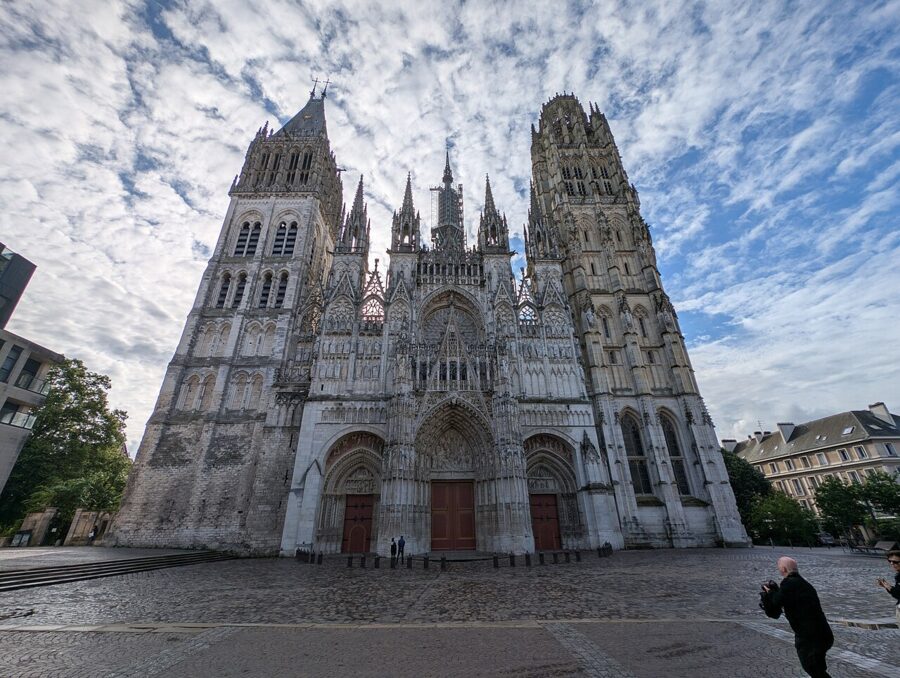
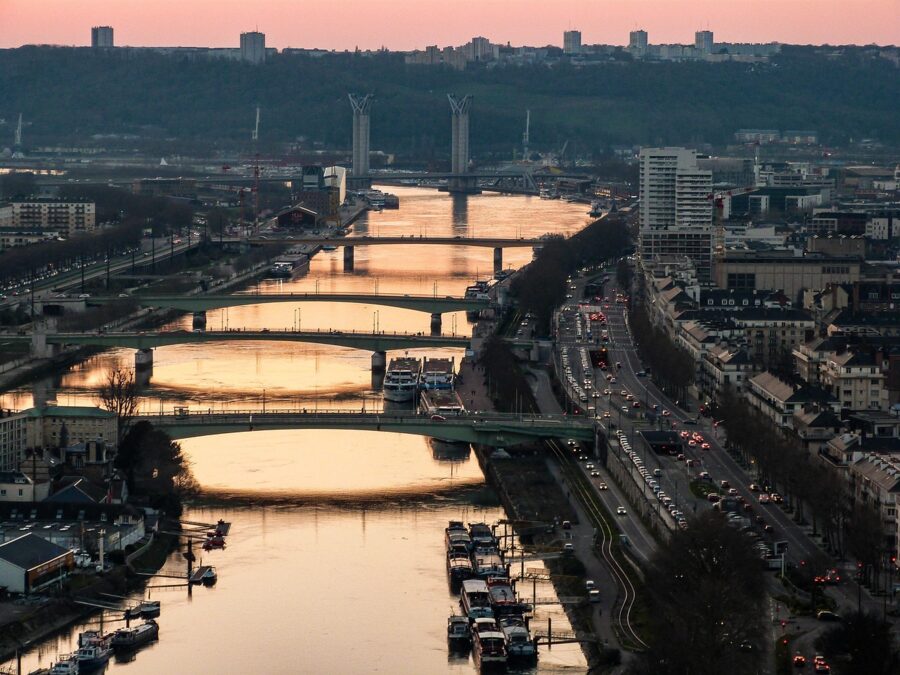
Rouen is the best city on this list for simply walking. Regional trains from Gare Saint-Lazare take around an hour and a quarter, and the old center, 15 minutes downhill from the station, has hundreds of half-timbered houses.
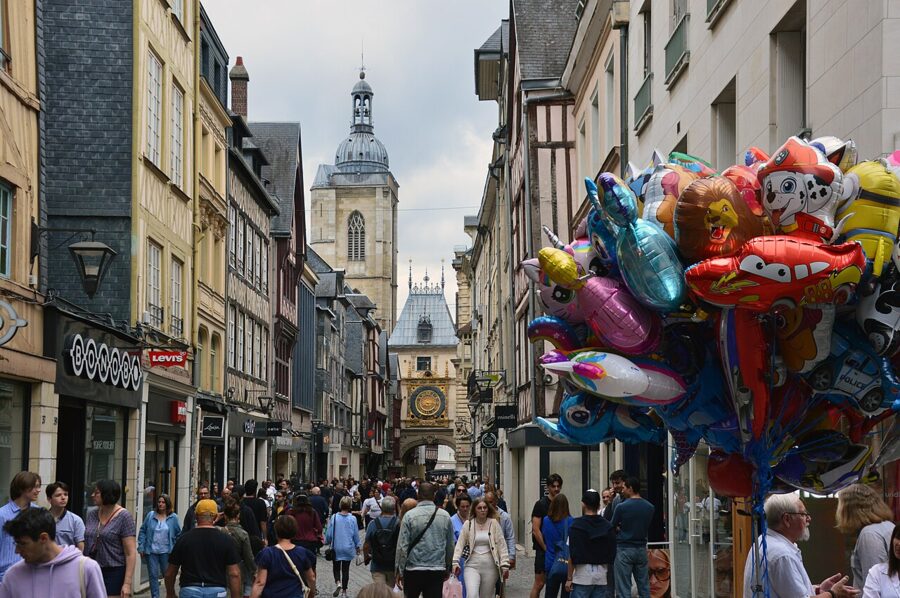
Walk the Rue du Gros-Horloge from the clock to the cathedral, then on to the Aître Saint-Maclou, a former plague cemetery courtyard with skulls and bones carved into its timbers. At the other end of the street, the Place du Vieux-Marché is where Joan of Arc was burned in 1431; a modern church dedicated to her now stands on the square.
The Musée des Beaux-Arts has a strong Impressionist collection for a rainy day. Giverny is on the same rail line, but doing both in one day rushes each.
7. Chantilly: the château, the Musée Condé and the Great Stables
Chantilly is the quickest trip outside the Île-de-France region. Mainline TER trains from Gare du Nord reach Chantilly-Gouvieux in 25 minutes, and the RER D takes about 45. From the station, the château is a 25-minute walk, a 5-minute taxi ride, or about 10 minutes on a free bus or shuttle from platform A1; the shuttle runs on weekends and French public holidays.
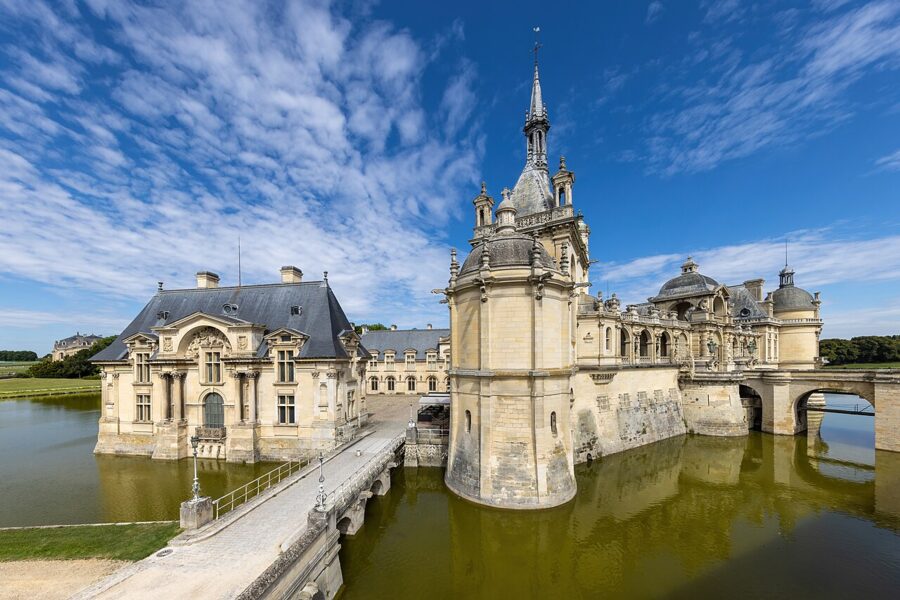

Inside is the second-largest collection of old master paintings in France after the Louvre, with Raphael, Poussin and Ingres hung frame to frame. The eighteenth-century Great Stables now hold a museum of the horse and stage equestrian shows.
The château is open every day except Tuesday. On winter hours, as of November 2026, the château opens from 10am to 5pm, the grounds from 10am to 6pm and the Great Stables from noon to 5pm, and the whole estate closes from January 4 to 22. The one-day ticket covering the château, grounds and stables is €18 (about $20) and now comes with a mandatory time slot; a grounds-only ticket is €9 (about $10). The estate also sells a €27 (about $30) package that combines the one-day ticket with a round-trip TER ticket from Paris Nord, valid for 72 hours.
Order the whipped cream: crème Chantilly takes its name from the place.
8. Auvers-sur-Oise: Van Gogh’s last village
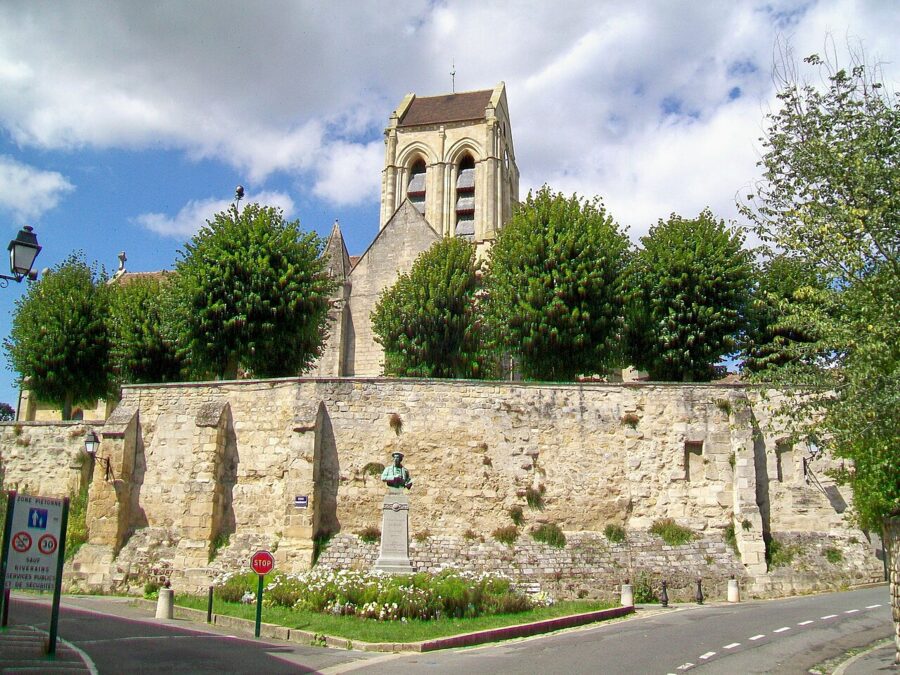
Vincent van Gogh arrived in Auvers in May 1890 and died there 70 days later, after painting more than 70 canvases. You can stand where he painted the church, walk up to the wheat fields above the village, and find the graves of Vincent and his brother Theo side by side against the cemetery wall.

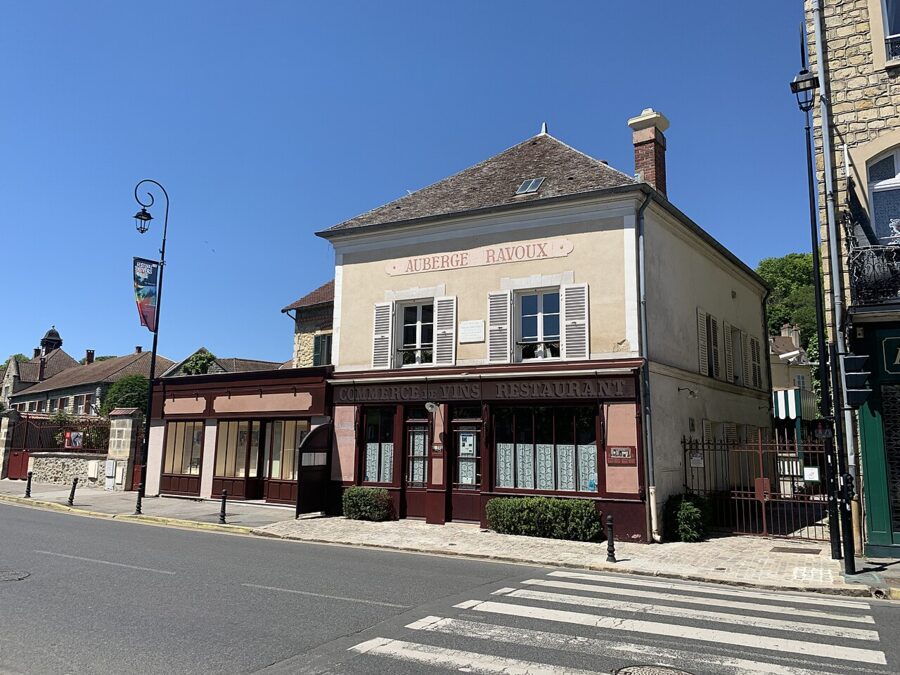
The Auberge Ravoux, where he rented a tiny attic room for 3.50 francs a day, is now the Maison de Van Gogh, with the room kept bare. It closes in winter and reopened for the 2026 season on March 4.

Getting there. On Saturdays, Sundays and public holidays from April to October, a direct train leaves Paris Nord at 9:38am and reaches Auvers at 10:22am, returning at 6:15pm. Other days, change trains: take Transilien line H from Gare du Nord to Valmondois, or the RER C or line J from Gare Saint-Lazare to Pontoise, then line H to Auvers. The whole trip costs one €2.55 regional ticket each way; allow an hour or more with the change.
9. Provins: a walled medieval town
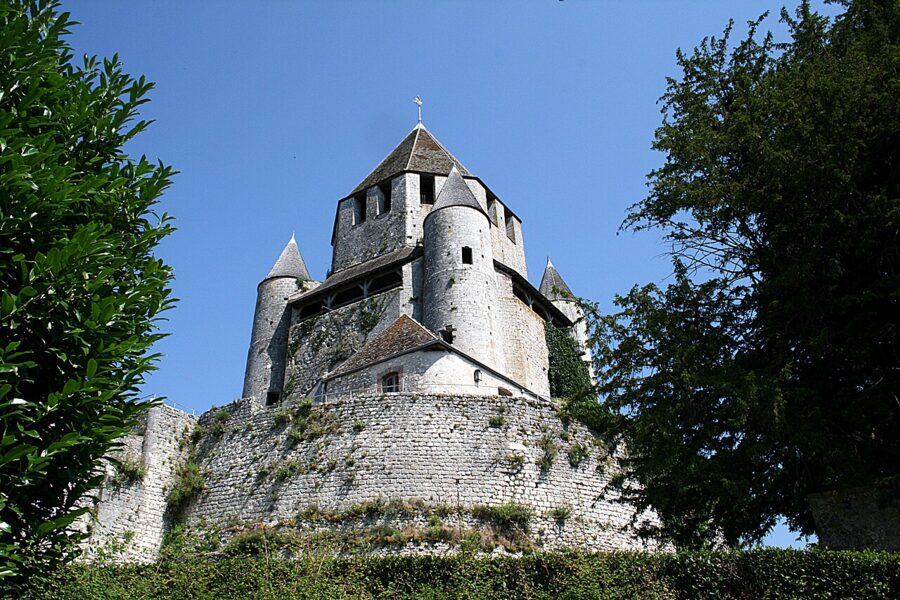
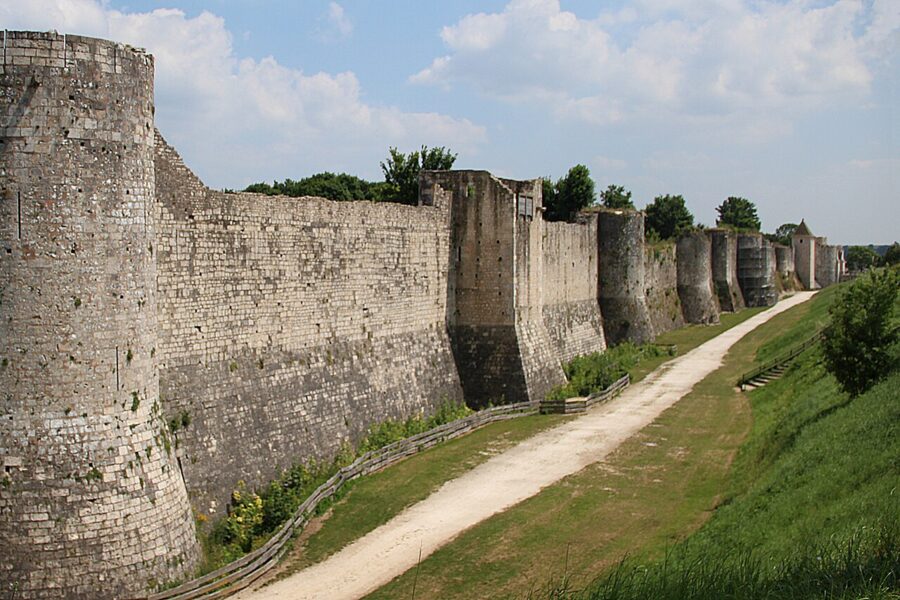
Provins was one of the great trading towns of the Champagne fairs in the twelfth and thirteenth centuries, and UNESCO lists it as the only surviving example of those merchant cities. The upper town still has most of its ramparts and gates, the twelfth-century Tour César keep and a network of underground passages.


Trains to Provins leave from Gare de l’Est; it is a long regional ride of about an hour and a half, but it is inside the Île-de-France region, so the fare is the same €2.55 ticket. In season the town runs daily medieval shows, with birds of prey and knights on horseback, and a tourist train loops the upper town for anyone who does not want the climb. Spring through early fall is the time to go; much of the town’s program stops in winter.
10. Trouville and Deauville: the beach
The nearest proper sandy beach to Paris by train is on the Normandy coast, about two hours from Gare Saint-Lazare. One station, Trouville-Deauville, serves both towns, which face each other across the mouth of the little Touques River. Deauville is the glossy one, with a racecourse, a casino and the Les Planches boardwalk; Trouville is the older fishing town with a fish market.
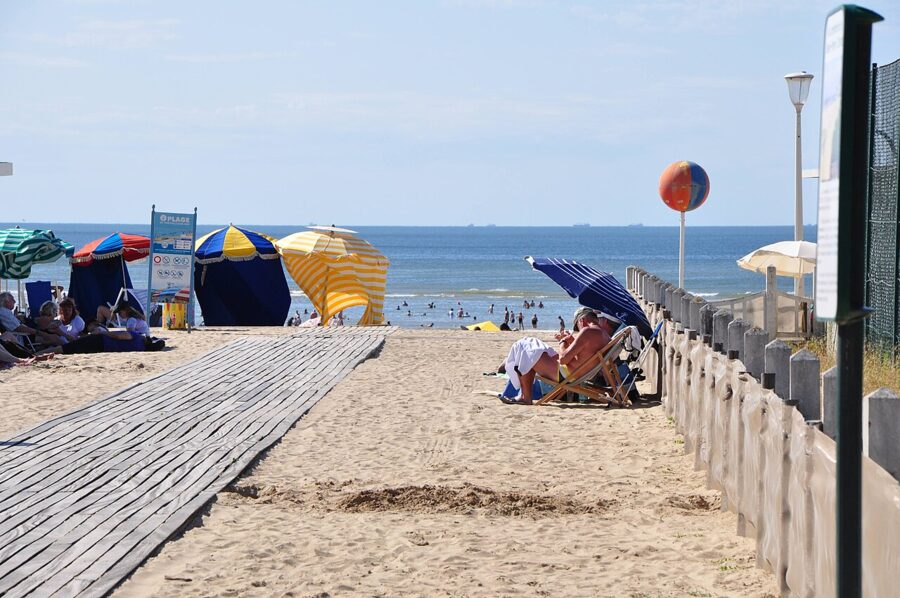

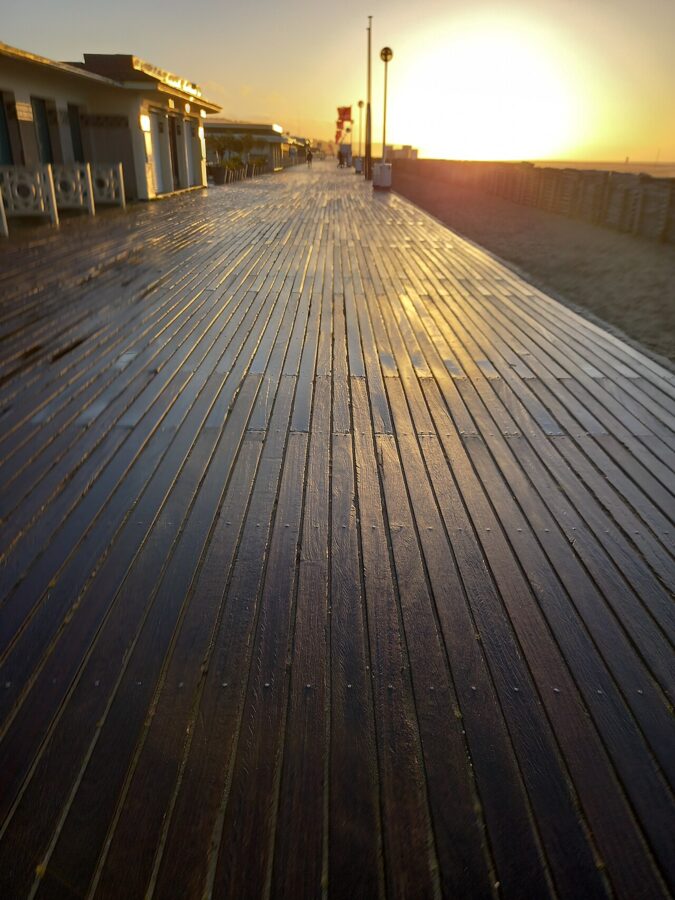

Swimming weather is July and August, and the water stays cool even then; the rest of the year, go for a seafood lunch and a long walk on the sand.
11. Mont-Saint-Michel: possible, but a long day
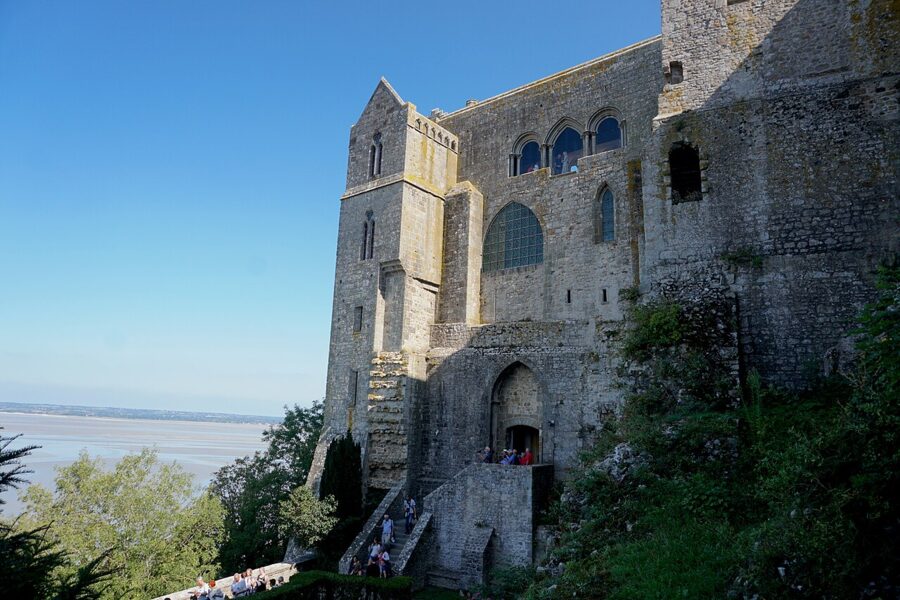
Mont-Saint-Michel is an early-alarm trip from Paris. The tourist office lists the options: the TGV from Gare Montparnasse to Rennes, about two hours, then a Keolis bus to the Mont in about 1 hour 10 minutes; a year-round TER to Villedieu-les-Poêles with an SNCF bus connection; or, in summer, a Nomad train to Pontorson with a bus from the station. Count on three and a half to four hours each way.
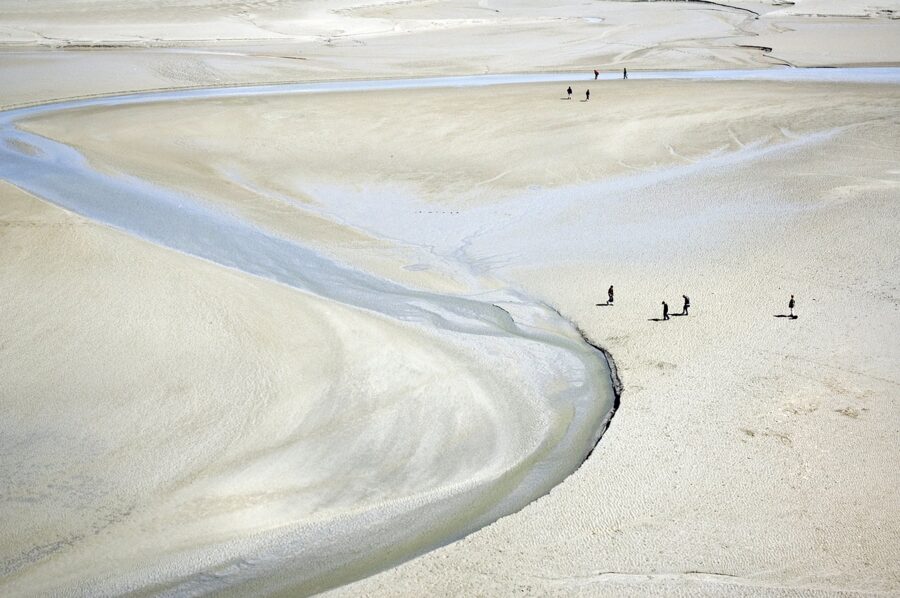
The abbey is open from 9:30am to 6pm from September through April and from 9am to 7pm from May through August, with last entry an hour before closing. It is closed on January 1, May 1 and December 25. Tickets are €16 (about $18) from April 1 to September 30, 2026 and €13 (about $14) from October 1, 2026 to March 31, 2027; entry is free for visitors under 18, and for everyone on the first Sunday of January, February, March, November and December. Buy a dated ticket online before you go in summer, and keep your Nomad train ticket from Paris, which gets you the abbey’s reduced partner rate within five days of the trip.
The village below the abbey is a public street, free to walk at any hour. Drivers park in the visitor lots 2.7 km from the Mont, and the parking fee includes the free Le Passeur shuttle. If you can, stay the night: village hotels give guests a code for a reserved car park, and the Mont is quiet once the day buses leave.
Day trips from Paris by car
Three of the best days out from Paris are hard without a car.
Vaux-le-Vicomte
Nicolas Fouquet, Louis XIV’s finance minister, built this château and its gardens with the same team that later built Versailles: Louis Le Vau, Charles Le Brun and André Le Nôtre. The king came to the housewarming party in August 1661 and had Fouquet arrested three weeks later. It is about an hour southeast of Paris by car, near Melun.
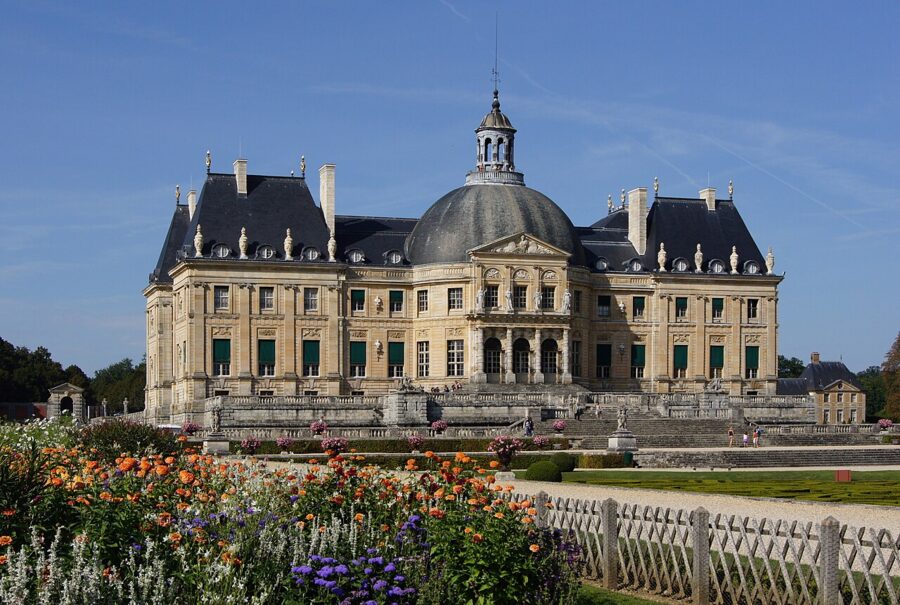
The 2026 season ran from March 14 to November 1, daily from 10am to 5:30pm (last ticket sales), with the château and gardens at €18 (about $20). Candlelit evenings run on Saturdays from mid-May to late September, and the Christmas program, Le Grand Noël, runs from mid-November to early January with online booking required.
Étretat and the Alabaster Coast
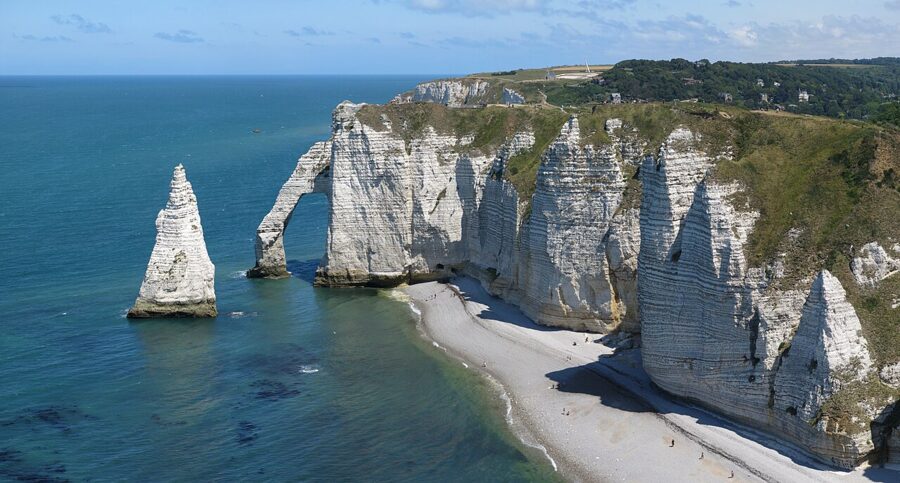
The chalk cliffs at Étretat, with the arch of the Porte d’Aval and the needle of the Aiguille standing off it, are about two and a half hours from Paris by road on the A13. There is no direct train, which is why it belongs in a car day; combine it with Honfleur on the way back.

Épernay and the Champagne vineyards
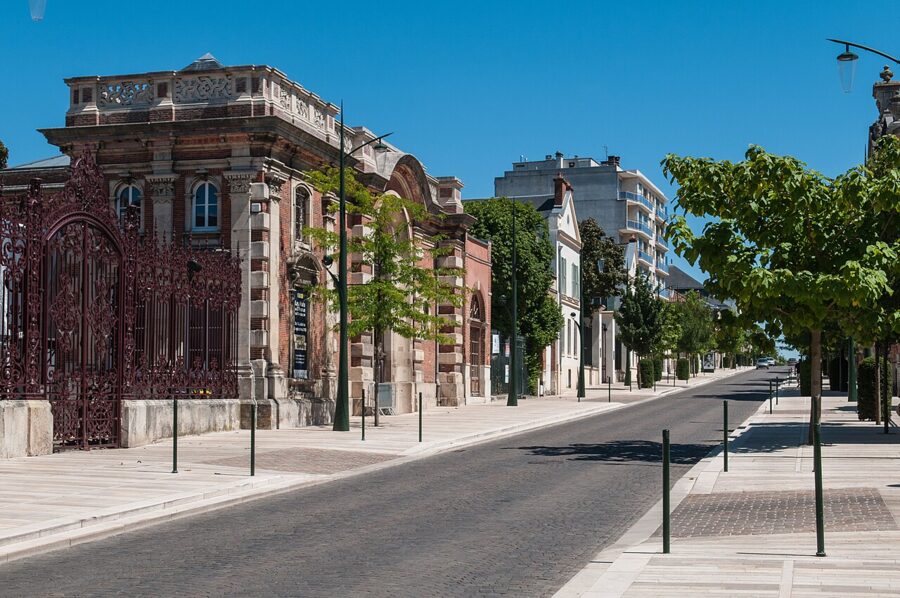
Épernay, about 25 km south of Reims, has the Avenue de Champagne, where houses such as Moët and Chandon and Mercier keep their head offices above miles of cellars. The point of a car is the drive between the two towns through the vineyards of the Montagne de Reims. If you are tasting, someone else drives: France’s legal limit is lower than in most US states.

Across the border: Brussels and beyond
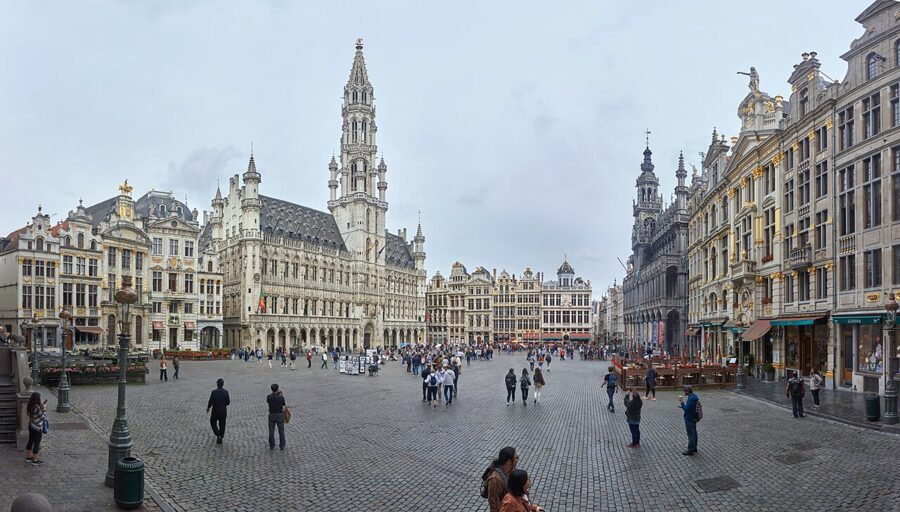
Belgium is the easiest foreign day trip from Paris. Eurostar trains from Gare du Nord reach Brussels in roughly an hour and a half, which is quicker than the trip to Mont-Saint-Michel. Luxembourg is a little over two hours by TGV from Gare de l’Est, which is a long but workable day.

London is possible, but you clear passport checks at Gare du Nord before boarding and US citizens need a UK Electronic Travel Authorisation, so treat it as an overnight trip.
A two-day plan for Versailles
Versailles is the one place on this list with more than a day’s worth to see.
Day one: the palace and the gardens. Book the first palace slot and walk the State Apartments and the Hall of Mirrors before the tour groups catch up, then follow the gardens past the Latona Fountain to the Grand Canal. After lunch in town, see the free sights: the Gallery of Coaches, the Royal Tennis Court where the Tennis Court Oath was sworn in 1789, and, on weekend afternoons, the Sculpture and Mouldings Gallery.
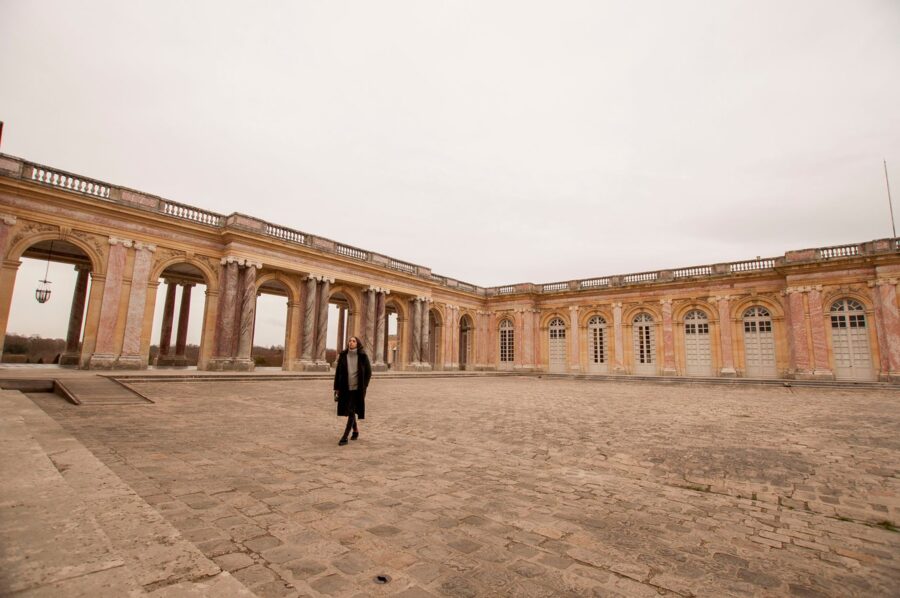
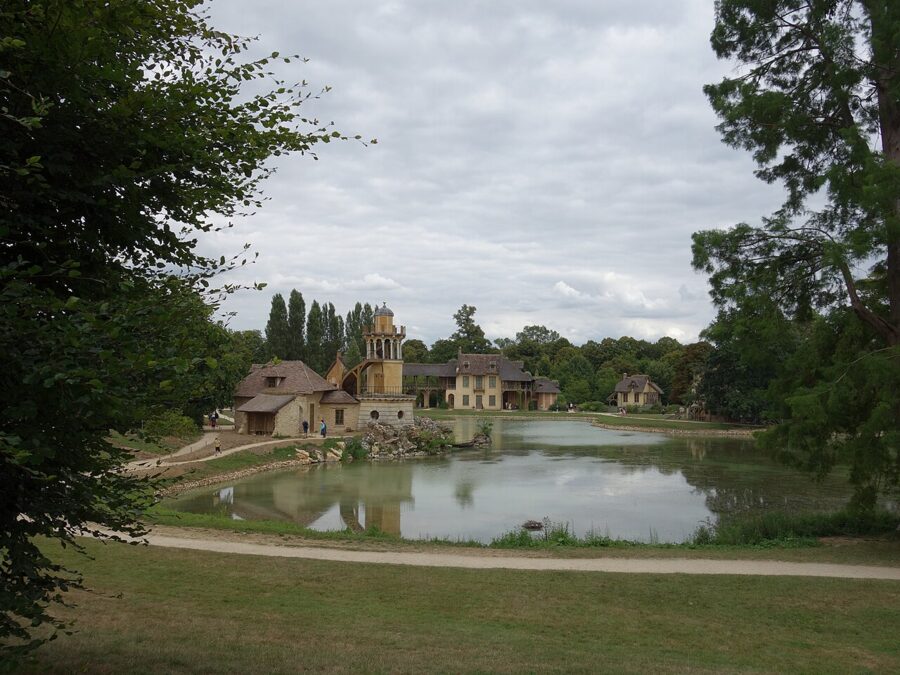
Day two: Trianon and the park. Spend the morning in the park, which is free and open from 8am, then take a Trianon ticket (€15) when the estate opens at noon for the Grand Trianon, the Petit Trianon and Marie Antoinette’s hamlet, a make-believe farm village with a dairy and a mill. Allow three hours. Sleeping in Versailles itself saves two rides on the RER C.

Booking trains and timed tickets
Buy SNCF tickets on SNCF Connect, the national railway’s own app and website, or at station machines. The rules differ by train type:
- TGV to Reims and Rennes: fares rise as trains fill, so book weeks ahead for weekends, and the ticket is for one train.
- Regional TER and Nomad trains to Giverny, Rouen, Chartres, Chantilly and Trouville-Deauville: fares vary less, and you can usually come back when you are ready.
- Île-de-France trains to Versailles, Fontainebleau, Provins and Auvers: one €2.55 Metro-Train-RER ticket each way, bought in the regional transit app or at machines. A Navigo 1-Day Pass is €12.30 (about $13.50) and a Navigo Weekly Pass is €32.40 (about $36), the weekly one running Monday to Sunday.
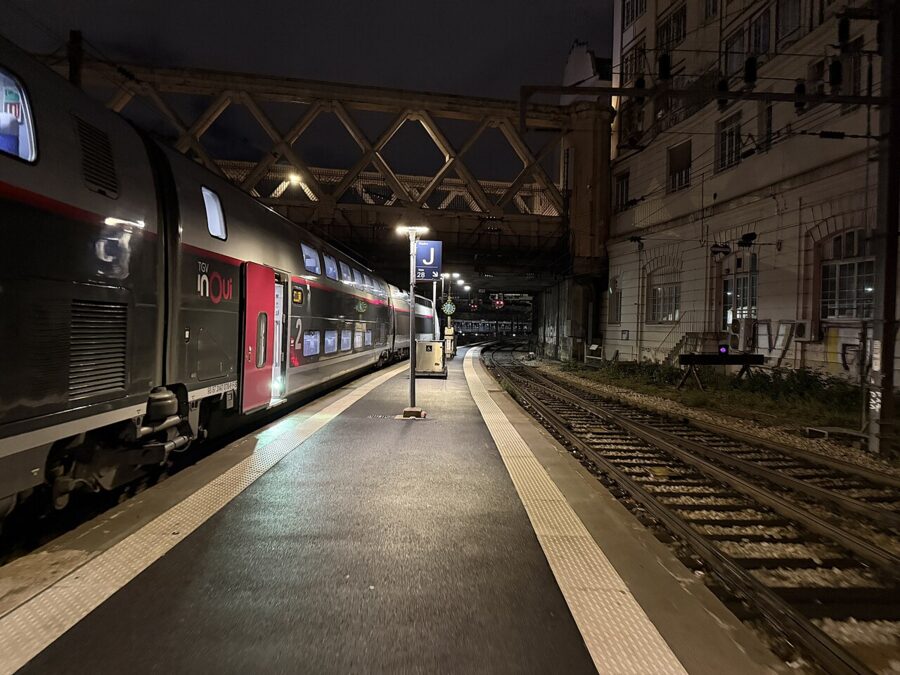

Check for strikes the day before you go: France has had a run of strikes since late September 2026, and the nationwide strike of November 5 disrupted trains for a day. Stations are also where pickpockets work hardest, so keep your phone and wallet zipped away on the platforms.
Book the timed tickets before the train tickets: Versailles and Chantilly require a time slot, Giverny recommends booking in season, and Mont-Saint-Michel’s abbey is busiest from late morning in summer.
Driving from Paris: licenses, tolls, traffic and parking
Driving in France is not hard for Americans once you are out of Paris; driving in Paris is another matter. Pick up a rental car on the edge of the city and return it there.

- Your license. France accepts a valid US driver’s license for a short stay, but because it is not in French it must come with an International Driving Permit or an official translation, according to the French government’s public-service guidance as of June 2026.
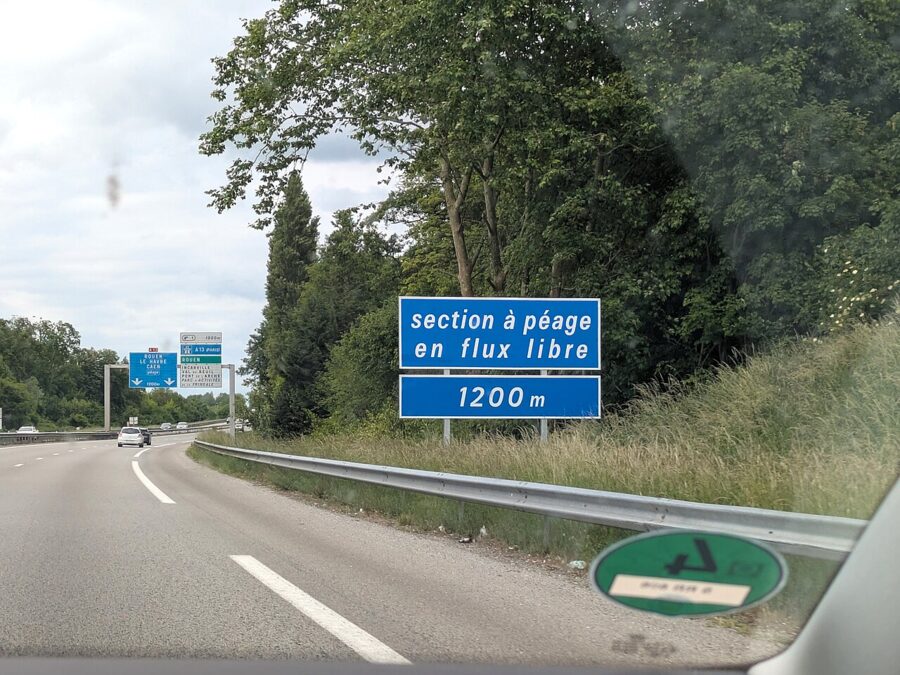
- Tolls. Most autoroutes out of Paris are tolled, and some, including the A13 to Normandy, have switched to free-flow tolling with no booths, so ask the rental agency how it pays tolls.
- Air-quality stickers. Paris and several other French cities have used the Crit’Air sticker system to keep older, more polluting vehicles out, and the rules have been changing. Ask the rental agency whether the car carries a sticker before you drive off.
- Traffic. Avoid driving back into Paris between 4pm and 8pm, and on summer Sunday evenings.
- Parking. Versailles charges €12 per car for the park; Chantilly charges €5 (about $5.50) per car or minibus; Mont-Saint-Michel’s visitor lots are open 24 hours with the shuttle included in the fee; Reims has park-and-ride lots at the edge of town.
For anywhere on the train list, though, the train wins: Versailles, Chantilly and Reims are each faster by rail than by road once you count the time getting out of Paris and finding a parking space. Save the car for Vaux-le-Vicomte, Étretat and the Champagne vineyards, and book your first-choice palace slot before anything else.