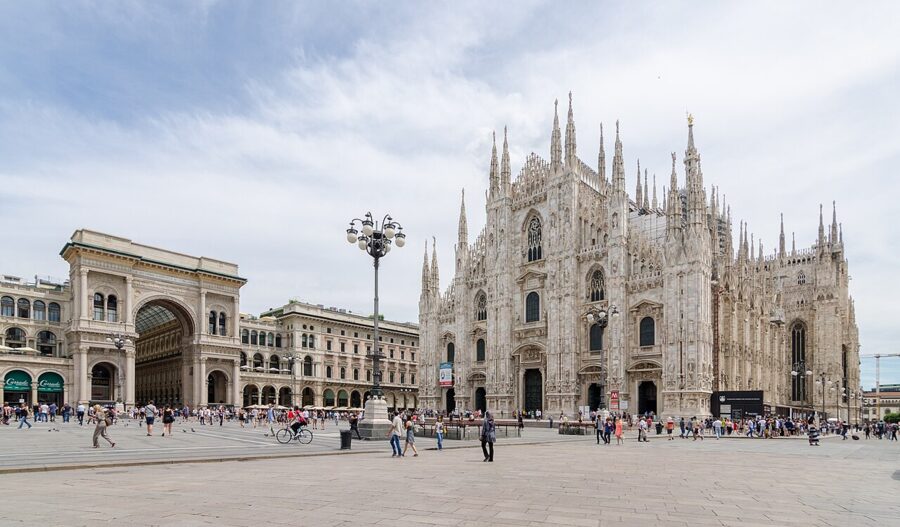
Book The Last Supper first, climb onto the Duomo’s roof second, and keep your evenings for the canals of the Navigli. Do those three and a weekend in Milan works; skip the booking and you will be looking at a church wall from outside the refectory door.
Milan is Italy’s money and fashion city, not its prettiest, and it rewards a little planning. The big sights sit close together, most museums close on Mondays, and the best things here run on timed tickets that sell out. Two or three days covers the essentials with time for a long lunch.
The city also changes quickly. The Highline walkway on the Galleria roof reopened in February 2026, the Winter Olympics opened at San Siro the same month, and Leonardo’s painted room in the Castello is still shut for restoration.

On this page
Milan in brief
Milan sits on the flat Po plain in Lombardy, northern Italy, with the Alps on the horizon on clear days and the lakes an hour north. It is a working city of about 1.4 million people, rebuilt heavily after the Second World War, so grand old streets run straight into 1950s blocks and glass towers. From the Duomo you can walk to the Castello, Brera and La Scala in under 20 minutes.
Three airports serve it. Malpensa (MXP), northwest of the city, takes the long-haul flights; the airport operator lists United’s year-round daily nonstop from Newark, a near year-round Chicago O’Hare flight and a seasonal Washington Dulles service announced from May 29, 2027, subject to approval. Linate (LIN) is the close-in airport for European flights, and Bergamo’s Orio al Serio handles many budget routes.
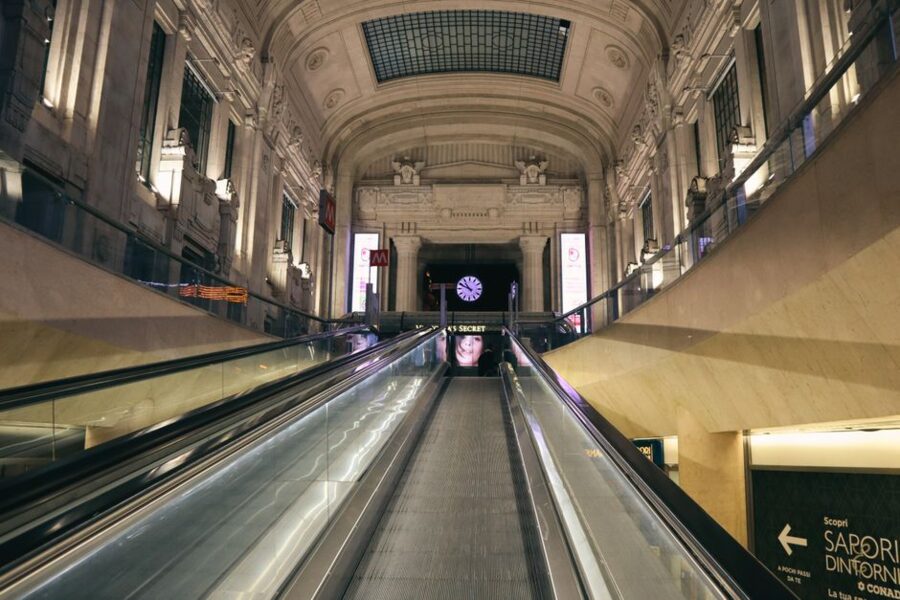
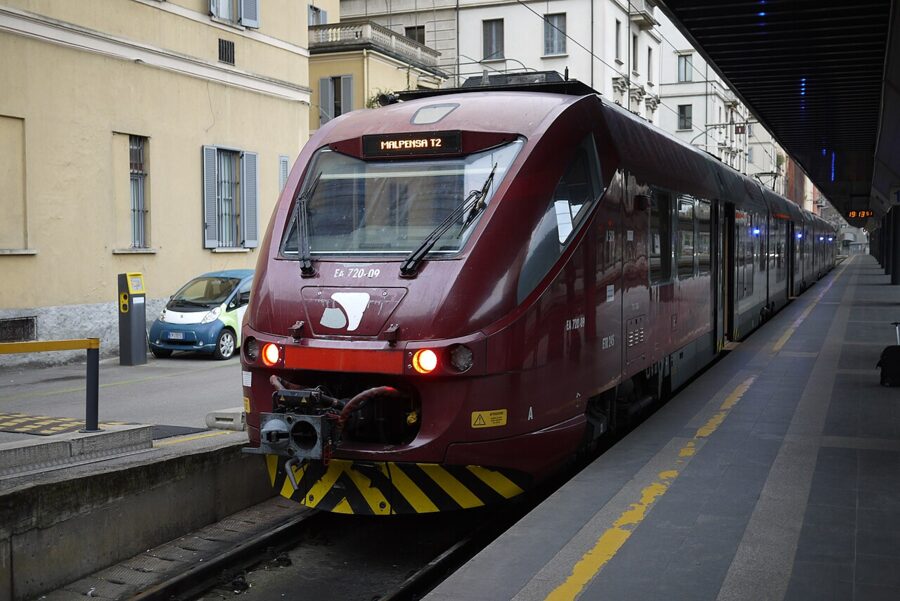
From Malpensa, the Malpensa Express runs every 30 minutes, takes about 37 minutes to Milano Cadorna and about 51 to Milano Centrale, and costs €15 (about $16.50) one way as of November 2026. From Linate, the M4 metro runs straight into the center. Milano Centrale is the hub for high-speed trains from Turin, Venice, Florence and Rome; the fastest Rome trains take around three hours.
What to book before you fly
Four things need planning: The Last Supper, the Duomo rooftop, a night at La Scala and, more loosely, a weekend table on the Navigli. Hours and prices below are as of November 2026, with dollars at the European Central Bank’s rate of about $1.10 to the euro.
| What | Book how far ahead | Official price (Nov 2026) | Allow |
|---|---|---|---|
| The Last Supper | The day each block of dates goes on sale; extra tickets every Wednesday at noon for the week after | €15 (about $16.50); €2 ages 18 to 25; free under 18 | 15 minutes inside, plus 30 minutes early check-in |
| Duomo and rooftop terraces | A few days; a week in summer and at Christmas | €22 (about $24) by stairs, €26 (about $29) by lift | 2 hours |
| La Scala performance | Weeks or months, or queue on the day for €10 (about $11) gallery seats | Varies by show | An evening |
| La Scala museum | Not needed | €12 (about $13) | 45 minutes |
| Navigli | Reserve dinner on Fridays and Saturdays | Free to walk | An evening |
The main sights
The Duomo and its rooftop terraces
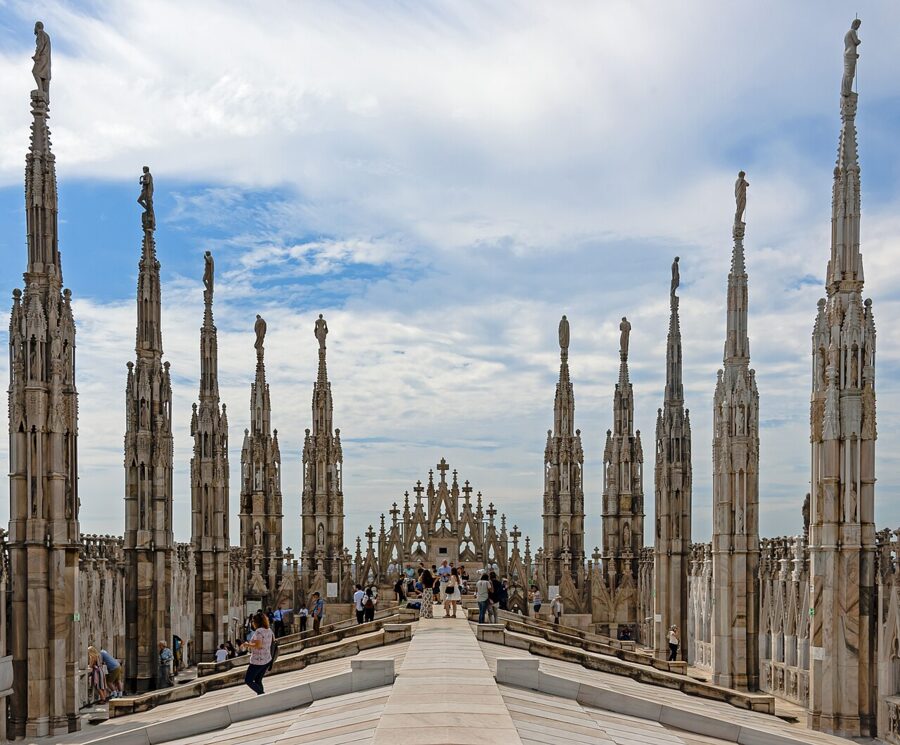
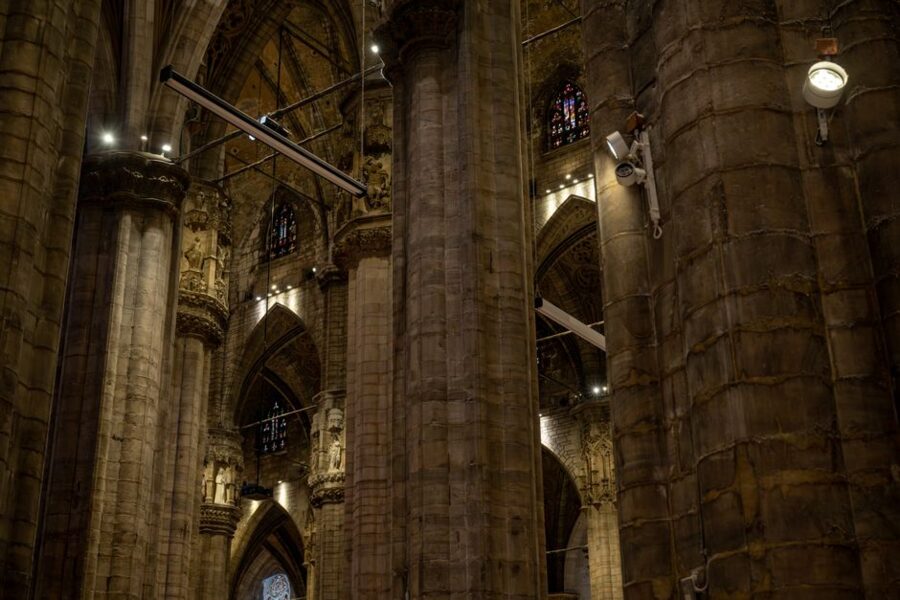
Milan’s cathedral is the reason most people come, and the roof is the reason they remember it. Inside, the nave is dim and enormous. Up top, you walk among the pinnacles with the gilded Madonnina above you and the whole city, Porta Nuova’s towers included, around you.
The complex opens every day from 9am to 7pm, last entry 6pm. The Duomo and Terraces ticket costs €22 (about $24) by stairs and €26 (about $29) by lift; a €32 (about $35) Fast Track pass adds a skip-the-line lift ascent, the Duomo Museum, the archaeological area and the crypt of St. Charles. The cathedral and museum alone start at €8 (about $9), the terraces alone at €16 (about $18).
The lift only reaches the first level of the roof: you still climb to the upper terrace and walk down. Shoulders and legs must be covered, large bags are not allowed and there is a security check. Buy from the cathedral’s own ticket site, which lists its authorized resellers.
The Last Supper (Cenacolo Vinciano)
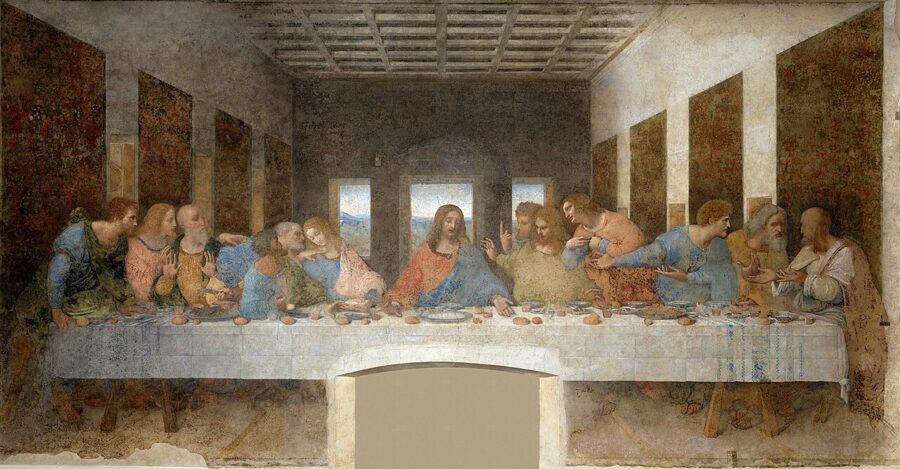
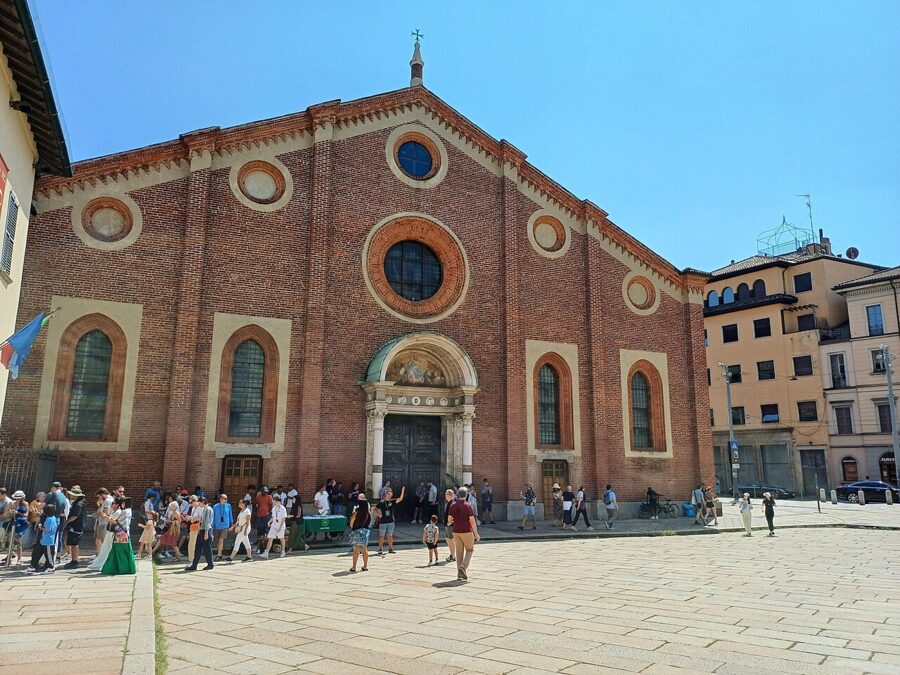
Leonardo painted The Last Supper in the 1490s on the refectory wall of the Dominican convent beside Santa Maria delle Grazie. He worked on dry plaster rather than true fresco, so the paint began failing within his lifetime, and what you see survived centuries of damage and a long restoration. It is faded and still astonishing, mostly because of the faces.
Up to 40 people go in at a time for exactly 15 minutes. The museum opens Tuesday to Sunday, 8:15am to 7pm, last admission 6:45pm, and closes on Mondays, January 1 and December 25. Full price is €15 (about $16.50), ages 18 to 25 pay €2 (about $2.20) and under-18s are free, but every visitor, babies included, needs a reservation.
Busy dates sell out within hours. The museum normally releases tickets quarterly (in September for November to January, December for February to April, March for May to July, June for August to October), though September to December 2026 went on sale together on June 23. Extra tickets for the following week go online every Wednesday at noon. Buy only through the official platform linked from cenacolovinciano.org, which caps you at five tickets a calendar year.
Tickets carry each visitor’s name, cannot be changed or refunded, and must be collected at least 30 minutes before your slot. Bags, food and drink are not allowed in, though there are a few free lockers. Entry is free on the first Sunday of each month, with those tickets released online at noon the Wednesday before. If the dates are gone, guided tours that include entry are the fallback, at several times the price.

Galleria Vittorio Emanuele II and the Highline
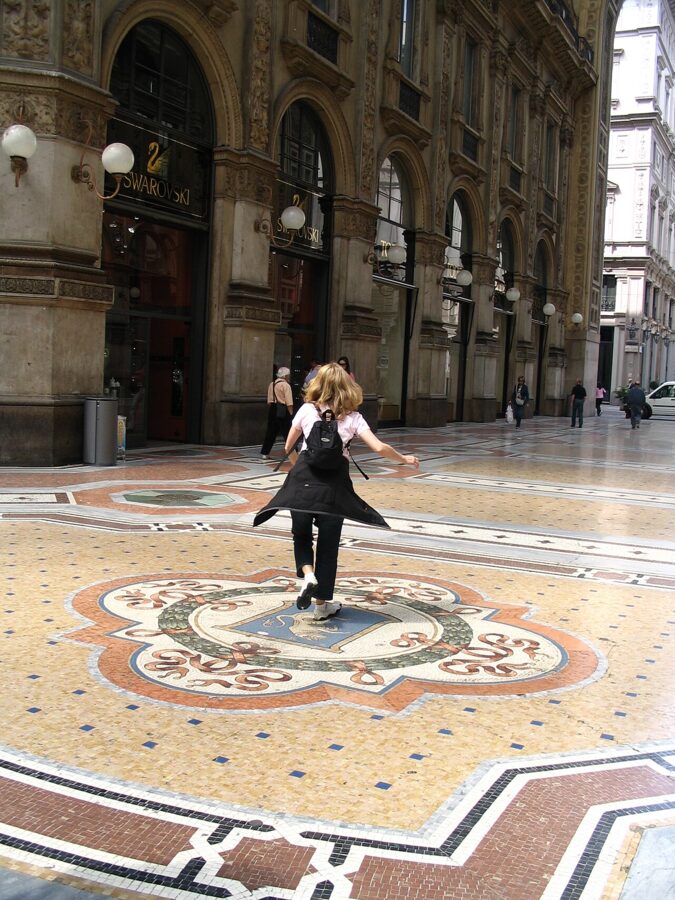
The glass-roofed arcade between Piazza del Duomo and Piazza della Scala was built between 1865 and 1877, and it is still how Milan crosses the center. Walking through is free. Under the dome, floor mosaics show the arms of four Italian cities, and spinning on your heel over the Turin bull’s crotch is said to bring luck; the hole worn into the tiles shows how many believe it.
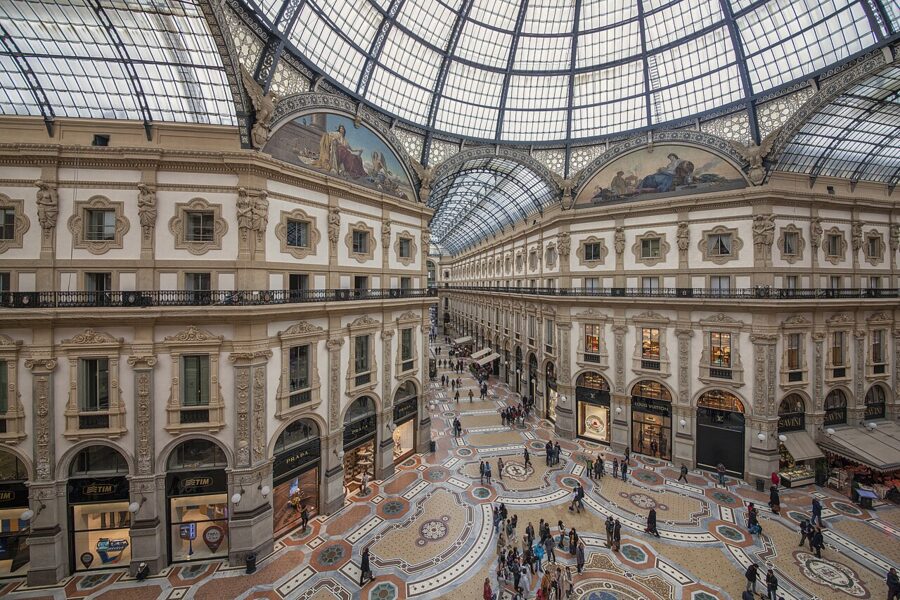

Above the arcade, the Highline rooftop walkway reopened in February 2026 after years shut. It runs about 40 meters above the street to a terrace facing the Duomo, Tuesday to Sunday, 10am to 6pm. Local press reported a full ticket of €15 (about $16.50) when it reopened; allow 45 minutes.

Teatro alla Scala
La Scala opened in 1778 and is still the opera house others measure themselves against. The 2026/27 season opens on December 7, the feast of Milan’s patron saint Ambrose, with Verdi’s Otello, running into early January 2027.
To see inside without a show, go to the theater museum: open daily 9:30am to 5:30pm (last admission 5pm), €12 (about $13), €8 (about $9) reduced. When there are no rehearsals, the ticket lets you look into the auditorium from the third-tier boxes. The museum closes on December 7, 25 and 26, January 1, Easter, May 1 and August 15.
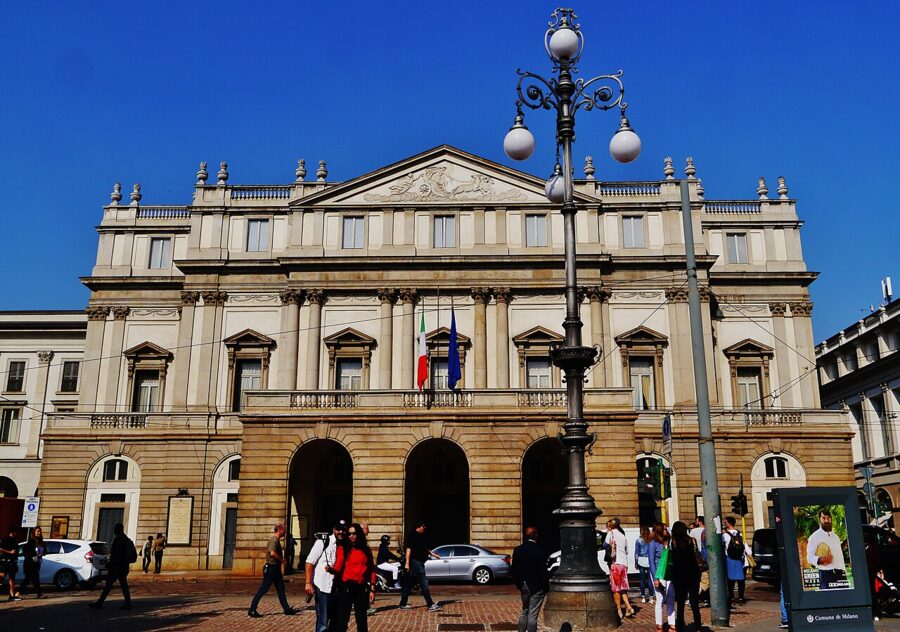

For a performance, buy from the theater’s own site, where tickets are issued in the buyer’s name after registration. On the day, about 140 numbered gallery seats for each opera go on sale two hours before curtain, usually for €10 (about $11), with limited views. You sign up in person three hours before the start under the porticoes on Via Filodrammatici, with ID and your Scala customer code. Shorts, tank tops and flip-flops are not allowed in the auditorium.
Castello Sforzesco and Parco Sempione
The Sforza dukes turned an older fortress into this brick castle in the 15th century, and Leonardo worked at their court. The courtyards are free, daily 7am to 7:30pm. The museums cost €10 (about $11), €5 (about $5.50) reduced and free under 18, and open Tuesday to Sunday, 10am to 5:30pm, last entry 4:30pm.
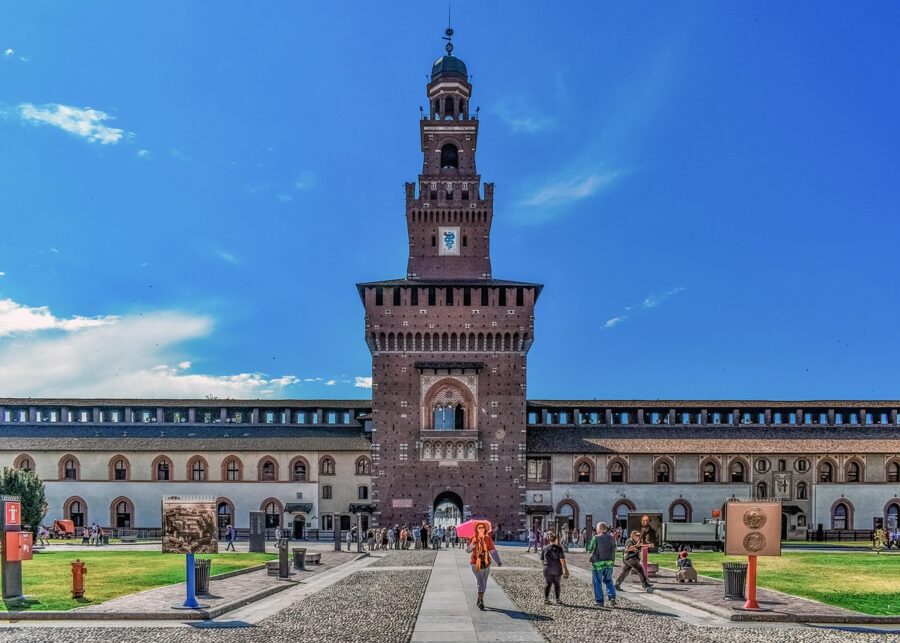
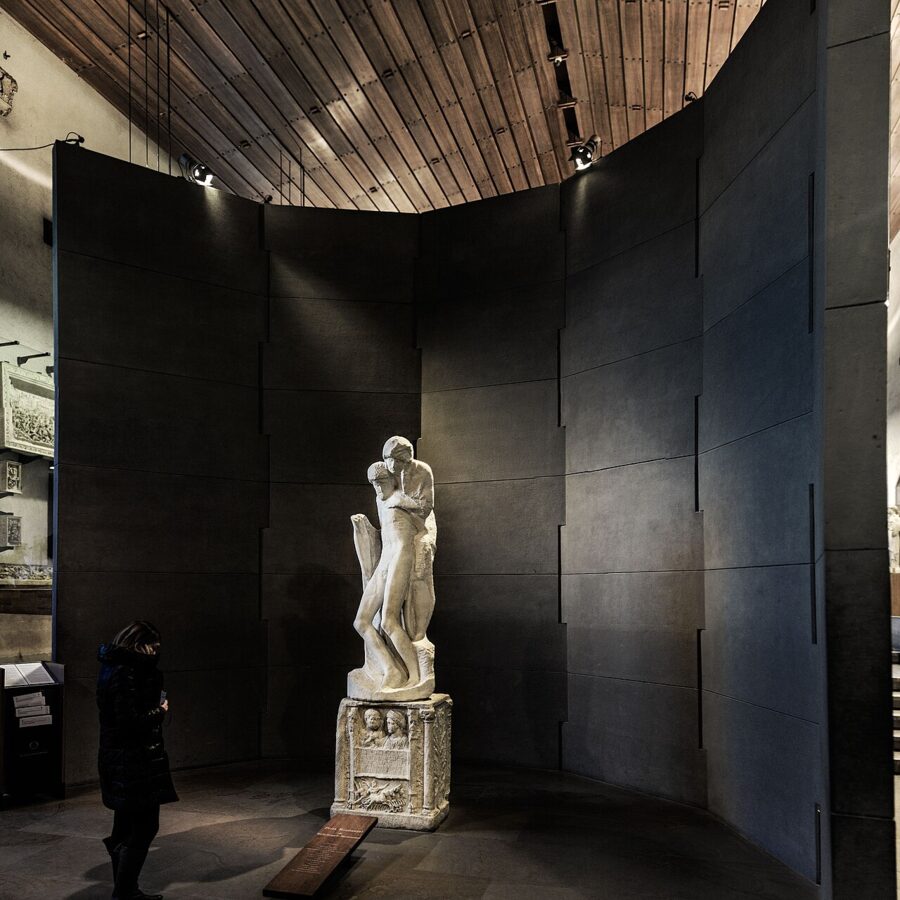
The piece most people come for is Michelangelo’s Rondanini Pietà, which he was still carving in the days before he died in 1564. Leonardo’s Sala delle Asse is closed for restoration. Museum entry is free on the first Sunday of every month, and on the second Tuesday for visitors up to 25.

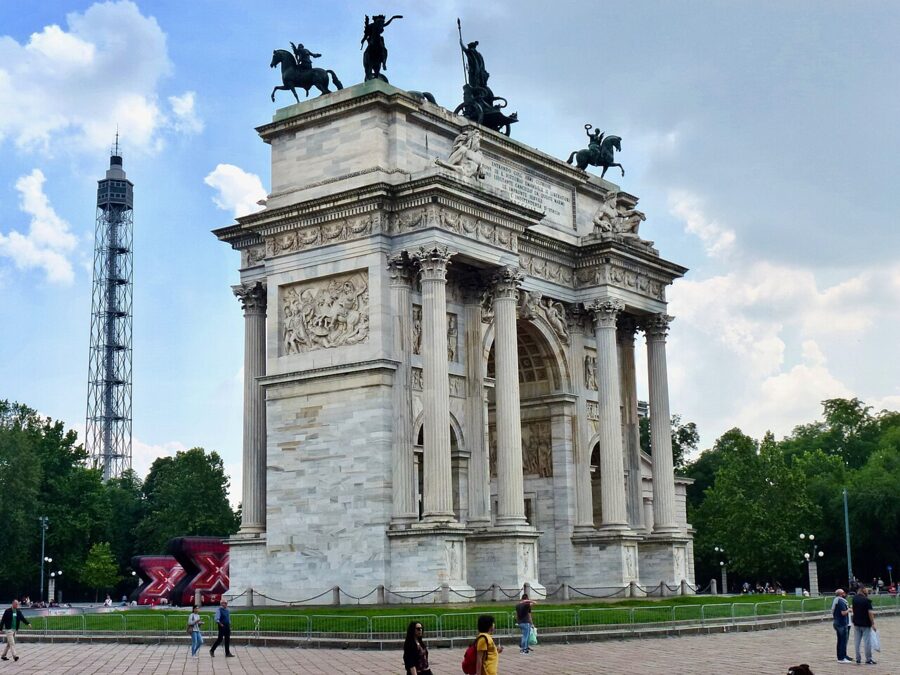
Behind the castle, Parco Sempione is the big central park, with the Arco della Pace at the far end. Gio Ponti’s steel Torre Branca, near the Triennale design museum, runs a lift to a viewing platform; its hours change month to month.

Pinacoteca di Brera
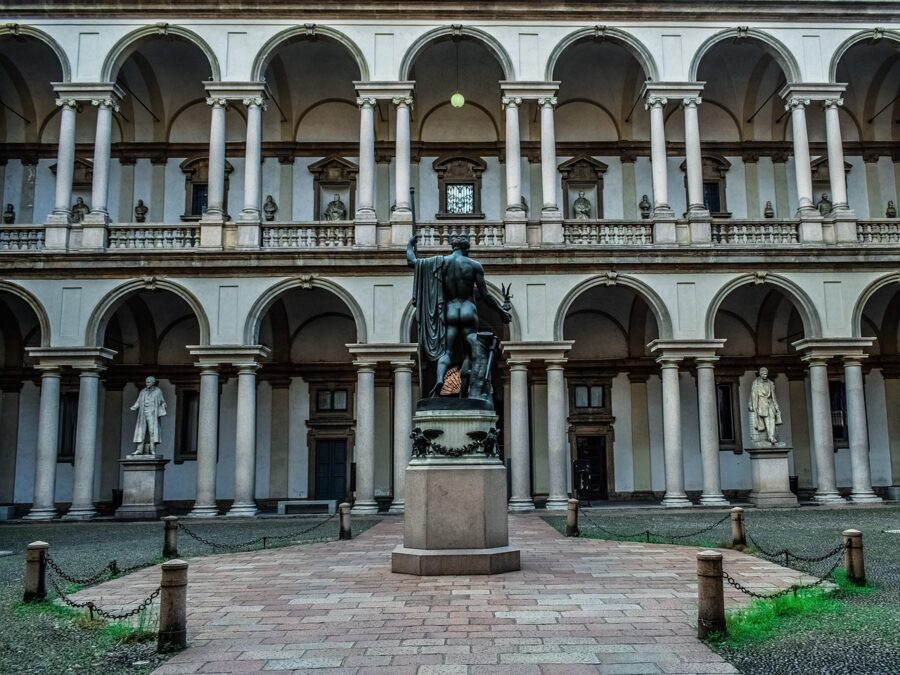
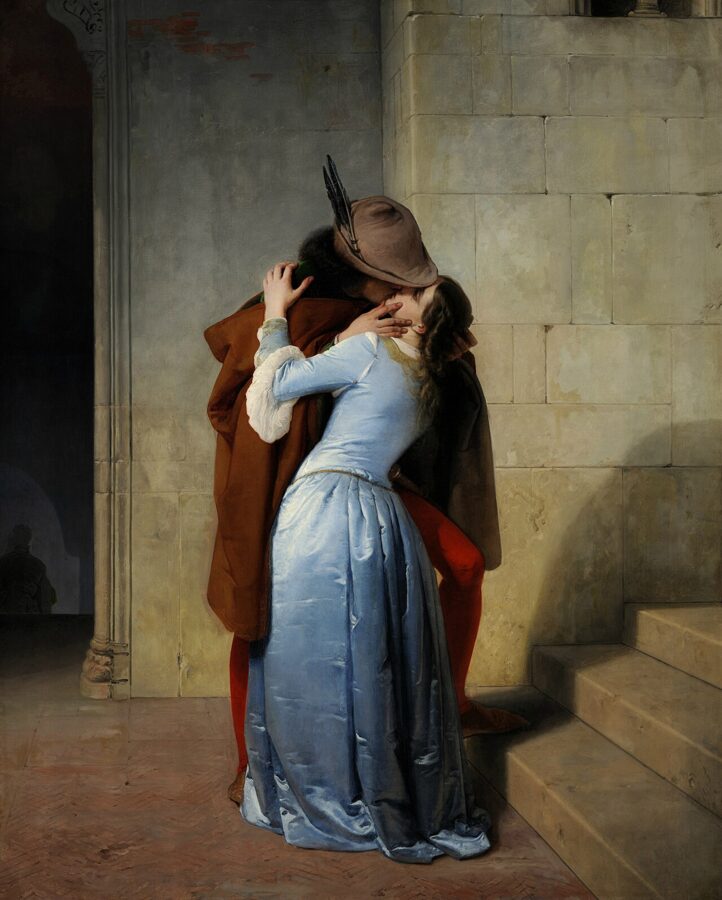
Brera is Milan’s great picture gallery, upstairs in a 17th-century palace in the old artists’ quarter. Its rooms hold Mantegna’s foreshortened Dead Christ, Raphael’s Marriage of the Virgin, Piero della Francesca, Caravaggio’s Supper at Emmaus and Hayez’s The Kiss.
The Grande Brera ticket costs €20 (about $22) and also covers Palazzo Citterio, the 20th-century collection nearby, on the same day or the following six. EU citizens aged 18 to 25 pay €4 (about $4.40) and under-18s are free. It opens Tuesday to Sunday, 8:30am to 7:15pm, last entry 6pm, and you book a time slot on the official Brera booking site. Allow two hours, then wander Via Brera and Via Fiori Chiari outside.
The Navigli
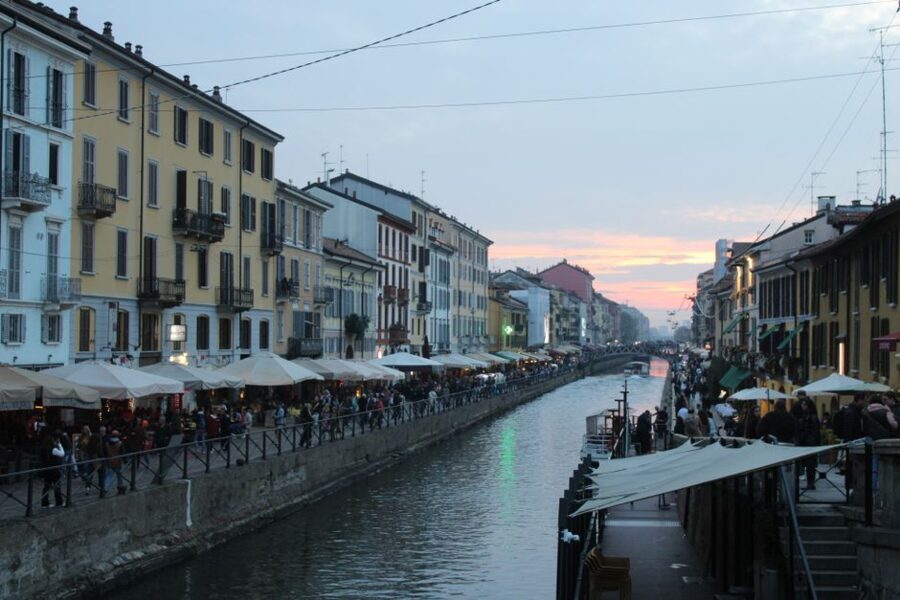
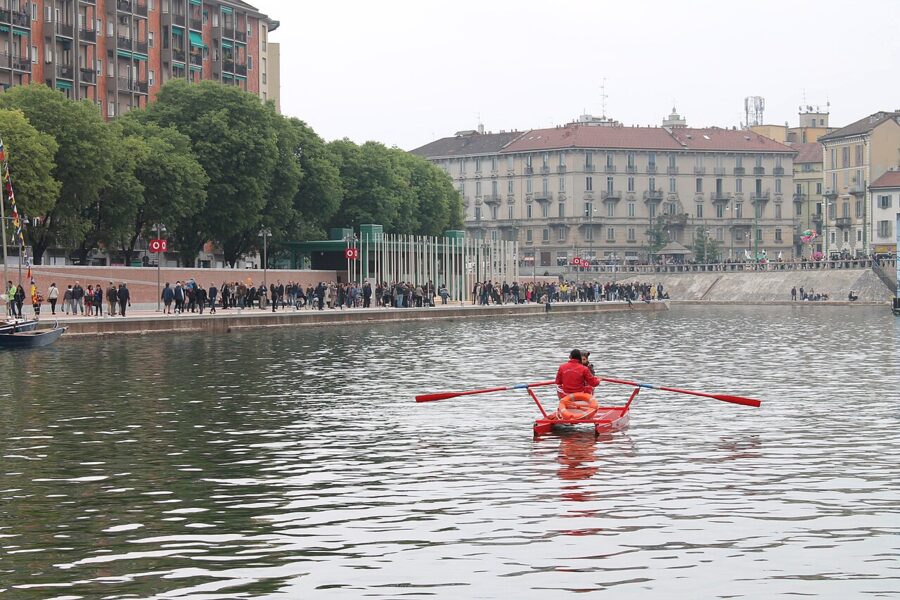
Milan was once a canal city, and the Naviglio Grande and Naviglio Pavese survive in the south of the center, meeting at the Darsena basin by Porta Genova. The marble for the Duomo came in by water. Today the banks are where Milan goes for aperitivo, a drink with snacks before dinner, from about 6pm.
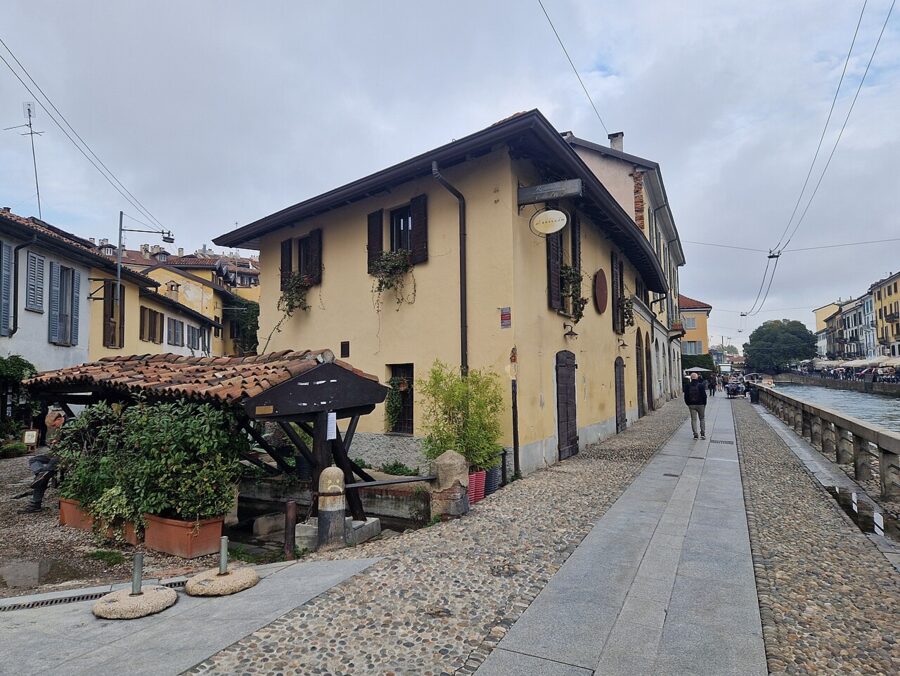
Walking the canals is free. The Mercatone dell’Antiquariato, an antiques and flea market with hundreds of stalls, runs along the Naviglio Grande on the last Sunday of most months; the next editions are November 29 and December 20, 2026, the December one brought forward for Christmas. Some stalls take cash only.
The Navigli also answer whether Milan is good for a night out. The canal bars and the square behind the Colonne di San Lorenzo stay busy late, especially Thursday to Saturday, and the Garibaldi and Corso Como area near Porta Nuova is the other late district.

Basilica di Sant’Ambrogio
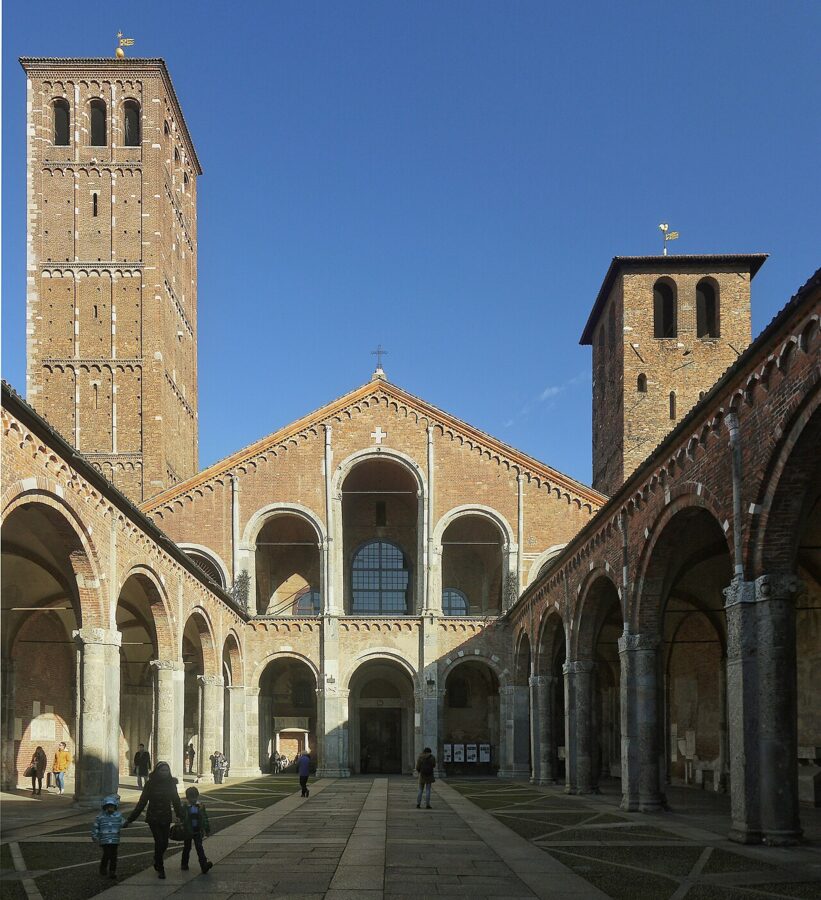
Founded by Bishop Ambrose in the late fourth century and rebuilt in Romanesque form in the 11th and 12th, Sant’Ambrogio is the church the Milanese feel most attached to. You enter through an arcaded atrium, the two bell towers do not match, and the golden altar dates from the ninth century. Ambrose lies in the crypt.
Entry is free, but not during Mass, so go mid-morning or mid-afternoon and allow 30 to 45 minutes. It sits by the Sant’Ambrogio stop on the M2 and M4 lines, about ten minutes’ walk from The Last Supper.

Smaller sights and local favorites
Pinacoteca Ambrosiana
Five minutes from the Duomo, the Ambrosiana was founded by Cardinal Federico Borromeo in the early 1600s. It holds Caravaggio’s Basket of Fruit, Leonardo’s Portrait of a Musician and Raphael’s full-size cartoon for The School of Athens, and shows sheets of Leonardo’s Codex Atlanticus in rotation.
The gallery and the San Sepolcro crypt open daily from 10am to 6pm except Wednesdays, with the ticket office closing at 5:15pm. Full price is €20 (about $22), plus €1.50 (about $1.65) if you book online; allow two hours for both. The cathedral’s ticket site sells a combo with the Duomo.

Museo del Novecento
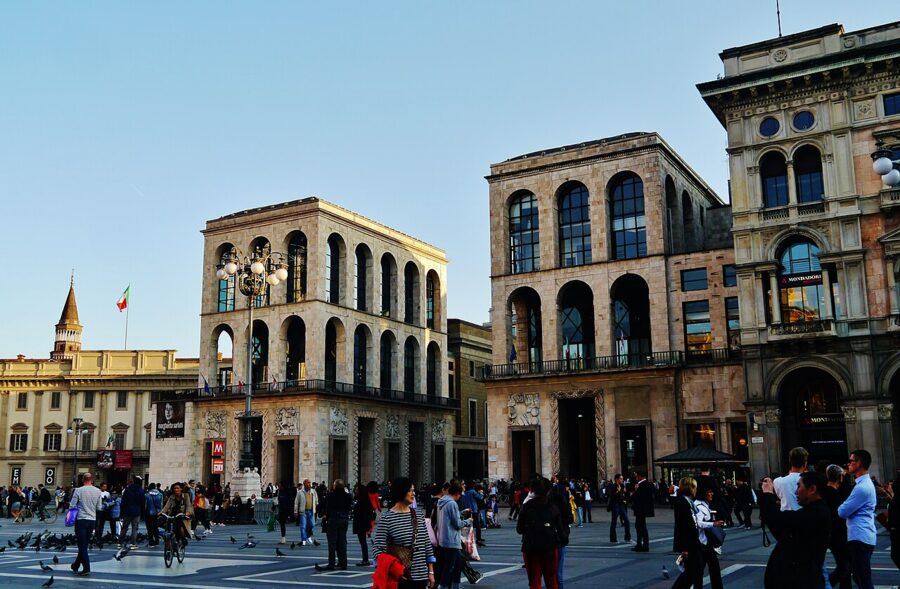
The Arengario, the pair of matching buildings on the south side of Piazza del Duomo, holds Milan’s museum of 20th-century Italian art: Boccioni and the Futurists, de Chirico, Morandi, Fontana. The top floor has one of the best indoor views of the cathedral.
It opens Tuesday to Sunday, 10am to 7:30pm, to 10:30pm on Thursdays, with last entry an hour before closing. Tickets cost €10 (about $11), €5 (about $5.50) reduced. The city’s €20 (about $22) Tourist Museum Card covers it, the Castello museums and several other civic museums over three days.

San Maurizio al Monastero Maggiore
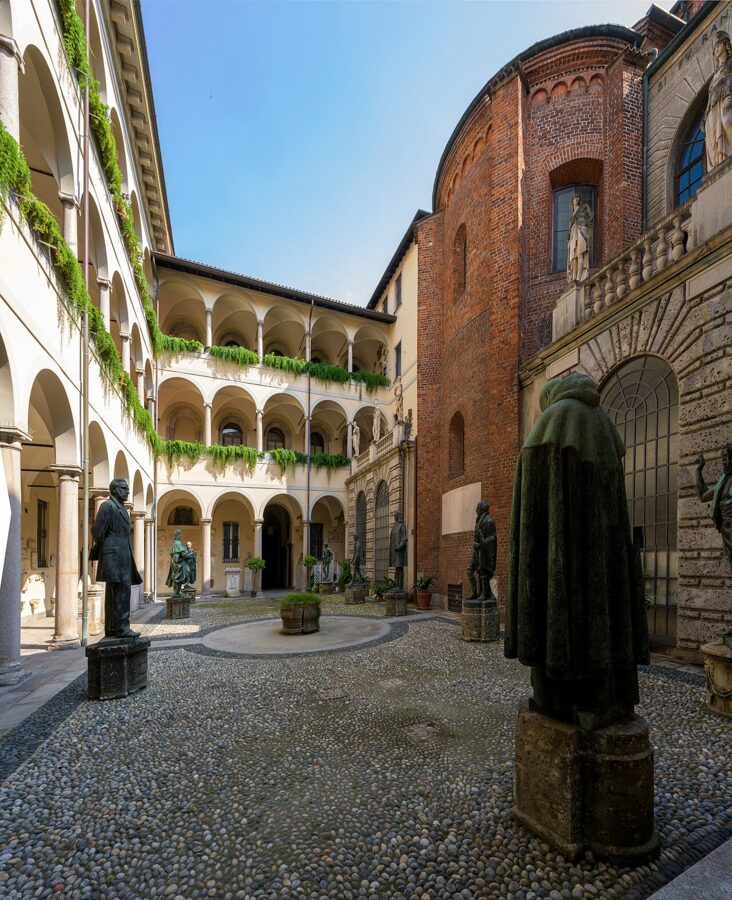
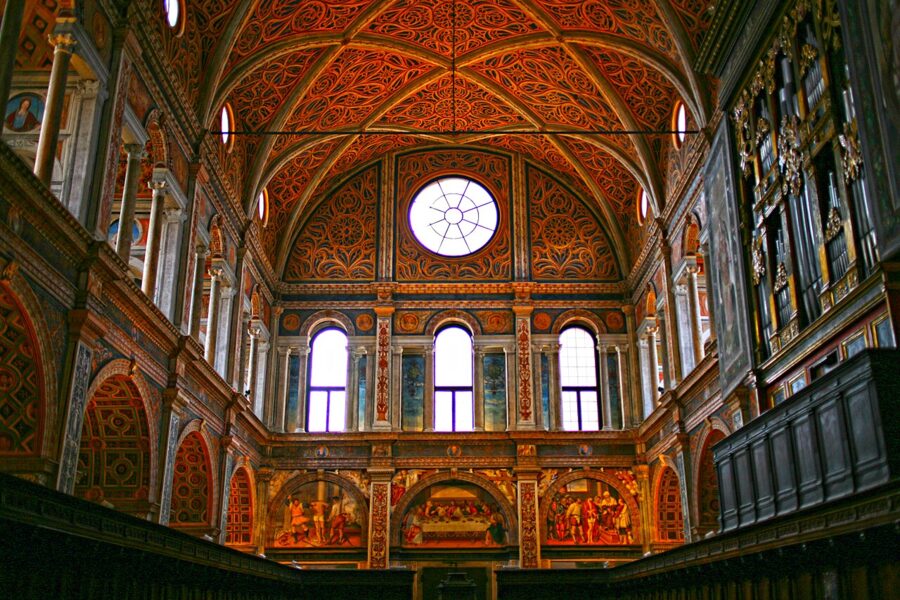
From Corso Magenta this looks like nothing much. Inside, almost every surface is painted, much of it by Bernardino Luini and his workshop in the early 1500s, and a wall splits the church in two: the public side in front, the nuns behind. Go through the door to the nuns’ hall, the bigger space.
Entry is free. Touring Club volunteers keep it open Tuesday to Sunday, 10am to 5:30pm, last entry 5pm. Allow 30 minutes; it lies on the walk between the Castello and The Last Supper.

Santa Maria presso San Satiro and the columns of San Lorenzo
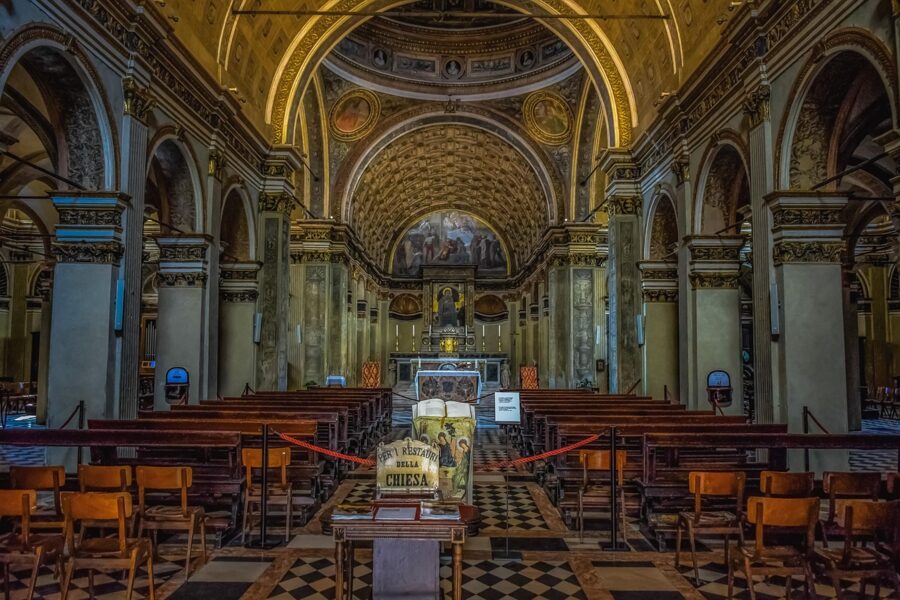
Two minutes from the Duomo on Via Torino, this small church holds the best trick in Milan. Bramante had no room for a choir behind the altar, so he built one in shallow relief and paint; from the door it looks several meters deep, and from the side you see it is under a meter. Entry is free and the visit takes 15 minutes.
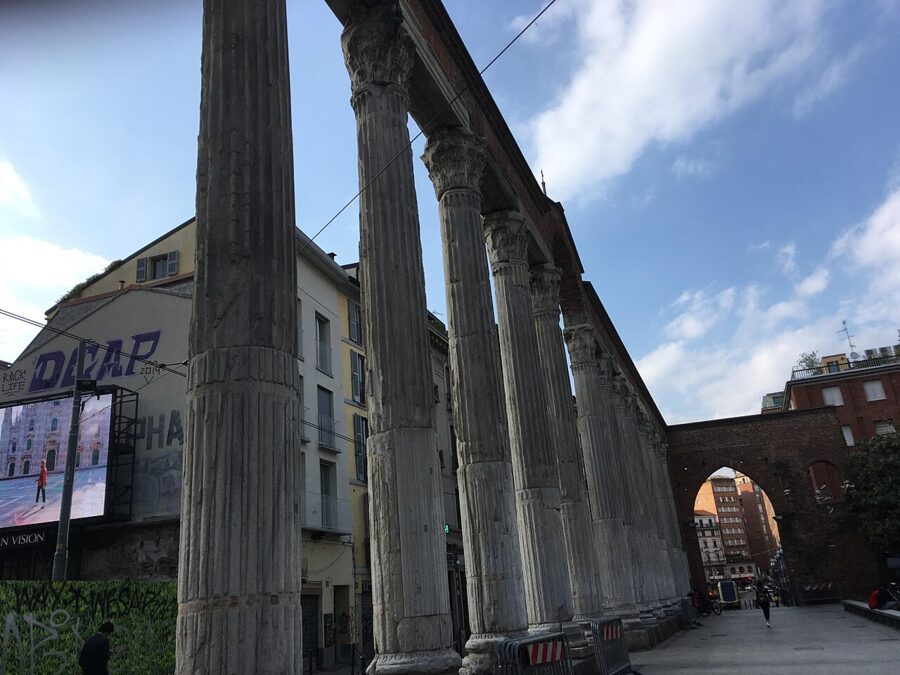
Keep walking south down Corso di Porta Ticinese to the Colonne di San Lorenzo, sixteen Roman columns in a row in front of the basilica of San Lorenzo Maggiore. They are among the few visible pieces of Roman Milan, and the square behind them fills with students on warm evenings.

San Bernardino alle Ossa
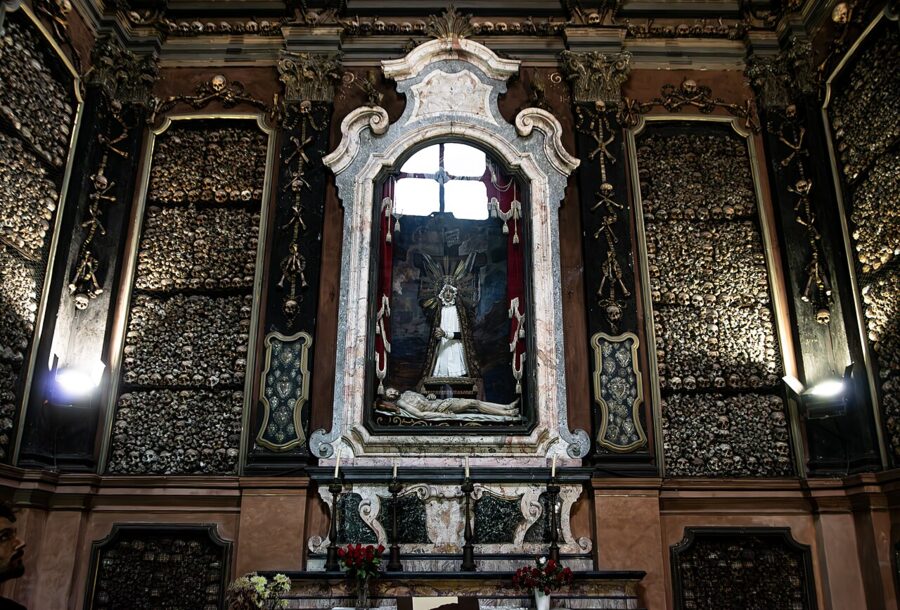
A short walk east of the Duomo, this church has a side chapel lined from floor to vault with human skulls and bones, many from an old hospital cemetery nearby, under a bright fresco from the 1690s. Entry is free and ten minutes is enough; skip it if bones bother you.
Porta Nuova, Bosco Verticale and the Biblioteca degli Alberi
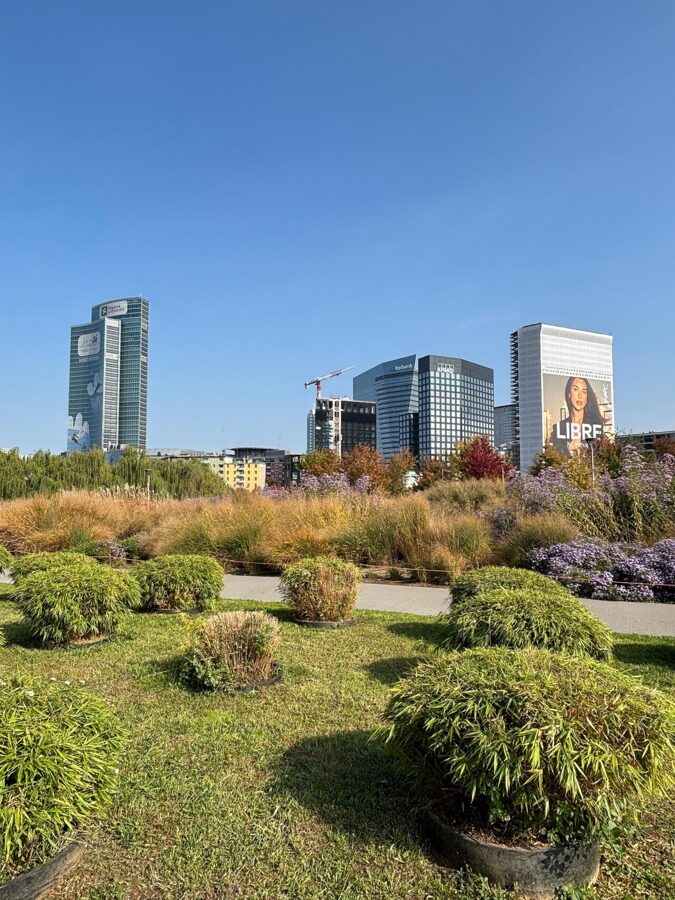
For modern Milan, take the M2 or M5 to Garibaldi and walk up into Porta Nuova. Piazza Gae Aulenti, a raised circular plaza with fountains, sits under the UniCredit Tower, and a few minutes away stand Stefano Boeri’s two Bosco Verticale towers, their balconies planted with hundreds of trees.
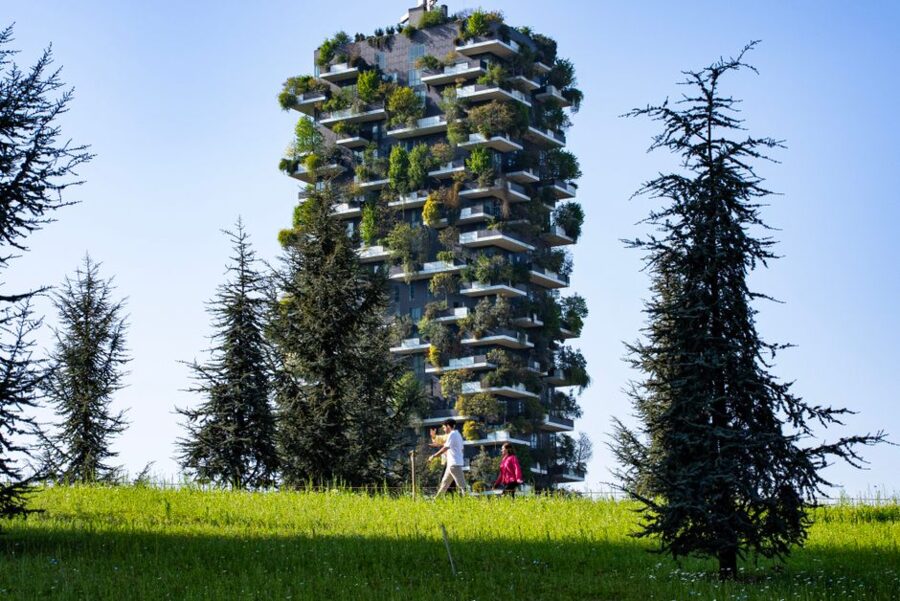
The best view of them is from the Biblioteca degli Alberi (BAM), the free, unfenced park laid out below. Combine it with the Isola neighborhood just north, which has some of the city’s better neighborhood restaurants.

Cimitero Monumentale
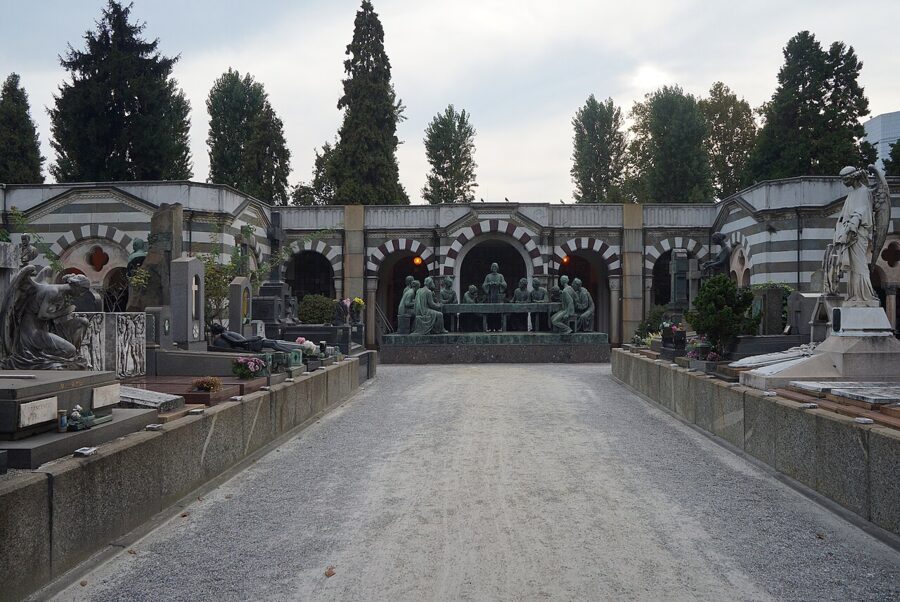
Milan’s great cemetery, opened in 1866, is an outdoor sculpture museum where the city’s industrial families competed in marble and bronze. Look for the Campari family tomb with its bronze Last Supper, and the Famedio memorial hall at the entrance, where the writer Alessandro Manzoni is buried.
Entry is free and it closes on Mondays. Hours change with the season and around holidays, so check the city’s page first, and remember it is a working cemetery. The M5 stops outside at Monumentale.

San Siro
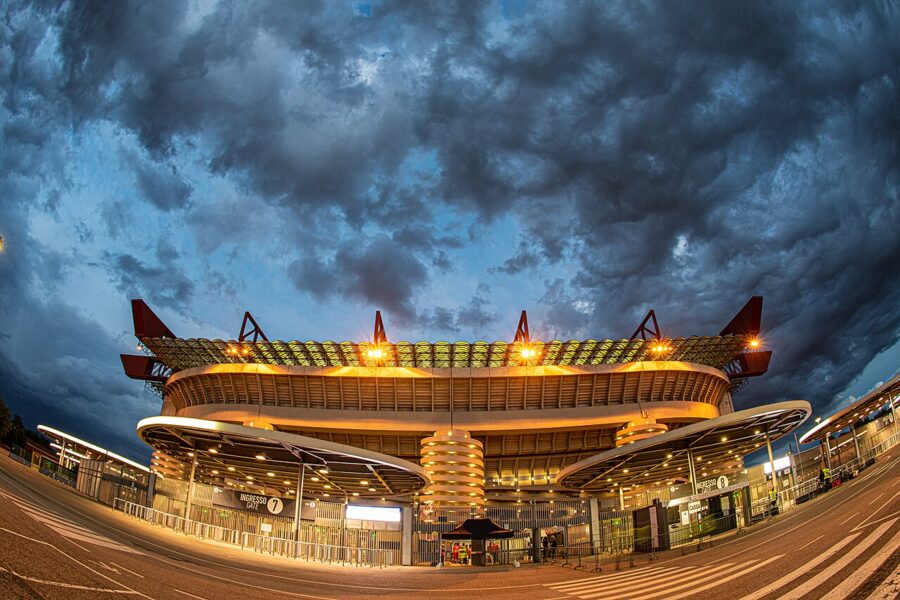
The Stadio Giuseppe Meazza, always called San Siro, is home to both AC Milan and Inter. The clubs bought it from the city in November 2025 and plan a new ground beside it, so the old bowl will not be there forever. The official museum and stadium tour takes about an hour, from Gate 6, and opening times change on match days.

Museo della Scienza e della Tecnologia
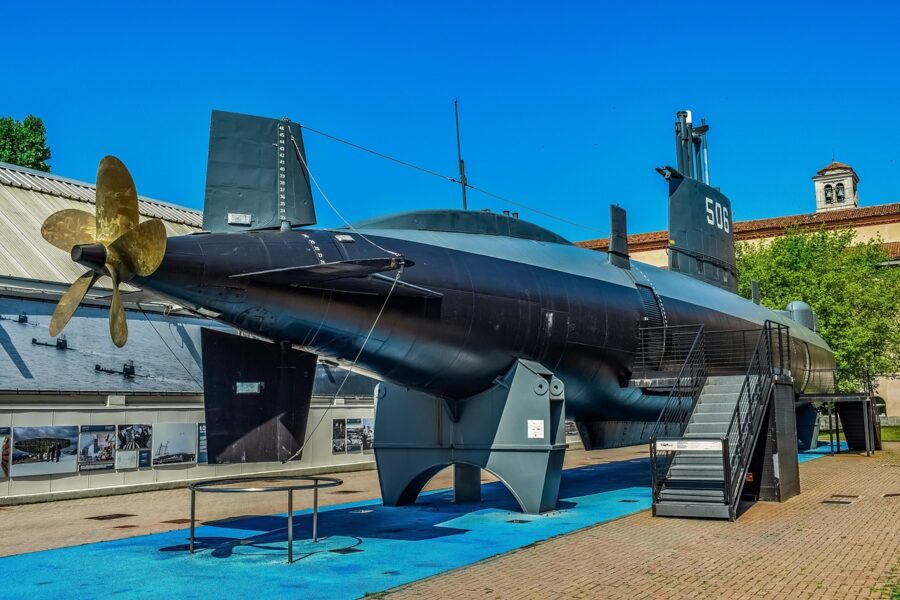
Italy’s national science and technology museum fills a former monastery near Sant’Ambrogio. Its Leonardo galleries show models built from his drawings, and the rest runs to steam locomotives and the Enrico Toti submarine. It is the best rainy-day stop with children. It closes on Mondays; check its site for current hours and prices.
The fashion district
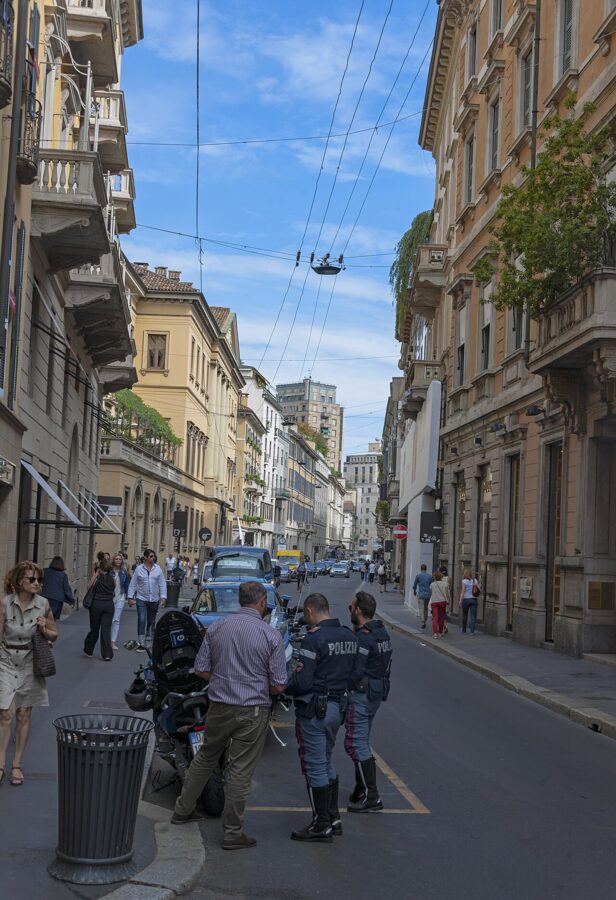
The Quadrilatero della Moda, bounded by Via Monte Napoleone, Via della Spiga, Via Manzoni and Corso Venezia, is where the big houses keep their flagships, and window shopping costs nothing. For everyday shops, Corso Vittorio Emanuele II, Corso Buenos Aires and Via Torino are the main streets, and the Rinascente department store stands beside the cathedral.

Festivals and events through the year
- January and June: men’s fashion weeks. February and September: women’s fashion weeks, when hotel prices jump.
- February: Milan’s carnival follows the Ambrosian rite and ends later than elsewhere, on the Saturday after Ash Wednesday (February 13 in 2027).
- April: the Salone del Mobile furniture fair, April 13 to 18, 2027, at Fiera Milano Rho, with design events across the city. Book rooms months ahead.
- Last Sunday of most months: the Navigli antiques market.
- December: the Oh Bej! Oh Bej! fair around the Castello Sforzesco, usually in the days around December 7, and La Scala’s opening night on the 7th. The 2026 fair dates had not been announced as of mid-November.
Where to eat and drink
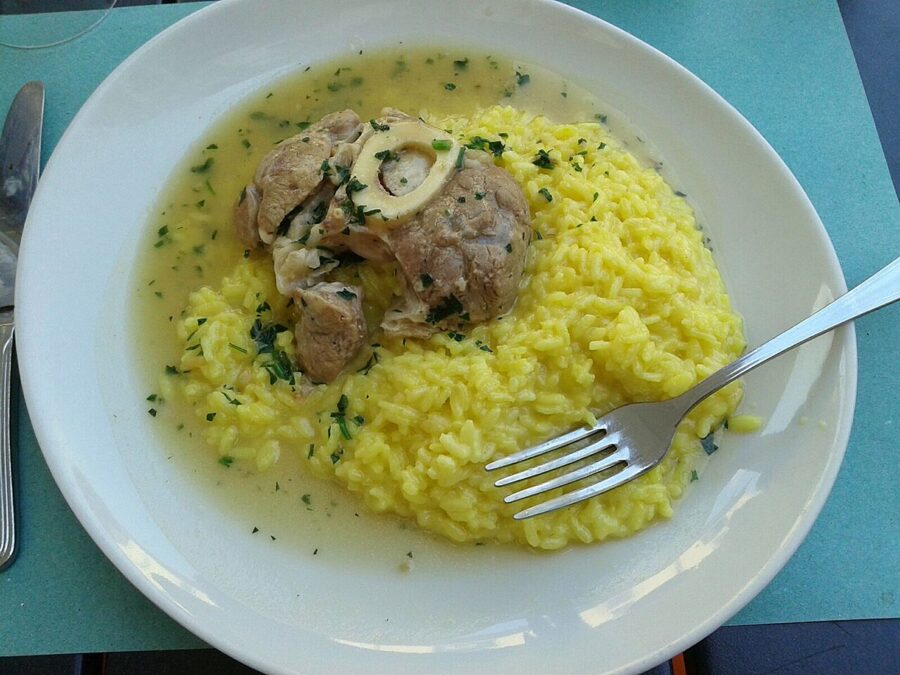
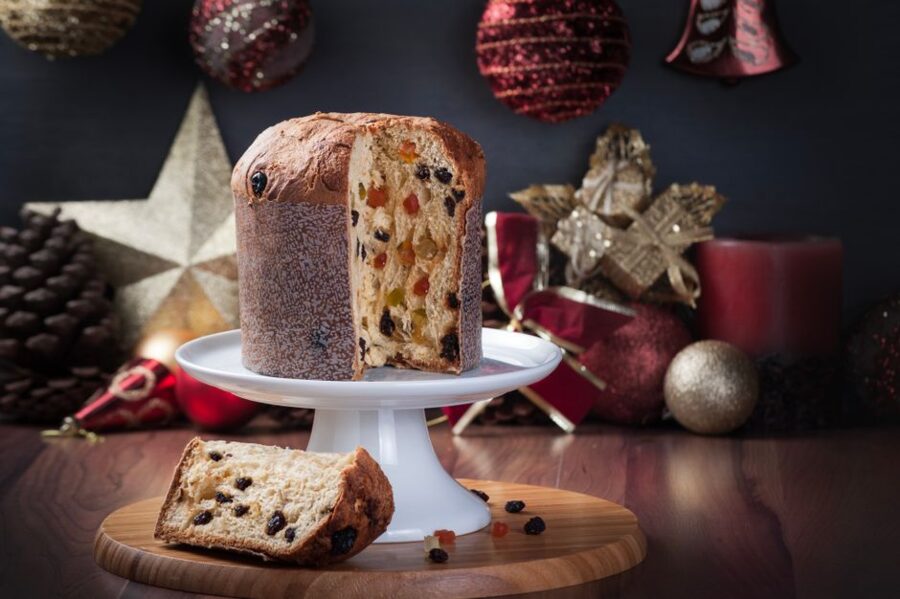
Milanese food is northern and buttery: saffron risotto alla milanese, ossobuco (braised veal shank), the breaded cotoletta, and panettone at Christmas. Eating here is not cheap, but it need not be expensive: a drink or coffee standing at the counter costs less than at a table, and aperitivo snacks can stand in for a light dinner. All the places below were trading in 2026.

- Quick lunch near the Duomo: Luini, Via Santa Radegonda 16, sells fried panzerotti from a counter, Monday to Saturday, 10am to 8pm. The line moves fast.
- Coffee and pastry: Pasticceria Marchesi 1824 on Via Santa Maria alla Porta, near The Last Supper, with another branch in the Galleria; or Pavé, the younger bakery with several shops, including Via Felice Casati.
- Aperitivo with history: Camparino in Galleria, Piazza Duomo 21, pouring since 1915. The standing Bar di Passo opens 9:30am to 11pm Monday to Saturday, to 10pm on Sunday.
- Classic Milanese dinner: Antica Trattoria della Pesa near Porta Garibaldi, serving since 1880; lunch 12:30 to 2:30pm and dinner 7 to 11pm, Monday to Saturday. Book.
- Modern Milanese: Ratanà, Via Gaetano de Castillia 28 in Isola, open daily for lunch and dinner, with online booking.
- Something for everyone: the Mercato Centrale food hall at Milano Centrale, with counters for pizza, pasta and fried food.
When to go and how long to stay
April to early June and September to October are the best months, with mild days and everything open. Summer is hot and humid, with July highs around 30°C (mid-80s°F), and some restaurants close for two or three weeks in August. Winters are cold and often foggy, with highs in the 40s°F, but December is lively with the Christmas fair, the opera opening and panettone everywhere.
Prices follow the trade calendar more than the weather: fashion weeks and the Salone del Mobile fill every hotel. Milan also charges a tourist tax per person per night; from January 1, 2027, it is €5 (about $5.50) at four- and five-star hotels and €4.80 (about $5.30) at three-star hotels, B&Bs and short-term rentals.
Is it nicer than Rome? Rome has more ancient sights and more beauty on every corner; Milan has the opera, design, easier day trips and fewer crowds away from the Duomo. Two full days cover Milan’s essentials. Add a third for Lake Como or Bergamo.
A one- or two-day plan
Day one: the Duomo rooftop at 9am, then the cathedral interior. Walk through the Galleria to La Scala’s museum and have lunch at Luini. In the afternoon, cross to Brera, and finish with aperitivo on the Navigli.
Day two: your slot at The Last Supper, then San Maurizio and Sant’Ambrogio nearby. After lunch, the Castello Sforzesco and Parco Sempione, then Porta Nuova for the Bosco Verticale and dinner in Isola. With one day only, keep day one and swap Brera for The Last Supper if you have a ticket.
Plan around closing days. The Last Supper, Brera, the Castello museums, the Museo del Novecento, San Maurizio and the Monumentale close on Mondays; the Ambrosiana closes on Wednesdays.
Getting around and practical notes
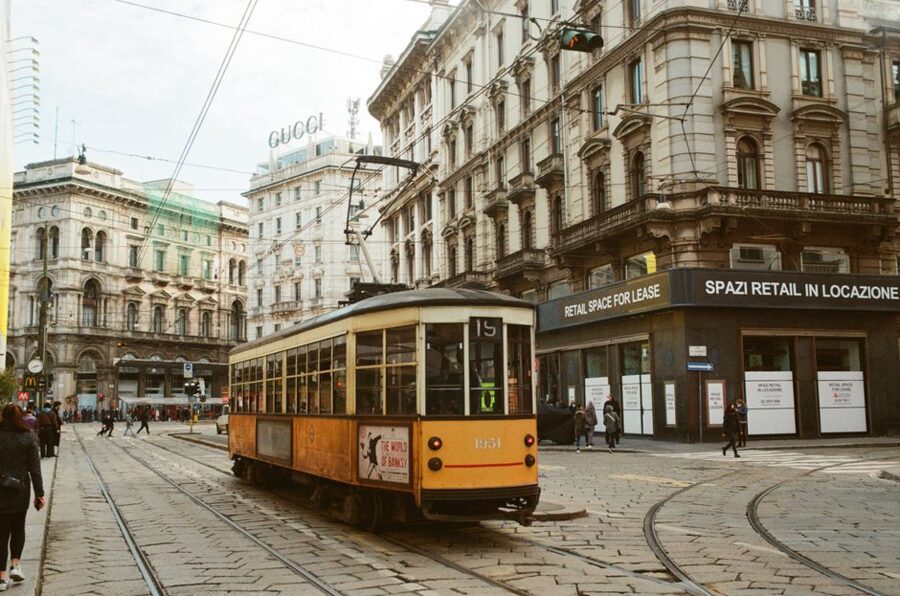
Walk the center and use ATM’s metro, trams and buses for the rest. A standard ticket costs €2.20 (about $2.40) for 90 minutes, a 24-hour ticket €7.60 (about $8.35), a three-day ticket €15.50 (about $17) and a ten-trip carnet €19.50 (about $21), as of November 2026. The easiest way to pay is to tap a contactless card or phone at the metro gates: the system charges the right fare and switches to the daily rate after your fourth trip of the day.
Use the same card every time, and tap out when you leave the metro even if the gates are open, or you pay the maximum fare from your starting station. Tap out without having tapped in and the charge is €5 (about $5.50).
Do not drive into the center. The Area C congestion zone charges €7.50 (about $8) a day during its hours, 7:30am to 7:30pm, with cameras at every gate, and parking is scarce. Leave a car at the hotel or an outer garage and take the metro.
The US State Department rates Italy at Level 2, “Exercise Increased Caution,” because of terrorism, in an advisory issued September 10, 2026. The everyday risk in Milan is pickpocketing on the metro, around the Duomo and at Centrale, so keep phones and wallets in front pockets. Transport strikes are common and announced ahead on the operators’ sites.

The YesMilano City Pass bundles three days of transport with the Duomo, museum and terraces by stairs, the Castello museums, the Museo del Novecento and several civic museums for €60 (about $66). It does not include The Last Supper, so it pays off only if you will use most of it.
Day trips: Lake Como and Bergamo
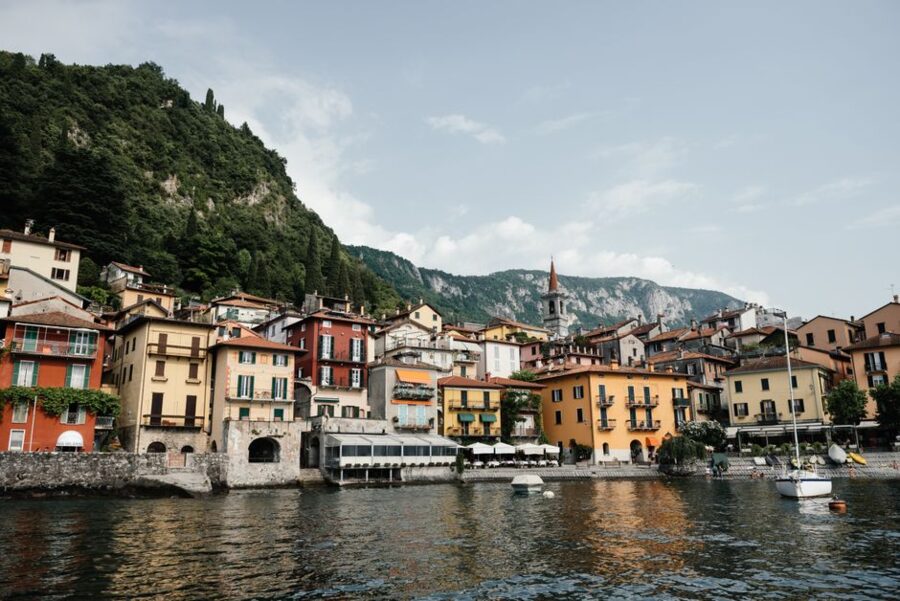
Yes, Lake Como works as a day trip. Regional trains reach the town of Como in under an hour, with a lakeside walk and the funicular up to Brunate. For the prettier side of the lake, direct trains from Milano Centrale reach Varenna in a little over an hour, and ferries cross to Bellagio and Menaggio; check the seasonal timetable in winter. Buy train tickets in the Trenord app or at station machines.
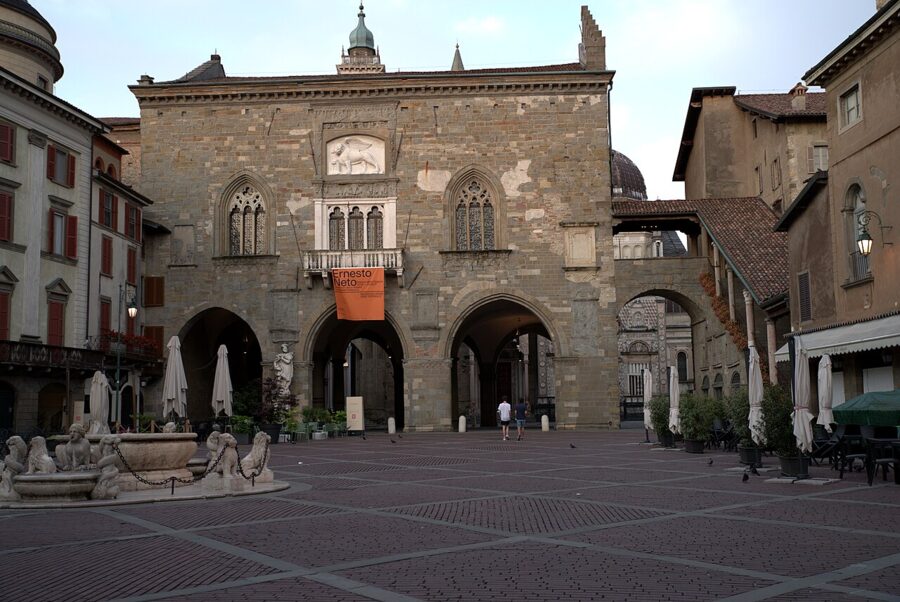
Bergamo is the easier half day. Trains from Milan take about an hour, and a funicular climbs from the lower town to the walled Città Alta, whose Venetian walls are on UNESCO’s World Heritage list. Piazza Vecchia and the basilica of Santa Maria Maggiore are a few minutes apart at the top.

Before any of it, put a reminder in your calendar for the day The Last Supper’s tickets for your dates go on sale, and buy within the first hour.