The best time to visit Hawaii is late April through May, or September through mid-October. Those are the months when the leeward coasts are at their driest, the ocean is at or near its warmest, and hotels are at their cheapest and emptiest of the year: in 2025 the statewide average room rate bottomed out at $315 in September, against $449 in December.
The months to avoid are the two weeks around Christmas and New Year, when prices peak, and, if rain worries you, November through March on any windward coast. Whale watchers are the exception: they should come between January and March and accept wetter weather and rough north shores as the price of the show.
Hawaii has no bad month for warm weather. Honolulu’s normal high never drops below 80°F or climbs above 89°F, and the monthly average sea temperature off the city stayed between 78°F and 83°F all through 2025. What changes through the year is rain on the windward sides, the size of the surf, whether the humpbacks are in, and how much everyone else wants the same week as you.

One thing is different this winter. El Niño reached the very strong category in October 2026, and the National Weather Service office in Honolulu expects below-normal rain statewide through early spring 2027, with weaker trade winds than usual. That tilts the odds toward a drier, calmer whale season than the averages below suggest, along with a higher wildfire risk on the dry leeward slopes.
On this page
Hawaii weather by month
The table uses NOAA’s official 1991 to 2020 climate normals for four airport stations: Honolulu and Kona on dry leeward coasts, Hilo and Lihue on the wet windward side. Sea temperatures are 2025 monthly averages from NOAA’s Honolulu Harbor tide gauge, and daylight is Honolulu sunrise to sunset on the 15th of each month in 2027, from the U.S. Naval Observatory.
| Month | Honolulu high / low | Honolulu rain | Kona rain | Lihue rain | Hilo rain | Sea (Honolulu) | Daylight |
|---|---|---|---|---|---|---|---|
| January | 81°F / 67°F | 1.8 in | 1.4 in | 2.8 in | 7.9 in | 78°F | 10 h 58 min |
| February | 81°F / 67°F | 1.9 in | 1.2 in | 3.6 in | 10.2 in | 78°F | 11 h 27 min |
| March | 81°F / 68°F | 2.4 in | 1.0 in | 5.6 in | 12.7 in | 78°F | 12 h 1 min |
| April | 83°F / 70°F | 0.8 in | 0.6 in | 2.0 in | 9.4 in | 79°F | 12 h 39 min |
| May | 85°F / 72°F | 0.8 in | 0.6 in | 2.2 in | 7.0 in | 80°F | 13 h 10 min |
| June | 87°F / 74°F | 0.5 in | 0.8 in | 1.8 in | 7.3 in | 81°F | 13 h 26 min |
| July | 88°F / 75°F | 0.5 in | 0.5 in | 1.8 in | 9.2 in | 81°F | 13 h 19 min |
| August | 89°F / 76°F | 0.8 in | 0.5 in | 2.3 in | 11.3 in | 83°F | 12 h 52 min |
| September | 88°F / 75°F | 0.9 in | 0.5 in | 2.2 in | 8.7 in | 82°F | 12 h 15 min |
| October | 87°F / 74°F | 1.5 in | 0.9 in | 3.3 in | 10.2 in | 83°F | 11 h 40 min |
| November | 84°F / 72°F | 2.3 in | 0.8 in | 4.0 in | 14.4 in | 81°F | 11 h 8 min |
| December | 82°F / 69°F | 2.2 in | 1.1 in | 4.6 in | 12.1 in | 80°F | 10 h 51 min |
Two numbers explain most of Hawaii’s weather. Hilo averages about 120 inches of rain a year; Kona airport, on the other side of the same island, averages under 10. The trade winds push moist air up the windward slopes, where it rains, and leave the leeward coasts in a rain shadow.
Two seasons, not four
The National Weather Service describes Hawaii as having two seasons: a drier summer from May to October and a wetter winter from October to April. In winter the trades break down more often, cold fronts reach the islands, and the occasional Kona low swings the wind to the south and soaks the normally dry coasts. In summer the trades blow most days, which keeps August’s heat bearable near the water.
The hottest months are August and September. Honolulu’s normal high peaks at 88.8°F in August, and Kahului on Maui reaches 90°F in September. The coolest nights come in January and February, when Honolulu’s normal low is 67°F and Kahului’s drops to 64°F.
The mountains have their own climate
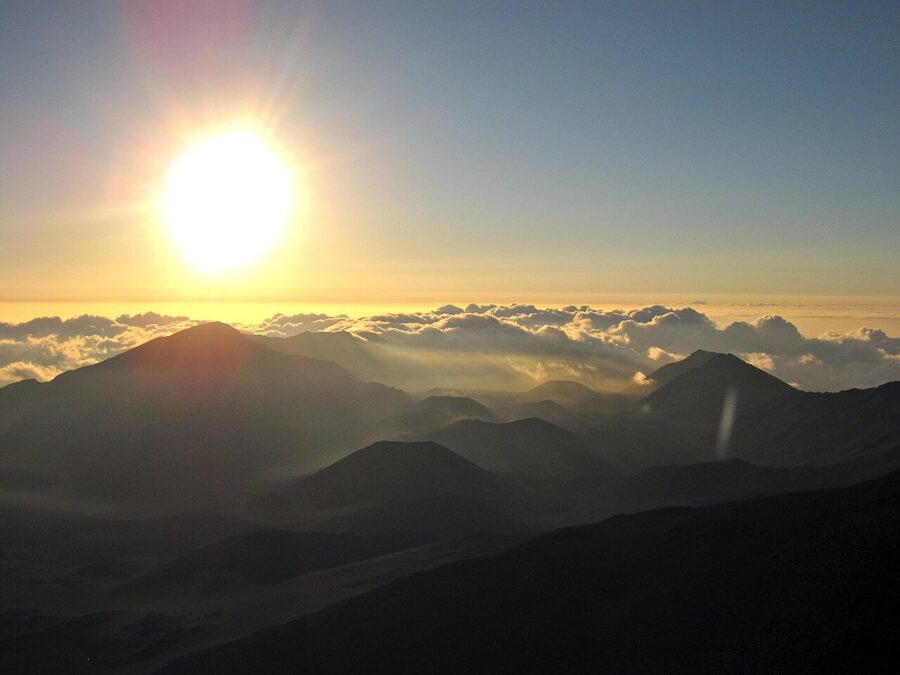
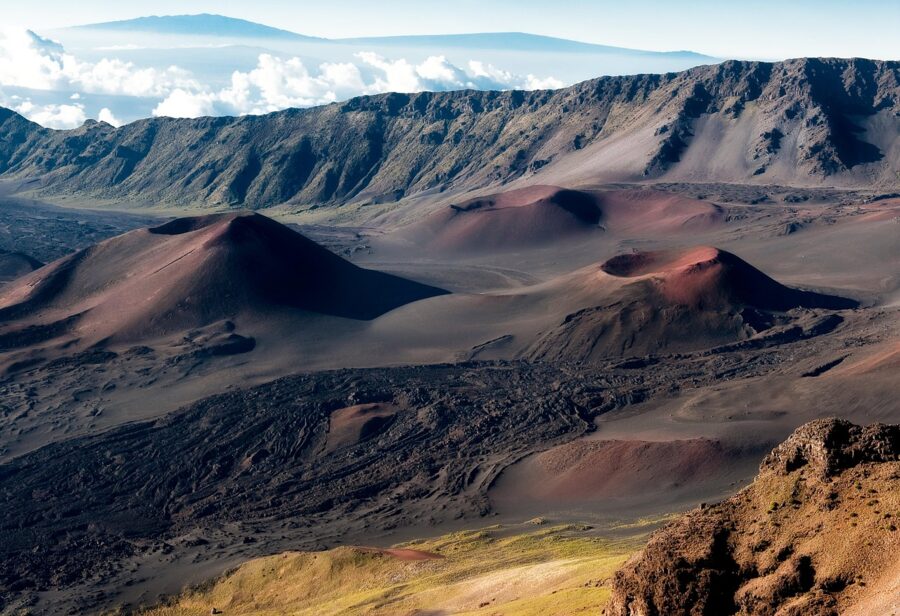
Haleakalā’s summit sits at 10,023 feet, and the National Park Service puts year-round temperatures up there between below freezing and highs of 50°F to 65°F, before the wind chill. Mauna Kea and Mauna Loa on the Big Island are higher still and catch snow in many winters. Pack a real jacket for any sunrise or summit trip, whatever the month on the beach.
Hawaii month by month
January
The holiday crowds leave after the first week, and January settles into a busy but manageable month of mainland escapees. It is peak whale season and big-wave season on the north shores, and one of the wetter months on windward coasts and in Lihue. Statewide hotel occupancy ran 73.9% in January 2025 at an average rate of $384.
February
February is the most crowded month that is not a holiday. Hotels ran their highest occupancy of 2025 in February (79.3%), driven by whales, winter sun and Presidents’ Day weekend (February 15, 2027). The whale counts peak around now, and the first Sanctuary Ocean Count of 2027 falls on January 30, the second on February 27.
March
March is Lihue’s wettest month in the normals and Hilo’s second wettest, and spring-break crowds arrive on Oahu and Maui. Easter falls early in 2027, on March 28, so the Merrie Monarch Festival in Hilo moves to March 28 through April 3, two weeks earlier than usual. Whales are thinning out by the last count on March 27.
April
Once Easter week passes, April is one of the year’s quiet surprises. Rain drops sharply on the leeward coasts (Honolulu’s normal falls from 2.4 inches in March to 0.8 in April), hotel rates slip to $366 on the 2025 average, and the waterfalls are still running full from winter. Japan’s Golden Week holidays, April 29 to May 5 in 2027, bring more visitors from Japan, mostly to Oahu.
May
May is the best all-round month. It has the long days of summer (more than 13 hours of daylight by mid-month), the dry leeward weather, a sea around 80°F, and the second-cheapest hotels of 2025 at $339 a night. Lei Day on May 1 is celebrated on every island, and Memorial Day weekend (May 31, 2027) is the only crowded stretch.
June
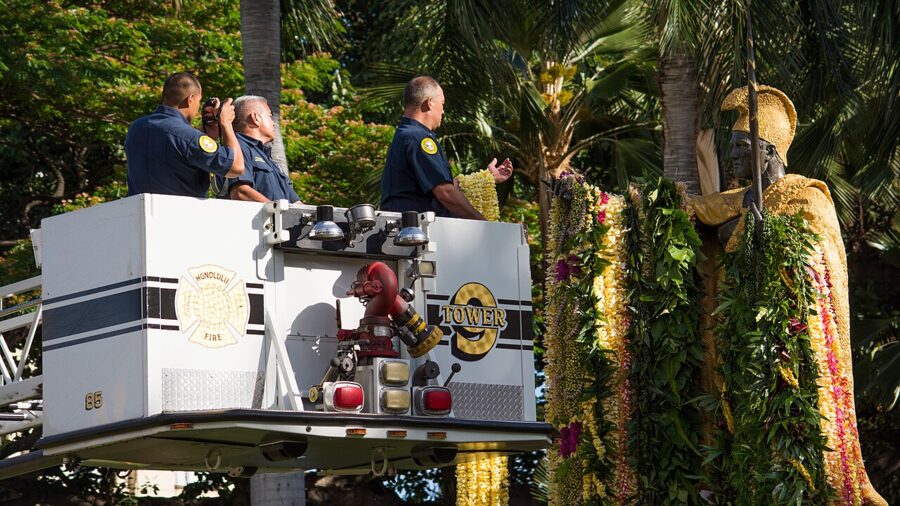
Summer starts in mid-June, when the mainland schools let out and rates jump back to $375. The Central Pacific hurricane season opens on June 1, but storms this early are rare. King Kamehameha Day on June 11 is a state holiday with floral parades and lei-draping of the Kamehameha statue in Honolulu.

July
July is peak family season: hotel occupancy hit 77.1% in 2025 and the average rate $386, the highest outside December. North shores go flat and glassy, which makes this the month to snorkel Kauai’s North Shore or swim at Waimea Bay. South shores take the summer swells instead, so this is the season for Waikiki’s surf breaks.
August
August is the hottest month and the start of the hurricane season’s busy stretch. Families thin out after mid-month as mainland schools reopen, and rates fell to $361 in 2025. Statehood Day, a state holiday, falls on the third Friday of August (August 20 in 2027).
September
September is the cheapest and emptiest month: 69.7% hotel occupancy and a $315 average rate in 2025, both the lowest of the year. The sea is at its warmest, the leeward coasts are dry, and Oahu’s Aloha Festivals fill the Waikiki weekends (in 2026, the Waikiki Hoʻolauleʻa was September 19 and the Floral Parade September 26). It is also the peak of hurricane season, so book refundable rooms.


October
October keeps September’s value ($322 a night in 2025) with more rain creeping back to windward coasts in the second half. The first big north swells usually arrive, and the Ironman World Championship takes over Kailua-Kona; IRONMAN’s 2027 schedule lists it for October 9, so book Kona early for that week.
November
The rainy season starts in earnest: Hilo’s wettest month is November, at more than 14 inches. Hotels are still quiet (70.2% occupancy in 2025) until Thanksgiving week, which falls on November 25 in 2027. The Kona Coffee Cultural Festival runs for ten days in early November (November 6 to 15 in 2026), and the first humpbacks arrive.
December
Early December is a bargain, with winter surf, the Honolulu Marathon (December 13, 2026) and the first whales. From about December 20 everything changes: the 2025 average rate for the month reached $449, more than $130 above September’s, and the holiday fortnight is when that premium is concentrated.


Hurricane season, and what 2026 showed
The Central Pacific hurricane season runs from June 1 to November 30, with most activity from July through September. Direct hits are rare in an ordinary year. The 2026 season was not ordinary: NOAA’s May outlook called for 5 to 13 tropical cyclones in the central Pacific, against a normal four or five, because of the developing El Niño.
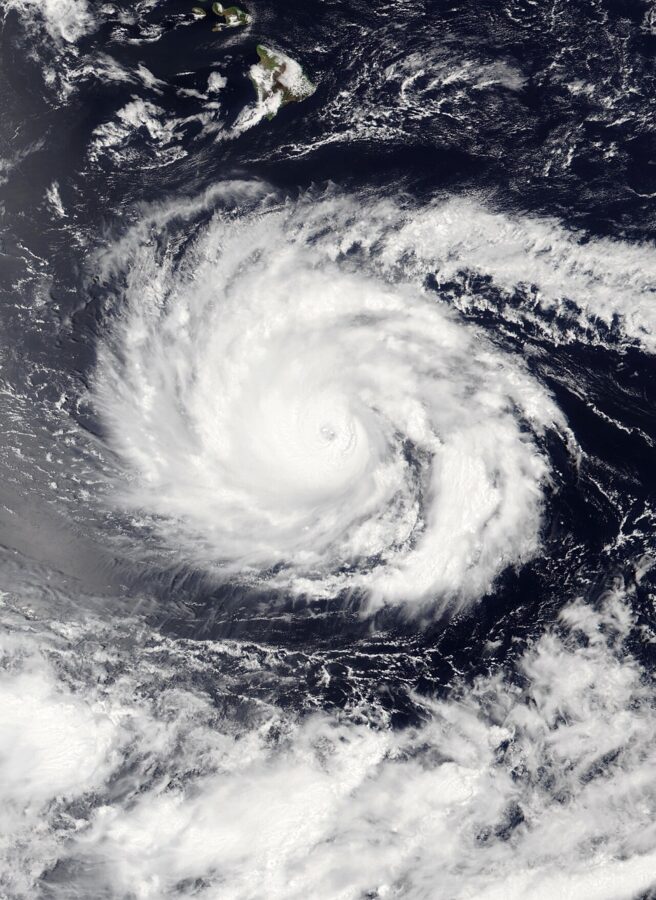
Three storms touched the islands in six weeks. Hurricane Lala brought its eyewall near South Point on the Big Island on August 15, and more than 30 inches of rain in the Kaʻū District sent floods through Nāʻālehu and Pāhala. Hurricane Lowell followed on the night of September 7, and the National Weather Service’s post-storm report describes catastrophic damage in Kauai County, with storm surge and surf sweeping homes and cars off their foundations in Poʻipū and over 90% of the island losing power.
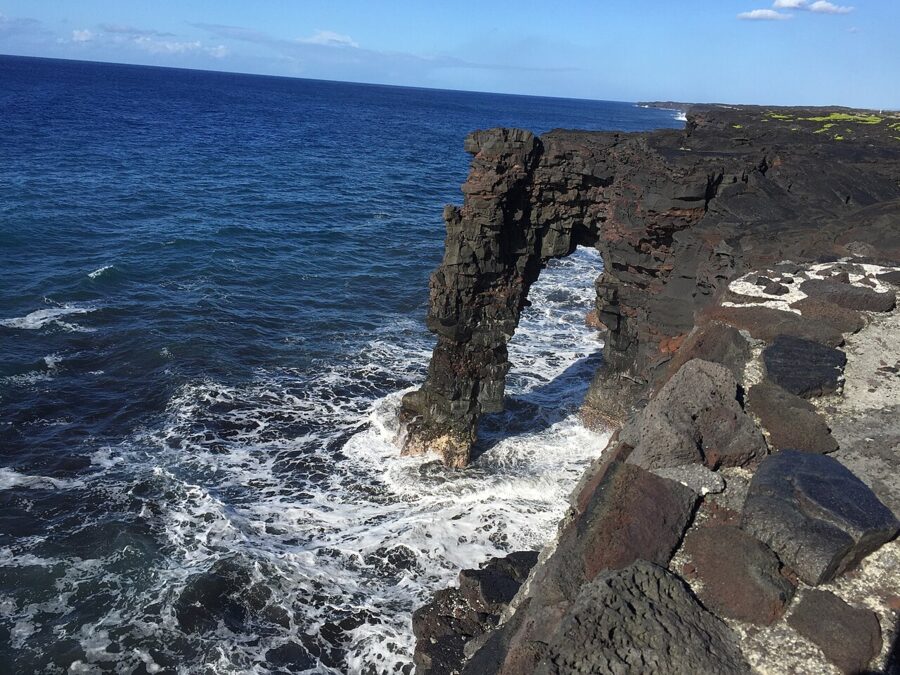
Then Hurricane Nolo stalled about 160 nautical miles south of the Big Island on September 25 and 26. It flooded Kaʻū again, fanned a 100-acre wildfire at Olowalu on Maui, and its surf may have helped bring down the Hōlei Sea Arch, according to the same weather service report.

None of this makes late summer a bad time to go, but it changes how to book it. Between August and October, choose refundable rooms and cars, buy travel insurance before a storm is named, and check the Central Pacific Hurricane Center before you fly. In 2026 the state tourism authority reported most Kauai hotels, restaurants and tours open again about two weeks after Lowell, while the flooded towns of Kaʻū and the battered Poʻipū shore took months.
Whale season
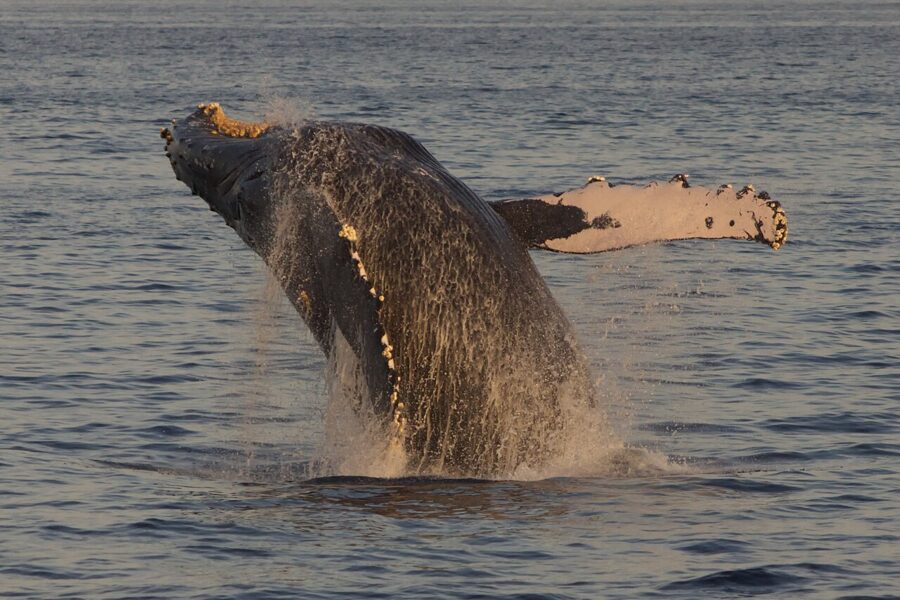
Humpback whales winter in Hawaii from November through April, according to the Hawaiian Islands Humpback Whale National Marine Sanctuary, and January through March is the reliable window. The 2026 shore counts tell the story: 1,954 whales in January, 1,935 in February and 436 in March, a drop the sanctuary put down to whales heading north and to storms spoiling the view.
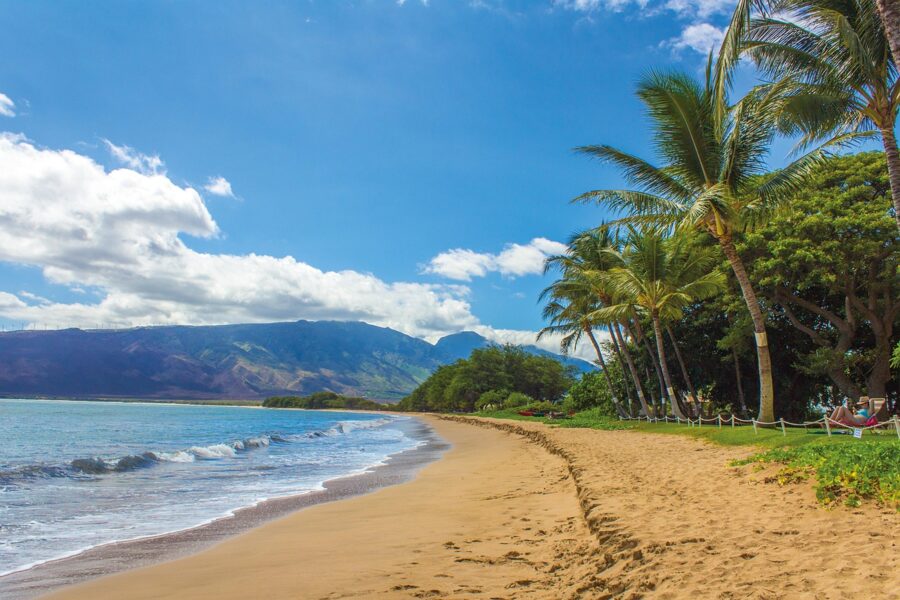
The shallow, sheltered channels between Maui, Lanai and Molokai hold the most whales, so Maui’s west and south coasts (Kāʻanapali, Lahaina, Kihei, Wailea) are the best bases. You can see blows and breaches from shore on every island, though, from the Makapuʻu lookout on Oahu to the Kona and Kohala coasts. Federal rules require you to stay at least 100 yards from humpbacks, whether you are in a boat, on a board or in the water.
The 2027 Sanctuary Ocean Count runs on January 30, February 27 and March 27, with registration opening in early January. It takes a morning and puts you on a headland with people who know exactly what they are looking at.
Winter surf on the north shores
From roughly October to April, swells generated by storms far to the north reach the north- and west-facing shores of every island. Oahu’s North Shore is where they become famous: Waimea Bay, Sunset Beach and the Banzai Pipeline can carry waves well over 20 feet on the biggest days. The World Surf League scheduled its 2026 season finale at Pipeline for a December 8 to 20 waiting period.
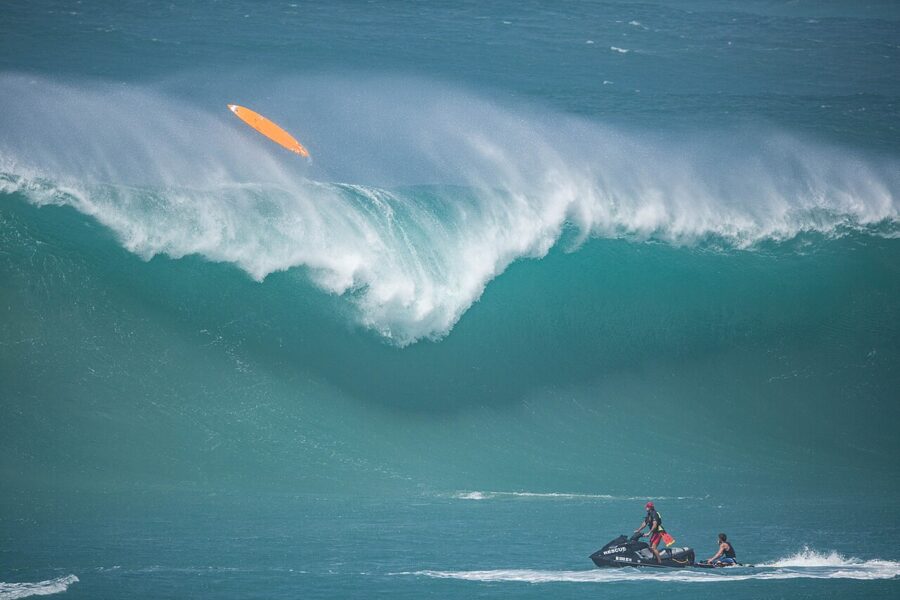

For anyone who is not an expert, winter surf means watching, not swimming. North-shore beaches that are lake-calm in July become dangerous between November and March, with currents and shore break that the lifeguards will close beaches for. Choose south- and west-facing beaches in winter (Waikiki, Ala Moana, Kihei and Wailea), and flip that around in summer, when south swells arrive.

One south-shore quirk follows the moon, not the season. Box jellyfish drift onto Waikiki and nearby south-facing beaches about 8 to 10 days after each full moon, according to University of Hawaiʻi researchers. Lifeguards post warning signs on those mornings; swim elsewhere or wait a day.
Island by island
Each island turns a different month into the best one. Here is what changes the answer on the four main islands, and what is open or closed as of November 2026.
Oahu
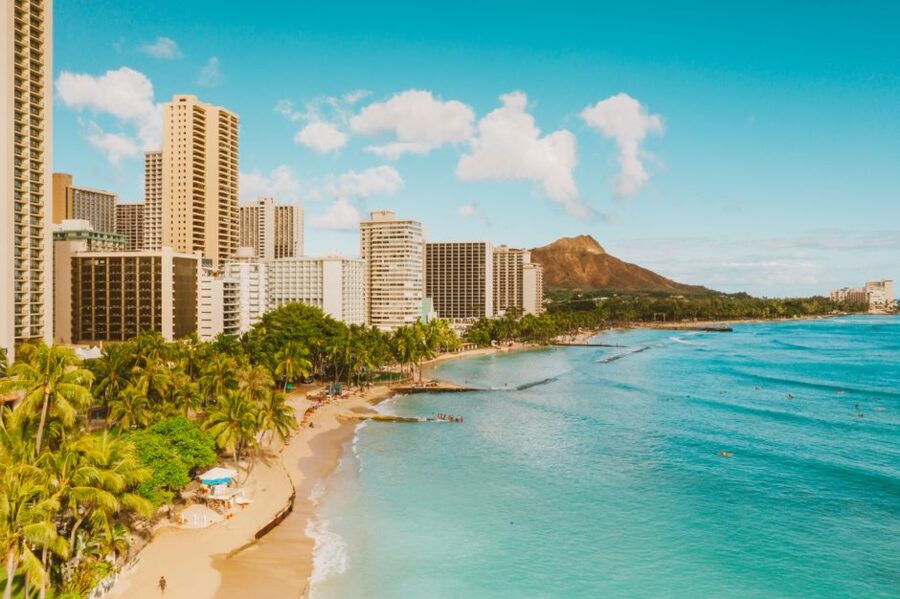
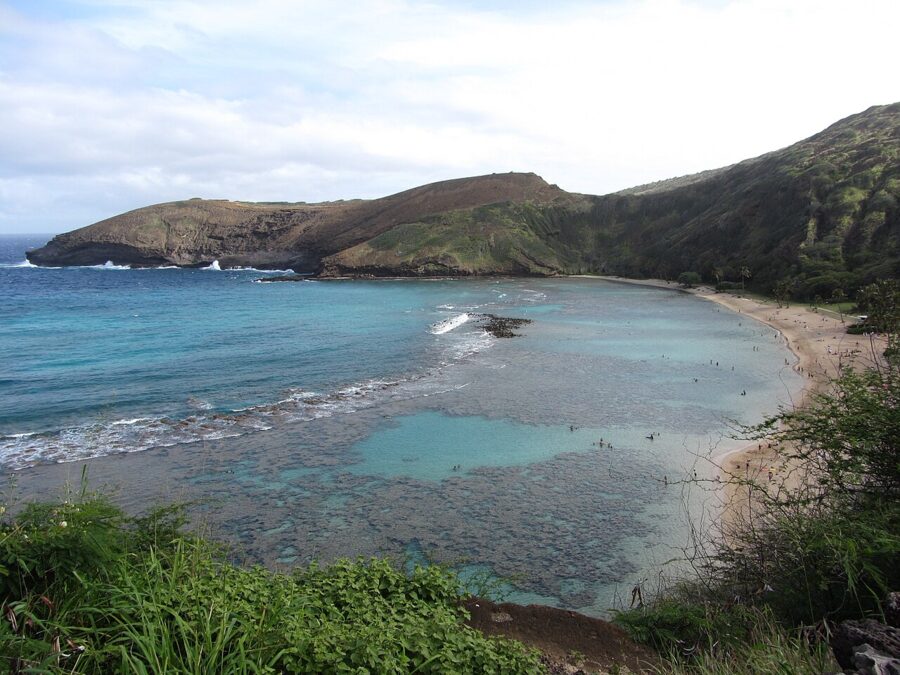
Oahu changes least with the seasons, because Honolulu and Waikiki sit on the dry, sheltered south shore. Come in May, September or October for value, December through February for the North Shore surf contests, and summer to swim at Waimea Bay or snorkel Sharks Cove.

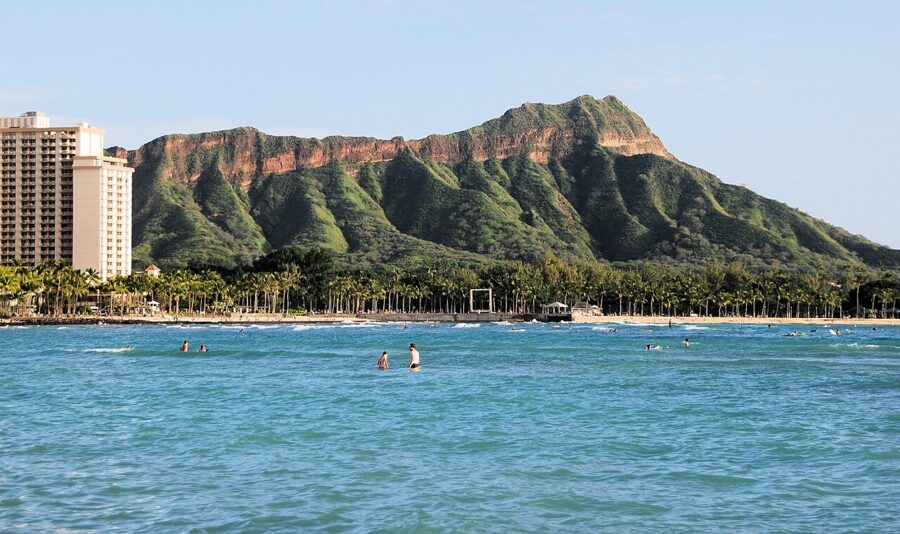
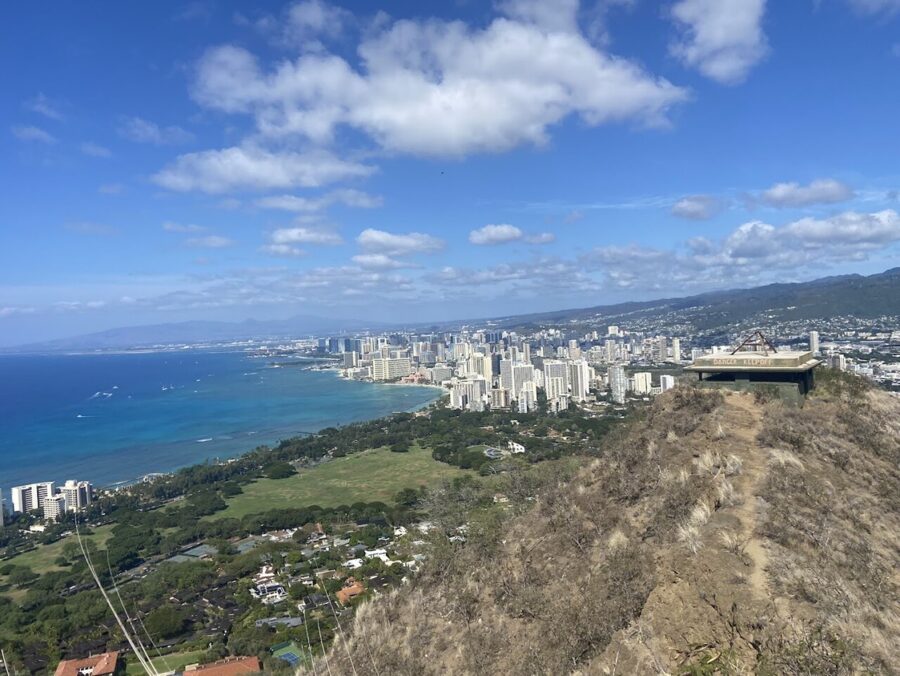
Diamond Head is another booking that runs the same all year. Out-of-state visitors need an entry and parking reservation through the state parks system; as of November 2026, entry is $5 a person and parking $10 a car, with the park open 6am to 6pm and the last hiking slot at 4pm.
Maui
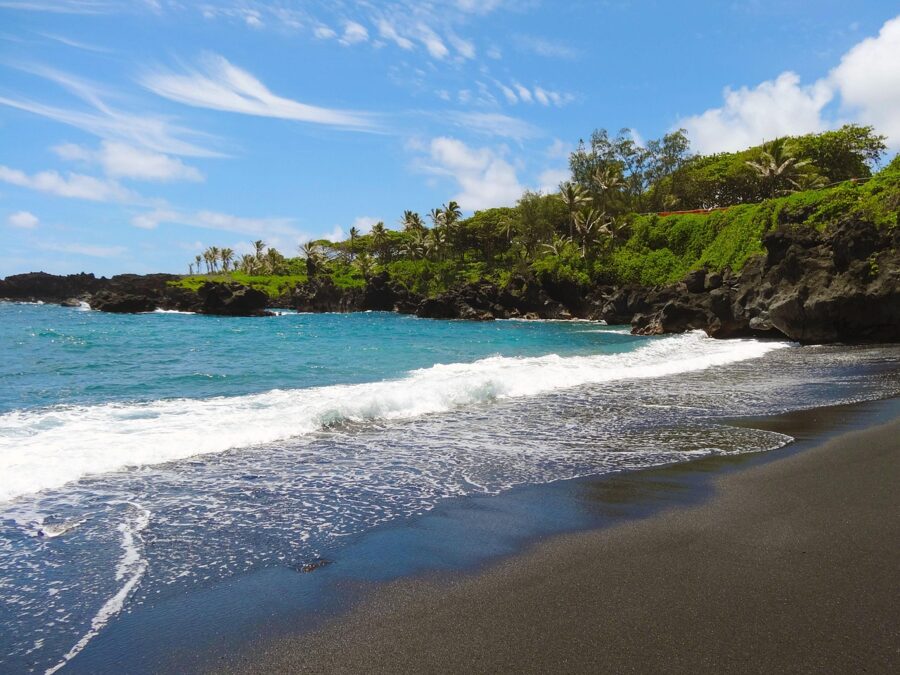
Maui is the whale island, so January through March is its distinctive season, with the dry Kihei, Wailea and Kāʻanapali coasts as bases. April, May, September and October bring better rates and calmer roads. The Road to Hāna and the windward east side are at their greenest, and wettest, from November to April.
Lahaina is reopening in stages after the August 2023 fire. Maui County reopened Front Street to traffic on August 1, 2026, from Papalaua to Shaw streets, while side streets near the harbor stay closed for dredging. Stay out of fenced lots and private property, and spend money in the businesses that have come back.

Big Island (Hawaii Island)
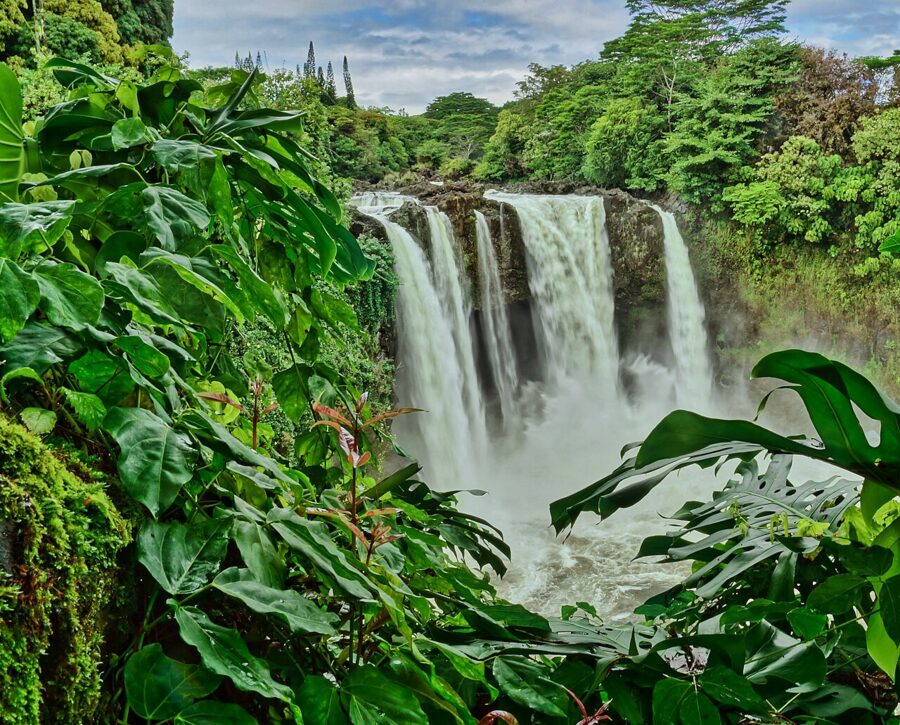
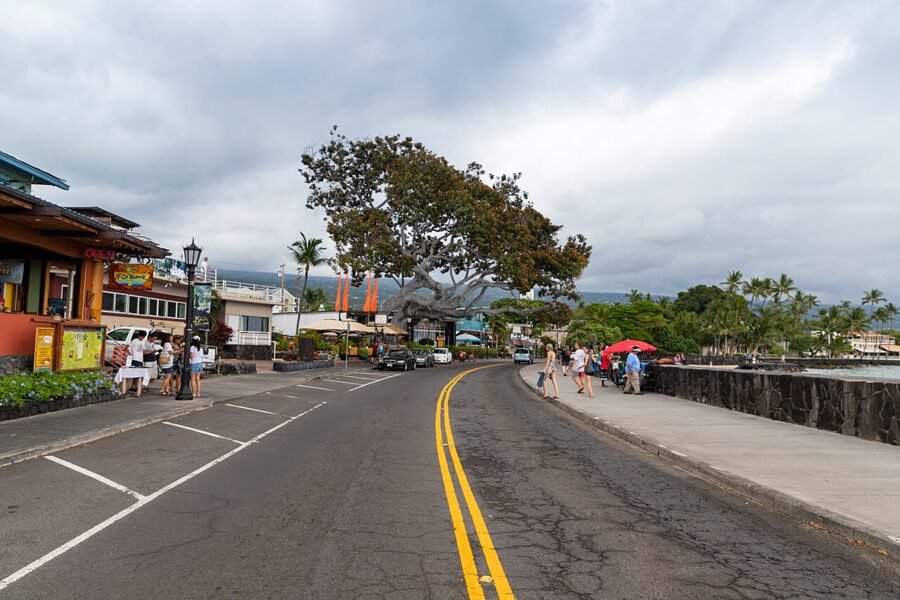
The Big Island has the starkest split of any island: Hilo gets twelve times Kona’s rain. The Kona and Kohala coasts are dry enough for beach days in any month, which makes the west side a safe base in the wet season. Visit Hilo, the Hāmākua Coast and the waterfalls expecting rain at some point.

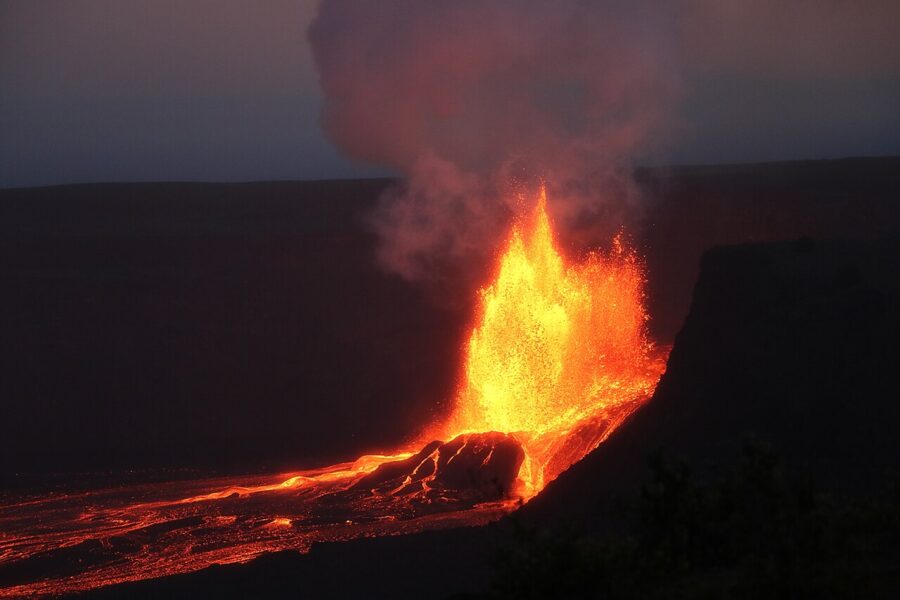
Kīlauea is the wildcard. The summit eruption that began in December 2024 runs in short fountaining episodes separated by quiet days or weeks; as of November 20, 2026, the USGS reported it paused after episode 56 on November 5 and expected another soon. Check the Hawaiian Volcano Observatory’s daily update the night before you drive up.
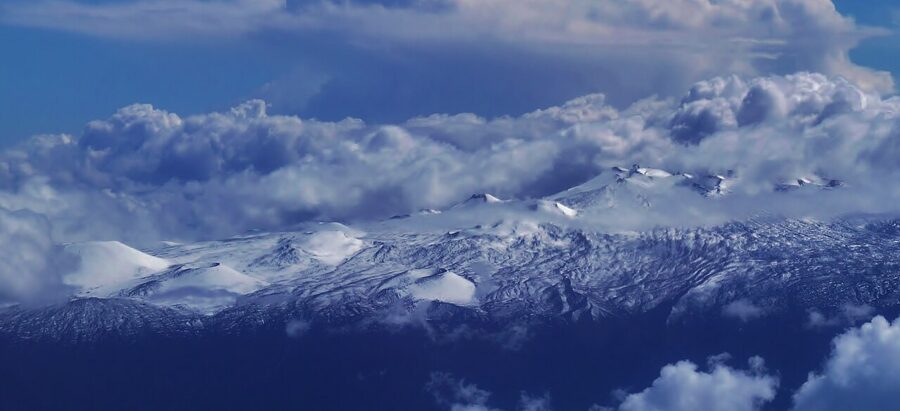

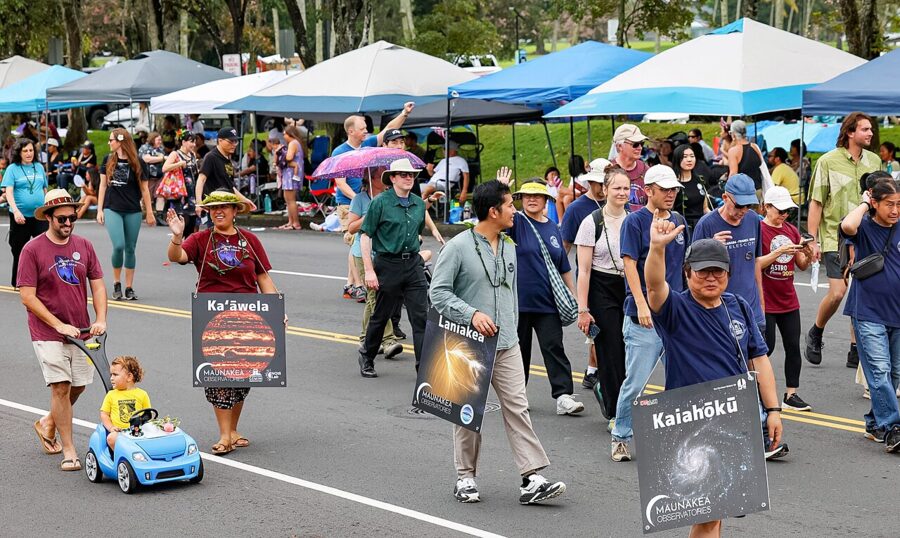
Two events set Big Island prices. The Merrie Monarch Festival fills Hilo for a week after Easter (March 28 to April 3, 2027), and the Ironman fills Kona in October. In Kaʻū in the far south, hurricane repairs continued into the fall of 2026, so check road conditions before you take Highway 11 around the south end.


Kauai
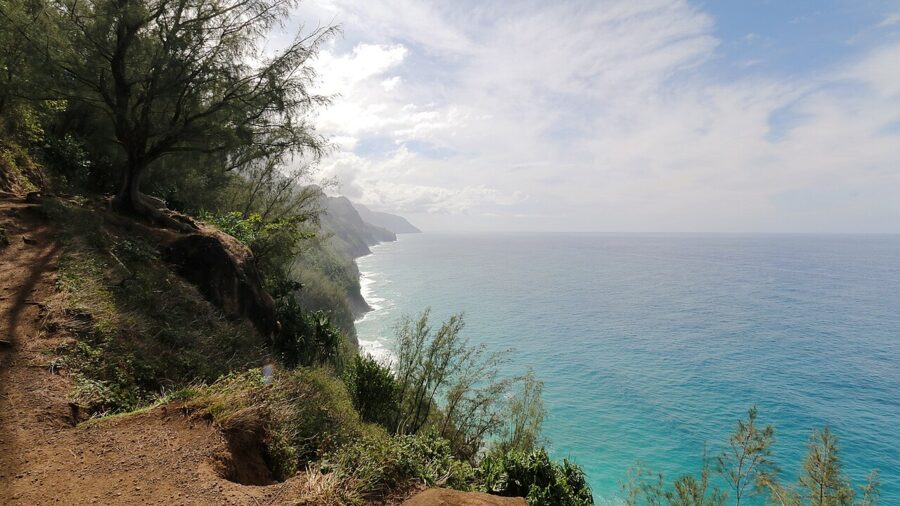
Kauai’s main town is far wetter than Honolulu: the 1991 to 2020 normals give Lihue more than twice Honolulu’s rain, with March its wettest month. Summer is Kauai’s season: the North Shore and the Nāpali Coast are calm enough for boat trips and snorkeling from about May to September, while winter swells cut many of those tours short.
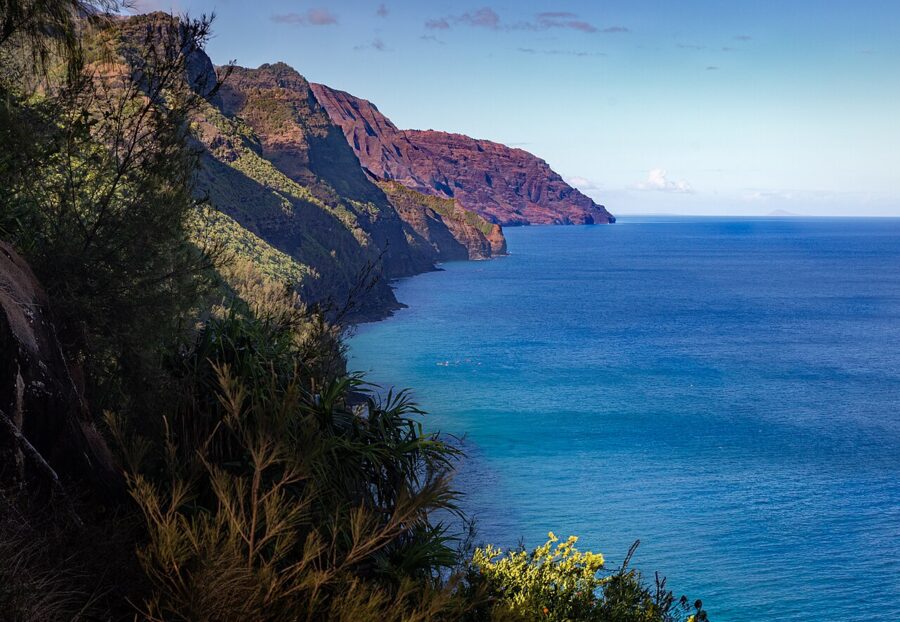

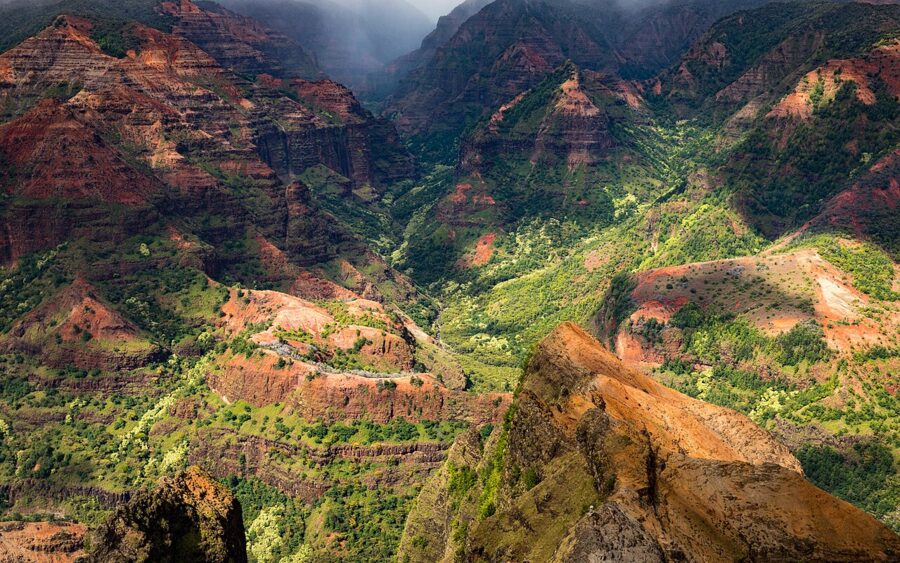
The island is still recovering from Hurricane Lowell. As of the state parks notice dated November 12, 2026, Hāʻena State Park reopened on October 15, overnight camping on the Kalalau Trail and day hiking to Hanakapīʻai reopened on November 2, and Kōkeʻe and Waimea Canyon state parks reopened on November 7, with some trails and services still being restored. All other state parks and campgrounds on Kauai remained closed.


Most hotels, restaurants and tours reopened within weeks of the storm, but the hardest-hit stretch of the Poʻipū shore is still rebuilding. For a south-shore stay in early 2027, confirm with the property that it is open and ask what has changed on the beach in front of it.
When Hawaii is cheapest, and when it is busiest
Hawaii’s hotel prices follow the mainland school calendar more than the weather. These are the statewide figures from the state’s monthly hotel reports for 2025, which survey most hotels with 20 or more rooms; vacation rentals are not included.
| Month (2025) | Hotel occupancy | Average daily rate |
|---|---|---|
| January | 73.9% | $384 |
| February | 79.3% | $379 |
| March | 74.9% | $379 |
| April | 73.0% | $366 |
| May | 71.4% | $339 |
| June | 74.3% | $375 |
| July | 77.1% | $386 |
| August | 74.1% | $361 |
| September | 69.7% | $315 |
| October | 72.8% | $322 |
| November | 70.2% | $345 |
| December | 76.1% | $449 |
The cheapest time to go to Hawaii is September, then October and May. Seven nights at the 2025 statewide average cost about $2,200 in September and about $3,140 in December, before taxes. Those taxes went up on January 1, 2026, when the state’s transient accommodations tax rose from 10.25% to 11% under Act 96, and the county lodging tax and general excise tax come on top.
Airfares tend to follow the same holiday calendar. As of November 2026, no ultra-low-cost carrier flies to Hawaii from the mainland: Spirit never flew to Hawaii and shut down in May 2026. West Coast gateways where several airlines compete usually have the lowest fares.
Holiday weeks are where crowds and prices spike hardest. On the 2027 calendar, watch for Presidents’ Day weekend (February 15), spring break and Easter (March 28), Golden Week (April 29 to May 5), Memorial Day (May 31), July 4, Thanksgiving (November 25) and the Christmas to New Year fortnight.
Festivals and holidays in 2027
These events fill hotels or close streets. Dates are from the organizers or state law as of November 2026; where 2027 dates are not out yet, the line says so.
- Sanctuary Ocean Count: January 30, February 27 and March 27, statewide whale counts from shore.
- Honolulu Festival: March 5 to 7, Waikiki.
- Prince Kūhiō Day: March 26, a state holiday.
- Merrie Monarch Festival: March 28 to April 3, Hilo. Hawaii’s premier hula competition, and the week Hilo runs out of rooms.
- Lei Day: May 1, on every island.
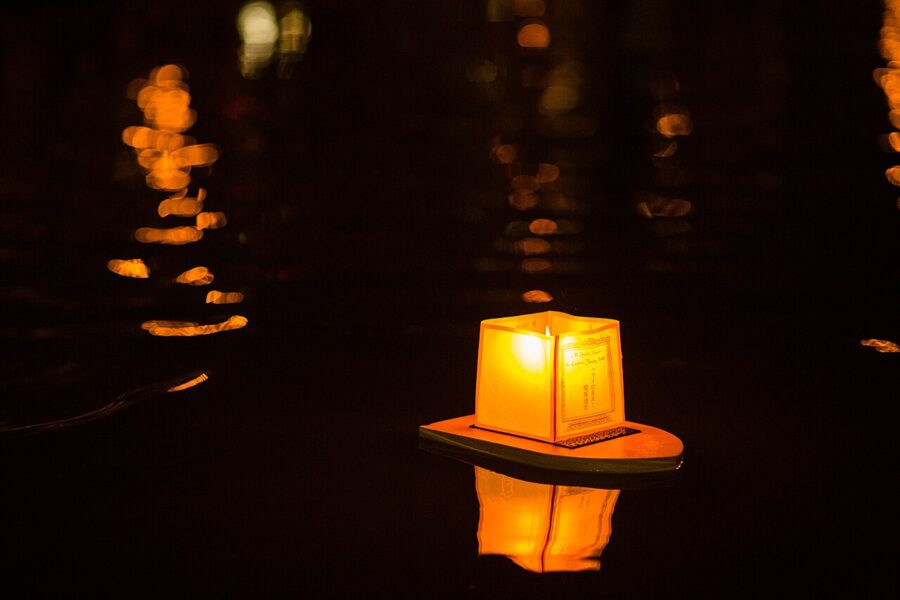
- Lantern Floating Hawaii: traditionally held at Ala Moana Beach on Memorial Day (May 31); watch for the 2027 announcement.
- King Kamehameha Day: June 11, a state holiday with floral parades.
- Statehood Day: August 20, a state holiday.
- Aloha Festivals: September on Oahu; 2027 dates not yet published (the 2026 Floral Parade was September 26).
- IRONMAN World Championship: October 9, Kailua-Kona, as listed on IRONMAN’s 2027 schedule.
- Kona Coffee Cultural Festival: early November in Kona; 2027 dates not yet published (2026 ran November 6 to 15).
- Honolulu Marathon: December 13, 2026; the race is normally held on the second Sunday of December.

Which month for which trip
- First trip, best balance: May, or the second half of September. Dry leeward weather, warm sea, low rates.
- Cheapest trip: September and October, with refundable bookings for hurricane season, or the first two weeks of December.
- Whales: January through March, based on Maui’s west or south coast.
- Big-wave watching: December through February on Oahu’s North Shore.
- Snorkeling and calm water everywhere: June through August, when the north shores go flat.
- Kauai and the Nāpali Coast: May through September, the calm-sea months.
- Hiking: April, May, September and October, cooler than midsummer and drier than winter.
- Culture: Merrie Monarch week in Hilo (March 28 to April 3, 2027) or Aloha Festivals in September.
- Families stuck with school holidays: early June or late August, the shoulders of summer.
- Avoid: December 20 to January 3 if you care about price, and the windward coasts from November to March if you care about rain.
Whatever month you pick, base yourself on the leeward side of the island you choose (Waikiki, Kihei and Wailea, Kona and Kohala, or Poʻipū once it has rebuilt), and treat the windward coast as a day trip. That single choice does more to keep a Hawaii trip dry than any month on the calendar.