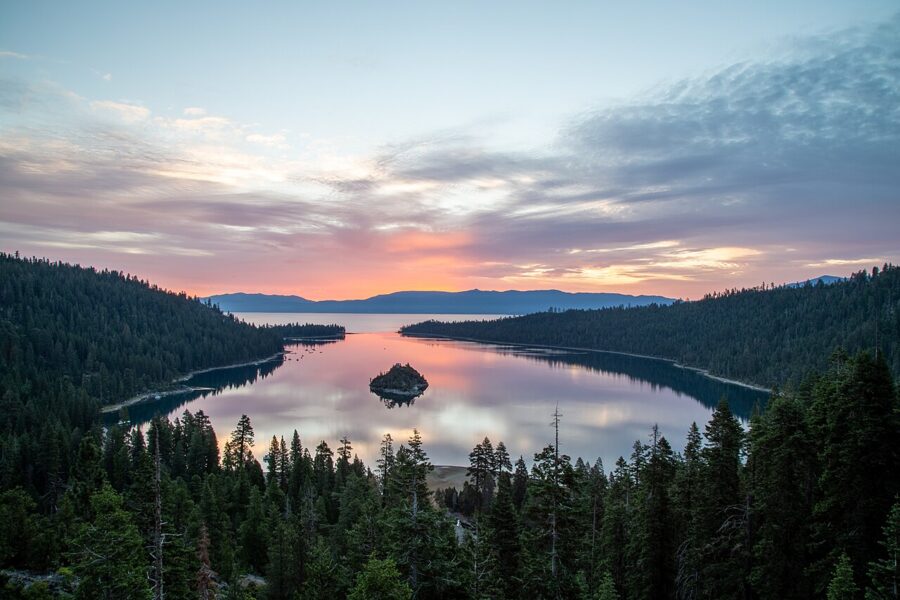
The best time to visit Lake Tahoe is September, when the lake is still near its warmest, the summer reservation rules and Labor Day traffic are behind you, and the trails are dry and snow-free. For skiing, go between mid-January and mid-March, when the snowpack is deepest and the holiday crowds have thinned.
The weeks to avoid are the ones everyone else picks: the Fourth of July, Christmas to New Year’s, and Presidents’ Day weekend. Lodging is at its most expensive, the beach lots fill by mid-morning and the drive up from the Bay Area or Sacramento can take hours longer than it should.
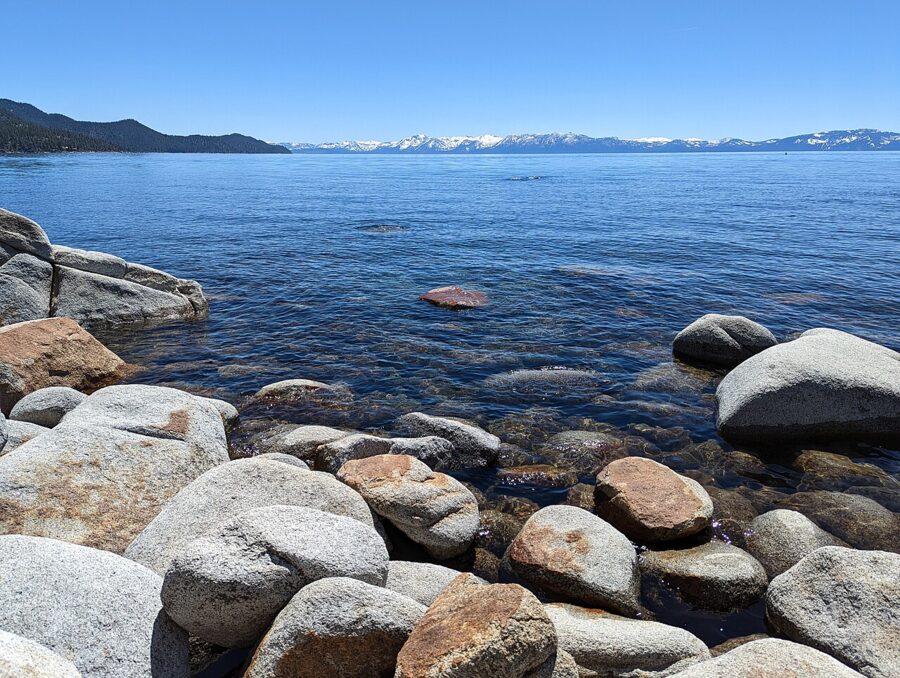

Late spring is the season that disappoints most people who don’t know the place. In April and May the resorts wind down, the beaches are cold, high trails are under snow and the West Shore’s mansions haven’t opened. Plan it as a quiet, low-price trip, not a summer one.
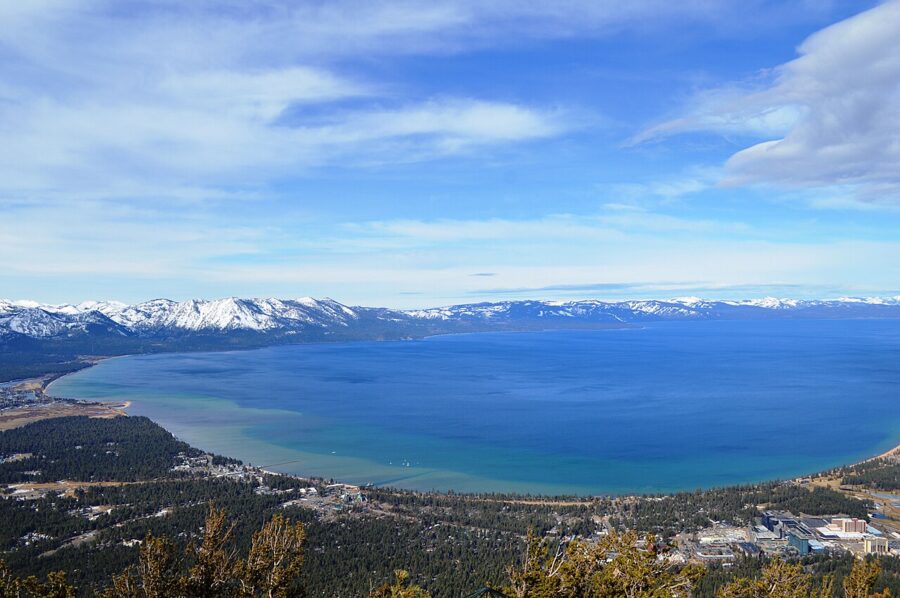
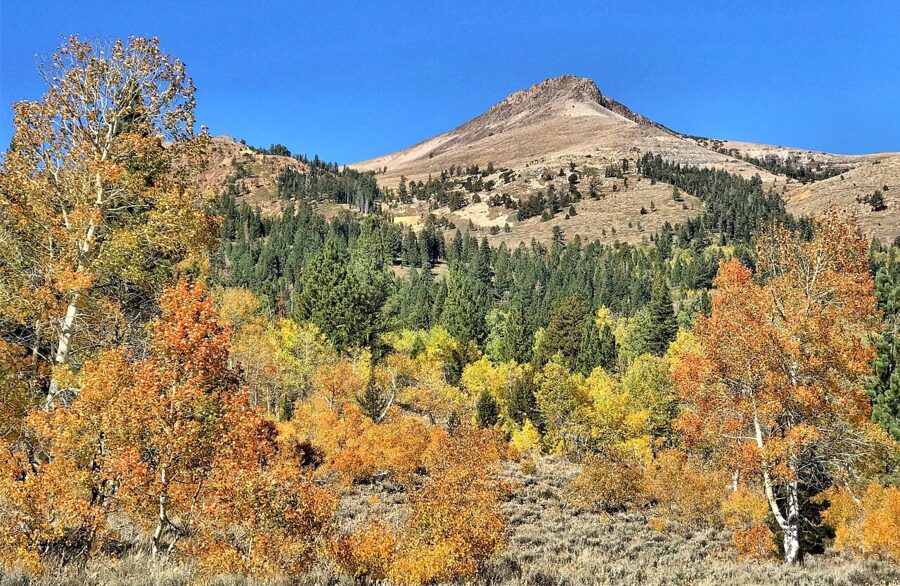
Autumn is the quiet surprise. Aspens turn gold in the side valleys from late September, nights get cold, and the water, after a whole summer of sun, is warmer than the air on an October morning.

On this page
Lake Tahoe weather by month
The figures below are the 1991 to 2020 climate normals published by NOAA’s National Centers for Environmental Information for two weather stations on the lake: Tahoe City on the northwest shore and Lake Tahoe Airport in South Lake Tahoe. Snowfall and wet days are for Tahoe City. Daylight is sunrise to sunset on the 15th of each month.
| Month | Tahoe City high / low | South Lake Tahoe high / low | Tahoe City rain and snowmelt | Tahoe City snowfall | Wet days (0.1 in or more) | Daylight |
|---|---|---|---|---|---|---|
| January | 40 / 21°F | 43 / 18°F | 6.2 in | 38 in | 8 | 9h 42m |
| February | 41 / 21°F | 43 / 19°F | 5.7 in | 41 in | 8 | 10h 44m |
| March | 45 / 24°F | 48 / 24°F | 5.0 in | 35 in | 8 | 11h 54m |
| April | 50 / 28°F | 53 / 28°F | 2.2 in | 14 in | 5 | 13h 13m |
| May | 59 / 34°F | 62 / 33°F | 1.6 in | 3 in | 4 | 14h 18m |
| June | 69 / 40°F | 72 / 38°F | 0.6 in | 0 | 2 | 14h 54m |
| July | 78 / 46°F | 80 / 43°F | 0.2 in | 0 | 1 | 14h 40m |
| August | 77 / 45°F | 80 / 41°F | 0.3 in | 0 | 1 | 13h 44m |
| September | 70 / 41°F | 73 / 35°F | 0.4 in | 0 | 1 | 12h 29m |
| October | 59 / 33°F | 62 / 29°F | 1.9 in | 2 in | 3 | 11h 13m |
| November | 48 / 26°F | 51 / 23°F | 3.2 in | 9 in | 5 | 10h 03m |
| December | 40 / 21°F | 43 / 18°F | 6.0 in | 36 in | 8 | 9h 26m |
Tahoe is a dry-summer, wet-winter place. Tahoe City averages 33 inches of precipitation a year, nearly all of it between November and March and much of it as snow (179 inches in a normal year). From June to September you can go weeks without rain, apart from the odd afternoon thunderstorm.
The nights are cold all year. The lake sits at about 6,225 feet, and even in July the average low at the South Lake Tahoe airport is 43°F. The airport, set back from the water, runs warmer by day and colder by night than Tahoe City, with about 20 inches of precipitation a year against 33. Pack a fleece for a July evening on the beach.
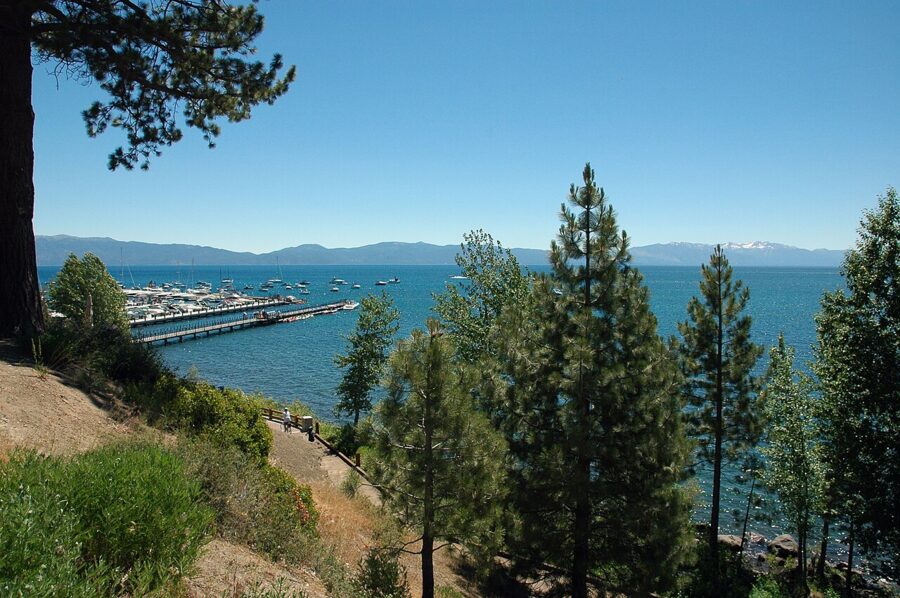
How warm is the water?
Cold, even in summer. The UC Davis Tahoe Environmental Research Center measures surface temperature five feet down from four buoys over the deepest part of the lake. Its 2026 State of the Lake report puts the long-term July average at 65.3°F. In 2025 the warmest single day reached 72.8°F, on August 12, and the coldest surface reading of the year was 41.4°F in mid-March.
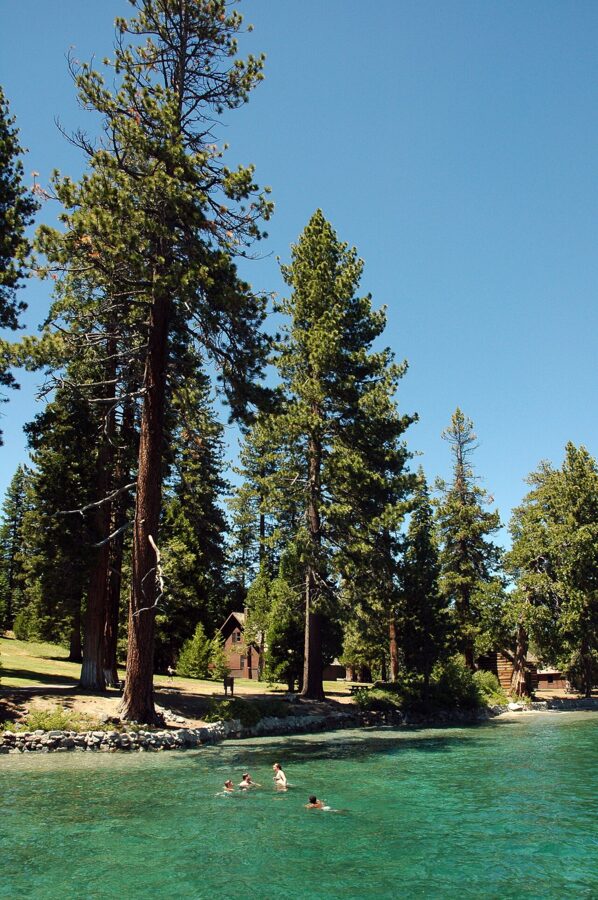
That makes late July to early September the swimming window, and the shallow, sandy coves warm up faster than the open lake. The deep water stays near 41°F all year, the main lake doesn’t freeze over in winter, and a jump off a boat in open water is a shock even in August.
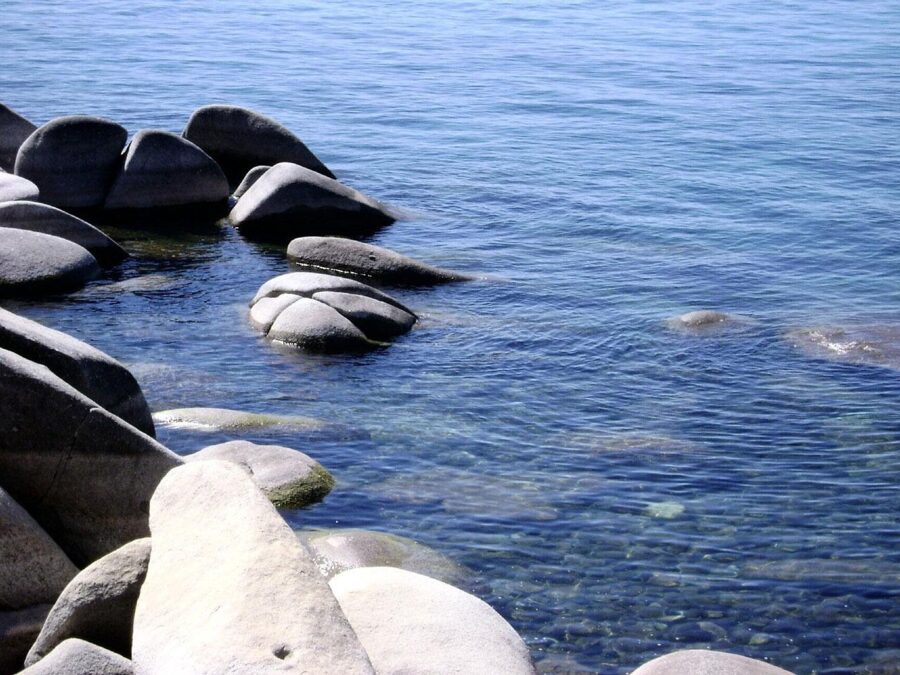
Lake Tahoe month by month
January
Deep winter, and one of the best skiing months once the New Year’s crowds leave on the 2nd or 3rd. Highs are around 40°F at lake level, and storms arrive in waves, so a week might bring two feet of snow and then four days of blue sky. Martin Luther King Jr. weekend (January 16 to 18 in 2027) is the one busy stretch.
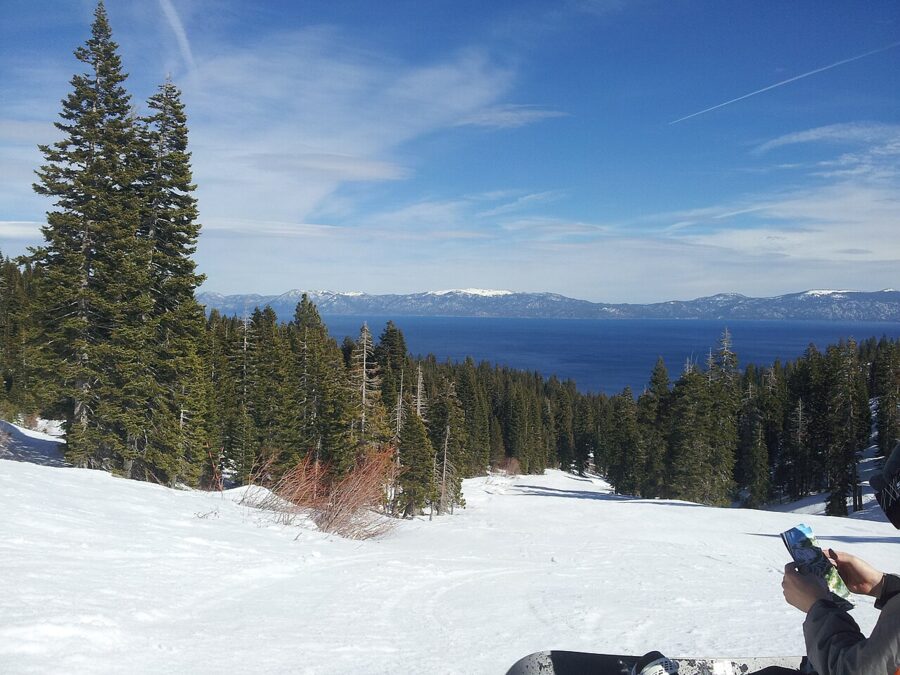

February
The snowiest month in Tahoe City, with 41 inches in a normal year, and usually the deepest base at the resorts. Presidents’ Day week is the busiest ski week of the winter: Palisades Tahoe’s 2026-27 calendar requires parking reservations on every day from February 13 to 21, 2027. Outside that week, February is the month to pick for a ski trip if you can only take one.
March
Still a full winter month, with nearly as much snow as December, but the days are close to 12 hours long and the sun has real warmth by noon. Spring-break weeks bring families back from mid-March, so book early for those dates.
April
Spring skiing on the upper mountains, slush and mud at lake level. Some resorts close in early or mid-April, while the higher ones often run longer in a big year; check each resort’s closing date before you book. Lodging gets cheaper once the spring-break weeks end; Easter falls on March 28 in 2027.
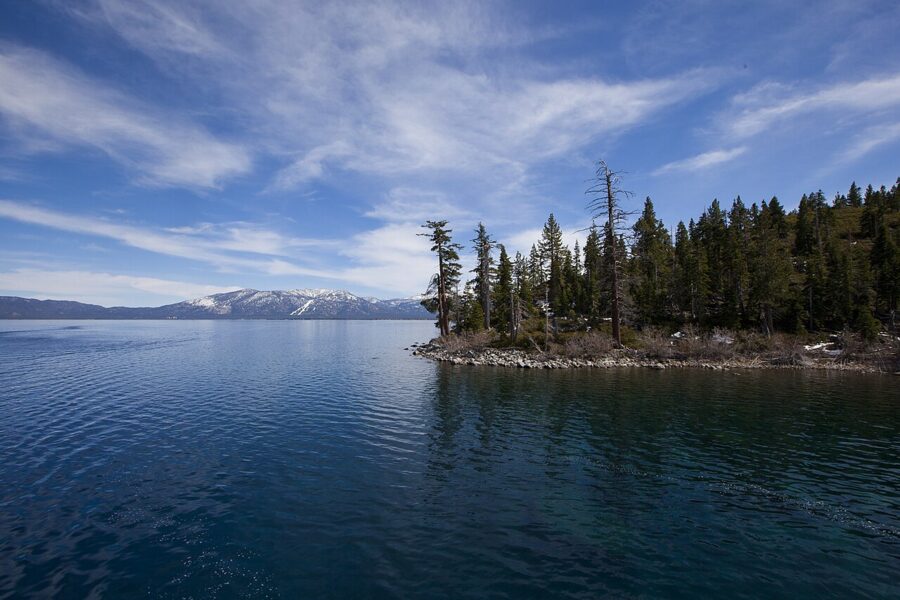

May
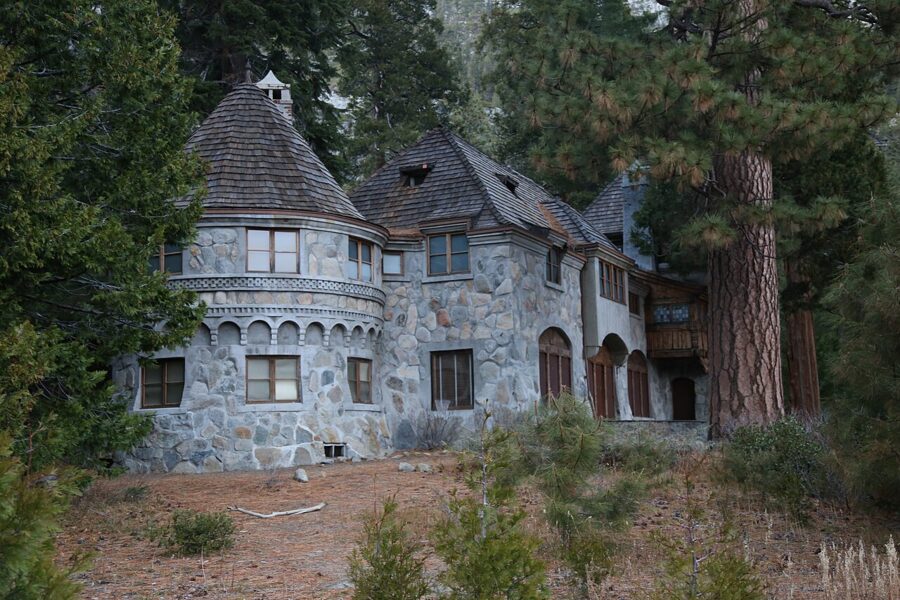
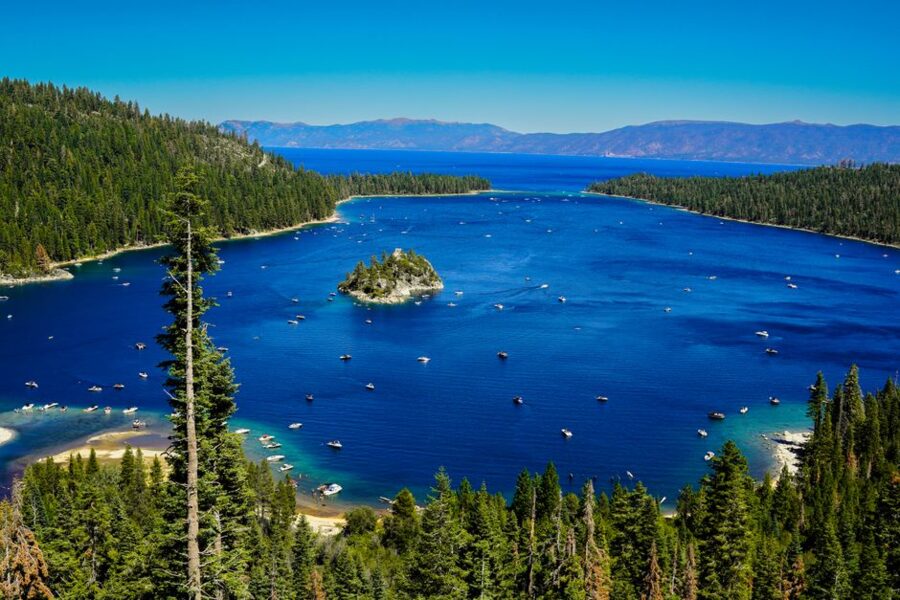
The most changeable month. You can get a 70°F afternoon on the beach and a snow flurry three days later. The West Shore’s state-park attractions open around Memorial Day weekend (May 29 to 31 in 2027): Vikingsholm’s visitor center in Emerald Bay State Park opened on May 23 in 2026, and Ehrman Mansion tours at Sugar Pine Point start on May 24. Fannette Island, the tiny island in Emerald Bay, is closed in April and May for the wildlife breeding season.
June
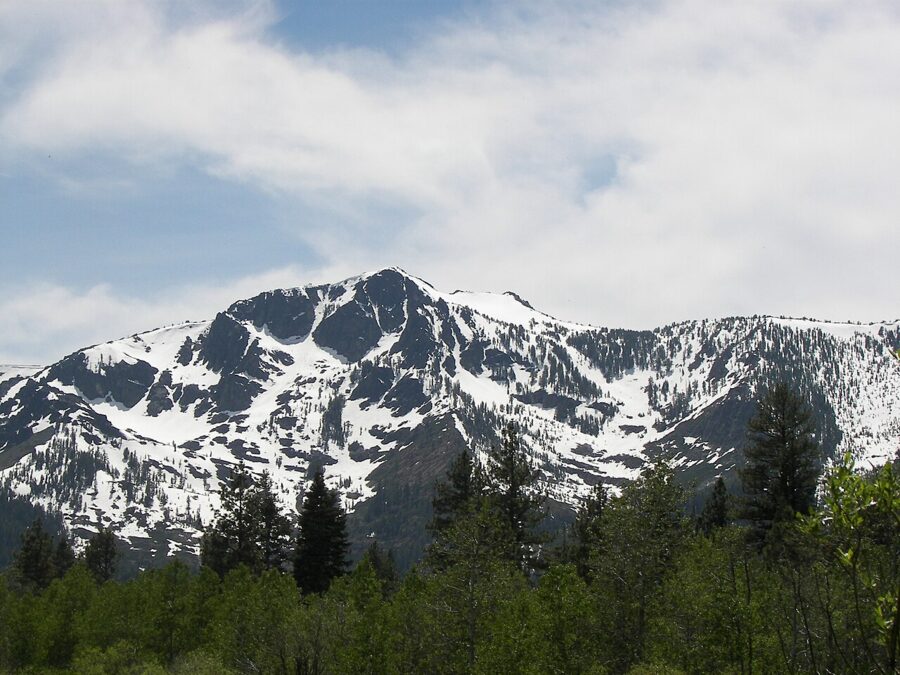
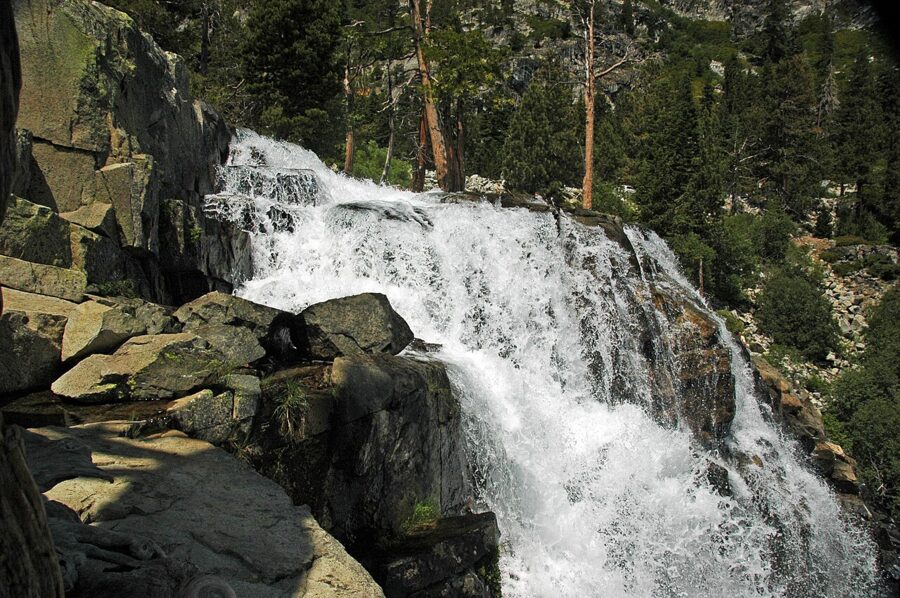
Summer arrives in the second half of the month. Highs reach the high 60s, the rain all but stops and the creeks run full with snowmelt, which makes it the best month for waterfalls such as Eagle Falls above Emerald Bay. Higher trails can still be snowbound into July after a big winter. The water is still cold.

July
Peak season, with highs near 80°F, almost no rain and the lake at its busiest. Book lodging and Sand Harbor parking early. The Fourth of July falls on a Sunday in 2027, so expect the holiday weekend to run from Friday, July 2, through Monday, July 5, followed by the American Century Championship celebrity golf tournament at Edgewood Tahoe from July 7 to 11.

August
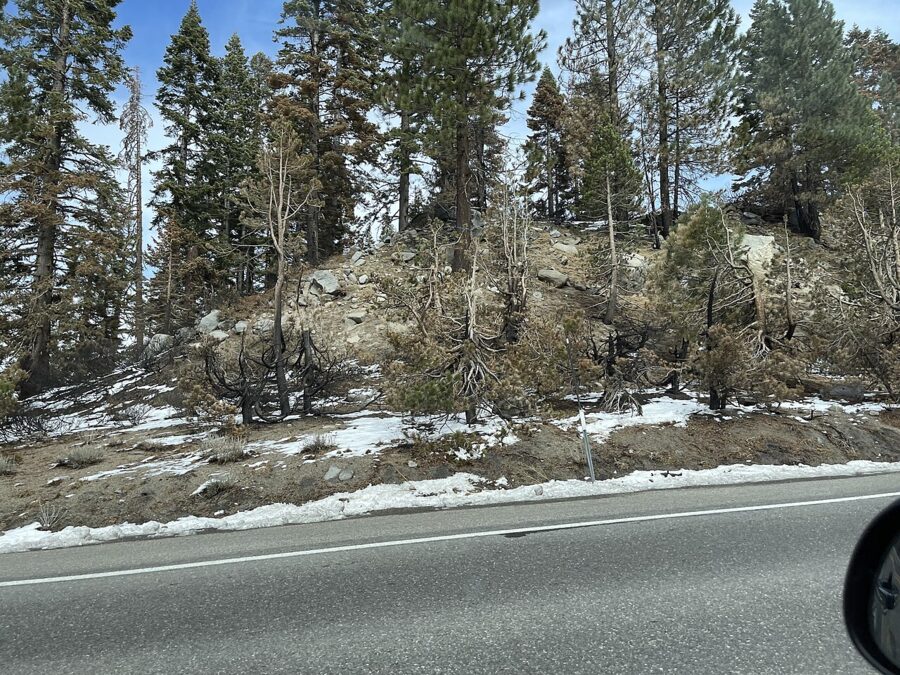
The warmest water of the year and the same crowds as July, easing in the second half as schools go back. It’s also the month most exposed to wildfire smoke. In late August 2021 the Caldor Fire forced the evacuation of South Lake Tahoe, and the research center counts 2021 as the worst smoke year in its 20-year record; smoke days have since returned to normal levels, but check the air quality forecast.

September
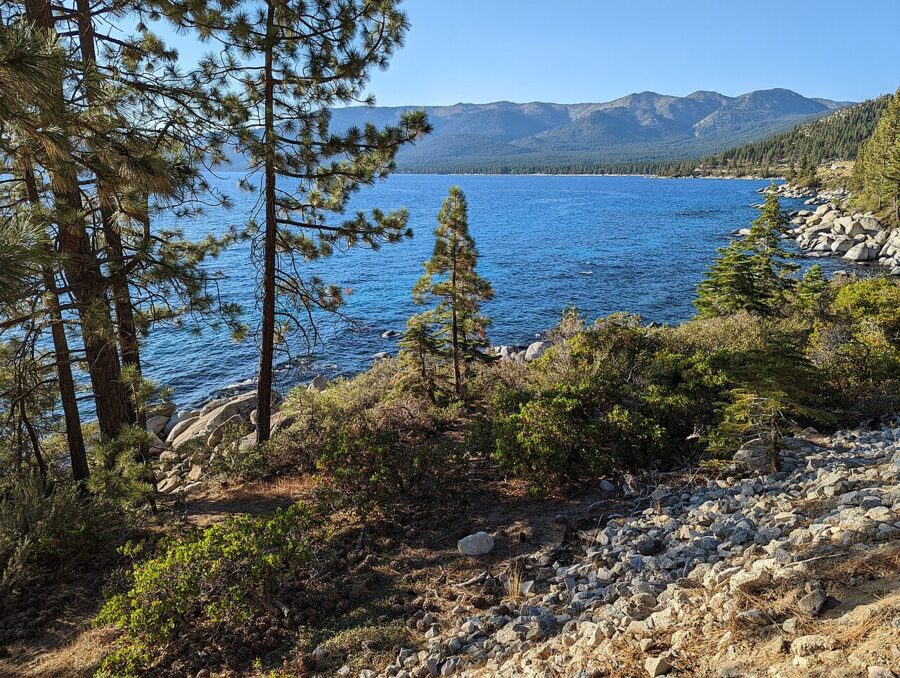
The best month for most visitors. Labor Day (September 6 in 2027) ends the summer rush, but September highs still average 70 to 73°F at lake level, with about one wet day in a normal month. The water is still near its summer temperature, the Sand Harbor reservation rule runs to September 30, and the West Shore’s mansions stay open for tours through the end of the month.

October
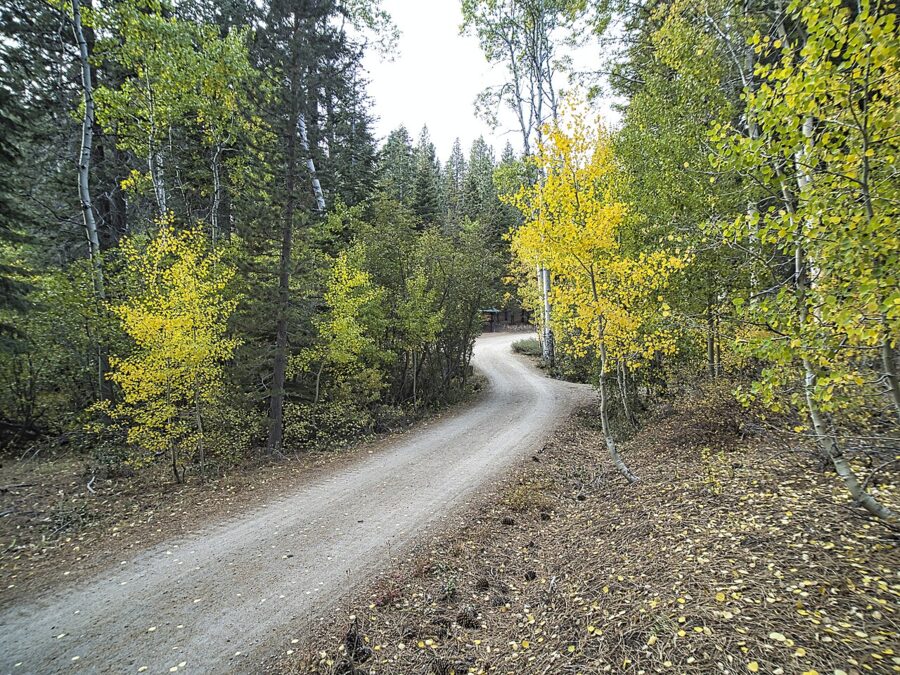
Fall color month. Aspens in the side valleys and around Spooner Lake turn gold from late September to mid-October, and kokanee salmon run up Taylor Creek near Camp Richardson, a red, crowded and rather spectacular sight that draws black bears to the creek too. Nights drop below freezing and the first snow can arrive by month’s end, but daytime highs are still near 60°F.

November
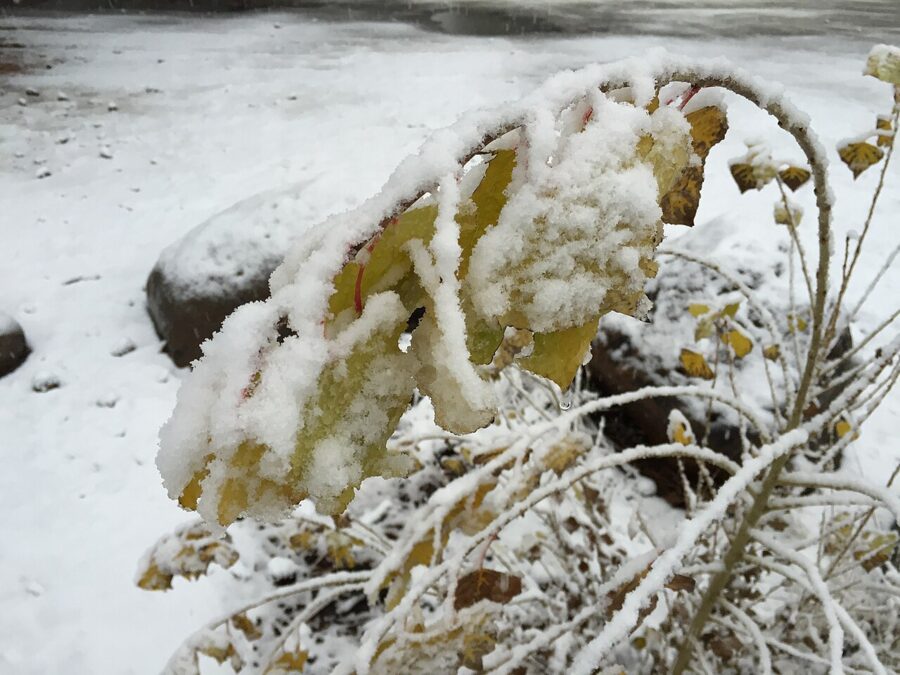
The quietest month of the year. Summer businesses close, the ski resorts aren’t fully open, and storms bring the first real snow. It’s the cheapest time to stay, but not the month for a first visit. The big resorts usually open around Thanksgiving (November 25 in 2027), weather permitting.

December
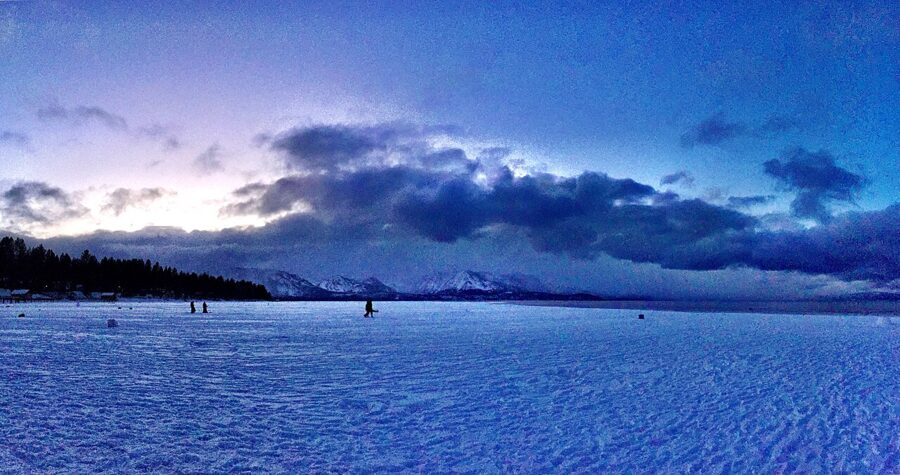
Snow returns in earnest, and the resorts open more terrain through the month. The first three weeks can be good value, but December 19 to January 3 is the most expensive and crowded fortnight of the winter.

Ski season
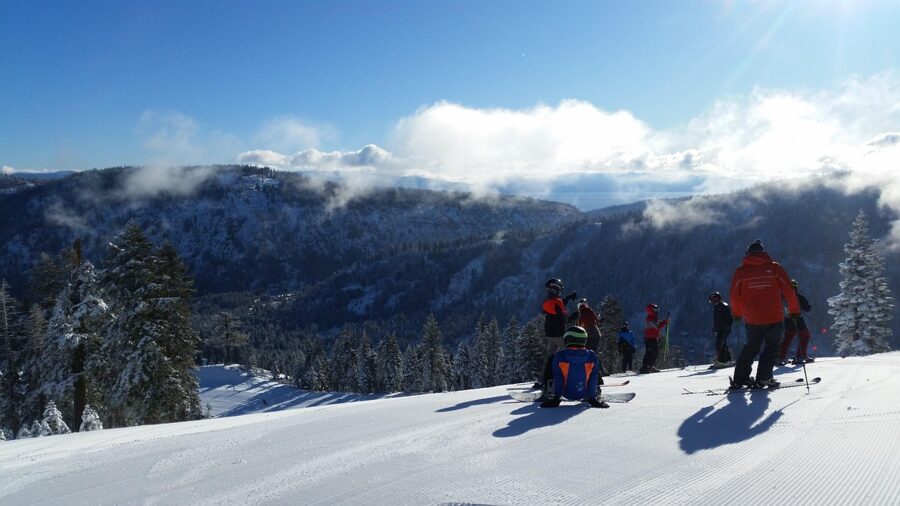
The Tahoe ski season normally runs from late November to April, and January to March brings the most reliable snow. For the 2026-27 season, Mt. Rose announced a November 6 opening, Heavenly and Northstar targeted November 20 and Kirkwood December 4; Palisades Tahoe moved its planned November 25 opening earlier after November storms. Every date depends on snow, so check the resort’s own site.
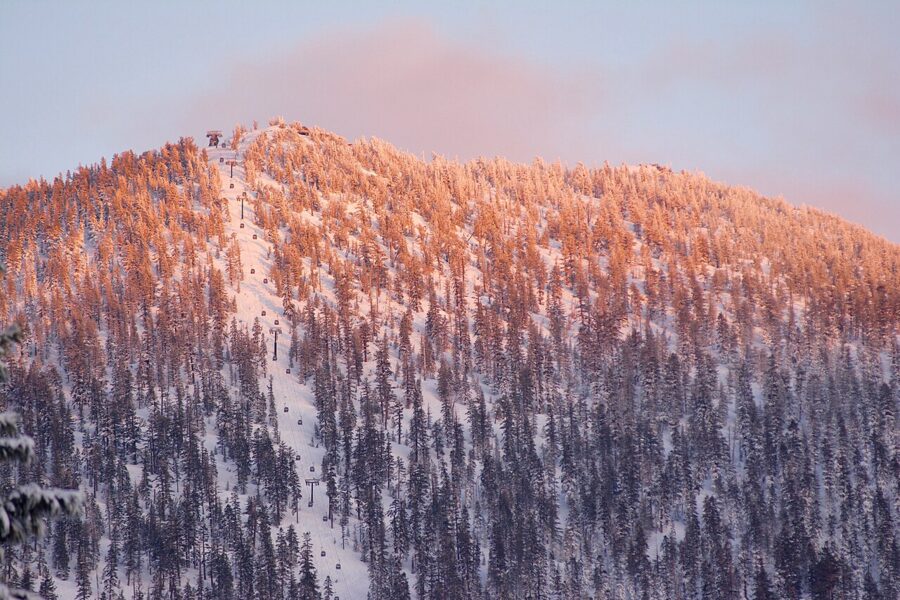

Heavenly is the big resort on the South Shore, with Kirkwood and Sierra-at-Tahoe a drive away on Highway 88 and US 50. The North Shore and Truckee have Palisades Tahoe, host of the 1960 Winter Olympics and linked by gondola to its Alpine Meadows side, plus Northstar, Diamond Peak and Mt. Rose; Homewood is on the West Shore.
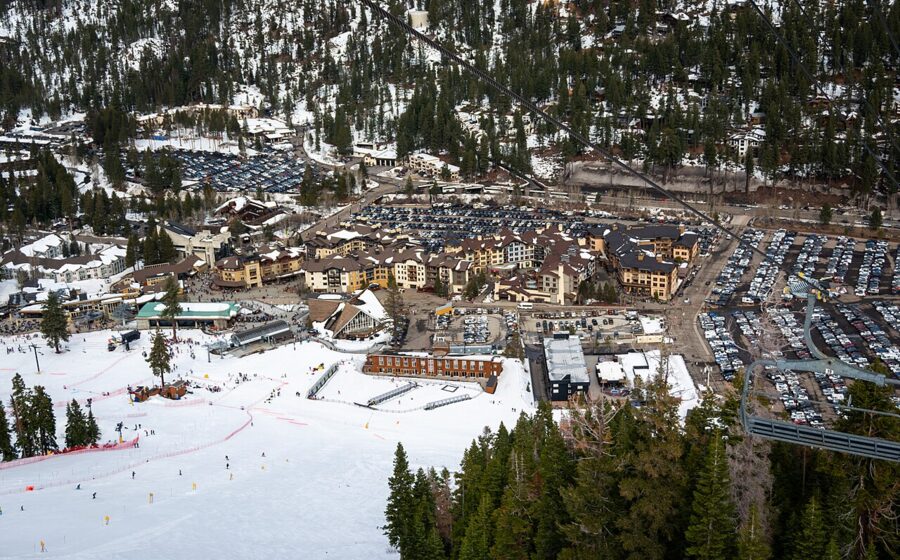

For 2026-27 Palisades Tahoe requires a parking reservation on Saturdays, Sundays and selected peak dates (including December 19 to 31 and February 13 to 21). Most reservations are free and released each week for the coming weekend, with a small number of paid spots at $30 bookable further ahead. The free Mountaineer shuttle runs around Olympic Valley and Alpine Meadows from December 5, 2026, to April 18, 2027.
Summer on the lake
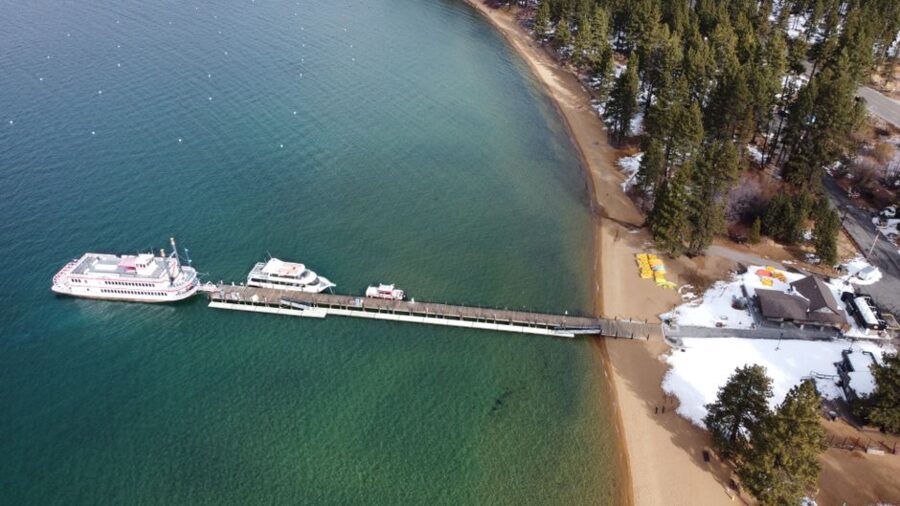
Summer runs from late June to Labor Day, and its rules are mostly about parking. At Sand Harbor, in Lake Tahoe Nevada State Park, you need a day-use reservation for a car arriving in the morning from May 15 to September 30. Entry costs $10 for a Nevada-registered vehicle and $15 for any other, or $2 by bike, and the park opens at 8am and closes an hour after sunset (as of November 2026).
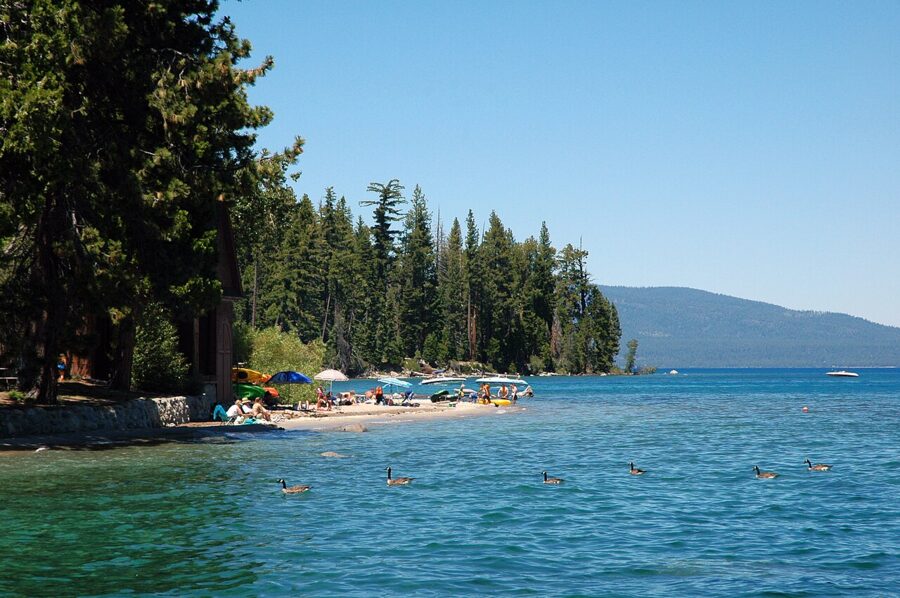

Emerald Bay State Park charges $10 per vehicle for the day or $3 for an hour at the Vikingsholm lot, all year. The trail down to Vikingsholm is about a mile each way with 400 to 500 feet of descent (the park quotes both figures), and the climb back up is the part that catches people out. Tours of the house ran first come, first served from 10:30am to 3:30pm in 2026, ending September 30.

The easiest way around in summer is to leave the car. Lake Link, the free on-demand shuttle on the South Shore, expanded in July 2026 to cover Zephyr Cove, Lake Tahoe Airport and the Tahoe Keys, and TART Connect does the same on the North Shore from Tahoe City to Kings Beach and Truckee (it doesn’t serve Incline Village). Both are free and booked through an app.
Chain controls and winter driving
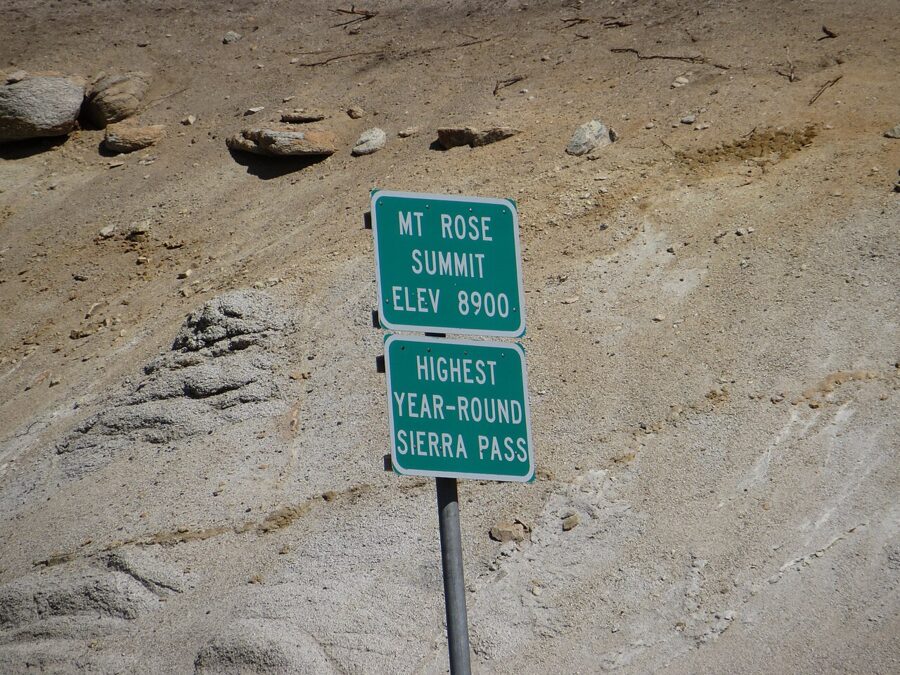
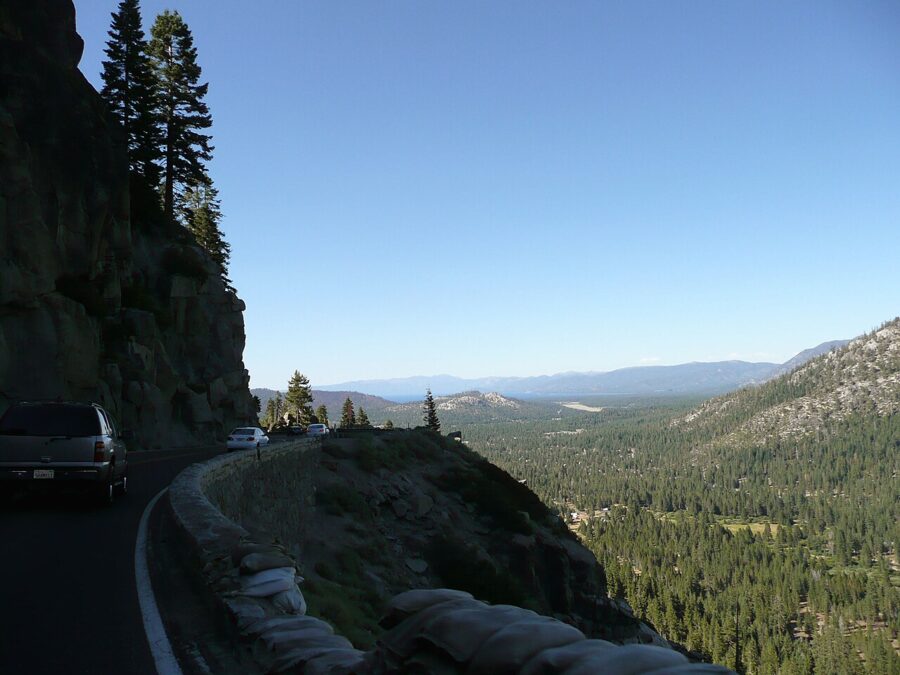
Every road into the Tahoe basin crosses a pass between about 7,000 and 8,900 feet, and in a storm any of them can come under chain controls or close. Interstate 80 crosses Donner Summit on the way to Truckee and the North Shore. US 50 climbs over Echo Summit into South Lake Tahoe. The Mount Rose Highway from Reno tops out at 8,900 feet, the highest of the Sierra passes kept open all year.
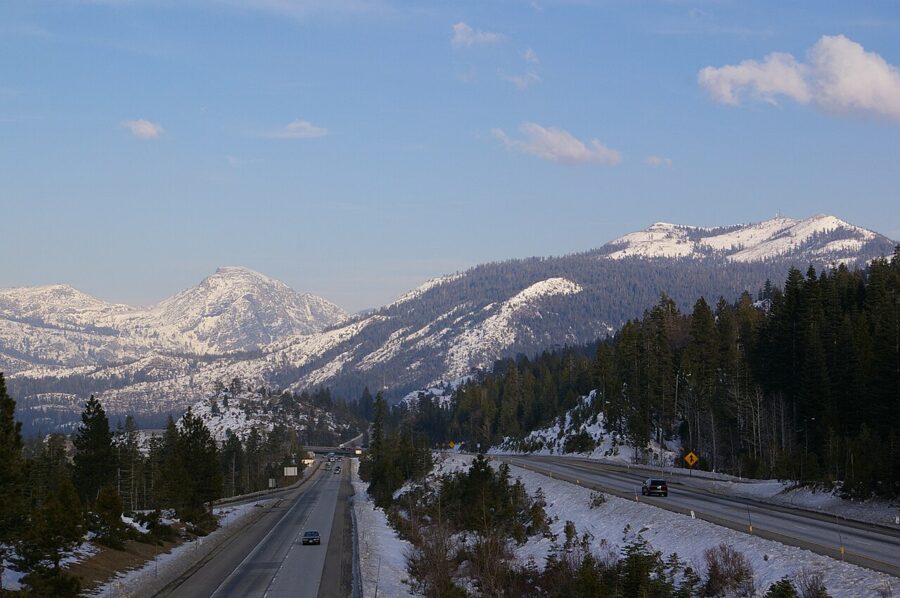

Caltrans posts three levels of chain control. Under R-1, chains are required except on passenger cars and light trucks with snow tires on at least two drive wheels (those cars must still carry chains). Under R-2, chains or traction devices are required on everything except four-wheel and all-wheel drive vehicles with snow-tread tires on all four wheels, and those vehicles must still carry traction devices in the control area. R-3 means chains on every vehicle, no exceptions, and in practice the highway usually closes before it gets there.

The California Highway Patrol can cite and fine you for driving past a chain control without chains on. So buy chains that fit your tires before you leave the city, check the Caltrans QuickMap before you set off, and read your rental contract, because rules on fitting chains vary. Highway 89 around Emerald Bay closes in heavy storms and for avalanche danger, sometimes for days, which cuts the lakeside road between South Lake Tahoe and the West Shore towns.

The shoulder seasons
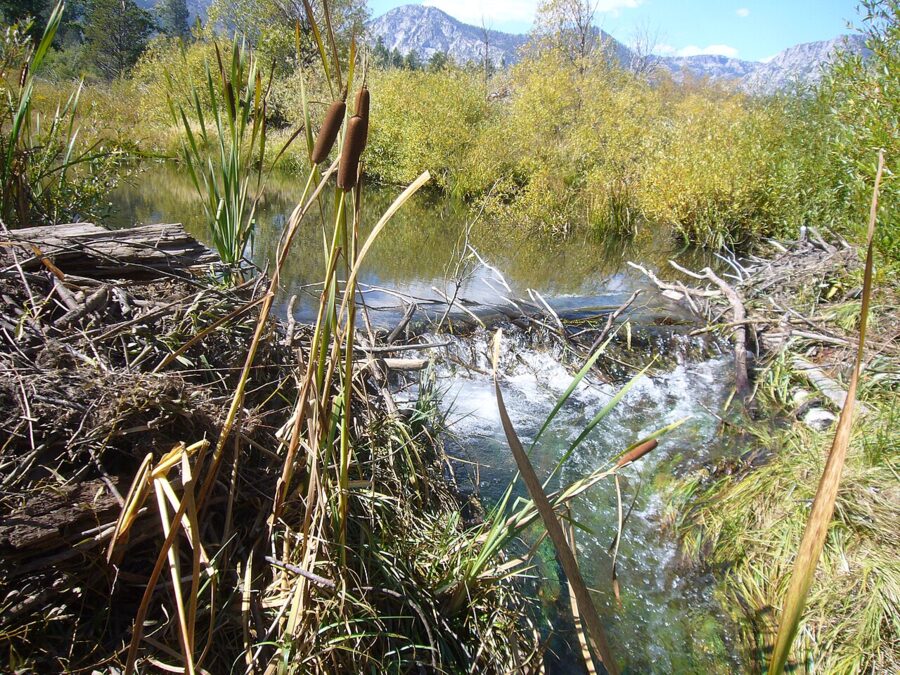
Spring (April to early June) and fall (mid-September to mid-November) are when Tahoe is cheapest and emptiest, and the two are not alike. Spring is a thaw: wet trails, cold beaches, closed campgrounds and plenty of skiing still up high. Fall is a slow cool-down from summer, with dry trails, warm water and color in the aspen valleys.
Fall has one more draw. Every October the kokanee salmon, a landlocked sockeye introduced to the lake, turn red and swim up Taylor Creek to spawn, and the Forest Service’s Taylor Creek Visitor Center, normally open June to October, is the place to watch them. The festival that used to celebrate the run has not been held every year, so check with the visitor center before you plan around it.

North, South, East and West: where the answer changes
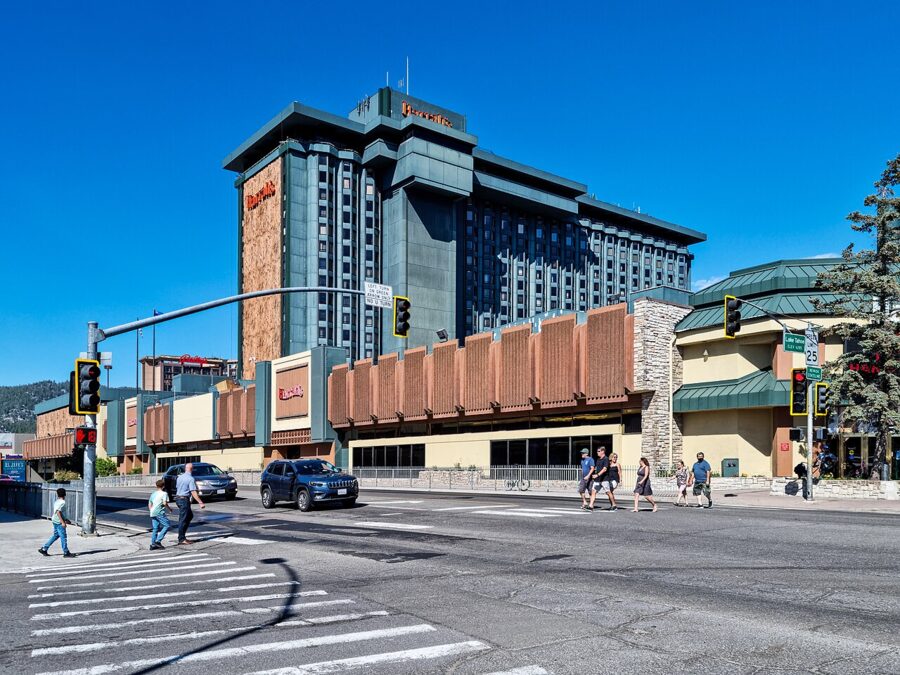
The lake is 72 miles around, and each shore has its own best season. The South Shore, with South Lake Tahoe and Stateline, Nevada, is the busiest and the easiest winter trip without a car: the Heavenly gondola starts in the village, the casinos keep restaurants open late, and Lake Link covers both sides of the state line.

The North Shore (Tahoe City, Kings Beach, Incline Village) is quieter, closer to Palisades Tahoe and Northstar, and at its best in summer and September. Truckee, on Interstate 80 about 15 miles from Tahoe City, has the easiest winter access of any base.
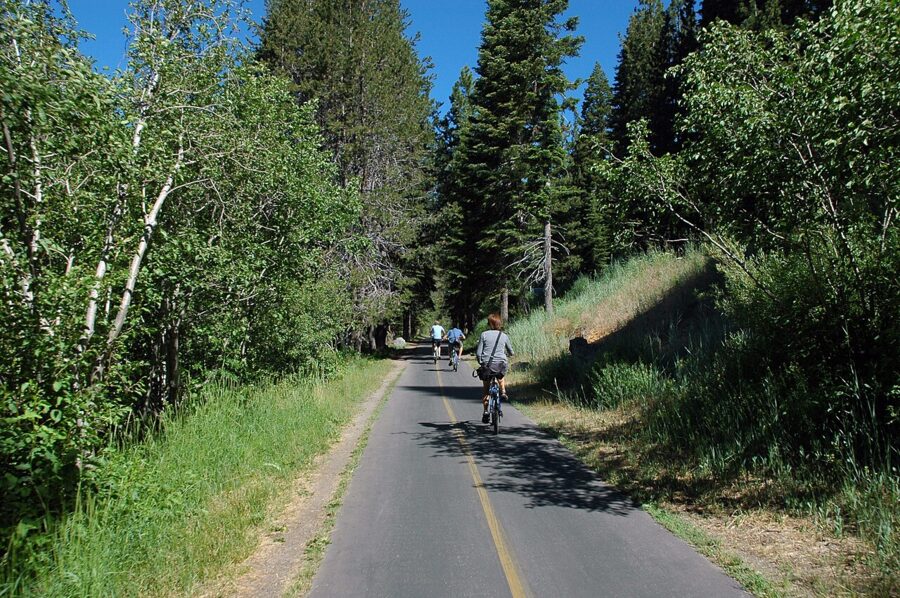
The West Shore is the most seasonal. Highway 89 there closes in storms, D.L. Bliss State Park closes to cars from October 1 until spring, and the mansions at Vikingsholm and Sugar Pine Point are open for tours only from late May to September 30. Sugar Pine Point stays open in winter, though, with free guided snowshoe walks most Saturdays between January and March and ski trails that follow the 1960 Winter Olympics Nordic courses.
The East Shore, almost all in Nevada, has the least development and the clearest coves, Sand Harbor among them. It’s at its best in summer and fall, but Sand Harbor stays open all winter with its lots plowed, and a clear, cold morning there is worth the drive.
Seasons by what you want to do
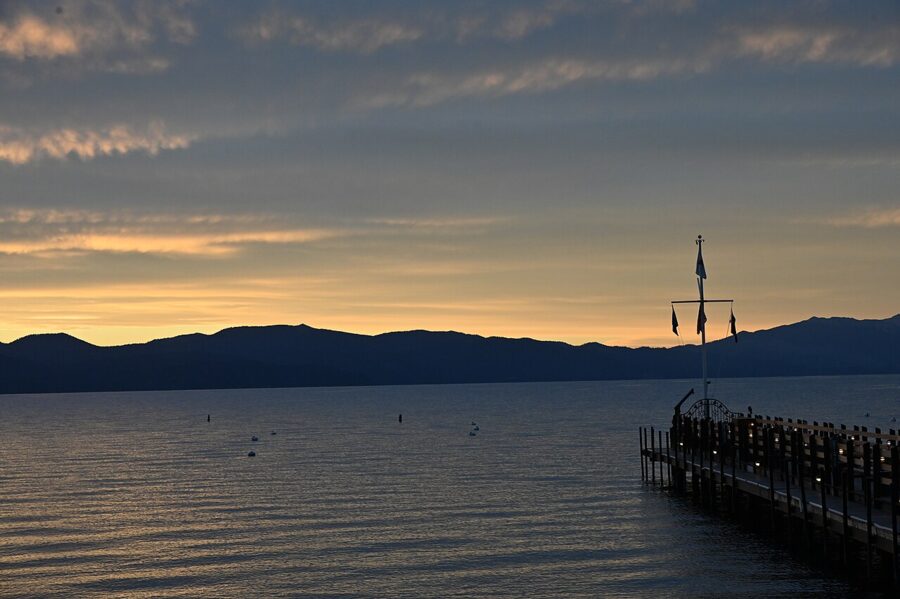
Beaches and swimming
Late July to early September, when the surface water is in the high 60s or warmer. The West Shore state parks and Kings Beach are easier than Sand Harbor, which fills fastest.

Hiking
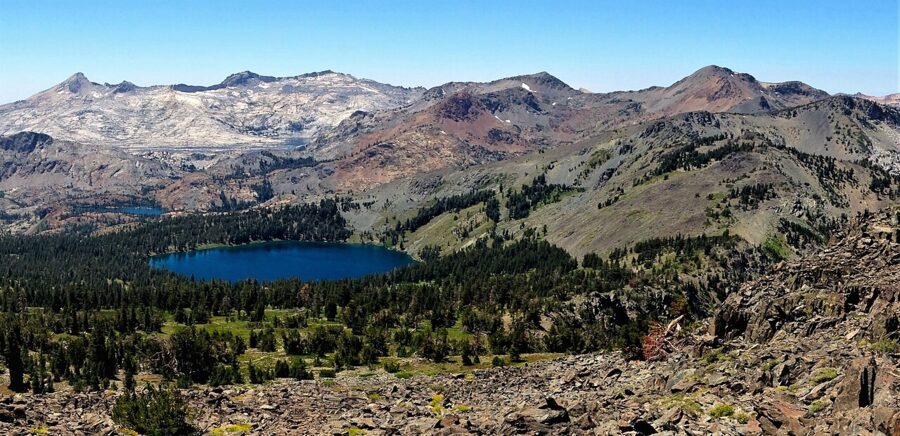
July to mid-October for the high country, with September the best of it. The Desolation Wilderness west of the lake needs a permit all year: day permits are free and self-issued at trailheads, while overnight trips from the Friday before Memorial Day to September 30 come under a quota, mostly reservable on Recreation.gov up to six months ahead.

Wildlife
Black bears are busiest from spring through fall, feeding up before winter, and bears that find human food may skip hibernation, so the food rules apply all year. October brings the kokanee run at Taylor Creek, and the bears that come to fish it.
Sights
Late May to September 30, when Vikingsholm and the Ehrman Mansion are open for tours; the Emerald Bay overlooks and the Heavenly gondola work year-round.
Prices and crowds
Lodging is most expensive over Christmas and New Year’s, Presidents’ Day, the Fourth of July and summer weekends, and cheapest from mid-October to mid-December (apart from Thanksgiving) and from April to early June. Weekdays beat weekends in every season, and two- or three-night minimum stays are common in summer and over holidays.
Festivals and holidays in 2027
Holidays fill Tahoe more than any festival does. Here are the dates that matter for 2027, as published by November 2026.
| Dates (2027) | Event | What it means for your trip |
|---|---|---|
| January 16 to 18 | Martin Luther King Jr. weekend | Busy ski weekend; Palisades parking reservations required. |
| February 13 to 21 | Presidents’ Day week | The busiest ski week of the season. |
| Late February to early March | SnowFest, North Shore | Tahoe City’s street fair and fireworks are on February 27; the Great Ski Race follows on March 7. |
| May 29 to 31 | Memorial Day weekend | Start of summer; state-park mansions open around now. |
| July 2 to 5 | Fourth of July | The busiest weekend of the year; the South Shore’s Lights on the Lake fireworks are usually on the 4th. |
| July 7 to 11 | American Century Championship, Edgewood Tahoe | Celebrity golf at Stateline; South Shore hotels fill. |
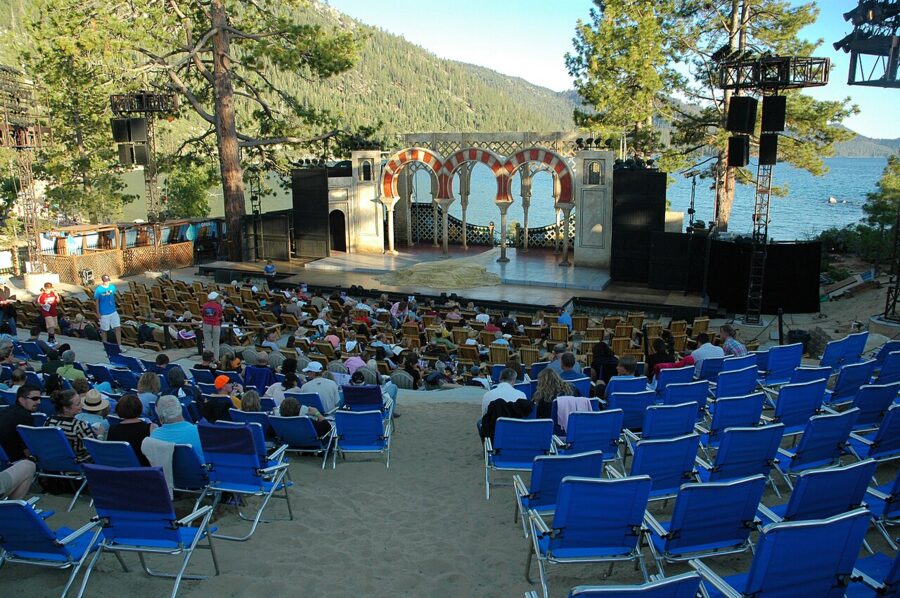
| July and August | Lake Tahoe Shakespeare Festival, Sand Harbor | Evening shows on the beach; 2027 dates not yet announced (2026 ran July 3 to August 23). |
| September 4 to 6 | Labor Day weekend | Last summer crowd; prices drop afterward. |
| November 25 to 28 | Thanksgiving | Usually the first big ski weekend. |
| December 19 to January 2 | Christmas and New Year’s | Highest lodging prices of the year. |

Common questions
Are there bears around Lake Tahoe?
Yes. Black bears live throughout the basin and come into neighborhoods and campgrounds after food. At National Forest campgrounds you must store food in bear-resistant containers; leave nothing edible in your car, and keep your distance.
How much snow does Lake Tahoe get?
At lake level, Tahoe City averages 179 inches (about 15 feet) of snow a year in the 1991 to 2020 normals, and the ski resorts’ upper slopes, thousands of feet higher, get far more. Totals swing widely from one winter to the next.
Will Tahoe get more snow this winter?
Nobody can promise it. As of November 12, 2026, NOAA’s Climate Prediction Center had an El Niño advisory in place, with a strong to very strong El Niño likely through January to March 2027. Strong El Niño winters have a mixed record in the northern Sierra, so treat it as a nudge, not a forecast; book refundable lodging if a ski trip depends on snow.
Which side of Lake Tahoe is better to stay on?
The South Shore for nightlife, cheaper rooms and walk-to-lift skiing at Heavenly. The North Shore for a quieter summer, with Palisades Tahoe, Northstar and Sand Harbor close by. Most people pick one shore and visit the other for a day.
Is Lake Tahoe warm enough to swim?
Near the shore from late July to early September, yes, if you don’t mind cold water. Wear a life jacket on a paddleboard or kayak; a fall into deep water is dangerous even in August.
Which month for which trip
- First visit, lake and hiking: September.
- Swimming and beach days: late July to the end of August, booked well ahead.
- Skiing with the best odds of snow: late January to early March, avoiding Presidents’ Day week.
- Fall color and the salmon run: the first half of October.
- Lowest prices: November before Thanksgiving, and late April to early June.
- A family summer trip with fewer crowds: the second half of August, once schools go back.
- A winter weekend without a car: January or March, based at the South Shore.
Whichever month you pick, check two things the week before you leave: the Caltrans QuickMap for the passes, and the reservation calendar for any beach or ski lot you plan to use. At Tahoe those two decide more trips than the weather does.