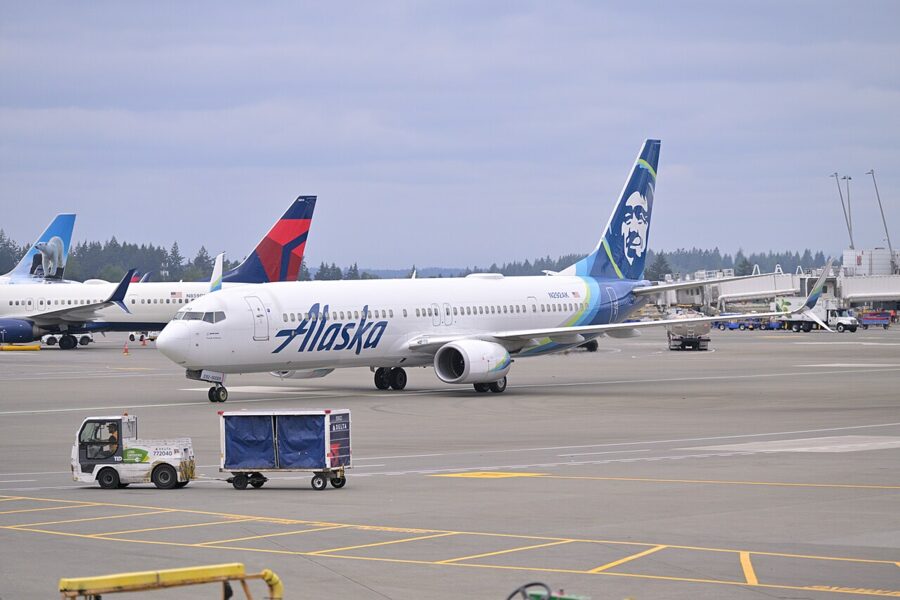
Alaska Airlines is cheap at the bottom of its fare ladder and on the short West Coast routes where it competes hardest. The low number you see on its deals page is almost always a Saver fare, the airline’s most restricted ticket: no seat choice until check-in, the last boarding group, no changes, and, for trips booked after June 11, 2026 and flown from August 1, no loyalty points at all.
Buy a Main fare on the same flight and Alaska behaves like a full-service airline. You pick your seat, change the trip without a change fee and earn points. Most of the money you save or lose on Alaska depends on choosing between those two fares well.
Alaska is also less cheap than it was a year ago. The airline raised checked-bag fees in April 2026, stopped awarding points on Saver fares in August, and told investors in October that its September 2026 yield, the average fare per mile flown, was up about 17% on the year before.

On this page
- The cheap fare is a Saver fare
- Where the low fares come from
- The fees the fare doesn't show
- The Hawaiian merger and what it changed
- Atmos Rewards, the loyalty program under its new name
- The companion fare
- International routes from Seattle
- How to find Alaska's low fares
- What has changed in 2026
- Questions travelers ask
- The short answer
The cheap fare is a Saver fare
Alaska’s flight-deals page is the clearest evidence. On November 21, 2026 it listed one-way fares such as San Francisco to Los Angeles from $64 in January, Seattle to Las Vegas from $89 and Seattle to Honolulu from $249, and it labels nearly every one of them as Saver. The small print says the prices were seen in the past 24 hours and may be gone when you book.
Saver is Alaska’s version of basic economy. When the airline announced it in 2018, it told investors it expected the fare to add about $100 million a year, largely from passengers who would pay more to avoid its restrictions. It still works that way: it wins the search result, then nudges you one step up.

Saver versus Main, rule by rule
From Alaska’s own Saver and Main Cabin pages, as of November 2026:
| Saver | Main | |
|---|---|---|
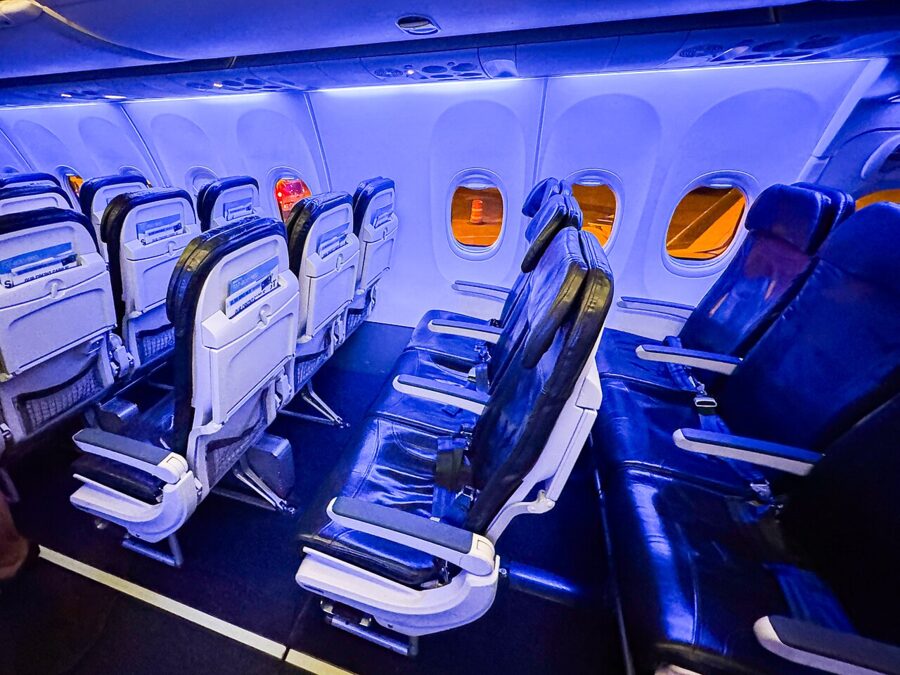
| Seat | Assigned at check-in or at the gate; parties of two or more may be split up | Choose your own seat when you book |
| Boarding | Last, in group F | By group, ahead of Saver |
| Changes | Not allowed, except within 24 hours of booking and paid same-day confirmed changes | No change fee; you pay any fare difference |
| Cancelling | 50% credit if you cancel at least 14 days before the first flight; otherwise nothing after the first 24 hours | No cancellation fee |
| Missed flight | Every segment is cancelled and the whole fare is lost | Depends on the fare rules of the ticket |
| Atmos Rewards points | None on trips booked after June 11, 2026 and flown from August 1, 2026 | Earned on every flight |
| Bags | Same allowance and fees as Main | Same as Saver |
Saver passengers cannot fly standby, even with elite status, and a Saver ticket keeps its restrictions if you pay for a Premium Class or First Class seat. If Alaska itself changes your schedule, it rebooks you and waives the fees, Saver included.
When Saver costs you more
Saver suits one person on a firm plan with a small bag. Alaska itself does not recommend it for groups, since it cannot promise to seat you together. And a $40 saving disappears the moment you have to cancel and keep only a 50% credit.
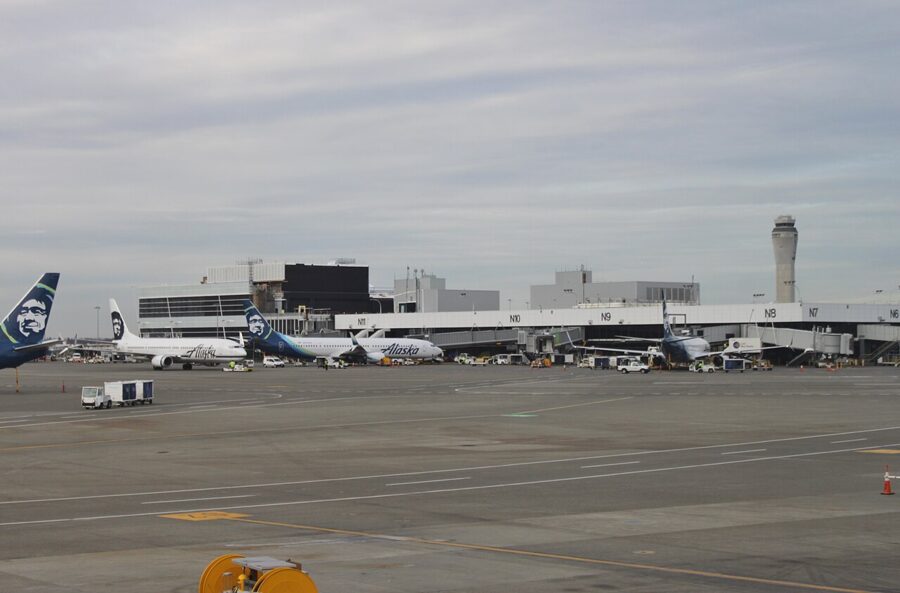
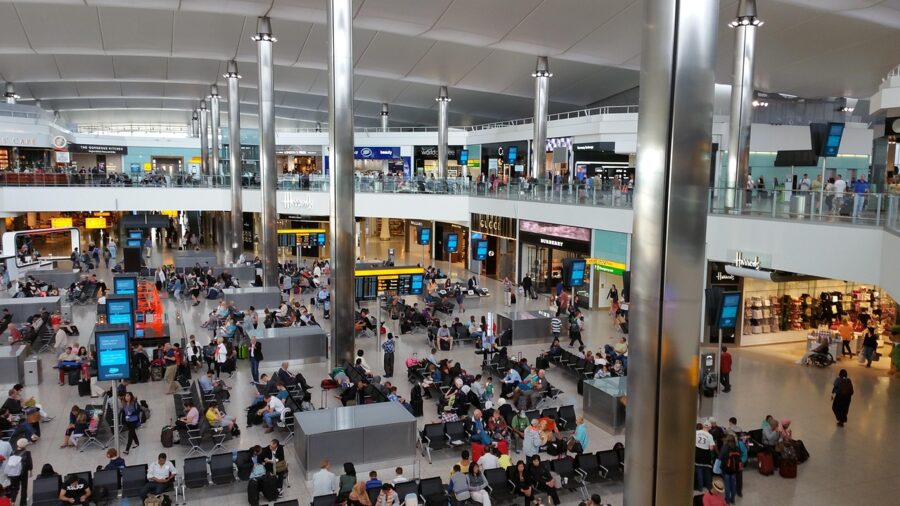
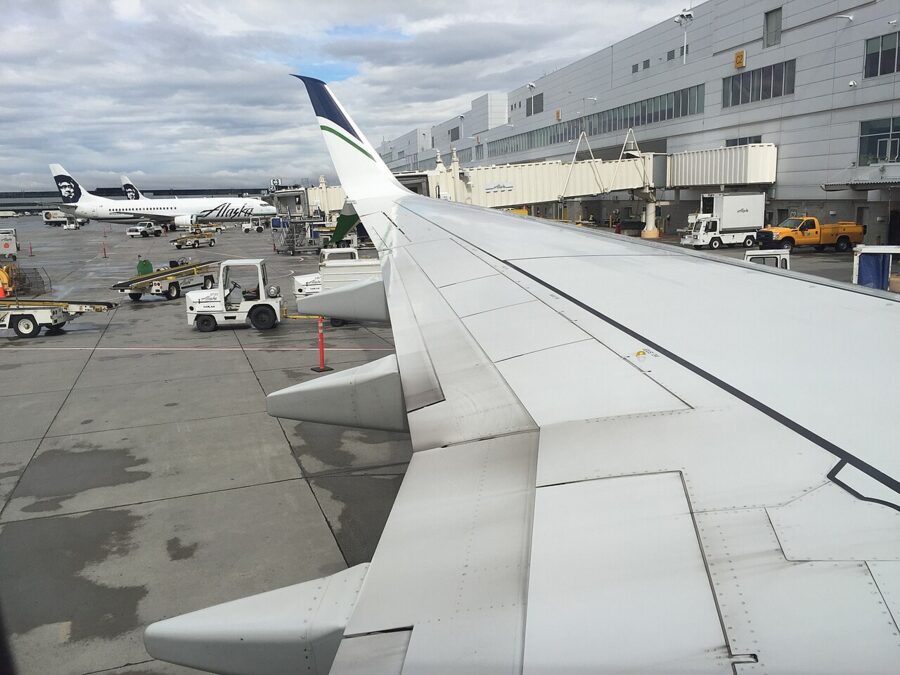
Boarding last has a cost too. Bin space is first come, first served, so a Saver passenger with a roll-aboard may have to check it at the gate. If you fly from Seattle, allow enough time for security at Seattle-Tacoma to be at the gate when boarding starts.

Where the low fares come from
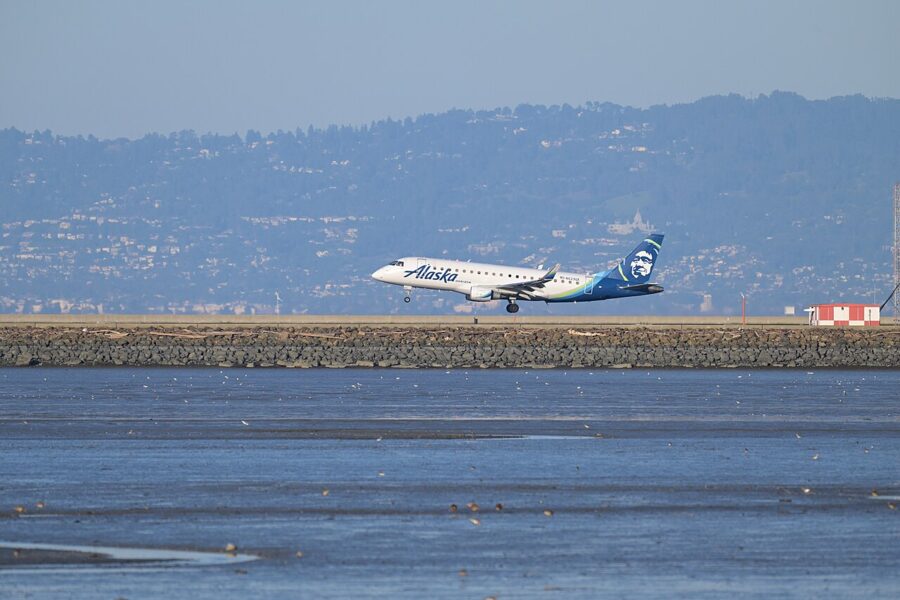
The cheapest Alaska fares cluster on short flights along the West Coast and into Nevada, Arizona and Utah. Several airlines fly these city pairs many times a day, and a short flight also competes with the drive.

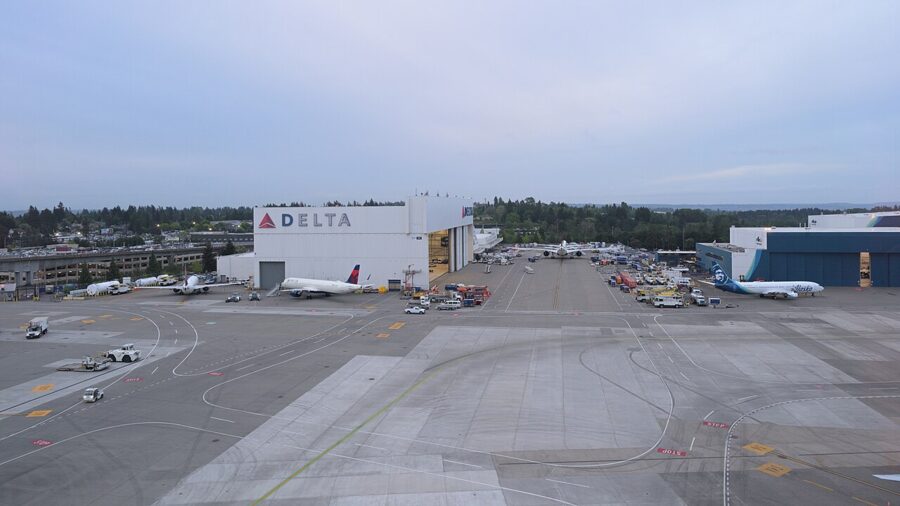
In Seattle the competition is across the ramp. Delta runs a large operation at Sea-Tac, so on shared routes neither airline can price far above the other for long. On a route only Alaska flies nonstop, expect less of a bargain.

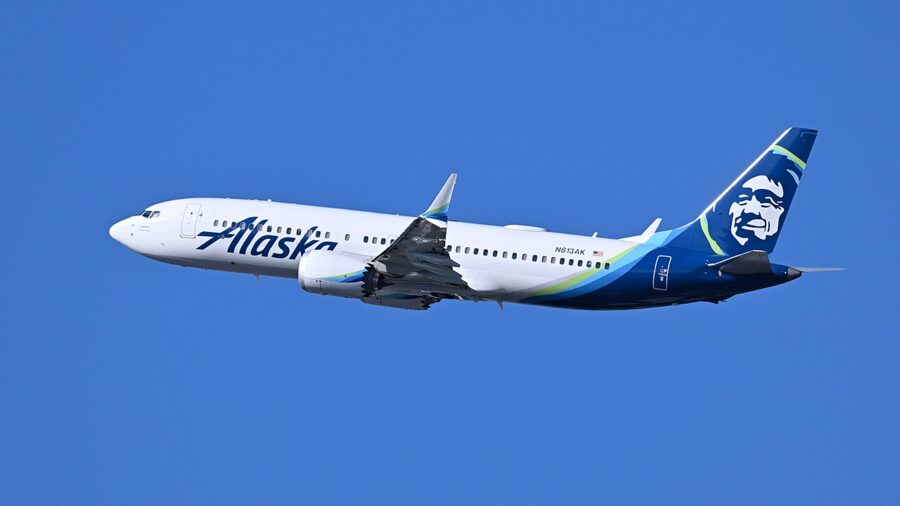
Costs matter as well. Alaska describes its fleet as the youngest and most fuel-efficient of the major US airlines. That cushion is thinner in 2026: the airline put its fuel headwind for the year at $1.8 billion.
Flight Pass, the subscription option
For frequent short trips inside California, Nevada, Arizona and Utah, Alaska sells a subscription. As of November 2026, Flight Pass costs $69 a month for six round trips a year, and Flight Pass Plus $129 a month for 12. Most flights then cost $0.01 plus $15.11 in taxes each way, though popular ones can carry a $50-plus premium fare. You commit to 12 payments, so it only pays if you use the credits.
The fees the fare doesn’t show
A cheap fare can stop being cheap at the bag counter. For tickets issued from April 10, 2026, Alaska charges:
| Checked bag | Before April 10, 2026 | From April 10, 2026 |
|---|---|---|
| First bag | $40 | $45 |
| Second bag | $45 | $55 |
| Third and each extra bag | $150 | $200 |
| Prepay discount | $5 off online | Dropped |
Hawaii flights stay cheaper at $30 and $40. Atmos Rewards elites and eligible cardholders keep their free bags, and Alaska residents in Club 49 get two free bags to and from Alaska and three within the state.
Other extras are modest. Satellite Wi-Fi is $8 on most flights, and Starlink Wi-Fi is free for Atmos Rewards members wherever it is fitted. Premium Class, with four more inches of legroom and free beer, wine and cocktails on most flights over 350 miles, starts at $15 as an upgrade.

The Hawaiian merger and what it changed
Alaska Air Group bought Hawaiian Airlines on September 18, 2024. Both brands survive, and Honolulu became the group’s second-largest hub after Seattle. The FAA issued the two airlines a single operating certificate on October 29, 2025, and in April 2026 they moved onto one passenger reservation system, the third of Alaska’s four big integration steps.
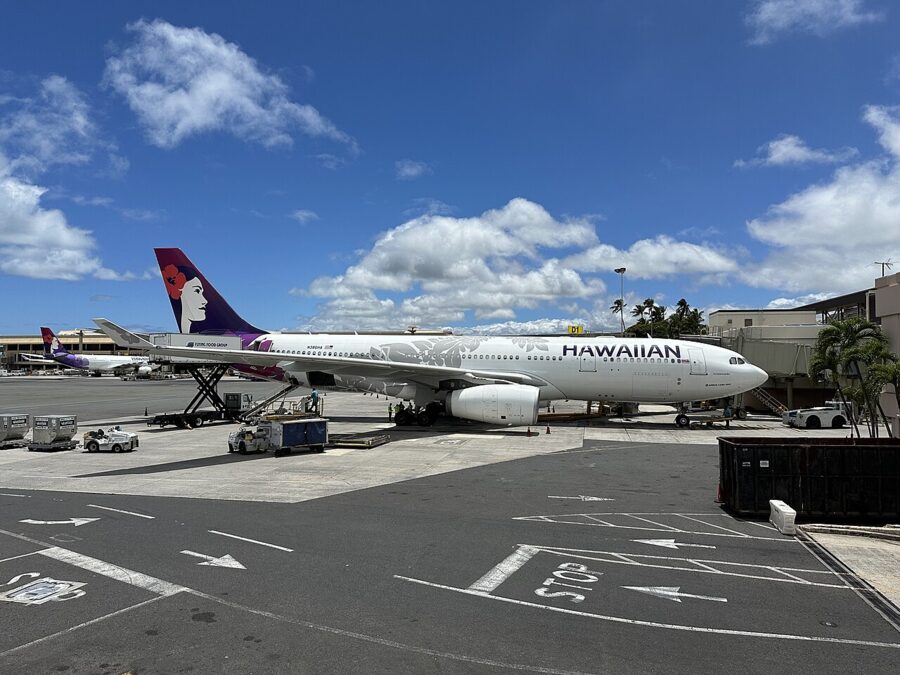

For travelers the changes show up in three places:
- One loyalty program. Mileage Plan and HawaiianMiles became Atmos Rewards (more below).
- Matching cabins. Alaska is standardizing cabins across both airlines; Hawaiian’s Extra Comfort seats, for example, are now sold as Premium Class.
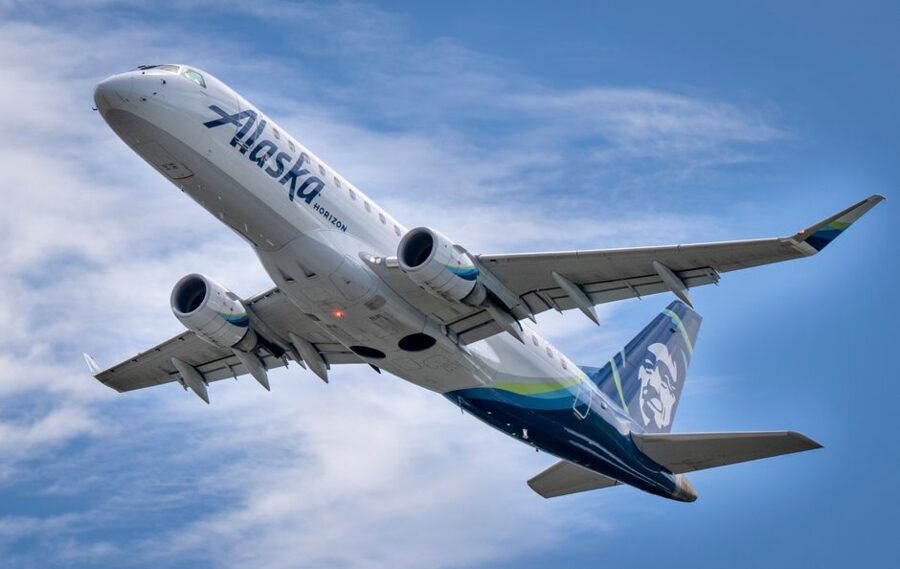
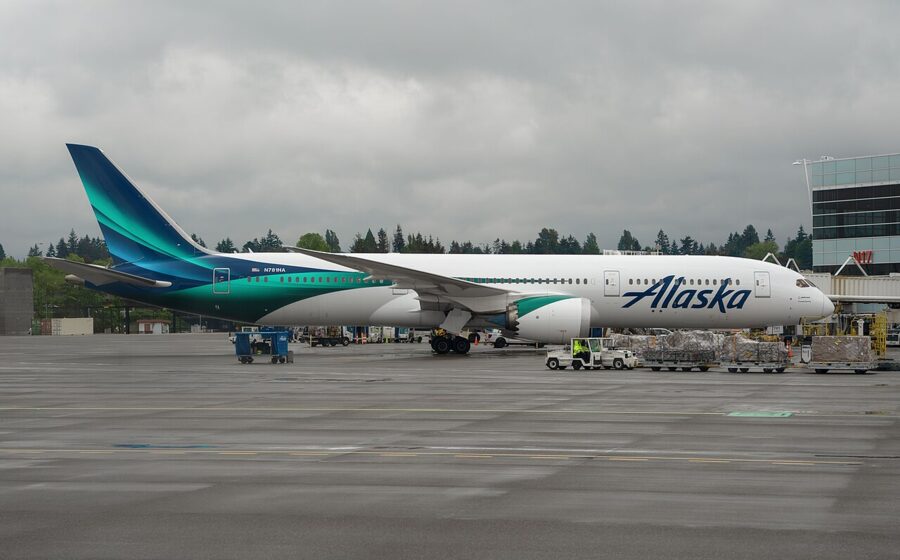
- A bigger map. Hawaiian’s A330s and 787s gave the group widebody jets, which made Alaska’s new long-haul routes from Seattle possible.
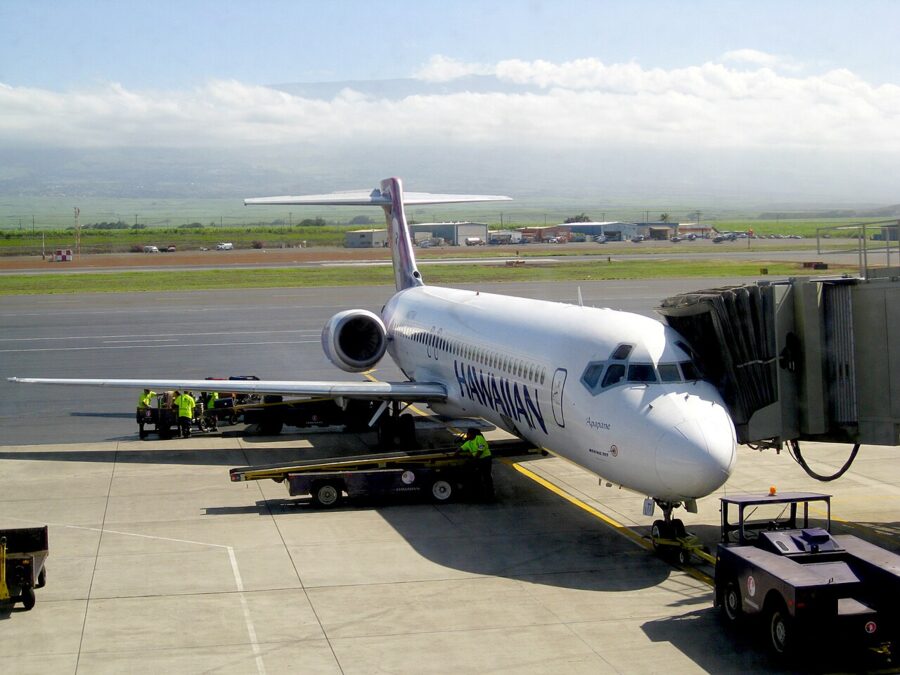

Hawaii fares are where the merger matters most. Seattle to Honolulu from $249 and Seattle to Kahului on Maui from $246, both one way on Saver for early 2027, were on the deals page in late November 2026. A winter promotion doubles Atmos points between the mainland and the islands if you register, book by December 31, 2026 and fly December 1 to 17 or January 5 to March 10, 2027. Its booking link lists only Main, Premium and First fares, so assume Saver does not qualify.
Atmos Rewards, the loyalty program under its new name
Atmos Rewards replaced Mileage Plan on August 20, 2025, and HawaiianMiles members were moved across on October 1, 2025. Its unusual feature is choice: on Alaska and Hawaiian flights you earn by distance flown, by price paid (five points per dollar) or a flat 500 points per segment, and you can switch once a year. Short cheap hops earn most on segments; long or pricey tickets on distance or price.


The cheapest award seats appear on Atmos Members Day, the first Wednesday of every month, when award travel to a handful of cities drops by up to 50%. The November 2026 sale, bookable until November 7, priced Hawaii from 11,500 points one way and Venice from 25,000. Sign up for the emails, because each sale lasts only days.
Members can also join one of six free “Communities,” including Club 49 for Alaska residents and Huakaʻi by Hawaiian for Hawaii residents.
The companion fare
Alaska’s biggest discount comes with the Bank of America Atmos Rewards Ascent Visa Signature card, $95 a year as of November 2026. Each account anniversary, after $6,000 of spending in the previous year, it gives a companion fare of $99 plus taxes and fees from $23. Sign-up offers change, so read the current one before you apply.
The companion fare works on flights operated by Alaska, Horizon and Hawaiian, including to and within Hawaii, but not on the long-haul routes to Asia, the South Pacific or Europe. Bank of America lists no blackout dates. You book exactly two travelers on one economy itinerary with the cardholder’s card; one-way and round trips qualify, multi-city trips do not.
If two round trips to Honolulu cost $600 each, the second seat costs from $122 instead. The card also gives a free checked bag to you and up to six people on the same reservation.
International routes from Seattle
Alaska-branded long-haul flying only began in May 2025, with Tokyo. As of November 2026 these are the intercontinental routes from Seattle, including those on sale for 2027:
| Route | Started | Schedule | Aircraft |
|---|---|---|---|
| Tokyo Narita | May 2025 | Varies by season | A330, then 787-9 |
| Seoul Incheon | September 12, 2025 | Varies by season | 787-9 |
| Rome Fiumicino | April 28, 2026 | Daily, summer season to October | 787-9 |
| London Heathrow (Terminal 3) | May 21, 2026 | Daily, year-round | 787-9 |
| Reykjavík Keflavík | May 28, 2026 | Daily, summer season | 737-8 MAX |
| Athens | May 12, 2027 | 3 a week, to October 2027 | 787-9 |
| Osaka Kansai (Hawaiian) | May 14, 2027 | 4 a week, year-round | A330-200 |
| Paris Charles de Gaulle | May 25, 2027 | 5 a week, to October 2027 | 787-9 |
| Papeete, Tahiti (Hawaiian) | June 11, 2027 | 3 a week, year-round | A330-200 |
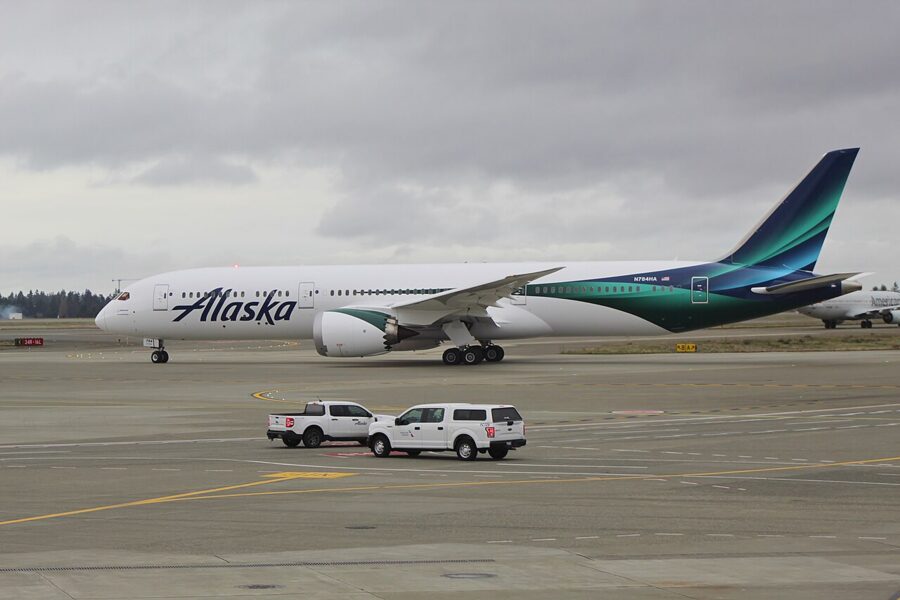

Are these flights cheap? New routes open with sharp introductory fares: when Rome went on sale in November 2025, Alaska advertised round trips from $599. After launch, the bargains come from sales and points rather than everyday fares.

Reykjavík is the odd one out: a 737-8 MAX rather than a widebody, flown only in summer to match the peak season in Iceland. Seoul and Tokyo cover the Pacific, and from May 13, 2027 Alaska adds Anchorage to Tokyo Narita, also on a 737-8 MAX.


Alaska and Hawaiian are oneworld members, so American, British Airways and Japan Airlines sell connections, and from March 28, 2027 Alaska passengers can connect at JFK to the Brazilian airline GOL for Rio de Janeiro.

How to find Alaska’s low fares
Start with dates, not flights. Alaska’s flight search can show a calendar of fares across a range of days, the quickest way to see whether moving a day or two drops the price.
- Check the deals page, then search yourself. Its prices are a guide, not a promise.
- Price Saver and Main side by side. Add the bag you will check and the seat you want. If the gap is under $40 or so, Main usually wins.
- Use the 24-hour window. Alaska’s 24-hour cancellation policy covers every fare, Saver included. Book a good price when you see it and keep searching for a day.
- Join Atmos Rewards before you fly. It’s free and gets you free Starlink Wi-Fi and Members Day sales.
- Check codeshare listings. American Airlines sells some Alaska-operated flights under its own fares, occasionally for less.
- Do the companion-fare math. One trip for two can save more than the card’s $95 fee.
On the day, a Saver passenger has two jobs: check in as early as the app allows to get the best of the seats left, and be at the gate when boarding begins so the carry-on does not end up in the hold.
What has changed in 2026

- April 10: checked-bag fees rose to $45 and $55 and the online prepay discount ended.
- April: Alaska and Hawaiian moved to a single reservation system.
- April 28, May 21 and May 28: Rome, London and Reykjavík launched from Seattle.
- August 1: Saver fares booked after June 11 stopped earning Atmos points and status points.
- October 20: third-quarter results showed revenue up 14% to $4.3 billion, unit revenue up nearly 12% and premium cabins bringing in more than 36% of revenue.
- Through the fall: Starlink reached 40% of the fleet by October 26, including every Embraer 175, A321neo and A330.
Alaska’s own plan, Alaska Accelerate, aims for $1 billion in extra profit by 2027 and for premium cabins to earn 40% of revenue by 2030. Saver seats will stay, because they win searches, but the effort is going into the front of the plane.

Questions travelers ask
Is Alaska Airlines a budget airline?
No. It is a full-service airline in the oneworld alliance, with first class, Premium Class, lounges, long-haul flights and free inflight texting for everyone. Saver is its basic-economy fare, the same idea as on Delta or United.
Why is flying to Alaska so expensive?
Distance, geography and season. Anchorage is a long flight from the Lower 48, many towns in the state have no road out, and summer flights carry cruise and tour traffic on top of residents. Alaska Airlines is the main carrier on many of those routes, so there is less competition than in California.

Is Alaska Airlines struggling financially?
It is losing money in 2026 but growing revenue. The third quarter brought a GAAP net loss of $147 million in a year the company says cost it $1.8 billion more in fuel than planned, and it expects a full-year adjusted loss of $5.00 to $5.50 a share. Revenue still rose 14% and fares per mile climbed, which is why fares feel higher than in 2025.
Do you get free drinks in Premium Class?
Yes, on most flights over 350 miles: beer, wine and cocktails are included in Premium Class, along with four more inches of legroom, early boarding and reserved overhead bin space. If you hold a Saver fare, buying a Premium Class seat gets you those perks on the day, though the Saver change rules still apply.
The short answer
- Why it looks cheap: the headline price is a Saver fare, Alaska’s basic economy, sold on competitive West Coast routes.
- What Saver gives up: seat choice, changes, standby and, from August 2026, all Atmos points; you board last, in group F.
- What Main adds: your choice of seat, no change fees and points on every flight.
- Extra costs: $45 for the first checked bag and $55 for the second since April 10, 2026 ($30 and $40 on Hawaii flights).
- Biggest discount: the $99 companion fare (plus taxes from $23) on the Atmos Rewards Ascent card.
- The trend: after the Hawaiian merger and a costly fuel year, fares and fees rose in 2026 while Alaska added long-haul routes from Seattle.
Before you click on a $64 Saver fare, open the Main fare for the same flight in another tab and add the bag you are really taking. The cheaper of those two totals is Alaska’s real price.