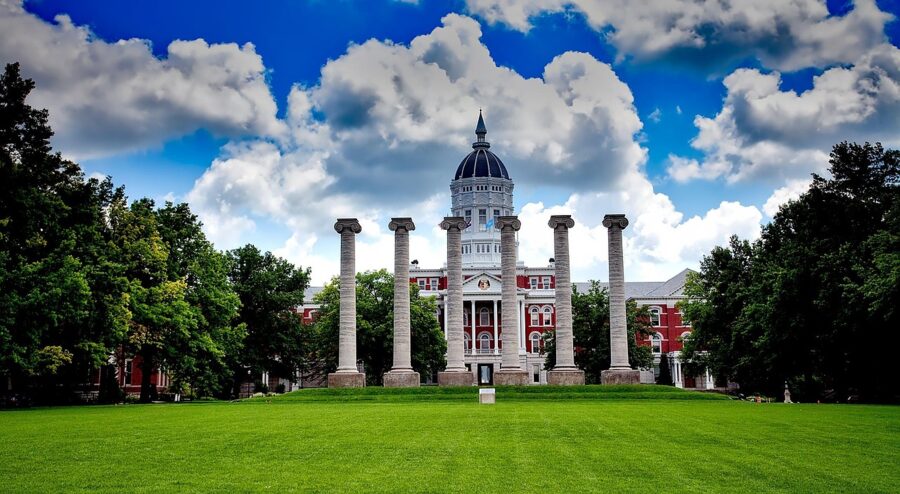
The best things to do in Columbia, Missouri are mostly free and mostly outdoors: a natural rock bridge and cave mouths at Rock Bridge Memorial State Park, a gravel rail-trail that runs from downtown to the Katy Trail and the Missouri River, and a university campus with two free museums and the six stone Columns that have become the city’s emblem. Add a walkable downtown with a pool hall that dates to 1884, an independent cinema and two serious music rooms, and you have a full weekend. Come in early March and the True/False Film Fest takes over the whole downtown.
This is not Columbia, South Carolina, the state capital with the riverfront and the zoo; that city has its own guide. Columbia, Missouri is a college town of about 126,000 people (2020 census) in Boone County, in the middle of the state, and the University of Missouri, known everywhere as Mizzou, sets its calendar. Stephens College and Columbia College are here too, which is why downtown has more coffee shops, bars and cheap places to eat than a city this size usually supports.

Locals call it CoMo. The hotels cluster along Interstate 70 and Stadium Boulevard, and the draw is a mix of small things rather than one big attraction. Two days covers the core comfortably. A third lets you ride the Katy Trail to Rocheport and back.

On this page
- Columbia in brief: where it is and how to get there
- Rock Bridge Memorial State Park
- The MKT Trail and the Katy Trail
- The University of Missouri campus
- Downtown: The District
- True/False Film Fest
- Parks, gardens and smaller stops
- Festivals and events by month
- Where to eat and drink
- When to go and how long to stay
- A two-day plan
- Getting around and practical notes
Columbia in brief: where it is and how to get there
Columbia sits on Interstate 70 almost exactly halfway between Kansas City and St. Louis, roughly two hours’ drive from each in normal traffic. Jefferson City, the state capital, is about half an hour south on Highway 63. The Missouri River runs past the city’s southwest edge, and its valley holds several of the best things to do.
Driving in. Plan for slowdowns on I-70. The state’s Improve I-70 project between Columbia and Kingdom City is a $426 million rebuild that started in July 2024 and is scheduled to run until late 2027, with lane and ramp closures that change week to week, and a separate Rocheport-to-Columbia project has also broken ground. MoDOT’s project page lists the current closures; check it the day before you drive.
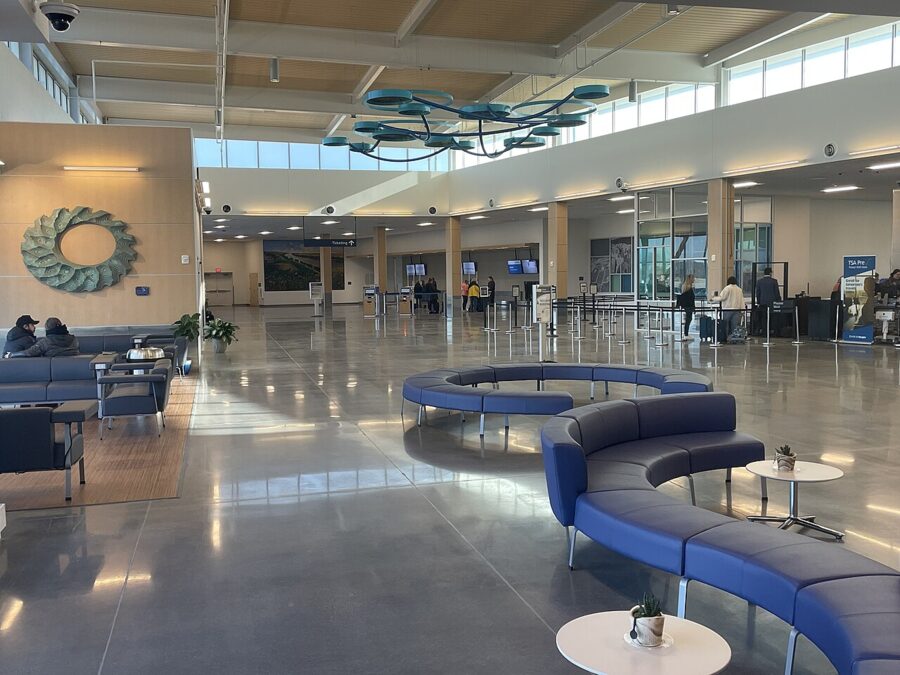
Flying in. Columbia Regional Airport (COU) is a small field south of the city, off Highway 63 toward Jefferson City, in a terminal that opened in 2023. As of November 2026 the airport lists three airlines: American to Dallas-Fort Worth and Chicago O’Hare, plus Charlotte from June 2026; United to Denver and Chicago O’Hare; and Allegiant to Orlando Sanford and Destin-Fort Walton Beach. Terminal parking is free for ticketed passengers, and Alamo, National and Enterprise have counters in the building just south of the terminal.

Bigger airports. St. Louis Lambert (STL) is the usual alternative, a little under two hours east on I-70, with far more nonstops. Kansas City International (MCI) is a bit farther west, and either way you’ll need a car, because there’s no passenger rail into Columbia; the nearest Amtrak stop is Jefferson City.
Rock Bridge Memorial State Park
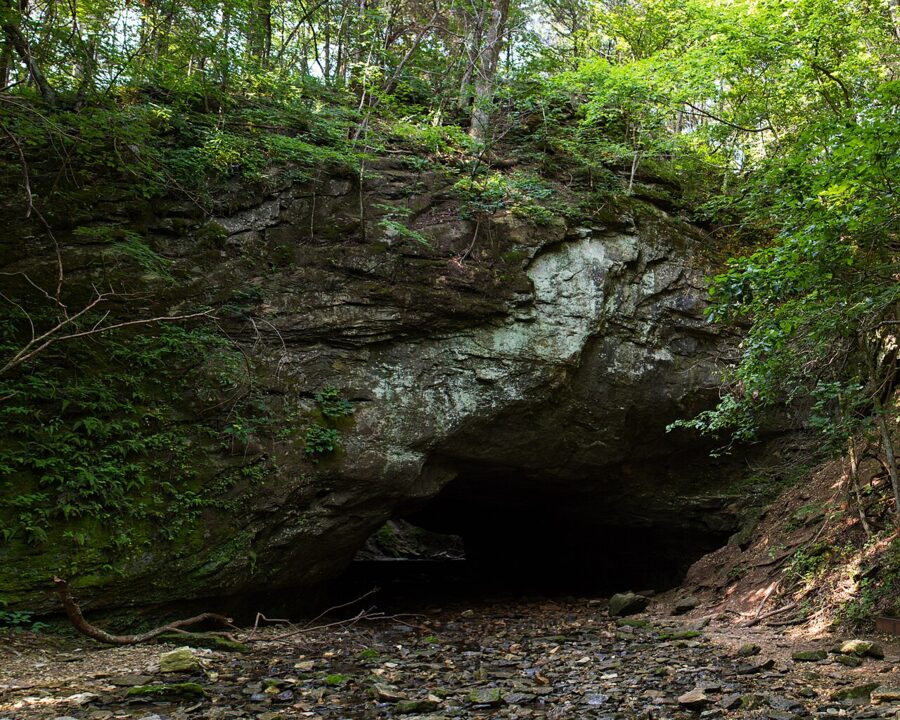
If you only have half a day, spend it here. Rock Bridge Memorial State Park starts at the southern edge of the city, at 5901 South Highway 163, and it packs a lot of Missouri’s karst country into a short walk: a natural rock bridge, sinkholes, a spring, an underground stream and two cave openings. The Gans Creek Wild Area at the park’s far end is where you go for quiet.
The grounds are open from sunrise to sunset every day of the year, and as at other Missouri state parks there is no entry fee. The park office keeps weekday hours, 9am to 3pm Monday through Friday. Allow about an hour for the boardwalk loop, two to three if you add a longer trail.

The Devil’s Icebox Trail and Connor’s Cave
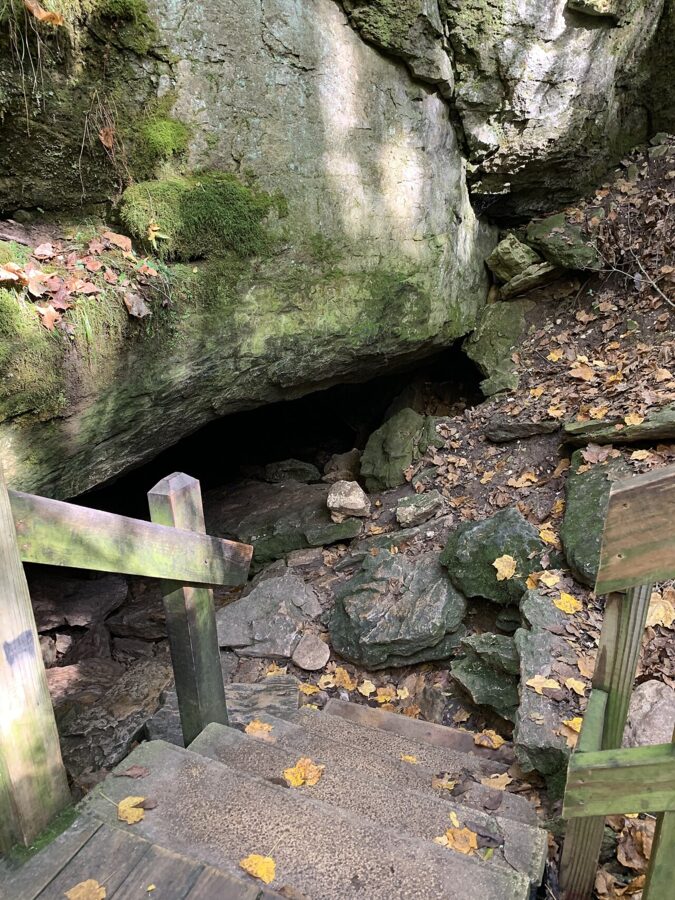
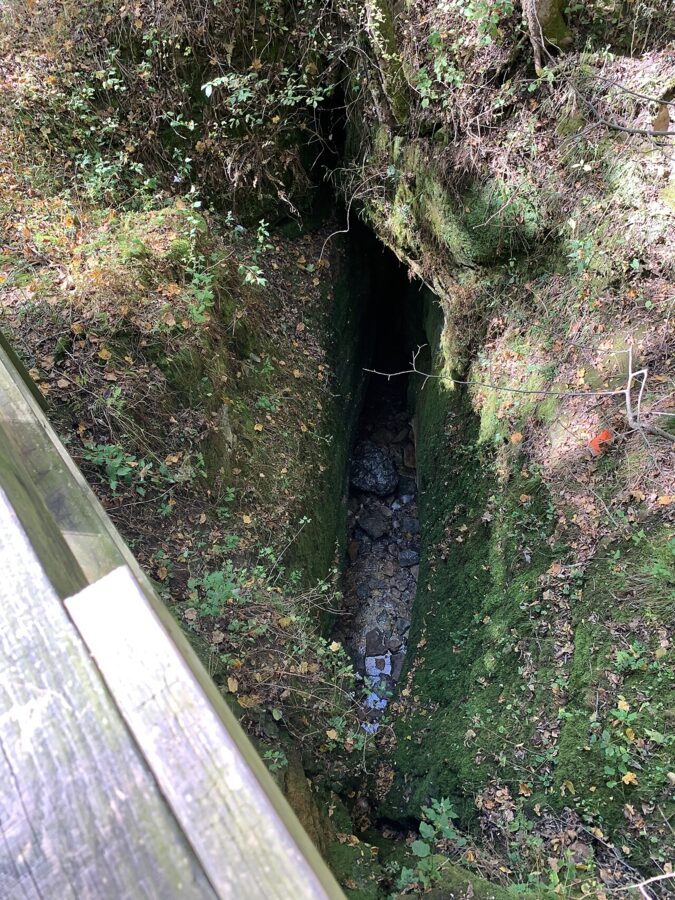
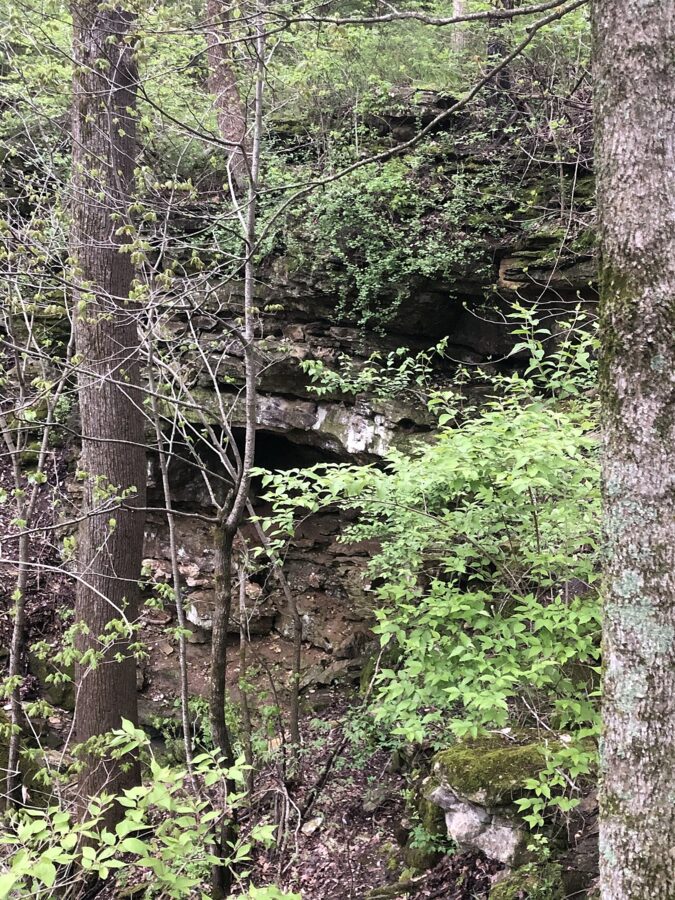
The Devil’s Icebox Trail is the one to do: a loop of about half a mile, most of it boardwalk, that takes you under the rock bridge, past the spring and down to the sinkhole where the Devil’s Icebox cave opens. The cave is closed until further notice to protect its bat colony, so you look rather than go in. Wild cave tours, once run by park staff on a small scale, were suspended for the same reason.
Connor’s Cave, a short walk from the boardwalk, is the one you can step into. You explore it in the light from its opening; a flashlight helps, and the floor is wet and uneven.

Longer trails and the Gans Creek Wild Area
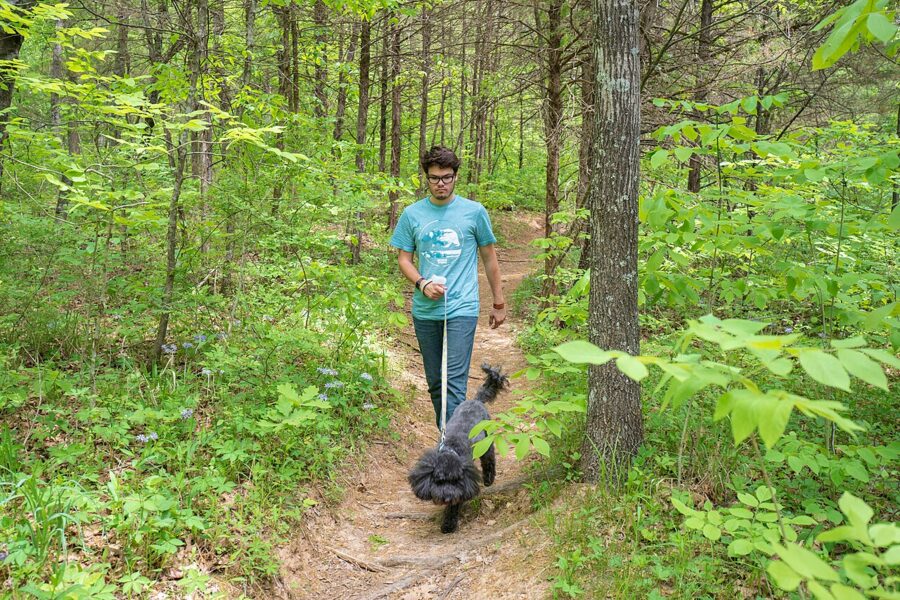
The park’s named trails include the Sinkhole, Karst, Spring Brook, High Ridge, Deer Run and Grassland trails, plus the Gans Creek Wild Area trail. The wild area is the least crowded part of the park, with bluffs above the creek and no developed facilities, so carry water. Some trails allow bikes and some don’t, so check the park’s trail list before you bring one.
Two practical notes. The park posts temporary trail closures for weather and maintenance on Missouri State Parks’ status map, and wet weeks bring the most closures. And spring and fall weekends are busy, so come early in the day if you want the boardwalk to yourself.

The MKT Trail and the Katy Trail
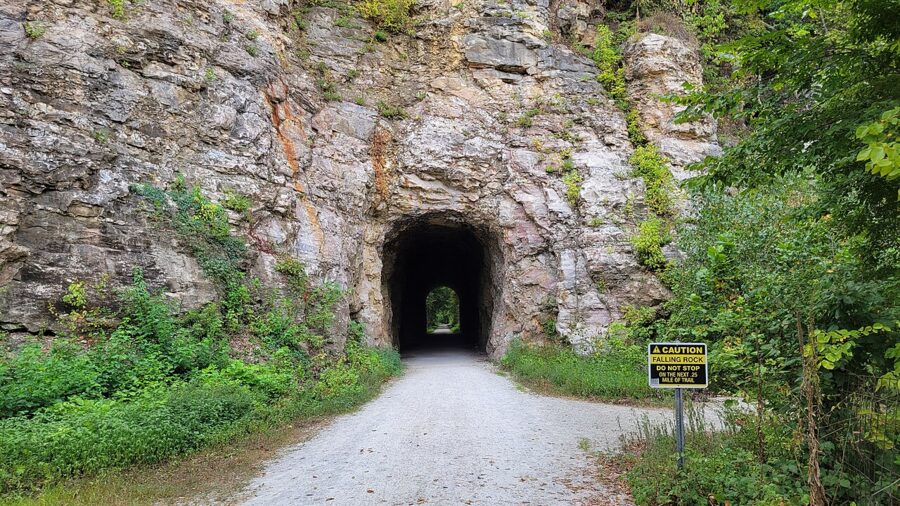
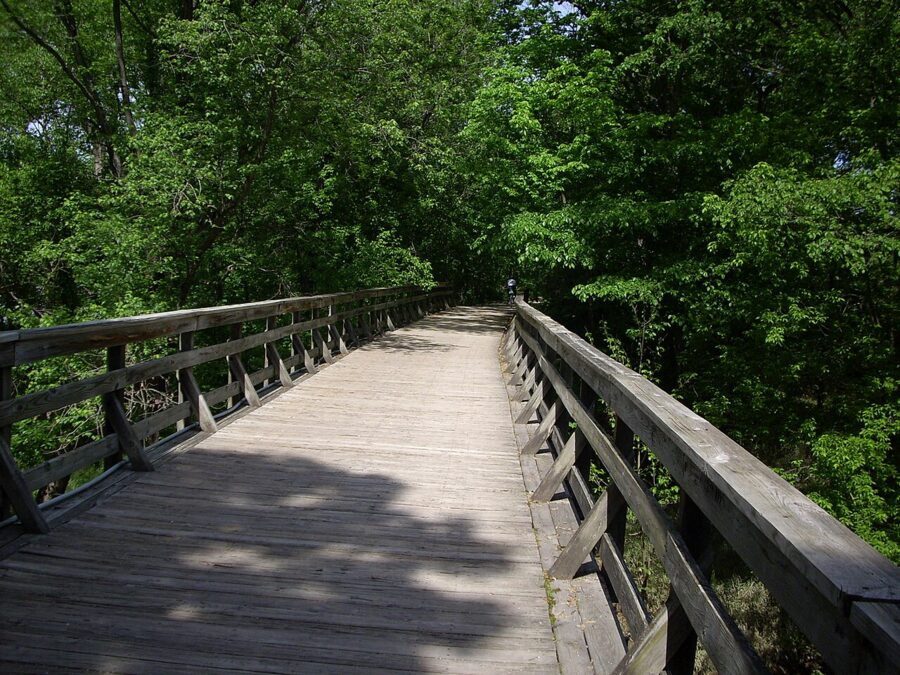
Columbia’s best free afternoon starts downtown. The MKT Trail, built on the bed of the old Missouri-Kansas-Texas Railroad, begins in Flat Branch Park at Fourth and Cherry streets and runs 8.9 miles southwest, mostly under trees, to meet the Katy Trail at mile marker 169.9, just west of McBaine. It’s flat, it’s gravel, and it’s easy to ride or walk as far as you like and turn back.

The Katy Trail doesn’t run through Columbia itself, so the MKT is how you reach it. The Katy is Katy Trail State Park, 240 miles long between Clinton and Machens, with 26 trailheads and four restored railroad depots, and most of it hugs the Missouri River. The stretch west of McBaine, under bluffs with the river beside you, is one of its prettiest.
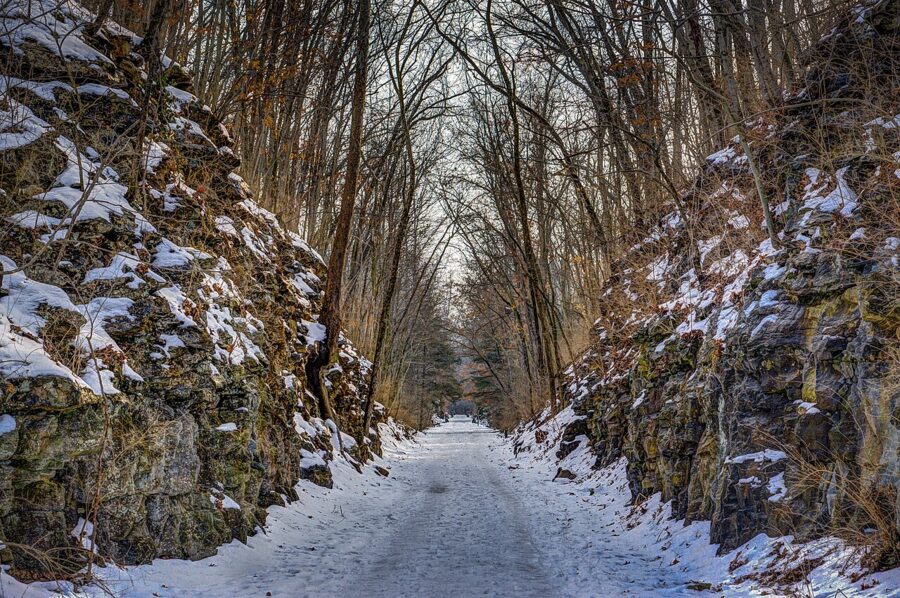

Both trails flood in places when the Missouri runs high, and the state park keeps a trail advisory map and a list of known flood spots. A hybrid or gravel bike is the right tool; a road bike with thin tires will feel every pebble. Allow two to three hours for the MKT out and back, and most of a day if you continue to Rocheport.
Eagle Bluffs Conservation Area
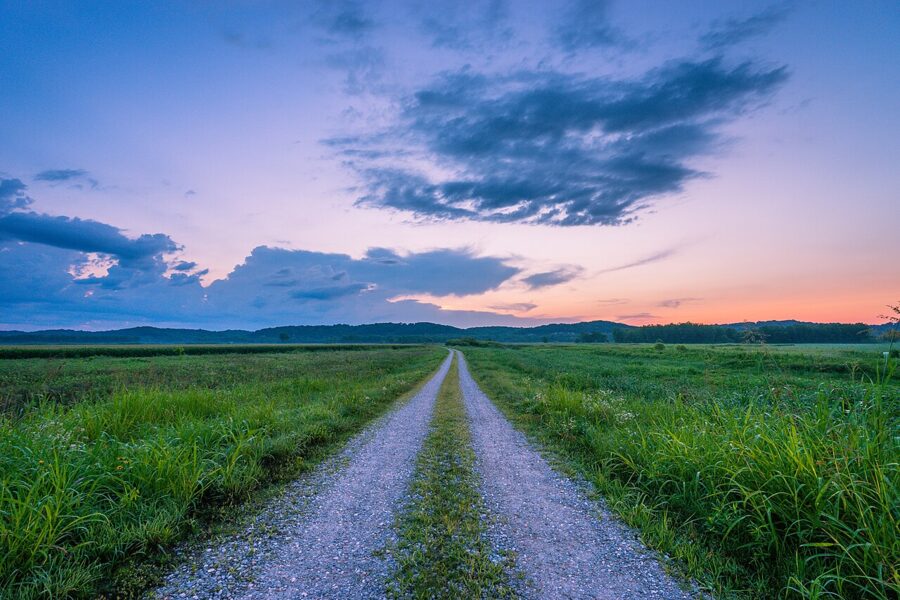
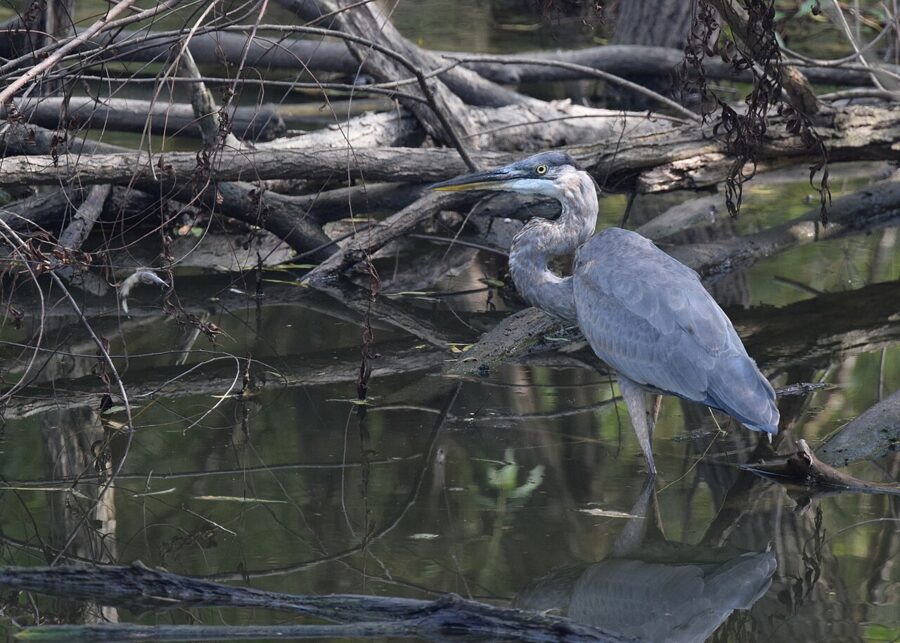
Where the MKT meets the Katy, the floodplain to the west is Eagle Bluffs Conservation Area, about 4,400 acres that the Missouri Department of Conservation bought and turned back into wetland, with 17 shallow pools along the river. It’s the best birding near Columbia: herons and egrets in summer, ducks and geese in the cold months, and, in winter, bald eagles. The area is open 4am to 10pm daily, but parts of it close to protect waterfowl from October 15 through March 1, so check the signs before you head down a levee road.


Rocheport
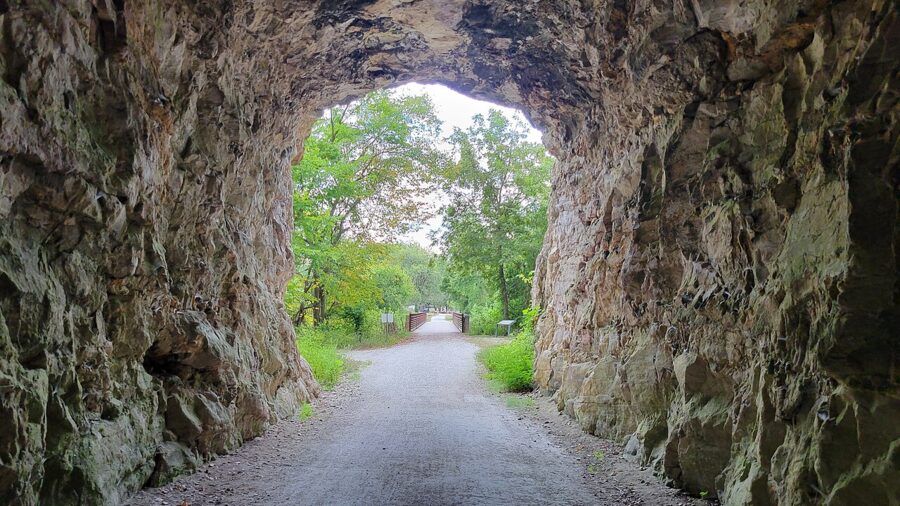
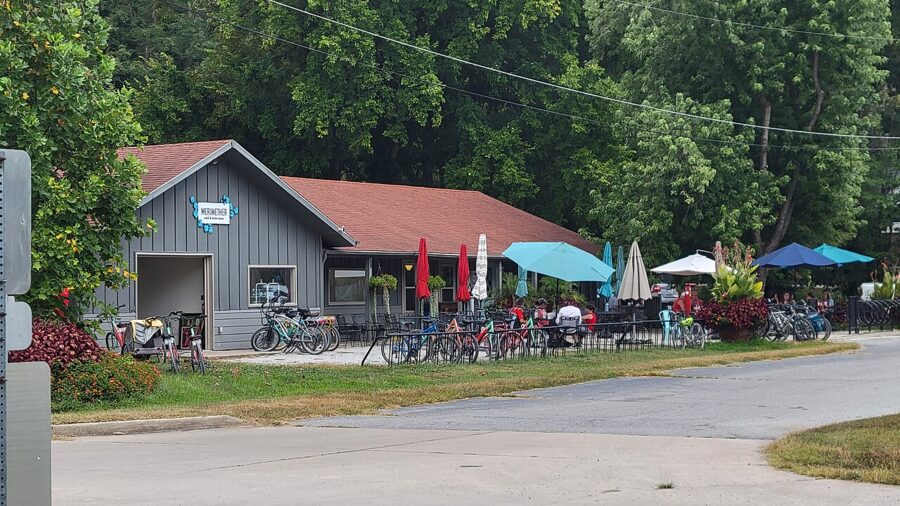
Rocheport is a tiny river town on the Katy west of McBaine, and it’s the classic destination for a day ride from Columbia. Just west of town the trail goes through the old railroad tunnel, and on the bluff above town, The A-Frame Winegarden on the Blufftop pours Missouri wine with a long view over the valley; it keeps short, mostly weekend hours in the cold months, so check before you go. By car, Rocheport is a short hop west of Columbia on I-70, though that stretch of interstate is under construction.


The University of Missouri campus
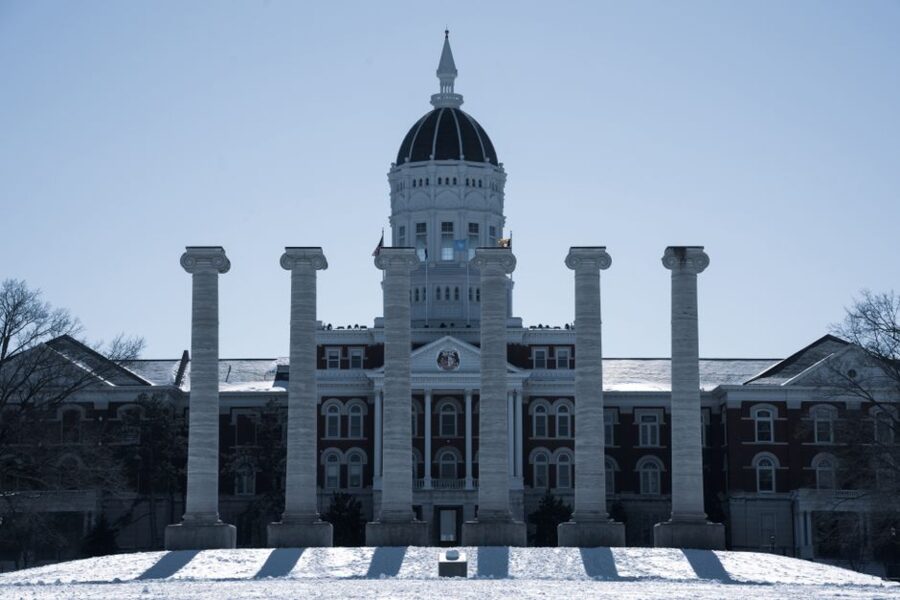
The University of Missouri was founded in 1839, the first public university west of the Mississippi, and its oldest corner is worth an hour even if you never set foot in a classroom. Start on Francis Quadrangle, the lawn between Elm and Conley, where the six Columns stand in front of Jesse Hall. They held up the portico of Academic Hall until it burned in 1892, and the university chose to keep them; now they’re the favorite backdrop for graduation photos.
The whole campus doubles as the Mizzou Botanic Garden, and it’s free and open to wander, with self-guided garden trails across the grounds. The Missouri School of Journalism, the oldest in the world, is on the east side of the quad. Weekdays during the semester, sections of campus streets close to cars between 8:15am and 3:45pm, so park first and walk.
Museum of Art and Archaeology and the Museum of Anthropology
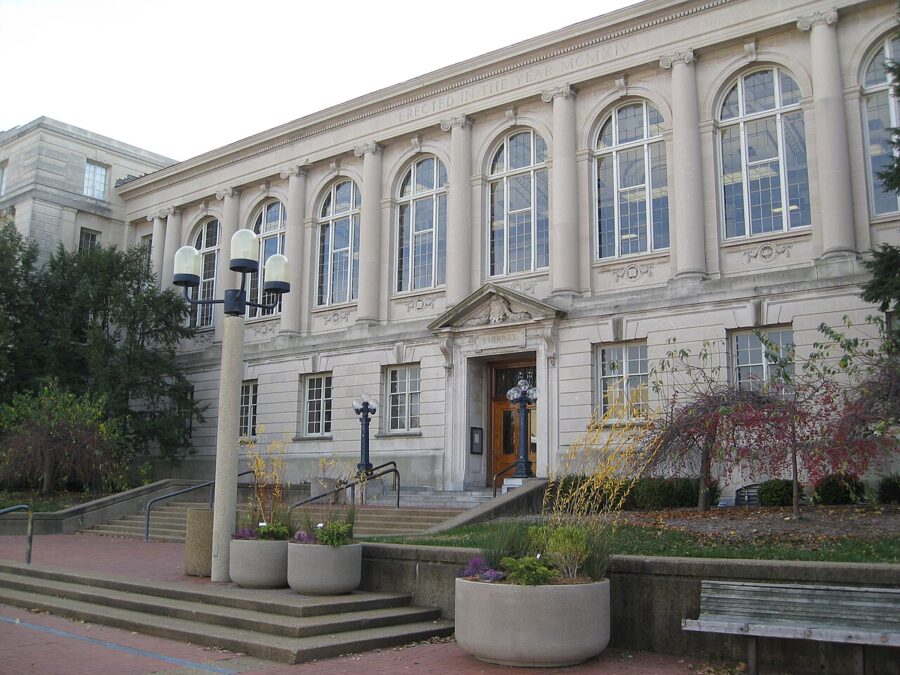
Both university museums now share a home in the east wing of Ellis Library, across from Memorial Union, and both are free. The Museum of Art and Archaeology holds more than 16,000 objects from six continents, from a gold Roman coin of Hadrian to prints by Dalí, and it’s bigger and better than you’d expect from a college collection. The Museum of Anthropology is in the same building and keeps the same hours.

| Museum | Hours (as of November 2026) | Price |
|---|---|---|
| Museum of Art and Archaeology, Ellis Library | Tuesday to Friday 10am to 4pm; Saturday and Sunday noon to 4pm; closed on university holidays | Free |
| Museum of Anthropology, Ellis Library | Tuesday to Friday 10am to 4pm; Saturday and Sunday noon to 4pm | Free |
| State Historical Society of Missouri art gallery, 605 Elm Street | Tuesday to Friday 10am to 4:30pm; Saturday 10am to 2pm; closed Sunday and Monday | No admission price listed |
Allow an hour for the art museum and half that for anthropology; food, drink and flash photography aren’t allowed. Look for the Art-o-Mat, a converted vending machine that sells small original artworks for tokens from the museum store. The Hitt Street Garage up the road is free on weekends; on weekdays use the metered Hitt Street visitor lot.
State Historical Society of Missouri
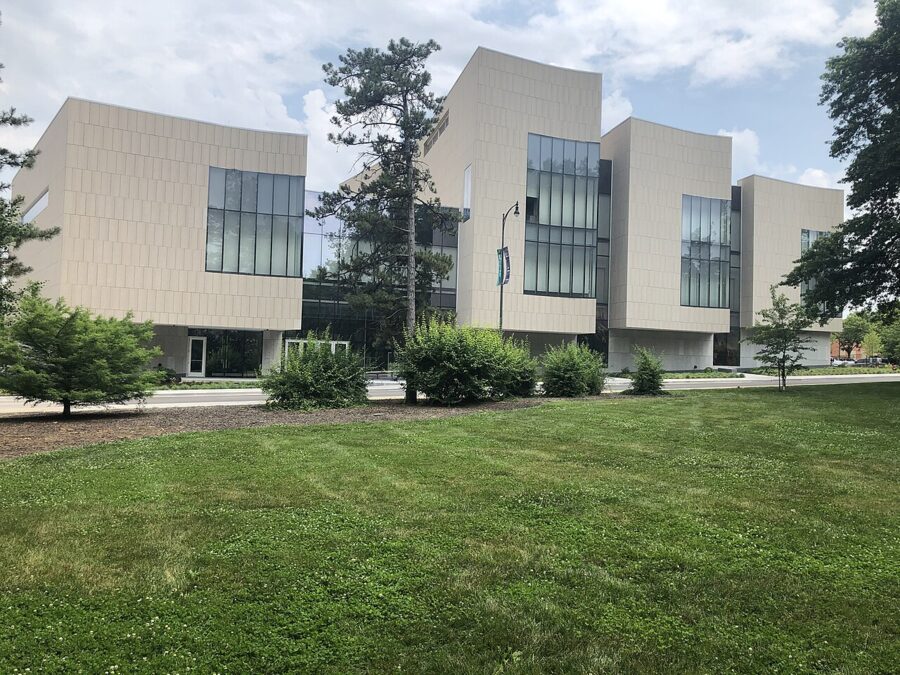
The Center for Missouri Studies, the glass-and-stone building at 605 Elm Street on the edge of Peace Park, is the headquarters of the State Historical Society, and its art gallery draws on a collection that is strong on George Caleb Bingham and Thomas Hart Benton, the two painters most tied to Missouri. Shows rotate; an exhibit for the nation’s 250th anniversary runs through December 23, 2026.

Game days at Faurot Field
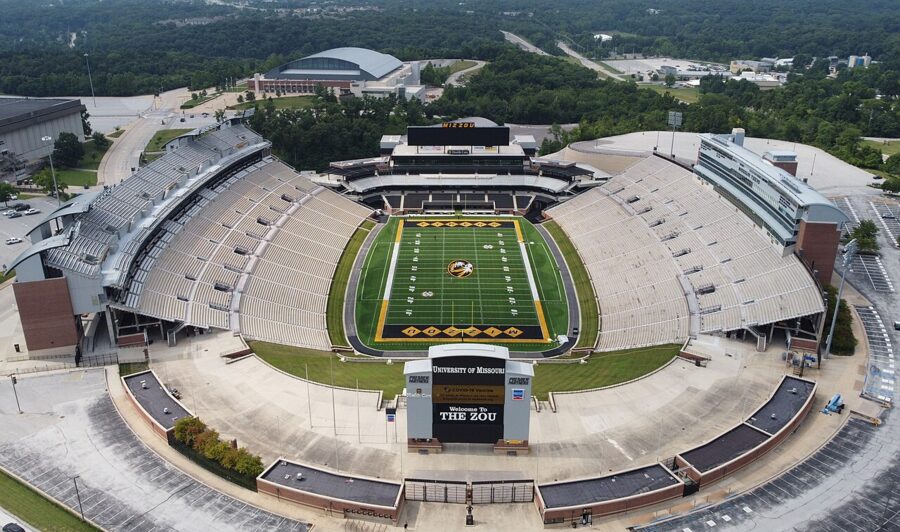
Mizzou plays football in the SEC at Memorial Stadium, whose field is Faurot Field, and on fall home Saturdays the town changes shape: tailgates on every lawn, Tiger stripes everywhere and hotel prices that jump. If you want a quiet weekend, check the Tigers’ home schedule before you book. If you want the full college-town experience, a home game is the way to get it, and men’s basketball at Mizzou Arena fills the winter months.

Downtown: The District
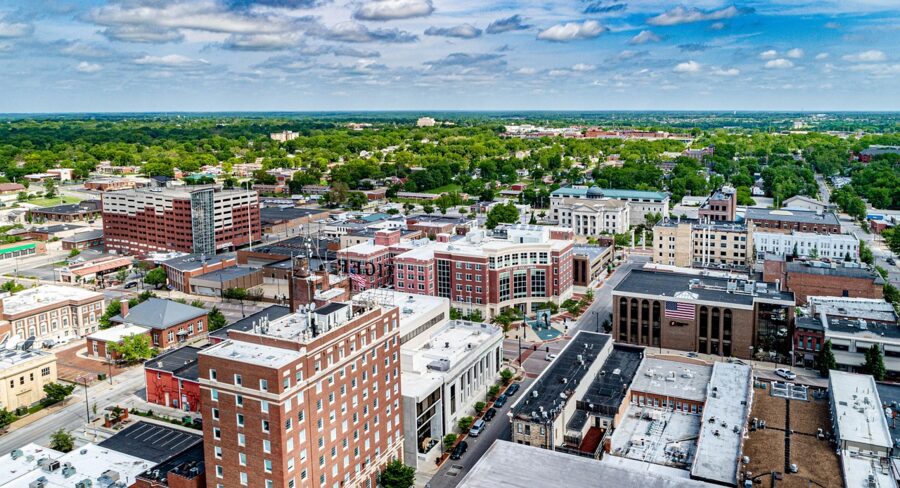
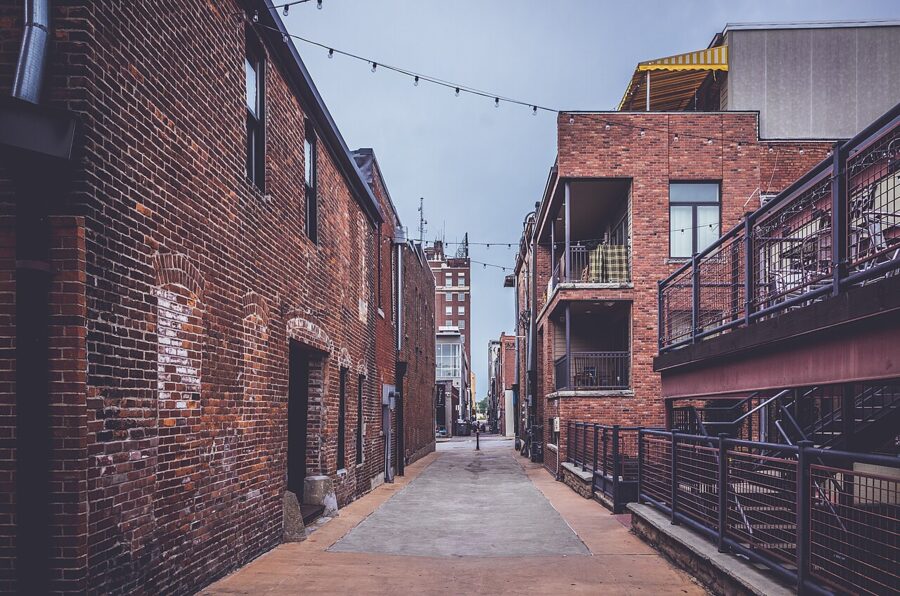
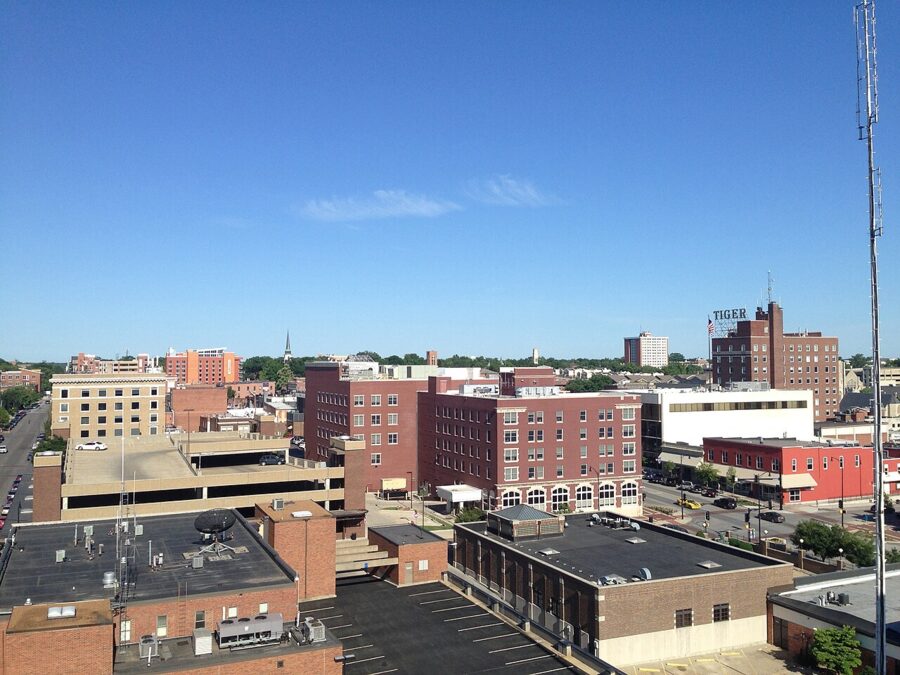
Downtown Columbia brands itself The District, and it’s where you’ll spend your evenings. The spine is Ninth Street, from Broadway down to the university’s northern edge, with Broadway as the main east-west street. Everything is walkable, and the alleys behind the main streets, like Alley A, are worth a look for their murals and patios.

Parking downtown changed in January 2026: on-street meters went up to $1 an hour, and the ParkMobile app stopped adding its own fee, so you pay the same $1 by app or coin. The city’s garages are cheaper, at 50 cents an hour with the first hour free, and they’re the smart choice for an evening out.

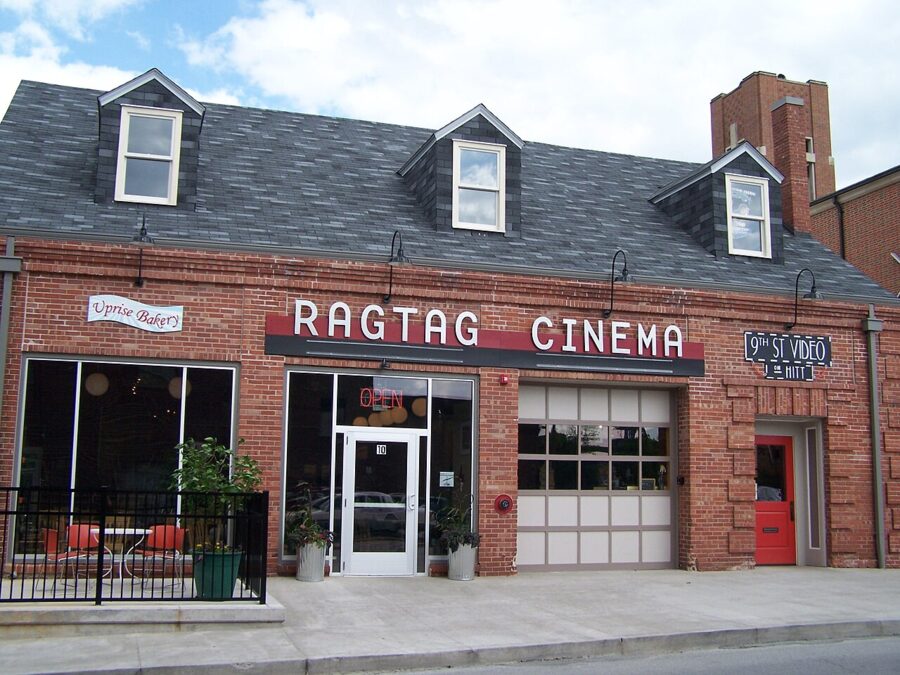
Ragtag Cinema
Ragtag, at 10 Hitt Street, is a nonprofit independent cinema run by the Ragtag Film Society, the same group that puts on True/False. It shows new independent and foreign films alongside repertory series and the occasional 35mm print. On a rainy day or a Monday, when the museums are shut, this is the plan.
The Missouri Theatre
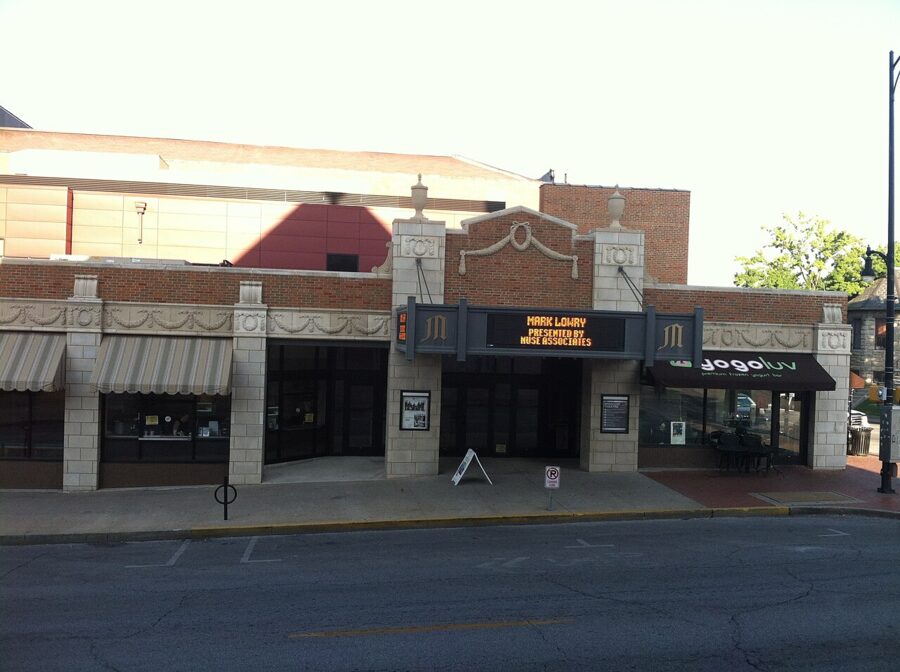
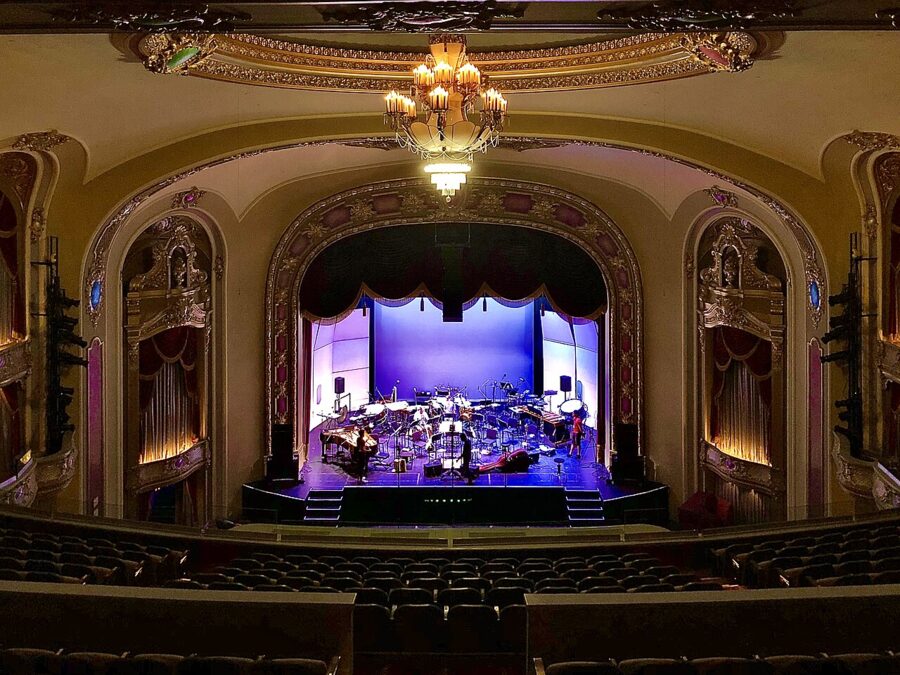
The Missouri Theatre at 203 South Ninth Street is a 1928 movie palace restored as a concert hall, and it’s now the home of the University Concert Series, which brings touring Broadway shows and concerts through a season that runs from fall to spring. The series also runs Film Fridays on the big screen.


Live music: The Blue Note and Rose Music Hall
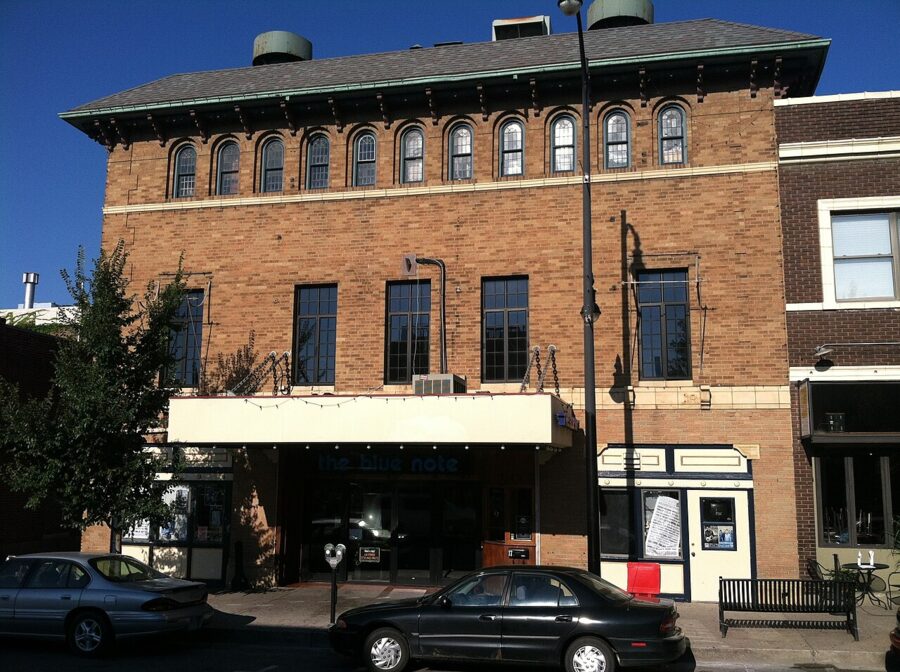
For a city of its size, Columbia gets a surprising number of touring bands, and most of them play one of two rooms. The Blue Note, at 17 North Ninth Street in an old theater, is the bigger club, with touring acts most weeks. Rose Music Hall, at 1013 Park Avenue in the North Village arts area, is the smaller room. Tickets are per show, sold through each venue’s site.

True/False Film Fest
True/False is the reason a lot of people first come to Columbia. It’s a four-day festival of new documentary and nonfiction film, held every late winter since 2004 in downtown venues including the Missouri Theatre and Ragtag, and it’s known for its parties, the buskers who play before screenings and filmmakers who stay for long question sessions. The 2027 festival, the 24th, runs Thursday to Sunday, March 4 to 7, 2027.
Passes for 2027 range from the $80 Remix pass, built around the music showcases plus three films, to the $1,030 Super Circle; the films-only Classic pass is $145 and goes on sale in December. Passholders reserve films in mid-February in order of pass level, and individual tickets go on sale Monday, February 22, at 10am Central. Anything sold out can still be tried through the Q, the walk-up line for empty seats.
Book a room early. Hotels fill for the festival weekend, and the cheapest rooms go first.
Parks, gardens and smaller stops
The city runs dozens of parks, but you don’t need most of them. These are the ones that earn a place on a short trip.
Stephens Lake Park
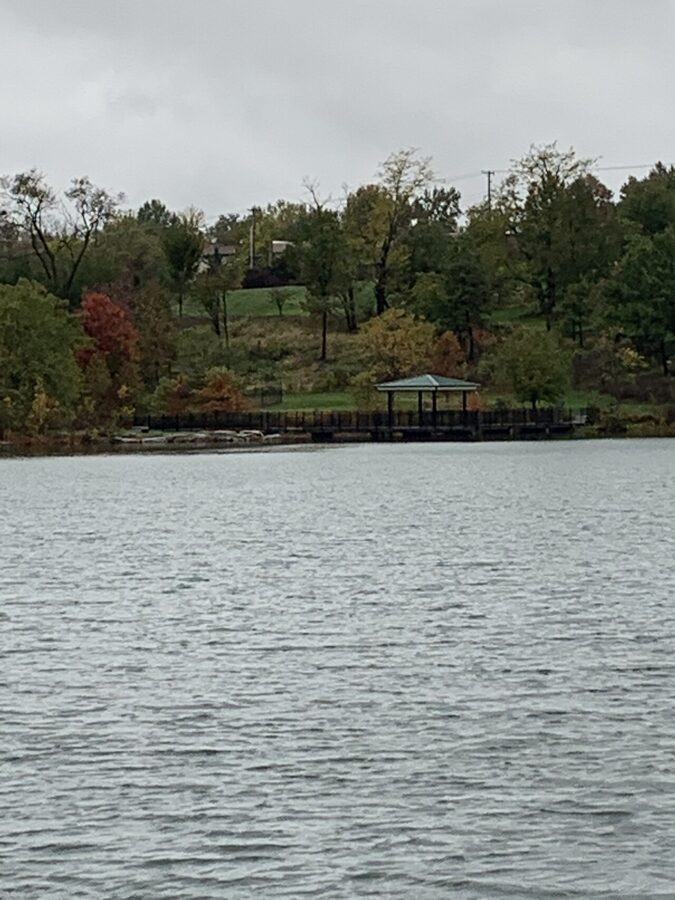
Stephens Lake Park, on East Broadway, is the city’s favorite park. It has an 11-acre lake for fishing and summer swimming, with a sand beach and spraygrounds, big old trees, an amphitheater for summer concerts and slopes that become the town’s winter sports area when it snows. Entry is free; the beach is summer only, so check the city’s parks page for the season’s dates and hours.

Shelter Gardens
Behind the Shelter Insurance headquarters at 1817 West Broadway, Shelter Gardens is a five-acre arboretum with more than 300 kinds of trees and shrubs and over 15,000 annuals and perennials. It’s open to the public daily from 8am to dusk, closes on Christmas Day and in bad weather, and charges nothing to walk in. Allow 45 minutes; late spring is the peak.
Boone County History and Culture Center
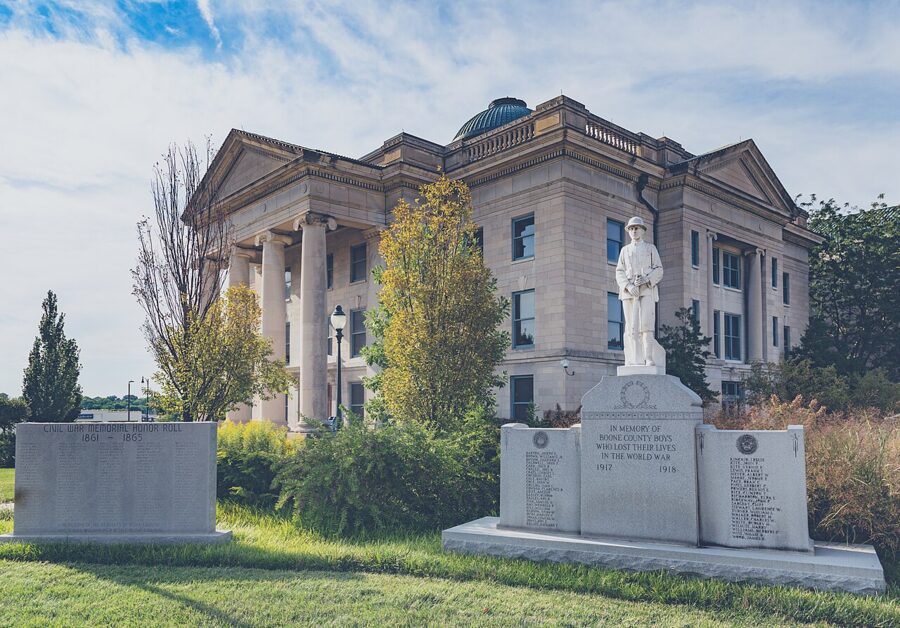
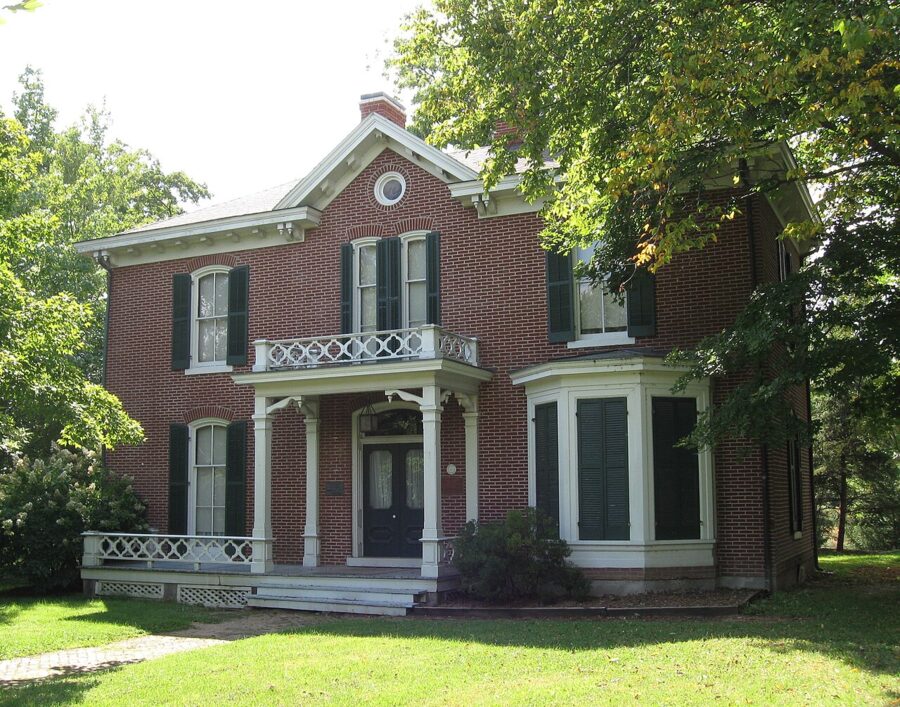
In Nifong Park, at 3801 Ponderosa Street on the south side, the Boone County History and Culture Center has local history galleries, and the historic Maplewood house stands on the same grounds. Admission is free, and the center is open Wednesday to Saturday, 10am to 5pm. Skip it on a short trip unless you’re already heading south to Rock Bridge.
Columbia Farmers Market
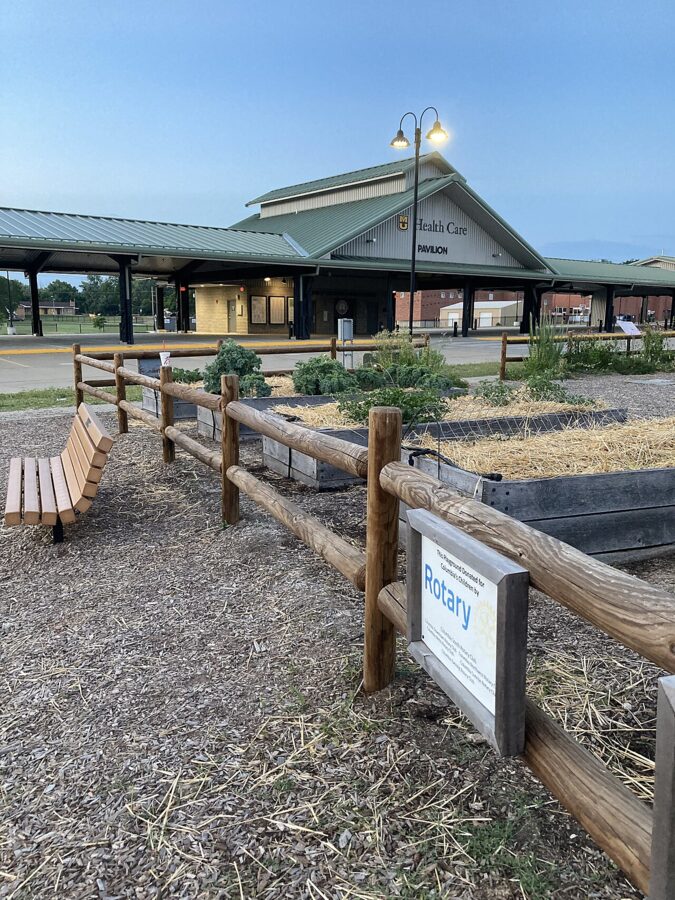
The farmers market runs year-round under the MU Health Care Pavilion at Clary-Shy Agriculture Park, 1769 West Ash Street, west of downtown. Through the winter season it’s Saturdays only, 9am to noon, from November into late March, with breaks around Thanksgiving, Christmas and New Year’s; the main April to October season opens earlier in the morning. Come for whatever’s in season from local farms, plus meat, eggs and baked goods.
Festivals and events by month
These are the dates worth planning around, as published by each organizer as of November 2026.
| When | Event | Notes |
|---|---|---|
| November to March | Winter farmers market | Saturdays 9am to noon at Clary-Shy Agriculture Park; skips the holiday weekends |
| Winter | Mizzou men’s basketball | Home games at Mizzou Arena |
| March 4 to 7, 2027 | True/False Film Fest | Downtown; book rooms early |
| April 24 and 25, 2027 | Art in Bloom | Floral arrangements paired with works in the Museum of Art and Archaeology |
| July 4 | Fire in the Sky | Stages in Flat Branch Park and Peace Park, then fireworks |
| September | Heritage Festival and Craft Show | Nifong Park, free, 10am to 5pm (the 2026 edition was September 19 and 20); some vendors are cash only and there’s no ATM on site |
| September to November | Mizzou football | Home Saturdays at Memorial Stadium; hotels fill and prices jump |
| October | Fall color and waterfowl | Rock Bridge’s woods peak; parts of Eagle Bluffs close for waterfowl from October 15 |
One festival not to plan around: Roots N Blues, the music festival that filled Stephens Lake Park each fall from 2007, was renamed Treeline and then canceled in 2023 when its producer folded. Older guides still list it.
Where to eat and drink
Every place below was open and serving as of November 2026. Most of the best of it is downtown, within a few blocks of Ninth Street.

Coffee and breakfast. Lakota Coffee, at 24 South Ninth Street, is the downtown standby, open 6am to 6pm Monday to Saturday and from 6:30am on Sunday; waits can be long on weekday mornings. Café Berlin, at 220 North Tenth Street, does brunch from 8am to 2pm every day except Tuesday, with plenty of vegetarian and vegan choices, and adds dinner on some weeknights.
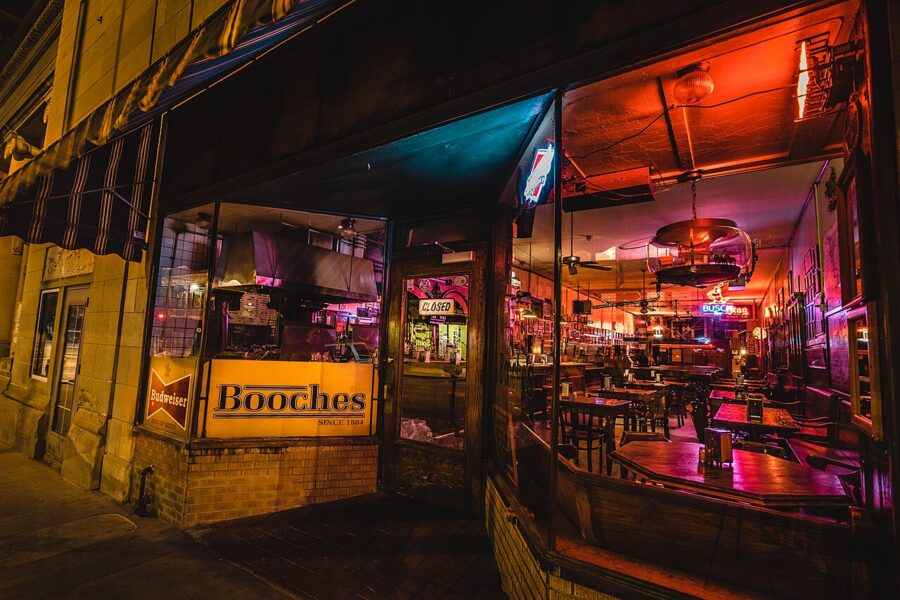
Lunch and cheap eats. Booches, at 110 South Ninth Street, has been a billiard hall since 1884 and at this address since 1928, and its small burgers, served on wax paper with no plate, are the town’s most famous meal. It’s cash only and open Monday to Saturday, 11am to 10pm, closed Sunday.
Shakespeare’s Pizza, a block south at 225 South Ninth Street, is the student favorite and stays open late. For barbecue, Como Smoke and Fire has two locations, north on Paris Road and south on Buttonwood Drive; order the burnt ends.
Dinner. Barred Owl Butcher & Table, at 47 East Broadway between Providence Road and Garth Avenue, builds its menu on seasonal Missouri meat and produce. It’s dinner only, Tuesday to Thursday 4:30pm to 8:30pm and Friday and Saturday until 9pm, closed Sunday and Monday, and reservations are by phone.
CC’s City Broiler, at 1401 Forum Boulevard, is the old-school steakhouse, open daily 5pm to 9pm. Murry’s, at 3107 Green Meadows Way on the south side, has served food with live jazz since 1985; try the fried green pepper rings with powdered sugar, and expect a wait on weekends.
Beer and drinks. Flat Branch Pub & Brewing, at 115 South Fifth Street, has brewed downtown since 1994 and is open 11am to 9pm Sunday and Monday and until 10pm the rest of the week. Logboat Brewing, at 504 Fay Street just north of downtown, has a taproom open afternoons and evenings, from noon on Sundays.
Something sweet. Sparky’s Homemade Ice Cream, at 21 South Ninth Street, makes odd flavors in small batches, including a few with alcohol; it’s open from late morning into the evening. Peggy Jean’s Pies, at 421 North Stadium Boulevard, sells whole pies, with a pie of the month and sugar-free options.
When to go and how long to stay
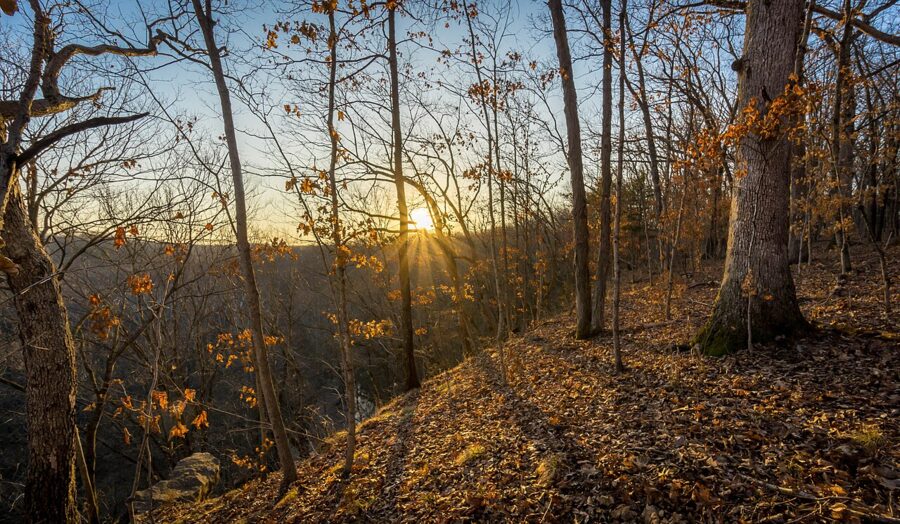
Mid-April to early June and mid-September to late October are the best times. Spring brings green woods and full creeks at Rock Bridge, and fall brings color, comfortable riding weather on the Katy and the football crowds. Summer is hot and humid, and the trails are buggy; plan outdoor time for the morning. Winter is cold and gray, with occasional snow, but that’s also when True/False happens, and the museums and music rooms don’t care about the weather.


Watch the university calendar when you book. Football Saturdays, the True/False weekend, May graduation and August move-in all push room prices up and availability down; ordinary weekends in summer and between semesters are usually the cheapest. Spring storms can be severe in central Missouri, so keep an eye on the forecast in April and May.
Two full days is the right length for most people: one for the park and the trails, one for campus and downtown. Add a third if you want to ride to Rocheport or are here for a game or the film festival.
A two-day plan
Day one: outdoors. Coffee and a pastry on Ninth Street, then drive 15 minutes south to Rock Bridge Memorial State Park and walk the Devil’s Icebox Trail and Connor’s Cave before the crowds arrive. Back in town by noon for a Booches burger.
In the afternoon, pick up the MKT Trail at Flat Branch Park on foot or by bike and go as far as you like toward the Katy; with a full afternoon and a bike, push on to Eagle Bluffs to see the wetlands. Dinner at Barred Owl or Flat Branch, then a show at The Blue Note or a film at Ragtag.
Day two: campus and downtown. If it’s a Saturday, start at the farmers market. Walk Francis Quadrangle and the Columns, then spend an hour or two in the art and anthropology museums at Ellis Library (they open at noon on weekends, 10am on weekdays) and the Bingham and Benton paintings at the State Historical Society. Late afternoon at Stephens Lake Park or Shelter Gardens, ice cream at Sparky’s, and dinner with jazz at Murry’s.
Getting around and practical notes
- You’ll want a car. Rock Bridge, Eagle Bluffs, the farmers market and most restaurants outside downtown are a drive away, and ride-hailing coverage is worth checking in your app before you rely on it.
- Buses. Go COMO, the city bus system, restored full weekday service on a trial basis on May 26, 2026, with six routes running about every 45 minutes; Saturday service is reduced and starts at 10am.
- Parking. Downtown garages beat the meters for an evening out. On campus, the Hitt Street Garage is free on weekends.
- Caves and bats. Devil’s Icebox stays closed to protect its bats. Don’t climb past barriers, and if you’ve been in other caves, clean your boots before Connor’s Cave.
- Trail conditions. The Katy and parts of the MKT close after floods. Missouri State Parks posts a trail advisory map and current closures, and Rock Bridge has its own trails hotline.
- Interstate work. I-70 stays under construction into late 2027; check MoDOT before driving out, especially after a game.
- Cash. Booches takes cash only, and so do some vendors at the Heritage Festival, where there’s no ATM on site.
One last tip: if you’re driving between Kansas City and St. Louis and only have an afternoon, skip the interstate exits and go straight to Rock Bridge, then Ninth Street for dinner. It’s the most Columbia you can fit into four hours.