Start with the things that cost nothing. The Nelson-Atkins Museum of Art, its lawn of giant shuttlecocks, the Grand Hall of Union Station and the KC Streetcar from UMKC to the Missouri River are all free, and together they fill a day. Then pay for the two museums no other American city has, the National WWI Museum and Memorial and the Negro Leagues Baseball Museum, and eat barbecue at least twice. That is a long weekend in Kansas City, Missouri.
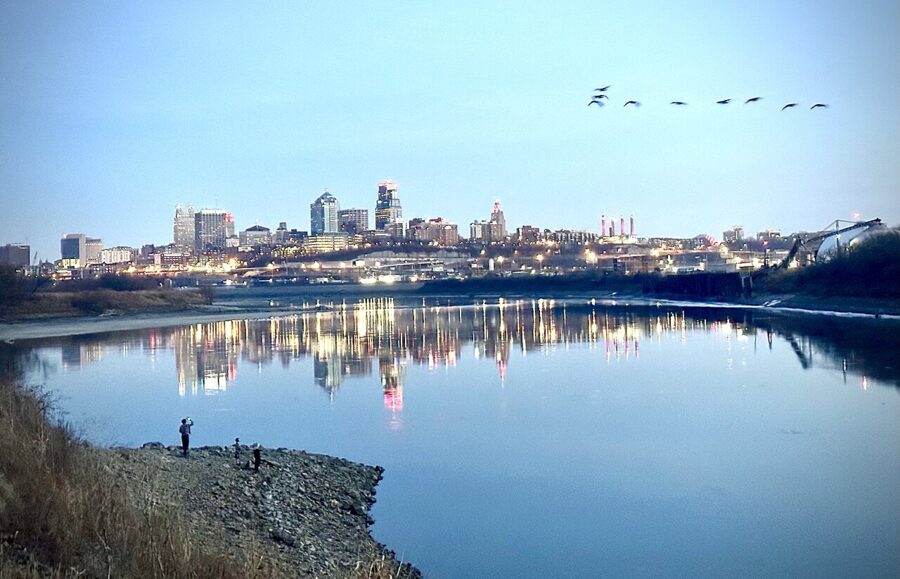
Kansas City is a city of about half a million people inside a metro of more than two million, spread across the Missouri-Kansas state line where the Kansas River meets the Missouri. Most of what a visitor wants sits in one north-south strip on the Missouri side: the River Market by the water, downtown and the Crossroads, Union Station and the WWI museum, then Midtown, the Nelson-Atkins and the Country Club Plaza. The streetcar now runs almost that whole strip.

Is it worth the trip? Yes, if you like museums, music, sport or smoked meat. Summers are hot, winters are cold, and the best places are spread out enough that you will ride or drive between them.

On this page
- Kansas City in brief: where it is and how to get there
- The big sights, with hours and prices
- Ride the streetcar end to end
- Smaller museums, gardens and neighborhoods
- Barbecue, properly
- Where else to eat and drink
- The Chiefs and the Royals
- When to go, and what is on
- How many days, and a two-day plan
- Getting around, parking and practical notes
Kansas City in brief: where it is and how to get there
Kansas City, Missouri, is the larger of two Kansas Cities. Kansas City, Kansas, is a separate city across State Line Road and the Kansas River, and Joe’s barbecue and Kaw Point are on that side.
By air, you land at Kansas City International (MCI, usually called KCI), north of the Missouri River. Its single terminal opened on February 28, 2023, with 39 gates, replacing the old three-terminal horseshoe. The airport lists more than 50 nonstop routes and economy parking at $9 a day as of November 2026.
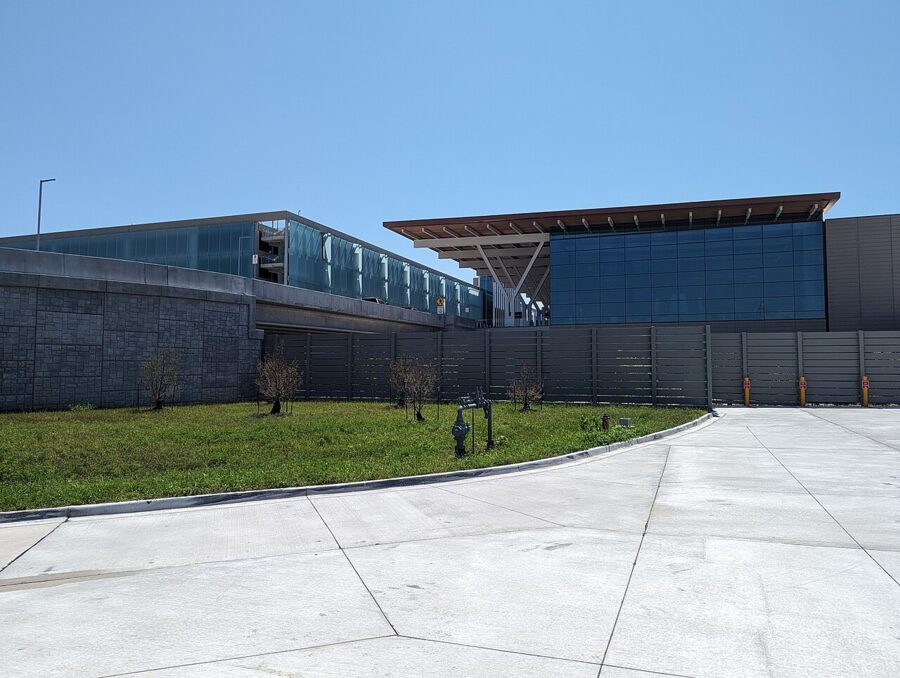

The drive from KCI to downtown takes about half an hour outside rush hour, mostly on I-29. The only public bus to the terminal is RideKC route 229, about once an hour and just under an hour to downtown; the last bus leaves the airport around 11pm.
By road, Kansas City is about 250 miles (roughly four hours) from St. Louis on I-70, about three hours from Omaha, Des Moines or Wichita, and an hour from Topeka. By train, Amtrak’s Missouri River Runner runs between St. Louis and Union Station; check Amtrak’s own timetable, because the schedule changed several times in 2026.
What is Kansas City known for? Barbecue first, then jazz, the Chiefs, fountains and boulevards. The city’s 48 publicly operated fountains all switch on together each April on Fountain Day.
The big sights, with hours and prices
Every figure below is from the attraction’s own site as of November 2026. Watch the closed days: several museums shut on Mondays or Tuesdays.
| Place | Open | Adult price | Allow |
|---|---|---|---|
| Nelson-Atkins Museum of Art | Thu and Fri 10am to 9pm; Sat, Sun and Mon 10am to 5pm; closed Tue and Wed | Free (parking $20) | 2 to 3 hours |
| National WWI Museum and Memorial | 10am to 5pm, closed Tue (open daily Memorial Day to Labor Day) | $19.50; tower $6 extra | 3 hours |
| Negro Leagues Baseball Museum | Tue to Sat 10am to 5pm, Sun noon to 5pm, closed Mon | $15 | 1.5 hours |
| American Jazz Museum | Tue to Sat 10am to 5pm, Sun noon to 5pm, closed Mon until May 31, 2027 | $15 | 1 hour |
| Arabia Steamboat Museum | Mon to Sat 10am to 5pm, Sun noon to 5pm | $16.50 | 1.5 hours |
| Union Station (building) | 6am to midnight | Free to walk in | 30 minutes, more for exhibits |
| Money Museum (Federal Reserve) | Mon to Fri 9:30am to 4pm, last entry 3:30pm | Free | 45 minutes |
| Toy and Miniature Museum | 10am to 4pm, closed Tue | $12 | 1.5 hours |
The Nelson-Atkins Museum of Art and the shuttlecocks
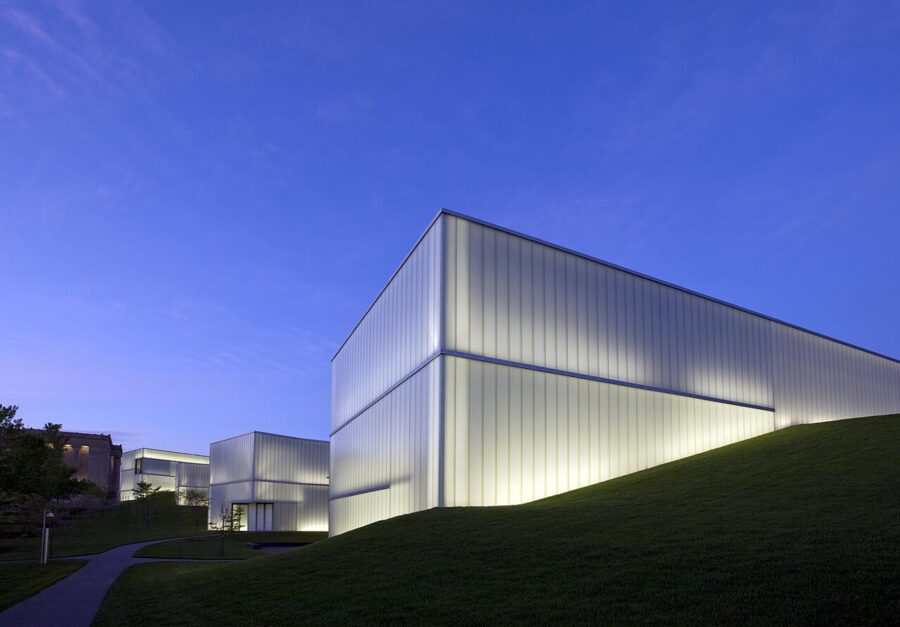
The Nelson-Atkins is free for everyone, and it is one of the best art museums between the coasts. Check in online or at a lobby kiosk. The collection runs from ancient Egypt and an outstanding Chinese collection to European painting and photography, so pick two or three wings.
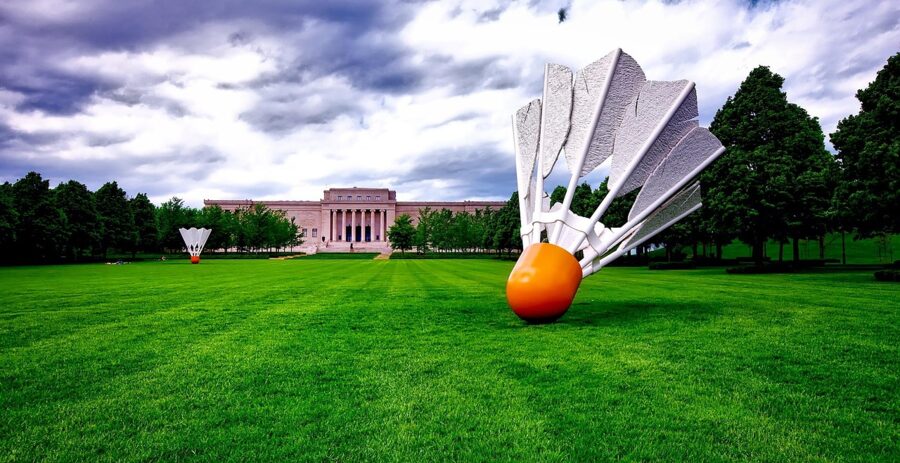
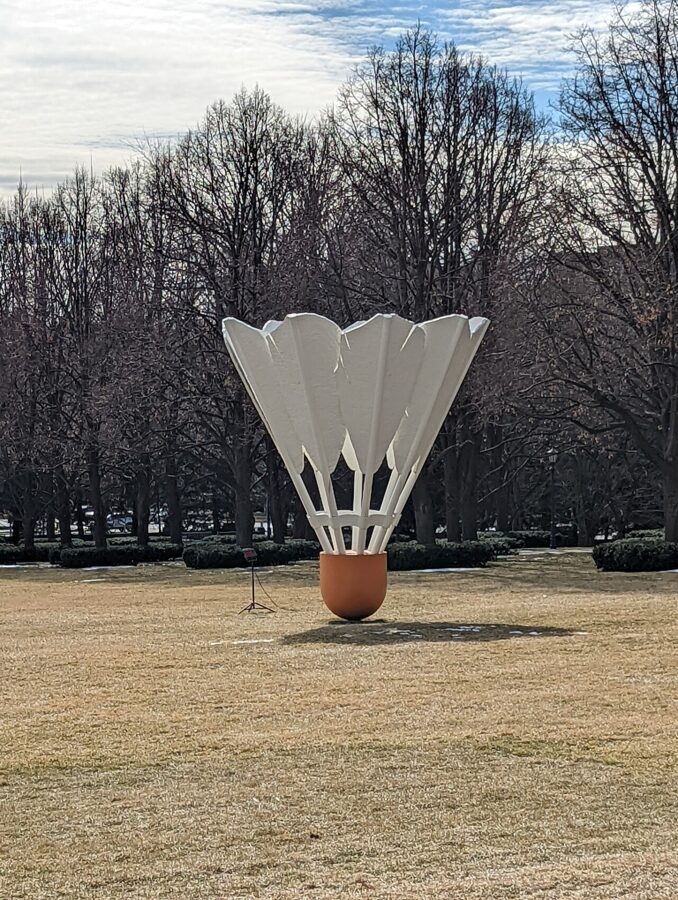
Outside, the Donald J. Hall Sculpture Park is free from sunrise to sundown. The four Shuttlecocks, each almost 18 feet tall, caused a fuss when they went up in 1994 and are now on half the city’s postcards.
The Oak Street garage charges $20 a visit, free for veterans and active military; the streetcar stops a few blocks west on Main. The museum closes on Thanksgiving, December 24 and 25, and New Year’s Day.
National WWI Museum and Memorial
Congress named this the nation’s official World War I museum in 2004, and it is the place visitors most often underestimate. Kansas Citians raised more than $2.5 million in under two weeks in 1919 to build the Liberty Memorial, which opened on November 11, 1926, before a crowd of more than 150,000. The museum underneath it opened in its present, much larger form in December 2006.
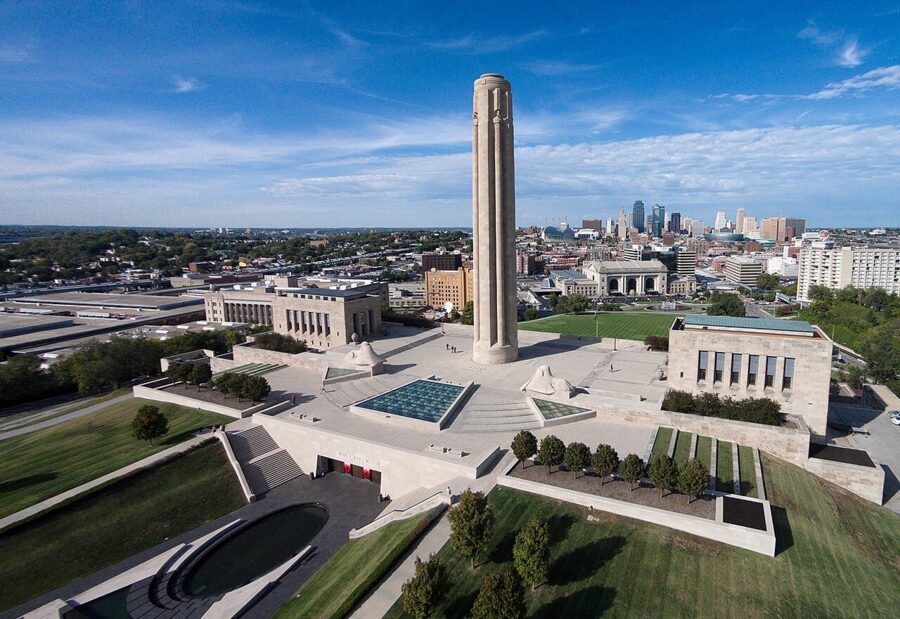
You enter over a glass bridge above a field of 9,000 red poppies, each standing for 1,000 combatant deaths. The main gallery runs from the empires of 1914 through recreated trenches and a field hospital to the peace, past a French FT-17 tank and the kind of French 75mm field gun Captain Harry Truman’s battery fired.
General admission is $19.50 for adults, $15.50 for seniors 65 and over and for military, $11.50 for ages 6 to 15, and free under 6. The Liberty Memorial Tower is not included: it is $6 alone or $22.50 combined with general admission, and the last elevator up goes at 4:15pm. The 217-foot tower closes in bad weather.
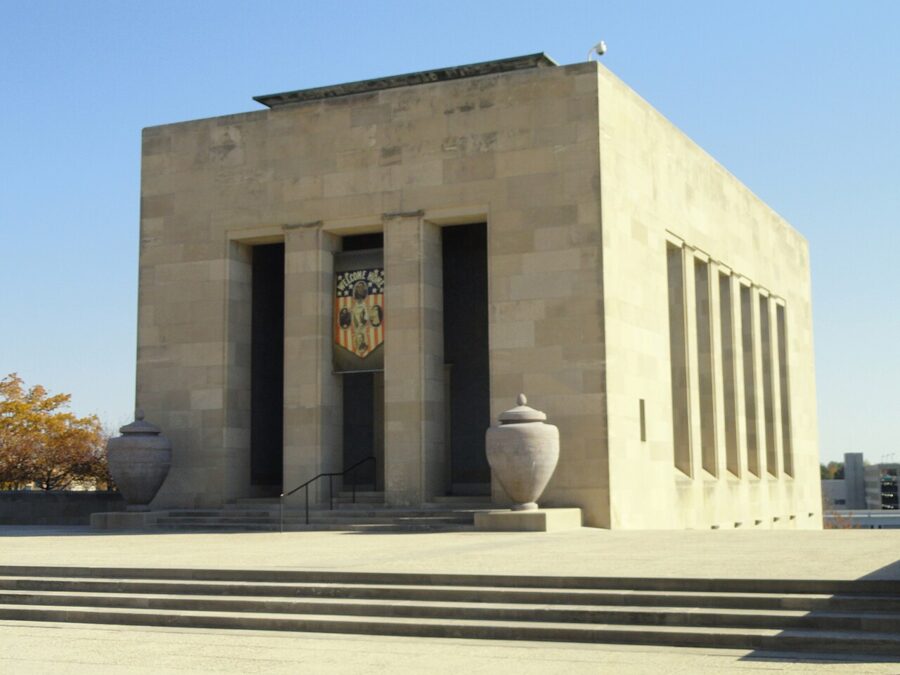
Hours are 10am to 5pm, closed Tuesdays from Labor Day to Memorial Day and open daily in summer. Allow three hours; the Over There Café serves lunch from 11am to 2pm.
Union Station and Science City
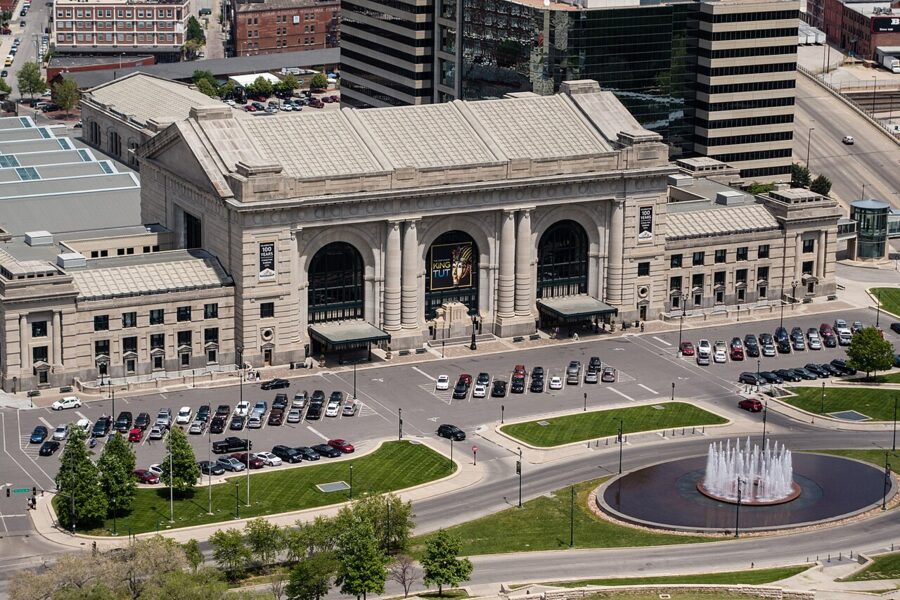
Union Station opened in 1914 as one of the biggest railroad stations in the country, nearly died after the trains dwindled, and was restored and reopened in 1999. The building is open from 6am to midnight and walking into the Grand Hall costs nothing. It holds an Amtrak waiting room, Science City, the Arvin Gottlieb Planetarium, restaurants and a touring-exhibit gallery.
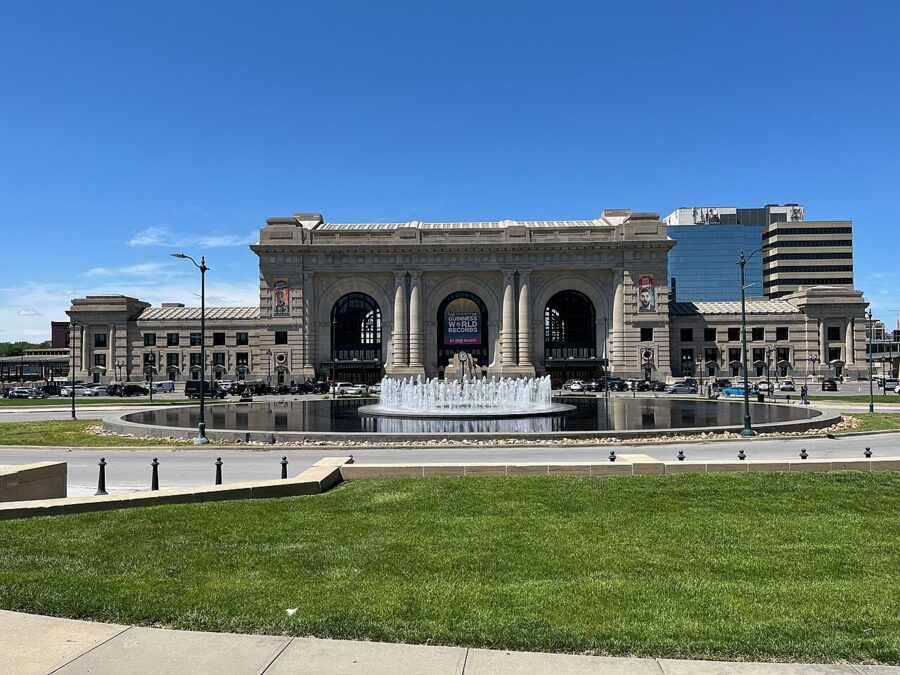

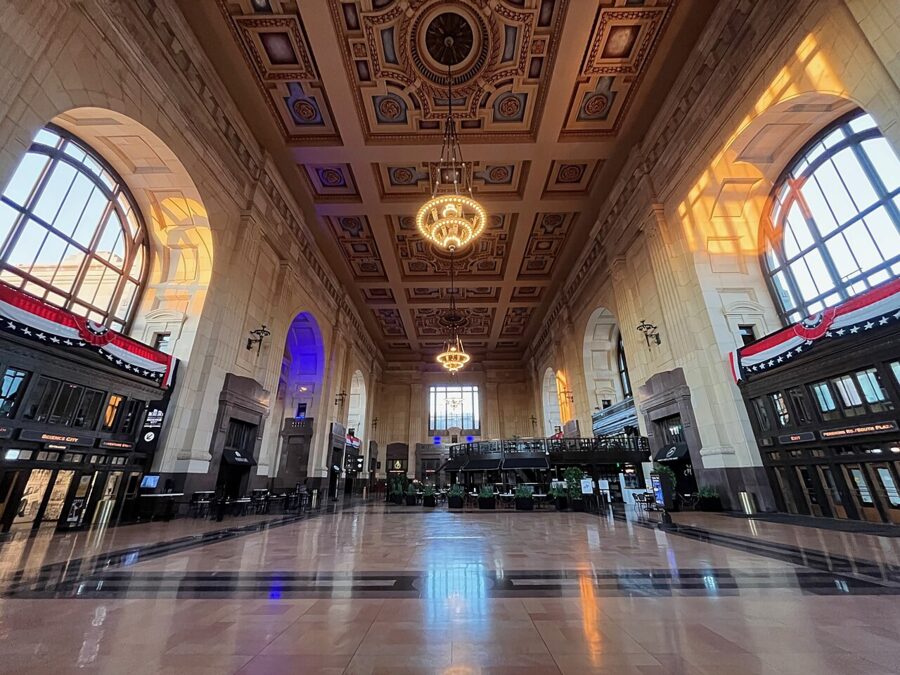

Science City, with more than 300 hands-on exhibits, is the draw for families, open 10am to 5pm. Science City, the planetarium and exhibitions are ticketed separately; check prices when you book. The touring exhibit through December 13, 2026, is “The Berlin Wall. A World Divided.”
The garage under the station is free for 30 minutes, $7 for up to four hours and $16 for four to eight hours, with event pricing on busy nights. Jack Stack’s Freight House barbecue is a short walk west, and an indoor walkway joins the station to Crown Center, with its shops, Sea Life aquarium and LEGOLAND Discovery Center.
18th and Vine: the Negro Leagues Baseball Museum and the American Jazz Museum
Two blocks from the museums, at the Paseo YMCA, Rube Foster founded the Negro National League in 1920. The 18th and Vine district around it was also the center of Black Kansas City and of Kansas City jazz, the hard-swinging, blues-based style of Count Basie’s band and the young Charlie Parker. Both stories now live in one building, the Museums at 18th and Vine, at 1616 East 18th Street.
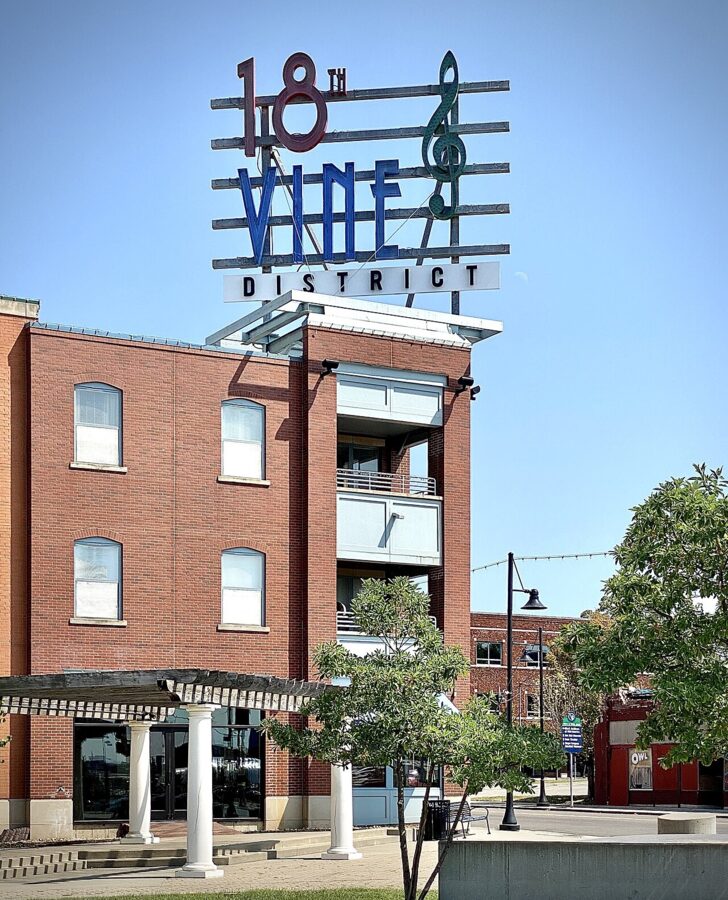

The Negro Leagues Baseball Museum is the one to prioritize. Founded in 1990 and long chaired by Buck O’Neil, it tells the leagues’ story in photographs, film and artifacts and ends at the Field of Legends, a diamond of bronze statues. Admission is $15 for adults, $12 for seniors and ages 5 to 12, $10 for veterans, and free for active military and under-5s.
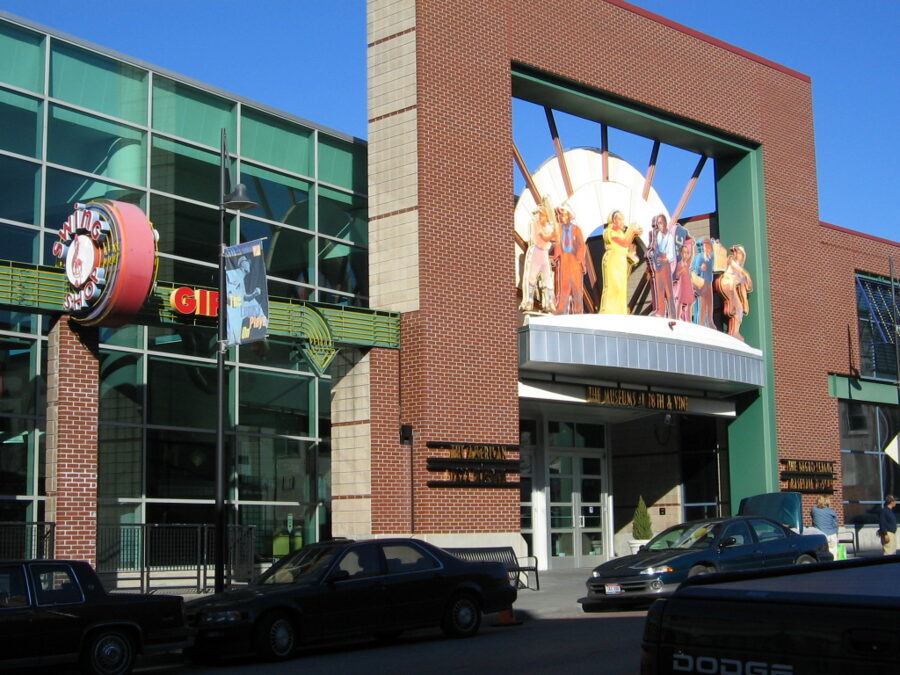

The American Jazz Museum costs $15 for adults, $12 for seniors and students and $10 for ages 6 to 18. It is raising $3.5 million for a restoration before its 30th anniversary in 2027, so expect some work in progress. Its real asset is the Blue Room, a working jazz club inside.
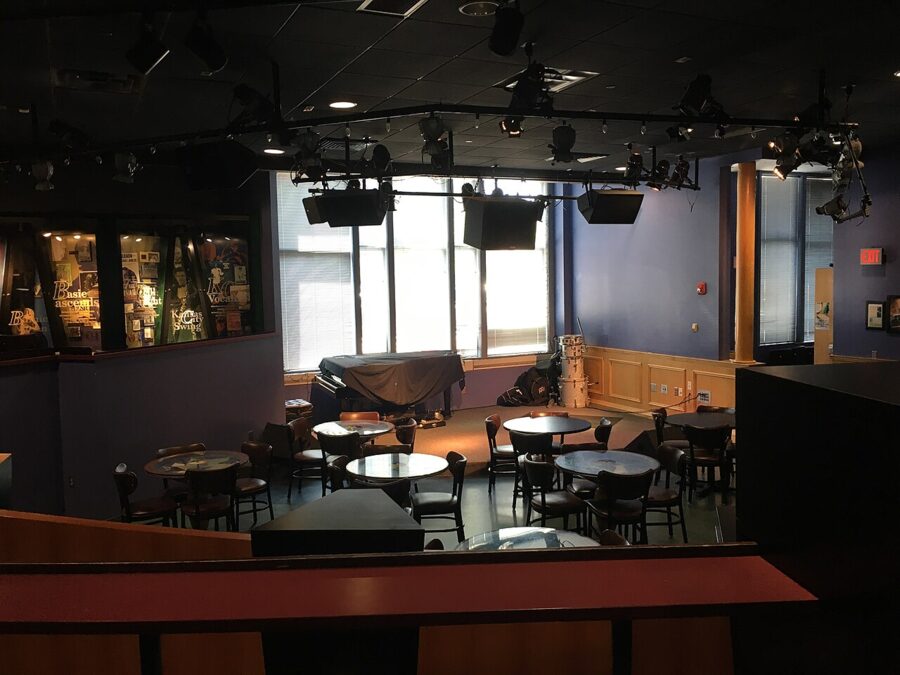

The Blue Room is open Monday 7pm to 10:30pm, Friday 5pm to 11pm and Saturday 7pm to 11pm. Arthur Bryant’s is a short drive away on Brooklyn Avenue.
Country Club Plaza
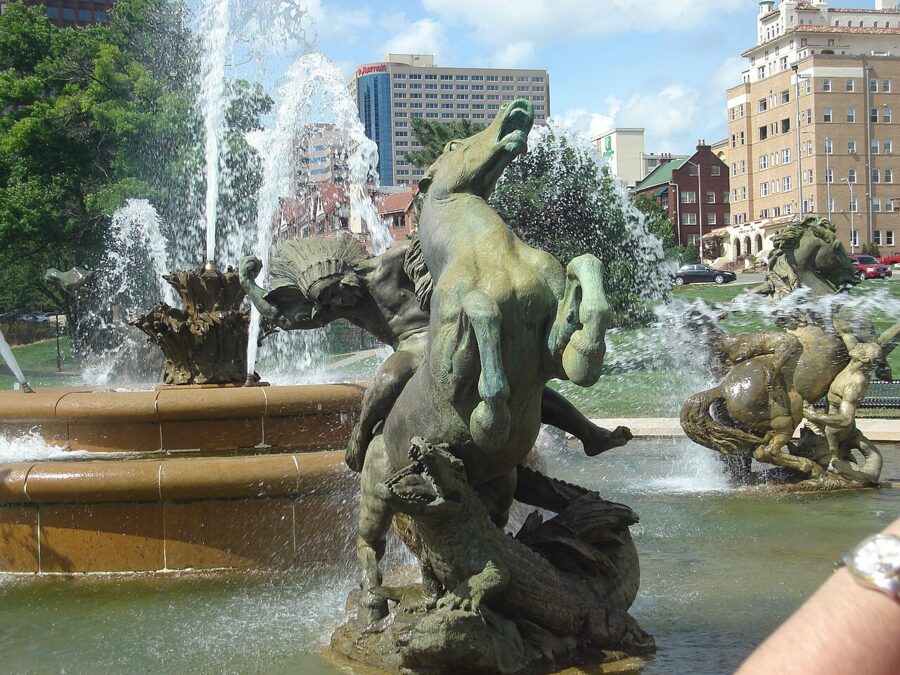
J.C. Nichols built the Country Club Plaza in the early 1920s as one of the first shopping districts designed around the car, with Spanish-style towers, tiled roofs and imported fountains. It covers 15 blocks along Brush Creek, a short walk south of the Nelson-Atkins. The shops are mostly national chains; the buildings and fountains are the reason to go.
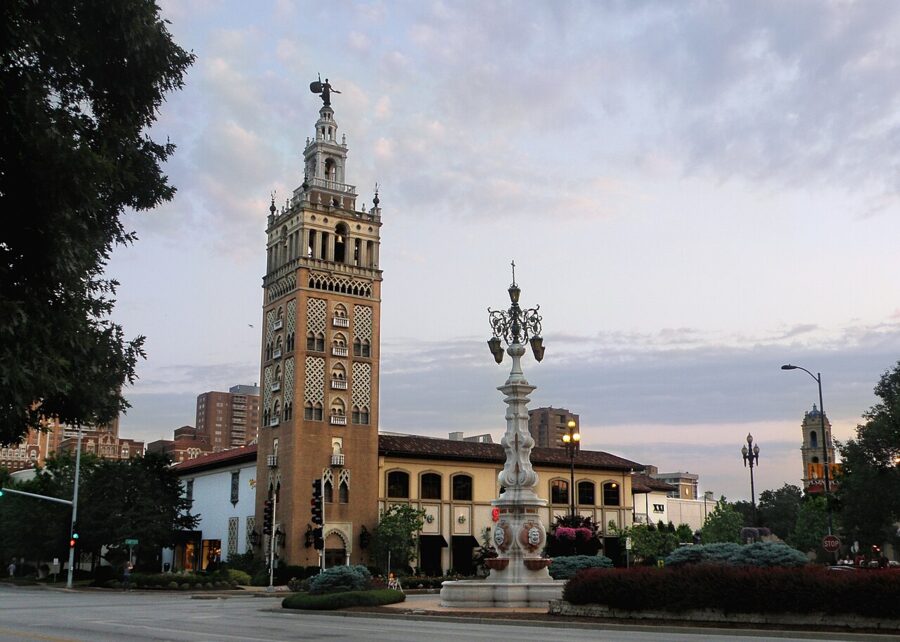

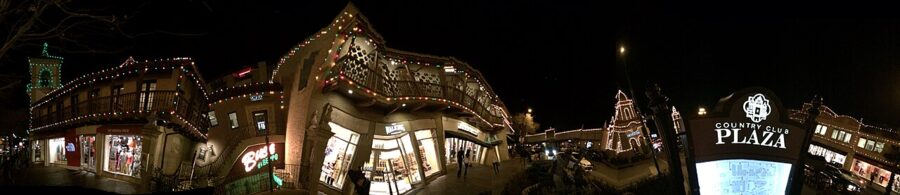
The Plaza Lights are its big night. The lighting ceremony is on Thanksgiving night, and the outlines of every building stay lit into early January. Expect crowds on the night and easy walking afterward.

The River Market, City Market and the Arabia
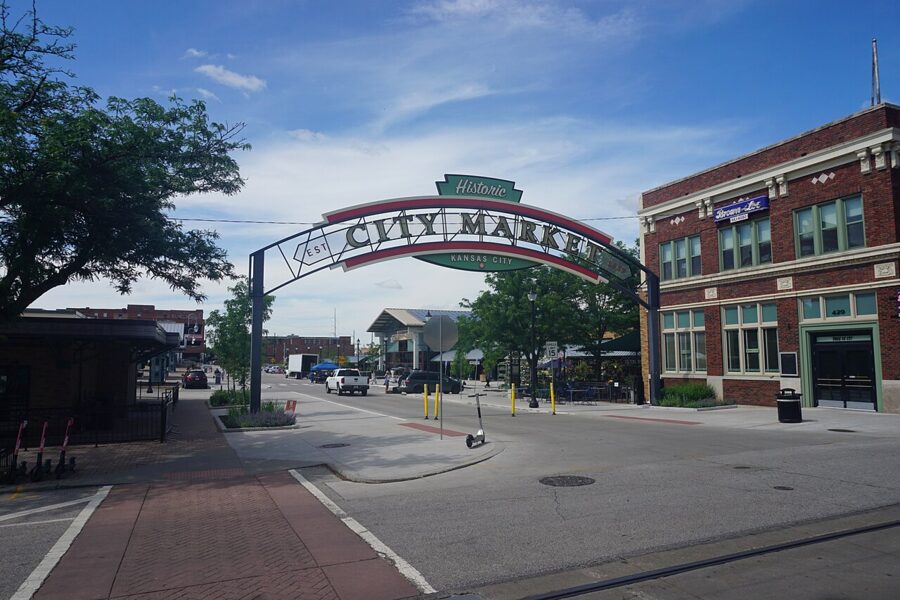
The River Market is the oldest part of the city, the riverbank where the Town of Kansas grew up. The City Market at 20 East 5th Street holds the region’s largest farmers market on Saturdays and Sundays, and its shops and restaurants are open all year.

Inside the market is the best small museum in town. The steamboat Arabia sank in the Missouri River in 1856 with about 200 tons of cargo bound for frontier stores; the river moved, and in 1988 a family of local diggers found her under a Kansas cornfield and pulled out the hull and the cargo. Dishes, boots, tools and preserved food fill the galleries, and you can watch the preservation lab at work.
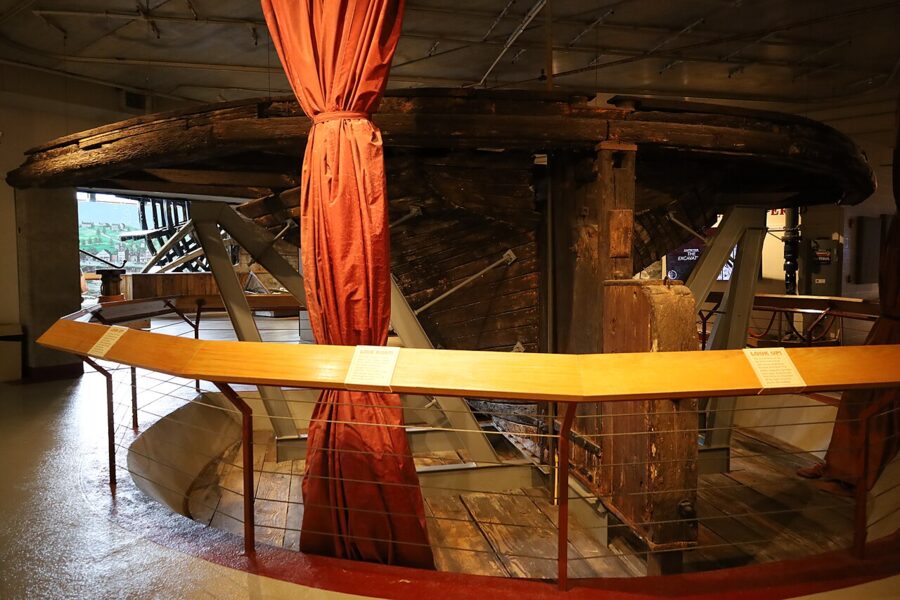

The Arabia Steamboat Museum is open Monday to Saturday 10am to 5pm and Sunday noon to 5pm, closed on major holidays. Admission is $16.50 for adults, $15.50 for those 60 and over, $6.50 for ages 4 to 14, and free for 3 and under. Allow an hour and a half.
Ride the streetcar end to end
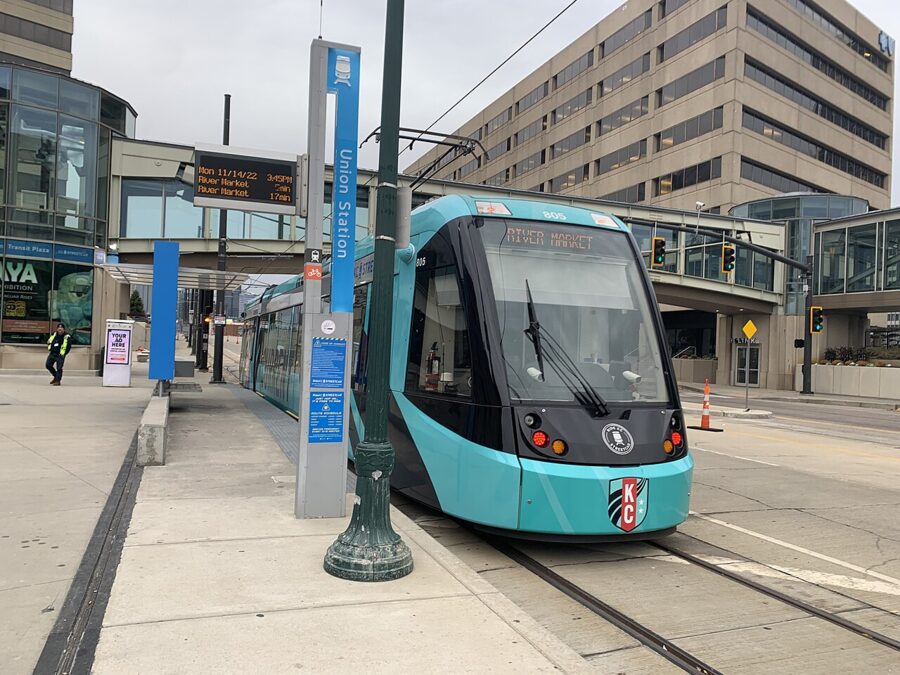
The KC Streetcar is free, and it is now long enough to be the main way a visitor gets around. The Main Street extension to UMKC opened on October 24, 2025, and the Riverfront extension to Berkley Riverfront Park opened on May 18, 2026. The line now runs about 6.5 miles from UMKC at 51st Street and Brookside Boulevard, through the Plaza, Midtown, Union Station, the Crossroads and downtown, to the River Market and the CPKC Pavilion stop on the riverfront.
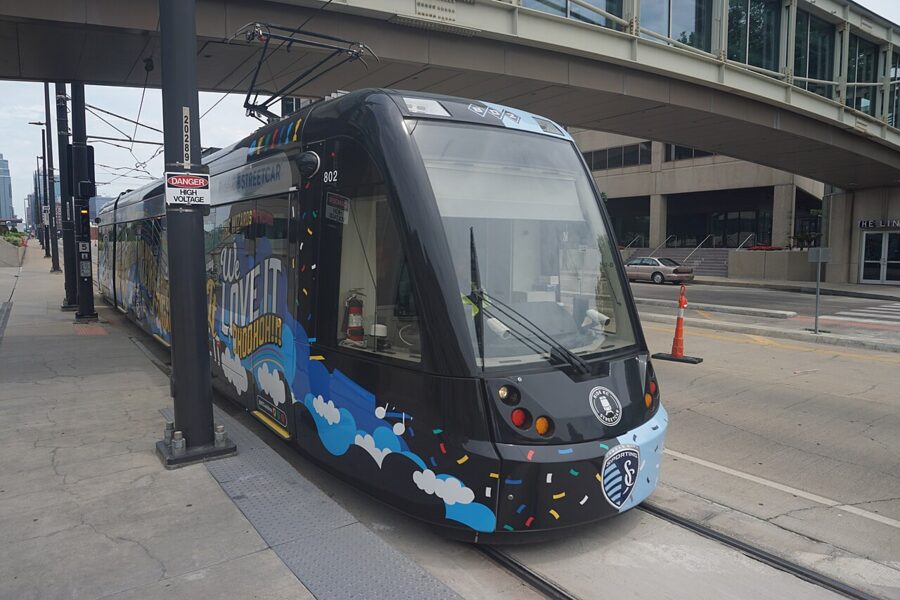

Service runs from 5am to midnight Sunday to Thursday and 5am to 1am on Friday and Saturday. Stops to know: the Plaza stop for the Plaza and the Nelson-Atkins, WWI Museum and Memorial (27th and Main) for the museum and the Money Museum, Union Station, Crossroads, Power and Light, and River Market. It does not reach 18th and Vine, the stadiums or the Kansas side.
Smaller museums, gardens and neighborhoods
The Money Museum
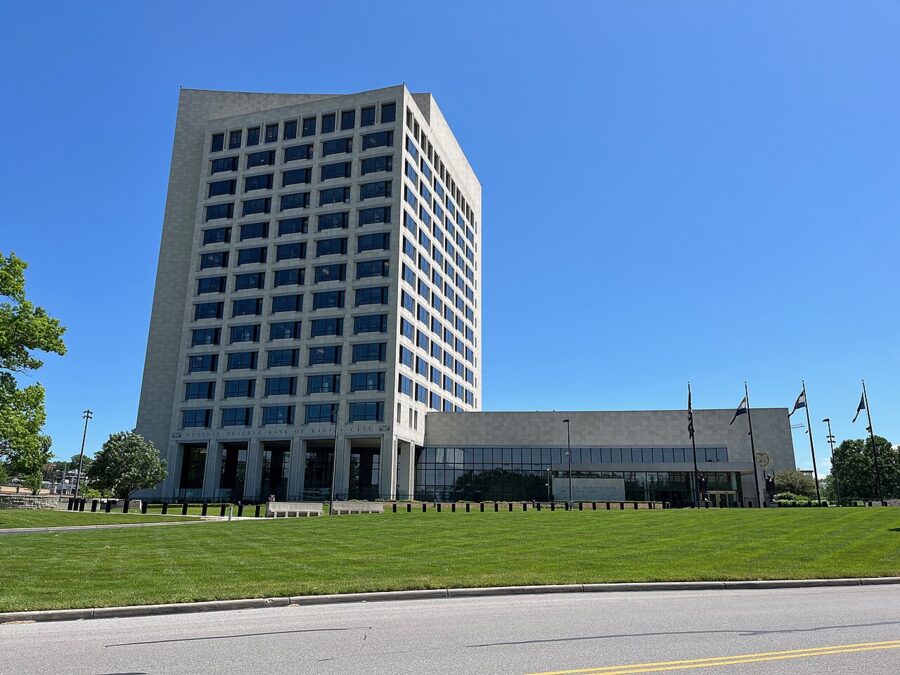
Inside the Federal Reserve Bank of Kansas City, across from the WWI museum, the Money Museum lets you lift a real gold bar, see the Harry S. Truman coin collection and watch the bank process millions of dollars in cash through the windows. It is free, open weekdays 9:30am to 4pm (last entry 3:30pm). Adults need photo ID, and there is airport-style screening.

The National Museum of Toys and Miniatures
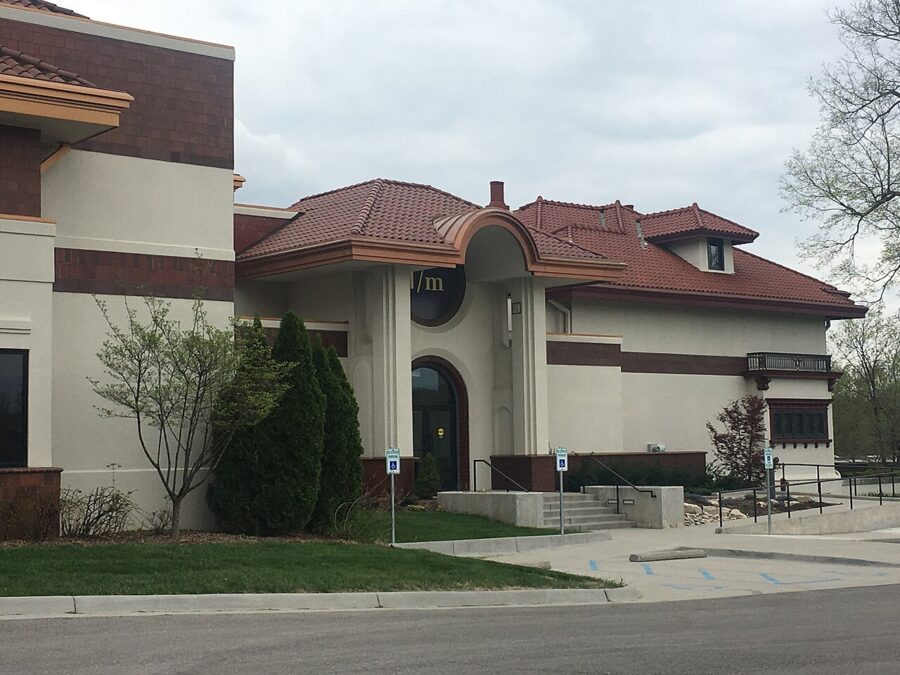
On the UMKC campus at 5235 Oak Street, this is the rainy-afternoon choice. The fine-scale miniatures, rooms and furniture at one-twelfth size, are astonishing even if you think you do not care. It is open 10am to 4pm, closed Tuesdays; admission is $12 for adults, $10 for 65 and over and $6 for ages 6 to 17, and the second Sunday of every month is free.

Kemper Museum of Contemporary Art
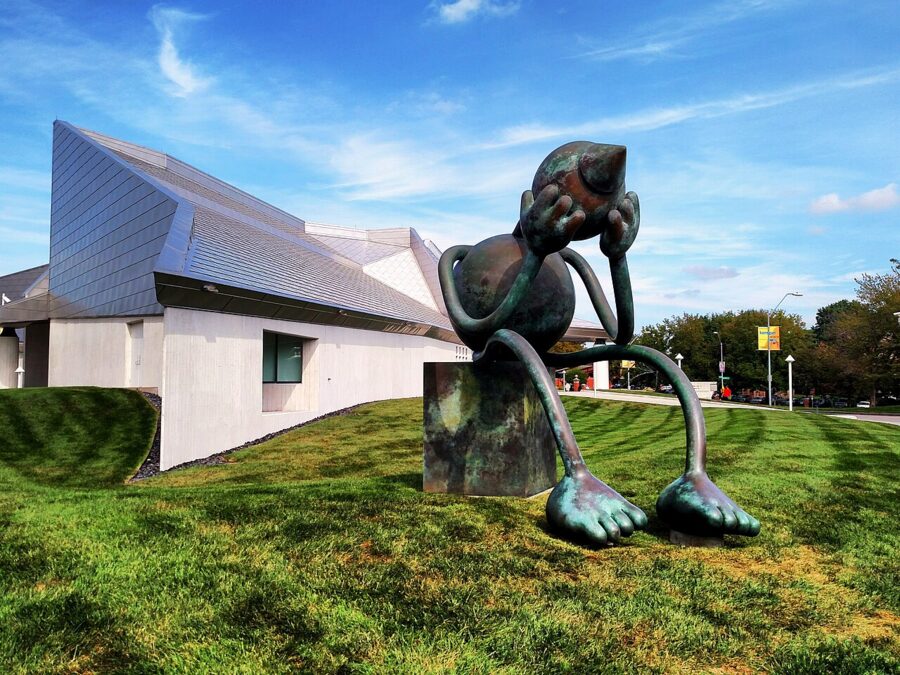
The Kemper, at 4420 Warwick Boulevard, is small and free, with free parking. It is open Wednesday 10am to 4pm, Thursday 10am to 9pm, and Friday to Sunday 10am to 4pm, closed Monday and Tuesday. Pair it with the Nelson-Atkins on a Thursday, when both stay open late.
Kauffman Memorial Garden and Loose Park
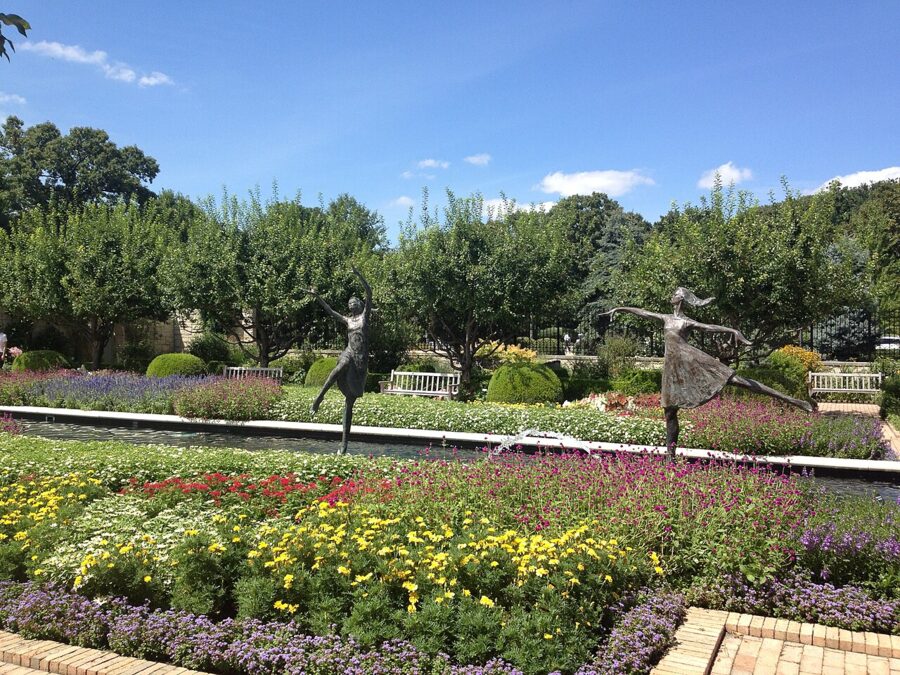
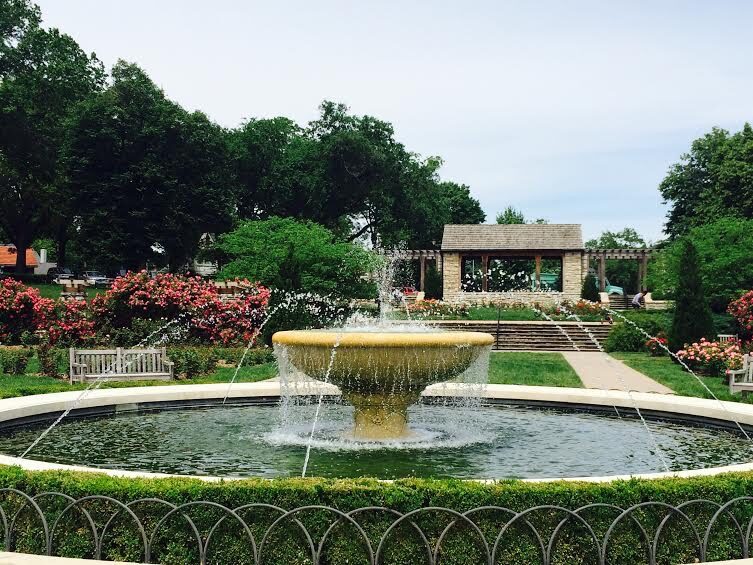
The Ewing and Muriel Kauffman Memorial Garden at 4800 Rockhill Road opened in 2000 and is free to enter and park at, open all year. It is a small walled garden of fountains, Tom Corbin bronzes and immaculate beds. Fifteen minutes is enough.

Loose Park, southwest of the Plaza, is the city’s favorite lawn, with a rose garden that peaks in late May and June and ground fought over in the 1864 Battle of Westport. Come for a picnic, not an attraction.

With children: the zoo and Worlds of Fun
The Kansas City Zoo and Aquarium in Swope Park is open daily from 9:30am to 4pm as of November 2026, closed on Thanksgiving. General admission is $22 to $24 online or $25 to $28 at the gate, depending on the day, and residents of Jackson and Clay counties pay about half with a ZIP code check. The Sobela Ocean Aquarium is on the same grounds.
Worlds of Fun, the big roller-coaster park north of the river, is seasonal: its 2026 season opened on April 25, its Oceans of Fun water park on May 23, and Halloween Haunt began on September 29. In winter, skip both and take children to Science City and the Toy and Miniature Museum instead.
The Crossroads, the West Bottoms and Westport
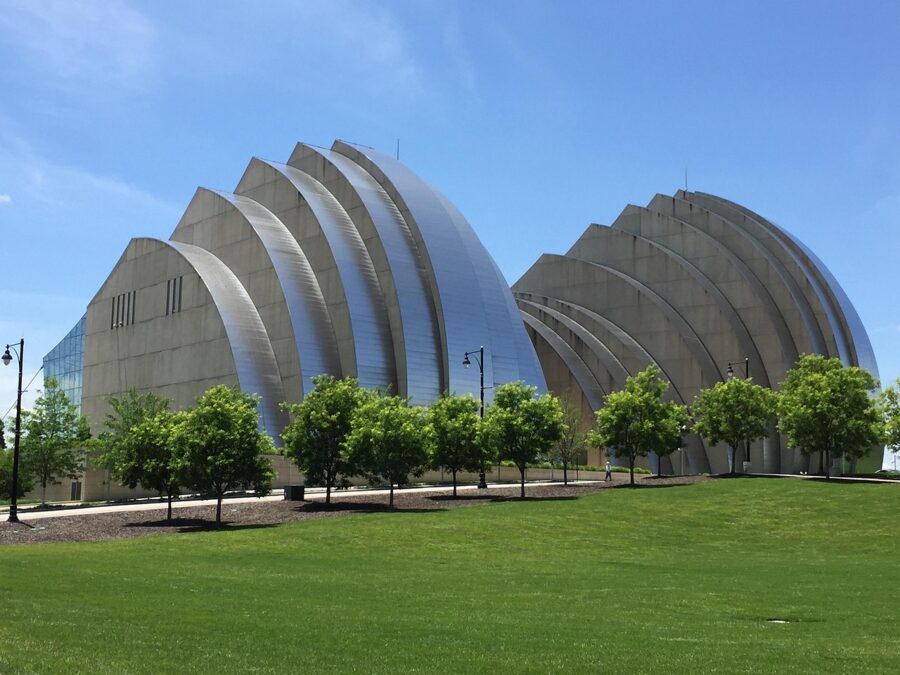
The Crossroads Arts District, south of downtown between the Power and Light District and Union Station, is warehouses turned into galleries, studios, bars and restaurants. On the first Friday of every month the galleries open into the evening and food trucks fill the streets. The Kauffman Center for the Performing Arts, home of the Kansas City Symphony and Kansas City Ballet, sits at its north edge.
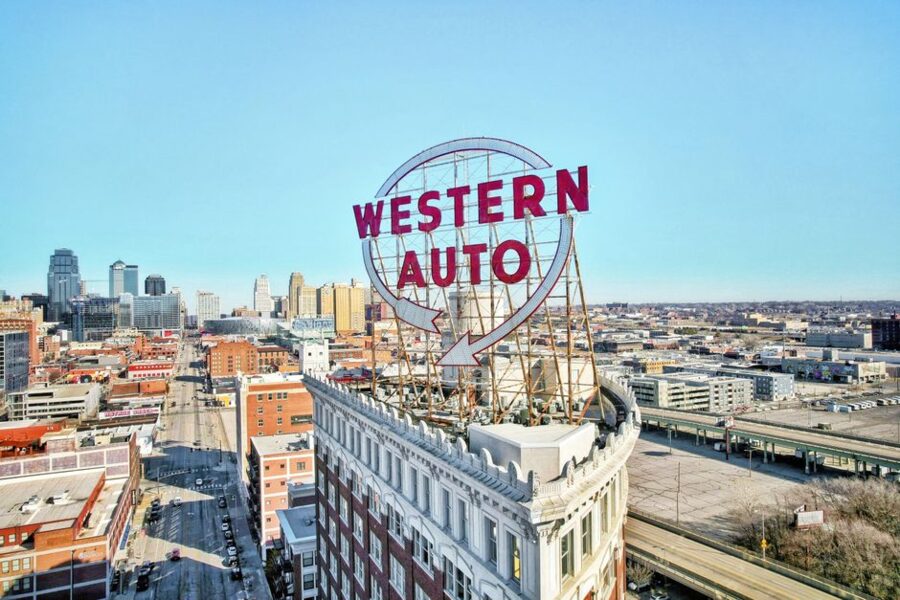
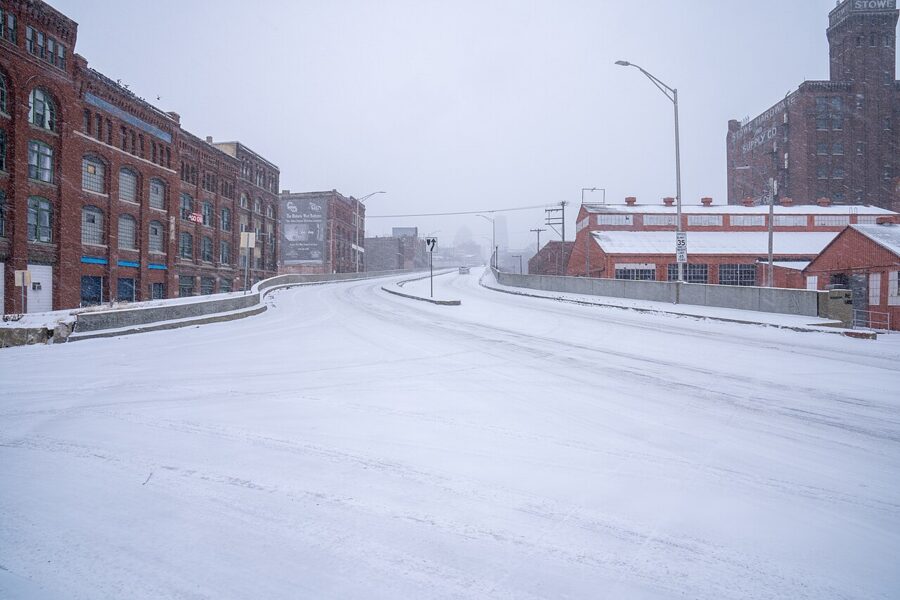
The West Bottoms, the old stockyards district in the river flats under the bluffs, comes alive on the first weekend of each month, when the antique and vintage dealers in its brick warehouses open their doors. Most are closed the rest of the month. Westport, the old Santa Fe Trail trading town, is now the main bar district, loud on weekend nights.
Boulevard Brewing
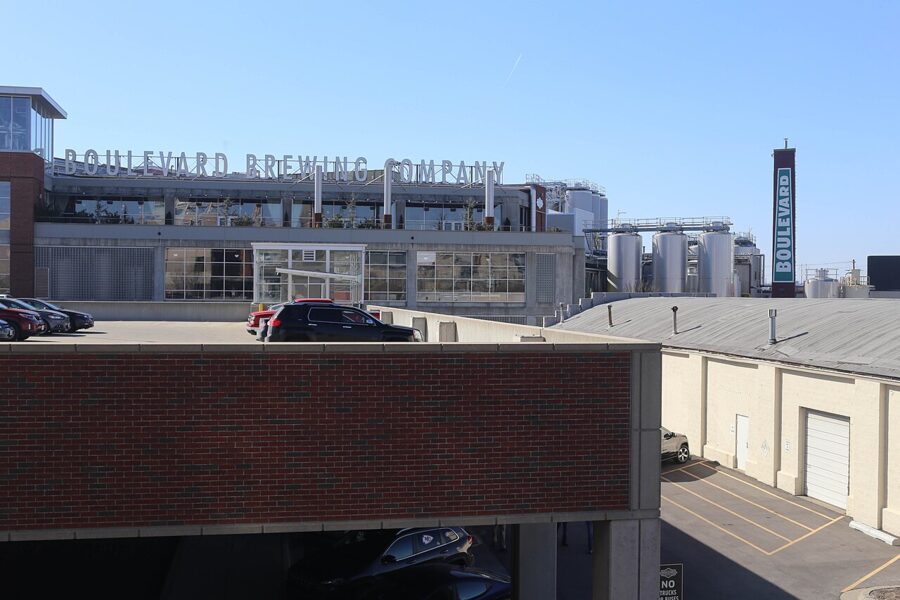
Boulevard is the city’s big brewery, on Southwest Boulevard west of the Crossroads. The daily public tour lasts an hour, ends with samples and costs $10 to $15 plus fees; it starts at 2501 Southwest Boulevard, and tickets are released weekly. The Beer Hall at 2534 Madison Avenue is open Monday to Thursday noon to 9pm, Friday and Saturday 11am to 10pm, and Sunday 10am to 7pm.

Barbecue, properly
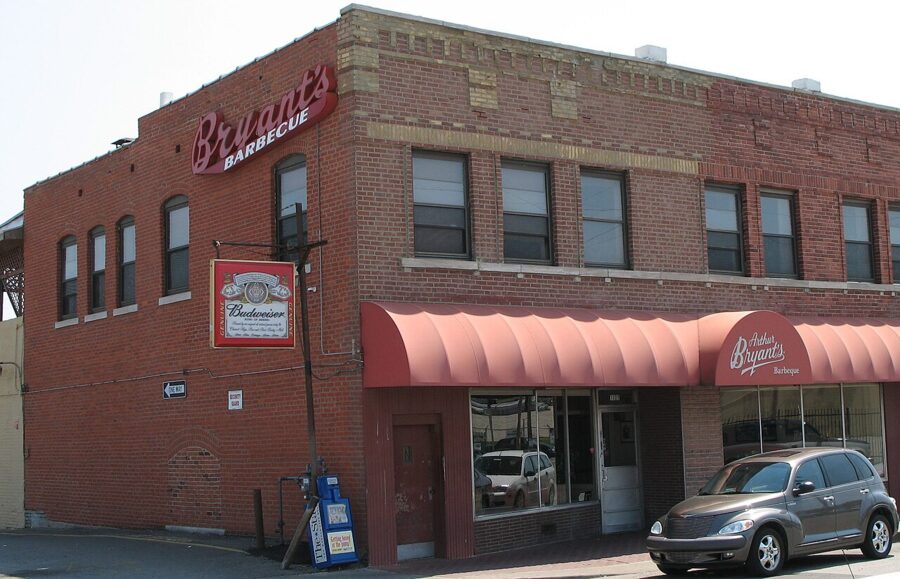
Kansas City barbecue began with Henry Perry, who sold smoked meat wrapped in newspaper from a stand in the early 1900s and is still called the father of the city’s barbecue. His restaurant passed to Charlie Bryant and then to his brother Arthur, and Arthur Bryant’s became the place every visiting president had to try. The Gates family opened in 1946, and Ollie Gates and Arthur Bryant went into the Barbecue Hall of Fame together in 2021.

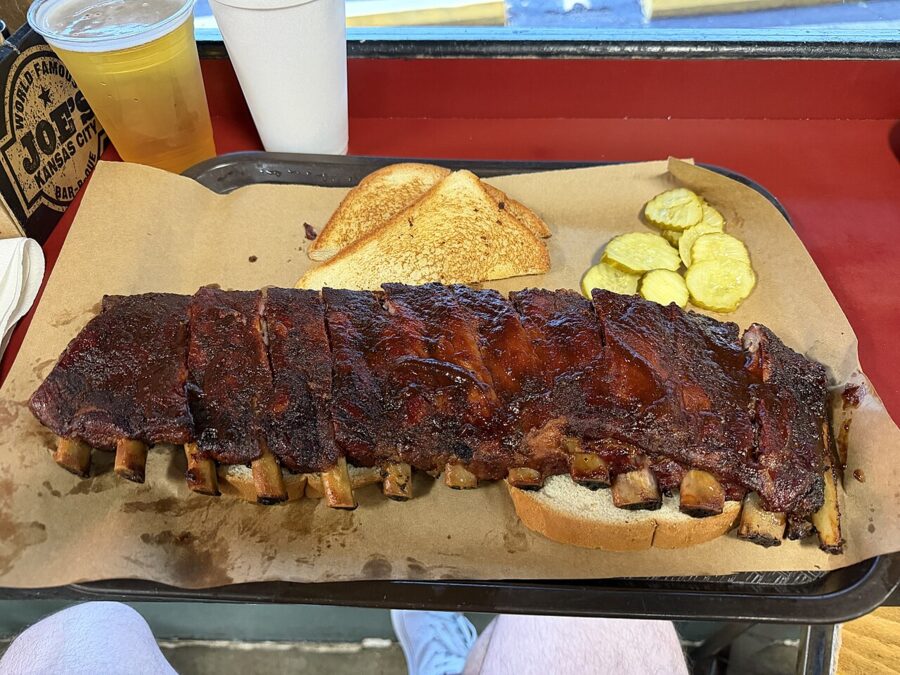
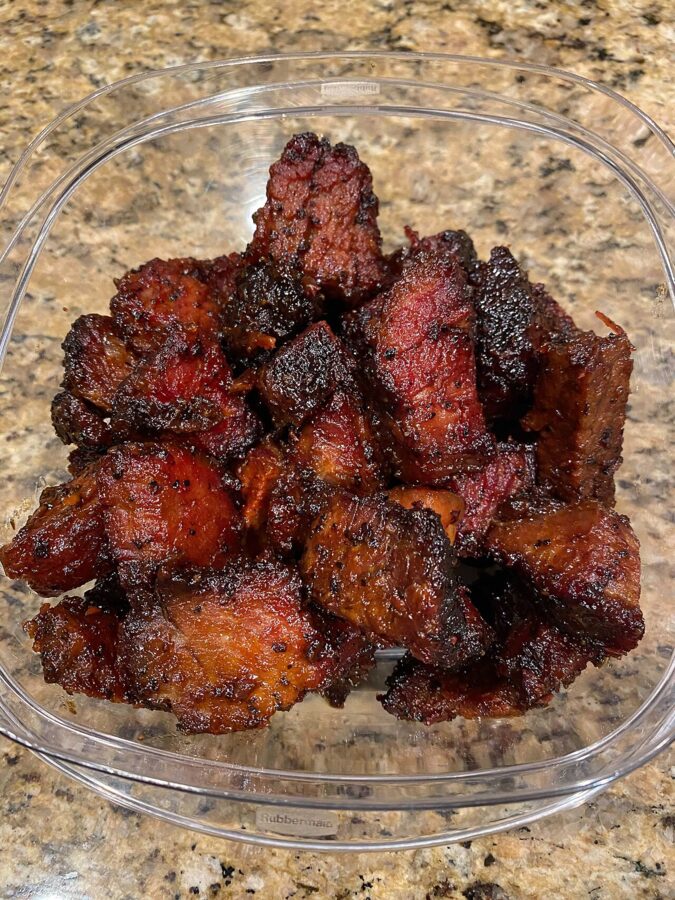
The Kansas City style is less a rule than a habit. Almost anything gets smoked over hickory, from beef brisket and pork ribs to chicken, turkey, ham and sausage, and the sauce is thick, tomato-based and on the sweet side, though Bryant’s original sauce is grittier and tangier and Gates’ is peppery. The local specialty is burnt ends, the crusty, fatty pieces from the point end of a brisket that counters once handed out for free and now charge for.

Where to eat it:
- Arthur Bryant’s, 1727 Brooklyn Avenue, near 18th and Vine. Go for the history, the beef and the original sauce; its own site lists daily hours.
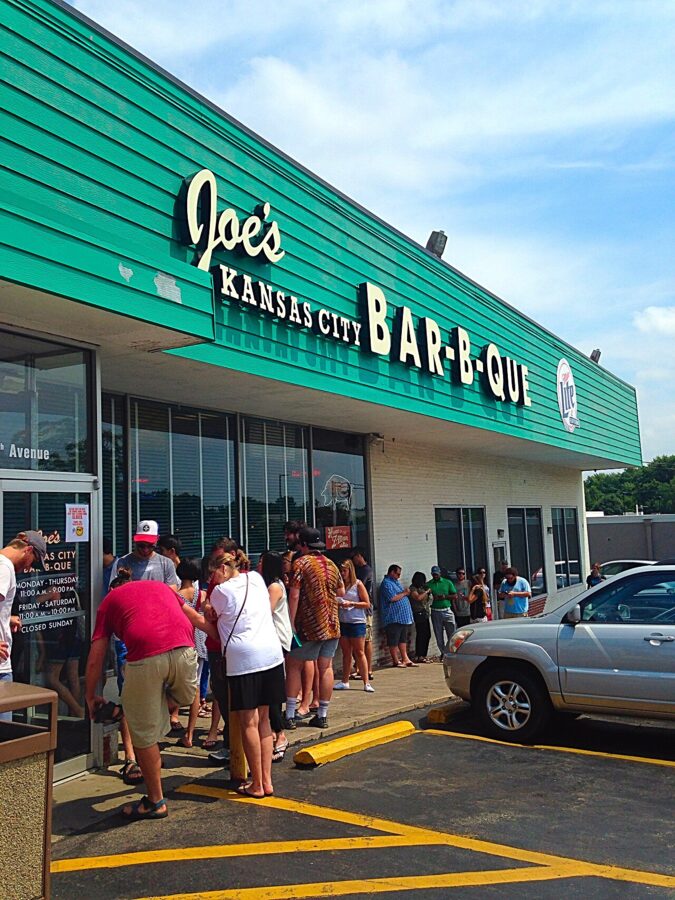
- Joe’s Kansas City Bar-B-Que, in the gas station at 47th Avenue and Mission Road on the Kansas side. The Z-Man (brisket, provolone and onion rings on a kaiser roll) is the order. It opens at 11am and closes on Sundays.
- Fiorella’s Jack Stack, with the Freight House by Union Station the handiest of its locations. The best choice for a sit-down dinner with a group.
- Q39, 1000 West 39th Street in Midtown. Competition-style barbecue, open from 11am daily.
- LC’s Bar-B-Q, 5800 Blue Parkway, near the stadiums. A smoky one-location joint known for its chicken and burnt ends.
- Gates Bar-B-Q, several locations. Expect a shouted “Hi, may I help you?” as you walk in.

The American Royal World Series of Barbecue, the big competition, ran from September 30 to October 4 in 2026. Want a gift to take home? A bottle of sauce from the place you liked best travels well.
Where else to eat and drink
A weekend of nothing but smoked meat gets heavy. A short list by kind of meal:
- Late night or breakfast: Town Topic, the tiny burger counter that opened in 1937; the 20th and Broadway diner in the Crossroads runs around the clock.
- Lunch near the museums: the Over There Café inside the WWI museum, 11am to 2pm outside summer; and the City Market’s food stalls around the farmers market on weekends.
- Beer: the Boulevard Beer Hall, with the brewery’s full range on tap and a view over the brewhouse.
- Live jazz: the Blue Room at 18th and Vine; The Phoenix downtown, Tuesday to Sunday with a Sunday jazz brunch; the Majestic’s cellar at 931 Broadway, with live jazz five nights a week; and the Black Dolphin in the Crossroads, Wednesday to Sunday.
The Green Lady Lounge on Grand Boulevard, the club most guides send you to, was listed by Visit KC as temporarily closed in November 2026.
The Chiefs and the Royals
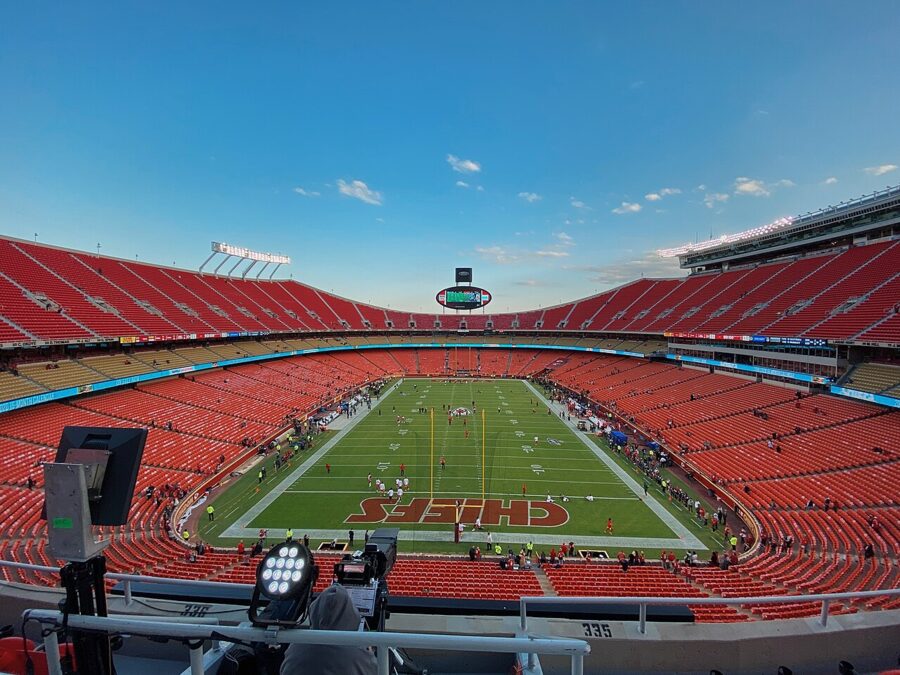
Both of Kansas City’s big teams are about to move. The Chiefs announced in December 2025 that they will leave Arrowhead Stadium for a new domed stadium in Kansas City, Kansas, near the Kansas Speedway and the Legends shopping district, targeted for the 2031 season. Until then they play at Arrowhead, which dropped its GEHA Field naming-rights title in August 2026 and is simply Arrowhead Stadium again.

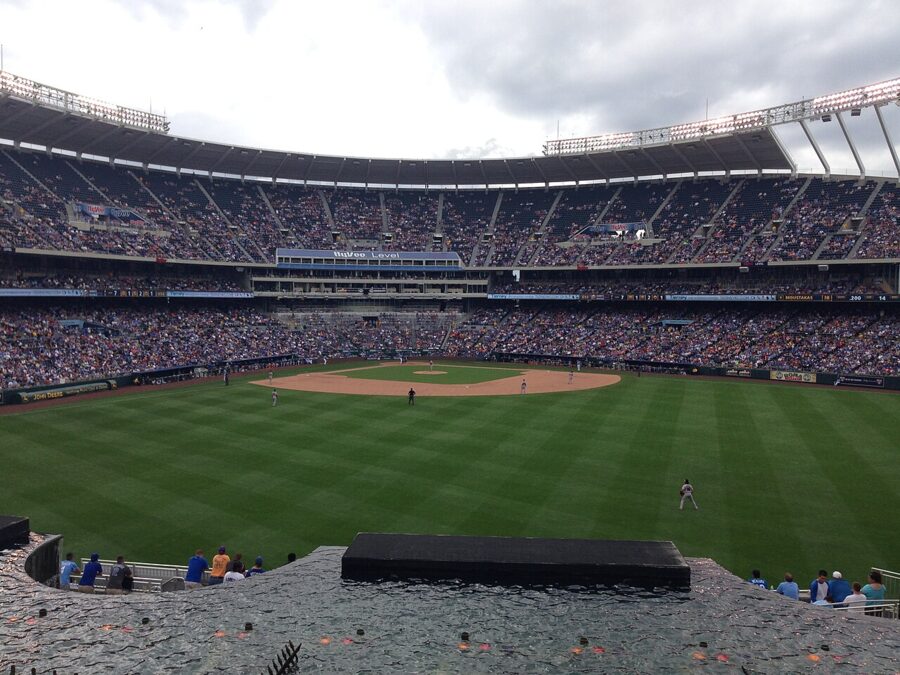
The Royals play next door at Kauffman Stadium, the 1973 ballpark with the fountains and waterfall beyond the outfield wall. On April 22, 2026, the team announced a $1.9 billion downtown ballpark at Crown Center, just south of Union Station, as part of a $3 billion project with Hallmark Cards, to replace Kauffman when the lease at the Truman Sports Complex runs out around 2031. For now a Royals game is one of the cheapest good nights out in town.

Both stadiums sit together at the Truman Sports Complex off I-70, about 15 minutes’ drive east of downtown.
When to go, and what is on
Spring and fall are the best times. National Weather Service normals put July highs at 87 to 89°F with lows near 68°F, and January highs at 38 to 40°F with lows around 20°F; average winter snowfall is about 19 inches. Summer humidity makes afternoon walking hard work.
Crowds follow events rather than seasons. A Chiefs home weekend or a big convention can fill downtown hotels, so check schedules before you book.

The festivals, by month, with the dates they ran in 2026 (most repeat at about the same time each year):
| Month | What |
|---|---|
| Every month | First Fridays in the Crossroads; First Weekends in the West Bottoms |
| January | Kansas City Restaurant Week (Jan. 9 to 18 in 2026) |
| March | St. Patrick’s Day parade through Midtown to Westport (Mar. 17); Big 12 basketball tournaments |
| April | Fountain Day, when the 48 city fountains switch on (Apr. 15); Worlds of Fun opens for the season |
| May | Jazz Walk of Fame at 18th and Vine (May 23); Celebration at the Station at Union Station (May 24) |
| June and July | Heart of America Shakespeare Festival (June 16 to July 5); KC Fringe Festival (July 16 to 26); the Lawn Party at the Nelson-Atkins (July 19) |
| August | Ethnic Enrichment Festival (Aug. 21 to 23); Spotlight Charlie Parker (Aug. 29) |
| September | Irish Fest at Crown Center (Sept. 4 to 6); Plaza Art Fair (Sept. 25 to 27); Renaissance Festival weekends on the Kansas side |
| October | American Royal World Series of Barbecue (Sept. 30 to Oct. 4); Kansas City Marathon (Oct. 17) |
| November | Buck O’Neil’s birthday celebration at the Negro Leagues museum (Nov. 14); Plaza Lighting Ceremony (Thanksgiving) |
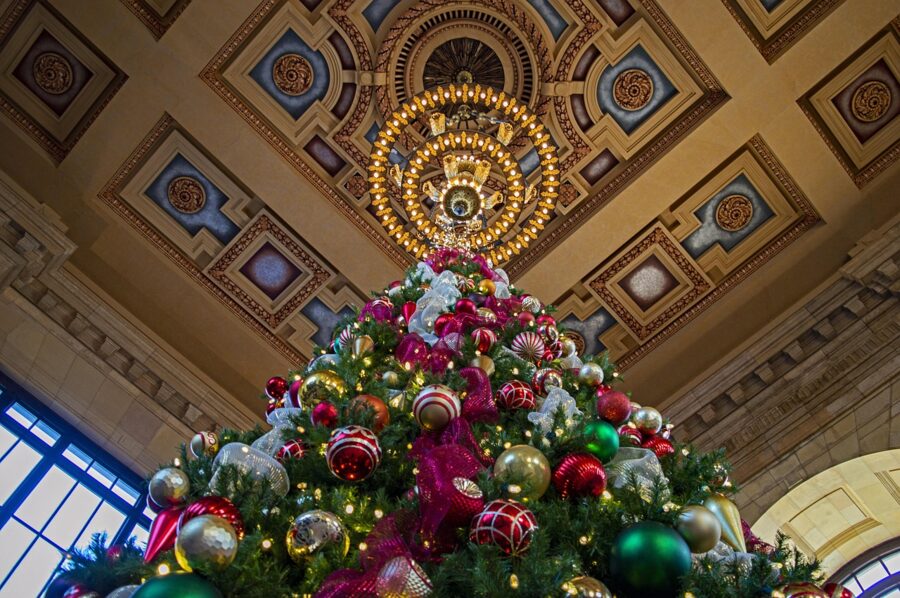
| December | Holiday displays at Union Station and Crown Center; The Nutcracker at the Kauffman Center |
Is there anything going on this weekend? On the first Friday or first weekend of any month, yes; otherwise check the Visit KC events calendar for the week you are there.
How many days, and a two-day plan
Two full days covers the essentials and three is comfortable. Check closed days first: the Nelson-Atkins shuts Tuesday and Wednesday, the WWI museum Tuesday outside summer, and the 18th and Vine museums Monday.
Day one (a Thursday or Friday). The WWI museum at 10am, tower first, then lunch at Union Station or Jack Stack’s Freight House. Ride the streetcar to the Plaza, walk it, and spend the evening at the Nelson-Atkins, open until 9pm. Dinner at Q39.
Day two. Morning at the City Market and the Arabia, then drive to 18th and Vine for both museums and a late lunch at Arthur Bryant’s. End with a set at the Blue Room or The Phoenix.
Day three, if you have it. Joe’s for lunch (not on a Sunday), the Toy and Miniature Museum or the Kemper, and a Royals or Chiefs game in season.
Getting around, parking and practical notes
Stay near the streetcar line, downtown, in the Crossroads or by Union Station, and use rideshares for the rest. A rental car helps for the stadiums and the Kansas side, and parking is easy: the WWI museum, Money Museum, Kemper and Toy museum have free lots.
Bus fares returned on June 1, 2026: RideKC charges $2 a ride and $4 for a day pass, capped daily, and takes no cash on board; use the RideKCGO app or a contactless card.

Keep bags out of sight in parked cars, as in any city. And save a Monday or Tuesday for the Arabia, the Money Museum, Union Station and a streetcar ride, which are all open.