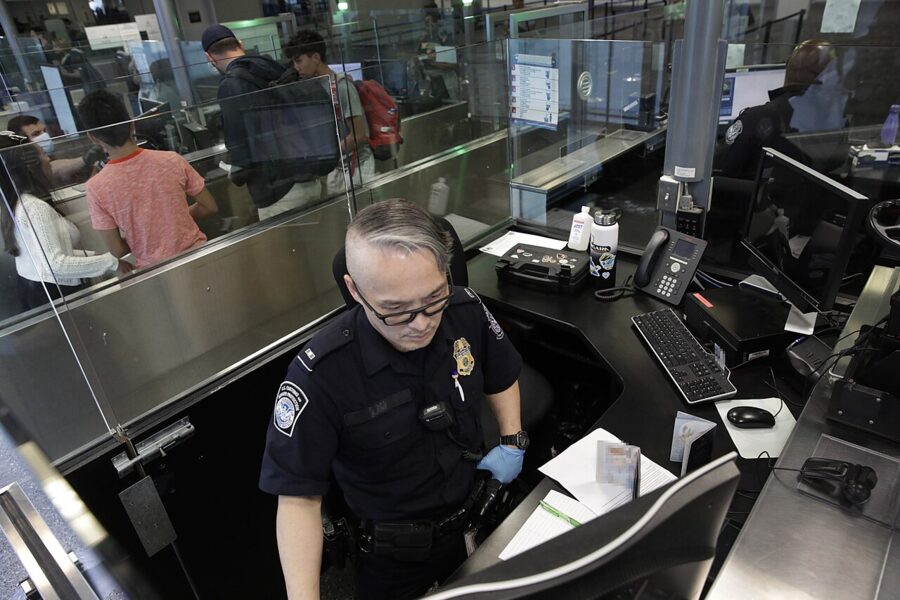
There is no limit on how much cash you can carry on a plane, on a domestic flight or an international one. The only number in US law is a reporting line: if you carry more than $10,000 into or out of the United States, you file a free form, FinCEN 105, with US Customs and Border Protection (CBP), and that is the whole obligation as of November 2026.
On a flight between two US airports there is nothing to file at any amount. What there is, with a large sum, is a chance that a screener calls the police and someone tries to seize it under civil forfeiture. That risk is real, varies by airport and is mostly managed with paperwork you can gather in ten minutes.
Abroad, the lines sit at almost the same number but work differently. The UK asks you to declare £10,000 (about $13,100) or more, the EU €10,000 (about $11,000) or more per person, Canada C$10,000 (about $7,000) or more, and Mexico anything over US$10,000. None of them caps what you can bring; all of them can take the money if you stay quiet about it.
On this page
The ,000 rule, word by word
The rule lives in the Bank Secrecy Act, at 31 U.S.C. 5316. It applies to anyone who carries, mails or ships monetary instruments of more than $10,000 at one time from a place in the US to or through a place outside it, or the other way round.
“More than” means exactly $10,000 needs no form under the statute, though CBP’s own press releases often say “$10,000 or greater”, so file at $10,000 anyway. “At one time” means a single crossing. And “through” means a trip that connects in a foreign airport counts, even if both ends are in the US.
The form is a report, not a tax or a permit. USA.gov’s travel money page, updated November 13, 2025, says there is no limit to the amount of money you can travel with, and CBP has said none of the currency reported is taxed.
What counts as cash
CBP’s list, last updated November 24, 2025, covers US and foreign coins and currency, traveler’s checks in any form, and negotiable instruments such as checks, promissory notes and money orders when they are in bearer form or otherwise transferable. A check or money order made payable to a named person that has not been endorsed is generally not counted.
Families and groups
The US answer here is the strict one. CBP says the $10,000 threshold applies to the total a family or group traveling together is carrying, not to each person. Four relatives with $4,000 each are carrying $16,000, and the family needs to file.
How to file FinCEN 105
CBP recommends filing electronically through the FinCEN Form 105 website before you travel. You can also print the paper form and hand it to a CBP officer, or ask for a copy at the airport. If you use the Mobile Passport Control app on arrival, CBP says you can submit the report there as part of your declaration.
Arriving travelers also answer the currency question on CBP’s customs declaration, Form 6059B, so the two go together. Leaving the country, file before departure; there is no customs booth on the way out.
What happens if you don’t report it
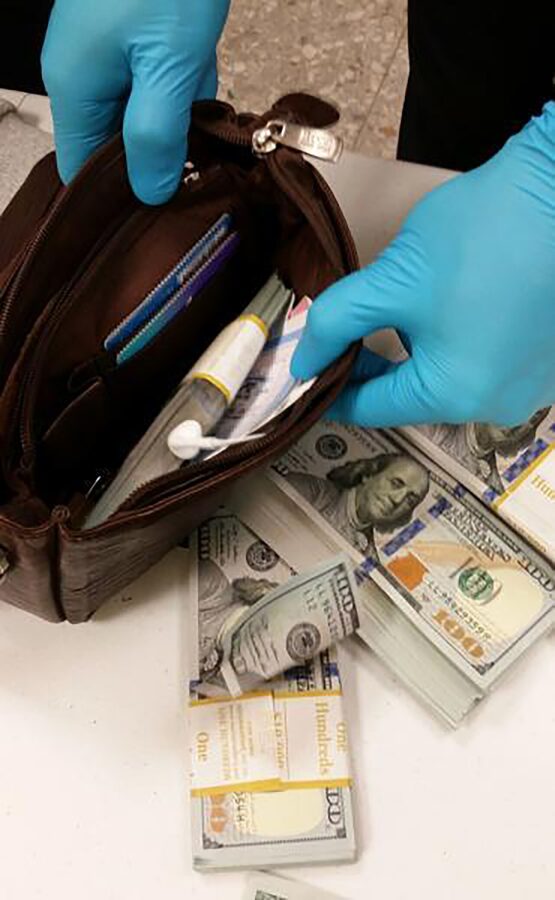
CBP says currency that should have been reported, or was reported falsely, can be seized and forfeited, and the traveler can face civil or criminal penalties. USA.gov lists the outer limits: confiscation of all the currency, a fine of up to $500,000 and up to 10 years in prison.
Two other federal crimes sit next to the rule. Hiding more than $10,000 in luggage or on your body to dodge the report is bulk cash smuggling, with up to five years in prison. Splitting a sum across trips or travelers to stay under the line is structuring, punished the same way.
Domestic flights: nothing to file, still something to manage
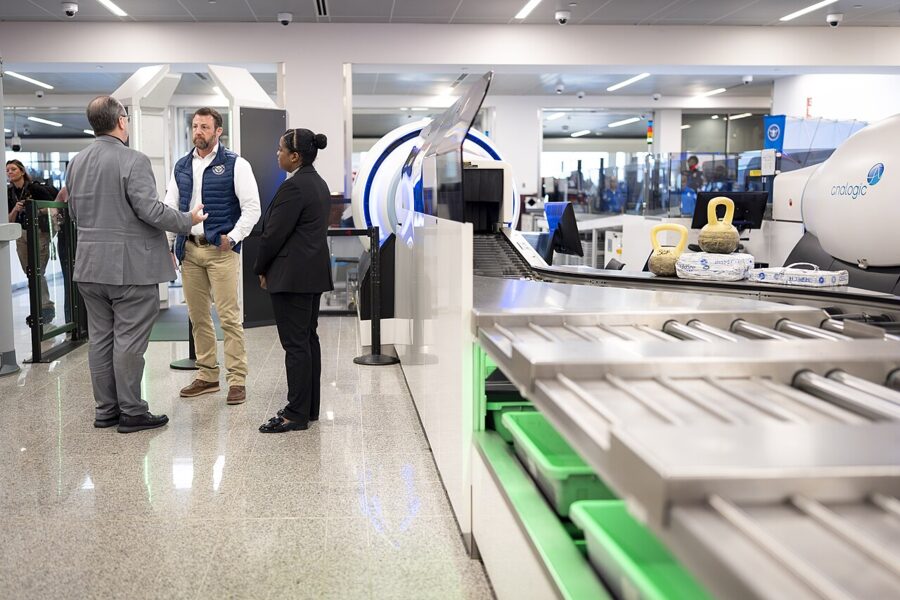
The TSA’s management directive on screening, MD 100.4 (signed January 25, 2012, and the version TSA publishes in its reading room), says “Traveling with large amounts of currency is not illegal.” It also says there should generally be no reason for screeners to ask about it.
The same paragraph explains when they do. A thick block of notes can hide something on the X-ray, so it may need clearing. If the cash looks connected to crime, TSA reports it, and the directive names the factors: the quantity, the packaging, how it was found and how it was carried, including concealment.
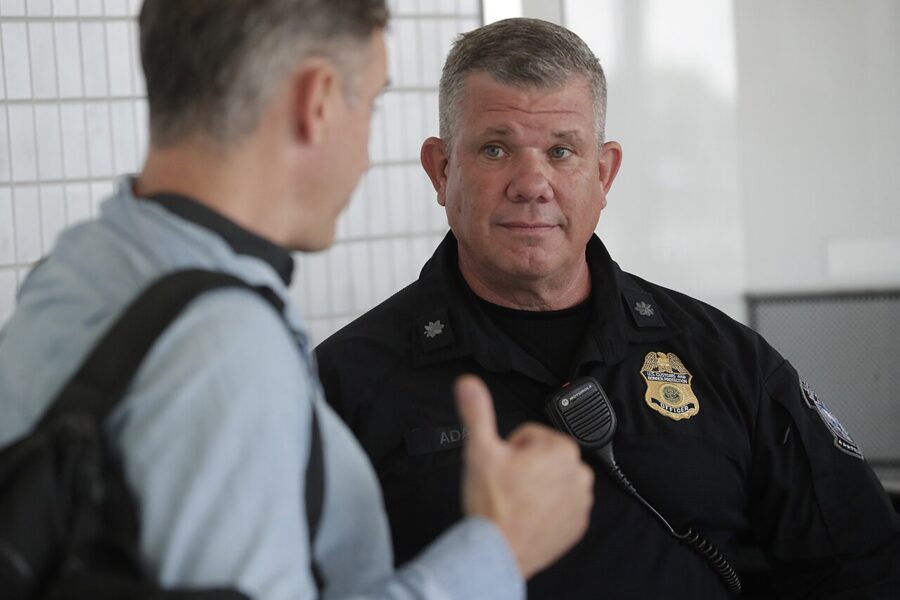
TSA officers cannot seize your money themselves; they hand it to local police, a federal task force or, on international flights, CBP. Under the directive you may be asked to wait for law enforcement, but you are free to leave the checkpoint once your screening is finished. TSA also says you can ask for private screening at any point, with a witness of your choice.
Civil forfeiture, in plain terms
Civil forfeiture lets an agency take property it believes is connected to crime without charging the owner with anything. The legal case is against the money, and getting it back means filing a claim.
The scale is not small. The Justice Department’s inspector general reported in March 2017 that the DEA accounted for 80 percent of the department’s cash seizures in fiscal years 2007 through 2016, and that 81 percent of the DEA seizures ending in forfeiture were forfeited administratively, about $3.2 billion. Administrative forfeiture is what happens when nobody files a claim in time.
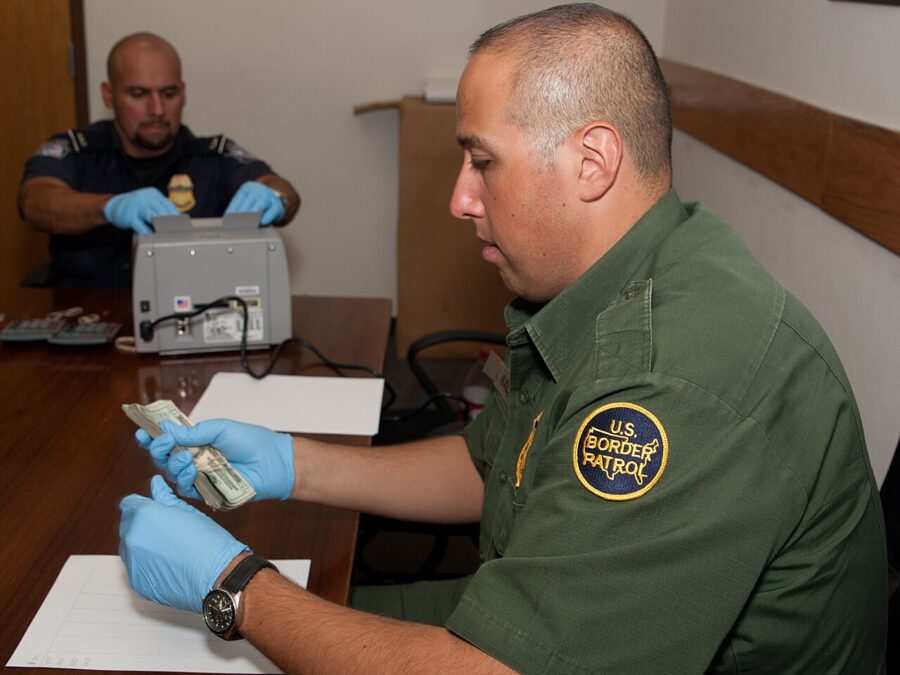
For federal seizures under the general civil forfeiture law, 18 U.S.C. 983, the agency must send written notice within 60 days. The claim deadline is printed in that letter and cannot be earlier than 35 days after it was mailed. Once you file, the government has to prove the money is forfeitable by a preponderance of the evidence, and a lawyer who handles forfeiture cases is worth calling the day the letter arrives.
Who is doing the seizing now
The DEA’s airport program drew most of the criticism, and it has been wound down. On November 12, 2024, after seeing a draft inspector general report, the Deputy Attorney General suspended DEA consensual encounters at airports and other transport hubs unless tied to an existing investigation. The report, released November 21, 2024, described a traveler picked from a list supplied by an airline employee who was paid a share of forfeited cash.
Other agencies have not stopped. The Dallas Morning News reported in December 2025 that task forces of Homeland Security Investigations, CBP and local police stopped passengers at DFW and Dallas Love Field throughout 2025, often using drug-detection dogs. In one case $800,000 was taken at Love Field from a passenger who has not been charged and is contesting the seizure; in another, about $350,000 was seized after a dog alert, and the government later settled by returning $178,000.
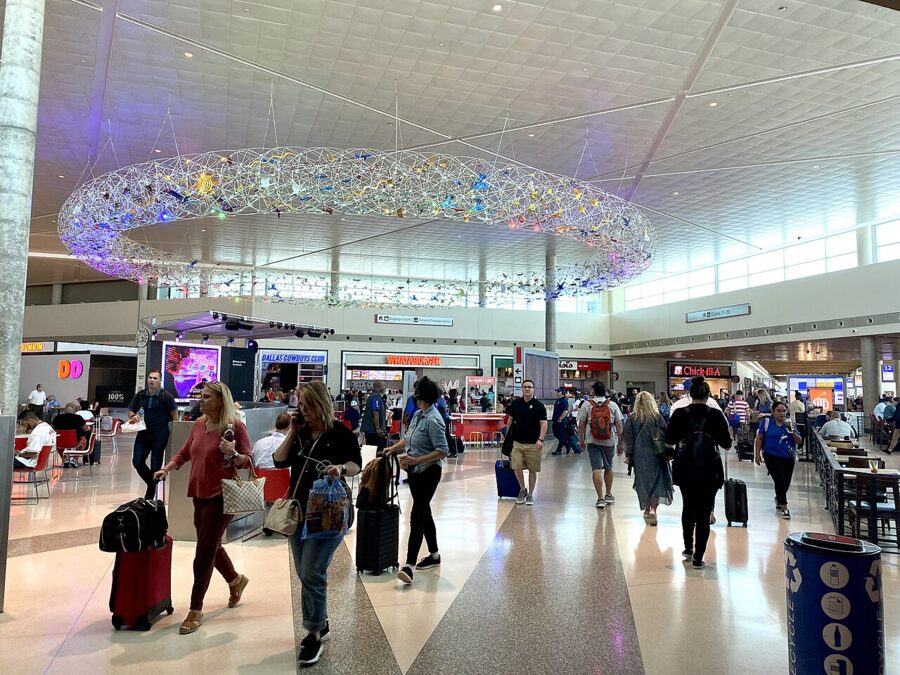

A few hundred dollars draws no interest at all. Larger sums carried openly, with a reason you can state in a sentence and paper to back it, usually end with a short conversation. Cash taped inside a shoe or vacuum-sealed in a suitcase lining is exactly the packaging and concealment the TSA directive tells screeners to report.
Leaving the US with cash
The rule works in both directions, and outbound is where people get caught out. A family flying abroad with wedding money or a house deposit has to file the 105 before boarding, and CBP runs outbound checks at international gates without warning.
Watch the “through” in the statute too. A trip between two US cities that connects in Toronto or Vancouver passes through a place outside the United States, so the report applies. Canada, for its part, only expects its own report if you leave the transit area and clear Canadian customs, according to the Canada Border Services Agency’s memorandum D19-14-1.
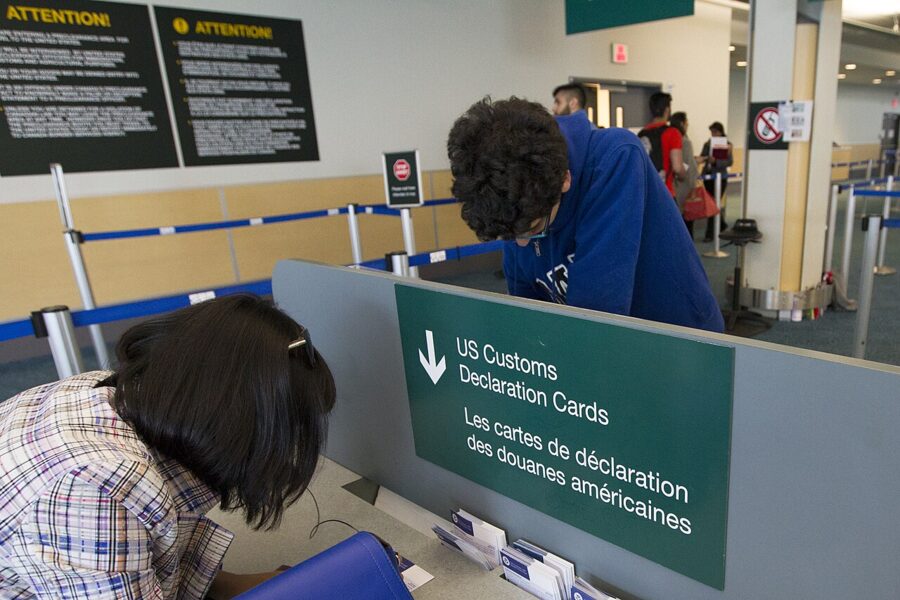
Entering the UK, the EU, Canada and Mexico
The US form does nothing for you on arrival anywhere else. A flight from Chicago to London with $15,000 means a FinCEN 105 on the way out and a UK declaration on the way in.
| Arriving in | Declare at | Per person or group | How to declare | If you don’t |
|---|---|---|---|---|
| Great Britain | £10,000 or more | Group total counts | Online or by phone up to 72 hours before, or at customs on arrival; before you go when leaving | Cash can be seized; penalty of up to £5,000 (about $6,600) to get it back |
| European Union | €10,000 or more | Each person separately | EU cash declaration form at the point of entry or exit | Cash detained; national fines |
| Canada | C$10,000 or more | What you carry, on form E677 | Declaration card, kiosk or officer on arrival; CBSA office before security when leaving by air | Forfeiture; penalties of 5% (up to C$2,500), 25% or 50% |
| Mexico | More than US$10,000 | Not spelled out by ANAM | Customs declaration on arrival, money declaration on departure, plus the cash form | Fine of 20% to 40% of the excess; prison over US$30,000 |
The UK
GOV.UK sets the Great Britain line at £10,000 or more, for cash carried between England, Scotland or Wales and anywhere outside the UK. Cash here means notes and coins, bearer bonds, traveler’s cheques and signed cheques not made out to anyone. Groups traveling together declare if the total reaches £10,000, even if each person has less.
You can declare online or by phone no earlier than 72 hours before you travel, or at customs when you land; leaving, you must declare before you go. Undeclared cash can be seized, customs can hold it for 48 hours without a court order if they suspect a crime, and you may have to pay a penalty of up to £5,000 to get it back. Northern Ireland follows the EU line of €10,000 for travel to and from non-EU countries, and its definition adds gold, money orders and prepaid cards.
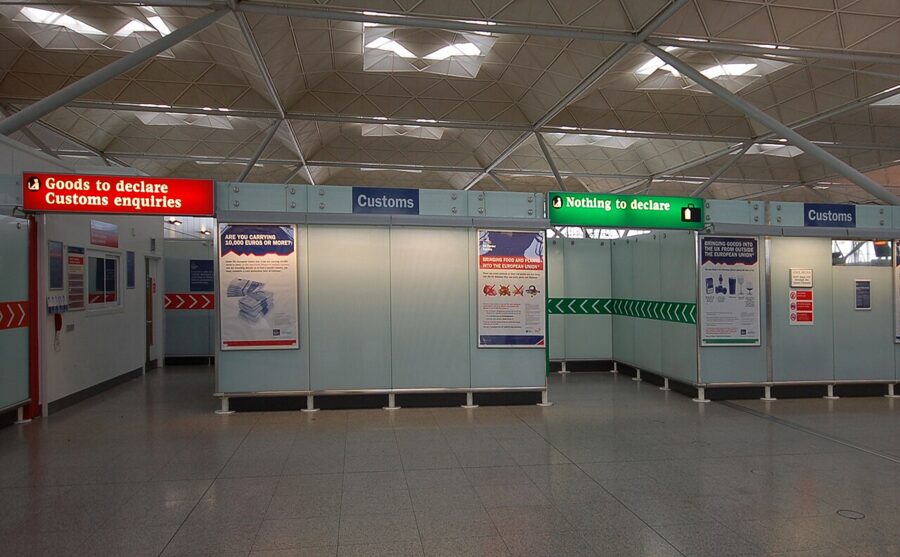

The European Union
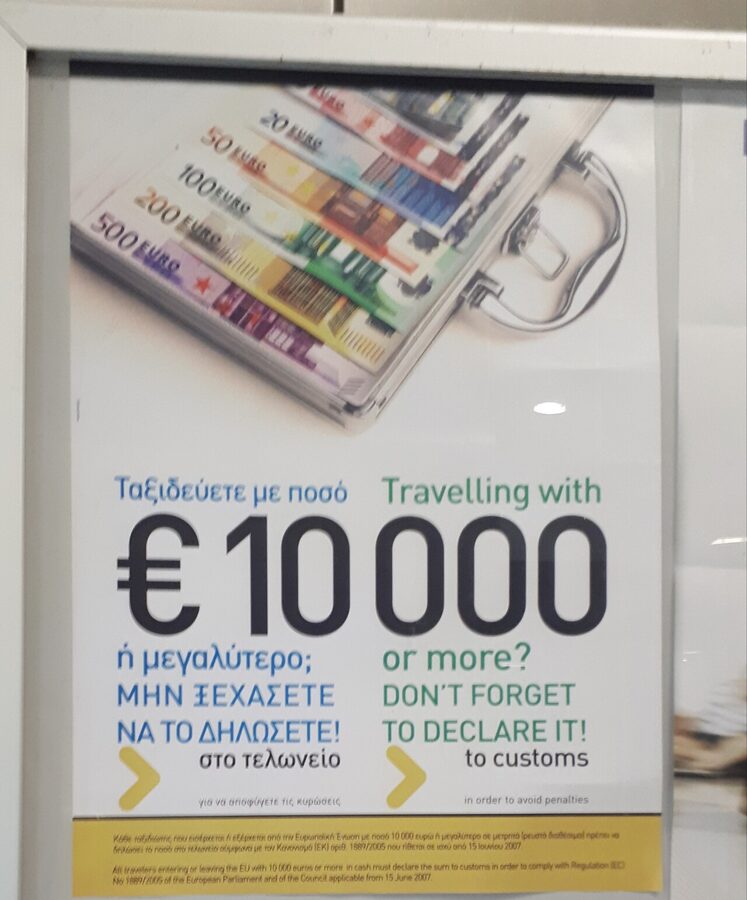
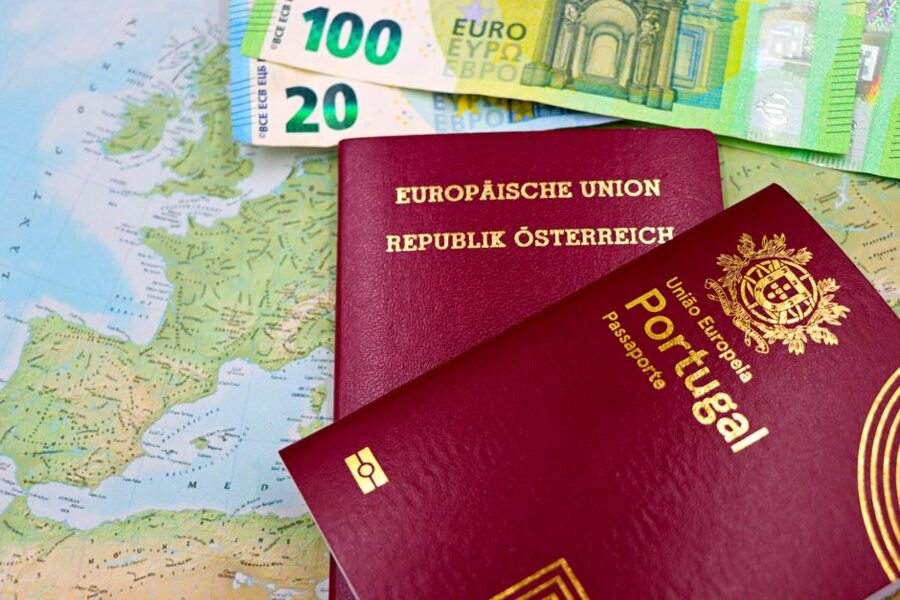
Anyone entering or leaving the EU with €10,000 or more, or the equivalent in other currencies, declares it on the harmonized EU cash declaration form under Regulation (EU) 2018/1672. The European Commission’s definition is broader than the American one: banknotes and coins, bearer instruments such as cheques, traveler’s cheques and money orders, prepaid cards, gold coins of at least 90 percent gold, and gold bars, nuggets or clumps of at least 99.5 percent.
The limit applies to each person separately, which is the opposite of the US rule; children declare through a parent. Customs can detain undeclared cash, and each country sets its own fines on top. The authorities can also hold sums below €10,000 if they see signs of criminal activity.
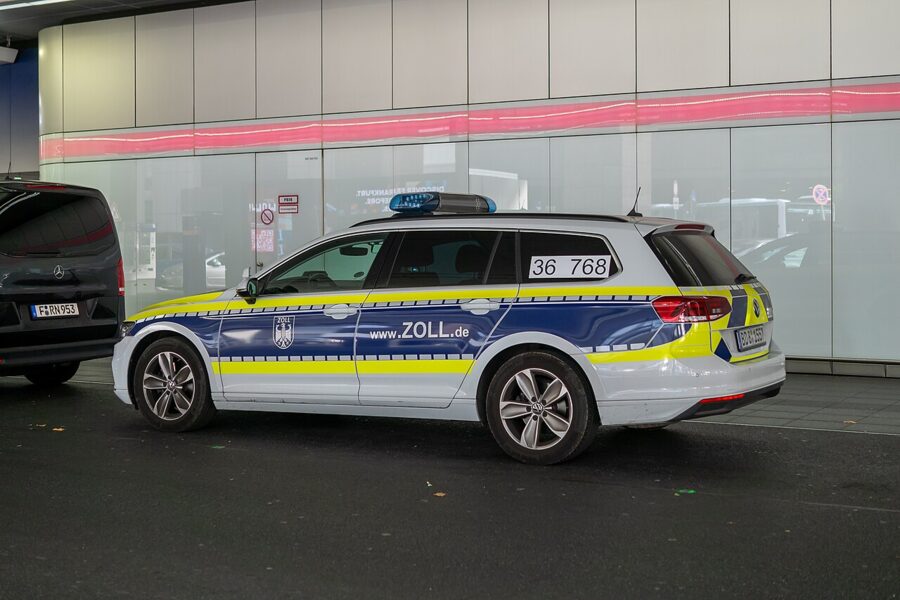
Travel between EU countries is outside the EU form, but not always outside the law. Germany’s customs service, the Zoll, requires you to state cash of €10,000 or more orally if an officer asks at an internal border, and to explain where it came from even below that amount; refusing can bring a fine of up to €1 million (about $1.1 million). France requires a written declaration for €10,000 or more moving to or from another EU country, made online through its DALIA service up to 30 days ahead or at a customs office, with proof of origin above €50,000 (about $55,000) and fines of up to half the sum.

Canada
The Canada Border Services Agency says there is no restriction on the amount of money you bring in or take out. What you must do is report currency and monetary instruments worth C$10,000 or more, counting stocks, bonds, bank drafts, cheques and traveler’s cheques, converted at the Bank of Canada’s rate on the day.
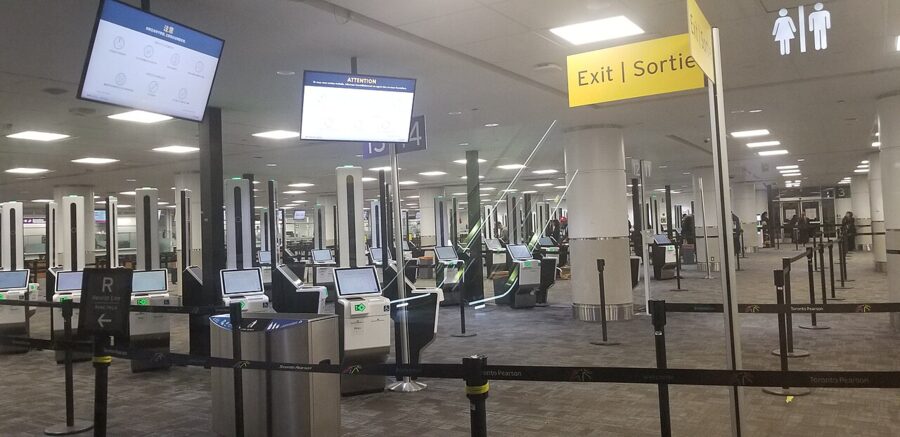
Arriving, you declare on the declaration card, at a primary inspection kiosk or to an officer, and you cannot use NEXUS that day. Leaving by air, you go to the CBSA office in the airport before you clear security. Under the current seizure and penalty regulations, a first, unconcealed and fully disclosed failure costs 5 percent of the sum, up to C$2,500 (about $1,750), rising to 25 percent for concealment or a false statement and 50 percent for a false compartment in a vehicle or a repeat seizure involving concealment.

Mexico
Mexico’s customs agency, ANAM, puts the line at more than US$10,000 or its equivalent, in cash, checks, payment orders or other receivable documents. Carrying it is not a crime; failing to declare it is. You answer on the customs declaration when you arrive or the money declaration when you leave, and a yes means a second form.
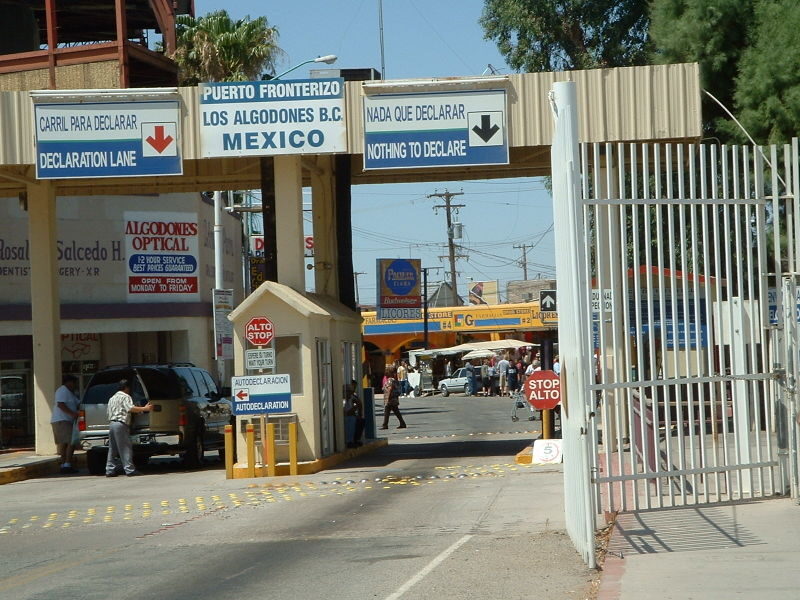
The penalties climb quickly. An undeclared amount draws a fine of 20 to 40 percent of whatever is over US$10,000, and over US$30,000 it can mean three months to six years in prison, with the excess going to the federal treasury unless you prove it is legitimate. The same rules apply on foot: a trip across to Los Algodones with cash for dental work is a border crossing like any other.


The cases people ask about
Is it illegal to carry $50,000 in cash? No. On a domestic flight there is no form at all; on an international one you file the 105. What makes $50,000 a problem is carrying it hidden, or being unable to say where it came from.
Puerto Rico, the US Virgin Islands and Guam. The Bank Secrecy Act’s definition of the United States includes the territories, so a flight between the mainland and San Juan is not a trip into or out of the country for cash reporting. No 105 is needed, whatever the amount.


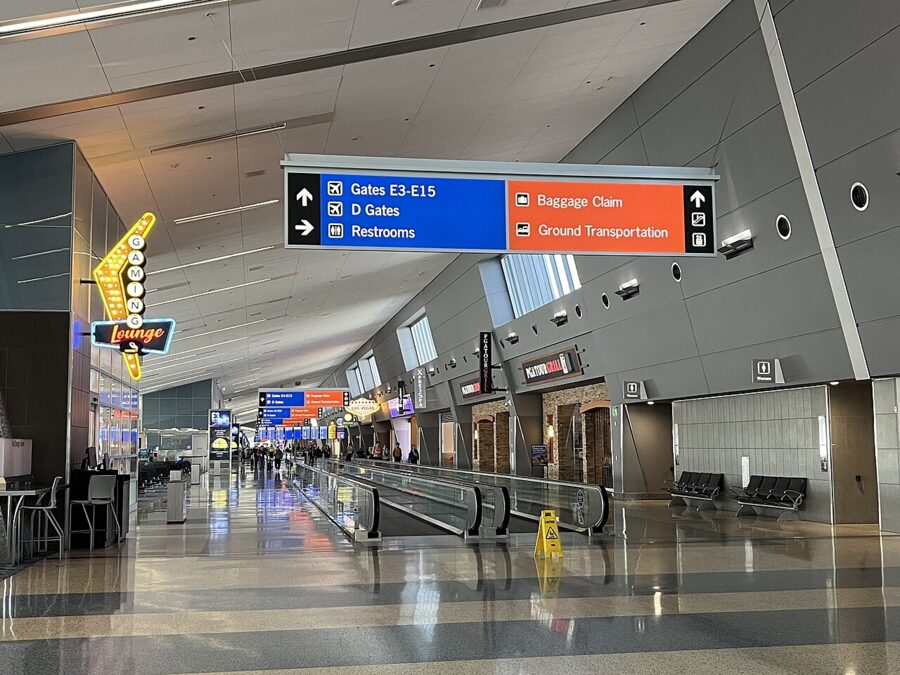
Flying home from Las Vegas with winnings. This is a domestic flight, so there is nothing to file. Casinos file their own federal reports on large cash payouts, and any payout paperwork the casino gives you is the best explanation you could carry. Keep it with the money, and leave slack for the security lines at Harry Reid.

Carry-on or checked bag? No rule says which, but keep it with you. Checked bags are screened and sometimes opened out of your sight, and cash found there looks hidden even when it isn’t.
Where should you hide cash? Don’t think of it as hiding. Concealment is one of the TSA’s named warning signs and the heart of bulk cash smuggling. A money belt for spending money is fine; a vacuum-sealed brick in a shoe makes a legitimate sum look like something else.
Carrying money for someone else. The US report covers anyone physically carrying the money, including an agent for its owner, and Canada uses a separate form, E667, for funds carried on someone else’s behalf. Bring a signed note from the owner saying what it is for.
Before you fly, and at the checkpoint
Most of the work happens at home. Withdraw large sums from your bank rather than collecting them in pieces, and keep the withdrawal slip; a bank files its own routine report on cash withdrawals over $10,000, which is a record in your favor. Add whatever shows the purpose: the bill of sale for the car you are buying, the invoice, the email from the relative.

- Ask whether you need physical cash at all. A wire, or a cashier’s check made out to the person you are paying, does the same job, and an unendorsed check payable to a named person is generally outside the US reporting rule.
- Keep the money in its bank envelope with the slip, counted, in your carry-on.
- For international trips, file the FinCEN 105 online before you leave home and keep the confirmation.
- Check the arrival country’s line and form: GOV.UK, the European Commission, the CBSA or ANAM.
- At the checkpoint, put it in the bin with your bag rather than in a pocket, answer questions plainly, and ask for private screening if you would rather not open the envelope in front of the line.
Allow extra time. A referral means waiting while officers look at the money, and at a crowded checkpoint like Atlanta’s that can be the flight. If officers do take the money, get a receipt with the amount, the agency and an officer’s name before you leave, then watch your mail for the seizure notice and its deadline.

What has changed recently
- November 2024: DEA airport encounters suspended (November 12); inspector general’s report released (November 21).
- 2025: DHS and local task forces kept up airport cash stops in Dallas, reported in December 2025.
- November 2025: USA.gov and CBP updated their money pages; the line is still $10,000 and families still count together.
- Coming July 10, 2027: the EU caps cash payments to businesses at €10,000. That limits what you can pay a dealer in cash, not what you can carry across a border.
The short answer
- Domestic US flights: no limit, no form. Carry it openly, with proof of where it came from.
- Leaving or entering the US: more than $10,000 per family or group needs a FinCEN 105.
- The UK: declare £10,000 or more per group.
- The EU: declare €10,000 or more per person; some countries also ask at internal borders.
- Canada: report C$10,000 or more, both ways.
- Mexico: declare more than US$10,000, both ways.
If you are anywhere near a line, file. The form takes minutes, costs nothing and turns a pile of cash in a bag into a sum the government already knows about.