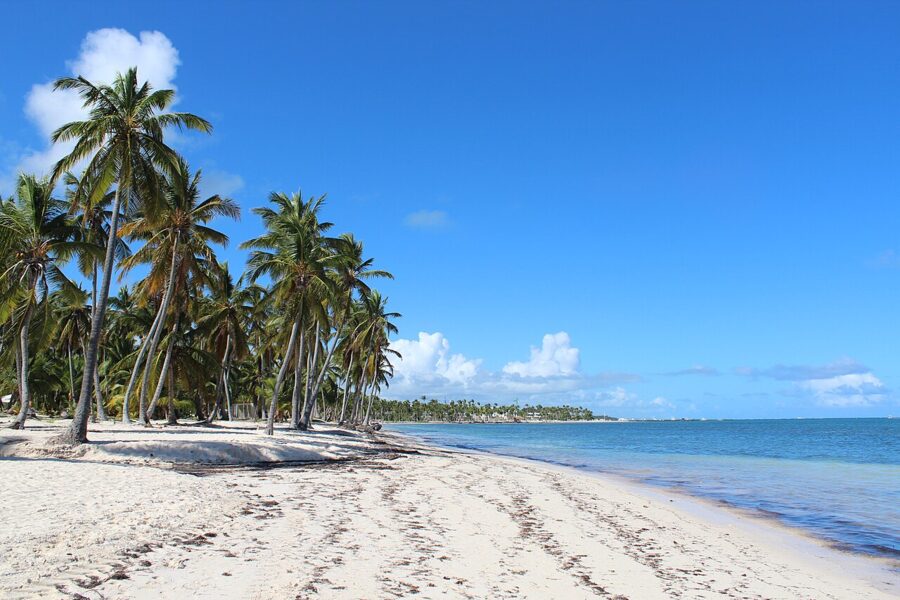
The best things to do in Punta Cana are the beaches first, then a day on Saona Island, a swim in the Hoyo Azul cenote and at least one meal of fresh fish outside your resort. Three or four days covers that comfortably; a week gives you time for Higüey’s basilica, the Taíno cave paintings near La Romana or the mangroves of Los Haitises.
Plenty of visitors never leave the hotel grounds, and the resorts are built so you don’t have to. But most of what makes this corner of the Dominican Republic worth the flight is outside the gates. Hours and prices below are as of November 2026. Exchange rates and tour prices move, so treat every figure as a guide to that month.

On this page
- Punta Cana in brief
- The beaches, one by one
- Saona Island and Cotubanamá National Park
- Hoyo Azul and Scape Park
- Indigenous Eyes Ecological Reserve
- Altos de Chavón (and who can get in)
- More day trips worth the drive
- Smaller things, local places and the calendar
- Going beyond the all-inclusive
- Where to eat and drink
- When to go and how long to stay
- A simple one- or two-day plan
- Getting around and practical notes
- Current travel advice
Punta Cana in brief
Punta Cana isn’t really a town. The name covers roughly 30 miles of resort coast at the far eastern tip of the island of Hispaniola, in La Altagracia province: Uvero Alto and Macao in the north, Arena Gorda and Bávaro in the middle, Cabeza de Toro and Cabo Engaño around the point, then Punta Cana proper and the gated development of Cap Cana in the south. The working town where most hotel staff live is Verón, inland from Bávaro, and the provincial capital is Higüey, about 45 minutes west.
What it is, mostly, is beaches and all-inclusive resorts, plus one of the busiest airports in the Caribbean. The airport came first: the Puntacana Group built it privately in the 1980s, and the hotels followed it up the coast. That’s why the place feels planned rather than grown, and why everyday Dominican life starts a few minutes inland.
Getting there
Fly into Punta Cana International Airport (PUJ), which has nonstop flights from most large US cities. It has two terminals, A and B, and the airport’s own airline list puts American and Delta in Terminal B and carriers such as JetBlue and Sun Country in Terminal A. The airport warns that assignments change, so check the terminal on your booking before you leave for the airport on the way home.
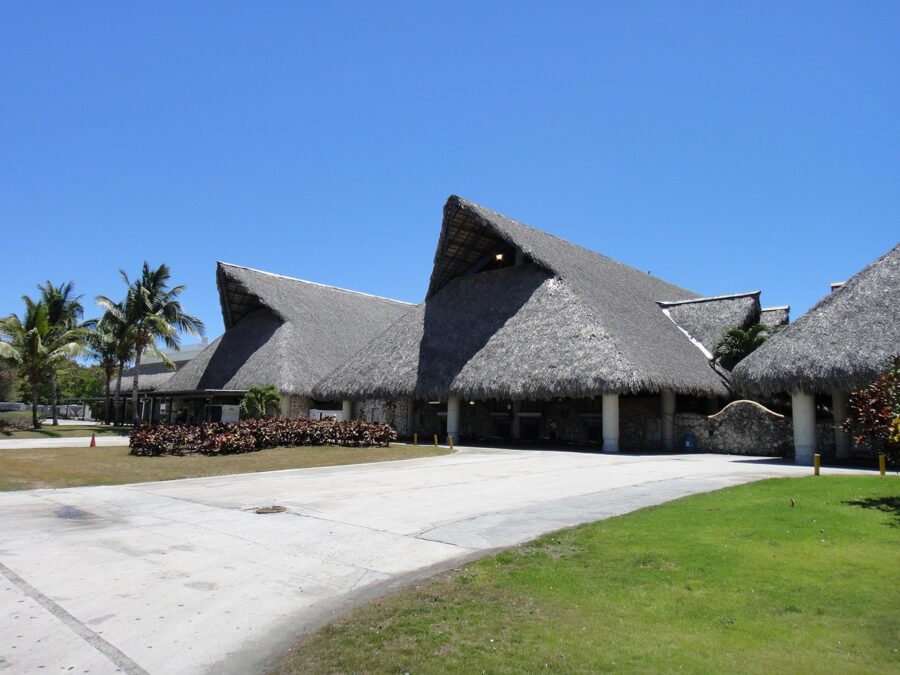
Before you fly, fill in the government’s free E-Ticket at eticket.migracion.gob.do. The tourism ministry says it no longer has to be done within 72 hours of travel, but it must be finished before you reach the airline counter. The tourist card fee is now built into most airfares, according to the airport. Stay more than 30 days and you pay a departure fee that rises with the length of your stay.
On passports, the standard rule is six months’ validity, but a temporary measure that runs to December 31, 2026 lets tourists enter on a passport that is valid for the length of the stay. Check your airline’s own rules too, since some apply the six-month rule regardless.
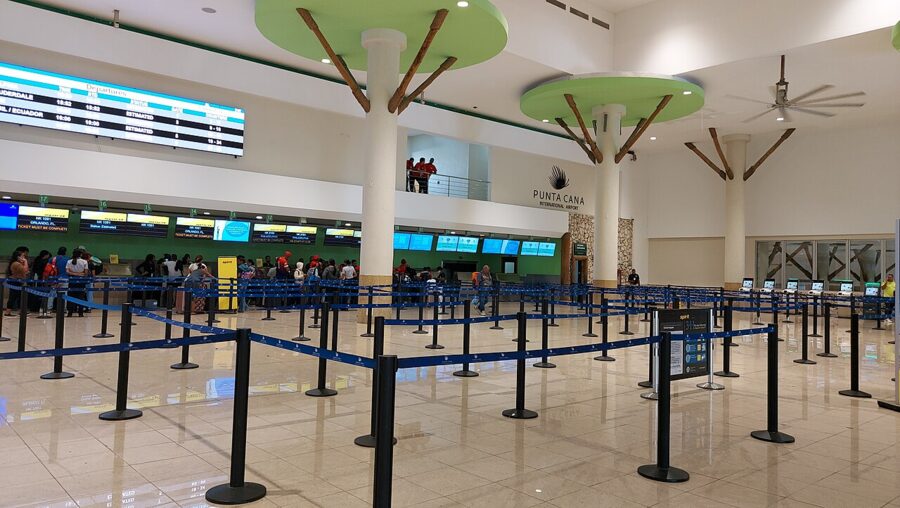

From the airport, Bávaro hotels are usually 20 to 30 minutes away by road, Cap Cana about 15, and Uvero Alto closer to an hour. If you’re coming from elsewhere in the country, Santo Domingo is roughly two and a half hours west on the toll highway, and La Romana, which has its own small international airport, is around an hour and a half.

The beaches, one by one
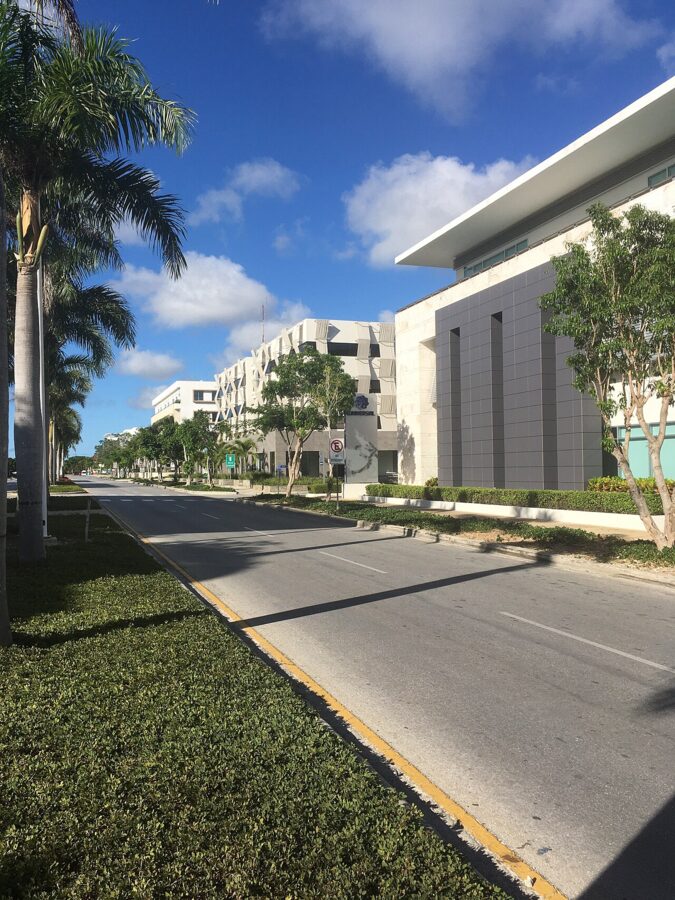
The beach is the reason Punta Cana exists, and it deserves more than the strip in front of your hotel. Dominican law treats the beach itself as public, so you can walk along any of them from the sand side even where a resort controls the land behind. What differs is the water: the Atlantic north end has surf and currents, while reefs calm the middle and southern beaches.
Bávaro, Los Corales and El Cortecito
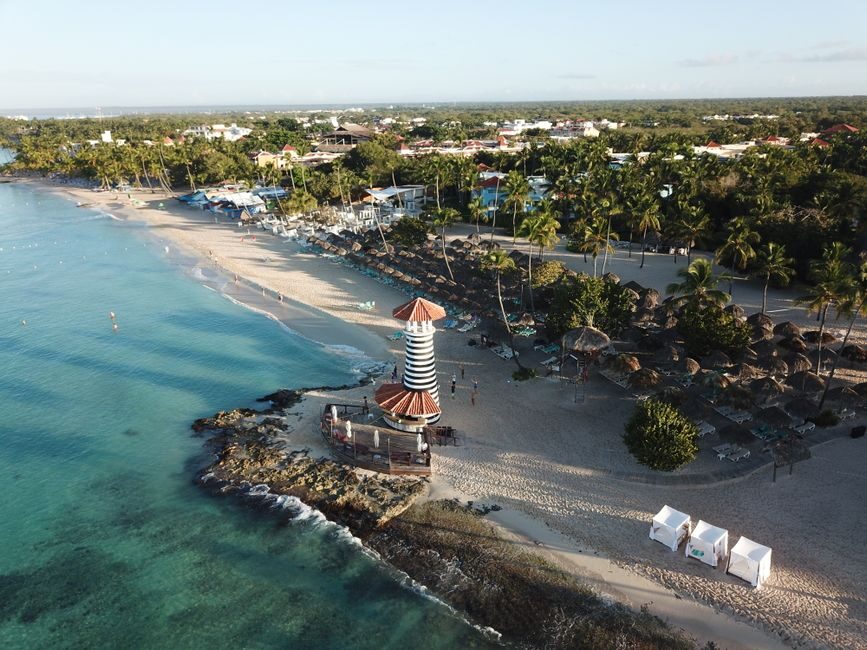
Bávaro is the long, gently curving beach that most hotels share, and its liveliest part is the stretch from Los Corales to El Cortecito. Here the resorts give way to beach bars, dive shops, fishing boats on the sand and small restaurants. It’s the easiest beach day outside a resort. Expect vendors and boat touts; a polite “no, gracias” works.
Macao
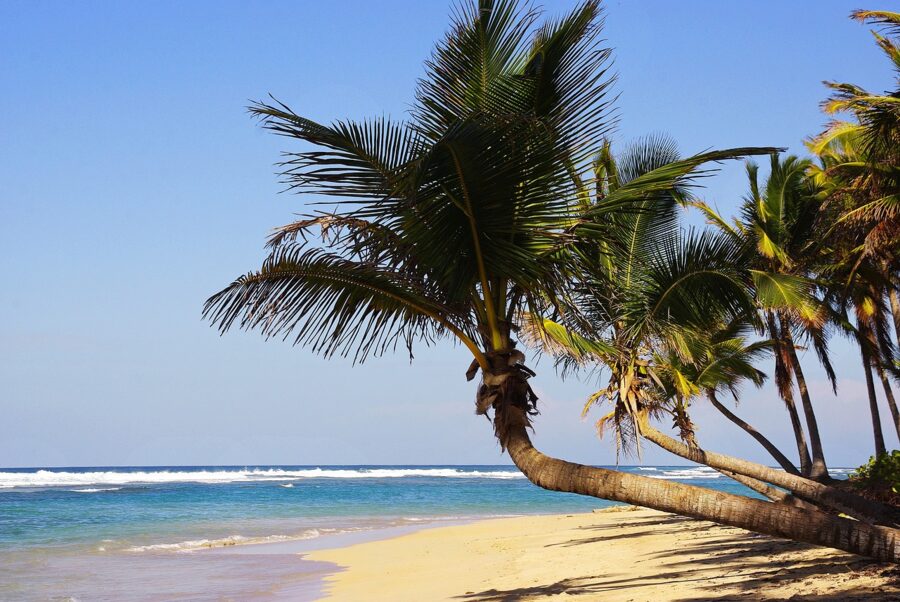
Playa Macao, north of Arena Gorda, is the beach you’ll see on buggy tours, and for good reason: it’s a wide, mostly undeveloped curve with a surf break that schools use for lessons. It’s also open ocean, with rip currents, and the waves that make it fun to watch make it hard to swim on rough days. Go for the surf, the walk and the empty sand, not for a gentle swim.

Juanillo and Cap Cana
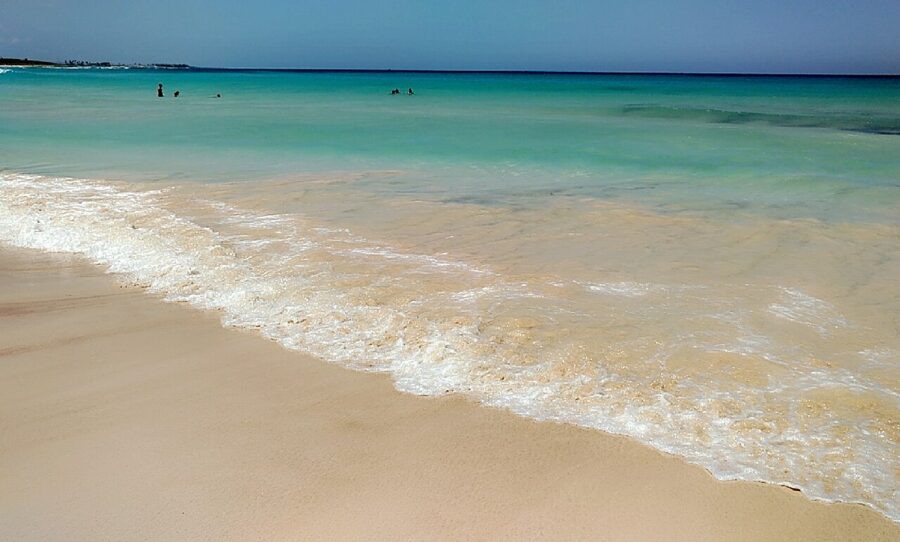
Juanillo, in Cap Cana at the southern end, is the most polished beach in the area: fine white sand, calm water inside the reef and a line of palms. Cap Cana is a gated development, so you get in as a guest of a hotel or restaurant there, or through Scape Park’s Juanillo VIP package. It feels more like a private club than a public beach, which is either the point or the drawback.
Playa Blanca and Cabeza de Toro
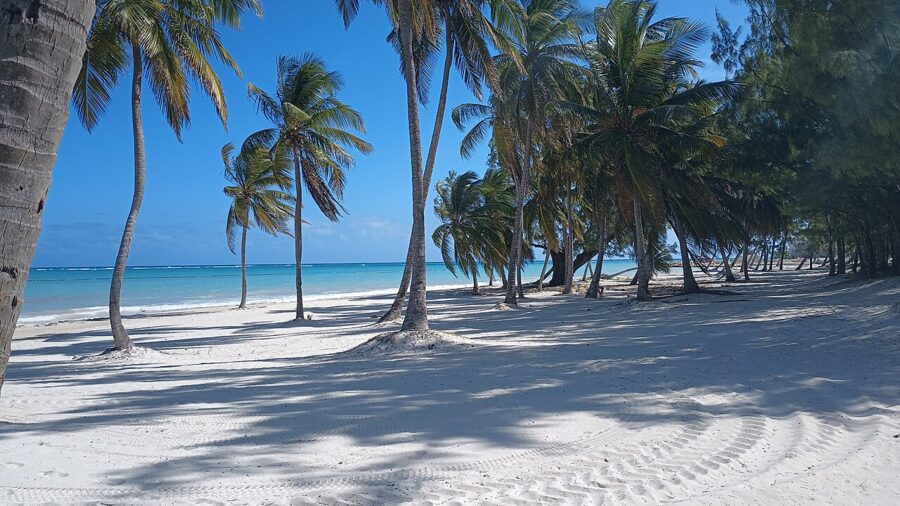
Playa Blanca, on the Puntacana Resort grounds, is a calm, kite-friendly beach with a restaurant of the same name. Non-guests pay a consumable entrance of $50 per adult and $20 per child, credited against food and drink, and the restaurant opens Wednesday to Sunday, noon to 7pm (as of November 2026). Cabeza de Toro, around the point toward Bávaro, is a small, quieter bay with Pearl Beach Club on it.
Uvero Alto and Arena Gorda
Uvero Alto, at the far north end, has the newest big resorts on a long, often windy beach. Arena Gorda, between Macao and Bávaro, is a long run of resort frontage with wide, pale sand. Both suit long walks more than swimming on breezy days.
One caveat applies to every beach here: sargassum. The brown seaweed washes in from the Atlantic in some years and some months, heaviest from late spring through summer, and resorts rake it daily. If clear water matters most, the reef-protected beaches of the south coast, around Bayahibe and Saona, are usually the safer bet.
Saona Island and Cotubanamá National Park
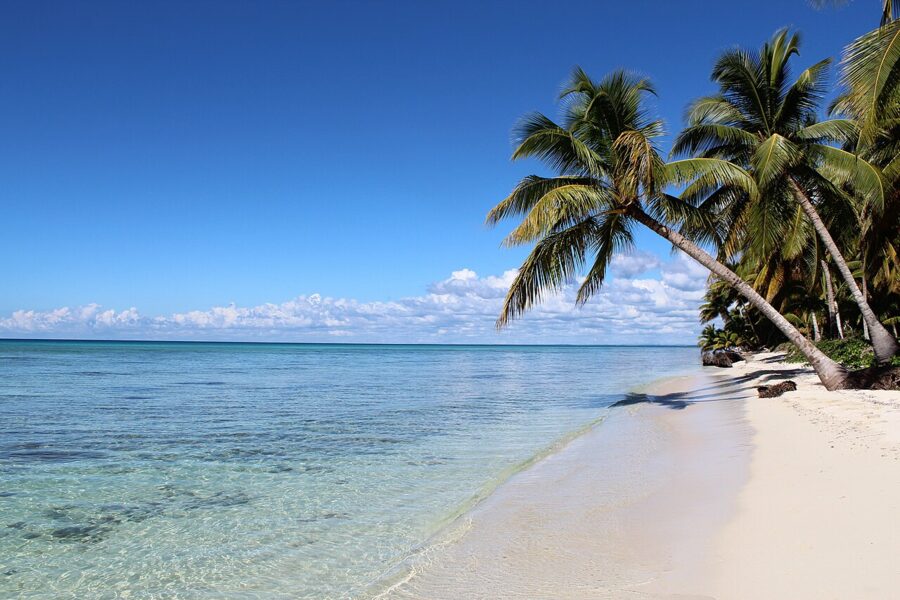
Saona is the largest of the islands off the Dominican coast and part of Cotubanamá National Park (formerly Parque Nacional del Este), which the environment ministry counts as the most visited protected area in the country. Nobody stays overnight except the few residents of the fishing village of Mano Juan. You come for the white sand, the coconut palms that lean out over flat turquoise water and the shallow natural pool on the way, where starfish sit on a sandbar in waist-deep water.
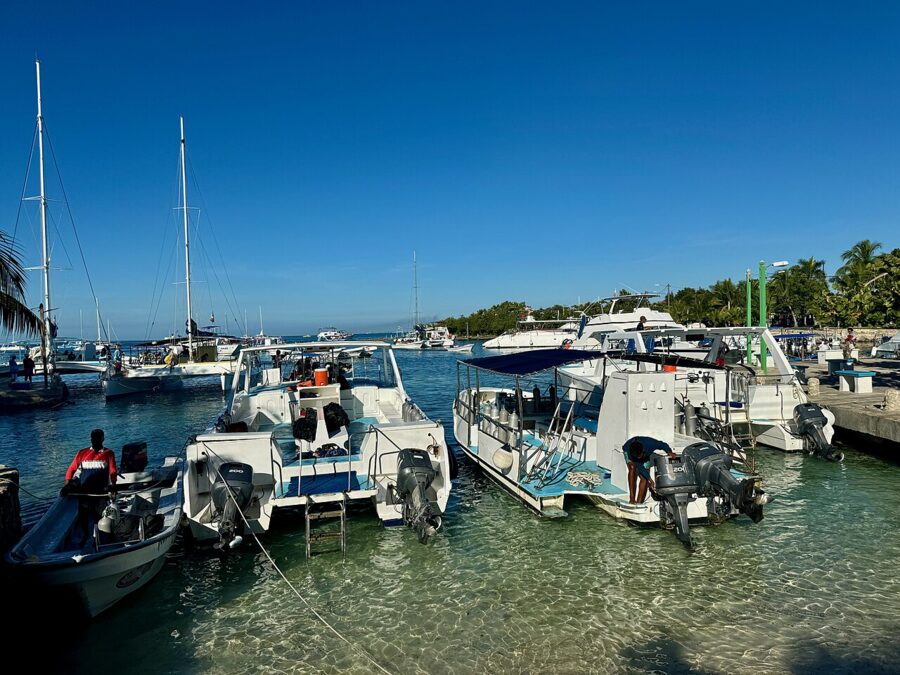

Almost all trips leave from Bayahibe, roughly an hour and a half by road from Bávaro, so a tour from Punta Cana is a long day: an early hotel pickup, a boat to the island, lunch and a drink on the beach, the natural pool and back by early evening. Tours differ mainly in boat type (speedboat out, catamaran back is the usual mix) and in how crowded the beach stop is. Ask which beach the tour uses and how many share the boat, since the cheapest tours pack the same stretch of sand.
Two rules worth following: don’t lift the starfish out of the water, which kills them, and use reef-safe sunscreen or a rash vest. Bring cash for tips and drinks not included.
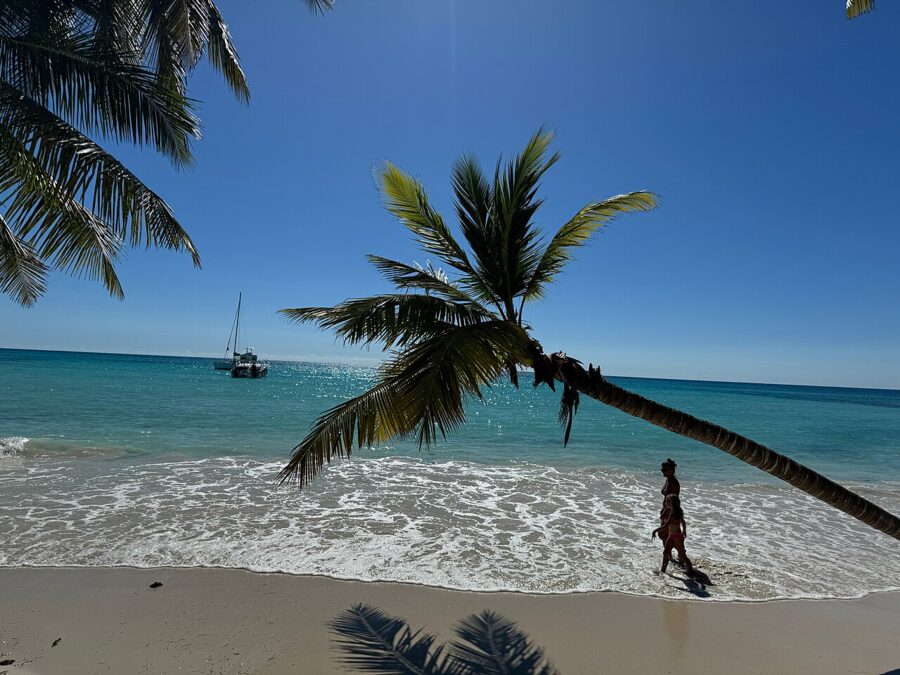

Isla Catalina, a smaller island off La Romana that also belongs to the national park, is the better pick for snorkelers. Its reef wall drops away close to shore, and catamarans run there from Bayahibe and La Romana. If you only have one boat day, though, Saona’s beaches win.

Hoyo Azul and Scape Park
Hoyo Azul is a freshwater cenote at the foot of a limestone cliff inside Scape Park, an adventure park in Cap Cana. The water is clear, cold and a startling blue-green, and the pool is shallow, about 12 feet (3.6 meters) at its deepest point, according to the park. You reach it on a 750-meter trail through dry forest, about 15 minutes of easy walking, though the path is uneven and the park says it isn’t suitable for people with reduced mobility.
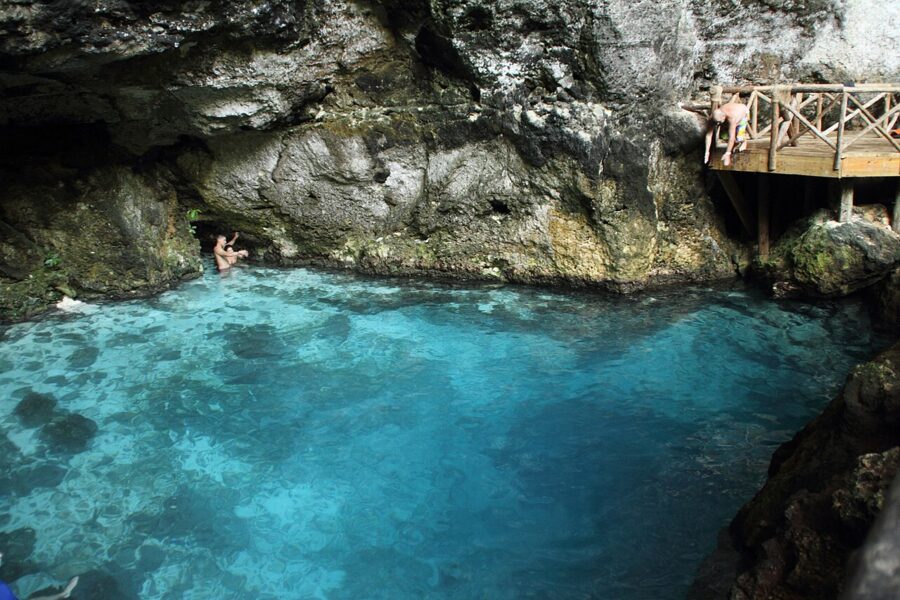

Hoyo Azul is included in Scape Park’s Full Admission ticket, which costs $129 per person as of November 2026. That ticket also covers zip lines, a cave swim, a cultural trail, waterfalls and a farm area, in any order you like. The park also sells Full Admission plus a buggy ride or a sailing and snorkel trip at $169, and a Juanillo VIP package with beach time at $189.
Scape Park opens every day from 9am to 5pm, with attractions closing at 4:30pm; allow at least half a day. Wear closed shoes with grip and leave food behind, since it isn’t allowed in the cenote area. For Hoyo Azul alone, $129 is steep. As a full day with zip lines and the cave swim thrown in, it’s fair value by Punta Cana standards.
Indigenous Eyes Ecological Reserve
The Reserva Ecológica Ojos Indígenas covers about 1,500 acres of coastal forest on the Puntacana Resort lands near the airport, donated by the Puntacana Group to its foundation. Its name comes from its twelve freshwater springs, the ojos, which the Taíno considered sacred; four of them, including Inriri and Cacibajagua, are open for swimming.
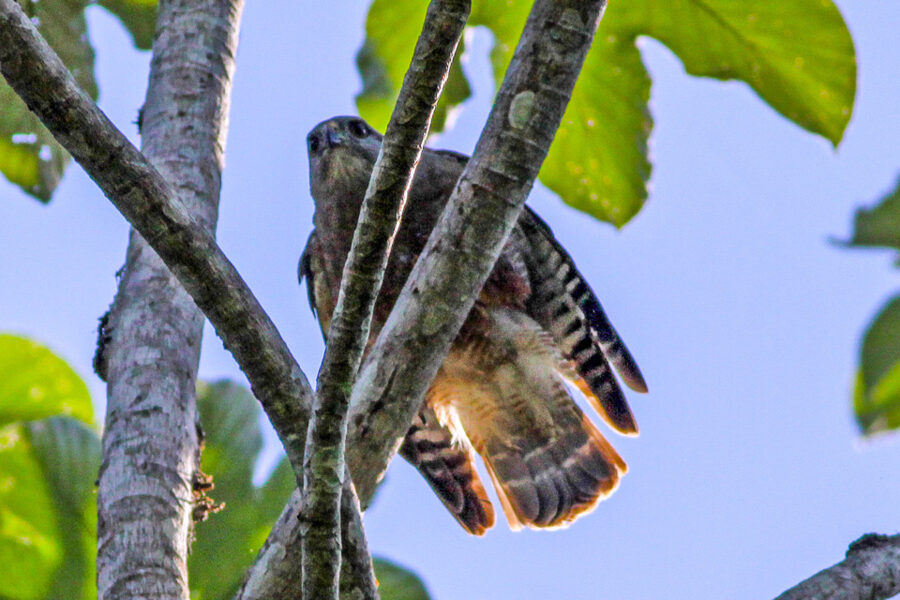
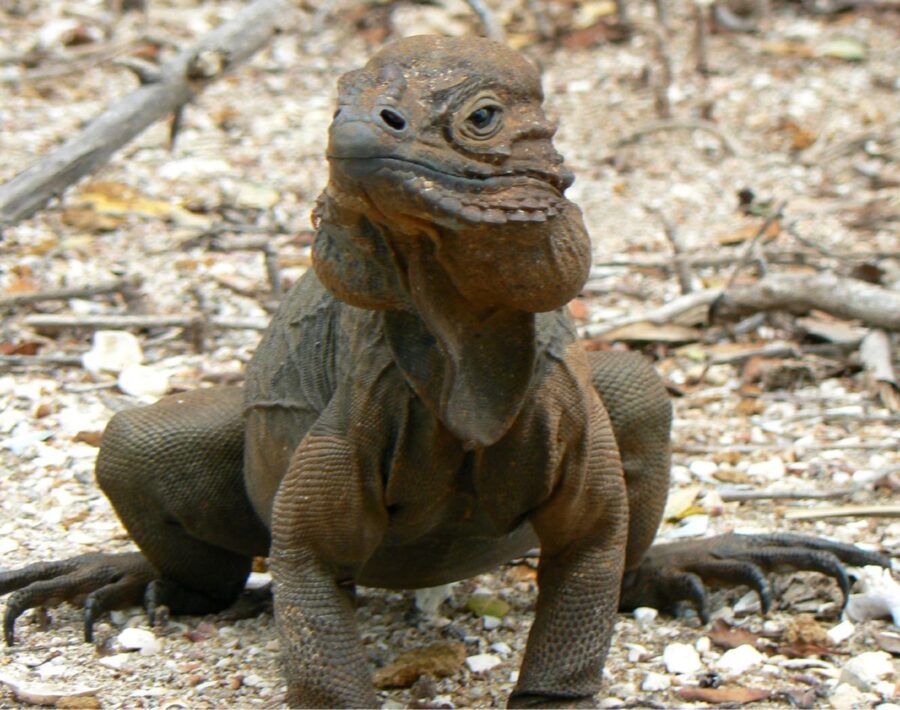
Non-guests visit on the foundation’s guided Los Ojos Eco Journey, about 2 hours and 45 minutes, which also takes in its beekeeping project and its conservation work with the Ridgway’s hawk and the rhinoceros iguana, and ends with a swim in the Inriri lagoon. The price is $90 for outside guests and $40 for guests of the Westin and Four Points hotels at Puntacana, as of November 2026. Book through the Puntacana Foundation.

Altos de Chavón (and who can get in)
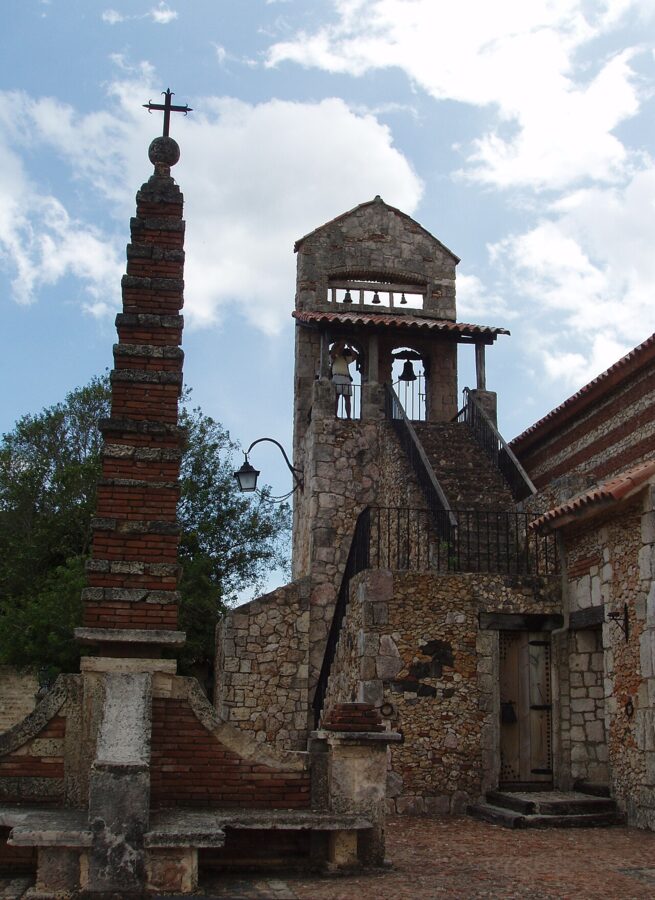
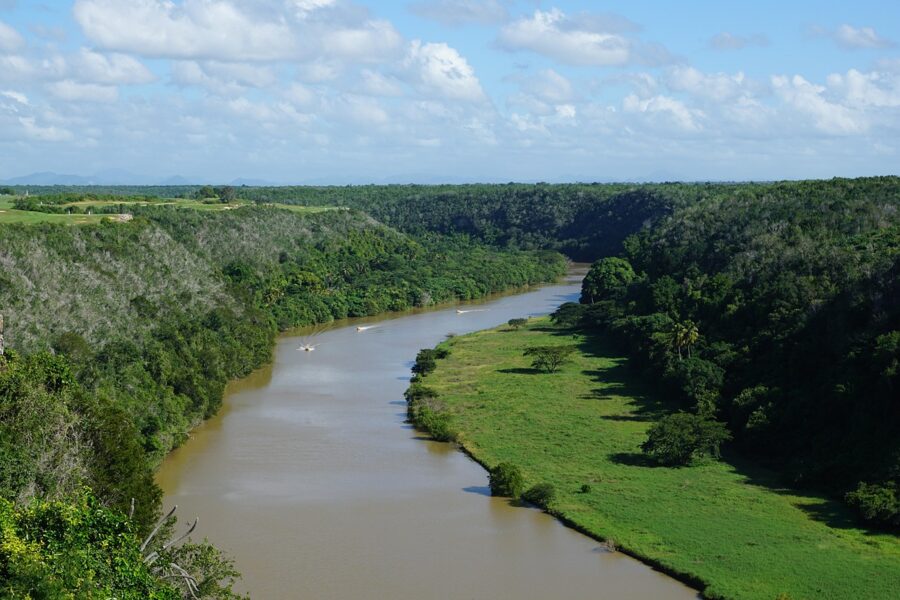
Altos de Chavón is a stone village built from the late 1970s in the style of a 16th-century Mediterranean town, on a bluff above the Chavón River inside the Casa de Campo resort at La Romana. It has the church of St. Stanislaus, consecrated in 1979, a regional archaeological museum, an art gallery, craft workshops and a 5,000-seat Greek-style amphitheater that Frank Sinatra opened in 1982. The view down the river gorge is the best part.
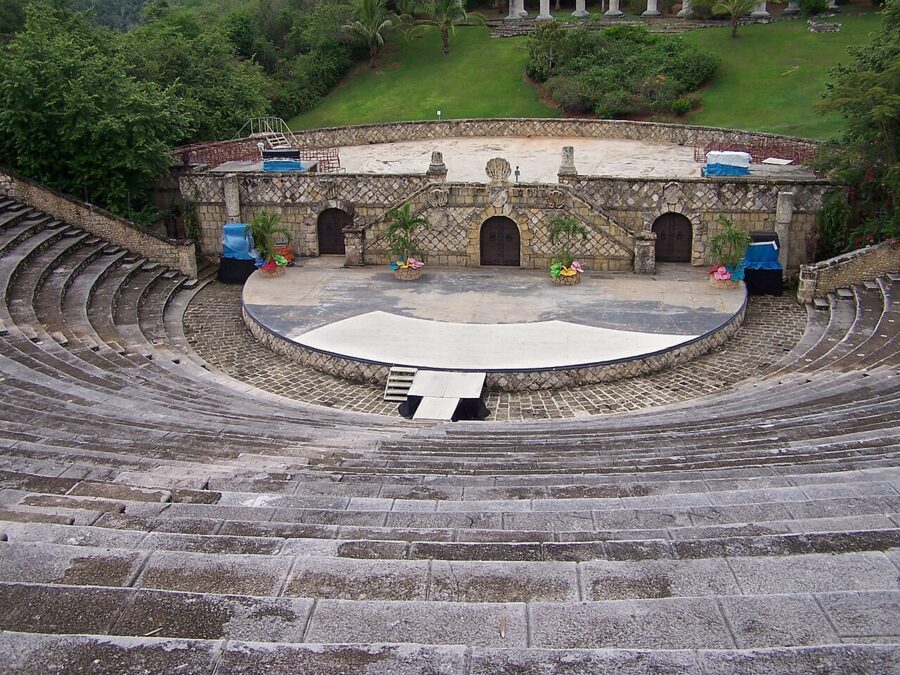
The catch is getting in. As of November 2026, Casa de Campo’s own visitor page says access to Altos de Chavón is limited to hotel guests, residents and their guests, plus ticket holders for amphitheater events, scheduled photo shoots and educational museum visits. Tours from Punta Cana are still sold with Altos de Chavón on the itinerary, so ask the operator directly how they get you through the gate before you pay.
Once inside, the village is typically open from 9am to 6pm. The archaeological museum opens Tuesday to Sunday, 9am to 5pm, and St. Stanislaus opens Monday to Friday, 10am to 4pm, with Mass on Saturday at 5pm and Sunday at 6pm. Allow two or three hours.

More day trips worth the drive
Higüey and the Basilica of Altagracia
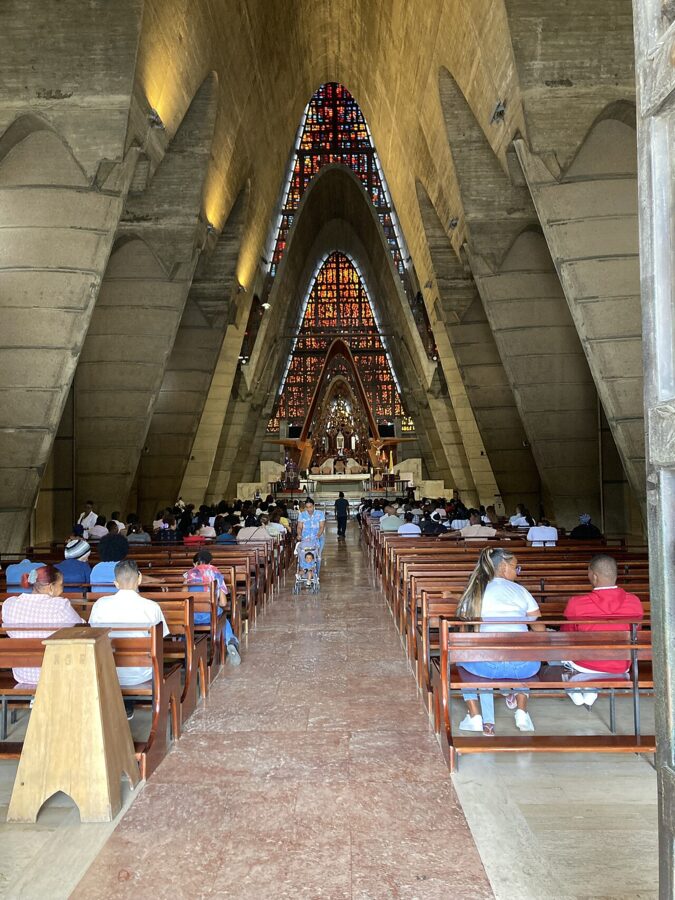
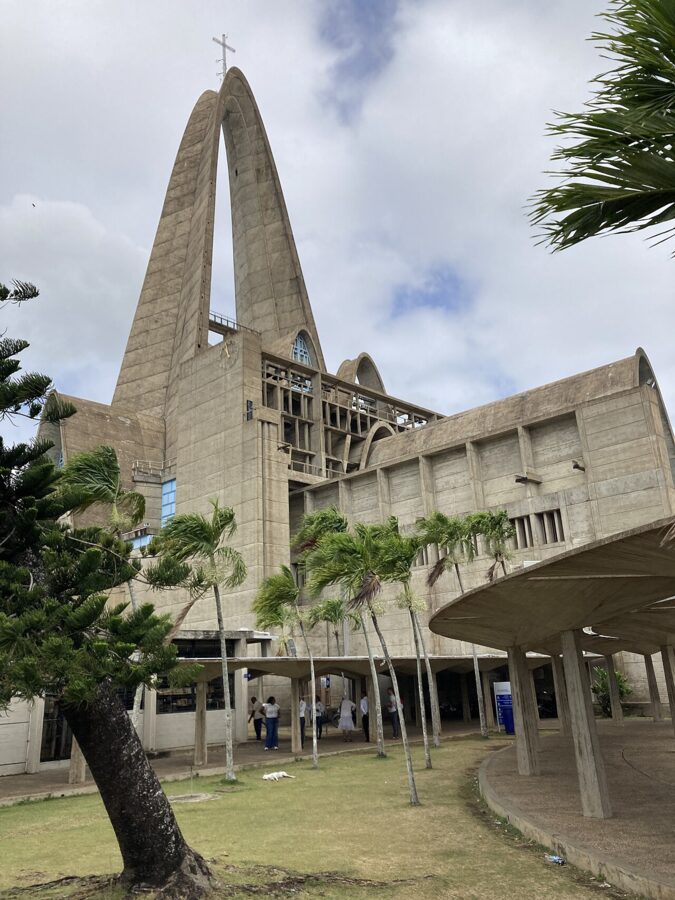
Higüey, about 45 minutes inland, is the provincial capital and a busy, ordinary Dominican city, which is a large part of its appeal after a few days of resort. Its landmark is the Basílica-Catedral Nuestra Señora de la Altagracia, a soaring concrete arch finished in 1971 that houses the painting of the Virgin of Altagracia, the country’s patron. Every January 21, her feast day and a national holiday, pilgrims from all over the country fill the town.
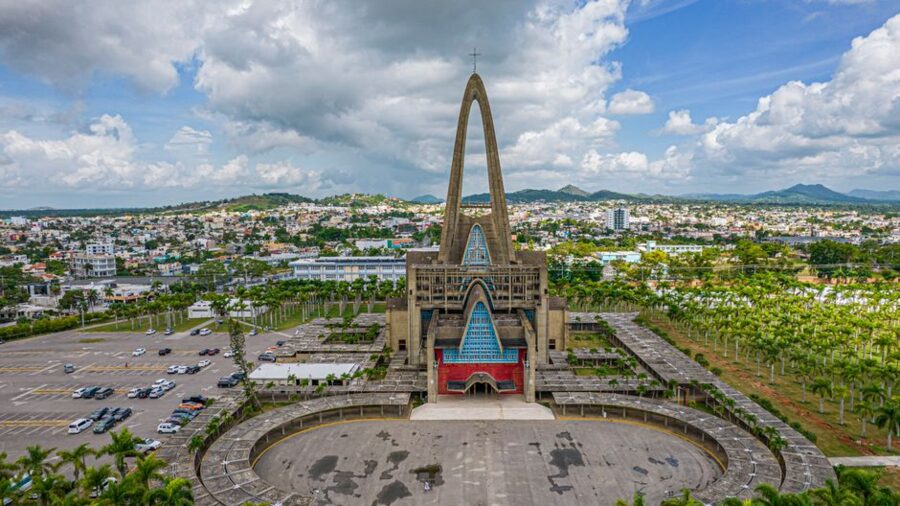
The basilica is a working church, open to visitors outside service times. The Museo de la Altagracia, with six rooms of religious art from the 17th to the 20th centuries, opens Tuesday to Sunday, 9am to 5pm (as of November 2026). Add lunch in town and the market, and bring pesos.
Los Haitises National Park
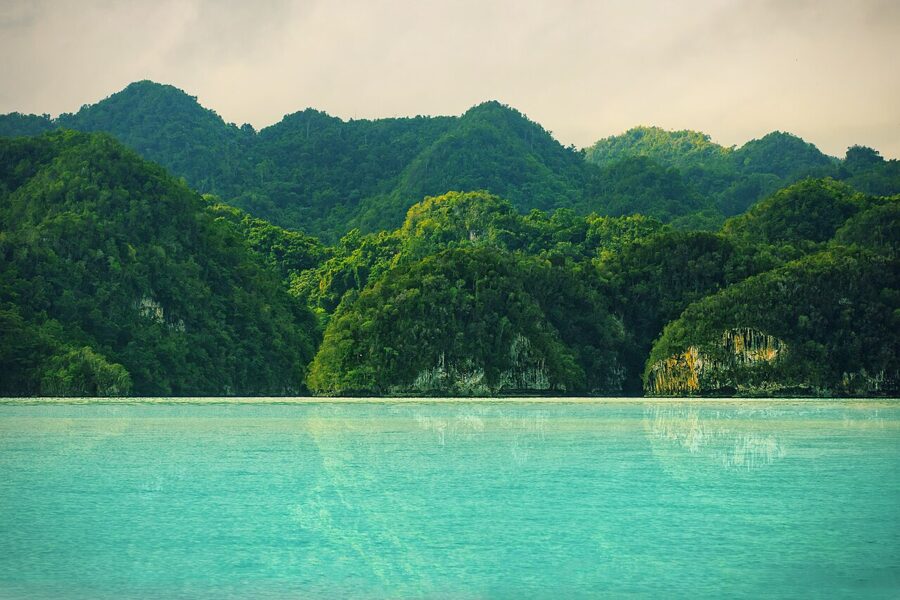
Los Haitises, on Samaná Bay, is the most dramatic scenery within reach: steep, forest-covered limestone hills rising straight out of the water, mangrove channels, seabird islands and caves with Taíno pictographs and petroglyphs. Boats leave from Sabana de la Mar on the south side of the bay, which is a long drive from Punta Cana, so treat it as a full day with a guided tour or an overnight trip.

Cueva de las Maravillas
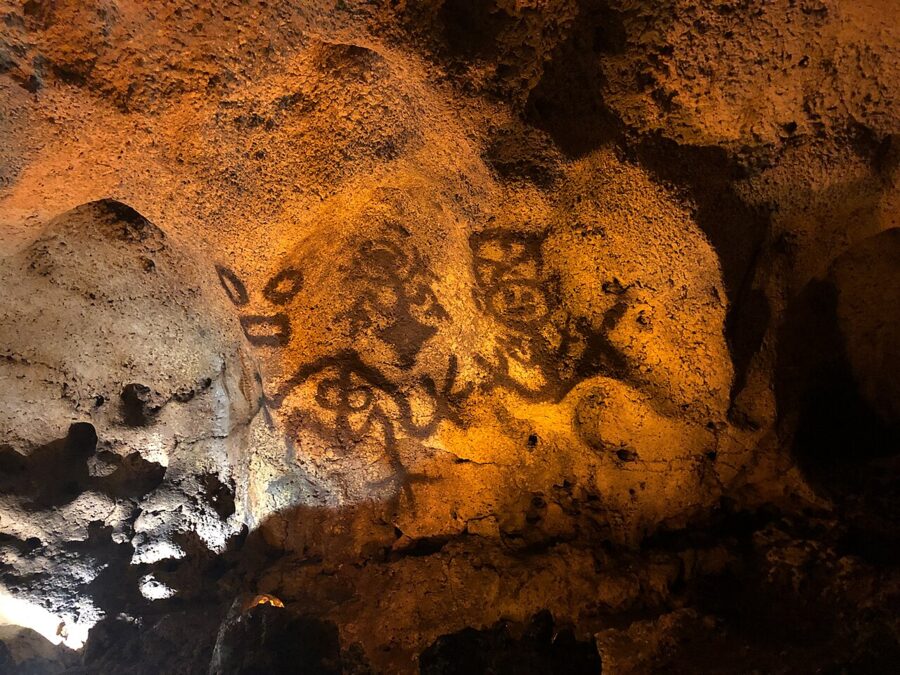
Between San Pedro de Macorís and La Romana, just off the main highway, the Cueva de las Maravillas is a cave park with hundreds of Taíno pictographs on its walls, reached by ramps and lit walkways rather than scrambling. It’s an easy add-on to a La Romana day and one of the few places where the island’s first people are the subject rather than the backdrop.

Montaña Redonda, Boca de Yuma and the whales
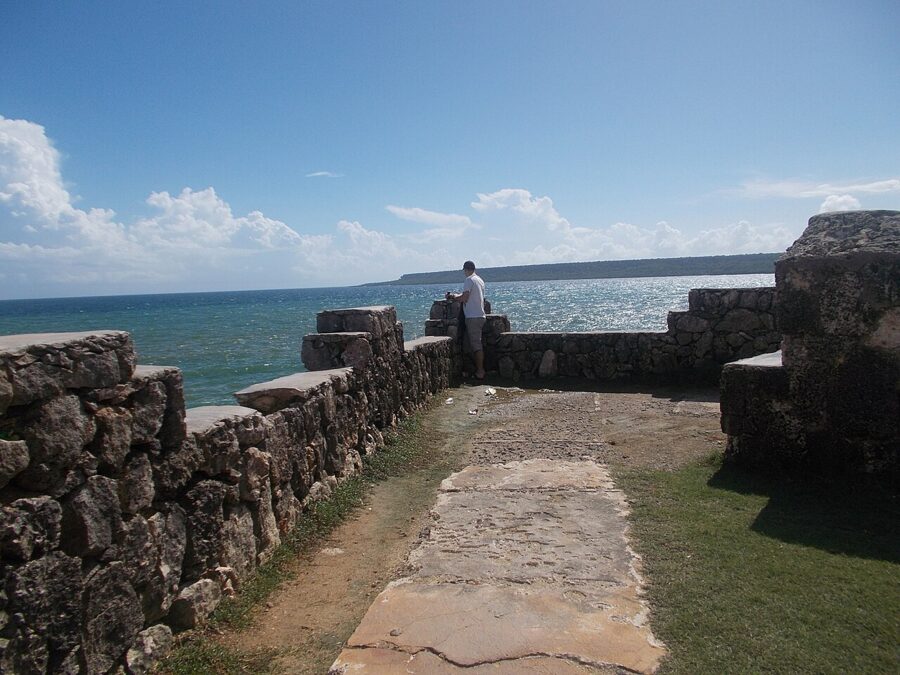
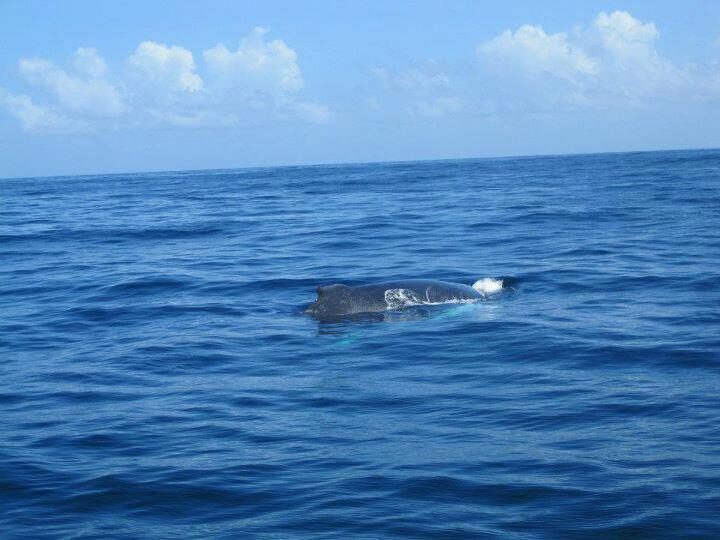
Montaña Redonda, near Miches about an hour north of Bávaro, is a round hill with a 360-degree view over two lagoons and Samaná Bay; you ride up in the back of a truck and the swings at the top are the photo everyone takes. Boca de Yuma, a fishing town at the eastern edge of Cotubanamá, has an old fort above the sea and simple seafood restaurants. From mid-January to March, humpback whales gather to breed in Samaná Bay, a long day trip or an overnight from Punta Cana but one of the best wildlife sights in the Caribbean.


Smaller things, local places and the calendar
A few smaller things fill a free afternoon. Monkeyland, inland in the hills, lets you feed squirrel monkeys in a large enclosure; Runners Adventures sells a Monkeyland and plantation tour from Punta Cana from $80, about five and a half hours with transport (as of November 2026). The plantation stop is the better half if you’d rather learn about cacao and coffee than feed monkeys.
Golfers come for two famous courses: Corales, at Puntacana Resort, which has hosted a PGA Tour event since 2018, and Punta Espada in Cap Cana, a Jack Nicklaus design with holes along the cliffs. Both are expensive and both need booking ahead in winter. Bávaro’s shopping is in open-air malls such as Palma Real and Downtown Punta Cana, and there are craft and souvenir stalls along the beach paths at El Cortecito, where it pays to bargain.
Coco Bongo and nights out
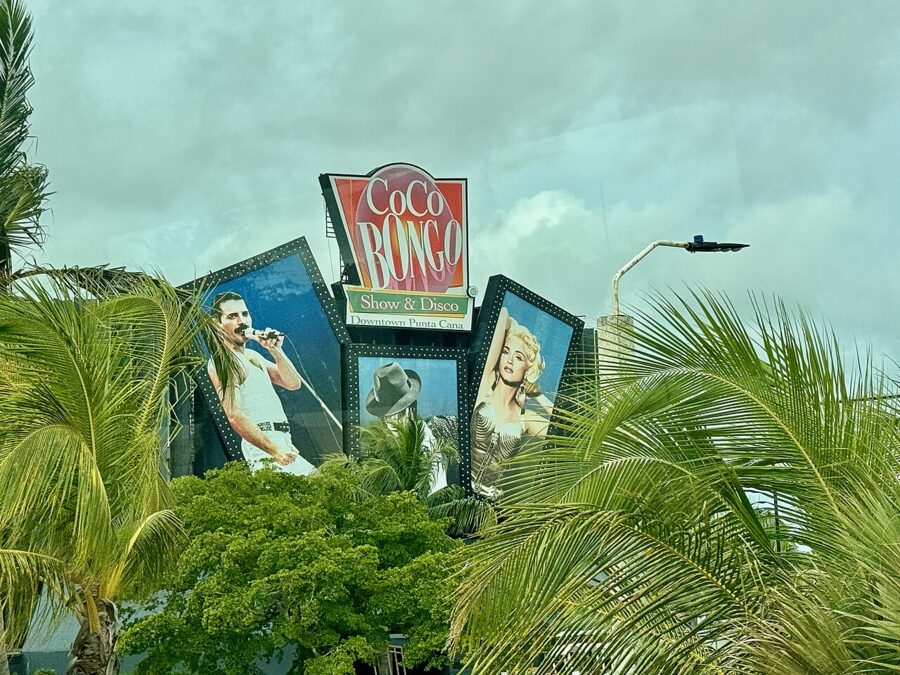
Coco Bongo Punta Cana, at the Downtown Punta Cana mall on the Barceló road, is a show-club: acrobats, tribute acts and a party in one long night. It’s 18 and over, with official ID, and the dress code is smart casual. It’s touristy and expensive, but it’s a big production, and one night is enough for most people. Its listed nights are Tuesday to Sunday from 8pm, closed Mondays (as of November 2026).

Festivals by month
| When | What | Where |
|---|---|---|
| January 21 | Day of the Virgin of Altagracia, national holiday and pilgrimage | Basilica, Higüey |
| Mid-January to March | Humpback whale season | Samaná Bay |
| February (Sundays) | Carnival season across the country, peaking around Independence Day, February 27 | Towns nationwide |
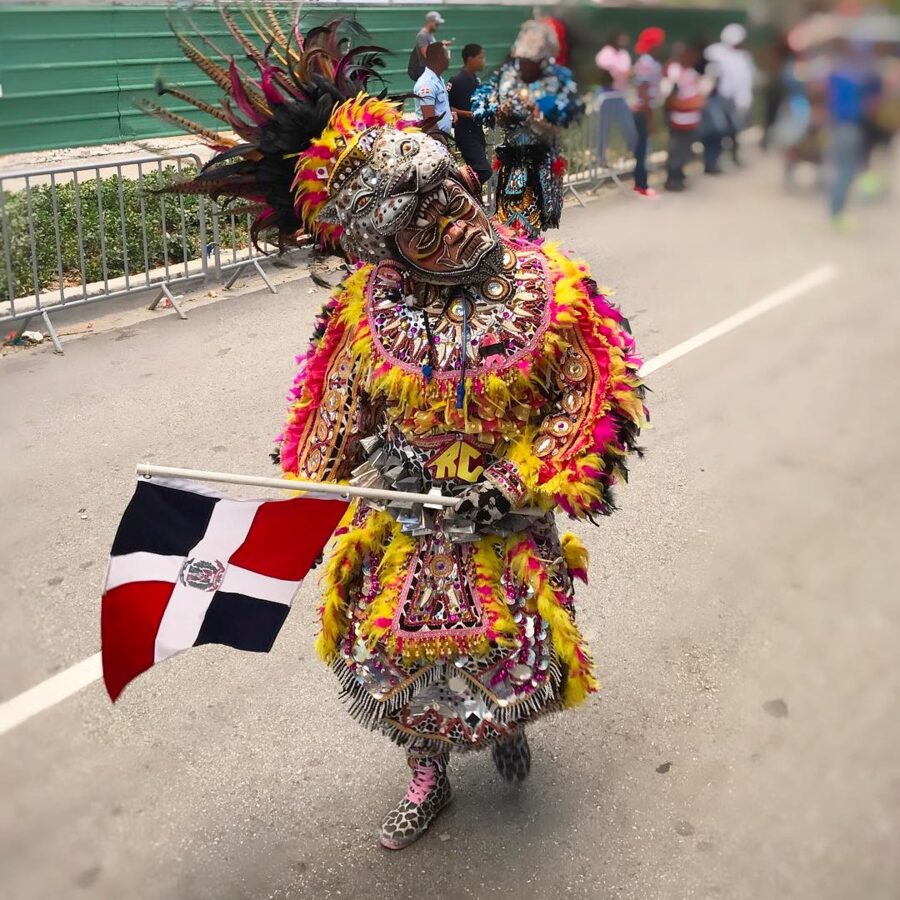
| Carnival season (date varies) | Carnaval Punta Cana, a free parade with more than 1,500 performers | Boulevard 1ro de Noviembre, Puntacana Village |
| March or April | Semana Santa (Holy Week): Dominican families fill the beaches | The whole coast |
| June 1 to November 30 | Atlantic hurricane season | The whole island |
The Punta Cana carnival is held on the boulevard in Puntacana Village and draws around 20,000 people, according to the organizers. It’s free and family-friendly, with parades by day and music after dark. Check the resort’s events page for the date, which moves from year to year.
Going beyond the all-inclusive
If you only want sun and a pool, the all-inclusive does that well. But the food is often the weak point, and everything outside the gates comes with a tour markup.
Eat out at least twice. Book excursions directly with the operator rather than through the hotel desk. Take a taxi to El Cortecito and walk the beach north. And spend a morning in Higüey or Verón, where the people who run the resorts live and shop.
Some resorts restrict outside visitors, and a few charge a day-pass fee if you want to use another hotel’s facilities. The beach in front, though, is open to anyone walking along the sand.
Where to eat and drink
All of these were open and trading in November 2026, but hours change, so check before you go. Beach restaurants in Bávaro price in dollars and charge closer to a US beach town than to a Dominican comedor, where the plato del día costs far less. Bills normally include 18% tax and a 10% service charge, so check the bottom line before adding a tip.
Breakfast and coffee
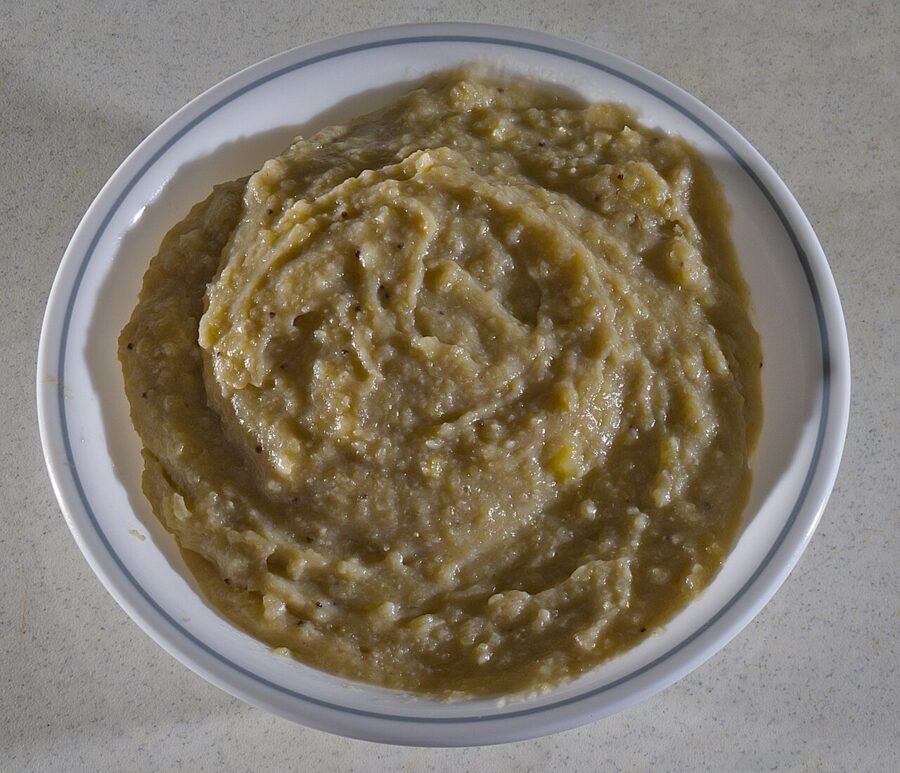
Kat’s Corner in Los Corales does American-style breakfasts and is open daily from 8:30am to 11pm. For a Dominican breakfast, look for mangú, mashed green plantains served with fried cheese, salami and eggs (los tres golpes), at local cafeterías and comedores.
Lunch on the sand
Jellyfish, on the beach at Bávaro, opens from 7am to midnight daily and is the classic long lunch with your feet near the water. Huracán Beach Club in Los Corales (9am to 10pm daily) is an Italian kitchen on the beach. Pearl Beach Club at Cabeza de Toro, open 10am to 7pm, is the better bet if you want loungers and a whole day at a beach club.
Seafood and Dominican food
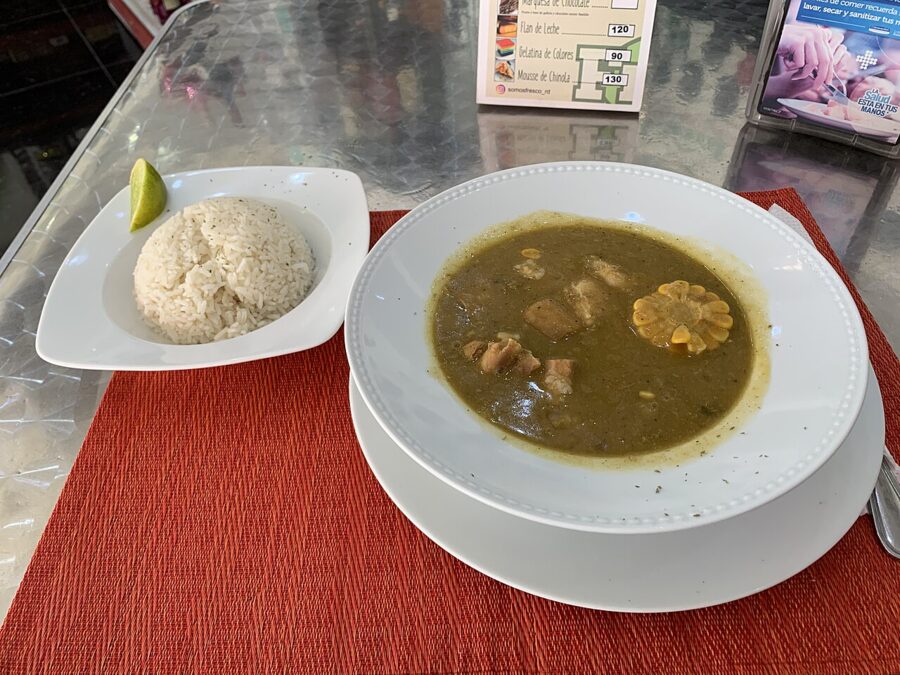
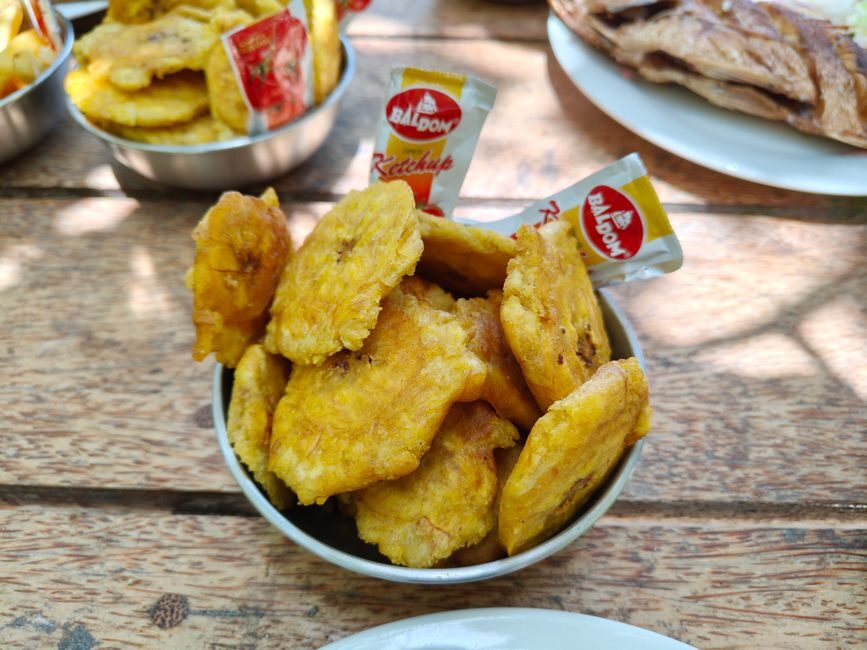
Capitán Cook, in the fishing village at El Cortecito, is the place for whole fish and lobster you choose from the ice and eat at tables on the sand; it opens daily from 12:30pm to 11:30pm. La Casita de Yeya, in the Galerías Punta Cana shopping area, serves comida típica, Dominican home cooking, from 9am into the evening.

A special dinner
La Yola, at the Puntacana Resort marina, is built on the water in the shape of a fishing boat and serves Caribbean and Mediterranean seafood; it opens Thursday to Monday, 6pm to 10:30pm, and is closed Tuesday and Wednesday (as of November 2026). Noah, on the Barceló road in Bávaro, is a popular all-day restaurant open until midnight. Book both, especially in winter.
Drinks and late nights
Pal Patio, at Downtown Punta Cana, is a bar and grill with music that opens at 3pm and runs until 2am, or 3am on Fridays and Saturdays. Try Presidente beer, a rum from Brugal, Barceló or Bermúdez, and mamajuana, the local bark-and-herb infusion that every tour seems to pour, at least once.
When to go and how long to stay
Punta Cana is warm all year, with highs in the mid-80s°F in most months. The driest, breeziest and busiest season is December to April, which is also when prices peak, especially over Christmas, Presidents’ Day and spring break. May to November is hotter and more humid, with short, heavy showers that often clear within an hour.
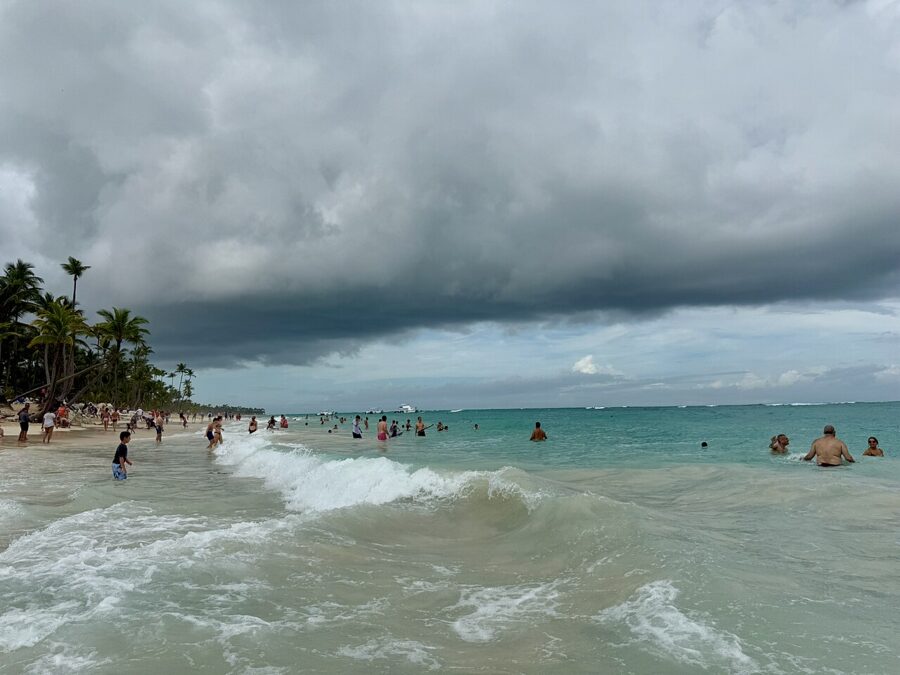

The worst time is the heart of hurricane season, August to October, when storms are most likely. Hurricane season officially runs from June 1 to November 30, and a direct hit is rare in any given year, but buy travel insurance that covers storms if you book for those months. June, early July and November are a reasonable compromise: lower prices, fewer crowds and a modest storm risk.
Three or four days is enough for a beach day, Saona, Hoyo Azul and a night out. Five to seven days lets you add Higüey, a La Romana day and real downtime. Much more than a week, and most people move on to Santo Domingo or Samaná.
A simple one- or two-day plan
Day one. Morning at Scape Park for Hoyo Azul, arriving at 9am opening, then the zip lines or the cave swim. Late lunch at Jellyfish on Bávaro beach, a walk north to El Cortecito at sunset and dinner of fresh fish at Capitán Cook. If you still have energy, a show at Coco Bongo.
Day two. A full-day Saona trip from Bayahibe, leaving early and back by evening. On a second free day, swap Saona for Higüey’s basilica and market in the morning and the Ojos Indígenas reserve in the afternoon, finishing with dinner at La Yola (Thursday to Monday).
Getting around and practical notes
Taxis. Taxis are the default, run by local unions with fixed rates by zone; they don’t use meters, so agree the fare before you get in. The airport posts its own taxi rates. Uber operates in Punta Cana and the airport lists a pickup point, though drivers can’t always collect at hotel entrances.
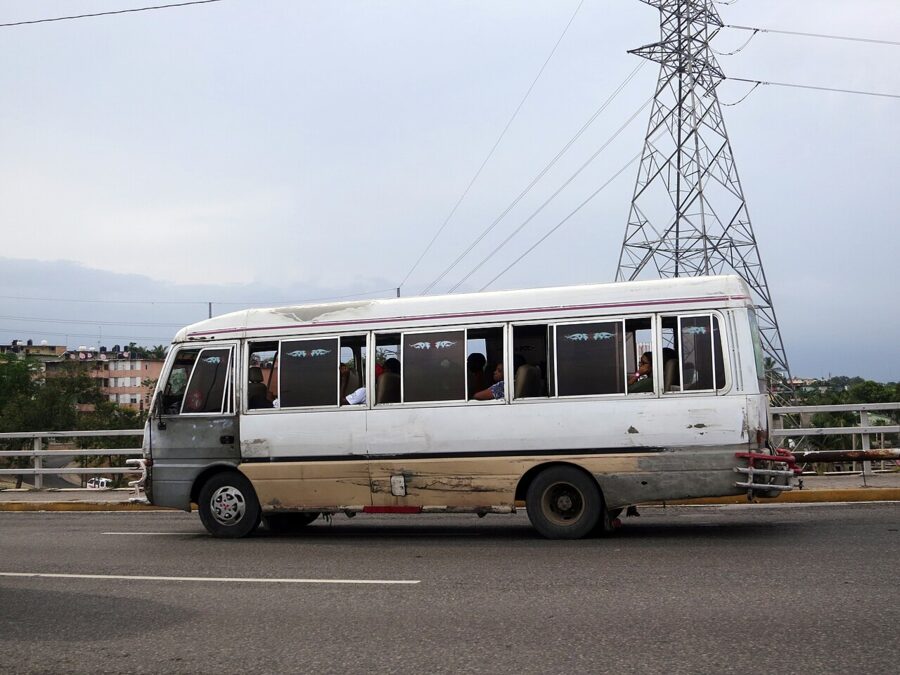
Buses. Guaguas, the shared minibuses, run along the main road between Bávaro, Verón and Higüey and cost a fraction of a taxi. They’re crowded and informal: flag one down, pay the conductor in pesos and say “aquí” when you want to stop.

Driving. Renting a car makes the day trips easy, and the main highways are good, with tolls on the routes to La Romana and Santo Domingo. But Dominican driving is assertive, motorbikes weave everywhere and night driving outside the resort area is best avoided. Park in hotel or mall lots, and don’t leave anything visible in the car.
Money. The currency is the Dominican peso. The Central Bank’s reference rate was about RD$60 to the US dollar in mid-November 2026, so $500 is roughly RD$30,000: plenty for a few excursions and meals out for one person, not much for a family. Dollars are accepted in tourist areas, often at a poor rate, so pay in pesos at local places and use cards at larger ones.
Water and health. Don’t drink the tap water; resorts supply bottled or filtered water, and brushing your teeth with it is the cautious choice. Use high-factor sunscreen and bring insect repellent for evenings and inland trips. Plugs and voltage are the same as in the US.
Current travel advice
As of November 2026, the US State Department rates the Dominican Republic Level 2, “Exercise Increased Caution,” because of crime, the same level it carried through 2025. The advisory names robbery, homicide and sexual assault as concerns across the country, and notes that resort areas are better policed than cities such as Santo Domingo. It advises not resisting a robbery, keeping expensive jewelry and watches out of sight and enrolling in the Smart Traveler Enrollment Program (STEP).
In practice, the main risks in Punta Cana are ordinary ones: use licensed taxis or hotel transport at night, keep phones out of reach of passing motorbikes, don’t leave drinks unattended and be wary of meeting strangers from dating apps, which the State Department flags. Book tours with established operators that carry insurance.
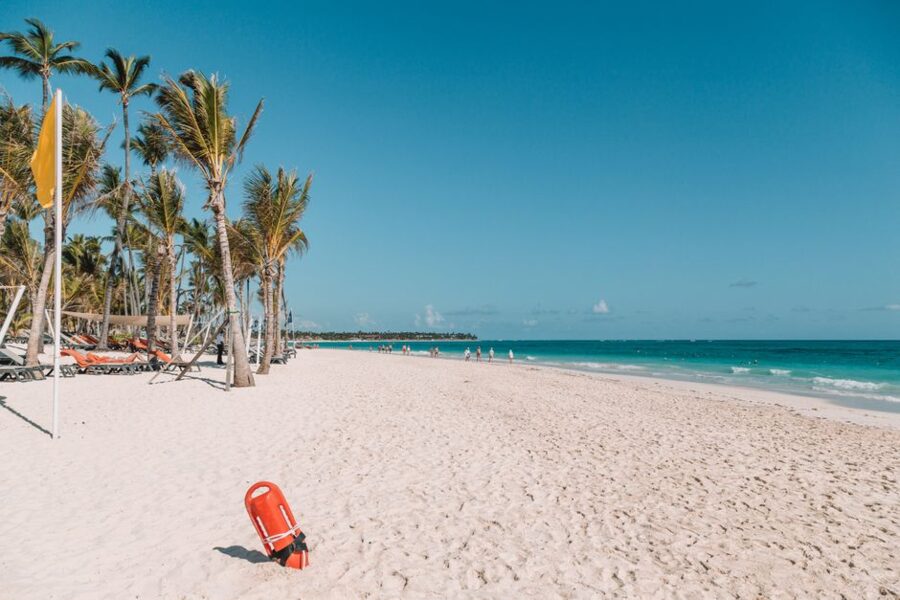
The sea is the bigger hazard for most visitors. Rip currents form on the open beaches, especially Macao, Arena Gorda and Uvero Alto, and many beaches have no lifeguard. If you’re caught in one, swim parallel to the shore until you’re out of it, then head in.
Last tip: fill in your E-Ticket the week before you fly and screenshot the QR code, because the airport’s Wi-Fi is the last place you want to be doing it.