Give Fredericksburg two full days: one for the Civil War battlefields that ring the town, and one for the Washington family houses, the riverfront and the brick streets of the historic district. One day covers the downtown museums and the Sunken Road, but the outlying battlefields at Chancellorsville, the Wilderness and Spotsylvania need a car and most of a second day.
The city sits on the Rappahannock River at the fall line, about halfway between Washington and Richmond, and it was laid out as a river port in 1728. That position made it valuable in the 1700s, when George Washington grew up across the river, and deadly in the 1860s, when two armies fought four major battles within 20 miles of it. Today it is a small university city with a walkable downtown, a commuter rail line to Washington and enough history to fill a week if you let it.

On this page
- Fredericksburg in brief: where it is and how to get there
- The Civil War battlefields
- The Washington family and the historic district
- The Rappahannock
- Smaller and local things
- Festivals and events by month
- Where to eat and drink
- When to go
- How many days, and a simple two-day plan
- Getting around and practical notes
Fredericksburg in brief: where it is and how to get there
Fredericksburg is an independent city, wrapped by Spotsylvania County to the south and west and by Stafford County across the river, where Ferry Farm, Chatham and the village of Falmouth sit. The downtown historic district covers about 40 blocks.
Driving
Interstate 95 runs along the west side of the city, and exit 130 (Route 3 east) leads straight into downtown. By road, downtown Washington is about 53 miles north and downtown Richmond about 57 miles south: roughly an hour from each with clear roads. I-95 between Fredericksburg and Washington is regularly congested, so a Friday afternoon or Sunday evening drive can take far longer. The I-95 Express Lanes, a toll road with prices that change with traffic, can save time at peak hours if you have an E-ZPass.
Nearest airports
- Ronald Reagan Washington National (DCA): about 50 miles, the closest; Metro to Alexandria connects with trains south.
- Richmond International (RIC): about 64 miles.
- Washington Dulles (IAD): about 58 miles, but slower than that suggests in traffic.
- Baltimore/Washington (BWI): about 85 miles.
The train from Washington
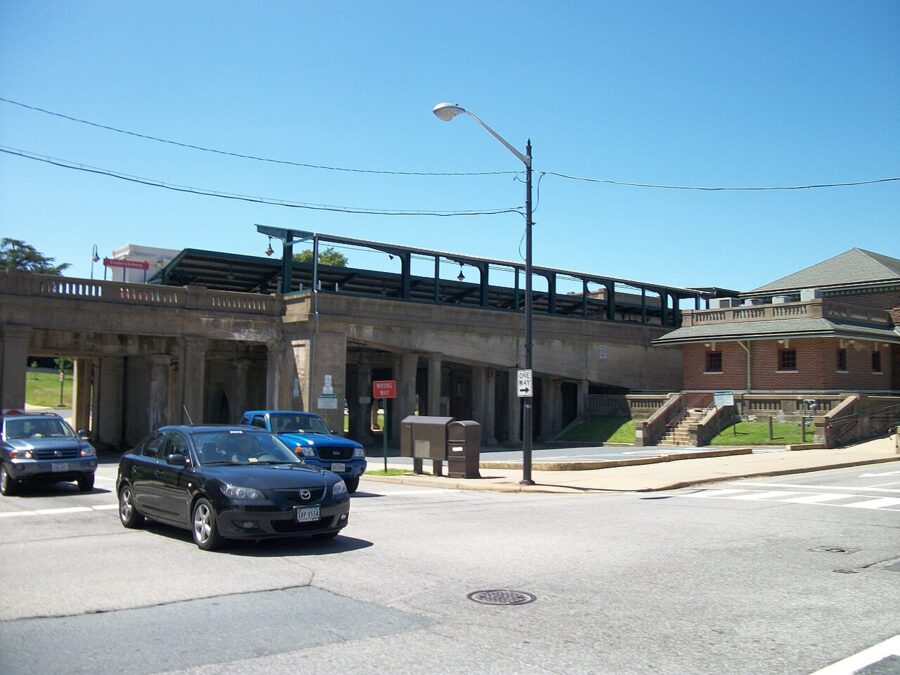
Amtrak lists three routes at the station: the Northeast Regional, the Carolinian and the Silver Meteor, so there are direct trains from Washington Union Station, Alexandria, Baltimore, Philadelphia and New York. The platforms sit above Caroline, Princess Anne and Charles streets at the south edge of downtown, a few minutes’ walk from the museums and restaurants.
Virginia Railway Express (VRE) also ends its Fredericksburg Line here. It is a commuter service timed for weekday rush hours into Washington and back, so it suits a Friday arrival or a Monday departure better than a weekend round trip. Check its current timetable before you plan around it; for weekend trips, plan on Amtrak.

The Civil War battlefields
Four battles were fought here in less than a year and a half: Fredericksburg in December 1862, Chancellorsville in May 1863, and the Wilderness and Spotsylvania Court House in May 1864. The Fredericksburg and Spotsylvania National Military Park protects parts of all four, plus Chatham, Salem Church and the house where Stonewall Jackson died. Entry to every part of the park is free, and the grounds and trails are open daily from sunrise to sunset.
Fredericksburg Battlefield: the Sunken Road and Marye’s Heights
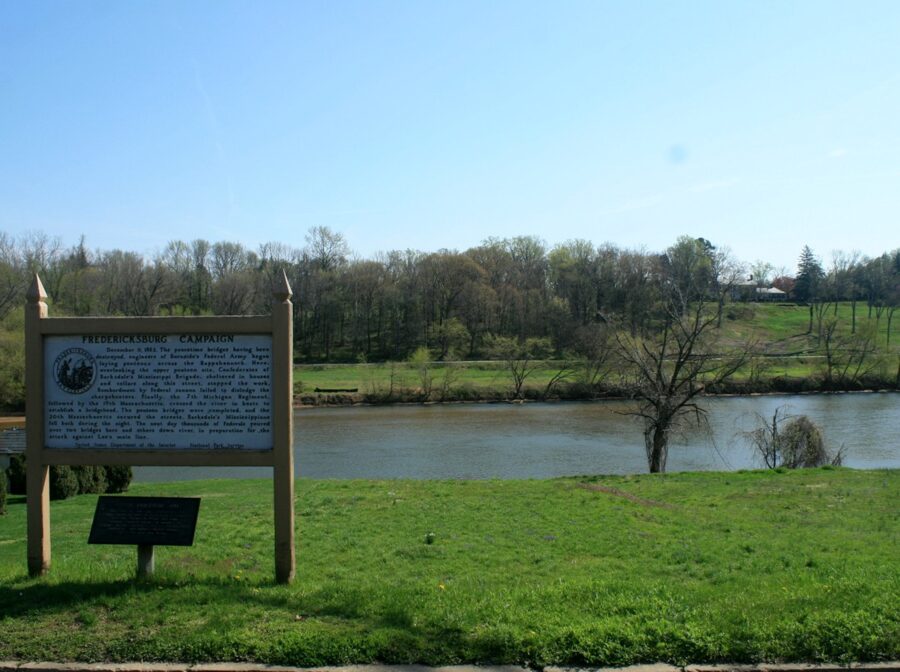
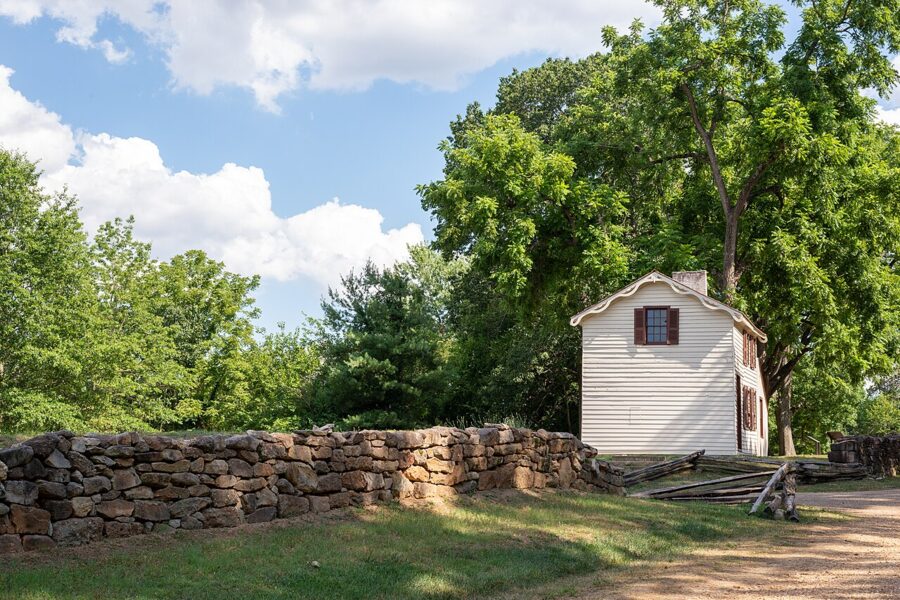
Start here, because it is in town and it explains everything else. On December 13, 1862, Union troops crossed the open ground west of the city and attacked Confederate infantry sheltered behind a stone wall along a sunken farm road at the foot of Marye’s Heights. Wave after wave failed. It remains one of the most one-sided defeats of the war, and the wall is still there.
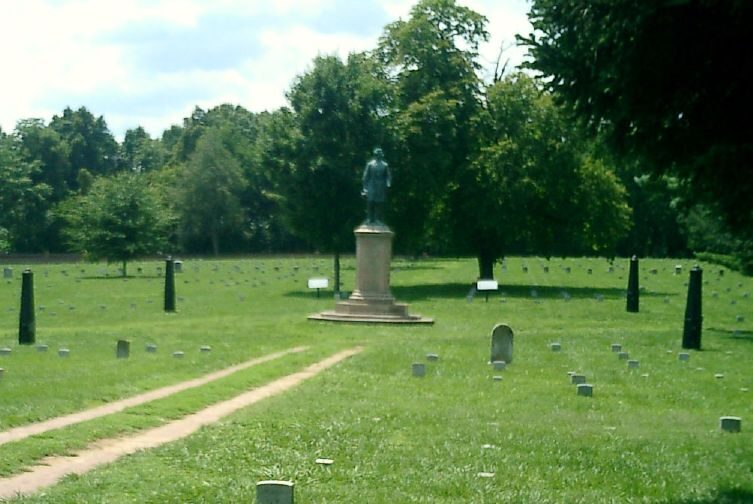
The Sunken Road Walking Trail is a 0.5-mile loop that follows the road and wall, passes the Innis House and climbs Marye’s Heights to the Fredericksburg National Cemetery. The cemetery is the burial place of more than 15,000 United States soldiers who died in the Civil War, most of them unidentified. Allow an hour.
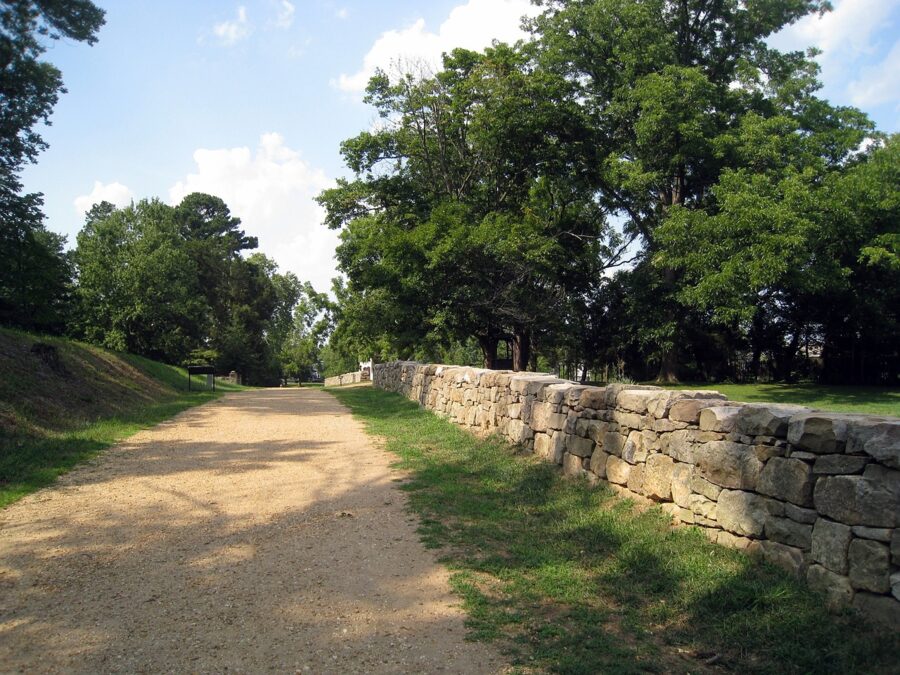
As of November 2026, the Fredericksburg Battlefield Visitor Center at 1013 Lafayette Boulevard is closed for a maintenance project that began in August 2025, and the park has not given a firm reopening date. The park store beside its parking lot is open daily from 9am to 5pm with a ranger on hand for orientation, and the 22-minute park film can be watched online. Rangers lead 45-minute Sunken Road walking tours at 10:30am and 2pm on Saturdays and Sundays, weather permitting.

South of town, the park’s driving tour continues along Lee Drive, a few miles of road along the old Confederate line, to Prospect Hill, where Stonewall Jackson’s troops held the southern end of the field. It is much quieter than the Sunken Road.
Chatham Manor
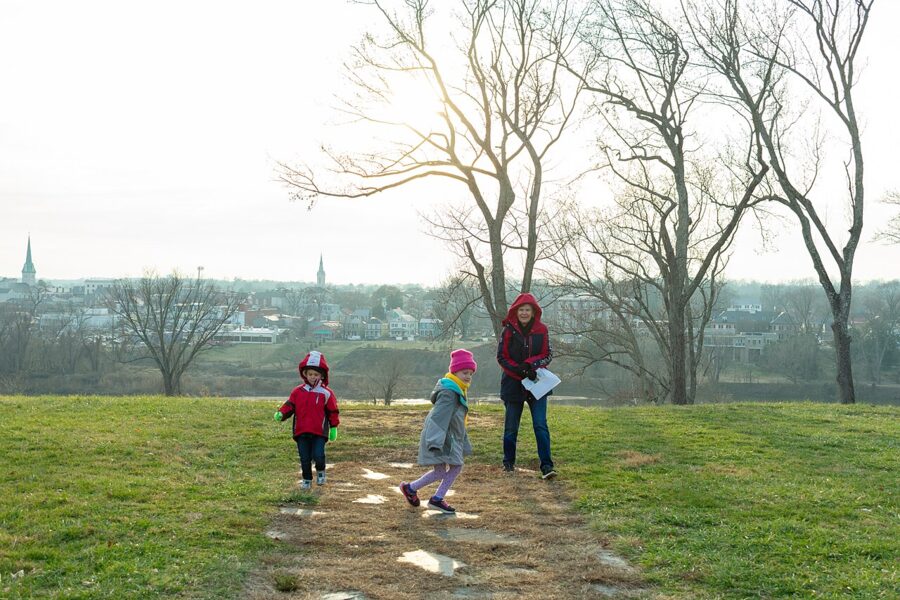
Chatham stands on the Stafford County bluff directly across the river from downtown, and its lawn gives the best view of the old city. The Georgian house, built around 1770, served as a Union headquarters and field hospital during the Battle of Fredericksburg, and both Clara Barton and Walt Whitman tended wounded soldiers there. It is now the park’s headquarters, at 120 Chatham Lane.
The house reopened for tours in June 2026 after a rehabilitation project, but as of November the main building is closed for the winter season. The gate is open from 9am to 5pm and the grounds are open daily, so the gardens and the view across the Rappahannock are still worth the short drive over the bridge.
Chancellorsville, the Wilderness and Spotsylvania
The other three battlefields lie west of the city along Route 3 and Route 20, in thick woods. Chancellorsville, where Robert E. Lee divided his smaller army and routed the Union right flank in May 1863, is the one to choose if you only have time for one. Its visitor center at 9001 Plank Road, about 11 miles (20 minutes) from downtown, has exhibits on all three battles and its own 22-minute film.
As of the park’s winter 2026 to 2027 schedule, the Chancellorsville Battlefield Visitor Center is open Thursday to Monday, 9am to 5pm. Rangers lead walking tours there at 10:30am and 2pm on Saturdays and Sundays. In summer, roughly Memorial Day weekend to mid-August, both park visitor centers usually open daily from 9am to 5pm with more programs.
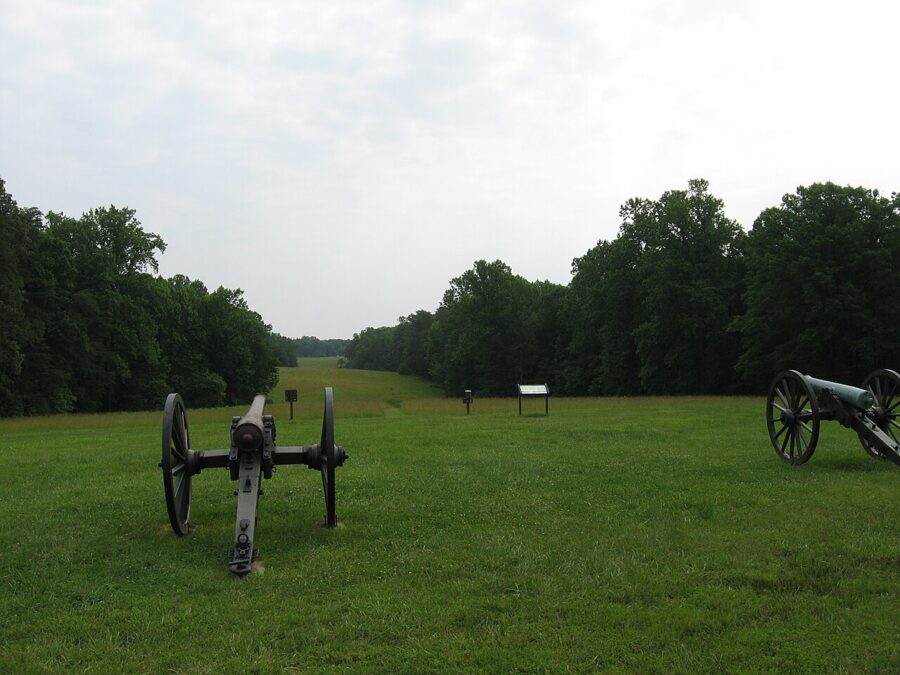

The Wilderness Battlefield, the first clash between Grant and Lee in May 1864, has an open-air exhibit shelter at 35347 Constitution Highway in Locust Grove, about 18 miles from town. Nearby Ellwood, a farmhouse used as a Union headquarters, has its house closed for the season, but you can park at the gate, leave it clear, and walk about 0.4 miles to the grounds. The grave of Stonewall Jackson’s amputated arm is in the family cemetery there.

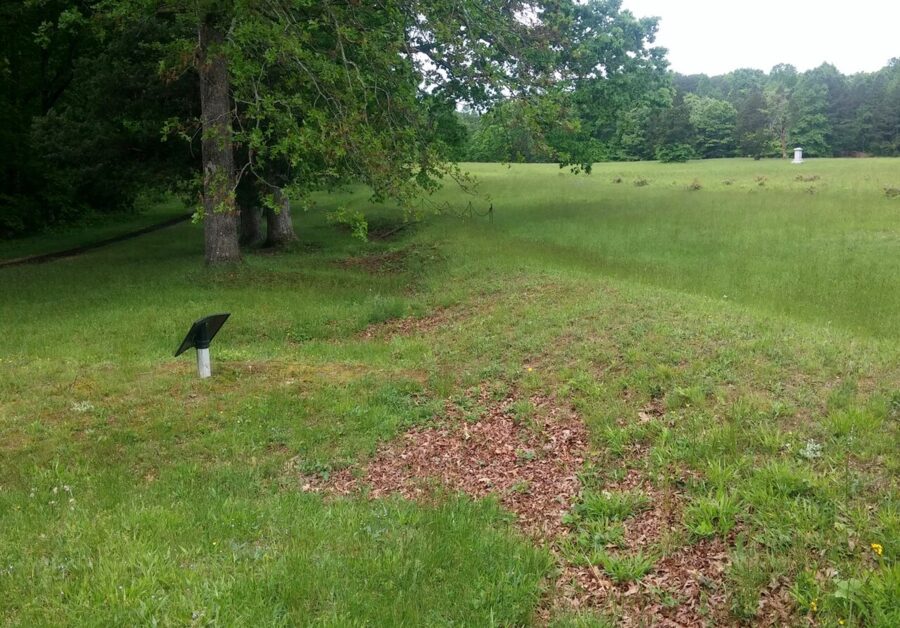
Spotsylvania Court House, about 13 miles southwest of downtown, is where the 1864 fighting reached its worst at the Bloody Angle, a bend in the Confederate earthworks fought over at close range for most of a day and night on May 12. An open-air exhibit shelter at 9550 Grant Drive West explains it, and a short trail follows the surviving earthworks. Allow an hour.

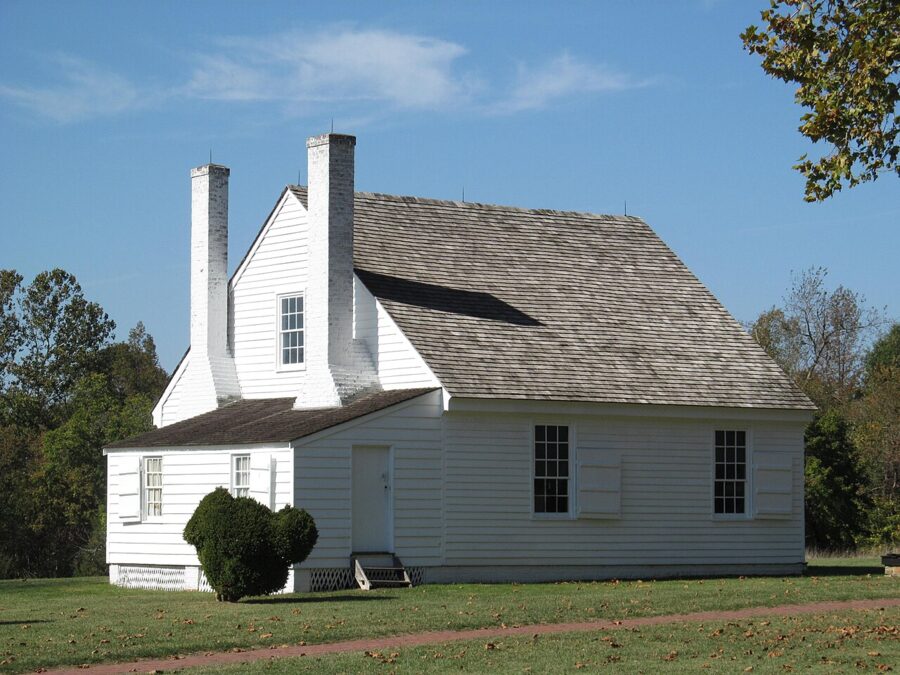
The “Stonewall” Jackson Death Site is a white frame plantation office at 12019 Stonewall Jackson Road in Woodford, about 15 miles south of the city, where Jackson died of pneumonia on May 10, 1863, eight days after he was wounded at Chancellorsville. The building is closed for the season and the grounds stay open.

The Washington family and the historic district
George Washington spent his boyhood on the farm across the river, his mother spent her last 17 years in town, and his sister built the grandest house in it. The George Washington Foundation runs Ferry Farm and Kenmore; Washington Heritage Museums runs the three downtown house museums.
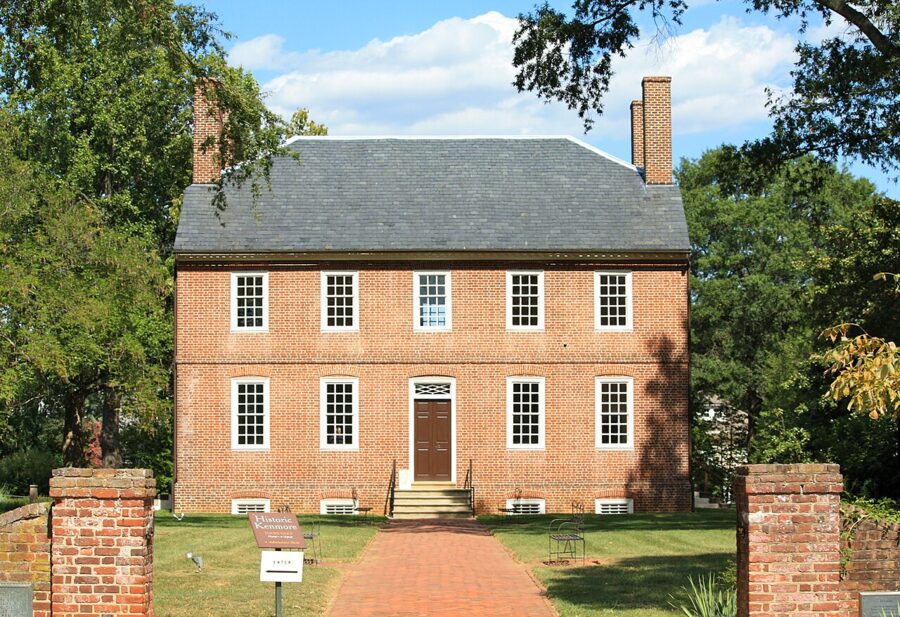
Historic Kenmore
Kenmore, at 1201 Washington Avenue, is a Georgian brick mansion completed in 1775 for Washington’s sister Betty and her husband, the merchant Fielding Lewis. The plain brick front gives no hint of the decorative plaster ceilings inside, which are the reason to take the tour. Guided tours cover the Lewis family, the people they enslaved and what the family gave up to supply the Revolution.
Tickets are $15 for adults and $6 for students aged 6 and up. The house opens Monday to Saturday at 10am and Sunday at noon, closing at 4pm in November and December and at 5pm between March and October, and the last tour leaves at 2:45pm. Kenmore closes for all of January and February and on major holidays.

George Washington’s Ferry Farm
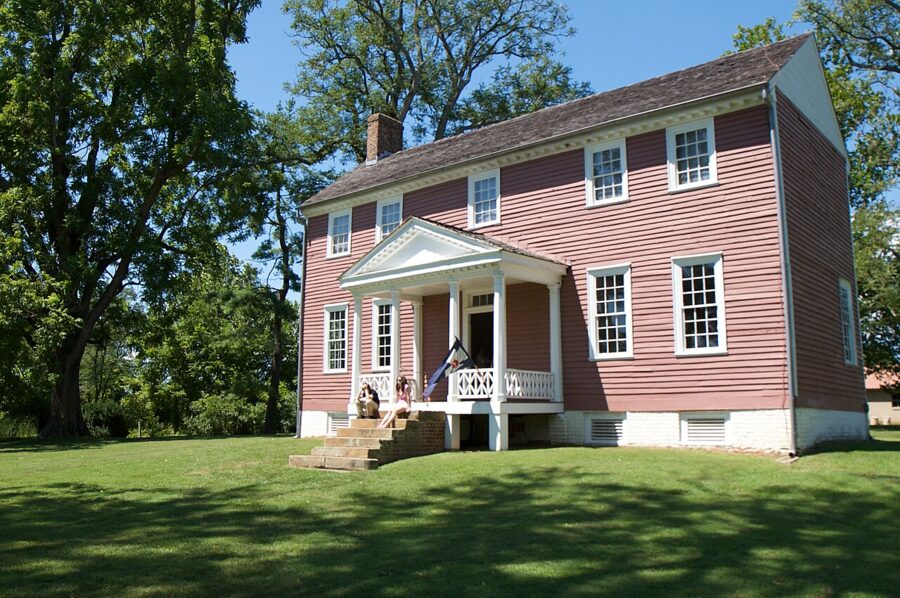
Washington was six when his family moved to this farm on the Stafford County side of the river in 1738, and it is where the cherry-tree story is set, though the story itself was invented after his death. The original house is gone. Archaeologists located its remains in 2008, and a replica built from that evidence now stands on the site.
Ferry Farm is at 268 George Washington Way; the new entrance is at the traffic light where Ferry Road meets Kings Highway, and some GPS apps still miss it. The house tour costs $13 for adults and $6 for students, or $9 and $4 for the grounds only. A combination ticket with Kenmore costs $25 for adults, sold on site, and hours match Kenmore’s.
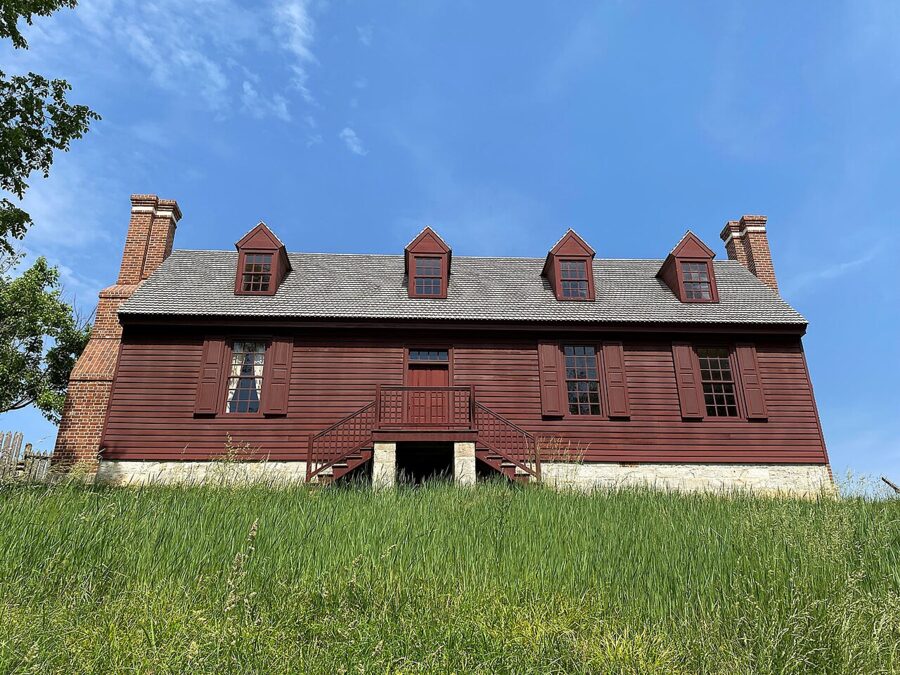

Mary Washington House, Hugh Mercer Apothecary Shop and Rising Sun Tavern
These three small house museums are the core of a downtown afternoon, and costumed interpreters lead every tour. Each costs $12 for adults and $6 for ages 6 to 18; the Heritage Pass covers all three within three months for $30 (adults) or $15 (ages 6 to 17).
From April to October all three open Monday to Saturday 10am to 4pm and Sunday noon to 4pm. From November to March they open Monday to Saturday 11am to 4pm and Sunday noon to 4pm, and they are closed on Tuesdays. Allow about 45 minutes for each.
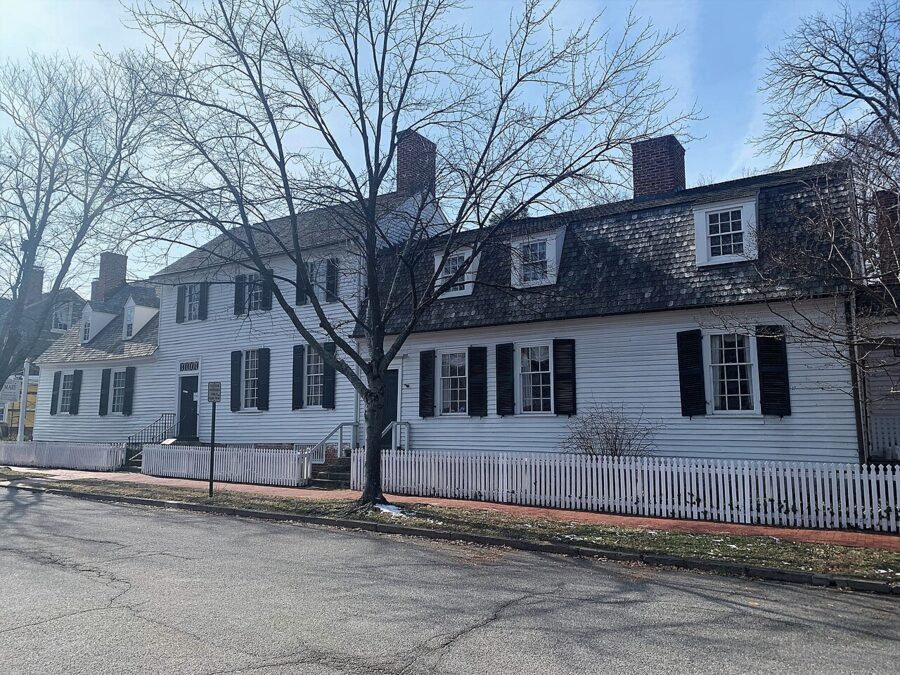

The Hugh Mercer Apothecary Shop at 1020 Caroline Street is the one children remember. Mercer, a Scottish doctor and friend of Washington, practiced medicine in Fredericksburg before joining the Continental Army, and the interpreter walks you through leeches, lancets and snakeroot in cheerful detail. It suits children from about fourth grade up.
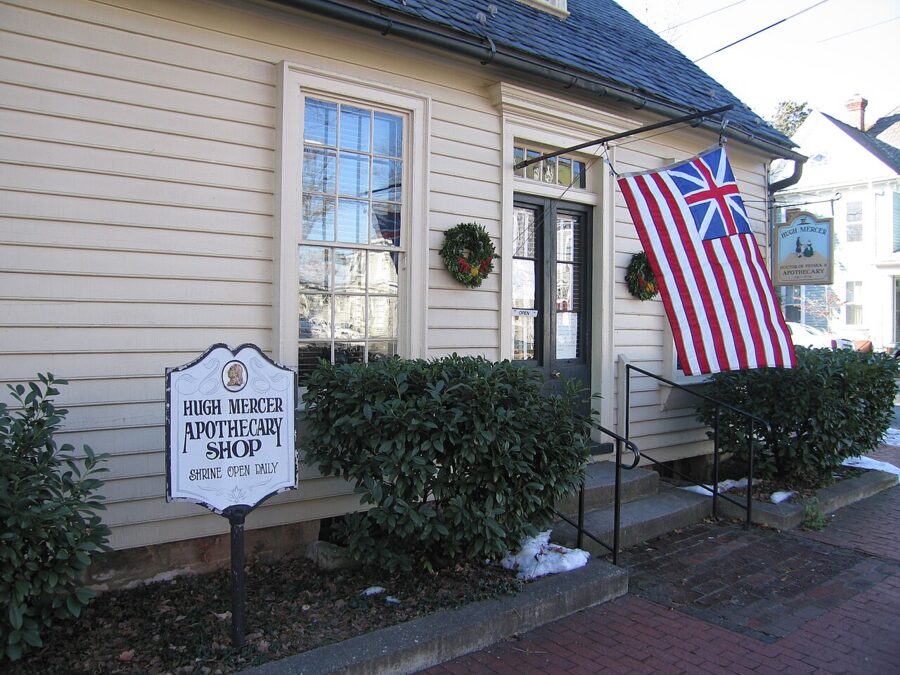
The Rising Sun Tavern at 1304 Caroline Street was built around 1760 as a home for Washington’s youngest brother, Charles, and only later became a tavern. The tour explains how an 18th-century tavern worked.
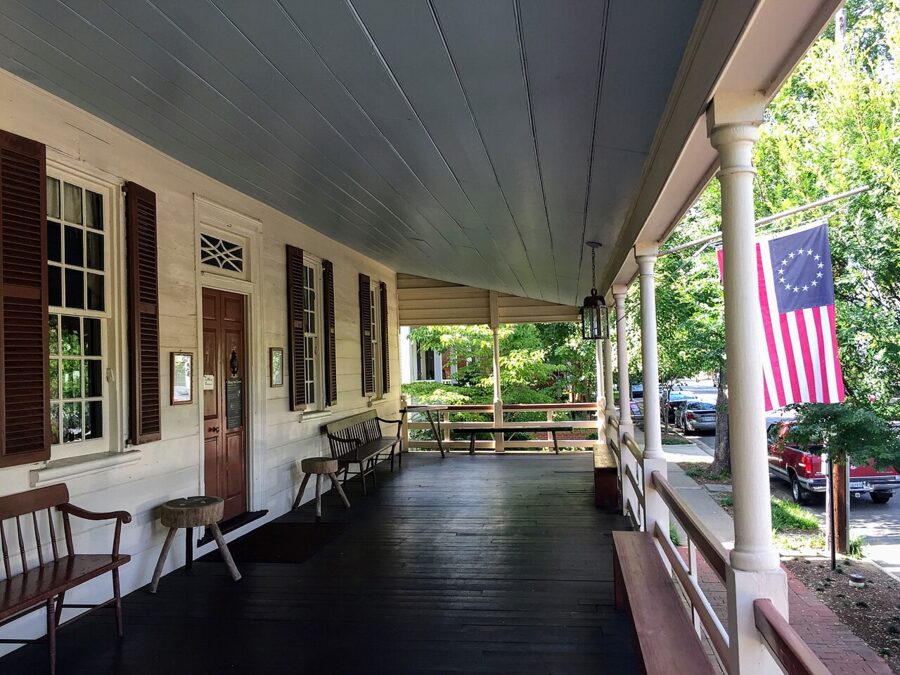

James Monroe Museum and Memorial Library
James Monroe practiced law in Fredericksburg in the 1780s before he became the fifth president, and this small museum at 908 Charles Street holds the country’s largest collection of artifacts and documents related to him.
As of November 2026 it opens Monday to Saturday 10am to 4pm and Sunday 1pm to 4pm, and admission is $6 for adults and $2 for ages 6 to 17. Allow 45 minutes.
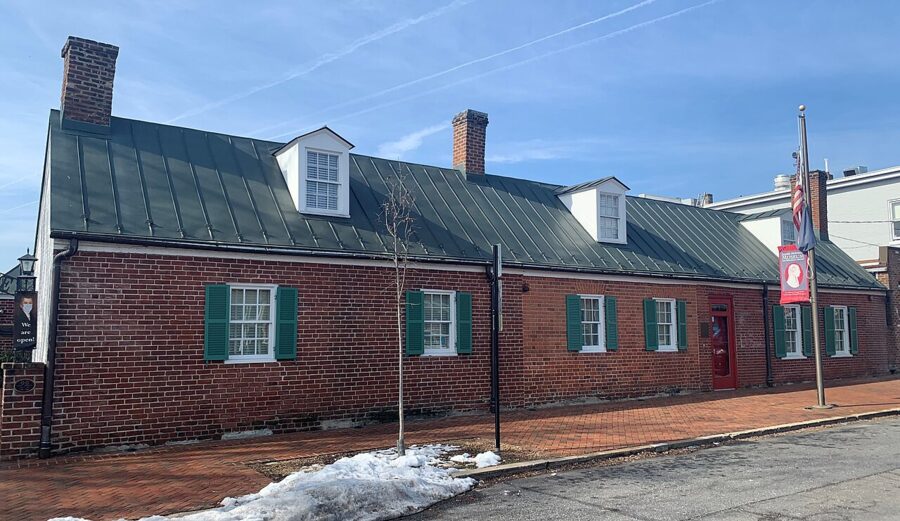

Fredericksburg Area Museum
The Fredericksburg Area Museum (FAM) is the best single place to understand the city, and it is free. Its main building is the 1816 Town Hall and Market House at 907 Princess Anne Street, on Market Square, and its exhibits run from the Native peoples of the Rappahannock through the Civil War to the civil rights era. It is open Tuesday to Sunday, 10am to 5pm, and closed Mondays.
The museum also holds the city’s slave auction block, a stone block that stood at the corner of William and Charles streets until the city removed it in June 2020 after years of debate. Ask at the front desk how it is currently displayed. Note that FAM is closed for the whole week of Thanksgiving, November 23 to 29, 2026.
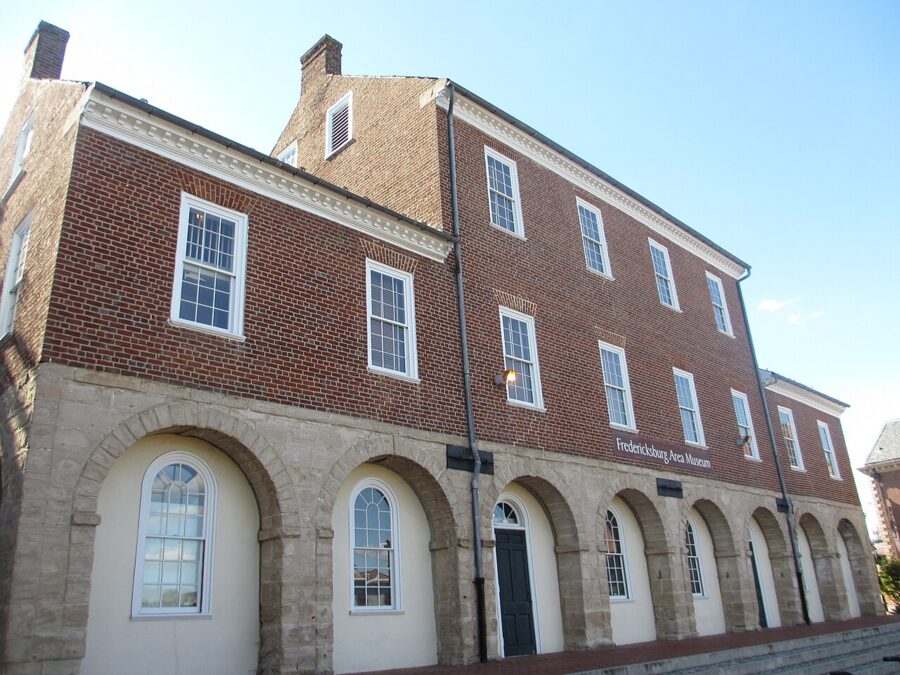

Walking the historic district
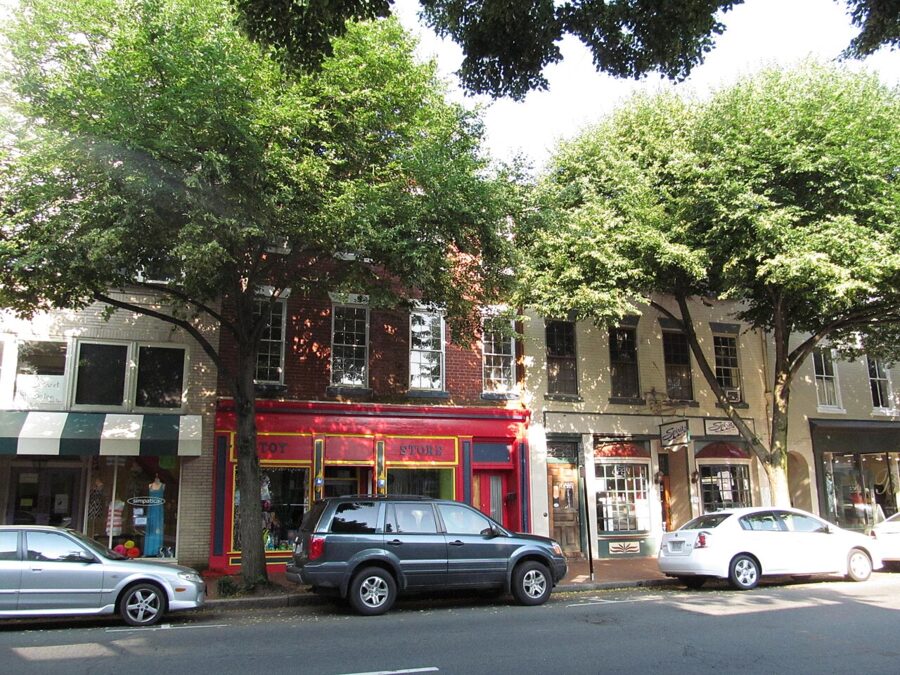
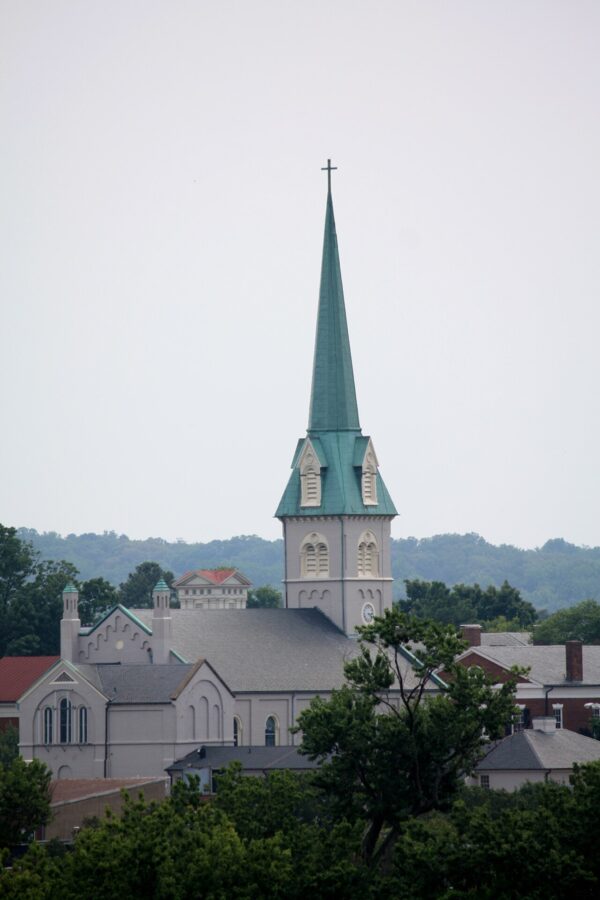
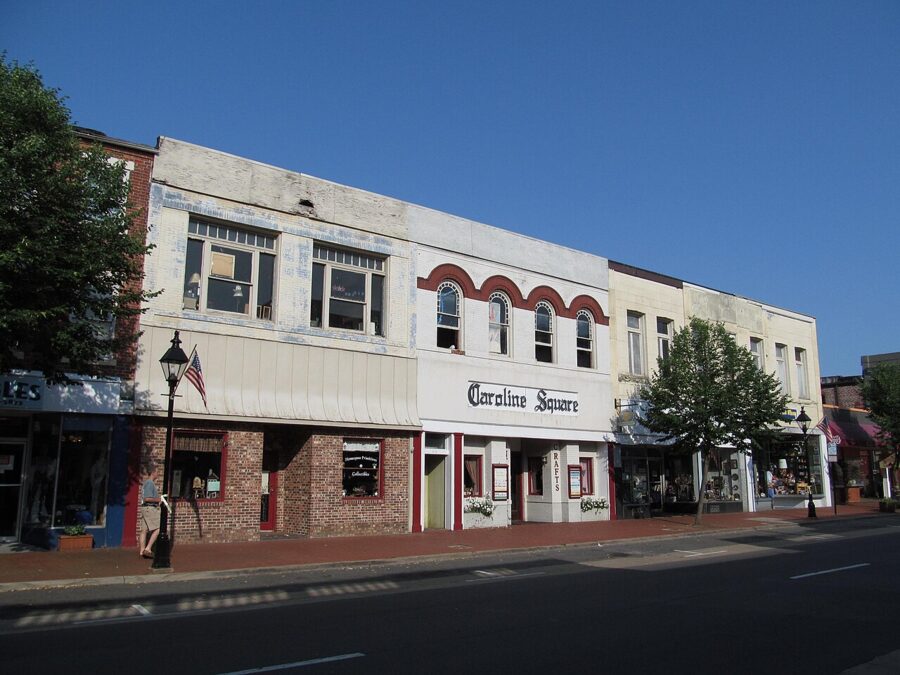
Caroline Street and Princess Anne Street are the two long spines of downtown, with William Street crossing them as the main shopping and restaurant street. Caroline Street holds most of the antique shops, bookstores and galleries; Princess Anne has the churches, the museum and the courthouse. St. George’s Episcopal Church, on Princess Anne Street, has the steeple you can see from Chatham.

For an overview before you start, Trolley Tours of Fredericksburg runs a narrated 75-minute downtown tour from the Fredericksburg Visitor Center at 601 Caroline Street, rain or shine, on covered trolleys that can carry wheelchairs with notice. Book ahead on weekends; the ticket also brings museum discounts. If you would rather walk, the Fredericksburg Civil Rights Trail is a self-guided 2.6-mile route through downtown.
Downtown museums at a glance (as of November 2026)
| Museum | Adult ticket | Winter hours | Allow |
|---|---|---|---|
| Historic Kenmore | $15 | Mon to Sat 10am to 4pm, Sun noon to 4pm (Nov to Dec); closed Jan and Feb | 1 hour |
| Ferry Farm | $13 house tour | As Kenmore; closed Jan and Feb | 1.5 hours |
| Mary Washington House | $12 | Mon to Sat 11am to 4pm, Sun noon to 4pm; closed Tue (Nov to Mar) | 45 minutes |
| Hugh Mercer Apothecary Shop | $12 | As above | 45 minutes |
| Rising Sun Tavern | $12 | As above | 45 minutes |
| James Monroe Museum | $6 | Mon to Sat 10am to 4pm, Sun 1pm to 4pm | 45 minutes |
| Fredericksburg Area Museum | Free | Tue to Sun 10am to 5pm | 1 to 1.5 hours |
| Gari Melchers Home and Studio | $12 | Daily 10am to 5pm, last tour 3:30pm | 1.5 hours |
The Rappahannock
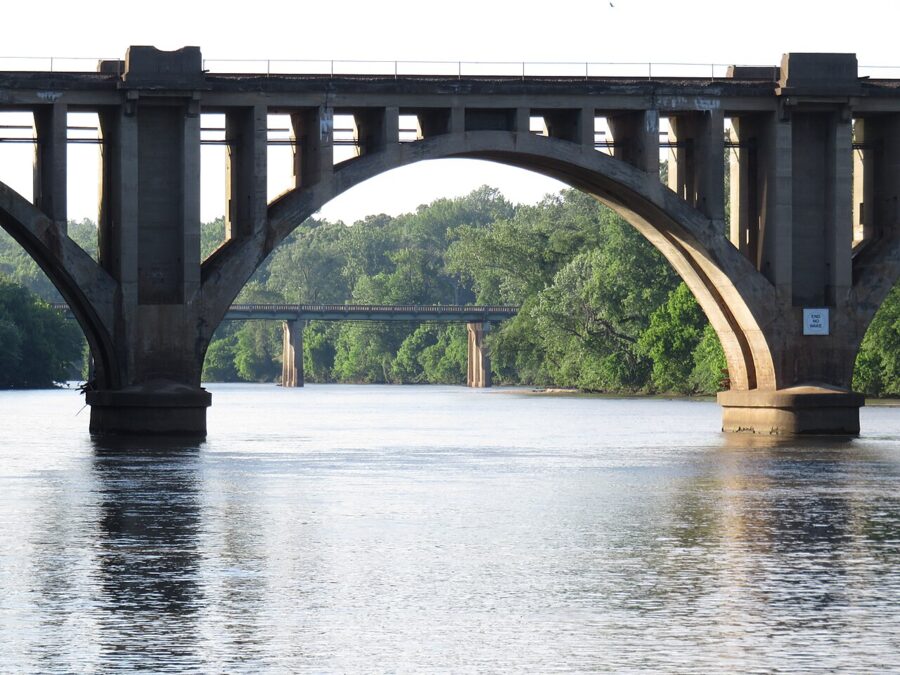
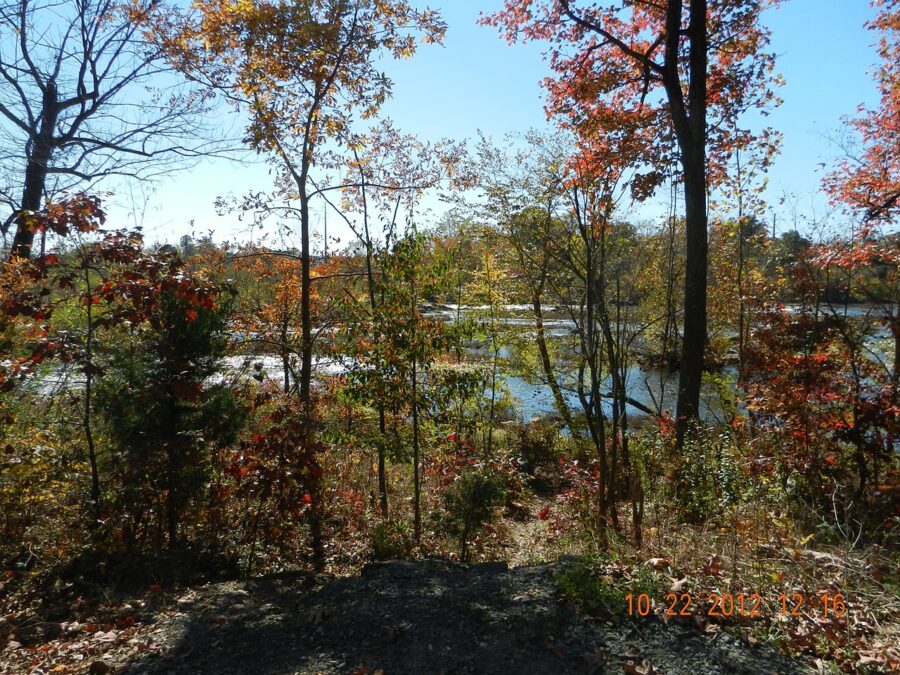
The river is why the town exists, and it is the easiest way to spend a free afternoon. It runs wide and shallow past downtown, with rocky rapids upstream at the fall line, and since the Embrey Dam above the city was breached in 2004 it has flowed freely past the town.

Riverfront Park and the City Dock
Riverfront Park fills the 600 block of Sophia Street, one block below Caroline Street, with lawns, a playground and a water feature facing the river. It hosts the city’s Fourth of July celebrations. Look for the bronze otter statues here and at Hurkamp Park, part of a citywide public art project. The City Dock, at the south end of Sophia Street, is where people launch kayaks and fish.
The Heritage Trail and Canal Path
The Rappahannock River Heritage Trail is a paved riverside path of about 1.6 miles from Old Mill Park to the north end of downtown. It connects at both ends with the Canal Path, which follows an old power canal on higher ground, to make a loop of a little over three miles, good for an early run or a slow walk with a coffee. Old Mill Park, with its parking lot at 2410 Caroline Street, has parking, picnic shelters and restrooms.
On the water
In summer, local outfitters rent tubes, kayaks and canoes for trips on the river above town, with shuttles back to the start. Trips depend on the river level and are cancelled when the water is high. Wear a life jacket: the Rappahannock looks gentle but has strong currents around the rocks.
Falmouth and Gari Melchers’ Belmont
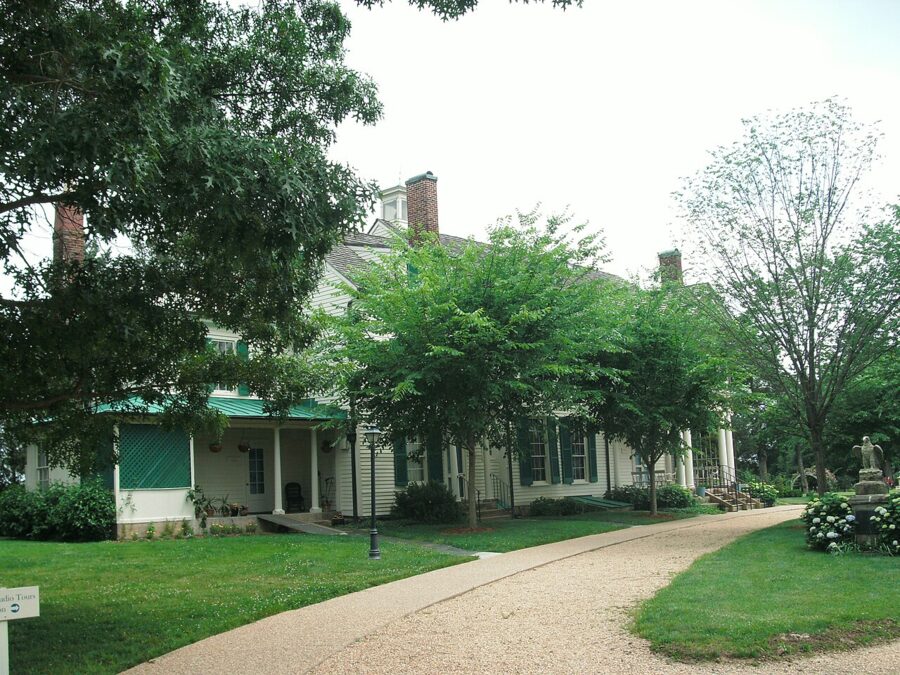
Across the river and upstream, the old port village of Falmouth holds Belmont, the 27-acre estate of the American painter Gari Melchers and his wife Corinne. The University of Mary Washington runs it as the Gari Melchers Home and Studio, at 224 Washington Street, Falmouth, open daily from 10am to 5pm. Tours of the home or the studio start hourly from 10:30am, the last at 3:30pm from November to March and 4pm from April to October.
General admission is $12, and up to two students aged 18 and under get in free with each paying adult. The gardens and several miles of woodland trails are free every day from 10am to 5pm.

Smaller and local things
- Fredericksburg Farmers Market. Hurkamp Park, at Prince Edward and George streets, Saturdays from 7am to 1pm in season (the 2026 season ran April 11 to December 5). A midweek market runs on summer Wednesdays from 3pm to 7pm (June 3 to September 9 in 2026).
- First Friday. On the first Friday of every month, downtown galleries and shops stay open late with new shows and live music, and the visitor center stays open until 8pm.
- A. Smith Bowman Distillery. The bourbon distillery at 1 Bowman Drive, near Dixon Park south of downtown, calls itself Virginia’s oldest and offers free guided tours and tastings. Tours run hourly from 10am (noon on Sundays) to 4pm and must be reserved online.
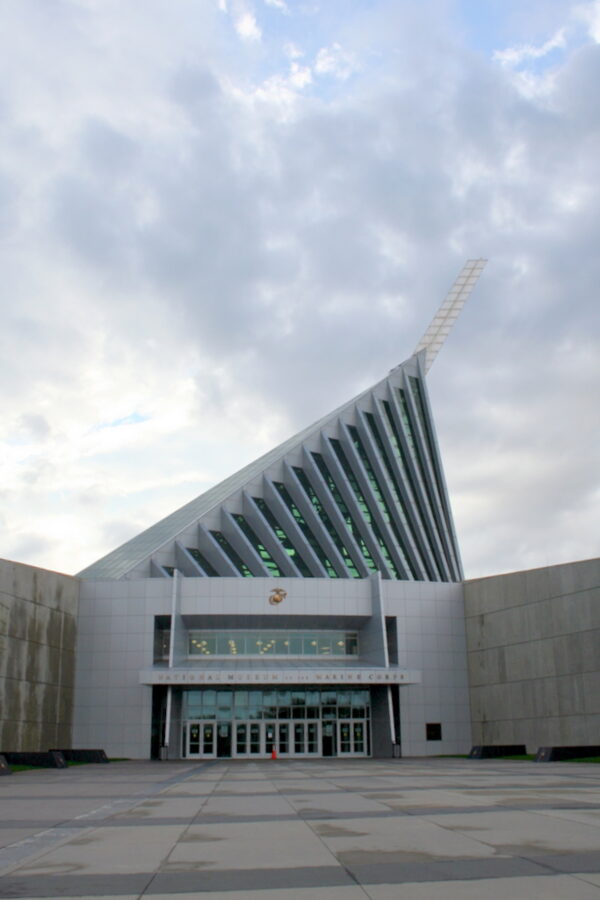
- National Museum of the Marine Corps. About 21 miles north in Triangle, an easy stop on the drive from Washington. Admission is free.
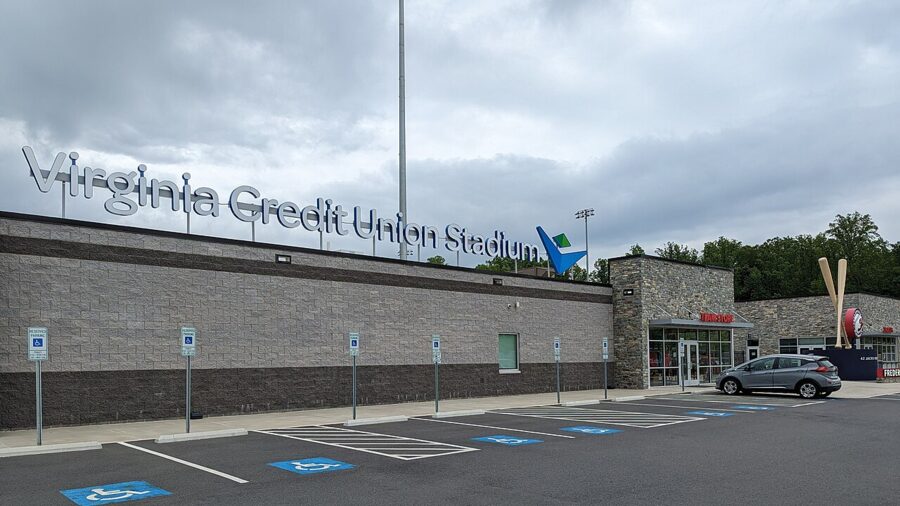
- Fredericksburg Nationals. The city’s Single-A affiliate of the Washington Nationals plays at Virginia Credit Union Stadium, with games from spring into late summer, fireworks on many Friday nights and cheap-ticket promotions.


Festivals and events by month
- Every month: First Friday gallery night downtown.
- April: The Saturday farmers market opens for the season in Hurkamp Park.
- May: Anniversary programs for Chancellorsville, the Wilderness and Spotsylvania at the national military park (they vary from year to year). The Memorial Day Luminaria lines the National Cemetery with candles.
- July: Fourth of July events at Riverfront Park. The Fredericksburg Agricultural Fair runs from late July into early August (July 24 to August 2 in 2026; general admission was $15).
- November: Holiday Open House weekend downtown in mid-November, then Small Business Saturday after Thanksgiving.
- December: The Fredericksburg Christmas Parade along Caroline and Princess Anne streets, usually on the first Saturday evening of the month (December 6 at 5:30pm in 2025), and Battle of Fredericksburg anniversary programs at the park.
Where to eat and drink
Downtown’s restaurants are mostly independent and mostly on Caroline, William and Princess Anne streets. The places below were all shown open in recent months; check hours before you go.
Breakfast and coffee
Hyperion Espresso, on the corner of William and Princess Anne streets, has been the downtown coffee stop for more than thirty years. It was renovated in July 2026 with a longer menu and a tasting room next door, and opens Monday to Saturday 7am to 6pm and Sunday 8am to 6pm.
Foode, at 900 Princess Anne Street, is co-owned by chef Joy Crump, a Top Chef alum and James Beard semifinalist. It serves lunch and dinner and a weekend brunch that is a local favorite, with buttermilk biscuits and chicken and waffles on the menu. Reserve for weekend brunch.

Lunch
Goolrick’s, at 901 Caroline Street, is the soda fountain that started as a drugstore in 1869. It reopened on August 7, 2026 after a four-year restoration, serving hand-mixed fountain sodas, egg creams, milkshakes and simple sandwiches such as chicken salad. It is open Monday to Saturday 11am to 7pm and Sunday 11am to 4pm.
Locavore, at 314 William Street, is chef Dan Perron’s restaurant, and since October 12, 2026 it has served a weekday lunch called Locavore Burger from 11am to 3pm.
Dinner
Orofino, at 1006 Caroline Street, is a chef-owned Italian restaurant run by Danilo Orofino with fresh pasta, pizza and gluten-free options. As of November 2026 it opens Monday to Thursday from 3:30pm to 9pm and Friday and Saturday from noon to 10pm, and it is closed Sundays.
Foode and Locavore also serve dinner, and William Street downtown is lined with restaurants and bars.
Ice cream, bourbon and beer
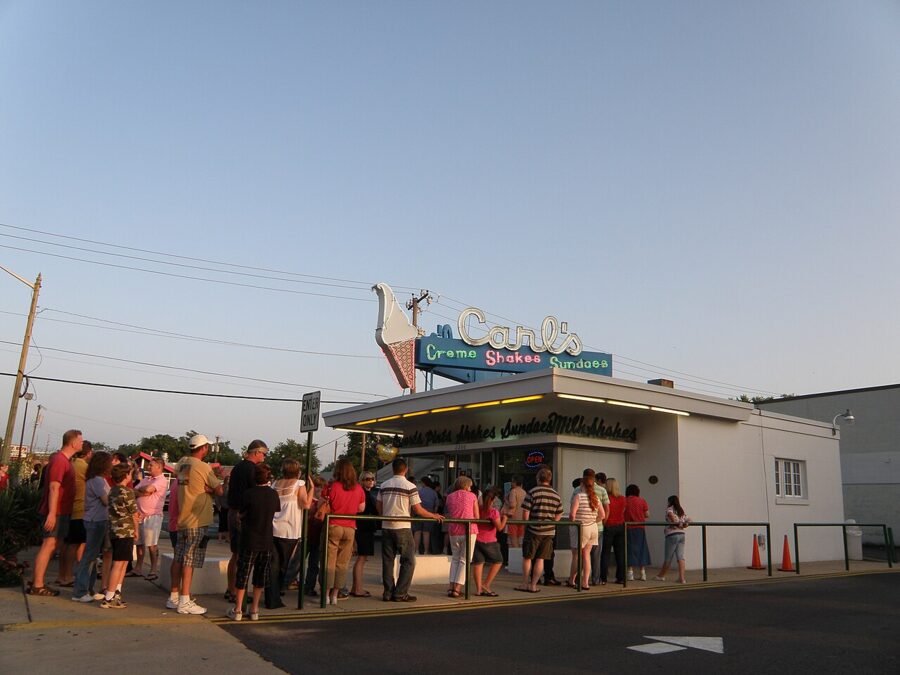
Carl’s Frozen Custard, at 2200 Princess Anne Street north of downtown, is a walk-up stand that opens for the season on the Friday before Presidents’ Day and closes on the Sunday before Thanksgiving. Its 2026 season opened on February 13, and it now takes cards.

For a drink, the A. Smith Bowman Distillery’s free tastings (above) are the local specialty, and several breweries sit in the business parks along the edge of the city.
When to go
Spring (April and May) and fall (late September to early November) are the best months, with mild days and full museum hours. Summer is hot and humid, but the national park runs the most ranger programs then and the river is warm enough for tubing. Winter is quiet, but Kenmore and Ferry Farm close in January and February and several park buildings stay shut.
| Month | Average high | Average low | Rain |
|---|---|---|---|
| January | 46°F | 25°F | 2.7 in |
| April | 69°F | 44°F | 3.4 in |
| July | 89°F | 68°F | 4.8 in |
| October | 70°F | 46°F | 3.7 in |
| December | 50°F | 28°F | 3.2 in |
The figures are NOAA’s 1991 to 2020 climate normals for its Fredericksburg station. Snow is light, averaging about 4 to 5 inches in each of January and February. Spring and fall weekends and December weekends are the busiest downtown.
How many days, and a simple two-day plan
One full day covers the downtown museums and the Sunken Road. Two days lets you add Chancellorsville and either the Wilderness or Spotsylvania, plus Ferry Farm and Chatham across the river. A third day is for Belmont and the river.
Day one: downtown and the Sunken Road
- Morning: Coffee at Hyperion, then the 75-minute trolley tour from the visitor center to get your bearings. Walk to the Fredericksburg Area Museum before lunch.
- Lunch: Goolrick’s on Caroline Street.
- Afternoon: The Hugh Mercer Apothecary Shop and the Mary Washington House (book its 15-past time), then Kenmore if there is a tour slot before 2:45pm. Finish with the Sunken Road and the National Cemetery in the late light.
- Evening: Dinner downtown, and First Friday if your dates line up.
Day two: the battlefields and across the river
- Morning: Drive out to the Chancellorsville visitor center for opening (check its days in winter), walk the Jackson Wounding Trail, then continue to Ellwood and the Wilderness shelter, or south to the Bloody Angle at Spotsylvania.
- Afternoon: Ferry Farm for a house tour, then Chatham for the view back over the city. In summer, swap the afternoon for a few hours on the river.
Getting around and practical notes

- Visitor center. The Fredericksburg Visitor Center is at 601 Caroline Street, open daily from 9am to 4pm and until 8pm on First Fridays. It sells discounted museum passes.
- Parking. The Sophia Street Parking Garage, entered from Wolfe Street behind the visitor center, costs $2 for the first three hours, $1 for each extra hour and $8 a day at most. Free lots include the City Dock lot at 207 Sophia Street. The Riverfront Park lot has a two-hour limit on weekdays from 8am to 7pm.
- Holiday parking limits. From November 14, 2026 to January 10, 2027, on-street spaces on the main downtown blocks of Caroline, Princess Anne, William, George and Hanover streets are limited to four hours. Watch the signs: the police enforce time limits with electronic chalking.
- Winter closures. Kenmore and Ferry Farm close in January and February; the Washington Heritage Museums close on Tuesdays from November to March; FAM closes on Mondays; national park buildings close on Thanksgiving, December 25 and January 1, and most museums close on those days too.
If you only do one thing in advance, check the national military park’s operating hours page the week you travel: it is updated each season, and it is the only reliable way to know whether the Fredericksburg visitor center and Chatham are open on your dates.