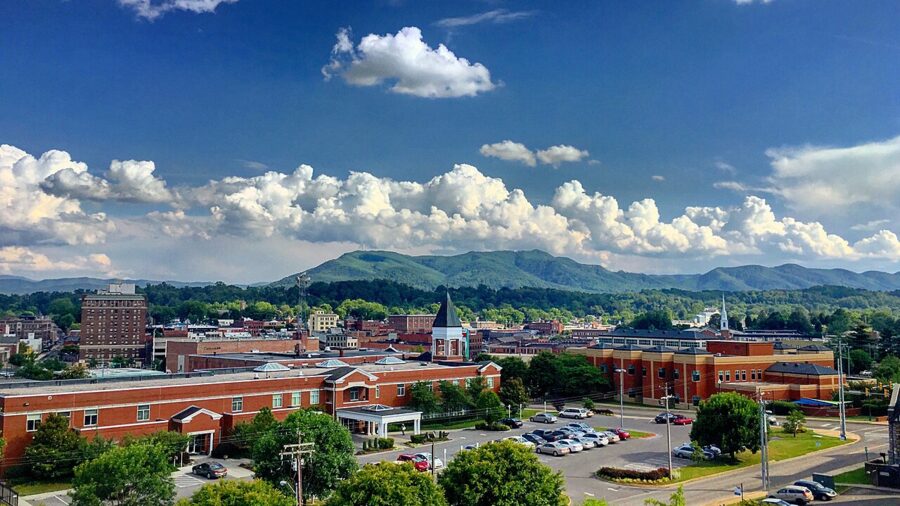
The best things to do in Johnson City, Tennessee, sit closer together than most visitors expect: a rail trail of nearly ten miles that starts on the edge of downtown, a 725-acre mountain park inside the city limits, a downtown of breweries and a 1976 listening room, and Jonesborough, Tennessee’s oldest town, seven miles west. Two full days covers the city itself. A third day buys you Roan Mountain, Elizabethton’s covered bridge or Bristol’s country music museum.
Johnson City is a working small city of 71,046 people (2020 census), home to East Tennessee State University and a large regional medical center. It grew up around the railroad in the 1850s, and freight trains still run through downtown, past the brewery patios. It has no single headline attraction, but a good spread of smaller ones within a 20-minute radius, which suits a weekend well.

Hours and prices below are as of November 2026; several sights keep shorter winter hours or close on Mondays.

On this page
Johnson City in brief: where it is and how to get there
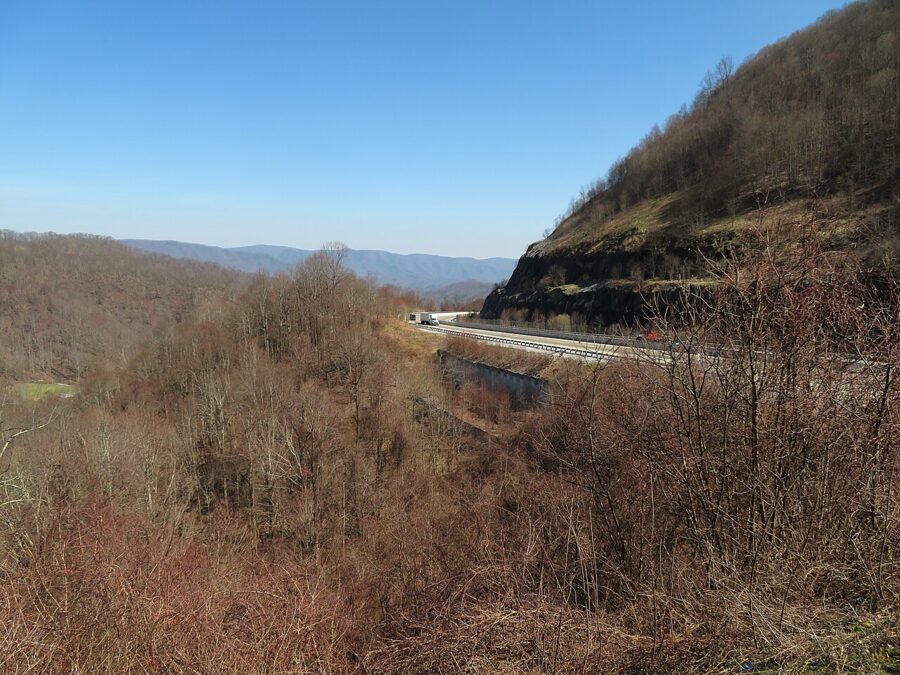
Johnson City sits in the far northeast corner of Tennessee, in the valley between the Blue Ridge and the ridges of southwest Virginia. It is one of the Tri-Cities, with Kingsport 23 miles northwest and Bristol 28 miles north on the Virginia line. Interstate 26 runs through the city, linking it to Kingsport in one direction and Asheville, North Carolina, in the other.
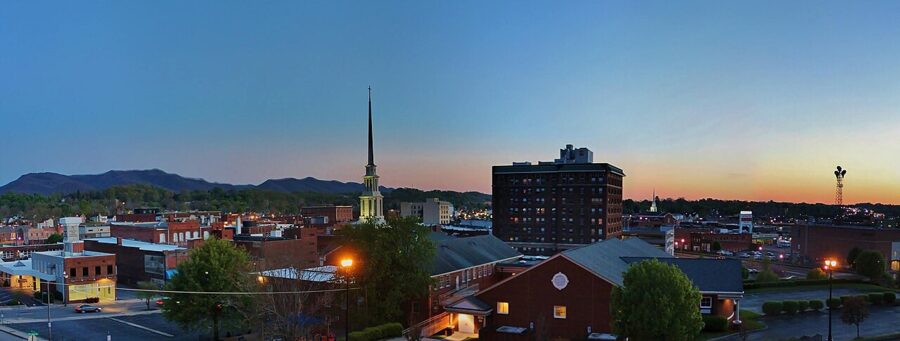
The town feels like two places. Along State of Franklin Road and North Roan Street it is chain hotels, the mall and the ETSU campus. Downtown, northeast of the university, is older brick along Main, Market and Buffalo streets, with the creek parks and the better restaurants. Nothing is more than 15 minutes apart.
Flying in
The nearest airport is Tri-Cities Airport (TRI) at 2525 Highway 75 in Blountville, about 17 miles north, or roughly 25 minutes by car. As of November 2026, the airport’s own airline page lists these nonstops:
| Airline | Nonstop from TRI |
|---|---|
| American | Charlotte (CLT), Chicago O’Hare (ORD), Dallas/Fort Worth (DFW) |
| Delta | Atlanta (ATL) |
| Allegiant | Orlando Sanford (SFB), St. Pete-Clearwater (PIE) |
| Breeze | Orlando (MCO), Washington Dulles (IAD) |
| United | Chicago O’Hare (ORD), listed as a future route; check the start date before booking |


Leisure routes on Breeze and Allegiant can be seasonal or run only a few days a week. The airport says there is no taxi stand at TRI, so book a taxi ahead, use a ride-hailing app, or pick up a rental car, the easiest choice for this region.
Asheville Regional (AVL, about 73 miles) and Knoxville (TYS, about 120 miles) are the backups. Charlotte (CLT), about 140 miles away, sometimes has fares low enough to justify the three-hour drive.
Driving in
Approximate road distances and typical driving times from the big cities nearby:
- Asheville, NC: 60 miles on I-26, a bit over an hour, much of it on a mountain interstate through the Blue Ridge.
- Knoxville: about 105 miles, under two hours via I-81 and I-26.
- Nashville: about 285 miles, four and a half to five hours.

The main things to do in Johnson City
Tweetsie Trail
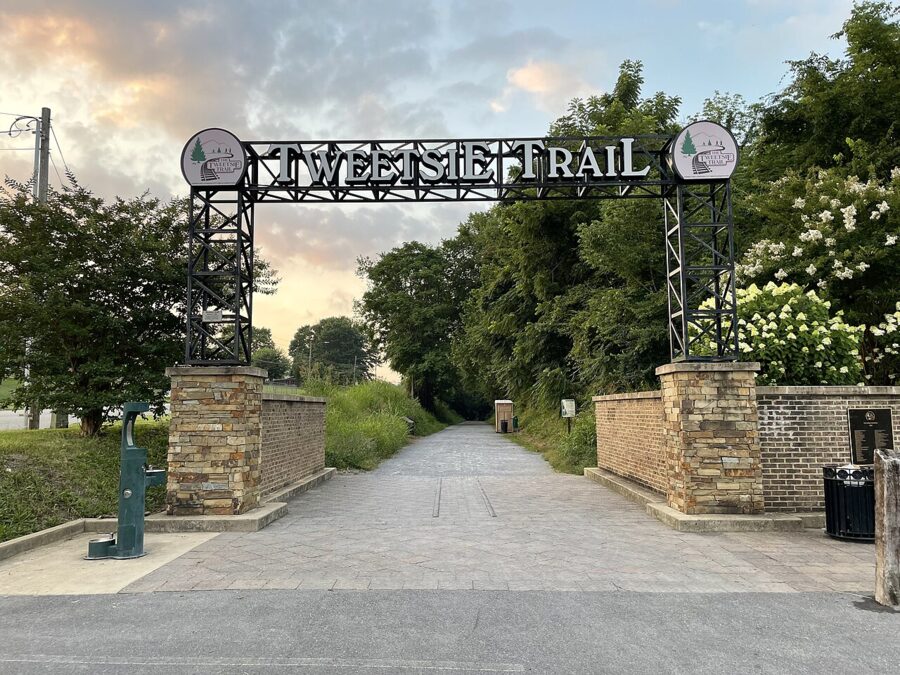
The Tweetsie Trail is Johnson City’s best free thing to do, and the one locals use most. It follows the bed of the old East Tennessee and Western North Carolina Railroad, nicknamed the “Tweetsie,” for about 9.5 miles between Johnson City and Elizabethton. The surface is compacted stone, the grade is close to flat, and it crosses seven bridges. Visit Johnson City calls it the longest rails-to-trails project in Tennessee.
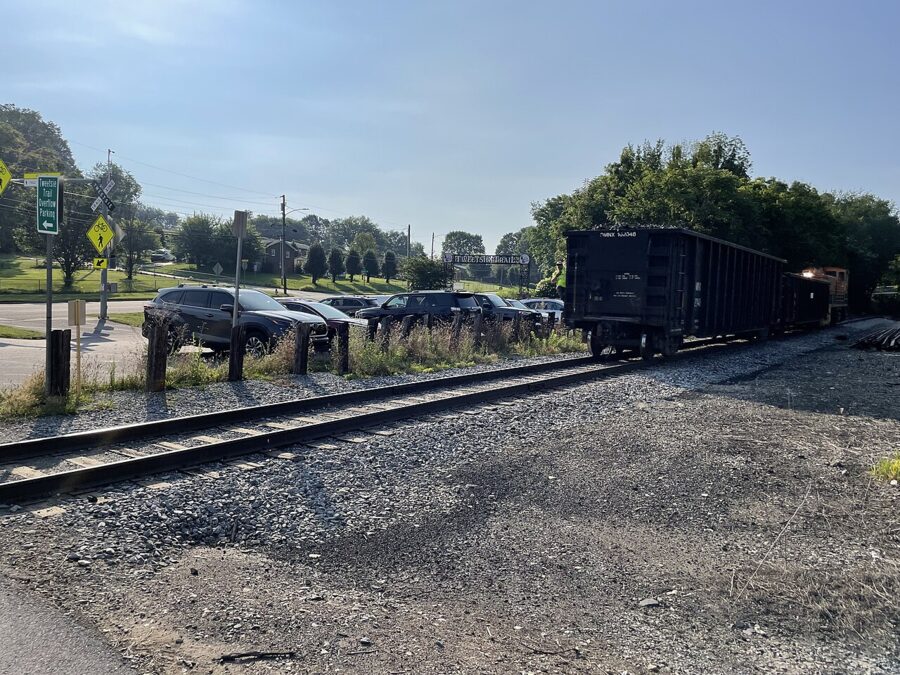

The Johnson City trailhead is at 107 Alabama Street, near Legion Street, with overflow parking a short walk away. Distance markers make it easy to turn around anywhere. Parts of the trail run close to roads and commercial strips, so do not expect wilderness. Walkers usually do an out-and-back of two to four miles; cyclists ride the whole way and back in two to three hours.
- Price: free.
- Hours: no fixed hours are published; treat it as a daylight trail.
- Allow: one to three hours.
- Bikes: local bike shops rent bikes; the stone surface suits hybrids and comfort bikes better than narrow road tires.
Buffalo Mountain Park
Buffalo Mountain Park covers 725 acres on the north slope of Buffalo Mountain, land the city obtained in 1994 through a land swap with the U.S. Forest Service. It is steep, wooded and run as a nature preserve, with hiking, picnicking and nature programs rather than playgrounds. The climb to the ridge pays off with long views back over the city.
The entrance is at 570 High Ridge Road on the south side of town. The trails gain elevation quickly, so wear proper shoes and carry water even on a short loop.
- Price: free.
- Hours: the city lists 7am to 9pm from mid-March to early November and 7am to 7pm in winter, weather permitting; the tourism office lists 7am to sunset in summer and 9am to sunset in winter. Plan to be off the trails by dusk either way.
- Seasonal: the city has closed the upper parking lot from mid-December to mid-March in past winters.
- Allow: two to three hours for a ridge hike.
Downtown Johnson City
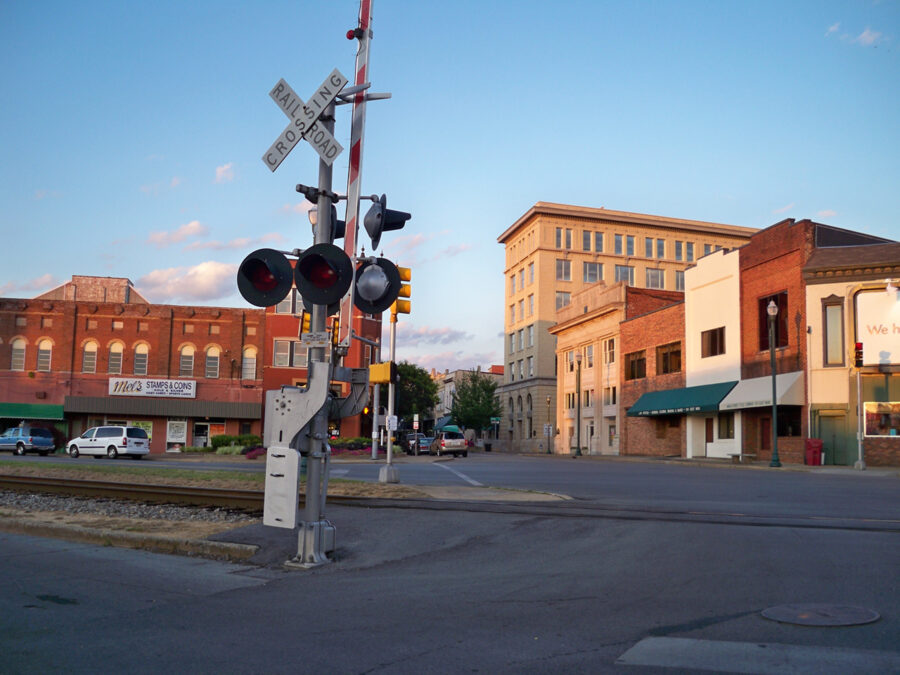
Yes, Johnson City has a real downtown, and it is the part of town worth staying near. The core is a few blocks of Main, Market, Buffalo and Tipton streets, with the railroad running through the middle. Today it holds restaurants, taprooms, a tea house, independent shops and a music room that has been booking acts since 1976.
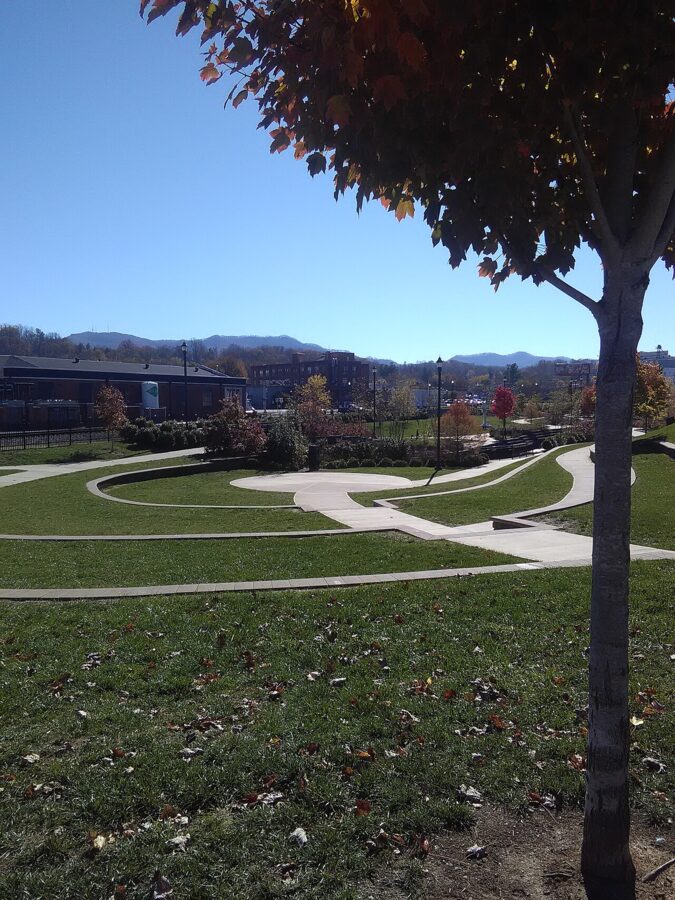
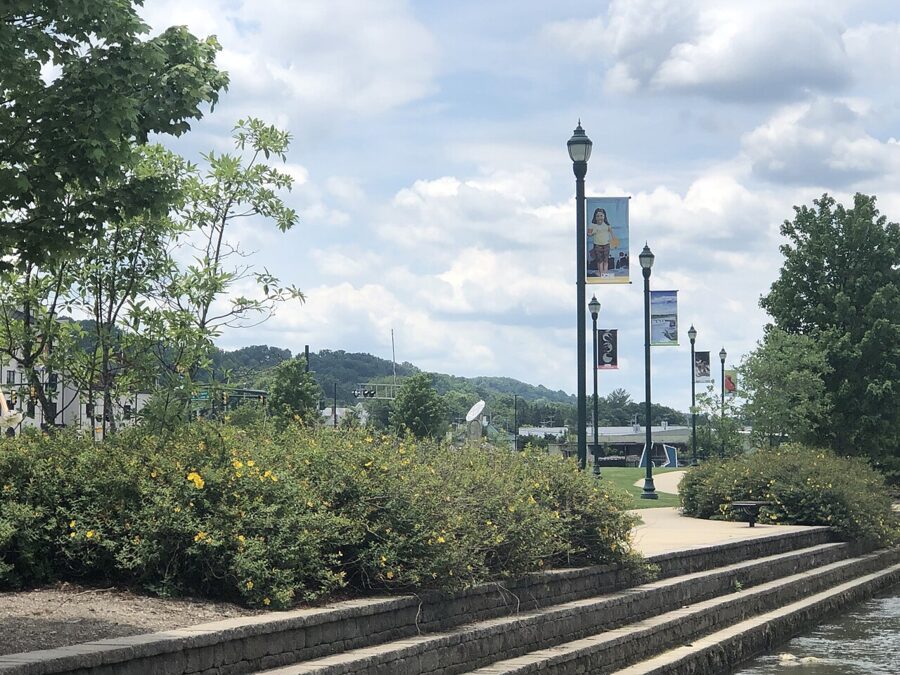
Brush Creek used to flood downtown, and the city’s answer was a pair of parks that double as stormwater basins. Founders Park, about five acres with an opened-up creek, stepped waterfalls and lawns, became the town’s main gathering space; King Commons, about three acres, followed in 2018.

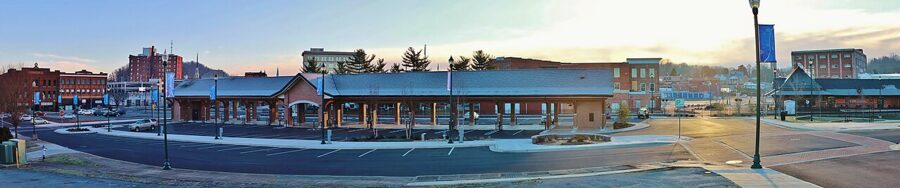

The Johnson City Farmers Market runs Saturdays from 8am to 1pm at the Pavilion at Founders Park. The 2026 season ran from May 2 to October 31; expect a similar season next year.
Downtown also has a music history most visitors miss. In October 1928, Frank Walker of Columbia Records set up recording sessions at 334 East Main Street, and returned in October 1929. The Johnson City Sessions recorded local string bands and singers a year after the better-known Bristol Sessions. A state historical marker stands at East Main Street and Colonial Way; the building itself is gone.
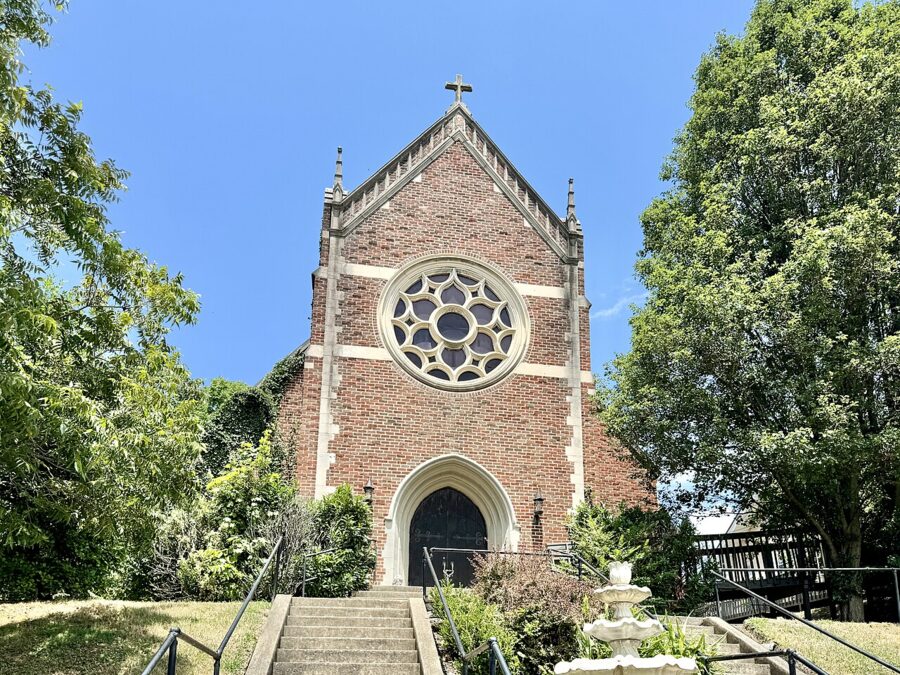

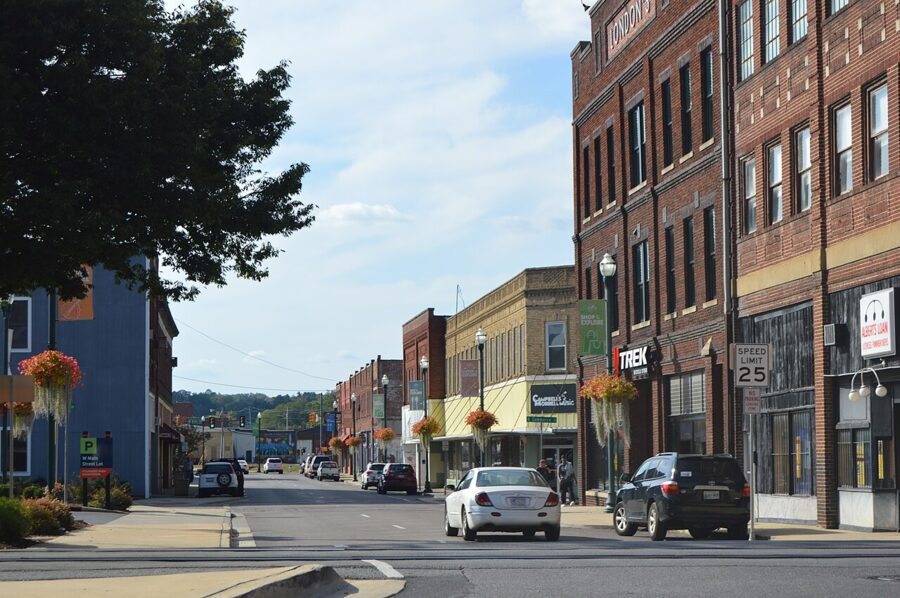
Look down as you walk: two dozen small bronze animals were placed around downtown for a scavenger hunt.


The Down Home
The Down Home at 300 West Main Street has been a listening room since 1976, booking bluegrass, Americana, country and singer-songwriters. Billy Strings, Old Crow Medicine Show and Jerry Douglas are among the names the venue lists from its past bills. The room is small and wood-paneled, people come to listen rather than talk, and there is a food menu.
- Tickets: most shows listed for late 2026 run $22 to $30, with a few from $15.
- Book: ahead for weekend shows by touring names; they sell out.
Johnson City Railroad Experience
The railroad made Johnson City, and the Johnson City Railroad Experience at 207 North Boone Street tells the story in model form. It is the former George L. Carter Railroad Museum, which spent more than a decade on the ETSU campus before moving downtown under its new name. Inside are large model layouts in several scales, including a large model of the Tri-Cities area, railroad artifacts and memorabilia, and a children’s activity room.
- Hours: Tuesday to Saturday, 10am to 4:30pm; closed Sunday and Monday and on major holidays.
- Price: $10 general admission; $8 for children 5 to 12 and for seniors, teachers, first responders, veterans and military; under 5 free.
- Parking: free lot across the street.
- Allow: one to two hours; more with train-mad children.
Tannery Knobs Mountain Bike Park
Tannery Knobs is a bike park on a wooded knob above downtown: about 40 acres of trails for beginners through experienced riders, a paved pump track at the top and views over the city. The entrance is at 18 Tannery Knob, and you can ride there from downtown in a few minutes.
Entry is free. Set opening hours are not published, so plan around daylight, and give the trails a day to dry after heavy rain. Local bike shops rent mountain bikes if you did not bring one.
Tipton-Haynes State Historic Site
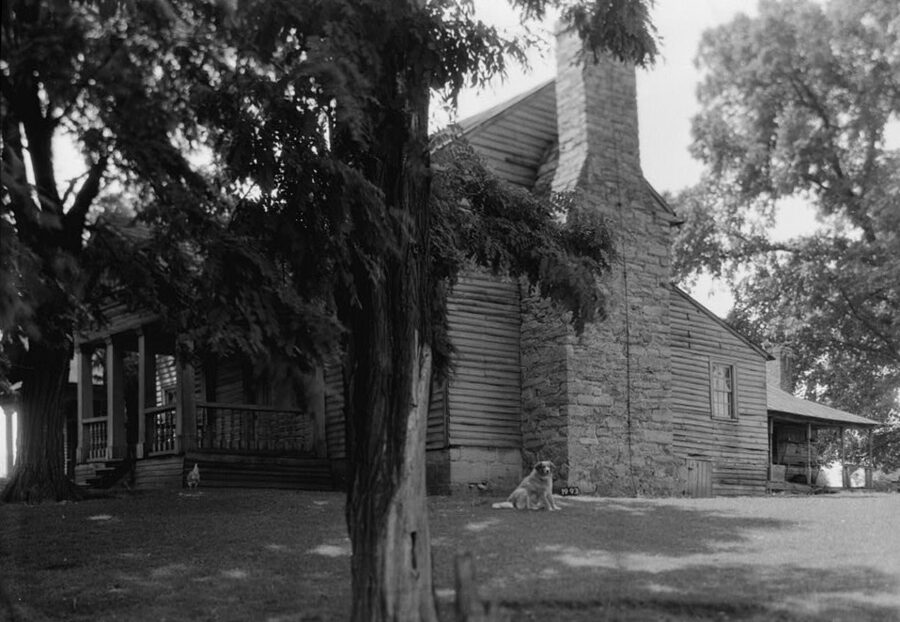
Tipton-Haynes, at 2620 South Roan Street, is the best history stop in the city itself. The 47-acre site has eleven historic buildings, a family cemetery, a limestone cave, a natural spring and a nature trail, plus a museum center with a 17-minute introductory film. In February 1788 it was the scene of the Battle of the State of Franklin, when Colonel John Tipton, loyal to North Carolina, fought off supporters of the breakaway state led by John Sevier.
| Tipton-Haynes | Details (as of November 2026) |
|---|---|
| Hours, March 1 to October 31 | Tuesday to Saturday, 9am to 4pm |
| Hours, November 1 to February 28 | Tuesday to Saturday, 9am to 3pm |
| Guided tour (on the hour) | $6 adults, $3 ages 12 and under |
| Self-guided | $4 adults, $2 ages 12 and under |
| Holiday closures 2026 | November 23 to 28; December 22 to January 4 |
Take the guided tour, which explains the Franklin episode far better than the signs. Allow 90 minutes. The Tennessee Historical Commission lists a “Visions of Christmas” evening at the site on December 4, 2026.
Gray Fossil Site and Hands On! Discovery Center
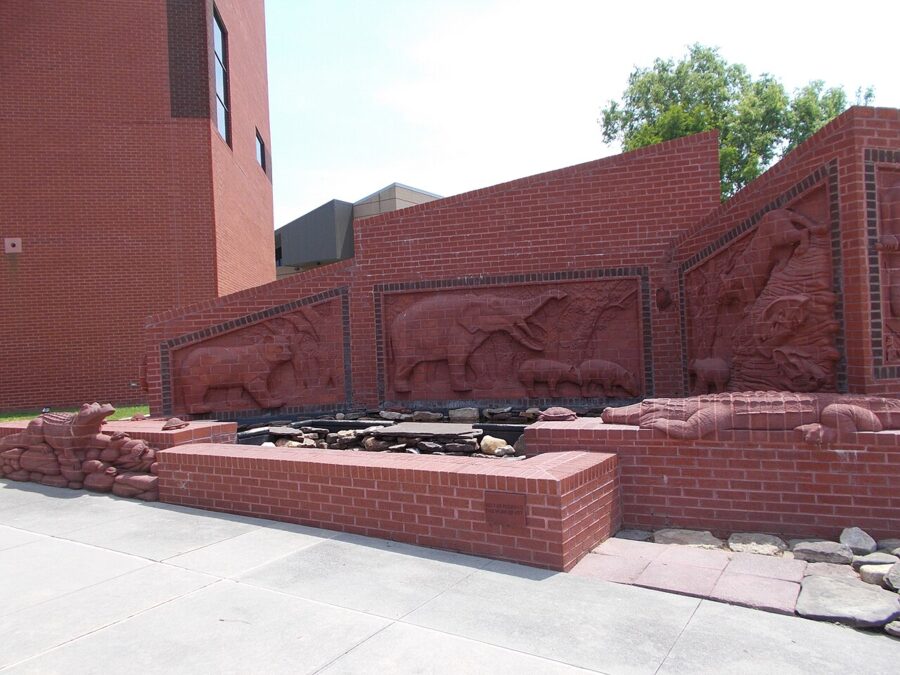
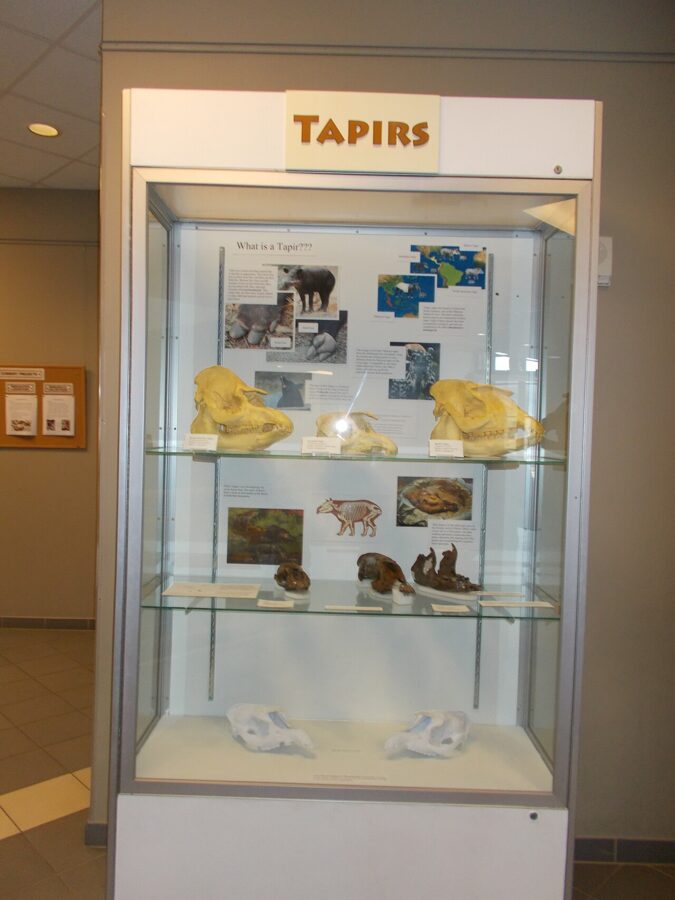
In 2000, road work on Highway 75 near Gray, about 12 miles north of downtown, cut into an ancient sinkhole lake packed with fossils. It is now an active ETSU dig with a museum on top, shared with the Hands On! Discovery Center, a children’s science museum. You can watch paleontologists in the labs and join a short tour of the dig.
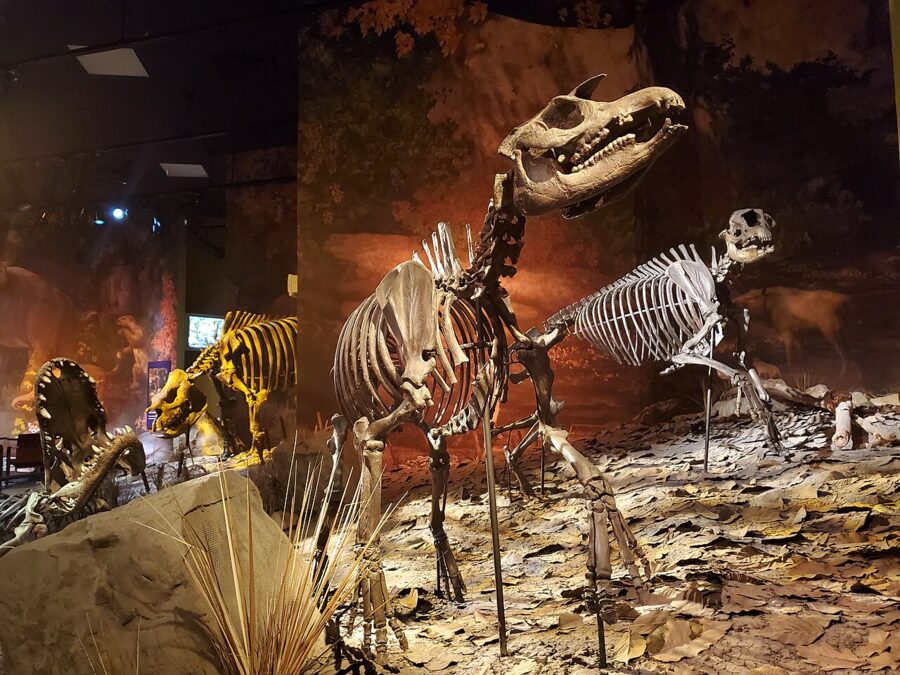

Among the finds is an extinct red panda named for nearby Bristol. Adults come for the working labs; children spend most of the visit in the Hands On! exhibit halls and the outdoor Discovery Garden.
- Address: 1212 Suncrest Drive, Gray.
- Hours: Tuesday to Saturday 10am to 5pm, Sunday 1pm to 5pm; Mondays closed except in March, June and July, when it opens 10am to 5pm. Closed on New Year’s Day, Thanksgiving and Christmas.
- Price: $11 for ages 4 and up, free for 3 and under; paleontology tours and Tesla shows are $2 extra each, first come, first served at the front desk. Tickets are valid all day.
- Allow: two to three hours.
Reece Museum at ETSU
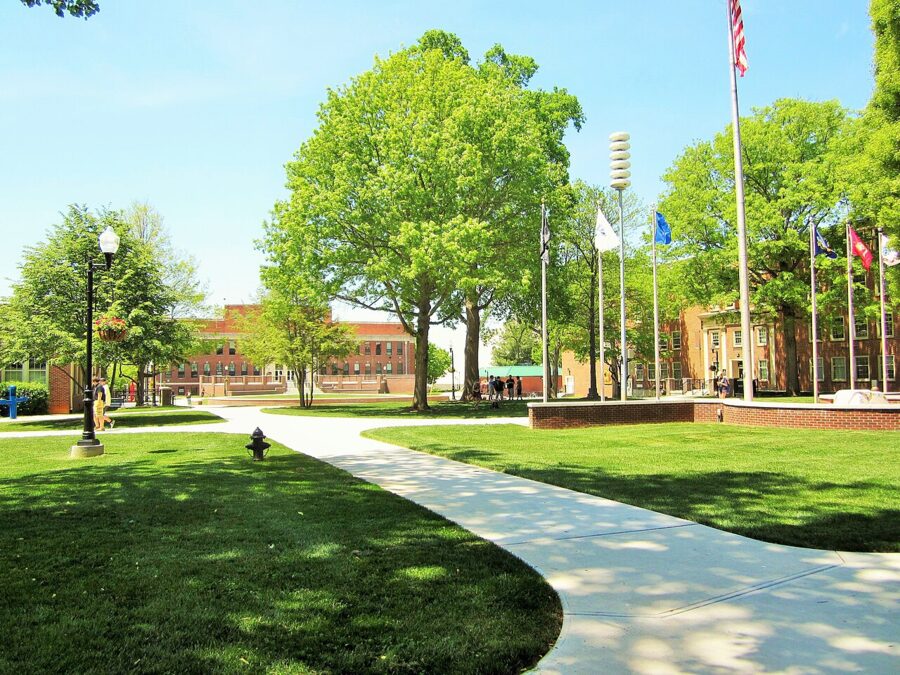
The Reece Museum on the ETSU campus is a small, free museum of art and regional history with changing exhibitions. In late 2026 it is showing work on 19th-century Harmon pottery, through December 13. It opens Monday to Friday, 9am to 4:30pm, and closes over the university’s winter break. Allow 45 minutes.

Smaller and local things to do
Parks and the lake
Winged Deer Park, on the Bristol Highway in the northeast of the city, is the big municipal park: sports fields, walking paths and access to Boone Lake. Willow Springs Park is a quieter neighborhood park with walking paths.
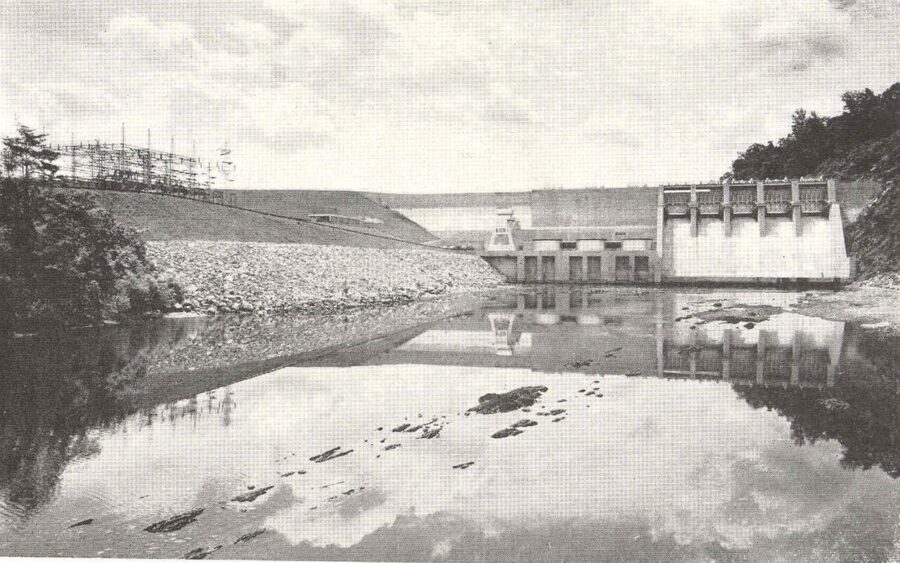
Boone Lake, a Tennessee Valley Authority reservoir on the city’s northern edge, is a boating and fishing lake more than a swimming one.
Festivals and events by month
Most of the big events are free. Dates move each year, so treat this as a guide to when, not a schedule:
| When | Event | Notes |
|---|---|---|
| May to October | Johnson City Farmers Market | Saturdays, 8am to 1pm, Founders Park pavilion |
| May to October | Storytelling Live!, Jonesborough | Matinee storytelling concerts on most days at the International Storytelling Center |
| Early June | Blue Plum Festival | Free music and arts festival downtown; the 2025 edition ran June 6 and 7 at King Commons |
| Mid-August | Meet the Mountains Festival | Free outdoor-sports festival at Winged Deer Park; August 14 and 15 in 2026 |
| First weekend of October | National Storytelling Festival, Jonesborough | Ticketed; five tents downtown; October 1 to 3 in 2027 |
| Early December | Johnson City Christmas Parade | Downtown on a Saturday morning; the 2025 parade was December 6 |
October is the busiest month: the storytelling festival fills Jonesborough and many Johnson City hotels, and the leaves turn on the mountains. Book early for that weekend.

Where to eat and drink in Johnson City
Downtown has the best concentration of independent places; chain dining lines North Roan Street and State of Franklin Road.
Breakfast, coffee and tea
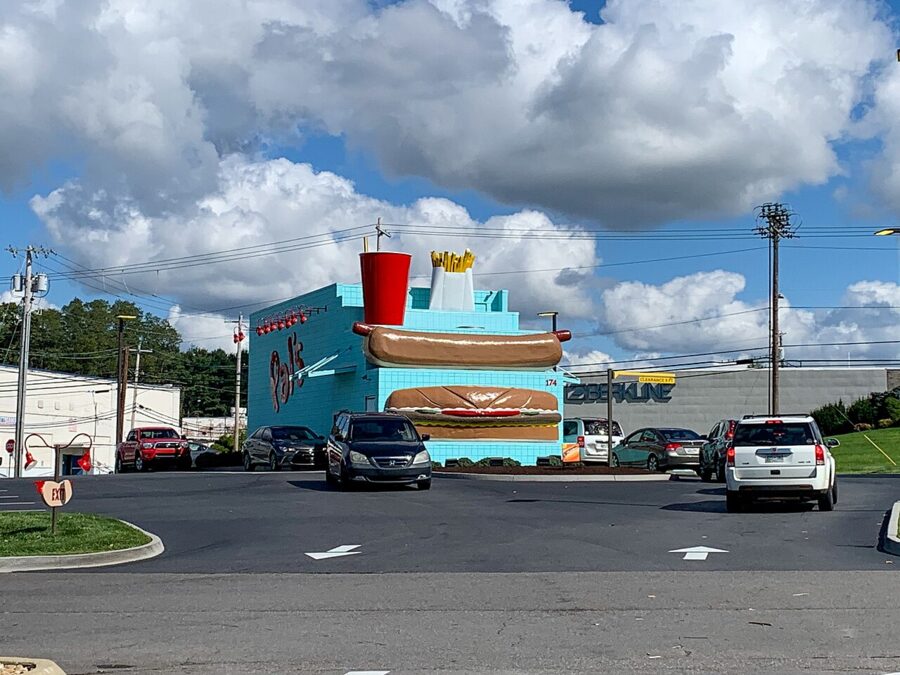

- Pal’s Sudden Service. The regional drive-thru chain, born in Kingsport, with giant food sculptures on the roof. Order the Sauceburger and Frenchie Fries, or a country ham biscuit in the morning.
- The Philosopher’s House. A nonprofit tea house and library downtown with dozens of teas and a full calendar of classes and clubs. Open Tuesday to Friday noon to 8pm, Saturday 10am to 8pm, Sunday noon to 7pm.
Lunch and casual meals
- White Duck Taco Shop, inside the Yee-Haw building at 126 Buffalo Street. Inventive tacos at the counter, with seating on the patio. Kitchen hours run 11:30am to 9pm Sunday to Thursday and to 10pm on Friday and Saturday.
- Southern Craft BBQ, 242 East Main Street. Smoked meats, burgers and big salads, with daily happy hour specials. Open 11am to 9pm, and to 10pm on Friday and Saturday.
Dinner
- Label, 112 Tipton Street. The downtown dinner reservation: hand-rolled sushi, burgers on local buns, prime steaks, 20 draft beers and a long bourbon list, plus Sunday brunch. Book ahead on weekends.
- Gourmet & Company, 214 East Mountcastle Drive. A bistro and gift shop under the same local ownership for more than three decades, with a seasonal dinner menu built on local produce.
- The Opossum’s Tale, 103 Fox Street, Jonesborough. Jonesborough’s only public house, a British-style pub with fish and chips, a breakfast menu and Premier League soccer on the screens. It posts its hours on social media rather than a fixed schedule.
Drinks and music
- Yee-Haw Brewing, 126 Buffalo Street. The brewery’s original taproom fills the old Tweetsie railroad station, with a patio and fire pits; it is the easiest first-night stop in town. Open 11:30am to 9pm Sunday to Thursday and to 11pm on Friday and Saturday.
- Johnson City Brewing Company. A local brewery since 2014 with a rotating tap list.
Day trips: Jonesborough, Elizabethton and the Tri-Cities
Jonesborough
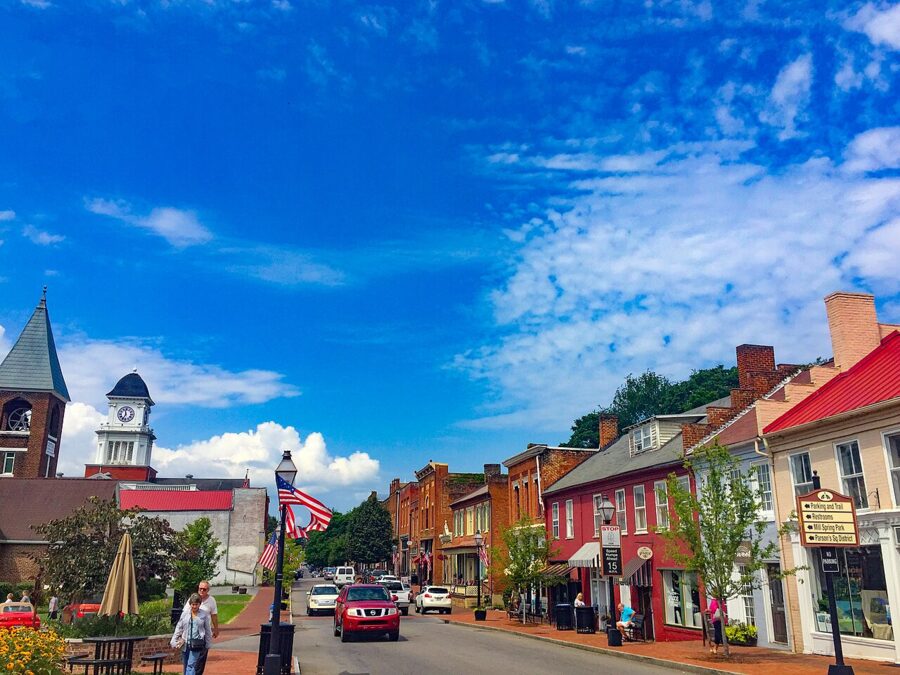
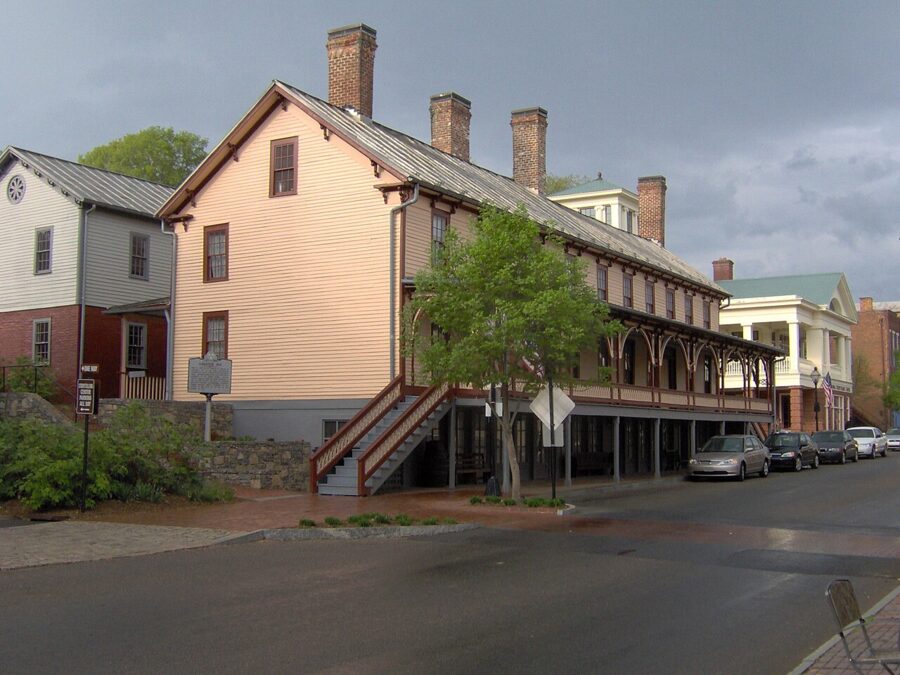
Jonesborough, seven miles west and about 15 minutes by car, is Tennessee’s oldest town and the strongest answer to the question of the prettiest small town in this corner of the state. Its Main Street is a run of brick and frame buildings from the late 1700s and 1800s, with cobbled stretches, old-style streetlights and independent shops. Allow half a day, or a full day with a storytelling show.

Start at the Historic Jonesborough Visitors Center, 117 Boone Street (Monday to Friday 8am to 5pm, weekends 10am to 5pm), for maps. The International Storytelling Center at 100 West Main Street opens Monday to Saturday, 10am to 5pm, and runs its Storytelling Live! matinees on most days from May through October. The Jackson Theatre at 121 West Main Street, restored and reopened, screens films and live broadcasts.

The National Storytelling Festival, held on the first weekend of October, is the town’s big event: five circus-style tents across downtown and tellers from around the country. Buy tickets well ahead. Festival parking is at 306 Forest Drive, with a shuttle into town. For lunch, Main Street Cafe & Catering serves soups, sandwiches and baked desserts.
Elizabethton and Sycamore Shoals
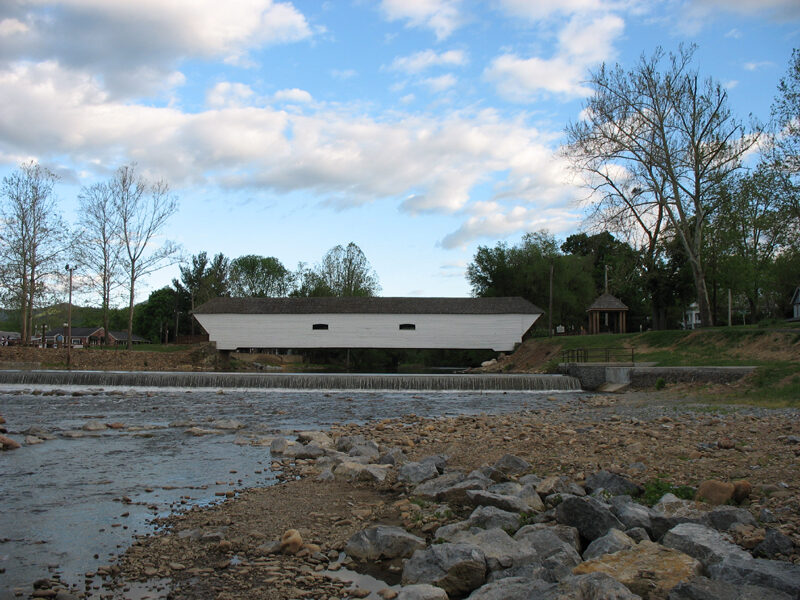
Elizabethton, ten miles east and about 20 minutes by car (or the far end of the Tweetsie Trail), has two reasons to stop. The first is the covered bridge over the Doe River downtown, built in 1882 and 134 feet long. It is free and takes ten minutes.

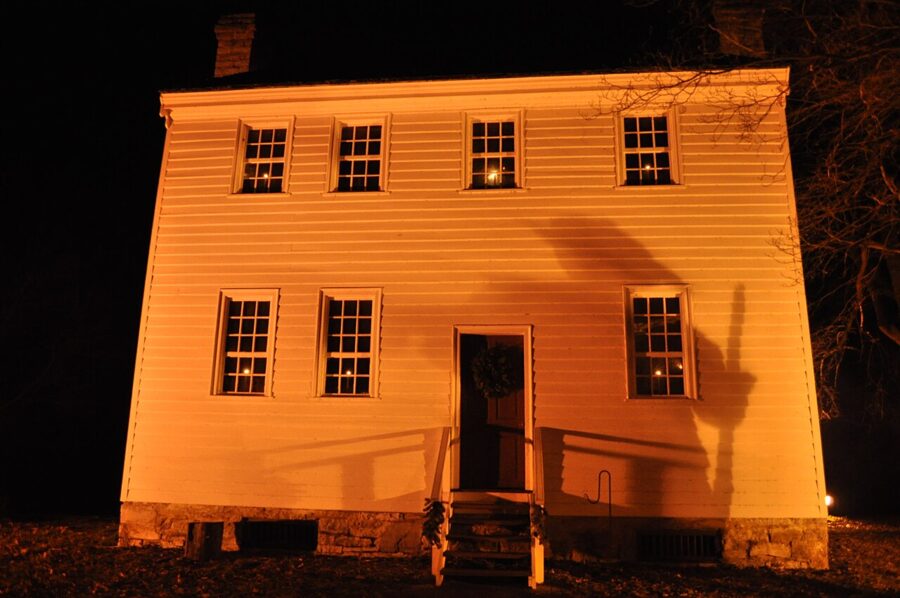
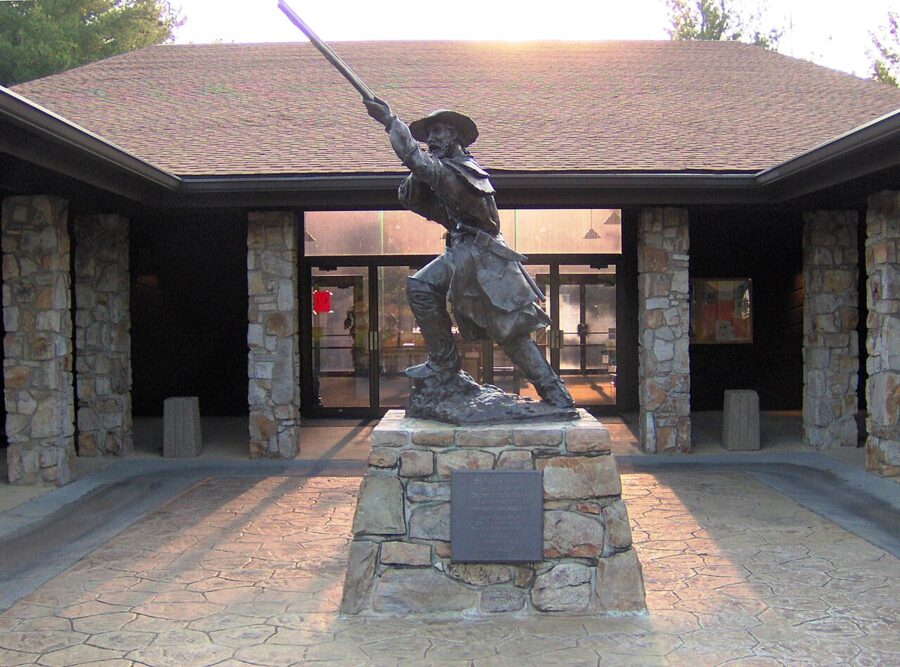
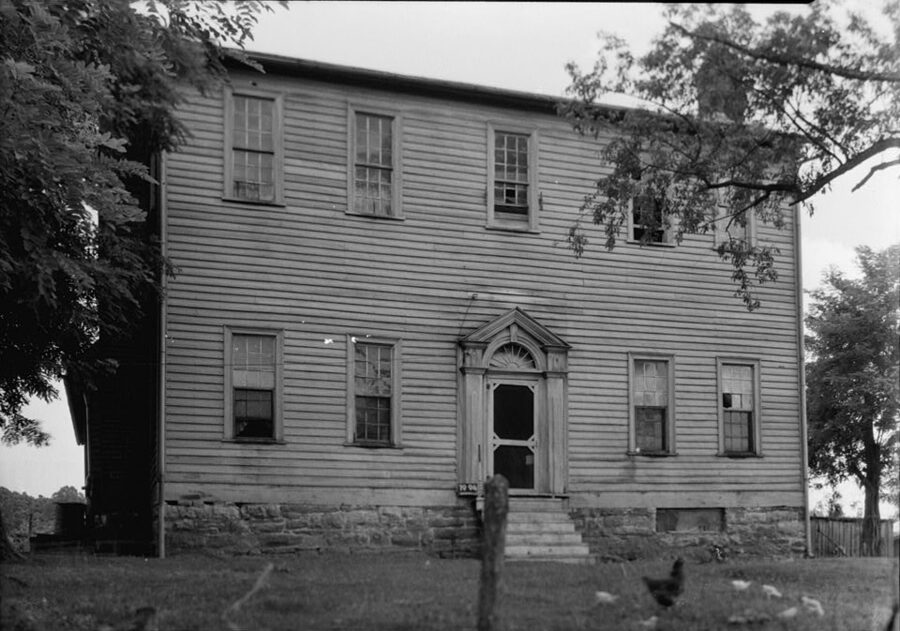
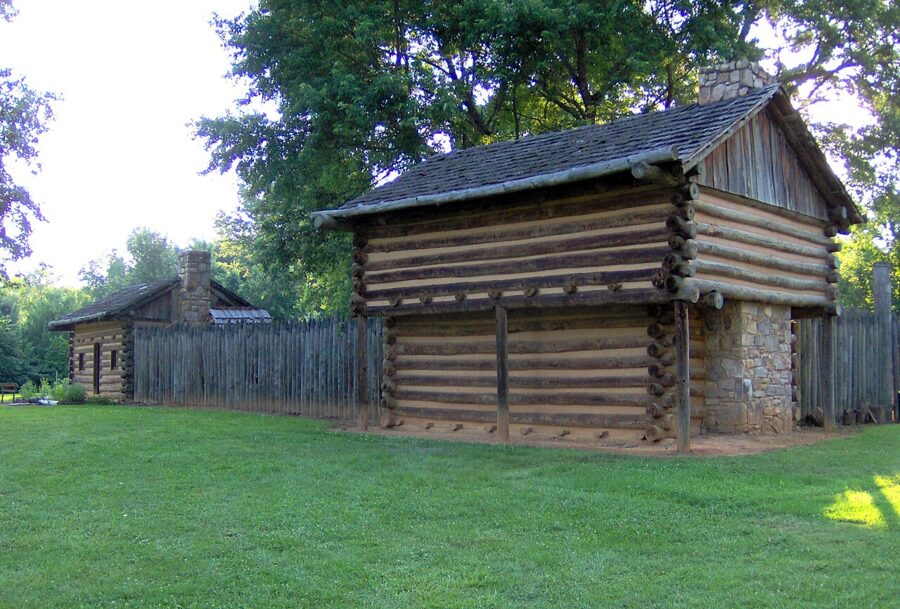
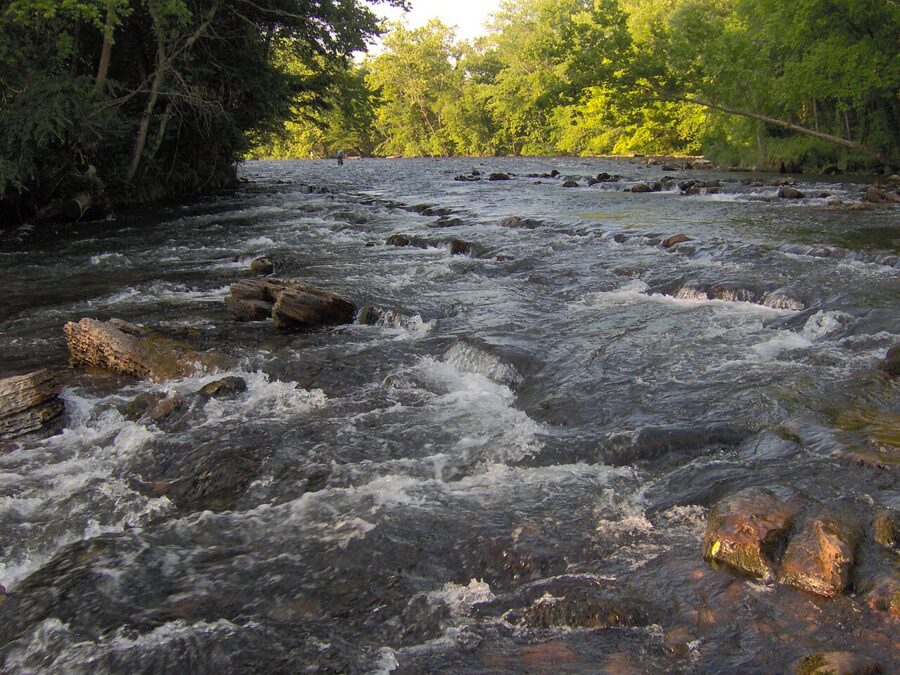
The second is Sycamore Shoals State Historic Park, 1651 West Elk Avenue, open daily 8am to 4:30pm. Its 75.78 acres hold a reconstructed Fort Watauga, the Carter Mansion (which the park calls the oldest frame house in Tennessee), the Federal-style Sabine Hill and a river trail along the Watauga. The Overmountain Men gathered here in 1780 before marching to the Battle of Kings Mountain. Allow two hours.




Roan Mountain (seasonal)
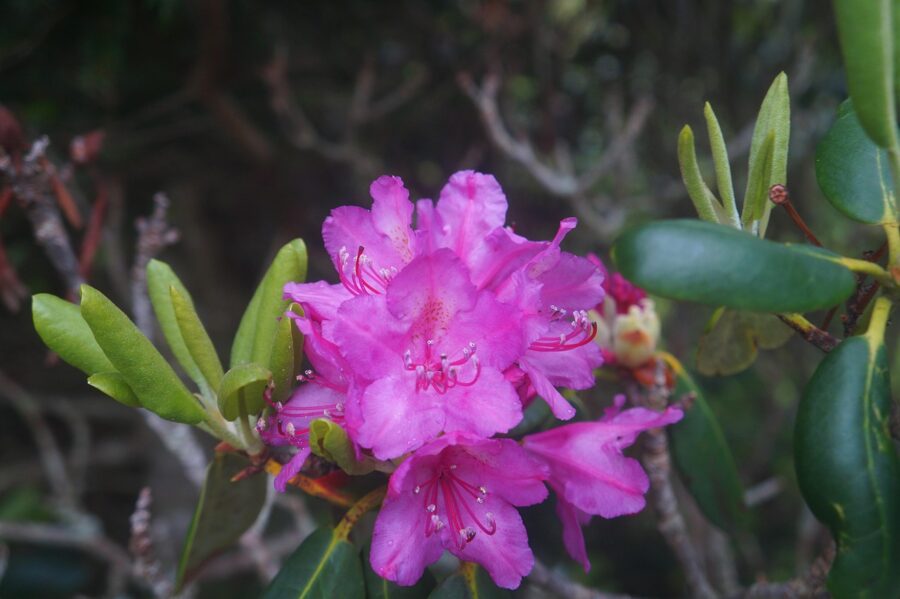
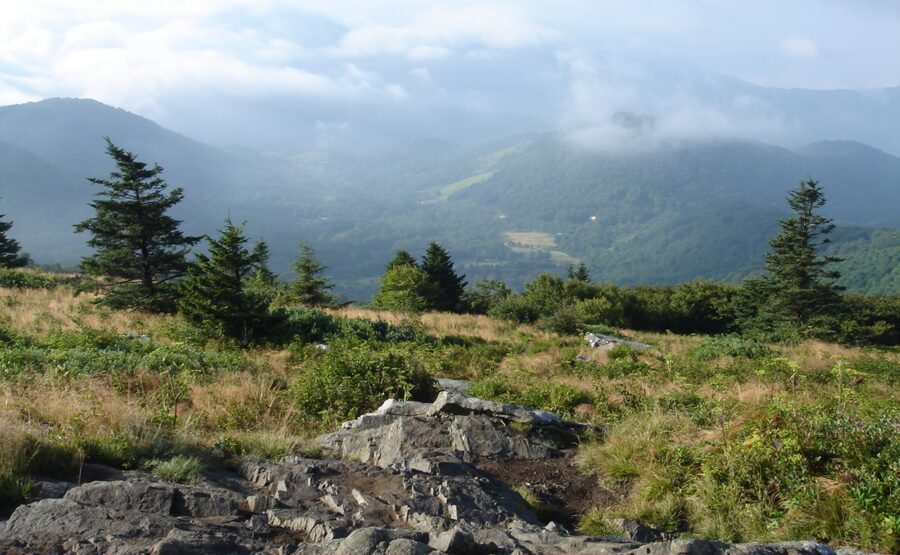
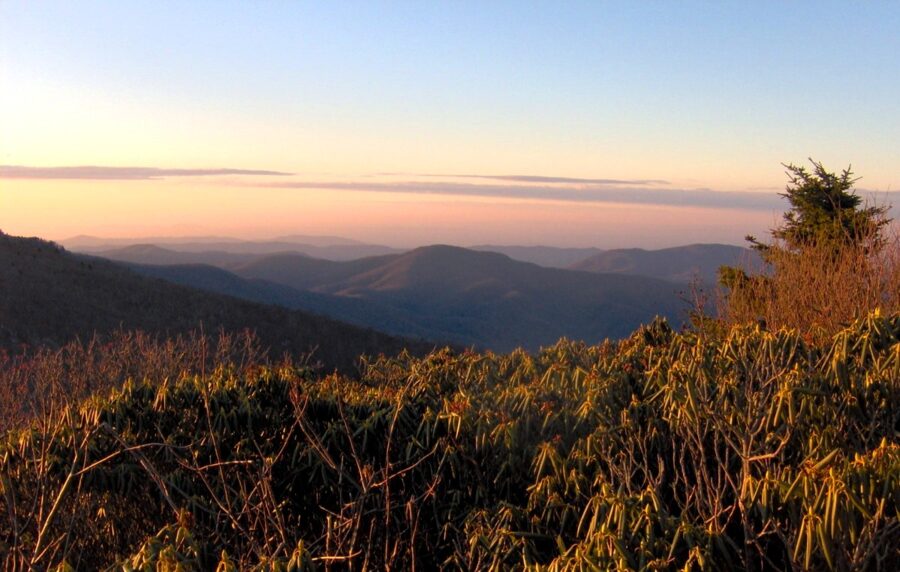
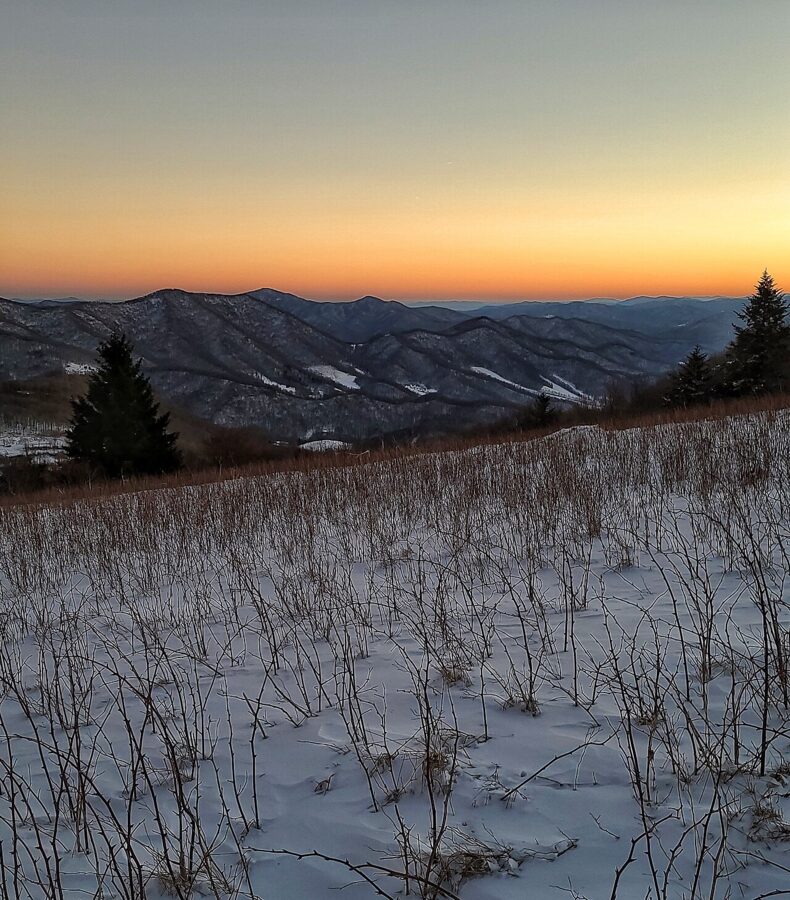
Roan Mountain, on the North Carolina line about an hour or more southeast, is the biggest scenery within easy reach. The road climbs past Roan Mountain State Park to Carvers Gap, where the Appalachian Trail crosses and grassy balds roll east toward Round Bald and Jane Bald. In June, the Catawba rhododendron gardens near the summit turn pink; peak bloom shifts by a week or two with the weather.
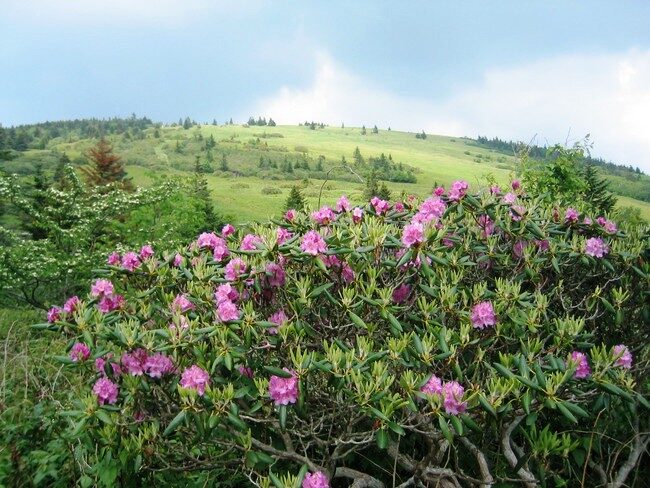

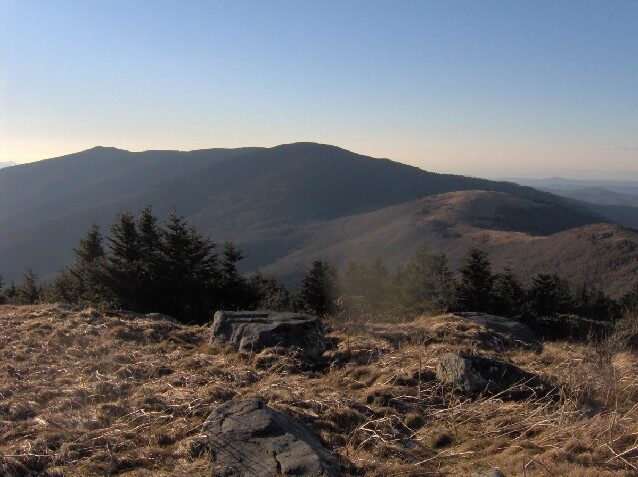

The hike from Carvers Gap onto the balds is the classic: a mile or two out and back puts you on open ground with views in every direction. Bring a jacket in any season. In winter the road can ice over near the top and may close in snow.



Watauga Lake
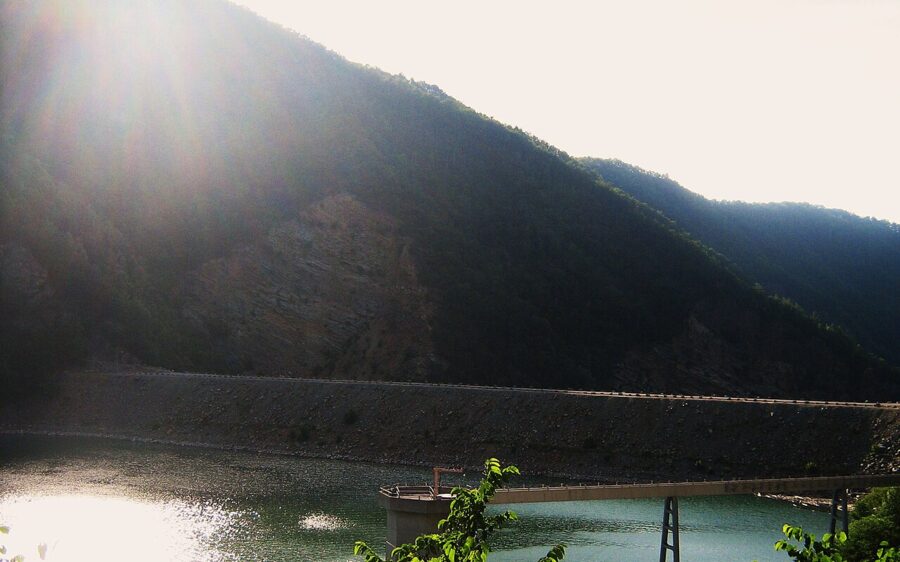
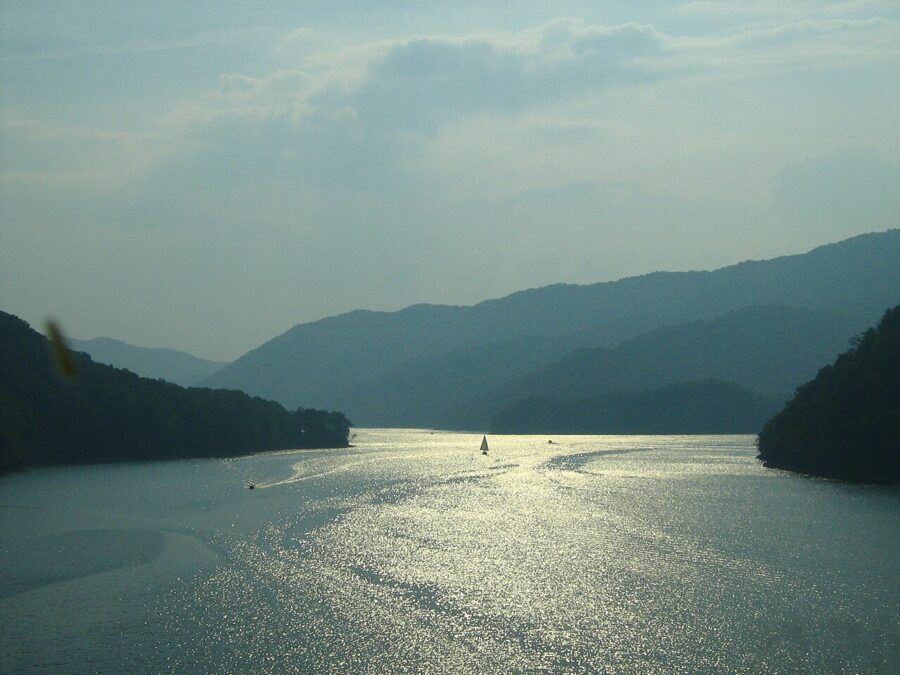
Watauga Lake, a TVA reservoir east of Elizabethton along U.S. 321, is the region’s prettiest lake, ringed by the Cherokee National Forest. It is about 35 minutes from downtown. Summer is for boating, paddling and swimming; the rest of the year it makes a fine scenic drive.


Bristol and Kingsport
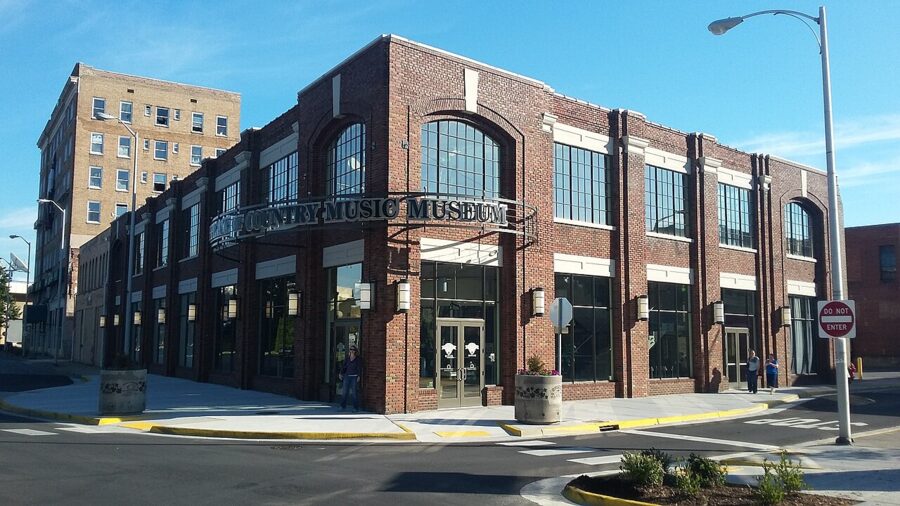
Bristol sits 28 miles north, about 40 minutes by car, astride the state line. State Street runs down the middle, with Tennessee on one side and Virginia on the other, and a bronze marker in the double yellow line. The town’s draw is the Birthplace of Country Music Museum, a Smithsonian affiliate at 101 Country Music Way, Bristol, Virginia, that tells the story of the 1927 Bristol Sessions.

- Hours: Tuesday to Saturday 10am to 6pm, Sunday 1pm to 5pm; closed Mondays and on New Year’s Day, Easter, Thanksgiving, Christmas Eve and Christmas Day.
- Price: $13 general admission, $11 for seniors, college students, military and ages 6 to 17, free for 5 and under, plus Bristol, Virginia’s admission tax.
- Allow: two hours, then lunch on State Street.
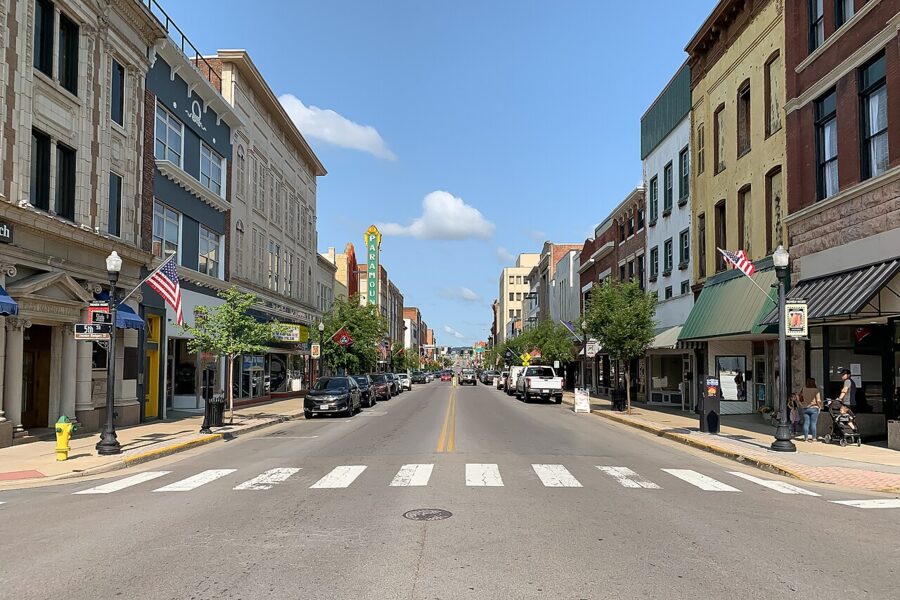

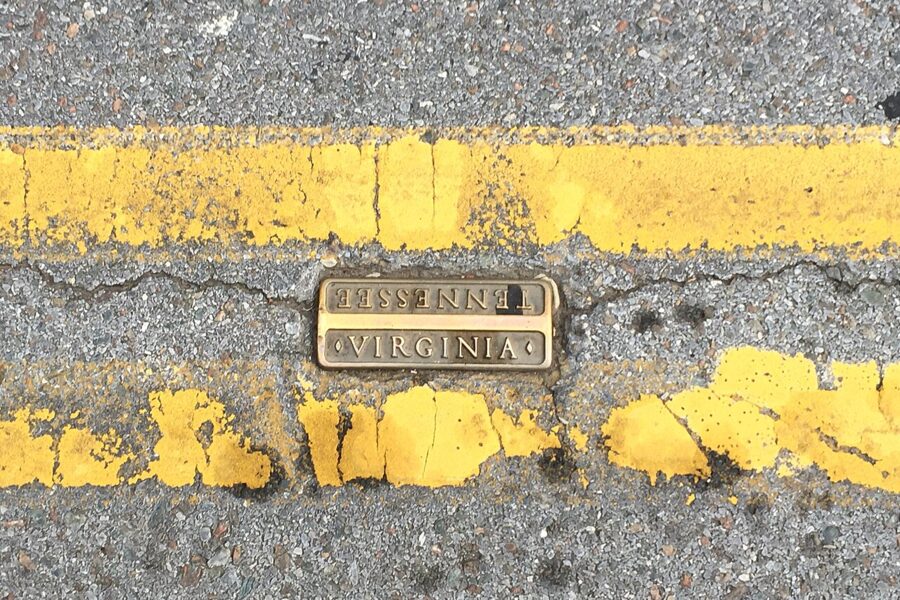

The Bristol Rhythm & Roots Reunion music festival takes over downtown each fall. Kingsport, the third of the Tri-Cities, is 23 miles northwest and has its own full day of parks and museums.
The Great Smoky Mountains
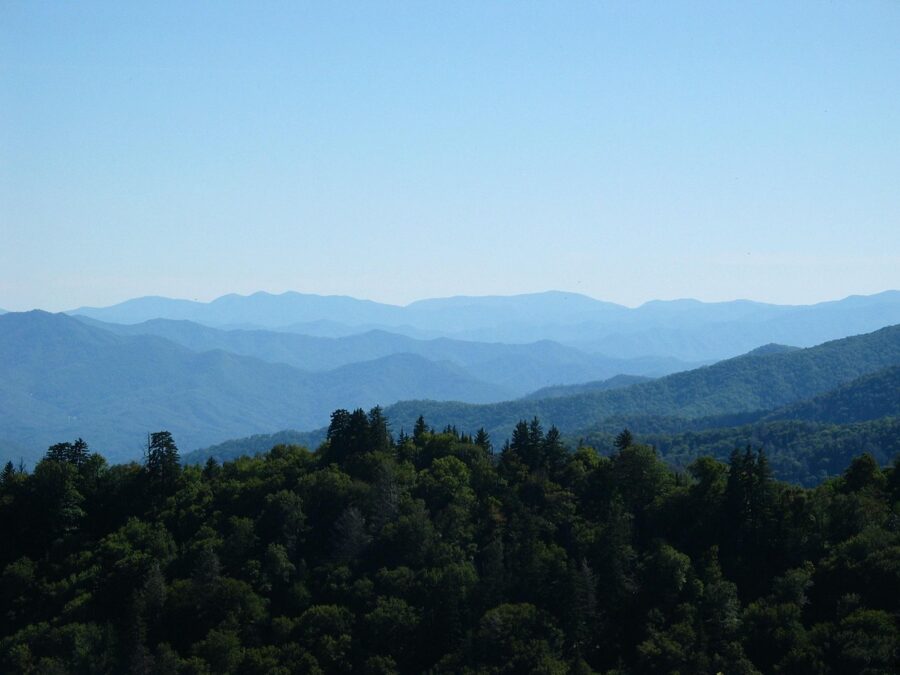
Tennessee’s top attraction is Great Smoky Mountains National Park, the most-visited national park in the country. Gatlinburg, at its north entrance, is about 108 miles from Johnson City, a little over two hours each way. Roan Mountain gives comparable views with far fewer crowds.
When to go and how many days to spend
Spring and fall are the best seasons: wildflowers and mild trail weather in April and May, fall color and the storytelling festival from late September through October. Summers are warm and humid, with afternoon storms, and the mountains are cooler than town. Winters are cool and gray, with occasional snow that matters more on the high roads than downtown.
Crowds are rarely a problem outside the storytelling festival, ETSU graduation and football weekends. Two days covers Johnson City and Jonesborough at a comfortable pace; add a third for Roan Mountain in summer, or Bristol and Elizabethton at any time of year.
A simple two-day plan
Day one: Johnson City. Walk or ride the first few miles of the Tweetsie Trail in the morning, before the heat. Spend late morning at the Johnson City Railroad Experience, or at the farmers market on a Saturday between May and October.
After lunch downtown, drive to Tipton-Haynes for the 2pm guided tour, or hike Buffalo Mountain if you would rather be outside. Have dinner at Label or a taproom, and finish at The Down Home.
Day two: Gray and Jonesborough. Start at the Gray Fossil Site at 10am with a paleontology tour. Spend the afternoon in Jonesborough, with a storytelling matinee if one is on, and stay for dinner at The Opossum’s Tale.
With one day only: do the Tweetsie Trail in the morning, downtown and the railroad museum through lunch, and Jonesborough in the afternoon and evening.
Getting around and practical notes
- You need a car. Only downtown, Jonesborough’s Main Street and the Tweetsie Trail work well on foot or by bike.
- Buses. Johnson City Transit runs routes from 137 West Market Street to the mall, ETSU and the medical center. Fares are $1.00 for adults and $0.50 for seniors; ETSU ID holders ride free. In 2026 the buses do not run on Thanksgiving Day or the two days after.
- Parking. City-owned lots downtown have been free, first come, first served; read the posted signs for on-street limits.
- Mondays. Tipton-Haynes, the railroad museum, the Birthplace of Country Music Museum and (outside March, June and July) the Gray Fossil Site are all closed. Plan Monday around trails and parks.
- Mountain weather. Check the forecast for Roan Mountain itself, not for Johnson City.
If your trip starts on a Monday, begin with the Tweetsie Trail from Alabama Street and Buffalo Mountain, and save the museums for Tuesday morning.