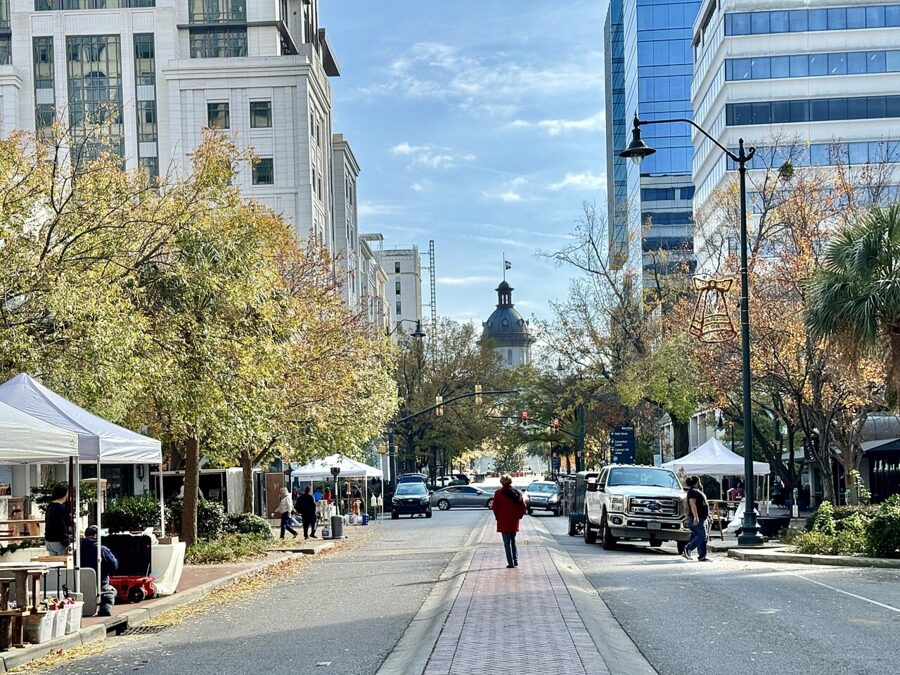
Give Columbia two full days and you can cover the four things it does best: the State House and Main Street (on a Saturday, with the Soda City market filling five blocks), Riverbanks Zoo and Garden, the old-growth floodplain forest of Congaree National Park, and the rivers that meet on the edge of downtown. A third day buys the historic houses, the University of South Carolina’s Horseshoe and an evening on Lake Murray.
South Carolina’s capital is a government town and a college town at once, with about 137,000 people at the 2020 census. It is not a resort. What it has is a walkable center, a national park twenty-odd miles away, prices well below Charleston’s, and a summer heat the city has turned into a slogan: “Famously Hot.”


On this page
- Columbia in brief: where it is and how to get there
- The State House and Main Street
- Soda City Market (Saturday mornings)
- Riverbanks Zoo and Garden
- Congaree National Park
- The University of South Carolina and Five Points
- Museums worth your time
- Historic houses and the stories they tell
- The three rivers: Riverfront Park, the canal and the greenway
- Smaller things worth an hour
- Festivals and events through the year
- Where to eat and drink
- When to go, and how long to stay
- A two-day plan
- Getting around and practical notes
Columbia in brief: where it is and how to get there
Columbia sits almost exactly in the middle of South Carolina, where the Broad and Saluda rivers join to form the Congaree. Three interstates cross here: I-20 east to west, I-26 between the mountains and Charleston, and I-77 north to Charlotte. That makes it an easy drive from most of the Southeast and a natural stop between the coast and the Blue Ridge.
Driving times in normal traffic:
- Charlotte: about 1 hour 30 minutes on I-77.
- Charleston: about 2 hours on I-26.
- Greenville: about 1 hour 40 minutes on I-26 and I-385.
- Myrtle Beach: about 2 hours 30 minutes.
- Atlanta: about 3 hours 30 minutes on I-20.
Columbia Metropolitan Airport (CAE) is in West Columbia, about nine miles southwest of downtown. As of November 2026 the airport lists three airlines and ten nonstop destinations. American flies to Charlotte, Chicago, Dallas, Miami, New York LaGuardia, Philadelphia and Washington National; Delta Air Lines flies to Atlanta and LaGuardia; United flies to Chicago, Washington Dulles and Newark.
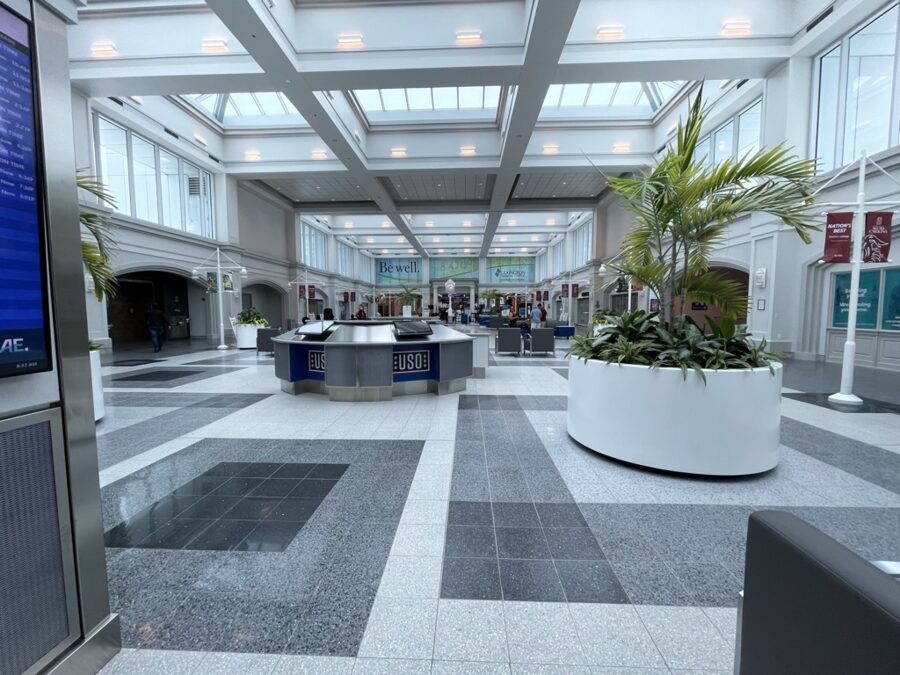

Fares into CAE are often higher than into Charlotte Douglas, about 95 miles north, so many travelers fly into Charlotte and drive. If you connect through Hartsfield-Jackson in Atlanta or Newark on the way home, check how long the security lines run at those airports before you plan a tight connection.
You will want a car. Downtown, the Vista, Five Points and the university are walkable, but Riverbanks, Congaree and Lake Murray are all a drive away.
The State House and Main Street
Start where the city does. The South Carolina State House stands at the top of Main Street at Gervais Street, and Main runs north from its steps through the old commercial district. Building it took 56 years: work began in 1851, stalled through the Civil War, survived the burning of Columbia in February 1865, and only finished in 1907.
Tours are free. As of November 2026, the state’s park service, which runs them, lists guided tours Monday to Friday at 9:30, 10:30 and 11:30am and 1:30, 2:30 and 3:30pm, and on Saturdays at 10:30 and 11:30am and 1:30 and 2:30pm. There are no Saturday tours on the Saturdays after Thanksgiving and Christmas, and the building is closed on state holidays.
Enter on the Sumter Street side and expect a security screening. Each guided tour opens with a 15-minute film, and groups of more than ten should book ahead. The House and Senate chambers close to tours while the legislature is in session, which runs roughly January to May, so a summer or fall visit gets you into more rooms. Allow an hour inside, then another half hour for the grounds.
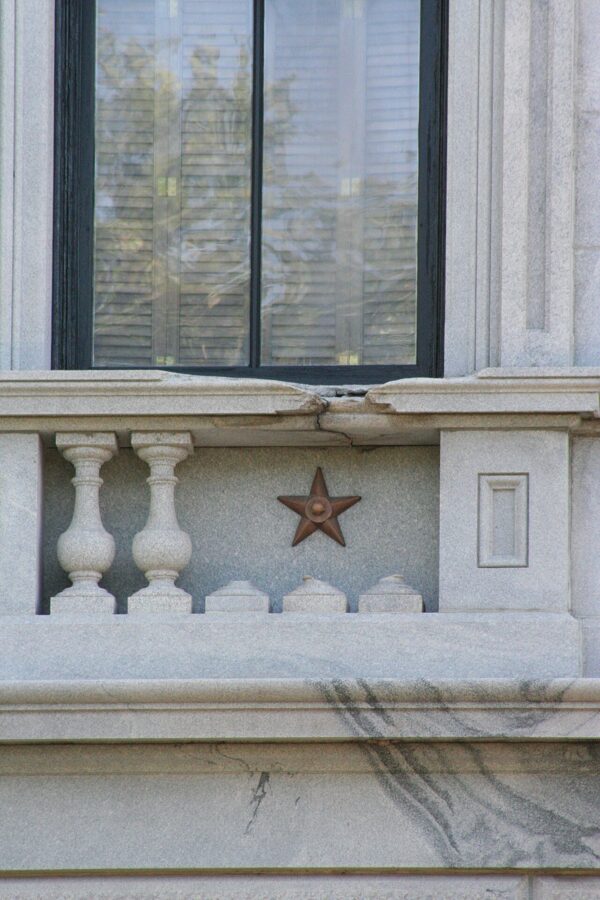
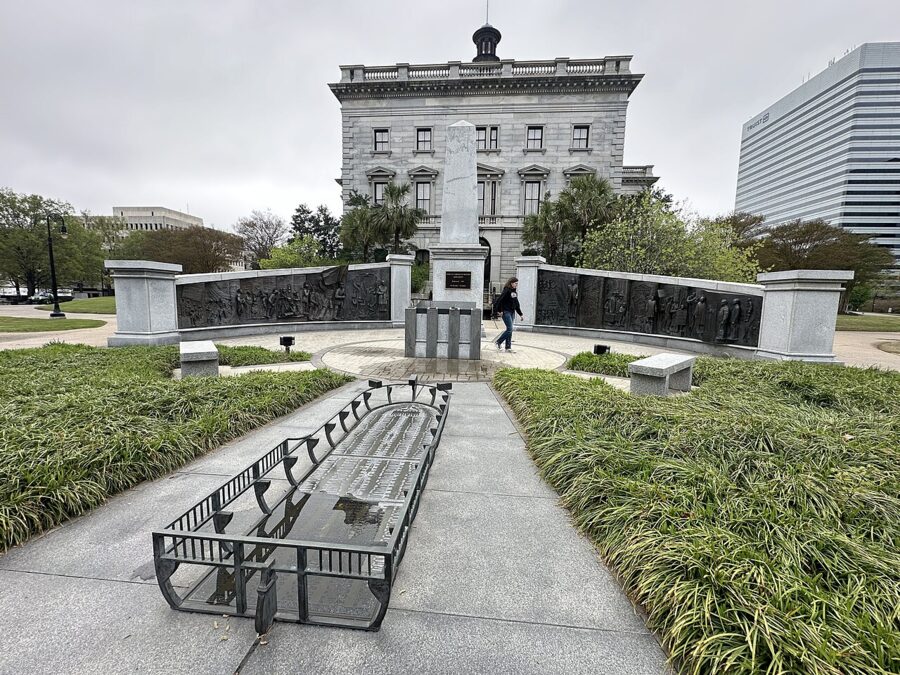
The grounds keep all their arguments on show. Monuments to Confederate soldiers, George Washington and the segregationist senator Strom Thurmond share the lawns with the African American History Monument, a curved wall of bronze panels running from the Middle Passage to the civil rights era.

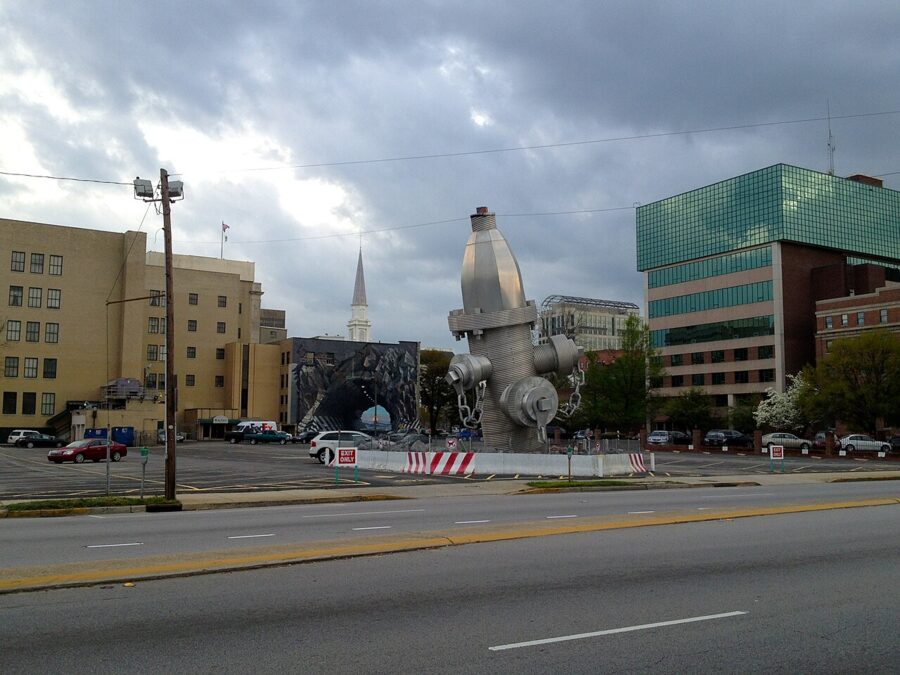
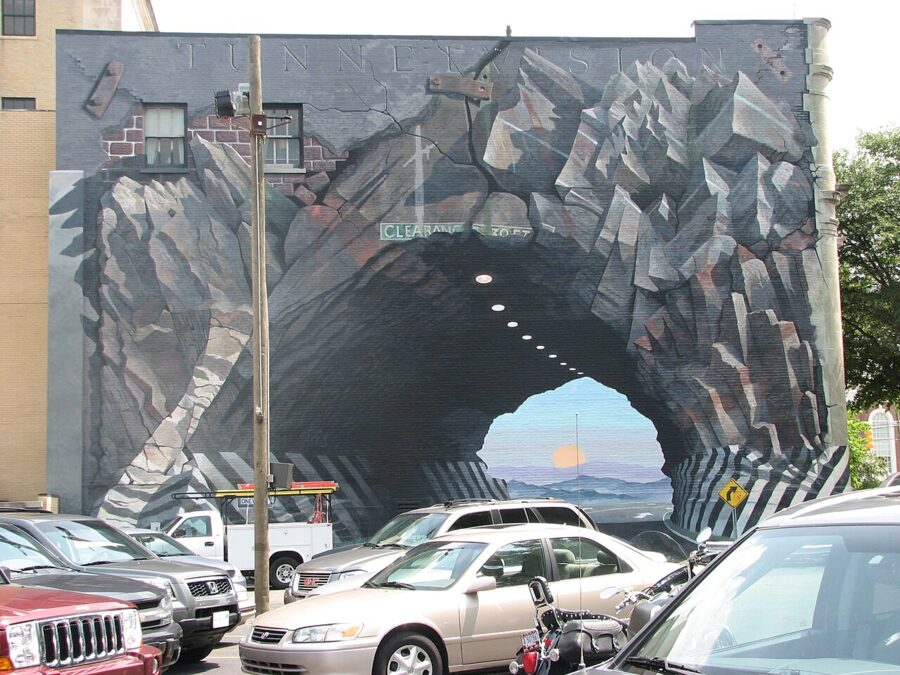
Walk north from the State House on Main Street and you pass the Columbia Museum of Art, the Nickelodeon (a nonprofit art-house cinema), cafes, bars and a few blocks of restored storefronts. A short detour east brings you to Busted Plug Plaza, a fire hydrant sculpture several stories tall by the Columbia artist Blue Sky, tilted as if a car has just knocked it loose.


Soda City Market (Saturday mornings)
If your trip includes a Saturday, plan the morning around it. Soda City (the nickname is a shortening of “Columbia”) is a street market on the 1300 to 1700 blocks of Main Street, every Saturday from 9am to 1pm, year-round and in any weather. The market says it averages about 200 vendors a week from a rotation of more than 400.
It is a producer-only market, so vendors make or grow what they sell: produce, baked goods, hot food cooked on the street, coffee and crafts. It is busiest from about 10:30am, so come at 9 if you want to move freely, eat breakfast there, and walk down to the State House for the 10:30 Saturday tour.
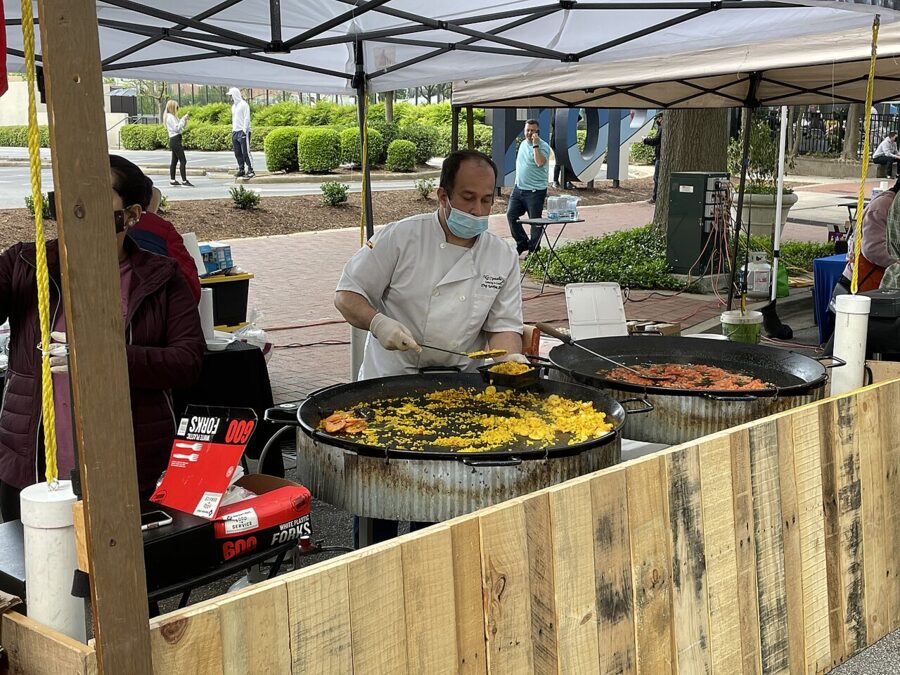

Main Street is closed to traffic for the market, so park in a downtown garage and walk in. The Columbia Museum of Art, right on the market blocks, opens at 10am.
Riverbanks Zoo and Garden
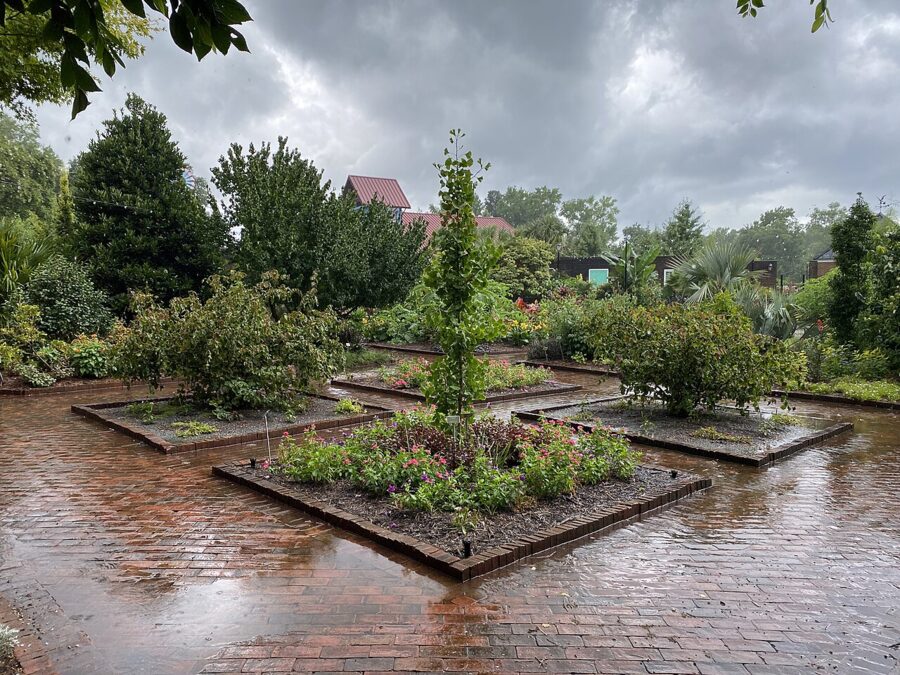
Riverbanks is the attraction most visitors come for. The zoo and the botanical garden share a 170-acre site that straddles the Saluda River just west of downtown, with more than 3,000 animals on the zoo side and the garden across the water in West Columbia. A gondola, the Saluda Skyride, links the two and is included with admission.
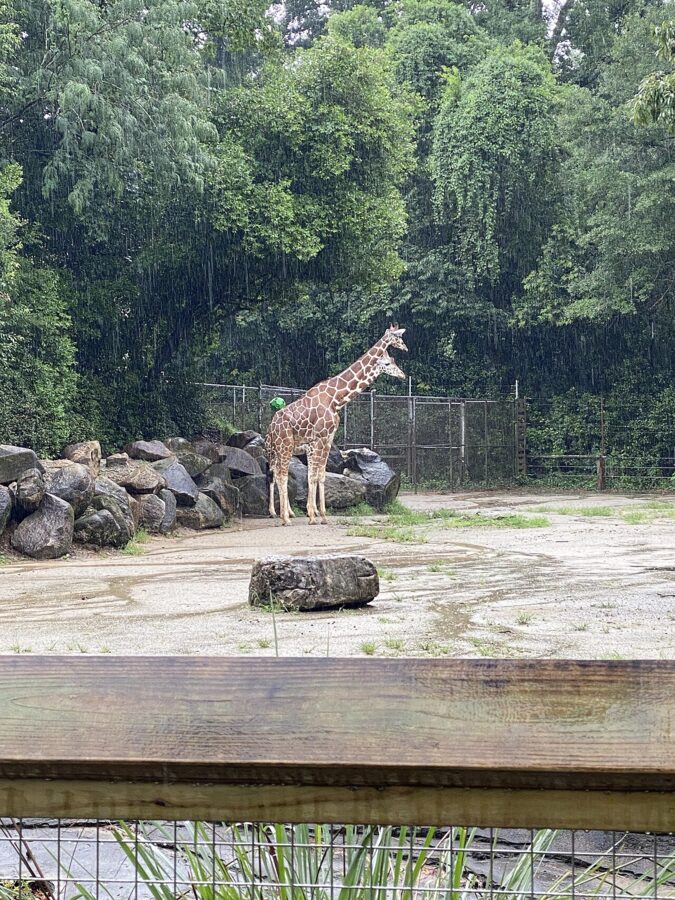
As of November 2026, Riverbanks is open daily except Thanksgiving and Christmas Day. Winter hours, November 2 to January 31, are 9am to 4pm; hours run longer the rest of the year, so check the zoo’s site for your dates. Admission covers both the zoo and the garden:
| Ticket | Online | At the gate |
|---|---|---|
| Adults (13 to 61) | $27.95 | $30.95 |
| Children (2 to 12) | $24.95 | $27.95 |
| Seniors (62 and up) | $25.95 | $28.95 |
| Military (with ID) | $25.95 | $28.95 |
| Under 2 | Free | Free |
| Parking, per vehicle | $3 | $6 |
Buying online saves $3 a ticket and $3 on parking. Outside food, drinks and coolers are not allowed, though you can bring a refillable water bottle and fill it inside. Pets are not permitted. Allow four to five hours for both halves.
The main entrance is at 500 Wildlife Parkway, just off I-126 at Greystone Boulevard; a second entrance serves the garden from West Columbia. Whichever side you park on, you have to ride the Skyride back to reach your car.
In winter the zoo reopens after dark for Wild Lights: in the 2026 season, select nights from November 20 to January 10, 5pm to 9pm, with more than 60 large lantern displays and Santa through December 23. It needs a separate ticket.
Congaree National Park
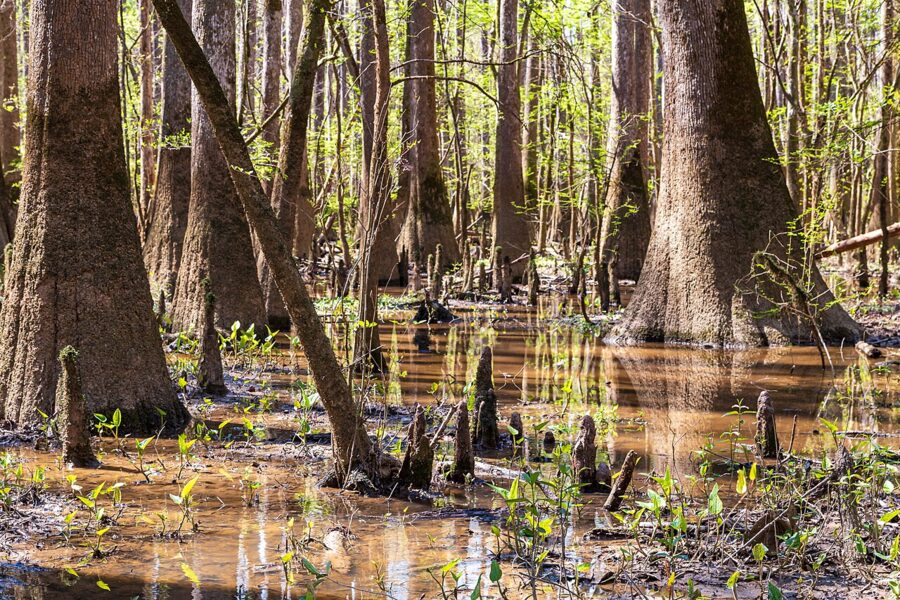
Twenty-odd miles southeast of downtown, Congaree protects the largest remaining tract of old-growth bottomland hardwood forest in the Southeast. It is a floodplain rather than a true swamp: the river overtops its banks several times a year, turning the forest floor into a sheet of brown water around some of the tallest trees in eastern North America.
There is no entrance fee. The park itself is open around the clock, and the Harry Hampton Visitor Center is open 9am to 5pm daily, except New Year’s Day, Presidents Day, Columbus Day, Thanksgiving and Christmas. To get there, take I-77 to Exit 5, follow SC 48 (Bluff Road) east for about eight miles, bear right onto Old Bluff Road for four and a half miles, and turn in at the park sign; budget 35 to 45 minutes from downtown.
The Boardwalk Loop is the reason most people come and the right first walk. It is 2.6 miles, flat and accessible, and a free self-guided brochure from the visitor center breezeway explains the numbered stops. Allow an hour and a half on foot, or half a day if you add one of the longer dirt trails.
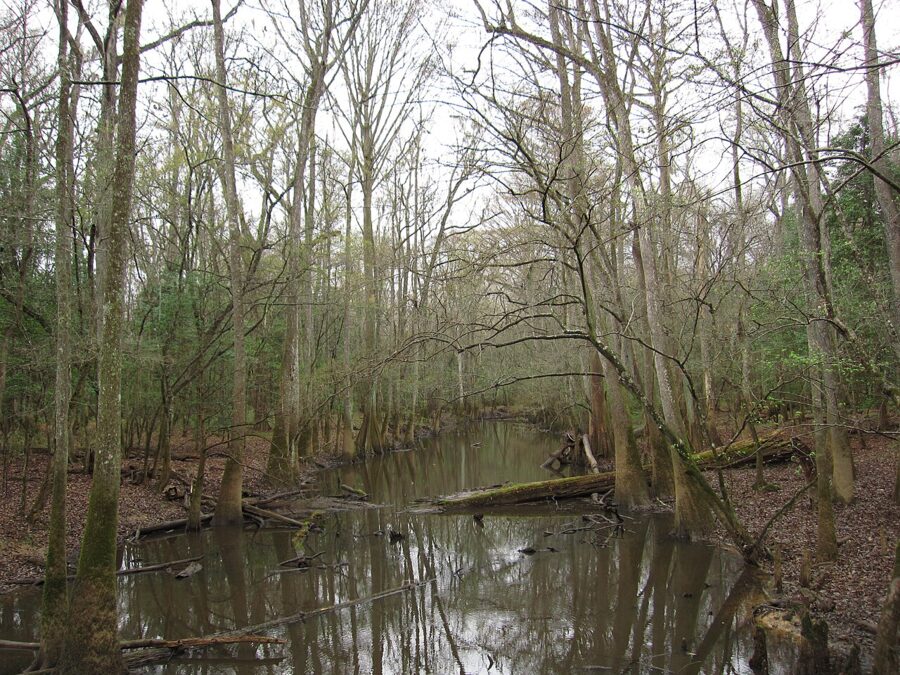

A few practical warnings. The park service says flooding can happen with little warning and asks visitors to check Cedar Creek and Congaree River levels before setting out, and trails can close when the water is high. Cell reception inside the park is unreliable, so download a map before you leave Columbia. Mosquitoes are fierce from late spring into fall; wear repellent and long sleeves.
The park’s most famous event is short and hard to get into. For about two weeks between mid-May and mid-June, synchronous fireflies flash in unison along the trails. In 2026 the viewing nights ran May 13 to 20, with passes awarded by lottery on Recreation.gov in April for $25 in total ($1 to apply, $24 if you won).
The University of South Carolina and Five Points
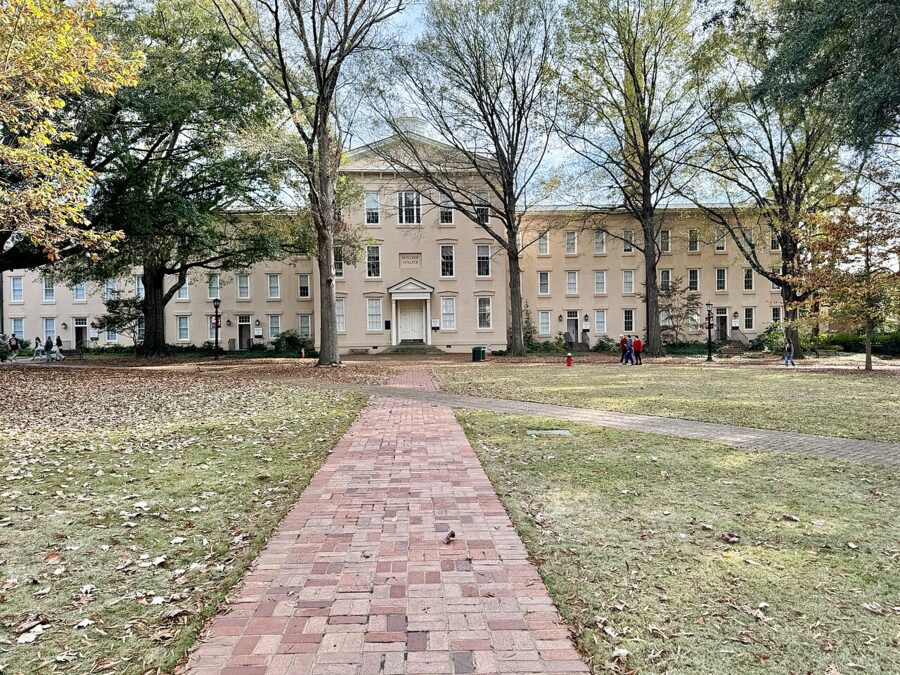
The university was chartered in 1801, and its oldest corner, the Horseshoe, is the prettiest few acres in the city. Federal-style brick buildings line a U-shaped lawn under old oaks a few blocks south of the State House. Students live in most of them, so admire them from outside.

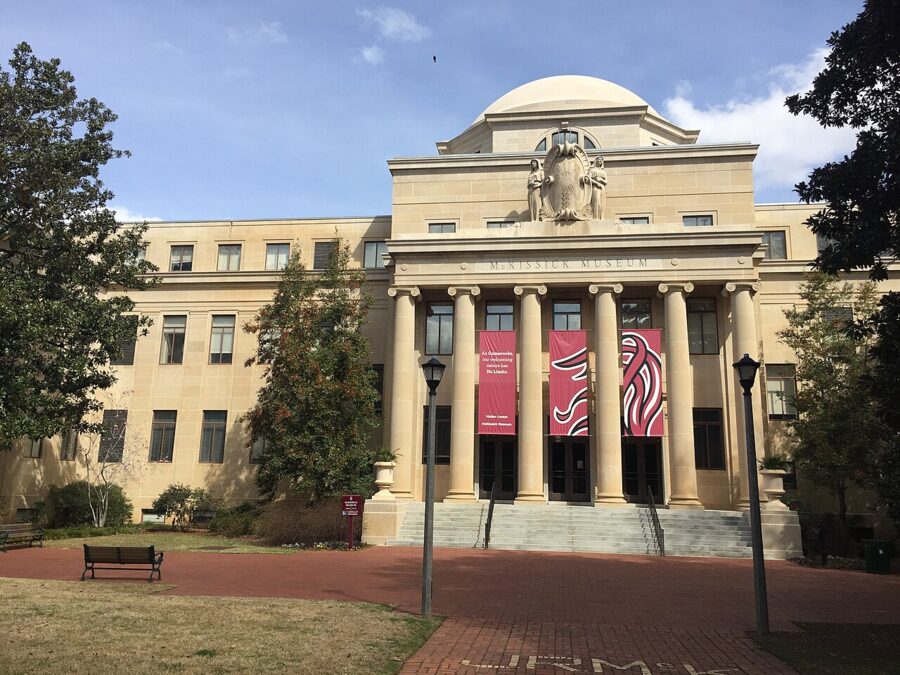
McKissick Museum, at the open end of the Horseshoe, is the university’s museum of Southern folk art, craft and natural history. It is open Monday to Friday from 8:30am to 5pm and closed on weekends, which catches out a lot of weekend visitors. The museum’s visitor page lists no admission charge. Metered parking is on Bull and Pendleton streets, or in the Pendleton Street Garage, entered from Pickens Street.

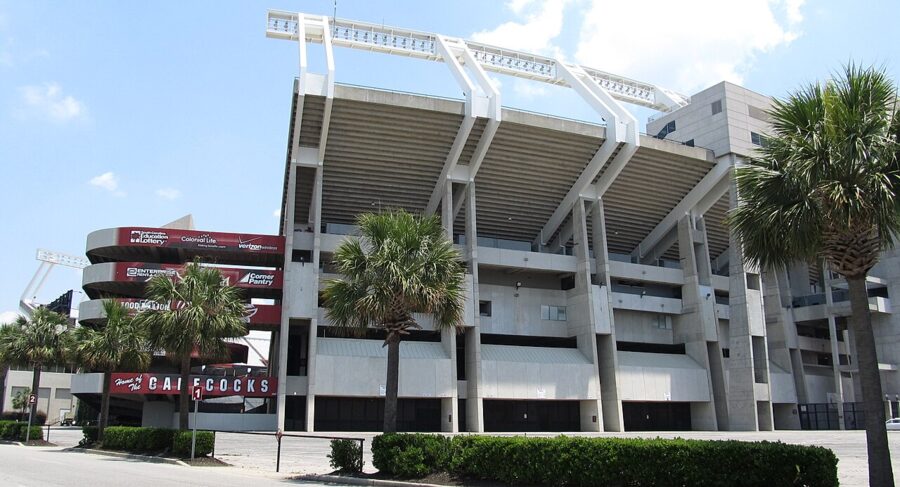
On a fall Saturday, the university’s football team plays at Williams-Brice Stadium, about two miles south of the Horseshoe. Home games fill hotels across the metro area, so check the Gamecocks’ schedule before you book a fall weekend.

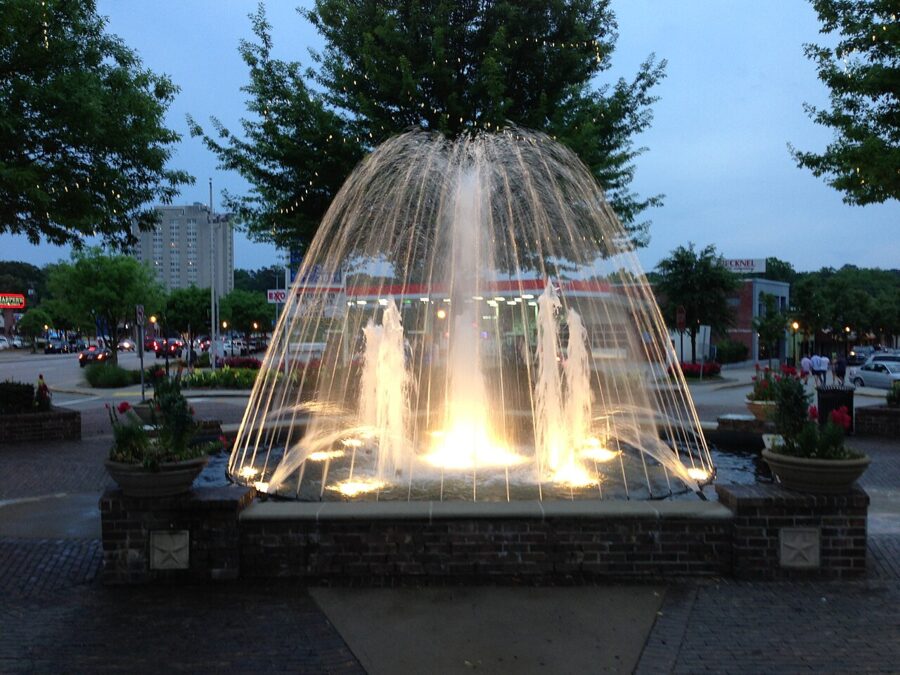
Five Points, the neighborhood just east of campus, is where students go out. Harden Street, Saluda Avenue and Devine Street meet at a small fountain plaza lined with bars and cheap food. It is loud after 10pm on weekends and pleasant at lunch.

Museums worth your time
South Carolina State Museum
The state museum fills four floors of the 1894 Columbia Mills building on Gervais Street, a former cotton mill billed as the first in the world to run on electric power. The collections cover natural history, art, cultural history and science, from fossils and a Revolutionary War gallery to a planetarium, a 4D theater and a public observatory. It is the best rainy-day option in town.
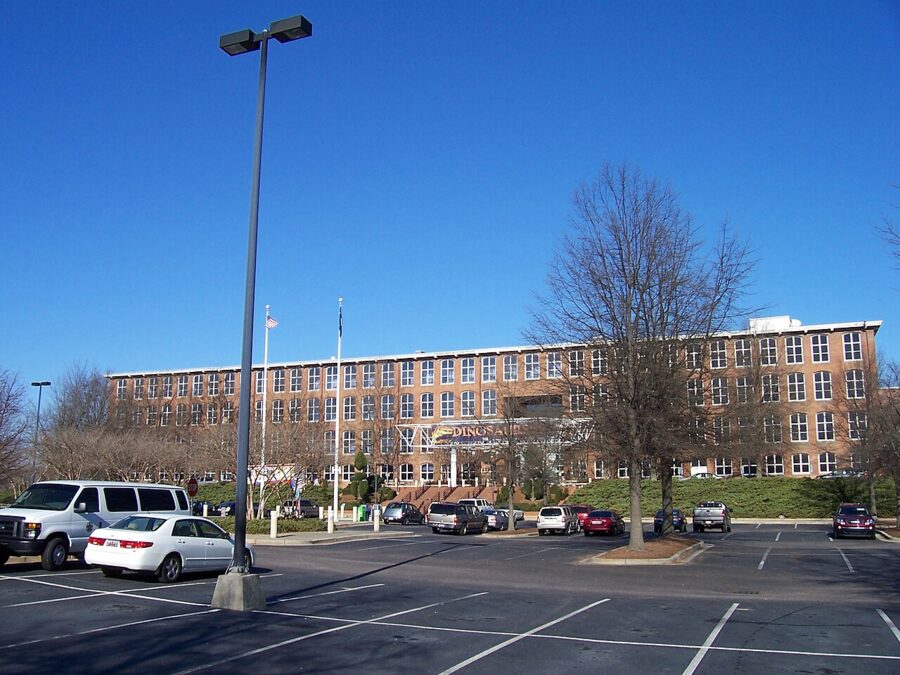
As of November 2026 the museum is open Tuesday to Saturday from 10am to 5pm and Sunday from noon to 5pm, and closed Mondays. Some third-floor exhibitions are closed during a gallery renovation. Prices:
| Ticket | Adult | Senior (62+) | Child (3 to 12) |
|---|---|---|---|
| General admission | $13 | $11 | $10 |
| With one planetarium or 4D show | $18 | $16 | $15 |
| With two shows | $21 | $19 | $18 |
Allow two to three hours, more if you add a show.
Columbia Museum of Art
The art museum on Main Street punches above the city’s size, with Renaissance and Baroque paintings, American art and changing contemporary shows, all manageable in two hours.
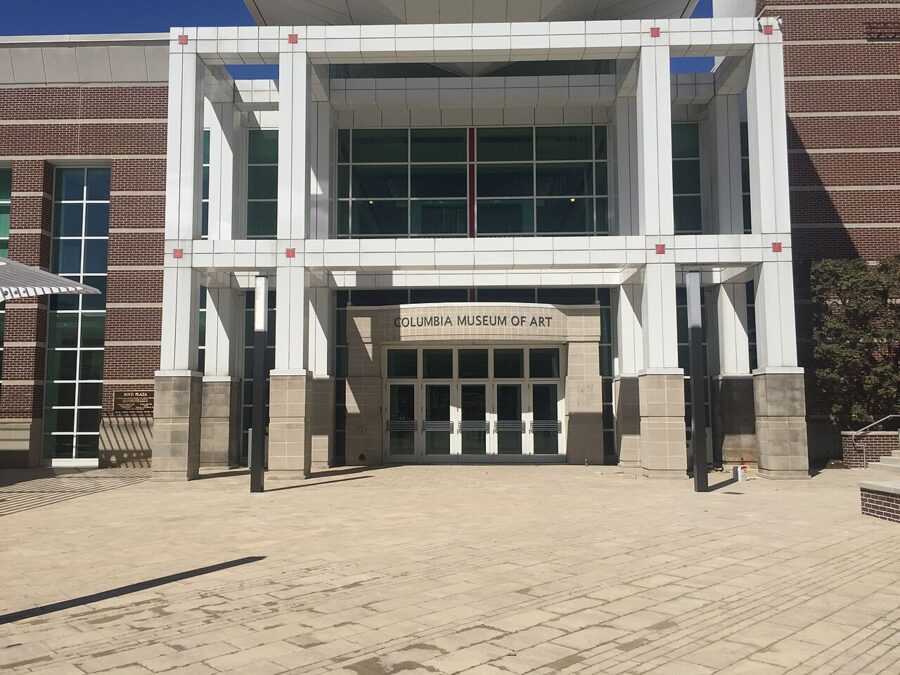

Hours as of November 2026: Sunday noon to 5pm; closed Monday; Tuesday, Wednesday, Friday and Saturday 10am to 5pm; Thursday 10am to 7pm. The last ticket is sold half an hour before closing. Admission is $15 for adults, $13 for those 65 and over, $10 for college students and youths aged 7 to 18, and free for children 6 and under.
EdVenture
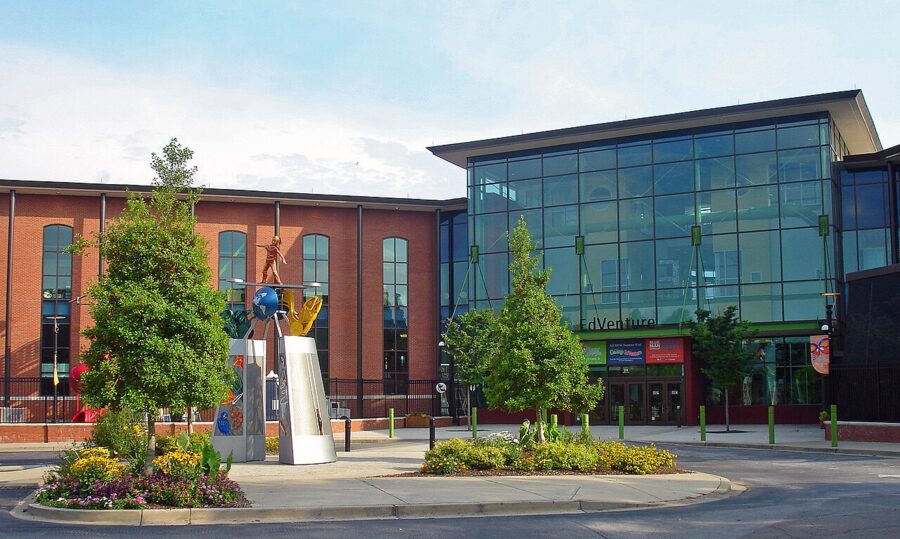
Next to the State Museum, EdVenture is a large children’s museum aimed at kids up to about ten, with a giant climb-through figure called Eddie. From early September to Memorial Day it opens Monday and Wednesday to Saturday from 9am to 5pm and Sunday from noon to 5pm, and closes on Tuesdays. Admission is $15 for children and adults, $10 for first responders, military and seniors, and free under 2. Adults cannot go in without a child.

Historic houses and the stories they tell
Historic Columbia, a nonprofit, runs the city’s house museums, and the tours do not skip the people who were enslaved in these houses. Every tour starts at the Welcome Center at 1616 Blanding Street, on the grounds of the Robert Mills House.
House tours run Wednesday to Sunday only; the Welcome Center is open Wednesday to Saturday from 10am to 4pm and Sunday from 1pm to 4pm. Buy tickets online up to an hour before a tour or at the Welcome Center (ask about discounts), and park free in the visitor lot on the 1600 block of Henderson Street.
Robert Mills House
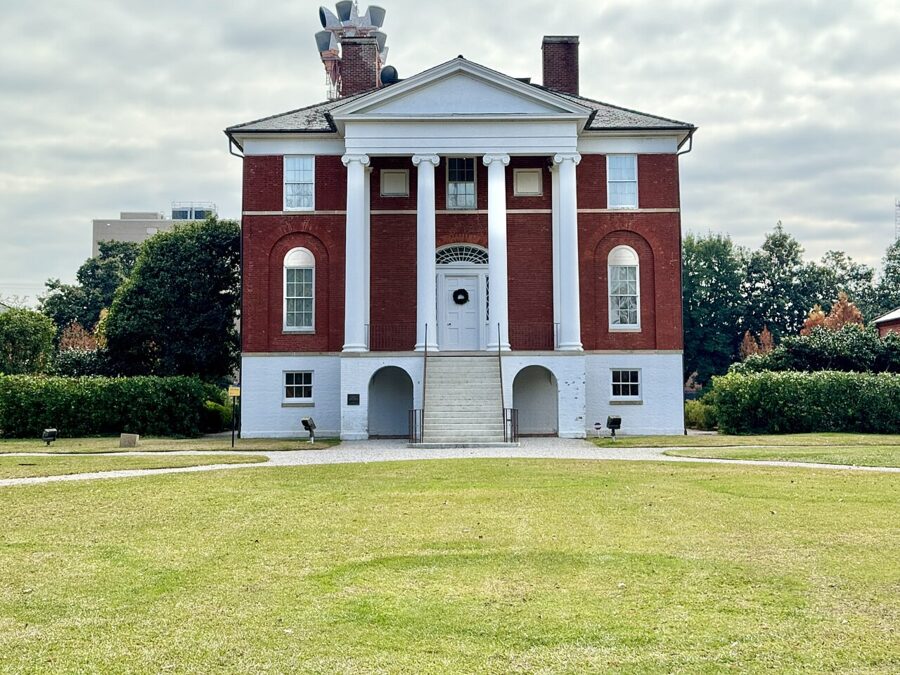
Robert Mills, the architect of the Washington Monument, designed this house in 1823 for a merchant named Ainsley Hall, who died before it was finished. It is one of only five National Historic Landmarks in Columbia. Guided tours run Wednesday to Saturday at noon and Sunday at 3pm, last about an hour, and now include an exhibit on the enslaved cooks who worked the kitchen.

Hampton-Preston Mansion
Across Blanding Street, the Hampton-Preston Mansion dates from 1818 and is one of the oldest buildings left in the city. Its tours follow both the planter families who owned it and the enslaved people who worked there. As of November 2026, tours run Wednesday to Saturday at 10:30am and 3pm, with two Sunday afternoon tours (Historic Columbia’s pages give the first as 1pm or 1:30pm, so check when you book).
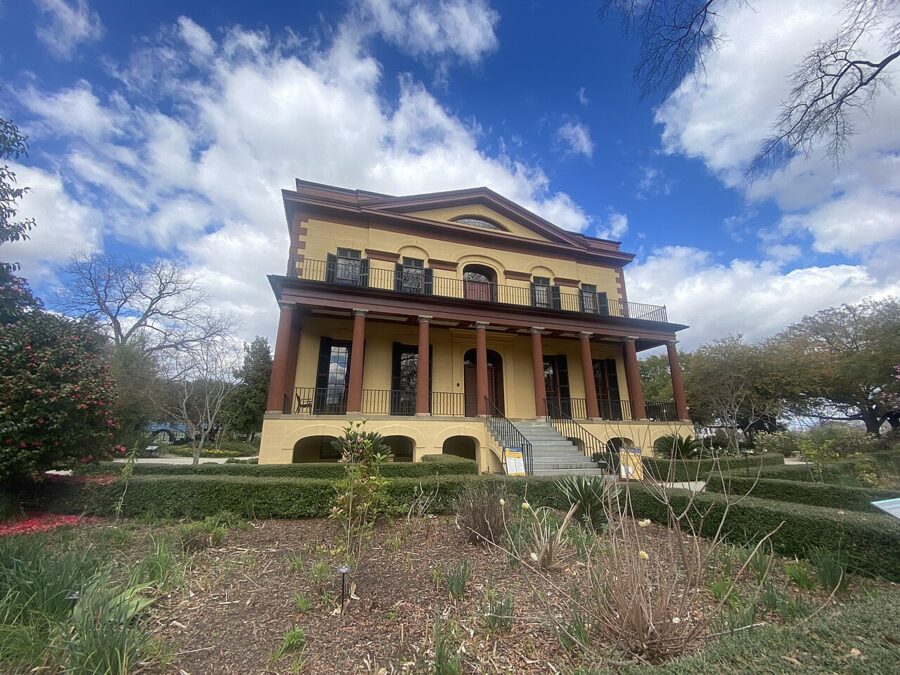
Museum of the Reconstruction Era at the Woodrow Wilson Family Home
The future president lived in this Italian villa-style house at 1705 Hampton Street as a teenager in the early 1870s. Today it is the only museum in the country devoted to Reconstruction, the years after the Civil War when Black South Carolinians voted, held office and then lost those rights. Tours run Wednesday to Sunday at 1:30pm; if you only take one house tour, take this one.
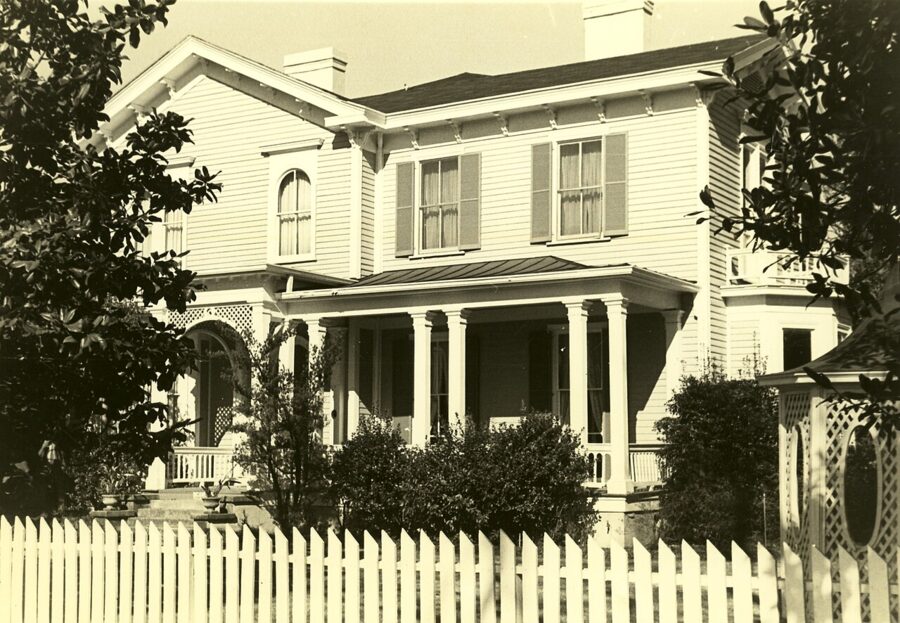
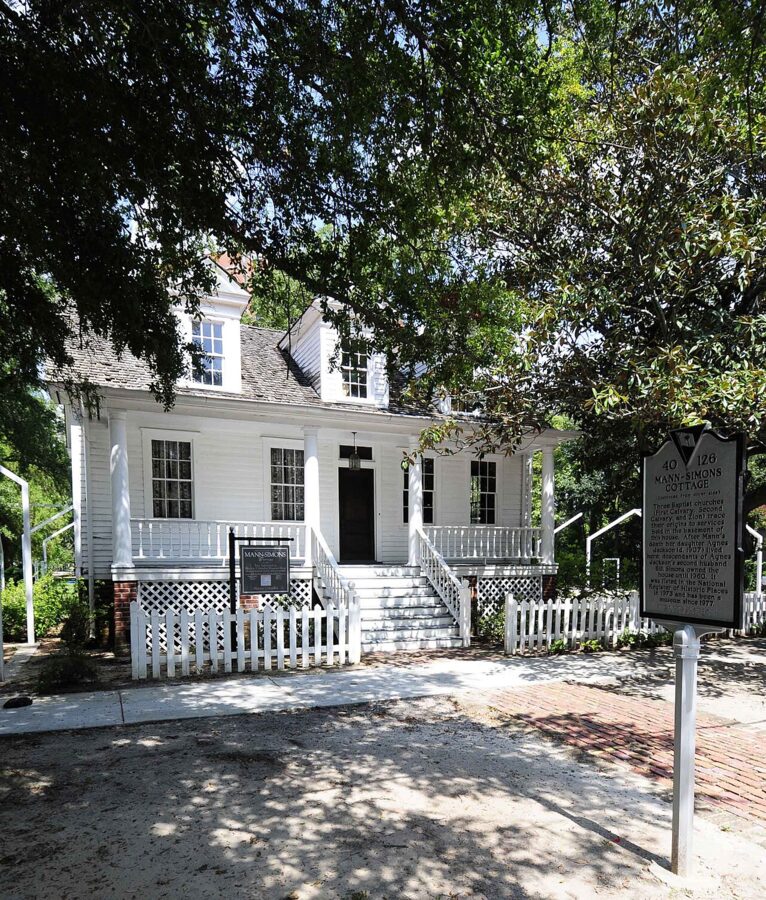
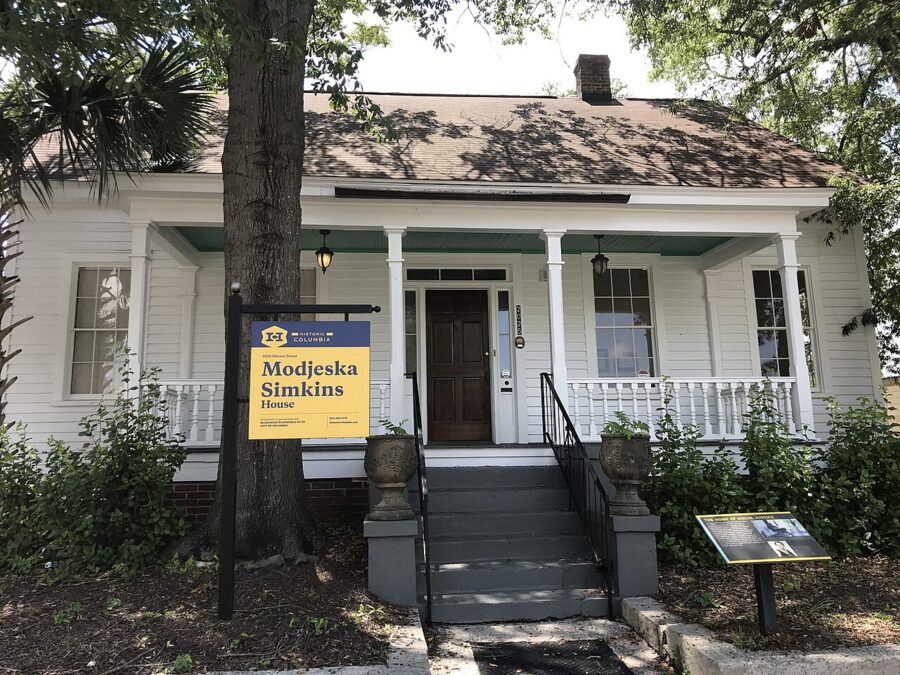
Mann-Simons Site and Modjeska Monteith Simkins House
One African American family owned the Mann-Simons property at 1403 Richland Street from at least 1843 until 1970, through slavery, Reconstruction and Jim Crow. The Modjeska Monteith Simkins House at 2025 Marion Street was the home of one of the state’s leading civil rights organizers from 1932 until her death in 1992. Both open for group tours and special programs, including free Sunday events, rather than on a daily schedule, but you can see the outside of either at any time.


The three rivers: Riverfront Park, the canal and the greenway
The water is the part of Columbia most visitors miss. The Three Rivers Greenway links paved trails on the Columbia bank with riverwalks across the water in West Columbia and Cayce.
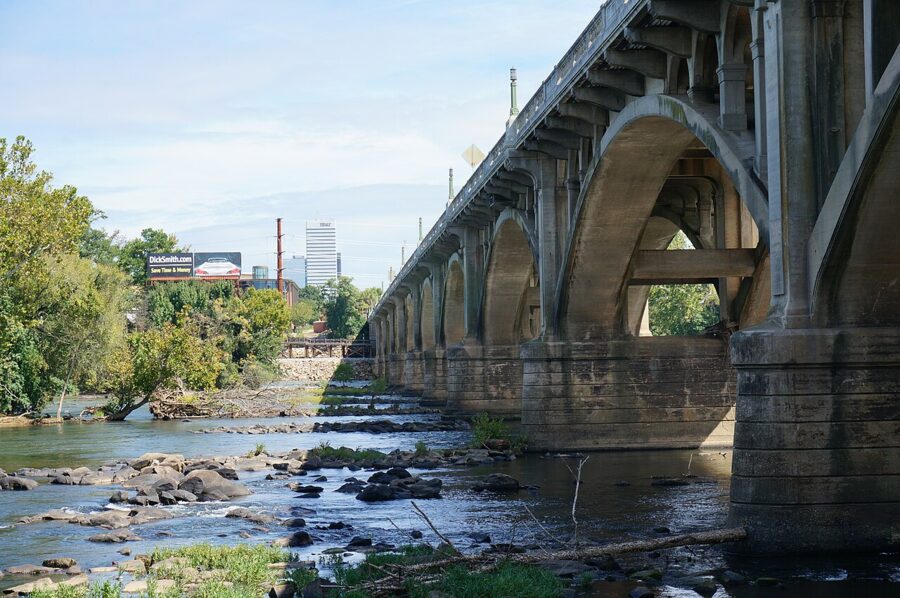
The best single stretch is Riverfront Park, which follows the 19th-century Columbia Canal along the Broad River. A paved path runs between the canal and the river from the hydroelectric plant up to the diversion dam at the canal’s head, with rocks and rapids on one side and still water on the other. It is flat and good for a run or an evening walk.
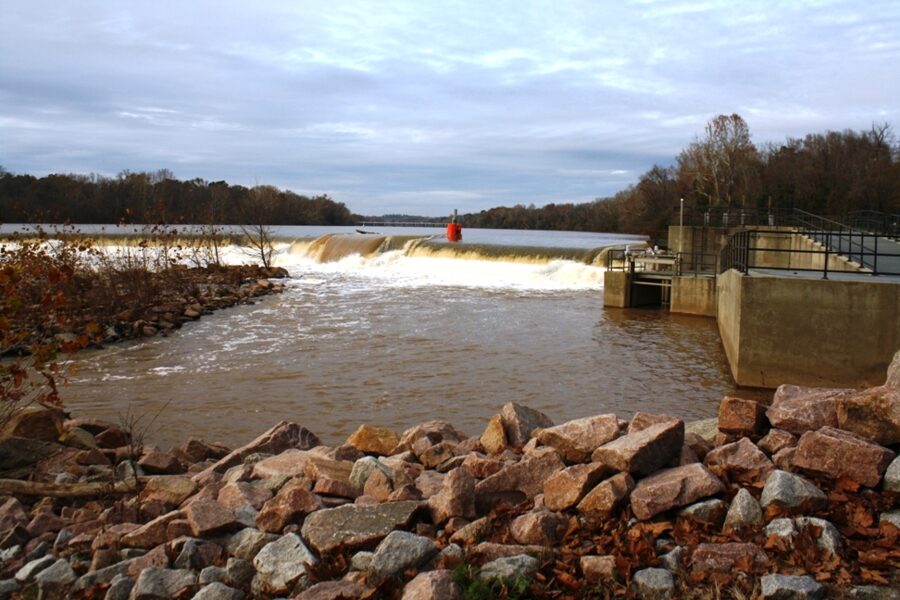

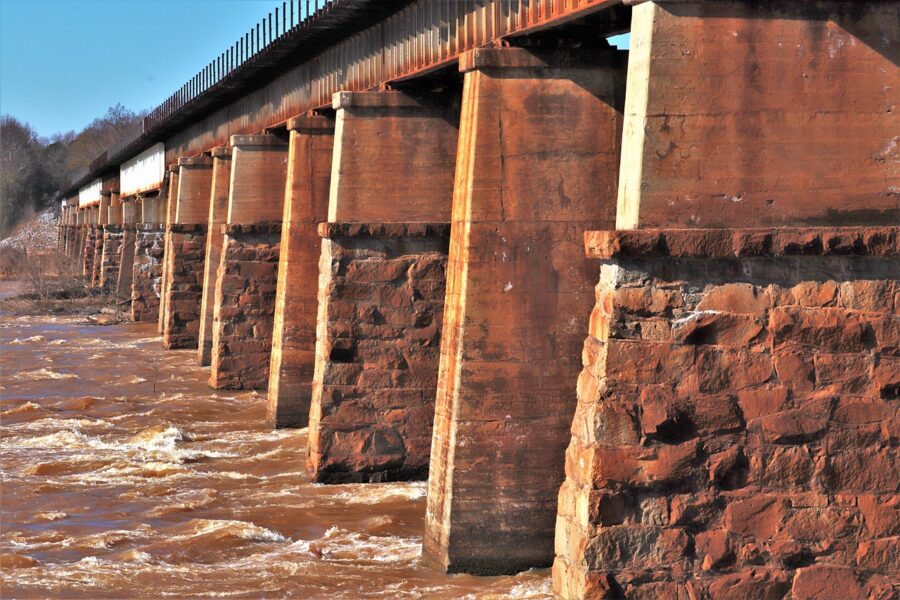
South of the canal, the Gervais Street Bridge crosses to the West Columbia Riverwalk, which follows the far bank past fishing spots and a boat ramp. Walk over at sunset, then back for dinner in the Vista. If you tube or paddle the Saluda in summer, go with an outfitter: the river is released from the bottom of Lake Murray, so it runs cold, and it can rise quickly when the dam releases more water.
Smaller things worth an hour
Finlay Park
The downtown park that most guides still describe as rundown reopened on November 15, 2025, after a two-year renovation that cost about $25 million. Its fountain is running again for the first time since 2014, and the park now has a nine-hole disc golf course. It is a few blocks west of Main Street.
The Vista
The old warehouse district between the State House and the river, around Gervais and Lady streets, is where you go for dinner and drinks, a short walk from the State Museum and the Gervais Street Bridge.

A Columbia Fireflies game
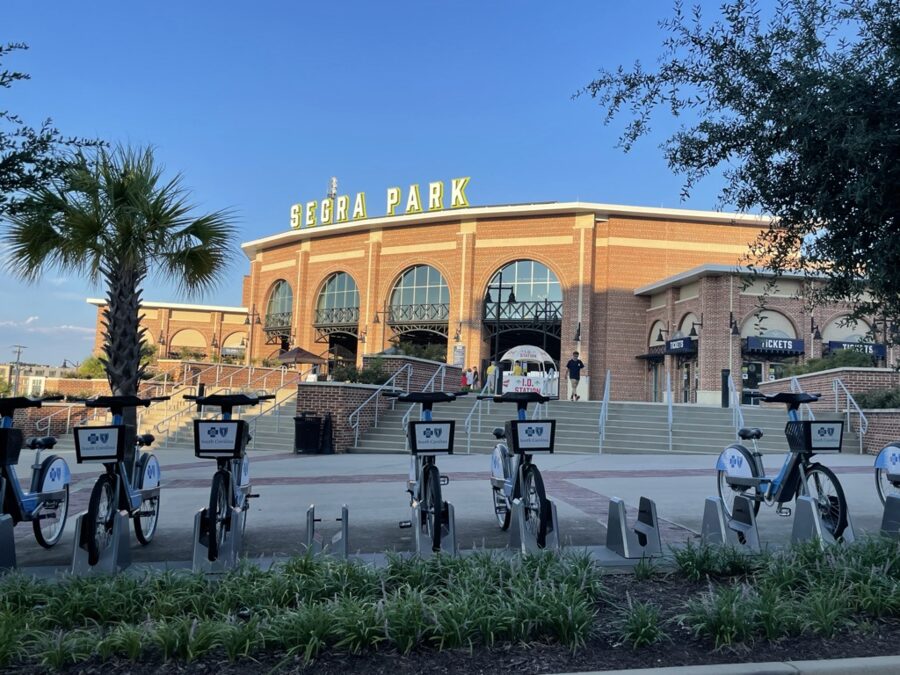
The city’s minor-league baseball team plays at Segra Park in the BullStreet District, a redevelopment of the former state hospital grounds north of downtown. The season runs from spring into late summer, and it makes an easy, cheap evening with children.

Lake Murray
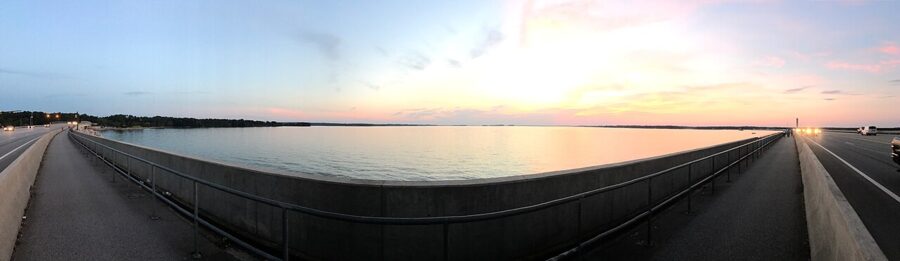
About 12 to 15 miles west of downtown, Lake Murray is a reservoir completed around 1930, close to 50,000 acres of water ringed with homes, marinas and boat ramps. For a short visit, the simplest thing is to walk the path along the top of the Saluda Dam at sunset. In midsummer, one of the largest purple martin roosts in North America gathers at dusk on a small island in the lake, and local boat operators run evening trips to see it.

Festivals and events through the year
| When | What | Notes |
|---|---|---|
| Every Saturday | Soda City Market | Main Street, 9am to 1pm, year-round |
| First Thursday of the month | First Thursday evening art walk on Main Street | Columbia Museum of Art open until 8pm |
| March | St. Pat’s in Five Points | A Saturday in mid-March; ticketed (in 2026, $30 in advance and $35 on the day) |
| Mid-May to mid-June | Synchronous fireflies, Congaree | Passes by lottery in April; about $25 per pass |
| Spring to late summer | Columbia Fireflies baseball | Segra Park |
| September to November | Gamecock football | Williams-Brice Stadium; hotel prices rise on home weekends |
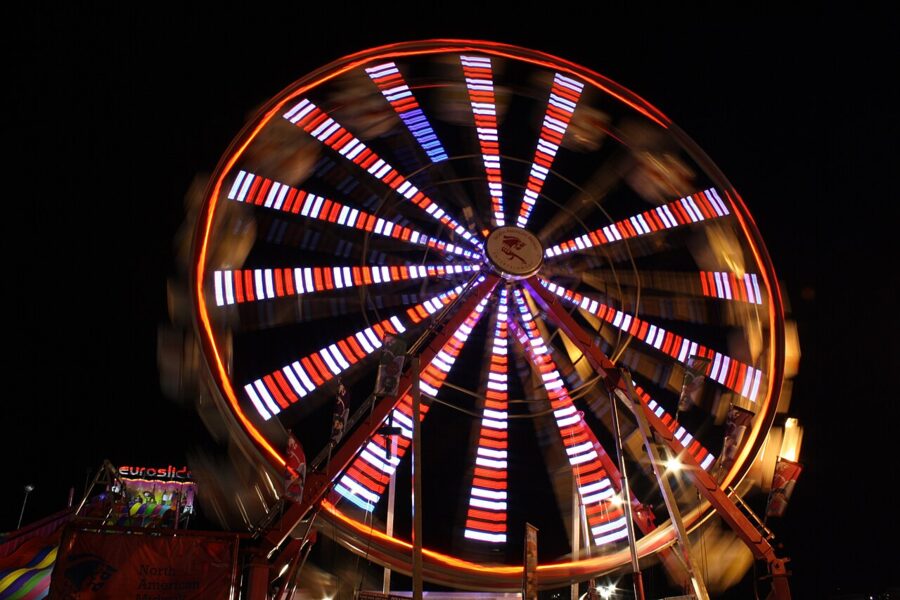
| October | South Carolina State Fair | 11 days at the fairgrounds on Rosewood Drive (October 15 to 25 in 2026); $10 parking, cards only; clear-bag rule |
| Late November to early January | Wild Lights at Riverbanks | Select nights, 5pm to 9pm; separate ticket |
| December 31 | New Year’s Eve fireworks | Midnight display downtown near the State House; details announced late in the year |

Where to eat and drink
Columbia eats well for its size. Every place below had posted hours as of November 2026; check before you go.
Breakfast and coffee
- Cafe Strudel, West Columbia. A neighborhood cafe since 1997, with local art on the walls and a regular winner of local best-breakfast polls. It is across the river from the Vista.
- Spotted Salamander’s on Main Street, 1441 Main Street. Breakfast and lunch from a Southern catering kitchen, Monday to Friday 8am to 3pm and Saturday 9am to 2pm. Its sister cafe on Richland Street does weekday lunch only.
- Soda City Market on Saturday mornings, if you are in town for it.
Lunch
- Doc’s BBQ, 1601 Shop Road, near Williams-Brice Stadium. South Carolina barbecue and sides; weekday lunch only, 11am to 2:30pm.
- The Gourmet Shop, Five Points. A deli, cheese and wine shop with a cafe serving sandwiches and salads, 9am to 4pm every day.
- Kiki’s Chicken and Waffles. Soul food and its namesake dish; the original is on Parklane Road in northeast Columbia, with a second location at Gather COLA on Pickens Street, closer to downtown.
Dinner
- Motor Supply Co. Bistro, 920 Gervais Street, the Vista. A long-running farm-to-table kitchen whose menu changes with the season. Dinner nightly from 5pm and brunch Friday to Sunday.
- Mr. Friendly’s New Southern Cafe, 2001-A Greene Street, Five Points. Updated Southern cooking in a neighborhood room. Lunch on weekdays, dinner Monday to Saturday; reservations suggested.
- Hampton Street Vineyard, downtown. Fine dining with seasonal menus in the historic Sylvan Building since 1995, and a wine list that holds a Wine Spectator award.
- The War Mouth, 1209 Franklin Street, Cottontown. Chef-driven takes on South Carolina country cooking, such as hash and rice. Closed Sundays.
Drinks
- Lula Drake Wine Parlour, 1635 Main Street. A wine bar with a short food menu, named a James Beard semifinalist in recent years; Tuesday to Thursday 5pm to 10pm, Friday and Saturday 5pm to 11pm.
- Bourbon, 1214 Main Street, a block from the State House. A whiskey bar with a long list and a Cajun-Creole kitchen in an 1869 building. Walk-in only, with free parking in its back lot after 5pm.
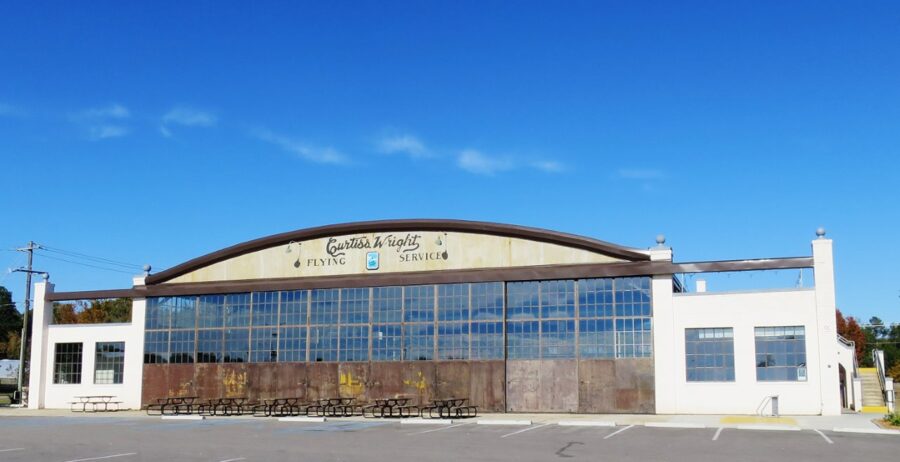
- Hunter-Gatherer Brewery at the Hangar, 1402 Jim Hamilton Boulevard. A local brewery founded in 1995, pouring its beer in an old airport hangar beside Owens Field; closed Mondays and Tuesdays.

When to go, and how long to stay
Spring and fall are the best seasons: azaleas and mild days in March and April, dry and clear weather in October and early November. July highs average in the low 90s with heavy humidity and afternoon storms. Winter is mild, with highs mostly in the 50s and the occasional frost.
Is November a good time? Yes. The heat has gone, Riverbanks starts Wild Lights late in the month, and the only crowds to plan around are a Gamecock home game or Thanksgiving weekend.
Crowds and prices follow the university and the state. Football weekends, the State Fair in October and graduation in May fill hotels; weekdays in spring or fall, without a home game, are the cheapest and easiest time to visit.
Two full days covers downtown, Riverbanks and Congaree without rushing. Add a third if you want the historic house tours (Wednesday to Sunday only), Lake Murray or a slower look at the museums.
A two-day plan
Day 1: Saturday downtown
- 9am: Breakfast at Soda City Market on Main Street.
- 10:30am: Free guided tour of the State House, then the monuments on the grounds.
- Noon: Columbia Museum of Art, beside the market.
- 2pm: Lunch, then the Horseshoe and a walk through Five Points. (On a weekday, swap in McKissick Museum.)
- 4:30pm: Riverfront Park and the canal path, then across the Gervais Street Bridge for sunset.
- Evening: Dinner in the Vista and a drink at Lula Drake or Bourbon on Main Street.
Day 2: Riverbanks and Congaree
- 9am: Riverbanks Zoo at opening, then the Skyride over to the garden. Leave by about 1pm.
- 2pm: Drive 40 minutes to Congaree National Park and walk the 2.6-mile Boardwalk Loop before the visitor center closes at 5pm.
- Evening: Back in town for dinner in Five Points or Cottontown.
With only one day, do the morning of Day 1 and the afternoon of Day 2: Soda City and the State House, then Congaree in the afternoon. On a Sunday, when there is no market, take Historic Columbia’s 1:30pm tour of the Woodrow Wilson Family Home instead.
Getting around and practical notes
- Driving and parking. Downtown street parking is metered, and there are city garages around Main Street and the Vista. Historic Columbia has a free lot on Henderson Street, and Riverbanks charges $3 to $6 a car.
- Buses. The COMET’s Soda Cap Connector routes link the State Museum, the Vista, Main Street, the State House, Five Points, the university, Segra Park and the Historic District. The fare is $1, exact change required, and the Orbit loop runs every 30 minutes on weekdays from 7:15am to about 7:30pm.
- Heat. In summer, do outdoor things before 11am or after 5pm and carry water everywhere.
- Congaree. Check the park’s alerts page for flooding before you drive out; there is no reliable phone signal once you arrive.
One last tip: if you are choosing between weekends, pick one with a Saturday that is not a home football game. You get Soda City and the Saturday State House tours, hotel prices stay sane, and Riverbanks is quieter on the Sunday morning that follows.