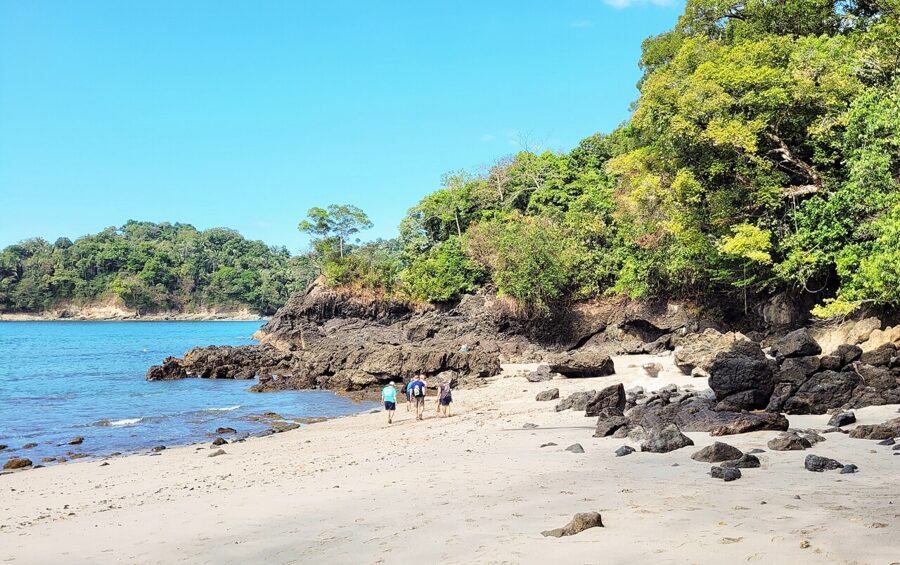
Mid-December through April is the best time to visit Costa Rica for most trips. It is the dry season on the Pacific coast and in the Central Valley, and at Liberia’s airport in Guanacaste the national weather service, the Instituto Meteorológico Nacional (IMN), averages about one day with rain a month in January, February and March.
The big exception is the Caribbean coast, which runs on its own calendar: September and October are its two driest months, just as the Pacific side and San José get their heaviest rain. The months to think twice about are September and October anywhere west of the mountains, and the two holiday crunches, Christmas to New Year and Semana Santa (March 21 to 28 in 2027), when Costa Rican families fill the beach towns and hotels charge their top rates.
In between sit the months that reward a little flexibility. May, June, July and late November bring rain most afternoons on the Pacific side, but mornings are often clear, the forests are green rather than brown, and lodges drop their rates. Arrivals show the swing plainly: the Costa Rican Tourism Board (ICT) counted 347,143 international visitors in December 2025, the busiest month of the year, and 121,815 in September 2025, the quietest.


On this page
Dry season, green season and the Caribbean exception
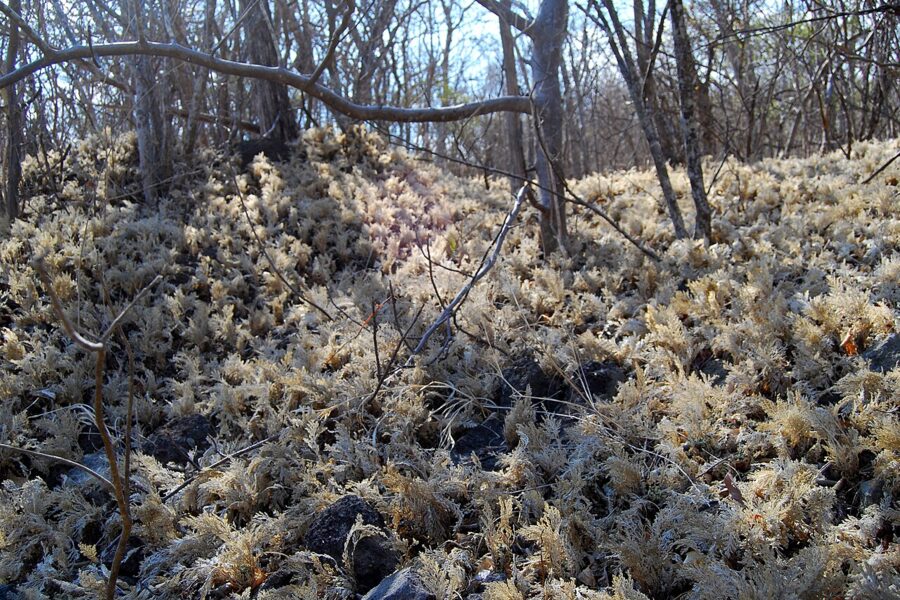
Costa Ricans call the dry season verano (summer) and the rainy months invierno (winter), which confuses anyone arriving from the north in January. The IMN’s climatology for Juan Santamaría airport outside San José sets out the pattern: the dry season runs December through March, with March the driest and warmest month, April is the changeover, and the rains formally start in the second half of May. They last through October, and November is the transition back.
Green-season rain keeps a schedule. At Liberia, the IMN finds that downpours peak around 1pm and thunderstorms around 4pm, so a morning beach session or hike usually stays dry.
The rainy season also has a dip in the middle. In July and into August the trade winds strengthen and rainfall drops, a spell Costa Ricans call the veranillo (little summer) or canícula; at Liberia, July averages about half of June’s rain.
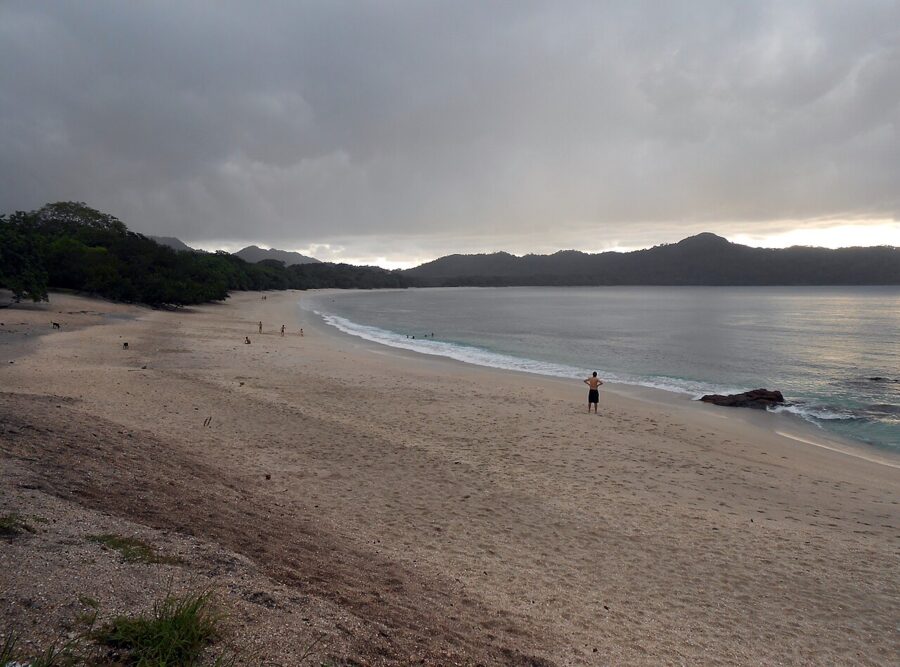

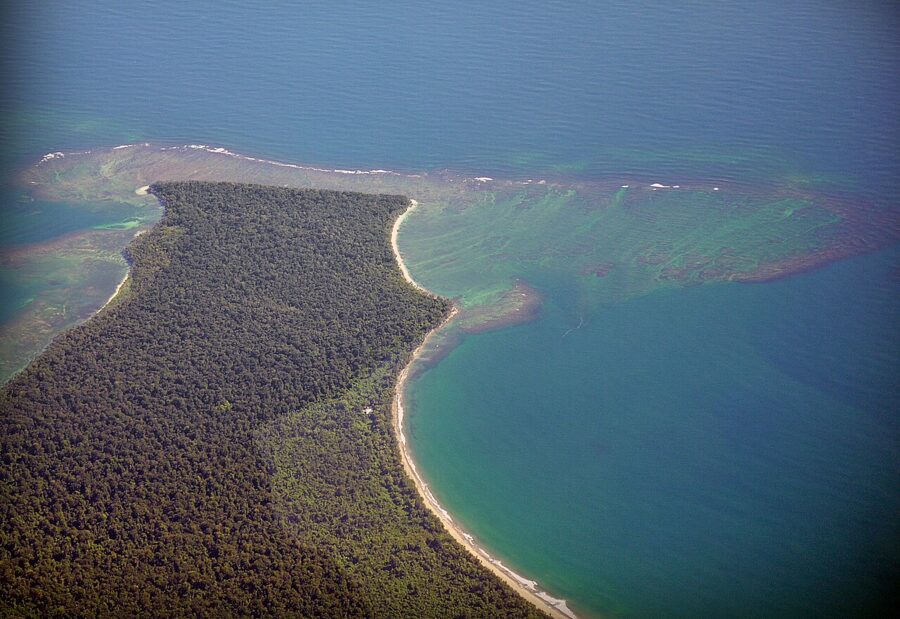
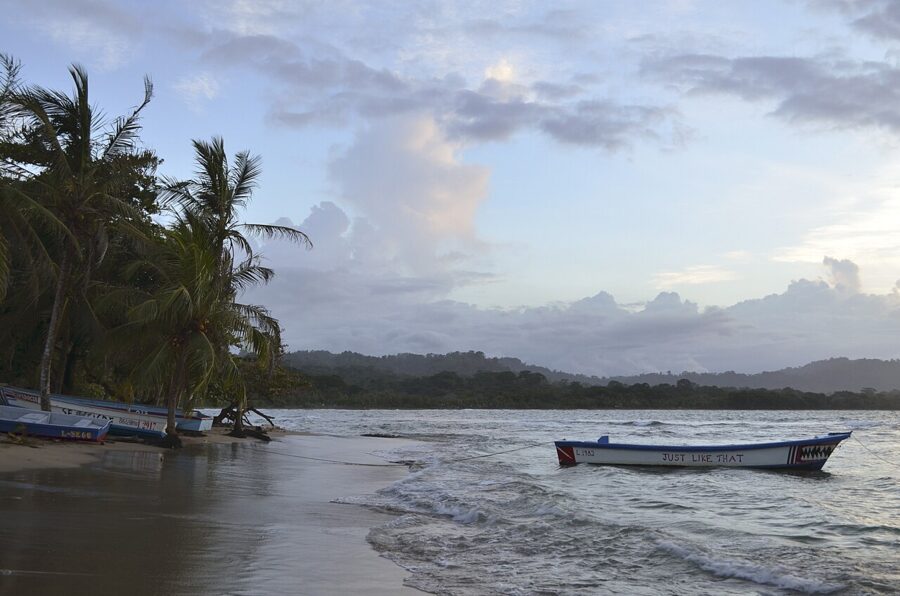
The Caribbean slope ignores most of this. The trade winds push moisture off the Caribbean Sea all year, and the IMN’s study of Limón airport finds two wet peaks there: July, the rainiest month, and November through January, when cold fronts from the north push into Central America. September and October are the low point, which is why Puerto Viejo, Cahuita and Tortuguero are at their best when the rest of the country is soaked.
Costa Rica weather by month: the numbers
The figures below come from the IMN’s aeronautical climatologies for three airports: Daniel Oduber in Liberia (2005 to 2025 records) for Guanacaste and the northern Pacific, Juan Santamaría near San José (daily records 2010 to 2022) for the Central Valley, and Limón (2005 to 2025) for the Caribbean coast. Rain days count any day with measurable rain, not all-day rain. Daylight is calculated for San José on the 15th of each month: sunrise moves only between about 5:15am and 6am all year.
| Month | Liberia, Guanacaste | San José airport, Central Valley | Limón, Caribbean coast |
|---|---|---|---|
| January | under 0.1 in, 1 day | 0.2 in (4 mm), 3 days | 11.8 in (300 mm), 20 days |
| February | under 0.1 in, 1 day | 0.2 in (6 mm), 2 days | 8.0 in (203 mm), 18 days |
| March | 0.2 in (5 mm), 1 day | 0.7 in (17 mm), 3 days | 8.2 in (209 mm), 19 days |
| April | 1.8 in (46 mm), 4 days | 5.0 in (126 mm), 11 days | 10.2 in (259 mm), 19 days |
| May | 7.6 in (193 mm), 15 days | 9.7 in (246 mm), 21 days | 11.7 in (297 mm), 21 days |
| June | 9.3 in (236 mm), 19 days | 10.8 in (274 mm), 22 days | 10.0 in (253 mm), 21 days |
| July | 4.7 in (120 mm), 13 days | 6.9 in (176 mm), 19 days | 19.0 in (482 mm), 25 days |
| August | 7.8 in (198 mm), 18 days | 8.9 in (227 mm), 22 days | 9.0 in (228 mm), 18 days |
| September | 9.5 in (241 mm), 22 days | 13.6 in (345 mm), 25 days | 5.9 in (149 mm), 15 days |
| October | 13.3 in (339 mm), 23 days | 12.9 in (328 mm), 26 days | 6.3 in (159 mm), 18 days |
| November | 6.1 in (155 mm), 12 days | 6.0 in (153 mm), 20 days | 14.2 in (361 mm), 22 days |
| December | 0.5 in (12 mm), 3 days | 1.3 in (33 mm), 8 days | 14.8 in (376 mm), 24 days |
| Month | Liberia high / low | San José airport high / low | Limón high / low | Daylight in San José |
|---|---|---|---|---|
| January | 95°F / 63°F | 87°F / 60°F | 87°F / 66°F | 11.6 hours |
| February | 98°F / 63°F | 89°F / 60°F | 87°F / 66°F | 11.8 hours |
| March | 99°F / 64°F | 90°F / 61°F | 88°F / 67°F | 12.1 hours |
| April | 100°F / 66°F | 91°F / 62°F | 89°F / 68°F | 12.3 hours |
| May | 99°F / 69°F | 89°F / 63°F | 90°F / 70°F | 12.6 hours |
| June | 94°F / 70°F | 88°F / 63°F | 90°F / 71°F | 12.7 hours |
| July | 95°F / 69°F | 88°F / 63°F | 89°F / 70°F | 12.7 hours |
| August | 96°F / 69°F | 88°F / 63°F | 89°F / 71°F | 12.5 hours |
| September | 94°F / 67°F | 87°F / 62°F | 91°F / 69°F | 12.2 hours |
| October | 92°F / 70°F | 87°F / 62°F | 90°F / 70°F | 11.9 hours |
| November | 92°F / 66°F | 86°F / 62°F | 90°F / 69°F | 11.7 hours |
| December | 94°F / 64°F | 87°F / 62°F | 87°F / 67°F | 11.5 hours |
These are lowland airport readings. Monteverde and San Gerardo de Dota run far cooler and call for a fleece at night in any month.
Month by month
January
January is high season at full strength. Guanacaste is close to rainless, the skies over the Nicoya Peninsula are clear, and the IMN records the strongest winds of the year at Liberia between January and March. Those trade winds, the Papagayos, cool the evenings and bring kitesurfers to Bahía Salinas, but they also blow dust and can make Monteverde’s ridges wet and misty even in the dry season.
Costa Ricans are still on their long school break, so beach towns stay busy all month. The Fiestas de Palmares, the biggest January festival, filled Palmares in Alajuela province from January 15 to 26 in 2026; the 2027 program had not been announced as of November 2026. On the Caribbean coast January is wet, with about 12 inches of rain over 20 days at Limón.

February
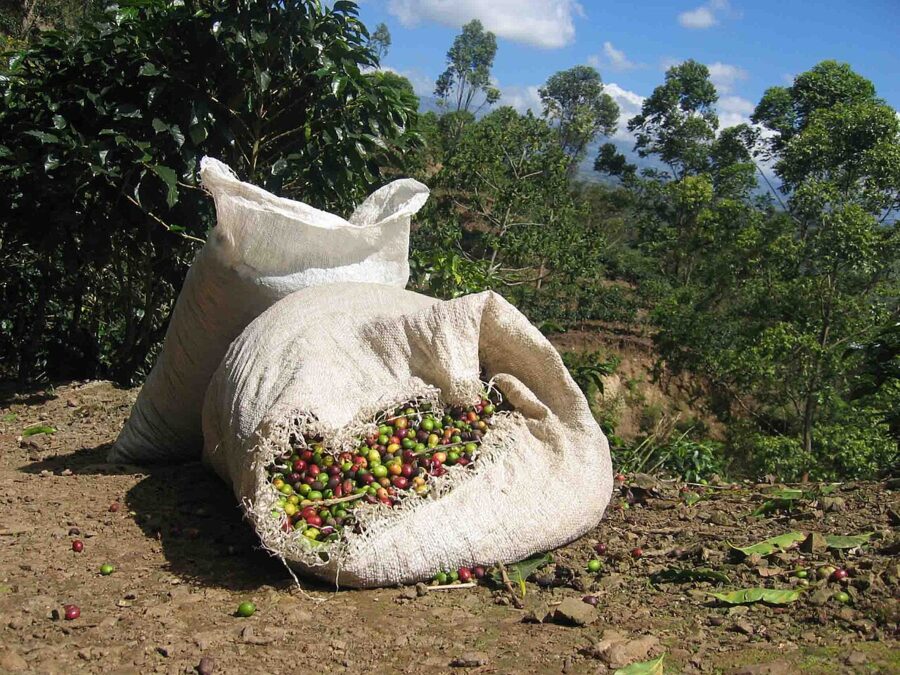
February is statistically the driest month in Guanacaste, with half a millimeter of rain in an average year at Liberia, and it is the safest bet for a beach trip with no weather risk at all. It is also the best month for the multi-day hikes that need dry trails: Chirripó, Corcovado and the volcano trails around Rincón de la Vieja.
One change for 2027: the Envision Festival, the music and yoga gathering that brought thousands to Uvita each February or early March, held its last edition from February 23 to March 2, 2026, and its organizers said in October 2026 that they saw no path to a 2027 festival.
March
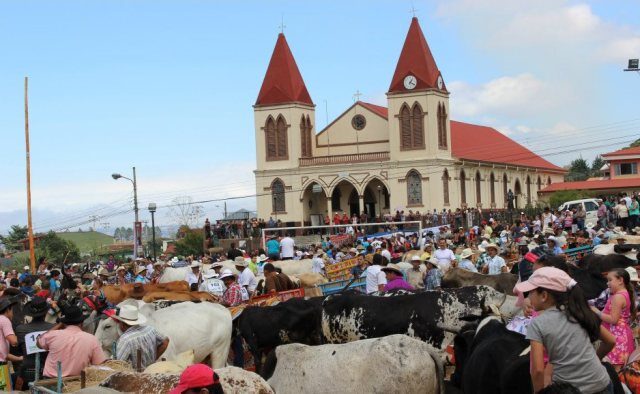
March is the hottest and driest stretch for San José and the Central Valley, and Liberia’s average high reaches 99°F. US spring break and, in 2027, Semana Santa both fall in March, so the last two weeks of the month are the year’s second crunch after Christmas. Book beach hotels and rental cars early for those dates.
Holy Thursday and Good Friday (March 25 and 26, 2027) are national holidays. Many shops and offices close, buses run reduced schedules, and Costa Rican families head to the coast for the whole week. Inland towns go quiet while beaches near San José, such as Jacó, are packed.

March also opens the leatherback season on the Caribbean coast. The ICT’s own Caribbean guide puts the leatherbacks there mostly in March through May, with Barra de Pacuare the best-known beach, although sightings are never guaranteed.

April
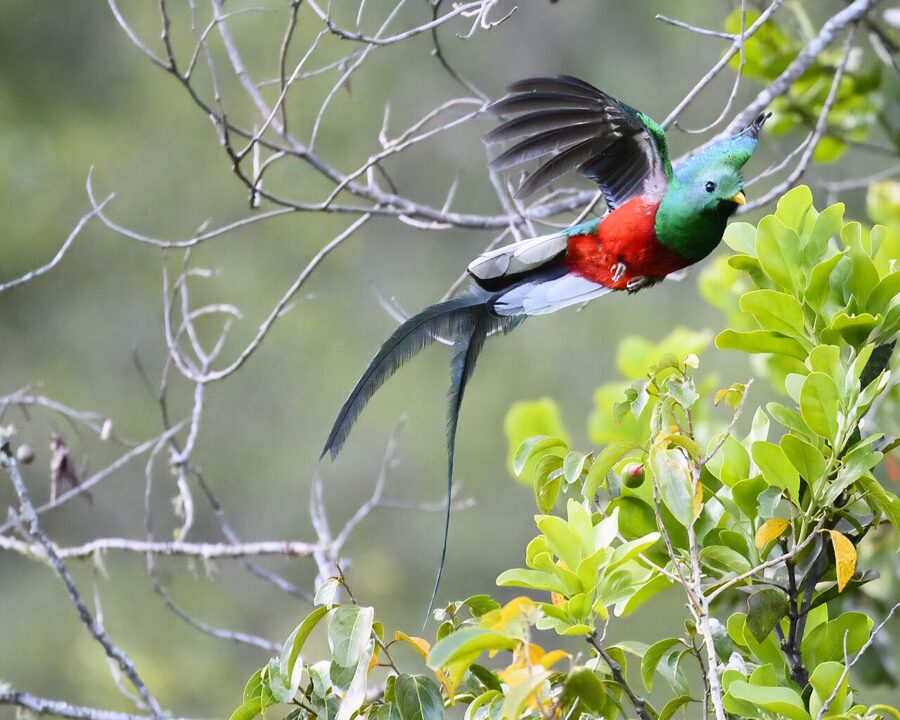
April is the changeover month and, for many trips, a sweet spot once Easter week has passed. Guanacaste is at its hottest (Liberia’s average high is 100°F) and still mostly dry, with about four rain days. The Central Valley starts to see afternoon showers, around 11 days of rain at Juan Santamaría airport.

May
The green season arrives in May. Liberia goes from four rain days in April to about 15, and San José airport to 21, but most of that rain falls in the afternoon and evening. Hotel rates fall after Easter and international arrivals dip: 205,803 in May 2025 against 336,476 in March. For beaches plus rainforest at a lower price, the first half of May is one of the year’s best values.
June
June is properly wet on the Pacific side and in the Central Valley, with around 19 to 22 rain days, and rivers start to rise, which suits white-water rafting on the Pacuare and Sarapiquí. US summer travelers arrive late in the month. On the Caribbean, the ICT’s guide marks June as the start of the peak green turtle nesting season at Tortuguero, which runs through October.



July
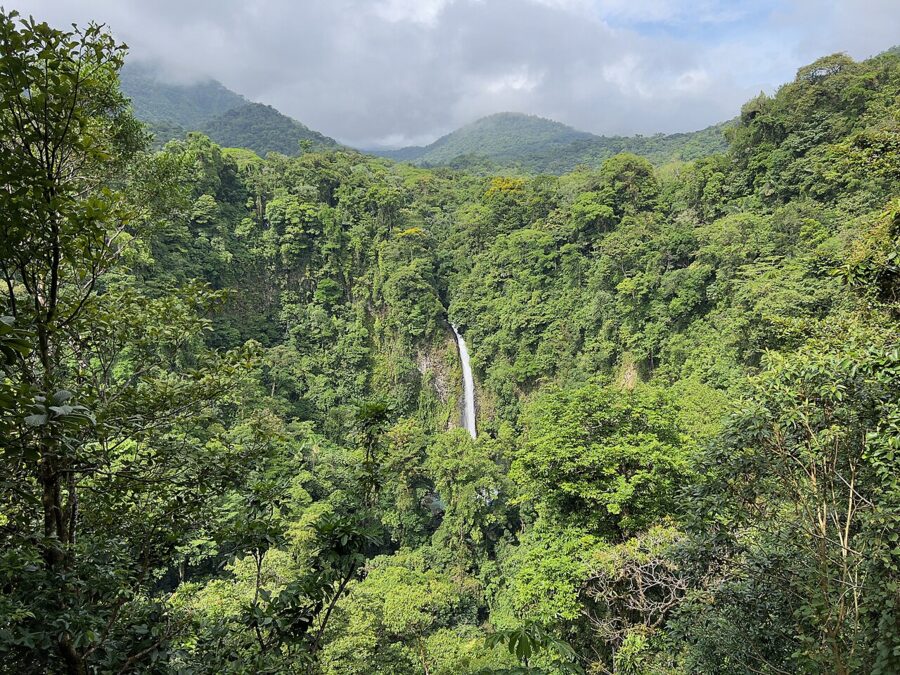
July is the green season’s best month on the Pacific side. The veranillo cuts rainfall at Liberia to about 4.7 inches over 13 days, roughly half of June, and San José is noticeably drier too. Humpback whales from the southern hemisphere start arriving off the southern Pacific coast, and the ICT gives their season at Ballena Marine National Park as July through October.
The catch is demand. Costa Rican schools break from July 5 to 16, 2027, under the Ministry of Education’s new calendar, US families are traveling, and July 25 (the annexation of Nicoya, celebrated across Guanacaste with rodeos and fiestas) is a national holiday. The Caribbean coast has its wettest month, about 19 inches over 25 days at Limón.

August
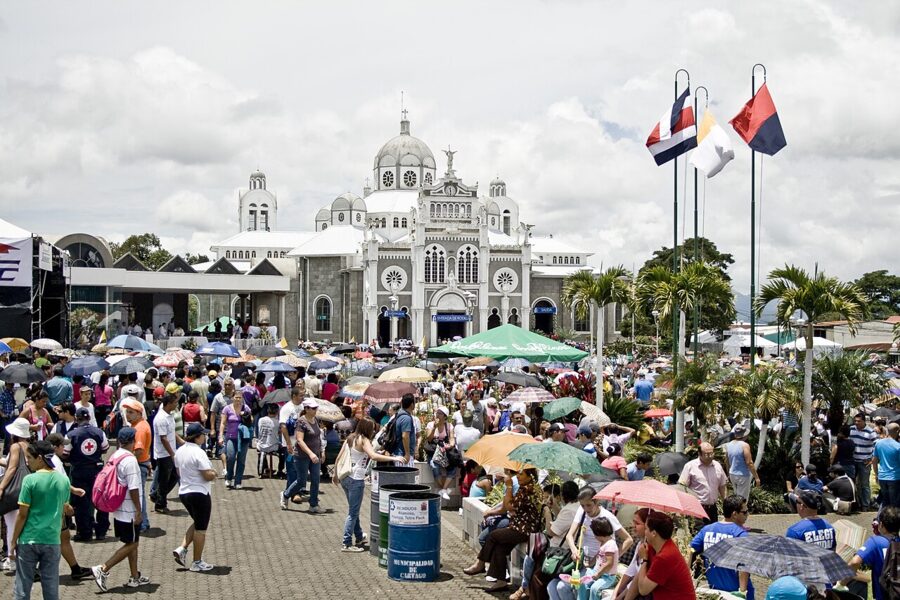
Rain picks up again through August, to about 18 days at Liberia and 22 at San José airport. The month is full of holidays. On the night of August 1 a vast crowd of pilgrims walks the Romería to the Basilica of Our Lady of the Angels in Cartago for the August 2 feast, and roads between San José and Cartago are closed or crawling. August 31, the Day of Black People and Afro-Costa Rican Culture, is celebrated most strongly in Limón.

For wildlife, August is a strong month: green turtles are nesting at Tortuguero and humpbacks are off Uvita. Plan boat trips for the morning, before the afternoon storms.
September
September is the low point of the tourist year, and for the Pacific side and the Central Valley it is the start of the wettest stretch: about 13.6 inches over 25 days at San José airport. Turn east and the picture flips. Limón averages about 5.9 inches over 15 days, its driest month, and the southern Caribbean beaches between Cahuita and Manzanillo are calm enough for snorkeling more often than at any other time.
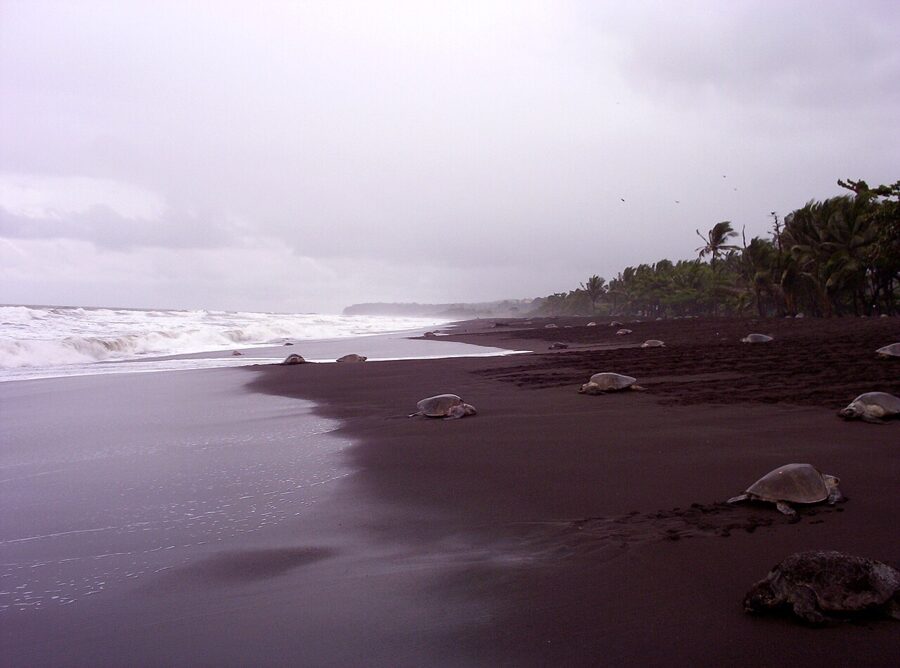
On the evening of September 14, the eve of Independence Day, children parade through towns with homemade lanterns, the faroles, as the independence torch relay arrives from the north. September also starts the season of the largest olive ridley arribadas at Ostional, where SINAC, the national parks system, says the biggest mass nestings come in September, October and November.
October
October is the wettest month in Guanacaste, with about 13 inches over 23 days at Liberia, and nearly as wet in San José. Unpaved roads on the Nicoya and Osa peninsulas can flood, and some smaller lodges in the wettest areas close for a few weeks, so check before you book. On the Caribbean side October is the second dry month, about 6.3 inches over 18 days at Limón.
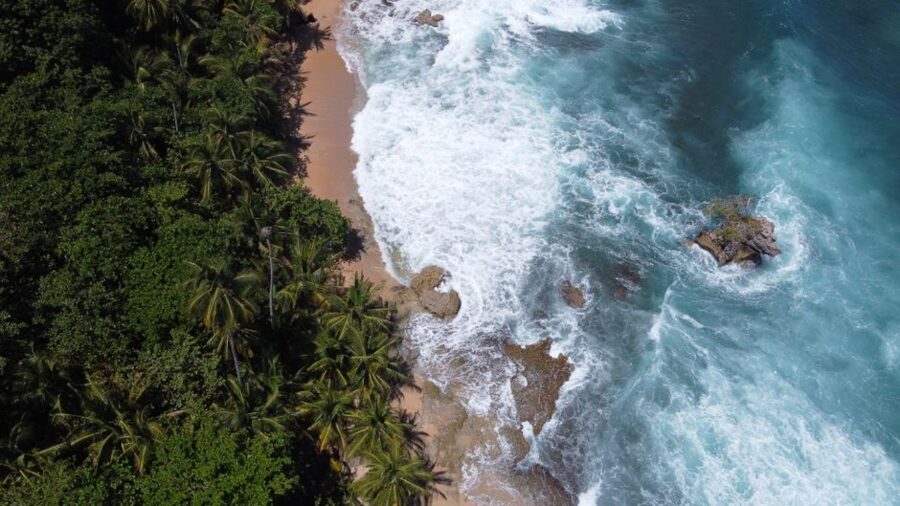
The Limón Carnival is built around October 12, the Day of Cultures, with parades, calypso and food stalls in the port city; the 2026 edition ran from October 9 to 18. If you want the Caribbean coast at its best, mid-September to late October is the window.
November
November is the hinge. The Pacific side dries quickly, from 23 rain days in October to about 12 at Liberia, and the forests are as green as they get. Prices are still low until the week of US Thanksgiving, and arrivals rise fast: 247,387 in November 2025, up from 145,663 in October. The Caribbean turns wet again, with about 14 inches at Limón.
November storms can still do damage. In November 2024, after days of heavy rain, the parks system closed Manuel Antonio and nearby Carara National Park temporarily when trees fell across the trails. The first half of the month carries that risk, and the second half usually does not.
December
The dry season sets in during the first weeks of December: Liberia averages three rain days in the month, and San José airport eight. The first half of December is one of the best-value times to visit, with dry weather and pre-holiday rates. Then it fills up fast. In 2025 December was the year’s busiest month for international arrivals, and Costa Rican school holidays start as soon as classes end (November 30 in the 2027 school year).
San José’s Festival de la Luz, the city’s Christmas parade, is on Saturday, December 12, 2026, from 6pm, with marching bands and giant balloons but no floats this year. The Fiestas de Zapote, with bullfights in the Costa Rican style (the bull is not killed), carnival rides and concerts, run from Christmas Day into the first days of January; the 2025 edition ran from December 25 to January 4. The tope, a horse parade through San José, traditionally follows on December 26.


Where you are going changes the answer
Guanacaste and the Nicoya Peninsula
This is the driest part of the country, with roughly 61 inches of rain a year at Liberia and almost none December through March, when Tamarindo, Playa Conchal, Nosara and Santa Teresa are at their sunniest. Flights into Liberia’s Daniel Oduber airport fill early for Christmas and Easter.
Central Pacific: Manuel Antonio and Jacó
Manuel Antonio is wetter than Guanacaste but follows the same pattern, so December through April is its high season. The national park is closed on Tuesdays and opens 7am to 4pm, according to the ICT’s park sheet, and entry is by ticket bought online in advance. Check SINAC’s site for current days and hours before you go, and in peak months buy the ticket several days ahead.
The southern Pacific and the Osa Peninsula
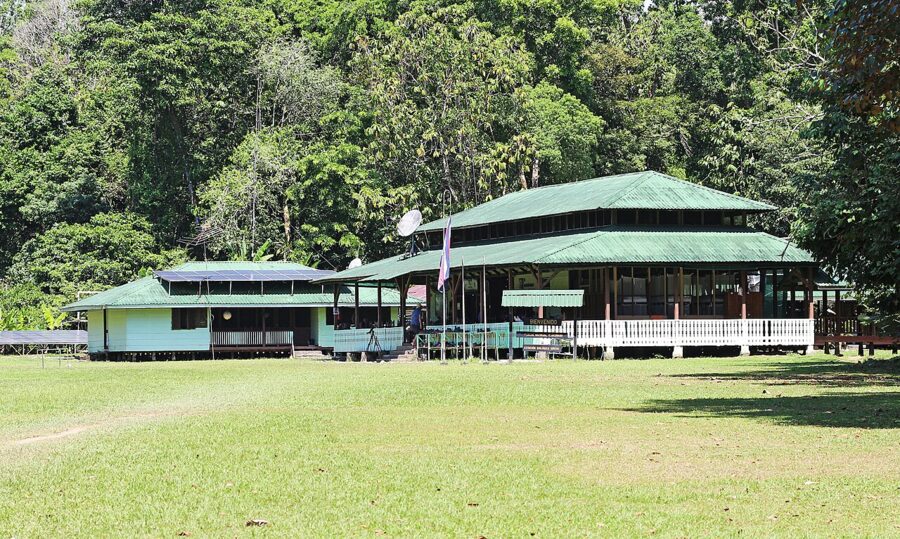
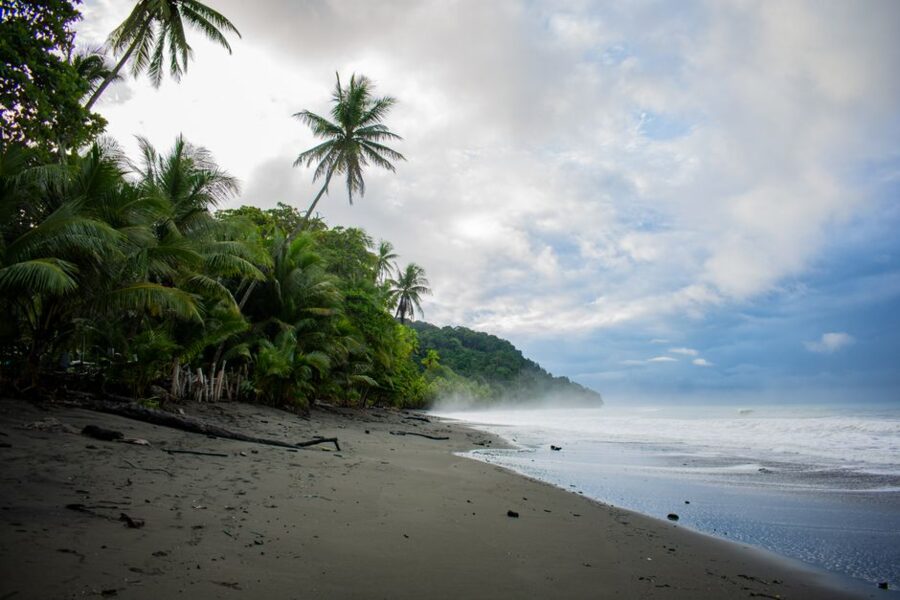
Uvita, Dominical, Pavones and the Osa Peninsula get much more rain than the north Pacific. The dry season is the time for Corcovado, where visits are arranged through licensed guides, and the wettest months, September through November, are a hard sell for remote lodges reached by boat or dirt road. The exception is whale season: July through October off Uvita, with a smaller northern-hemisphere group in the dry months.
Arenal, Monteverde and the northern plains
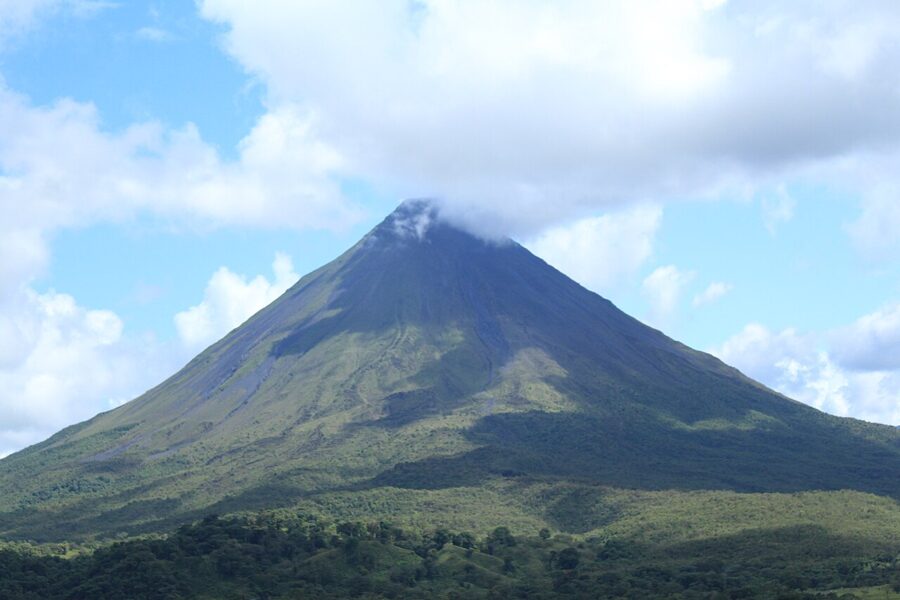
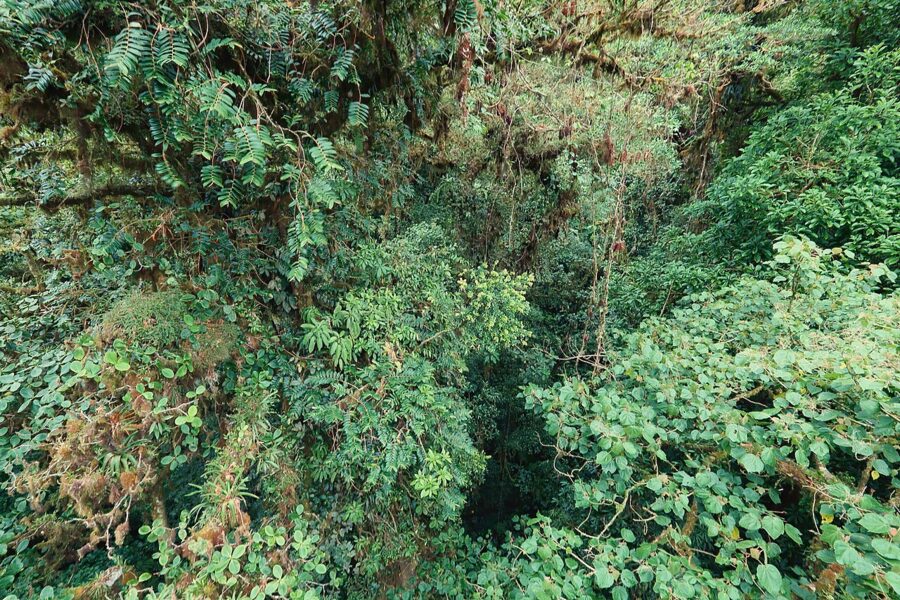
La Fortuna, Arenal and the plains around Sarapiquí sit on the Caribbean side of the mountains, so they get rain in every month, including the windy, drizzly spells of the dry season. February through April gives the best odds of a clear view of Arenal’s cone. Monteverde, at about 4,600 feet, is cool and damp most of the year; its cloud forest is meant to be in cloud.

The Caribbean coast
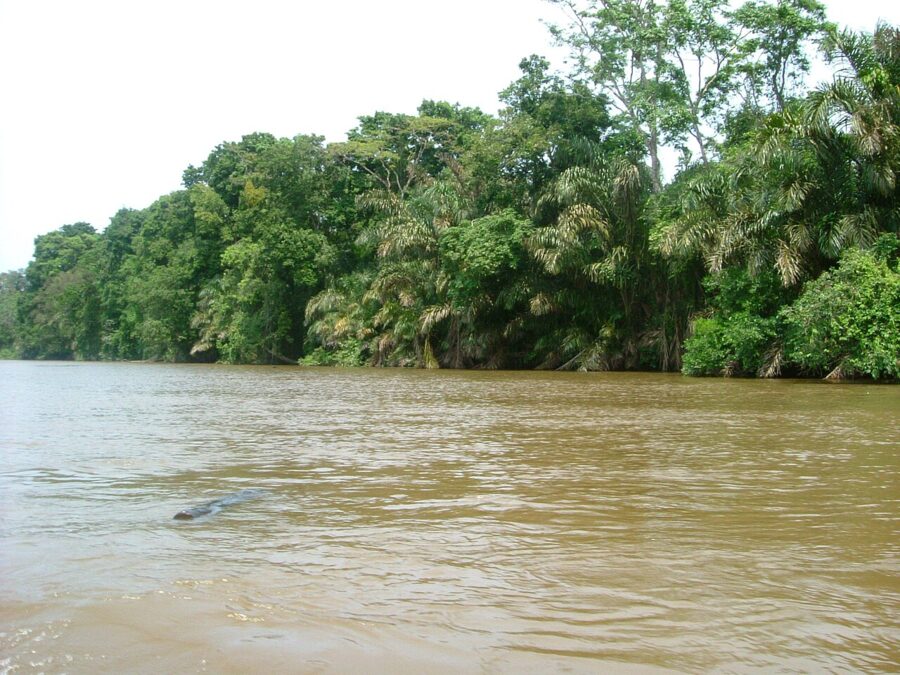
Limón averages about 129 inches of rain a year, more than twice Liberia’s total, and there is no true dry season. September and October are the best months, February to April is a reasonable second choice, and November through January and July are the wettest. Tortuguero is reached only by boat or small plane, and its canals and nesting beach are worth the trip in any month.

The Central Valley and the high mountains
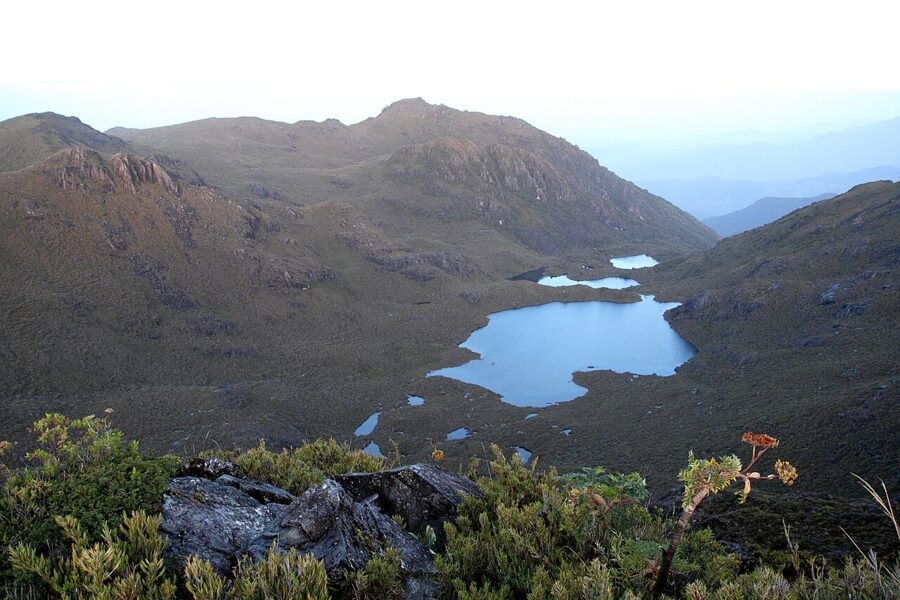
San José, Alajuela, Heredia and Cartago sit between about 3,000 and 4,700 feet, with warm days and mild nights in every season. Above them, Cerro Chirripó (about 12,500 feet) is a two-day climb with a night at the Base Crestones lodge, and it is best done in the dry months. Beds are limited, and SINAC has paused bookings at short notice in recent years, so check before planning around it.

The best time for what you want to do
Beaches and surfing
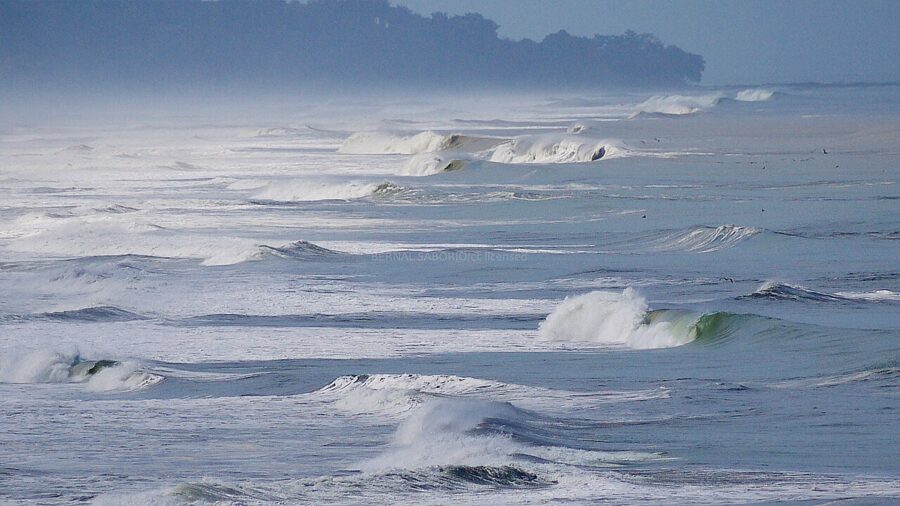
For sun on the Pacific, December through April; February and March are the safest bets. Surfers are the exception to most of this guide: the Pacific’s bigger southern swells arrive in the rainy months, and spots such as Pavones and Playa Hermosa near Jacó are at their best in the green season. On the Caribbean, the reef breaks around Puerto Viejo need the winter swells of roughly December to March.

Turtles
| Turtle | Where | When |
|---|---|---|
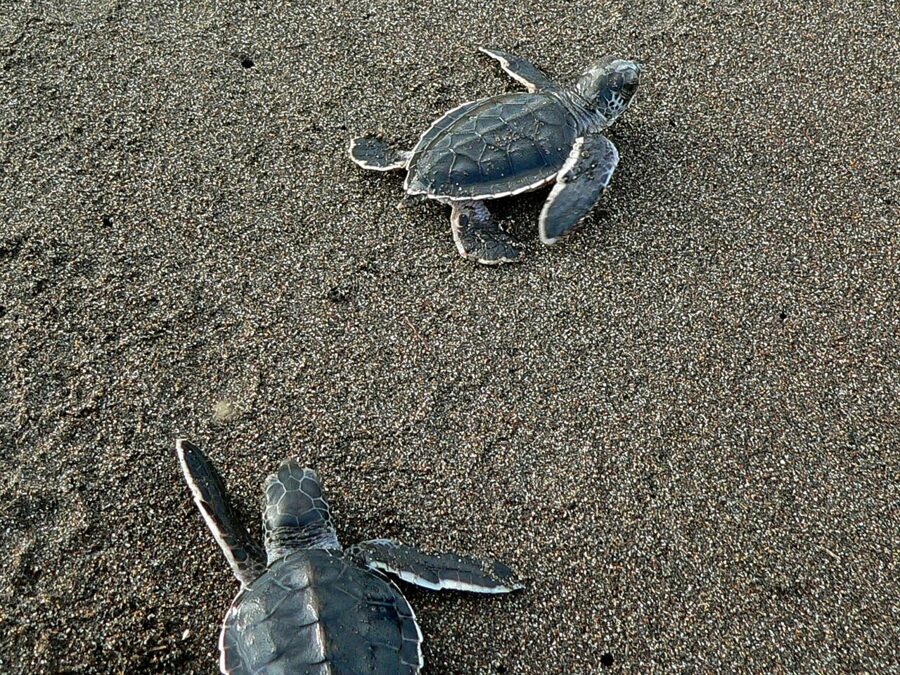
| Green turtle | Tortuguero, Caribbean coast | Peak nesting June to October; hatchlings in late summer and fall |
| Leatherback | Caribbean beaches such as Pacuare | Mostly March to May; sightings are rare |
| Olive ridley | Ostional, Guanacaste | Arribadas in most months; the largest in September, October and November |
Night turtle walks at Tortuguero go out only with a local guide, and lights and flash photography are not allowed on the nesting beach. Book the walk with your lodge or in the village on the day you arrive.

Whales
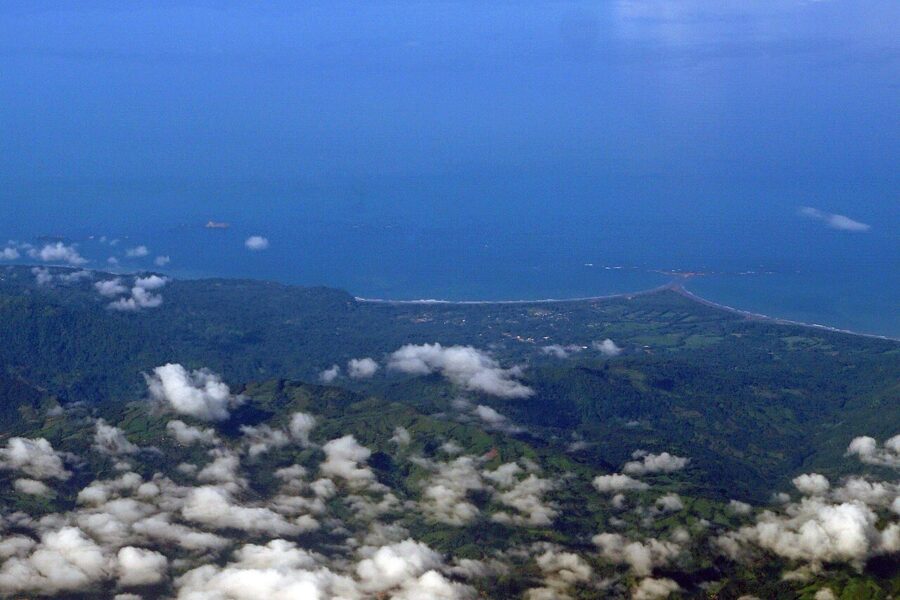
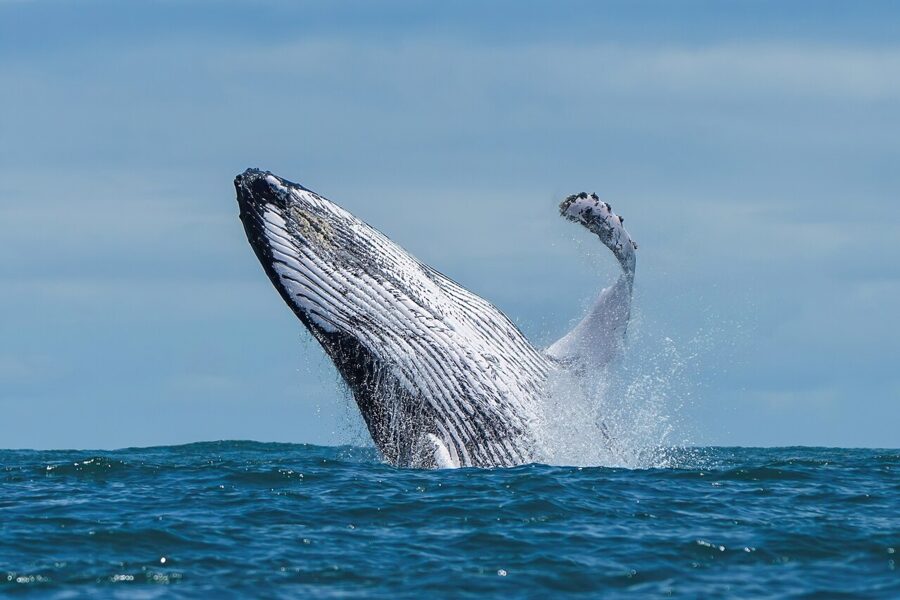
Costa Rica gets humpbacks from both hemispheres, which the ICT says gives it the longest humpback-watching season in the world. Southern-hemisphere whales come to the waters off Uvita and Ballena Marine National Park from July through October, and a smaller group from the north visits from about December to March. Boat tours leave from Uvita, and calm mornings are best.


Wildlife, birds and hiking
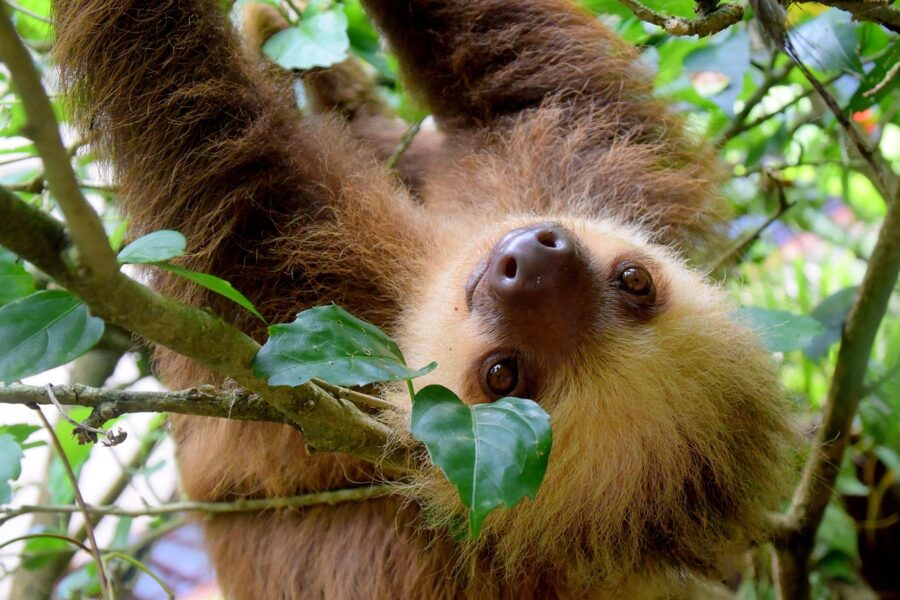
Sloths, monkeys and toucans are around all year, so wildlife is not a reason to pick one month over another. What changes is the walking: dry-season trails are firm and Guanacaste’s animals gather near water, while green-season mud slows every hike. Birders get North American migrants in the dry months as well.
Prices and crowds
Rates peak from the week before Christmas through the first days of January, and again in Semana Santa, when many hotels require minimum stays. The cheapest weeks are September and October, followed by May, June and early November.
Public holidays in 2027
The Labor Code fixes these dates, and they stay on the calendar day: the temporary law that moved some holidays to Mondays covered only 2020 to 2024. The three marked with an asterisk are optional paid holidays, so more businesses stay open. The Labor Ministry confirms each year’s list in December.
| Date | Holiday |
|---|---|
| Friday, January 1 | New Year’s Day |
| Thursday, March 25 and Friday, March 26 | Holy Thursday and Good Friday (Semana Santa runs March 21 to 28) |
| Sunday, April 11 | Juan Santamaría Day |
| Saturday, May 1 | Labor Day |
| Sunday, July 25 | Annexation of the Partido de Nicoya (Guanacaste Day) |
| Monday, August 2 | Our Lady of the Angels* |
| Sunday, August 15 | Mother’s Day |
| Tuesday, August 31 | Day of Black People and Afro-Costa Rican Culture* |
| Wednesday, September 15 | Independence Day |
| Wednesday, December 1 | Abolition of the Army Day* |
| Saturday, December 25 | Christmas Day |
Storms, closures and staying safe in the rainy months
Costa Rica sits south of the usual hurricane track, but the hurricane season in the Caribbean (June 1 to November 30) still reaches it. Hurricane Otto in November 2016 crossed the north of the country, and Tropical Storm Nate in October 2017 brought deadly floods and closed several national parks. Storms passing through the Caribbean can drop their heaviest rain on the Pacific slope.
In practice, the risks in the green season are flooded roads and rivers, landslides on mountain roads, and rip currents on Pacific beaches that grow with the swell. Drive in daylight, give yourself a spare day before an international flight, and swim only where locals swim. The State Department’s advisory level and the practical risks are covered in the guide to whether Costa Rica is safe to visit.
Which month for which trip
- First trip, beaches plus rainforest: late January to early April, avoiding Semana Santa (March 21 to 28, 2027).
- Best value with good weather: the second half of April, the first half of May, July, or early December.
- Caribbean coast, Cahuita, Puerto Viejo and Tortuguero: mid-September to late October.
- Turtles: August to October at Tortuguero; September to November for the big arribadas at Ostional.
- Whales: July to October off Uvita, or about December to March for the smaller northern group.
- Chirripó, Corcovado and long hikes: February and March.
- Surfing on the Pacific: May through October, if you can live with rain.
- Lowest prices and fewest people: September, if you stay on the Caribbean side.
Whatever month you pick, book the first night near the airport you land at, and save the long drives for the morning, before the afternoon rain sets in.