The best things to do in Montego Bay sit close together: swim at Doctor’s Cave Beach on the Hip Strip, tour Rose Hall Great House by day or on its haunted night tour, ride a bamboo raft down the Martha Brae River, and spend a morning downtown at Sam Sharpe Square, where Jamaica’s largest slave rebellion ended on the gallows. Two or three days covers the town at an easy pace, four if you add a day trip to Ocho Rios or Negril.
One thing has changed since most guides were written. Hurricane Melissa crossed western Jamaica as a Category 5 storm on October 28, 2025, and a year on, as of November 2026, the airport, the main beaches, Rose Hall and the Martha Brae rafts are all running again, while a few places, Greenwood Great House among them, are still closed. Hours and prices below come from the attractions themselves wherever they publish them, checked in November 2026.

On this page
Montego Bay in brief
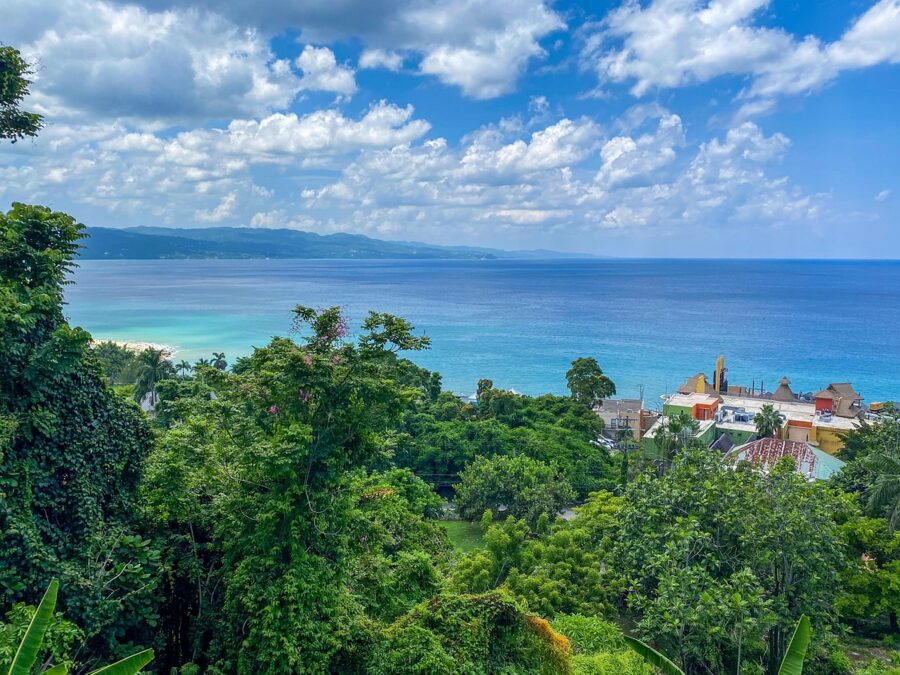
Montego Bay is the capital of St. James Parish, on the northwest coast of Jamaica, and the island’s tourism hub. Most visitors call it MoBay. It has three distinct parts that matter to a visitor: the Hip Strip, a mile or so of beach clubs, bars and shops along Jimmy Cliff Boulevard; downtown, a crowded grid of markets and Georgian buildings around Sam Sharpe Square; and the hotel corridor that runs east past the airport through Ironshore and Rose Hall, where most of the big all-inclusive resorts are.
Getting there is simple. Sangster International Airport (MBJ) sits right at the edge of town, about 10 minutes by road from Doctor’s Cave Beach, and it handled 5 million passengers in 2025. As of November 2026 the airport lists American, Delta, United, JetBlue, Southwest, Frontier and Avelo among its carriers, with Allegiant and Sun Country flying seasonally. Nonstops from Miami take well under two hours, and from the Northeast about four.
By road, Falmouth is about 40 minutes east, Negril about an hour and a half west and Ocho Rios an hour and a half to two hours east along the North Coast Highway. Kingston, on the far side of the island, is three and a half to four hours away, which is why MBJ, not Kingston’s airport, is the gateway for almost every north-coast beach vacation.

A year after Hurricane Melissa: what’s open
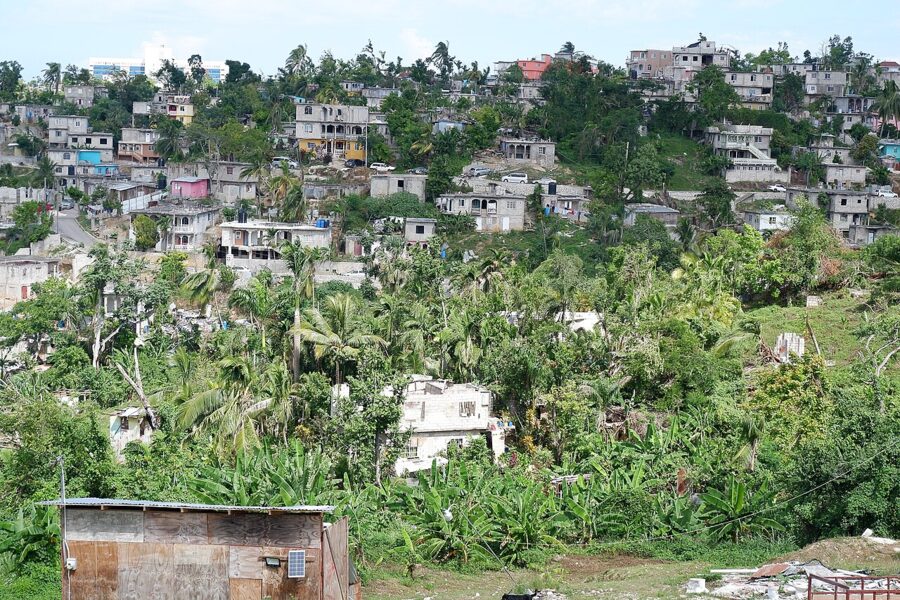
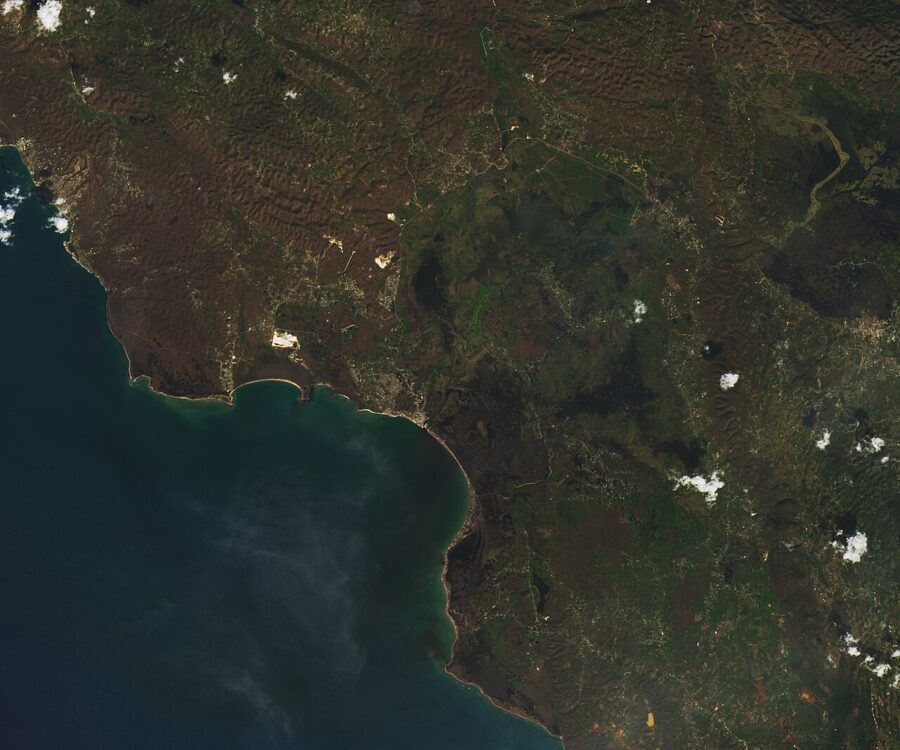
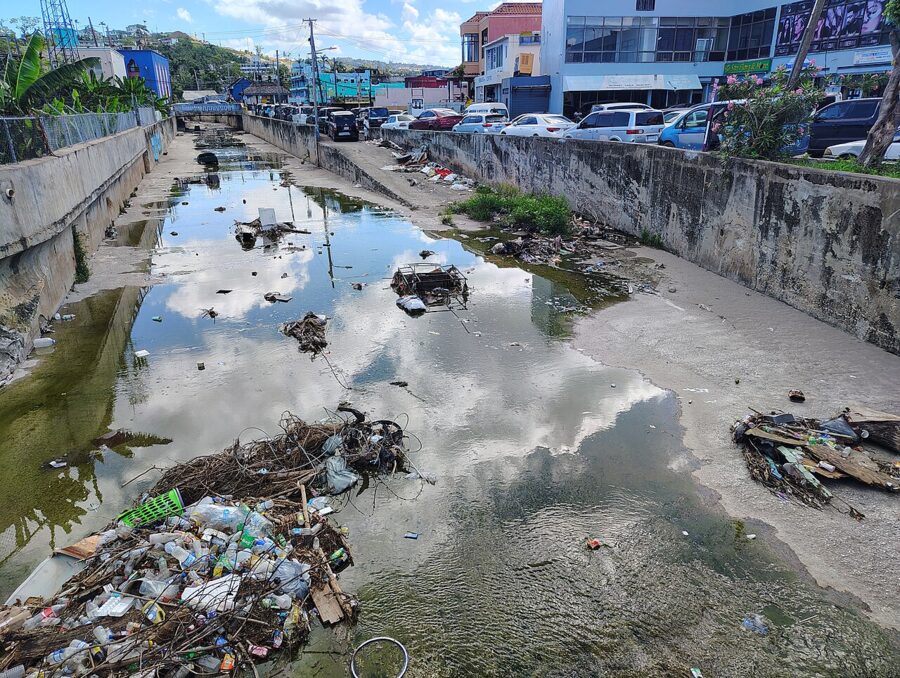
Melissa made landfall on Jamaica’s southwest coast and did its worst damage in the western parishes, including St. James. Sangster airport took roof and flood damage but resumed limited commercial flights at the start of November 2025. By February 2026 the Montego Bay Chamber of Commerce was reporting that most of the city’s businesses had reopened, with power, water and roads restored.
Recovery has been uneven, though, and it is still the first thing to check before booking anything specific. Several large all-inclusives on the hotel corridor had reopening dates running into December 2026, and Catherine Hall, the city’s big outdoor venue, hosted its first post-storm event only in August 2026. Here is where the main sights stood as of November 2026:
| Place | Status, November 2026 |
|---|---|
| Sangster International Airport | Open; commercial flights resumed in early November 2025 |
| Doctor’s Cave Beach | Open daily, 8:30am to 5:30pm |
| Rose Hall Great House | Open; reopened December 1, 2025 |
| Rafting on the Martha Brae | Open daily, 9am to 4pm; rafting resumed in December 2025 |
| Dunn’s River Falls (Ocho Rios) | Open; reopened in November 2025 |
| YS Falls (St. Elizabeth) | Reopened in late January 2026 |
| Greenwood Great House | Temporarily closed |
| Catherine Hall (festival venue) | Back in use since August 2026 |
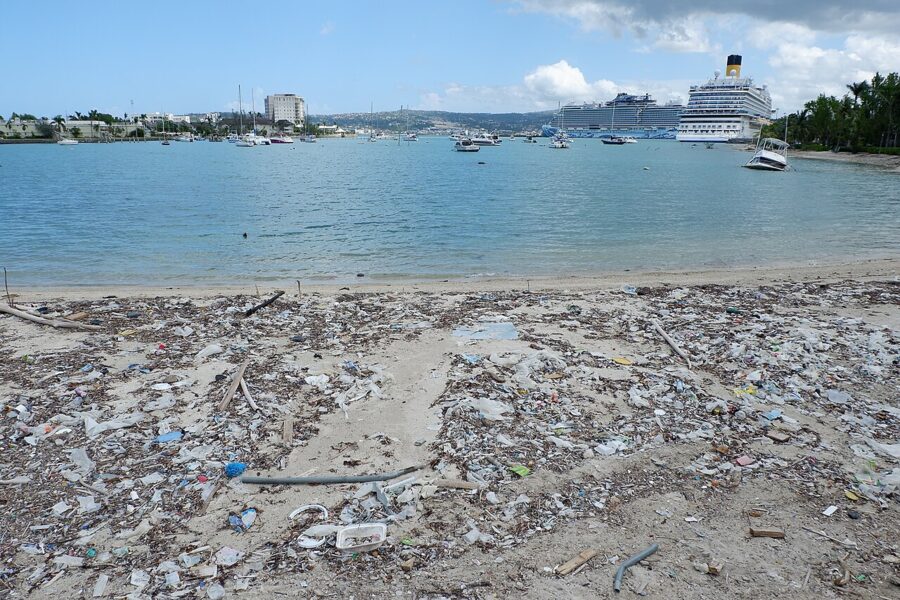

Tourism is also what pays for the rebuilding. Spending your money at locally owned restaurants, rafts and guides, rather than staying inside a resort for the whole trip, is the most direct way a visitor can help.
The main things to do
Doctor’s Cave Beach
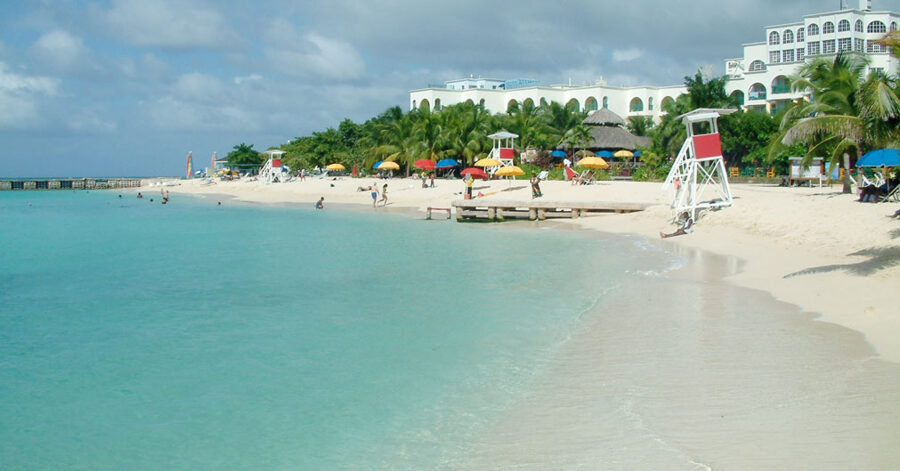
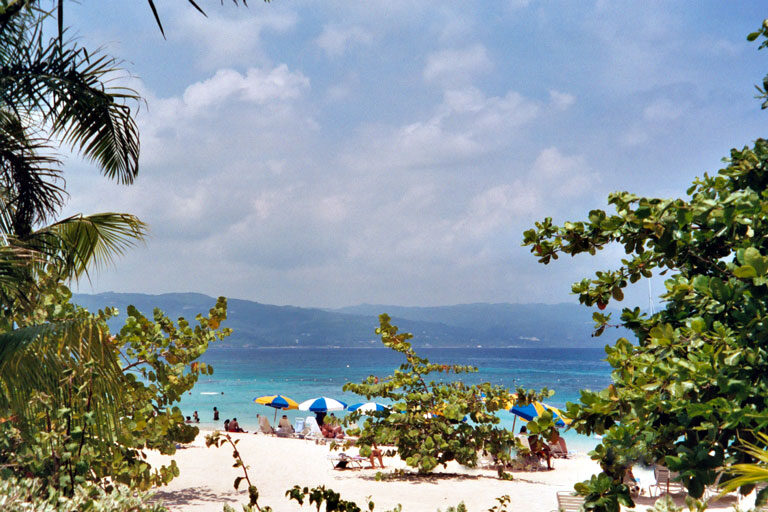
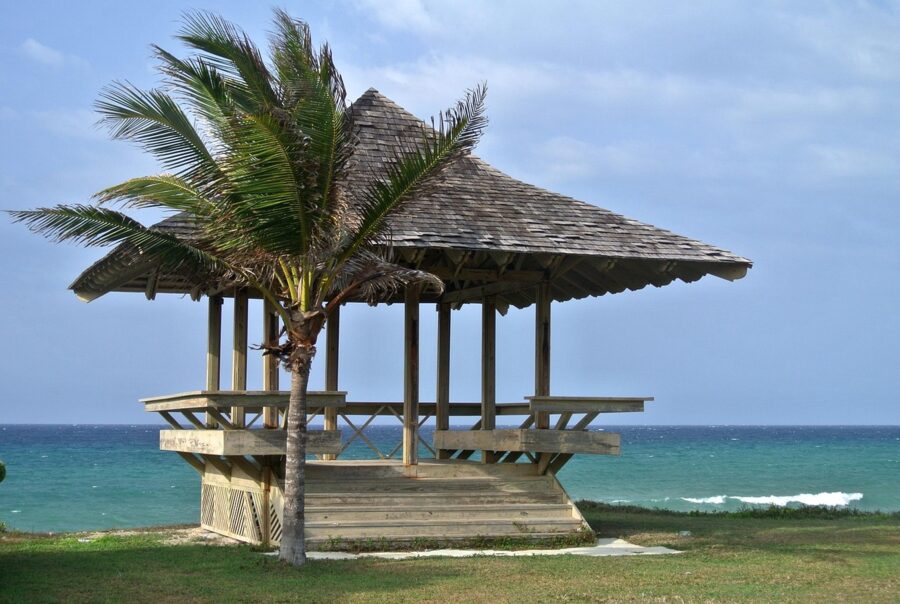
Doctor’s Cave is the beach most people picture when they think of Montego Bay: fine white sand, calm, shallow water and a reef close enough to snorkel from shore. It began in 1906, when a local physician, Alexander James McCatty, gave his beach property to found a bathing club. Swimmers then entered through a small cave, which a hurricane destroyed in 1932. In the 1920s the British osteopath Sir Herbert Barker wrote that bathing here had restored his health, and the hotels that followed started the town’s tourist trade.
It is still run as a club, and as of November 2026 it is open daily from 8:30am to 5:30pm. Admission is $8 for adults and anyone 12 and older and $4 for children under 12; chairs and umbrellas rent for $7. There are changing rooms, showers, lifeguards and Wi-Fi, with a Starbucks, Pier One and Zen Bowls on site. Allow half a day, and come early on days when cruise ships are in port, because the sand fills up by late morning.

If you would rather not pay, Dead End Beach (also called Buccaneer Beach), at the end of Kent Avenue beside the airport, is free and mostly local. It has no facilities at all, and planes pass low overhead on their approach, which is half the reason people go.
The Hip Strip (Jimmy Cliff Boulevard)
Gloucester Avenue, the road behind Doctor’s Cave, was renamed Jimmy Cliff Boulevard in 2019 after the reggae singer, a St. James native who died in late 2025. Everyone still calls it the Hip Strip. By day it is craft stalls, duty-free shops and beach clubs; after dark it is the town’s main nightlife strip, with bars and clubs playing reggae and dancehall until late.
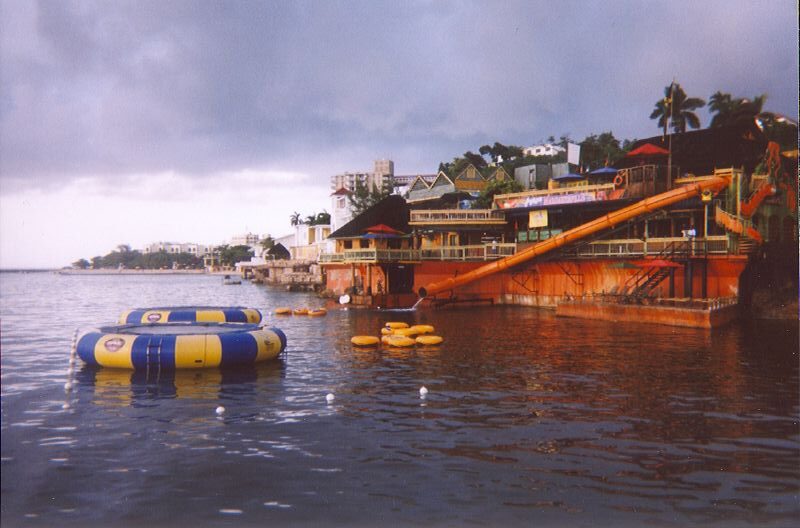
Margaritaville, with its water slide into the sea and floating trampolines, is the loudest landmark, and The Pelican Grill is the strip’s long-standing spot for Jamaican breakfasts and seafood. Look too for the life-size sculpture of Usain Bolt, assembled from bolts, outside the restaurant that carried his name; the building burned shortly after the hurricane. The strip is easy to walk in an hour, and the vendors are persistent but take a firm, polite “no, thanks.”

Rose Hall Great House
Rose Hall, about 20 minutes east of the Hip Strip, is the best-known great house in Jamaica: a Georgian mansion built in the 1770s on a sugar estate, left to ruin and restored in the 1960s. Guides lead you through the furnished rooms, the gardens and the Dungeon Bar in the basement while telling the story of Annie Palmer, the “White Witch of Rose Hall,” said to have murdered three husbands and haunted the house ever since.
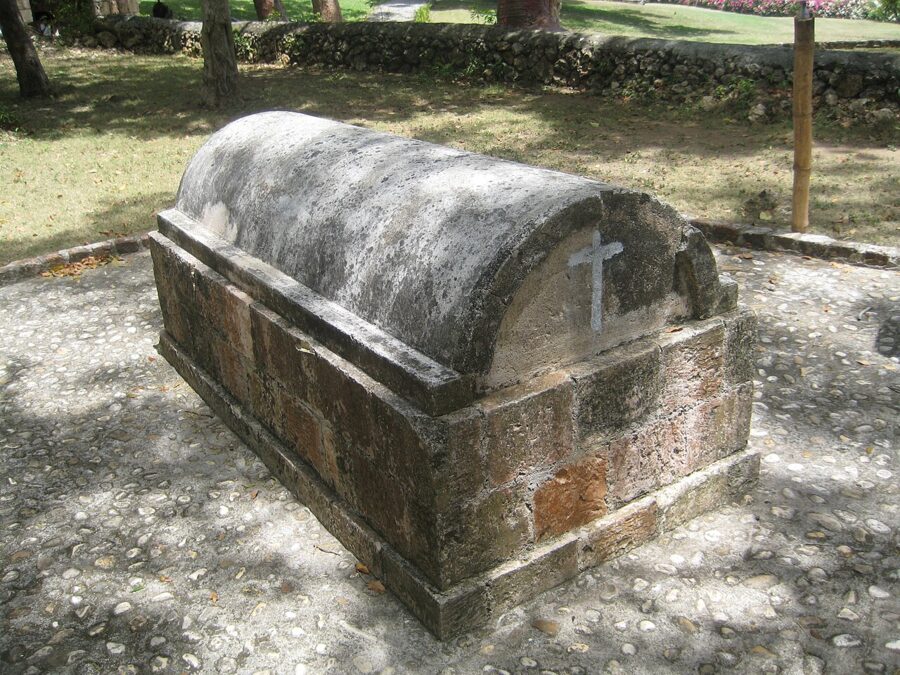
Treat the witch as theater. The lurid version of her story comes largely from Herbert de Lisser’s 1929 novel The White Witch of Rosehall, and historians have found little evidence for the crimes. The real subject of the house is the plantation and the enslaved people whose labor built it, and the better guides make sure you leave knowing that.
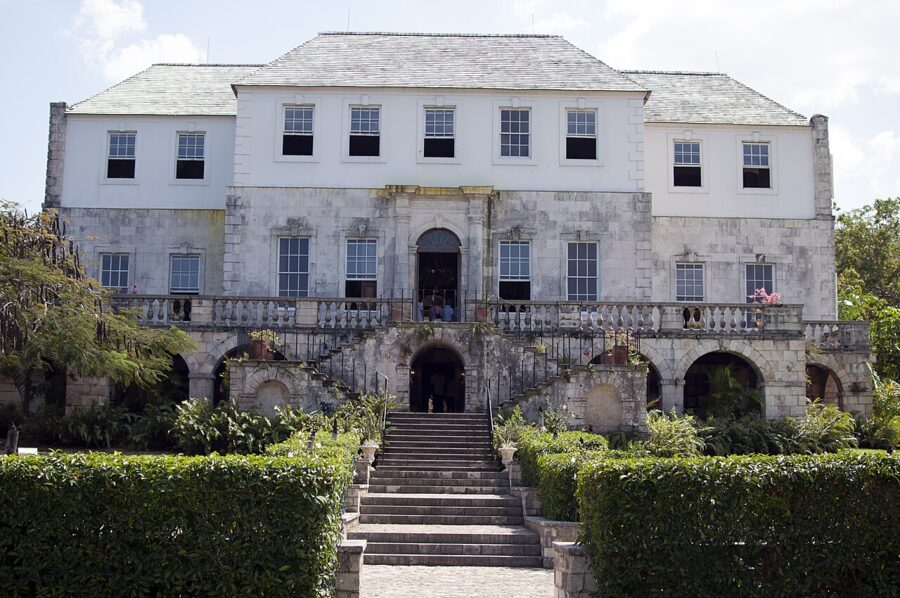

As of November 2026, the Day and Garden Tour runs Monday to Saturday from 9:15am to 4pm (closed Sundays and public holidays) and costs $30 for adults; the site lists children’s tickets at $10 to $12, and under-2s go free. The Haunted Night Tour runs Wednesday to Saturday with departures between 6pm and 8pm, costs $35 for adults and $15 for children, and must be booked ahead. Each tour lasts 45 minutes to an hour. Transportation is not included, the house is not wheelchair accessible, and the stairs are steep.
Next door, Cinnamon Hill Great House was the Jamaican home of Johnny Cash and June Carter Cash, and it still holds family photos and a pair of his work boots. It opens Monday to Friday from 10am to 3pm for $25 ($10 for children). Golfers should know that the White Witch course at Rose Hall is seasonal, open from November 1 to April 30.

Rafting on the Martha Brae
Rafting on the Martha Brae is the slowest, quietest excursion near Montego Bay, and the most popular. A licensed raft captain poles a 30-foot bamboo raft down a three-mile stretch of the jade-green Martha Brae River, under overhanging trees, for about an hour and 15 minutes. Rafts like these once carried sugar and produce from Trelawny’s plantations down to the port at Falmouth.
The rafting village is about 30 minutes’ drive east of Montego Bay and three miles inland from Falmouth. It is open every day, public holidays included, from 9am to 4pm, and each raft takes two adults and a small child. The operator publishes its rates only through its booking page; recent rates have been about $99 per raft for two (as of October 2026), not per person, before transport. Cash and cards are accepted, and walk-ins are welcome, though booking ahead saves a wait.
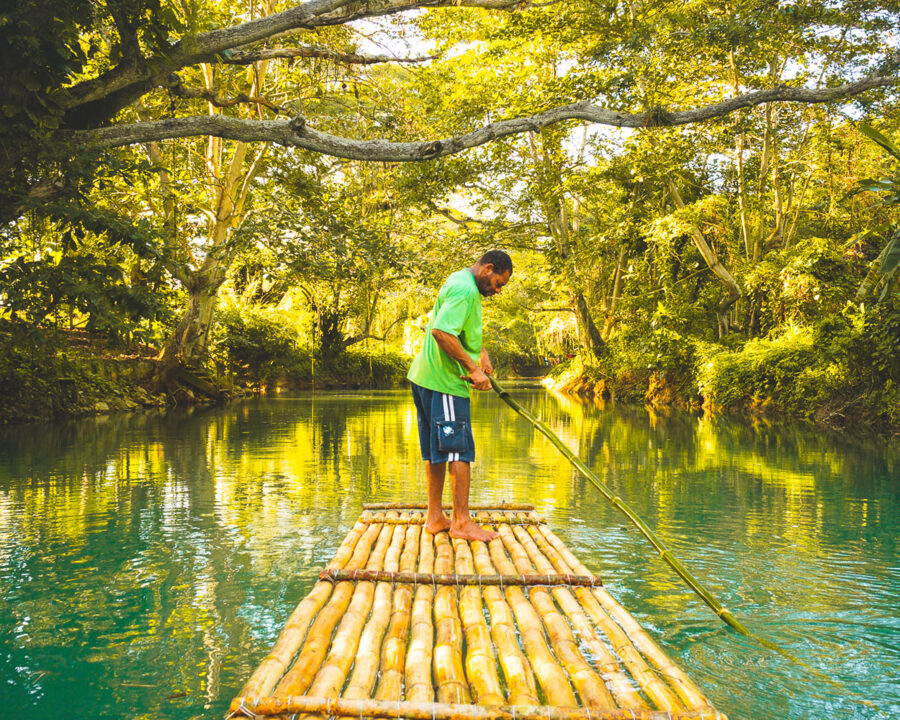

Wear shorts, a T-shirt and sneakers or water shoes, because the boarding pier is wet. Skip it if you want adventure: there are no rapids, and the appeal is the river itself. Pair it with Falmouth’s Georgian streets, or with the Luminous Lagoon after dark (see the day trips below), to make the drive worth a full afternoon.
Downtown: Sam Sharpe Square and the museum
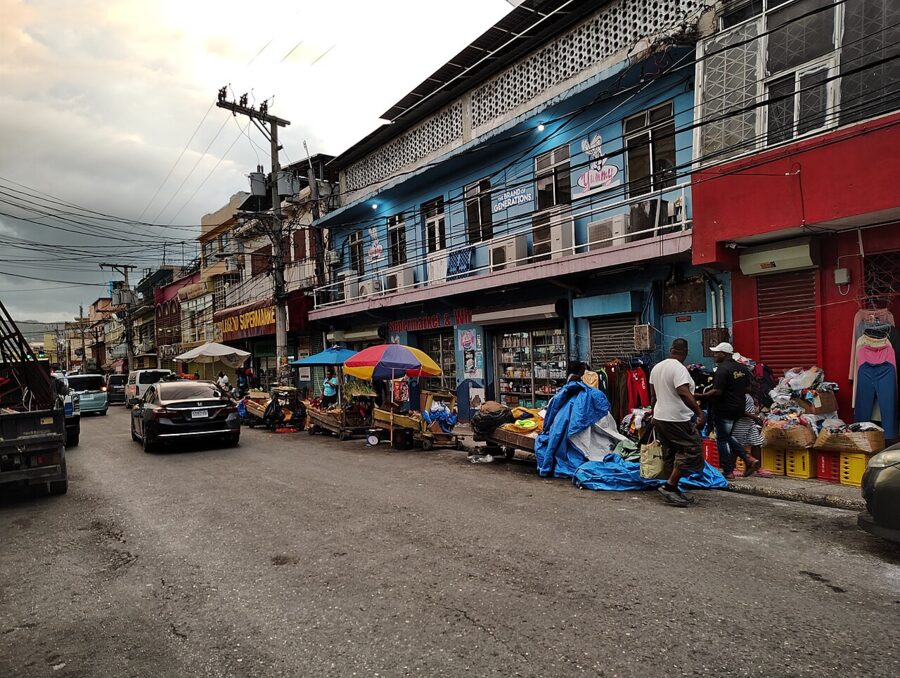
Most visitors never go downtown, and they miss the part of Montego Bay with the most history. Sam Sharpe Square is named for the Baptist deacon who organized the great slave strike of Christmas 1831. It turned into an uprising across western Jamaica, now remembered as the Christmas Rebellion or Baptist War. Sharpe was hanged in Montego Bay on May 23, 1832, and the brutality of the reprisals helped push Britain to end slavery soon after.
Sharpe is one of Jamaica’s seven National Heroes and appears on the J$50 note. The bronze memorial in the square shows him preaching to a group of listeners. Beside it stands The Cage, a small lock-up from the early 1800s that held runaway enslaved people and others picked up on the streets overnight. Both are free to see and take ten minutes.
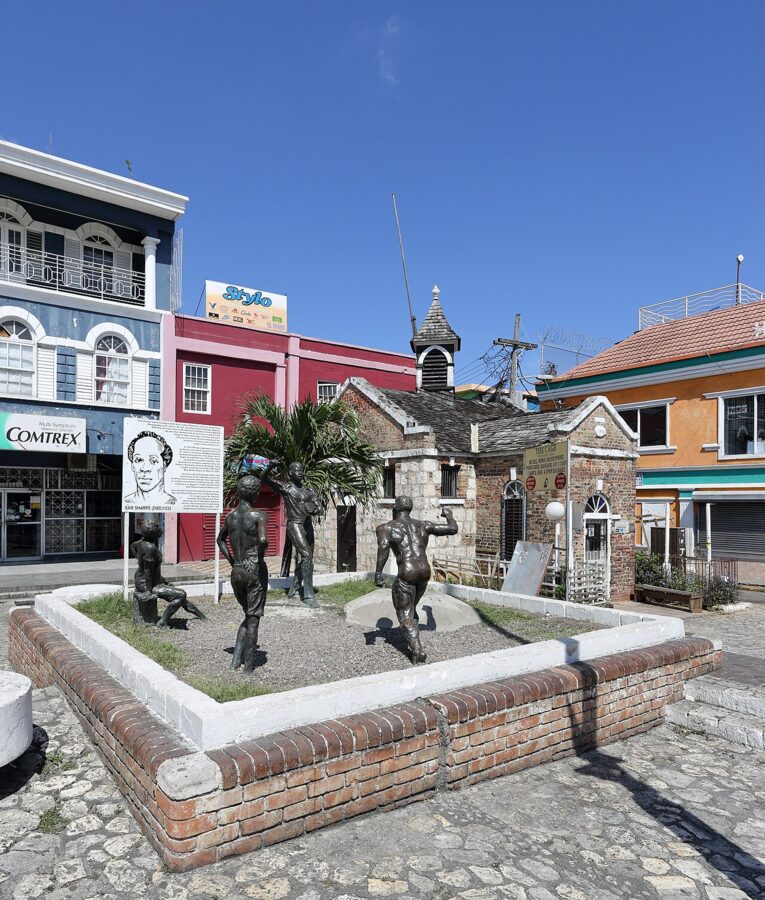

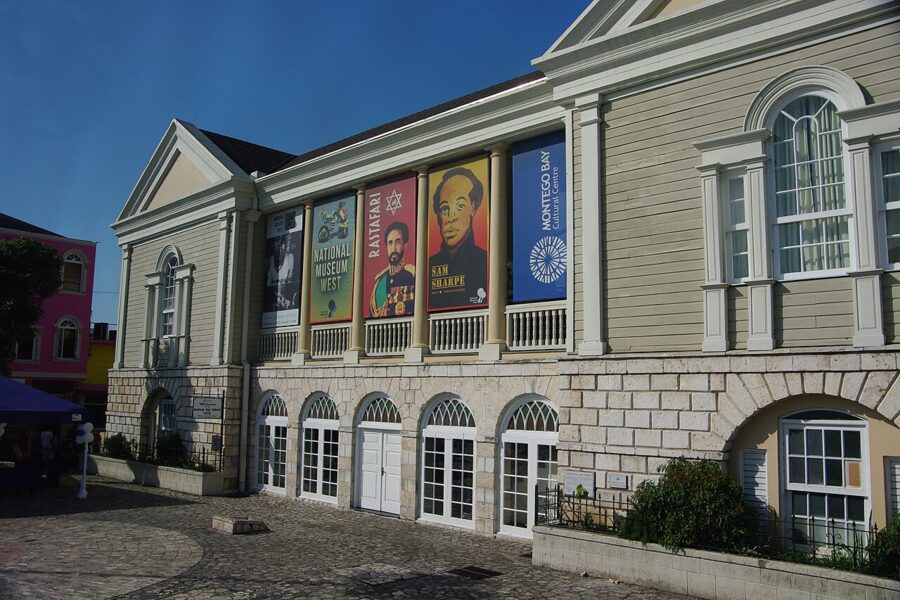
On the square, the Montego Bay Cultural Centre houses National Museum West, run by the Institute of Jamaica. Its exhibits trace western Jamaica’s culture and everyday life, with a Sam Sharpe exhibition on the resistance that led to emancipation and displays of the devices used against enslaved Africans. The museum is open and running guided tours in 2026, but it does not publish current hours or admission, so check at the door or with your hotel before planning around it.

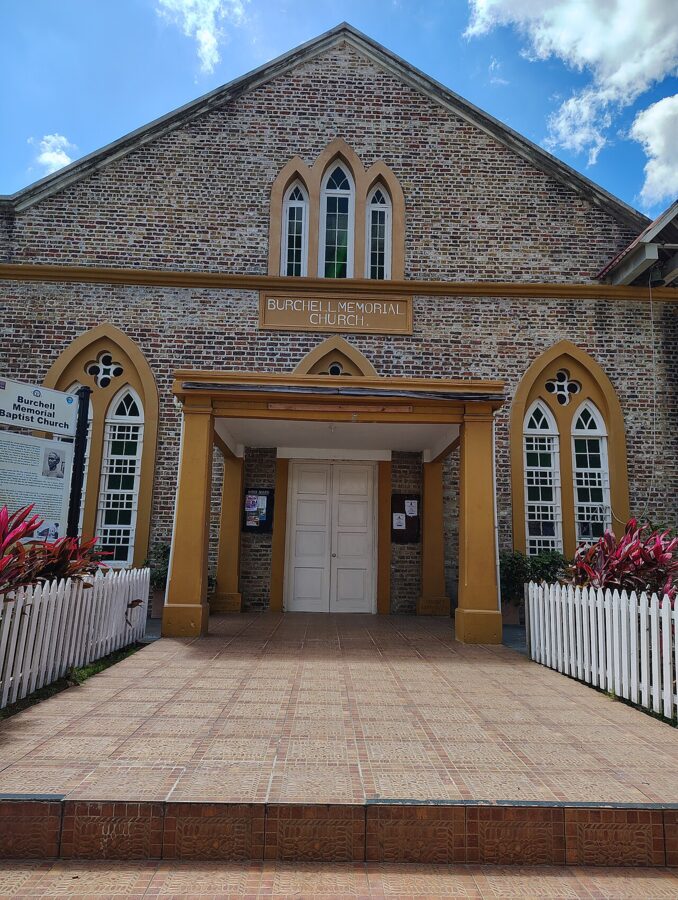
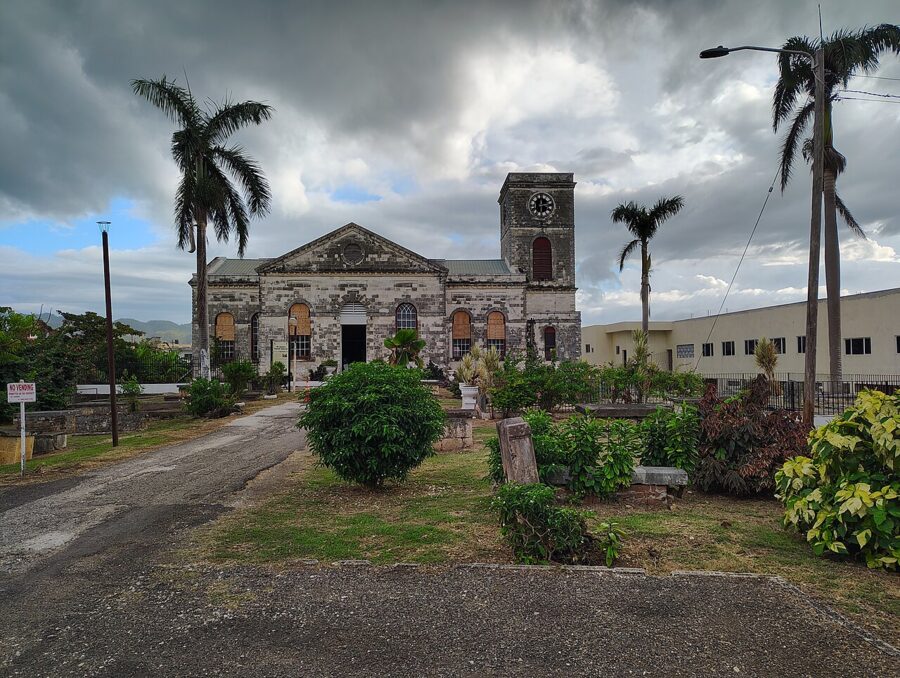
Two churches complete the walk. A few blocks away, Burchell Memorial Baptist Church was Sharpe’s congregation; the original 1824 chapel was burned by planters after the rebellion, and his remains were later reburied beneath the pulpit of the rebuilt church. St. James Parish Church, a short walk south, is an 18th-century Anglican church whose interior holds plantation-era memorials.


Allow two hours for the whole walk. Go by day, go with a local guide if it is your first time, and keep your phone in your pocket in the busier market streets.
The reef and the water
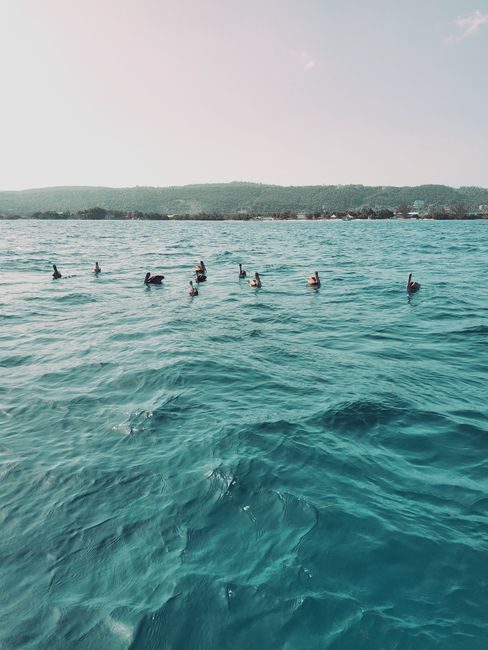
The Montego Bay Marine Park protects the reefs, seagrass and mangroves along the town’s shore, and Doctor’s Cave sits inside it. Snorkel trips, glass-bottom boats, catamaran cruises and dive boats leave from the Hip Strip beaches and the hotels. The water is clearest in the morning, before the boat traffic stirs it up and the afternoon breeze arrives.
Smaller and local things
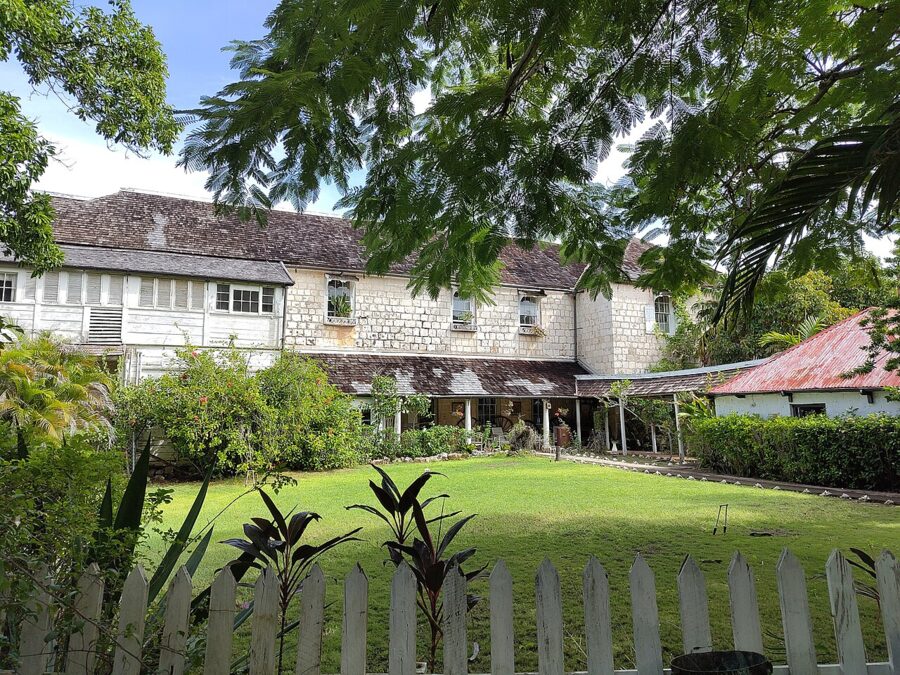
Greenwood Great House, about 30 minutes east, is the most atmospheric of the area’s great houses: built for the Barrett family, relatives of the poet Elizabeth Barrett Browning, and still full of antique furniture, old books and rare musical instruments. As of November 2026 it is temporarily closed after hurricane damage, with its owners raising money to rebuild. Its tour price before the closure was $30. Check its site for a reopening date.
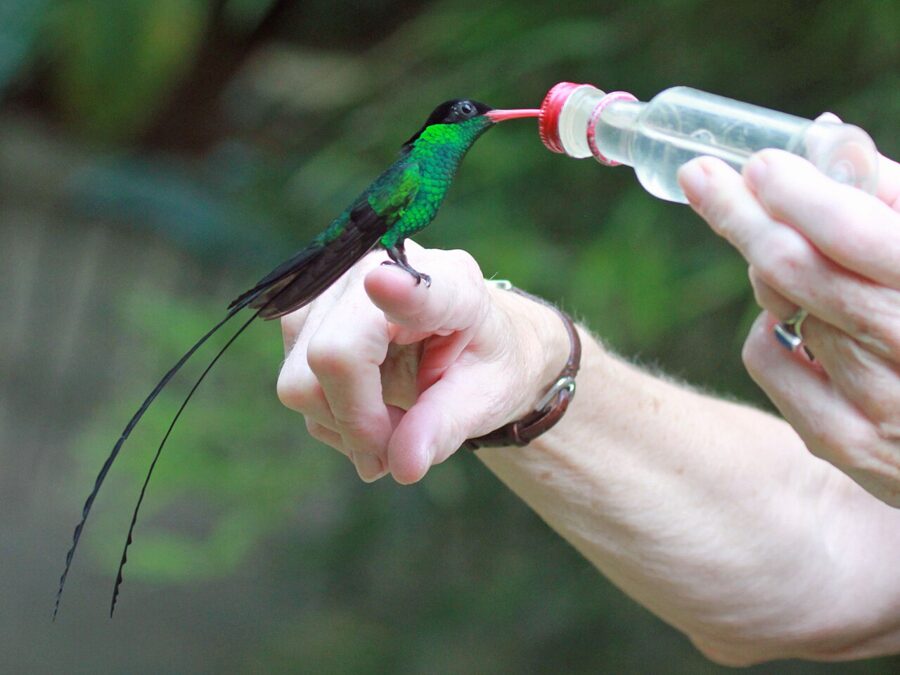
Rocklands Bird Sanctuary, in the hills at Anchovy about 30 minutes south of town, is where streamertail hummingbirds, the “doctor bird” that is Jamaica’s national bird, feed from a bottle held in your hand. It is a small, family-run place with no published post-storm hours or prices, so call ahead or ask your hotel to arrange it.

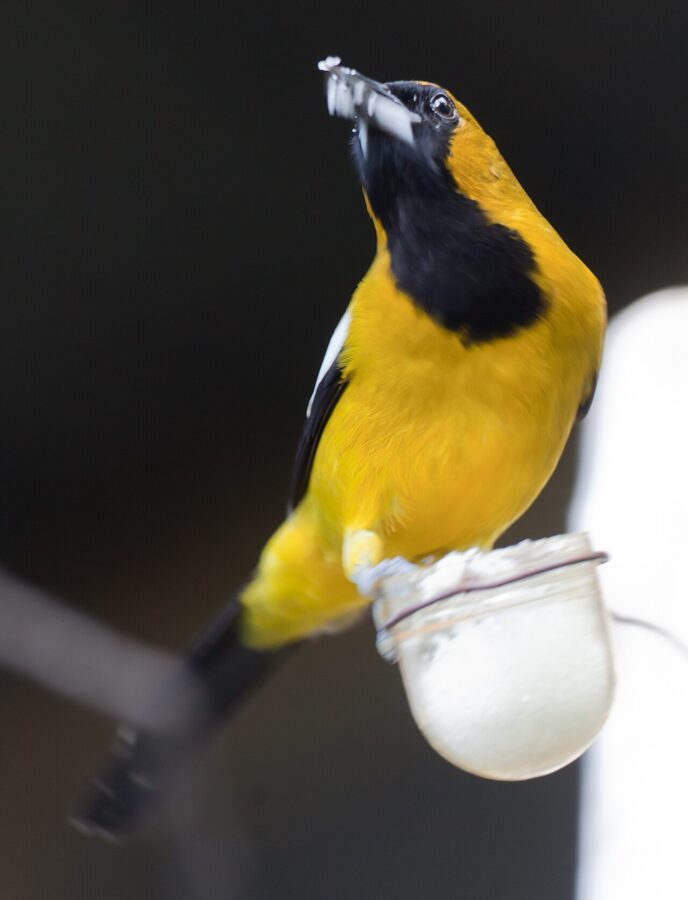

Smaller things worth an hour: the airport lounge Club Mobay, which sells fast-track arrival and departure service and has been named the Caribbean’s leading airport lounge 14 years running; plane-watching at Dead End Beach; and the craft vendors downtown, which are cheaper than the Hip Strip for the same carvings. Zip-line, river-tubing and ATV tours run in the hills behind town; book them through an established operator that includes transport, and confirm they are running, since several inland sites were hit hard by the storm.
Festivals and events by month
Montego Bay’s big events cluster in summer. Dates change every year, so treat this as a guide to when, not a schedule.
- Late January: the Jamaica Jazz and Blues Festival has traditionally been held in Trelawny, about 40 minutes east, on the last weekend of the month. Confirm the 2027 edition before you plan around it.
- July: Reggae Sumfest, Jamaica’s biggest reggae festival, normally fills Catherine Hall in Montego Bay for a week in mid to late July. Because of hurricane damage to the venue, the 2026 edition was cut to a single night on July 18 in St. Ann; organizers have said Catherine Hall remains its home.
- Late July to early August: Dream Weekend, a dancehall party festival, moved from Negril to Montego Bay for the first time in 2026 (July 30 to August 3).
- August 1 and 6: Emancipation Day and Independence Day, both public holidays. The Montego Bay Jerk and Food Festival took place on August 1, 2026, at Catherine Hall.
- October 28 to 31: Halloween haunted night tours at Rose Hall Great House, costumes encouraged.


Day trips from Montego Bay
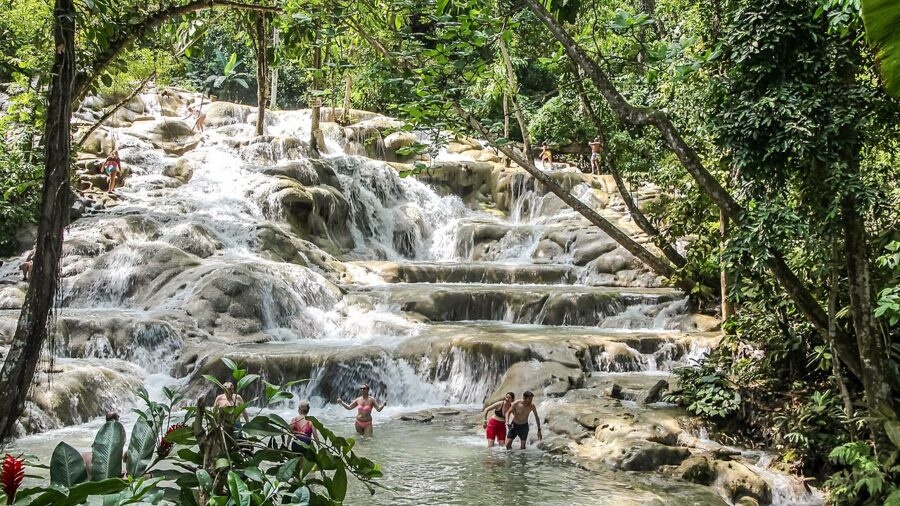
Dunn’s River Falls, Ocho Rios (1.5 to 2 hours east). You climb about 600 feet of terraced falls in a hand-holding chain behind a guide, with the river pouring over the limestone terraces around you. As of October 2026, entry for non-residents is $25 for adults and $17 for children aged 4 to 12, guides included, and the falls open daily from 8:30am to 4pm. Go early, and avoid cruise-ship days if you can.

Falmouth and the Luminous Lagoon (about 40 minutes east). Falmouth is one of the best-preserved Georgian towns in the Caribbean, with a grid of 18th- and 19th-century buildings around its old square and courthouse. A few miles east, the Luminous Lagoon glows blue-green at night when microorganisms in the water are disturbed, and boat tours run after dark from the Glistening Waters area. Post-storm tour schedules were not published as of November 2026, so book through a hotel desk that can confirm the trip is running, and go on a dark, moonless night.
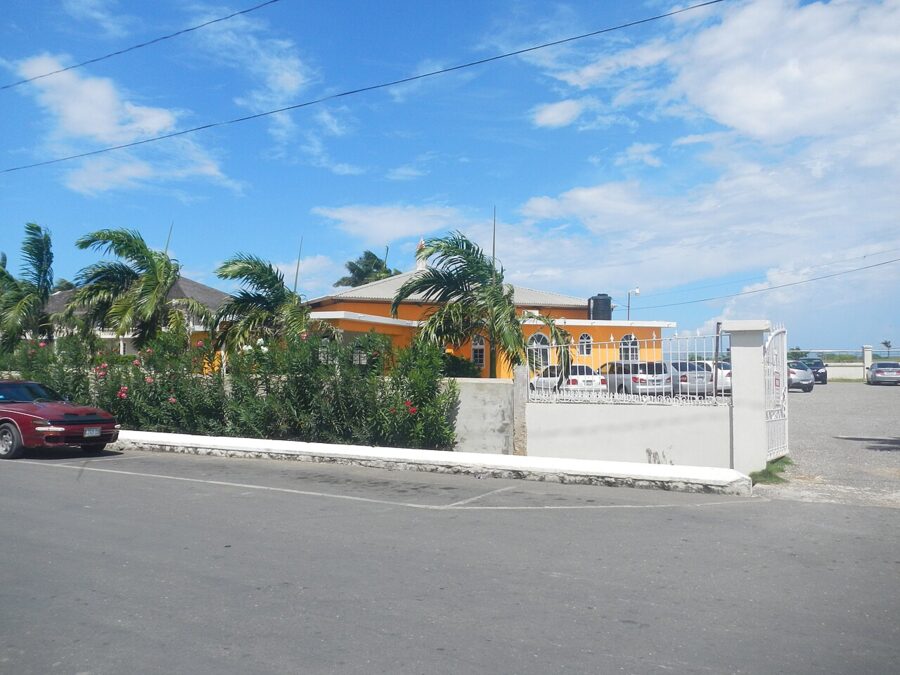

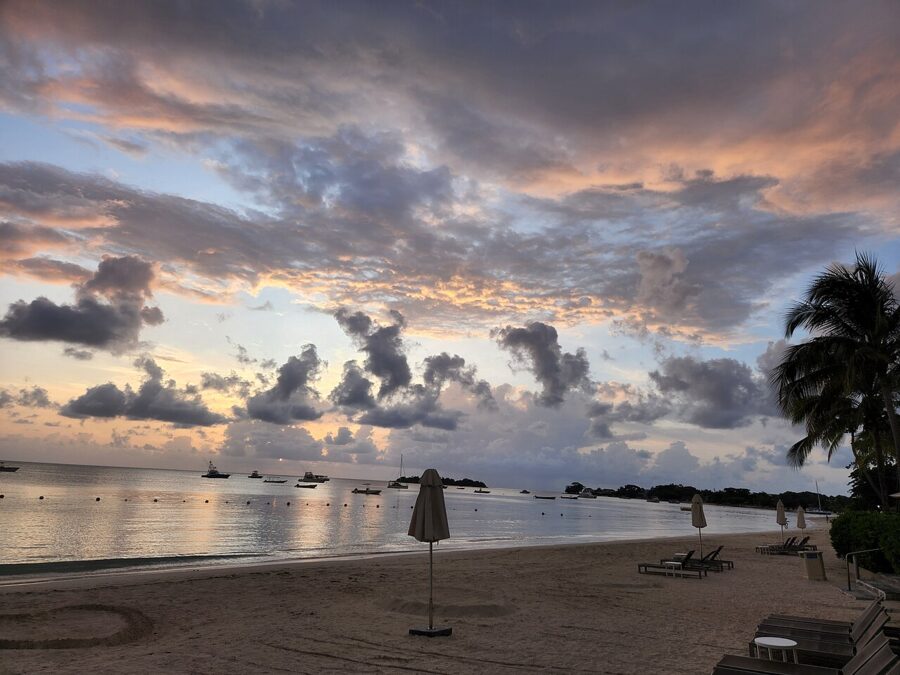
Negril (about 1.5 hours west). Seven Mile Beach and the cliffs of the West End, where people jump into the sea and the sunset draws a crowd every evening. Its resorts were among the first in the west to reopen after Melissa. It deserves a night or two of its own, but a long day works.

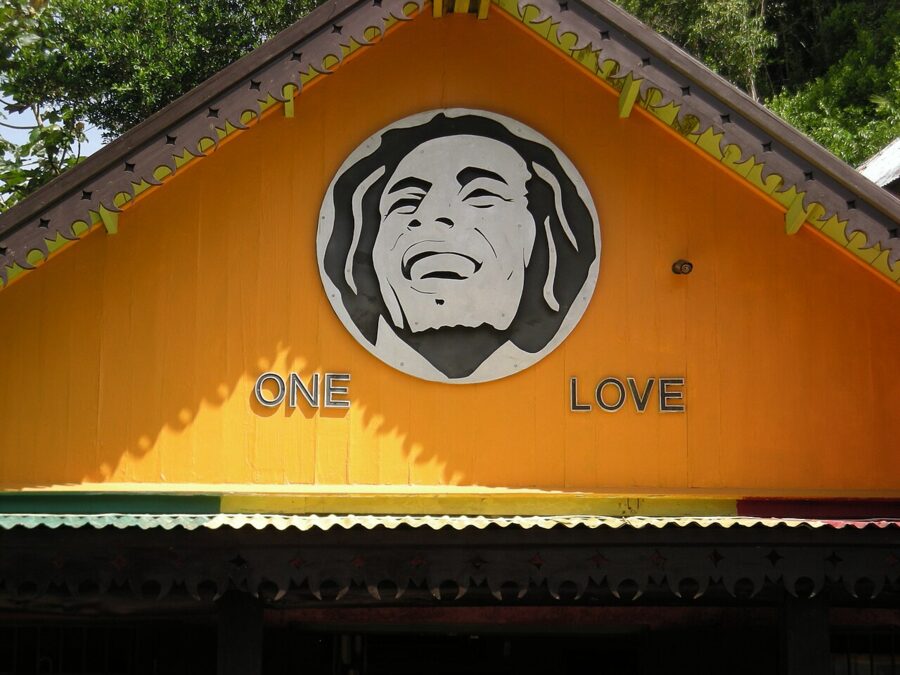
Nine Mile (about 2.5 hours east, in the hills of St. Ann). Bob Marley’s birthplace and mausoleum, toured with a Rastafarian guide. It is a long drive on mountain roads for a short visit, so it makes most sense combined with Ocho Rios.

YS Falls (about two hours south, in St. Elizabeth). A series of cascades and spring-fed pools on a working estate, reached by tractor-drawn jitney. The parish was among the hardest hit by Melissa, and YS Falls reopened in late January 2026; confirm hours before you make the drive.
Where to eat and drink
Every place below was confirmed trading in the second half of 2026. Expect most sit-down places to add a service charge; if not, tip 10 to 15 percent.
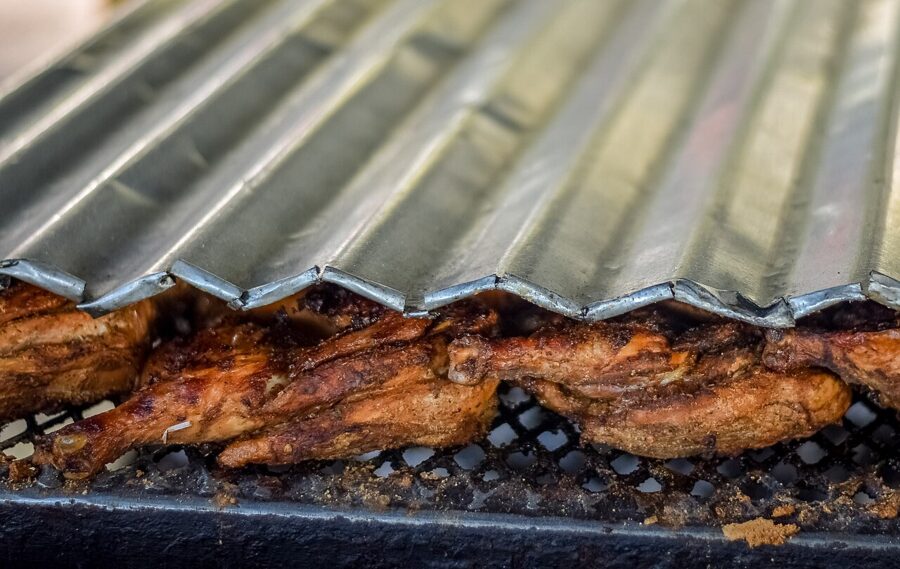
- Jerk: Scotchies, on the North Coast Highway east of the airport, cooks chicken and pork over pimento wood under zinc sheets in an open yard, served with festival and roast breadfruit. It is the town’s best-known jerk joint, and the lines are real at lunchtime.
- Breakfast: The Pelican Grill on the Hip Strip, for Jamaican breakfasts and seafood in a diner setting. It had generators and water tanks in place and served its first customers three days after the hurricane.
- Waterfront dinner: The Houseboat Grill, a floating restaurant moored in the marine park off Freeport, reached by a ferry ride of a few seconds from the dock. Book for sunset; the lobster is the dish people come for.
- Drinks by the water: Pier 1 on the Waterfront, on Howard Cooke Boulevard, marked 40 years in 2026 and hosts parties and events on its waterfront lawn. Its sister, Pier 1 on the Beach, is inside Doctor’s Cave.
- Loud and easy: Margaritaville on the Hip Strip, for burgers, jerk nachos and the slide. Touristy, and it knows it.
- Quick and cheap: patties from Juici Patties, the island-wide chain, for a few hundred Jamaican dollars.

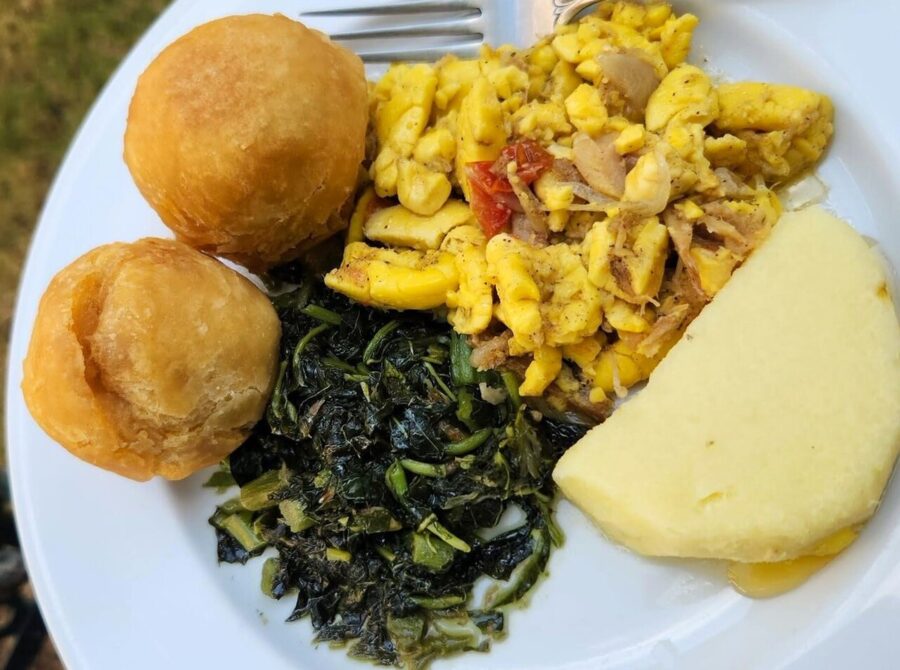
Beyond the restaurants, eat what Jamaicans eat: ackee and saltfish for breakfast, curry goat, escovitch fish with bammy, and Blue Mountain coffee. Downtown’s roadside jerk vendors on Fort Street are cheaper than anything on the Hip Strip and were back in business within weeks of the storm.

When to go and how long to stay
The best weather runs from December to April: dry, sunny and in the mid-80s, with cooler evenings. That is also high season, when hotel prices peak and cruise ships call most often. May and June bring the first rains, usually short afternoon downpours, and lower prices.
The Atlantic hurricane season runs from June 1 to November 30, with the greatest risk from August through October, the months Melissa proved can still bring a direct hit. If you travel then, buy travel insurance that covers hurricanes, book refundable rates and watch the National Hurricane Center forecasts in the week before you fly. The reward is fewer people and lower rates.
How long? Two full days covers Montego Bay itself. Three or four lets you add one or two day trips without rushing, and a week leaves room for a couple of days in Negril.
A simple one- or two-day plan
Day one: Doctor’s Cave Beach from opening until lunch, then lunch on the Hip Strip. In the afternoon, take a taxi to Rose Hall for the day tour, finish with jerk at Scotchies on the way back, and spend the evening on the Hip Strip. If you only have one day, swap the afternoon tour for the Haunted Night Tour and keep the beach.
Day two: Downtown in the morning: Sam Sharpe Square, The Cage, National Museum West and Burchell Baptist Church. After lunch, drive to the Martha Brae for the raft ride and walk Falmouth’s center on the way back, then dinner at the Houseboat Grill. Add the Luminous Lagoon if tours are running.

Getting around and practical notes
From the airport. Two licensed taxi companies, JUTA and JCAL, share an authorized airport taxi desk just outside the customs exit. Agree the fare in US dollars before you get in. Most all-inclusives include transfers, and many tour operators include hotel pickup in their price.
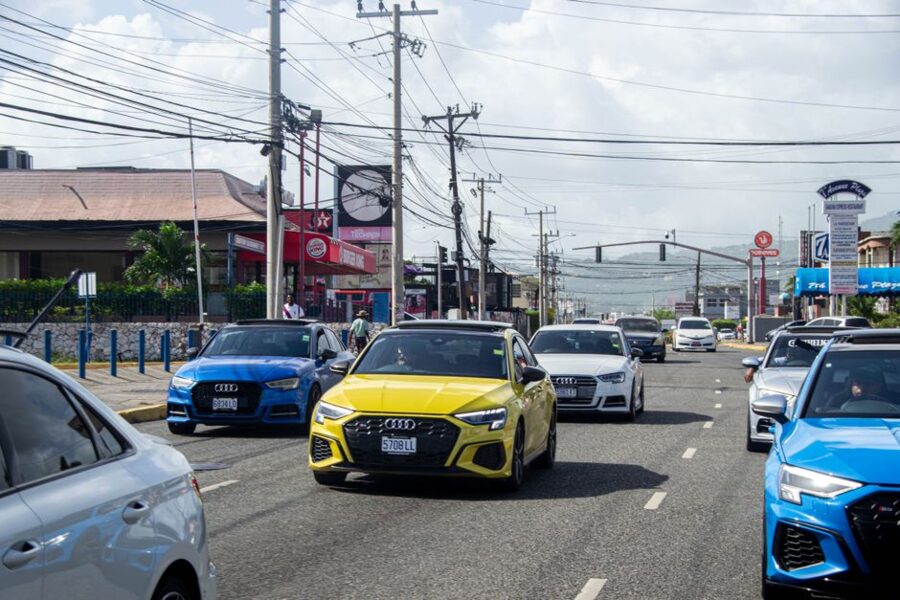
Taxis. Use licensed taxis, which carry red PPV plates, and agree the fare before setting off. Shared route taxis and buses are cheap but crowded; US government staff are barred from public buses, and the State Department advises visitors to do the same. For evenings, ask your hotel to call a driver.
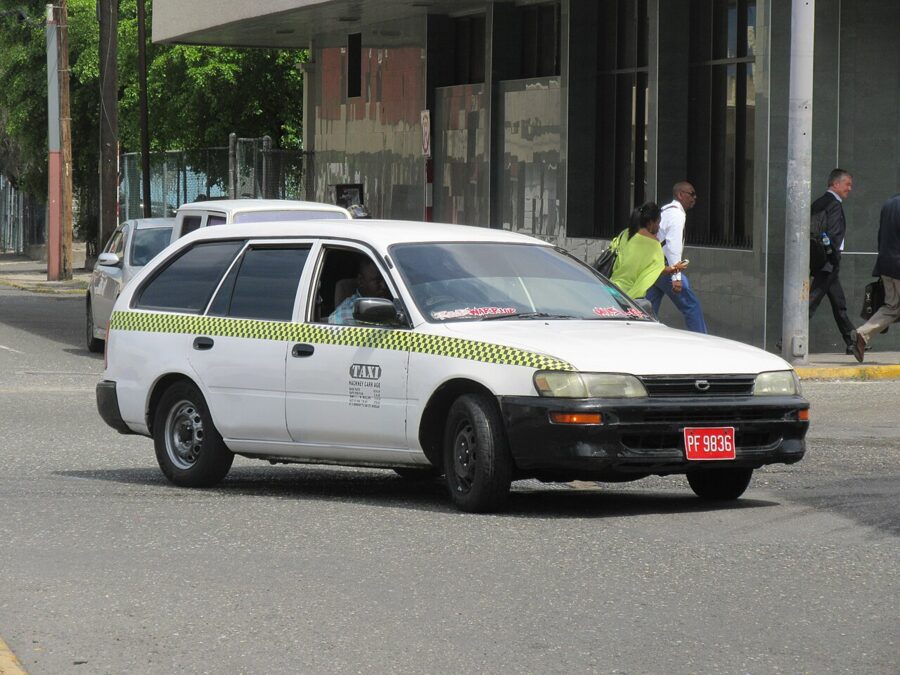

Driving. Jamaica drives on the left. The North Coast Highway is good, but country roads are narrow and potholed, some still storm-damaged, and driving between towns after dark is a bad idea for visitors.
The cruise port. Ships dock at the Montego Freeport terminal, about three miles from the Hip Strip and downtown. Walking out along the port road is neither practical nor pleasant, so take one of the taxis that wait at the terminal.
Money. The currency is the Jamaican dollar, at about J$159 to US$1 in November 2026. US dollars are accepted almost everywhere in the tourist areas, but change comes back in Jamaican dollars at a poor rate, so carry small US bills or withdraw local cash. Most attractions quote their prices in US dollars.
Water. Piped water from the National Water Commission is treated, and most hotels serve it. After heavy rain or a storm the commission issues boil-water notices, so drink bottled water if one is in force or you are outside town.
Local rules. Civilians may not wear camouflage clothing in Jamaica, so leave it at home; and although possessing small amounts of cannabis was decriminalized in 2015, smoking it in public is still illegal, and taking any back to the United States is a federal offense. Ask before you photograph people, especially vendors. Wearing orange or green is fine, though the colors belong to the two main political parties, so avoid them in neighborhoods around election time.
Safety and current travel advice
As of November 2026, the US State Department rates Jamaica at Level 2, “Exercise Increased Caution,” the level it was lowered to in January 2026 from Level 3. The advisory still warns that violent crime is a risk throughout the island, and it lists specific Montego Bay neighborhoods that US government employees may not enter. Read that list before you book anything outside the resort areas.
The practical advice is simple. Stay in the hotel areas, the Hip Strip and downtown by day; use licensed taxis; keep valuables out of sight; and say no to anyone offering drugs or unsolicited “guiding.” Medical care is limited outside Montego Bay and hospitals may ask for payment up front, so carry travel insurance that covers medical evacuation.
Before any outing beyond the Hip Strip, ask the hotel’s front desk two questions: is it open this week, and who is the driver they trust. A year after the storm, the answers change faster than any website.