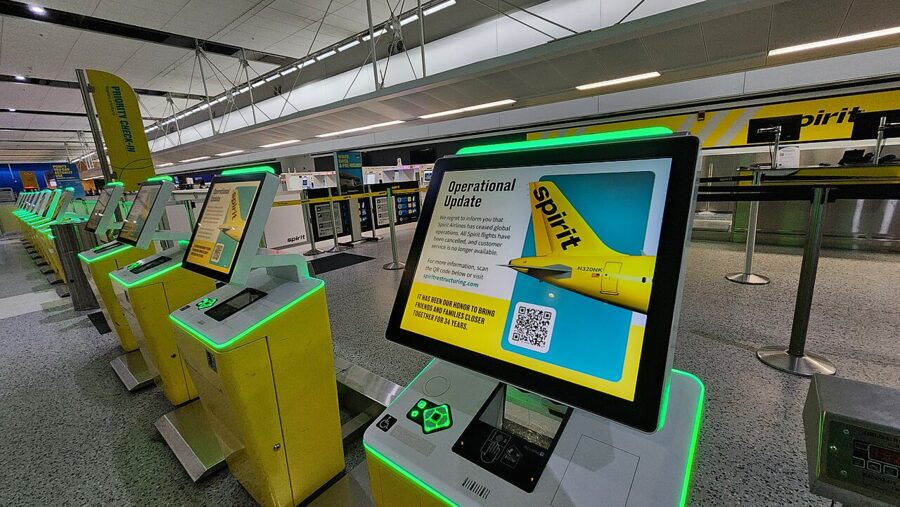
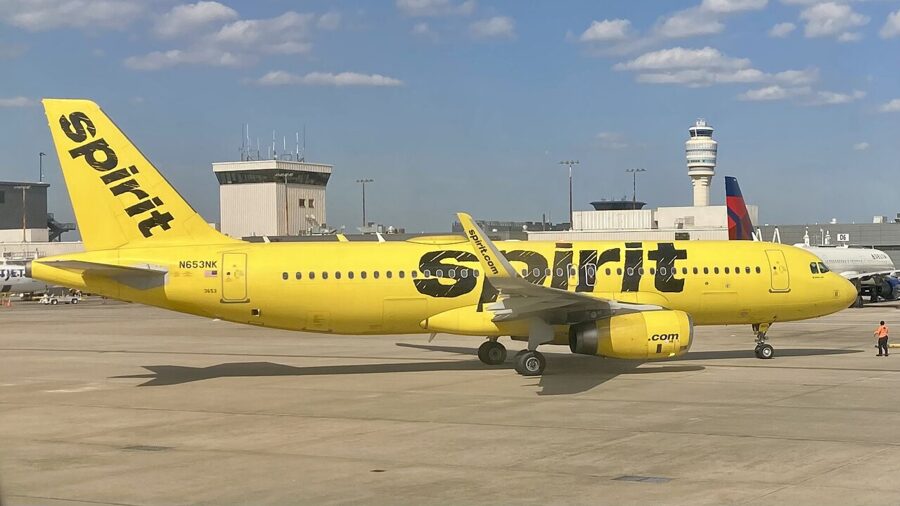
No. Spirit Airlines stopped flying on May 2, 2026, so there is no Spirit Wi-Fi to buy and no Spirit flight to use it on. Until that morning, Spirit’s Airbus A320 and A321 jets carried satellite Wi-Fi from Thales, sold in two plans that started at $2.99 for browsing and $5.99 for streaming, with the real price set by the length of the flight.
If you flew Spirit for the fares, the useful question now is which airline gets you there with a connection, and that answer has changed fast. As of November 2026, JetBlue’s Wi-Fi is free to everyone. Delta, American and Southwest give it free to loyalty members who sign in, United does the same on its Starlink jets, and Frontier, the closest thing left to Spirit, has no Wi-Fi at all until its first Starlink aircraft arrives in early 2027.
Spirit’s Wi-Fi was also better than the airline’s reputation. In speed tests from early 2025 its network beat the Intelsat service then flying on American and United, though you paid again on every leg of the trip.


On this page
- What happened to Spirit Airlines
- What Spirit's Wi-Fi was, and what it cost
- No screens and no power: what Spirit never had
- If you paid Spirit for Wi-Fi, a bundle or a ticket
- Wi-Fi on the airlines Spirit's passengers fly now
- Which is safer, Delta or Spirit?
- Is paying for in-flight Wi-Fi still worth it?
What happened to Spirit Airlines
Spirit’s end came in three steps. It filed for Chapter 11 in November 2024 and emerged in March 2025 after turning about $795 million of debt into equity and raising $350 million in new money. On August 29, 2025, it filed again, in the US Bankruptcy Court for the Southern District of New York, promising a smaller network and a smaller fleet.
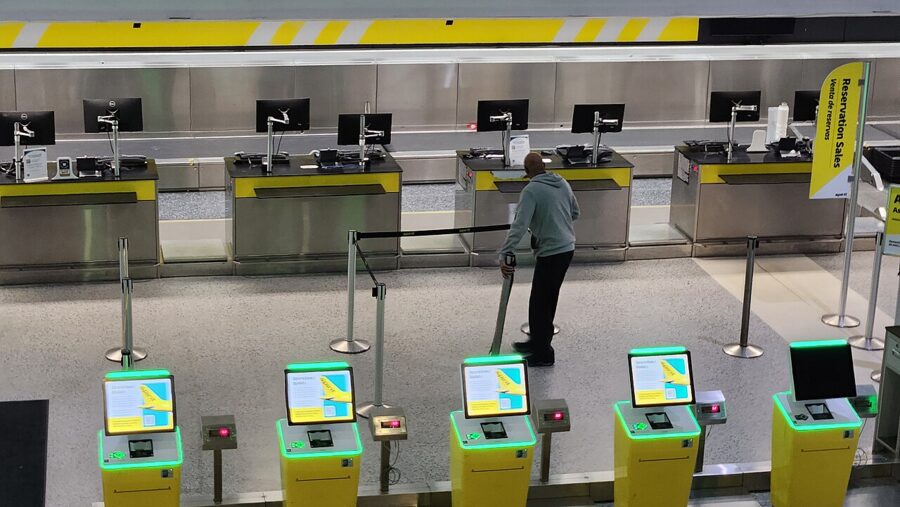
The second plan didn’t hold. In the early hours of Saturday, May 2, 2026, after talks over a $500 million federal rescue stalled, Spirit announced a wind-down “effective immediately.” Its final flight, NK1833 from Detroit, landed at Dallas/Fort Worth shortly after midnight, and all 277 flights scheduled for that day were cancelled.
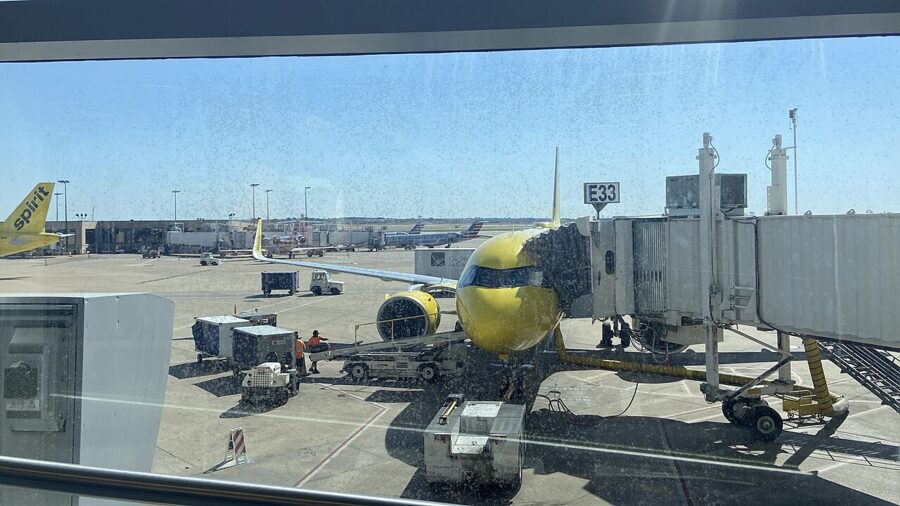

Since then Spirit has existed only as a bankruptcy estate selling what is left. On November 17, 2026, the court approved the sale of Spirit’s business data to Google for $10 million, and the estate is still selling aircraft. None of that brings the airline back. There are no Spirit flights on sale.
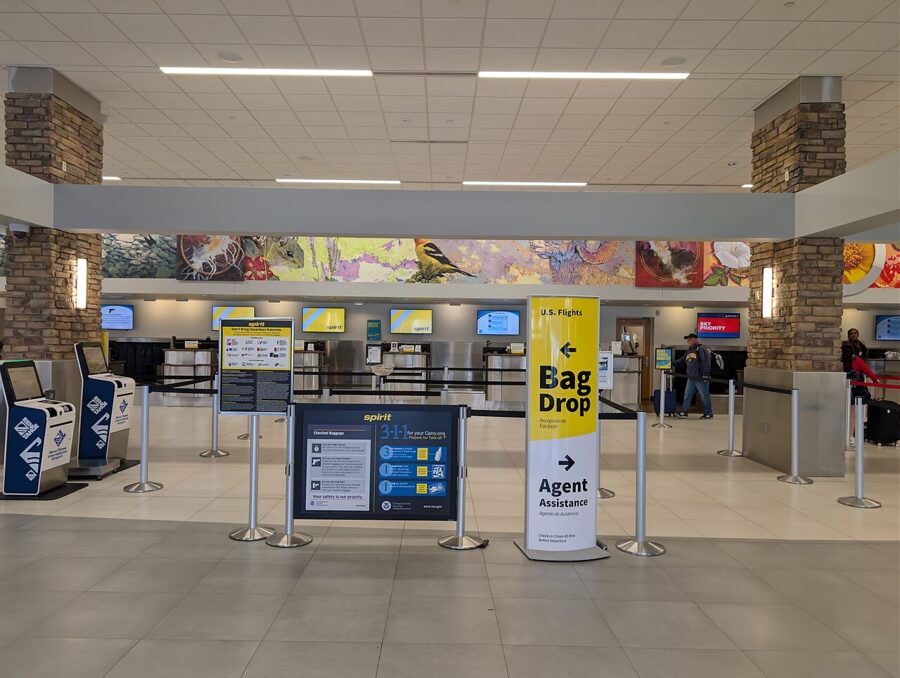

The web addresses went with it. As of November 2026, spiritwifi.com, the portal passengers once typed at 35,000 feet, forwards to the airline’s restructuring site, and spirit.com no longer loads at all.

What Spirit’s Wi-Fi was, and what it cost
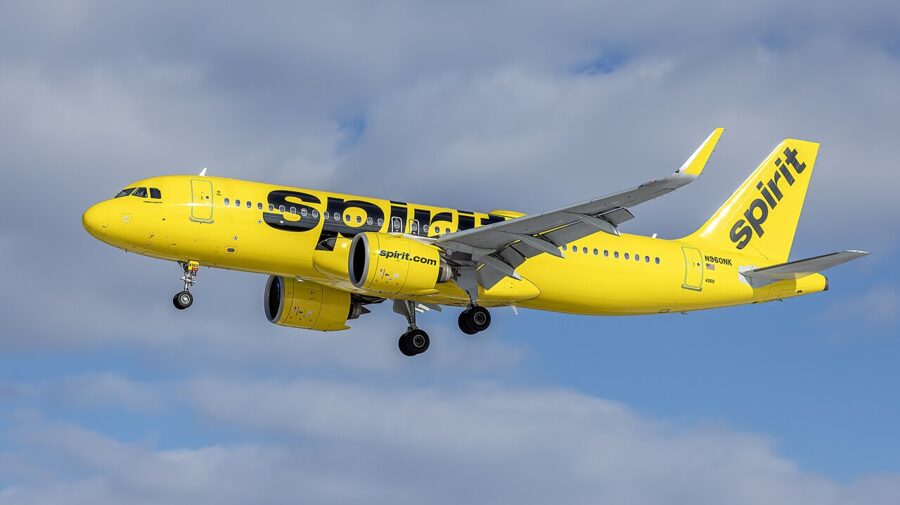
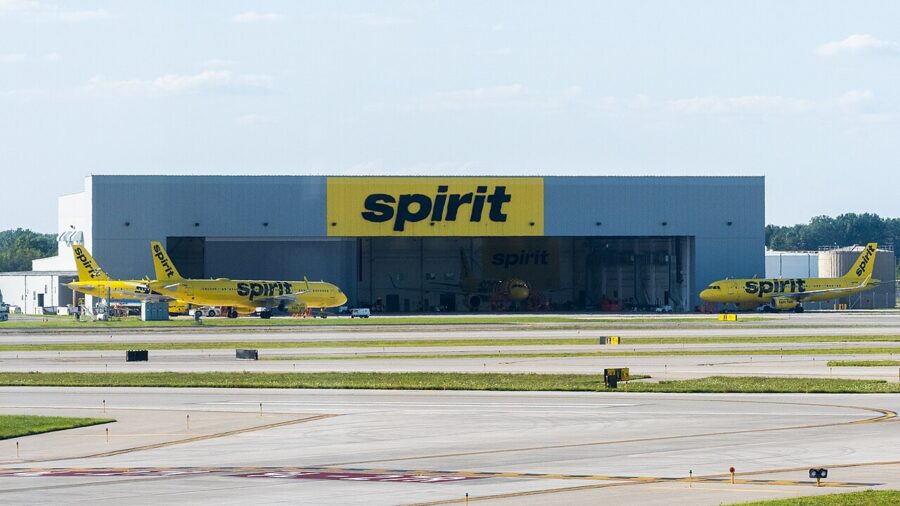
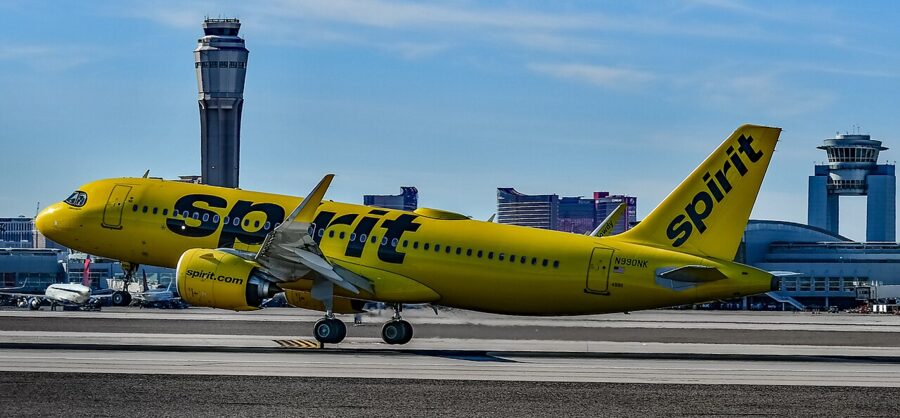
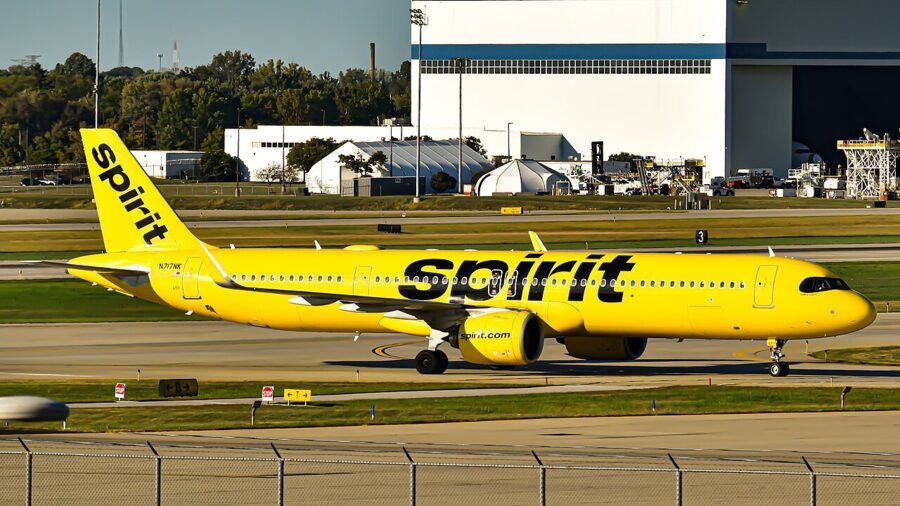
Spirit called itself the first US ultra-low-fare airline with high-speed Wi-Fi when it announced the finished installation on July 13, 2022. The system was Thales’s FlytLIVE, a Ka-band service carried over the SES and Hughes satellite network, chiefly the SES-17 satellite built to cover the Americas and the Atlantic. At launch Spirit said every A320 and A321 was equipped, more than 80% of the fleet, while the small A319 group was left for later.
There were two plans, and both were priced per flight.
| Plan | Starting price (2022) | What it handled |
|---|---|---|
| Browsing | $2.99 | Email, messaging, social media |
| Streaming | $5.99 | Video, games and big uploads; Spirit said it was 20 times faster than Browsing |
Those were floor prices. The fare climbed with flight length, and there was no all-day pass, so every leg of a connection was a fresh purchase. On a March 2025 trip from Baltimore/Washington to Miami by way of San Juan, an aviation trade writer paid $17.99 for Streaming on the four-hour leg to Puerto Rico and $15.99 on each of the next two flights: $49.97 in Wi-Fi on a $169 round-trip fare.

A few things cost nothing. The portal let anyone reach Spirit’s own site in the air to check a connecting flight, pull up a mobile boarding pass or look at Free Spirit points. Free Spirit Gold members got streaming free, subject to availability. And from August 27, 2024, the top Go Big bundle included Wi-Fi when you booked it in advance, though not when you bought it as an upgrade at the gate.

How you connected on board
Spirit’s steps were the standard ones. Turn on your device’s Wi-Fi, choose the network named Spirit_WiFi, open a browser and go to SpiritWiFi.com, then pick a plan and pay, or enter a voucher you’d bought earlier. Vouchers were sold at booking on Spirit’s website from July 2022 and in its app from August 2022.
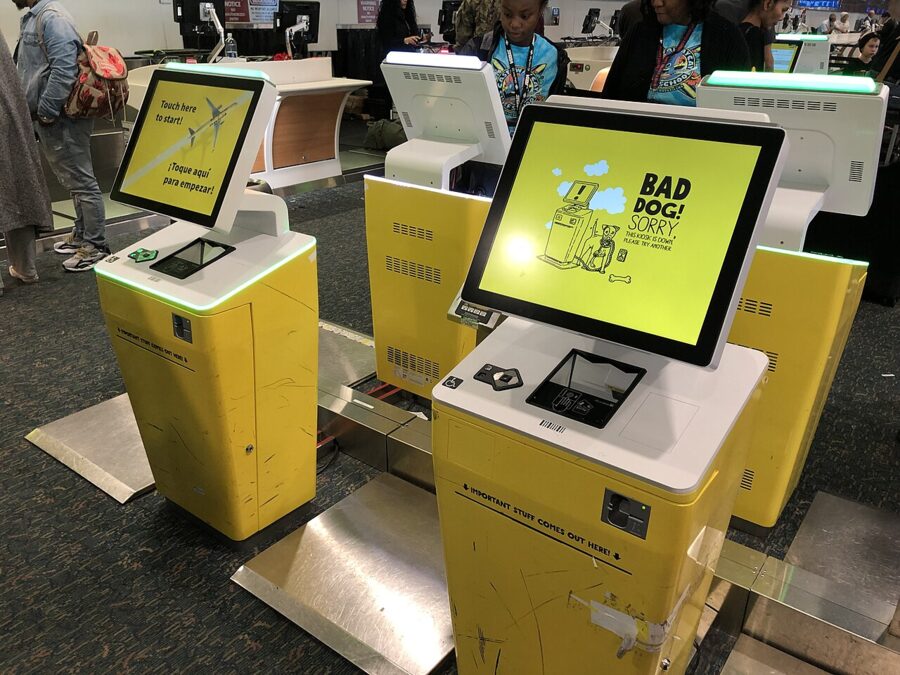

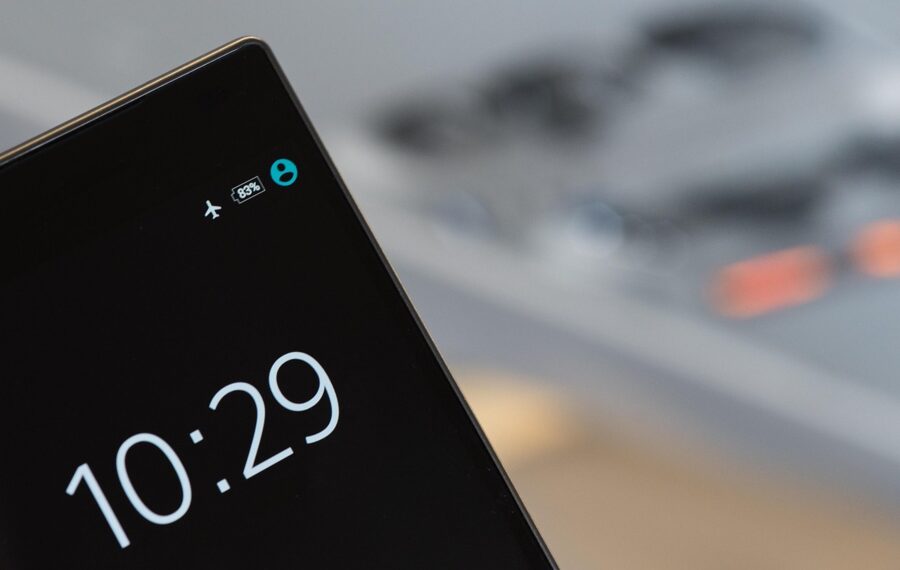
That network is gone, but the pattern holds on almost every US airline. Switch on airplane mode, turn Wi-Fi back on by hand, join the airline’s network and let the sign-in page load in a browser. If it doesn’t appear, type the portal address yourself: Delta’s is deltawifi.com and American’s is aainflight.com.
How fast it was
Fast, by the standards of its day. Ookla’s Speedtest data for the first quarter of 2025 put Hughes, the network behind Spirit, at a median download speed of 84.55 Mbps. The Intelsat service then used by American, United, Alaska and Air Canada managed 61.61 Mbps, and only Starlink was clearly ahead, at a median of 152.37 Mbps.
It was still a geostationary system, with every request travelling to a satellite about 22,000 miles up and back. For downloads, music and video that hardly matters. For video calls and online games the delay shows, which is where low-orbit Starlink has its biggest edge.
The trade writer’s March 2025 test found streaming video, music and uploads smooth, with only data-heavy Snapchat use struggling. And the bar has moved since: in Ookla’s data for the second half of 2025, United’s Starlink flights recorded a median download of 319.99 Mbps, close to four times Spirit’s figure.

Coverage over the Caribbean and Latin America
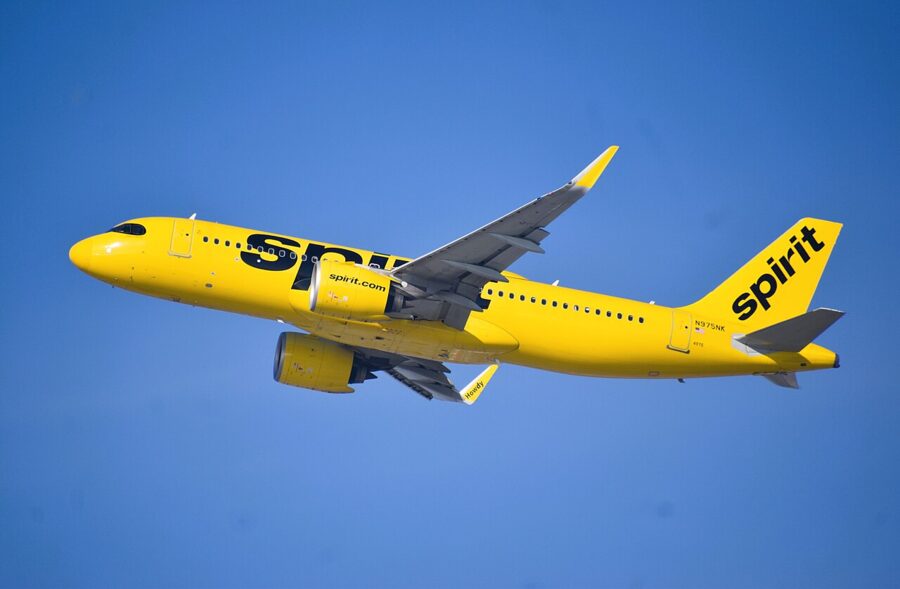
Spirit’s network reached deep into the Caribbean and Latin America, much of it from Fort Lauderdale and Orlando. Because SES-17 was built to serve the Americas and the Atlantic, the Wi-Fi didn’t stop at the coastline the way older air-to-ground systems did, and the trade writer’s legs to and from San Juan had working Wi-Fi.
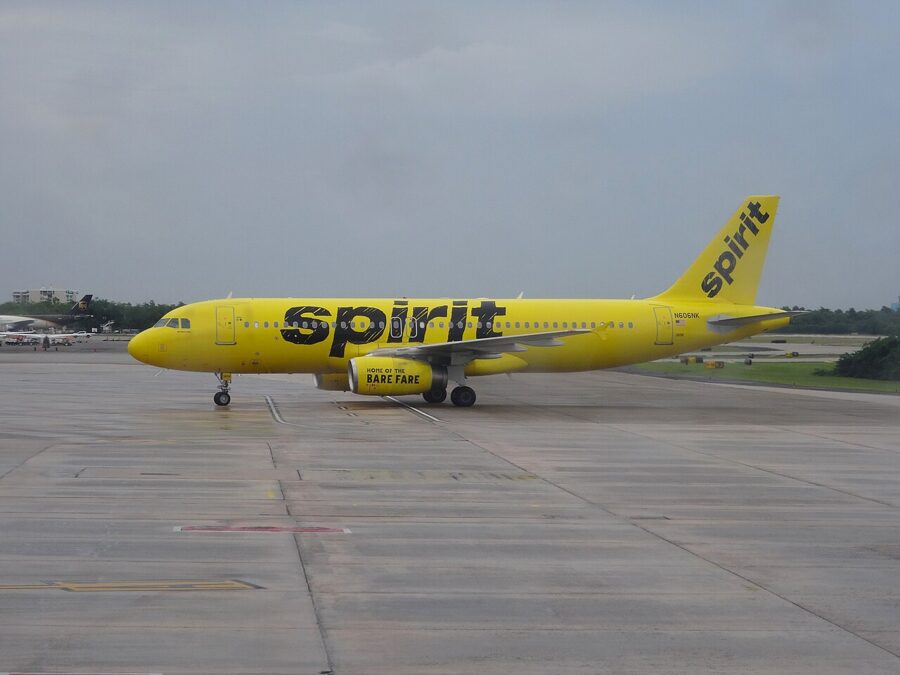

Those are also the routes where losing Spirit hurts most. An airline analyst warned at the shutdown that fares could rise over time in markets Spirit dominated, Fort Lauderdale, Orlando and the Caribbean among them.
No screens and no power: what Spirit never had
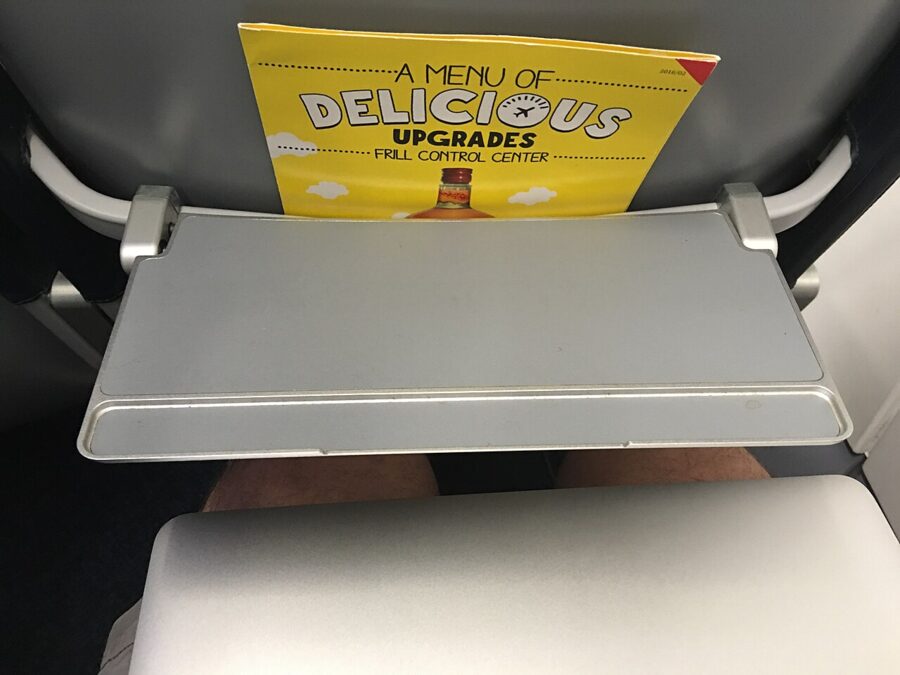
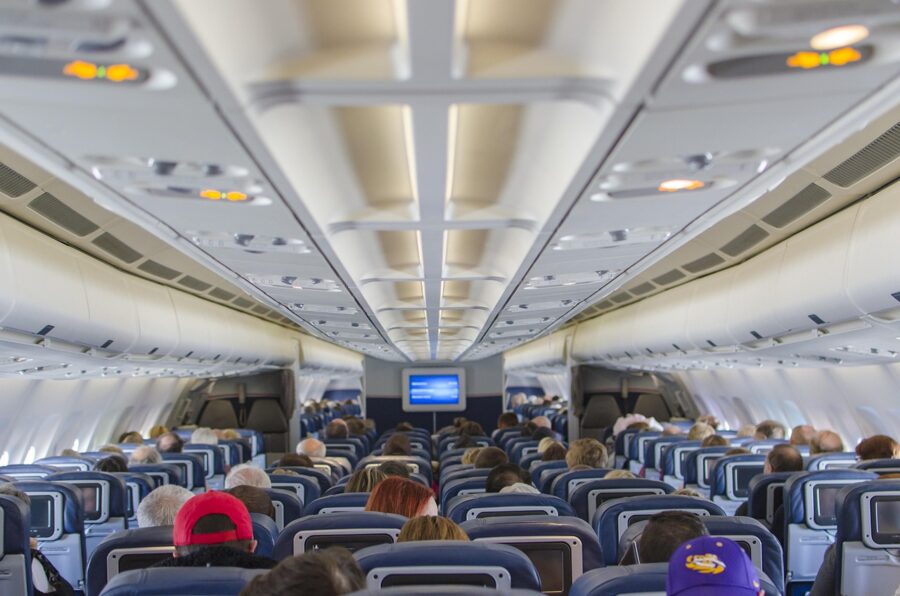
Spirit never offered seatback screens or free onboard movies, and its seats had no power outlets or USB ports. The thin, pre-reclined economy seat came with a fold-down tray and a seatback pocket holding the snack menu. That was the entertainment system: your own device, your own battery and, if you paid, the Wi-Fi.

The habits that made Spirit bearable still pay off on Frontier, which has no Wi-Fi, and on any older aircraft where the seat has no plug. Before you board:
- Save your boarding pass to your phone’s wallet and take a screenshot as a backup.
- Download films and episodes for offline viewing in your streaming apps, and check they actually play with Wi-Fi switched off.
- Save music and podcasts, plus offline maps of where you’re landing.
- Sync any work files you need so they open without a connection.
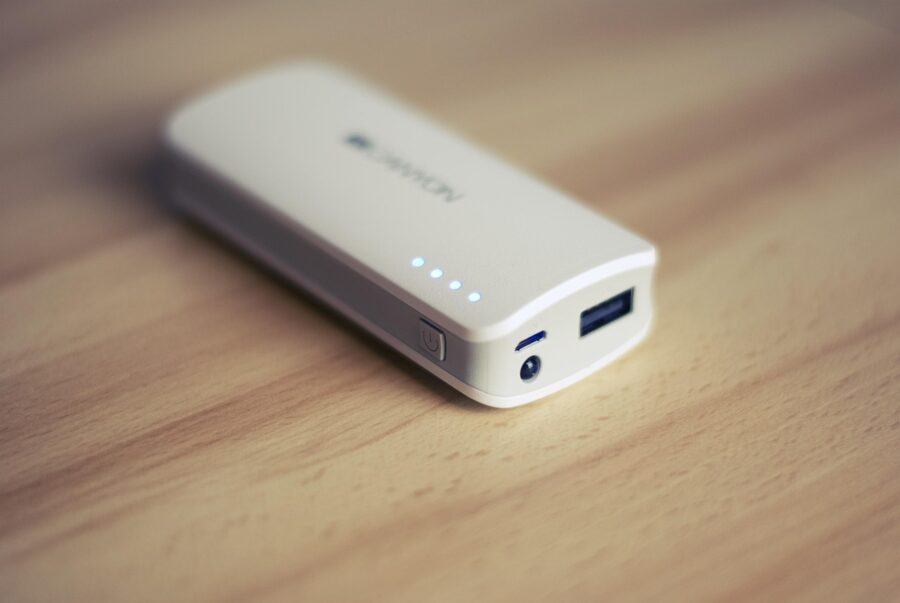
- Charge everything to full, and carry a power bank in your cabin bag; FAA rules keep spare lithium batteries out of checked luggage.
- If the airline offers free Wi-Fi to loyalty members, join the program before you leave home, when you have a proper connection.
If you paid Spirit for Wi-Fi, a bundle or a ticket
Spirit said that tickets bought directly with a credit or debit card would be refunded automatically to the original card, and a day after the shutdown it said most of those refunds had gone through. Tickets bought through a travel agency are the agency’s to refund. Vouchers, travel credits and Free Spirit points are different: their fate is being decided in the bankruptcy, and Spirit said it couldn’t give cash for unused vouchers.
Spirit’s statements were about tickets. None that could be confirmed dealt with prepaid Wi-Fi bought separately from a fare. If one of those charges never came back, Transportation Secretary Sean Duffy’s advice to Spirit customers covers it: dispute the charge with your card issuer, claim on travel insurance if you had it, or file a claim in the bankruptcy.
Free Spirit points can’t be spent anywhere now. There are no Spirit flights to redeem them on and they can’t be moved to another airline. What 10,000 points turn out to be worth is whatever the bankruptcy assigns them, and customers rank behind other creditors, so don’t expect much.
Wi-Fi on the airlines Spirit’s passengers fly now
On the day of the shutdown, the Department of Transportation said American, United, Delta, JetBlue, Southwest, Allegiant, Frontier, Avelo and Breeze had agreed to help stranded Spirit customers in different ways, mostly with capped rescue fares. Six months later, the Wi-Fi on the big carriers looks like this, as of November 2026.
| Airline | Wi-Fi | Cost | Worth knowing |
|---|---|---|---|
| JetBlue | Fly-Fi on every aircraft | Free, no account needed | Service can drop outside the contiguous US on some aircraft |
| Delta | Delta Sync, presented by T-Mobile | Free for SkyMiles members | Nearly every flight; some 717s and regional jets still charge |
| American | Sponsored by AT&T, over Viasat and Intelsat | Free for AAdvantage members | Since January 2026 on all narrowbody and dual-class regional jets |
| United | Starlink on a growing share of the fleet | Free for MileagePlus members on Starlink jets | Older systems: $8 for members, $10 for others (posted prices, April 2026) |
| Southwest | Sponsored by T-Mobile, Starlink arriving | Free for Rapid Rewards members | Free since October 24, 2025, on Wi-Fi-equipped aircraft |
| Frontier | None | Not applicable | First Starlink aircraft planned for early 2027; price not announced |
Frontier: still offline until 2027
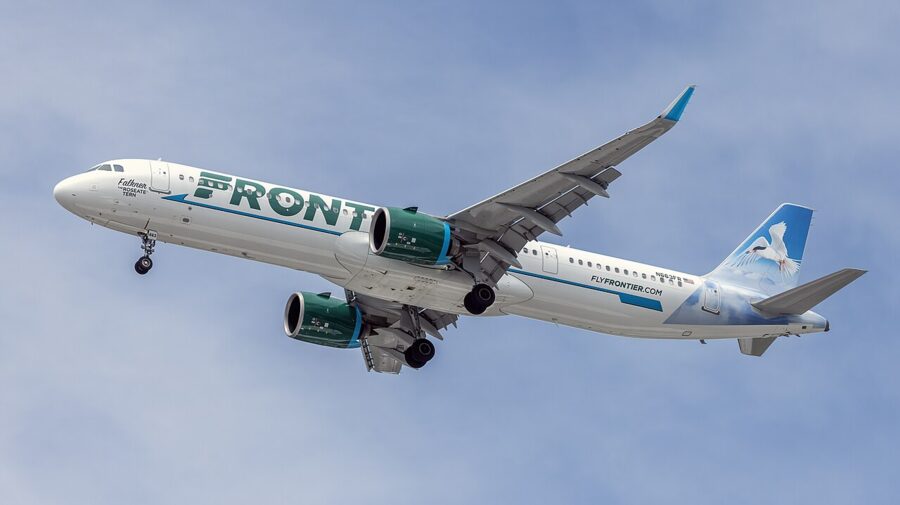
Frontier is the nearest match to Spirit’s fares and its Airbus fleet, and of the airlines in the table it is the only one with no passenger Wi-Fi at all. On July 14, 2026, it announced Starlink, with the first equipped aircraft planned for early 2027 and a system managed directly by Starlink. Frontier and its sister airlines in the Indigo Partners group, among them Volaris and JetSMART, expect to fit more than 1,000 aircraft between them.
Frontier hasn’t said what passengers will pay, or whether they’ll pay at all. Until the first jets are flying, treat every Frontier flight as offline and use the download list above.

JetBlue: free for everyone
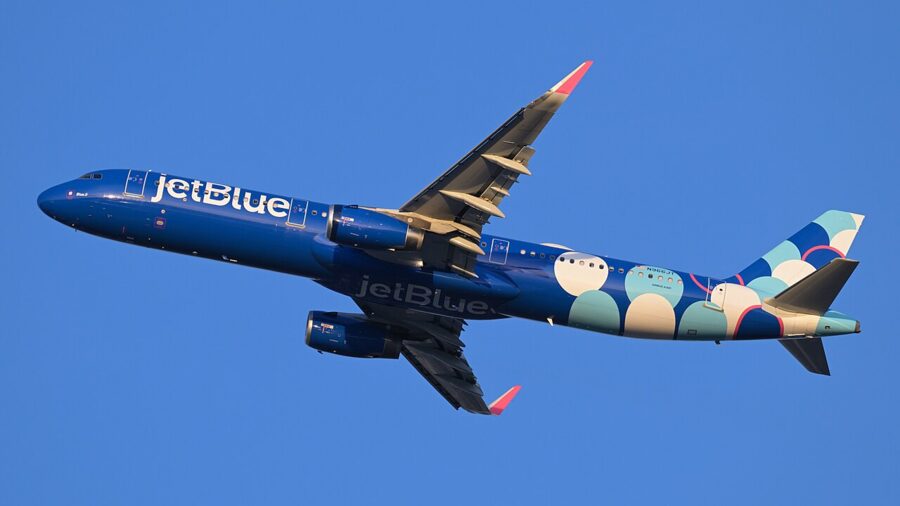
JetBlue’s Fly-Fi is free on every aircraft, and you can sign in as a guest without a TrueBlue account; a short partner ad comes first. That makes it the simplest swap for anyone who used to pay Spirit per flight.
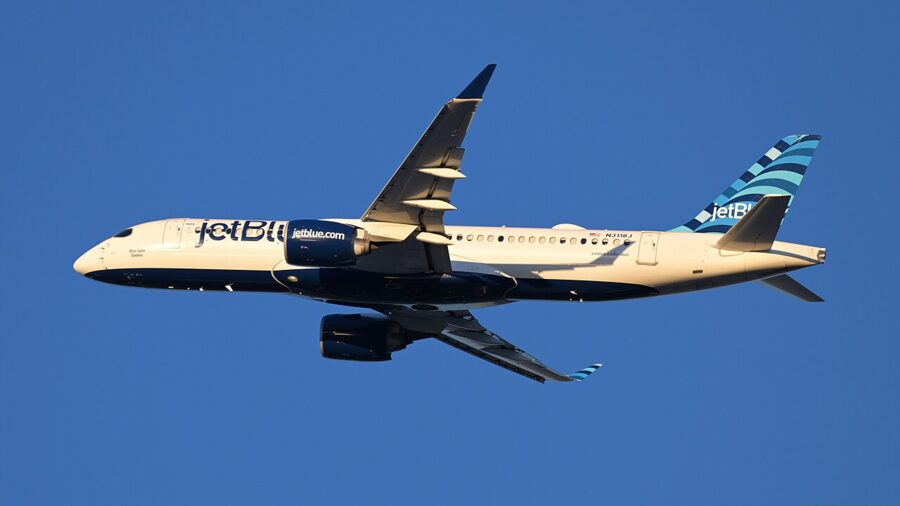

The fine print matters on Spirit’s old Caribbean routes. JetBlue says service may be unavailable on some flights outside the contiguous US, Europe and the UK excepted, while its restyled A320s, A321neos and A220s cover much of the Caribbean and Central America. JetBlue has also said it plans to add Amazon’s low-orbit service to part of the fleet from 2027.

Delta, United and American
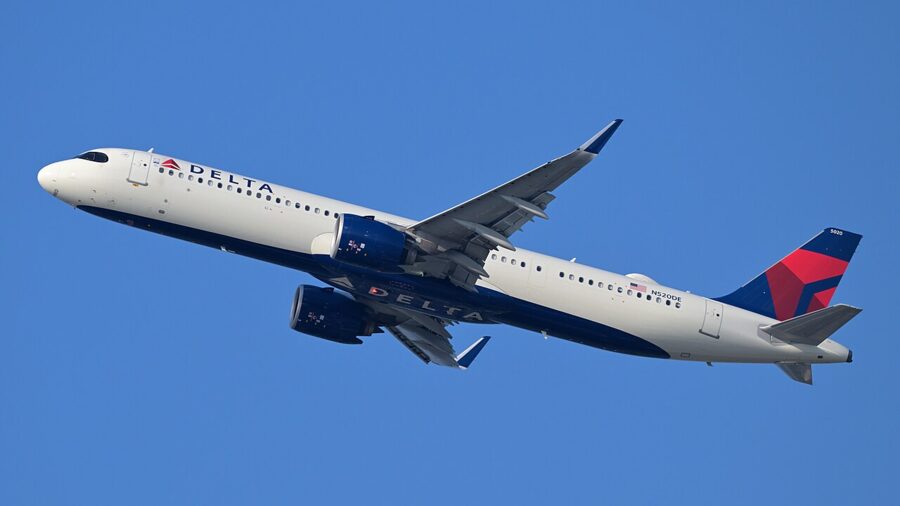
Delta’s Wi-Fi, branded “Free Global Wi-Fi presented by T-Mobile,” is free to SkyMiles members on nearly every flight, domestic and most international. Delta’s own aircraft list shows free service on its A220s, A319s, A320s, A321s and 737s, among others, while some 717s and regional jets still use paid Wi-Fi. Its page flags coverage gaps on certain routes, including Argentina and Guatemala.

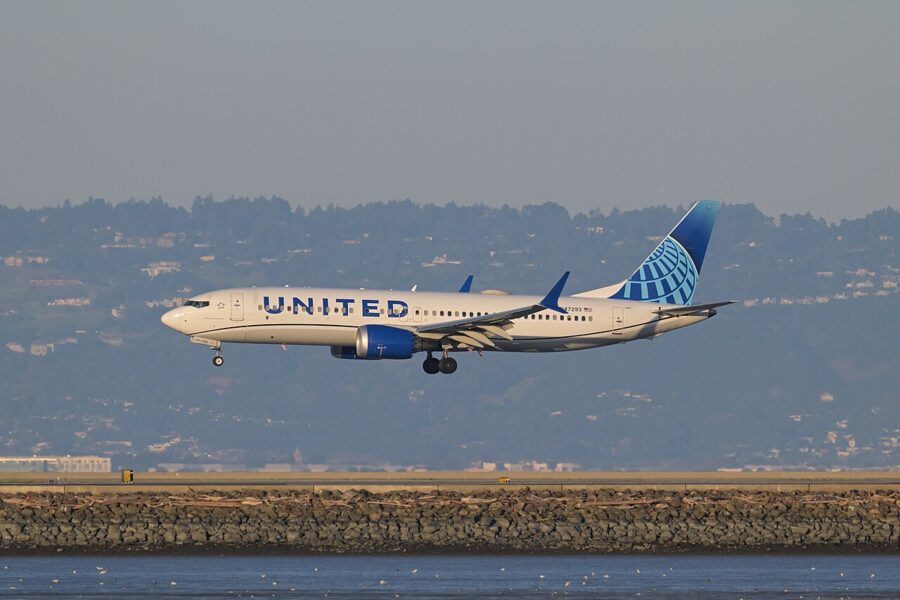
United gives free Wi-Fi to MileagePlus members on aircraft with Starlink, and tells you before departure when your plane has it. It had more than 400 Starlink aircraft in June 2026 and expected close to 1,000 by the end of the year. On older aircraft, United’s posted prices in April 2026 were $8 for members and $10 for everyone else on US domestic and short-haul international flights.

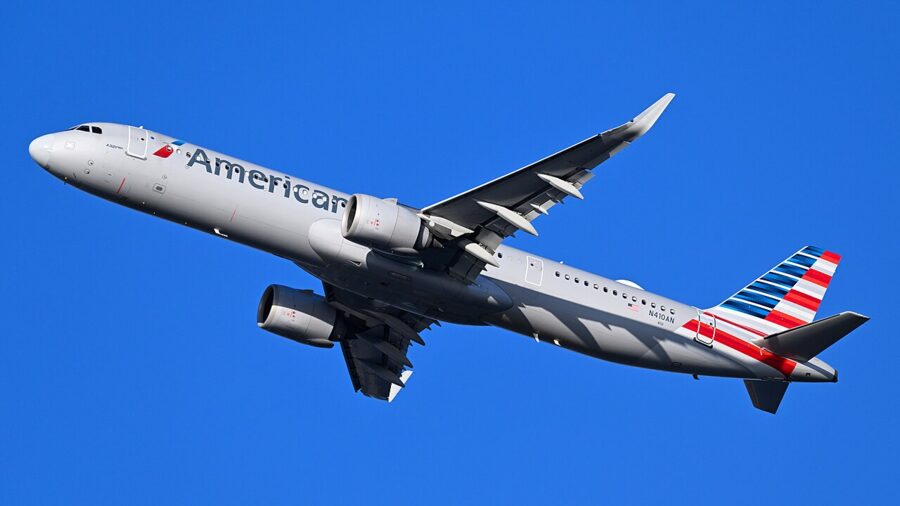
American made Wi-Fi free for AAdvantage members in January 2026, sponsored by AT&T, on all its narrowbody and dual-class regional aircraft plus new 787s. You sign in at aainflight.com with your AAdvantage number. American describes it as available on most domestic and select international flights, so check before relying on it to Latin America.

Southwest
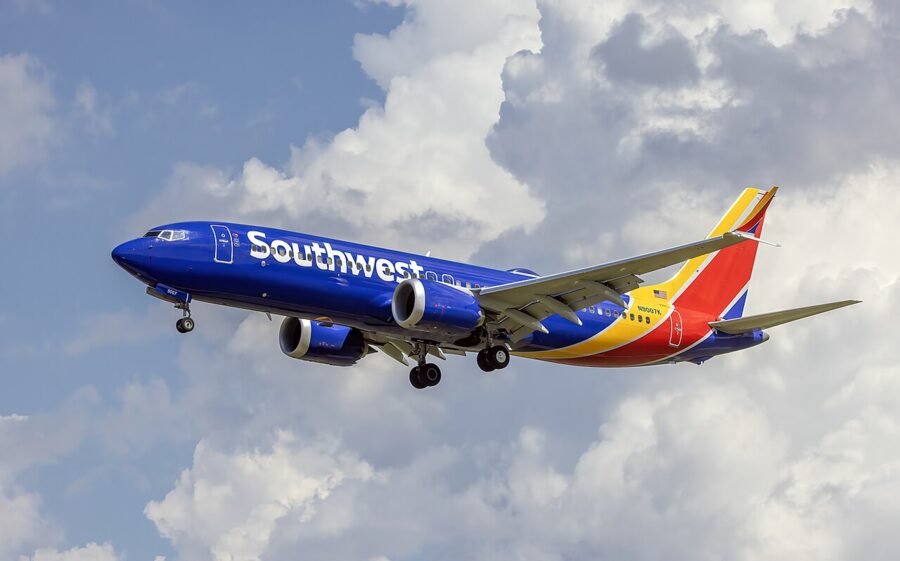
Southwest has given free Wi-Fi to Rapid Rewards members since October 24, 2025, sponsored by T-Mobile, on its Wi-Fi-equipped aircraft, whatever phone carrier you use. It is installing Starlink across the fleet as well. Joining Rapid Rewards is free, and you can do it before the flight or in the air.

Which is safer, Delta or Spirit?
The question still gets asked, but Spirit is no longer one of the choices. The comparison that matters now is between the airlines still selling seats, and the evidence is the same for each: the NTSB’s accident and incident database, FAA oversight and IATA’s operational safety audit. Those records are set out for Delta’s safety record, for JetBlue’s and for Frontier’s.
Is paying for in-flight Wi-Fi still worth it?
Rarely, now. On five of the six airlines in the table you can get Wi-Fi without paying, on at least part of the fleet, as long as you hold a free loyalty account and sign in. On JetBlue you don’t even need the account. Paying makes sense mainly on United’s older aircraft when you have work to finish, or on a long flight where a few dollars buys hours of use.
The aircraft type doesn’t decide whether there’s Wi-Fi; the airline does. Spirit’s A320s had it, Frontier’s A320-family jets don’t, and Delta’s A320s carry its free service.
Screens work the same way. The booking page or app names the aircraft for each flight, and the airline’s own pages say which of its aircraft have seatback screens. If the answer is none, download before you go.
One last practical step: if an old Spirit confirmation email is still in your inbox, save it alongside the card statement that shows the charge. A card dispute or a bankruptcy claim will ask for both.