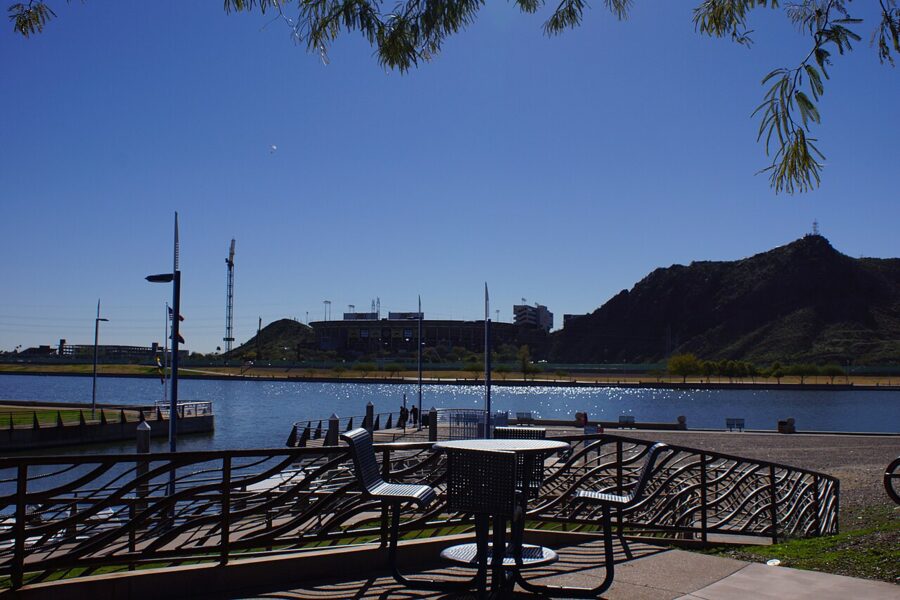
The best things to do in Tempe fit inside a few square miles: walk, cycle or paddle Tempe Town Lake, climb the short trail up A Mountain, eat and drink along Mill Avenue, and catch a show or a game at Arizona State University. Add Hole-in-the-Rock and the Desert Botanical Garden in Papago Park, on the city’s northern edge, and two days fill themselves, as long as you plan the outdoor parts around the heat.
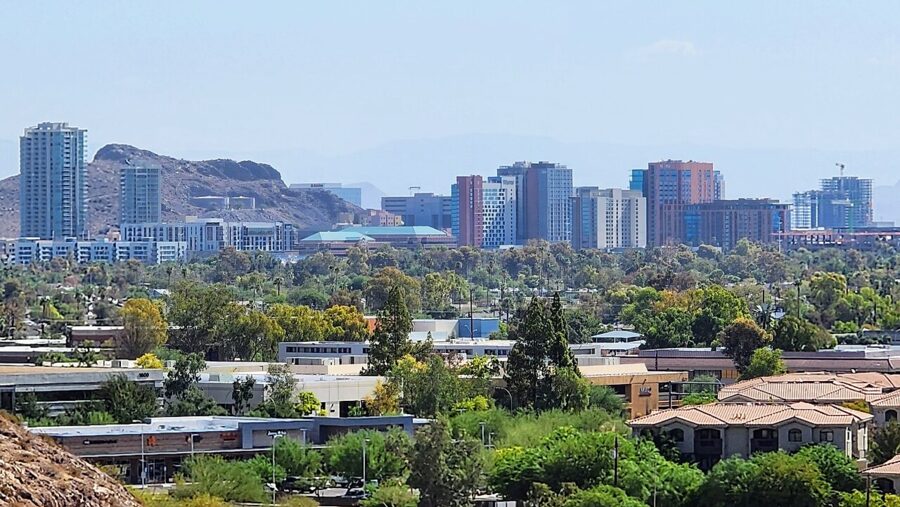
Tempe is a college city of 180,587 people (2020 census) wedged between Phoenix, Scottsdale and Mesa, and it doesn’t feel like a suburb of any of them. Arizona State’s main campus fills the middle of town, the dry Salt River was dammed into a lake in 1999, and the old downtown grew up around a flour mill that still stands. Most visitors come for a game, a concert, a conference or spring training, and find the walkable core better than they expected.


On this page
- Tempe at a glance
- Tempe Town Lake and Tempe Beach Park
- Mill Avenue and A Mountain
- Arizona State University
- Papago Park, Hole-in-the-Rock and the Desert Botanical Garden
- Smaller things worth the detour
- Tempe's year: festivals and events by month
- Where to eat and drink
- When to go, and how long to stay
- Getting around and practical notes
Tempe at a glance
Tempe sits in the East Valley of metro Phoenix, in Maricopa County, on just under 40 square miles of land. It’s flat apart from a few rocky buttes, and nearly everything a visitor wants is in the northern third: downtown, the lake, ASU and Papago Park all lie within about two miles of the Mill Avenue bridges. Hours and prices below are as of November 2026.
Getting there
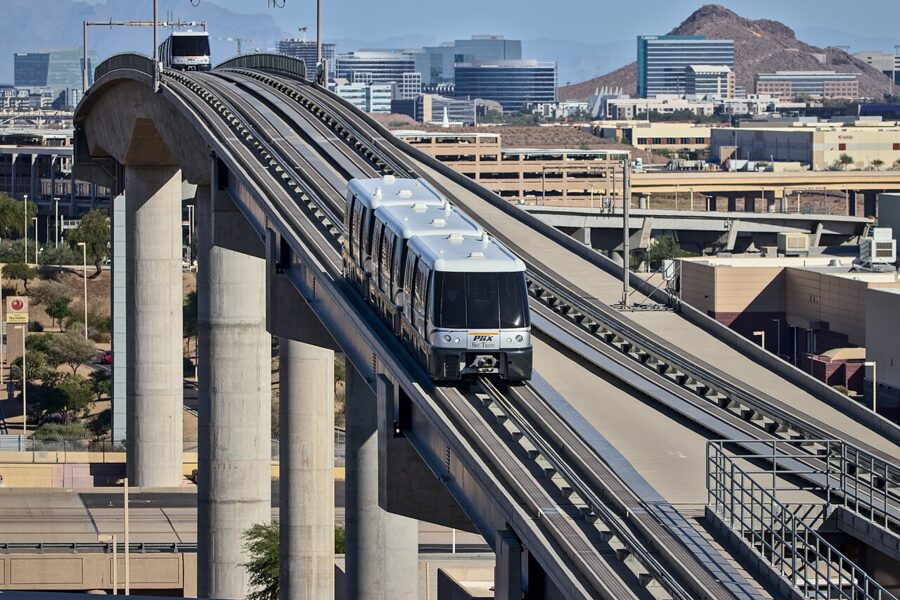
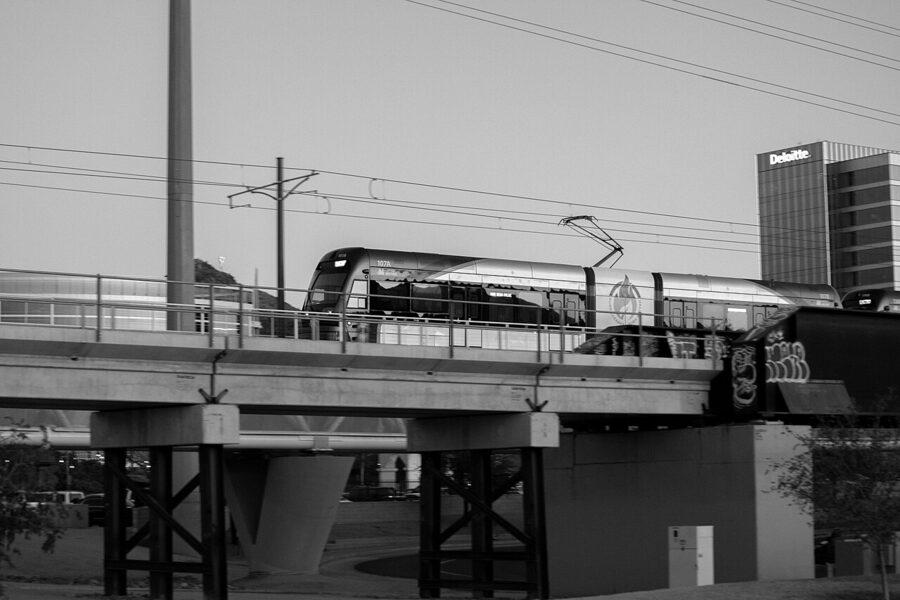
Phoenix Sky Harbor International Airport (PHX) is on Tempe’s western border, and downtown Tempe is roughly 15 minutes away by car outside rush hour. Without a car, take the free PHX Sky Train from Terminal 3 or Terminal 4 to the 44th Street station and cross to Valley Metro light rail; eastbound trains run straight into downtown Tempe and past ASU. The Sky Train runs 24 hours a day, with waits of about 3.5 to 7 minutes between 5am and 10pm.

Phoenix-Mesa Gateway Airport (AZA), in southeast Mesa, has a smaller set of mostly low-cost flights and is about 30 minutes’ drive away. By road, downtown Phoenix is about 15 minutes, Old Town Scottsdale about 20, Tucson about 1 hour 45 minutes down Interstate 10, and Flagstaff about 2 hours 15 minutes up Interstate 17.

What kind of place it is
Tempe runs on the university calendar. In the fall and spring semesters Mill Avenue is full of students and the bars stay loud late; in summer the town empties and many venues shorten their hours. Expect a modern, sunny, practical city rather than an old Western town. The historic layer is thin but real: an 1873 adobe, an 1892 Victorian farmhouse, a 1918 flour mill, a 1931 bridge and a Hohokam village site from around 1300.
Tempe Town Lake and Tempe Beach Park
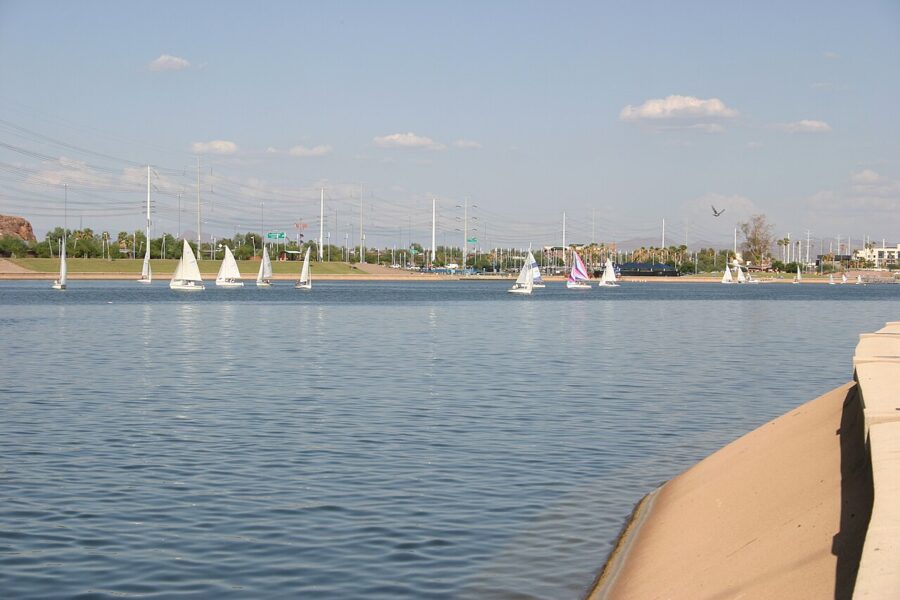
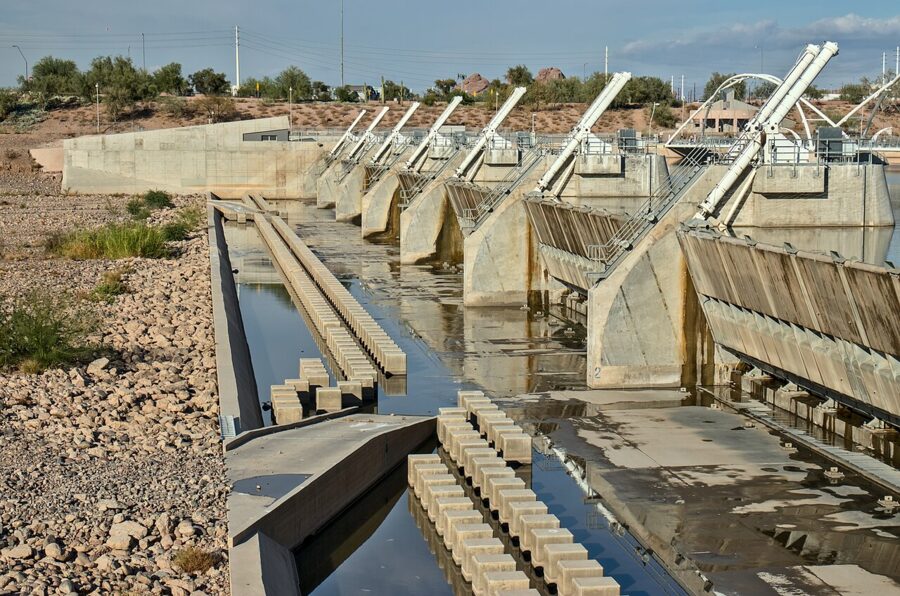
Tempe Town Lake is the city’s front yard and the one thing every visitor should see. The city opened it on November 7, 1999, by damming a dry stretch of the Salt River: about 220 surface acres, 2 miles end to end, 12.5 feet deep on average. It’s kept full largely with reclaimed water, and a steel gate dam at the west end can be lowered to let floodwater through.
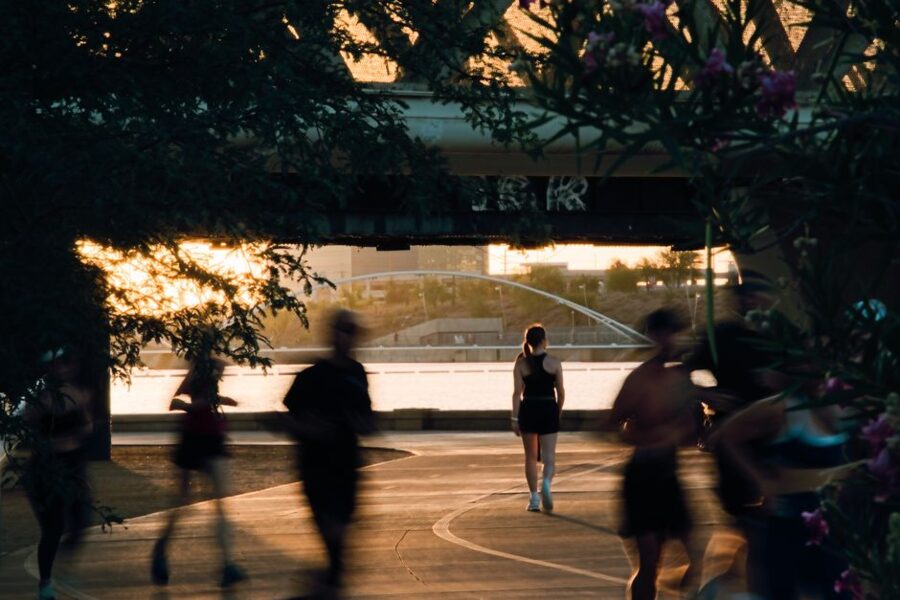
More than 5 miles of paved path loop the lake, open from 5am to midnight every day. You can cross on the Mill Avenue bridges, the pedestrian bridge by the Tempe Center for the Arts and the Rural Road bridges, so a full loop or a shorter figure-eight are both easy. Public art lines the shore. The whole loop takes about two hours on foot; a bike does it in well under one.

Getting on the water
Rentals run from kiosks, not a marina office. Boat Rentals of America works from the south shore near the historic Mill Avenue Bridge, renting pedal boats, kayaks, stand-up paddleboards and motorized “donut” boats for up to 10, by the hour or two hours. Northshore Watersport Rentals, by the marina boat launch on the north shore, runs self-service kayak and paddleboard rentals around the clock. Neither posts a fixed public price list, so check rates on their own sites.
Swimming is not allowed: the city prohibits entering the water except during organized sporting events. Fishing is fine with a standard Arizona fishing license; bass, sunfish and catfish live here, and rainbow trout are stocked in the cooler months. Bringing your own kayak or boat needs a city boating permit, sold online.
Tempe Beach Park
Tempe Beach Park, on the south shore just west of Mill Avenue, is the city’s oldest park. It opened in 1931, was rebuilt in 1999 when the lake was created, and covers 25 acres of lawn, shade and a historic ballfield. It’s also Tempe’s biggest event ground, so on festival weekends it’s fenced and ticketed; on other days it’s a free spot for a picnic with the skyline across the water.

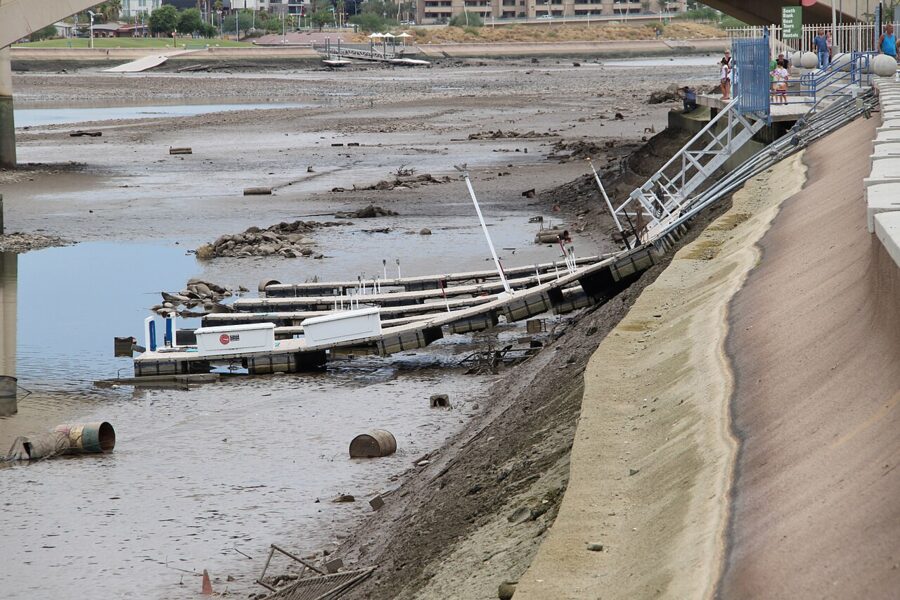
The lake has had one dramatic night. On July 20, 2010, one of the original inflatable rubber dams at the west end burst and the lake drained into the riverbed. It was refilled within months, and the city later replaced the rubber bladders with the steel gate dam you see today.


Tempe Center for the Arts
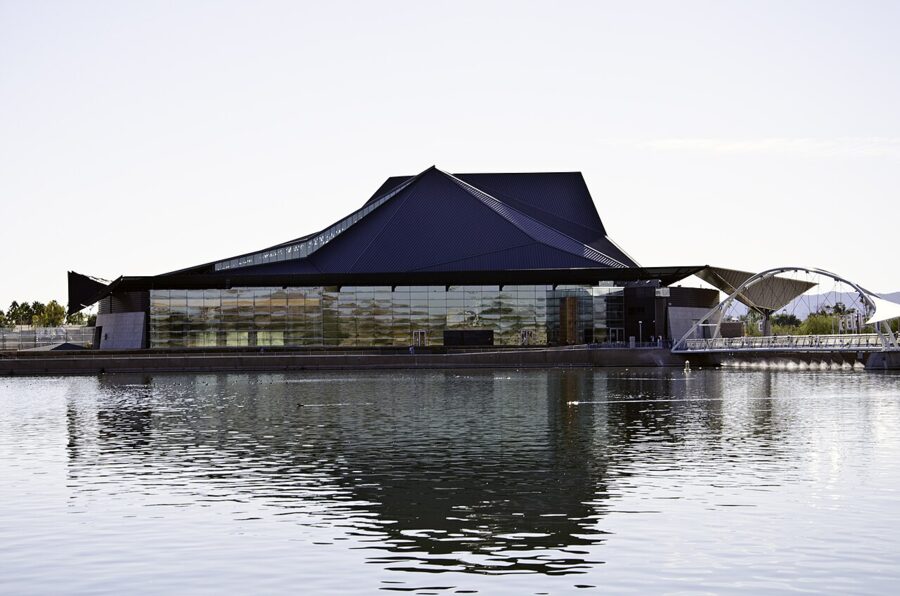
The angular building at the southwest corner of the lake is the Tempe Center for the Arts, at 700 West Rio Salado Parkway. Inside are a 600-seat theater, a 200-seat studio and a gallery for contemporary exhibitions, and the 2026-27 season mixes touring acts with the Tempe Symphony Orchestra. Even without a ticket, walk out for the view up the lake from the pedestrian bridge beside it.

Mill Avenue and A Mountain
Mill Avenue is downtown’s main street, running south from the lake through about ten blocks of restaurants, bars, shops and hotels to the edge of the ASU campus. It’s at its best in the evening. By day, start at the north end where the town began: the butte, the mill and the county’s oldest continuously occupied building sit within a few hundred yards of each other.
Hayden Butte (A Mountain)
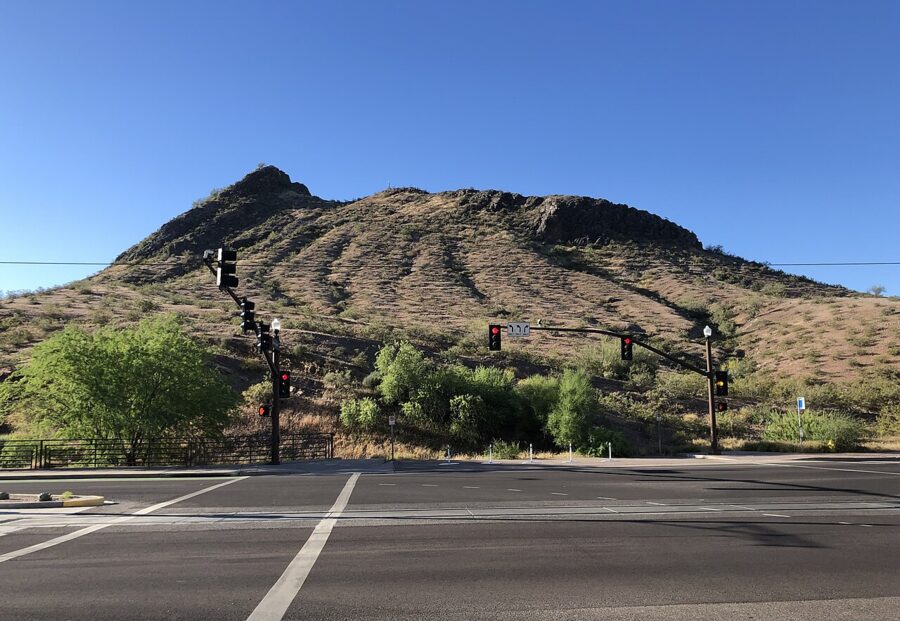
Hayden Butte, the hill everyone calls A Mountain, is a 25-acre city preserve at Mill Avenue and Fifth Street, open free from 6am to 10pm. Bikes aren’t allowed, and you’re asked to stay on the marked trail because the slopes hold Hohokam rock art and archaeological sites. The main routes start behind the Tempe Transportation Center (the Leonard Monti Trail) and behind the Tempe Mission Palms hotel.
The climb is short and steep on uneven rock; allow 45 minutes to an hour for the round trip. From the top you look over the stadium, the campus, the lake and, on a clear day, across Phoenix. Go at sunrise or an hour before sunset, and never at midday from May to September.

Hayden Flour Mill and La Casa Vieja
Tempe began here in the 1870s, when Charles Trumbull Hayden built a store, a ferry across the Salt River and a flour mill at the foot of the butte. The concrete mill building standing today dates from 1918, and the mill gave Mill Avenue its name. On selected weekends between November and April, the city’s free MILLuminate program projects animation and digital art by local artists onto the mill’s north wall, facing the lake, from 7pm to 10pm.
The 2026-27 weekends run from December through April, two a month: December 4 to 6 and 18 to 20, January 8 to 10 and 22 to 24, then on to April 16 to 18 (the city’s page has the full list and notes it can change). December 4 to 6 coincides with the fall Tempe Festival of the Arts.
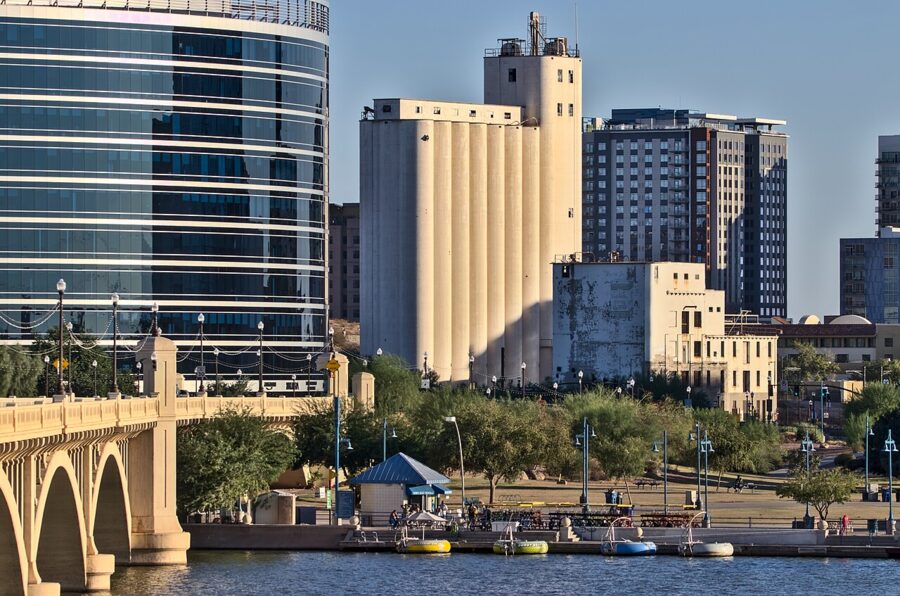

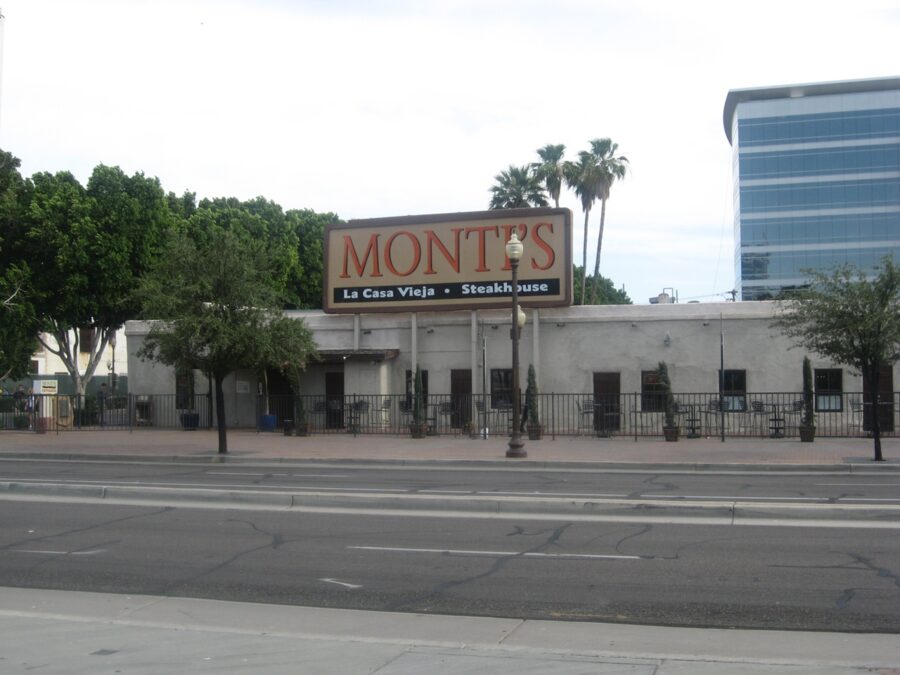
Across Mill Avenue stands Hayden’s adobe house, La Casa Vieja, built in 1873 and listed on the National Register of Historic Places. The Tempe History Museum describes it as the oldest continuously occupied building in Maricopa County. It’s not open day to day; the museum plans a free open house in spring 2027 and hadn’t set the date as of November 2026.

Walking the street
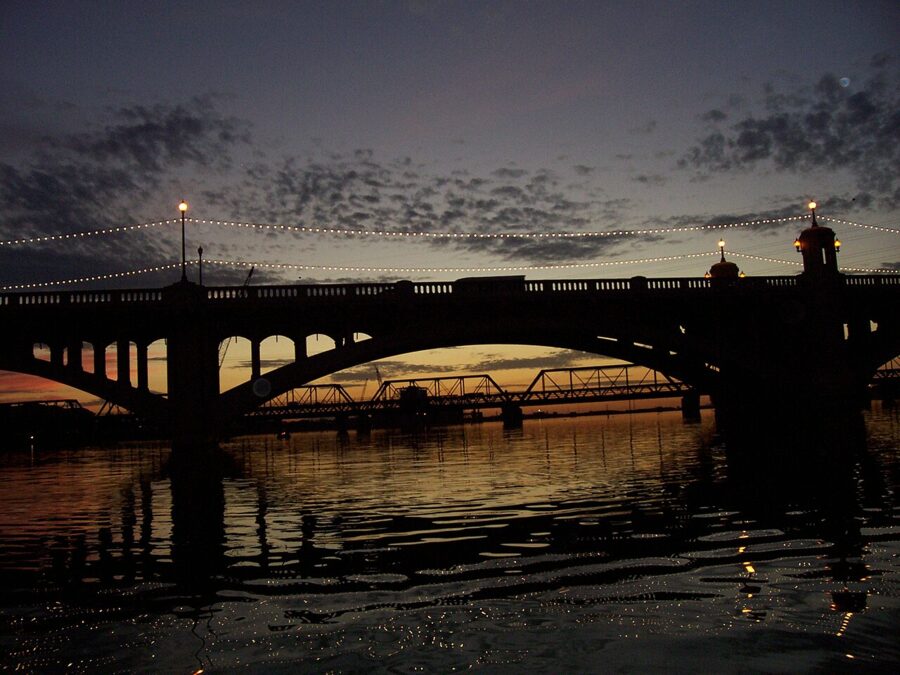
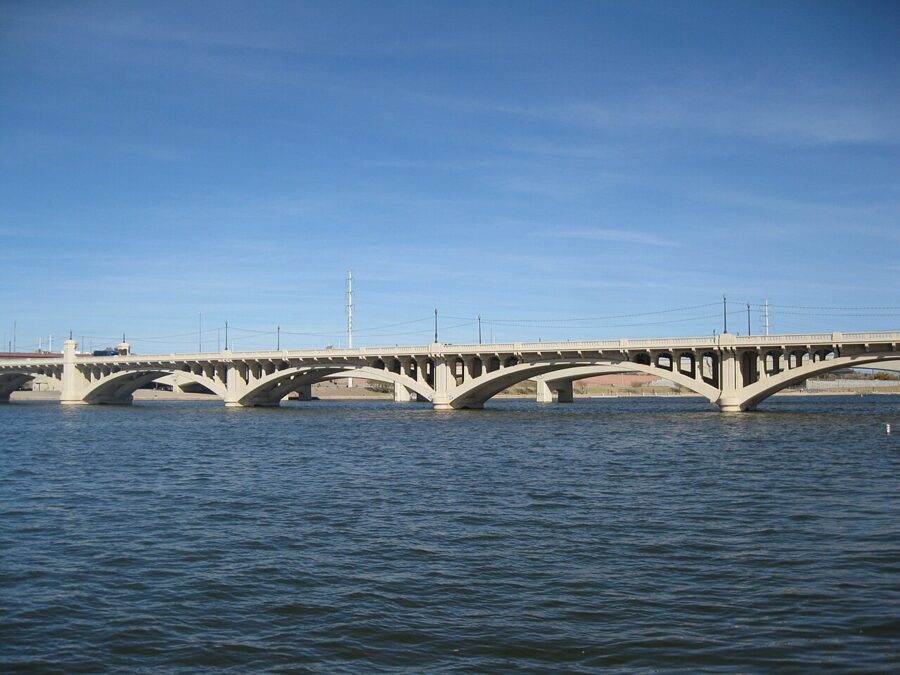
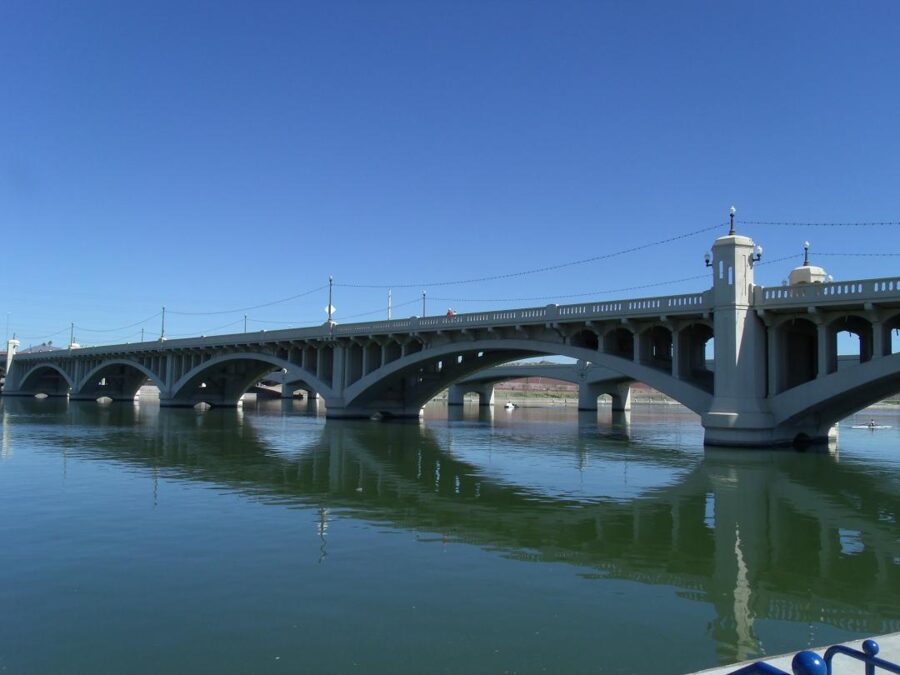
South of the mill, Mill Avenue is mostly restaurants and bars, with the brick buildings of the old town between Third and Sixth streets. The Tempe Streetcar runs along it, so you can walk one way and ride back. The 1931 Mill Avenue Bridge, listed on the National Register, is worth crossing on foot.

Arizona State University
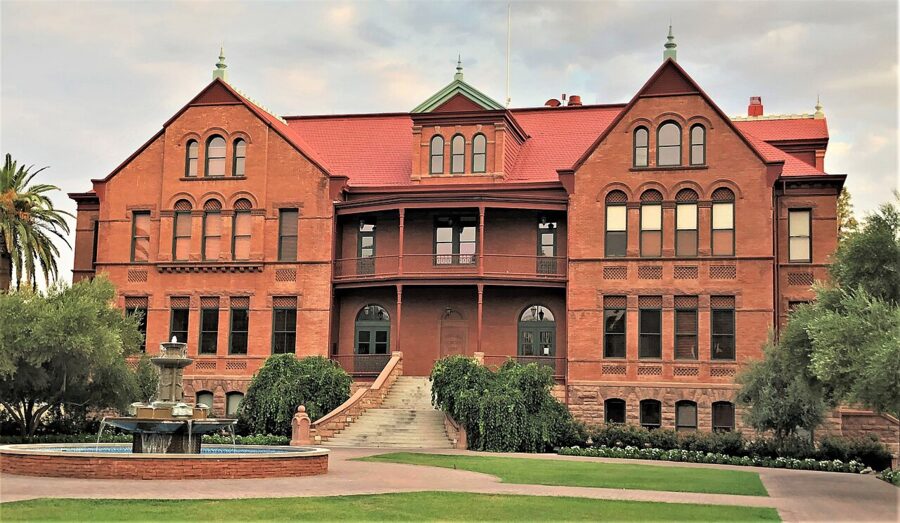
ASU’s Tempe campus is the reason the city looks the way it does, and visitors are free to walk it. Start at Old Main on Tyler Mall, the red-brick building from the school’s early years as a teachers’ college, then head south through the palm-lined malls toward the Frank Lloyd Wright auditorium. The campus is flat, partly shaded and liveliest on weekday mornings during the semester.

ASU Gammage
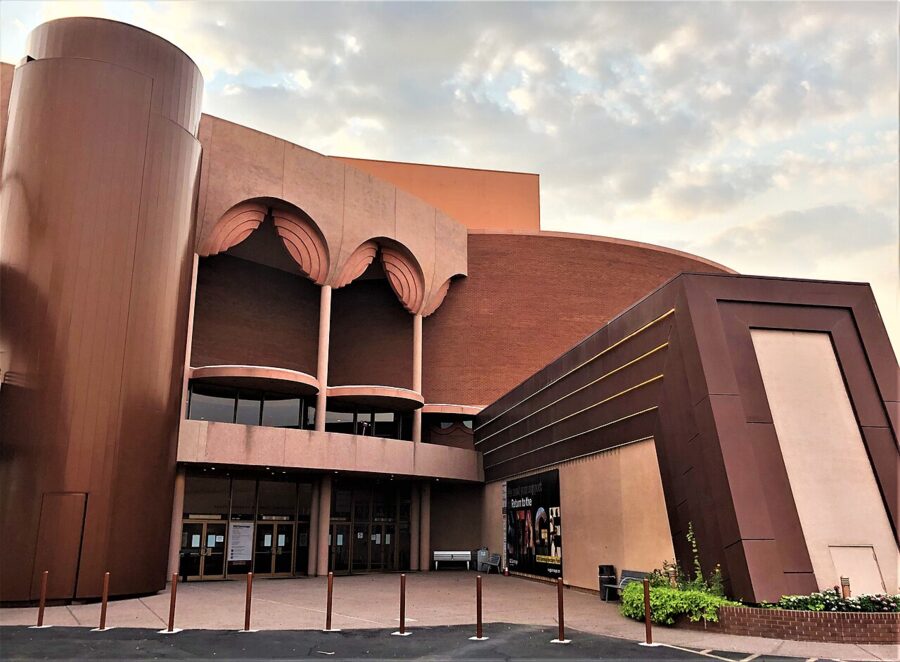
ASU Gammage, formally the Grady Gammage Memorial Auditorium, was one of Frank Lloyd Wright’s last commissions. He died in 1959; the round, column-ringed hall at Apache Boulevard and Mill Avenue was finished in 1964. It’s the Valley’s main stage for touring Broadway shows, and the outside is worth a walk at dusk even without a ticket.
Shows on the 2026-27 schedule include:
- Dr. Seuss’ How the Grinch Stole Christmas! The Musical, December 1 to 6, 2026
- Beetlejuice, January 1 to 3, 2027
- The Outsiders, January 26 to 31
- Operation Mincemeat, February 23 to 28
- Buena Vista Social Club, April 20 to 25
- Boop!, May 18 to 23

ASU Art Museum
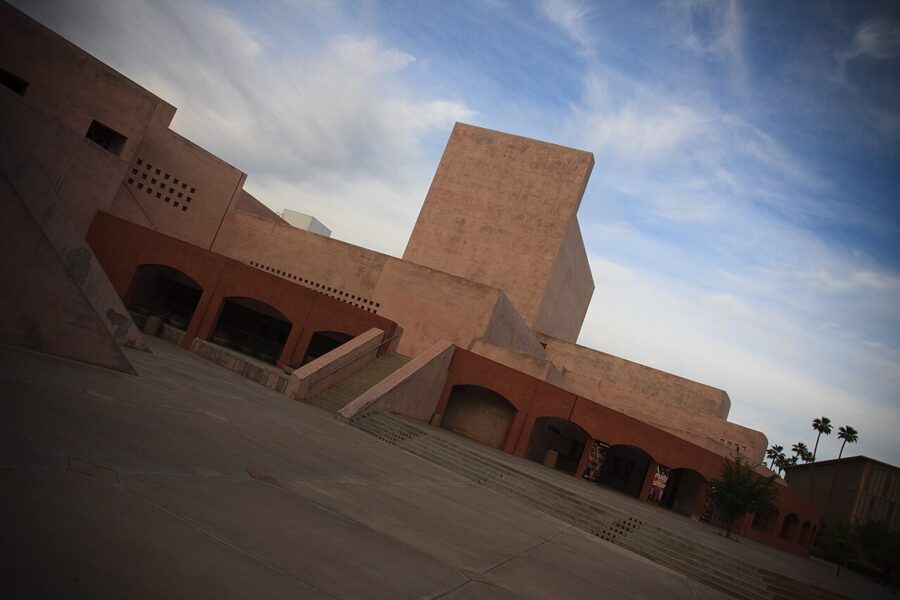
The ASU Art Museum, at 51 East 10th Street, is free and small enough to see properly in an hour. Its site lists it as open Wednesday to Sunday, 11am to 5pm, though one banner on the same site says Friday to Sunday, so check before you go. As of November 2026 it’s showing The Collection at 75, a survey of acquisitions since 1950, and Wrought by Fire: Metalwork of the Southwest, both through January 3, 2027.

Game days at Mountain America Stadium
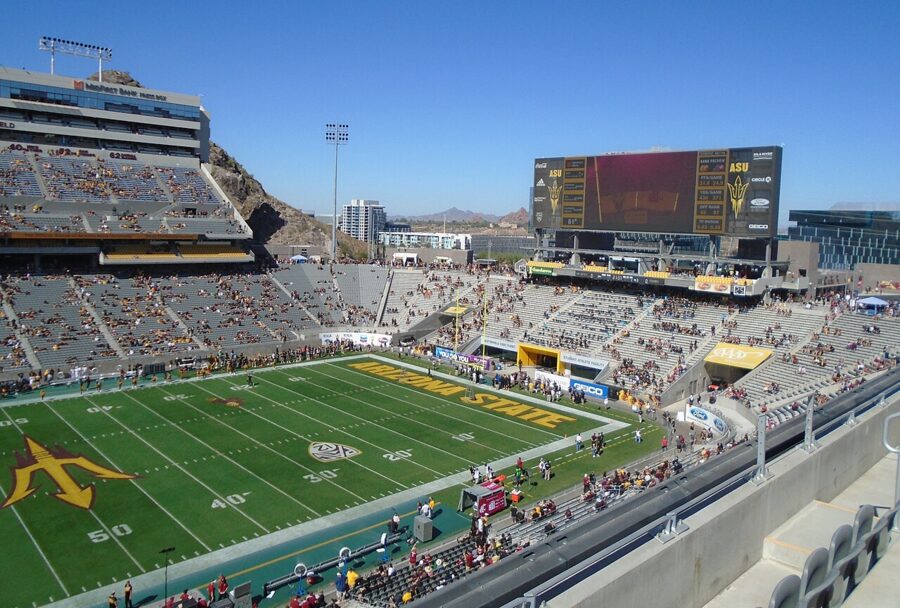
ASU’s football stadium, Sun Devil Stadium from 1958 until 2023, is now Mountain America Stadium, Home of the ASU Sun Devils, after a naming deal with a credit union. It sits right below A Mountain, and the Sun Devils play in the Big 12, mostly on fall Saturdays; there’s a home game on November 21, 2026.
Game days change the whole town: hotels fill, Mill Avenue is packed from midday, and parking near campus gets slow and expensive. If you’re here for something else, check the ASU schedule before you book. If you’re here for the game, take the light rail to Veterans Way/College Avenue and walk.

Papago Park, Hole-in-the-Rock and the Desert Botanical Garden
Papago Park is a desert park of red rock buttes on the line between Tempe and Phoenix. Phoenix runs about 1,200 acres of it and Tempe about 296, so the zoo, the botanical garden and Hole-in-the-Rock are technically in Phoenix, though they’re a ten-minute drive from downtown Tempe.
Hole-in-the-Rock
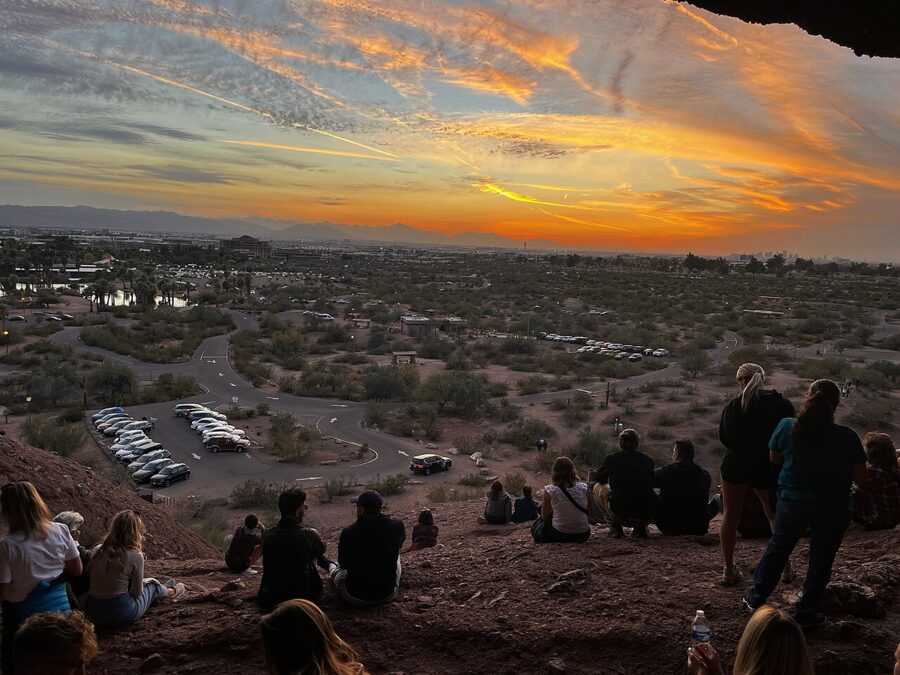
Hole-in-the-Rock is a butte with a large opening eroded right through it, and the short climb to it is the classic Papago sunset. The trail is just 0.2 miles with about 200 feet of climbing, partly on steps around the back of the butte, starting near the Papago Park visitor center; Phoenix lists the trailhead as open 5am to 7pm. Allow 30 minutes, and wear shoes with grip, because the rock is smooth.
Desert Botanical Garden
The Desert Botanical Garden, at 1201 North Galvin Parkway, is the best single attraction near Tempe. Its trails wind through cactus, agave and desert wildflowers from the Sonoran Desert and other dry regions of the world. Allow two to three hours, and go early or late in the day.
As of November 2026 it’s open daily from 7am to 10pm through February 26, closed on Thanksgiving (November 26) and Christmas Day, and closes at 3:30pm on Christmas Eve; it also closes for a ticketed food event on February 27 and 28. General admission starts at $32.95 for adults and $14.95 for ages 2 to 17, under-2s are free, and parking is free. On Community Day, the second Tuesday of each month, you pay what you can.
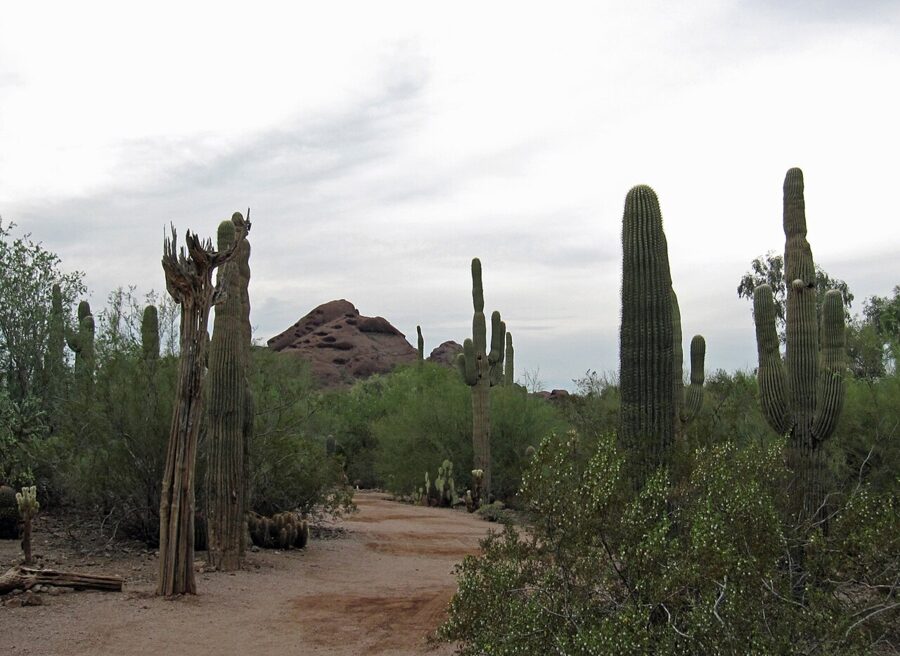

Phoenix Zoo
The Phoenix Zoo, at 455 North Galvin Parkway, is next door. From October through January 17 it’s open daily 9am to 4pm (closed Christmas Day), then 9am to 5pm through April. Daytime admission is $44.95 for ages 14 and up and $32.95 for ages 3 to 13, and its holiday ZooLights evenings run from 5:30pm to 10:30pm on dates the zoo posts each season.
Smaller things worth the detour
Tempe’s smaller sights are mostly free, city-run and open on limited days, so they need a little planning.
Tempe History Museum
The Tempe History Museum, at 809 East Southern Avenue next to the main library, is free, with free parking, and open Tuesday to Saturday, 10am to 5pm (closed city holidays, including November 26 and 27 and December 25). Its main gallery covers desert survival, community building and the college town in about an hour. Through December 31, 2026, the featured exhibit, Ranfla Vida, traces Tempe’s lowrider history.
Petersen House and Elias-Rodriguez House
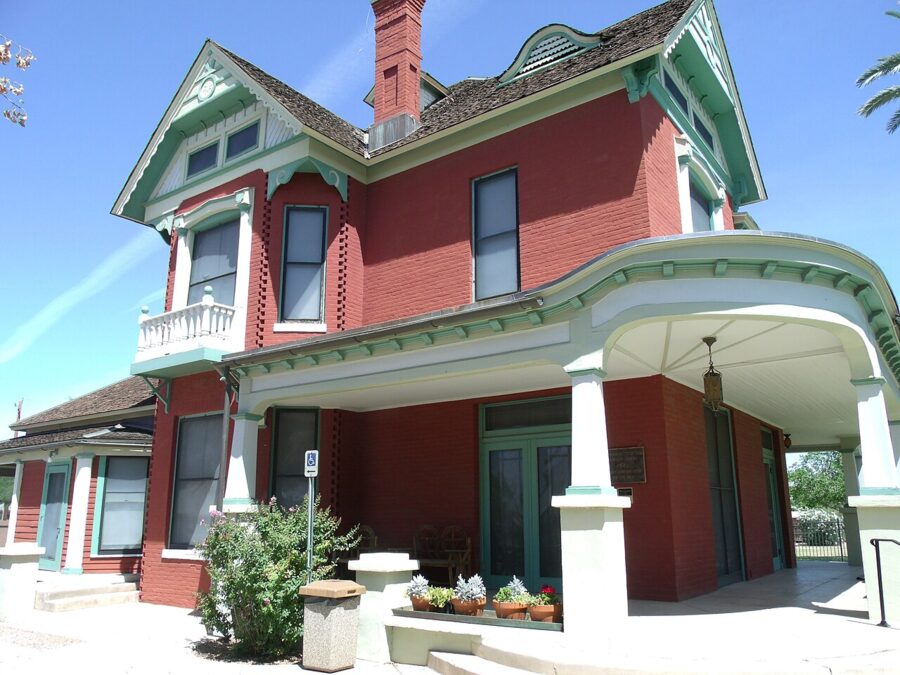
The Petersen House, at 1414 West Southern Avenue, was built in 1892 as the center of Niels Petersen’s ranch. The city calls it the oldest Queen Anne Victorian brick home still standing in the Salt River Valley; it’s been on the National Register since 1978 and opens for events rather than daily. The best is Christmas at Petersen House, decorated in the family’s Danish tradition: December 5 and 6, 12 and 13, and 19 and 20, 2026, 11am to 3pm, free, plus an evening open house on Wednesday, December 16, from 5:30pm to 8pm.

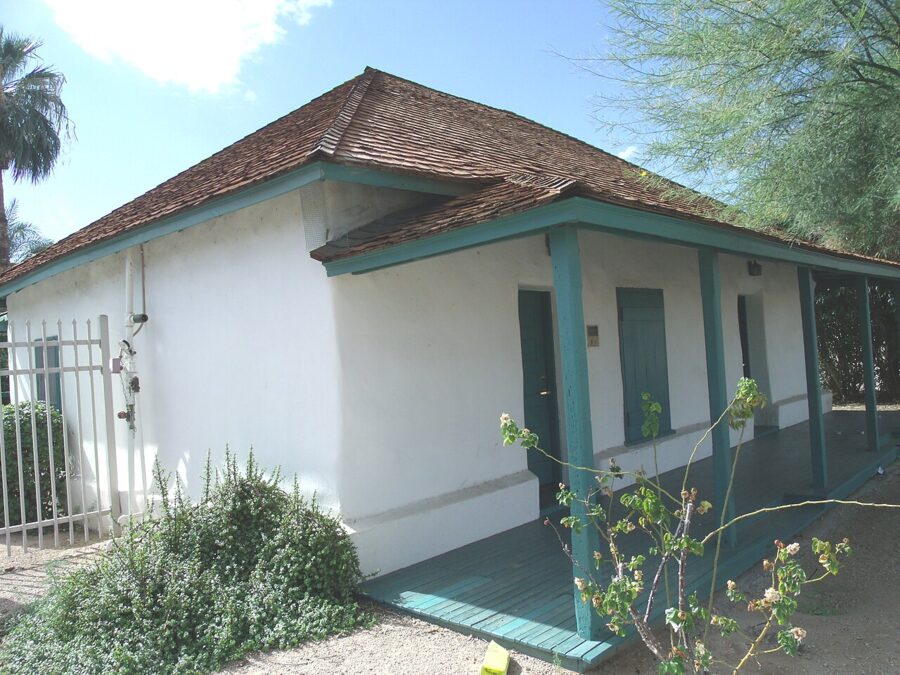
The Elias-Rodriguez House, at 927 East Eighth Street, is a small 1890 Sonoran adobe with a steep roof in one of Tempe’s oldest neighborhoods. The museum uses it to tell the story of the women who farmed and worked the land around it, with free Saturday open houses a few times a year. The pink Eisendrath House, at 1400 North College Avenue, is closed for adobe restoration until April 2027, according to local reporting in November 2026.

Loma del Rio and the LoPiano Bosque
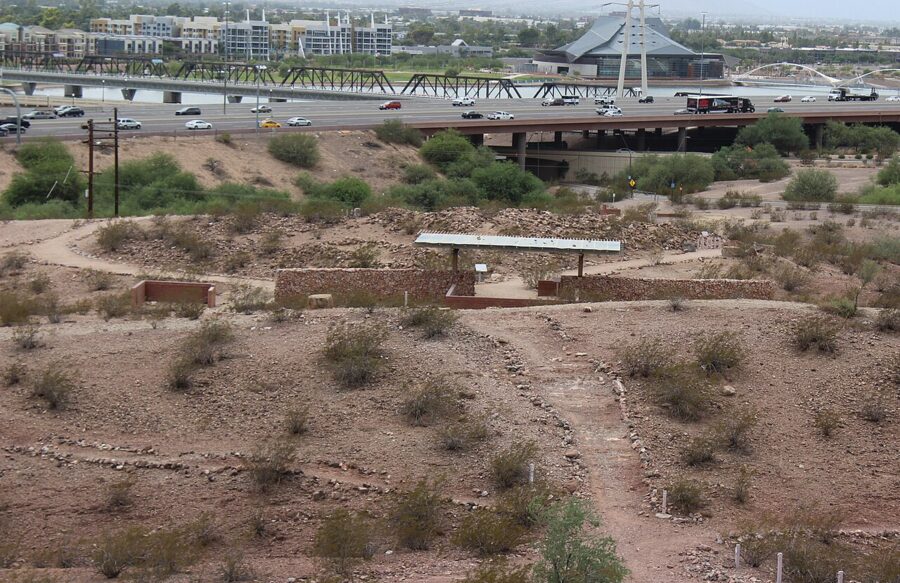
At the west end of Papago Park, just north of the lake, the city has stabilized the walls of a Hohokam settlement called Loma del Rio, lived in from about A.D. 1300 to 1450. A short interpretive trail with plaques and a shaded ramada circles the stone-and-adobe rooms. It’s free, open 6am to 10pm, and takes 15 minutes.

Nearby, the LoPiano Mesquite Bosque is a 13-acre strip of restored mesquite woodland north of the Loop 202 between College and Mill avenues, planted by volunteers in 1993 and open sunrise to dusk. Birders will want it for the quail and roadrunners; most visitors can skip it.
Kiwanis Park
Kiwanis Park, in south Tempe, is the city’s big neighborhood park, with a lake, lawns, picnic areas and shaded walking paths. It’s not a destination on a short trip, but it’s the local choice if you’re staying in south Tempe with kids who need to run.
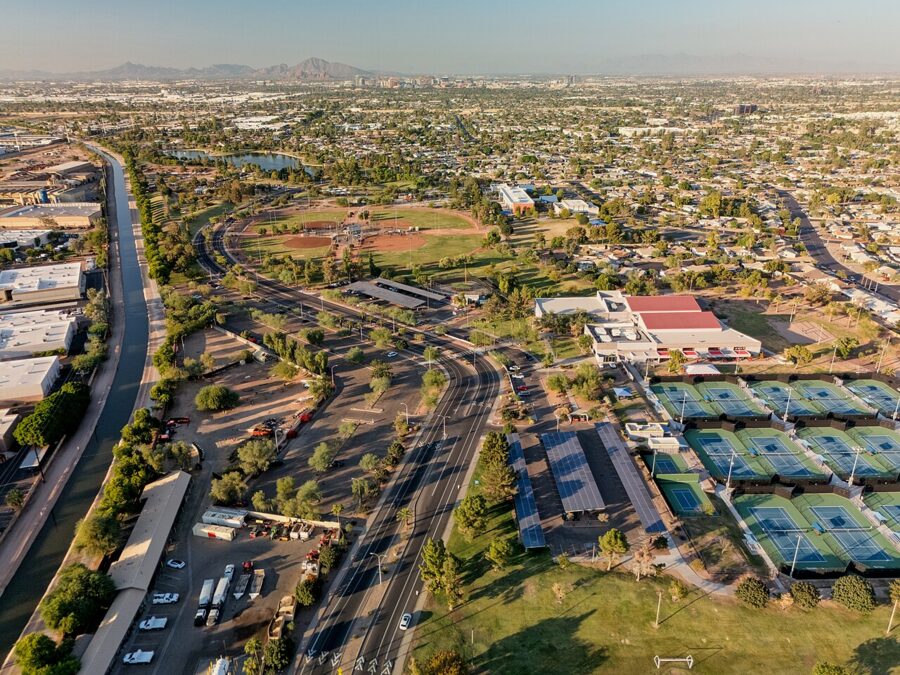

Arizona Mills, SEA LIFE and LEGOLAND
Arizona Mills, a large outlet mall in south Tempe by the I-10 and US 60 interchange, holds two indoor family attractions. SEA LIFE Arizona Aquarium is open 11am to 5pm (last entry 4pm), with day tickets from $18. LEGOLAND Discovery Center Arizona is open 11am to 5pm (last entry 3:30pm), at $22.99 booked online or $24.99 on the day. Both suit younger children and take 90 minutes to two hours; on a 110-degree afternoon, the air conditioning is half the appeal.
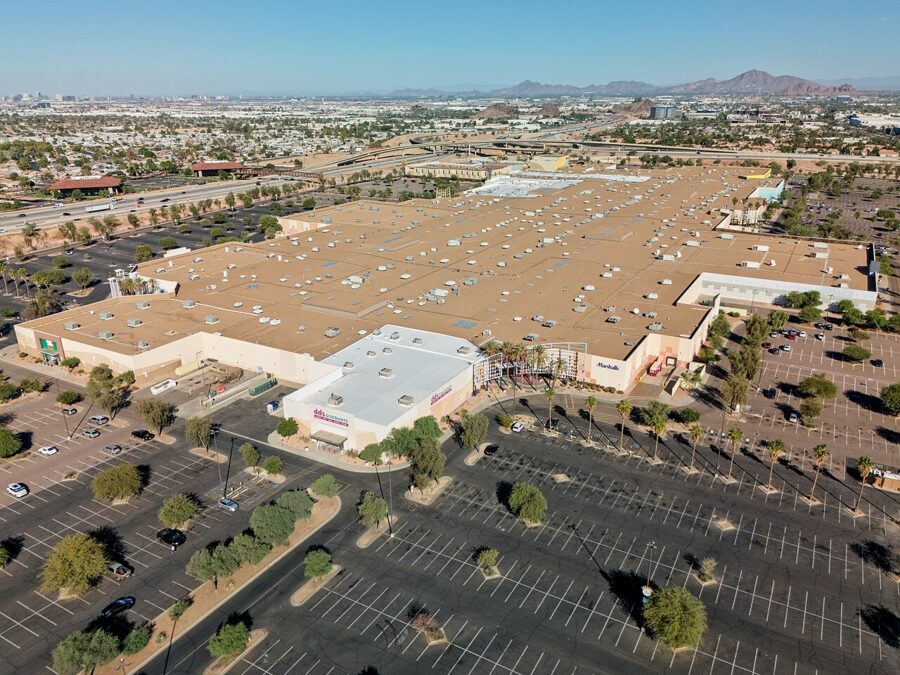

Spring training at Tempe Diablo Stadium
Tempe Diablo Stadium, at 2200 West Alameda Drive, is the spring training home of the Los Angeles Angels. Cactus League games run from late February through March; in 2026 the Angels opened here on February 21 against the Dodgers, and the 2027 schedule hadn’t been officially announced as of November 2026. Expect small crowds, lawn seating and players close enough to talk to, and book a March hotel early, because the whole Valley fills up.
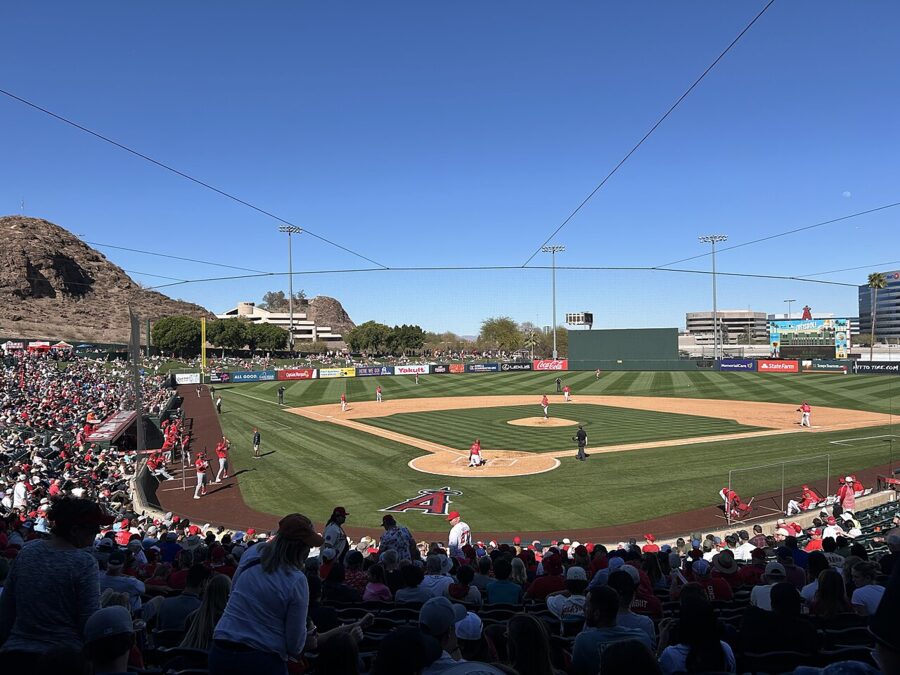
Tempe’s year: festivals and events by month
Tempe’s events cluster in the cool months. Dates are for the 2026-27 season where announced; otherwise the usual timing is given.
| Month | Event | Where | Notes |
|---|---|---|---|
| September to November | ASU football | Mountain America Stadium | Mostly Saturdays; home game November 21, 2026 |
| October | Four Peaks Oktoberfest | Tempe Beach Park | The 53rd ran October 9 to 11, 2026, for Tempe Sister Cities |
| November to April | MILLuminate | Hayden Flour Mill | Free, selected weekends, 7pm to 10pm |
| Late November | Fantasy of Lights street parade and tree lighting | Downtown | November 28, 2026 |
| Early December | Tempe Festival of the Arts (fall) | Mill Avenue | December 4 to 6, 2026; free; more than 350 artists |
| December | Christmas at Petersen House | Petersen House | December weekends, free |
| Mid-December | Fantasy of Lights boat parade | Tempe Town Lake | December 12, 2026 |
| November to January | City Hall Farmers Market | City Hall Plaza | Sundays 8am to noon, through January 24, 2027 |
| Late February to March | Angels spring training | Tempe Diablo Stadium | 2027 dates not yet official |
| March | Tempe Festival of the Arts (spring) | Mill Avenue | Usually early to mid-March |
| March | Arizona Aloha Festival | Tempe Beach Park | Free; 2026 edition March 21 and 22 |
| July 4 | Fourth of July celebration | Usually Tempe Beach Park | Moved to Tempe Diablo Stadium in 2026 |
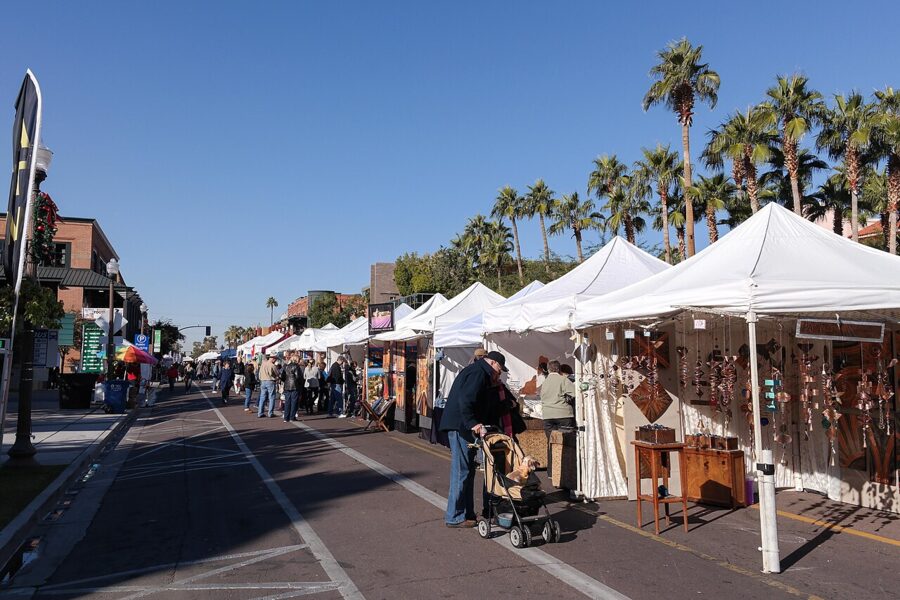

One fixture is gone. The full IRONMAN Arizona triathlon, which swam in Town Lake for more than two decades, held its final Tempe race on November 16, 2025.
Where to eat and drink
Mill Avenue has the most choice in one place, but several of Tempe’s best tables are a short drive away. Every place below was trading in fall 2026. Two long-running bars closed in August 2026: the Palo Verde Lounge, after 62 years, and the Low Key Piano Bar on Mill Avenue.
Brunch
Four Peaks Brewing, 8th Street Pub (1340 East 8th Street) is the brewery’s original location, in a roughly 100-year-old former creamery and ice factory, with brunch on Saturdays and Sundays from 9am to 1pm.
Lunch
The Chuckbox (202 East University Drive, just east of Mill Avenue) has cooked burgers over an open mesquite fire since 1972. It’s casual and still cash only, open 10:30am to 10pm Monday to Saturday and until 9pm on Sunday; the Big Juan is the big one.
Cafe Lalibela (849 West University Drive) is a family-run Ethiopian restaurant that’s been here more than 20 years, and one of the best vegetarian options in the city. Try the doro wat, the lamb tibs or the vegetable combo with injera. It opens at 11am on weekdays and noon on weekends.
Dinner
Glenrosa (1415 North Mill Avenue, at the Grass Clippings Rolling Hills golf course in Papago Park) opened in April 2025 with a Sonoran menu cooked over a live-fire grill: steaks, branzino and chicken, served family-style. It’s the obvious dinner after a Papago sunset.
Filthy Animal (740 South Mill Avenue) mixes Asian and Mexican food in a theatrical jungle-themed room downtown; it opened in March 2025 in the old P.F. Chang’s space. Book ahead on weekends.
Bar Capri (1730 East Warner Road, south Tempe) is a small southern Italian restaurant and cocktail bar that also does weekend brunch. Order the gnocchi or the lasagna, and reserve, because the room and the parking lot are both small.
Drinks
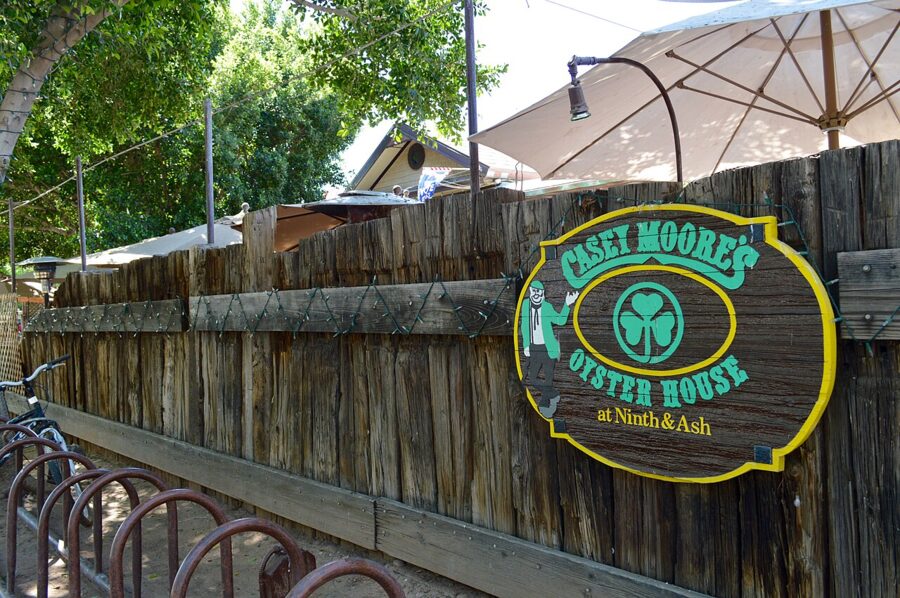
Casey Moore’s Oyster House (850 South Ash Avenue, at Ninth Street) is an Irish pub in Old Town Tempe with oysters, seafood and a vegan menu; the bar stays open until 1am, or 2am on Fridays and Saturdays. Four Peaks, above, is the other essential pint.

When to go, and how long to stay
Go between late October and April, when the weather is mild, the events calendar is full and a midday walk by the lake is pleasant. The National Weather Service’s 1991-2020 normals for Phoenix Sky Harbor, the official station next door:
| Month | Average high | Average low |
|---|---|---|
| January | 67.6°F | 46.0°F |
| March | 78.1°F | 54.5°F |
| April | 85.5°F | 60.8°F |
| May | 94.5°F | 69.5°F |
| July | 106.5°F | 84.5°F |
| October | 89.2°F | 65.6°F |
| November | 76.5°F | 53.7°F |
| December | 66.2°F | 45.3°F |
Recent years have run hotter than the normals. March 2026 averaged a high of 92.9°F, the warmest March on the Phoenix record, and July 2026 averaged 108.3°F. From April on, do anything outdoors early in the day.
Summer, June to September, is cheap and empty if you shift your day: hike at sunrise, spend the afternoon indoors or in a pool, and go out after dark. Valley residents escape to the pine country of the Mogollon Rim, and with a car and a spare day, the cool forest around Strawberry, Arizona is about two hours north.
Crowds follow ASU and the big events as much as the season. Football Saturdays, graduation in May, spring training in March and the Festival of the Arts weekends fill hotels and push up prices.
How many days
Two days covers the essentials without rushing. One day is enough for the lake, A Mountain and Mill Avenue; a third adds the zoo, a show at Gammage and a slower morning at the garden.
A one-day plan
- Sunrise: climb A Mountain from behind the Tempe Transportation Center.
- Morning: the Hayden Flour Mill and La Casa Vieja, then the west end of the lake past Tempe Beach Park and the Tempe Center for the Arts.
- Late morning: a kayak or paddleboard before the heat builds.
- Lunch: a mesquite burger at The Chuckbox.
- Afternoon: the ASU campus, Old Main, the ASU Art Museum and a lap of Gammage.
- Evening: dinner on Mill Avenue and, on a MILLuminate weekend, the projections after 7pm.
Adding a second day
- Early morning: the Desert Botanical Garden at opening time.
- Late morning: Loma del Rio, then the Tempe History Museum (Tuesday to Saturday).
- Lunch: Cafe Lalibela.
- Sunset: Hole-in-the-Rock, then dinner at Glenrosa or a pint at Four Peaks.
Getting around and practical notes
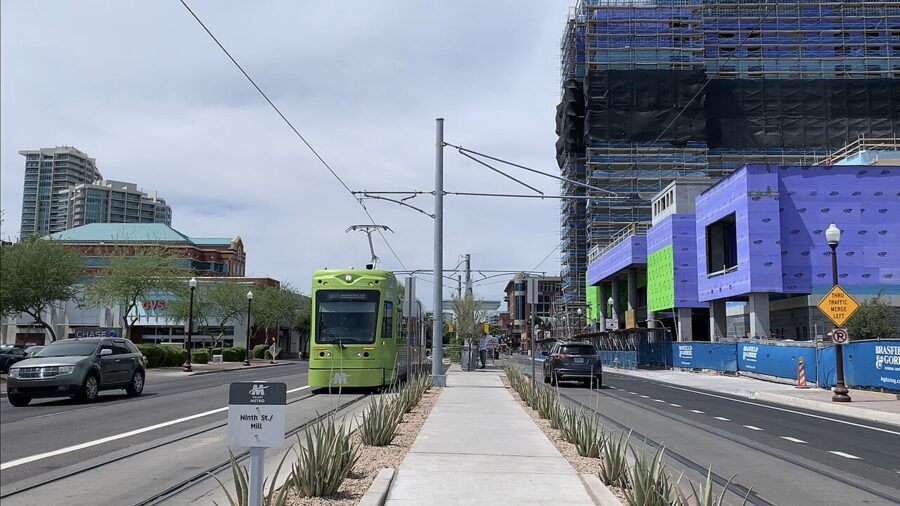
Downtown, the lake and ASU are walkable, and transit is good enough to skip a car if you stay downtown. The city lists nine light rail stops in Tempe, 13 bus routes, a free ASU shuttle called Flash and six free Orbit neighborhood circulator routes.
- Light rail: $2 a ride or $4 for a day pass at full fare as of November 2026 ($1 and $2 reduced). Mill Ave/3rd St is the stop for downtown and the lake.
- Tempe Streetcar: 3.1 miles and 14 stops along Mill and Ash avenues and Apache Boulevard, every 15 to 20 minutes. Free from its 2022 opening until August 2025, it now costs $1, and Valley Metro’s daily fare cap covers light rail, bus and streetcar together.
- Orbit and Flash: free buses; Orbit loops through the neighborhoods and Flash circles the ASU campus.
- Driving: downtown has garages and metered street parking, and Tempe Beach Park has its own lot. On game days and festival weekends, take transit.

- Carry water everywhere, even in winter; the desert air dries you out fast.
- On A Mountain, stay on the trail and leave bikes at the bottom.
- No swimming in Town Lake, and fishing needs an Arizona license.
- Check the ASU football and events calendar before you book a hotel.
Book the Desert Botanical Garden online the night before and take the earliest entry time; the rest of the day in Tempe falls into place around it.