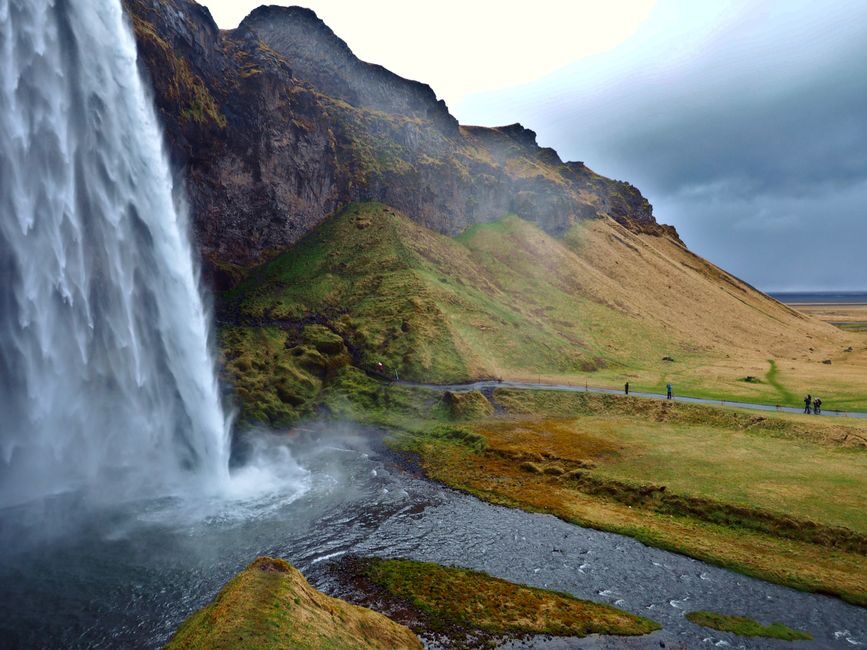
For a first trip, go between mid-June and the end of August: every road is open, the highland trails are clear of snow, and Reykjavík gets close to 21 hours of daylight at the solstice. For the northern lights, go between late September and mid-March, when the nights are fully dark again.
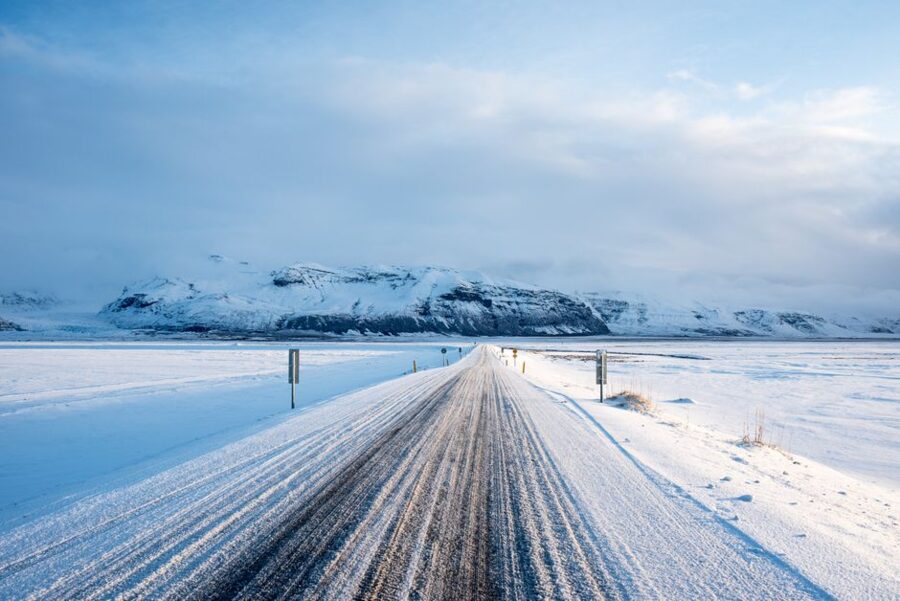
The months that disappoint most people are December and January, if the plan is a self-drive loop of the country. Daylight in Reykjavík shrinks to about four hours around the winter solstice, storms close mountain passes in the north and east with little warning, and the Ring Road becomes a gamble. A short winter stay based in Reykjavík, with day tours for the aurora and the south coast, works far better.
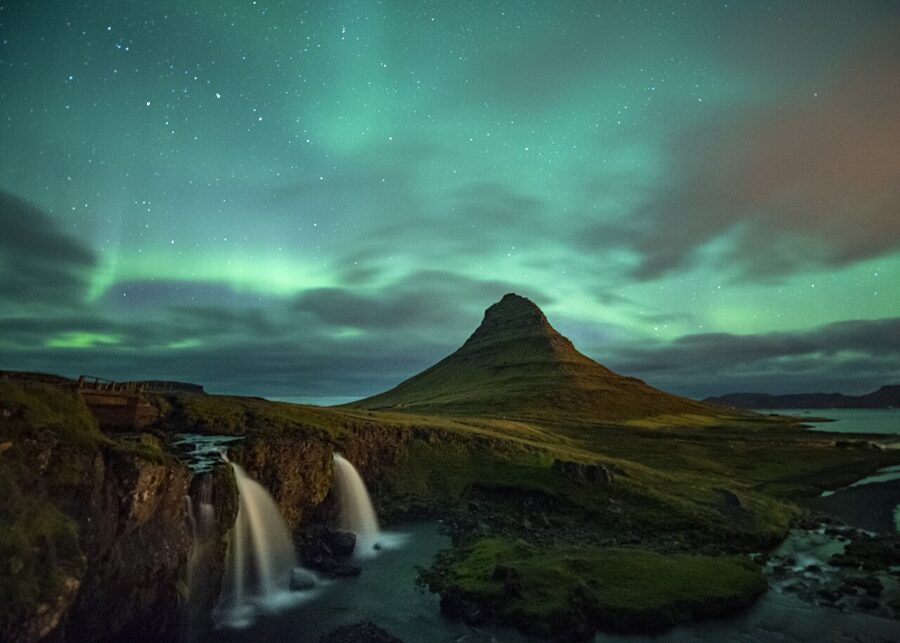

The two windows that give you the most for the least are September and the last weeks of May. September brings the aurora back while the F-roads are still mostly open; late May has spring prices, puffins on the cliffs and almost no night at all.
On this page
- Iceland's weather by month
- Month by month
- Northern lights season
- Midnight sun and the bright nights
- Roads, the Ring Road and the F-roads
- Where the answer changes: north, south, east and west
- Seasons by what you want to do
- Festivals and holidays in 2027
- Crowds and prices
- Common questions
- Which month for which trip
Iceland’s weather by month
The figures below are the 1991–2020 climate normals for the Icelandic Met Office’s stations in Reykjavík and Akureyri, as filed with the World Meteorological Organization. Daylight is sunrise to sunset on the 15th of each month in Reykjavík (Iceland keeps UTC all year, with no daylight saving).
| Month | Reykjavík high / low | Akureyri high / low | Reykjavík rain or snow | Wet days | Sunshine hours | Daylight on the 15th |
|---|---|---|---|---|---|---|
| January | 38 / 29°F (3.2 / -1.7°C) | 37 / 26°F | 3.4 in (87 mm) | 15 | 23 | 5h 24m |
| February | 38 / 29°F (3.3 / -1.9°C) | 37 / 26°F | 3.6 in (91 mm) | 15 | 62 | 8h 36m |
| March | 40 / 30°F (4.2 / -1.3°C) | 38 / 27°F | 3.2 in (81 mm) | 14 | 110 | 11h 40m |
| April | 44 / 34°F (6.9 / 1.0°C) | 44 / 31°F | 2.3 in (59 mm) | 12 | 165 | 15h 03m |
| May | 50 / 39°F (10.1 / 4.0°C) | 51 / 38°F | 2.1 in (53 mm) | 11 | 209 | 18h 22m |
| June | 55 / 45°F (13.0 / 7.2°C) | 57 / 44°F | 1.7 in (43 mm) | 9 | 190 | 21h 02m |
| July | 59 / 48°F (14.9 / 9.1°C) | 59 / 47°F | 2.0 in (50 mm) | 10 | 183 | 19h 46m |
| August | 57 / 47°F (14.1 / 8.6°C) | 59 / 46°F | 2.5 in (64 mm) | 12 | 165 | 16h 27m |
| September | 53 / 43°F (11.4 / 6.2°C) | 53 / 42°F | 3.4 in (87 mm) | 15 | 118 | 13h 05m |
| October | 46 / 37°F (7.6 / 2.7°C) | 44 / 34°F | 3.1 in (80 mm) | 13 | 92 | 9h 52m |
| November | 40 / 32°F (4.7 / -0.1°C) | 38 / 28°F | 3.4 in (86 mm) | 14 | 40 | 6h 33m |
| December | 38 / 29°F (3.3 / -1.6°C) | 37 / 26°F | 3.7 in (95 mm) | 15 | 13 | 4h 14m |
Reykjavík’s winter is mild by Chicago standards, with daytime highs just above freezing, but it’s wet and windy: about 15 wet days a month from September through March. Wind is what ruins days, and no monthly average shows it.
Summer is cool everywhere. Reykjavík averages only about one day a year above 68°F (20°C). Akureyri, in the north, manages about eight, and the inland south does better still: the Met Office station at Hjarðarland, in the farm country beside Geysir and Gullfoss, has a July average high of 62°F (16.5°C).

Month by month
January
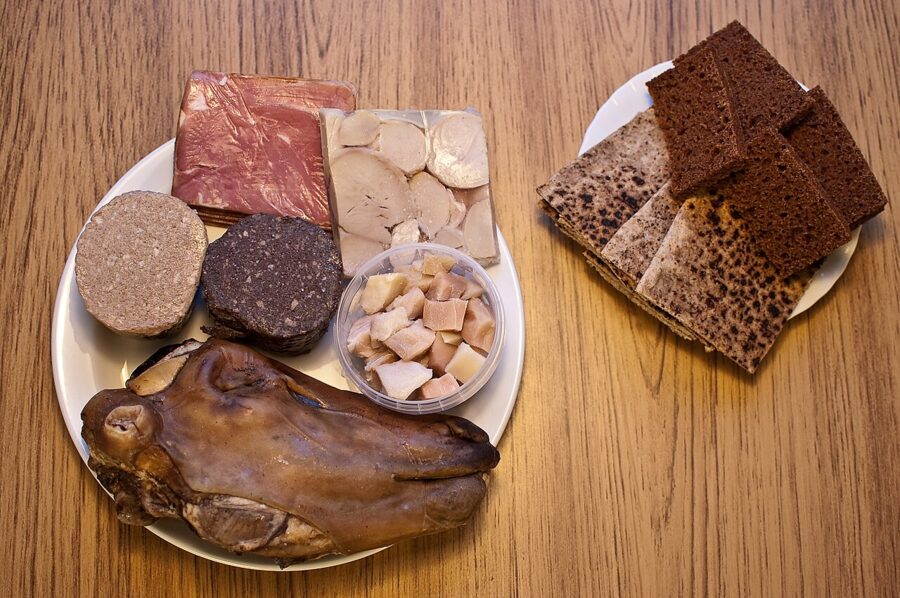
The quietest month of the year at Keflavík and the darkest after December, with the sun rising after 10:50am in Reykjavík in mid-month. Snow lies on the ground in Akureyri about 22 days of the month on average. It’s a good month for a Reykjavík stay with aurora tours and the Golden Circle, and a poor one for a road trip. Þorri, the old midwinter month, starts on Bóndadagur, January 22, 2027, and with it the þorrablót feasts of cured and soured food.

February
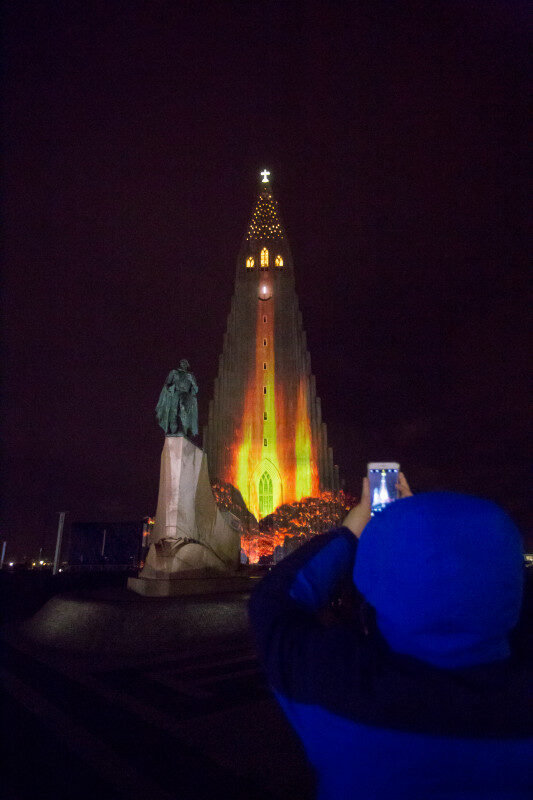
Daylight grows fast, by roughly three hours over the month. The Winter Lights Festival runs February 4–7, 2027, across all six towns of the capital area, and its events are free. It’s still deep winter outside the southwest, though. February is a strong month for the aurora with more usable daylight than January, which makes it the better choice of the two for a winter trip.

March
March gets nearly 12 hours of daylight by mid-month and is still dark enough at night for the aurora, so it’s the best month for a winter trip with longer driving days. It’s not spring. Reykjavík still averages about 18 nights below freezing in March, with snow on the ground about ten days of the month, and northern passes still close in storms. Easter falls early in 2027, with the public holidays running from Maundy Thursday, March 25, to Easter Monday, March 29.
April
April is the big switch: by the last week the nights are too bright for reliable aurora, the first migrating birds are back, and the Keflavík count stays low. It’s a cheap, quiet month for the south coast with long days, though the highland roads stay shut and late snow still happens. The First Day of Summer, a public holiday, falls on April 22, 2027, whatever the weather says, and DesignMarch fills Reykjavík April 7–11.
May
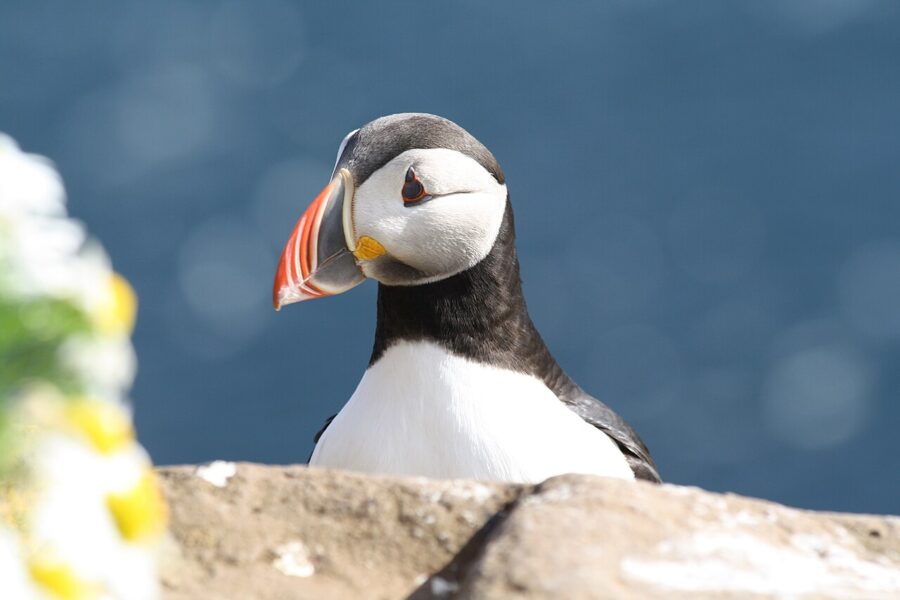
May is one of the driest months in Reykjavík and the sunniest of the whole year, with about 209 hours of sun on average. By the end of the month there’s no real night left: from about May 20, the sun in Reykjavík never drops more than six degrees below the horizon. Puffins are back at their colonies, the Ring Road is snow-free, and summer prices haven’t started. The catch is that the highland roads are still closed, and many mountain huts open only in late June.

June
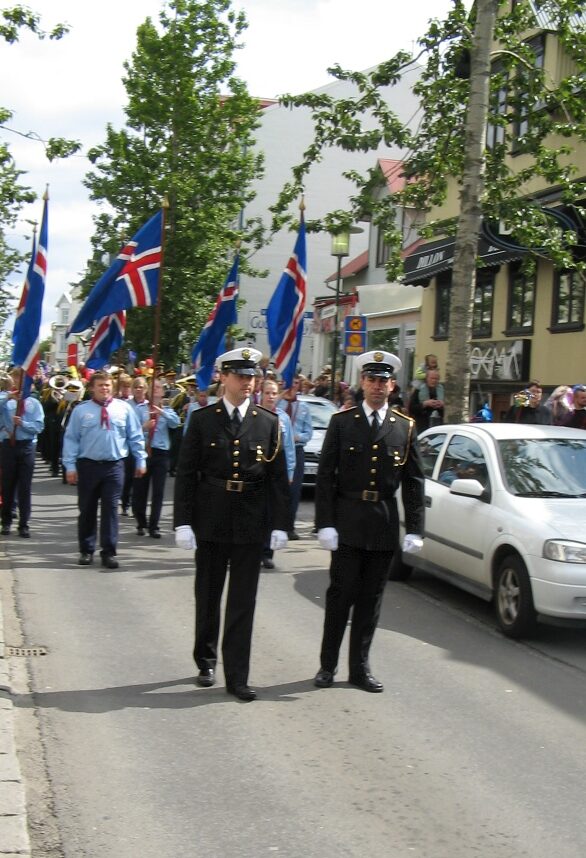
June has the longest days, the fewest wet days in Reykjavík (about nine) and fewer visitors than July or August. At the solstice, the sun rises just before 3am and sets just after midnight in Reykjavík. Highland roads open through the month: on average, the road from Sigalda to Landmannalaugar opens around June 2 and Landmannaleið (F225) around June 16. The National Day, June 17, brings parades and concerts to every town.

July
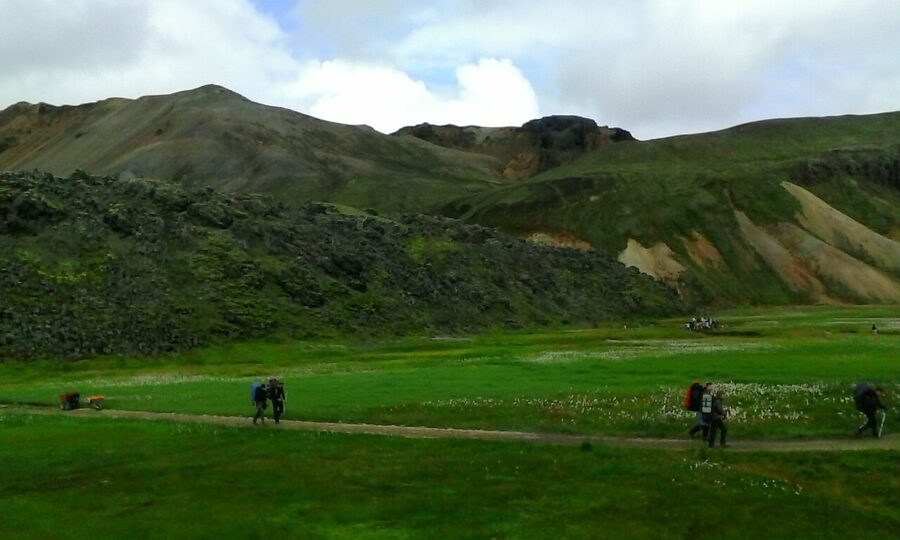
July is the warmest month (Reykjavík’s average high is 59°F, or 14.9°C) and the second busiest at Keflavík after August. The last highland roads open, with Sprengisandur (F26) averaging July 6 and the Keldur to Hvanngil stretch of F210 July 7. Hiking season on the Laugavegur trail is in full swing, and the huts are full. Book everything, from rental cars to the cheap guesthouse in Vík.

August
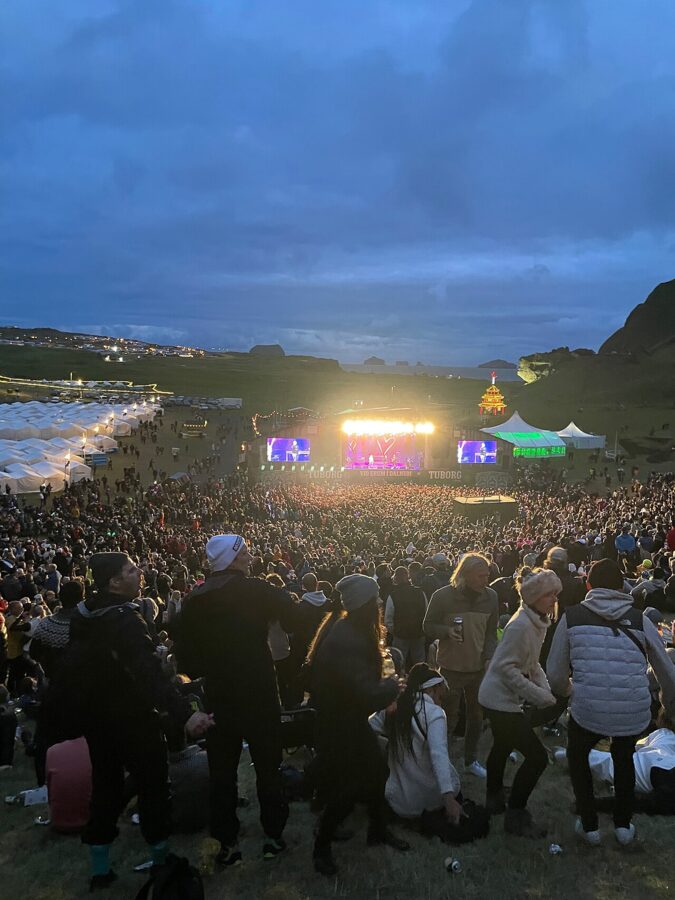
August is the busiest month of the year: the Icelandic Tourist Board counted about 313,000 foreign departures through Keflavík in August 2025. It’s also the most festive. Þjóðhátíð fills the Westman Islands over the long weekend ending with Commerce Day, August 2, 2027, Reykjavík Pride usually takes the second week, and Culture Night and the Reykjavík Marathon share Saturday, August 21, 2027. Real darkness comes back to Reykjavík around mid-month, so faint aurora shows are possible again late at night.



September
September is the month to pick if you can only go once and want a bit of everything. The Keflavík count drops by about 90,000 from August, the nights are dark enough for the aurora, the paved roads are clear, and most highland roads are still open in the first half. The trade-off is weather: September is as wet as winter in Reykjavík, with about 15 wet days. Autumn color reaches the birch woods and the mossy lava fields in the second half.

October
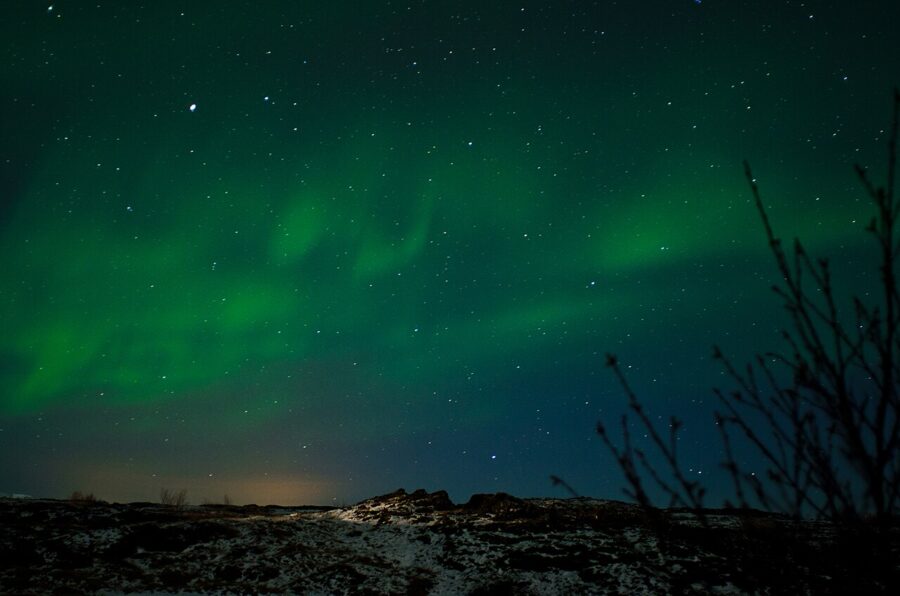
October still averages a 46°F high in Reykjavík, and the days are about as long as an American November. Nights are long and the aurora season is in full swing, while the Keflavík count stays a third below August’s. The highland roads are closed, and the first real snow reaches the north and the mountain passes. It suits the south coast and the Golden Circle, and it’s a gamble for the north and east.
November
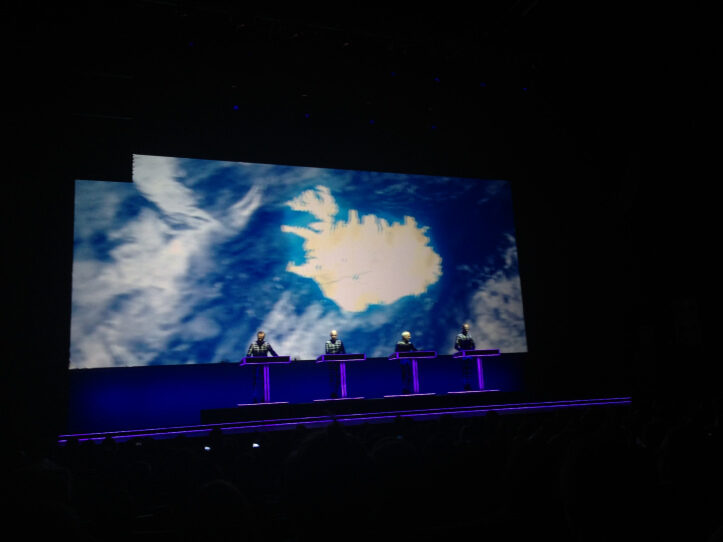
November is the shoulder nobody advertises. Daylight falls under seven hours by mid-month, the weather swings between mild rain and the first storms, and the Keflavík count is well under half of August’s. Iceland Airwaves, the music festival spread across Reykjavík venues, runs in early November; its 2027 dates hadn’t been announced as of November 2026 (the 2026 edition ran November 5–7). Book a central hotel early for that week.

December
December is the darkest month: around the solstice, the sun in Reykjavík rises about 11:20am and sets about 3:30pm. The city is at its prettiest, with Christmas lights, the Yule Lads arriving one a night from December 12 to Christmas Eve, and bonfires and fireworks on New Year’s Eve. Prices climb over Christmas and New Year, though the roads and daylight are at their worst. Most shops and restaurants close early on December 24 and 31.

Northern lights season
The aurora is overhead all year; what changes is whether the sky is dark enough to see it. In Reykjavík, the sun stays within 12 degrees of the horizon all night from late April to mid-August, which is too bright. The practical season is late August to mid-April, and the best stretch is late September to mid-March, when the nights are longest but the roads and the cold are still manageable at either end.
What you need on the night is a clear sky, darkness away from town lights and some solar activity. Clouds are the real enemy, and the Icelandic Met Office publishes an aurora forecast with a cloud-cover map and a 0 to 9 activity scale for each night. Check it in the afternoon, then drive toward the clear patch. A short city break leaves little room for a cloudy run, so allow at least four or five nights if the aurora is the reason for the trip.
Late September and March have an edge: aurora activity tends to pick up around the equinoxes, and the nights are milder than in midwinter. Avoid the week around a full moon if the goal is photographs.
Midnight sun and the bright nights
Reykjavík sits just south of the Arctic Circle, so the sun does set in midsummer, for about three hours. It never gets dark, though: from about May 20 to July 25, the sun in Reykjavík doesn’t go more than six degrees below the horizon, which keeps the sky in civil twilight all night. The only place in Iceland with a true midnight sun is Grímsey, the small island on the Arctic Circle off the north coast.
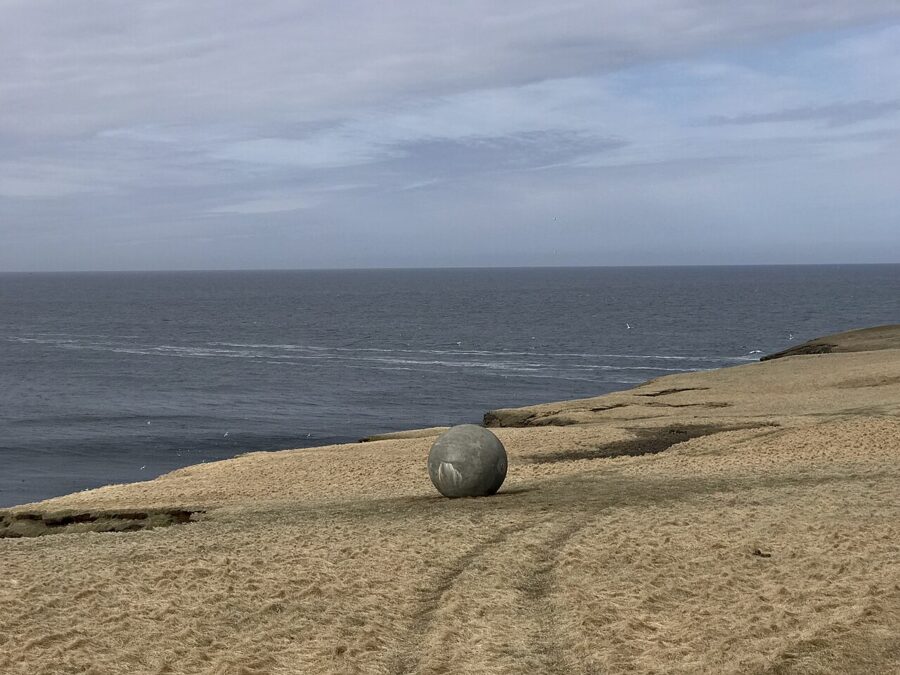

The bright nights change how you plan a summer day. You can start at noon, do the Golden Circle after the tour buses leave, and still walk back from Gullfoss in daylight at 11pm.
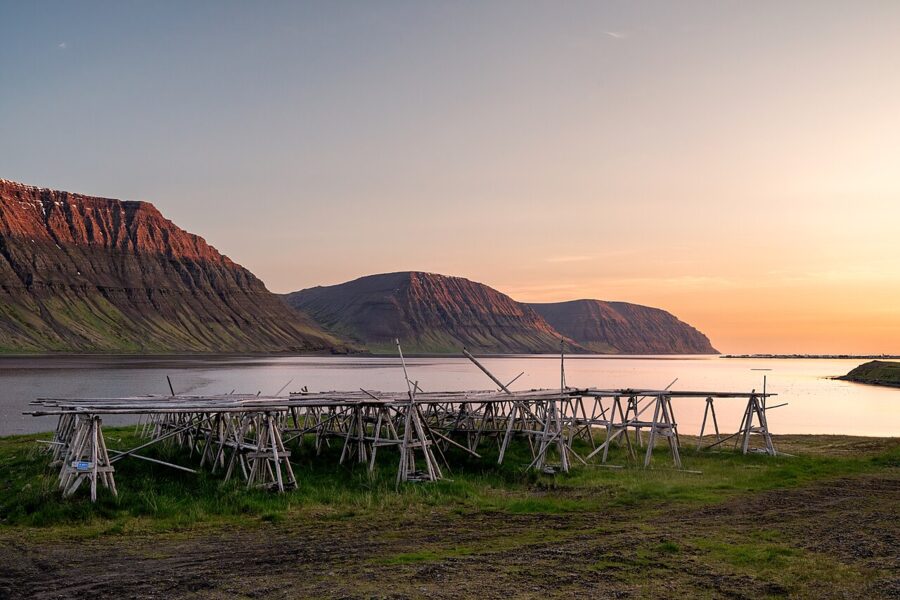

Roads, the Ring Road and the F-roads
Route 1, the Ring Road, is paved all the way around the country and kept open year-round where the weather allows. Between May and September it’s an easy drive in an ordinary rental car. In the months between November and March, the stretches across the north and east can close for a day or more in storms, and the Icelandic Road and Coastal Administration posts every closure on its live road map at umferdin.is. Check it every morning, along with the Met Office forecast and the alerts on safetravel.is.
Winter driving here isn’t a snowy Midwest highway. Gusts on the south coast can push a small car off the road, and a 4×4 helps you get moving but doesn’t stop a skid on wet ice. If you’ve never driven on ice, take tours in winter and save the self-drive for summer.
The F-roads and when they open
F-roads are the highland tracks marked with an F on the map: unpaved, rough, often with rivers to ford and no bridges. They’re for four-wheel-drive vehicles only, and rental companies don’t allow two-wheel-drive cars on them. Driving off marked roads is illegal under the Nature Conservation Act and can bring a heavy fine. The road across Kjölur (route 35) lost its F designation after improvements, though it’s still a gravel highland road open only in summer.
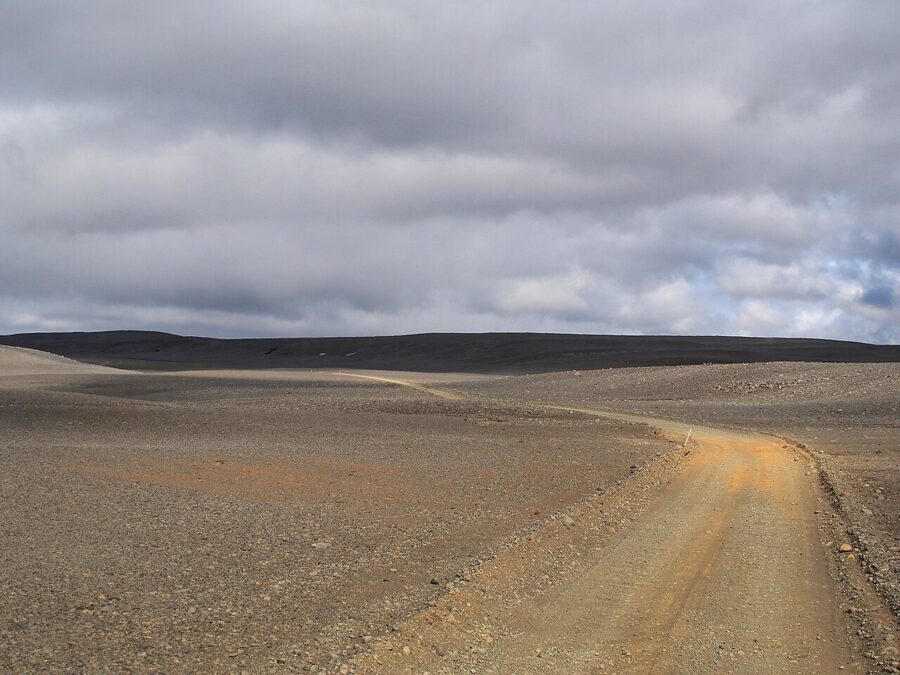

Opening dates depend mostly on how much snow is left, and roads through protected areas can stay shut after the snow is gone. These are the earliest, latest and average opening dates for 2021–2025, from the road administration’s own table:
| Road | Earliest | Latest | Average |
|---|---|---|---|
| Kjalvegur (35), Gullfoss to Hveravellir | May 30 | June 14 | June 1 |
| F208, Sigalda to Landmannalaugar | May 23 | June 23 | June 2 |
| Landmannaleið (F225) | June 9 | June 24 | June 16 |
| Lakagígar (F206) | June 12 | July 1 | June 20 |
| F208, Landmannalaugar to Eldgjá | June 16 | July 6 | June 25 |
| Emstruleið (F261) | June 23 | July 15 | July 5 |
| Sprengisandur (F26) | June 21 | July 13 | July 6 |
| F210, Keldur to Hvanngil | June 23 | July 15 | July 7 |
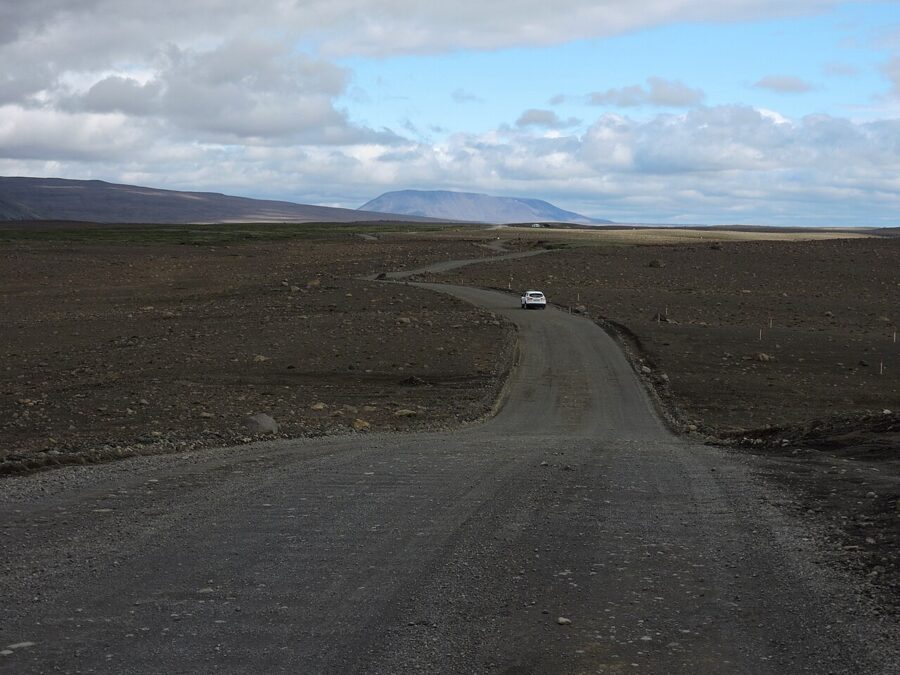

If the highlands are the point of the trip, go between mid-July and the end of August. Before that you risk a closed road; after it the first autumn storms can shut the tracks without notice.
Where the answer changes: north, south, east and west
The southwest, from Reykjavík along the south coast to Vík, has the mildest winters and the most reliable winter roads, which is why winter tours concentrate there. It’s also wet: the inland station at Hjarðarland logs 52 inches (1,336 mm) of precipitation a year. The north around Akureyri and Mývatn is drier, at 23 inches (574 mm) a year, colder in winter and often sunnier and warmer on a good summer day.
The East Fjords are wettest in autumn: the Met Office station at Dalatangi, on the outer coast, averages 8.1 inches (205 mm) of rain in October alone. In winter, the high passes into the eastern towns can close for a day or more in storms.
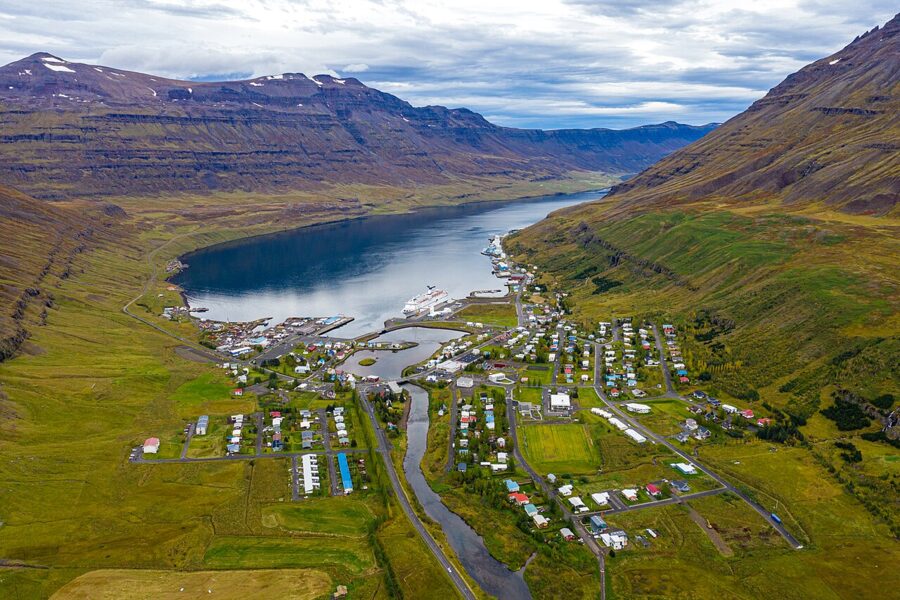

The Westfjords are a summer region for most visitors. Many of their roads are gravel, and the drive in from Reykjavík takes most of a day.
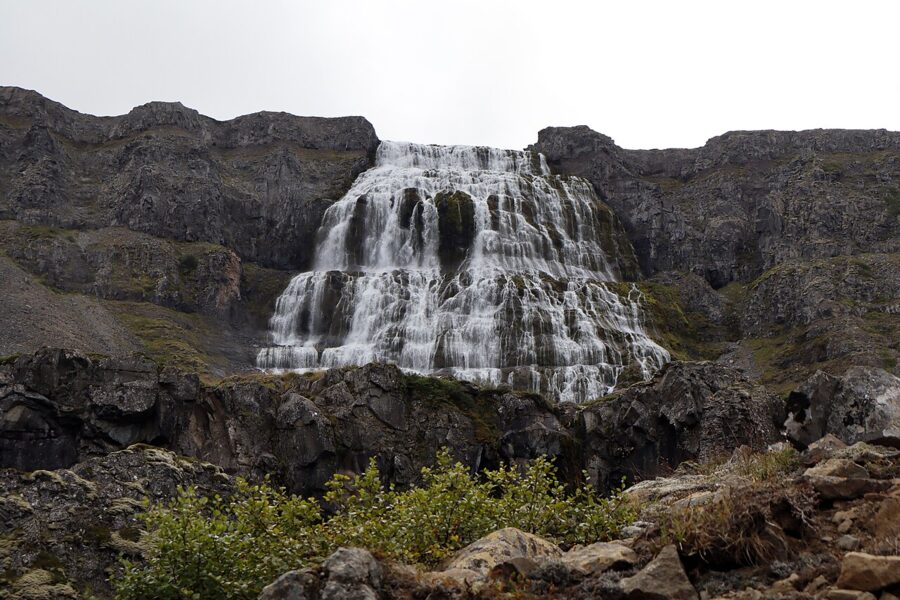

The Reykjanes peninsula, between Keflavík airport and Reykjavík, has its own calendar. The Sundhnúkur crater row near Grindavík erupted repeatedly from December 2023, and the most recent eruption ended on August 5, 2025. As of the Met Office’s June 2026 update, magma was still building up under Svartsengi, so another eruption is possible. Eruptions here have closed the Blue Lagoon and Grindavík for short periods, but flights have kept running; check the Met Office’s hazard map before you go.


Seasons by what you want to do
Hiking
The highland trails are a July and August affair. The Laugavegur trail, from Landmannalaugar to Þórsmörk, runs between huts kept by Ferðafélag Íslands, the Iceland Touring Association, and its Álftavatn hut is open from about June 25 to September 17, depending on when the road opens. A bed there was listed at 17,000 kr (about $136) a night as of November 2026. Lowland walks on the south coast and around Reykjavík work from May to October.
Whales and puffins
Puffins nest on sea cliffs and islands from late spring to about mid-August, with the Westman Islands and Látrabjarg the best-known colonies. Whale-watching boats sail from Reykjavík’s Old Harbour year-round and from Húsavík, in the north, through the warmer half of the year; summer brings the most species and the calmest seas.
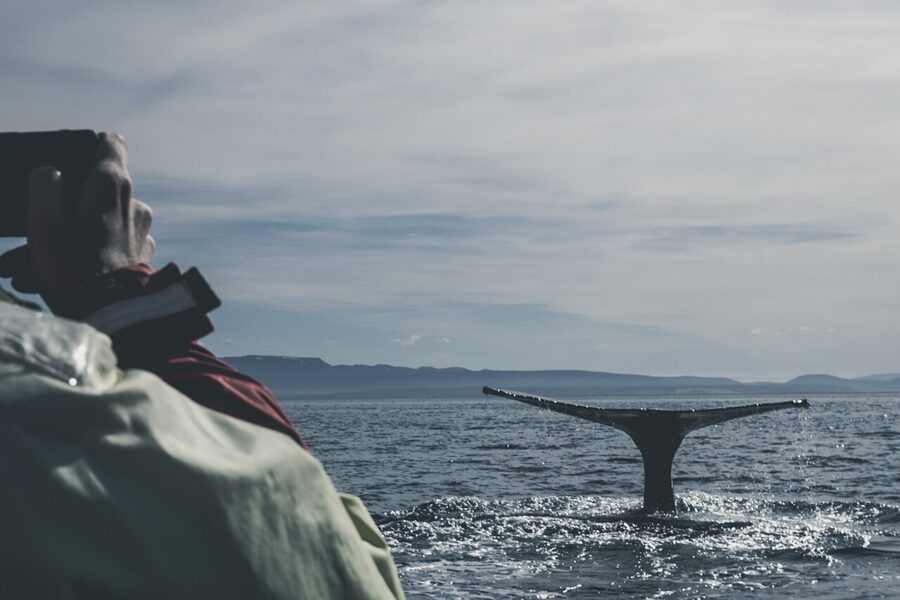
Beaches
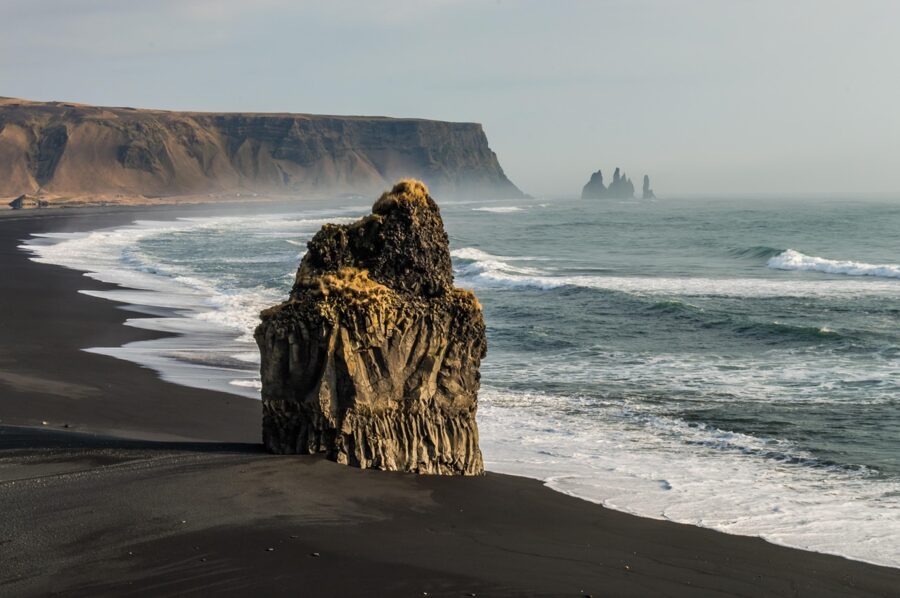
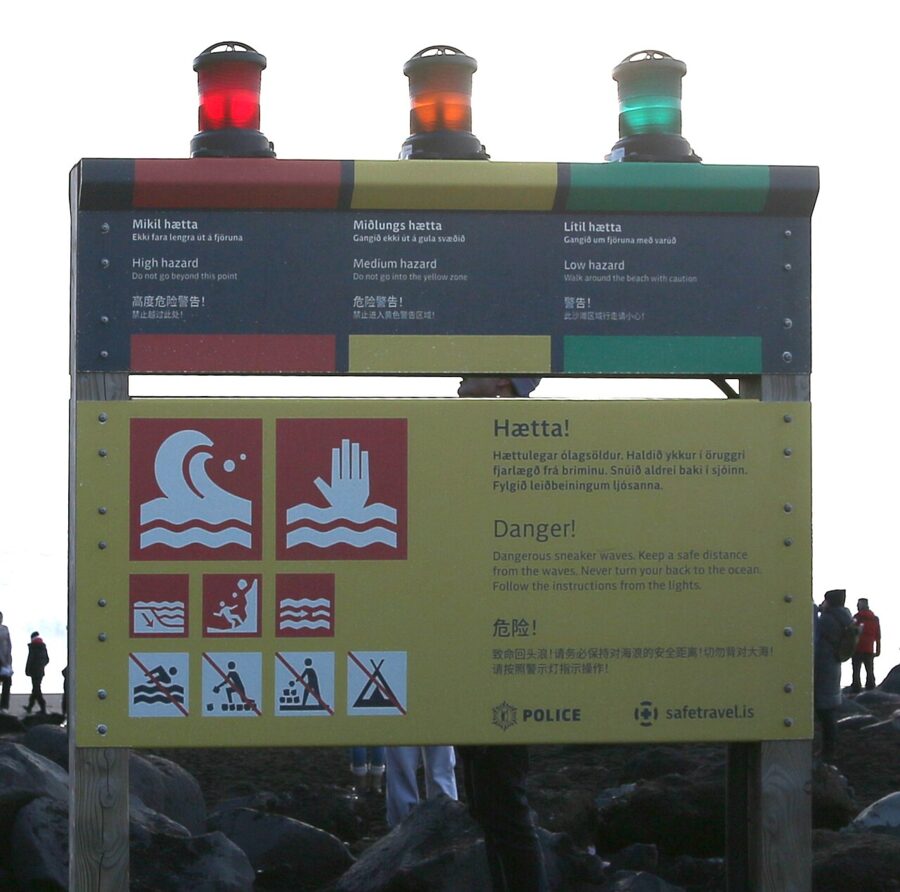
Iceland doesn’t have swimming-beach weather in any month. The black sand beaches on the south coast are for walking, and Reynisfjara, near Vík, is dangerous: sneaker waves have swept visitors into the sea. A traffic-light system rates the hazard; at orange, stay at least 25 m (82 feet) from the water, and at red the beach is closed.

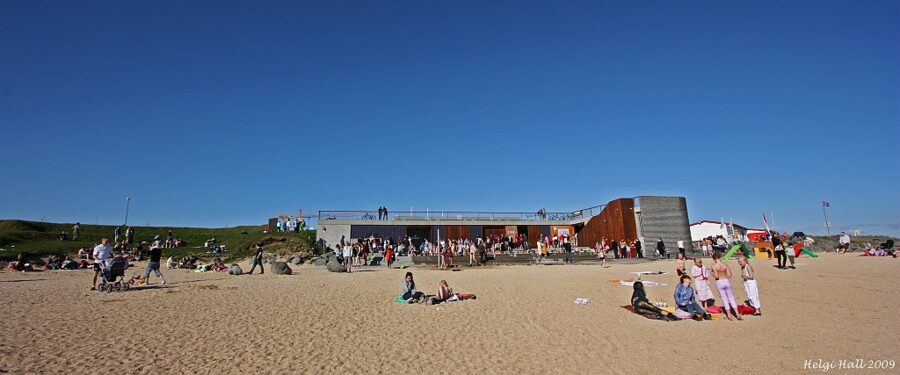
For a swim, Reykjavík’s Nauthólsvík geothermal beach pipes hot water into a sheltered lagoon, and the town pools are open year-round.

Sights, glaciers and ice caves
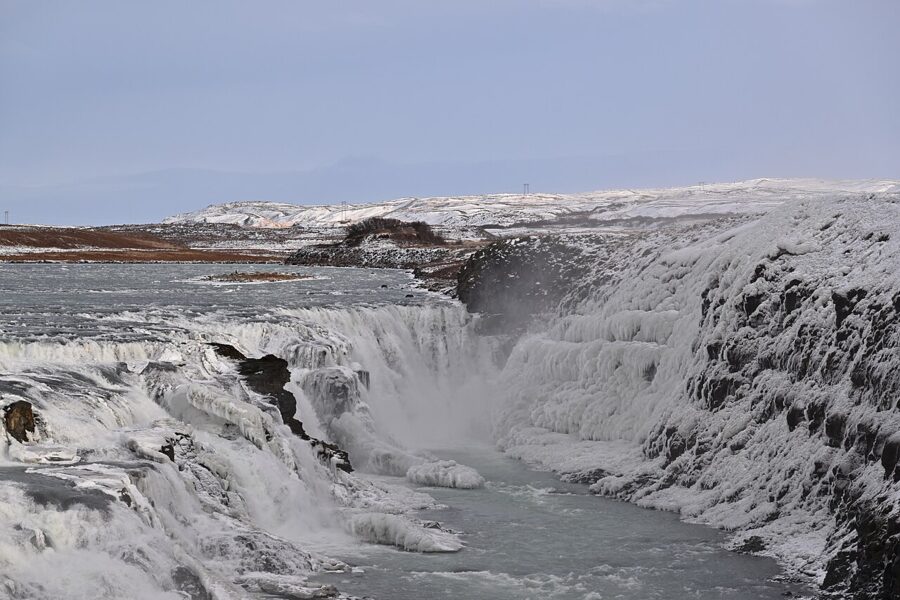
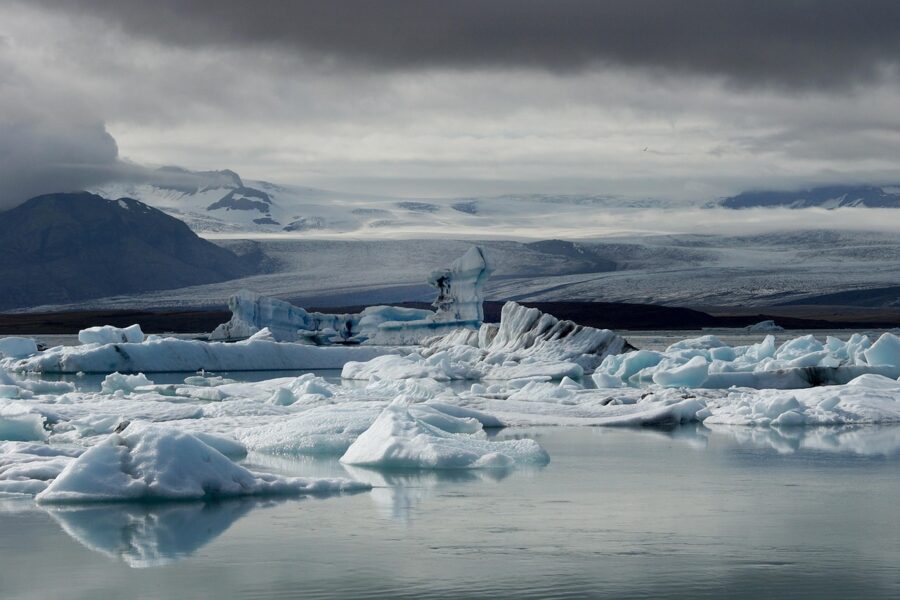
The Golden Circle (Þingvellir, Geysir and Gullfoss) and the south coast waterfalls are open every day of the year, so a winter trip loses nothing there but daylight. Glacier walks run year-round with a guide, and the icebergs in Jökulsárlón lagoon are there in every season. Natural ice caves inside Vatnajökull are a winter activity, visited only with licensed guides once the cold makes them stable; in practice, that’s roughly late autumn to early spring, and the season varies year to year.

Festivals and holidays in 2027
Public holidays follow fixed rules; festival dates are from the organizers or the City of Reykjavík where announced.
| Date (2027) | Event | What it means for you |
|---|---|---|
| January 1 | New Year’s Day | Public holiday; most things closed |
| January 22 to February 21 | Þorri and the þorrablót feasts | Midwinter food on menus |
| January 28–31 | Dark Music Days, Reykjavík | Contemporary music festival |
| February 4–7 | Winter Lights Festival | Free events across the capital area |
| March 25–29 | Easter (Maundy Thursday to Easter Monday) | Public holidays; shorter opening hours |
| April 7–11 | DesignMarch | Reykjavík’s design festival |
| April 22 | First Day of Summer | Public holiday |
| May 1, May 6, May 17 | Labor Day, Ascension Day, Whit Monday | Public holidays |
| June 17 | National Day | Parades and concerts nationwide |
| July 30 to August 2 | Þjóðhátíð and the Commerce Day weekend | Westman Islands sold out; heavy holiday traffic |
| Second week of August (dates not yet announced) | Reykjavík Pride | Central hotels in demand |
| August 21 | Culture Night and the Reykjavík Marathon | Downtown closed to cars; fireworks |
| Early November (dates not yet announced) | Iceland Airwaves | Reykjavík hotels in demand |
| December 12–24 | The Yule Lads arrive | One a night until Christmas Eve |
| December 24–26, 31 | Christmas and New Year’s Eve | Early closings on the 24th and 31st |
Crowds and prices
The Icelandic Tourist Board counts foreign passengers leaving through Keflavík every month. Between August 2025 and July 2026 it counted about 2.25 million, and Americans were the largest group, at 28 percent. The monthly pattern is steep: about 313,000 in August and 293,000 in July, against 224,000 in September, 201,000 in October and 164,000 in May. The quietest months were January (119,000), December (120,000) and November (142,000).
Prices follow the same curve, since hotels and rental companies price by demand. The cheapest weeks are usually January after the New Year holiday, November, early December and April outside Easter. In summer, book rental cars and highland huts as soon as your dates are set.
Common questions
Can Americans visit Iceland without a visa?
Yes. Iceland is in the Schengen area, so a US passport holder can stay up to 90 days in any 180-day period without a visa, and the State Department rates Iceland at Level 1, “Exercise Normal Precautions” (advisory dated May 5, 2026). The EU’s Entry/Exit System has been fully running since April 2026, so expect fingerprints and a photo at Keflavík passport control. ETIAS, the planned online pre-travel authorization, had no start date as of late October 2026.
Is Iceland dark for six months?
No. Even at the December solstice, Reykjavík gets about four hours of sun above the horizon, plus twilight on either side. Akureyri gets about three. The long dark is December and January; by March the days are longer than 11 hours.
How many days do you need?
Four or five days cover Reykjavík, the Golden Circle and the south coast to Vík. The full Ring Road needs at least seven days in summer, and ten is more comfortable; in winter, add a spare day for every four or five days of driving.
What’s the warmest month?
July, by a small margin over August. Reykjavík’s average high is 59°F (14.9°C), and the inland south and the north run a little warmer on good days.
Which month for which trip
- First trip, self-drive Ring Road: mid-June to late August, or early September for fewer people.
- Northern lights with easy driving: late September or March.
- Northern lights from a Reykjavík base: any week between October and February, with tours rather than a rental.
- Highland hiking and F-roads: mid-July to late August.
- Puffins, long days and lower prices: late May or early June.
- Lowest prices: January after the holidays, November and April outside Easter.
- A city break with festivals: the Winter Lights weekend in February, Culture Night in August or Airwaves in November.
Whatever month you pick, look at umferdin.is and the Met Office forecast every morning before you drive. Plans in Iceland are made the night before, not the month before.