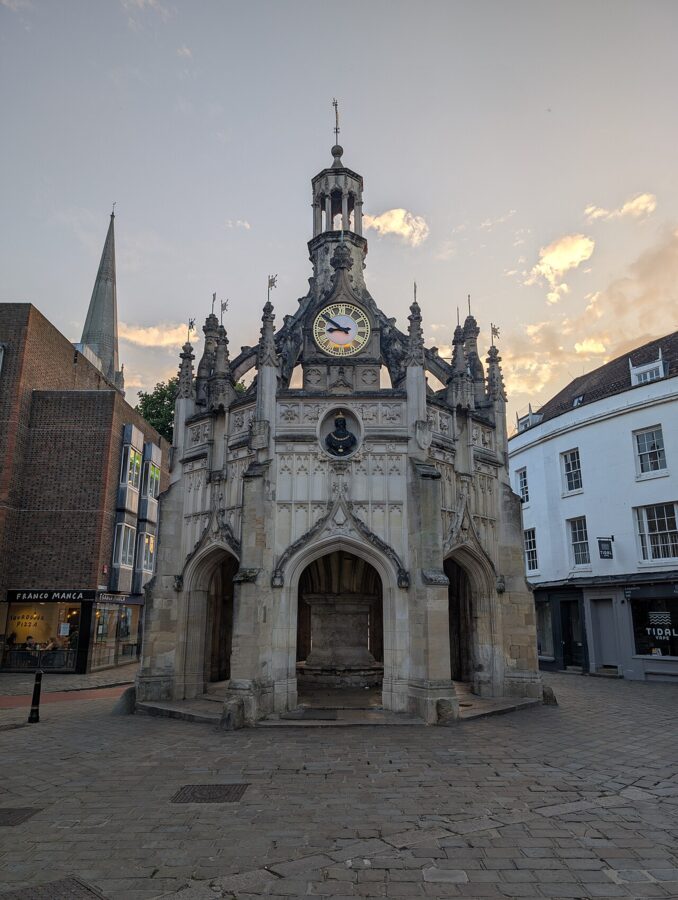
Give Chichester two full days. Spend the first inside its Roman walls, where the cathedral, Pallant House Gallery and the Novium Museum sit within a ten-minute walk of the Market Cross, and the second outside them, at Fishbourne Roman Palace, on Chichester Harbour and up on the South Downs above Goodwood.
That split is the whole trick to the place. Chichester is a small cathedral city in West Sussex, about 60 miles southwest of London, and its center takes a morning to cross on foot. What makes it worth a weekend lies within 10 miles: Roman mosaics still on their original floors, a tidal harbour of creeks and sailing villages, sandy beaches, a motor-racing estate famous worldwide, and chalk hills with ancient yew woods.
Prices are in pounds with dollars in brackets at about $1.31 to the pound, the November 2026 rate. Hours and prices come from each attraction’s own website as of November 2026, and several change by season.

On this page
Where Chichester is and how to get there
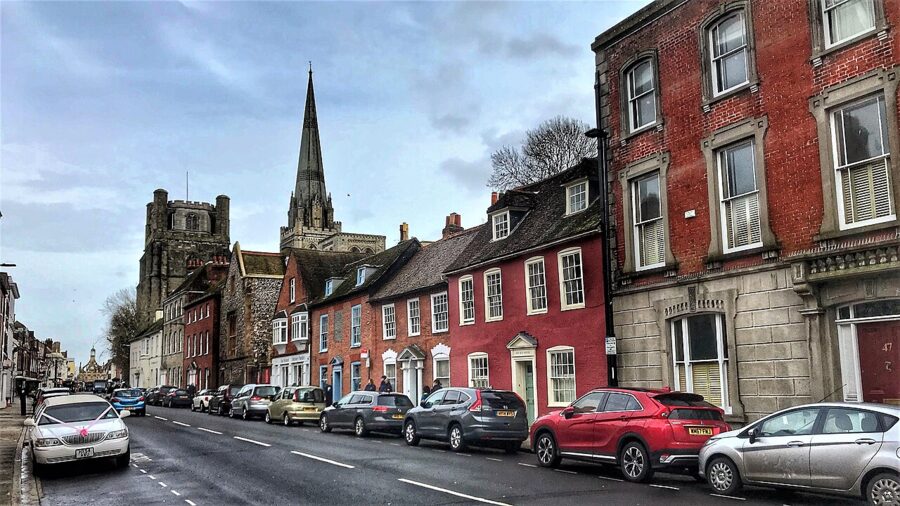
The city sits on the coastal plain between the South Downs, a few miles north, and the tidal inlets of Chichester Harbour to the southwest. The Romans laid it out as Noviomagus Reginorum, and the four main streets still follow their plan to the Market Cross. The name is usually traced to the Old English Cissa’s ceaster, the Roman fort of Cissa, a South Saxon leader.
Is it close to the sea? Yes. The upper harbour begins at Dell Quay, about two miles from the Market Cross, and the beaches at West Wittering are roughly seven miles away.
Flying in. London Gatwick is the closest big airport, roughly 50 miles by road, and many Southern trains run from Gatwick Airport station to Chichester without a change. Heathrow is about 65 miles away, an hour and a half to two hours by car. Southampton Airport, 35 miles west, has domestic and European flights only.
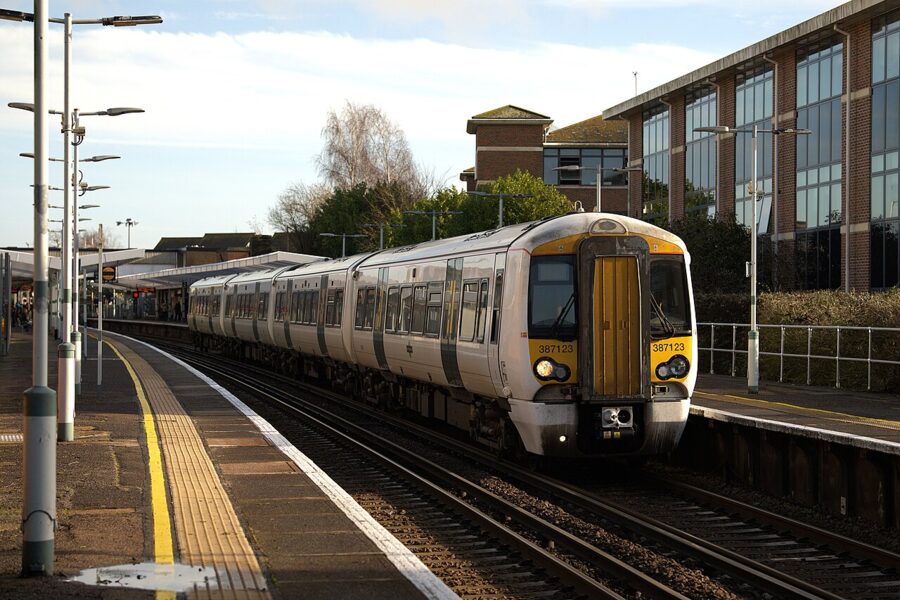
By train and car. Direct Southern trains from London Victoria take about an hour and a half at their fastest and a little under two hours on most services. Driving from central London takes about two hours via the A3 and A286. The A27 bypass jams on summer weekends and Goodwood event days, so take the train when you can.

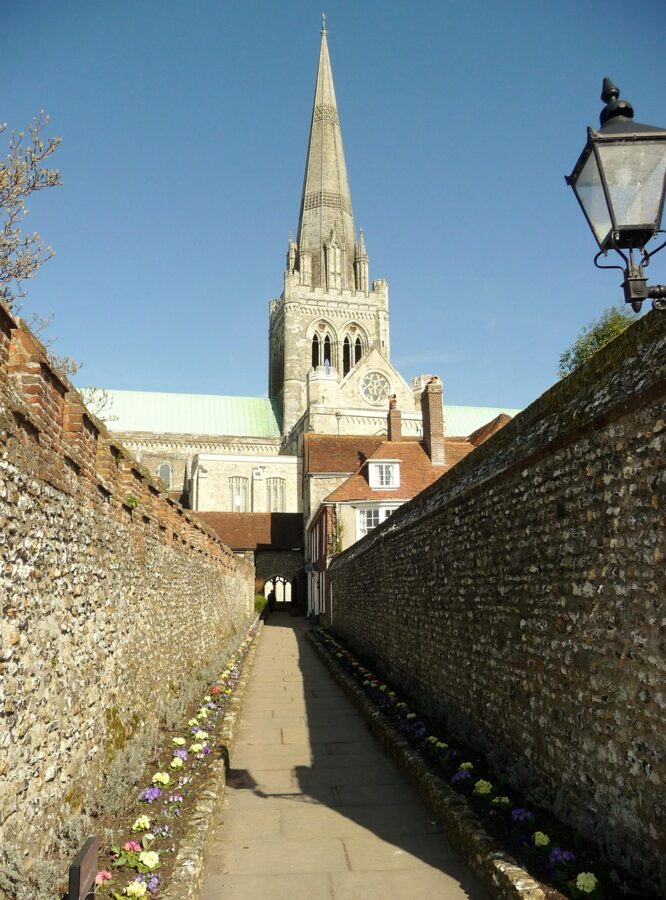
Chichester Cathedral
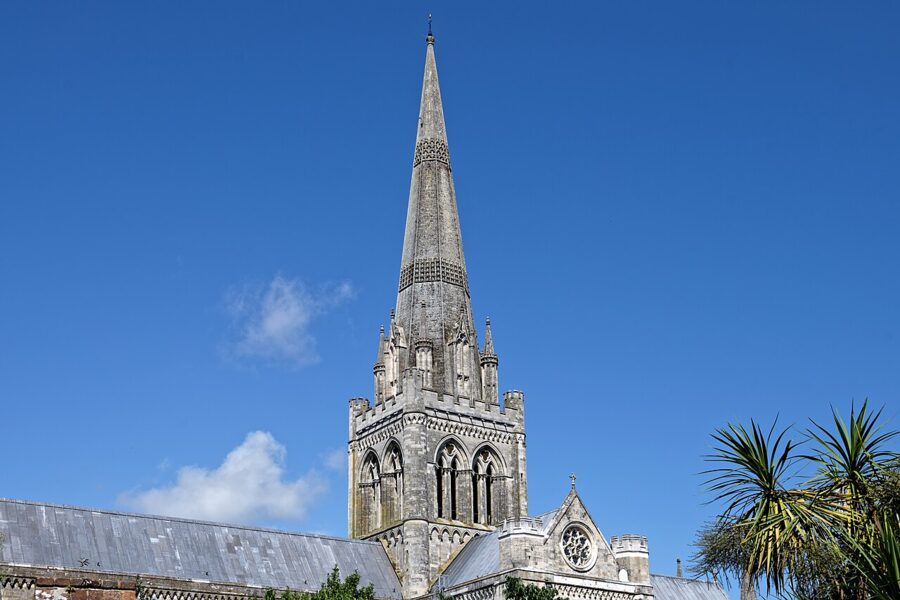

Start here. The bishop’s seat moved from Selsey to Chichester in 1075, and the Norman building raised over the next decades is still the core of the cathedral. Admission is by donation, with £7 (about $9) recommended.
The cathedral is open for visiting Monday to Saturday, 9am to 5pm, and Sunday, 12:30pm to 2:30pm. Allow an hour, and check the cathedral’s list of closures for concerts and events before you go.
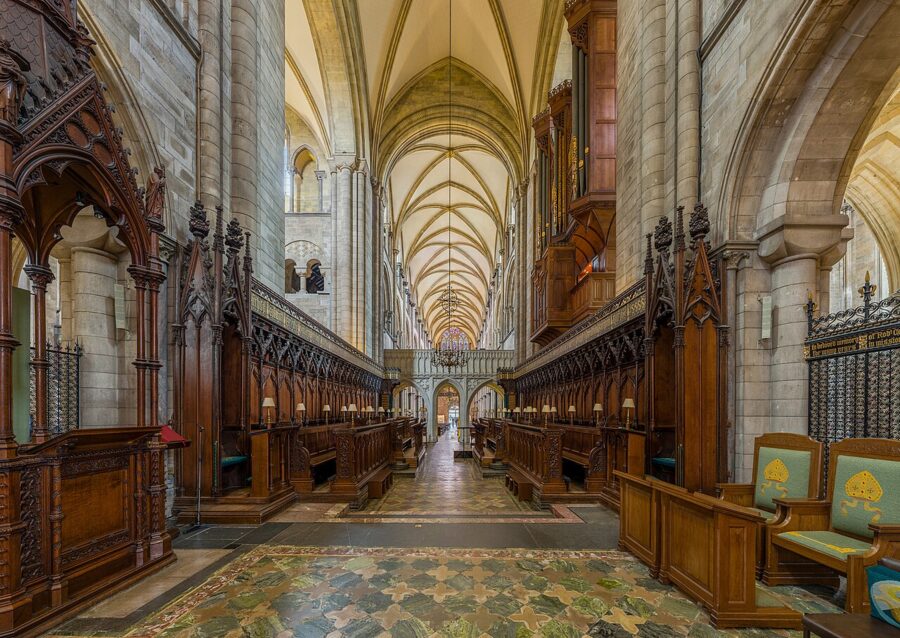

What to look for inside
Few English churches hold this much modern art. A window all in red, designed by Marc Chagall and made by his glazier Charles Marq in 1978, illustrates Psalm 150. John Piper’s 1966 tapestry hangs behind the high altar, and there is a painting by Graham Sutherland and a 1985 tapestry by Ursula Benker-Schirmer.
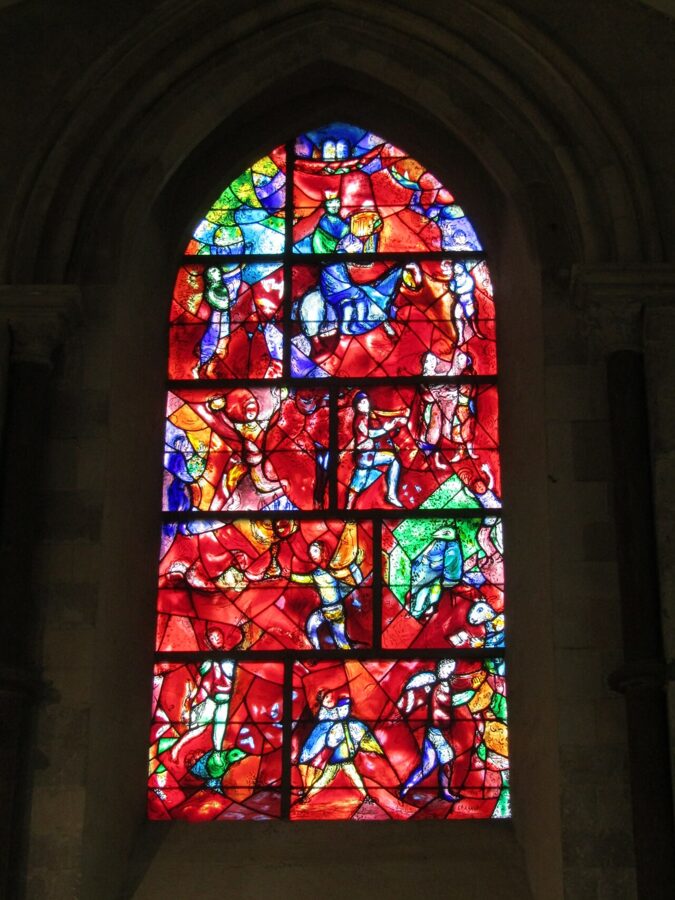

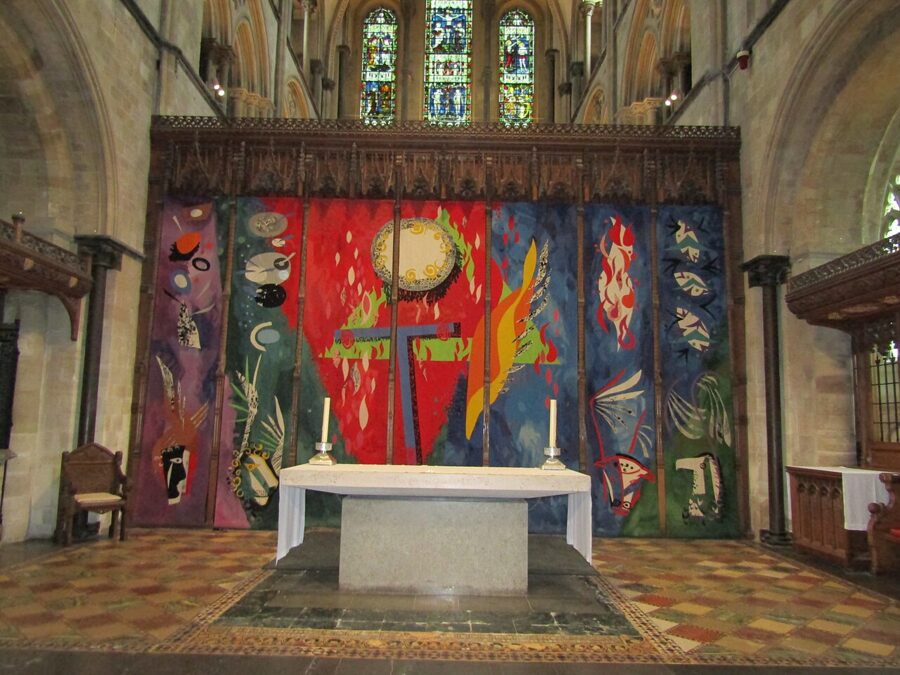

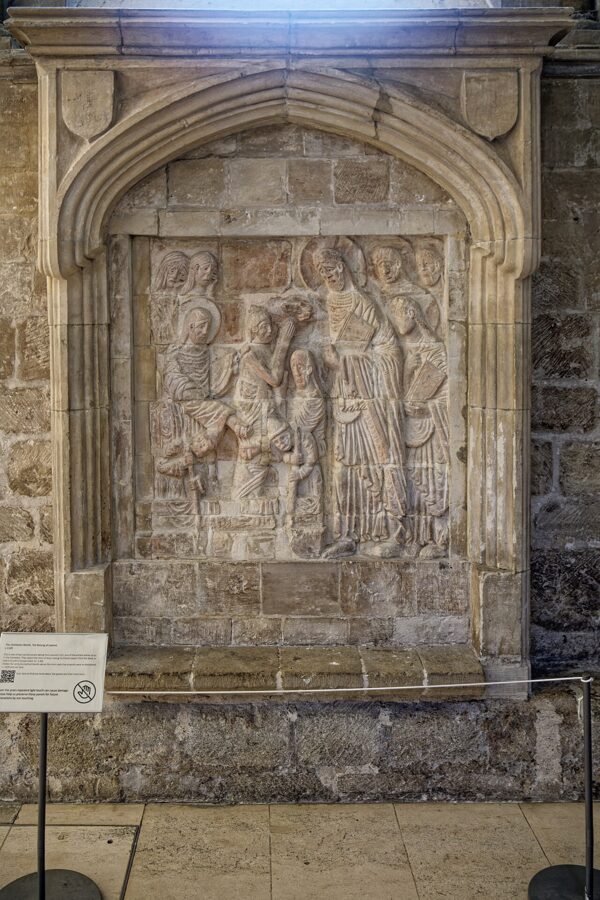
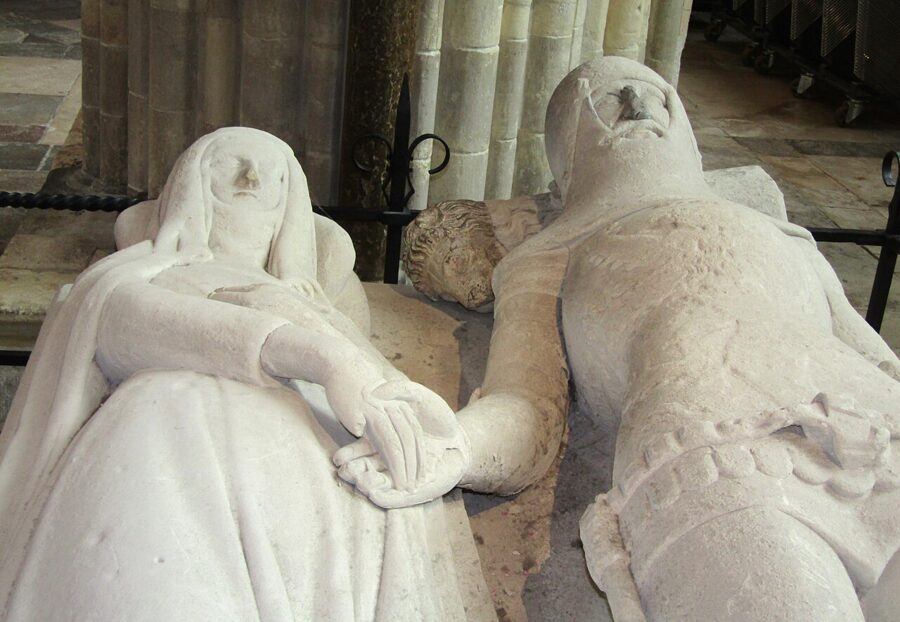
The older treasures match it. Two 12th-century stone panels show Christ arriving at Bethany and the raising of Lazarus, some of the finest Romanesque carving in the country. A glass panel in the floor reveals a patch of Roman mosaic. And in the nave lies the Arundel Tomb, a 14th-century earl and countess carved side by side, holding hands.


Tours, the spire and the bell tower
Guided tours run at 11:30am and 2:30pm, Monday to Saturday, and last about 45 minutes; tickets cost £6 (about $8), under-12s free, from the visitor desk on the day. Spire visits climb 164 steps through the roof spaces to the base of the spire, with views to the Isle of Wight on clear days. Tickets are £20 (about $26) for adults and £14 (about $18) for children, and must be booked. Skip it if you dislike heights or tight stairs; nobody under 1.2 meters may go up.
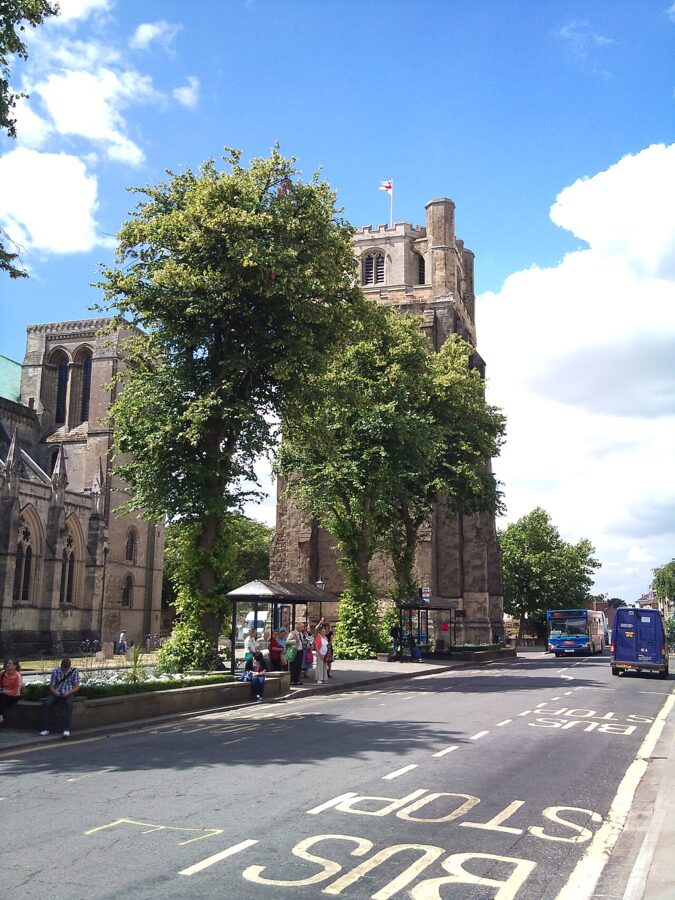

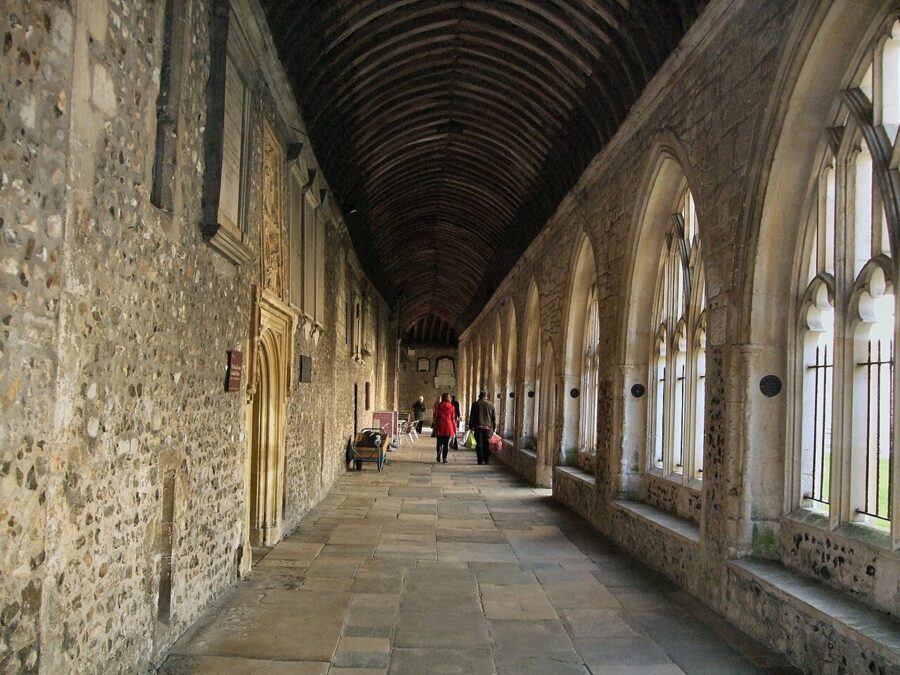
Peregrine falcons nest on the spire each spring. The Cloisters Kitchen and Garden café opens daily, 10am to 4pm, and dogs on leads are welcome in the cathedral during visiting hours.

The Bishop’s Palace Gardens
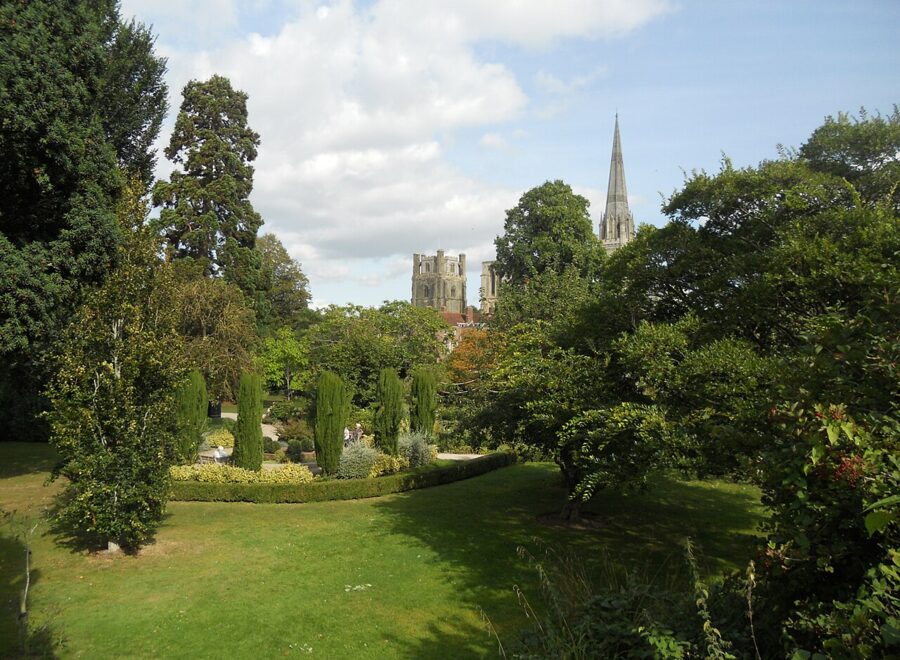
South of the cloisters, the Bishop’s Palace Gardens is a free public park tucked between the cathedral and the city walls, with a pergola walk, borders and benches. It is the best picnic spot in the center.

Fishbourne Roman Palace
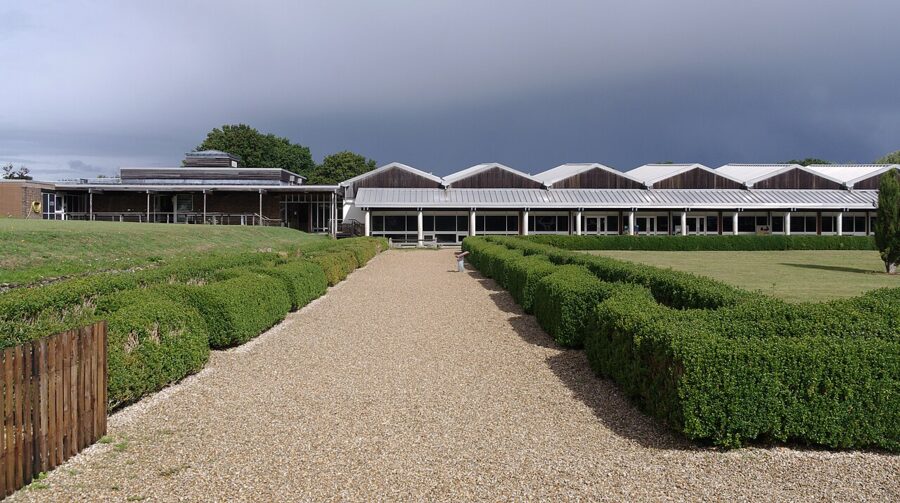
A mile and a half west of the city, Fishbourne Roman Palace is the largest Roman home found in Britain. Workmen digging a water-main trench discovered it in 1960. Built about AD 75 around a great formal garden, it keeps its north wing under a modern cover building with the mosaic floors in place.
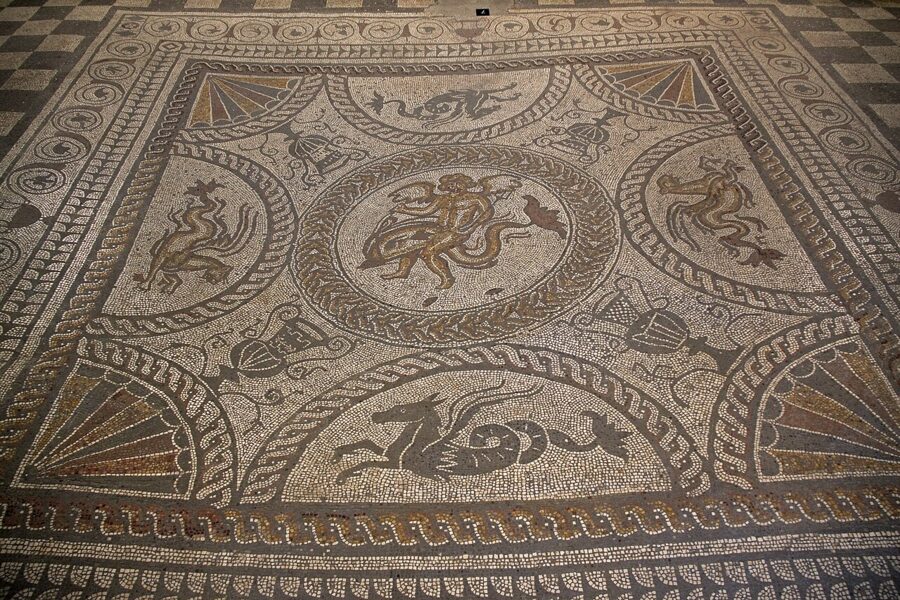

The Cupid on a Dolphin mosaic is the star, but the black-and-white geometric floors are older and just as good. Outside, the garden has been replanted along the lines of the original bedding trenches. Most people spend about two hours here.
Admission is £15 (about $20) for adults, £7.50 (about $10) for ages 5 to 17 and students, and £42 (about $55) for two adults with up to four children; under-5s are free. The palace opens daily, 10am to 3pm, until December 6, 2026, then closes to the public until February 12, 2027. Recent summer hours have been 10am to 5pm, with last entry an hour before closing. Parking is free, Fishbourne station is a ten-minute walk away, and dogs on short leads are allowed everywhere.

Inside the walls
Pallant House Gallery
Pallant House Gallery joins a Queen Anne townhouse of 1712 to a modern wing, and its 20th-century British collection includes Henry Moore, Barbara Hepworth, Lucian Freud and Peter Blake. Much of it came from Walter Hussey, the dean who also commissioned the cathedral’s Chagall window and Piper tapestry.
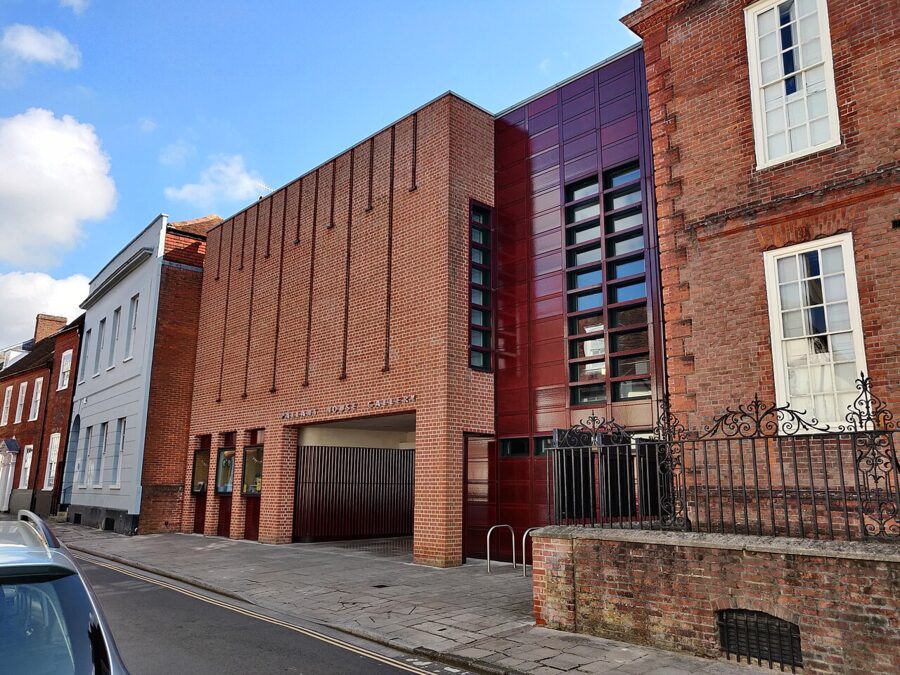

It opens Tuesday to Saturday, 10am to 5pm, and Sundays and bank holidays, 10am to 4pm; closed Mondays. Tickets cost £17 (about $22), under-18s free, and the ground floor is free to all. Barbara Hepworth and Greece and Alfred Wallis: An Artists’ Artist both run until May 2, 2027. Allow two hours, and book the café for lunch.
The Novium Museum
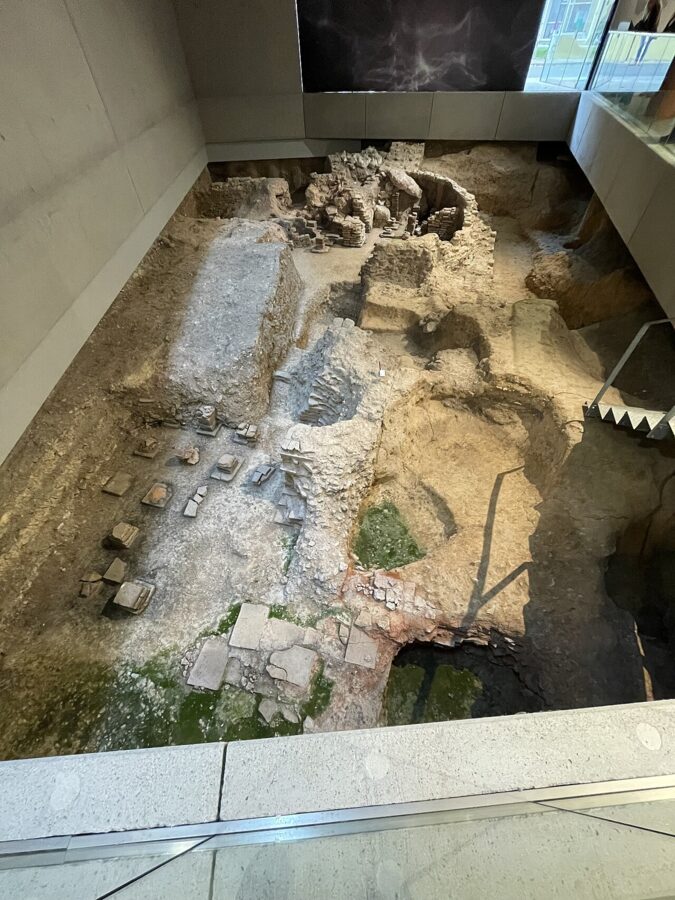
The free Novium Museum on Tower Street opened in 2012 directly over the city’s Roman bath house, which you look down on from the ground-floor gallery beside the Chilgrove Mosaic. Its own listing gives its hours as Tuesday to Friday, 10am to 4:30pm, and Saturday, 10am to 5pm. Give it 45 minutes; it makes a good rainy-day stop.

Walk the city walls
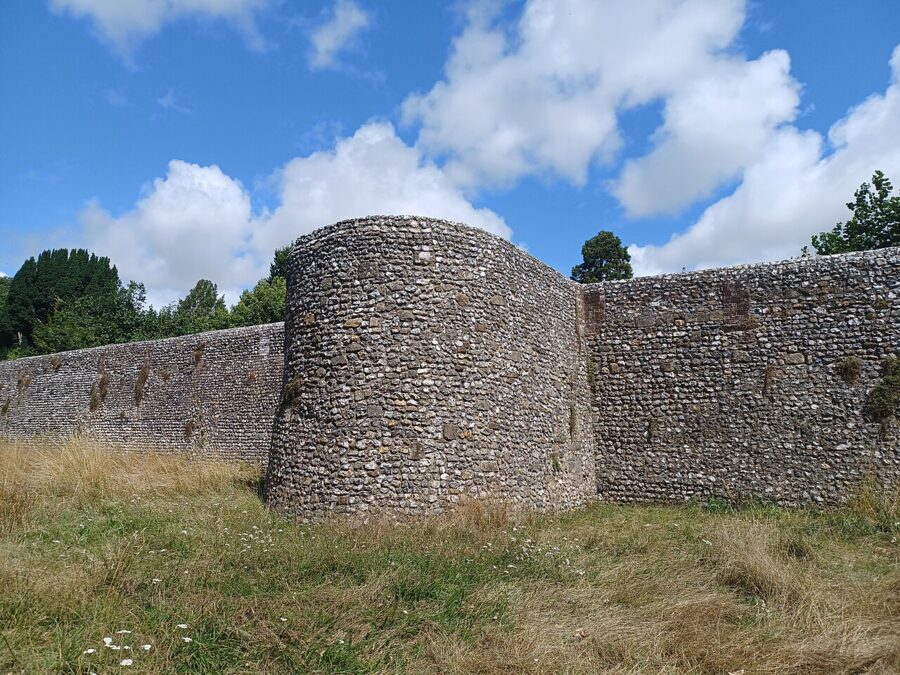
Chichester keeps most of its Roman and medieval walls, the most complete circuit of town walls in southern England. A signed walk follows them for about a mile and a half, much of it along the top. It is free, always open and takes about an hour.

Priory Park and the Guildhall
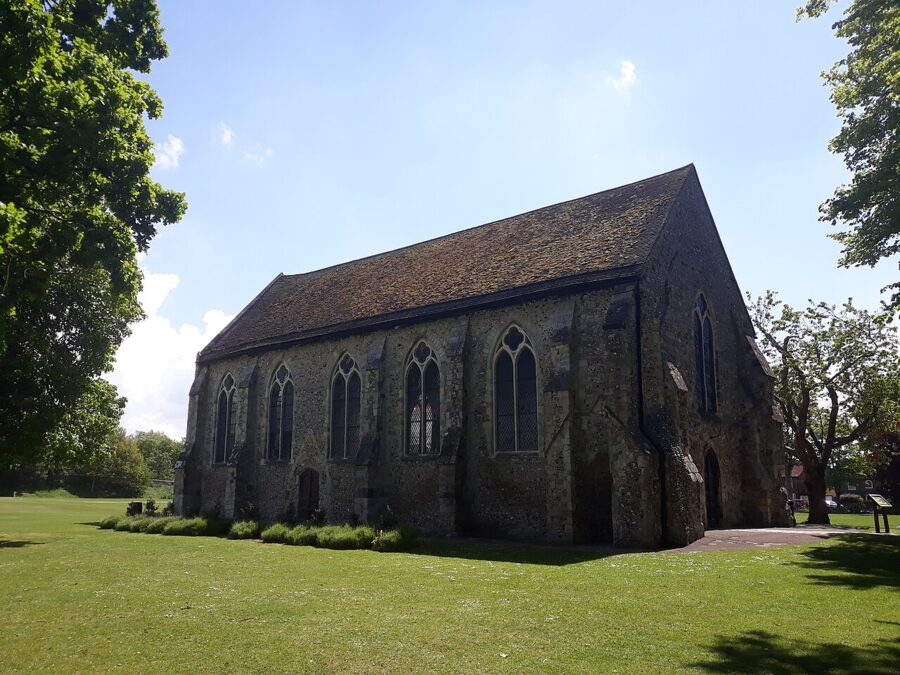
Priory Park, in the northeast corner of the walls, has a big lawn, a play area and a mound where a Norman castle stood. In the middle is the Guildhall, once the chancel of a 13th-century Franciscan church. In 1804 the poet William Blake was tried here for sedition, and acquitted. The Guildhall opens only on selected days.

Chichester Festival Theatre
Chichester Festival Theatre opened in 1962 with Laurence Olivier as its first artistic director, and its thrust stage was radical for England at the time. Its summer Festival season regularly sends shows to the West End. The Oaklands Park site now has three stages: the Festival Theatre, the smaller Minerva and The Nest, a newer room for comedy and fringe shows.
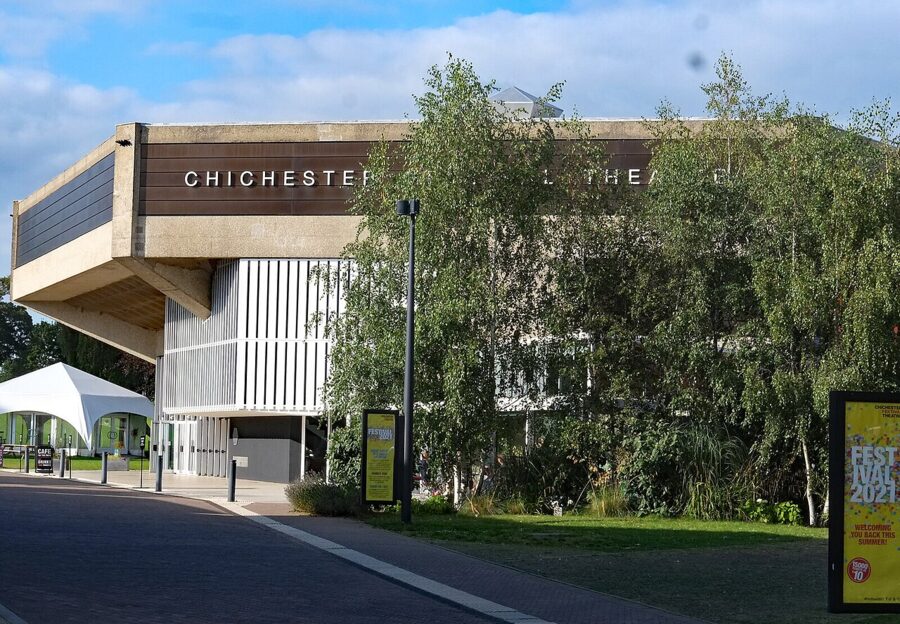

Outside summer, the program carries touring shows and a family show at Christmas; in November 2026 the company was rehearsing Peter Pan for its winter run. Book the Brasserie for pre-show dinner. Ticket prices vary by show and seat.
Chichester Harbour
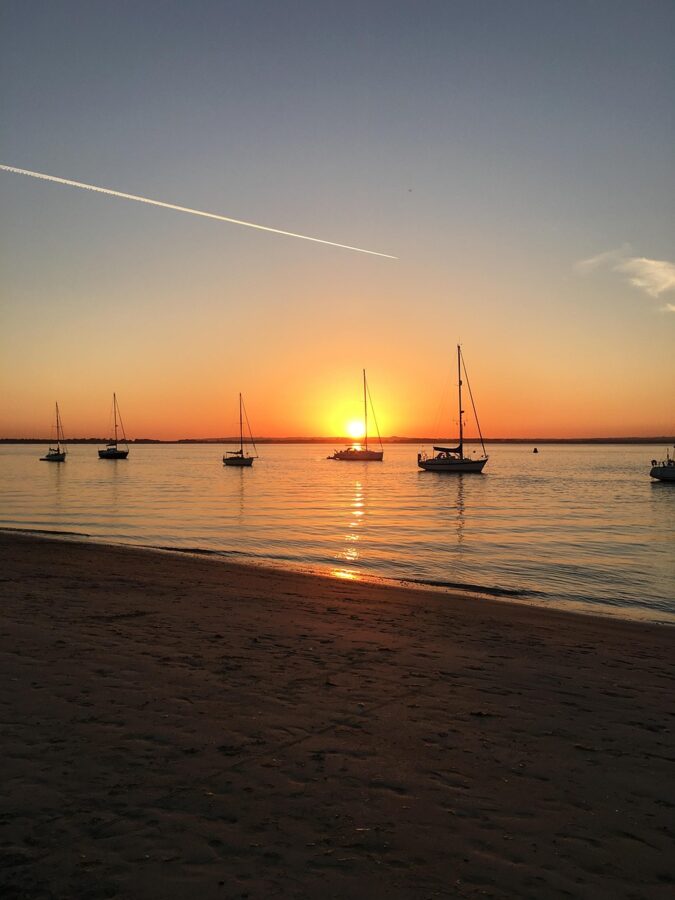
The harbour is a tidal estuary of channels, mudflats and salt marsh, protected as a National Landscape and one of the UK’s most important winter sites for wading birds. The Chichester Harbour Conservancy counts more than 56 miles of footpaths around its shores.
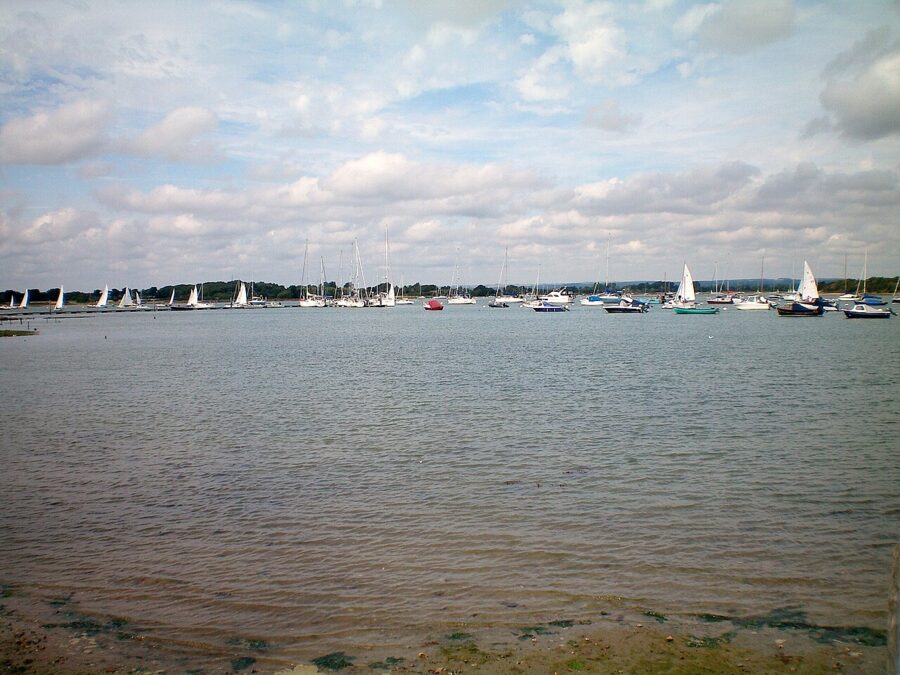
Boat trips. Chichester Harbour Water Tours runs from the public jetty at Itchenor: a 45-minute harbour cruise for £16.50 (about $22) a person, or a 90-minute seal trip for £28 (about $37) an adult and £22 (about $29) a child. The season runs from March to October.
Bosham
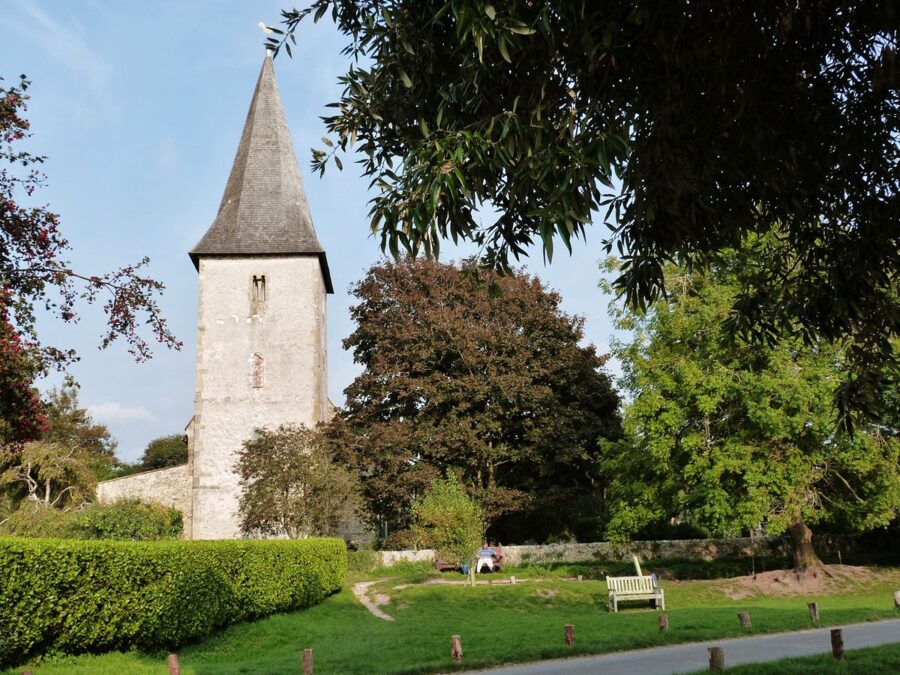
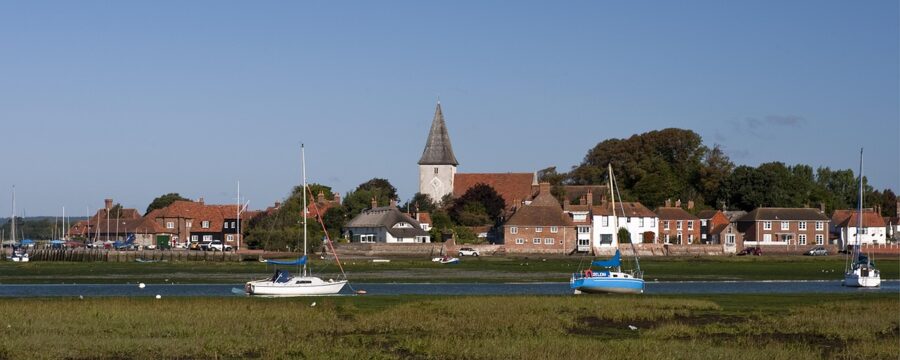
Bosham is the harbour’s prettiest village, with a quay, a mill stream and a Saxon church by the water. Holy Trinity appears in the Bayeux Tapestry, where Harold prays here before sailing to Normandy in 1064, and local tradition makes Bosham the place where King Canute ordered back the tide.
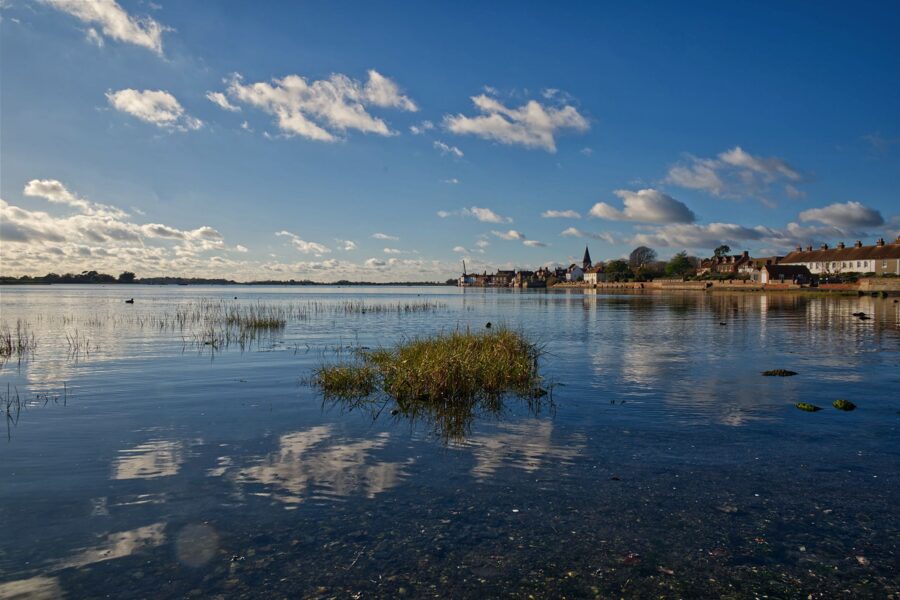
One warning: Shore Road, along the waterfront, floods on every high tide, and visitors’ cars parked there regularly end up in the water. Use the village car park, and check the tide times before you walk the shore.

Dell Quay and the canal
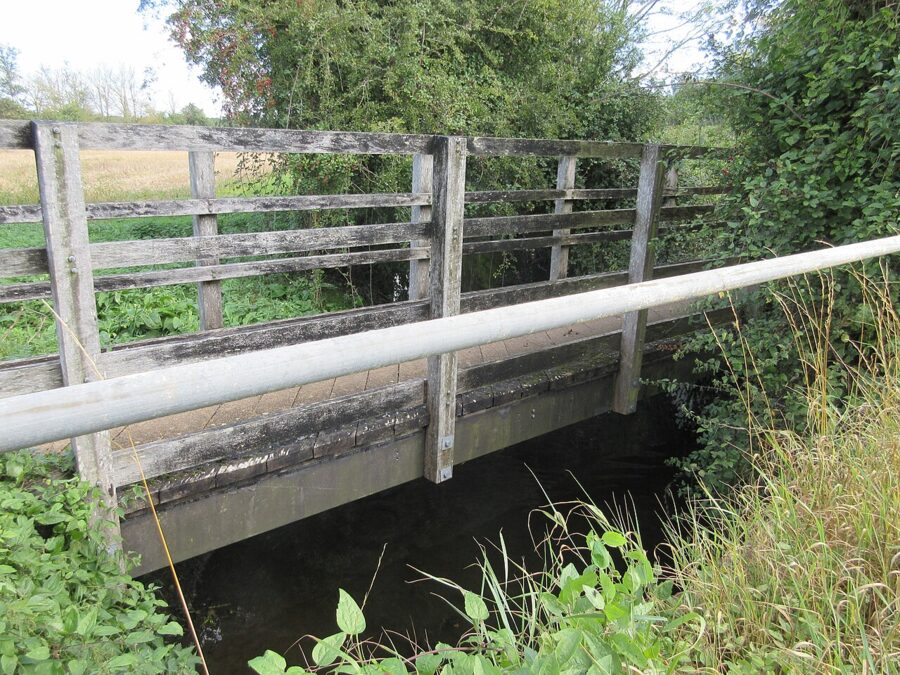
Dell Quay, two miles from the center, was Chichester’s port for centuries and is now a hamlet with a waterside pub. The Salterns Way, a signed walking and cycling route of about 11 miles, runs from the city past Dell Quay to West Wittering.

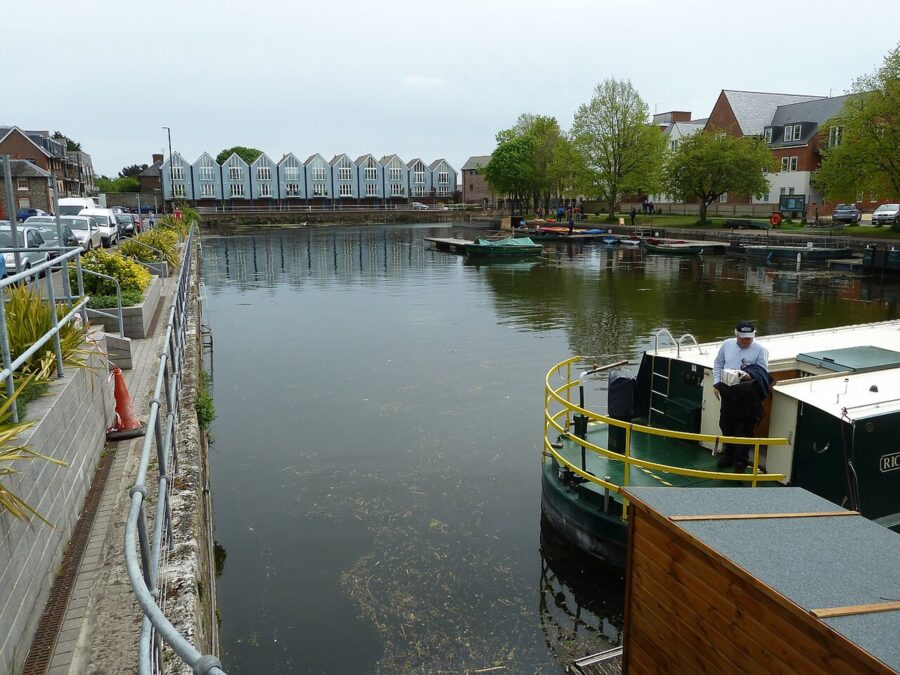
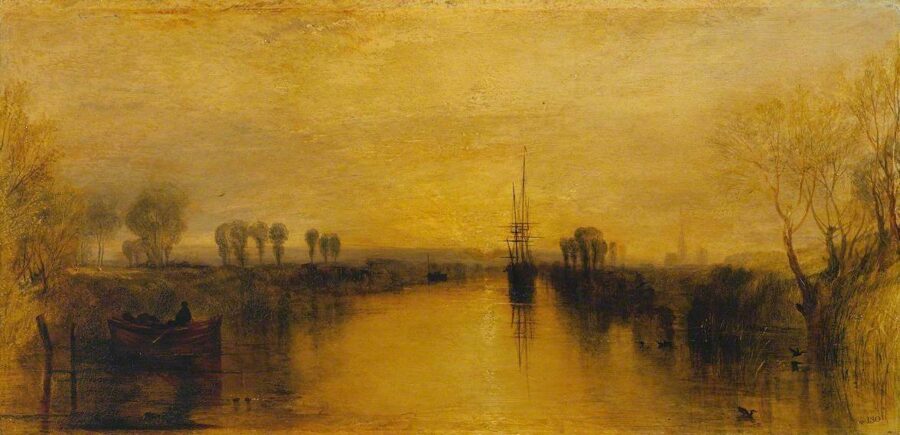
The Chichester Ship Canal runs four miles from the basin near the station to the harbour at Birdham, with a flat, quiet towpath. In summer its trust runs 75-minute boat trips from the basin, usually twice a day, at £10 (about $13) for adults. The Canal Café at the basin serves tea and snacks.

West Wittering and East Head
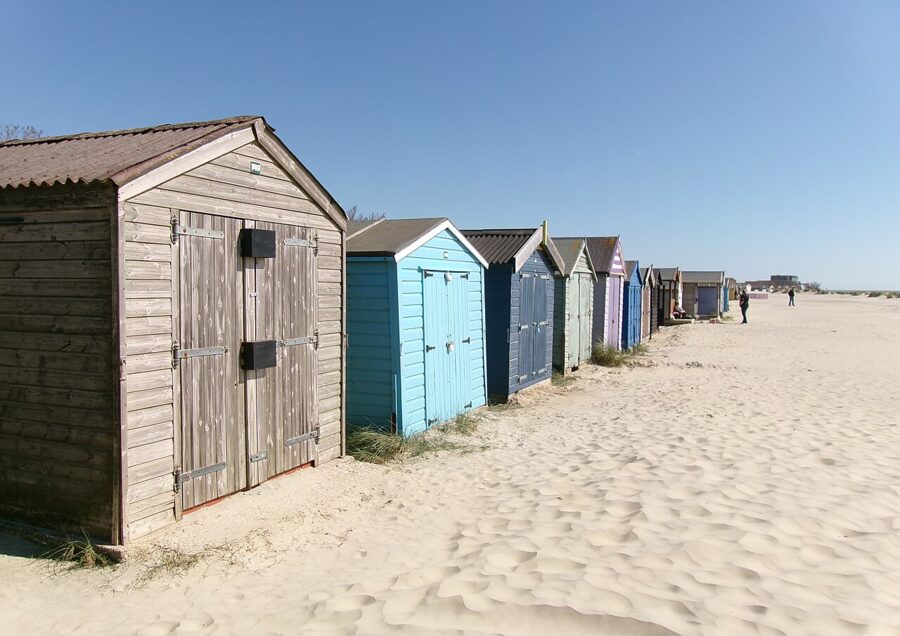
West Wittering is the beach locals drive to: a long stretch of sand, beach huts and, at its western tip, East Head, a National Trust sand spit with dunes. It is a Blue Flag beach with lifeguards in summer, and the Conservancy’s 4-mile walk around it looks across to the Isle of Wight.
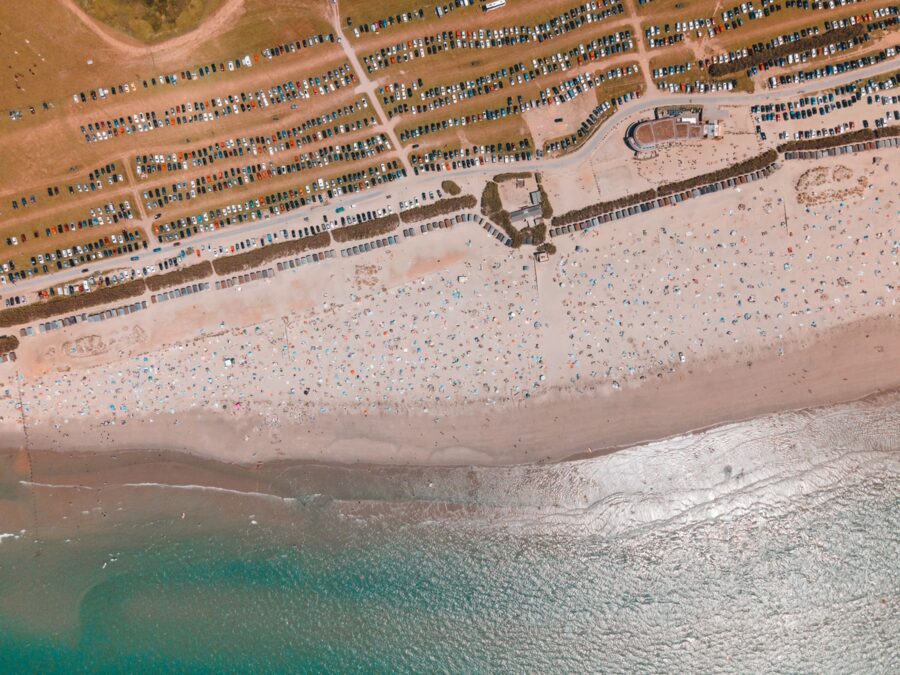
The catch is parking. The West Wittering Estate owns the beach and the only car park, and once it is full, cars without a booking are turned away. Book online by 11pm the day before; same-day booking is not possible, and booking ahead is cheaper than paying on arrival. Without a booking, come by bike along the Salterns Way or by bus.

Goodwood
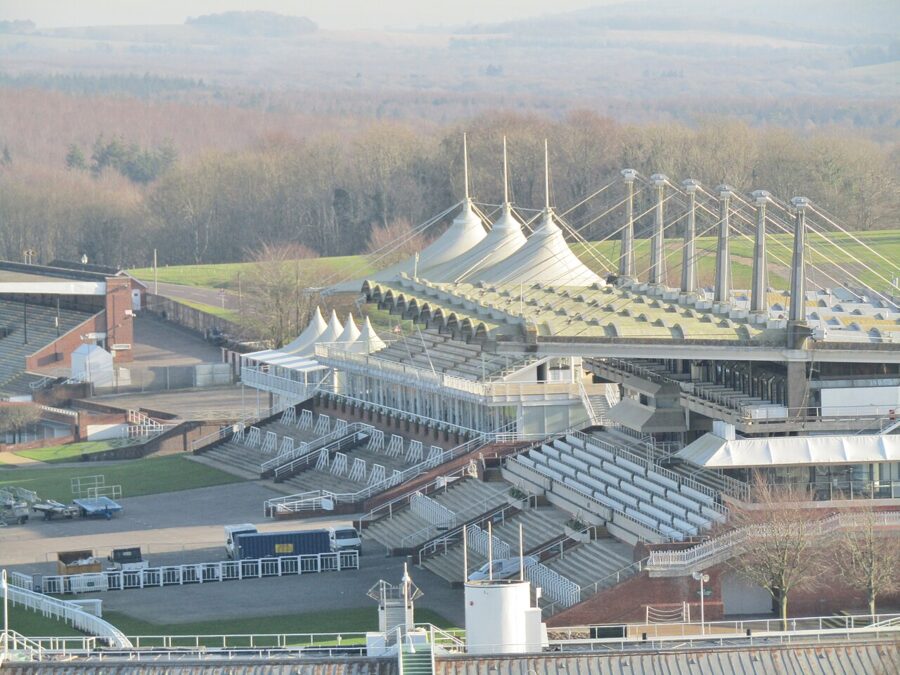
The Goodwood Estate, three miles north of the city, has been the home of the Dukes of Richmond for more than 300 years.
It is also a racecourse, a motor circuit, an airfield and a farm, and for a few weeks each summer it is the busiest place in Sussex. If you are coming for an event, book a room months ahead; if not, avoid those weeks.
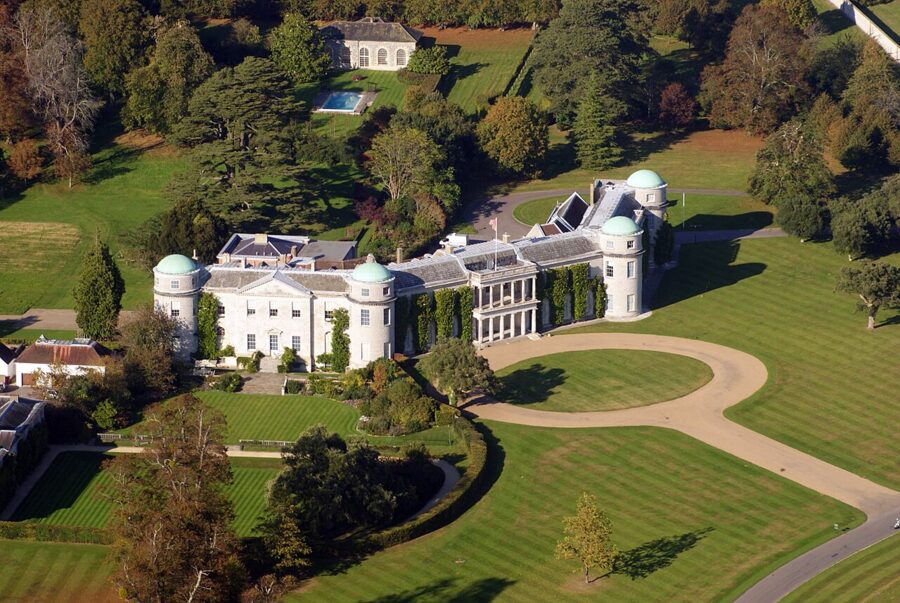

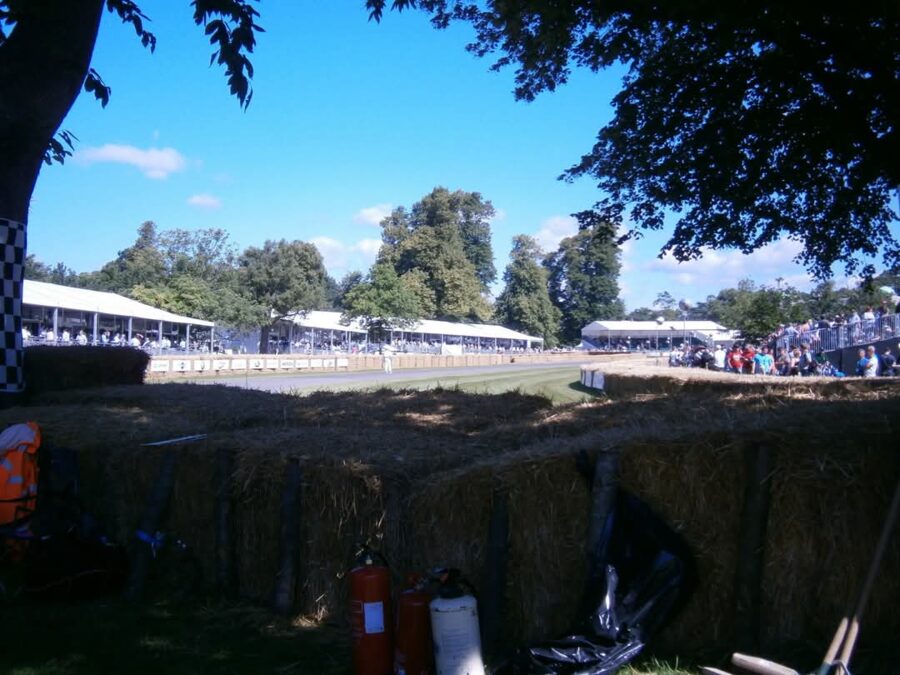
The motorsport weekends. The Festival of Speed is four days of cars and drivers with a hillclimb up the drive of Goodwood House, the largest event of its kind. The Goodwood Revival races cars from the circuit’s original 1948 to 1966 era, and most of the crowd dresses for it. The Members’ Meeting opens the season.
The 2027 dates are April 10 to 11 for the Members’ Meeting, July 15 to 18 for the Festival of Speed and September 17 to 19 for the Revival. Early-bird tickets were on sale in November 2026, and prices rise as each event nears.


Racing and the house. Goodwood Racecourse runs flat racing from spring to autumn, and its big week is the Qatar Goodwood Festival, July 27 to 31, 2027. Goodwood House is seen on booked tours and afternoon-tea-and-tour packages on set dates, not as a walk-in attraction.

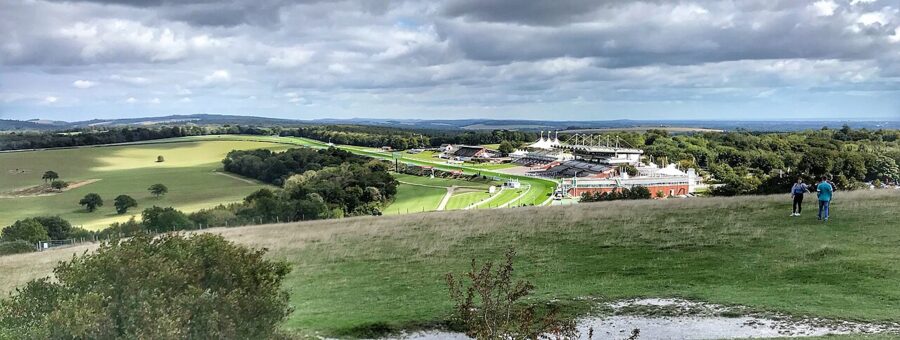
The Trundle. For the best free thing at Goodwood, drive or walk up to the Trundle, an Iron Age hillfort on St Roche’s Hill right above the racecourse. The ramparts look down on the course, south over the city and harbour, and west along the Downs. There is a small car park on the hill road.

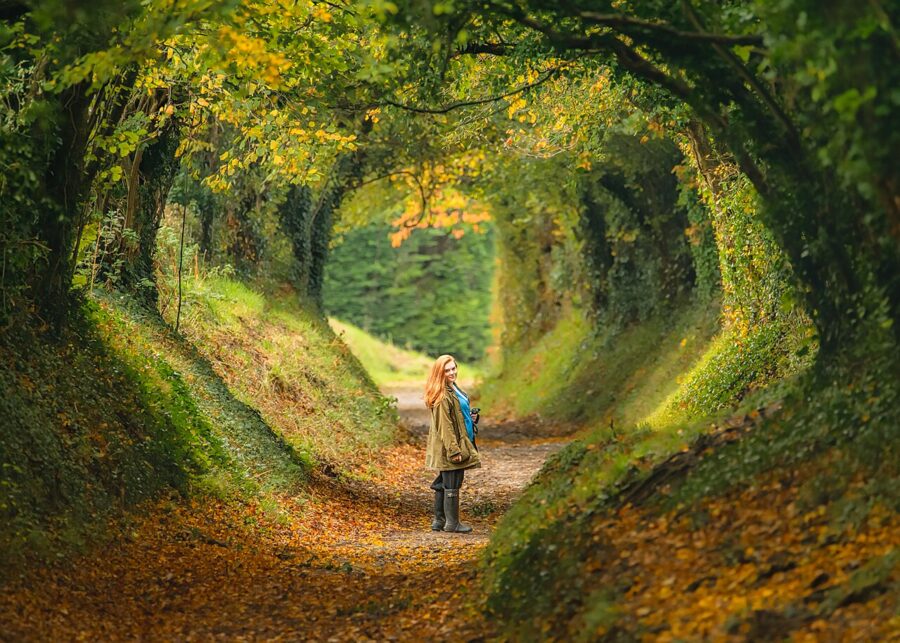
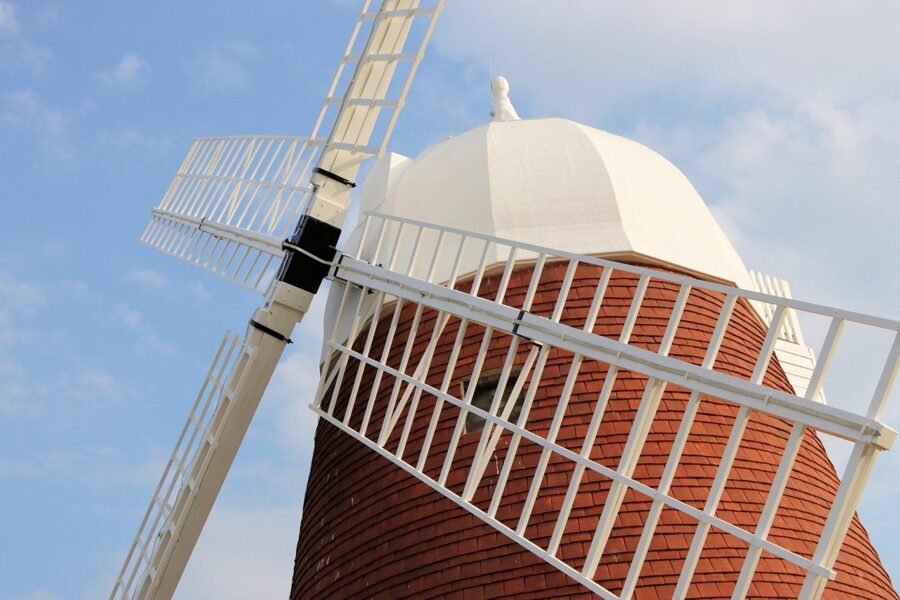
East of Goodwood, a tree-lined sunken lane on the line of the Roman road climbs to Halnaker Windmill, built in the 18th century and the subject of a Hilaire Belloc poem. The walk up takes about 20 minutes.

The South Downs
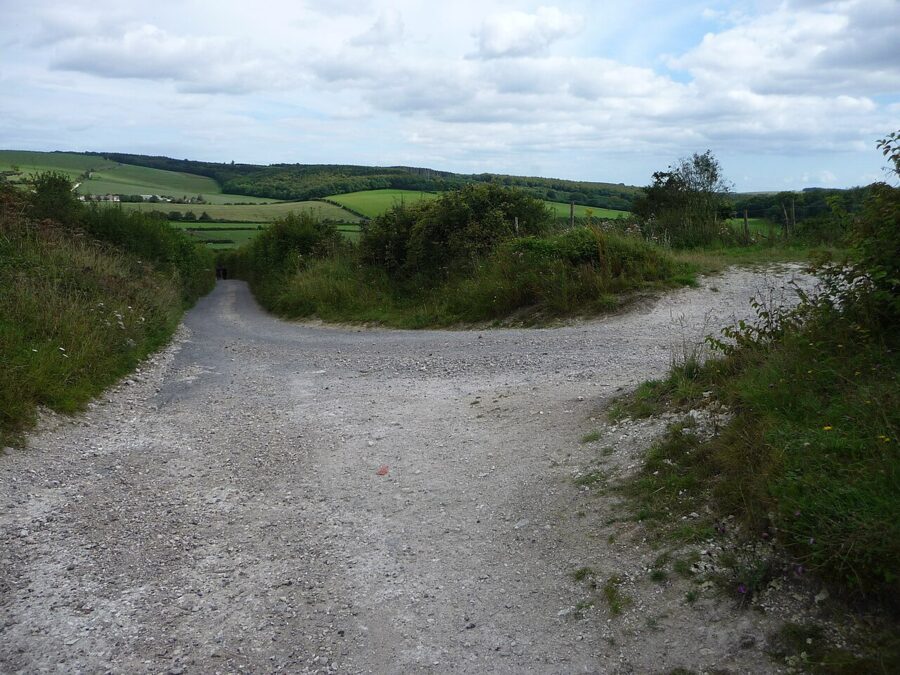
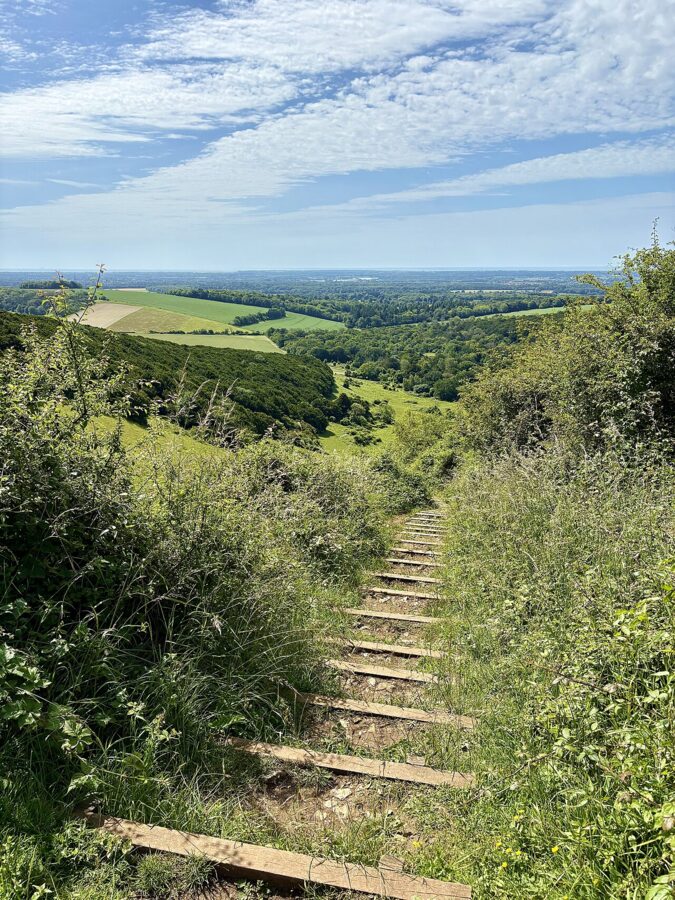
The South Downs National Park begins a few miles north of the city, and the South Downs Way follows its chalk ridge for about 100 miles from Winchester to Eastbourne. Closer in, three places make an easy day out.

Kingley Vale
Kingley Vale National Nature Reserve, five miles northwest, holds one of the finest yew forests in Europe. Some of its twisted yews are thought to be among the oldest living things in Britain. A trail climbs through them to Bow Hill, where Bronze Age burial mounds look out over the harbour to the Isle of Wight.
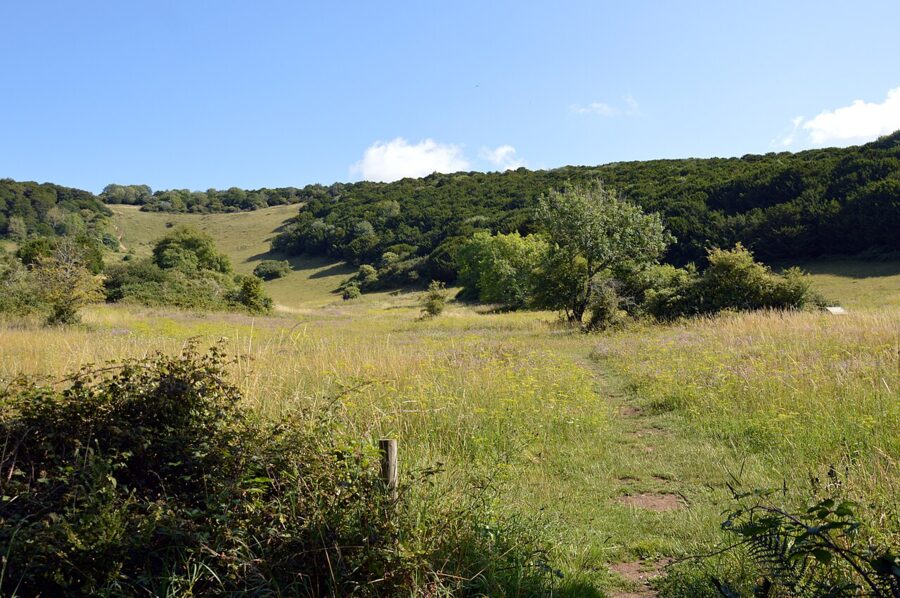
Park at West Stoke and walk about 15 minutes to the reserve. The car park is small, fills early on sunny weekends and takes vehicles under two meters high only, and no bus serves it. Allow two to three hours, and wear proper shoes; the chalk is slick after rain.

West Dean Gardens
Six miles north on the A286, West Dean was the home of Edward James, patron of the surrealists, and its gardens are among the best restored in England. Look for the Victorian glasshouses in the walled kitchen garden, a long Edwardian pergola and the arboretum above.

Admission is £13.75 (about $18) in summer, March to October, open 9am to 5pm, and £7.95 (about $10) in winter, November to February, open 9am to 4pm. Children under 16 go free, and the gardens close on December 24, 25 and 31. Stagecoach bus 60 stops in West Dean village.
Weald and Downland Living Museum
At Singleton, seven miles north, the Weald and Downland Living Museum has rebuilt more than 50 historic buildings, from medieval farmhouses to a market hall, rescued from across southeast England. The BBC’s The Repair Shop is filmed here. Allow at least three hours.
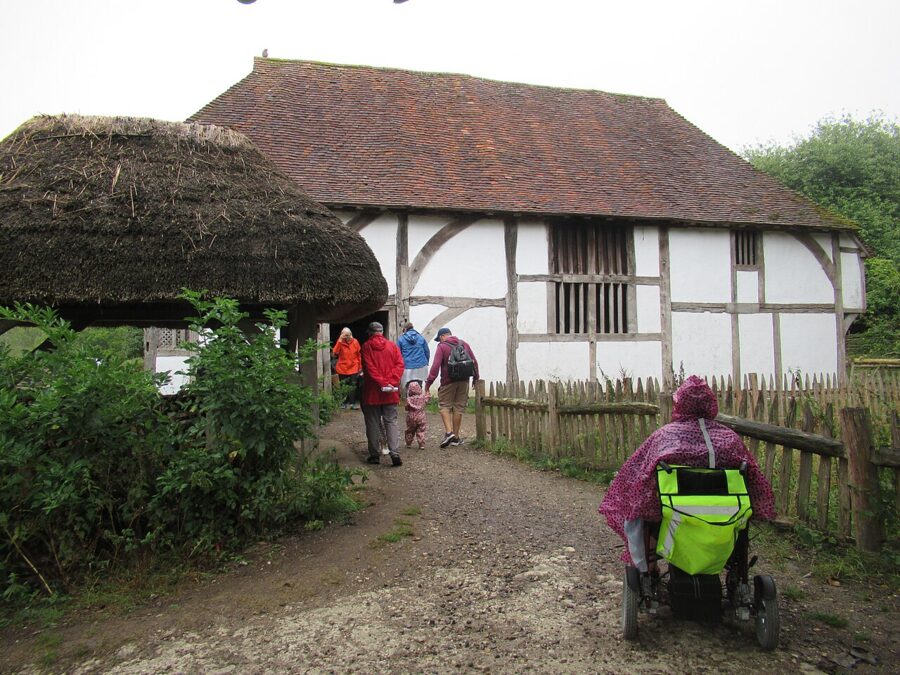
Adult tickets cost £14.75 to £18.75 (about $19 to $25) depending on the day, and £9.75 (about $13) for ages 5 to 17; booking online is cheapest. Winter hours until December 23, 2026 are 10am to 4pm, last admission 2pm, and the museum then closes until January 2. Bus 60 stops nearby every 30 minutes Monday to Saturday, hourly on Sundays.
More to do around Chichester
Tangmere Military Aviation Museum. RAF Tangmere, three miles east, was a Battle of Britain fighter station, and the museum on the old airfield tells its story with aircraft and cockpits. It opens daily, 10am to 4pm, and adult admission is £15 (about $20). Allow two hours.


Markets and shopping. Chichester Farmers’ Market fills East Street and North Street on the first and third Fridays of each month, 9am to 2pm, with Sussex cheese, bread, cider and sparkling wine. The pedestrian streets around the Cross mix independents with chains; the Pallants, south of East Street, are the quietest corner for browsing.
Festivals and events by month
| When | What | Where |
|---|---|---|
| Mid-February | Fishbourne Roman Palace reopens after its winter closure | Fishbourne |
| April 10 to 11, 2027 | Goodwood Members’ Meeting | Goodwood Motor Circuit |
| Late spring to autumn | Festival Theatre summer season | Oaklands Park |
| June 12 to July 18, 2027 | Festival of Chichester: around 100 concerts, talks, plays and walks | City-wide |
| July 15 to 18, 2027 | Goodwood Festival of Speed | Goodwood House |
| July 27 to 31, 2027 | Qatar Goodwood Festival (horse racing) | Goodwood Racecourse |
| September 17 to 19, 2027 | Goodwood Revival | Goodwood Motor Circuit |
| Mid-September | Heritage Open Days, with free entry to some sites | Various |
| Late November and December | Christmas markets at the Weald and Downland Museum, West Dean, Fishbourne and in the city | Around the district |
The city center’s festive market usually runs over December weekends; its 2026 dates had not been published in mid-November, so check Chichester District Council’s site.
Where to eat and drink
Every place below was trading in autumn 2026. Hours change by season, so check before you go.
Breakfast, coffee and lunch
- Cloisters Kitchen and Garden, in the cathedral cloisters: local produce and cakes, with a garden where dogs are welcome. Daily 10am to 4pm.
- Pallant Café, at Pallant House Gallery: lunch and afternoon tea from noon to 3pm on gallery days. Book for lunch.
- The Roman Kitchen Café, at Fishbourne: sandwiches and cakes, 8:30am to 4:30pm daily.
Dinner in town
- Purchases, 31 North Street: restaurant and bar with an al fresco terrace. Dinner Monday to Saturday from 5:30pm to 9pm; Sunday lunch until 3pm.
- The Ivy Chichester Brasserie, East Street: the polished all-day brasserie for a special dinner.
- The Brasserie at Chichester Festival Theatre: pre-show meals timed to curtain-up.
Pubs out of town
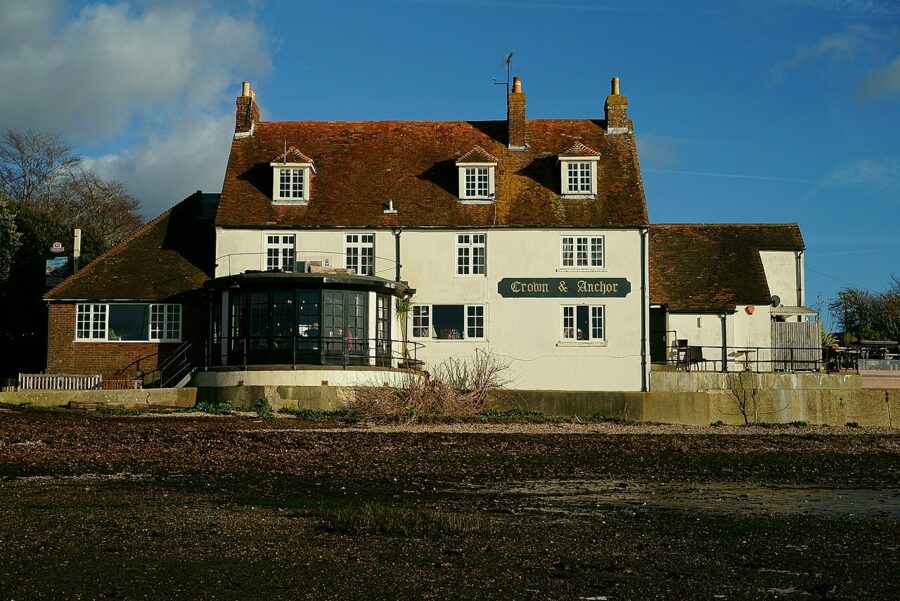
- The Crown and Anchor, Dell Quay: a waterside terrace on the upper harbour and day-boat fish from the south coast, with food served from noon to 9:30pm.
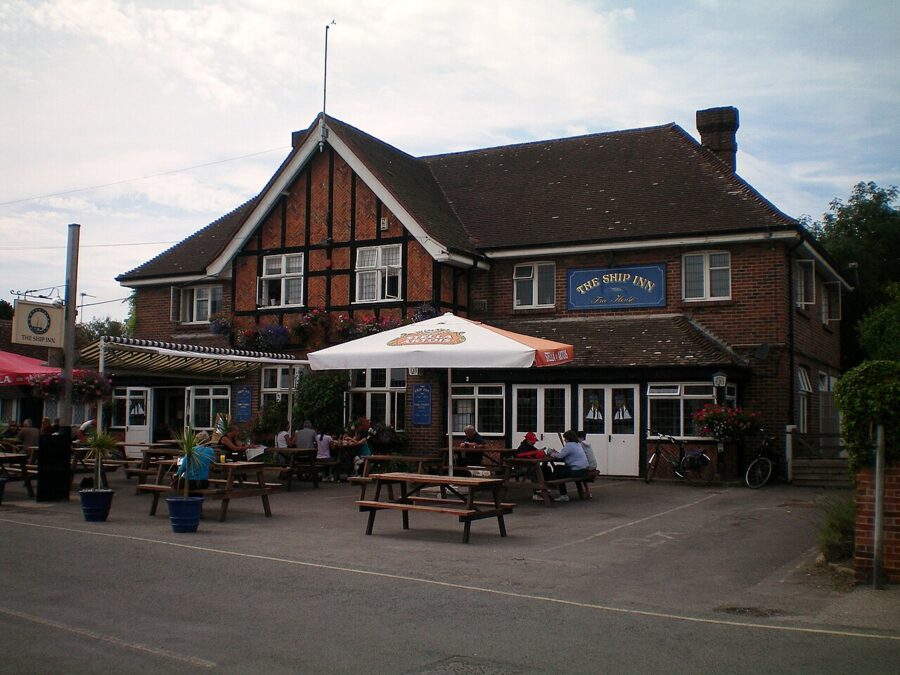
- The Ship Inn, Itchenor: the sailing village’s pub by the boat-trip jetty, with a seasonal crab shack. Closed Monday and Tuesday.
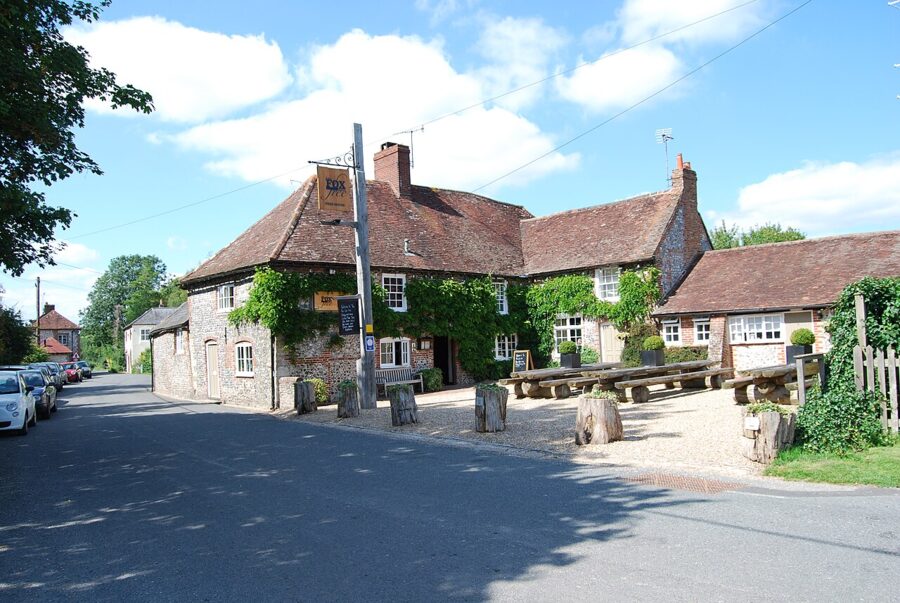
- The Fox Goes Free, Charlton: a flint downland pub near Goodwood with rooms, a big garden and walks from the door.


When to go and how long to stay
May to September is best for the harbour, beaches and Downs. Boat trips run from March to October, the gardens peak from late spring, and summer highs are usually around 70°F (low 20s Celsius). The trade-off is crowds: Goodwood weeks in July and September fill hotels for miles and jam the A27, and West Wittering sells out on hot weekends and in the school holidays. May, June and late September are the sweet spots.
Winter is quieter but still rewarding inside the walls. The cathedral, Pallant House, the Novium and the theatre stay open, Christmas markets start in late November, and the cathedral’s Advent music is a highlight. Expect highs in the mid-40s °F and Fishbourne closed until mid-February.
A two-day plan
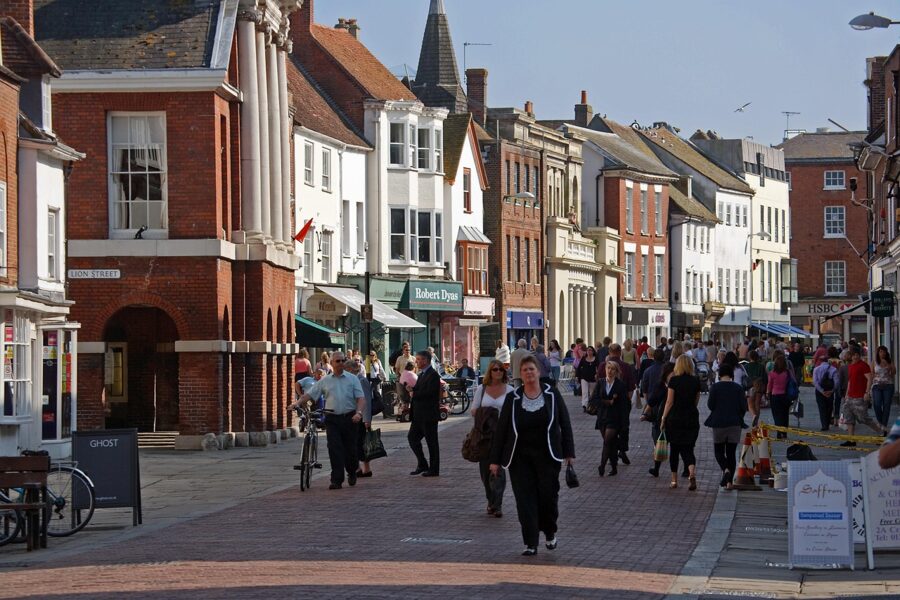
Day one, the city. Start at the Market Cross and walk West Street to the cathedral for the 11:30am tour. Lunch in the cloisters, then walk the walls through Priory Park and the Bishop’s Palace Gardens. Spend the afternoon at Pallant House Gallery and finish with dinner at Purchases or a play at the Festival Theatre.
Day two, out of town. Fishbourne Roman Palace at 10am, then Bosham for the church and the waterfront, tide permitting. In season, take an afternoon seal trip from Itchenor and eat at the Ship Inn. Out of season, swap the harbour for Kingley Vale or the Trundle and a Downs pub.
With a third day, add West Dean Gardens and the Weald and Downland Museum, three miles apart on the same bus route, or a beach day at West Wittering.
Getting around and practical notes
On foot. The walled center is small and flat; the station is a ten-minute walk from the cathedral. You do not need a car in the city.
Parking. There is no parking at the cathedral or in the pedestrian streets. East Pallant is the nearest public car park to the cathedral, and the council’s parking map lists the rest. West Wittering must be booked the day before.
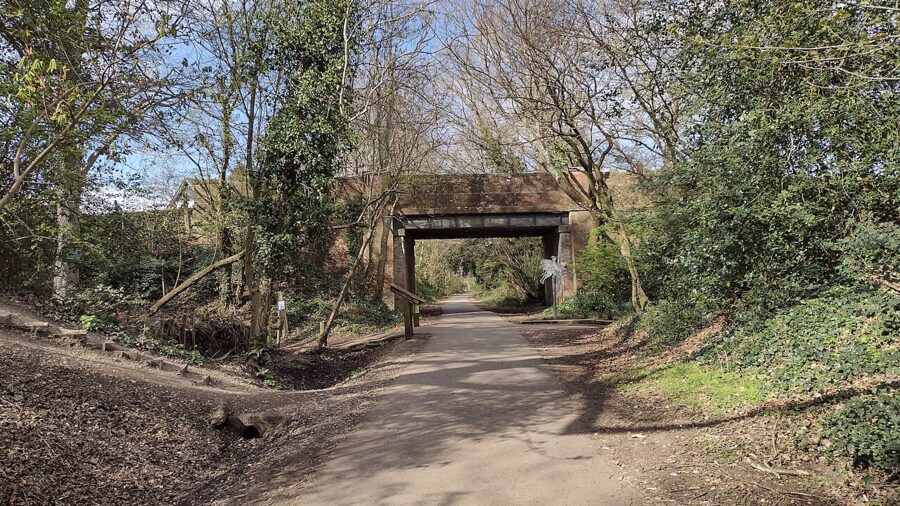
Buses and bikes. Stagecoach runs the buses: the 700 Coastliner along the coast through Fishbourne to Portsmouth and Brighton, and the 60 north to West Dean, Singleton and Midhurst. Three flat cycle routes start in town: the Centurion Way north toward West Dean on an old railway line, the Salterns Way to West Wittering, and the canal towpath to Birdham.

Rules worth knowing. Non-flash photography is welcome in the cathedral, but not during services or of the choir, and tripods and selfie sticks are banned. Drones need permission near the cathedral because of the peregrines. Keep dogs under close control on the harbour shore in winter, when wading birds are feeding.
And the tip that saves the most grief: look up the tide table for Chichester Harbour before you plan your second day. High water decides whether Bosham looks like a postcard or a mudflat, whether Shore Road is passable, and when the seals haul out on the sandbanks off Itchenor.