The best places to travel in August 2027 are the ones built for high summer: Edinburgh for its festivals, Spain’s Cádiz coast for the total solar eclipse on the morning of August 2, Alaska’s Denali, where buses are due to run the full park road again for the first time since 2021, the Norwegian fjords and Glacier National Park. Further afield, the wildebeest are in the northern Serengeti, Bali is in its dry season and Hokkaido stays several degrees cooler than the rest of Japan.

August is also peak season almost everywhere north of the equator, the hottest month in southern Europe and the start of the busiest stretch of the hurricane season. Each pick below says what you give up as well as what you get.

Dates, prices, rules and advisory levels below are as of November 2026. Where an organizer has not yet published its 2027 dates, the article says so and gives the usual pattern instead.

On this page
August at a glance
The twelve picks, in order:
| Place | Why August | What to expect |
|---|---|---|
| Edinburgh, Scotland | Fringe (August 6 to 30) and the Tattoo (August 6 to 28) | The city’s busiest, priciest weeks; 5% visitor levy on rooms |
| Cádiz and the Strait of Gibraltar, Spain | Total solar eclipse, August 2 | About 3 minutes of totality in Cádiz; rooms scarce |
| Denali and the Kenai Peninsula, Alaska | Full park road reopens to buses in 2027 | One of Anchorage’s wetter months; first fall color |
| The Norwegian fjords | Long days, every mountain road open | Cruise-ship crowds in Geiranger and Flåm |
| Glacier National Park, Montana | Going-to-the-Sun Road fully open | Logan Pass parking limits; wildfire smoke possible |
| Banff and Jasper, Alberta | Snow-free trails, lakes at their bluest | Shuttle-only access to Moraine Lake |
| Northern Serengeti, Tanzania | Mara River crossings | Dry season, top safari prices |
| Hokkaido, Japan | About 9°F cooler than Tokyo | Obon travel rush mid-month |
| Seattle and the San Juan Islands | Dry, clear late-summer weather | Ferry reservations needed; possible smoke |
| The Maine coast | Maine Lobster Festival, August 4 to 8 | Cold ocean, full inns |
| Northern Michigan | Lake Michigan at its warmest | Busy beaches until schools go back |
| Bali, Indonesia | Dry season | Peak crowds and traffic; IDR 150,000 levy |
How August works
August is the one month when most of the Northern Hemisphere is on holiday at once: Europeans take their long break, American families squeeze in a trip before school and Japan has its Obon week. Prices in beach towns, national parks and festival cities hit their yearly high, and the best rooms and permits go months ahead.
The weather splits three ways. The far north and the high mountains are at their warmest and most open, while southern Europe and the American desert are at their hottest. The tropics north of the equator are wet, with monsoon rains in South and Southeast Asia and hurricanes building in the Atlantic, so the picks lean hard toward the north.
The 12 best places to travel in August
1. Edinburgh, Scotland
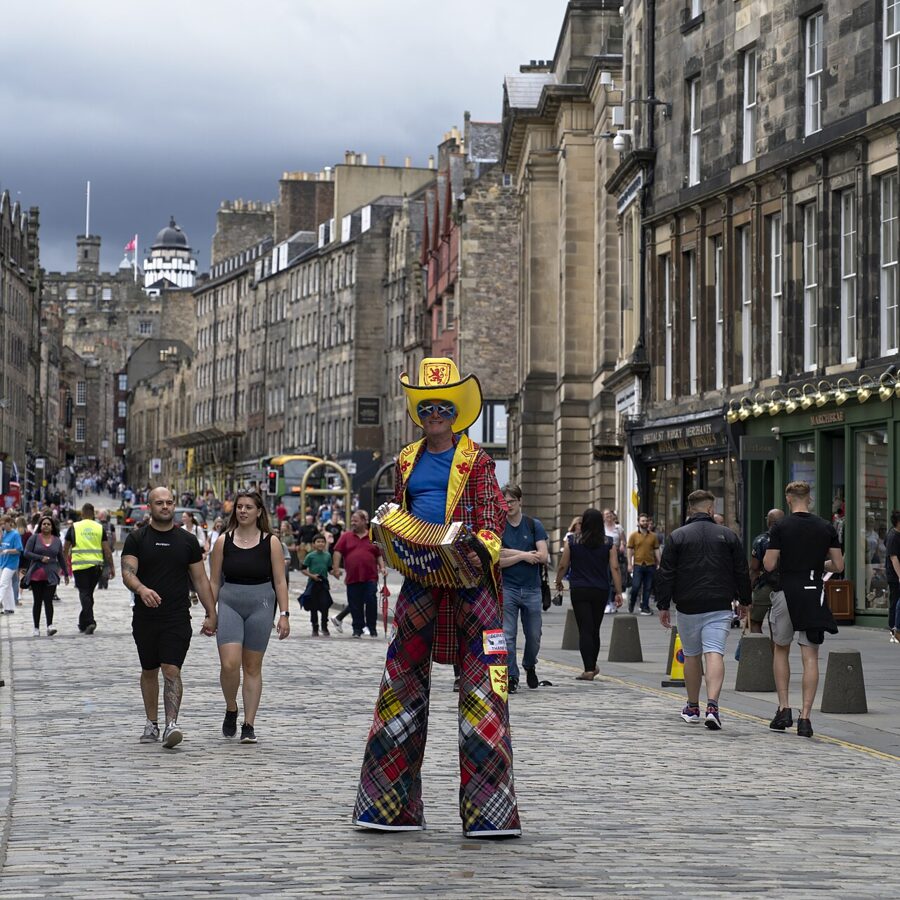
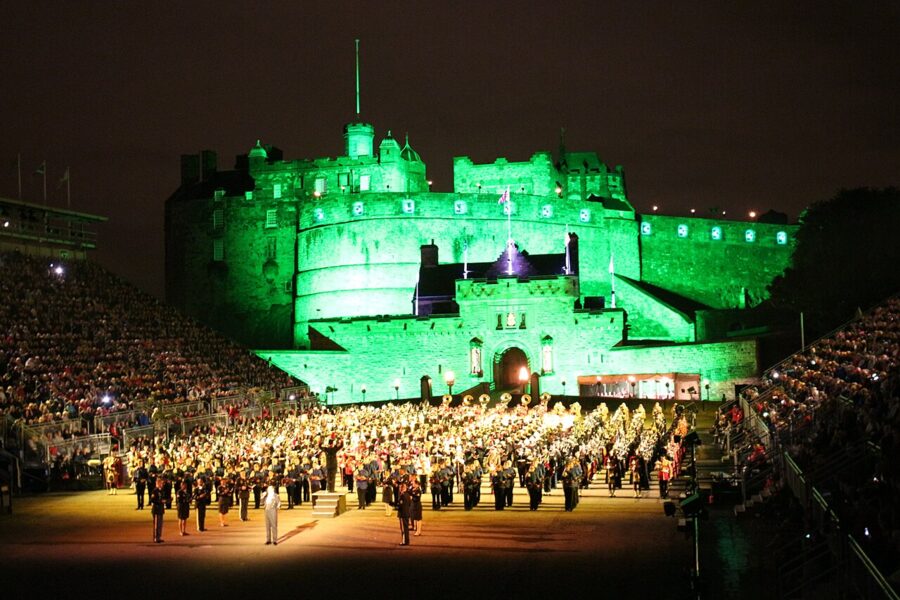
No other city changes as much in August. The Edinburgh Festival Fringe, the world’s largest arts festival, runs August 6 to 30, 2027, its 80th edition, and fills every church hall, pub basement and lecture room with shows. The Royal Edinburgh Military Tattoo plays on the Castle Esplanade from August 6 to 28, and the official Edinburgh International Festival also returns in August, with its 2027 dates still to be announced; in 2026 it ran August 7 to 30.

Edinburgh’s August is cool by American standards, but it rains often enough that a light waterproof belongs in every bag.
The cost is the catch. Hotel rates are at their yearly peak, and since July 24, 2026, the city has added a 5% visitor levy to paid overnight stays, charged on the room price for the first five nights. Book now, and look at Leith and Newhaven, which are on the tram line to the city center and usually quieter than the Old Town. The State Department rates the United Kingdom Level 2, “exercise increased caution,” as of September 2026, the same level it gives most of Western Europe.
2. Cádiz and the Strait of Gibraltar, for the eclipse
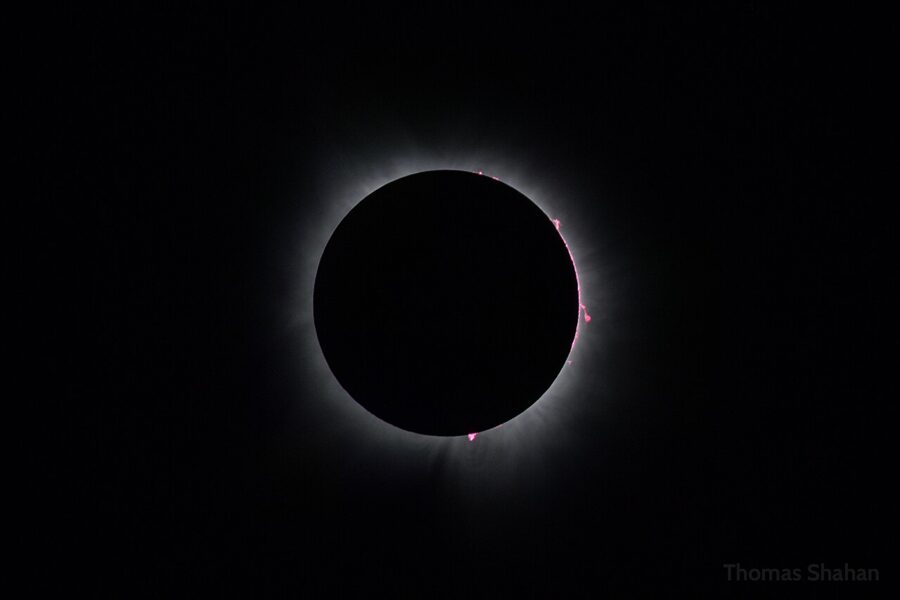
On Monday morning, August 2, 2027, a total solar eclipse crosses southern Spain, North Africa and Egypt. Spain’s National Geographic Institute gives totality in Cádiz as starting at 10:45am local time and lasting 2 minutes and 54 seconds; Málaga, near the northern edge of the path, gets 1 minute and 48 seconds. The longest totality in Spanish territory is in Ceuta, on the African side of the strait, at 4 minutes and 48 seconds.
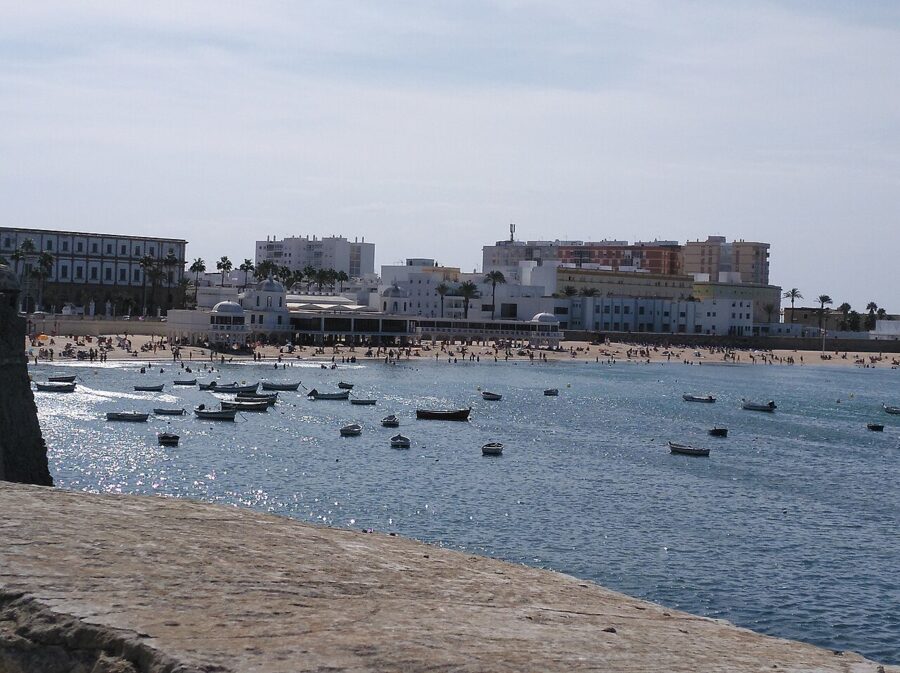

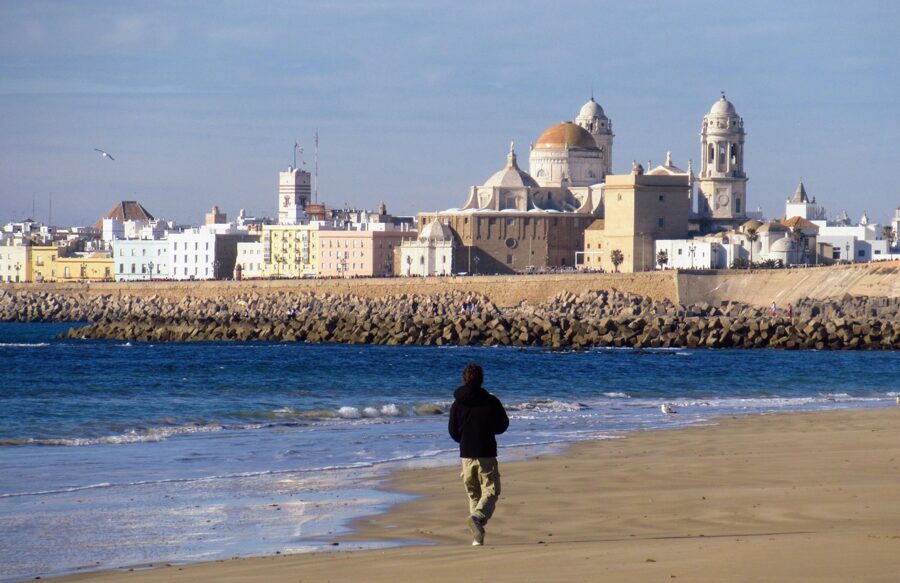
Cádiz is the best base on the Spanish side for a simple reason: the Atlantic keeps it bearable. Spain’s weather agency, AEMET, gives the city an average August high of 27.9°C (about 82°F), against the 97°F that Seville averages an hour and a half inland. With a sea breeze and shaded old-town streets, it is a far easier place to wait for an eclipse than inland Andalusia.
The rest of Spain is a mixed August bet, and the best time to visit Spain for sightseeing is spring or fall. But for the eclipse, the trade-offs are worth it. Rooms along the path will be scarce, so take a refundable rate now. You need certified solar viewers (ISO 12312-2) for the partial phases before and after totality; only during totality itself is it safe to look with the naked eye.
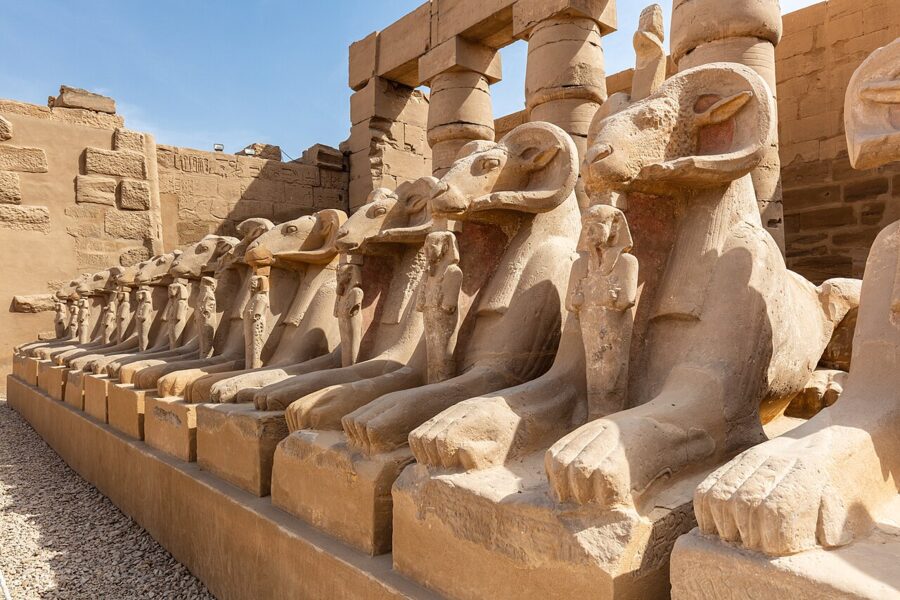

Chasers after the longest view will go to Egypt instead. The institute puts maximum totality at 6 minutes and 23 seconds there, one of the longest of the century, and Luxor and its temples are right by the center line. The State Department rates Spain, Morocco and Egypt all at Level 2; in Egypt its terrorism warning centers on the northern and middle Sinai, far from Luxor.
3. Denali and the Kenai Peninsula, Alaska
Since a landslide at Pretty Rocks closed the Denali Park Road at Mile 43 in 2021, park buses have turned around at East Fork, cutting visitors off from Eielson Visitor Center, Wonder Lake and the views of Denali itself. The National Park Service cut the ribbon on the new Pretty Rocks Bridge on September 2, 2026, and says public bus service to the west end of the road is expected to resume for the 2027 season. That makes 2027 the first summer since the slide when a bus can take you to the end of the road.
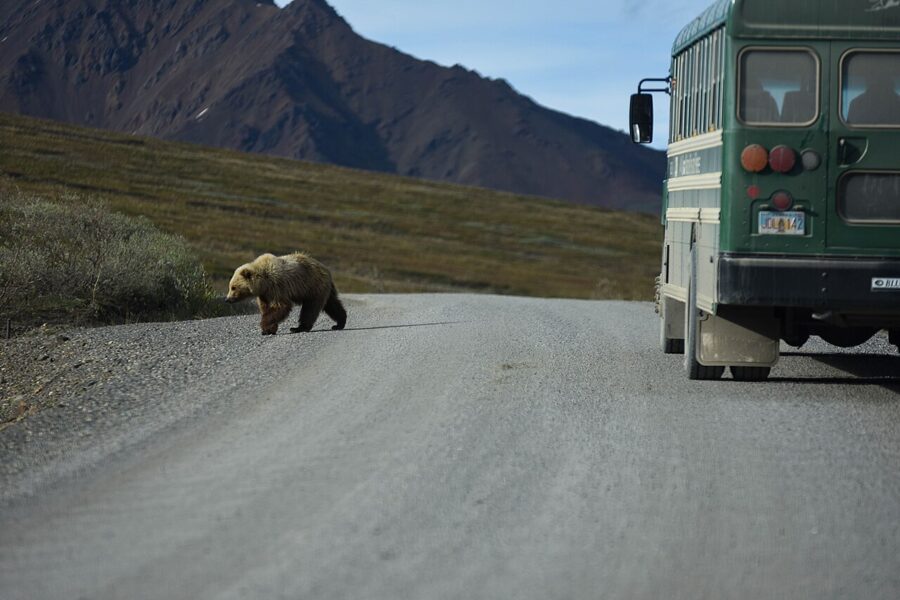
August is a strong month for it. The mosquitoes ease off, the tundra starts to turn red and gold, and bears feed hard on berries. The trade is rain: August is one of the wetter months in Southcentral Alaska, with a normal of about 2.9 inches in Anchorage, so a cloudy day that hides the mountain is likely at some point. Give the park two or three days.
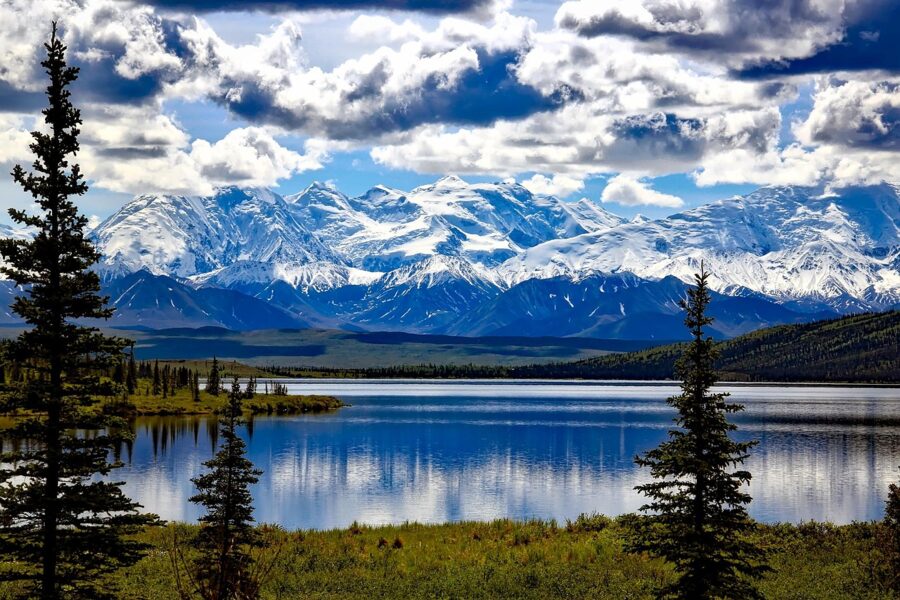
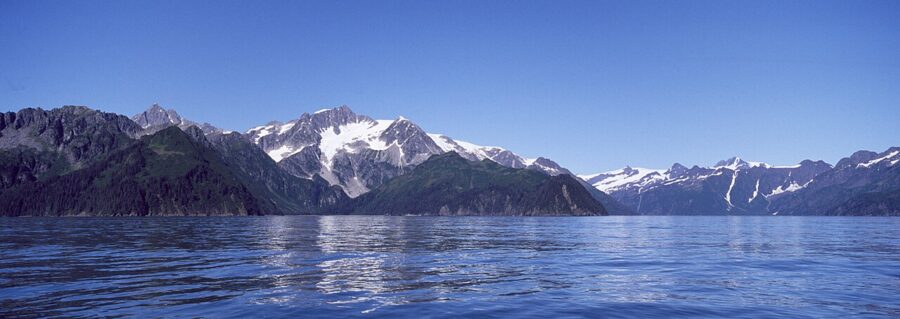
Pair Denali with the Kenai Peninsula, a day’s drive or train ride south of Anchorage. From Seward, day boats run into Kenai Fjords National Park to tidewater glaciers, and the silver salmon run brings anglers to the rivers in August. Base yourself near the park entrance, then in Seward.

4. The Norwegian fjords
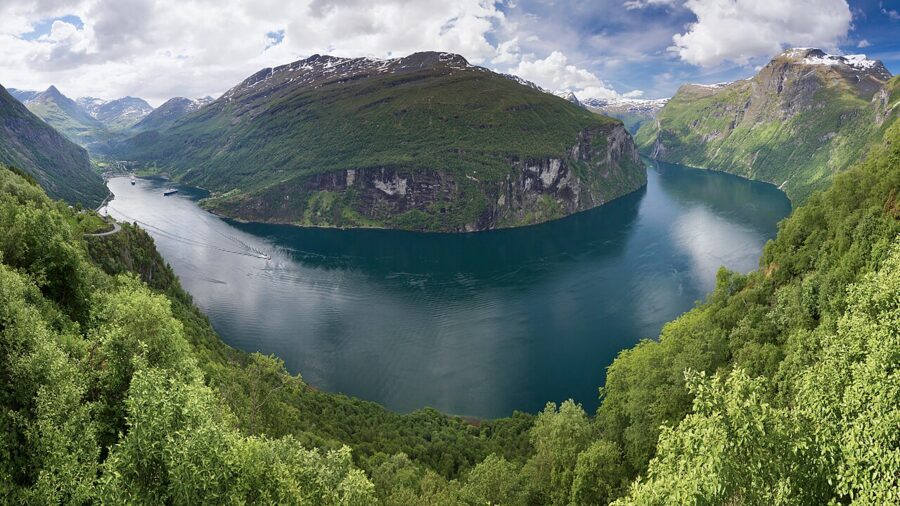
Norway’s western fjords are at their easiest in August, with long evenings, every mountain pass open and ferries on summer timetables. Bergen is the usual gateway, and the classic loop runs by train to Myrdal, down the Flåm Railway to the Aurlandsfjord and Nærøyfjord, and on by boat or bus. Geiranger, further north, is the most photographed fjord in the country.
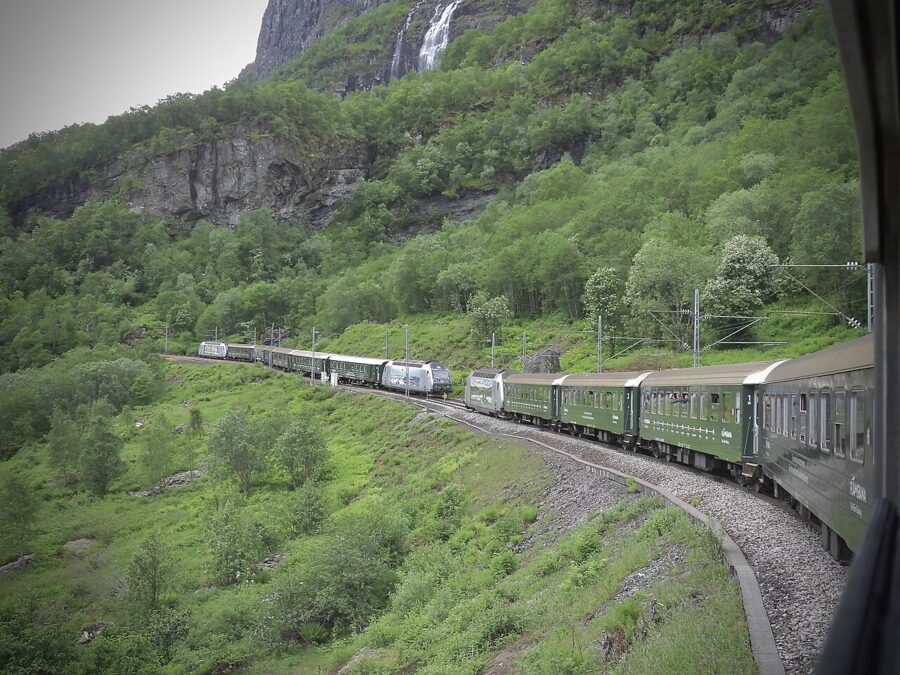
The crowds are the problem. Cruise ships anchor in Geiranger and dock at Flåm through the summer, and the villages fill between mid-morning and late afternoon. Sleep in the fjord villages rather than visiting for the day, and you get them at their quietest.
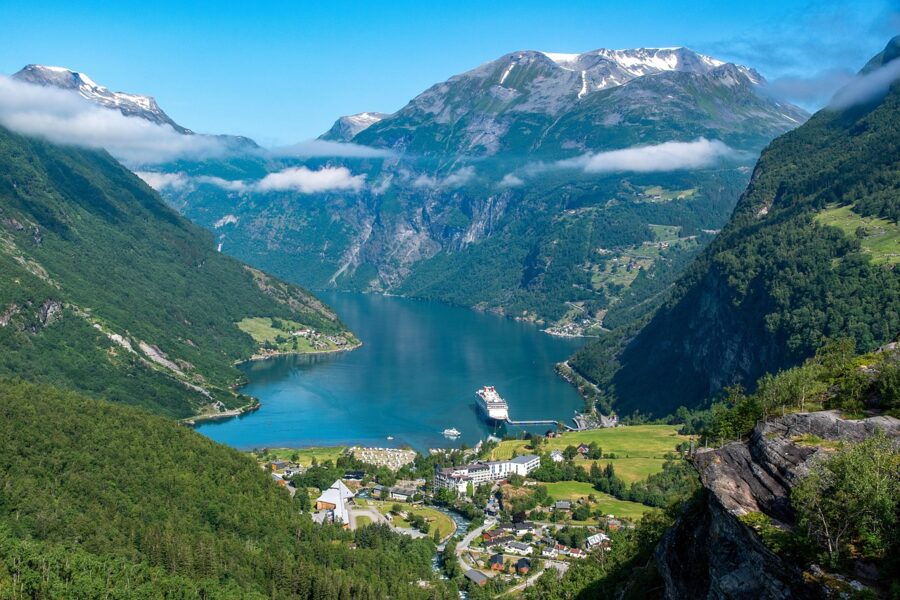
Norway is now letting municipalities under heavy tourist pressure add an accommodation tax of up to 3%. As of September 2026, five had applied, including Stranda, which takes in Geiranger, so check your hotel’s price breakdown when you book. The State Department rates Norway Level 1, its lowest.
5. Glacier National Park, Montana
August sits in the middle of Glacier’s short season. The Going-to-the-Sun Road, which crosses the Continental Divide at Logan Pass, is open end to end, the high trails to Grinnell Glacier and the Highline are usually clear of snow, and the wildflowers are still out above the tree line.
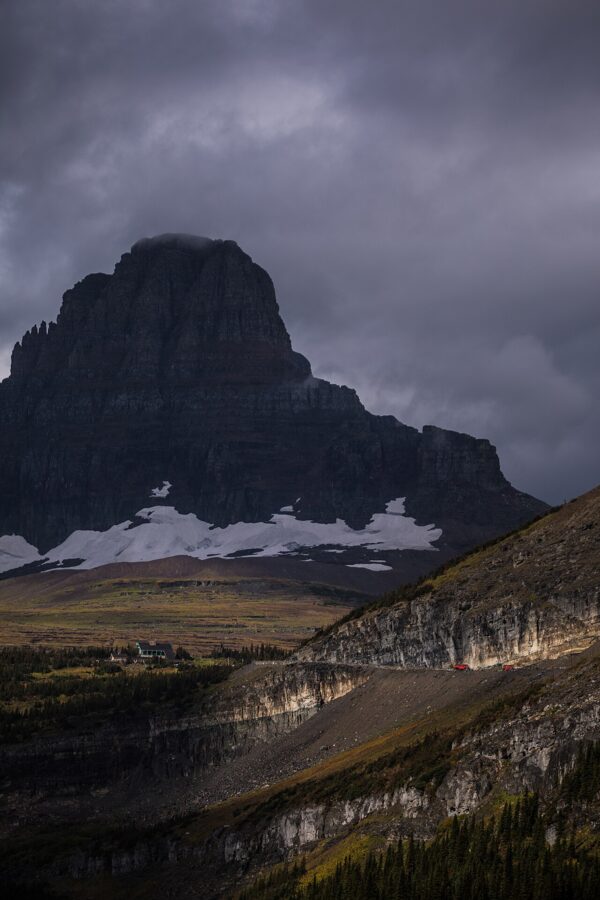
Getting in has changed. The park dropped its vehicle reservation system for 2026 and instead limited parking at Logan Pass to three hours from July 1 to Labor Day, with a ticketed shuttle (each ticket carries a $1 processing fee) sold on Recreation.gov 60 days ahead and the next evening at 7pm. The 2027 rules had not been announced as of November 2026, so check the park’s site before you plan your days. Entry costs $35 per vehicle for seven days, and visitors who are not US residents pay a further $100 per person aged 16 and over unless they hold an annual pass.
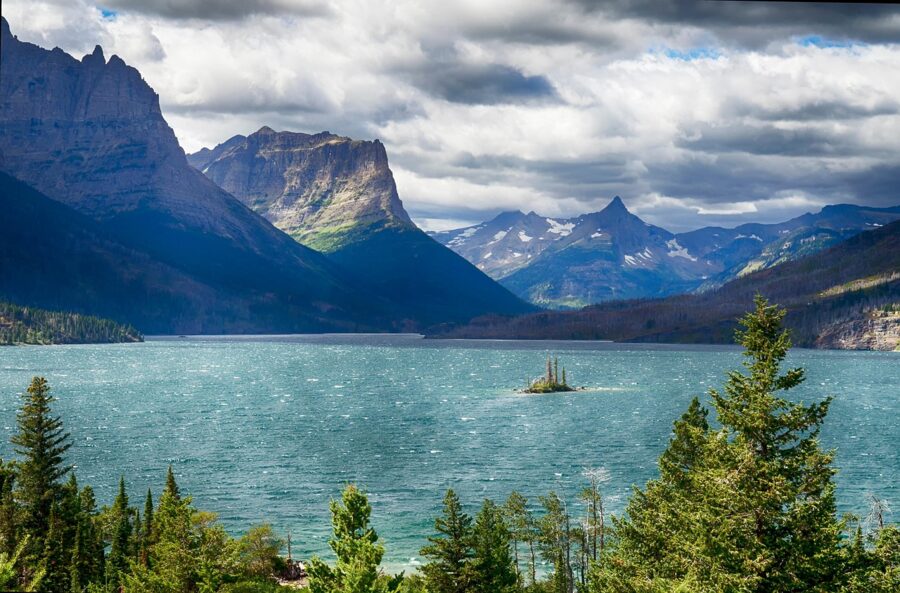
August cannot promise clean air, since wildfire smoke drifts into the northern Rockies most summers. Fly into Glacier Park International near Kalispell, and stay in Whitefish or Columbia Falls for the west side, or St. Mary for the east.
6. Banff and Jasper, Alberta
The Canadian Rockies run on the same short summer: in August the lakes are at their most turquoise and the high trails are reliably open. Banff and Jasper are linked by the Icefields Parkway, past the Columbia Icefield.
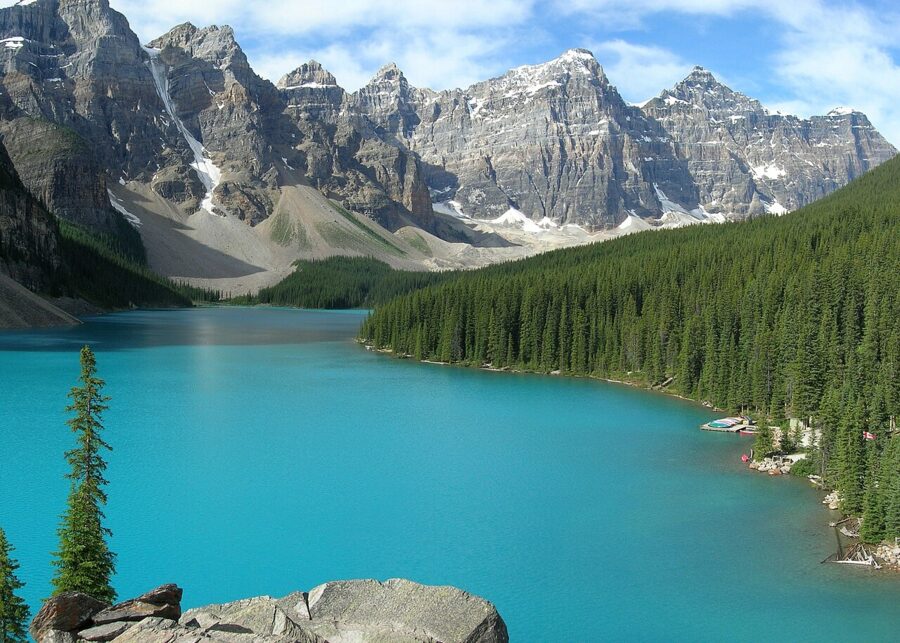

Plan around the shuttles. Moraine Lake Road is closed to personal vehicles, and Parks Canada’s shuttles to Moraine Lake and Lake Louise run from the Lake Louise Park and Ride. In 2026, reservations opened April 15, with 40% of seats released that day and the rest at 8am Mountain time two days before each departure. Park admission is separate: CA$12.25 (about $9) per adult per day in 2026, with youth free, or CA$83.50 for an annual Discovery Pass.
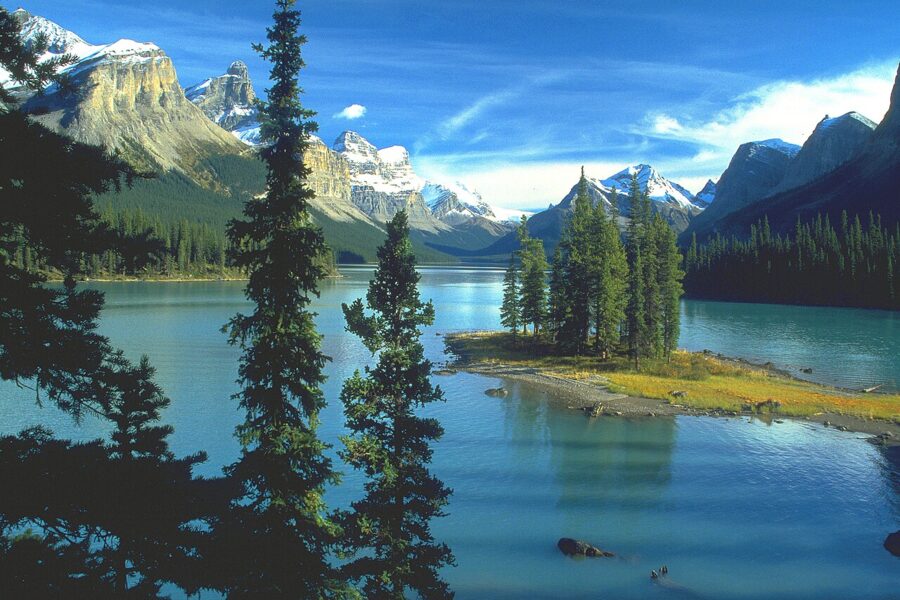

Jasper is the quieter half and still rebuilding. The July 2024 wildfire destroyed 358 structures, about 30% of the town, and burned large areas of forest around the town. Parks Canada says virtually all the park’s trails have reopened. Canada is a State Department Level 1 country.
7. The northern Serengeti, Tanzania
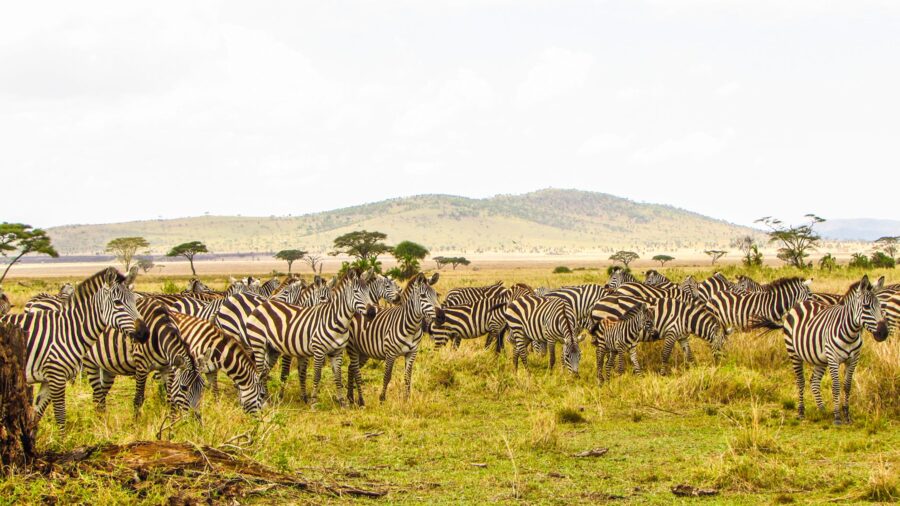
By August, the Great Migration has usually reached the northern Serengeti, around Kogatende, where the herds cross and recross the Mara River. Nobody can schedule a crossing, and many days bring none. It is the dry season, so animals gather near water and the grass is short.
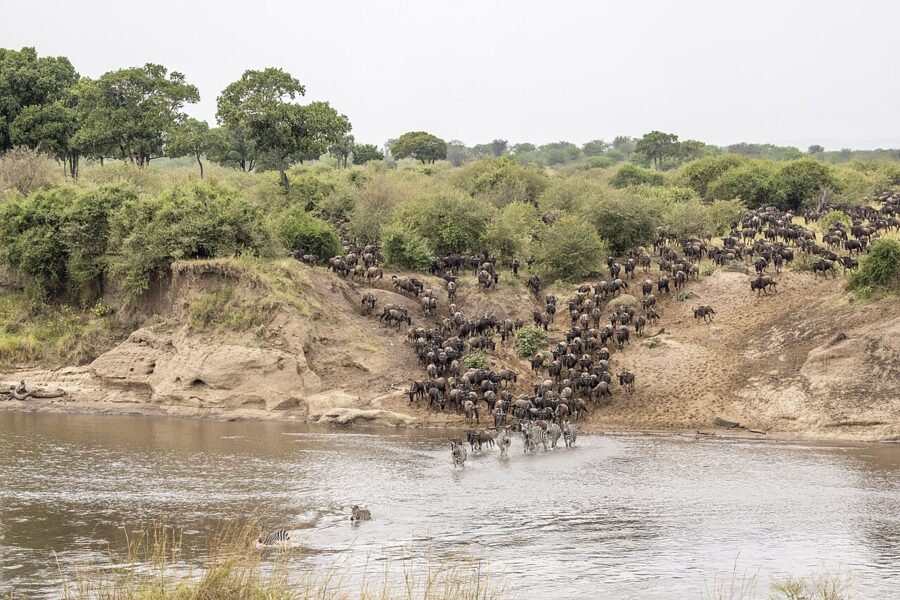

The same herds cross into Kenya’s Maasai Mara, which is the more common choice from the US. For 2027 the Tanzanian side is the easier recommendation: in October 2026 the State Department raised Kenya to Level 3, “reconsider travel,” citing health, crime, kidnapping, terrorism, unrest and traffic safety, and the CDC has a travel health notice for Ebola there. Tanzania is Level 2. Most visitors fly into Kilimanjaro and take a light aircraft to the northern airstrips; park fees are charged per 24 hours and are normally built into the safari price.
8. Hokkaido, Japan
Most of Japan is hot and sticky in August. Hokkaido, the northern island, is the exception: the Japan Meteorological Agency’s normals give Sapporo an average August high of 26.4°C (about 80°F) against 31.3°C (about 88°F) in Tokyo, and the nights are cooler still. The rainy season that soaks Honshu in June and July barely reaches it.
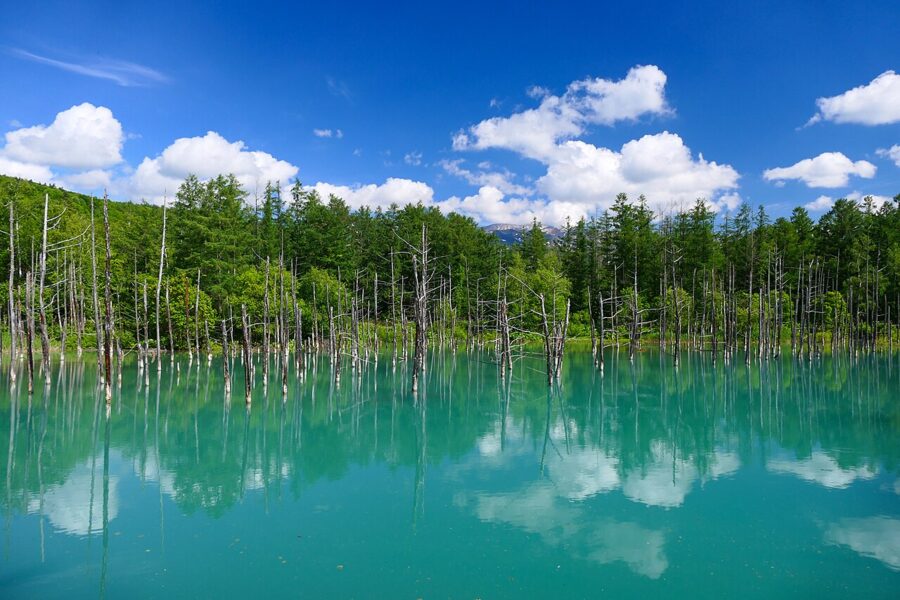

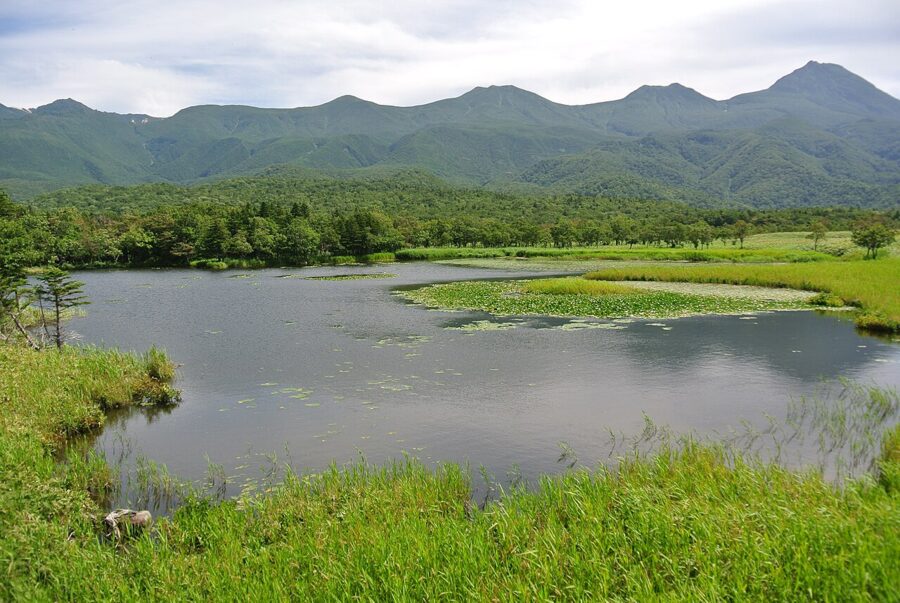
Spend a couple of days in Sapporo, then rent a car for Biei, Furano and the east. Shiretoko National Park, on a peninsula at the island’s northeast tip, is the highlight: from August 1, after the bear-activity season, you can walk the ground trail around the Shiretoko Five Lakes on your own after a ten-minute lecture at the field house, rather than only with a guide.

Avoid the Obon week in mid-August if you can. Much of Japan travels home around August 13 to 16, and flights, trains and rental cars sell out. Japan is a State Department Level 1 country.
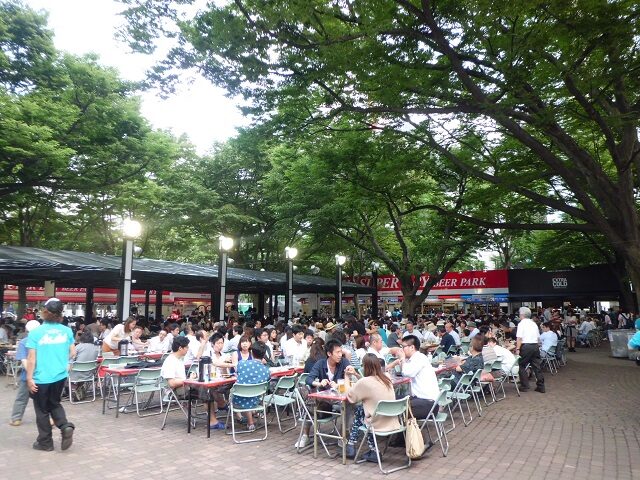
9. Seattle and the San Juan Islands
Seattle’s reputation for rain is earned from October to May. Late summer is its dry season, and August brings long, clear days when Mount Rainier shows itself over the city. It is the month to be on the water, and the San Juan Islands are the best of it.
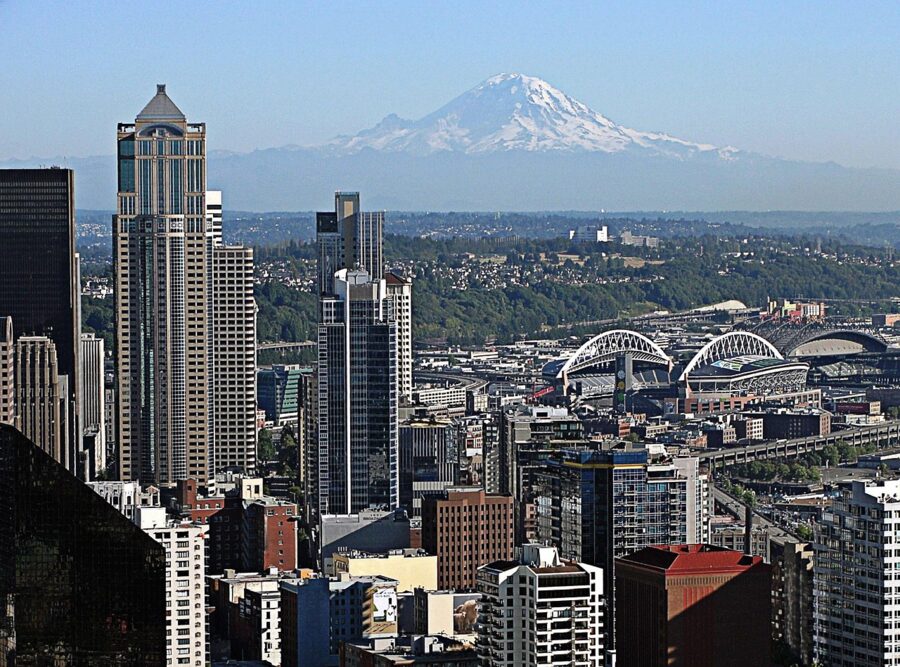
Washington State Ferries sail to the islands from Anacortes, about 90 minutes north of Seattle. Summer vehicle reservations sell out, so book as soon as each season’s block is released (it opened April 14 for summer 2026), or leave the car and walk on. Friday Harbor on San Juan Island is the easiest base without a car.
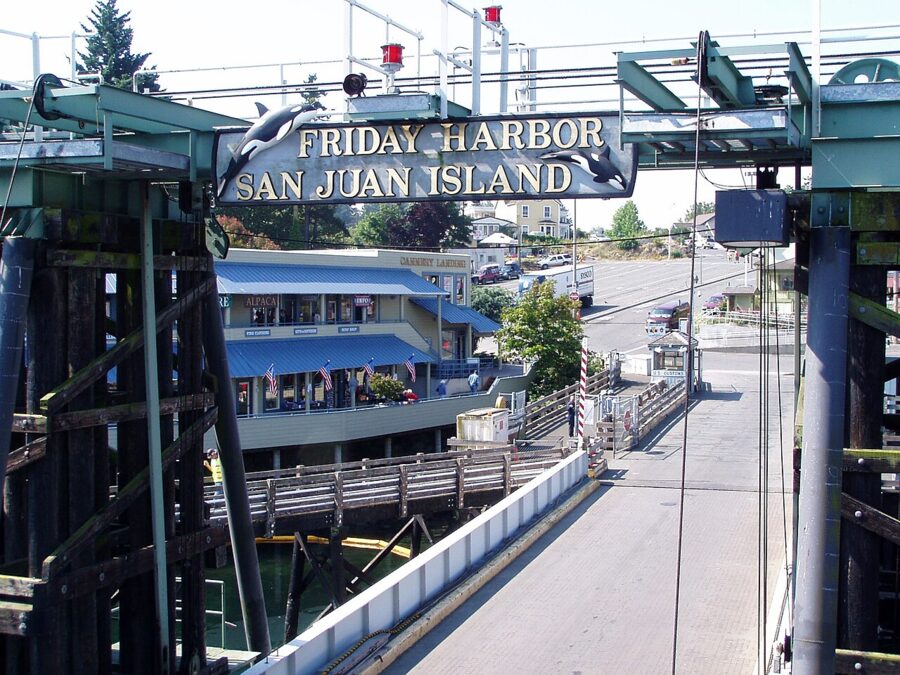

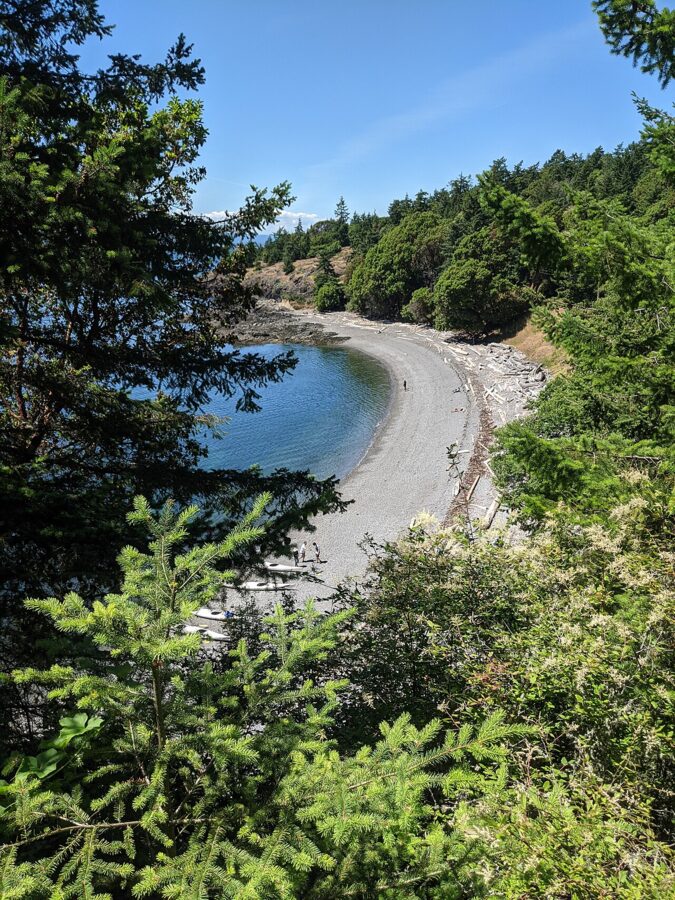
Orcas are the draw, and the rules have tightened. Since January 1, 2025, Washington law has required every boat, kayak and paddleboard to stay 1,000 yards from the endangered Southern Resident killer whales, so tour boats keep well back from them; the Bigg’s (transient) orcas that also hunt these waters fall under a 200-yard federal rule instead. Lime Kiln Point State Park, on the island’s west side, is the classic place to watch from shore. Wildfire smoke is the August risk here too.

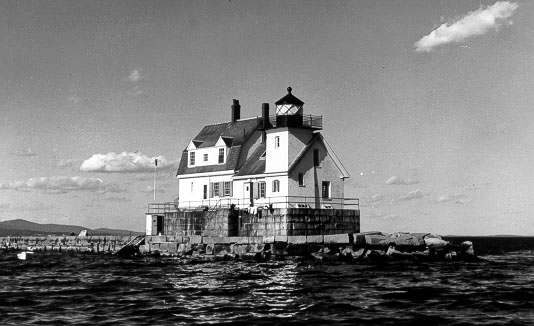
10. The Maine coast
August in Maine is warm on land, cool at night and reliably sunny for stretches, though the Gulf of Maine stays cold enough that most people wade rather than swim. Portland is the place to start, with its Old Port restaurants and ferries across Casco Bay to the islands.
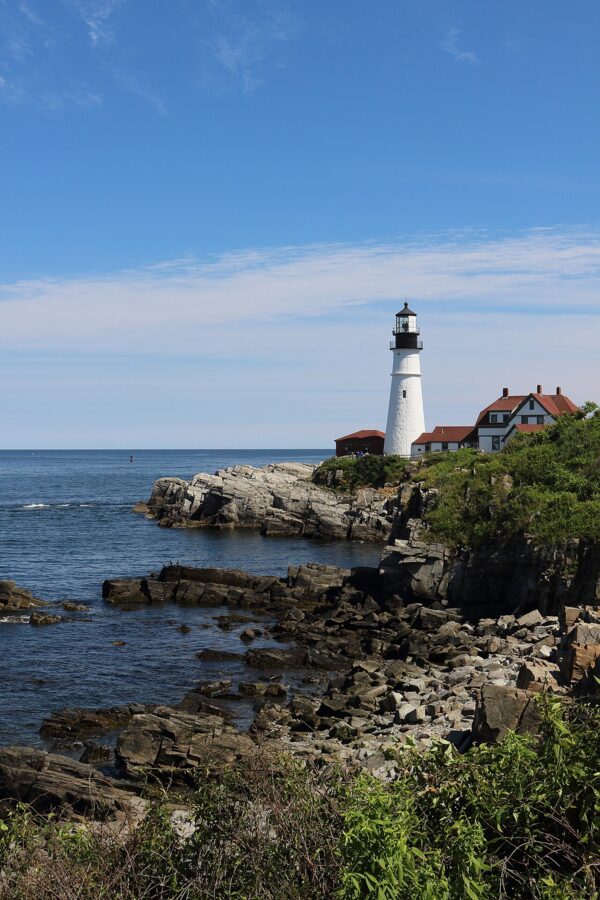

Then drive up Route 1 to the Midcoast. Rockland hosts the Maine Lobster Festival from August 4 to 8, 2027, its 80th year, on the harbor front, and Camden and Boothbay Harbor are close by. Coastal inns sell out on August weekends.
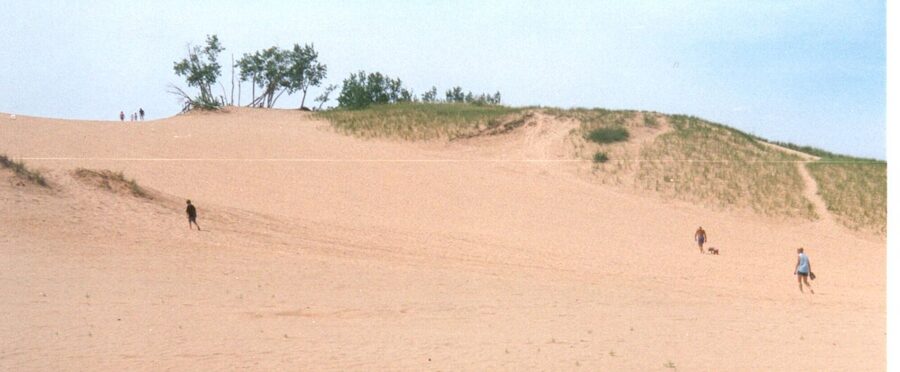
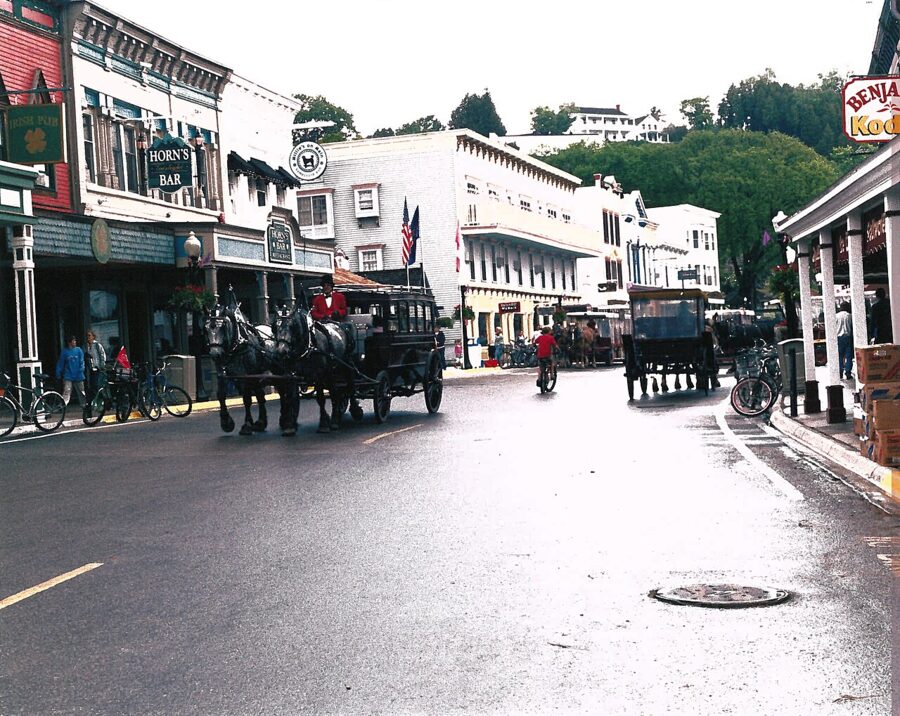
11. Northern Michigan
Lake Michigan does its warming late, and August is when it is most swimmable. Sleeping Bear Dunes National Lakeshore, west of Traverse City, has the Dune Climb, the Pierce Stocking Scenic Drive and miles of beach below the bluffs; a vehicle pass costs $25 for one to seven days. Further north, Mackinac Island has banned cars for more than a century, and you get around by bike, on foot or by horse-drawn carriage.

On the eastern shore, Grand Haven holds its Coast Guard Festival from the last week of July into the first weekend of August, and South Haven has pick-your-own blueberries into late August. Beaches stay busy until Michigan schools go back around Labor Day, which falls on September 6 in 2027.

12. Bali, Indonesia
Bali’s dry season runs through the northern summer, and August brings sunny days, lower humidity and good surf on the west and south coasts. Indonesia’s Independence Day, August 17, brings flags, parades and village games across the island. It is also Bali’s busiest month, with heavy traffic in the south, full hotels and peak rates.
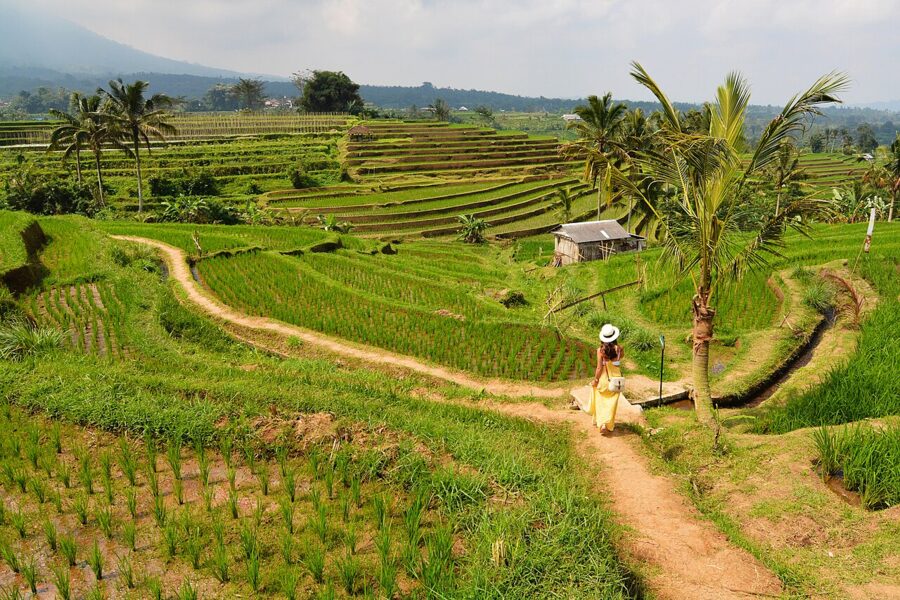

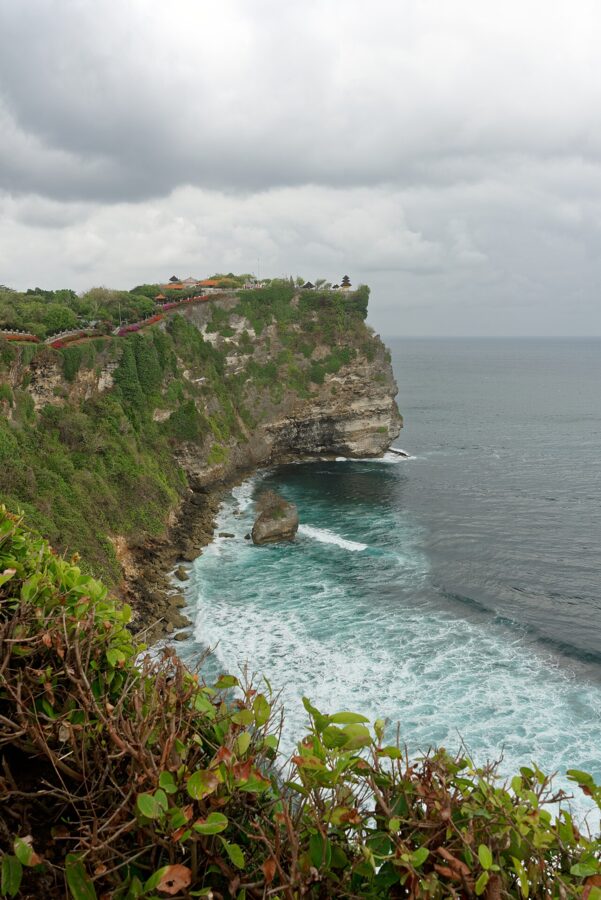
Split your stay between Ubud, for the rice terraces and temples of the interior, and a beach base: Sanur for calm water, Uluwatu for cliffs and surf. Every foreign visitor pays a one-time levy of IDR 150,000 (about $9), cashless, through the provincial government’s Love Bali site or app before arrival, or at counters at the airport. The State Department rates Indonesia Level 2, with its Do Not Travel warnings aimed at two provinces of Papua, far to the east.

Also good in August
In Iceland, every road including the highland tracks is normally open until late August. In Peru, the Andes are in their dry season, though Machu Picchu is at its busiest. The Galápagos are cool and choppy in August, with heavy demand for cabins during school holidays. And on the Jersey Shore, Cape May has its warmest ocean of the year.
Where not to go in August
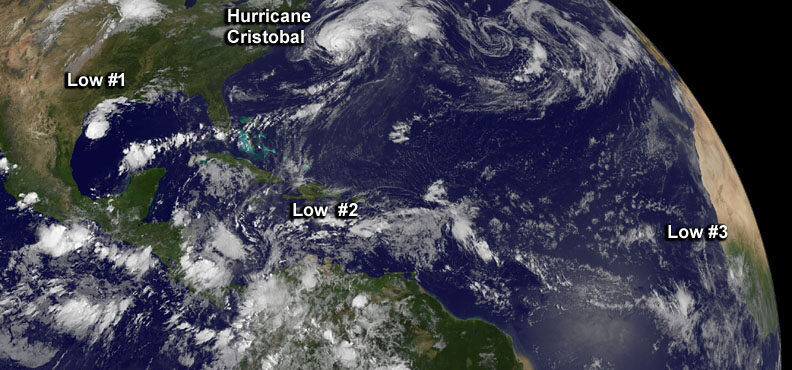
The Caribbean and the Gulf Coast are the obvious gamble. The Atlantic hurricane season runs June 1 to November 30, and its most active stretch is mid-August to mid-October, peaking around September 10. That does not mean storms every week, but it does mean travel insurance that covers hurricanes, and a clear idea of what happens if a storm is forecast. The hurricane season in the Caribbean varies a lot by island, and some sit almost outside the usual storm tracks.
Inland southern Europe is the other big one. Seville, Córdoba, Rome and Athens are at their hottest, and Italy shuts down around Ferragosto on August 15, when many family-run shops and restaurants in cities like Milan close for a week or more. Go to the coast or the mountains instead, or wait for September.
In the American Southwest, monsoon storms bring flash floods that can close slot canyons at short notice.
August 2027 events worth planning around
Dates are from each organizer as of November 2026. Where a 2027 date is unconfirmed, the table says so.
| Event | Where | 2027 dates |
|---|---|---|
| Total solar eclipse | Southern Spain, North Africa, Egypt | August 2 (morning) |
| Maine Lobster Festival | Rockland, Maine | August 4 to 8 |
| Edinburgh Festival Fringe | Edinburgh | August 6 to 30 |
| Royal Edinburgh Military Tattoo | Edinburgh Castle | August 6 to 28 |
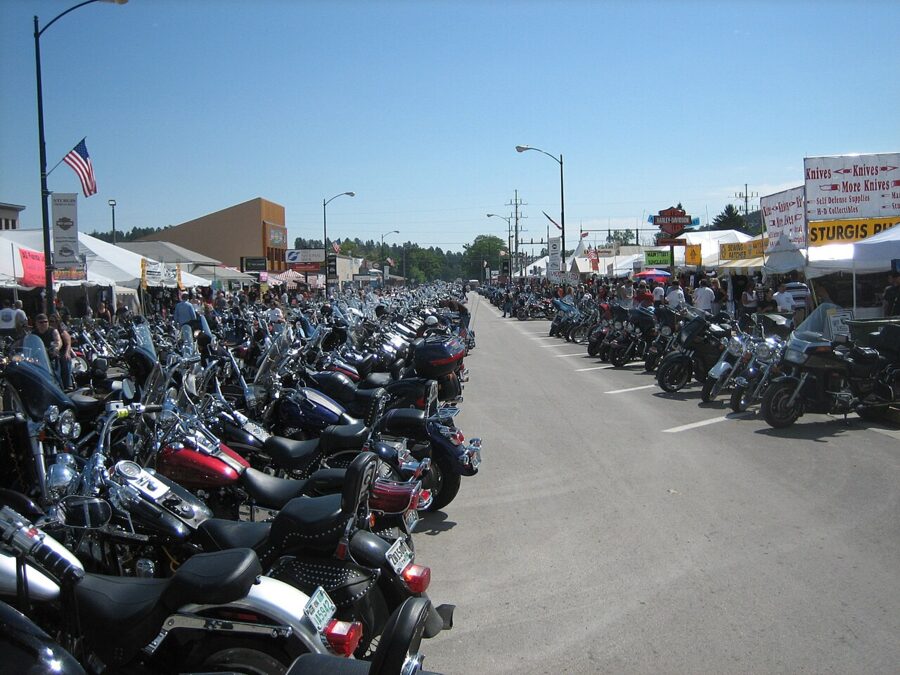
| Sturgis Motorcycle Rally | Sturgis, South Dakota | August 6 to 15 |
| Iowa State Fair | Des Moines, Iowa | August 12 to 22 |
| Perseid meteor shower peak | Anywhere with dark skies | Around August 13 |
| Obon | Japan | Around August 13 to 16 |
| Santa Fe Indian Market | Santa Fe, New Mexico | Third weekend of August (2027 dates not yet set) |
| La Tomatina | Buñol, Spain | August 25 (last Wednesday of August) |
| Notting Hill Carnival | London | Expected August 29 and 30 (bank holiday weekend) |
| Burning Man | Black Rock Desert, Nevada | August 29 to September 6 |
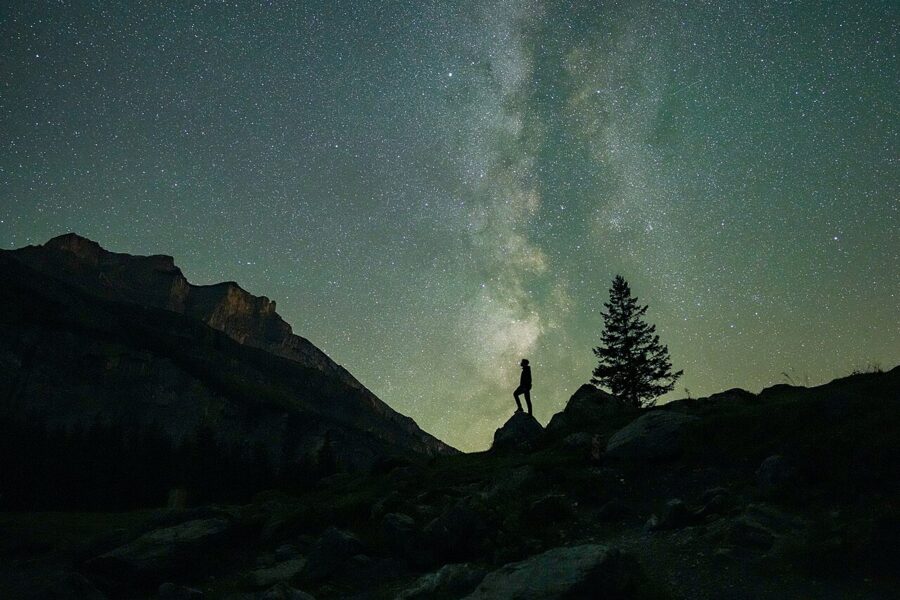

The Perseids are the easiest of these to catch: no tickets, just a dark spot away from city lights, which Glacier, the Maine coast and Sleeping Bear Dunes all have.


If you are driving through the Black Hills for Mount Rushmore during the Sturgis rally, expect motels in western South Dakota to be full and priced for it.

Europe’s late-August pair are the messiest. La Tomatina caps participants and sells tickets through the town of Buñol, and Notting Hill Carnival fills West London over the bank holiday weekend.




Booking and budget
August is peak pricing for almost every place on this list, so the savings come from timing and booking order rather than from the destination. A few rules hold up:
- Book the scarce thing first. That means Edinburgh rooms, anything on the eclipse path, Denali bus seats, Serengeti camps and Norway’s fjord hotels, often 9 to 12 months out. Flights can come later.
- Watch for timed releases: park shuttles and summer ferry reservations open on fixed dates, with a second batch close to the day.
- Go late in the month. In the US, schools in much of the South and Midwest start in early to mid August, and beach and lake towns get quieter before Labor Day.
- Check the tax line: Edinburgh’s levy, Bali’s fee and Norway’s local accommodation taxes sit outside the headline price.
- Insure against weather. For anywhere in the hurricane belt, buy coverage before a storm is named; most policies treat a named storm as a known event and will not cover it.
If your dates can move, the shoulder months beat August on price nearly everywhere north of the equator. Early summer has its own list of the places to travel in July, and once Labor Day passes, the best places to travel in September come with thinner crowds and lower rates.
Questions about August travel
Where is it not too hot in August?
Go north or go up. Scotland, Norway, Iceland, Alaska and Hokkaido all have August highs between the 50s and about 80°F, and so do mountain towns like Banff and Jasper. Atlantic towns such as Cádiz stay far cooler than their inland neighbors.
Which place has the best weather in August?
For dry, warm, not-too-hot days, the Pacific Northwest, Bali and the Canadian Rockies are the safest bets above; Scotland, Norway and Alaska are cooler and wetter.
Which US state is best to visit in August?
Alaska, especially in 2027 with the Denali Park Road reopening, then Montana and Washington. For beaches, Maine and Michigan have their warmest weeks.
What are the best national parks to visit in August?
The northern ones: Denali, Kenai Fjords, Glacier and Sleeping Bear Dunes, and over the border, Banff and Jasper. Leave the desert parks of the Southwest until fall.
Where is it cheaper to go in August?
Cheaper usually means a place in its own low or rainy season, with real trade-offs: the Caribbean and Mexico’s Gulf coast carry hurricane risk. Of the picks here, Michigan and the Maine coast cost the least for most Americans because you can drive. Among the countries, Indonesia and Japan give the most for the money once you arrive, while Norway and Scotland are among Europe’s most expensive. If price matters most, move the trip to September, and book the room before the flight.