Machu Picchu, Patagonia and Iguazú Falls are the three places that justify the long flight to South America for most first trips, with Rio de Janeiro and the Galápagos close behind. Pick by what you came for: Inca stonework in Peru, glaciers and granite towers in southern Chile and Argentina, waterfalls on the Argentina-Brazil border, a beach city with mountains in it, or wildlife that ignores you.
After those five, the list splits by taste. Buenos Aires, Cartagena, Medellín and Quito are the cities worth building days around. The Salar de Uyuni, the Atacama and Lake Titicaca are high, strange country for people who can handle thin air. The Amazon, the Pantanal and Lençóis Maranhenses reward nature trips with more time, and Easter Island is a splurge that repays it.

The continent is bigger than it looks. Bogotá to Buenos Aires is farther than New York to Los Angeles, and Cartagena is closer to Miami than to Patagonia. Two weeks covers two regions well and three weeks covers three. If you want one country for a first trip, Peru packs the most into two weeks.

Fees, rules and advisory levels below are as of November 2026, from Peru’s Ministry of Culture, Chile’s park agency CONAF, Argentina’s National Parks Administration, the Galápagos and Rapa Nui park authorities and the US State Department. Conversions use about S/ 3.43, ARS 1,550 and R$ 5.86 to the dollar.
On this page
The picks at a glance
The order weighs what each place gives a first-time visitor against the effort of getting there. Easter Island and the Pantanal sit low because they cost an extra flight and several days, not because they are lesser places.
| # | Place | Country | Best for | Time to allow | Best months |
|---|---|---|---|---|---|
| 1 | Machu Picchu, Cusco and the Sacred Valley | Peru | Inca history, Andes | 4 to 5 days | May to Sep |
| 2 | Patagonia: Torres del Paine, El Calafate, El Chaltén | Chile, Argentina | Hiking, glaciers | 7 to 10 days | Nov to Mar |
| 3 | Iguazú Falls | Argentina, Brazil | Waterfalls, rainforest | 2 days | Year-round |
| 4 | Rio de Janeiro | Brazil | Beaches, views, music | 3 to 4 days | Apr to Jun, Sep to Nov |
| 5 | Galápagos Islands | Ecuador | Wildlife, snorkeling | 5 to 8 days | Late Apr to early Jun |
| 6 | Buenos Aires | Argentina | Food, tango, architecture | 3 to 4 days | Mar to May, Sep to Nov |
| 7 | Salar de Uyuni and Sud Lípez | Bolivia | Salt flat, high desert | 3 to 4 days | Jan to Mar (mirror), May to Oct (dry) |
| 8 | Cartagena | Colombia | Colonial old town, Caribbean | 3 days | Dec to Apr |
| 9 | Atacama Desert | Chile | Desert, geysers, stars | 3 to 4 days | Year-round |
| 10 | Medellín and the Coffee Region | Colombia | City life, coffee farms | 4 to 6 days | Dec to Mar, Jun to Aug |
| 11 | Lake Titicaca | Peru, Bolivia | Island culture | 2 days | May to Oct |
| 12 | The Amazon | Brazil, Peru | Rainforest, river life | 3 to 4 days | Year-round |
| 13 | Quito | Ecuador | Colonial center | 2 days | Jun to Sep |
| 14 | Mendoza | Argentina | Wine, Andes views | 3 days | Mar to Apr (harvest) |
| 15 | Easter Island (Rapa Nui) | Chile | Moai, remote island | 4 days | Year-round |
| 16 | The Pantanal | Brazil | Jaguars, birds | 3 to 4 days | Jul to Oct |
| 17 | Lençóis Maranhenses | Brazil | Dunes and lagoons | 3 days | Jun to Sep |
The places, ranked
1. Machu Picchu, Cusco and the Sacred Valley, Peru
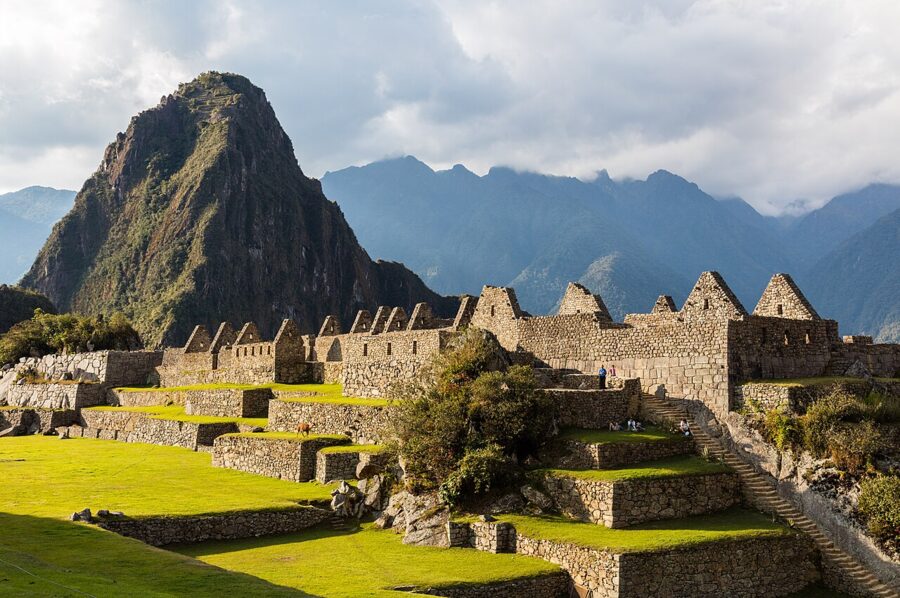
Machu Picchu is the 15th-century Inca citadel on a ridge above the Urubamba River, and nothing else on the continent combines this much history with this much setting. The usual trip is a base in Cusco, two nights in the Sacred Valley, a train to Machu Picchu Pueblo (Aguas Calientes) and a bus up the switchbacks to the gate. Allow four or five days, more if you walk in.
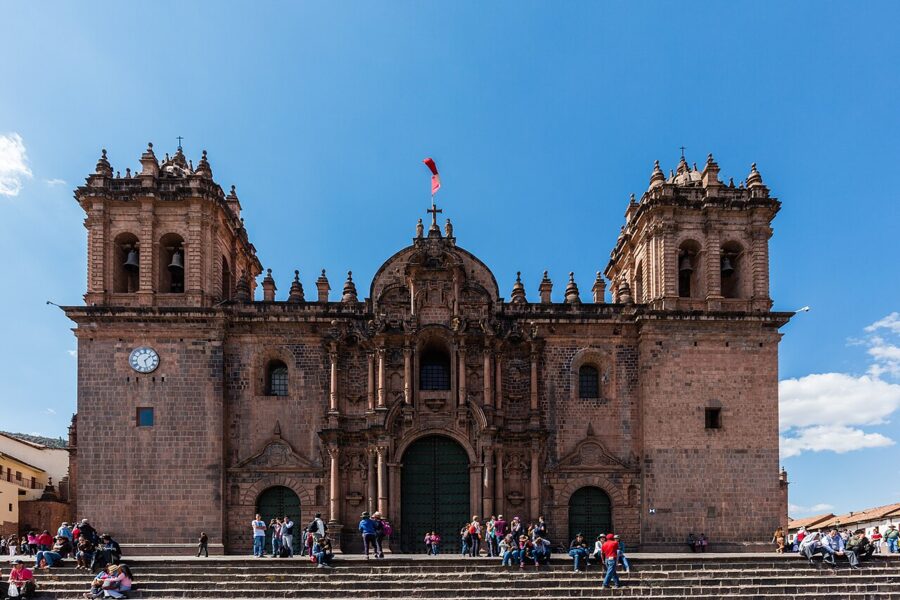

Visits run on timed tickets for set circuits, sold on the Ministry of Culture’s Tu Boleto platform. A standard ticket costs foreign adults about S/ 152 (about $44), plus a S/ 11 (about $3.20) sanctuary fee that the park service waived from November 14 to December 31, 2026. Daily caps are 5,600 visitors in high season and 4,500 otherwise, and the Huayna Picchu and Machu Picchu Mountain climbs sell out first.
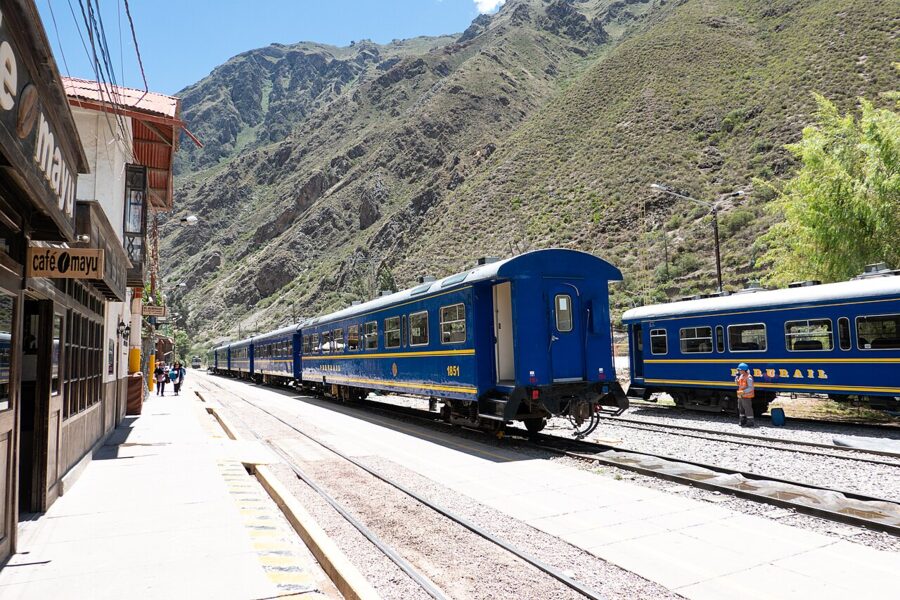

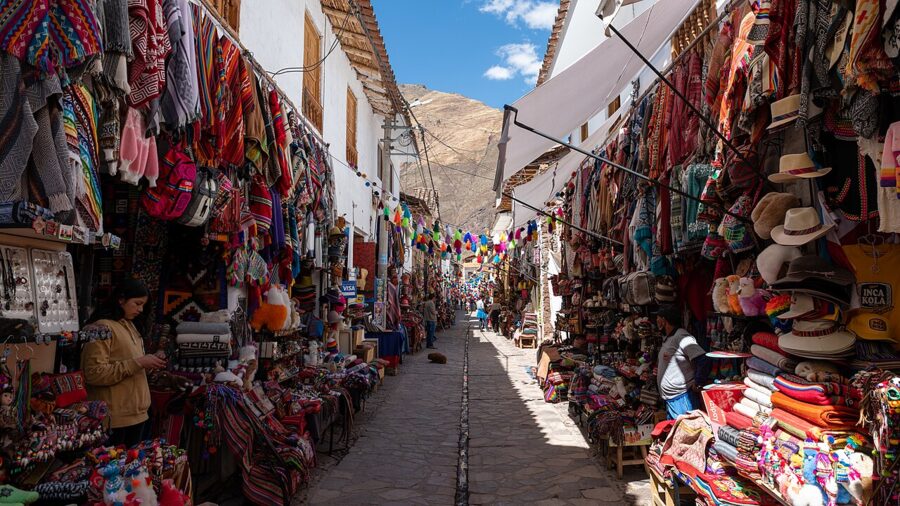
The classic Inca Trail is capped at 500 people a day including porters and guides, can only be walked with a licensed operator, and closes every February. Give the Sacred Valley a day for Pisac’s terraces and market and another for the Inca town of Ollantaytambo, and save an hour in Cusco for the walls of Sacsayhuamán above the city.

2. Patagonia: Torres del Paine and Los Glaciares, Chile and Argentina
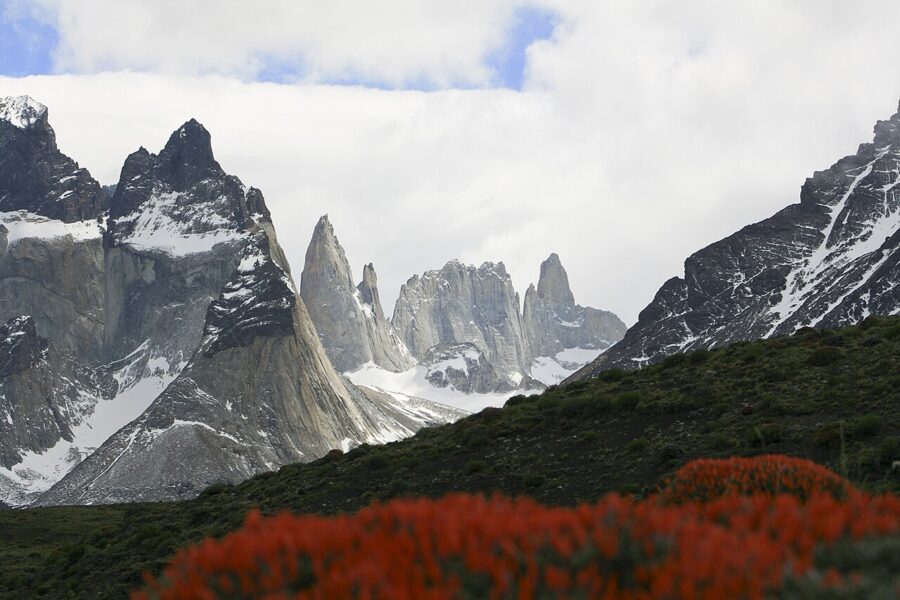
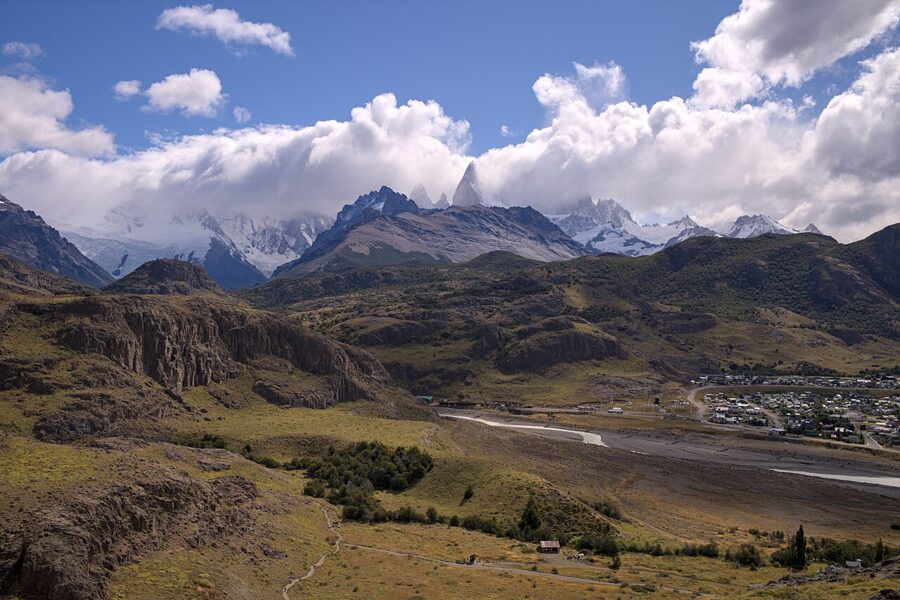
The part of Patagonia worth the trip is a cluster a few hours apart: Torres del Paine National Park in Chile, and the Perito Moreno Glacier and the trekking town of El Chaltén in Argentina’s Los Glaciares National Park. Give it seven to ten days and plan for wind, the one constant.
Torres del Paine is reached from Puerto Natales, about three hours by bus from Punta Arenas airport. The W Trek takes four or five days, while the hike to the base of the towers is a long, steep day with no camping needed. Tickets are sold only online at CONAF’s pasesparques.cl, as a day pass or a pass valid up to ten consecutive days; in November 2026 sales of 2027 passes were paused for a price change, due to resume in December.
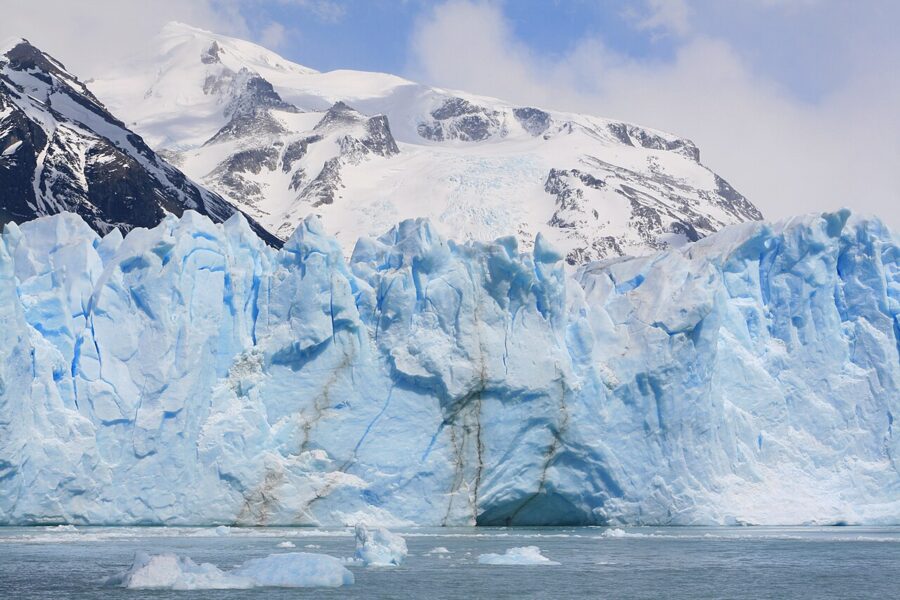

Perito Moreno is about an hour and a quarter by road from El Calafate, which has the airport. Since June 1, 2026, Los Glaciares has charged ARS 50,000 (about $32) for a standard day pass, half price for a second day within 72 hours. El Chaltén, about three hours north, is the base for the Laguna de los Tres hike below Mount Fitz Roy. El Calafate to Puerto Natales takes most of a day by bus, border included.

3. Iguazú Falls, Argentina and Brazil
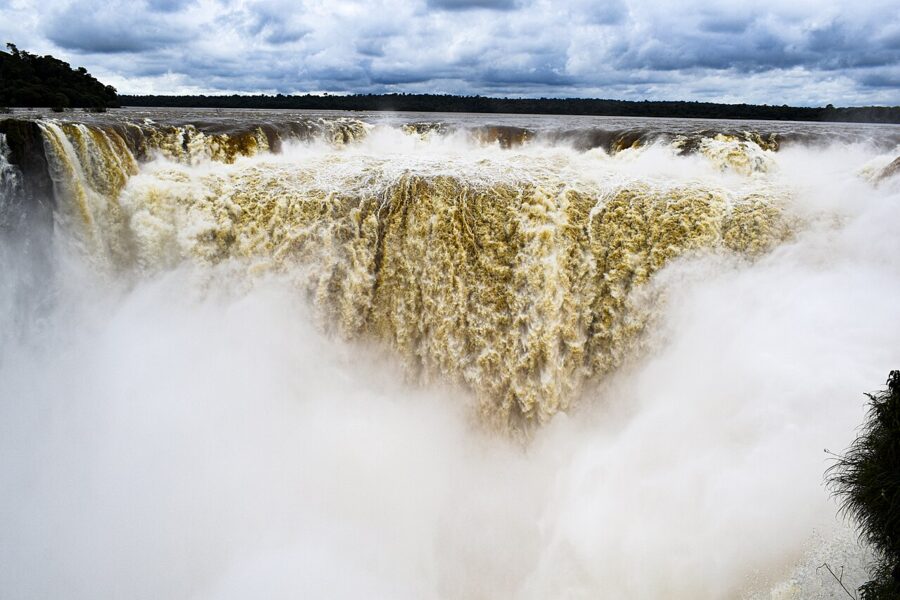
Iguazú is a chain of roughly 275 falls where the Iguazú River forms the border between Argentina and Brazil. Spend a full day on the Argentine side, with its walkways and the small train to the Devil’s Throat, and half a day on the Brazilian side, whose single trail looks back across the whole spread.
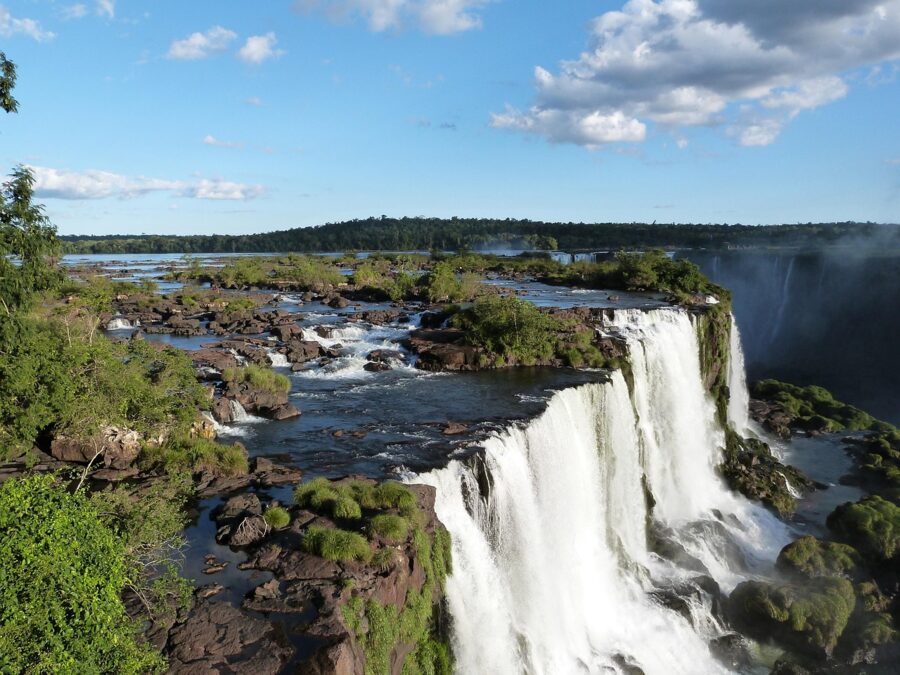
Argentina’s Iguazú National Park has charged ARS 60,000 (about $39) for a standard day pass since June 1, 2026, with the same half-price second day. Fly into Puerto Iguazú, about two hours from Buenos Aires, or Foz do Iguaçu, about two hours from Rio or São Paulo. Visiting the Brazilian side means entering Brazil, so US citizens need the Brazilian e-visa even for a day trip.
4. Rio de Janeiro, Brazil
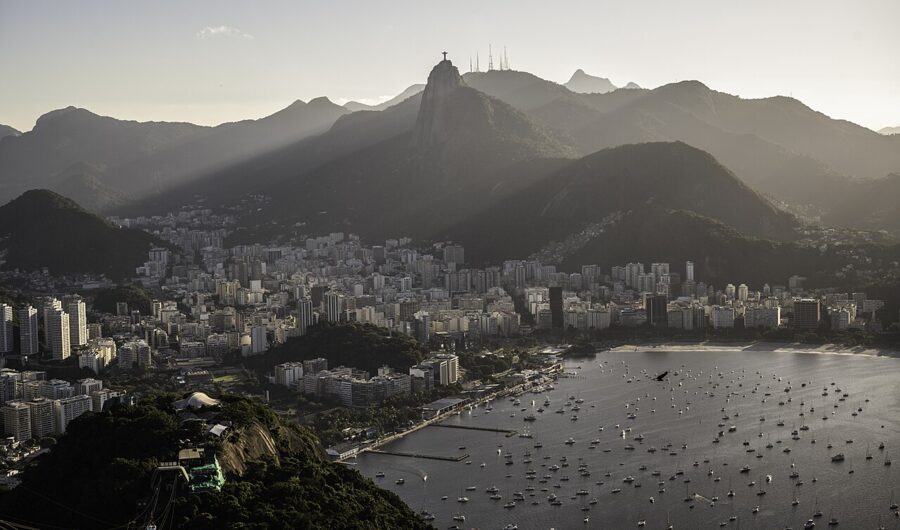
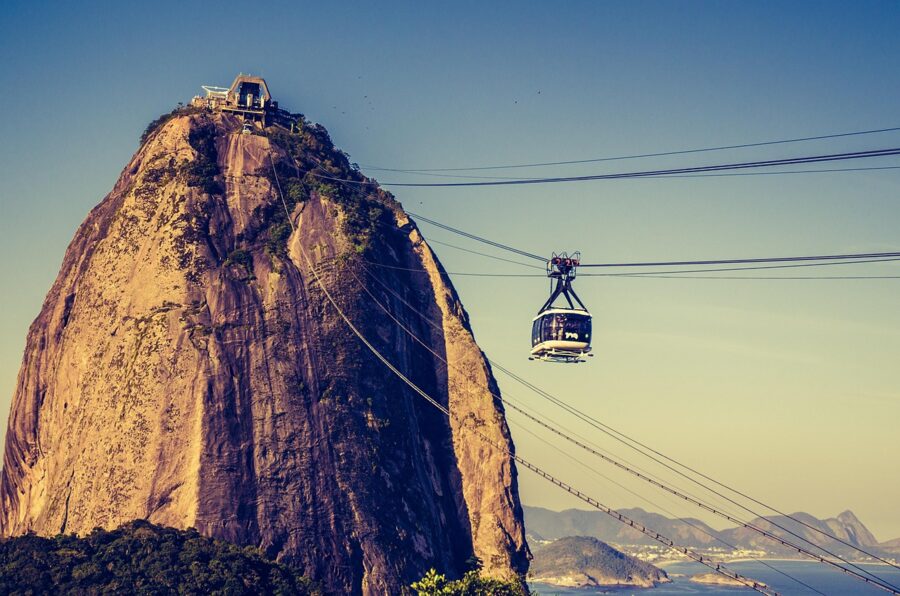
Rio wraps around forested granite peaks and long beaches, and few cities anywhere have a setting like it. The two essentials are Christ the Redeemer on Corcovado and the cable car up Sugarloaf, best on separate clear days. Then come Copacabana and Ipanema, the hillside lanes of Santa Teresa, the tiled Selarón steps and the trails of the Tijuca Forest, all inside the city. Three or four days covers it.
As of November 2026 the Corcovado rack railway’s standard fare is R$ 134 (about $23), on timed departures from Cosme Velho. Carnival peaks on Monday, February 8 and Tuesday, February 9, 2027, when room rates multiply. Brazil is at Level 2 in the State Department’s August 31, 2026 advisory; in Rio, carry little, keep your phone out of sight on the street and the beach, and use ride-hailing apps at night.
5. The Galápagos Islands, Ecuador
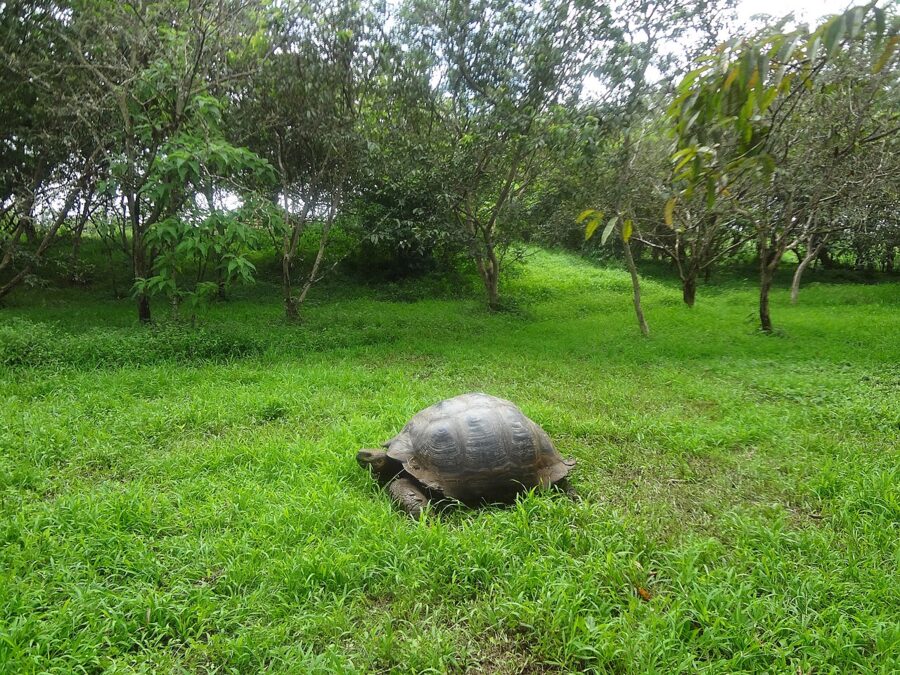
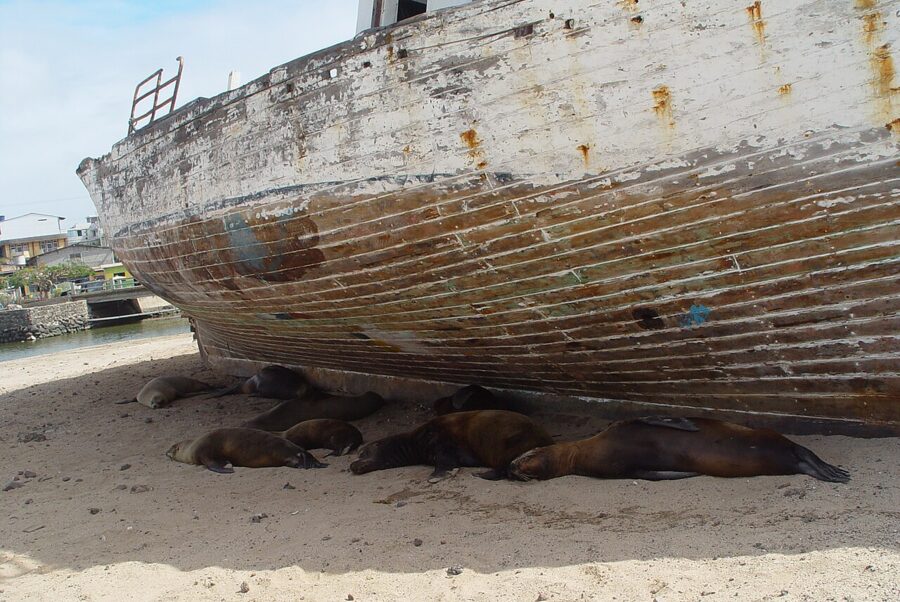
The Galápagos sit about 600 miles off Ecuador, and the draw is animals that do not run away: sea lions on town benches, marine iguanas on the lava, boobies nesting beside the trail. Fly from Guayaquil or Quito to Baltra or San Cristóbal, then choose a cruise, which reaches the remote islands, or hotels with day boats, which cost less. Five to eight days is the useful range.
pic._a.JPG)
Foreign adults pay a $200 national park fee on arrival and need a $20 Transit Control Card bought before the flight out. A strong El Niño is under way, which means warmer water, heavy rain and occasional site closures through about mid-2027.

6. Buenos Aires, Argentina
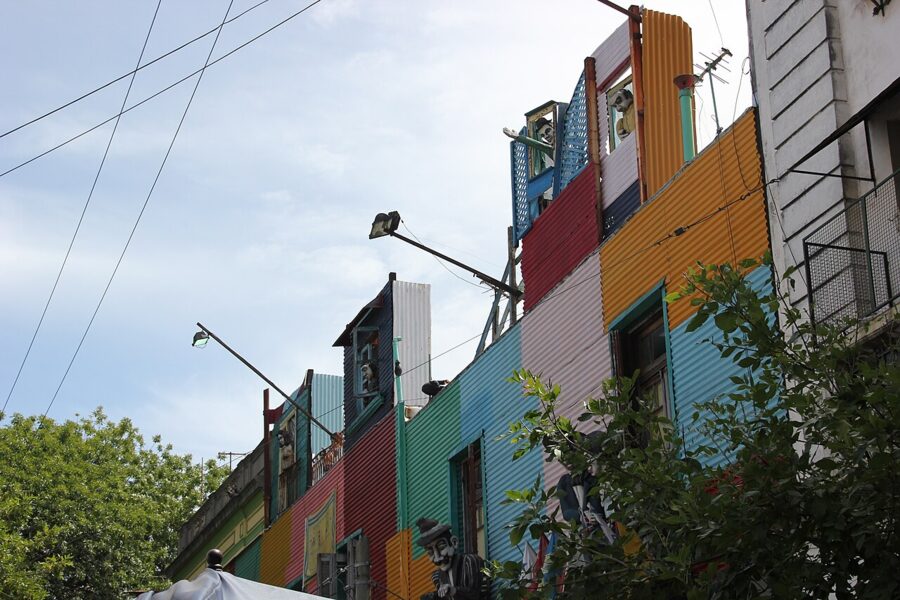
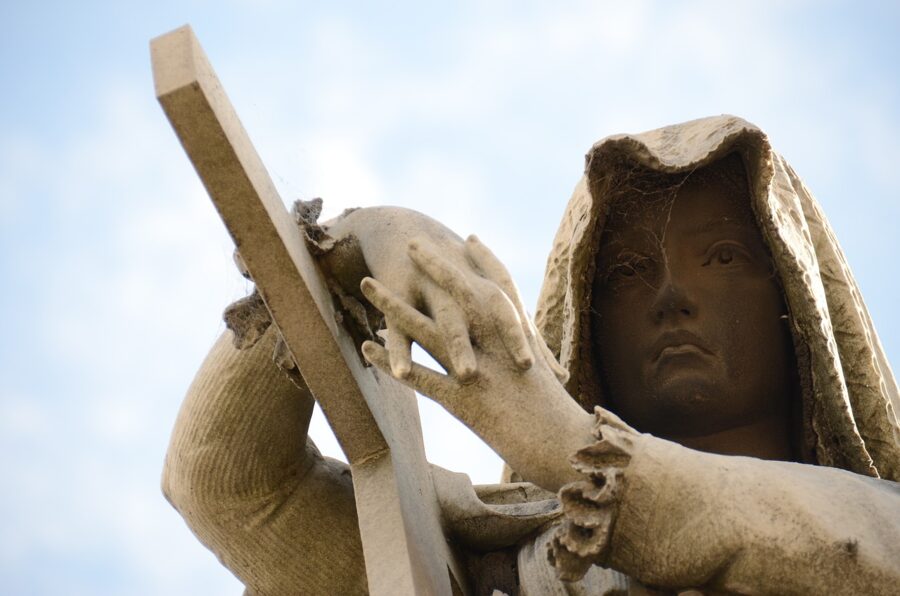
Buenos Aires is the city for eating late and walking a lot. Plan three or four days: San Telmo for its Sunday street fair along Defensa and its tango halls, Recoleta for the cemetery where Eva Perón lies, Palermo for parks and restaurants, and La Boca for the painted houses of Caminito, a short strip best seen in daylight. A tour of the Teatro Colón opera house is worth an hour.

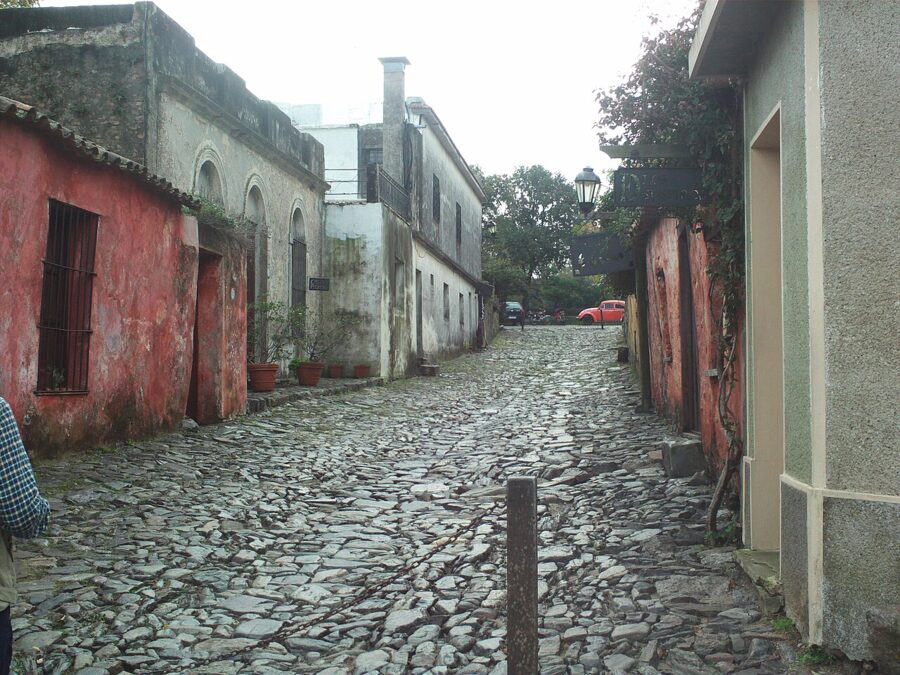
Argentina is at Level 1, the lowest, in the State Department’s July 10, 2026 advisory. Most domestic flights to Iguazú, Mendoza and Patagonia leave from the downtown Aeroparque, not the international airport at Ezeiza, so check your connection. A fast ferry crosses the River Plate to the old Portuguese town of Colonia del Sacramento, in Uruguay, in about an hour and a quarter.
7. Salar de Uyuni and Sud Lípez, Bolivia
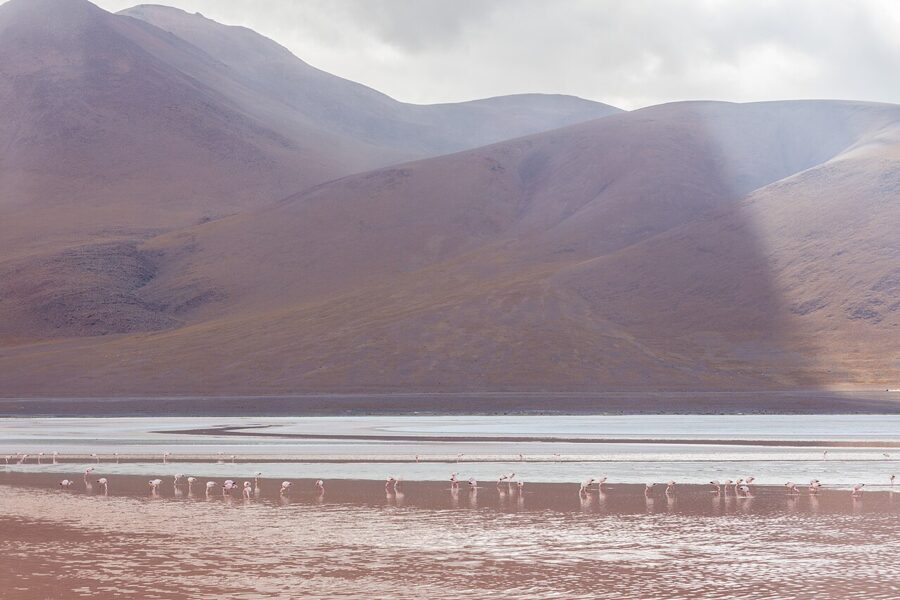
The Salar de Uyuni is the largest salt flat in the world, about 4,086 square miles of white crust at roughly 12,000 feet. In the rainy months, roughly January to March, a film of water turns it into a mirror; in the dry months it cracks into hexagons and jeeps can cross to cactus-covered Incahuasi Island. Tours leave the town of Uyuni for one day on the salt or three days through the colored lagoons and geysers of Sud Lípez.
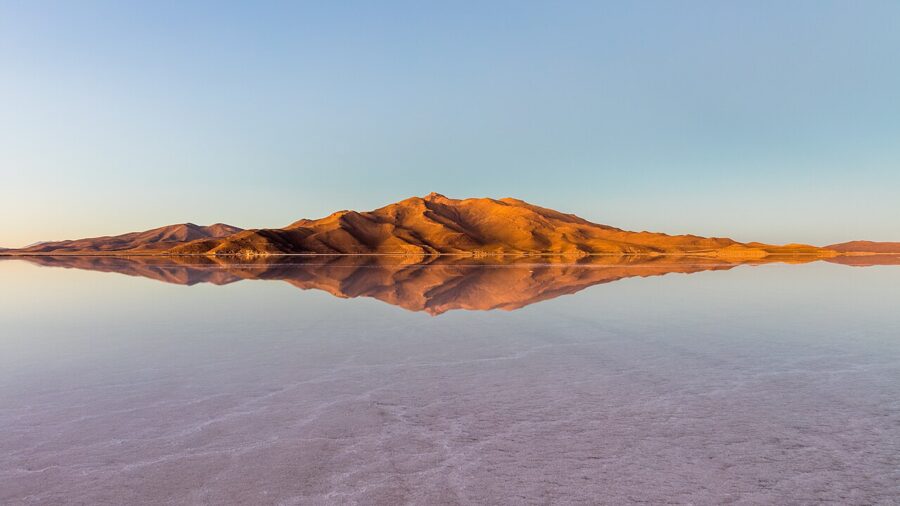

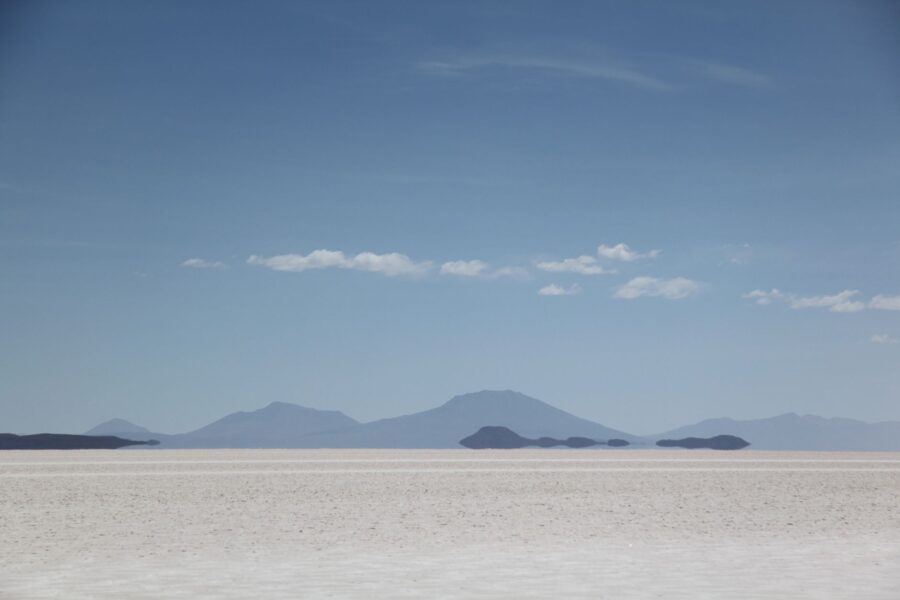
The three-day route can end at the Chilean border with a transfer to San Pedro de Atacama, which makes it the natural link between Peru and Chile. Nights fall well below freezing and the road climbs above 15,000 feet, so pick an operator with heated lodges and acclimatize first in La Paz or Cusco. Bolivia dropped its visa requirement for American tourists on December 1, 2025, and is at Level 2 in the State Department’s August 18, 2026 advisory.

8. Cartagena, Colombia
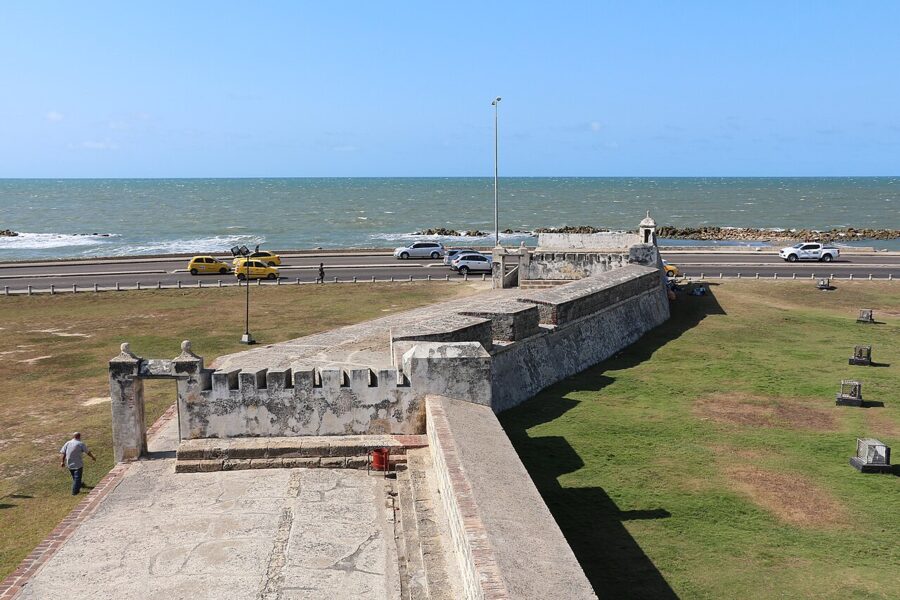
Cartagena’s walled old town on the Caribbean is a UNESCO World Heritage Site of balconied houses, churches and plazas inside stone ramparts you can walk along at sunset. Next door, Getsemaní has the street art and cheaper bars, and the Castillo San Felipe de Barajas guards the land approach. Allow three days, one of them for a boat to the Rosario Islands, and come between December and April.

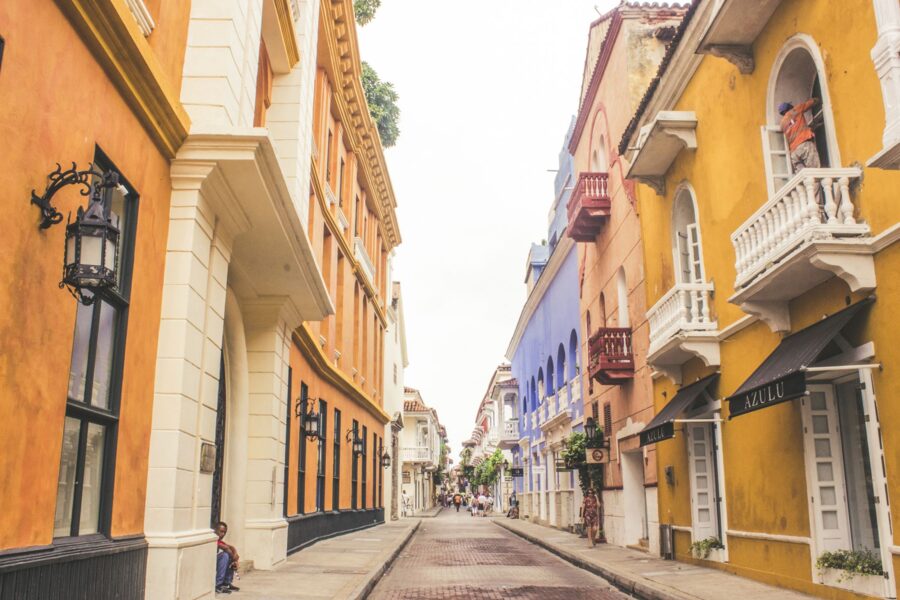
Colombia is the one country here at Level 3, “Reconsider Travel,” in the State Department’s March 31, 2026 advisory, with several departments and the Venezuelan border marked Do Not Travel. Cartagena, Medellín and the Coffee Region are outside those zones but not outside the advisory, so read it before booking. Colombia also asks visitors to complete its online Check-Mig form before flying.
9. The Atacama Desert, Chile
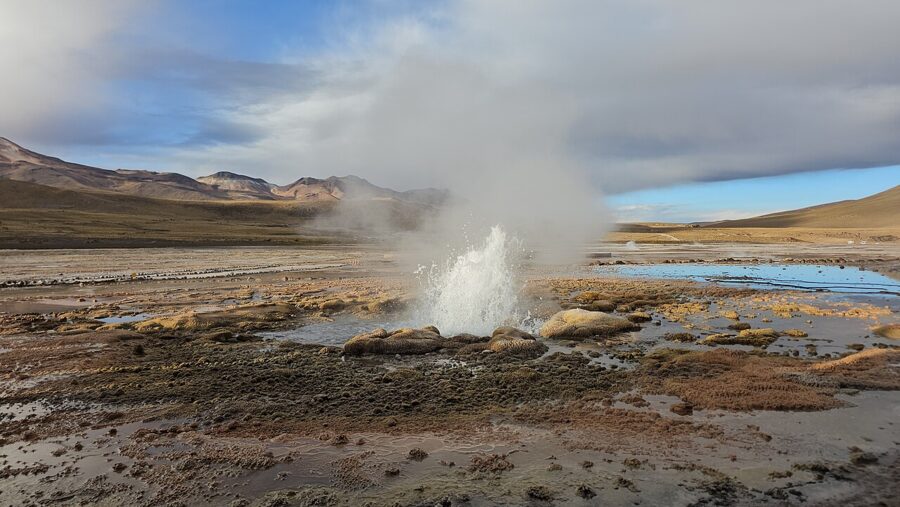
The Atacama is among the driest places on Earth, and the oasis village of San Pedro de Atacama, at about 7,900 feet, is the base: the eroded ridges of Valle de la Luna, salt lagoons with flamingos, the El Tatio geysers at dawn and some of the clearest night skies anywhere. Fly from Santiago to Calama in about two hours, then drive about an hour and a half. Allow three or four days.
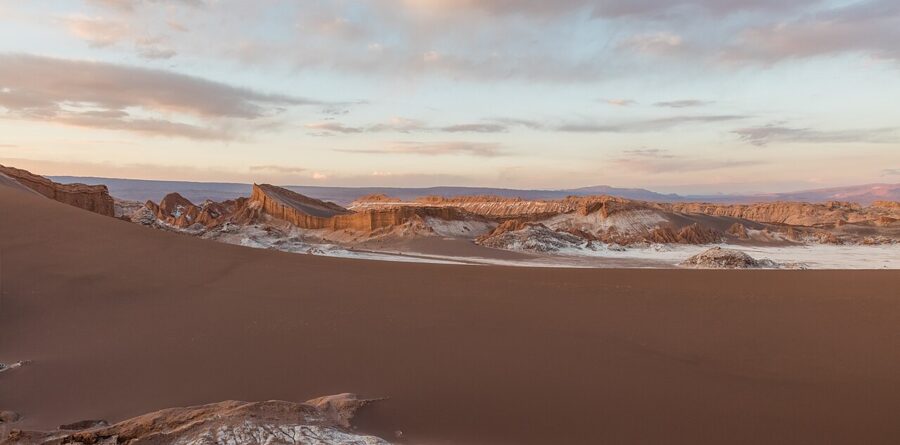

El Tatio sits at about 14,000 feet and tours leave before dawn, so save it for your last morning rather than your first. Chile is at Level 2 in the State Department’s August 19, 2026 advisory, which also warns of minefields along its borders with Peru and Bolivia and in parts of Patagonia; stay on marked roads and trails near the borders.
10. Medellín and the Coffee Region, Colombia
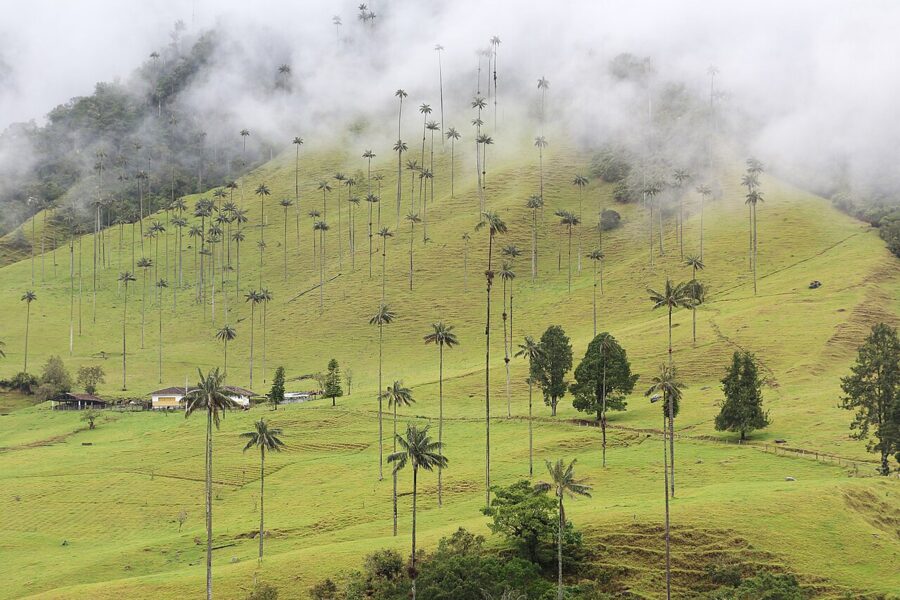
Medellín, in a valley at about 4,900 feet, is known for its mild climate and for cable cars that link hillside neighborhoods to the metro. Ride the Metrocable, walk the outdoor escalators and murals of Comuna 13 with a local guide, and take a day trip to the rock of El Peñol above Guatapé. To the south, the Coffee Region around Salento pairs farm visits with hikes among the tallest palms in the world in the Cocora Valley.
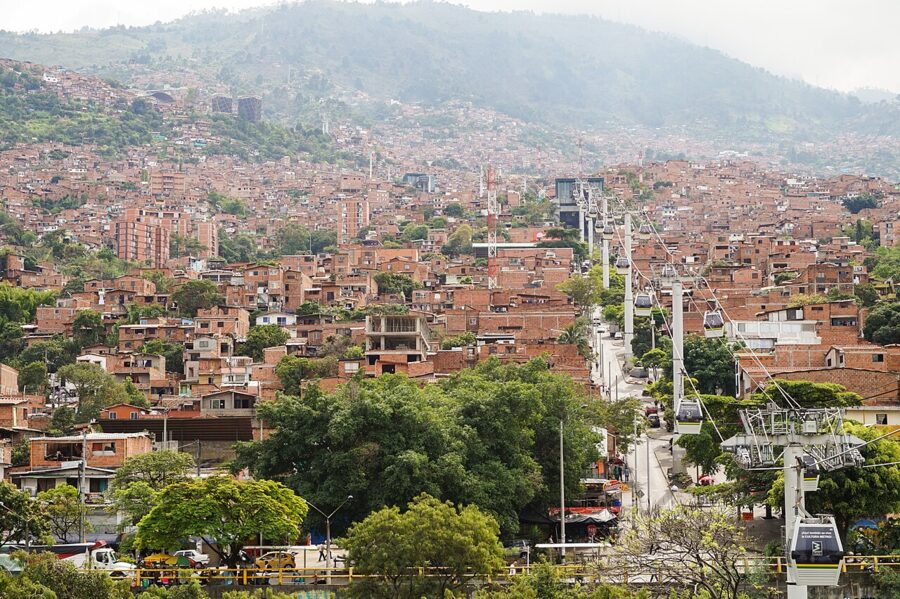

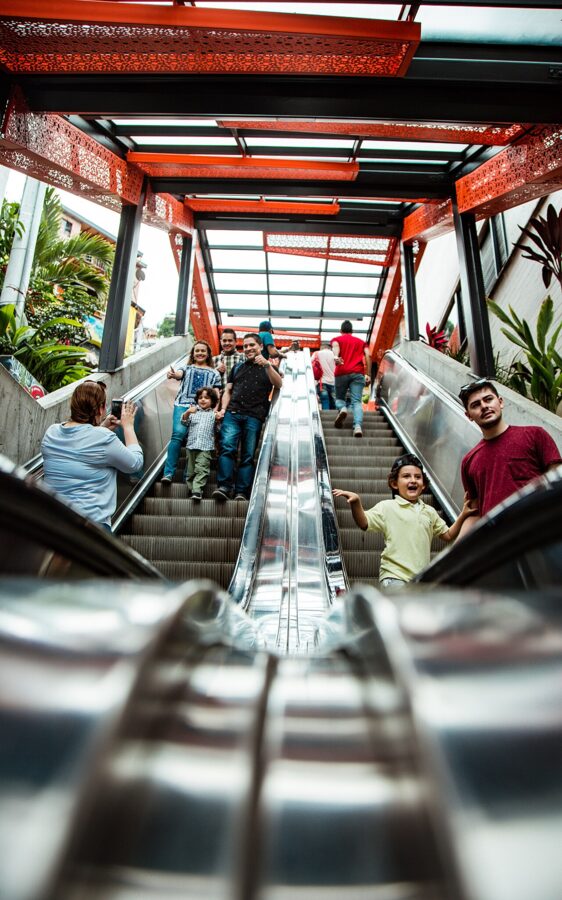

Plan four to six days for the pair, flying between Medellín and Pereira or Armenia. The Level 3 advisory applies here too, and US officials have repeatedly warned about robberies and druggings of foreigners met through dating apps in Medellín; meet new people in public places and keep hold of your drink.

11. Lake Titicaca, Peru and Bolivia
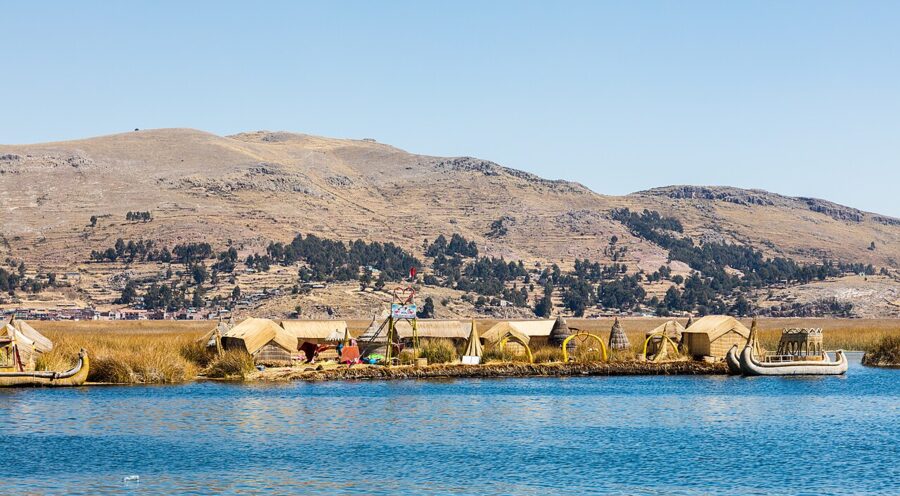
Lake Titicaca sits at about 12,500 feet across the Peru-Bolivia border and is often called the highest navigable lake in the world. From Puno, boats visit the Uros, families living on islands built from layers of totora reed, and Taquile, whose men are known for their knitting. On the Bolivian shore, Copacabana is the jumping-off point for Isla del Sol. Puno is about seven hours from Cusco by bus, and two days there is enough.

12. The Amazon: Manaus, Iquitos and Puerto Maldonado
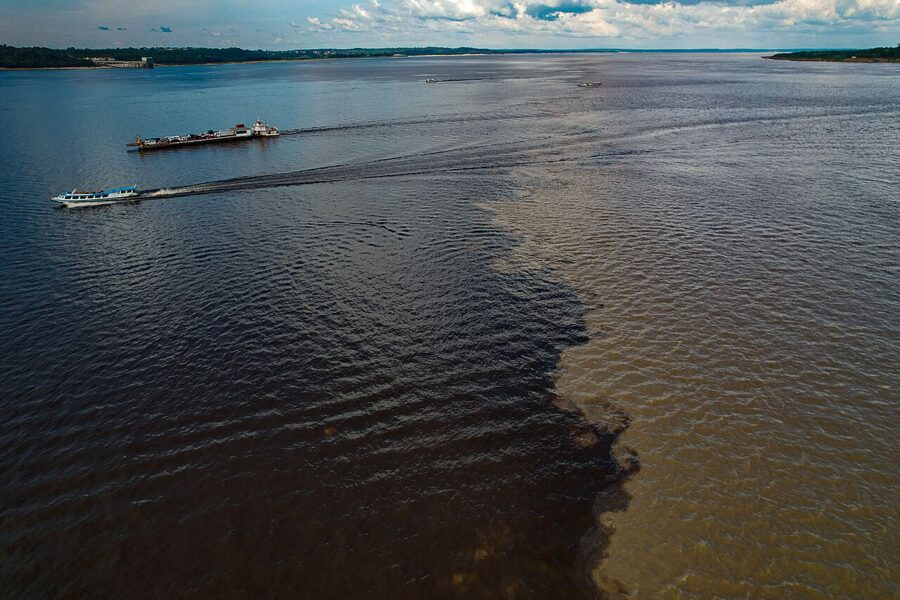
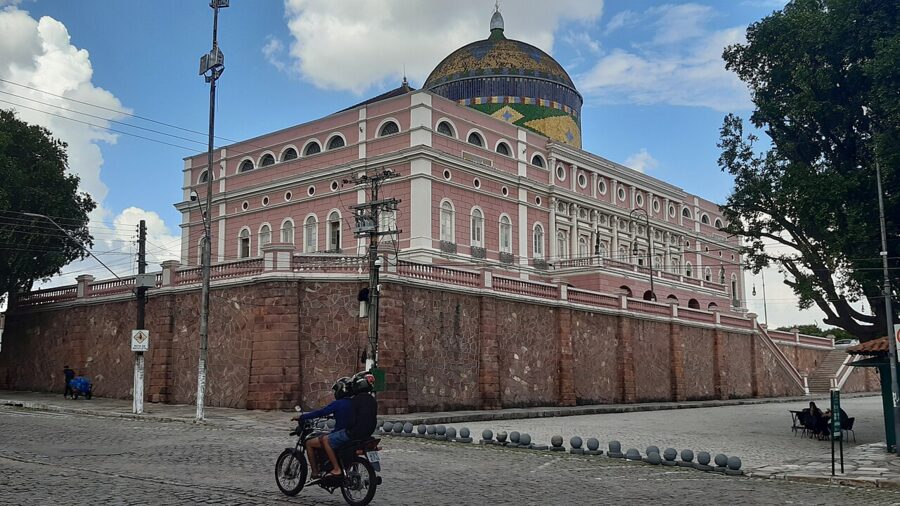
The Amazon is easier to reach than its size suggests if you pick a gateway and a lodge. Manaus, in Brazil, has the Meeting of the Waters, where the dark Rio Negro and pale Solimões run side by side, and the 1896 Teatro Amazonas from the rubber boom. Iquitos, in Peru, can only be reached by air or river. Puerto Maldonado, a short flight from Cusco, is the easiest to add to a Peru trip.
Three or four nights at a lodge is the sweet spot, with guided walks, canoe trips and night outings for caimans. The rainforest is wet all year, so the season changes river levels more than your odds of rain.
13. Quito, Ecuador
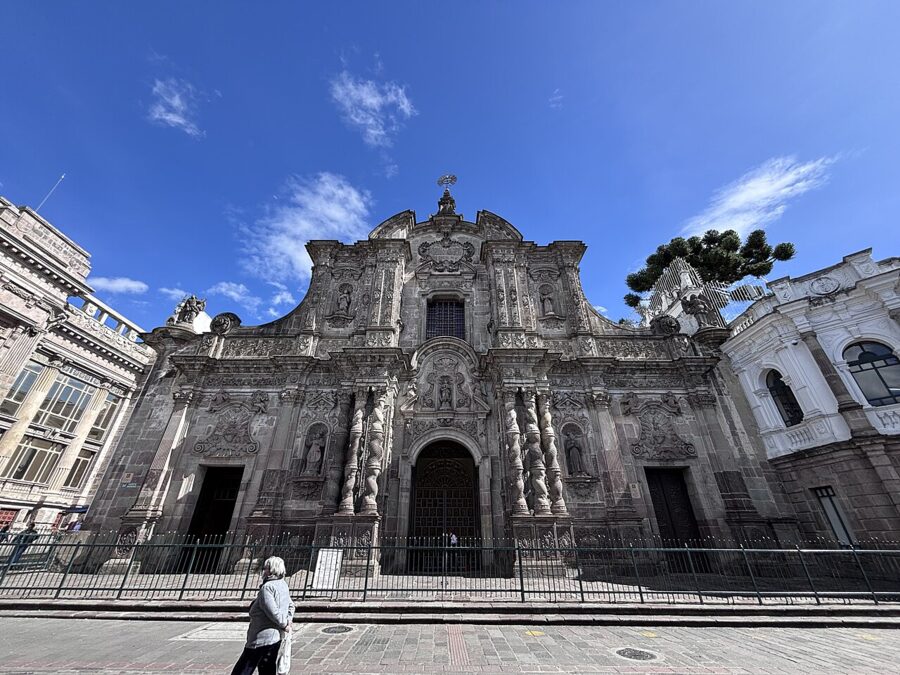
Quito’s colonial center, inscribed on UNESCO’s first World Heritage List in 1978, is a grid of churches, convents and plazas at about 9,350 feet. The gilded interior of the Compañía de Jesús and the towers of the Basílica del Voto Nacional are the highlights, and the TelefériQo cable car climbs Pichincha above the city. Two days is enough, and it pairs with the Galápagos, since many island flights start here. Ecuador uses the US dollar and is at Level 2 in the State Department’s August 18, 2026 advisory.

14. Mendoza, Argentina
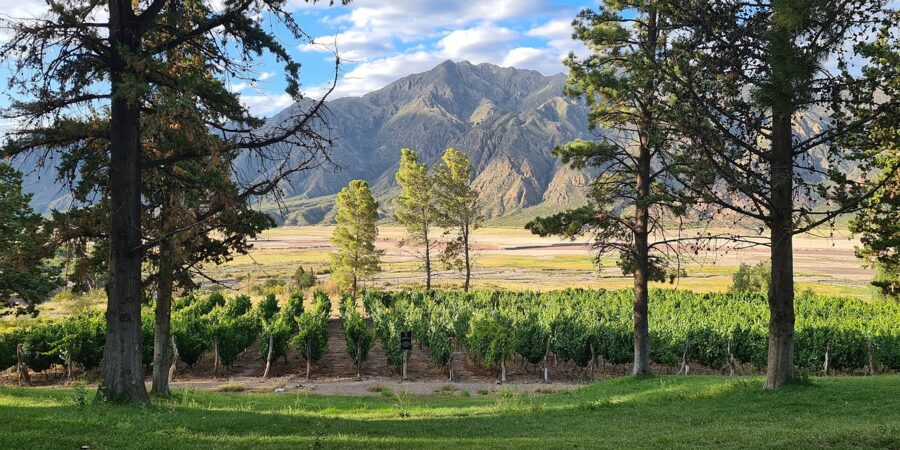
Mendoza is Argentina’s biggest wine region, a leafy city at the foot of the Andes ringed by Malbec vineyards in Luján de Cuyo, Maipú and the higher Uco Valley. Three days covers it, with a driver or a bike tour for the tastings. Aconcagua, the highest mountain in the Americas, is a long day trip west on the road to Chile, which crosses the Andes at the Cristo Redentor pass when snow allows. Mendoza is about two hours by air from Buenos Aires.
15. Easter Island (Rapa Nui), Chile
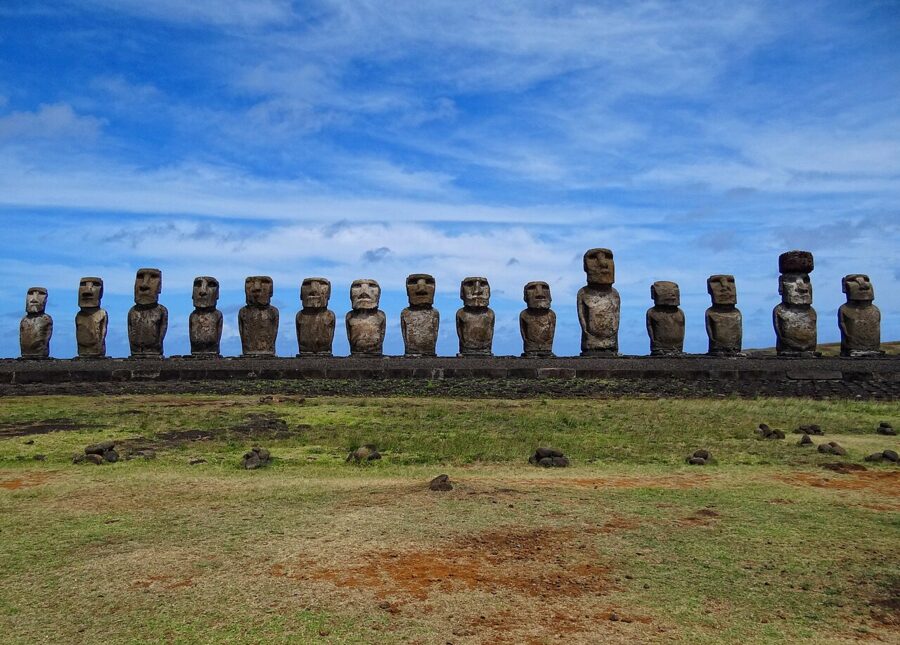
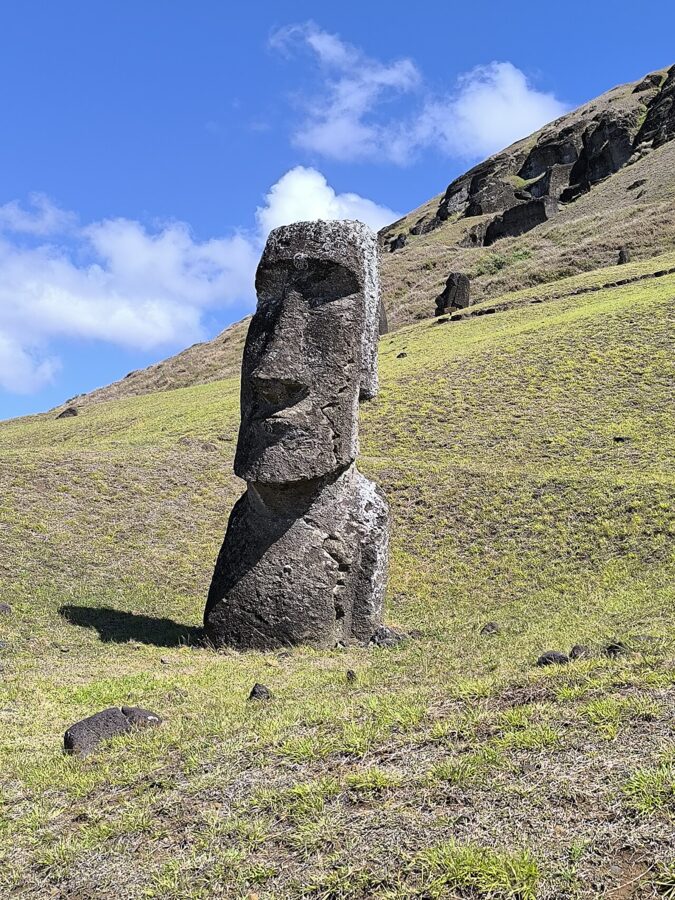
Easter Island lies about 2,300 miles west of mainland Chile, and its moai, the stone figures carved by the Rapa Nui, are one of the great sights of the Pacific. The quarry at Rano Raraku, where hundreds of statues remain on the hillside, and the fifteen moai of Ahu Tongariki are the essentials. Flights from Santiago take about five and a half hours, so four days is the sensible minimum.

Since October 1, 2025, Rapa Nui National Park has charged foreign adults US$100 for a ticket valid ten consecutive days, with one entry each to Rano Raraku and the Orongo ceremonial village. Chile’s tourism board says the park’s sites must be visited with an accredited local guide, so build guided tours into the plan.

16. The Pantanal, Brazil
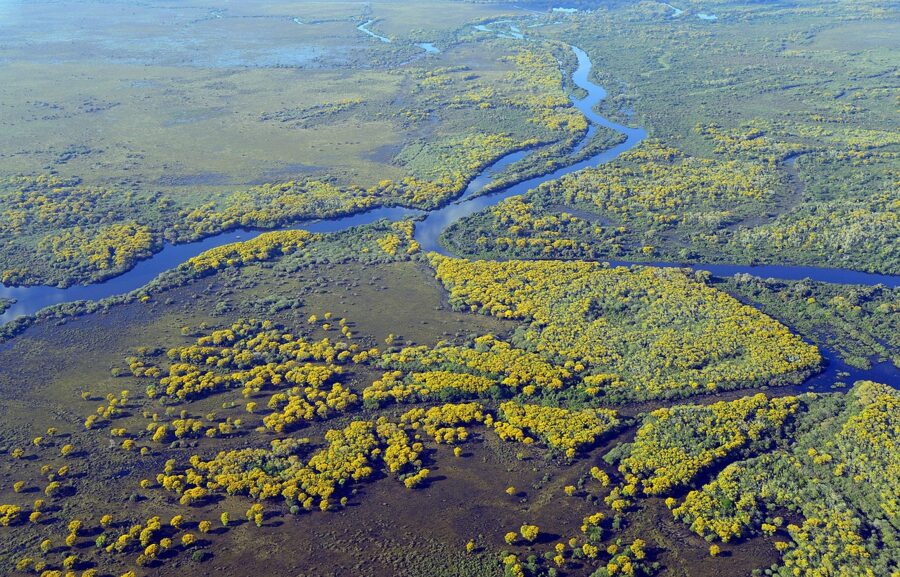
The Pantanal is the world’s largest tropical wetland, and it is the best place in South America to see wildlife in the open: capybaras, caimans, giant otters, hyacinth macaws and, along the Cuiabá River, jaguars. Fly to Cuiabá, drive the dirt Transpantaneira road south with nights at ranch lodges, and finish with boat days near Porto Jofre. Go between July and October and allow three or four days.
17. Lençóis Maranhenses, Brazil
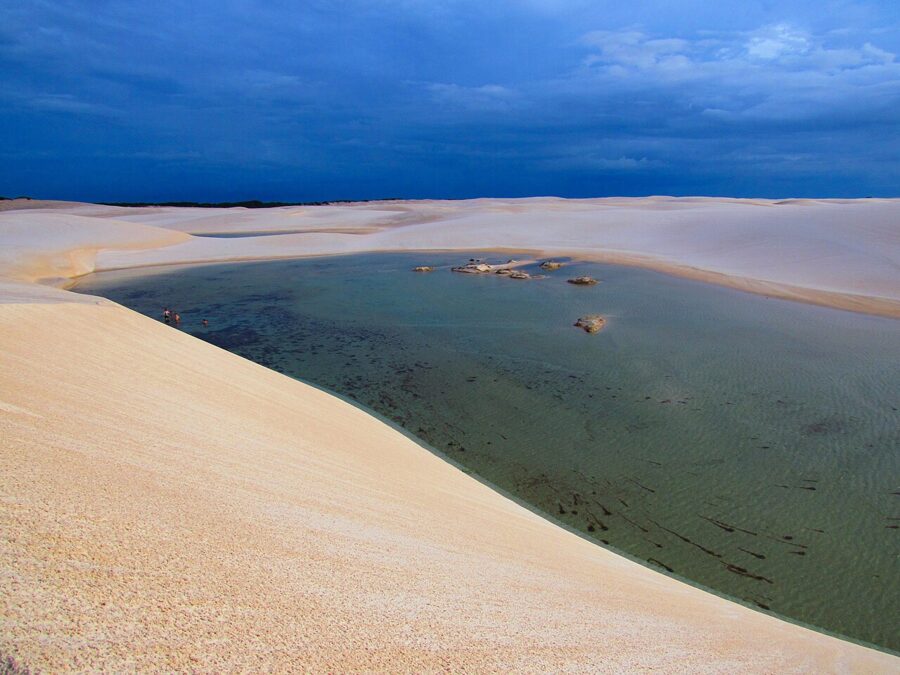
Lençóis Maranhenses National Park, on Brazil’s northeast coast, is a field of white dunes that fills with rainwater lagoons for part of each year, and it became a UNESCO World Heritage Site in 2024. The base is Barreirinhas, about four hours by road from São Luís, with 4×4 trips to the Lagoa Azul and Lagoa Bonita areas, or the quieter village of Atins. Allow three days between about June and September, when the lagoons are full.

How to combine them into a route
From the US, flights take about five to six hours from Miami to Lima, about three and a half to Bogotá or Medellín, and eight to ten hours to Santiago, Buenos Aires or Rio. Each of these routes fits two to three weeks.
- The Andes, 2.5 to 3 weeks. Lima, then Cusco (about an hour and a quarter by air), four or five days for Cusco, the Sacred Valley and Machu Picchu, the bus to Puno for Lake Titicaca, across to La Paz via Copacabana, on to Uyuni, and the three-day salt flat tour to San Pedro de Atacama. Fly home via Calama and Santiago. The steady climb helps you acclimatize.
- Argentina and Patagonia, 2.5 to 3 weeks. Three days in Buenos Aires, a flight to El Calafate (about three and a quarter hours), two or three days in El Chaltén, the bus to Puerto Natales for Torres del Paine, a flight north from Punta Arenas, and two days at Iguazú. Between May and September, swap Patagonia for Mendoza.
- Brazil, 2 weeks. Four days in Rio, two at Iguazú from Foz do Iguaçu, then four in the Pantanal from Cuiabá between July and October. Lençóis Maranhenses is a long way north of the rest.
- Ecuador and Colombia, 2 to 3 weeks. Two days in Quito, a week in the Galápagos, then Medellín, the Coffee Region and Cartagena, connecting through Bogotá.
When to go
South America straddles the equator, so there is no single best month. The Andes of Peru, Bolivia and Ecuador are driest from about May to September, with sunny days and freezing nights at altitude; Peru’s seasons also explain why the Inca Trail closes in February. Patagonia’s season runs from about November to March, when the days are long and the lodges, boats and trails are open, which makes the far south one of the best places to travel in December.
Buenos Aires and Mendoza are best in spring and fall, March to May and September to November. Rio is hot and humid from December to March; April to June and September to November are calmer. Colombia’s Caribbean coast is driest from December to April, and Iguazú is worth seeing in any month. One warning for this season: a strong El Niño is under way as of November 2026, and forecasters expect heavier rain on Peru’s north coast and in Ecuador, the Galápagos included, through early 2027, so book flexible fares.
What it costs, broadly
The fixed costs are the fees and internal flights; daily costs depend mostly on the country. Bolivia and Peru outside Cusco are the cheapest places on this list, Colombia and Ecuador are moderate, and Chile, Uruguay and Brazil’s big cities cost more. Argentina is no longer the bargain it was for dollar holders a few years ago. The expensive experiences are the Galápagos, especially by cruise, and Patagonia’s lodges and trek refugios, which sell out months ahead for December to February.
| Fee (as of November 2026) | Cost |
|---|---|
| Machu Picchu standard ticket, foreign adult | About S/ 152 (about $44), plus S/ 11 sanctuary fee |
| Galápagos National Park, foreign adult | $200, plus $20 Transit Control Card |
| Iguazú National Park (Argentina), day pass | ARS 60,000 (about $39) |
| Los Glaciares National Park (Argentina), day pass | ARS 50,000 (about $32) |
| Torres del Paine (Chile) | Online only; 2027 prices due in December |
| Rapa Nui National Park, foreign adult | $100, valid 10 days |
| Corcovado train, Rio | R$ 134 (about $23) |
| Brazil e-visa, US citizens | $80.90 |
Argentine park fees rise with inflation, so recheck them before you go.
Practical notes
Documents
Most countries here admit American tourists with just a passport. The exception is Brazil, which has required an e-visa from US citizens since April 10, 2025; apply on Brazil’s official e-visa portal well ahead, since airlines will not board you without it. Bolivia dropped its visa for Americans on December 1, 2025. Colombia’s Check-Mig form and the Galápagos Transit Control Card are both done online before travel.
Safety
The State Department’s advisory levels for the countries in this guide, as of November 2026:
- Level 1, Exercise Normal Precautions: Argentina (July 10, 2026).
- Level 2, Exercise Increased Caution: Bolivia (August 18, 2026), Brazil (August 31, 2026), Chile (August 19, 2026), Ecuador (August 18, 2026), Peru (September 4, 2026).
- Level 3, Reconsider Travel: Colombia (March 31, 2026).
Some advisories also mark smaller areas at Level 4. Peru’s covers the VRAEM river valleys and the Colombian border area of Loreto, and says Cusco and the sites around it are not affected. Brazil’s covers land within 100 miles of most of its borders but exempts Iguaçu National Park and the Pantanal National Park, so check whether a Pantanal lodge outside the park falls inside that zone. Venezuela, home to Angel Falls, is at Level 3 as of June 27, 2026 and is left off this list for now, as are Guyana (Level 3) and Suriname, two of the continent’s least visited countries and better kept for a second trip.
In the cities, the everyday risks are phone snatching, pickpocketing and robberies in unlicensed taxis, so use ride-hailing apps or taxis your hotel calls.
Altitude, money and language
Cusco, Puno, La Paz, Uyuni and Quito are all above 9,000 feet, and the salt flat tour and El Tatio go much higher. Climb in stages where you can, rest the first day, skip alcohol for the first night or two, and ask a doctor before the trip about altitude medication. Cards work in most city hotels and restaurants, but carry local cash for markets, small towns and park buses. Spanish is spoken everywhere on this list except Brazil, where it is Portuguese, and Quechua and Aymara are widely spoken in the Andes.
Getting around
Book internal flights early for December to February and July, the two peaks. Long-distance buses in Peru, Chile and Argentina are comfortable, with reclining “cama” seats on overnight routes. For the Patagonia crossing between El Calafate and Puerto Natales, buy bus tickets a few days ahead in summer, since only a few departures run each day.
Whichever route you choose, book the two hardest things first, Machu Picchu tickets and Patagonia beds, and build the rest of the trip around those dates.